Industrial Vice Suppliers and Manufacturers
Source Industrial Vice products from 28 verified suppliers in China. Compare key dimensions including lead times, MOQs, response speeds, and ISO9001 certifications to identify suitable partners. Review detailed specifications and request quotes directly; review the available evidence before requesting comparable quotations from suitable candidates.
Updated
Suppliers List

Yantai Formore Machinery Co., Ltd.
- Combined
- China Shandong
- Lead time30 days
- Avg. response≤ 3h
Main productsRotary Table, Lathe Chucks, Nc Turret, Dividing Head, Machine Vise, Center, Tool Holder, Arbors, Collet, Parallels
Main marketsSouth America,Southeast Asia/ Mideast,East Asia(Japan/ South Korea),Europe,Australia,North America
Laizhou Hongyuan Bench Vise Manufacture Co., Ltd.
- Manufacturer, Trading Company
- Shandong, China
- Lead time90 days
- Avg. response≤ 1h
Main productsBench Vise,working Vise,C-clamp
Main marketsNorth America(60.00%), Western Europe(10.00%), Domestic Market(5.00%), Northern Europe(4.00%), South America(4.00%), South Asia(3.00%), Southeast Asia(3.00%), Eastern Europe(2.00%), Oceania(2.00%), Southern Europe(2.00%), Eastern Asia(2.00%), Mid East(1.00%), Africa(1.00%), Central America(1.00%)

Laizhou Hongzun Machinery Co., Ltd.
- Combined
- China Shandong
- Lead time60 days
- Avg. response≤ 25h
Main productsWoodworking Clamp, Hardware Tools, Bench Vise, Clamp, Wrenches, Machine Vise, Machine, Anvil, Woodworking Machine, Woodworking Vise
Main marketsSoutheast Asia/ Mideast,Domestic,Europe,Australia,North America

- Verified by BV
- Trading Company
- China Shandong
- Lead time30 days
- Avg. response≤ 25h
Main productsMeasuring Tools, Vernier, Cutting Tools, Drills, Machine Accessories, Chucks Collets Vices, Tires, Chuck Tires, Hand Tools, Hammer
Main marketsSouth America,Africa,Southeast Asia/ Mideast,East Asia(Japan/ South Korea),Europe,Australia,North America

ZHENJIANG NINE LOTUS TOOLS CO., LTD.
- Verified by SGS
- Trading Company
- China Jiangsu
- Lead time45 days
- Avg. response≤ 18h
Main productsPaint Brush, Pad Lock, Safety Production, Furniture Protect
Main marketsSouth America,Eastern Europe,Mid East,North America,Southeast Asia,Eastern Asia,Oceania,Western Europe,Africa
Dezhou Chuangke Precision Machinery Co., Ltd.
- Manufacturer, Trading Company
- Shandong, China
- Lead time15 days
- Avg. response≤ 2h
Main productsprecision flatnosed pliers,Hydraulic vise,Pneumatic vice,milling chuck,ER spring collets
Main marketsEastern Asia(32.00%), Southeast Asia(24.00%), South Asia(21.00%), Domestic Market(10.00%), Northern Europe(6.00%), North America(5.00%), Mid East(5.00%)
$348.8497 - $363.2141
MOQ: 1 pieces
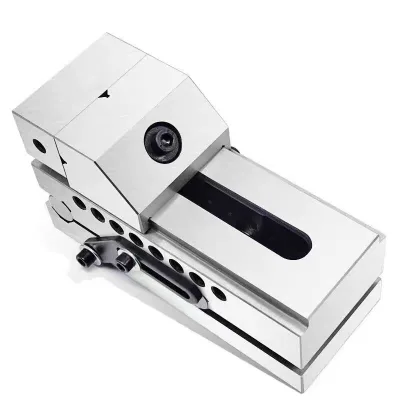
SINE QKG New Condition Vice/Vise Machine Tools Accessories for Manufacturing Plant Industries
$153.4057 - $204.883
MOQ: 1 Minimum
DRAKE Fixed Anvil Table Vises Standard Bench Vice With Multiple Specifications
$103.6676 - $518.338
MOQ: 1 pieces
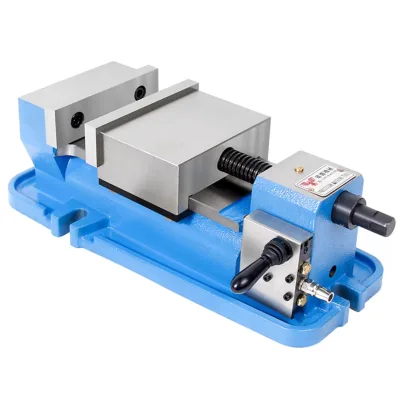
Pneumatic Vise for Milling Machine Opening 0-100mm air Vise 5 6 Inch Bench Vise Hydraulic Vice
$2082.8312 - $2093.0925
MOQ: 1 pieces
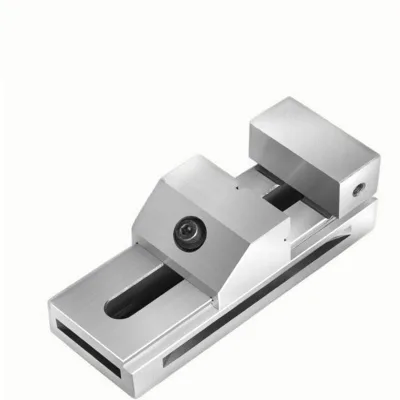
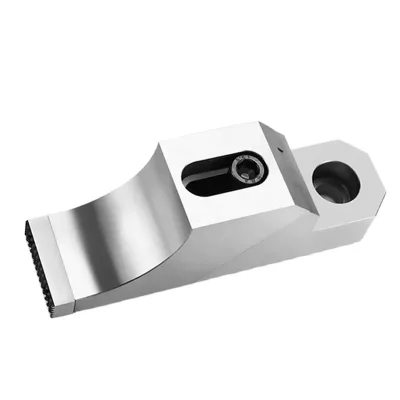
Hebei Hebing Technology Co., Ltd.,
- Trading Company
- Heibei, China
- Lead time0 days
- Avg. response≤ 2h
Main productsIndustry Machine,Spare parts
Main marketsSouth America(30.00%), Eastern Asia(20.00%), Africa(20.00%), Eastern Europe(20.00%), South Asia(10.00%)
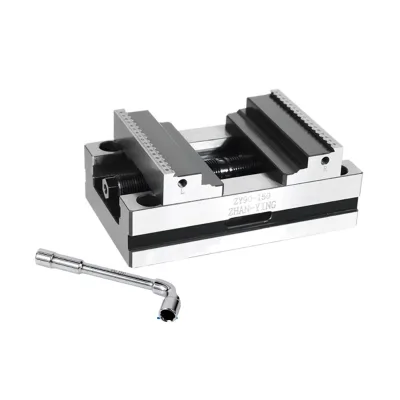
$179.5548 - $224.70
MOQ: 1 Minimum
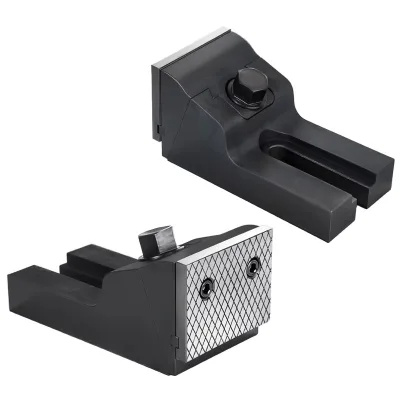
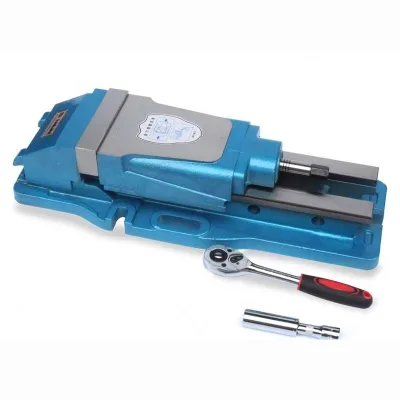
Shandong Zhongde Machine Tool Accessories Producing Co., Ltd.
- Verified by TüVRheinland
- Manufacturer, Trading Company
- Lead time10 days
- Avg. response≤ 2h
Main productsChip Conveyor, Support Arm System, Cable Drag Chain, Bellow Covers, Saw Machine
Main marketsDomestic Market(50%), South America(15%), Southeast Asia(13%)
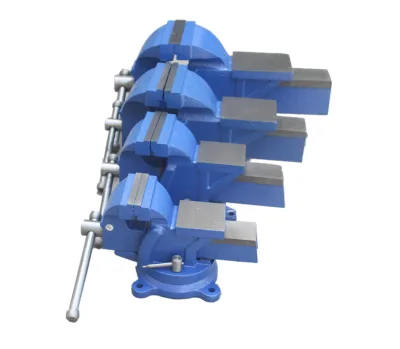
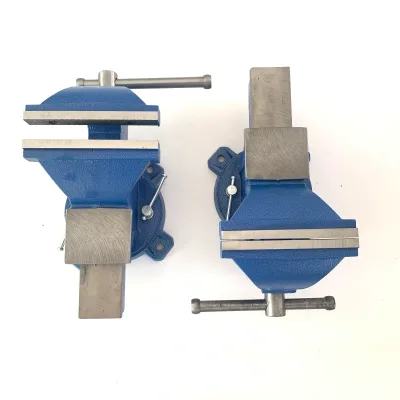
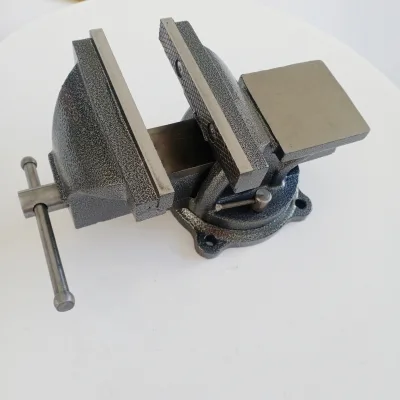
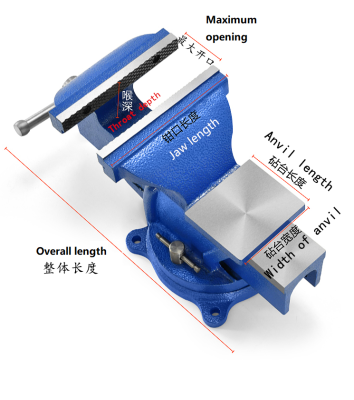
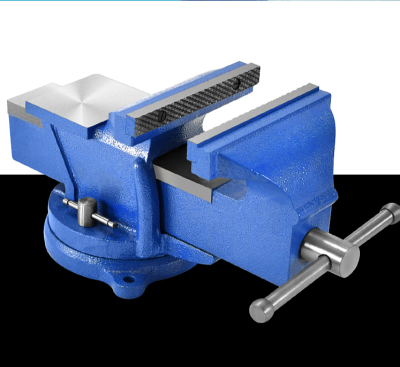
Wholesale Industrial Light Vice 4-inch /5-inch /6-inch /8-inch 360-degree Rotating Base
$21.00 - $23.00
MOQ: 1 pieces
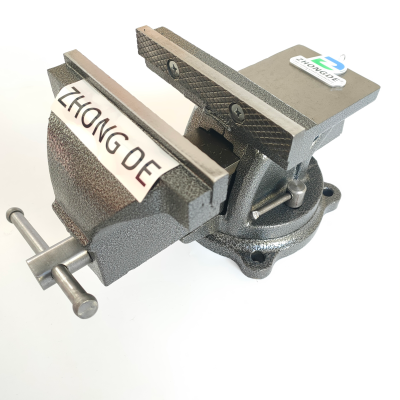

Shandong Ounuowei Numerical Control Tool Co., Ltd.
- Verified by BV
- Combined
- China Shandong
- Lead time15 days
- Avg. response≤ 5h
Main productsEr Collet, Collect Chuck, Live Center, Tapping Collet, Keyless Drill Chuck, U Drill, Face Mill Cutter, End Mill Cutters, Angle Head, Boring Head
Main marketsEurope

CNC Vise Precision Machine Tool Vise Qkg36 Bench Vice Qkg Vice Tool Vice
$23.78 - $26.80
MOQ: 1 Pieces


Hedong District Sanhong Hardware Tools Factory
- Verified by Intertek
- Trading Company
- Lead time7 days
- Avg. response≤ 1h
Main productsWire Cutters, Wrenches, Socket Combination set, Hammer, Tape Measures
Main marketsDomestic Market(50%), North America(20%), Africa(10%)
- Trading Company
- Shandong, China
- Lead time15 days
- Avg. response≤ 10h
Main productsHAND TOOLS,MACHINE VICE,CLAMP,FOOD MACHINERY,FARM MACHINE
Main marketsCentral America(30.00%), Africa(30.00%), Southern Europe(10.00%), Southeast Asia(10.00%), Mid East(10.00%), South America(10.00%)

Pingyuan Haotian Machinery Co., Ltd.
- Verified by SGS
- Combined
- China Shandong
- Lead time30 days
- Avg. response≤ 4h
Main productsCollet, Collet Chuck
Main marketsOthers(foreignTradeCapacity.exportBusinessCapacityMarketOther),Europe
QINGDAO MAX WELL IMPORT AND EXPORT CO., LTD.
- Trading Company
- Shangdong, China
- Lead time0 days
- Avg. response≤ 16h
Main productsWoodworking Machines,Woodworking Tools,Metalworking Machines,Metalworking Tools,General Tools
Main marketsOceania(40.00%), Eastern Asia(10.00%), South America(10.00%)
- Trading Company
- Guangdong, China
- Lead time0 days
- Avg. response≤ 1h
Main productsKINDS OF MACHINE,CNC CONTROLLER,Machine tool accessories
Main marketsSoutheast Asia(70.00%), Northern Europe(10.00%), Mid East(10.00%), North America(10.00%)

Qingdao Preco Imp. & Exp. Co., Ltd.
- Trading Company,Manufacturer/Factory
- China Shandong
- Lead time23 days
- Avg. response≤ 25h
Main productsMachine Tools, Measuring Tools, Cutting Tools, Hand Tools, Machine Accessories, Machine Toolings, Carbide Inserts, Solid Carbide Tools, Measuring Instruments, Lifting Equipments
Main marketsSouth America,Eastern Europe,Mid East,North America,Southeast Asia,Eastern Asia,Oceania,Western Europe,Africa

Chengdu Rise Win International Trade Co., Ltd.
- Trading Company
- Sichuan, China
- Lead time35 days
- Avg. response≤ 8h
Main productsTools,Machinery,Hardware,Power tool accessories,Machine tools
Main marketsWestern Europe(30.00%), Oceania(20.00%), North America(20.00%), Northern Europe(10.00%), Eastern Europe(10.00%), Eastern Asia(10.00%)

Shandong Aolu Machinery Co., Ltd.
- Manufacturer, Trading Company
- Shandong, China
- Lead time15 days
- Avg. response≤ 4h
Main productsTOOL HOLDER,LIVE CENTER,ER COLLET,BORING HEAD,KEYLESS DRILL CHUCK
Main marketsAfrica(30.00%), Oceania(20.00%), Domestic Market(10.00%), Western Europe(10.00%), South America(10.00%), North America(10.00%), Eastern Europe(10.00%)

Pingyuan Jinhong Precision Machinery Co., Ltd
- Verified by BV
- Combined
- China Shandong
- Lead time15 days
- Avg. response≤ 2h
Main productsClamp, Rotating Center, Handle, Flat Mouthed Pliers, CNC Machining, Machine Tool, Tool Holder Device, CNC Tool Holder
Main marketsSoutheast Asia/ Mideast


High Quality Vise for CNC Machine CNC Bench Vice Machine Vise for Workshop
$80.00 - $300.00
MOQ: 1 Pieces


- Verified by SGS
- Trading Company,Manufacturer/Factory
- China Jiangsu
- Lead time45 days
- Avg. response≤ 8h
Main productsTrowel, Pliers, Tool Set, Socket Set, Adjustable Wrench, Knife, Hand Saw, Safety Googles, Hammer, Shear
Main marketsSouth America,Eastern Europe,North America,Western Europe,Africa
Zhuhai Yisite Technology Co., Ltd.
- Manufacturer, Trading Company, Distributor/Wholesaler
- Guangdong, China
- Lead time5 days
- Avg. response≤ 1h
Main productselectrical equipment,instruments and meters,Hardware and Electrical Machinery,machine tool,electronic components
Main marketsNorthern Europe(30.00%), Southeast Asia(20.00%), North America(20.00%), Domestic Market(15.00%), Eastern Europe(10.00%), Africa(2.00%), Mid East(1.00%), South America(1.00%), Central America(1.00%)
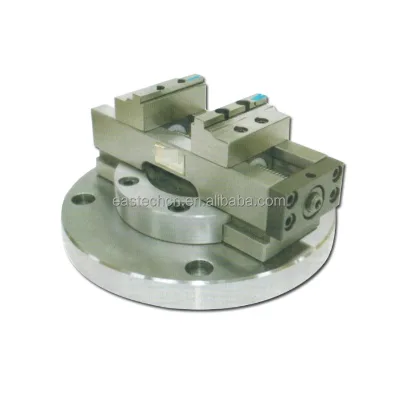
Vice with Turntable VCV-0611S/1090S Precision Self-centering Vice
$165.00 - $185.00

Kunshan Liyuanxin Metal Products Co., Ltd.
- Verified by SGS
- Manufacturer
- China Jiangsu
- Lead time15 days
- Avg. response≤ 4h
Main productsJaws, Chucks, Vises, Collet, Machine Accessories
Main marketsEurope

New Design High Quality Heavy Type Bench Vise/ Bench Vice with Great Price
$45.00 - $50.00
MOQ: 1 pieces


High Quality Vise for CNC Machine CNC Bench Vice Machine Vise for Workshop
$40.00 - $48.00
MOQ: 1 Pieces

- Verified by CTI
- Trading Company
- China Jiangsu
- Lead time23 days
- Avg. response≤ 3h
Main productsPower Tools, Electric Tools, Cordless Tools, Bench Tools, Garden Tools, Angle Grinder, Circular Saw, Cordless Drill, Grass Trimmer, Sander
Main marketsSouth America,Africa,Southeast Asia/ Mideast,Europe,North America

Fixtec Best Selling Durable Heavy Duty Types of 4/5/6/8" Bench Vise Vice
$14.23 - $39.90
MOQ: 2 Pieces

Fixtec Heavy Duty Types of Bench Vice Price with Anvil Swivel Base Made in China
$14.23 - $39.90
MOQ: 2 Pieces

Changzhou Hongjian Tools Co., Ltd.
- Verified by CTI
- Combined
- China Jiangsu
- Lead time30 days
- Avg. response≤ 3h
Main productsCarbide End Mill, Carbide Drill, End Milling Cutter, Carbide Reamer, Carbide Ball Nose End Mill, Carbide Corner Radius End Mill, Carbide Rods, Roughing End Mill, Carbide Taper End Mill, Carbide Mirco End Mill
Main marketsSouth America,Southeast Asia/ Mideast,Domestic,Europe

Ht90/100/120 Style Precision Vice Self Centering Vice52 Hole Distance Vice
$50.00 - $600.00
MOQ: 1 Pieces

Precision Clamping 120mm 4-Axis 5-Axis Self-Centering Vise with R Centering Plate
$50.00 - $600.00
MOQ: 1 Pieces

Dongguan Thor Machinery Co., Ltd
- Verified by TUVRHEINLAND
- Trading Company
- China Guangdong
- Lead time15 days
- Avg. response≤ 3h
Main productsTapping Machine, Chamfering Machine, Mini Lathe Machine, Machine Vise, Rotary Table, Dividing Head, Cutter Grinder, Chuck
Main marketsSoutheast Asia/ Mideast
Dezhou Haotian Imp & Exp Co., Ltd.
- Verified by TüVRheinland
- Trading Company
- Lead time15 days
- Avg. response≤ 2h
Main productsCollet, CNC Tool Holder, Machine Vise, Pull Studs, ER Nut
Main marketsSouthern Europe(25%), Western Europe(20%), North America(18%)
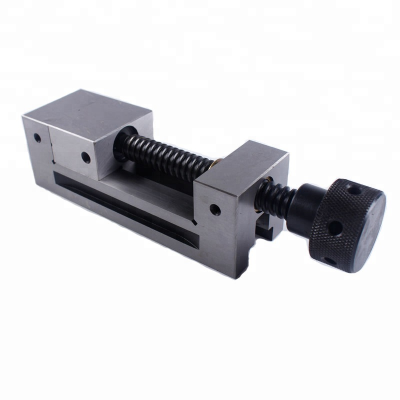
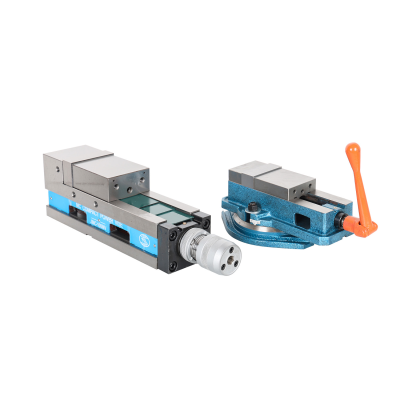
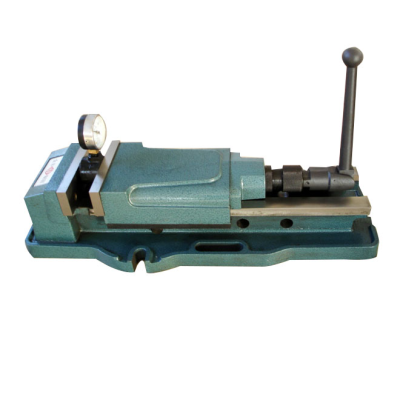
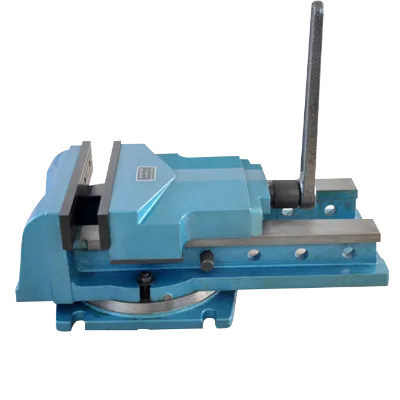
Universal Powerful Vise / QY150 /QY320 /QY400 Vice
MOQ: 1 Minimum
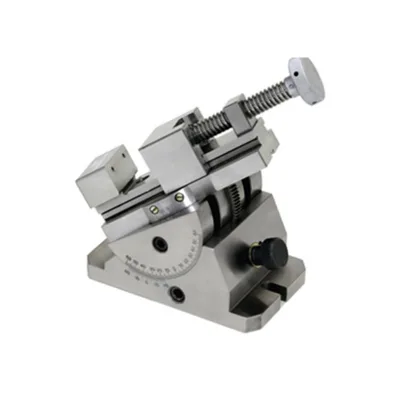
QGG High Quality Precision Steel Angle Vice Vise Manual Drive New Condition-for Machine Industries
$26.52 - $27.85
MOQ: 1 sets

Dezhou Yiheng Precision Machinery Co., Ltd.
- Manufacturer/Factory
- China Shandong
- Lead time38 days
- Avg. response≤ 23h
Main productsCutting Tool, Tool Holder, Tool Holder Locking Device, Parallel Vice, Heat Shrink Tool Holder, Collet, Spindle Tension Gauge, Spanner, Nut, Foundation Shank
Main marketsSouth America,Eastern Europe,Mid East,North America,Southeast Asia,Eastern Asia,Oceania,Western Europe,Africa

Versatile Precision Vise for Efficient Grinding and Milling Operations
$14.50 - $134.00
MOQ: 10 Pieces

Versatile Precision Vise for Efficient Operations on Mills and Grinders
$14.50 - $134.00
MOQ: 10 Pieces

Precision Parallel Vise for High-Performance Grinding and Milling Tasks
$14.50 - $134.00
MOQ: 10 Pieces

Durable Parallel Vise for High-Performance Grinder and Milling Machines
$14.50 - $134.00
MOQ: 10 Pieces

Precision Parallel Vise for High-Performance Grinder and Milling Machines
$14.50 - $134.00
MOQ: 10 Pieces

Dezhou Zhongyi Industry And Commerce Co., Ltd.
- Trading Company
- Shandong, China
- Lead time21 days
- Avg. response≤ 3h
Main productsmachine accessories,machine tools,measuring tool
Main marketsWestern Europe(60.00%), North America(20.00%), South Asia(10.00%), Northern Europe(10.00%)

- Trading Company
- China Jiangsu
- Lead time30 days
- Avg. response≤ 9h
Main productsElectric Pruning Shear, Sparkplug, Grass Timmmer, Trimmer Line, Trimmer Head, Brush Cutter Blade, Paint Brush, Paint Roller, Work Gloves, Safety Helmet
Main marketsDomestic,Europe




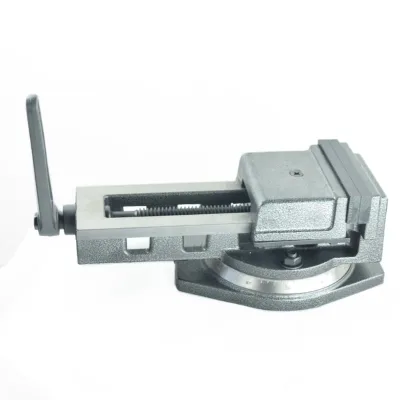
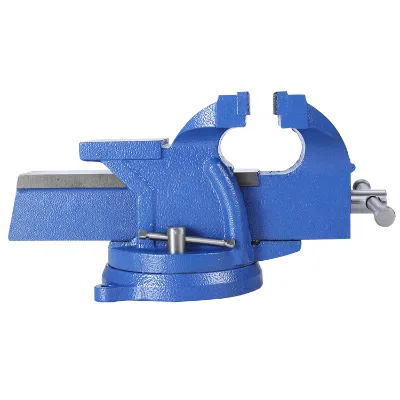
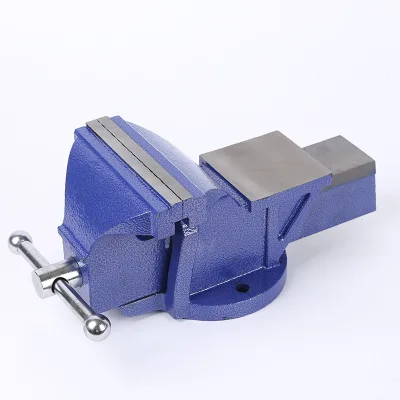
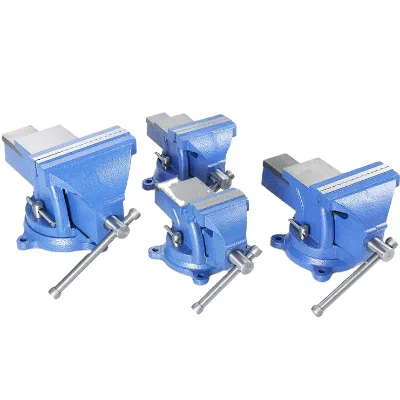
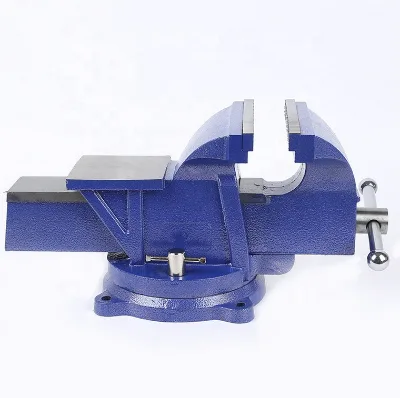


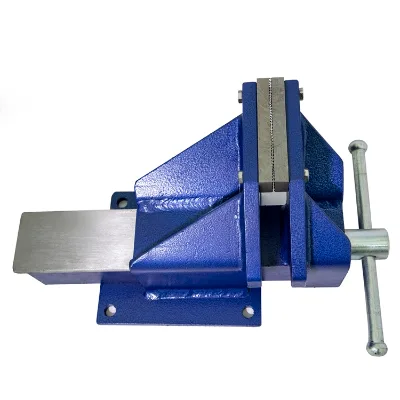
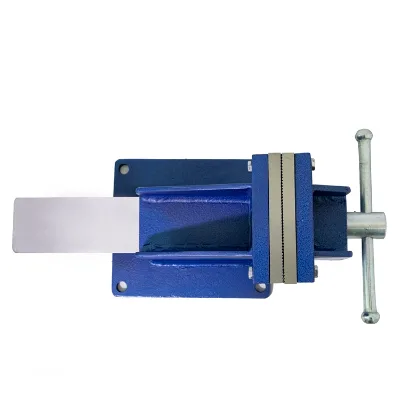
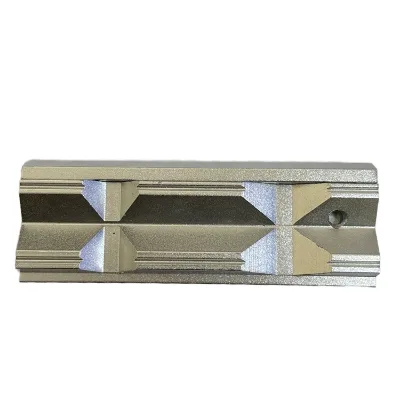


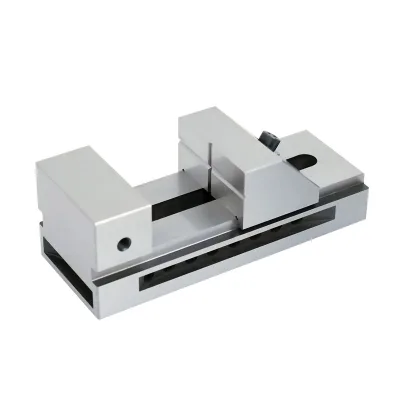
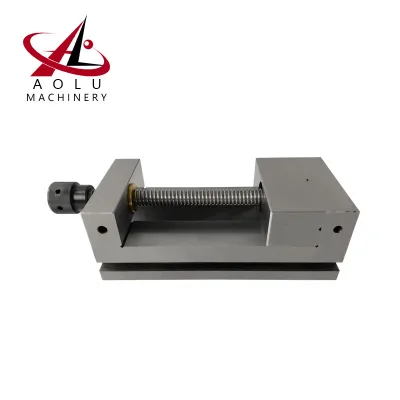
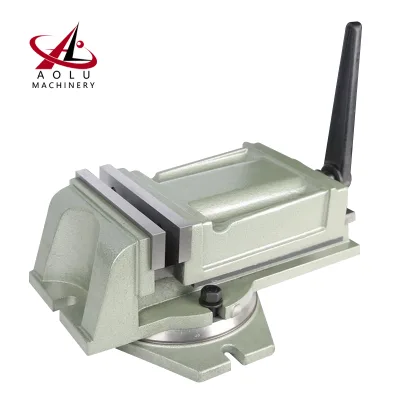


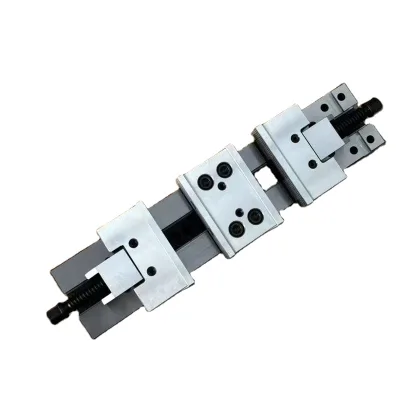


Comprehensive Sourcing Guide
Industrial Vice Supplier Concentration and Factory Types
The Industrial Vice sourcing landscape is characterized by a distinct geographic concentration in China, specifically within the Shandong province. This region has emerged as a significant hub for the manufacturing of heavy-duty hand tools and machine accessories, including rotary tables, lathe chucks, and various types of bench vices. When evaluating potential partners, buyers will often encounter suppliers located in this area, which suggests a mature supply chain ecosystem dedicated to metalworking tools. The presence of such a cluster implies that raw material access, specialized labor, and logistical infrastructure are optimized for this specific product category. Consequently, sourcing from this region can offer advantages in terms of production efficiency and cost competitiveness, provided that quality control measures are rigorously enforced.
Beyond geography, the types of entities operating in this space vary significantly, ranging from pure manufacturers to combined entities that function as both factories and trading companies. Some suppliers identify themselves as manufacturers with their own brands, offering Original Equipment Manufacturing (OEM) and Original Design Manufacturing (ODM) capabilities. These entities typically have direct control over the production process, allowing for greater customization of product specifications, such as jaw opening sizes, base types, and material compositions. Other suppliers may operate as trading companies or combined firms, which can provide a broader catalog of related items like milling machines, drilling tools, and parallel bars. Understanding whether a supplier is a direct manufacturer or a trading intermediary is crucial for negotiating prices, managing communication, and ensuring accountability for product defects or delays.
How to Verify Industrial Vice Suppliers
Verifying the legitimacy and capability of an Industrial Vice supplier requires a multi-layered approach that goes beyond simple profile reviews. Buyers should prioritize suppliers who provide detailed product attributes and certifications, such as ISO9001, which indicates a standardized quality management system. The presence of specific product models, such as the FSV series or 74 Series, along with detailed specifications like weight, jaw opening, and throat depth, serves as a strong indicator of a supplier’s operational maturity. Additionally, checking for patent numbers, such as ZL201410514556.2, can reveal a supplier’s commitment to innovation and intellectual property protection, which is often a marker of a serious manufacturing entity rather than a generic reseller. These technical details are essential for assessing whether a supplier has the engineering expertise to produce high-quality, durable vices.
Response time and supply ability are also critical metrics for verification. A supplier’s ability to respond quickly, such as within one to two days, often correlates with their organizational efficiency and customer service orientation. Furthermore, examining the stated supply ability, such as 90,000 pieces per month, provides insight into the supplier’s production capacity and scalability. Buyers should also look for clear information on packaging details, such as brown cartons or specific carton dimensions, which indicates a standardized logistics process. It is advisable to request samples to physically inspect the material quality, such as ductile iron or cast iron, and to verify the functionality of features like 360-degree swivel bases and replaceable jaws. This hands-on verification is the most reliable way to ensure that the supplier’s claims align with the actual product quality and performance.
What to Compare Across Industrial Vice Suppliers
When comparing multiple Industrial Vice suppliers, buyers must evaluate a range of commercial and operational parameters to determine the best fit for their specific needs. One of the primary factors is the price range, which can vary significantly based on product specifications and order volume. For instance, prices for certain models may range from $20 to $300, while others might be priced between $43 and $72. Buyers should also consider the Minimum Order Quantity (MOQ), which can be as low as 50 units for some suppliers, making it easier for smaller businesses to test the market. Comparing these financial terms alongside the product features, such as the presence of an anvil, the type of base (rotary or fixed), and the color options, helps in identifying the best value proposition. It is important to balance cost with quality, as lower prices may sometimes correlate with inferior materials or less robust construction.
Lead time and customization options are equally important aspects of the comparison. Suppliers may offer different lead times, ranging from 30 to 90 days, which can impact inventory planning and order fulfillment speed. Buyers with urgent requirements should prioritize suppliers with shorter lead times or those who maintain stock of standard models. Additionally, the availability of customization services, such as OEM support, allows buyers to tailor products to their brand identity or specific technical requirements. Some suppliers may offer custom colors, logos, or packaging, which can be valuable for brand differentiation. Comparing these operational capabilities alongside the supplier’s main product focus, whether it is specialized in bench vices or offers a broader range of machine tools, helps in selecting a partner that aligns with the buyer’s long-term strategic goals and operational needs.
Common Industrial Vice Sourcing Risks
Sourcing industrial vices from international suppliers, particularly those in concentrated manufacturing hubs, comes with inherent risks that buyers must proactively manage. One significant risk is the variability in product quality, especially when dealing with suppliers who offer a wide range of products beyond their core competency. While some suppliers specialize in vices, others may offer them as part of a broader catalog including milling machines and tool holders, which could indicate a lack of specialized focus. This diversification might lead to inconsistencies in manufacturing standards or quality control processes. Buyers should be cautious of suppliers who cannot provide detailed technical specifications or who lack verifiable certifications. Ensuring that the materials used, such as ductile iron or cast iron, meet the required durability standards is essential to prevent premature failure in industrial applications.
Another common risk is the potential for logistical delays and communication barriers. Suppliers with longer lead times, such as 90 days, may face challenges in meeting tight project deadlines, especially if there are unforeseen production issues or shipping disruptions. Additionally, the port of dispatch, such as Qingdao, may have varying congestion levels that can affect delivery schedules. Buyers should also be aware of the risks associated with intellectual property infringement, particularly when dealing with suppliers who offer generic or unbranded products. Verifying patent numbers and ensuring that the supplier has the legal right to produce and export the products is crucial to avoid legal complications. Establishing clear communication channels and setting realistic expectations regarding lead times and quality standards can help mitigate these risks and ensure a smoother sourcing experience.
Industrial Vice Regional Sourcing and Logistics
The regional sourcing of industrial vices from China, specifically Shandong province, offers distinct logistical advantages and challenges that buyers must consider. The concentration of suppliers in this area facilitates efficient raw material sourcing and production, but it also means that buyers are dependent on the local infrastructure for export. The primary port of dispatch for many of these suppliers is Qingdao, a major maritime hub that provides access to global shipping routes. Understanding the logistics from this port is essential for calculating total landed costs and delivery timelines. Buyers should work closely with their suppliers to determine the most cost-effective shipping methods, whether by sea or air, depending on the urgency of the order and the volume of goods. Sea freight is typically more economical for large orders, while air freight may be necessary for smaller, time-sensitive shipments.
Packaging and handling are also critical components of the logistics process for industrial vices. Suppliers often use brown cartons or specific carton dimensions, such as 500x500x300 mm, to protect the products during transit. Buyers should verify the packaging details to ensure that the vices are adequately protected against damage, especially given their heavy weight, which can range from 9.5 kg to 28 kg per unit. Proper packaging not only prevents damage but also optimizes container space, reducing shipping costs. Additionally, buyers should consider the environmental impact of packaging materials and whether the supplier offers sustainable options. Collaborating with suppliers to standardize packaging and labeling can streamline the receiving process at the buyer’s warehouse, reducing handling time and minimizing the risk of errors during inventory management.
Industrial Vice Commercial Terms and Order Planning
Effective order planning for industrial vices requires a thorough understanding of the commercial terms offered by suppliers, including payment conditions, warranties, and after-sales support. Many suppliers provide a one-year warranty on their products, which offers a level of protection against manufacturing defects. Buyers should clarify the terms of this warranty, including what is covered and the process for claiming repairs or replacements. Additionally, understanding the payment terms, such as the use of escrow services, can provide financial security for both parties. Escrow ensures that funds are only released to the supplier once the buyer confirms receipt and satisfaction with the goods. This mechanism reduces the risk of fraud and ensures that the supplier is motivated to deliver high-quality products on time.
Customization support, such as OEM services, adds another layer of complexity to order planning. Buyers who require custom branding or specific product modifications must provide detailed specifications and allow sufficient time for the supplier to implement these changes. This process may involve additional costs and longer lead times, which should be factored into the overall project timeline. Buyers should also consider the scalability of the supplier’s production capacity, especially if they plan to place large or recurring orders. Suppliers with a stated supply ability of 90,000 pieces per month can handle significant volume, but buyers should confirm that this capacity is consistent and reliable. Establishing a long-term partnership with a supplier who can meet these commercial and operational requirements is key to ensuring a stable and efficient supply chain for industrial vices.
FAQs
What materials are industrial vices typically made from?
Most industrial vices listed here use cast iron or ductile iron bodies, with ductile iron preferred for heavy-duty applications because it resists cracking under clamping shock. Cast iron remains common for general workshop use. When comparing quotes, confirm the body material, jaw hardness, and whether the screw and replaceable jaws are hardened steel, since these details affect long service life.
What is the typical minimum order quantity for an Industrial Vice?
Listed products on this page show minimum order quantities starting at 50 pieces, which suits wholesale buyers and regional distributors. Some suppliers may accommodate smaller trial orders at a higher unit price, so ask before committing. Always confirm the MOQ in writing alongside pricing, packaging, and lead time, because these terms often change together on volume-based quotations.
How much does an Industrial Vice cost?
Prices in the current results range from roughly 20 to 300 US dollars per unit, depending on size, material, and series. Smaller 4 to 6 inch ductile iron swivel models sit near the lower end, while larger heavy-duty bench vices command higher prices. Request itemized quotations that include packaging, port of dispatch, and freight terms before comparing final landed costs.
What sizes and jaw openings are available?
Available models on this page cover jaw openings from about 125 mm to 200 mm, corresponding to 4, 5, and 6 inch sizes, with weights from around 9.5 kg to 28 kg depending on the series. Larger industrial and square steel variants exist beyond these figures. Match jaw opening and throat depth to your typical workpiece sizes before placing an order.
Do these vices have a swivel base?
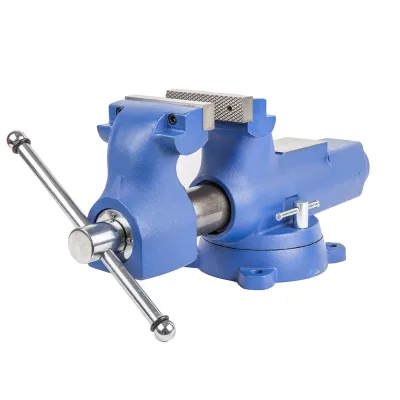
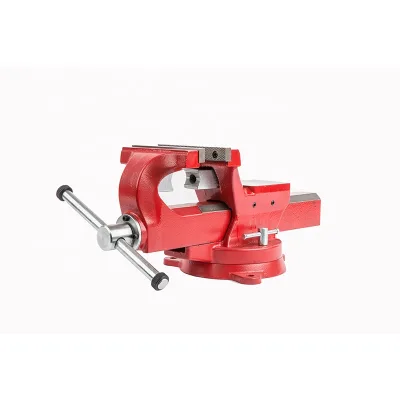
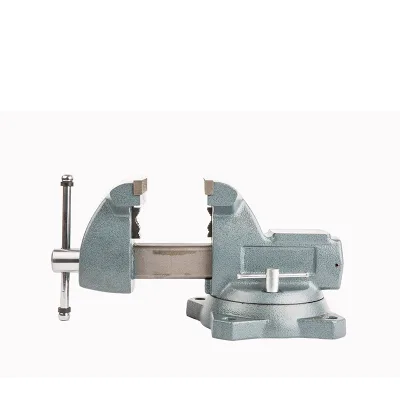
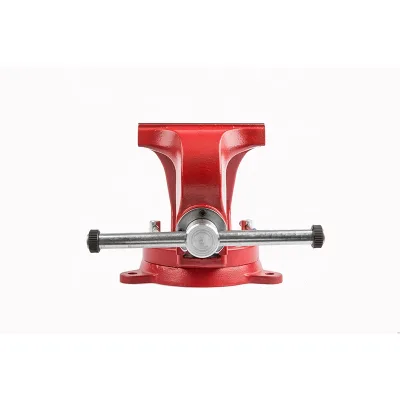
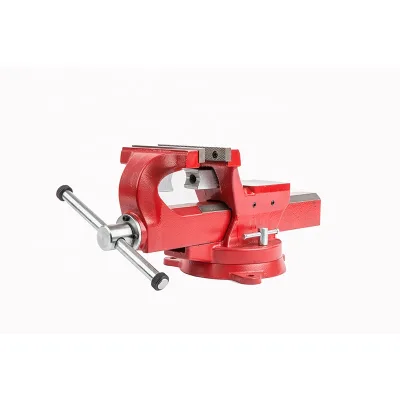
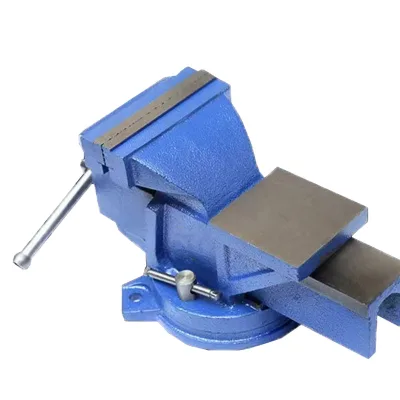
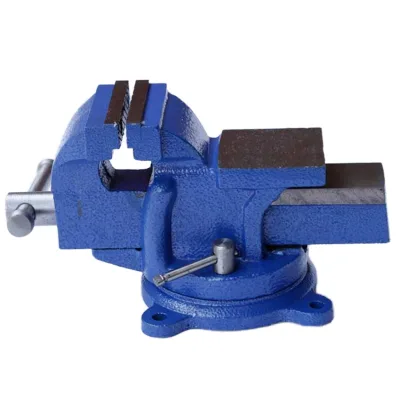
Yes, the listed bench vices feature a 360-degree swivel base, allowing rotation and locking at any angle for flexible positioning on milling, drilling, or benchwork. Some models also include an anvil face for straightening tasks. If your workflow requires fixed positioning, confirm whether a non-swivel variant is offered, since rotatable bases add versatility but slightly more height.
What certifications should I look for when sourcing industrial vices?
Products in the current results list ISO9001 certification, which indicates a quality management system covering production consistency. Beyond that, ask suppliers for material test reports and dimensional inspection records for each batch. If you export to regulated markets, verify which additional product safety or market-specific standards apply to hand tools in your destination country before finalizing a purchase agreement.
How fast can suppliers ship an Industrial Vice order?
Lead times shown in the current supplier data range from 30 to 90 days, reflecting differences in order size, customization level, and production scheduling. One manufacturer reports supply capacity of 90,000 pieces per month, suggesting volume orders can be absorbed quickly. Confirm the exact production window for your quantity and add freight time to your project schedule before committing.
Can industrial vices be customized or OEM produced?
Yes, listed products state customization is available, with OEM support offered on specific models, and one combined manufacturer lists its own brand, ODM, and OEM capability. Customization typically covers color, branding, and packaging details rather than core castings. Ask for a written specification sheet and sample approval before mass production so custom features are documented and repeatable across repeat orders.