1D 2D QR POS Scanner with SDK Suppliers and Manufacturers
Compare 24 verified suppliers offering 1D 2D QR POS Scanner with SDK solutions from China Guangdong and Shanghai. Review lead times, certifications like ISO 9001, and response times to source OEM or ODM options for retail POS systems; review the available evidence before requesting comparable quotations from suitable candidates.
Updated
Suppliers List

Foshan Suntek Technology Co., Ltd.
- Verified by SGS
- Manufacturer/Factory
- China Guangdong
- Lead time15 days
- Avg. response≤ 2h
Main productsCash Register POS, Handheld Mobile POS Terminal, Self-Service Kiosk, Self Ordering Kiosk, Self Checkout Kiosk, Payment Kiosks, Facial Recognition, Biometric Access Control and Time Attendance, Edge Ai Comuputing Mini PC, Kds(Kitchen Display System)
Main marketsSouth America,Eastern Europe,Mid East,North America,Southeast Asia,Eastern Asia,Oceania,Western Europe,Africa


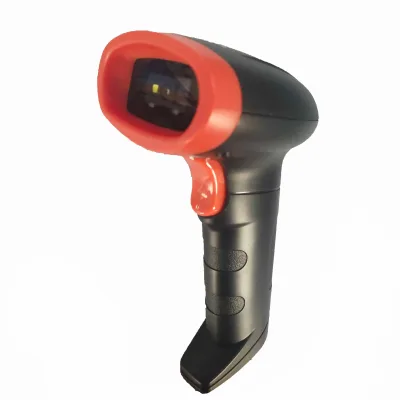
Suntek Handheld Barcode Scanner 2D 1d Qr Code USB Wired Automatic 3moudles POS
$8.90 - $12.00
MOQ: 1 Pieces

- Trading Company
- Lead time旺季: "1 - 2":7,"3 - 100":10,"101 - 500":25,"> 500":"To be negotiated", 淡季: "1 - 2":7,"3 - 100":10,"101 - 500":25,"> 500":"To be negotiated"
- Avg. response≤ 7h
Main productsTime Attendance System, Facial Recognition, Access Control, CCTV, Smart Lock
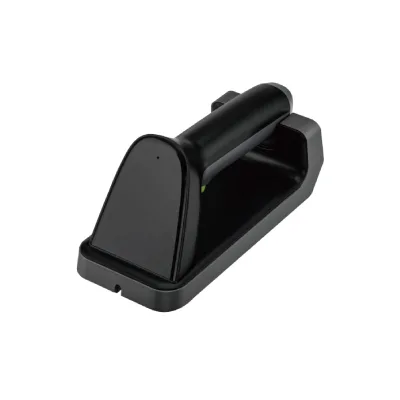
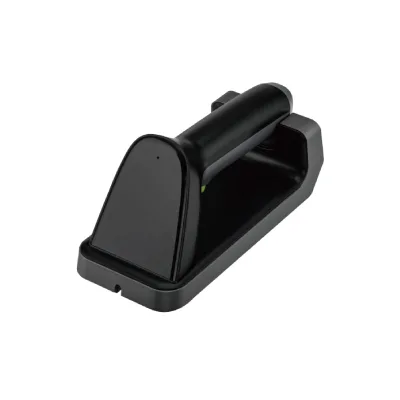
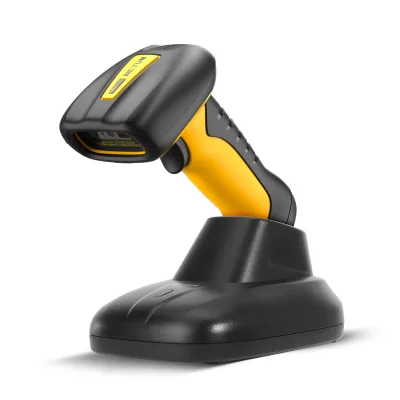
Reliable Decoding Performance POS System Handheld 2D Wireless Image Barcode Scanner with Base
$38.00 - $40.00
MOQ: 2 pieces
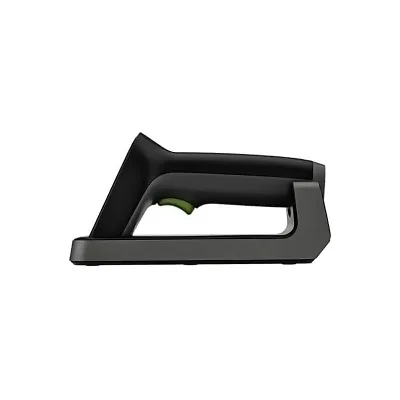
$38.00 - $40.00
MOQ: 2 pieces

Shenzhen rCloud Technology Co., Ltd
- Manufacturer
- China Guangdong
- Lead time15 days
- Avg. response≤ 6h
Main productsCard Reader, RFID Card Reader, Magnetic Card Reader, IC Card Reader, Hybrid Card Reader, DIP Card Reader, Bar Type LCD Display, Double Sided Monitor, LED Gaming Monitor, Curved Gaming Monitor
Main marketsSouth America,Southeast Asia/ Mideast,Europe,North America


Compact Embedded 1d 2D Qr Scanner with NFC Reader for Kiosk Integration
$48.00 - $55.00
MOQ: 100 Pieces


Guangzhou Bide Iot Technology Co., Ltd.
- Manufacturer, Trading Company, Distributor/Wholesaler
- Guangdong, China
- Lead time7 days
- Avg. response≤ 2h
Main productsThermal printer,Barcode Scanner,POS cash register,PDA,Thermal Paper
Main marketsNorth America(40.00%), Mid East(20.00%), Eastern Europe(20.00%), South America(20.00%)
Shenzhen Carav Electronics Co., Ltd.
- Manufacturer, Trading Company
- Lead time旺季: "1 - 1":15,"2 - 10":20,"> 10":"To be negotiated", 淡季: "1 - 1":15,"2 - 10":20,"> 10":"To be negotiated"
- Avg. response≤ 2h
Main productsPOS Terminal, Touch Screen Monitor, Thermal Printer, Barcode Scanner, Cash Drawer
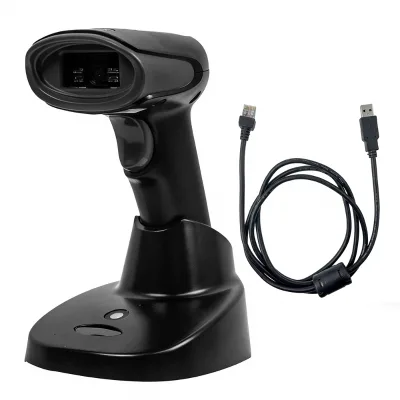
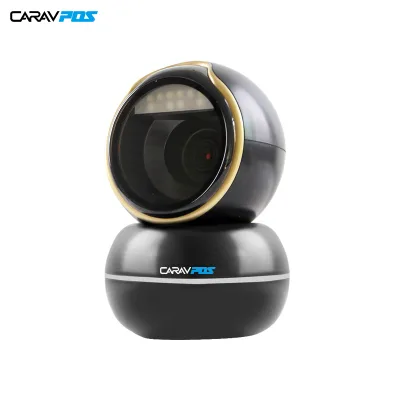
Carav Design New 2D Scanner Pos Qr Code Scanner
$50.00 - $58.00
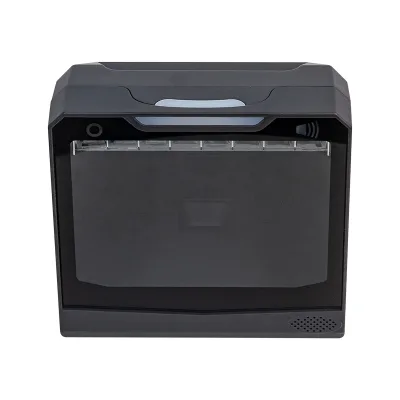
Super Powerful Rugged 1D 2d Qr Scanner Auto Scan Qr Code Passport Scanner Kiosk
$60.4549 - $70.7025
MOQ: 2 Minimum
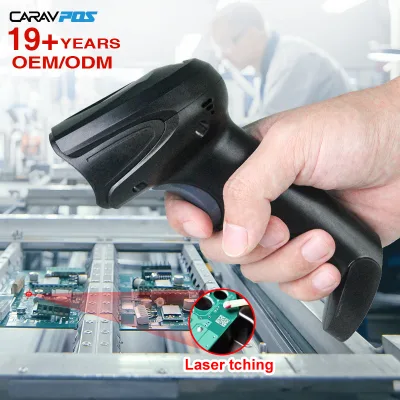
$140.00 - $170.00
MOQ: 1 pieces

Guangzhou City GSAN Science & Technology Co., Ltd.
- Combined
- China Guangdong
- Lead time15 days
- Avg. response≤ 16h
Main productsPOS System, Thermal Printer, Barcode Scanner, Touch POS Terminal, Cash Drawer, Keyboard, POS Case, Monitor, Customer Display, Punto De Venta Integrado
Main marketsSoutheast Asia/ Mideast,Europe,North America
Shenzhen Hoin Electronic Technology Co., Ltd.
- Verified by Intertek
- Manufacturer, Trading Company
- Lead time15 days
- Avg. response≤ 3h
Main productsThermal Receipt Printer, Portable Bluetooth Printer, Label Barcode Printer, Thermal Transfer Printer, Barcode Scanner
Main marketsSouth America(30%), Southeast Asia(12%), North America(10%)
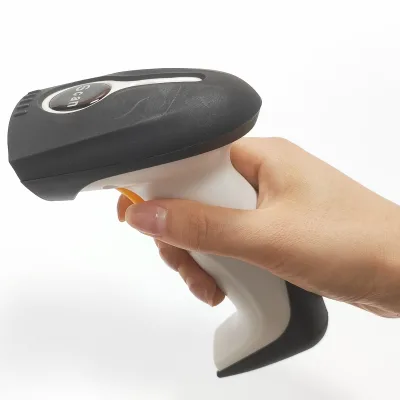
$22.25 - $25.81
MOQ: 1 Minimum
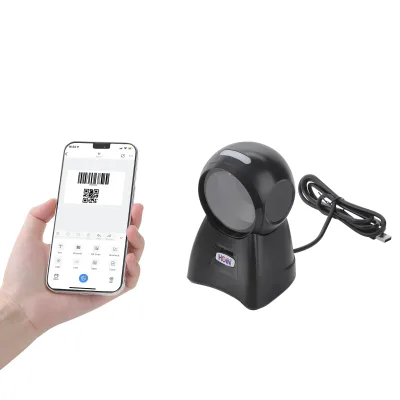

Shenzhen Dyscan Technology Co., Ltd
- Trading Company,Manufacturer/Factory
- China Guangdong
- Lead time0 days
- Avg. response≤ 5h
Main productsBarcode Scanner, 1d Barcode Scanner, 2D Barcode Scanner, Wireless Barcode Scanner, Portable Barcode Scanner, Barcode Scanner Engine, Barcode Scanner Module


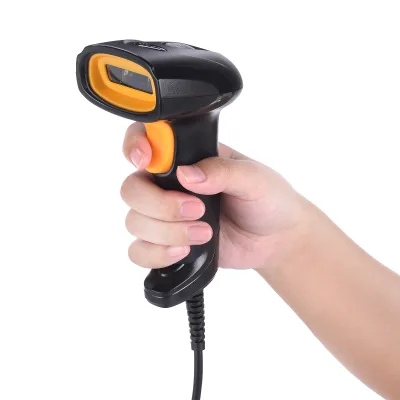
High-Performance CMOS Image 2D Wired Barcode Scanner for POS Solutions Handheld Qr Code Reader
$25.00 - $35.00
MOQ: 100 Pieces


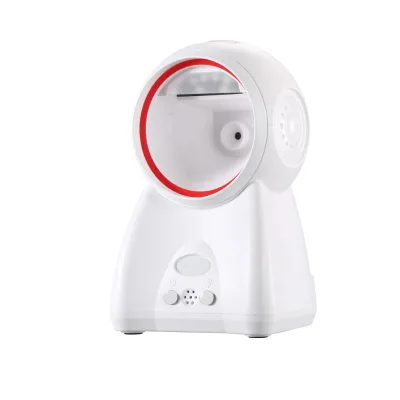
1d 2D Qr Code Laser Barcode Scanner Handheld Wireless Barcode Scanner with Charging Base
Negotiable
MOQ: 1 Pieces


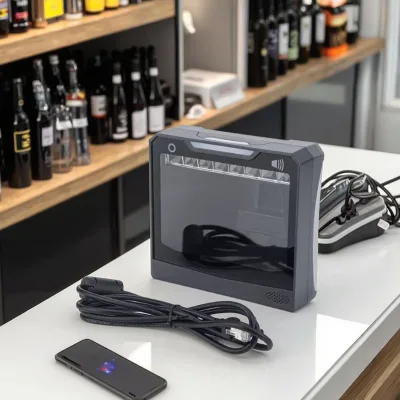
Barcode Scanner Laser Barcode Reader 1d 2D Qr Handheld Bar Code Portable Scanner
Negotiable
MOQ: 1 Pieces
Shenzhen Cardlan Technology Co., Ltd.
- Manufacturer
- Guangdong, China
- Lead time7 days
- Avg. response≤ 4h
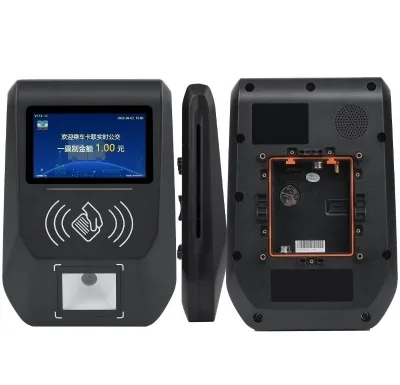
Main productsBus IC card payment system,Bus RFID ticketing system,School bus RFID system,prepaid card cashless payment system,POS terminals
Main marketsMid East(20.00%), North America(10.00%), Africa(10.00%), Southeast Asia(10.00%), Eastern Europe(10.00%), South Asia(10.00%), South America(5.00%), Southern Europe(5.00%), Northern Europe(5.00%), Central America(5.00%), Western Europe(5.00%), Eastern Asia(5.00%)
Guangzhou Anmiao Information Technology Co., Ltd.
- Manufacturer, Trading Company, Business Service (Transportation, finance, travel, Ads, etc)
- Guangdong, China
- Lead time0 days
- Avg. response≤ 4h
Main productsself-service token vending machine,Bar token Vending Machine,vending machine,card reader
Main marketsMid East(85.00%)
Shenzhen Edoo-Iot Technology Co., Ltd.
- Verified by TüVRheinland
- Manufacturer, Trading Company
- Lead time3 days
- Avg. response≤ 1h
Main productsBarcode Scanner, PDA, Printer, Tablet, Cash Register
Main marketsNorth America(15%), Eastern Europe(15%), Southeast Asia(15%)
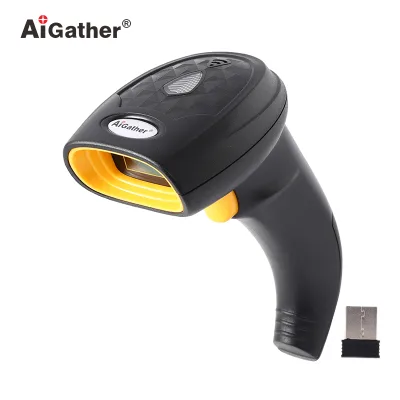
Guangzhou AiGather Intelligent Technology Co., Ltd.
- Manufacturer
- Guangdong, China
- Lead time10 days
- Avg. response≤ 2h
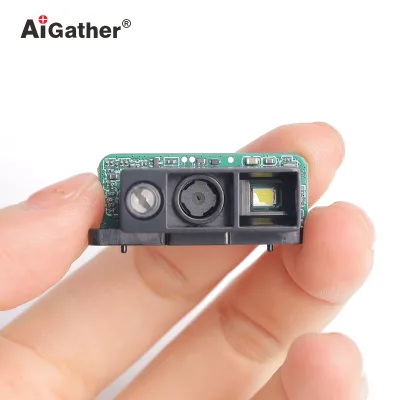
Main productsBarcode Scanner,Handheld Barcode Scanner,Wireless Barcode Scanner,Barcode Scanner Module,2D Scan Engine
Main marketsDomestic Market(60.00%), Eastern Europe(10.00%), Southeast Asia(8.00%), Mid East(8.00%), North America(5.00%), South America(2.00%), Southern Europe(2.00%), South Asia(1.00%), Oceania(1.00%), Central America(1.00%), Eastern Asia(1.00%), Africa(1.00%)
Hunan Masung Information Technology Co., Ltd.
- Verified by SGS Group
- Manufacturer, Trading Company
- Lead time15 days
- Avg. response≤ 1h
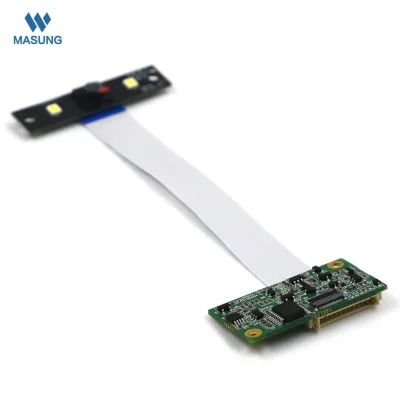
Main productsThermal Printer, Thermal Transfer Printer, Barcode Scanner, Self-service Kiosk

- Verified by BV
- Trading Company,Manufacturer/Factory,Other
- China Guangdong
- Lead time15 days
- Avg. response≤ 4h
Main productsPOS System, POS Terminal, Thermal Printer, Label Printer, Barcode Scanner, Cash Drawer, PDA, Customer Display, Money Counter, Coin Sorter
Main marketsSouth America,Eastern Europe,Mid East,North America,Southeast Asia,Eastern Asia,Oceania,Western Europe,Africa


High Speed Desktop Barcode Scanner 1d 2D Qr Code USB Platform Scanner for POS Cash Register
$24.00 - $26.00
MOQ: 2 Pieces

Handheld Qr Code Scanner Reader 1d 2D USB Laser Ocom Barcode Scanner Wired Wireless for POS System
$21.50 - $25.00
MOQ: 2 Pieces

Factory Direct Desktop 1d 2D Barcode Scanner USB Handsfree Qr Code Reader for POS System Supermarket
$24.00 - $26.00
MOQ: 2 Pieces

Omnidirectional Desktop 2D Barcode Scanner Handsfree Qr Code Reader for Retail POS System
$24.00 - $26.00
MOQ: 2 Pieces

Ocbs-2099 Ocom High Pixel Omni-Directional Scanning Qr Code Bar Code Reader 1d/2D Barcode Scanner
$21.00 - $25.00
MOQ: 1 Pieces

Suzhou Qiji Electric Co., Ltd.
- Verified by BV
- Trading Company
- China Jiangsu
- Lead time15 days
- Avg. response≤ 1h
Main productsThermal Printer Mechanism, Thermal Printer Head, Kiosk Printer, Panel Printer, Embedded Printer, Label Printer, Portable Printer, Barcode Scanner, Barcode Reader, Handheld PDA
Main marketsSouth America,Southeast Asia/ Mideast,Domestic,Europe


$26.00 - $30.00
MOQ: 1 Pieces

Portable QR Barcode Reader SE200 Handheld QR Barcode Scanner 1d 2d Barcode Scanner
$18.00 - $25.00
MOQ: 1 Pieces

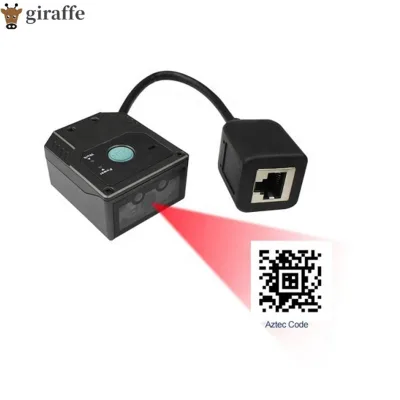
TX200 Series oem 1d 2d barcode scanner qr code reader kiosk module barcode scanner 1d 2d
$50.00 - $60.00
MOQ: 1 Pieces
Guangzhou Jiewen Information Technology Co., Ltd.
- Verified by TüVRheinland
- Trading Company
- Lead time5 days
- Avg. response≤ 2h
Main productsBarcode Scanner, Thermal Transfer Labels, Handheld Terminal, Label Printer, Carbon Ribbon
Main marketsNorth America(15%), South America(15%), Eastern Europe(15%)

Yiwei Technology (Shenzhen) Co., Ltd.
- Verified by TUVRHEINLAND
- Trading Company
- China Guangdong
- Lead time15 days
- Avg. response≤ 1h
Main productsBarcode Printers, Card Printers, RFID Printers, Handheld Pdas, Barcode Scanner, RFID Reader, RFID Labels, Ribbons, RFID Warehouse Management Systems, Fixed Asset Management Solutions.
Main marketsDomestic

Supports Automatic Screen Scanning POS Handheld USB Wireless 1d 2D Barcode Scanner
$111.00 - $115.00
MOQ: 10 Pieces

Wireless 2D Bar Code Reader POS Qr Code Scanner Handheld Barcode Scanner
$64.00 - $67.00
MOQ: 10 Pieces
Guangzhou Yoko Electronics Co., Ltd.
- Verified by TüVRheinland
- Manufacturer, Trading Company
- Lead time12 days
- Avg. response≤ 4h
Main productsMobile Computer, Barcode Scanner, Industrial Tablet, RFID Device, Thermal Printer
Main marketsDomestic Market(30%), North America(10%), Southeast Asia(10%)

Shenzhen Edoo-Iot Technology Co., Ltd.
- Verified by SGS
- Combined
- China Guangdong
- Lead time15 days
- Avg. response≤ 1h
Main productsPDA, Barcode Scanner, Printer, Cash Register, Handheld Barcode Scanners, Wireless Barcode Scanners, Barcode Scan Engine, Desktop Scanner, POS System, POS
Main marketsSouth America,Africa,Southeast Asia/ Mideast,East Asia(Japan/ South Korea),Domestic,Europe,Australia,North America

Hands-Free 2D Qr Reader Passport Scanner for POS Terminals and Self-Service
$41.90 - $46.90
MOQ: 1 unit


2D Desktop Barcode Scanner Qr Reader Screen Platform for POS PC Supermarket
$9.90 - $17.90
MOQ: 1 unit


Shenzhen Carav Electronics Co., Ltd.
- Verified by Intertek
- Manufacturer, Trading Company
- Lead time15 days
- Avg. response≤ 2h
Main productsCash Register, Thermal Printer, Bar Code Scanner, Monitor, Cash Drawer
Main marketsNorth America(35%), South America(15%), Mid East(15%)
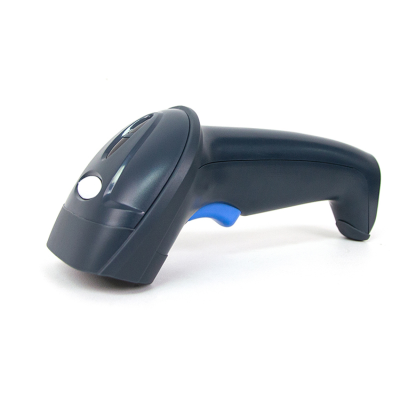
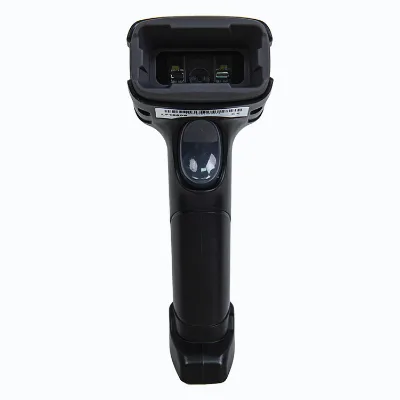
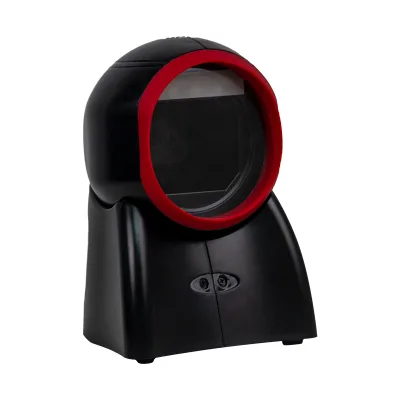
Multi outdoor mobile payment 1d 2d win barcode scan box qr code scanner
$18.5594 - $20.6209
MOQ: 2 pieces
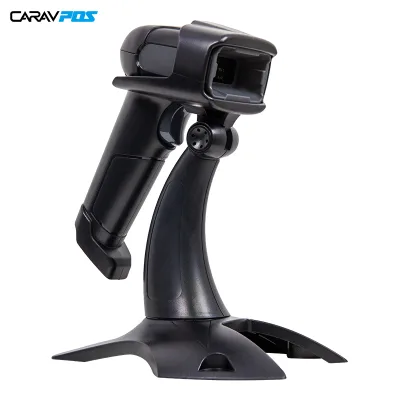
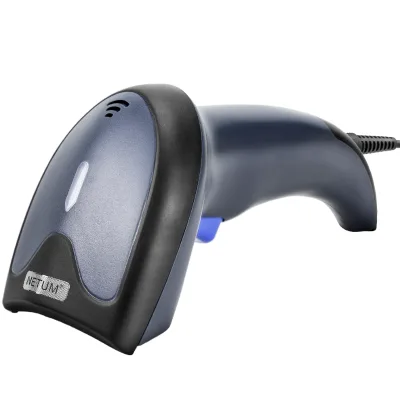
Guangzhou Netum Electronic Technology Co., Ltd.
- Verified by TüVRheinland
- Manufacturer, Trading Company
- Lead time7 days
- Avg. response≤ 6h
Main productsBarcode Scanner, Themal Printer, POS Machine, Document Scanner
Main marketsNorth America(25%), Domestic Market(20%), South America(10%)
Suzhou Hui Wei Software Technology Co., Ltd.
- Verified by TüVRheinland
- Manufacturer, Trading Company
- Lead time35 days
- Avg. response≤ 1h
Main productsESL System, POS Systems
Main marketsWestern Europe(30%), North America(20%), South America(10%)
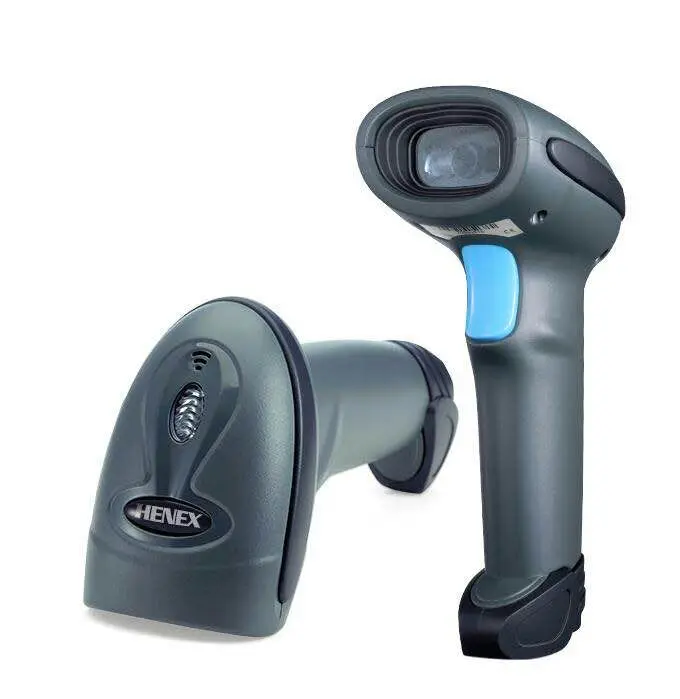
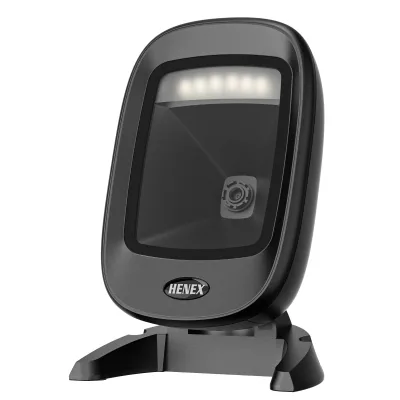
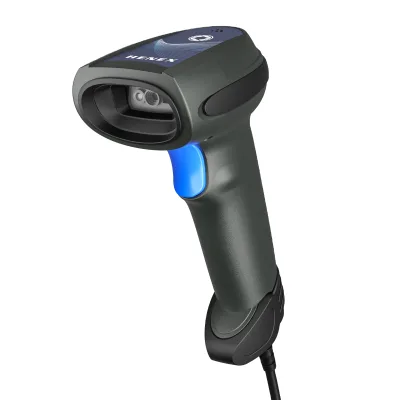
HENEX (GUANGZHOU) TECHNOLOGY CO.,LTD
- Manufacturer, Trading Company
- Guangdong, China
- Lead time15 days
- Avg. response≤ 2h
Main productsBarcode Scanner
Main marketsEastern Europe(35.00%), Southeast Asia(15.00%), Eastern Asia(10.00%), Domestic Market(10.00%), Mid East(10.00%), Western Europe(5.00%), South Asia(3.00%), North America(3.00%), South America(3.00%), Southern Europe(3.00%), Northern Europe(3.00%)
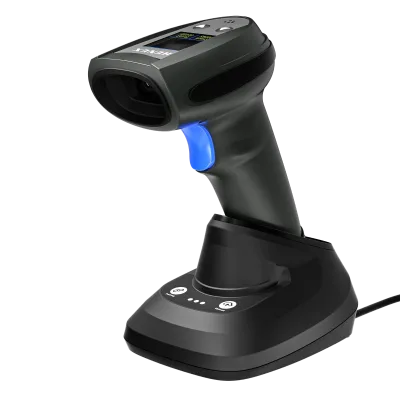
2d Barcode Scanner High Performance for Pos Retail 1d 2d Qr Pdf417 Datamatrix
$62.2366 - $72.6114
MOQ: 2 sets

Shenzhen Giraffe Electronics Co., Ltd.
- Manufacturer, Trading Company, Agent
- Guangdong, China
- Lead time0 days
- Avg. response≤ 12h
Main productsmagnetic head,MSR card reader,barcode scanner,PDA,MSR reader
Main marketsNorth America(20.00%), South America(15.00%), Eastern Europe(10.00%), Domestic Market(5.00%), South Asia(5.00%), Southern Europe(5.00%), Northern Europe(5.00%), Central America(5.00%), Western Europe(5.00%), Eastern Asia(5.00%), Mid East(5.00%), Oceania(5.00%), Africa(5.00%), Southeast Asia(5.00%)


Comprehensive Sourcing Guide
1D 2D QR POS Scanner with SDK Supplier Concentration and Factory Types
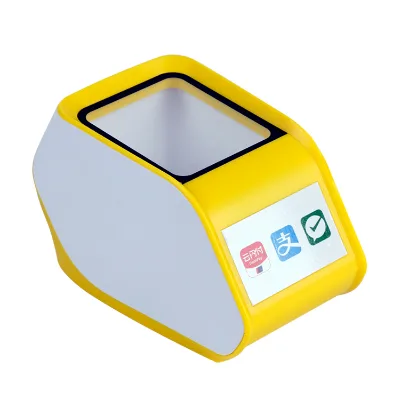
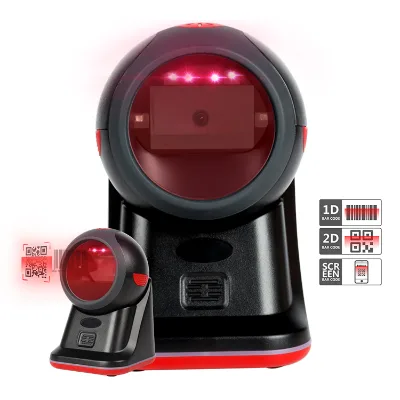
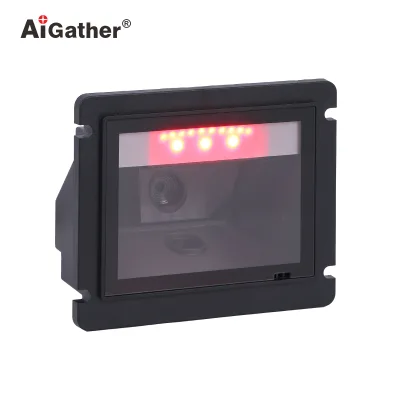
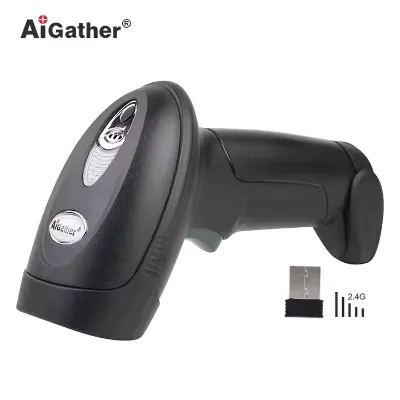
The supplier landscape for 1D 2D QR POS scanners with SDK support reveals a distinct mix of manufacturing capabilities and trading structures. Evidence indicates that a significant portion of the supply base consists of manufacturers and factories located in China, specifically within the Guangdong region. These entities often possess robust OEM and ODM capacities, allowing them to customize hardware specifications and integrate specific SDK requirements for retail and commercial applications. The presence of ISO 9001 and ISO 14001 certifications among these manufacturers suggests a standardized approach to quality management and environmental compliance, which is critical for buyers seeking consistent production quality. Additionally, some suppliers are verified by SGS, providing an external layer of trust regarding their operational legitimacy and product safety standards. This concentration in Guangdong highlights a mature industrial cluster where supply chain efficiency and component sourcing are optimized for high-volume electronics production.
In contrast, other segments of the market are dominated by trading companies and specialized distributors. These entities may not own the manufacturing facilities but act as crucial intermediaries, offering a broader range of main products such as time attendance systems, facial recognition devices, and access control solutions. For instance, some suppliers list their primary focus on security and smart lock technologies, indicating a diversification strategy that includes POS peripherals. The response times for these trading companies can vary, with some showing average response rates around seven hours, while others, particularly manufacturers, may respond more rapidly, such as within 1.79 hours. This variation in operational focus and speed allows buyers to choose between direct factory engagement for cost and customization benefits or trading partners for product variety and consolidated sourcing. Understanding this dichotomy helps buyers align their procurement strategy with their specific needs for volume, customization, and product breadth.
How to Verify 1D 2D QR POS Scanner with SDK Suppliers
Verifying the legitimacy and capability of suppliers requires a multi-layered approach that goes beyond basic profile reviews. Buyers should prioritize suppliers who display third-party verification badges, such as SGS, which serves as a tangible indicator of operational scrutiny. Additionally, checking for system certifications like ISO 9001 and ISO 14001 is essential, as these standards reflect a supplier’s commitment to quality control and environmental responsibility. For manufacturers, confirming their company type as a "Manufacturer/Factory" or "Manufacturer" rather than a "Trading Company" can provide insight into their direct control over production processes and customization capabilities. It is also advisable to examine the specific product evidence provided, such as detailed technical attributes including scan element types, interface options, and decoding ranges, to ensure the supplier has genuine technical expertise. Products with specific model numbers, such as SCQ-6 or RCQ-700, often indicate a more established product line with documented specifications.
Beyond certifications and company types, buyers must assess the responsiveness and transparency of the supplier. Response times, such as those recorded at 1.79 hours or 5.89 hours, can serve as a proxy for operational efficiency and customer service dedication. A faster response time often correlates with a more agile supply chain and better communication channels, which are vital for resolving technical queries regarding SDK integration. Furthermore, examining the product attributes for details like warranty periods, battery capacities, and operating systems can reveal the depth of the supplier’s product knowledge. For example, suppliers offering wireless scanners with specific battery types and radio ranges demonstrate a higher level of technical specificity. Buyers should also look for clear indications of customization availability, as this is a key requirement for integrating SDKs into proprietary POS systems. By cross-referencing these technical details with verification badges and response metrics, buyers can build a comprehensive profile of supplier reliability and technical competence.
What to Compare Across 1D 2D QR POS Scanner with SDK Suppliers
When evaluating multiple suppliers, comparing key operational metrics is crucial for determining the best fit for your procurement needs. Lead times are a primary differentiator, with some suppliers offering a standard 15-day turnaround, while others may have variable lead times based on order volume, such as seven days for small orders and up to 25 days for larger batches. Minimum Order Quantities (MOQs) also vary significantly, ranging from as low as one unit for sample testing to 100 units for bulk production, which impacts initial investment and inventory risk. Price ranges provide another layer of comparison, with some products priced between $8.90 and $12.00, while others, particularly wireless or more complex models, may range from $21.00 to $40.00. These price differences often reflect variations in technology, such as the inclusion of wireless capabilities, NFC readers, or higher-grade CMOS sensors.
In addition to cost and volume, technical specifications and customization options must be carefully compared. Suppliers may offer different interface types, such as USB or RS232, and varying scan speeds, with some models achieving 300 scans per second. The availability of SDK support is a critical technical requirement, and buyers should verify which suppliers explicitly offer this integration capability. Product attributes like image sensor resolution, field of view, and decoding ranges also differ, with some scanners supporting 640x480 pixel sensors and others offering different optical characteristics. Furthermore, the scope of main products offered by each supplier can indicate their specialization; some focus exclusively on POS scanners, while others provide a broader suite of retail and security equipment. By systematically comparing these dimensions, buyers can identify suppliers that not only meet their technical requirements but also align with their logistical and financial constraints.
Common 1D 2D QR POS Scanner with SDK Sourcing Risks
One of the primary risks in sourcing 1D 2D QR POS scanners with SDK support is the potential mismatch between hardware capabilities and software integration requirements. Buyers must ensure that the supplier explicitly provides the necessary SDK documentation and technical support for seamless integration into their existing POS systems. Without clear SDK availability, the hardware may be incompatible with proprietary software, leading to significant development delays and additional costs. Another risk is the variability in product quality and performance, particularly regarding scan speed and decoding accuracy. Suppliers may list different scan speeds, such as 300 scans per second, but actual performance can vary based on lighting conditions, barcode quality, and distance. Buyers should request samples to test these parameters in real-world environments to avoid operational bottlenecks in high-volume retail settings.
Logistical and supply chain risks also pose significant challenges, particularly when dealing with suppliers who have variable lead times or high MOQs. Some suppliers may have lead times that extend to 25 days or more for larger orders, which can disrupt inventory planning and customer fulfillment. Additionally, the risk of receiving products that do not meet specified certifications, such as RoHS, CE, or FCC, is a concern if verification processes are not rigorous. Buyers must verify that the products comply with regional regulatory standards to avoid customs delays or legal issues. Furthermore, the risk of relying on trading companies for technical support can be higher, as they may not have direct access to engineering resources for troubleshooting SDK integration issues. To mitigate these risks, buyers should prioritize suppliers with strong verification badges, clear technical documentation, and transparent communication channels.
1D 2D QR POS Scanner with SDK Regional Sourcing and Logistics
Sourcing from specific regions, particularly China, offers distinct advantages in terms of manufacturing efficiency and cost competitiveness. The concentration of manufacturers in Guangdong provides access to a mature supply chain ecosystem, where components and assembly processes are highly optimized. This regional cluster facilitates faster prototyping and production cycles, which is beneficial for buyers requiring quick turnaround times. However, buyers must also consider the logistical implications of sourcing from this region, including shipping costs, transit times, and customs procedures. Suppliers often offer various shipping options, such as air or sea freight, which can impact the overall cost and delivery schedule. Understanding these logistical factors is essential for accurate total cost of ownership calculations and effective inventory management.
In addition to regional advantages, buyers should evaluate the supplier’s ability to handle international logistics and compliance requirements. Some suppliers may have experience in exporting to specific markets, which can simplify the process of meeting local regulatory standards. For instance, products with certifications like RoHS, CE, and FCC are more likely to pass customs inspections in various regions. Buyers should also consider the supplier’s packaging and labeling practices, as these can affect product safety and compliance during transit. Clear communication regarding shipping terms, such as FOB or CIF, is crucial to avoid unexpected costs. By leveraging the strengths of regional manufacturing clusters while carefully managing logistical complexities, buyers can optimize their sourcing strategy for 1D 2D QR POS scanners with SDK support.
1D 2D QR POS Scanner with SDK Commercial Terms and Order Planning
Effective order planning requires a thorough understanding of the commercial terms offered by suppliers, including pricing structures, payment terms, and warranty policies. Suppliers may offer different price points based on order volume, with lower prices for larger quantities and higher prices for smaller batches. Buyers should negotiate these terms to align with their budget and inventory requirements. Additionally, warranty periods, such as one-year warranties, provide a safety net for product defects and operational issues. Understanding the warranty terms and the supplier’s process for handling claims is essential for minimizing downtime and maintaining customer satisfaction. Buyers should also clarify the scope of SDK support, including whether it includes ongoing updates and technical assistance, to ensure long-term compatibility and functionality.
Furthermore, buyers must plan for potential variations in lead times and MOQs to avoid supply chain disruptions. Some suppliers may have seasonal variations in production capacity, with longer lead times during peak seasons. Buyers should communicate their volume requirements in advance to secure production slots and avoid delays. Additionally, considering the total cost of ownership, including shipping, customs, and potential return costs, is crucial for accurate financial planning. By establishing clear commercial terms and proactive order planning strategies, buyers can mitigate risks and ensure a smooth procurement process for 1D 2D QR POS scanners with SDK support. This approach fosters a collaborative relationship with suppliers, leading to better service levels and product quality.
FAQs
What is the typical lead time for 1D 2D QR POS scanners?
Manufacturers in China Guangdong typically offer a standard lead time of 15 days for production. For trading companies, lead times vary by season and order volume, ranging from 7 days for small batches to 25 days for larger orders over 500 units. Buyers should confirm specific timelines based on their quantity requirements and current production schedules.
What are the minimum order quantities for barcode scanners?
Minimum order quantities vary significantly by supplier type. Some manufacturers accept orders as low as 1 unit for testing, while others require a minimum of 100 units for bulk production. Buyers should verify the specific MOQ with each supplier, as trading companies may have different thresholds compared to direct factories offering OEM or ODM services.
Do these scanners support SDK integration for custom development?
Many handheld and embedded barcode scanners support SDK integration for custom software development. Products often feature USB interfaces and support network scanning capabilities, allowing seamless integration with POS systems. Buyers should check product specifications for interface types like USB HID or CDC to ensure compatibility with their existing software infrastructure and development requirements.
What certifications are available for these POS barcode scanners?
Suppliers often provide products with RoHS, CE, FCC, and Weee certifications for compliance. System certifications like ISO 9001 and ISO 14001 indicate quality management standards. Buyers should verify specific product certifications and system credentials to ensure they meet regional regulatory requirements and industry standards for electronic equipment used in retail and commercial environments.
What is the price range for 1D 2D QR POS scanners?
Prices for handheld barcode scanners typically range from $8.90 to $40.00 per unit depending on features and specifications. Basic USB wired models may start around $8.90, while wireless image scanners with additional features like magnetic charging bases can cost up to $40.00. Buyers should compare prices based on scan speed, image sensor quality, and connectivity options.
How fast do these barcode scanners respond to inquiries?
Supplier response times vary, with some manufacturers responding within 1.79 hours and others taking up to 7 hours. Trading companies may have different response speeds compared to direct factories. Buyers should consider response time when selecting suppliers to ensure timely communication regarding product specifications, pricing, and order status throughout the sourcing process.