8-port 100mbps industrial switch Suppliers and Manufacturers
Find 26 verified suppliers offering 8-port 100mbps industrial switch options with varying lead times, certifications, and response speeds. Compare dimensions, pricing, and origin details to select the right factory for your industrial networking needs; review the available evidence before requesting comparable quotations from suitable candidates.
Updated
Suppliers List

Dongguan Phynam Comtech Co., Ltd.
- Trading Company,Manufacturer/Factory
- China Guangdong
- Lead time120 days
- Avg. response≤ 7h
Main productsPoe Switch, UTP LAN Cable, Network Cable, Wireless Ap, Wireless CPE, SFP Transceiver, Fiber Media Converter, Optical Fiber, Smart IP Camera, Power Adapter
Main marketsSouth America,Eastern Europe,Mid East,North America,Southeast Asia,Eastern Asia,Oceania,Western Europe,Africa

Henan 4.0 Automation Equipment Co., Ltd.
- Verified by BV
- Manufacturer/Factory
- China Henan
- Lead time15 days
- Avg. response≤ 2h
Main productsFrequency Inverter, PTC Heater, Filter Fan, Remote Io Module, AC Cooling Fan, Siemens, Ethercat Switches, ABB Schneider, PLC, DIN Rail Power Supply
Main marketsSouth America,Eastern Europe,Mid East,North America,Southeast Asia,Eastern Asia,Oceania,Western Europe,Africa

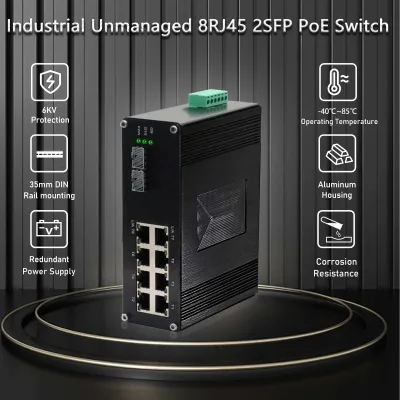
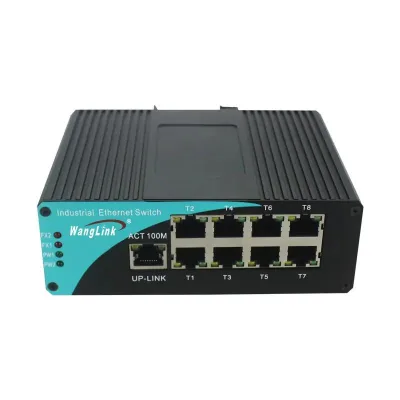
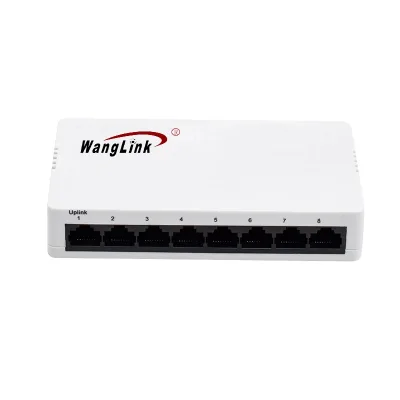
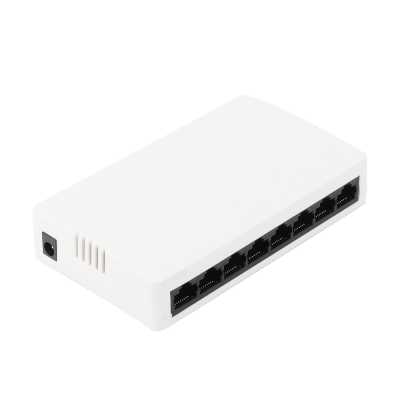
Ethernet Switch 8 100Mbps Port Network Unmanaged Industrial 8-Port Ethernet Switch
$40.00 - $45.00
MOQ: 1 Pieces

- Verified by Intertek
- Manufacturer, Trading Company
- Guangdong, China
- Lead time7 days
- Avg. response≤ 3h
Main productsOLT, ONU, EPON, GPON, Industrial Switch
Main marketsSoutheast Asia(31%), South America(29%), Western Europe(20%)
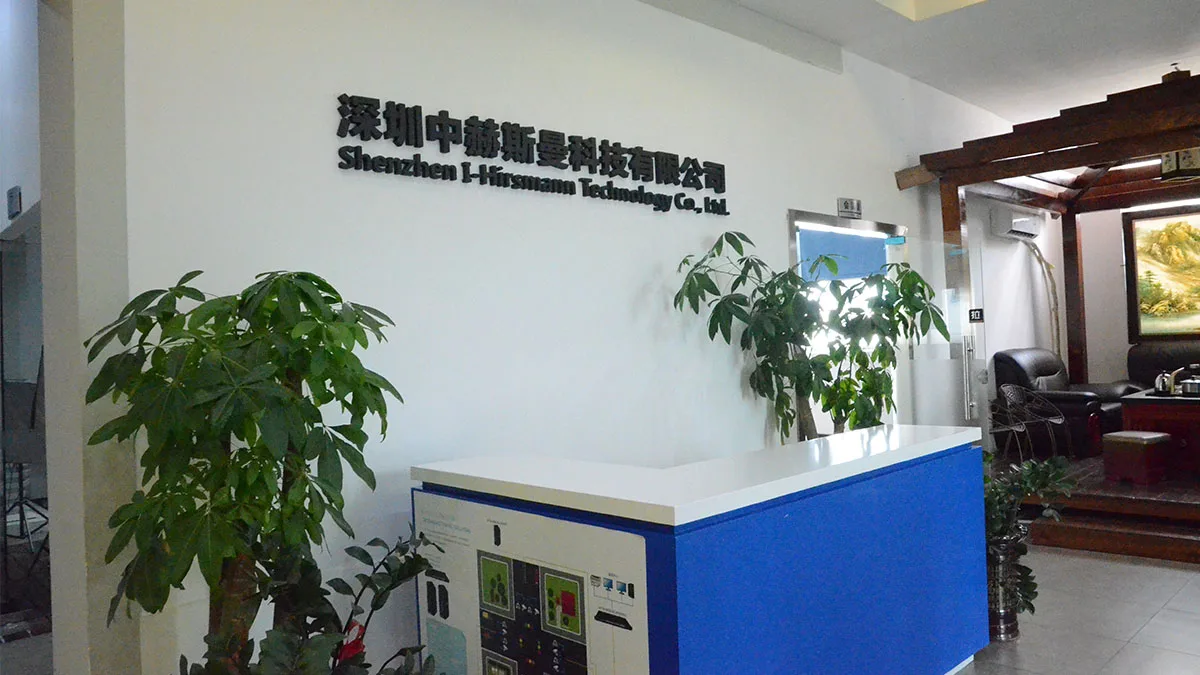
Shenzhen I-Hirsmann Technology Co., Ltd.
- Manufacturer
- Guangdong, China
- Lead time3 days
- Avg. response≤ 1h
Main productsIndustrial Ethernet Switches,PoE switches,Intelligent IoT O&M Box,Commercial switch,Data center switch
Main marketsDomestic Market(75.00%), Northern Europe(5.00%), North America(4.60%), Western Europe(4.20%), Southern Europe(3.60%), Eastern Europe(2.40%), Southeast Asia(1.60%), Mid East(1.00%), South Asia(1.00%), South America(0.60%), Central America(0.50%), Eastern Asia(0.30%), Oceania(0.10%), Africa(0.10%)

Beijing Yuanshengyuan Technology Co., Ltd.
- Verified by TUVRHEINLAND
- Combined
- China Beijing
- Lead time15 days
- Avg. response≤ 5h
Main productsComputer, Laptop, Tablet, Server, Optical Switch, Optical Storage, SSD Storage, SSD, Microchip, Industrial Ethernet Switch
Main marketsDomestic


Dual Power Input Voltage 8-Port Gigabit Industrial Non Management Ethernet Switch
$50.00 - $110.00
MOQ: 1 Pieces

8-Port Industrial Switch Poe Ethernet Switch Supports Industrial Network Switch
$50.00 - $110.00
MOQ: 1 Pieces


Takfly Communications Co., Ltd.
- Trading Company,Manufacturer/Factory
- China Guangdong
- Lead time15 days
- Avg. response≤ 11h
Main productsFiber Optic Patchcord, Optical Adapter, Optic Attenuator, CWDM/DWDM, Media Converter, Optical Fiber Cable, Poe Switch, PLC Splitter, MPO/MTP, Fiber Optic Distribution Box
Main marketsSouth America,Eastern Europe,Mid East,North America,Southeast Asia,Eastern Asia,Oceania,Western Europe,Africa
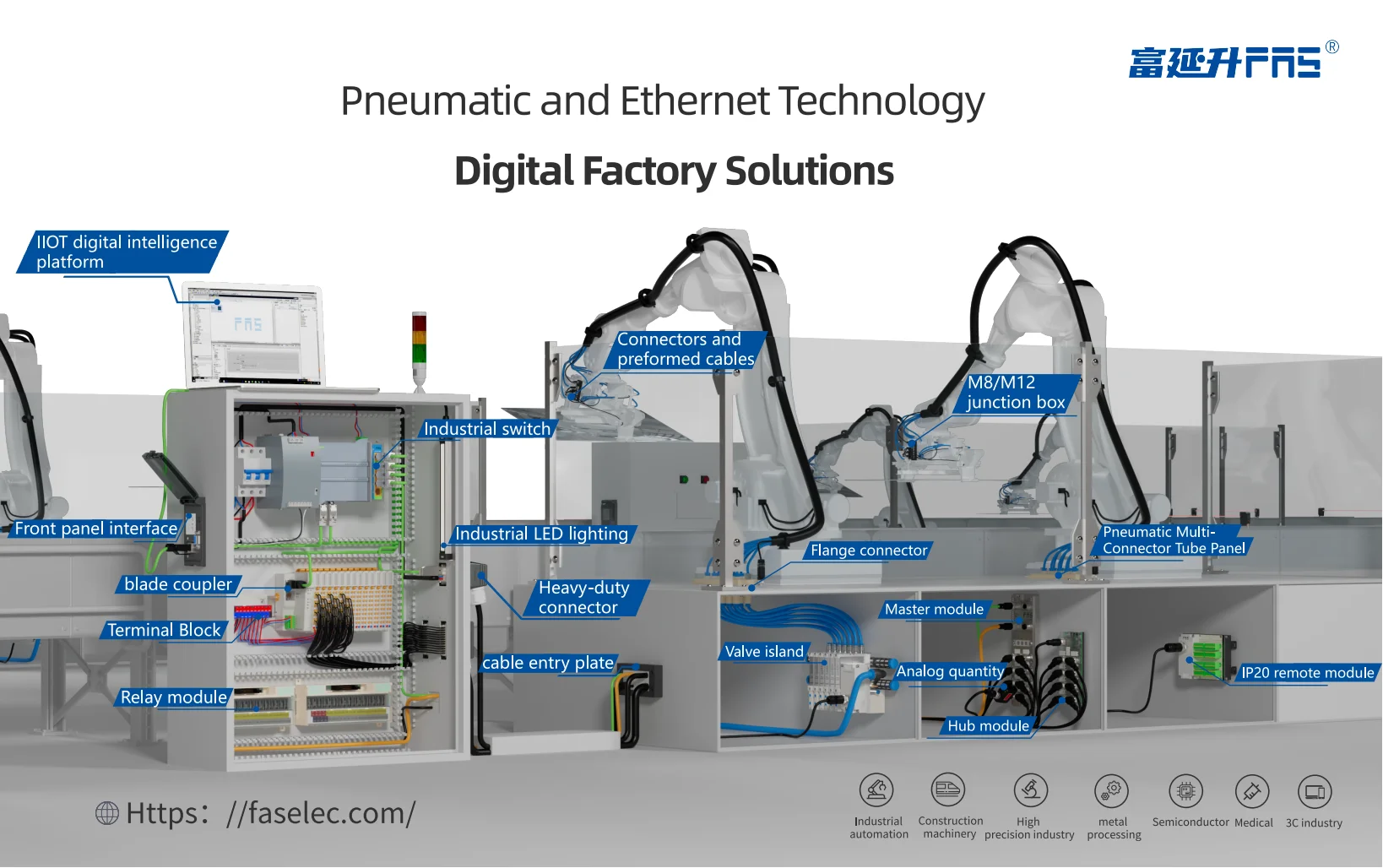
Fuyansheng Electronic (fujian) Co., Ltd.
- Manufacturer, Trading Company
- Fujian, China
- Lead time7 days
- Avg. response≤ 6h
Main productsIndustrial Ethernet,cylinder sensors,I/O cable distribution,connectors &servo applications,cable entry system
Main marketsDomestic Market(40.00%), Northern Europe(10.00%), Western Europe(10.00%), Africa(10.00%), Southeast Asia(10.00%), Eastern Europe(10.00%), Southern Europe(6.00%), North America(4.00%)
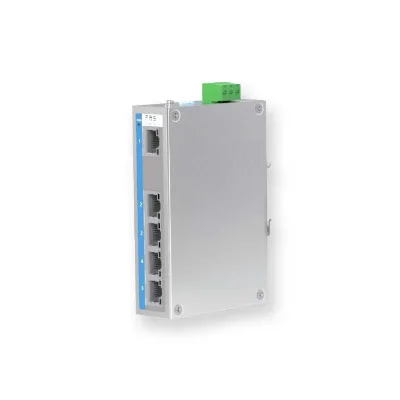
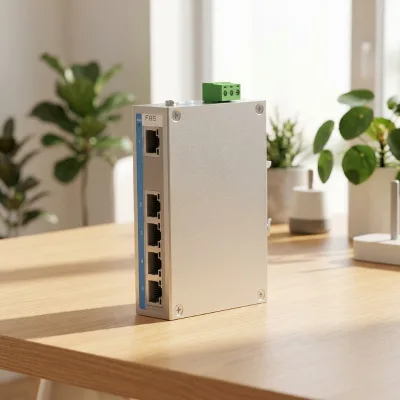
5-Port 100Mbps Industrial Ethernet Switch DIN Rail Compatible for Enterprise Use
$20.00
MOQ: 1 Minimum
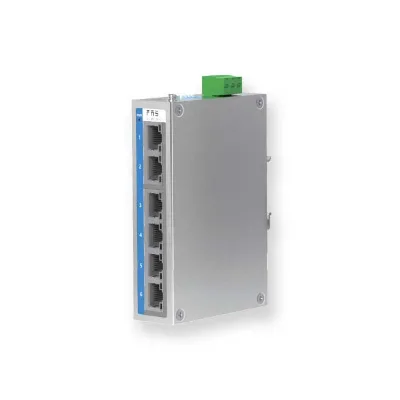
Guangzhou Gxcom Technology Co., Ltd.
- Verified by SGS Group
- Manufacturer, Trading Company
- Lead time15 days
- Avg. response≤ 3h
Main productsNetwork switch, Network Extender, Wifi Router, Poe injector, ONU
Main marketsNorth America(30%), South America(10%), Eastern Europe(10%)
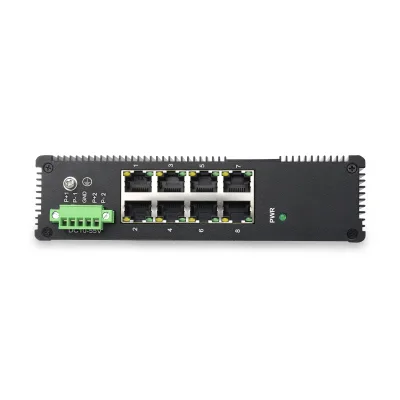
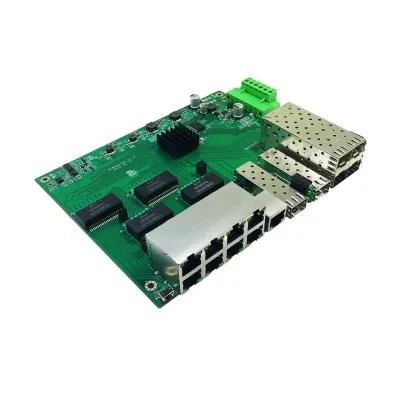
$70.9423 - $77.111
MOQ: 2 pieces

Shenzhen UTP Fiber Technology Co., Ltd.
- Verified by BV
- Manufacturer/Factory
- China Guangdong
- Lead time23 days
- Avg. response≤ 2h
Main productsIndustrial Poe Switch, Fiber Media Converter, Poe Injector, HDMI Fiber Extender, HD/3G/12g-SDI Fiber Extender, DVI Fiber Extender, Optical Fiber Switch, SFP Transceiver, CWDM Mux Demux, DWDM Mux Demux
Main marketsSouth America,Eastern Europe,Mid East,North America,Southeast Asia,Eastern Asia,Oceania,Western Europe,Africa

Changzhou ZERO Intelligent Technology Co., Ltd.
- Verified by SGS
- Combined
- China Jiangsu
- Lead time23 days
- Avg. response≤ 3h
Main productsElectronic Circuit Breaker, PVC Wiring Duct, Power Supply, Ethernet Switch, EMI Filter, Io Module
Main marketsDomestic
Guangzhou Hedy Lighting Co., Ltd.
- Verified by TüVRheinland
- Manufacturer, Trading Company
- Lead time20 days
- Avg. response≤ 3h
Main productsPower Supply, UPS, PoE Switch, Energy Storage System
Main marketsSouth Asia(30%), Domestic Market(20%), Eastern Europe(10%)
Hangzhou Dtvane Technology Co., Ltd.
- Manufacturer, Trading Company
- Zhejiang, China
- Lead time7 days
- Avg. response≤ 3h
Main productsdigital broadcasting tv system,Cable tv headend system,video/audio transmission devices,Live streaming operating system,IPTV/OTT Solution
Main marketsWestern Europe(8.81%), South America(4.76%), North America(4.34%), South Asia(3.55%), Northern Europe(2.80%), Southeast Asia(2.45%), Eastern Europe(2.42%), Southern Europe(2.39%), Eastern Asia(2.20%), Oceania(2.02%), Mid East(2.00%), Central America(0.90%), Africa(0.90%)
Shenzhen E-Linkchina Technology Co., Ltd.
- Verified by Intertek
- Manufacturer, Trading Company
- Lead time5 days
- Avg. response≤ 2h
Main productsIndustrial PoE Switch, Industrial PoE Injector, Industrial Fiber Media Converter, Video Fiber Converter, Fiber Optic Networking Accessory
Main marketsNorth America(35%), South America(5%), Eastern Europe(5%)
Hang Zhou Fei Chang Technology Co.,Ltd
- Verified by SGS Group
- Manufacturer, Trading Company
- Lead time10 days
- Avg. response≤ 1h
Main productsVoice multiplexer, PDH multiplexer, TDM over IP, Industrial network switch, Industrial serial Converters
Main marketsSoutheast Asia(20%), Mid East(20%), Eastern Europe(15%)
Shenzhen BTON Technology Co., Ltd.
- Verified by TüVRheinland
- Manufacturer, Trading Company
- Lead time2 days
- Avg. response≤ 5h
Main productsSFP Module, Fiber Media Converter, POE Switch, Fiber Video Converter, AOC Cable
Main marketsSouth Asia(25%), Domestic Market(25%), Southeast Asia(20%)
Tianjin Geneuo Technology Co., Ltd.
- Verified by SGS Group
- Manufacturer, Trading Company
- Lead time30 days
- Avg. response≤ 5h
Main productsEU M-Series Connector, Network Connector, Inch Series Connector, T /Y Connector, Connect Box, Valve Connector, Industrial LED Lighting, Inductive Sensor, Fieldbus Modules
Main marketsDomestic Market(74%), Eastern Europe(6%), Western Europe(5%)
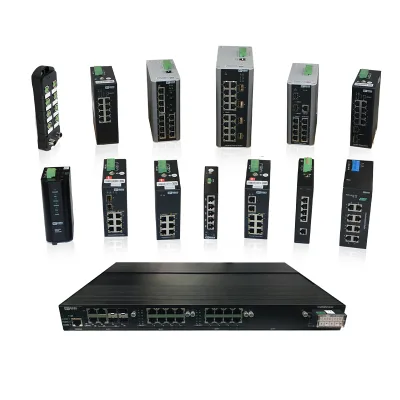
$361.5887 - $516.5553
MOQ: 1 pieces
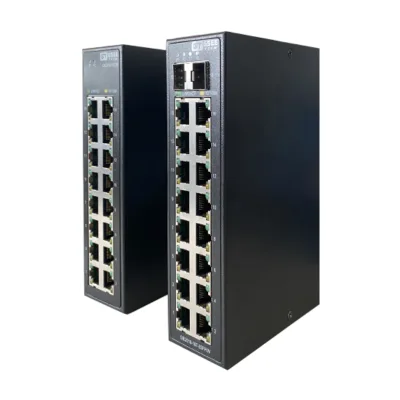
$361.5887 - $516.5553
MOQ: 1 pieces
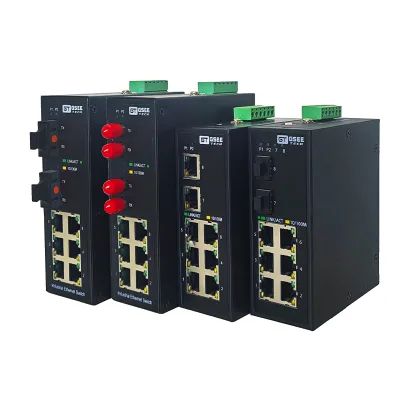
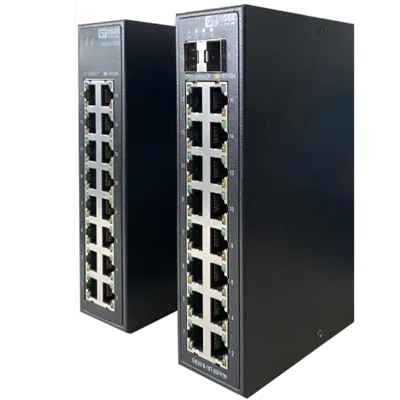
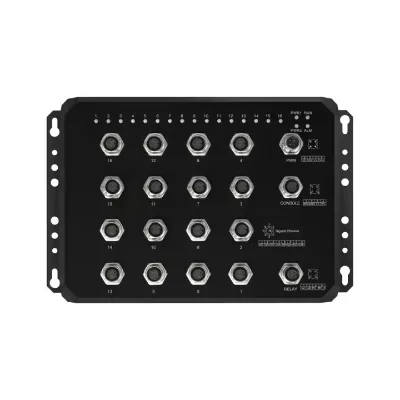
Cheap Deal Enterprise Unmanaged Switch 100Mbps DC12V-DC58V 16-Port Power Input CE FCC Certified
$367.6706 - $525.2437
MOQ: 1 pieces
HANGZHOU DTCORE TECHNOLOGY CO., LTD.
- Manufacturer, Trading Company
- Zhejiang, China
- Lead time7 days
- Avg. response≤ 2h
Main productsiptv provider,Digital TV broadcasting Equipment,IPTV Encoder,Video Encoder,cable tv encoder
Main marketsWestern Europe(8.95%), South America(4.85%), North America(4.54%), South Asia(3.65%), Northern Europe(2.90%), Southern Europe(2.65%), Southeast Asia(2.55%), Eastern Europe(2.52%), Mid East(2.30%), Eastern Asia(2.20%), Oceania(2.20%), Africa(0.90%), Central America(0.90%)
Shenzhen Clxlink Technology Co., Ltd.
- Manufacturer, Trading Company
- Guangdong, China
- Lead time15 days
- Avg. response≤ 4h
Main productspoe switch,ethernet switch,fiber media converter,industrial switch,managed switch
Main marketsSoutheast Asia(40.00%), Domestic Market(20.00%), Eastern Europe(10.00%), Mid East(10.00%), North America(5.00%), South America(5.00%), Western Europe(2.00%), South Asia(1.00%), Oceania(1.00%), Southern Europe(1.00%), Northern Europe(1.00%), Central America(1.00%), Eastern Asia(1.00%), Africa(1.00%)
Huizhou Changfei Photoelectricity Technology Co., Ltd.
- Verified by Intertek
- Manufacturer, Trading Company
- Lead time3 days
- Avg. response≤ 1h
Main productsIndustrial Switch, Enterprise Switch, PoE Switch, Ethernet Switch, Transceiver
Main marketsDomestic Market(65%), Eastern Asia(28%), South America(4%)
$53.90 - $59.90
MOQ: 2 pieces
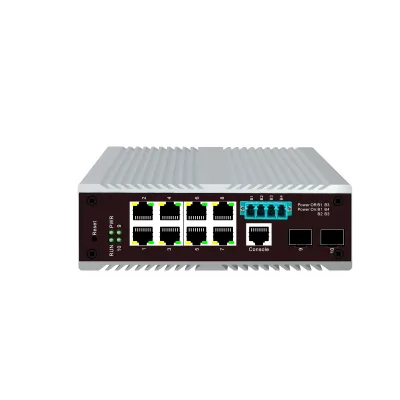
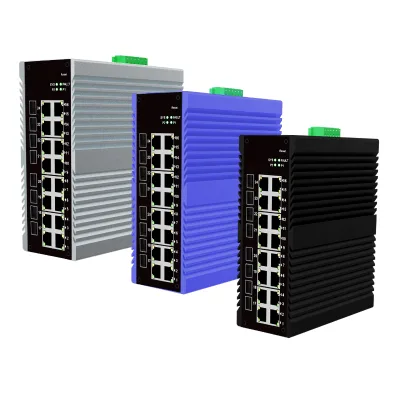
Shenzhen Hooolink Technology Co., Limited
- Manufacturer
- Guangdong, China
- Lead time7 days
- Avg. response≤ 6h
Main productsopenwrt router,4G/5G MIFI,4G/5G router,ONU,wireless usb adapter
Main marketsEastern Europe(25.00%), North America(15.00%), South America(15.00%), Domestic Market(10.00%)
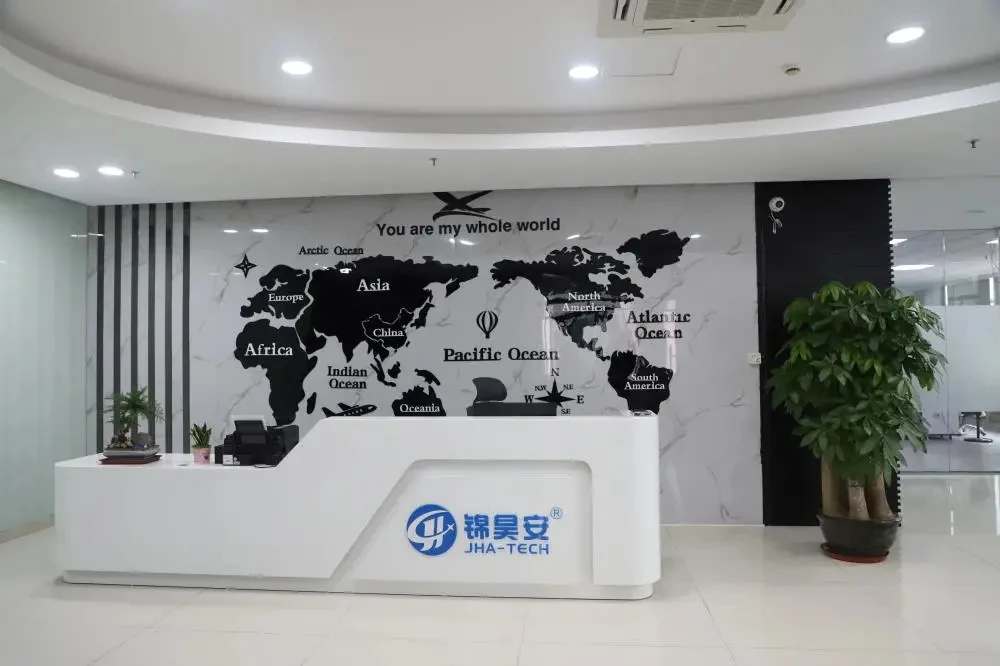
Shenzhen JHA Technology Co., Ltd.
- Manufacturer, Trading Company, Association
- Guangdong, China
- Lead time15 days
- Avg. response≤ 3h
Main productsIndustrial Ethernet Switch,Fiber Media Converter,Fiber Ethernet Switch,Power Over Ethernet,SFP Module
Main marketsDomestic Market(62.00%), Mid East(9.00%), Eastern Asia(5.00%), Northern Europe(5.00%), Western Europe(5.00%), Southern Europe(3.00%), Southeast Asia(3.00%), South Asia(2.00%), North America(1.00%), Africa(1.00%), South America(1.00%), Oceania(1.00%), Central America(1.00%), Eastern Europe(1.00%)
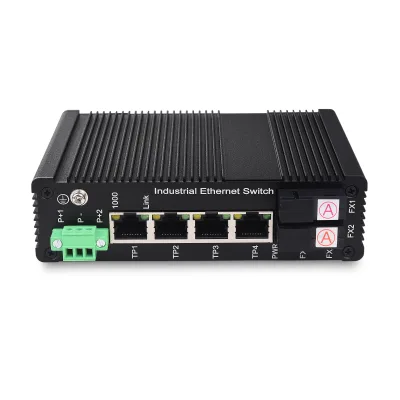
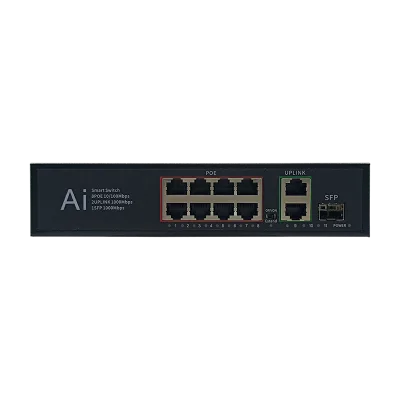
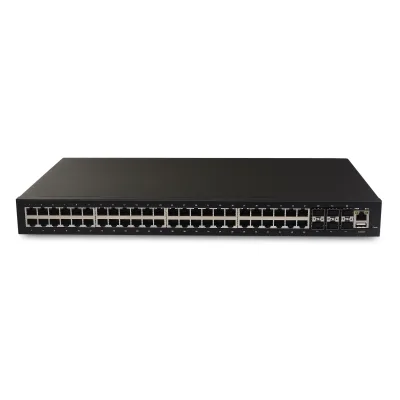
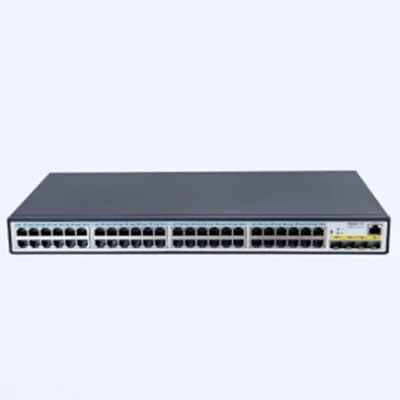
48 Port Full Gigabit Core Network Switch with 2 10G SFP Uplink Port
$320.00 - $357.00
Beijing Hongde Jiaye Technology Co., Ltd.
- Trading Company
- Beijing, China
- Lead time0 days
- Avg. response≤ 1h
Main productsThe server,storage,Optical switches,network switch,Shu Tong products
Main marketsMid East(30.00%), Eastern Europe(20.00%), North America(15.00%), Western Europe(10.00%), South Asia(5.00%), Southern Europe(5.00%), Central America(5.00%), Southeast Asia(5.00%), Eastern Asia(5.00%)

Takfly Communications Co., Ltd.
- Manufacturer
- China Guangdong
- Lead time15 days
- Avg. response≤ 8h
Main productsMPO/MTP, CWDM/DWDM/OADM, PLC Splitter, Patch Cord, Fiber Cable, Terminal Box, Poe Switch, Media Converter, SFP Transceiver, Splice Closure
Main marketsSouth America,Africa,Southeast Asia/ Mideast,Europe,North America
- Trading Company
- Hong Kong S.A.R.
- Lead time3 days
- Avg. response≤ 3h
Main productsONU,OLT,Fiber Patch Cord,Fiber Optic Cables,Fiber Splitter
Main marketsNorth America(60.00%), Northern Europe(5.00%), Western Europe(5.00%), South Asia(5.00%), Mid East(5.00%), Africa(5.00%), Eastern Europe(5.00%), Southern Europe(5.00%), Central America(3.00%), Eastern Asia(1.00%), South America(1.00%)

Beijing Borui Communication System Integration Co., Ltd.
- Verified by TUVRHEINLAND
- Trading Company
- China Beijing
- Lead time45 days
- Avg. response≤ 13h
Main productsNetwork Switches, Server, Storage, Laptop, HDD, Optical Transceiver, Workstation, Rack Server, Tower Server, Switches
Main marketsSouth America,Eastern Europe,Mid East,North America,Southeast Asia,Eastern Asia,Oceania,Western Europe,Africa

Shenzhen Lanwee Technology Co., LTD
- Verified by SGS
- Trading Company
- Hongkong_China Hongkong
- Lead time15 days
- Avg. response≤ 2h
Main productsEthernet Network Switch, Industrial Switch, Poe Switch, Poe Injector, Poe Splitter, Wireless Access Point, WiFi Module, Outdoor WiFi Bridge, FTTX Pon ONU/Olt
Main marketsEast Asia(Japan/ South Korea)


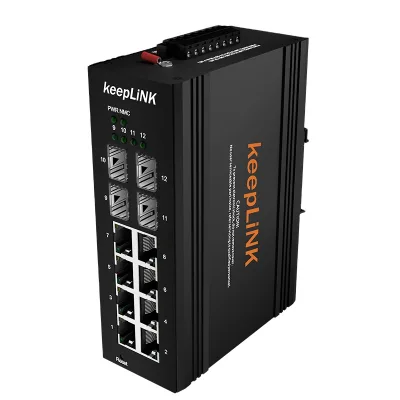
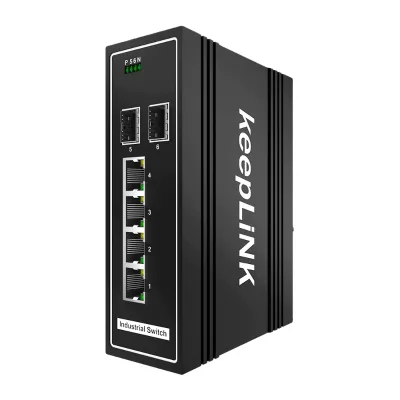


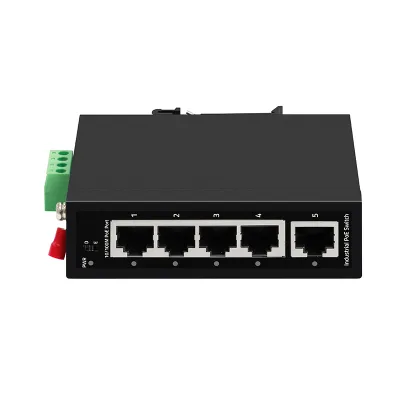
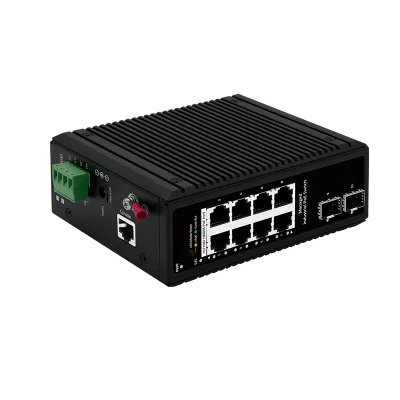




Comprehensive Sourcing Guide
8-Port 100Mbps Industrial Switch Supplier Concentration and Factory Types
The industrial networking sector exhibits distinct manufacturing clusters, with significant production activity concentrated in Guangdong, China, and emerging capabilities in Henan, China. Suppliers in Guangdong often operate as hybrid entities, functioning as both trading companies and manufacturers, which allows them to offer diverse product lines including POE switches, UTP LAN cables, and wireless access points alongside industrial Ethernet switches. This dual capability suggests a flexible supply chain that can handle both standard consumer electronics and specialized industrial hardware. In contrast, suppliers located in Henan typically present themselves strictly as manufacturer/factories, focusing on core industrial components like frequency inverters, PLCs, and DIN rail power supplies. This structural difference implies that buyers seeking pure manufacturing control might find Henan-based entities more aligned with direct factory engagement, while those requiring broader catalog integration might benefit from the trading company model prevalent in Guangdong. Understanding these regional and structural distinctions is crucial for aligning procurement strategies with specific operational needs, whether prioritizing direct factory interaction or comprehensive product availability.
Company types also influence the range of customization and original equipment manufacturing (OEM) services available. Many suppliers in this space, particularly those in Guangdong, explicitly list OEM and ODM capabilities, indicating a readiness to adapt products for specific brand requirements or unique industrial applications. Some manufacturers highlight their own brand presence, such as YI NET, suggesting established product lines that may offer proven reliability and standardized support structures. Meanwhile, other suppliers focus on sample processing and graphic processing, which may indicate a stronger emphasis on rapid prototyping or visual customization rather than deep hardware engineering. The presence of verified manufacturers, such as those holding BV or Intertek verification, adds a layer of trust regarding their operational legitimacy. Buyers should carefully evaluate whether the supplier’s primary business model supports their specific volume and customization requirements, as trading companies may offer faster access to varied SKUs, whereas dedicated factories might provide deeper technical support and more consistent quality control for large-scale industrial deployments.
How to Verify 8-Port 100Mbps Industrial Switch Suppliers
Verification processes for industrial switch suppliers often involve checking for third-party audits and system certifications that validate operational standards. Several suppliers in the current results hold ISO 9001 and ISO 14001 certifications, which are critical for ensuring consistent quality management and environmental responsibility in manufacturing processes. Some entities also display ISO 9000, ISO 14000, and QC 080000 certifications, indicating a broader adherence to international quality and hazardous substance management standards. Additionally, product-level certifications such as CE/EMC, CE/LVD, and FCC are frequently listed, ensuring that the switches meet regulatory requirements for electromagnetic compatibility and low voltage directives in key markets. Buyers should prioritize suppliers who provide these specific certifications, as they serve as tangible evidence of compliance and manufacturing rigor. Verification platforms may also display badges from organizations like BV or Intertek, which further confirm the supplier’s operational status and reliability. These credentials are not merely decorative; they are essential for mitigating risk in industrial environments where equipment failure can lead to significant operational downtime.
Beyond certifications, buyers should assess the supplier’s response time and verification status to gauge their operational efficiency and trustworthiness. Response times vary significantly, with some suppliers demonstrating rapid engagement capabilities of approximately 1.47 hours, while others may take up to 6.61 hours to respond. Faster response times often correlate with dedicated sales teams and streamlined internal processes, which are vital for resolving technical queries or negotiating custom specifications promptly. Furthermore, the presence of verification badges from recognized third-party agencies provides an additional layer of security, confirming that the supplier has undergone rigorous checks regarding their business license, factory audits, and product quality. Buyers should actively look for these indicators during their evaluation process, as they provide objective data points that complement subjective assessments of supplier professionalism. It is also advisable to review the supplier’s main product listings to ensure they specialize in industrial networking equipment rather than general electronics, as specialization often correlates with deeper technical expertise and better after-sales support for complex industrial applications.
What to Compare Across 8-Port 100Mbps Industrial Switch Suppliers
When evaluating potential suppliers, lead time and production capacity are critical factors that directly impact project timelines and inventory management. Suppliers in this sector exhibit varying lead times, with some offering rapid turnaround capabilities of around 7 to 15 days, while others may require up to 120 days for production and delivery. These differences often reflect the supplier’s manufacturing scale, inventory levels, and customization requirements. Buyers should align their procurement schedules with suppliers whose lead times match their project deadlines, considering that longer lead times may be necessary for fully customized OEM orders. Additionally, the minimum order quantity (MOQ) is a key consideration, with some suppliers accepting orders as low as one unit, which is beneficial for prototyping or small-scale pilot projects. Others may have higher MOQs, which could be more cost-effective for bulk deployments. Understanding these logistical constraints early in the sourcing process helps buyers avoid delays and ensures that their supply chain remains flexible and responsive to changing market demands.
Price and technical specifications also play a pivotal role in supplier comparison, as they determine the total cost of ownership and operational suitability. Product prices can vary widely, with some industrial switches listed at premium price points around $9,999, likely reflecting advanced features or high-volume industrial-grade construction, while others are available at more accessible price ranges between $40 and $45 for basic unmanaged models. Buyers must carefully assess whether the price aligns with the specified technical attributes, such as transmission rates, port configurations, and operating temperature ranges. For instance, switches supporting wide temperature ranges from -40°C to 80°C are essential for harsh industrial environments, whereas standard models may suffice for controlled indoor settings. Additionally, features like POE functionality, managed versus unmanaged capabilities, and fiber uplink options should be compared across suppliers to ensure the selected product meets the specific network architecture requirements. By systematically comparing these variables, buyers can identify the optimal balance between cost, performance, and reliability, ensuring that their investment delivers maximum value for their industrial networking infrastructure.
Common 8-Port 100Mbps Industrial Switch Sourcing Risks
One significant risk in sourcing industrial switches is the potential mismatch between advertised specifications and actual product performance, particularly regarding environmental durability and electrical stability. Buyers must be cautious of suppliers who do not clearly specify operating temperature ranges or input voltage tolerances, as these parameters are critical for ensuring reliable operation in harsh industrial environments. For example, switches designed for extreme conditions should explicitly state their ability to withstand temperatures from -40°C to 80°C and support wide input voltage ranges such as 9-60VDC. Without these details, there is a risk of deploying equipment that may fail under thermal stress or power fluctuations, leading to costly downtime and maintenance issues. Additionally, the distinction between managed and unmanaged switches is crucial, as managed switches offer advanced features like VLANs and QoS, which are often required in complex industrial networks. Buyers should verify that the supplier’s product descriptions accurately reflect these capabilities, as mislabeling can result in purchasing equipment that lacks the necessary network control features for their specific application.
Another risk involves the reliability of supply chain logistics and the consistency of product quality across batches. Suppliers with longer lead times or those operating as trading companies may face challenges in maintaining consistent quality control, especially if they source components from multiple manufacturers. Buyers should prioritize suppliers who demonstrate strong quality assurance processes, such as holding ISO 9001 certifications and undergoing third-party verifications like BV or Intertek audits. These certifications indicate a structured approach to quality management, reducing the likelihood of defects or inconsistencies in the final product. Furthermore, buyers should be wary of suppliers who do not provide clear packaging details or product dimensions, as these factors can impact shipping costs and installation feasibility in confined industrial spaces. Ensuring that the supplier provides comprehensive technical documentation, including wiring diagrams and configuration guides, is also essential for smooth integration and troubleshooting. By proactively addressing these risks through thorough due diligence, buyers can mitigate potential disruptions and ensure the long-term reliability of their industrial networking infrastructure.
8-Port 100Mbps Industrial Switch Regional Sourcing and Logistics
Sourcing industrial switches from China offers access to a robust manufacturing ecosystem, with key production hubs located in Guangdong and Henan provinces. Guangdong is particularly notable for its concentration of both trading companies and manufacturers, providing buyers with a wide array of options ranging from basic unmanaged switches to advanced managed POE models. This region’s established supply chain infrastructure facilitates efficient logistics and rapid prototyping, making it an ideal choice for buyers requiring flexible order quantities and quick turnaround times. In contrast, Henan-based suppliers often focus on core industrial components and may offer more specialized manufacturing capabilities for specific industrial applications. Buyers should consider the logistical implications of sourcing from these regions, including shipping times, customs clearance procedures, and potential tariffs. Understanding the regional strengths of each manufacturing hub allows buyers to strategically align their sourcing decisions with their specific operational needs, whether prioritizing speed, cost, or technical specialization.
Logistics planning also involves evaluating the supplier’s packaging and shipping capabilities to ensure safe and efficient delivery of sensitive electronic equipment. Industrial switches are often packaged in standard cartons or pallets, with specific dimensions provided to assist in freight calculation and warehouse planning. Buyers should verify that the supplier uses appropriate packaging materials to protect the switches from damage during transit, especially for long-distance shipments. Additionally, understanding the supplier’s export experience and familiarity with international shipping regulations is crucial for avoiding delays at customs. Suppliers who regularly export to global markets are likely to have established relationships with freight forwarders and a better understanding of documentation requirements, such as commercial invoices and packing lists. By carefully planning the logistics aspect of their sourcing strategy, buyers can minimize transit risks and ensure that their industrial switches arrive on time and in perfect condition, ready for immediate deployment in their operational environments.
8-Port 100Mbps Industrial Switch Commercial Terms and Order Planning
Commercial terms and order planning are essential components of a successful sourcing strategy, requiring careful attention to payment structures, warranty policies, and after-sales support. Buyers should negotiate clear terms regarding payment methods, such as letters of credit or escrow services, to protect their financial interests and ensure that funds are released only upon satisfactory delivery of the goods. Additionally, understanding the supplier’s warranty policy is crucial, as industrial switches are critical components that require long-term reliability. Buyers should inquire about the duration of the warranty, the process for claiming replacements or repairs, and whether the supplier provides technical support for troubleshooting and configuration issues. Clear communication regarding these commercial terms helps establish a transparent and trustworthy business relationship, reducing the potential for disputes and ensuring that both parties are aligned on expectations. Furthermore, buyers should consider the scalability of the supplier’s services, ensuring that they can accommodate future order increases or additional product requirements without compromising quality or service levels.
Order planning also involves forecasting demand and aligning procurement schedules with production lead times to maintain optimal inventory levels. Buyers should work closely with their chosen suppliers to develop a realistic production timeline, accounting for factors such as raw material availability, manufacturing capacity, and shipping logistics. For large-scale deployments, it may be beneficial to place orders in phases to manage cash flow and reduce the risk of overstocking. Additionally, buyers should consider the potential for future customization or upgrades, ensuring that the supplier has the capacity to support these changes. By developing a comprehensive order plan that incorporates these variables, buyers can optimize their supply chain efficiency and minimize the risk of production delays or inventory shortages. Regular communication with the supplier regarding order status and potential changes is also essential for maintaining flexibility and responsiveness in a dynamic industrial
FAQs
What is a 8-port 100Mbps industrial switch used for?
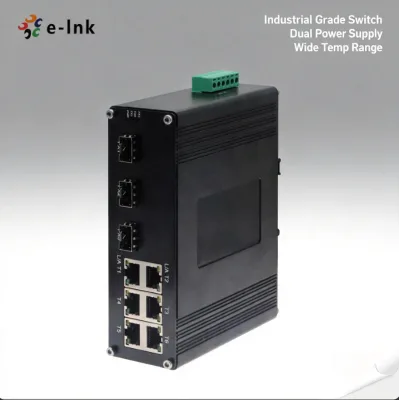
An 8-port 100Mbps industrial switch connects network devices on a factory floor, in traffic-control cabinets, or across CCTV and security camera installations. It provides unmanaged plug-and-play connectivity at intermediate network nodes, often with full-duplex and half-duplex communication. Models designed for industrial Ethernet handle vibration, wide temperature ranges, and DIN-rail or cabinet mounting better than standard office switches.
What price should I expect for an 8-port industrial Ethernet switch?
Listed supplier pricing for 8-port 100Mbps unmanaged industrial switches starts around 40 to 45 US dollars per unit, while other industrial switch models are quoted far higher depending on port count, management features, and PoE. Treat quoted prices as a starting point and request a formal quotation that includes packaging, voltage options, and any customization before comparing suppliers.
What is the typical minimum order quantity for industrial switches?
Some listed industrial switch products show a minimum order quantity of just one unit, which supports sampling and small pilot deployments. Other suppliers may require larger orders for factory pricing tiers. Confirm the MOQ per model in writing, because it can differ between unmanaged 100Mbps units and managed gigabit or PoE variants within the same catalog.
How fast can suppliers ship 8-port industrial switches?
Lead times among the listed suppliers vary widely, from about 7 days and 15 days for some manufacturers up to roughly 120 days for others. The shortest lead times typically apply to standard catalog models without customization. Always confirm the lead time for your specific configuration, voltage option, and order volume, and ask how lead time changes for OEM or ODM units.
Do these industrial switches support PoE for cameras?
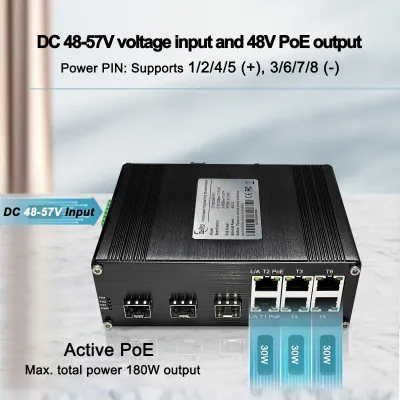
PoE functionality is available but optional on several listed industrial switch models, so not every 8-port unit powers cameras out of the box. If you plan to run CCTV, IR, or security cameras, verify the PoE budget, port count supporting PoE, and total power consumption per port. Confirm the exact model number, since PoE is specified per model rather than per product family.
Which certifications should an 8-port industrial switch have?
Listed products reference CE/EMC, CE/LVD, and FCC certification for the switch hardware, while some suppliers hold ISO 9001 and ISO 14001 quality and environmental management systems. For installations in regulated environments, ask for copies of the actual test certificates matching the model number you order. Certificate scope can cover a family of products, so verify your exact model is included.
Can I get a customized or OEM industrial switch?
Yes, customization is marked as available on several listed industrial switch models, and suppliers list OEM and ODM capability, some with their own brand. Customization can cover casing color, branding, port configuration, and operating specifications. Expect customization to extend lead time compared with standard models, so request a separate timeline and sample policy before committing to a production order.
Where are the main suppliers of these industrial switches located?
The listed suppliers are based in China, with manufacturing and trading companies in Guangdong, including Dongguan, and another manufacturer in Henan. Guangdong offers a dense electronics supply chain for network hardware, while Henan-based factories focus on industrial automation components. Location affects shipping cost and lead time to your market, so factor origin ports and freight terms into your comparison.