Industrial Waterproof Combination Switch Suppliers and Manufacturers
Compare 20 verified suppliers offering industrial waterproof combination switches with varying lead times, certifications, and response speeds. Review product attributes like IP66 ratings and customization options before requesting quotes; review the available evidence before requesting comparable quotations from suitable candidates.
Updated
Suppliers List

- Trading Company
- China Zhejiang
- Lead time38 days
- Avg. response≤ 9h
Main productsWeatherproof Switch and Socket, Cee Form Industrial Plug and Socket, Terminal Block, Wire Connector, Pre-Insulated Terminal, Electrical Junction Box, Electrical Distribution Box, Circuit Breaker
Main marketsSouth America,Eastern Europe,Mid East,Southeast Asia,Eastern Asia,Oceania,Western Europe,Africa

Shenzhen Yizexin Technology Co., Ltd.
- Verified by BV
- Trading Company,Manufacturer/Factory,Group Corporation,Other
- China Guangdong
- Lead time15 days
- Avg. response≤ 8h
Main productsMembrane Switch, Membrane Panel, Flexible Circuit, Lenses Series, Stickers Series, Crystal Glue, Roll up Piano, Roll up Drum, Hand Spinners, Hand Cube
Main marketsSouth America,Eastern Europe,Mid East,North America,Southeast Asia,Eastern Asia,Oceania,Western Europe,Africa
Yueqing Height Electric Co., Ltd.
- Verified by TüVRheinland
- Manufacturer, Trading Company
- Lead time31 days
- Avg. response≤ 10h
Main productsFloat Switch, Waterproof Switch Socket Box, Waterproof Switch Box, Load Waterproof Isolating Switches
Main marketsSoutheast Asia(40%), Mid East(30%), Southern Europe(10%)
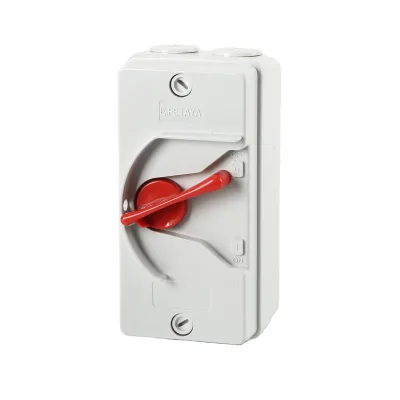
High Quality Single Pole Outdoor Water-Proof Isolating Disconnect Safety Switch for Industrial Use
$1.00 - $10.00
MOQ: 100 Minimum
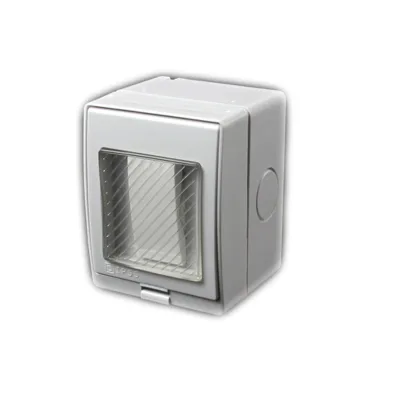
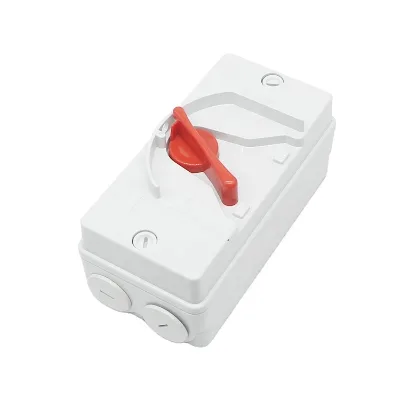
UKF MF Series Weatherproof Switch IP66 Waterproof Isolating Switch with SAA Certificate
$1.0248 - $15.3699
MOQ: 200 Minimum

SNT Electronics Technology Co., Ltd.
- Verified by SGS
- Combined
- China Guangdong
- Lead time30 days
- Avg. response≤ 1h
Main productsMembrane Switches, Overlay Panel, Backlight Membrane Switches, Pet Printed Circuit
Main marketsDomestic,Europe,Australia,North America

Customer Design Dustproof/Waterproof Membrane Switch with Display for Industrial Controls
$0.10 - $5.00
MOQ: 5 Pieces


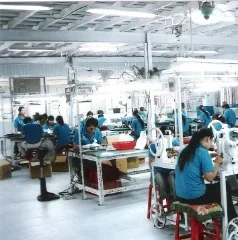
AUSPICIOUS ELECTRICAL ENGINEERING CO., LTD.
- Manufacturer
- Taiwan, China
- Lead time10 days
- Avg. response≤ 5h
Main productsPush button,cam switch,foot switch,terminal block,selector switch
Main marketsSouthern Europe(8.33%), Northern Europe(8.33%), Central America(8.33%), Western Europe(8.33%), Eastern Asia(8.33%), Mid East(8.33%), Oceania(8.33%), Africa(8.33%), Southeast Asia(8.33%), Eastern Europe(8.33%), South America(8.33%), North America(8.33%)
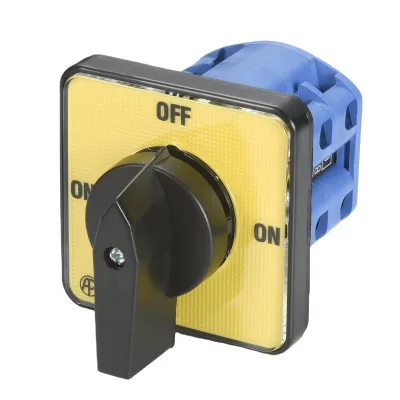
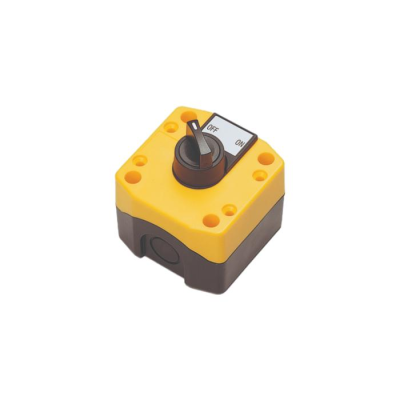
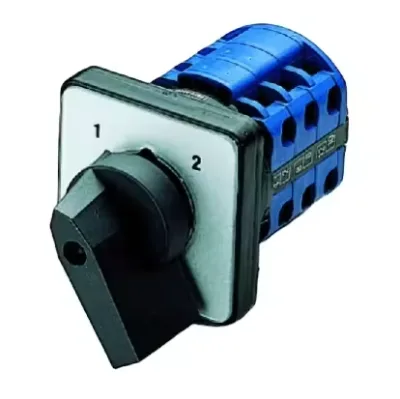
Change Over Switch 25A 600V Universal Control Switch CE for Certified
$1.0248 - $51.1976
MOQ: 5 Minimum
JIAHUI WISH (ZHEJIANG) SMART ELECTRIC CO.,LTD.
- Verified by TüVRheinland
- Manufacturer, Trading Company
- Lead time30 days
- Avg. response≤ 5h
Main productsAS/NZS/IEC/CEE Industrial Product, AS/NZS House Use Electrical Items, Power Distribution Board And Box, Wires And Cables, Sheet Metal
Main marketsOceania(60%), Eastern Europe(10%), Southeast Asia(10%)

- Verified by BV
- Combined
- China Zhejiang
- Lead time30 days
- Avg. response≤ 8h
Main productsMicro Switch, Waterproof Switch, Power Switch, Rocket Switch, Rocker Switch, Rotary Switch, Gating Control, Switch
Main marketsSouth America,Africa,Southeast Asia/ Mideast,East Asia(Japan/ South Korea),Europe,Australia,North America

NINGBO FBELE ELECTRONICS CO., LTD.
- Trading Company
- China Zhejiang
- Lead time15 days
- Avg. response≤ 11h
Main productsSolar Cell, Buzzer, Fuse and Fuse Holder, Terminal Block, Switch, Speaker, Telephone Receiver, Siren, Rj, USB Connector
Main marketsSouth America,Southeast Asia/ Mideast,Europe

Zhejiang Kripal Electric Co., Ltd.
- Verified by BV
- Combined
- China Zhejiang
- Lead time30 days
- Avg. response≤ 1h
Main productsIsolator Switch, Switch Disconnector, Contactor, Thermal Overload Relay, Waterproof Socket, Waterproof Switch, MCCB, Circuit Breaker, MCB, Industrial Plug and Socket
Main marketsEurope
Shenzhen Longgang District Xr Electronics Factory
- Manufacturer, Trading Company, Buying Office, Distributor/Wholesaler
- Guangdong, China
- Lead time10 days
- Avg. response≤ 3h
Main productsConsumer electronics,household appliances
Main marketsSoutheast Asia(20.00%), North America(10.00%), Southern Europe(10.00%), Western Europe(10.00%), Domestic Market(5.00%), South Asia(5.00%), Eastern Europe(5.00%), Northern Europe(5.00%), Central America(5.00%), South America(5.00%), Eastern Asia(5.00%), Mid East(5.00%), Oceania(5.00%), Africa(5.00%)

Jiangxi Nanma Electrical Co., Ltd.
- Verified by BV
- Trading Company,Manufacturer/Factory,Other
- China Jiangxi
- Lead time15 days
- Avg. response≤ 3h
Main productsMicro Switch, Limit Switch, Toggle Switch, Waterproof Switch, Foot Switch, Switch, Electrical Switch, Tact Switch, Time Relay, Rocker Switch
Main marketsSouth America,Eastern Europe,Mid East,North America,Southeast Asia,Eastern Asia,Oceania,Western Europe,Africa

Kay-EE Membrane Keyboard Switch Co., Ltd.
- Combined
- China Guangdong
- Lead time30 days
- Avg. response≤ 3h
Main productsTouch Panel, Membrane Switch, Graphic Overlay, Touch Screen, Label, SMT Product
Main marketsSouth America,Africa,Southeast Asia/ Mideast,East Asia(Japan/ South Korea),Domestic,Europe,Australia,North America
Henan Dongchuan Electrical Equipment Co., Ltd
- Trading Company
- Henan, China
- Lead time15 days
- Avg. response≤ 3h
Main productssolenoid valve,relay,generator set,switch power supply,Signal isolator
Main marketsAfrica(10.00%), Southeast Asia(10.00%), Mid East(5.00%), South America(4.00%), Eastern Asia(4.00%), Central America(3.00%), South Asia(3.00%), Oceania(3.00%), North America(2.00%), Western Europe(2.00%), Eastern Europe(1.00%), Southern Europe(1.00%), Northern Europe(1.00%)
Dongguan RGP Industrial Electrical Co., Ltd.
- Manufacturer, Trading Company
- Guangdong, China
- Lead time7 days
- Avg. response≤ 6h
Main productsfloat switch,flow switch,Liquid level sensor,Water Level Probe,Magnetic proximity switch
Main marketsDomestic Market(30.00%), North America(10.00%), Eastern Europe(10.00%), South America(10.00%), Western Europe(8.00%), Oceania(6.00%), Southeast Asia(5.00%), Central America(4.00%), Mid East(4.00%), South Asia(4.00%), Africa(3.00%), Northern Europe(2.00%), Eastern Asia(2.00%), Southern Europe(2.00%)
Zhejiang Hefeng Electric Co., Ltd.
- Manufacturer, Trading Company
- Zhejiang, China
- Lead time15 days
- Avg. response≤ 1h
Main productsIndustrial Plug,Industrial Socket,Connectors,power box
Main marketsNorthern Europe(100.00%), Central America(100.00%), Western Europe(100.00%), Eastern Asia(100.00%), Mid East(100.00%), Oceania(100.00%), South Asia(100.00%), Southern Europe(100.00%), Eastern Europe(100.00%), South America(100.00%), North America(100.00%), Domestic Market(70.00%), Southeast Asia(20.00%), Africa(10.00%)

Yeswitch Electronics Co., Ltd.
- Verified by TUVRHEINLAND
- Trading Company
- China Guangdong
- Lead time30 days
- Avg. response≤ 6h
Main productsToggle Switch, Awp Toggle Switch, Seat Switch, Mower Seat Switch, Plunger Switch, Metal Push Button Switch, Push Button Switch, Rocker Switch
Main marketsEurope
Guangzhou EBY Optoelectronic Technology Co., Ltd.
- Trading Company
- Guangdong, China
- Lead time10 days
- Avg. response≤ 10h
Main productsElectrical Wire,LED Connector,LED Connect Wire,LED Splitter Box,Power Supply
Main marketsWestern Europe(40.00%), North America(30.00%), Domestic Market(15.00%), Oceania(5.00%), Southeast Asia(5.00%), Mid East(5.00%)
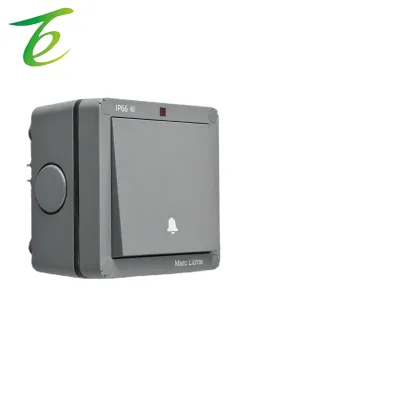
$0.2079 - $2.072
MOQ: 500 Minimum
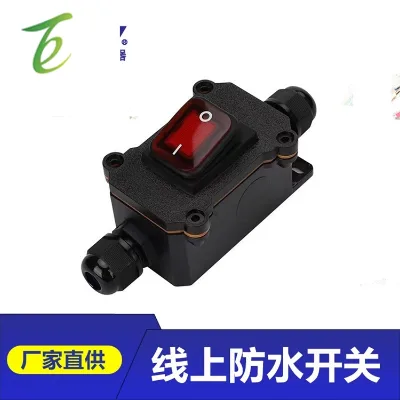
$0.2064 - $0.5146
MOQ: 500 Minimum

Shenzhen Alisi Electronic Technology Co., Ltd.
- Trading Company, Distributor/Wholesaler
- Guangdong, China
- Lead time3 days
- Avg. response≤ 2h
Main productselectron component,temperature controller,Auto parts,sensor,Wireless Controller
Main marketsSouth America(20.00%), Eastern Europe(20.00%), North America(15.00%), Western Europe(5.00%), Domestic Market(5.00%), South Asia(5.00%), Southern Europe(5.00%), Northern Europe(5.00%), Central America(5.00%), Eastern Asia(3.00%), Mid East(3.00%), Oceania(3.00%), Africa(3.00%), Southeast Asia(3.00%)

Meokon Sensor Technology (Shanghai) Co., Ltd.
- Manufacturer
- China Shanghai
- Lead time15 days
- Avg. response≤ 4h
Main productsDigital Pressure Gauge, Digital Pressure Controller, Digital Pressure Switch, Digital Electric Contact Pressure Gauge, Temperature and Humidity Table, Pressure Transmitters, Pressure Sensor, Lever Sensor
Main marketsSouth America,Southeast Asia/ Mideast,East Asia(Japan/ South Korea),Domestic,Europe,Australia,North America

NINGBO SANHE REFRIGERATION CO., LTD.
- Verified by BV
- Trading Company
- China Zhejiang
- Lead time30 days
- Avg. response≤ 4h
Main productsCompressor, Refrigerant, Copper Tube & Coil, Air Conditioner Parts, Refrigeration Parts, Refrigerator Parts, Service Tools, Buildings Automation, Washing Machine Parts, Car Air Conditioning Parts
Main marketsSouth America,Africa,Southeast Asia/ Mideast,East Asia(Japan/ South Korea),Europe,Australia,North America


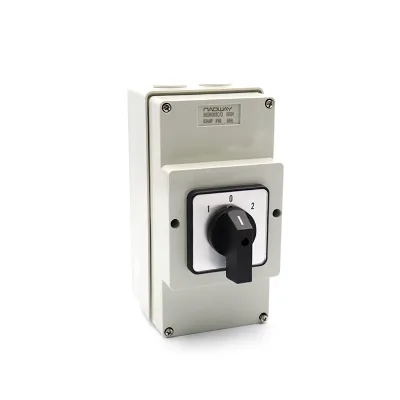
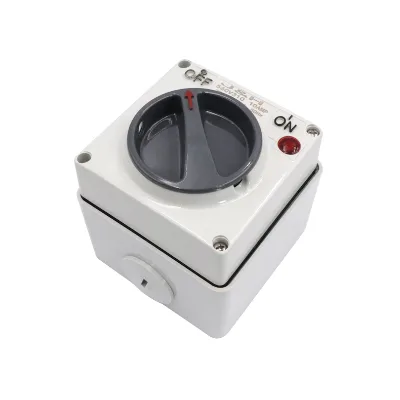


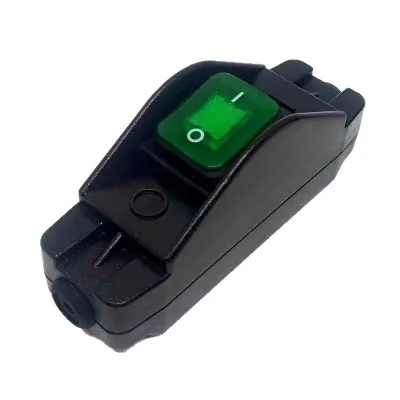
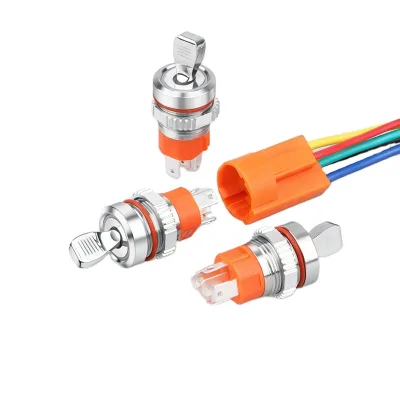






Comprehensive Sourcing Guide
Industrial Waterproof Combination Switch Supplier Concentration and Factory Types
The current supplier landscape for industrial waterproof combination switches reveals a distinct geographic concentration within China, specifically highlighting manufacturing and trading hubs in Zhejiang and Guangdong provinces. These regions are critical for sourcing because they host the necessary supply chains for electrical components, plastic injection molding, and electronic assembly. When evaluating potential partners, buyers must first distinguish between the types of entities available, as the results indicate a mix of Trading Companies, Manufacturer/Factories, and Group Corporations. This diversity impacts how a buyer approaches negotiations and quality control. A trading company may offer a broader catalog of related items like terminal blocks or junction boxes, leveraging their position as intermediaries to consolidate shipments. In contrast, a manufacturer or factory provides direct oversight of the production line, which is often preferred for custom OEM or ODM projects where specific technical modifications to the switch housing or internal contacts are required.
Understanding the operational model of each supplier type is essential for aligning with your procurement strategy. The data shows that some entities operate as group corporations with their own development teams, capable of handling complex OEM and ODM requests for new product designs. This is particularly relevant for industrial clients who need switches tailored to specific environmental conditions, such as high humidity or exposure to corrosive chemicals. Other suppliers may focus on standard products with available customization options, allowing for minor adjustments in labeling or packaging without altering the core engineering. Buyers should assess whether their project requires the flexibility of a trading company that can source complementary hardware, or the technical depth of a manufacturer that can engineer solutions from scratch. The presence of both types in the search results means that due diligence is required to ensure the supplier’s capabilities match the complexity of the Industrial Waterproof Combination Switch requirements.
How to Verify Industrial Waterproof Combination Switch Suppliers
Verification is the cornerstone of mitigating risk when sourcing industrial components from international markets. Buyers should prioritize suppliers that display third-party verification badges, such as BV (Bureau Veritas), which indicates that an independent auditor has inspected the company’s business license and operational capabilities. This step provides a baseline of trust, confirming that the entity exists and operates within legal frameworks. Beyond basic verification, it is crucial to examine the specific system certifications held by the supplier. The presence of ISO 9001 certification suggests a standardized quality management system, which is vital for maintaining consistency in waterproof ratings and electrical safety. Additionally, some suppliers may hold ISO 14001 for environmental management or QC 080000 for hazardous substance process management, which can be important for compliance in regulated industries. These certifications are not just badges; they represent documented processes that should be reviewed to ensure they align with your company’s quality standards.
Product-specific certifications are equally important for industrial waterproof combination switches, as they directly relate to safety and regulatory compliance in target markets. Buyers must verify that the switches carry relevant marks such as CE, ROHS, CCC, or UL, depending on where the products will be deployed. For instance, CE marking is mandatory for sales in the European Union, while CCC is required for the Chinese market. The supplier’s product listings should explicitly state these certifications, and buyers should request copies of the test reports to validate the claims. Furthermore, checking the supplier’s response time can serve as an indirect indicator of their operational efficiency and customer service quality. A faster response time, such as under eight hours, often correlates with a more responsive and organized procurement team. Buyers should also inquire about the supplier’s ability to provide detailed product attributes, such as IP ratings (e.g., IP66 or IP67), material compositions like PC panels and copper silver alloys, and specific wiring configurations, to ensure technical compatibility with their existing infrastructure.
What to Compare Across Industrial Waterproof Combination Switch Suppliers
When evaluating multiple suppliers, buyers must systematically compare key operational metrics to determine the best fit for their supply chain. Lead time is a critical factor, as it directly impacts inventory management and project timelines. The data indicates a range in lead times, with some suppliers offering as little as fifteen days, while others may require up to thirty-eight days. This variance can be significant for large-scale industrial projects where just-in-time delivery is preferred. Buyers should also compare the Minimum Order Quantity (MOQ) requirements, which can vary widely from small batches of five units for prototyping or small repairs to larger quantities of one hundred units for standard production runs. Understanding these thresholds helps in planning order volumes and negotiating better pricing tiers. Additionally, response speed should be weighed against the complexity of the inquiry, as quick replies can facilitate faster resolution of technical questions and quote negotiations.
Price and customization capabilities are other vital dimensions for comparison. The price range for these switches can vary based on features, materials, and order volume, with some products listed around two dollars and others ranging from three to four dollars. Buyers should not look at unit price in isolation but consider the total cost of ownership, including shipping, tariffs, and potential rework costs. Customization availability is another key differentiator; some suppliers offer extensive OEM and ODM services, allowing for branded packaging or specific technical modifications, while others may only provide standard products. The main products offered by each supplier also provide insight into their specialization. A supplier focusing on membrane switches and flexible circuits may have different expertise compared to one specializing in rigid industrial plugs and sockets. Buyers should align their selection with the supplier’s core competencies to ensure they are working with experts in the specific type of Industrial Waterproof Combination Switch they require.
Common Industrial Waterproof Combination Switch Sourcing Risks
One of the primary risks in sourcing industrial waterproof combination switches is the discrepancy between claimed specifications and actual product performance. Suppliers may advertise high IP ratings, such as IP66 or IP67, but without rigorous testing and validation, these claims may not hold up in harsh industrial environments. Buyers must be vigilant about verifying the actual waterproofing capabilities, as failures in this area can lead to equipment damage and safety hazards. Another risk is the inconsistency in material quality. The internal components, such as contacts made from copper silver alloys, and the external housing made from polycarbonate, must meet specific durability and fire-resistance standards. If a supplier cuts corners on material quality, the switches may degrade quickly, leading to frequent replacements and increased maintenance costs. Buyers should request material test reports and ensure that the products comply with relevant safety standards, such as fire resistance certifications, to mitigate these risks.
Logistical and communication risks also pose significant challenges in international sourcing. Miscommunication regarding technical requirements can lead to the delivery of incorrect products, causing project delays and additional costs. This is particularly relevant when dealing with suppliers who have varying levels of English proficiency or different cultural approaches to business. Buyers should establish clear communication channels and provide detailed technical specifications to avoid misunderstandings. Additionally, the reliability of the supply chain is a concern, especially if the supplier relies on third-party logistics or has limited production capacity. Delays in production or shipping can disrupt the buyer’s operations, so it is important to assess the supplier’s production capacity and track record for on-time delivery. Buyers should also consider the risk of intellectual property infringement if they are working with custom designs, ensuring that the supplier has the necessary protections in place to safeguard their proprietary information.
Industrial Waterproof Combination Switch Regional Sourcing and Logistics
Sourcing from specific regions in China, such as Zhejiang and Guangdong, offers distinct advantages and challenges related to logistics and supply chain efficiency. Zhejiang is known for its robust manufacturing base for electrical components, including switches, sockets, and distribution boxes. Suppliers in this region often benefit from established industrial clusters, which can lead to competitive pricing and efficient sourcing of raw materials. However, buyers must consider the logistics implications of shipping from Zhejiang, which may involve different port options and transit times compared to other regions. Guangdong, particularly Shenzhen, is a hub for electronic components and membrane switches, offering access to advanced manufacturing technologies and a wide range of electronic accessories. The proximity to major international shipping hubs in Guangdong can facilitate faster export processes, but buyers should still verify the specific shipping arrangements and costs associated with each supplier’s location.
When planning logistics, buyers should evaluate the supplier’s experience with international shipping and their ability to handle customs documentation. The mode of transportation, whether by sea, air, or land, will impact the lead time and cost of the shipment. For large orders of industrial switches, sea freight is often the most cost-effective option, but it requires careful planning to ensure timely delivery. Air freight may be necessary for urgent orders or samples, but it comes at a higher cost. Buyers should also consider the packaging requirements for industrial switches, ensuring that they are protected against moisture and physical damage during transit. The supplier’s packing methods, such as using polybags or carton boxes, should be reviewed to ensure they meet the buyer’s standards for product protection. Additionally, buyers should be aware of any regional trade regulations or tariffs that may apply to imports from China, and factor these costs into their overall procurement budget.
Industrial Waterproof Combination Switch Commercial Terms and Order Planning
Effective order planning requires a clear understanding of the commercial terms offered by suppliers, including payment methods, warranty policies, and after-sales support. Buyers should negotiate terms that protect their interests, such as using secure payment platforms like escrow, which holds funds until the goods are received and verified. This reduces the risk of financial loss in case of non-delivery or significant quality issues. It is also important to clarify the warranty period and the process for handling defective products. Some suppliers may offer a one-year warranty or longer, but buyers should ensure that the terms are clearly stated in the contract. Additionally, buyers should inquire about the supplier’s return and exchange policies, as well as their responsiveness to technical support requests. A supplier with a strong after-sales service team can provide valuable assistance in troubleshooting issues and ensuring the long-term reliability of the switches.
Pricing structures and volume discounts are another critical aspect of commercial terms. Buyers should seek to understand the pricing tiers and how they scale with order volume. While some suppliers may offer fixed prices, others may be willing to negotiate based on the total order value or long-term partnership potential. Buyers should also consider the total cost of the order, including any additional fees for customization, packaging, or shipping. It is advisable to request a detailed quotation that breaks down all costs, allowing for accurate budgeting and comparison across suppliers. Furthermore, buyers should plan for future orders by establishing a relationship with a reliable supplier who can consistently meet quality and delivery standards. This long-term approach can lead to better pricing, priority production scheduling, and improved communication, ultimately enhancing the efficiency and reliability of the supply chain for industrial waterproof combination switches.
FAQs
What is the price range for IP66 industrial waterproof switches?
Prices for IP66 industrial waterproof switches typically range from $2.00 to $4.00 per unit. Specific models like the 16A rotary switch may cost between $3.50 and $4.00. Buyers should verify exact pricing based on customization needs and order volume, as costs vary by material and certification requirements.
What certifications are available for these waterproof switches?
Common certifications include ISO 9001, CE, ROHS, CCC, and UL. Some manufacturers also hold ISO 14001 and QC 080000. Buyers should request specific certification documents to ensure compliance with regional safety standards and industrial regulations before placing large orders for electrical equipment.
What is the typical lead time for manufacturing?
Lead times generally range from 15 to 38 days depending on the supplier and product complexity. Manufacturers in Guangdong often offer faster turnaround times around 15 days, while those in Zhejiang may require up to 38 days. Buyers should confirm production schedules early to align with project deadlines.
What is the minimum order quantity for these switches?
Minimum order quantities vary significantly, ranging from 5 units for custom membrane switches to 100 units for standard IP66 sockets. Buyers seeking small batches should look for suppliers offering low MOQs, while bulk purchasers can negotiate better pricing with higher volume commitments to reduce per-unit costs.
Where are these suppliers located in China?
Suppliers are primarily located in Zhejiang and Guangdong provinces. Zhejiang manufacturers often specialize in weatherproof sockets and distribution boxes, while Guangdong factories focus on membrane switches and electronic components. Buyers can filter results by location to reduce shipping costs and facilitate easier factory audits or visits.
Do suppliers offer OEM and ODM services?
Yes, many suppliers accept OEM and ODM requests for custom designs. Services include custom branding, specific dimensions, and tailored electrical specifications. Buyers should provide detailed technical drawings or samples to ensure the manufacturer can meet their exact functional and aesthetic requirements for industrial applications.