Portable Anti-Slip Mini Stepper Suppliers and Manufacturers
Source 32 verified suppliers for portable anti-slip mini stepper equipment. Compare key dimensions including lead times, MOQs, and certifications like CE and RoHS. Review product specifications and request quotes directly from manufacturers in Zhejiang Province; review the available evidence before requesting comparable quotations from suitable candidates.
Updated
Suppliers List
Yongkang City Hecheng industry and trade Co., LTD
- Manufacturer, Trading Company
- Zhejiang Province, China
- Lead time15 days
- Avg. response≤ 2h
Main productsSPINNING,treadmill,dumbbell bench,rowing machine,Mini stepper
Main marketsNorth America(40.00%), Southeast Asia(34.00%), Africa(5.00%), Mid East(5.00%), Central America(3.00%), South Asia(3.00%), South America(2.00%), Eastern Europe(2.00%), Oceania(1.00%), Eastern Asia(1.00%), Western Europe(1.00%), Northern Europe(1.00%), Southern Europe(1.00%), Domestic Market(1.00%)
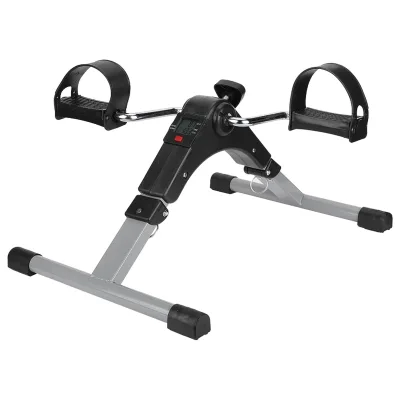
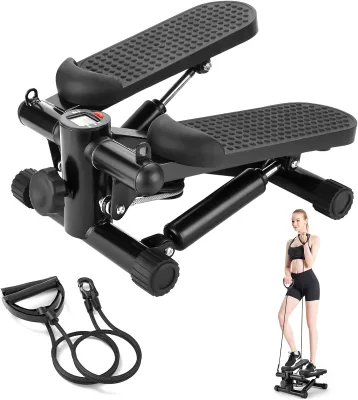
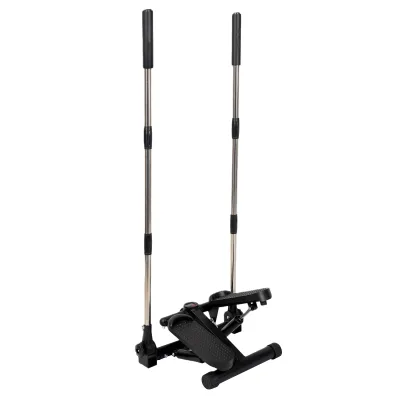
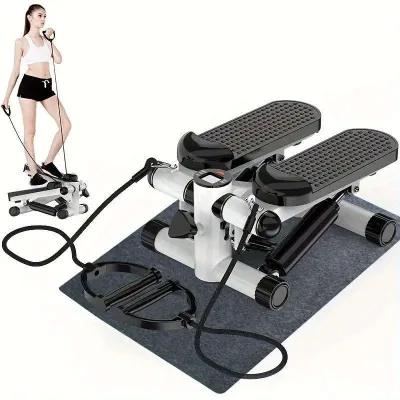
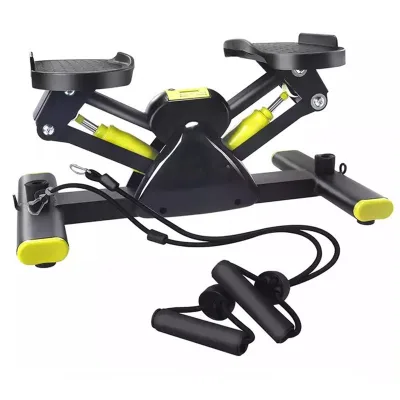
$13.50 - $16.00
MOQ: 10 pieces
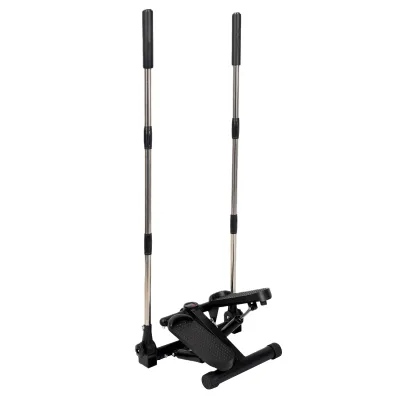

Hangzhou Tingjian Sporting Goods Co. Ltd.
- Verified by BV
- Trading Company
- China Zhejiang
- Lead time30 days
- Avg. response≤ 5h
Main productsMini Bike/Mini Stepper/Orbitrack Bike, Belt Bike, Spin Bike, Magnetic Bike/Elliptical Trainer/Recumbent Bike, Rowing Machine, Exercise Bench, Treadmill, Home Gym, Exercise Bike, Roman Chair
Main marketsSouth America


$20.50 - $22.50
MOQ: 500 Pieces

Fitness Equipment Walker Machine Multi Functional Mini Stepper Machine
$29.80 - $30.10
MOQ: 100 Pieces
Suzhou One Two Three Sports Goods Co., Ltd.
- Verified by TüVRheinland
- Trading Company
- Lead time15 days
- Avg. response≤ 5h
Main productsMulti-function Fitness Equipment, Adjustable Dumbbells, Treadmill Walking Pad, Exercise Bands, Yoga Pilates Reformer
Main marketsWestern Europe(40%), Eastern Europe(23%), North America(10%)
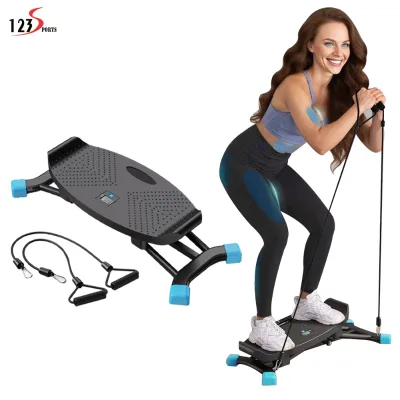
Portable Fitness Equipment Smooth Sports Workout Slide Steppers Machine
$21.0679 - $21.7105
MOQ: 200 sets
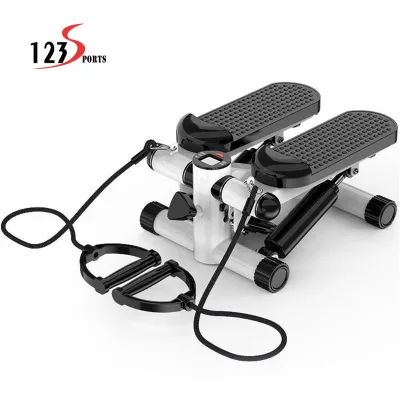

Suzhou Zichen Electronic Technology Co., Ltd.
- Trading Company
- China Anhui
- Lead time0 days
- Avg. response≤ 2h
Main productsFitness Product, furniture, Light Machine, Box and Gift package, Office Supplies, Computer Products

Premium Portable Climber Stair Stepper Waist Fitness Twister Step Machine Stepper
$15.00 - $20.00
MOQ: 100 Pieces


Multifunctional Mini Exercise Stepper Adjustable Resistance Home Workout Machine
$23.50 - $25.50
MOQ: 100 Pieces


Zc-St08 Hydraulic Mini Twist Stepper with Training Rope, Adjustable Resistance Leg Exercise Machine
$20.00 - $23.00
MOQ: 100 Pieces

Shenzhen Villsun Sports Technology Co., Ltd
- Verified by SGS
- Trading Company
- China Guangdong
- Lead time23 days
- Avg. response≤ 2h
Main productsFitness Equipment, Yoga Mats, Resistance Bands, Yoga Ball, Shin Guards, Knee Pads, Elbow Pads, Strength Fitness Equipment, Hand Grip, Yoga Wear
Main marketsSouth America,Southeast Asia/ Mideast,Europe,Australia,North America


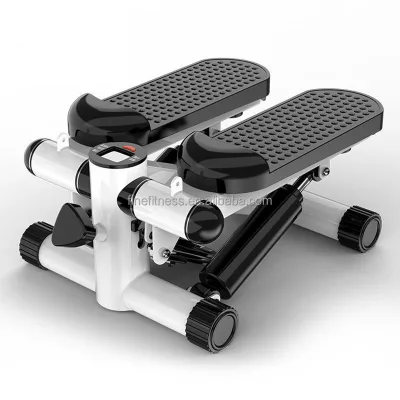
Compact Home Gym Mini Stepper and Stair Climber for Effective Workouts
$25.00 - $28.00
MOQ: 100 Pieces

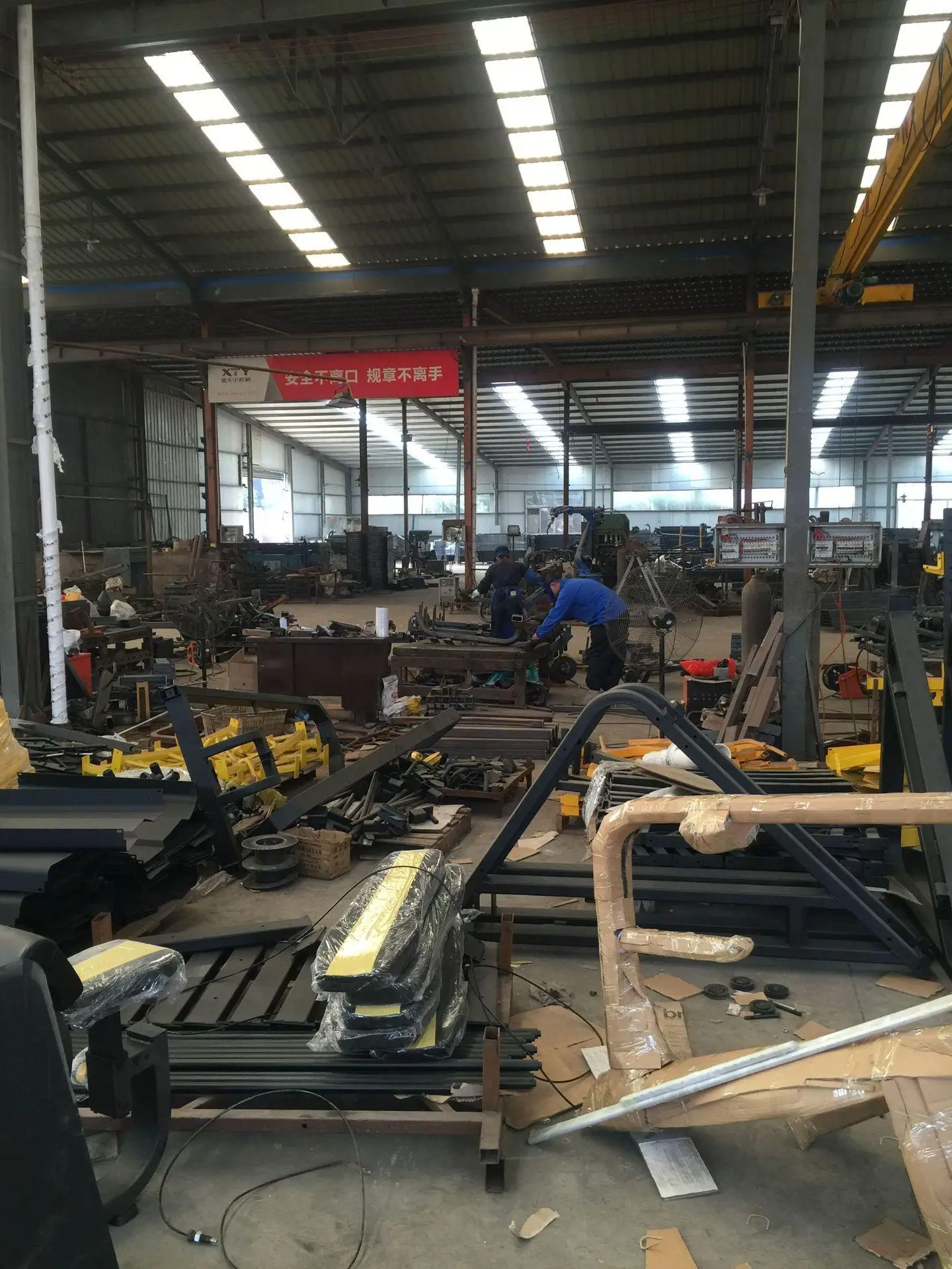
Rizhao Fine Fitness Equipment Co., Ltd.
- Manufacturer, Trading Company
- Shandong, China
- Lead time15 days
- Avg. response≤ 2h
Main productsKettlebell,Dumbbell,Weight bumper plates,Barbell Bar,squat racks
Main marketsDomestic Market(20.00%), South America(20.00%), North America(20.00%), Eastern Europe(10.00%), Southern Europe(10.00%), Western Europe(10.00%), Southeast Asia(10.00%)
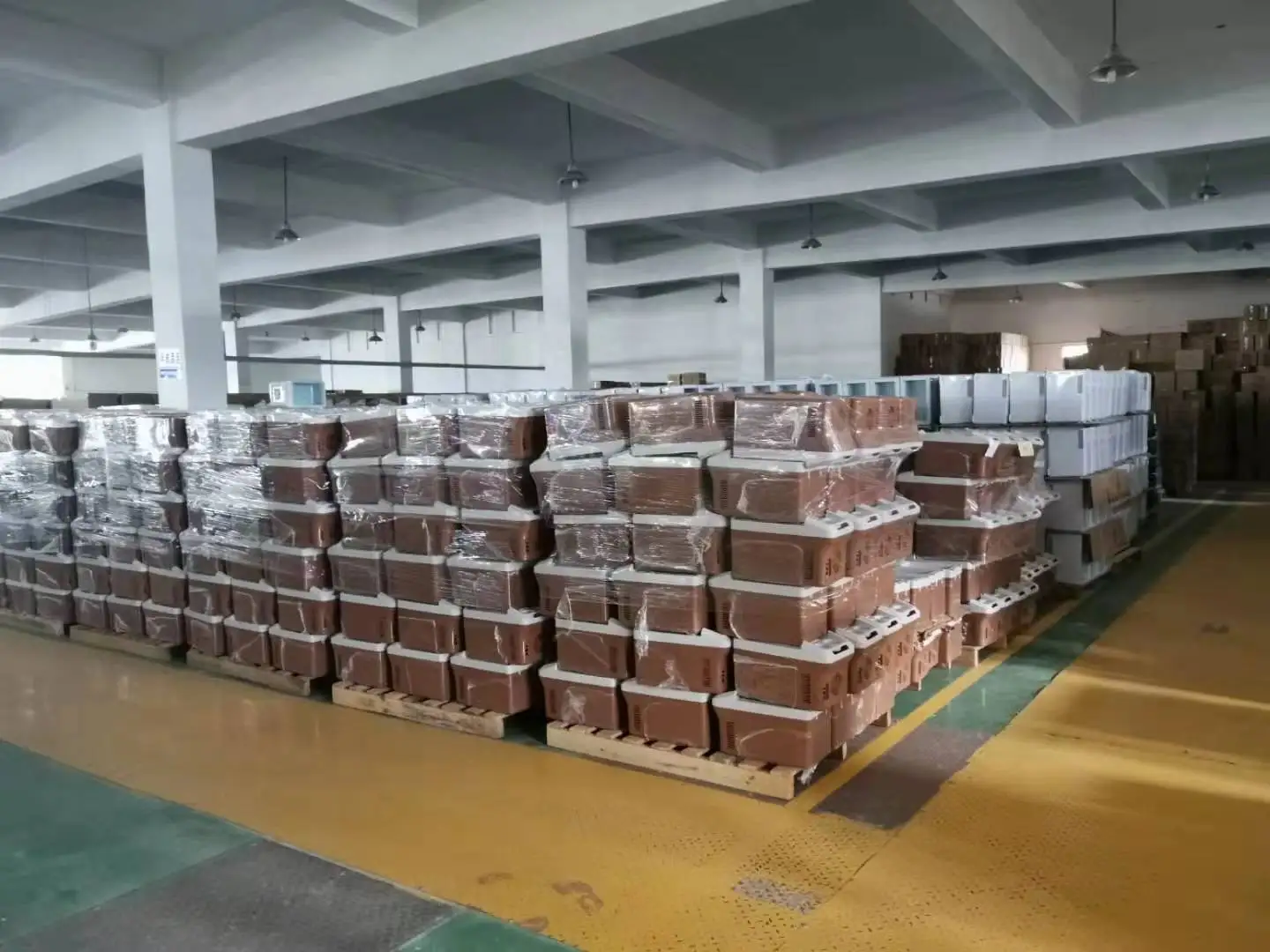
Ningbo Longwell Electric Appliances Co., Ltd.
- Manufacturer, Trading Company
- Zhejiang, China
- Lead time15 days
- Avg. response≤ 1h
Main productsAir Cooler,Portable Juicer,Mini Fridge,Waist Fan,Tower Fan
Main marketsDomestic Market(100.00%), Africa(100.00%), North America(31.00%), Western Europe(11.00%), Eastern Europe(11.00%), Southern Europe(11.00%), Northern Europe(8.00%), South America(5.00%), Central America(5.00%), South Asia(5.00%), Mid East(4.00%), Oceania(3.00%), Eastern Asia(3.00%), Southeast Asia(3.00%)

Dingzhou Baiyun Trading Co., Ltd.
- Trading Company,Manufacturer/Factory
- China Hebei
- Lead time15 days
- Avg. response≤ 6h
Main productsDumbbell, Weight Plate, Barbell, Squat Rack, Smith Machine, Dumbbell Lbench, Kettlebell, Spinning Bike, Exercise Equipment, Dumbbill Sand
Main marketsSouth America,Eastern Europe,North America,Southeast Asia,Eastern Asia,Africa

Premium Portable Climber Stair Stepper Waist Fitness Twister Step Machine Stepper
$12.00 - $16.00
MOQ: 1 Sets

Niceday Steppers for Exercise Stair Stepper with Resistance Bands Mini Stepper
$12.00 - $16.00
MOQ: 1 Sets
Jianlemei (suzhou) Sports Goods Co., Ltd.
- Manufacturer
- Jiangsu, China
- Lead time0 days
- Avg. response≤ 10h
Main productsResistance band,Pull up,Strength training,Pilates Rod,Yoga products
Main marketsEastern Europe(20.00%), South America(20.00%), North America(20.00%), Domestic Market(10.00%), South Asia(10.00%), Northern Europe(10.00%), Central America(10.00%), Western Europe(10.00%), Mid East(10.00%), Southeast Asia(10.00%)

Ningbo Mingni Import And Export Co., Ltd.
- Verified by SGS
- Manufacturer/Factory
- China Zhejiang
- Lead time23 days
- Avg. response≤ 3h
Main productsWindow Handle, Door Handle, Hinge, Gas Cooker Knob, Oven Knob, Name Plate, Cabinet Handle, Bathroom Hardware, Auto Parts
Main marketsSouth America,Eastern Europe,North America,Western Europe

Cheap Multifunction Mini Workout Gym Stepper Machine Fitness Exercise Stepper
$38.00 - $45.00
MOQ: 10 Pieces


Shanghai Brother Medical Manufacturer Co., Ltd.
- Verified by CTI
- Manufacturer/Factory
- China Shanghai
- Lead time23 days
- Avg. response≤ 19h
Main productsWheelchair, Hearing Aid, Mobility Scooter, Commode Chair, Shower Chair, Crutch, Walking Stick
Main marketsSouth America,Eastern Europe,Mid East,North America,Southeast Asia,Eastern Asia,Oceania,Western Europe,Africa

Sanhe City Guiyuxing Sporting Goods Co., Ltd.
- Verified by TUVRHEINLAND
- Combined
- China Hebei
- Lead time15 days
- Avg. response≤ 3h
Main productsFitness Equipment, Outdoor Fitness Equipment, Outdoor Fitness, Rock Climbing Treadwalls, Outdoor Playground Equipment, Outdoor Gym, Outdoor Sports Equipment, Outdoor Fitness Goods, Park Bench, Playground
Main marketsAfrica,Southeast Asia/ Mideast,Domestic,Europe
Zhejiang Baishite Industry And Trade Co., Ltd.
- Manufacturer, Trading Company
- Zhejiang, China
- Lead time25 days
- Avg. response≤ 8h
Main productsPower Tower, Sit Up Bench, Leg Trainer, Dumbbell Bench
Main marketsNorth America(40.00%), Western Europe(30.00%), Eastern Asia(15.00%), Domestic Market(15.00%)

- Verified by SGS
- Trading Company
- China Zhejiang
- Lead time15 days
- Avg. response≤ 12h
Main productsFitness Equipment, Trampoline, Treadmill, Dumbbell, Yoga Mat, Spinning Bike, Jump Rope, Pull up Bar, Gym Rack, Leg Press
Main marketsEurope,Australia


Elliptical Exercise Stair Adjustable Mini Fitness Machine Cardio Stepper
$40.00 - $42.00
MOQ: 23 Pieces
Wuyi Sunyounger Industry Co., Ltd.
- Manufacturer, Trading Company
- Zhejiang, China
- Lead time30 days
- Avg. response≤ 2h
Main productsdumbbell,adjustable dumbbell,exercise bike,exercise stepper,exercise bench
Main marketsSoutheast Asia(30.00%), South Asia(20.00%), Southern Europe(18.00%), Domestic Market(12.00%), Mid East(10.00%), Eastern Europe(10.00%)
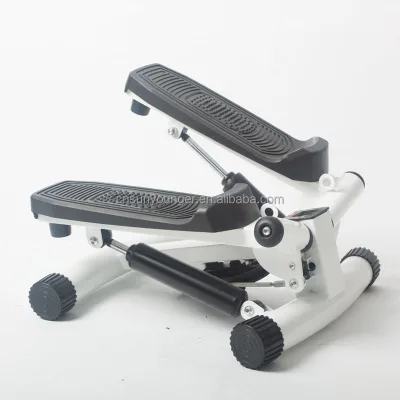
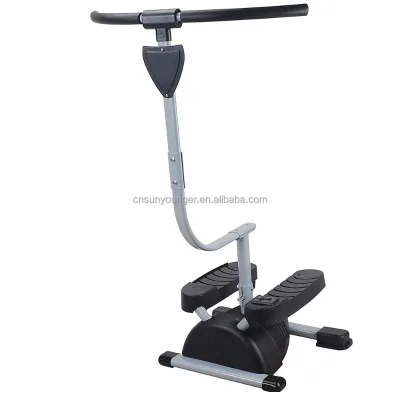
Useful Exercising Fitness Stepper Swing Mini Stepper Twist Stepper for Home Use
$16.00 - $19.00
MOQ: 300
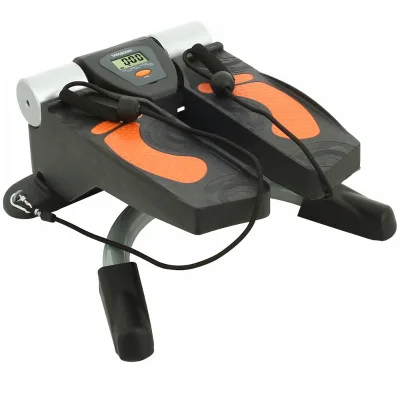

Nantong Splendid Sporting Co., Ltd.
- Verified by BV
- Trading Company,Manufacturer/Factory
- China Jiangsu
- Lead time45 days
- Avg. response≤ 5h
Main productsGym Bench, Power Rack, Functional Machine, Dumbbell, Kettlebell, Barbell, Foam Roller, Yoga Mat, Resistance Band, Slam Ball
Main marketsSouth America,Eastern Europe,Mid East,North America,Southeast Asia,Eastern Asia,Oceania,Western Europe,Africa


Adjustable Workout Aerobic Mini Stepper in Fitness and Exercise with 4 Risers
$13.00 - $15.50
MOQ: 400 Pieces
Yongkang Hac Hardware Manufacture Co.,ltd.
- Verified by TüVRheinland
- Trading Company
- Lead time20 days
- Avg. response≤ 7h
Main productsCrazy Fit Massage, Foot And Leg Massage, Massage Gun, Exercise Bike, Stepper
Main marketsSoutheast Asia(50%), North America(10%), South America(10%)

Yongkang Chochi Fitness Co., Ltd.
- Verified by BV
- Manufacturer/Factory
- China Zhejiang
- Lead time15 days
- Avg. response≤ 10h
Main productsGym Fitness Equipment, Treadmill, Exercise Bike, Helmet, Scooter, Skateboard, Roller Skateshoes, Camping Chair, Camping Trolley
Main marketsSouth America,Eastern Europe,Mid East,North America,Southeast Asia,Eastern Asia,Oceania,Western Europe,Africa


Factory New Under Desk Electric Remote Control Mini Stepper Machine Elliptical Trainer
$43.00 - $60.00
MOQ: 50 Pieces

Yiwu Lehong Sports Goods Co., Ltd.
- Trading Company
- Zhejiang, China
- Lead time15 days
- Avg. response≤ 3h
Main productsDumbbells,Fitness Equipment,Resistance Band,Yoga Products,Outdoor Sports
Main marketsNorth America(18.00%), Africa(15.00%), South America(10.00%), Southeast Asia(10.00%), Mid East(10.00%), Southern Europe(5.00%), Northern Europe(5.00%), Central America(5.00%), Western Europe(5.00%), Eastern Asia(5.00%), Eastern Europe(5.00%), South Asia(5.00%), Oceania(2.00%)
Ningbo E Best Leisure Product Co., Ltd.
- Verified by Intertek
- Trading Company
- Zhejiang, China
- Lead time30 days
- Avg. response≤ 6h
Main productsPet Training Supplies, Pilates Reformer , Gymnastic Bar
Main marketsNorth America(50%), South America(17%), Eastern Europe(15%)
Yongkang Kesidi Industry&trade Co., Ltd.
- Verified by TüVRheinland
- Manufacturer, Trading Company
- Lead time35 days
- Avg. response≤ 2h
Main productsVibration Plate, Horse Riding Exercising Machine, Mini Exercise Machine
Main marketsSouth America(35%), Western Europe(28%), North America(25%)
$16.8825 - $21.0364
MOQ: 2 pieces
$16.6967 - $20.8057
MOQ: 2 pieces
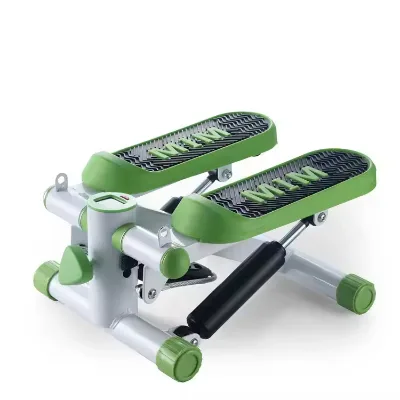
Adjustable ResistanceI Home Use Compact Design Office Cardio Mini Stepper Exercise Machine
$16.25 - $20.25
MOQ: 2 pieces
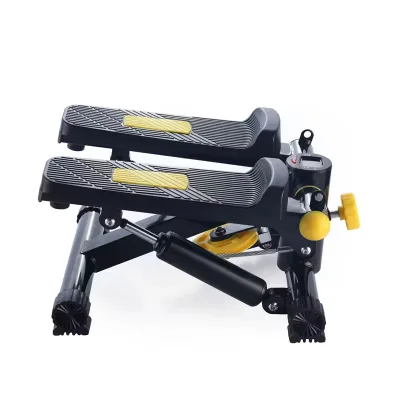
$13.852 - $15.3905
MOQ: 1 pieces
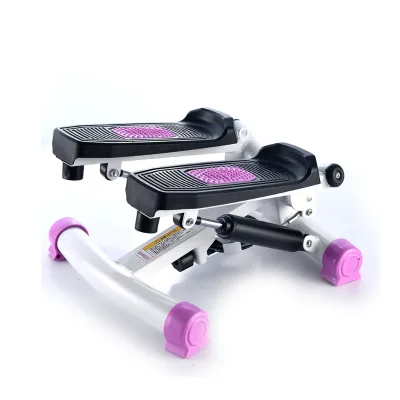

Nantong Get-Fit Sports Co., Ltd.
- Verified by TUVRHEINLAND
- Combined
- China Jiangsu
- Lead time30 days
- Avg. response≤ 3h
Main productsDumbbell, Weight Plate, Barbell, Gym Machine, Maquinas De Gimnasio, Pilates Reformer, Kettlebell, Gym Equipment, Fitness Equipment, Gym
Main marketsSouth America,Southeast Asia/ Mideast,East Asia(Japan/ South Korea),Europe,Australia,North America
- Verified by TüVRheinland
- Trading Company
- Zhejiang, China
- Lead time30 days
- Avg. response≤ 1h
Main productsPilates Reformers, Treadmill, Exercise Bike, Dumbbell, Massage Guns
Main marketsNorth America(30%), South America(20%), Mid East(15%)
Zhejiang Fanpao Intelligent Technology Co., Ltd.
- Verified by SGS Group
- Manufacturer, Trading Company
- Lead time30 days
- Avg. response≤ 2h
Main productsTreadmill, Walking Pad, Vibration Plate, Gym Equipment , Elliptical Machine
Main marketsWestern Europe(60%), North America(40%)

SingSong Sports Equipment Co., Ltd.
- Verified by BV
- Trading Company
- China Hunan
- Lead time23 days
- Avg. response≤ 5h
Main productsPadel Racket, Padel Ball, Paddle Bags, Gym Fitness Equipment, Home Fitness Equipment, Smith Machine, Squat Rack, Spinning Bike, Fitness Bench, Dumbbell/Dumbbell Rack/ Weight Plats
Main marketsSouth America

Beijing Set Sail Sports Co., Ltd
- Verified by BV
- Manufacturer/Factory
- China Beijing
- Lead time15 days
- Avg. response≤ 5h
Main productsFitness Equipment, Boxing Goods, Camping Products, Gym Mat, Table Tennis Table, Track and Field Equipment, Gym Equipment, Basketball Stands
Main marketsSouth America,Eastern Europe,Mid East,North America,Southeast Asia,Eastern Asia,Oceania,Western Europe,Africa


Free- Installation Mini Stepper with Resistance Bands for Women and Men
$22.00 - $28.00
MOQ: 200 Pieces
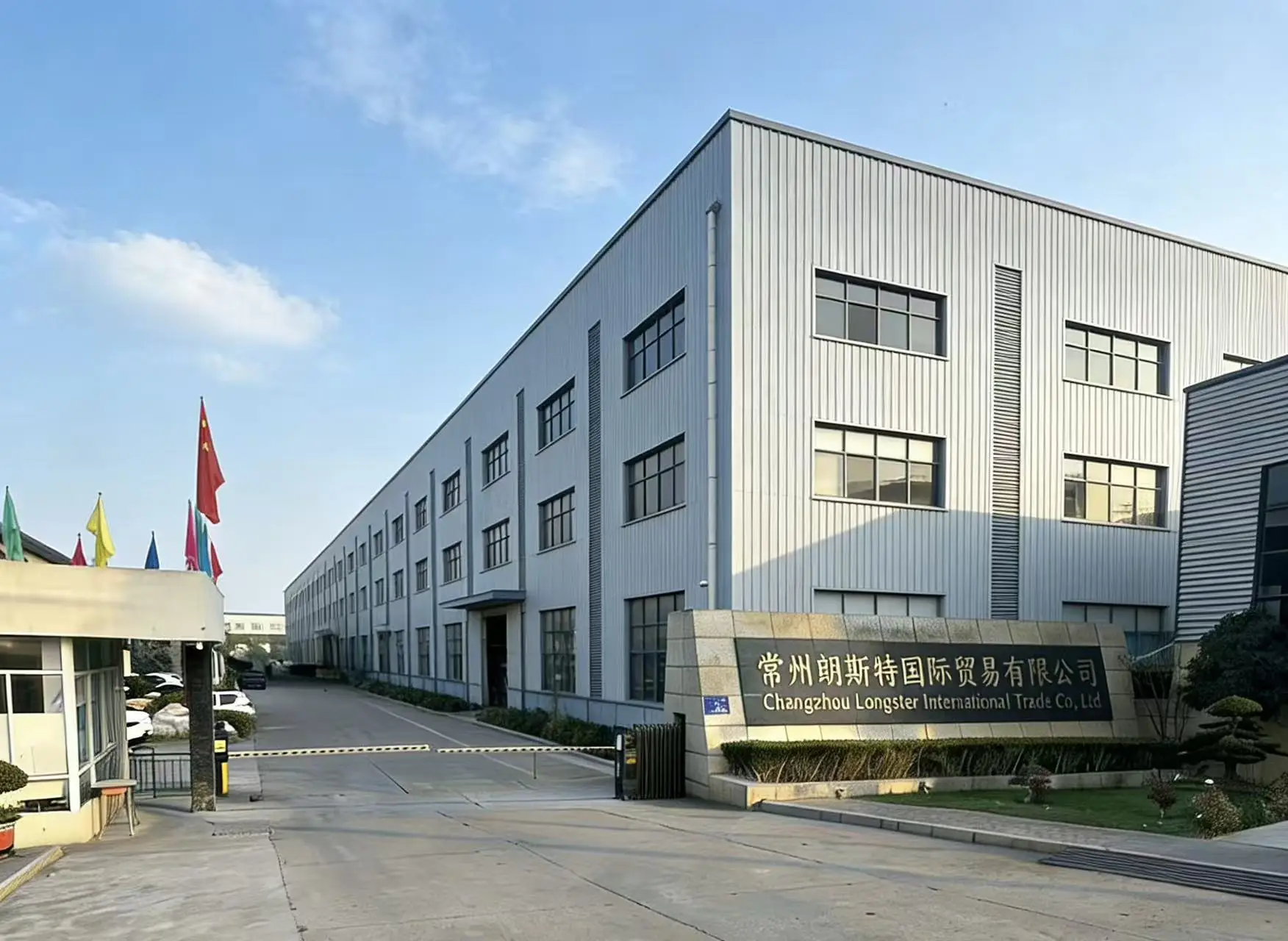
Changzhou Longster International Trade Co., Ltd.
- Manufacturer, Trading Company
- Jiangsu, China
- Lead time20 days
- Avg. response≤ 12h
Main productsSporting Goods,Fitness Equipment,Foldable Yoga Mat,Wood Product Production,Yoga & Fitness Accessories
Main marketsNorth America(30.00%), Western Europe(20.00%), Northern Europe(10.00%), South America(10.00%), Eastern Europe(8.00%), Mid East(5.00%), Eastern Asia(5.00%), Southeast Asia(5.00%), Domestic Market(3.00%), Oceania(2.00%), Africa(2.00%)

- Trading Company
- Zhejiang, China
- Lead time40 days
- Avg. response≤ 9h
Main productsSports Products
Main marketsNorth America(35.00%), Western Europe(12.00%), South America(10.00%), Northern Europe(8.00%), Oceania(8.00%), Eastern Europe(5.00%), Africa(5.00%), Southeast Asia(5.00%), Southern Europe(4.00%), Eastern Asia(3.00%), Mid East(3.00%), Central America(2.00%)
- Trading Company
- Zhejiang, China
- Lead time35 days
- Avg. response≤ 5h
Main productsPet Brush,Cat Tree,Dog Scratch Pad,Dog Car Seat Cover,Pet Cage
Main marketsNorth America(60.00%), Western Europe(11.00%), South America(5.00%), Eastern Europe(5.00%), Southern Europe(5.00%), Northern Europe(3.00%), Oceania(3.00%), Southeast Asia(3.00%), Mid East(3.00%), Eastern Asia(1.00%), Domestic Market(1.00%)

Zhejiang Todo Hardware Manufacture Co., Ltd.
- Verified by BV
- Manufacturer/Factory
- China Zhejiang
- Lead time120 days
- Avg. response≤ 7h
Main productsIndoor Fitness Equipment, Body Massager, Sports Equipment, Outdoor Fitness Equipment, Massage Tools, Slimming Equipment, Health & Care Equipment, Rehabilization Equipment, Electric & Electronics
Main marketsSouth America,Eastern Europe,Mid East,North America,Southeast Asia,Eastern Asia,Oceania,Western Europe,Africa

Home Fitness up-Down Mini Exercise Stepper with Resistance Band and LCD Display
$10.00 - $12.00
MOQ: 923 Pieces

Under Desk Mini Portable Electric Elliptical Trainer Stepper with Large Pedal
$37.50 - $40.00
MOQ: 460 Pieces


YONGKANG SG INDUSTRY & TRADE CO., LTD.
- Combined
- China Zhejiang
- Lead time23 days
- Avg. response≤ 6h
Main productsSkateboard, Helmet, Scale, Kitchen Scale, Body Scale, Mini Bike, Spinning Bike, Exercise Bike, Protective Pads
Main marketsDomestic,Australia,North America

Mini Stand up Stepper Under Desk Elliptical Machine Mini Elliptical Trainer Stepper Machine
$71.00 - $78.00
MOQ: 200 Pieces

$71.00 - $78.00
MOQ: 200 Pieces
Shenzhen Lscure Technology Co., Ltd,
- Manufacturer, Distributor/Wholesaler
- Guangdong Province, China
- Lead time0 days
- Avg. response≤ 1h
Main productsThermal Hand AI Robot,Shock Wave AI Robot AI Robot,Negative Pressure Cupping AI Robot,Moxibustion AI Robot,Lingyun Vibration Massager
Main marketsDomestic Market(80.00%), Southeast Asia(10.00%), North America(5.00%), Oceania(5.00%)
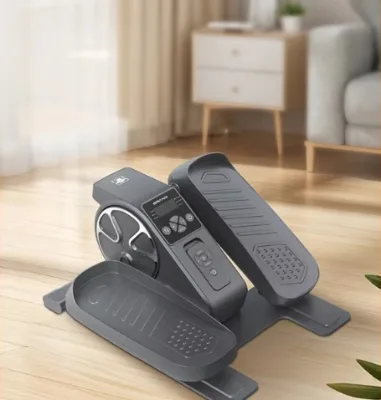
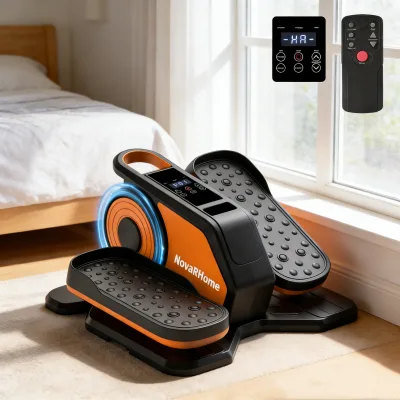
Wholesale Mini Stepper for Home Gym - with Remote Control & LCD Display, Ultra-Quiet Operation
$41.33 - $69.85
MOQ: 1 sets
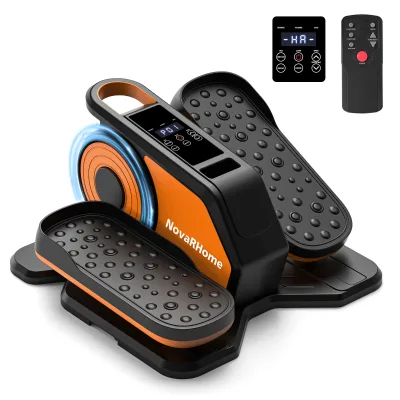
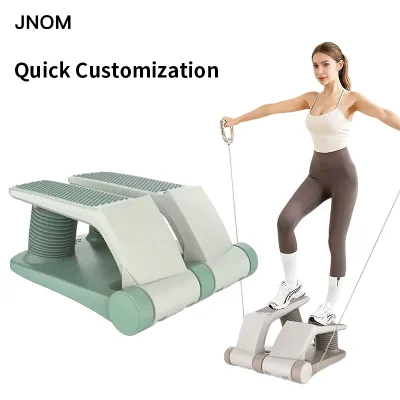
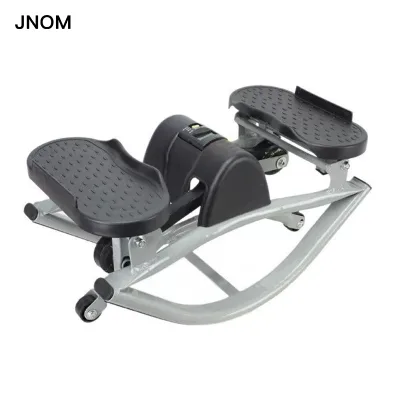
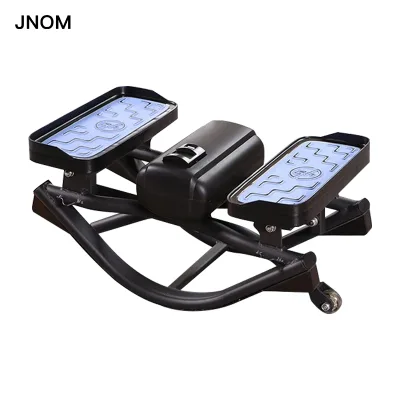


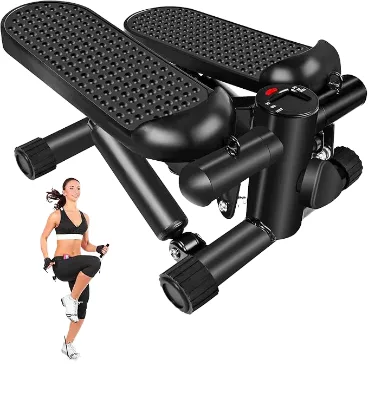
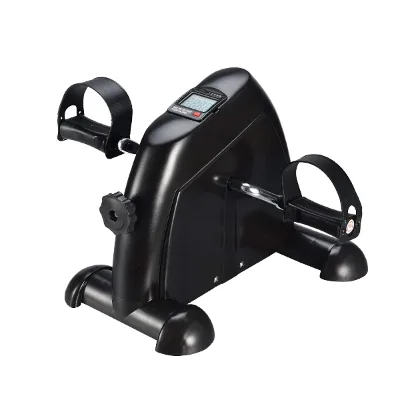
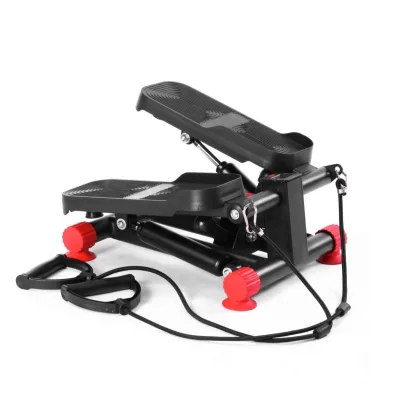
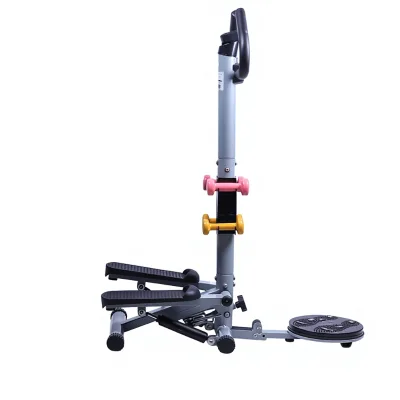


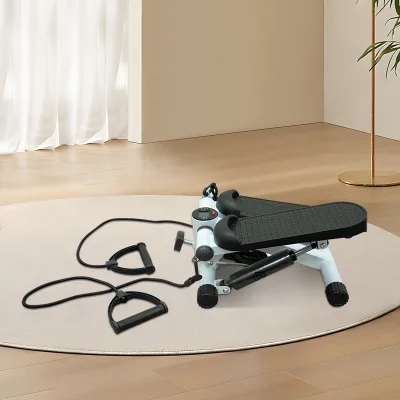


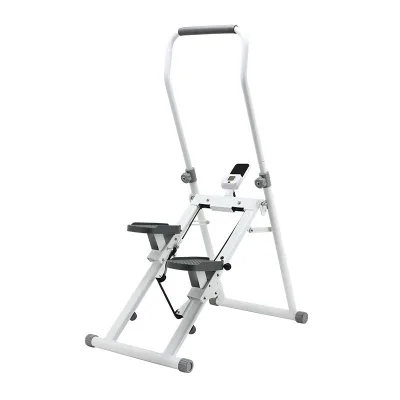
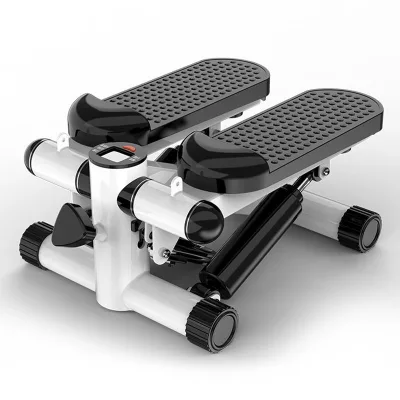
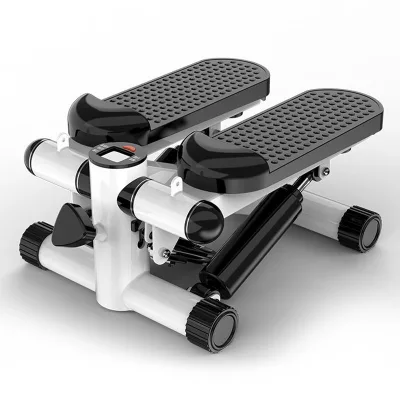
Comprehensive Sourcing Guide
Portable Anti-Slip Mini Stepper Supplier Concentration and Factory Types
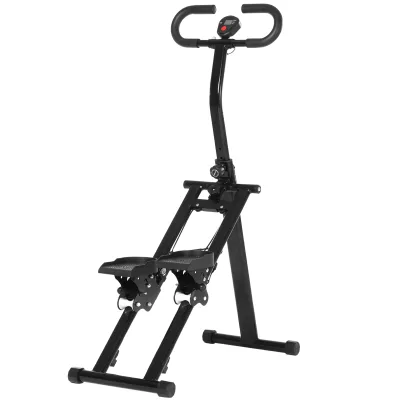
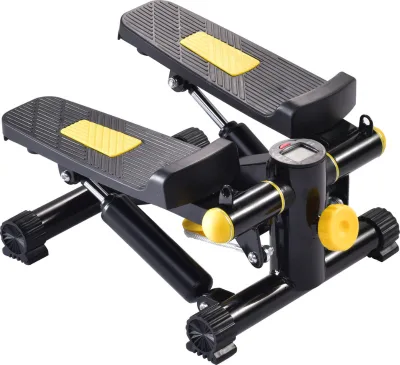
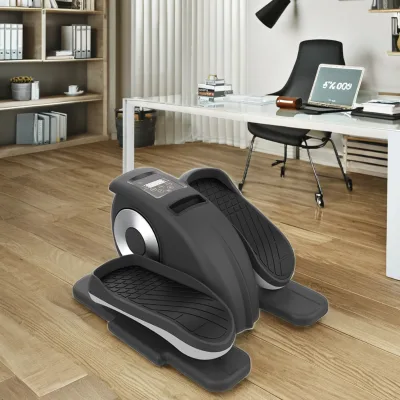
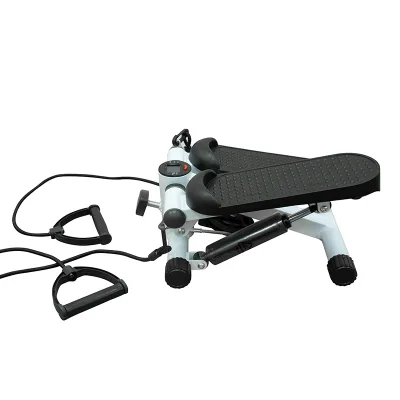
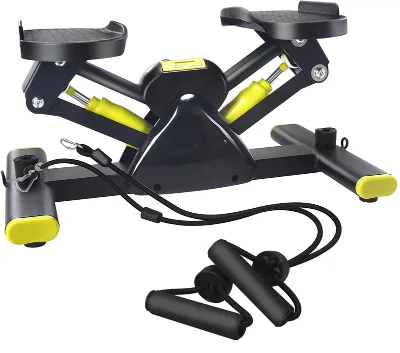
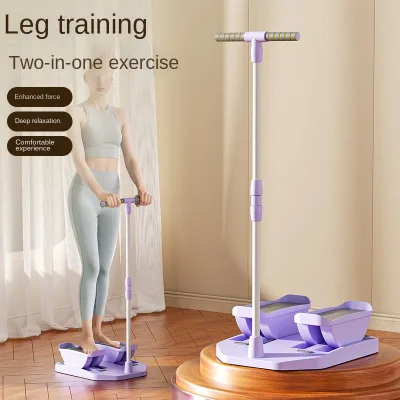
The current supplier landscape for portable anti-slip mini steppers shows a distinct concentration in Zhejiang Province, China, where manufacturers and trading companies operate side-by-side to serve global demand. This regional clustering suggests a mature supply chain ecosystem specialized in fitness accessories, particularly for compact home gym equipment. Buyers evaluating this market will find that the primary product categories include spinning equipment, treadmills, dumbbell benches, rowing machines, and specifically the mini stepper, which is often categorized under step platforms or stair steppers within broader sports and entertainment classifications. The presence of both manufacturer and trading company entities indicates a diverse sourcing environment where direct factory engagement is possible, though trading companies also play a significant role in aggregating inventory and managing logistics for smaller orders.
Within this concentrated region, the types of companies available range from pure manufacturers who control the production line to trading companies that may source from multiple factories to offer a wider variety of models. Some suppliers specialize in specific product lines such as mini bikes, orbitrack bikes, or elliptical trainers, while others focus exclusively on cardio training equipment like the mini stepper. The company type influences the level of customization available, with manufacturers often offering more flexibility in material selection and structural design, such as choosing between steel, iron, or stainless steel frames. Trading companies, on the other hand, might provide faster access to existing stock and a broader range of color options, such as black, white, or dark green, without requiring long lead times for production.
How to Verify Portable Anti-Slip Mini Stepper Suppliers
Verifying the legitimacy and capability of suppliers requires a close examination of their verification status and response metrics, which serve as initial indicators of reliability. In the current results, some suppliers display verification badges such as BV, which provides an external validation of their business operations and factory audits. Buyers should prioritize suppliers who have undergone such third-party verifications, as this reduces the risk of engaging with fraudulent entities. Additionally, the response time is a critical metric for assessing supplier engagement; for instance, some suppliers demonstrate a response time of approximately two hours, while others may take up to four hours or more. A faster response time often correlates with better customer service and a more active sales team, which is essential for resolving technical questions regarding product specifications or order status.
Beyond verification badges and response speeds, buyers must scrutinize the detailed product attributes and certifications provided in the supplier listings. For example, certain mini steppers are listed with CE and RoHS certifications, which are crucial for ensuring compliance with safety and environmental standards in various international markets. The presence of these certifications indicates that the supplier’s products have undergone specific testing procedures, although buyers should always request copies of the actual certificates for final validation. Furthermore, examining the product’s maximum bear weight, such as ≤200kg, and the material composition, like stainless steel or plastic ABS, helps in assessing the durability and quality of the equipment. Buyers should also look for details on customization options, such as logo printing or color variations, to ensure the supplier can meet specific branding requirements.
What to Compare Across Portable Anti-Slip Mini Stepper Suppliers
When comparing suppliers, the most significant differentiators are often the minimum order quantities (MOQ) and the associated price points, which can vary widely based on the product model and customization level. For instance, some suppliers offer an MOQ of just ten pieces for basic mini exercise steppers, making them suitable for small businesses or dropshipping models, while others may require higher volumes for more complex hydraulic or electric models. The price range for these products also fluctuates, with some entry-level steppers priced around six dollars per unit, whereas more feature-rich models with additional functionalities like handrails or sliding mechanisms can cost between twelve and twenty-three dollars. Buyers must carefully balance the MOQ against their budget and storage capacity to avoid overstocking or facing high per-unit costs.
Another critical aspect of comparison is the lead time and the specific product features offered, such as portability, anti-slip properties, and folding mechanisms. Suppliers may have lead times ranging from fifteen to thirty days, depending on the complexity of the order and the current production schedule. Products with specific features like laser printing for logos or eco-friendly materials may incur longer lead times due to additional processing steps. Additionally, the physical dimensions and weight of the packaged product, such as a single gross weight of six to eight kilograms, impact shipping costs and logistics planning. Buyers should compare these logistical details alongside the product specifications to determine the total landed cost and ensure that the supplier’s capabilities align with their operational needs.
Common Portable Anti-Slip Mini Stepper Sourcing Risks
One of the primary risks in sourcing portable mini steppers is the discrepancy between the advertised product specifications and the actual delivered goods, particularly regarding material quality and structural integrity. Suppliers may list products as being made from stainless steel or high-grade plastic, but the actual materials might be inferior, leading to premature wear or failure under load. This risk is exacerbated when buyers do not request physical samples before placing large orders, as visual inspection of product images can be misleading. Additionally, the claim of anti-slip features may not be verified through independent testing, potentially leading to safety issues for end-users. Buyers must be cautious of suppliers who provide vague descriptions or lack detailed technical specifications, as this can indicate a lack of quality control in the manufacturing process.
Another significant risk involves the reliability of communication and the consistency of delivery times, which can be affected by the supplier’s type and location. Trading companies, while offering convenience, may not have direct control over the production schedule, leading to delays if the underlying factory faces issues. Furthermore, the response time metric, while useful, does not guarantee the quality of the communication or the accuracy of the information provided. Buyers may encounter situations where the supplier promises a specific lead time or certification but fails to deliver, resulting in missed market opportunities or customer dissatisfaction. To mitigate these risks, buyers should establish clear communication channels and request regular updates on production progress, ensuring that any deviations from the agreed terms are addressed promptly.
Portable Anti-Slip Mini Stepper Regional Sourcing and Logistics
Sourcing from Zhejiang Province offers logistical advantages due to the region’s well-developed infrastructure and proximity to major shipping ports, which can reduce transit times and costs for international buyers. The concentration of manufacturers and trading companies in this area facilitates easier coordination for factory audits and sample collection, allowing buyers to verify production capabilities in person if necessary. However, buyers must also consider the environmental and regulatory factors specific to this region, such as export restrictions or seasonal production slowdowns that could impact lead times. Understanding the local supply chain dynamics is crucial for planning inventory levels and ensuring a steady supply of portable mini steppers to meet market demand without interruptions.
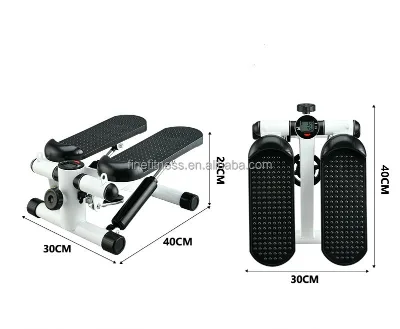
Logistics planning also involves evaluating the packaging and shipping requirements for mini steppers, which are often designed to be compact and portable for end-users. Suppliers typically provide single package sizes ranging from thirty-three to fifty-eight centimeters in various dimensions, with gross weights between six and eight kilograms. These specifications are critical for calculating shipping volumes and selecting the most cost-effective freight method, whether by air, sea, or express courier. Buyers should work closely with their suppliers to optimize packaging designs to minimize void space and reduce shipping costs, while also ensuring that the products are adequately protected during transit to prevent damage. Additionally, considering the destination market’s import regulations and duties is essential for accurate cost estimation and compliance.
Portable Anti-Slip Mini Stepper Commercial Terms and Order Planning
Commercial terms such as payment methods, warranty policies, and after-sales support are vital components of the sourcing process that can significantly impact the overall risk and profitability of the order. Buyers should negotiate clear terms regarding payment milestones, such as using escrow services to protect funds until the goods are shipped and verified. Additionally, understanding the warranty period and the process for handling defective units is crucial, as mini steppers are mechanical devices that may experience wear and tear. Suppliers who offer comprehensive after-sales support, including spare parts and technical assistance, can enhance customer satisfaction and reduce the burden on the buyer’s support team. These commercial terms should be explicitly stated in the contract to avoid misunderstandings and ensure mutual accountability.
Order planning requires a strategic approach to inventory management and market forecasting, taking into account the supplier’s lead times and MOQ requirements. Buyers should align their order quantities with their sales projections to avoid excess inventory or stockouts, leveraging the flexibility of suppliers who offer low MOQs for initial trials. Furthermore, considering the seasonal demand for fitness equipment, buyers can plan their orders to coincide with peak shopping periods, such as New Year resolutions or summer fitness campaigns. By maintaining a close relationship with suppliers and staying informed about production schedules, buyers can optimize their supply chain efficiency and respond quickly to market changes. This proactive approach ensures a steady flow of portable anti-slip mini steppers to meet customer expectations and drive business growth.
FAQs
What is the price range for portable mini steppers?
Portable mini steppers are available from $6.00 to $23.00 per unit depending on specifications. Basic models start at $6.00, while hydraulic or multi-functional versions cost between $11.20 and $23.00. Prices vary based on material, features, and customization options.
What is the minimum order quantity for mini steppers?
Minimum order quantities typically range from 10 to 50 pieces. Some suppliers require a minimum of 10 PCS for customized models, while others set the threshold at 50 units for standard inventory. Buyers should verify specific MOQ requirements with individual suppliers before placing orders.
Where are portable mini steppers manufactured?
Most portable mini steppers are manufactured in Zhejiang Province, China. This region is a major hub for fitness equipment production, offering efficient supply chains and competitive pricing. Buyers can expect consistent quality and availability from suppliers located in this specific geographic area.
What materials are used in mini stepper construction?
Mini steppers are commonly constructed from steel, iron, plastic, ABS, or stainless steel. Materials are selected for durability and weight capacity, with some models supporting up to 200kg. Buyers should check specific product attributes to ensure the material meets their strength and safety requirements.
What certifications are available for mini steppers?
Certifications such as CE and RoHS are available for certain mini stepper models. These certifications indicate compliance with European safety and environmental standards. Buyers requiring specific regulatory compliance should verify certification details directly with suppliers to ensure the products meet their market requirements.
How long does production take for mini steppers?
Production lead times typically range from 15 to 30 days. The exact duration depends on order volume, customization needs, and supplier capacity. Buyers should confirm lead times with suppliers to align production schedules with their inventory planning and delivery expectations.