9mm Sintered Stone Suppliers and Manufacturers
Explore 21 verified options for 9mm Sintered Stone from China Guangdong and Fujian. Compare response times, lead times, certifications, and MOQs to find suitable factories. Contact suppliers directly to request samples and confirm pricing; review the available evidence before requesting comparable quotations from suitable candidates.
Updated
Suppliers List

FOSHAN KENT CERAMICS CO., LTD.
- Trading Company,Manufacturer/Factory,Group Corporation
- China Guangdong
- Lead time23 days
- Avg. response≤ 4h
Main productsPorcelain Tile, Ceramic Tile, Floor Tile, Wall Tile, Tiles, Marble Tiles, Porcelain Floor Tile, Ceramic, Glazed Tile, Polished Tile
Main marketsSouth America,Mid East,North America,Southeast Asia,Eastern Asia,Western Europe,Africa

Dark Grey Natural Stone Soild Soft Polished Surface 15mm Thickness Slab Sintered Stone
$19.92 - $23.90
MOQ: 500 Square Meters


Sleek 800X2600X9mm Sintered Stone for Contemporary Design Projects
$13.75 - $16.49
MOQ: 500 Square Meters


- Verified by BV
- Trading Company,Manufacturer/Factory
- China Fujian
- Lead time23 days
- Avg. response≤ 13h
Main productsQuartz, Sintered Stone, Nano Crystallized Glass, Artificial Marble Stone, Terazzo, Marble Tile & Slab, Granite Tile & Slab, Slate & Basalt & Pebble Stone, Sandstone & Limestone& Travertine, Countertop&Vanitytop
Main marketsSouth America,Eastern Europe,Mid East,North America,Southeast Asia,Eastern Asia,Oceania,Western Europe,Africa


Artificial Polished/Honed Volcanics Sintered Stone 3200× 1600
$15.00 - $25.00
MOQ: 100 Square Meters

Artificial Stone 3200× 1600× 12mm Libo Bai Sintered Stone
$15.00 - $25.00
MOQ: 100 Square Meters

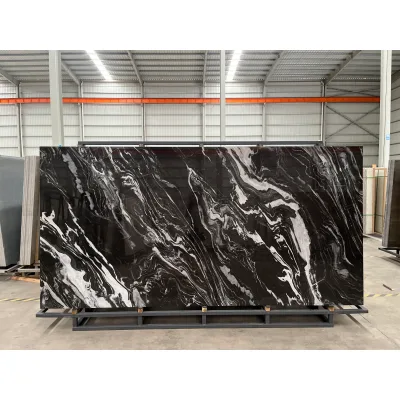
Chinese Style Black and White Landscape Painting Sintered Stone for Background Wall
$18.55 - $35.55
MOQ: 50 Pieces
Foshan Langli Trading Co., Ltd.
- Trading Company
- Lead time旺季: "1 - 1400":7,"> 1400":"To be negotiated", 淡季: "1 - 1400":7,"> 1400":"To be negotiated"
- Avg. response≤ 8h
Main productsPolished Porcelain Tiles, Polished Glazed Porcelain Tiles, Ceramic Wall Tiles, Matt Glazed Porcelain Tiles, Sintered Stone

Foshan Bolcada Building Materials Co., Ltd
- Verified by BV
- Trading Company
- China Guangdong
- Lead time15 days
- Avg. response≤ 7h
Main productsTile, Floor Tile, Ceramic Tile, Mosaic Tile, Wall Tile, Wooden Tile, Polished Tile, Marble Tile, Spc Floor Tile, Outdoor Tile
Main marketsAustralia
Xiamen Union Century Imp. & Exp. Co., Ltd.
- Verified by TüVRheinland
- Trading Company
- Lead time15 days
- Avg. response≤ 5h
Main productsGranite, Marble, Sintered Stone, Quartz, Limestone
Main marketsNorth America(60%), Southeast Asia(30%), Northern Europe(5%)
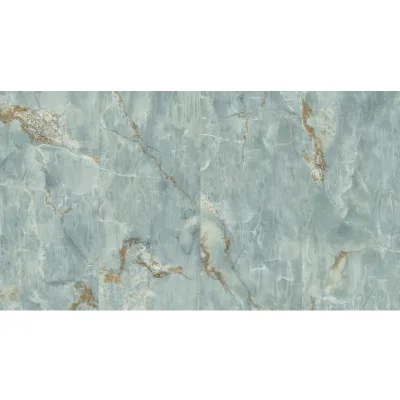
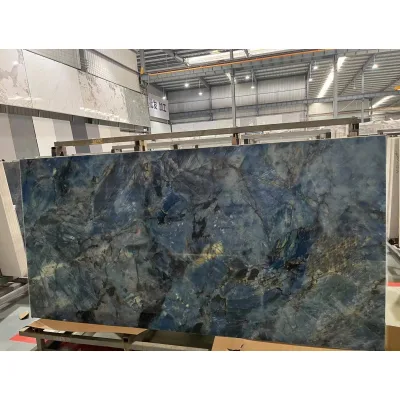
2400 X 1200 X 9 mm Polished Dark Sapphire Blue Sintered Stone for Wall Background
$17.00 - $22.00
MOQ: 100 square
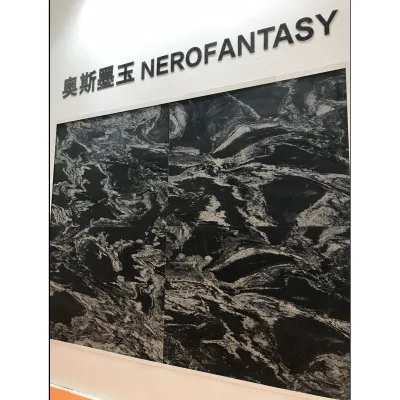
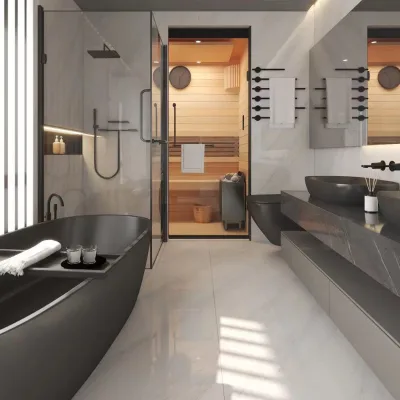
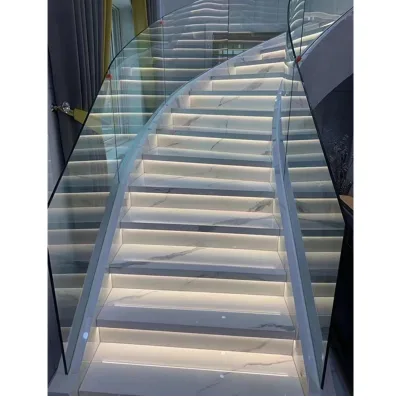
Polished Sintered Stone Sapphireslabs With Low Price
$20.00 - $25.00
Hunan Yatai Technology Co., Ltd.
- Verified by TüVRheinland
- Manufacturer, Trading Company
- Lead time0 days
Main productsSlate, Carbon Crystal Plate
Main marketsDomestic Market(100%)
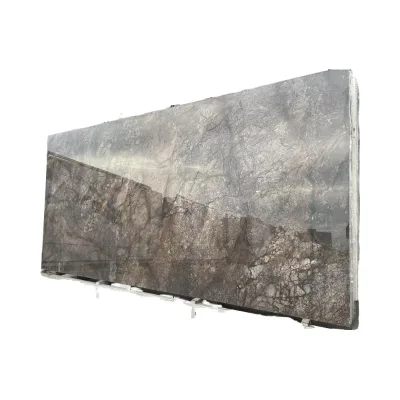
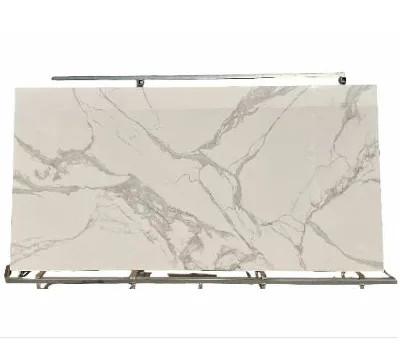
$18.6341 - $22.7758
MOQ: 1 square

- Manufacturer/Factory
- China Guangdong
- Lead time0 days
- Avg. response≤ 9h
Main productsQuartz Stone, Quartz Countertop, Quartz Slab, Engineered Stone, Artificial Stone, Quartz Stone Flooring, Engineered Quartz Stone, Quartz Benchtops, Quartz Kitchen Tops, Quartz Vanity Top
Main marketsSouth America,Eastern Europe,Mid East,North America,Southeast Asia,Eastern Asia,Oceania,Western Europe,Africa

Customization Sintered Stone for Kitchen Tops/Batroom/and Flooring Tiles
$25.00 - $75.00
MOQ: 100 Square Meters


3200X1600X12mm High Quality Premium Polished Sintered Stone with Acid Resistance for Durability
$25.00 - $40.00
MOQ: 100 Square Meters
Foshan Wharton Building Material Co., Ltd.
- Verified by SGS Group
- Trading Company
- Lead time180 days
- Avg. response≤ 3h
Main productsSintered Stone, Porcelain Tiles, Kitchen Cabinet, Bathroom Vanities, Countertop
Main marketsNorth America(29%), Oceania(21%), Africa(16%)

FOSHAN JINFEITE INDUSTRY CO., LTD
- Verified by SGS
- Trading Company
- China Guangdong
- Lead time15 days
- Avg. response≤ 7h
Main productsFloor Tile, Marble Tile, Golden Tile, Wooden Tile, Sintered Stone, Spc Flooring, Wood Flooring, Tile Adhersive, Slab, Vinly Flooring
Main marketsSoutheast Asia/ Mideast

Big Size 1200*2400mm Polished White Marble Sintered Stone for Hotel Wall
$9.20 - $12.30
MOQ: 115 Square Meters

1200*2400mm Classic White Marble Sintered Stone for Elegant Floor Designs
$9.20 - $12.30
MOQ: 115 Square Meters


Best Price New Material Sintered Stone for Wholesell and Distributor 1200*2400mm Large Size
$9.20 - $12.30
MOQ: 115 Square Meters

Quality White Porcelain Sintered Stone for Durable and Attractive Floors
$9.20 - $12.30
MOQ: 115 Square Meters

Luxury Sintered Stone for Background Wall and Counter Applications
$9.20 - $12.30
MOQ: 115 Square Meters
Shenzhen Molantang Culture Communication Co., Ltd.
- Manufacturer, Trading Company
- Guangdong, China
- Lead time30 days
- Avg. response≤ 3h
Main productsDoor,Window
Main marketsNorth America(50.00%), Mid East(10.00%), Domestic Market(5.00%), South Asia(5.00%), Northern Europe(5.00%), Central America(5.00%), Eastern Asia(5.00%), South America(5.00%), Africa(5.00%), Southeast Asia(5.00%)
Shandong Hangxu New Material Co., Ltd.
- Trading Company
- Shandong, China
- Lead time0 days
- Avg. response≤ 4h
Main productsplywood,mdf,particleboard,pvc edge banding,furniture
Main marketsDomestic Market(35.00%), Africa(20.00%), North America(20.00%), Eastern Europe(8.00%), Central America(5.00%), South America(5.00%), Mid East(4.00%), Northern Europe(3.00%)

- Verified by CTI
- Trading Company
- China Fujian
- Lead time15 days
- Avg. response≤ 5h
Main productsNatural Stone Products, Artificial Marble, Artificial Stone Quartz Slabs, Tiles, Sintered Stone, Big Porcelain, Stone Mosaics, Water Jet, Cultural Stone, Pebble Stone
Main marketsSoutheast Asia/ Mideast,East Asia(Japan/ South Korea),North America

Sintered Stone Artificial Stone Big Porcelain 86m373 2600*800*9mm for Wall Cladding
$15.50 - $18.00
MOQ: 100 Square Meters

Sintered Stone Artificial Stone Big Porcelain 86m371 2600*800*9mm for Wall Cladding
$15.50 - $18.00
MOQ: 100 Square Meters

Sintered Stone Artificial Stone Big Porcelain 8609h0103q 2600*800*9mm for Wall Cladding
$15.50 - $18.00
MOQ: 100 Square Meters

Sintered Stone Artificial Stone Big Porcelain 8609h0101q 2600*800*9mm for Wall Cladding
$15.50 - $18.00
MOQ: 100 Square Meters

Sintered Stone Artificial Stone Big Porcelain 2600*800*9mm for Wall Cladding 8609h0099q
$15.50 - $18.00
MOQ: 100 Square Meters

Sintered Stone Artificial Stone Big Porcelain 86m366 2600*800*9mm for Wall Cladding
$15.50 - $18.00
MOQ: 100 Square Meters
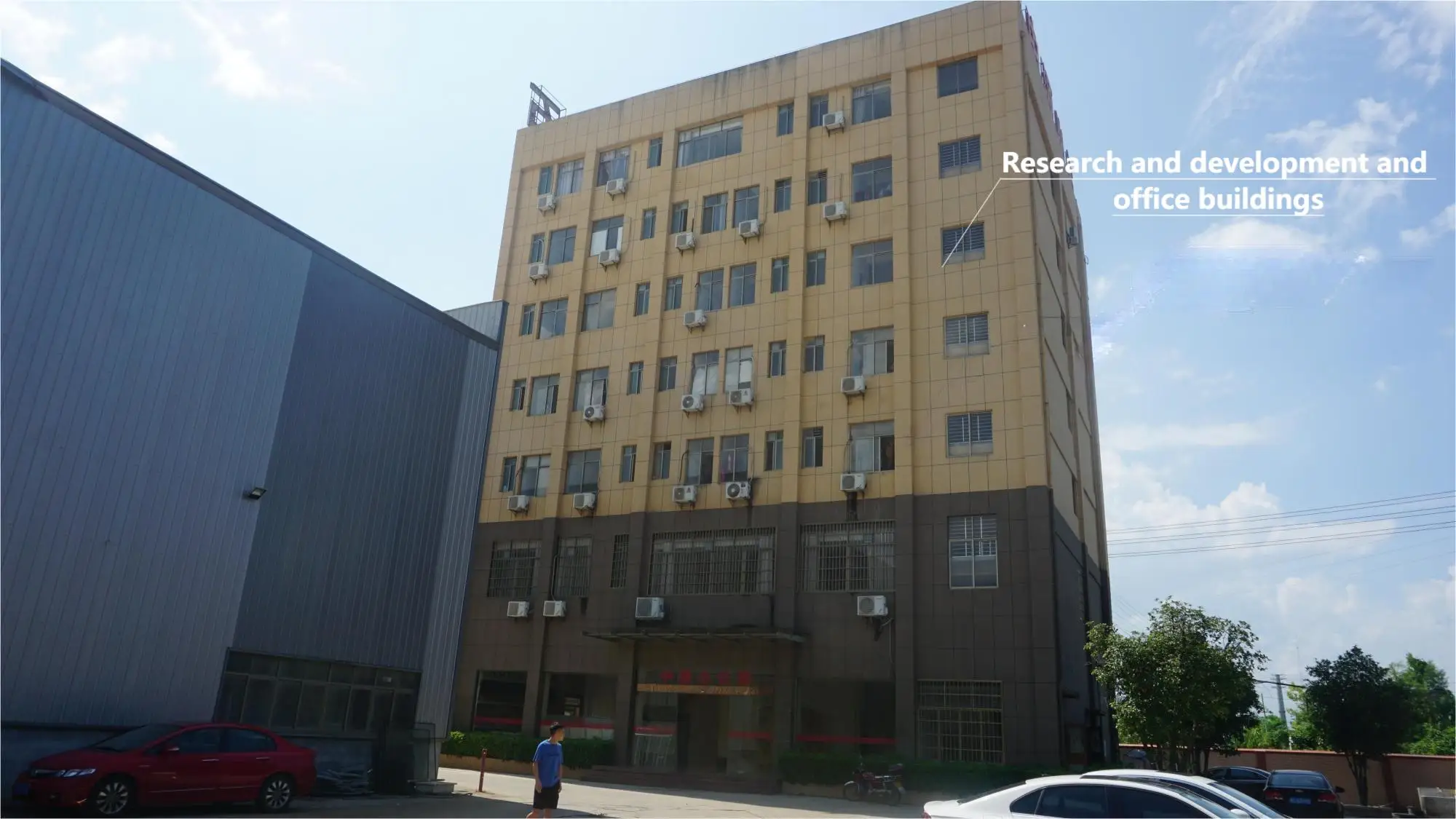
Shenzhen Chameleon Stone Industry Co., Ltd.
- Manufacturer, Trading Company
- Guangdong, China
- Lead time0 days
- Avg. response≤ 2h
Main productsEngineering stone slabs,Quartz slab,Terrazzo,Artificial Stone,Sintered stone slab.
Main marketsNorth America(30.00%), Domestic Market(20.00%), Central America(10.00%), South America(8.00%), Western Europe(5.00%), Eastern Asia(5.00%), Eastern Europe(5.00%), Mid East(5.00%), Oceania(5.00%), Southern Europe(3.00%), Northern Europe(2.00%), Africa(1.00%), South Asia(1.00%)

Jiangxi WIFi Ceramics Co., Ltd.
- Manufacturer/Factory
- China Guangdong
- Lead time23 days
- Avg. response≤ 5h
Main productsTiles, Porcelain Tiles, Glazed Polished Tiles, Rustic Tiles, Floor Tiles, White Marble Tiles, Mosaic Tiles, Glazed Tiles, Ceramic Tiles, Porcelain Tiles for Floor and Wall
Main marketsSouth America,Eastern Europe,Mid East,North America,Southeast Asia,Eastern Asia,Oceania,Western Europe,Africa

Best Selling Stone Design Continuous Patterns Sintered Stone for Modern Wall Cladding and Floor
$18.80 - $48.80
MOQ: 10 Square Meters


Quanzhou Maoteng Stone Co., Ltd.
- Verified by SGS Group
- Trading Company
- Lead time10 days
- Avg. response≤ 2h
Main productsMarble Stone, Granite Stone, Quartz Stone, Sintered Stone, Countertops
Main marketsNorth America(40%), South America(40%), Mid East(10%)
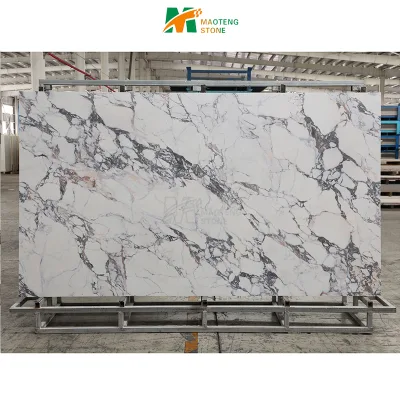
$15.86 - $23.52
MOQ: 50 square
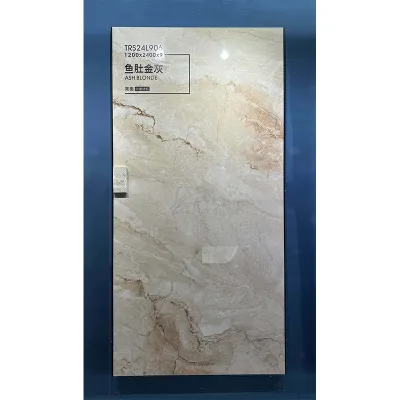
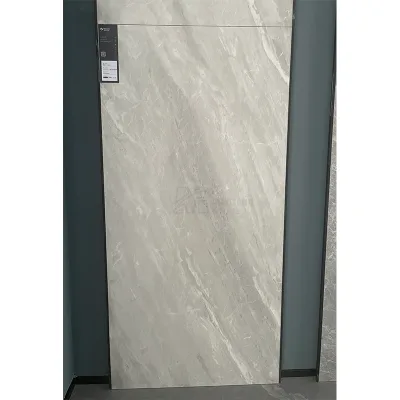
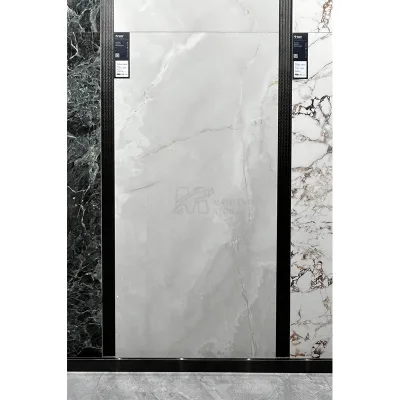
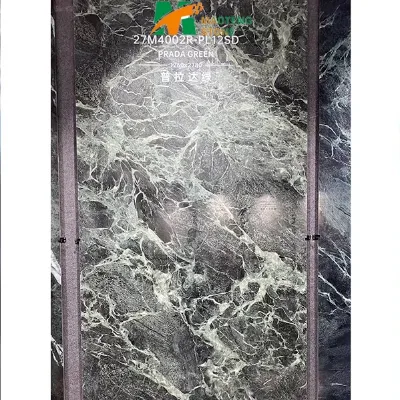
$15.86 - $23.52
MOQ: 50 square
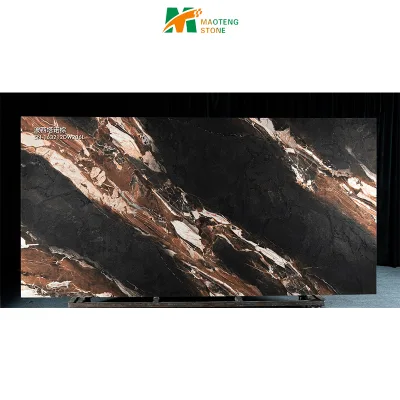
3200X1600X12 Top Quality Sintered Stone for Villa & Hotel Exterior Factory Wholesales Low MOQ
$14.7217 - $21.2408
MOQ: 50 square

China Arts Building Material Group Co.,Limited
- Trading Company,Manufacturer/Factory
- China Fujian
- Lead time23 days
- Avg. response≤ 6h
Main productsStone/ Granite/ Marble, Kitchen Countertop and Vanity Tops, Slab and Tiles, Quartz and Artificial Stone, Composite Products, Mosaic and Medallion, Sink Basin Sculpture and Tomb, Sand Stone, Crafts and Arts, Paving Stone
Main marketsEastern Europe,Mid East,North America,Southeast Asia,Western Europe

2cm Full Body Sintered Stone artificial Stone for Tables and Countertops
$42.00 - $55.00
MOQ: 500 Square Meters


Shandong Liyin Intelligent Equipment Co., Ltd.
- Verified by SGS
- Manufacturer
- China Shandong
- Lead time15 days
- Avg. response≤ 5h
Main productsQuartz Stone
Main marketsSouth America,Africa,Southeast Asia/ Mideast,East Asia(Japan/ South Korea),Domestic,Europe,Australia,North America

12mm and 20mm Thickness Sintered Stone Artificial Stone for Contertop Marble and Granite Look
$18.00 - $30.00
MOQ: 50 Square Meters

Factory Wholesale Sintered Stone 6mm 12mm 15mm 20mm for Kitchen Countertops and Wall Floor
$18.00 - $30.00
MOQ: 50 Square Meters
Foshan Nine Power Building Material Co., Ltd.
- Verified by Intertek
- Manufacturer, Trading Company
- Lead time10 days
- Avg. response≤ 2h
Main productsFlexible Stone, PU Stone Panel, Inkjet Print Stone, Inorganic Printed Soft Tiles
Main marketsDomestic Market(50%), North America(20%), Eastern Europe(15%)
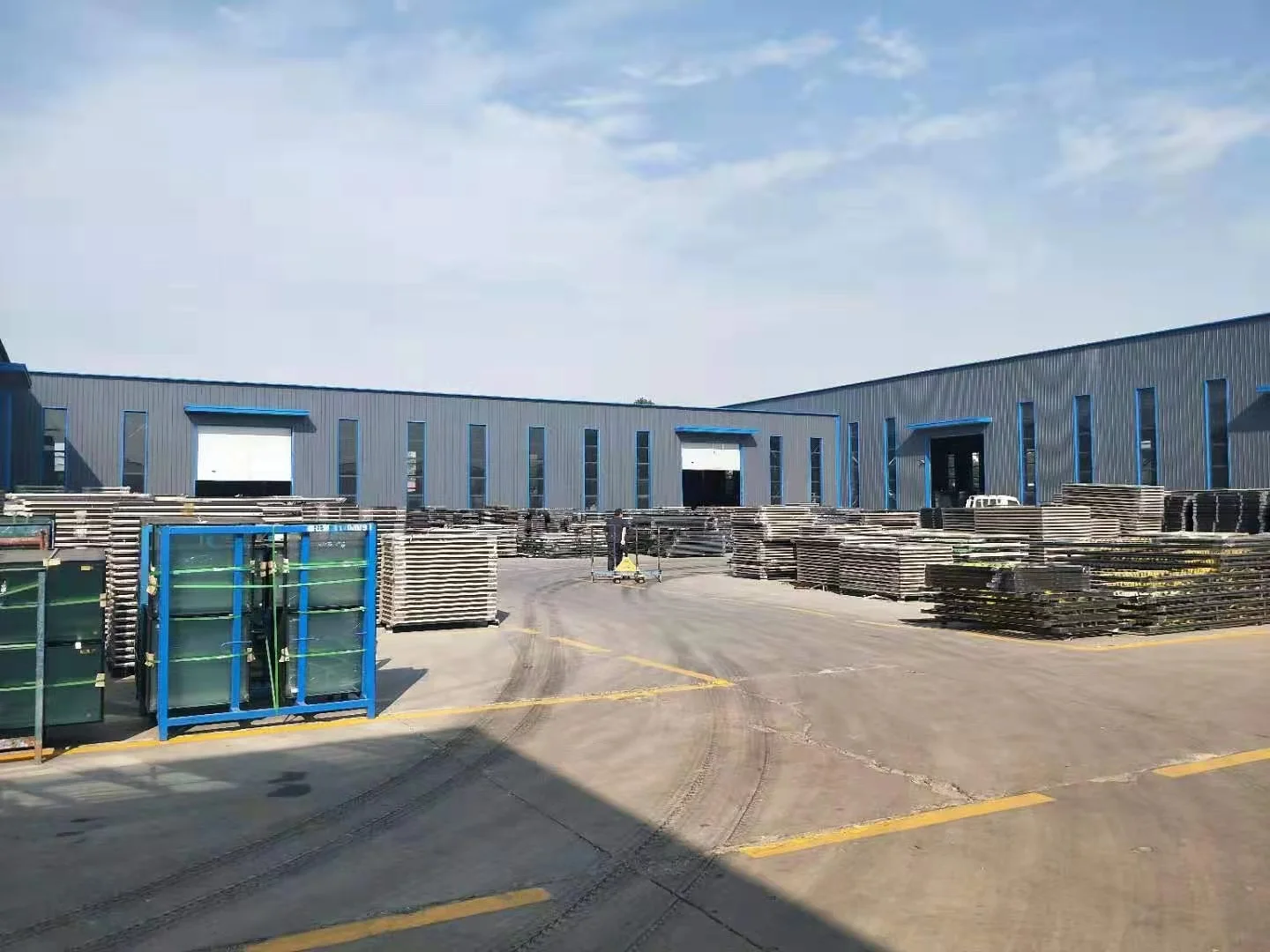
FOSHAN CARIA HOME DECOR CO., LTD.
- Manufacturer, Trading Company
- Guangdong, China
- Lead time7 days
- Avg. response≤ 4h
Main productsTile,Stone,Mosaic,Furniture,Wall Panel
Main marketsSoutheast Asia(30.00%), Africa(30.00%), Oceania(10.00%), Southern Europe(5.00%), Northern Europe(5.00%), Western Europe(5.00%), Mid East(5.00%), Eastern Europe(5.00%), North America(5.00%)
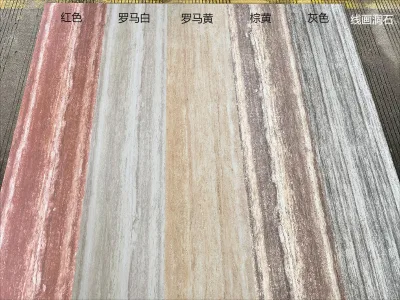
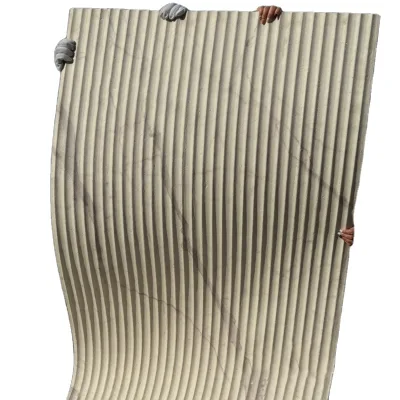
Stone Tiles for Exterior and Interior Wall Slate
$8.85 - $9.85

Xiamen Shun Shun Stone Import & Export Co., Ltd.
- Verified by TUVRHEINLAND
- Trading Company
- China Fujian
- Lead time15 days
- Avg. response≤ 13h
Main productsGranite, Stone, Marble, Countertop, Monument, Slate, Sandstone, Fireplace, Tiles, Slabs
Main marketsSoutheast Asia/ Mideast,Europe,North America
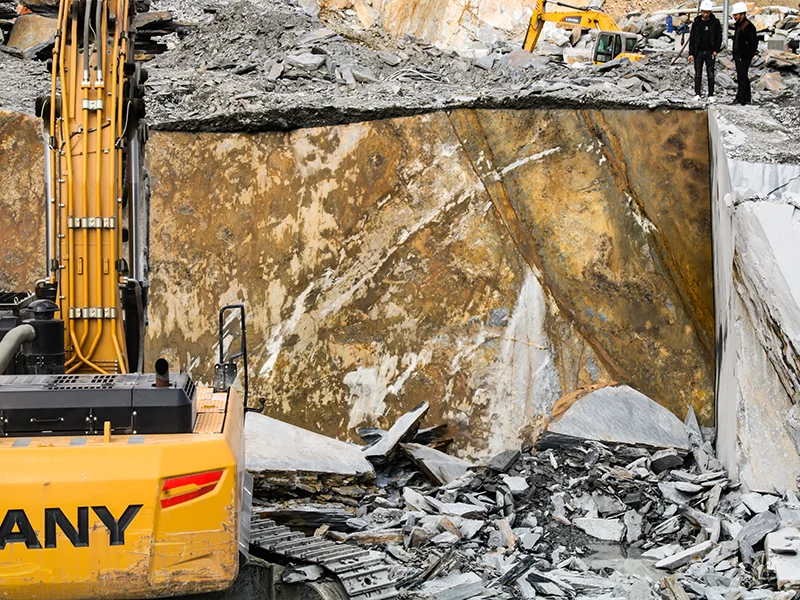
- Manufacturer, Trading Company
- Jiangxi, China
- Lead time30 days
- Avg. response≤ 11h
Main productsPaving Stone, Roofing Slate, Wall Stone, Pool Table Slate, Marble
Main marketsSouth America(50.00%), Western Europe(10.00%), Southern Europe(10.00%), Northern Europe(10.00%), Southeast Asia(5.00%), North America(5.00%), Oceania(5.00%), Domestic Market(5.00%), Southeast Asia(5.00%)
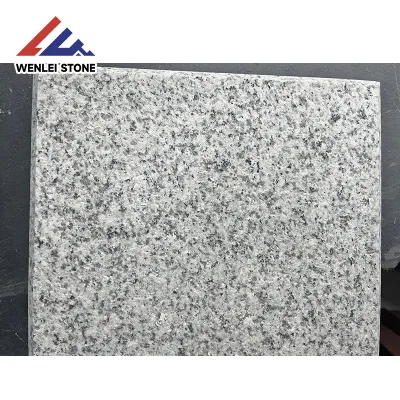
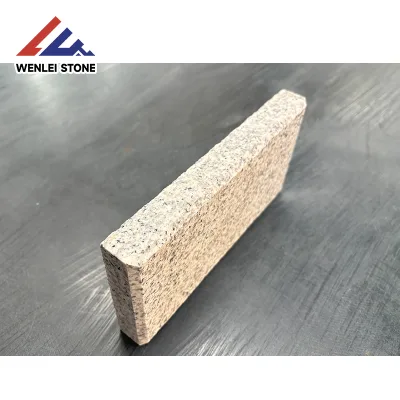
Factory-customized Gray Granite Paving Stones. Choose Any Size and Thickness.
$9.3852 - $10.2577
MOQ: 50 square
Customized Granite. Factory Creates According to Demand in Terms of Size and Pattern.
$9.3717 - $10.2442
MOQ: 50 square


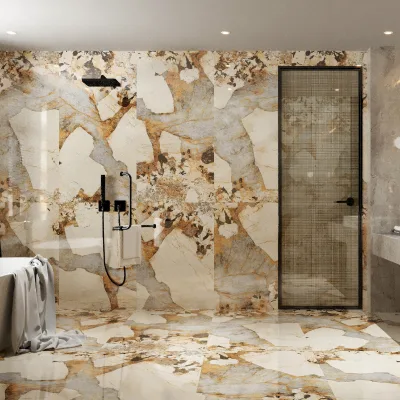
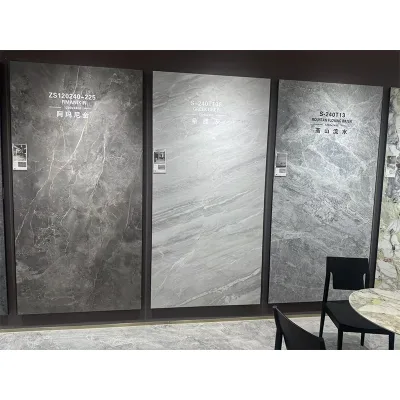
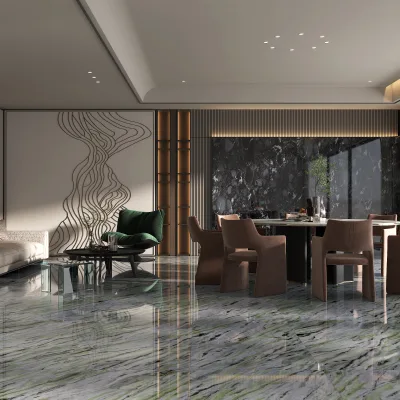
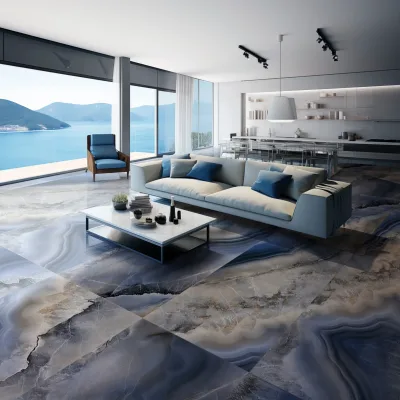
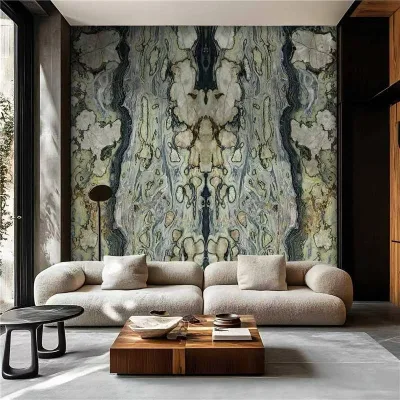
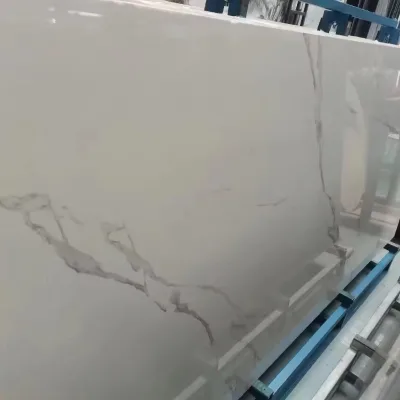
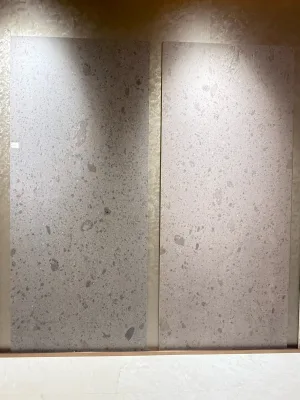


Comprehensive Sourcing Guide
9mm Sintered Stone Supplier Concentration and Factory Types
The sourcing landscape for 9mm Sintered Stone reveals a distinct concentration of manufacturing capabilities within specific Chinese industrial hubs, particularly Guangdong and Fujian provinces. These regions serve as primary clusters for both trading companies and direct manufacturers, offering buyers a dense network of potential partners who specialize in large-format slabs and tiles. The presence of Group Corporations and established factories in Guangdong indicates a mature supply chain capable of handling complex OEM and ODM requests, while Fujian-based entities often emphasize a broader range of stone-related products, including quartz and artificial marble, alongside sintered stone. This geographic clustering allows for efficient logistics and shared infrastructure, which can significantly impact lead times and shipping costs for international buyers. When evaluating suppliers, it is crucial to distinguish between pure trading entities and those with actual production facilities, as the latter often provide greater control over quality consistency and customization options for 9mm thickness specifications.
Supplier types vary widely, ranging from small-scale workshops to large Group Corporations with extensive R&D capacities. Many suppliers in these regions offer both OEM and ODM services, allowing buyers to customize surface finishes, colors, and edge processing to meet specific project requirements. The main products listed by these suppliers often include porcelain tiles, ceramic tiles, and various sintered stone slabs, indicating a versatile production environment. Some suppliers hold certifications such as ISO 9001 and BSCI, which signal a commitment to quality management and social responsibility. However, the presence of these certifications does not guarantee uniform quality across all product lines, so buyers must verify the specific capabilities related to 9mm Sintered Stone production. Understanding the supplier's company type helps in assessing their flexibility, pricing structure, and ability to scale orders up or down based on project demands.
How to Verify 9mm Sintered Stone Suppliers
Verifying the legitimacy and capability of 9mm Sintered Stone suppliers requires a multi-layered approach that goes beyond simple online profiles. Buyers should prioritize suppliers who have undergone third-party verification processes, such as BV certification, which provides an independent assessment of the company's business scope and operational integrity. Additionally, checking for system certifications like ISO 9001 and ISO 14001 is essential, as these standards indicate that the supplier has established formalized processes for quality control and environmental management. These certifications are particularly important for 9mm Sintered Stone, where consistency in thickness and surface finish is critical for installation success. Buyers should also look for product-specific certifications such as CE, ISO9001, BV, Saso, CIQ, SNI, Coc, Soncap, and others, which demonstrate compliance with international safety and quality standards for different target markets.
Response time and communication efficiency are also key indicators of a supplier's reliability. A quick response time, such as the 3.78 hours observed in some Guangdong-based suppliers, suggests a well-staffed and responsive sales team capable of addressing urgent inquiries and technical questions. In contrast, longer response times, like the 12.22 hours seen in some Fujian suppliers, may indicate a different operational pace or language barrier that could impact project timelines. Buyers should test communication channels by asking detailed questions about 9mm thickness tolerances, edge processing options, and packaging methods. Furthermore, verifying the supplier's origin, such as Foshan or Xiamen, can help confirm their proximity to raw material sources and manufacturing facilities. It is advisable to request recent factory audit reports or video tours to visually confirm the production lines dedicated to sintered stone, ensuring that the supplier has the actual capacity to produce the specified 9mm products.
What to Compare Across 9mm Sintered Stone Suppliers
When comparing suppliers, buyers must evaluate a range of commercial and operational metrics to determine the best fit for their specific needs. Lead time is a critical factor, with some suppliers offering delivery times of around 23 days, while others may quote approximately 15 days for production. These variations can significantly impact project scheduling, so buyers should align their procurement timelines with the supplier's stated capabilities. Minimum Order Quantity (MOQ) is another key differentiator, with some suppliers requiring as low as 50 square meters, while others may set the bar at 500 or 600 square meters. Lower MOQs are beneficial for smaller projects or trial orders, allowing buyers to test quality and service without committing to large volumes. Buyers should also compare pricing structures, noting that prices for 9mm Sintered Stone can range from approximately $10.90 to $23.90 per square meter, depending on the surface finish, color, and brand reputation.
Surface finish and customization options are vital considerations when comparing suppliers. Some suppliers offer polished surfaces, while others provide matte or soft polished finishes, each with distinct aesthetic and functional properties. The availability of customization, such as specific edge processing like beveled or flat edges, and client-specific packaging, can add value for buyers with unique project requirements. Additionally, buyers should assess the supplier's product range, as some may specialize exclusively in sintered stone, while others offer a broader portfolio including porcelain and ceramic tiles. This breadth can be advantageous for buyers seeking a one-stop-shop solution. It is also important to compare the quality grades offered, such as First Choice or Grade AAA, and to verify the packing methods, which can affect the risk of damage during transit. Standard packing often includes wooden pallets and cartons, but customized packaging may be available for high-value shipments.
Common 9mm Sintered Stone Sourcing Risks
Sourcing 9mm Sintered Stone from international suppliers introduces several risks that buyers must proactively manage to ensure project success. One significant risk is the variability in product quality, particularly regarding thickness consistency and surface finish. While suppliers may claim a 9mm thickness, actual measurements can vary, leading to installation issues if not properly controlled. Buyers should request detailed product specifications and, if possible, samples to verify the actual dimensions and finish quality before placing large orders. Another risk is the potential for damage during shipping, given the large format and fragility of sintered stone slabs. Inadequate packaging, such as insufficient wooden pallets or improper carton reinforcement, can result in cracked or chipped products upon arrival. Buyers must ensure that the supplier uses robust packing methods, such as standard cartons with wooden pallets, and consider purchasing insurance for high-value shipments.
Communication and cultural barriers can also pose risks, especially when dealing with suppliers in different time zones or with limited English proficiency. Misunderstandings regarding technical specifications, delivery dates, or payment terms can lead to costly delays or disputes. Buyers should establish clear communication protocols and confirm all details in writing, including product models, colors, and surface finishes. Additionally, there is a risk of relying on suppliers who lack proper certifications or verification, which can compromise the legitimacy of the transaction and the quality of the product. Buyers should prioritize suppliers with verified credentials and transparent business practices. Finally, market fluctuations and raw material cost increases can affect pricing and availability, so buyers should lock in prices and delivery schedules as early as possible to mitigate these uncertainties.
9mm Sintered Stone Regional Sourcing and Logistics
Regional sourcing from China, particularly from Guangdong and Fujian provinces, offers distinct logistical advantages for buyers of 9mm Sintered Stone. Guangdong, with its hub in Foshan, is a major center for ceramic and sintered stone production, benefiting from well-developed infrastructure and proximity to major ports like Guangzhou and Shenzhen. This location facilitates efficient export logistics, reducing transit times and costs for shipments to Europe, the Middle East, and other regions. Suppliers in this region often have extensive experience in international trade, making them adept at handling customs documentation and shipping requirements. Buyers sourcing from Guangdong can expect a wide variety of product options and competitive pricing due to the high concentration of manufacturers and trading companies in the area.
Fujian, with Xiamen as a key city, is another important sourcing region, known for its stone processing industry. Suppliers in Fujian often specialize in a broader range of stone products, including quartz, marble, and sintered stone, which can be advantageous for buyers seeking diverse material options. The port of Xiamen provides convenient access to international shipping routes, particularly for destinations in Asia and the Americas. However, buyers should be aware that logistics from Fujian may have different transit times and costs compared to Guangdong. It is essential to coordinate closely with the supplier to optimize shipping methods, whether by sea or air, depending on the urgency and volume of the order. Understanding the regional logistics landscape helps buyers make informed decisions about supplier selection and inventory planning, ensuring timely delivery and cost-effective procurement.
9mm Sintered Stone Commercial Terms and Order Planning
Effective order planning for 9mm Sintered Stone requires careful attention to commercial terms, including payment methods, delivery schedules, and after-sales support. Buyers should negotiate clear payment terms, such as a deposit followed by balance payment against the bill of lading, to balance risk and cash flow. It is also important to confirm the delivery time, which can vary from 15 to 23 days depending on the supplier's production capacity and order volume. Buyers should plan for potential delays by building buffer time into their project schedules. Additionally, understanding the supplier's return and warranty policies is crucial, especially for large orders where the cost of replacing damaged or defective products can be significant. Buyers should ensure that the supplier provides comprehensive documentation, including certificates of origin, quality inspections, and packing lists, to facilitate smooth customs clearance.
Customization and branding opportunities are also key commercial considerations. Many suppliers offer OEM services, allowing buyers to brand the products with their own logos or packaging, which can enhance market positioning. Buyers should discuss the minimum requirements for customization, such as MOQ for branded packaging, and any associated costs. Furthermore, buyers should evaluate the supplier's ability to handle large-scale orders, as some suppliers may have limited production capacity for specific thicknesses or finishes. It is advisable to establish a long-term relationship with a reliable supplier to secure better pricing and priority production slots. By carefully planning commercial terms and leveraging supplier capabilities, buyers can optimize their procurement process and ensure the successful delivery of 9mm Sintered Stone projects.
FAQs
What is the typical lead time for 9mm Sintered Stone orders?
The typical lead time for 9mm Sintered Stone orders is approximately 23 days based on current supplier data. Some suppliers offer faster delivery options around 15 days for specific stock items. Buyers should confirm exact timelines with the manufacturer before placing large orders to ensure project schedules are met.
What is the minimum order quantity for 9mm Sintered Stone slabs?
The minimum order quantity for 9mm Sintered Stone slabs varies by supplier, with some requiring 500 square meters and others starting at 600 square meters. A few suppliers list a lower threshold of 100 square meters for specific product lines. Always verify the specific MOQ with the seller to avoid unexpected costs.
Which certifications are available for 9mm Sintered Stone products?
Available certifications for 9mm Sintered Stone products include ISO 9001, CE, BV, Saso, CIQ, SNI, Coc, Soncap, and TUV. Some suppliers also hold BSCI and ISO 14001 certifications for their manufacturing processes. Buyers should request valid certificates to ensure the products meet international safety and quality standards.
Where are the manufacturers of 9mm Sintered Stone located?
Manufacturers of 9mm Sintered Stone are primarily located in China, specifically in Guangdong and Fujian provinces. Key production hubs include Foshan and Xiamen, which are known for high-quality stone processing. Buyers can source directly from these regions to access a wide range of styles and thicknesses.
What surface finishes are available for 9mm Sintered Stone?
Surface finishes for 9mm Sintered Stone include polished, soft polished, and matte options. The polished finish provides a glossy look suitable for modern interiors, while matte finishes offer a more subdued texture. Buyers can choose the finish based on their specific design requirements and the intended application of the stone.
What is the price range for 9mm Sintered Stone slabs?
The price range for 9mm Sintered Stone slabs typically falls between 10.90 and 23.90 per square meter depending on the supplier and design. Some premium options may cost up to 35.55 per square meter. Prices vary based on thickness, color, and specific customization requests made by the buyer.
Can 9mm Sintered Stone be customized for specific projects?
Yes, 9mm Sintered Stone can be customized for specific projects with options for cut-to-size dimensions and client-specific packaging. Suppliers offer OEM and ODM services to meet unique design needs. Buyers should discuss their exact requirements with the manufacturer to ensure the final product matches their project specifications.