80 Ton Air Hydraulic Jack Suppliers and Manufacturers
Compare 14 verified factories in China Hebei offering 80 Ton Air Hydraulic Jack with ISO 9001 certification and OEM capabilities. Review response times, lead times, and pricing to select a supplier and request a quote today; review the available evidence before requesting comparable quotations from suitable candidates.
Updated
Suppliers List

Baoding Xinghang Heavy Industry Technology Co., LTD
- Verified by BV
- Manufacturer/Factory
- China Hebei
- Lead time23 days
- Avg. response≤ 6h
Main productsAir Jack, Tire Changer, Bottle Jack, Floor Jack, Hydraulic Jack, Pneumatic Hydraulic Jack, Car Lift, Wheel Alignment
Main marketsEastern Europe,North America
Hebei Jingji Lifting Technology Co., Ltd.
- Manufacturer, Trading Company
- Lead time旺季: "1 - 10":31,"11 - 100":32,"101 - 500":33,"> 500":"To be negotiated", 淡季: "1 - 10":31,"11 - 100":32,"101 - 500":33,"> 500":"To be negotiated"
- Avg. response≤ 1h
Main productsPneumatic Hydraulic Jack, Air Bottle Jack, Floor Jack, Bottle Jack, Jack Accessories
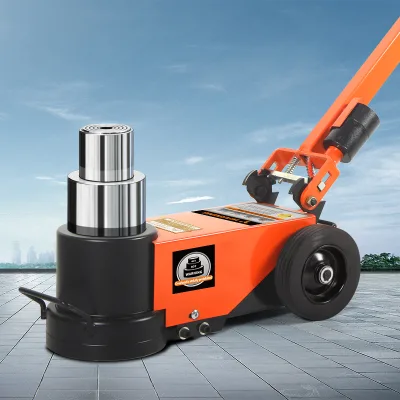
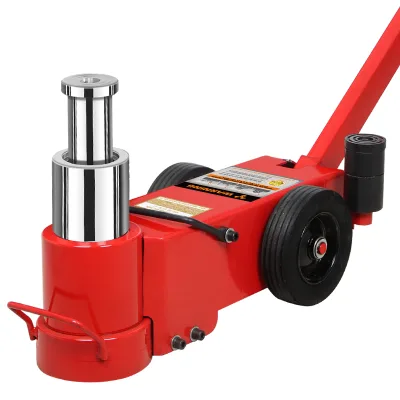
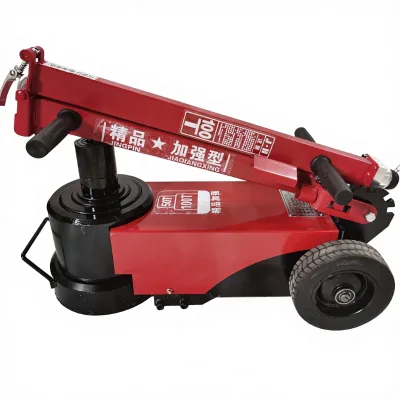
Reliable Supplier 50 Ton 80 Ton Truck Pneumatic Jack Wooden Box Steel Car Jack Hydraulic Jack
$116.00 - $138.00
MOQ: 10
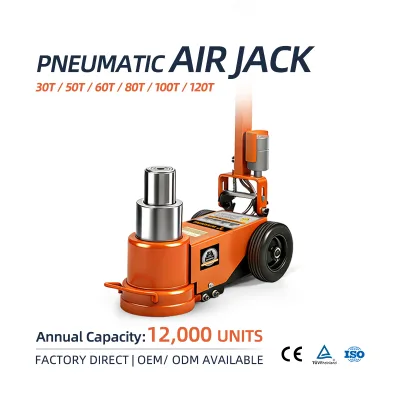
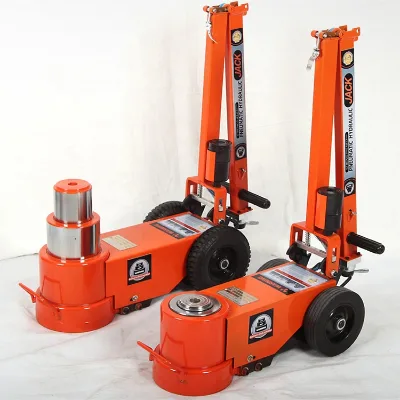
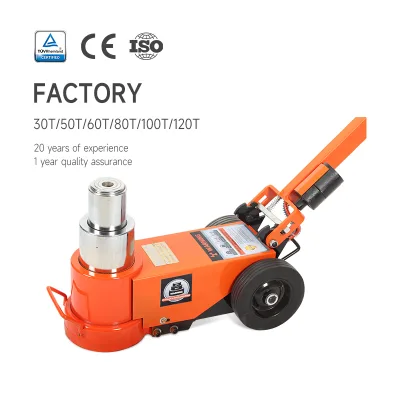
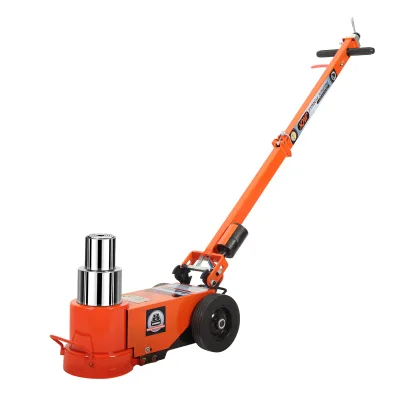
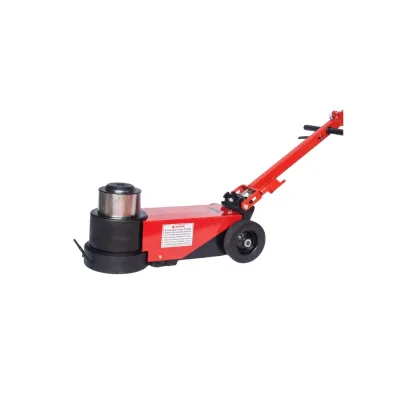
Inflate and Lift in Seconds With Our Air Hydraulic Jack - air Hydraulic Jack
$146.00 - $160.00
MOQ: 10

Jiaxing Lifede Imp & Exp Co., Ltd.
- Trading Company
- Zhejiang, China
- Lead time40 days
- Avg. response≤ 2h
Main productsHYDRAULIC JACKS,ENGINE CRANE,JACK STANDS,MOTORCYCLE LIFT JACKS,SHOP RPESS
Main marketsWestern Europe(18.00%), North America(18.00%), South America(15.00%), Eastern Europe(10.00%), Oceania(6.00%), Northern Europe(6.00%), Southern Europe(5.00%), South Asia(5.00%), Central America(5.00%), Southeast Asia(5.00%), Eastern Asia(5.00%), Africa(2.00%)
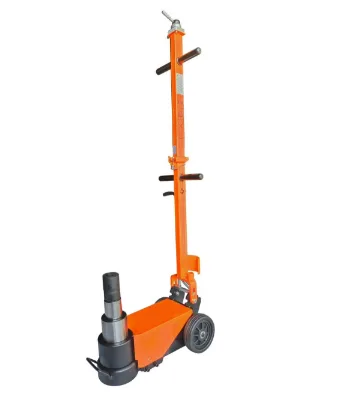
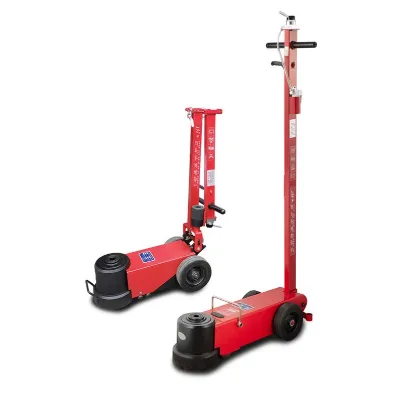
Two Stage Heavy Duty 40/80 Ton Pneumatic Air Jack Hydraulic Jack
$134.00 - $136.00
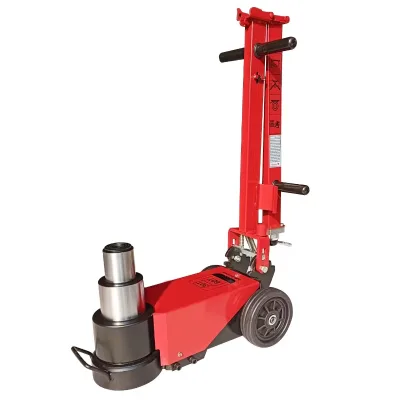
50Ton Pneumatic Air Floor Jack Hydraulic Jack with Foldable Handle
$157.6258 - $159.714
MOQ: 30 pieces
Cangzhou Jiangcheng Machinery Co., Ltd.
- Verified by TüVRheinland
- Manufacturer, Trading Company
- Lead time45 days
- Avg. response≤ 4h
Main productsTire Repair Tools, Engine Crane, Automobile Lift, Car Body Spot Welder, Split Jack
Main marketsDomestic Market(70%), Eastern Europe(12%), North America(10%)

Beijing Liediao Weiye Lifting Equipment Co., Ltd.
- Trading Company
- Hebei, China
- Lead time3 days
- Avg. response≤ 9h
Main productschain block,electric hoist,wire rope electric hoist,lever block,webbing sling
Main marketsDomestic Market(40.00%), Mid East(20.00%), North America(10.00%), South America(10.00%), Africa(6.00%), Central America(5.00%), Northern Europe(2.00%), Southeast Asia(1.00%), South Asia(1.00%), Southern Europe(1.00%), Eastern Europe(1.00%), Oceania(1.00%), Western Europe(1.00%), Eastern Asia(1.00%)
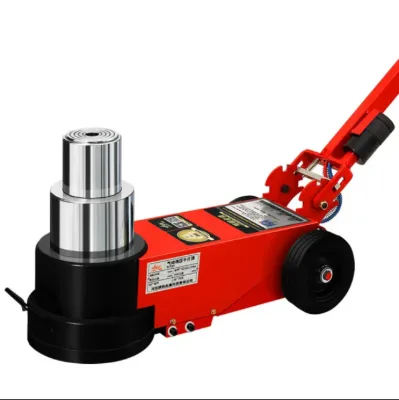
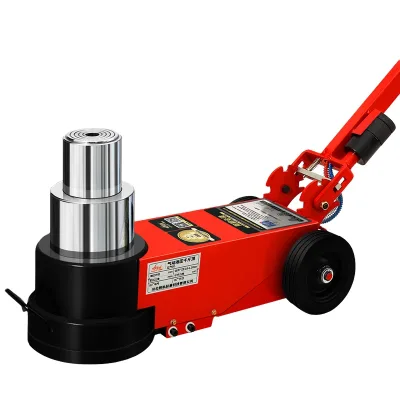
$103.38 - $138.5301
MOQ: 1 pieces
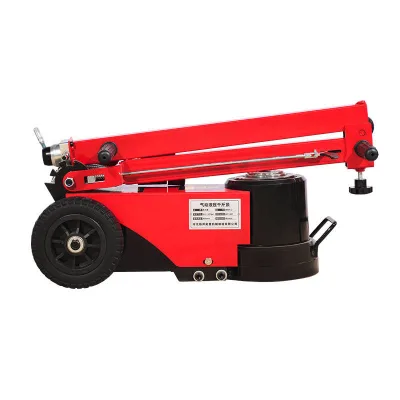
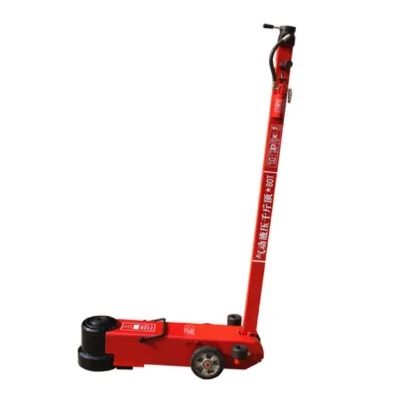

JIAXING JACKSTAR TOOLS CO., LTD.
- Verified by BV
- Trading Company,Manufacturer/Factory
- China Zhejiang
- Lead time45 days
- Avg. response≤ 8h
Main productsTransmission Jack, Hydraulic Press, Air Hydraulic Jack, Moto Lift Jack, Shop Crane, Shop Press, Hydraulic Bottle Jack, Floor Jack, Hydraulic Log Splitter, Farm Jack
Main marketsSouth America,Eastern Europe,Mid East,North America,Southeast Asia,Eastern Asia,Oceania,Western Europe,Africa
- Trading Company
- Hebei, China
- Lead time20 days
- Avg. response≤ 2h
Main productsAir Hydraulic Jack,Air Bag Jack,Tire Changer,Tire Bead Breaker,Jack Stand
Main marketsSouth Asia(20.00%), Africa(17.00%), Mid East(15.00%), Western Europe(10.00%), Northern Europe(10.00%), Southern Europe(10.00%), North America(5.00%), South America(5.00%), Southeast Asia(3.00%), Eastern Europe(2.00%), Domestic Market(1.00%), Oceania(1.00%), Central America(1.00%)
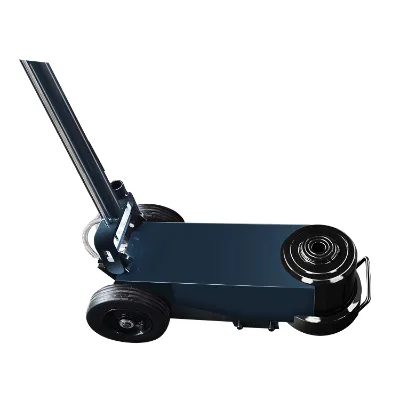
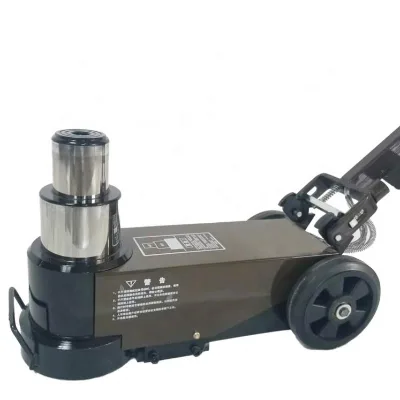
$126.8034 - $182.9874
MOQ: 1 pieces
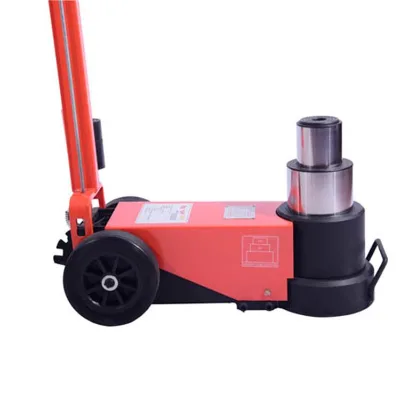
$133.7483 - $164.6127
MOQ: 1 pieces
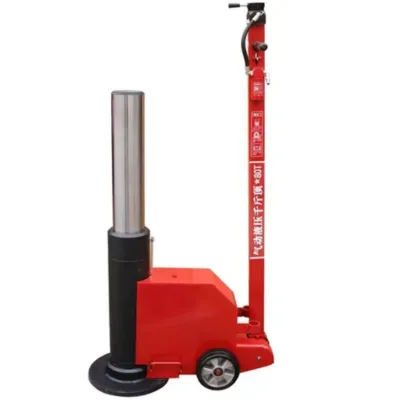
Beijing Chengchuang Lianzhong Network Technology Co., Ltd.
- Trading Company
- Beijing, China
- Lead time15 days
- Avg. response≤ 2h
Main productsCar seat cushion,Automobile tire patching film,Automotive tool,Car charging,Car pendant
Main marketsNorth America(30.00%), Northern Europe(20.00%), Southern Europe(10.00%), Mid East(10.00%), Africa(10.00%), Southeast Asia(10.00%), Central America(5.00%), Eastern Asia(3.00%), South America(2.00%)

Hebei Baibang Hoisting Machinery Manufacturing Co., Ltd.
- Manufacturer, Trading Company
- Hebei Province, China
- Lead time7 days
- Avg. response≤ 1h
Main productsManufacturing of light and small lifting equipment.,Research and developmentof pneumatic jacks,Manufacturing and sales of lifting tackle,handling vehicleshoists,forklifts
Main marketsDomestic Market(50.00%), Eastern Asia(23.00%), Southeast Asia(16.00%), South Asia(3.00%), Africa(3.00%), North America(3.00%), Mid East(2.00%)
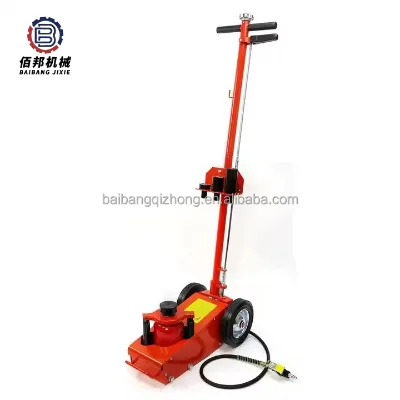
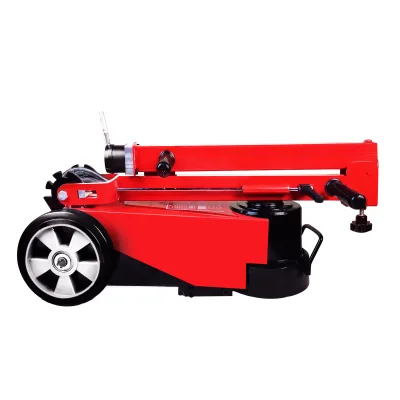
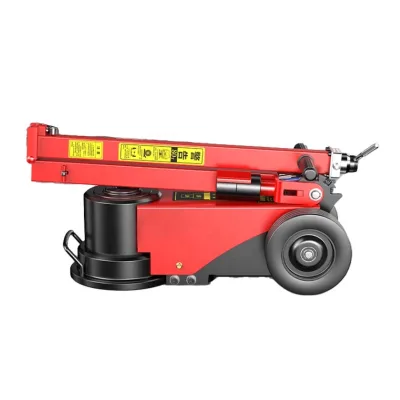
$173.00 - $180.00
MOQ: 20 pieces
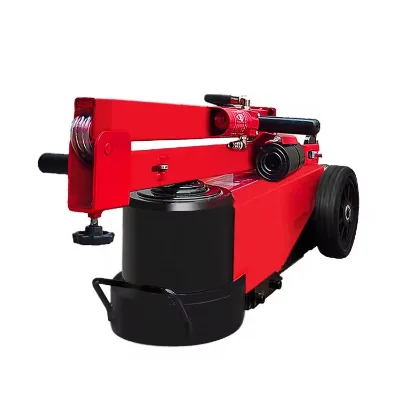
China Made High Quality 80 Ton Chrome Plated Pneumatic Jack for Large Vehicle Lifting Work
$115.00 - $128.00
MOQ: 1
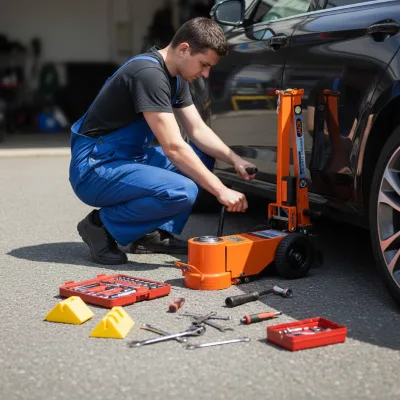
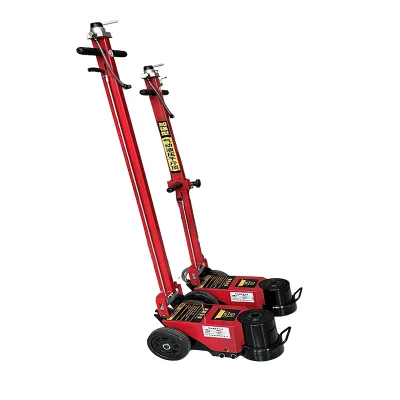
Best-selling 80-ton Pneumatic Push-type Hydraulic Jack for Truck or Heavy-vehicle Maintenance.
$115.00 - $121.00
MOQ: 30
Shijiazhuang Hengdeli Trading Co., Ltd.
- Trading Company
- Hebei, China
- Lead time10 days
- Avg. response≤ 5h
Main productsTire Changers,Air Bag Jacks,Pneumatic Jacks,Waste Oil Extractor,High Pressure Washing Machine
Main marketsEastern Asia(25.00%), South America(20.00%), South Asia(20.00%), Africa(10.00%), Eastern Europe(5.00%), Domestic Market(5.00%), Southern Europe(5.00%), North America(5.00%), Western Europe(5.00%)
Hebei Bethlehem Machinery Equipment Manufacturing Co., Ltd.
- Manufacturer
- Hebei, China
- Lead time15 days
- Avg. response≤ 2h
Main productsElectric hoists,car winch,Electric winch,Hydraulic winch
Main marketsSouth Asia(8.00%), Northern Europe(8.00%), Central America(8.00%), Western Europe(8.00%), Eastern Asia(8.00%), Mid East(8.00%), Oceania(8.00%), Africa(8.00%), Southeast Asia(8.00%), Eastern Europe(8.00%), South America(8.00%), Domestic Market(8.00%), North America(5.00%)
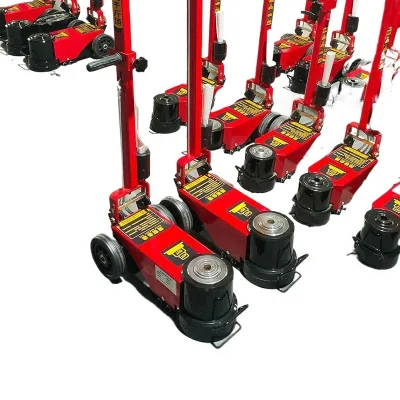
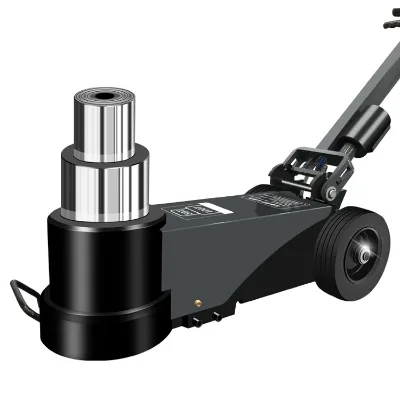
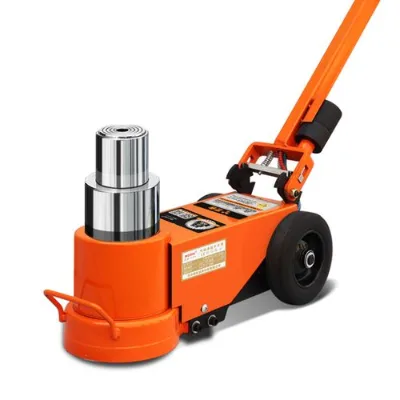
$880.5306 - $980.1152
MOQ: 1 sets
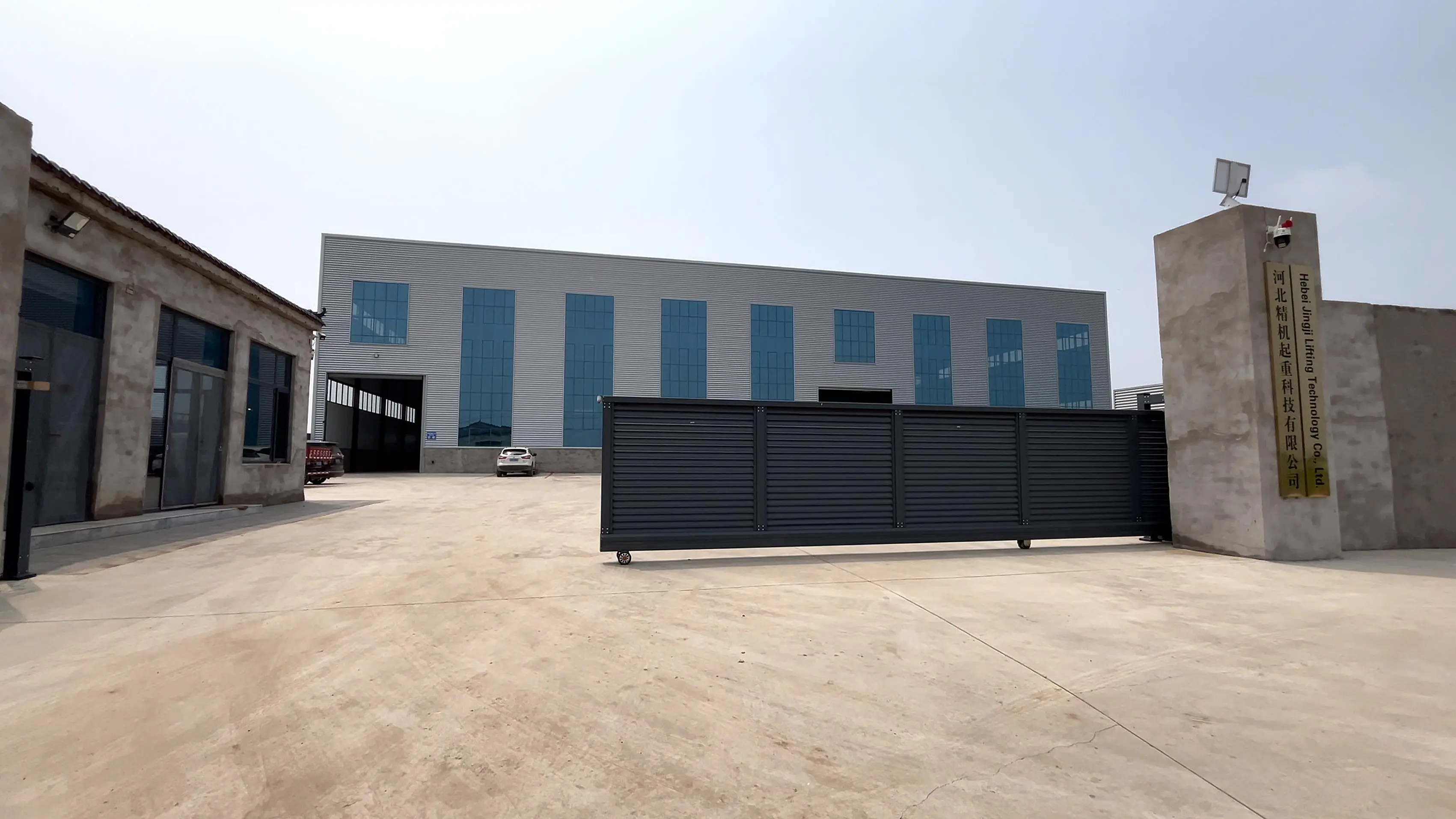
Hebei Jingji Lifting Technology Co., Ltd.
- Manufacturer
- Hebei, China
- Lead time15 days
- Avg. response≤ 1h
Main productsAir Jack,Air Bottle Jack,Floor Jack,Bottle Jack,Tire Changer Machine
Main marketsSoutheast Asia(55.00%), South America(20.00%), Eastern Europe(15.00%), Domestic Market(10.00%)
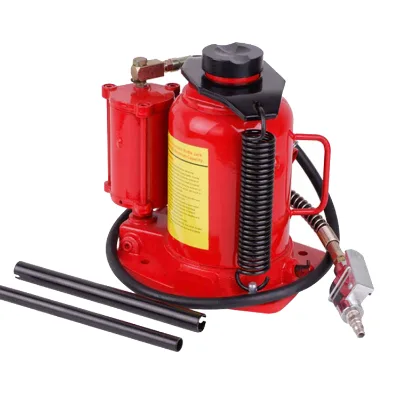
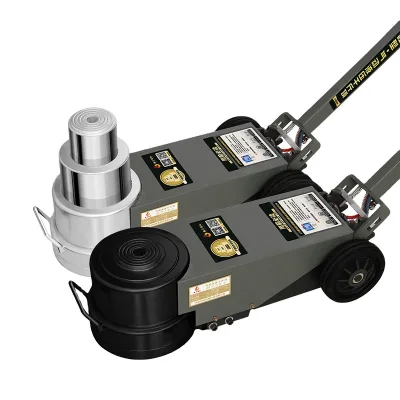
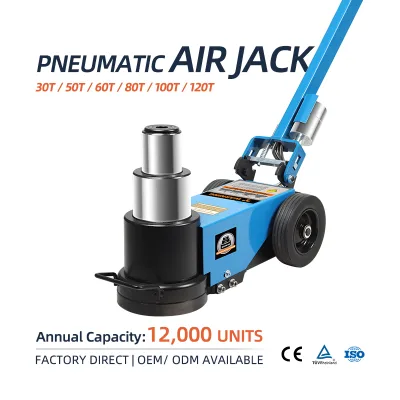
Reliable Quality Reasonable Price Pneumatic Jack Stable Durableinflatable Air Jack
$152.90 - $178.20
MOQ: 1 pieces

Hebei Junnuo Hoist Machinery Co., Ltd
- Verified by SGS
- Combined
- China Hebei
- Lead time15 days
- Avg. response≤ 3h
Main productsChain Hoist, Lever Hoist, Electric Hoist, Forklifts, Pallet Truck, Jack, Winch, Magnetic Lifter, Crane, Fall Arrester
Main marketsDomestic
Cangzhou Flashup Auto Tools Co., Ltd.
- Verified by Intertek
- Trading Company
- Lead time10 days
- Avg. response≤ 2h
Main productsHorizontal jack, Air bag jack, pneumatic jack, Electric jack, Hydraulic bottle Jack
Main marketsDomestic Market(70%), South America(30%)
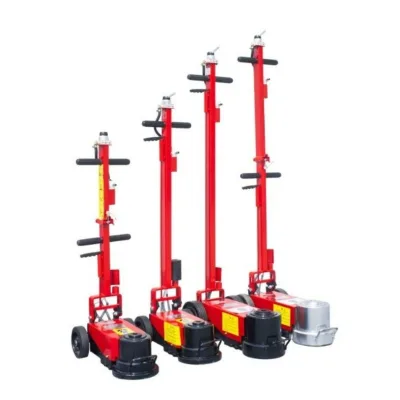
2Stage 30/60Ton Quick Lifting Low Chromed Pneumatic Hydraulic Air Jack
$112.9392 - $133.4725
MOQ: 1 sets
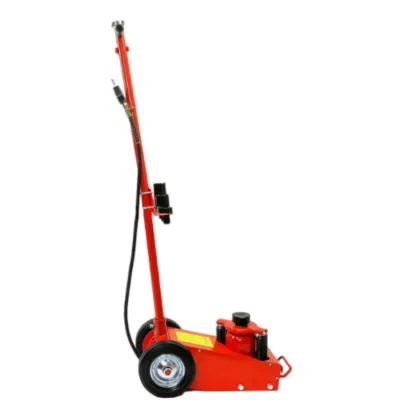
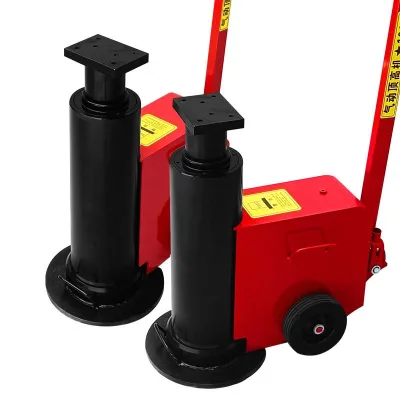
CE Approved Large Load Removable Pneumatic Jack air Floor Jack 20 Ton Heavy Duty for Trucks
$102.52 - $112.95
MOQ: 1






Comprehensive Sourcing Guide
80 Ton Air Hydraulic Jack Supplier Concentration and Factory Types
The sourcing landscape for heavy-duty lifting equipment reveals a distinct concentration of manufacturing capabilities in specific industrial regions, with China Hebei emerging as a primary hub for these specialized tools. Buyers evaluating the market will find that the majority of verified suppliers operating in this sector are classified as manufacturers or factories rather than pure trading entities. This distinction is critical because factory-direct sourcing often provides greater control over production quality, material selection, and customization options for high-tonnage equipment. The presence of established industrial clusters in Hebei suggests a mature supply chain ecosystem where raw materials like steel and hydraulic components are readily available, reducing logistical friction for large-scale production runs. When assessing potential partners, buyers should prioritize suppliers who explicitly identify as manufacturers, as this typically correlates with direct oversight of the assembly process for complex pneumatic-hydraulic systems.
Company types within this niche vary, with some entities operating as both manufacturers and trading companies, offering a hybrid model that may simplify communication for international buyers while maintaining production control. The core product offerings for these suppliers extend beyond the 80-ton air hydraulic jack to include related items such as bottle jacks, floor jacks, and car lifts, indicating a broad technical competency in hydraulic systems. This diversification often signals that the supplier has robust engineering resources capable of handling the rigorous demands of heavy-duty lifting applications. Buyers should note that while some suppliers list themselves as trading companies, their product evidence and factory descriptions often reveal underlying manufacturing capabilities. Verifying the actual production capacity and facility type is essential, as the ability to produce OEM or ODM solutions, such as those branded under longqing or HONGTAI, demonstrates a level of technical flexibility that pure traders may lack.
How to Verify 80 Ton Air Hydraulic Jack Suppliers
Verification of suppliers requires a multi-layered approach that goes beyond basic profile checks, focusing on tangible evidence of manufacturing capability and quality assurance. One of the most reliable indicators of supplier legitimacy is the presence of third-party verification badges, such as BV (Bureau Veritas), which confirm that the supplier’s business license and factory operations have been independently audited. Buyers should prioritize suppliers who display such verification marks, as this reduces the risk of engaging with shell companies or unverified trading entities. Additionally, system certifications like ISO 9001 are critical for ensuring that the supplier adheres to standardized quality management processes. While ISO 9001 is a baseline requirement, buyers should also look for product-specific certifications such as CE, which indicate compliance with European safety and performance standards for machinery. These certifications are often listed in product attributes and serve as a proxy for the supplier’s commitment to regulatory compliance and consistent manufacturing quality.
Beyond certifications, buyers must scrutinize the detailed product attributes and specifications provided by the supplier to assess technical competence. For an 80-ton air hydraulic jack, key verification points include the power source, which should be clearly identified as pneumatic or air-driven, and the material composition, typically steel for heavy-duty applications. Buyers should verify that the supplier provides specific technical data, such as lifting height ranges (e.g., 351-400mm or 385mm) and minimum height specifications, which are crucial for ensuring the jack fits the intended vehicle or industrial application. The presence of detailed packaging information, such as wooden cases or customized cartons, and gross weight data (e.g., 60.0 kg) further indicates a professional approach to logistics and product handling. Suppliers who provide comprehensive product evidence, including model numbers and specific load capacities like 50t or 80t, demonstrate a higher level of transparency and operational maturity. Buyers should request these detailed specifications before committing to any order to ensure the product meets their exact engineering requirements.
What to Compare Across 80 Ton Air Hydraulic Jack Suppliers
When evaluating multiple suppliers, buyers must compare key operational metrics to determine the best fit for their specific procurement needs. Response time is a critical indicator of supplier reliability and communication efficiency, with some suppliers demonstrating rapid response capabilities of approximately one hour, while others may take significantly longer, such as 5.27 hours. Faster response times often correlate with better customer service and quicker resolution of technical queries, which is vital for complex industrial equipment. Lead times also vary significantly, with some suppliers offering standard production windows of around 23 days, while others provide tiered lead times based on order volume, such as 31 days for small batches and up to 33 days for larger orders. Buyers should carefully review these lead time structures, especially during peak seasons, to ensure they align with their project timelines and inventory requirements. Understanding these temporal constraints helps in planning production schedules and avoiding delays in critical lifting operations.
Minimum Order Quantities (MOQ) and pricing structures are another crucial area for comparison, as they directly impact the total cost of ownership and supply chain flexibility. MOQs for 80-ton air hydraulic jacks can range from as low as 2 units to 10 units, depending on the supplier’s production model and customization requirements. Lower MOQs are advantageous for buyers testing new markets or requiring small replacement batches, while higher MOQs may offer better economies of scale. Pricing also varies, with some suppliers offering ranges between $115 and $165 per unit, reflecting differences in material quality, certification levels, and included services. Buyers should compare not just the unit price but also the value proposition, including warranty periods (often 12 months or one year) and after-sales support. Additionally, the availability of customization options, such as color, branding, and packaging, should be evaluated to ensure the product aligns with the buyer’s brand identity and logistical preferences. A comprehensive comparison of these factors ensures a balanced decision based on cost, speed, and quality.
Common 80 Ton Air Hydraulic Jack Sourcing Risks
Sourcing heavy-duty hydraulic equipment carries inherent risks related to product performance, safety compliance, and supply chain reliability. One significant risk is the potential mismatch between advertised specifications and actual product performance, particularly regarding load capacity and lifting height. Buyers must be cautious of suppliers who provide vague or inconsistent technical data, as this can lead to operational failures in critical lifting scenarios. For instance, discrepancies in max height or lifting actuator specifications can render the jack unsuitable for specific vehicle types or industrial applications. Additionally, the risk of receiving substandard materials, such as inferior steel grades, can compromise the structural integrity of the jack under heavy loads. Buyers should insist on detailed material specifications and third-party testing reports to mitigate this risk. The complexity of pneumatic-hydraulic systems also means that any manufacturing defect can lead to catastrophic failure, making rigorous quality control and pre-shipment inspections essential.
Another major risk involves logistical and commercial uncertainties, including delays in production and unclear payment terms. Suppliers may experience lead time extensions during peak seasons, which can disrupt buyer operations if not anticipated. Furthermore, the lack of standardized commercial terms across suppliers can lead to misunderstandings regarding deposits, balance payments, and warranty claims. For example, some suppliers may require a 30% deposit with the balance due before shipment, while others might offer different payment structures. Buyers must clearly define these terms in the contract to avoid disputes. Additionally, the risk of intellectual property infringement or unauthorized branding exists if buyers request custom OEM solutions without proper legal agreements. Ensuring that the supplier has the legal right to produce branded goods and that all certifications are valid and up-to-date is crucial. Buyers should also verify the supplier’s ability to handle international shipping and customs clearance, as improper packaging or documentation can lead to damage or delays at the destination port.
80 Ton Air Hydraulic Jack Regional Sourcing and Logistics
Regional sourcing from established manufacturing hubs like China Hebei offers distinct advantages in terms of supply chain efficiency and cost competitiveness. Suppliers in this region benefit from a mature industrial ecosystem, with easy access to raw materials such as steel and hydraulic components, which reduces production costs and lead times. The concentration of manufacturers in Hebei also facilitates easier coordination for quality control and factory audits, as buyers or their representatives can visit multiple facilities in a single trip. This geographic clustering enhances the overall reliability of the supply chain, as suppliers can quickly source replacement parts or materials if needed. Additionally, the region’s experience in exporting heavy machinery means that suppliers are well-versed in international shipping requirements, packaging standards, and documentation processes. Buyers should leverage this regional expertise by selecting suppliers who have a proven track record of exporting similar products to their target markets.
Logistics planning for 80-ton air hydraulic jacks requires careful consideration of packaging and transportation methods due to the product’s weight and dimensions. Suppliers typically use wooden cases or customized cartons to protect the jack during transit, with single package sizes ranging from 56x36x36 cm to 78x36x40 cm. The gross weight of these packages, often around 33 to 60 kg, necessitates appropriate handling equipment at both the origin and destination. Buyers should coordinate with freight forwarders to ensure that the shipping method, whether by sea or air, is suitable for the product’s size and weight. Sea freight is generally more cost-effective for large orders, while air freight may be necessary for urgent replacements. Proper packaging is critical to prevent damage during handling, and buyers should verify that the supplier’s packing methods meet international shipping standards. Additionally, buyers should consider the impact of regional logistics infrastructure on delivery times, as efficient port operations and customs clearance in Hebei can significantly reduce overall transit times.
80 Ton Air Hydraulic Jack Commercial Terms and Order Planning
Effective order planning for 80-ton air hydraulic jacks requires a clear understanding of commercial terms, payment structures, and warranty provisions. Buyers should negotiate payment terms that balance risk and cash flow, such as a 30% deposit with the balance paid before shipment, which is a common practice among verified suppliers. It is crucial to specify these terms in the purchase contract to avoid disputes and ensure timely production. Additionally, buyers should inquire about the supplier’s warranty policy, which typically covers defects for 12 months or one year. Understanding the scope of the warranty, including what components are covered and the process for claiming repairs or replacements, is essential for long-term operational reliability. Buyers should also clarify the supplier’s return and refund policies in case the product fails to meet agreed-upon specifications, ensuring that there is a clear recourse for any quality issues.
Customization and branding options are another key aspect of commercial planning, as many buyers require specific features to align with their operational needs or brand identity. Suppliers often support OEM and ODM services, allowing for customized colors, logos, and packaging. Buyers should provide detailed specifications for these customizations early in the ordering process to avoid delays and ensure accurate production. Additionally, buyers should consider the total cost of ownership, including shipping, insurance, and potential tariffs, when evaluating supplier quotes. While unit prices may vary, the overall value proposition should include factors such as response time, lead time reliability, and after-sales support. By carefully planning these commercial aspects, buyers can secure a reliable supply of high-quality 80-ton air hydraulic jacks that meet their technical and operational requirements. Clear communication and detailed contracts are vital to ensuring a smooth procurement process and successful long-term partnership with the supplier.
FAQs
What is the price range for an 80 Ton Air Hydraulic Jack?
The price range for an 80 Ton Air Hydraulic Jack typically falls between $115 and $165 per unit. This cost varies based on specific load capacity, customization options, and packaging requirements. Buyers should verify exact pricing with suppliers, as final costs depend on order volume and negotiated terms.
What is the minimum order quantity for these jacks?
The minimum order quantity varies by supplier, with some requiring as few as two units while others mandate ten pieces. Buyers should check specific product listings for exact MOQs. Lower MOQs are often available for standard models, while customized or OEM orders may require higher initial quantities.
Where are these hydraulic jacks manufactured?
These hydraulic jacks are primarily manufactured in Hebei, China. This region is a known hub for producing heavy-duty lifting equipment and automotive tools. Buyers can verify the place of origin on product listings to ensure the location matches their sourcing preferences and logistical requirements.
What certifications do these jacks hold?
Many 80 ton air hydraulic jacks hold ISO 9001 and CE certifications. These indicate compliance with international quality management and safety standards. Buyers should request valid certification documents from suppliers to verify authenticity and ensure the products meet specific regulatory requirements for their target markets.
How long does production take?
Production lead times generally range from 23 to 33 days, depending on order quantity and season. Peak seasons may extend delivery times, while smaller orders might be processed faster. Buyers should confirm specific lead times with suppliers, as large volume orders may require negotiation for expedited shipping.
Can I customize the jack design?
Customization is available for many 80 ton air hydraulic jacks, including color, packaging, and branding. Suppliers often support OEM and ODM services to meet specific buyer requirements. Buyers should discuss customization details and potential additional costs with suppliers before placing orders to ensure alignment with their needs.