a-frame steel frame house with glulam Suppliers and Manufacturers
Explore 28 verified options for a-frame steel frame house with glulam structures. Compare response times, lead times, certifications, and locations to find suitable partners. Contact suppliers directly to request quotes and verify specifications; review the available evidence before requesting comparable quotations from suitable candidates.
Updated
Suppliers List
Zhangjiagang Ever Faith Industry Co., Ltd.
- Verified by TüVRheinland
- Trading Company
- Lead time30 days
- Avg. response≤ 14h
Main productsSolar Carport System, Solar Mounting System, Light Guage Steel House, Unistrut And Drywall System
Main marketsMid East(30%), Western Europe(25%), Eastern Europe(10%)

Ningbo Deepblue Smarthouse Co., Ltd.
- Verified by BV
- Combined
- China Zhejiang
- Lead time30 days
- Avg. response≤ 12h
Main productsLight Steel House, Prefab House, Tiny House, Light Steel Frame, Tiny House on Wheels, Prefab Villa, Australian House, Prefabricated House, Prefab Light Steel House, Townhouse
Main marketsEurope,Australia,North America

Prefabricated Houses with Light Steel Frame a Frame Bungalow House
$200.00 - $400.00
MOQ: 60 Square Meters

Xiamen Sunfine Architect & Construction Co., Ltd.
- Verified by SGS Group
- Manufacturer, Trading Company
- Lead time15 days
- Avg. response≤ 4h
Main productsPrefab House, Modular House, Prefabricated House, Apple Cabin, Container House
Guangdong Liyou Steel Structure Engineering Co., Ltd.
- Verified by SGS Group
- Manufacturer, Trading Company
- Lead time20 days
- Avg. response≤ 2h
Main productsSteel Structure Building, Steel Structure Warehouse, Steel Structure Workshop, Multi-story Steel Structure, Steel Structure Villa
Main marketsDomestic Market(50%), Southeast Asia(15%), North America(15%)

Shandong Lianfeng Chuangye Materials Co., Ltd
- Verified by CTI
- Trading Company
- China Shandong
- Lead time15 days
- Avg. response≤ 8h
Main productsSteel Structures, Steel Structure Warehouse, Steel Structures Workshop, Steel Framed Houses, Steel Structure Farm, Steel Structure Garage, Structural Steel Beams, Structural Steel Columns, H Beam, Steel Pipe
Main marketsSouth America,Southeast Asia/ Mideast,Domestic,Europe

with Professional Manufacturers Prefabricated Steel Frame House
$35.00 - $70.00
MOQ: 200 Square Meters


Shandong Mars Cabin Technology Co., Ltd.
- Verified by TüVRheinland
- Manufacturer, Trading Company
- Lead time0 days
- Avg. response≤ 3h
Main productsApple Cabin, A Frame House, Space Capsule House, Garden Shed, Backyard Cabin
Main marketsSouth America(20%), Mid East(20%), North America(18%)

Xiamen Sunfine Architect & Construction Co., Ltd.
- Verified by BV
- Combined
- China Fujian
- Lead time23 days
- Avg. response≤ 4h
Main productsContainer House, Prefab House, Moveble House, Prefabricated Building, Flat Pack Cabins, Portable Toilet
Main marketsSouth America,Africa,Southeast Asia/ Mideast,Europe,Australia,North America

Container Houses with Light Steel Structure Frame Prefabricated House
$999.00 - $1300.00
MOQ: 10 Pieces

Light Steel Precision Movable House and Customizable Structural Steel Frame House
$3800.00 - $5700.00
MOQ: 1 Pieces

VOCOFO (QINGDAO) METAL PRODUCTS CO., LTD.
- Verified by SGS
- Combined
- China Shandong
- Lead time30 days
- Avg. response≤ 6h
Main productsGarden Products, Kitchen Solutions, Metal Products, Bike Stands, Beer Barrels
Main marketsEurope


Prefab/Prefabricated House Modern Design with Steel Frame Tiny House
$4000.00 - $8500.00
MOQ: 1 Pieces

Qingdao XGZ Steel Structure Overseas Co., Ltd.
- Verified by SGS
- Combined
- China Shandong
- Lead time45 days
- Avg. response≤ 1h
Main productsWarehouse, Workshop, Steel Structure, Steel Structure Warehouse, Steel Structure Building, Industrial Steel Structure, Building Material, Steel Structure Factory, Prefabricated Steel Structure, Commercial Steel Building
Main marketsSouth America,Africa,Southeast Asia/ Mideast

Luxury Steel Frame House with Modern Design and Eco-Friendly Features Villa
$1000.00 - $1300.00
MOQ: 1 Tons


Shanghai Pingui International Trade Co., Ltd.
- Verified by Intertek
- Manufacturer, Trading Company
- Lead time35 days
- Avg. response≤ 3h
Main productsContainer Houses, Light Steel Houses
Main marketsNorth America(19%), Western Europe(15%), Northern Europe(15%)
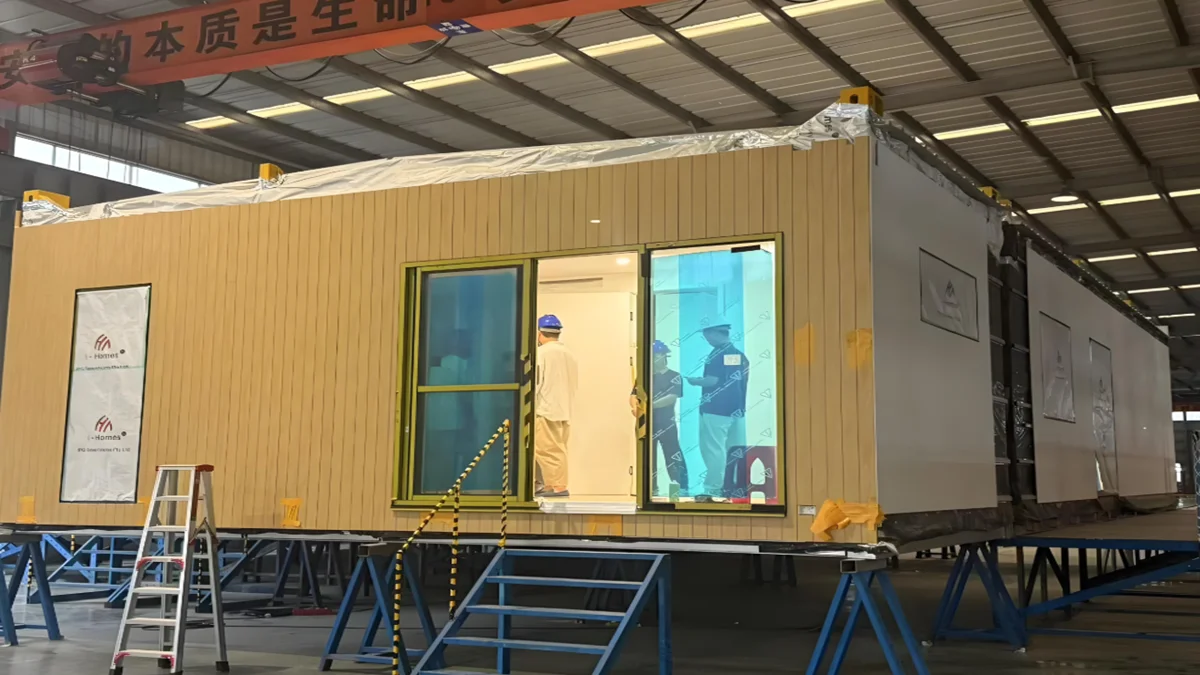
Foshan Brilliant Building Technology Co., Ltd.
- Manufacturer, Trading Company
- Guangdong, China
- Lead time20 days
- Avg. response≤ 4h
Main productsLight steel villa,Steel structure,Prefabricated house,Container house,Carport
Main marketsMid East(30.00%), Africa(20.00%), Southeast Asia(10.00%), Domestic Market(10.00%), Eastern Asia(5.00%), North America(5.00%), South Asia(5.00%), South America(5.00%), Central America(3.00%), Eastern Europe(2.00%), Southern Europe(2.00%), Western Europe(2.00%), Oceania(1.00%)
Guangzhou Mag Modular House Co., Ltd.
- Verified by TüVRheinland
- Manufacturer, Trading Company
- Lead time0 days
- Avg. response≤ 7h
Main productsContainer House, Portable Toilet, Prefab House, Sandwich Panel
Main marketsSoutheast Asia(20%), South America(13%), Mid East(13%)

Henan K-Home Steel Structure Co., Ltd.
- Verified by BV
- Trading Company,Manufacturer/Factory
- China Henan
- Lead time38 days
- Avg. response≤ 4h
Main productsContainer House, Prefab House, Container Home, Porta Cabin, Modular House, Flat Pack Container House, Container Toilet, Steel Structure House, Peb Building, Pre-Engineered Building
Main marketsSouth America,Eastern Europe,Mid East,North America,Southeast Asia,Eastern Asia,Oceania,Western Europe,Africa

Qingdao Taiwei Steel Structure Co., Ltd.
- Verified by BV
- Combined
- China Shandong
- Lead time15 days
- Avg. response≤ 21h
Main productsSteel Warehouse, Sandwich Panel, Steel Workshop, Prefabricated House, Prefabricated Building, Building Material, Steel Structure, Steel Structure Building, Steel Structure Warehouse, Steel Structure Workshop
Main marketsSouth America,Africa,Southeast Asia/ Mideast,Domestic,Europe

Competitive Factory Built Houses with Steel Structure Frame Design
$35.00 - $65.00
MOQ: 100 Square Meters


Zhejiang Gaoerji Steel Structure Material Co., Ltd.
- Manufacturer, Trading Company
- Zhejiang, China
- Lead time30 days
- Avg. response≤ 1h
Main productsSteel Structure Building, Steel Structure, Steel Structure Factory Building Warehouse, Steel Structure Prefabricated Building, Steel Structure Villa
Main marketsAfrica(60.00%), South America(10.00%), Southeast Asia(10.00%), Oceania(5.00%), Eastern Europe(3.00%), North America(2.00%)
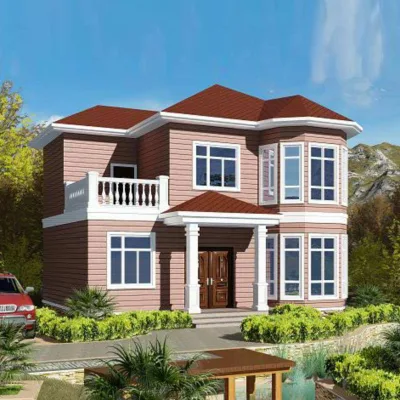
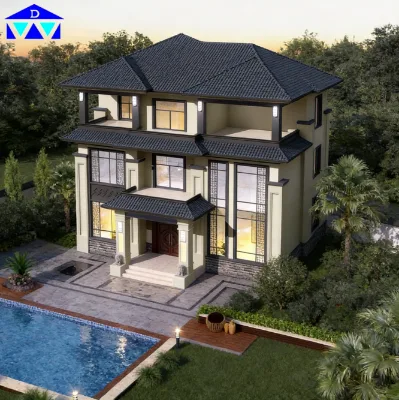
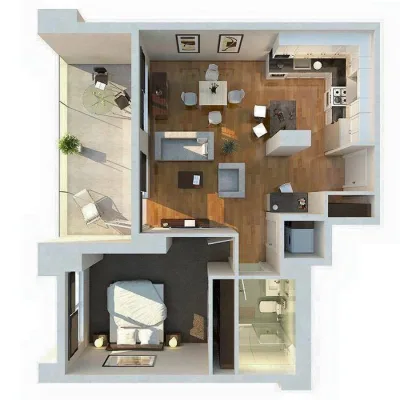
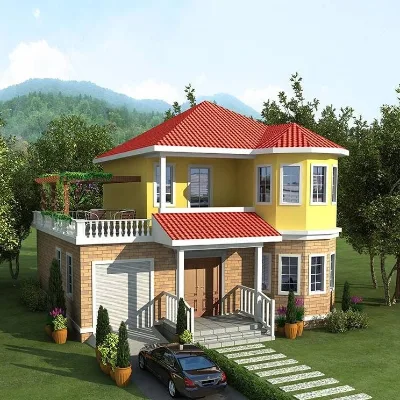
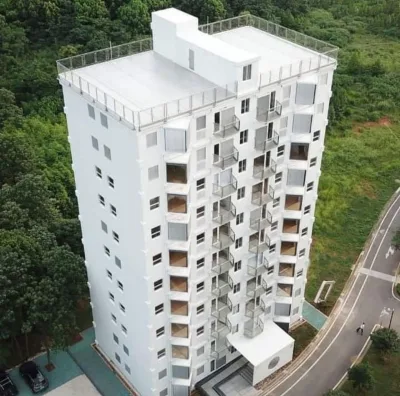
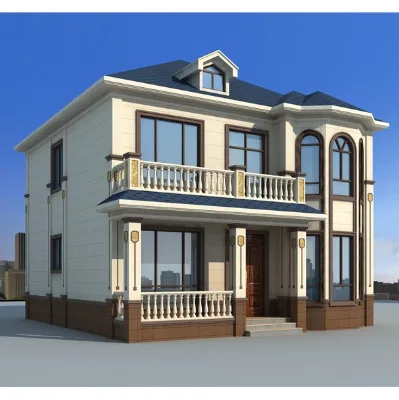
House Expandable Steel Prefab Villa Rapid Construction of Light Steel Metal Frame Villa
$125.00 - $250.00
MOQ: 100 square

Qingdao KXD Steel Structure Co., Ltd.
- Trading Company
- China Shandong
- Lead time30 days
- Avg. response≤ 8h
Main productsSteel Structure, Prefabricated Building, Steel Structure Warehouse, Steel Structure Workshop, Prefabricated House, Container House, Sandwich Panel, Corrugated Steel Sheet, Steel Building, Chicken House
Main marketsSouth America,Africa,Southeast Asia/ Mideast,Europe,Australia,North America
- Verified by TüVRheinland
- Trading Company
- Lead time360 days
- Avg. response≤ 1h
Main productsContainer House, Container Home, Mobile Home, Container House Homes, Portable Office
Main marketsSoutheast Asia(40%), Mid East(30%), Africa(15%)
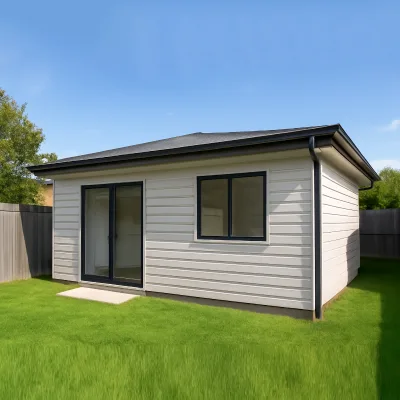
$165.9798 - $228.2213
MOQ: 100 square
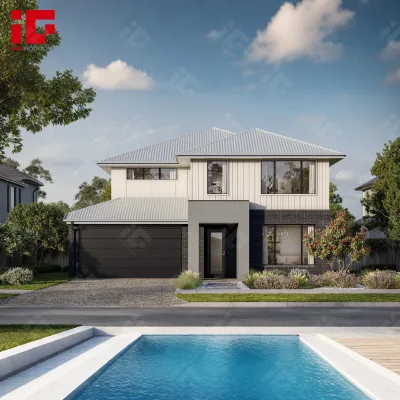
$280.88 - $350.88
MOQ: 100 square
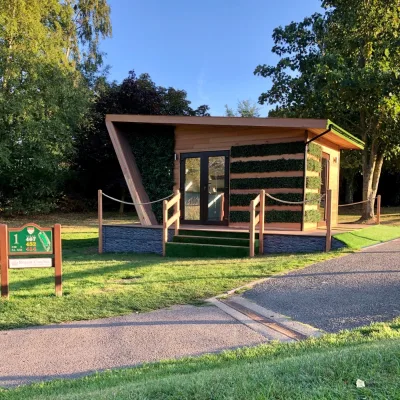
$291.3771 - $363.9917
MOQ: 100 square
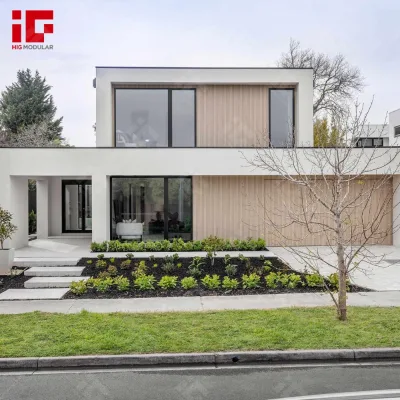
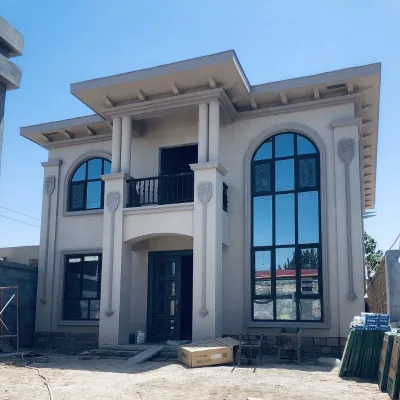
$288.9772 - $360.9937
MOQ: 100 square

Qingdao Gemsun Steel Structure Co., Ltd.
- Verified by BV
- Manufacturer/Factory
- China Shandong
- Lead time30 days
- Avg. response≤ 6h
Main productsSteel Shed, Steel Warehouse, Steel Structure, Steel Building, Mobile House, Container House, Hanger, Workshop, Factory, Per Fabricated Building
Main marketsSouth America,Eastern Europe,Mid East,North America,Southeast Asia,Eastern Asia,Oceania,Western Europe,Africa


in-House Multi-Story Prefabricated Building Steel Structure Building Steel Frame Prefab House
$25.00 - $50.00
MOQ: 40 Square Meters

Multi-Story Prefabricated Building Steel Structure Building Steel Frame Prefab House
$25.00 - $50.00
MOQ: 500 Square Meters


Hebei Rhino Steel Structure Co., Ltd.
- Verified by SGS
- Trading Company
- China Hebei
- Lead time30 days
- Avg. response≤ 14h
Main productsSteel Structure Factory Workshop, Steel Structure Container House, Steel Structure Building, Steel Structure Farm, Steel Structure Bridge, Large Steel Structure, Steel Structure Folding House, Steel Structure Workshop, Scalable Container House, Steel Structure Framework
Main marketsSoutheast Asia/ Mideast,Europe


Affordable Steel Structure Containers House, a Frame House for Budget Living
$1000.00 - $2000.00
MOQ: 1 Square Meters
Shanghai Z-Trust Import And Export Co., Ltd.
- Trading Company
- Shanghai, China
- Lead time5 days
- Avg. response≤ 8h
Main productsAluminum Composite Panel,RC Drones,Mechanical Dog,Samrt Robot
Main marketsSouth America(18.00%), North America(15.00%), Western Europe(12.00%), Eastern Europe(12.00%), Central America(10.00%), Southern Europe(10.00%), Oceania(8.00%), Northern Europe(7.00%), South Asia(5.00%), Mid East(1.00%), Africa(1.00%), Southeast Asia(1.00%)
VITA INTERNATIONAL FREIGHT CO., LIMITED
- Trading Company
- Hong Kong S.A.R.
- Lead time5 days
- Avg. response≤ 4h
Main productsShipping Container,Dry Container,Refrigerated Container,Side door container,Tunnel shipping containers
Main marketsEastern Europe(10.00%), South America(10.00%), North America(10.00%), Oceania(10.00%), Central America(10.00%), Southern Europe(8.00%), Northern Europe(8.00%), Mid East(6.00%), Southeast Asia(5.00%), South Asia(5.00%), Domestic Market(5.00%), Eastern Asia(5.00%), Western Europe(5.00%), Africa(3.00%)
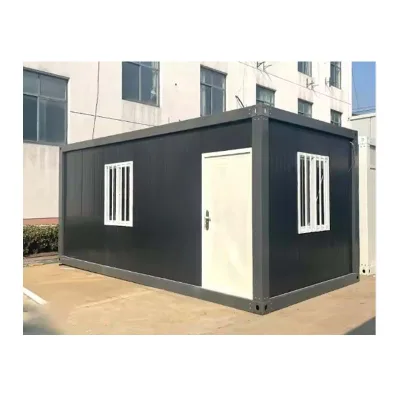
$839.1882 - $996.5367
MOQ: 1 sets
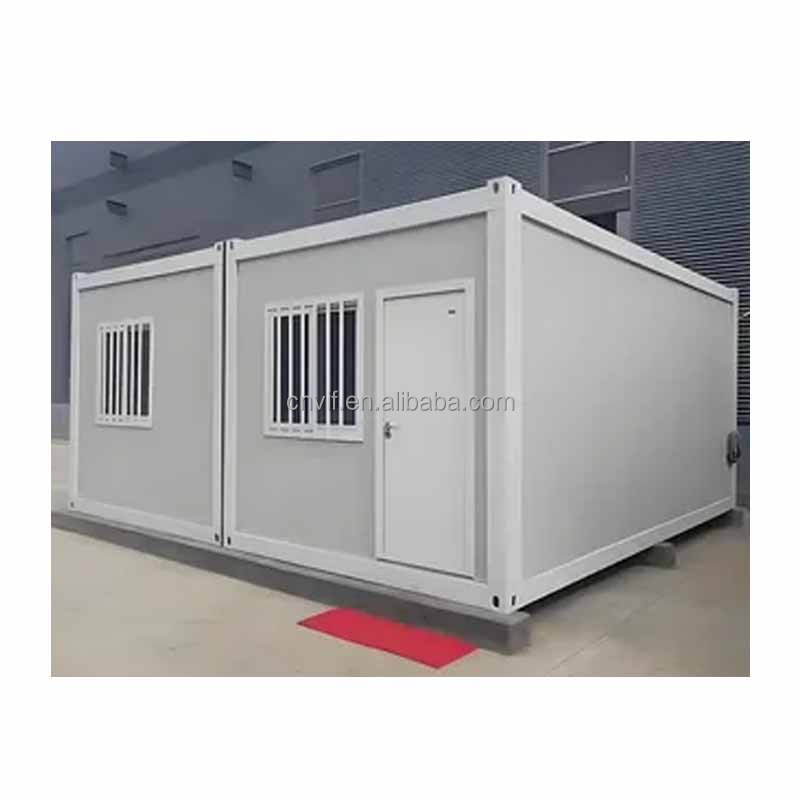
High Quality 20 Feet Containers House
$800.00 - $950.00
Hunan Yoncheng Steel Structure Engineering Co., Ltd.
- Verified by Intertek
- Manufacturer, Trading Company
- Lead time45 days
- Avg. response≤ 2h
Main productsSteel Sturcture Building, Steel Sturcture Warehouse, Steel Sturcture Workshop, Prefabricated House, Container House
Main marketsDomestic Market(30%), Southeast Asia(25%), North America(20%)

Qingdao Bestower Machine Co., Ltd.
- Verified by TUVRHEINLAND
- Trading Company,Manufacturer/Factory
- China Shandong
- Lead time30 days
- Avg. response≤ 3h
Main productsSteel Structure Building, Steel Tower, Steel Structure, Transmission Tower, Communication Tower, Wind Turbine Tower, Monopole Tower, Steel Frame, Steel Pole, GSM Tower
Main marketsSouth America,Eastern Europe,Mid East,North America,Southeast Asia,Eastern Asia,Oceania,Western Europe,Africa
WUHAN DAQUAN IMPORT&EXPORT TRADING CO., LTD.
- Manufacturer, Trading Company
- Hubei, China
- Lead time7 days
- Avg. response≤ 4h
Main productscontainer house,prefab house
Main marketsSouth America(27.00%), Southeast Asia(20.00%), Domestic Market(15.00%), Africa(10.00%), Eastern Asia(5.00%), North America(5.00%), Eastern Europe(4.00%), Western Europe(4.00%), Mid East(3.00%), South Asia(2.00%), Southern Europe(2.00%), Oceania(1.00%), Northern Europe(1.00%), Central America(1.00%)

Qingdao Superm Steel Co., Ltd.
- Manufacturer, Trading Company
- Shandong, China
- Lead time10 days
- Avg. response≤ 4h
Main productsSteel structure building,Steel structure warehouse,Steel structure workshop,Poultry farm,Prefab house
Main marketsDomestic Market(30.00%), Oceania(20.00%), Western Europe(10.00%), South America(10.00%), Southeast Asia(10.00%), Africa(10.00%), Eastern Asia(5.00%), Central America(5.00%)
CAREW Building System (Beijing) LLC
- Manufacturer, Trading Company
- Beijing, China
- Lead time25 days
- Avg. response≤ 16h
Main productsLight Steel Prefabricated House
Main marketsNorth America(85.00%), Oceania(10.00%), Western Europe(3.00%), Eastern Europe(2.00%)

Shandong Zhongmei Construction Engineering Co., Ltd.
- Verified by SGS
- Combined
- China Shandong
- Lead time30 days
- Avg. response≤ 3h
Main productsSteel Structure, Net Rack
Main marketsDomestic

Eastland Building Materials Co., Ltd.
- Trading Company,Manufacturer/Factory,Other
- China Jiangsu
- Lead time15 days
- Avg. response≤ 17h
Main productsAAC Wall Panel, AAC Floor Panel, AAC Wall Cladding, AAC Party Wall, AAC Blocks, Wall Lining, Aerogel Insulation Coating, Waterproof Membrane, Batten, Light Gauge Steel Frame
Main marketsSouth America,Mid East,North America,Eastern Asia,Oceania,Africa
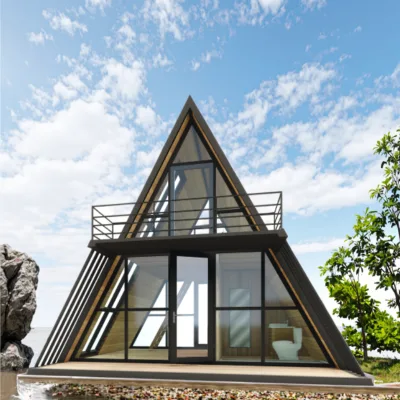
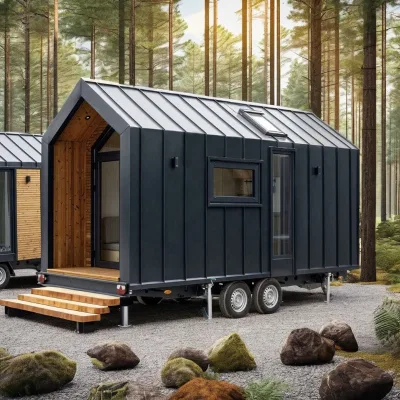

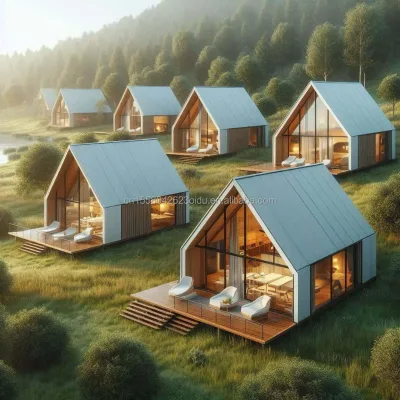
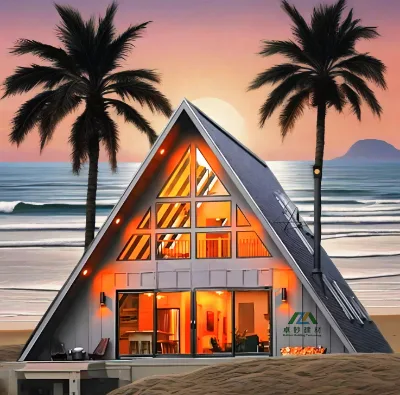
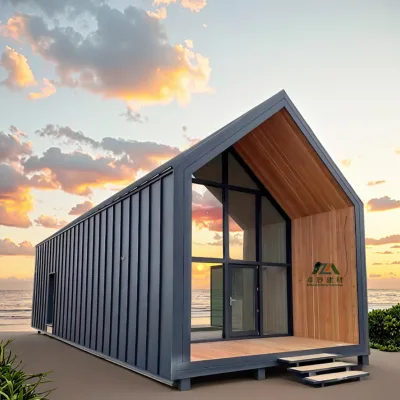
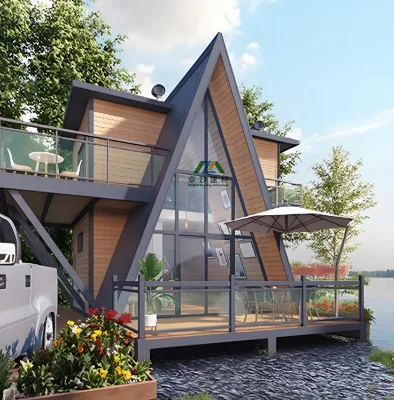
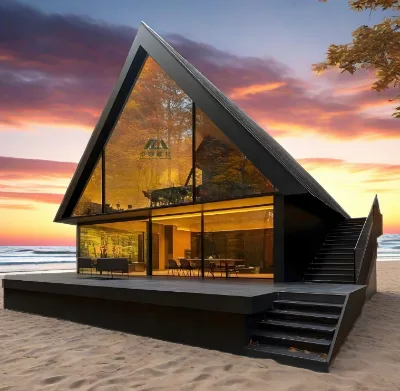




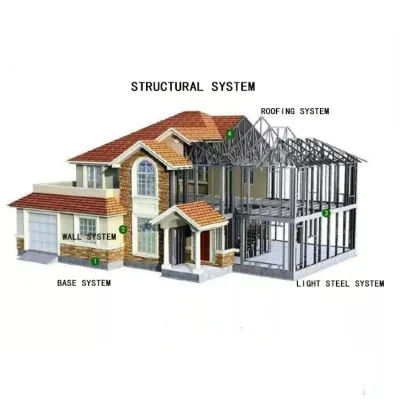
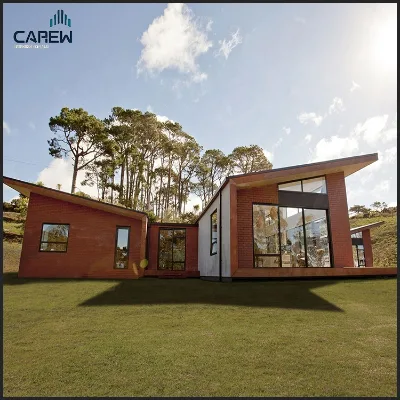
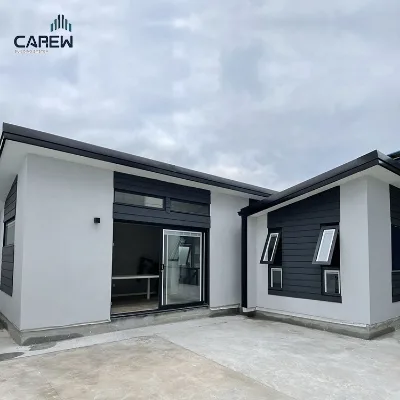


Comprehensive Sourcing Guide
A-Frame Steel Frame House With Glulam Supplier Concentration and Factory Types
The current supplier landscape for prefabricated steel structures reveals a diverse mix of company types, primarily consisting of trading companies, manufacturers, and combined entities that handle both production and sales. This variety impacts how buyers approach sourcing, as trading companies often offer broader catalogs including solar carports and light gauge steel houses, while manufacturers may focus more deeply on specific structural capabilities like modular homes or tiny houses. Understanding this distinction is crucial because it influences the level of technical support, customization flexibility, and direct factory communication available during the procurement process. Buyers must assess whether their project requires the specialized engineering often found in manufacturer-led operations or the logistical convenience provided by trading entities that aggregate multiple product lines.
Geographic concentration plays a significant role in supply chain efficiency, with observed supplier locations including Jiangsu, Shanghai, and Zhejiang provinces in China. These regions are known for robust construction material industries, offering proximity to raw steel supplies and established logistics networks. For instance, some suppliers originate from Ningbo in Zhejiang, a major port city that facilitates international shipping for heavy steel components. When evaluating potential partners, buyers should verify the specific place of origin listed in product attributes, as this affects lead times, shipping costs, and the ability to conduct on-site factory audits. The presence of suppliers in these specific industrial hubs suggests a mature ecosystem for light steel frame production, though buyers must confirm if the specific glulam integration is handled in-house or sourced externally by the supplier.
How to Verify A-Frame Steel Frame House With Glulam Suppliers
Verification is a critical step in mitigating risk, and buyers should prioritize suppliers with recognized third-party validations such as TüV Rheinland or Bureau Veritas (BV). These certifications indicate that the supplier has undergone rigorous audits regarding their business legitimacy, production capacity, and quality management systems. Additionally, checking for system certifications like ISO 9001, ISO 14001, and CE marks provides assurance that the manufacturing processes adhere to international standards for quality and environmental management. While some suppliers may list additional certifications like Asbestos or WaterMark, these are often product-specific rather than company-wide, so buyers must distinguish between general corporate compliance and specific product approvals relevant to their local building codes.
Beyond certifications, buyers should evaluate the supplier’s response time and verification status to gauge operational reliability. A response time of under twelve hours, as seen with some verified suppliers, suggests a dedicated sales and technical support team capable of addressing complex engineering queries promptly. It is also important to verify the scope of the verification; for example, a TüV Rheinland verification might cover specific product lines or the entire company, which affects the level of trust warranted. Buyers should request copies of these certificates and cross-reference them with the issuing bodies to ensure they are current and valid. Furthermore, checking if the supplier offers online technical support as an after-sale service can indicate their commitment to long-term project success, especially for complex structures like a-frame designs that require precise assembly instructions.
What to Compare Across A-Frame Steel Frame House With Glulam Suppliers
When comparing suppliers, key dimensions include lead times, minimum order quantities (MOQ), and customization capabilities. Lead times can vary significantly, with some suppliers indicating a standard thirty-day production window, while others may have different schedules based on order volume and complexity. MOQs also differ, ranging from small orders of one unit for modular or prototype projects to larger quantities of sixty or one hundred units for bulk developments. Buyers must align these constraints with their project scale, as a high MOQ might be prohibitive for single-family villa projects, whereas a low MOQ might come with higher per-unit costs. Comparing these operational metrics helps in selecting a supplier whose production capacity and sales model match the buyer’s specific volume requirements.
Product specifications and pricing structures are equally important comparison points. Suppliers may offer different material options, such as galvanized light gauge steel or composite wall systems, and provide varying warranty periods, such as one year or more than five years for structural components. Pricing can range from competitive rates for basic steel frames to higher costs for fully finished modular units with integrated glulam elements. Buyers should also compare the design styles offered, such as modern slope top or flat top designs, and the availability of 3D model design services. Additionally, assessing the supplier’s ability to provide customized solutions, including specific sizes and color options, is vital for ensuring the final structure meets aesthetic and functional requirements. A thorough comparison of these attributes ensures that the selected supplier offers the best value and technical fit for the project.
Common A-Frame Steel Frame House With Glulam Sourcing Risks
One significant risk in sourcing prefabricated steel structures is the potential mismatch between advertised specifications and actual delivered quality. Suppliers may list generic attributes like "light steel structure" or "composite wall" without detailing the specific grade of steel or the thickness of the glulam components. This ambiguity can lead to structural integrity issues if the materials do not meet local building code requirements. Buyers must request detailed material certificates and technical drawings to verify that the steel and wood components meet the necessary strength and durability standards. Without this verification, there is a risk of receiving substandard materials that could compromise the safety and longevity of the a-frame house, especially in regions with harsh weather conditions.
Another risk involves logistical challenges and hidden costs associated with international shipping and assembly. Prefabricated houses often require precise packaging and handling to prevent damage during transit, and suppliers may use different packing methods, such as bare bundles or containerized shipments. Buyers must ensure that the supplier provides comprehensive assembly instructions and that the components are designed for easy on-site construction. Additionally, discrepancies in model numbers or customization options can lead to delays and additional costs if parts do not fit together correctly. Buyers should also be cautious of suppliers who do not offer clear after-sale support, as any issues during assembly or installation could result in significant project delays. Verifying the supplier’s project solution capability, such as graphic design or 3D modeling, can help mitigate these risks by ensuring accurate pre-production planning.
A-Frame Steel Frame House With Glulam Regional Sourcing and Logistics
Sourcing from specific regions in China, such as Zhejiang, Jiangsu, and Shanghai, offers distinct logistical advantages due to their proximity to major ports and industrial clusters. Suppliers located in Ningbo, Zhejiang, for example, benefit from efficient export channels that can reduce shipping times and costs for international buyers. However, buyers must carefully evaluate the supplier’s place of origin to understand the full supply chain implications. Some suppliers may list multiple locations, indicating a network of factories or warehouses, which can affect lead times and inventory availability. Understanding the regional distribution of suppliers helps buyers optimize their logistics strategy, ensuring that components are sourced from the most convenient and cost-effective locations.
Logistics planning also involves considering the packaging and transportation requirements for large steel structures and glulam elements. Suppliers may offer different packing options, such as 40HQ containers or 20GP containers, which impact the volume of goods that can be shipped per order. Buyers must calculate the total shipping volume and weight to determine the most efficient transport method. Additionally, the shape and size of the components, such as slope top or flat top designs, can affect how they are loaded and secured during transit. Buyers should work closely with their supplier to develop a detailed logistics plan that includes proper packaging, insurance, and customs clearance procedures. This proactive approach helps minimize the risk of damage during shipping and ensures that all components arrive on site ready for assembly.
A-Frame Steel Frame House With Glulam Commercial Terms and Order Planning
Commercial terms, including payment conditions and warranty policies, are critical factors in order planning. Buyers should negotiate clear payment terms that protect their interests, such as using escrow services or milestone-based payments. Suppliers may offer different warranty periods, ranging from one year for general components to more than five years for structural elements, which reflects their confidence in product quality. Buyers must ensure that these warranties are clearly documented in the contract and cover both materials and workmanship. Additionally, understanding the supplier’s after-sale service offerings, such as online technical support, is essential for resolving any issues that may arise during or after installation. A robust warranty and support structure provides peace of mind and reduces long-term maintenance costs.
Order planning should also account for the supplier’s production capacity and customization capabilities. Suppliers with ODM and OEM capabilities can tailor products to specific project requirements, but this may extend lead times. Buyers must communicate their customization needs early in the process to allow for accurate production scheduling. Furthermore, considering the single package size and gross weight of components helps in planning on-site storage and handling. Buyers should also evaluate the supplier’s ability to handle large orders, as some may have MOQs that are suitable for bulk projects while others cater to smaller, custom builds. By aligning commercial terms and order planning with the supplier’s capabilities, buyers can ensure a smooth procurement process and timely project completion.
FAQs
What is the typical lead time for a-frame steel frame houses?
The typical lead time for these structures is 30 days. This duration allows for the manufacturing of light gauge steel components and the assembly of composite wall systems. Buyers should confirm specific timelines with suppliers, as production schedules may vary based on order volume and customization requirements.
What certifications do these steel frame houses usually have?
These houses typically hold ISO 9001, CE, and ISO 14001 certifications. Some suppliers also provide ISO 9001:2015 and ISO 14001:2015 certificates. Verification by TüVRheinland or BV is common. Buyers should request current certification documents to ensure compliance with local building codes and safety standards.
What is the minimum order quantity for prefab steel houses?
The minimum order quantity varies by supplier, with common thresholds of 60 or 100 units. Some manufacturers accept orders as low as one unit for modular designs. Buyers should verify the specific MOQ with their chosen supplier, as bulk orders often qualify for better pricing and shipping terms.
How quickly do suppliers respond to inquiries about steel frame houses?
Suppliers typically respond within 11 to 14 hours. This rapid response time ensures that buyers receive timely quotes and technical specifications. Faster response rates often indicate efficient customer service teams. Buyers should expect prompt communication regarding product details, pricing, and shipping logistics for their specific project requirements.
What is the expected lifespan of a light steel frame house?
The expected lifespan is often cited as 70 to 100 years. The structural integrity of the light gauge steel frame contributes to this durability. Composite wall and roof systems also play a role in longevity. Buyers should verify warranty terms, which may range from one year to more than five years.
Where are these prefabricated steel houses typically manufactured?
These houses are typically manufactured in China, specifically in regions like Jiangsu, Shanghai, and Zhejiang. Ningbo is also a noted origin for some modular units. Buyers should confirm the exact place of origin to understand shipping logistics and potential import duties associated with the specific manufacturing location.
What customization options are available for a-frame steel houses?
Customization options include size, color, and design style. Suppliers offer ODM and OEM services for tailored solutions. Buyers can choose from various roof types, wall cladding, and flooring materials. The framework is often light steel, allowing for flexible architectural designs to meet specific residential or commercial needs.