ABS Building Block for Kids Suppliers and Manufacturers
Source ABS Building Block for Kids from 20 verified Chinese manufacturers. Compare lead times, MOQs, certifications like ASTM and EN71, and pricing to find the right partner. Contact suppliers directly to request samples and confirm production details; review the available evidence before requesting comparable quotations from suitable candidates.
Updated
Suppliers List

Shantou Kaixin Trading Co., Ltd
- Verified by BV
- Manufacturer
- China Guangdong
- Lead time23 days
- Avg. response≤ 5h
Main productsToy, Educational Toy, Remote Control Toy, Pretend Play Toy Set, Summer Toy, Vehicle Toy, Doll, Promotion Toy, Baby Toy, Game Toy

Zhejiang Beima Education & Technology Co., Ltd.
- Trading Company
- China Zhejiang
- Lead time30 days
- Avg. response≤ 25h
Main productsToy, Building Toy, Education Toy, Building Block, DIY Toy, Puzzle Game, Children Toy, Preschool Toy, Plastic Toy, Plastic Building Toy
Main marketsEast Asia(Japan/ South Korea),Domestic,Europe,North America

Wenzhou Haoxiang Amusement Toys Co., Ltd.
- Verified by SGS
- Combined
- China Zhejiang
- Lead time15 days
- Avg. response≤ 19h
Main productsWooden Playground, Wooden Outdoor Playground, Plastic Outdoor Playground, Plastic Playground, Kindergarten Furniture, Wooden Furniture, Wooden Adventure Playground, Kindergarten Role Play Toys, Wooden Toys, Swing and Slide
Main marketsSouth America,Southeast Asia/ Mideast,East Asia(Japan/ South Korea),Domestic,Europe

Ningbo DSW International Co., Ltd.
- Verified by CTI
- Trading Company
- China Zhejiang
- Lead time30 days
- Avg. response≤ 13h
Main productsOxygen Cylinder, Oxygen Regulator, Gas Cylinder, Oxygen Gas Cylinder, Oxygen Tank, Storage Tank, Cryogenic Tank, Oxygen Plant, Gas Regulator, Eo Gases
Main marketsSouth America,Southeast Asia/ Mideast
Shenzhen Krishna Toys & Gifts Co., Limited.
- Verified by SGS Group
- Trading Company
- Guangdong, China
- Lead time0 days
- Avg. response≤ 7h
Main productsEducational Toys, Kitchen Toys, Montessori Toy, Wooden Toys, Stuffed Animal Toy
Main marketsNorth America(20%), Southeast Asia(20%), Eastern Europe(20%)
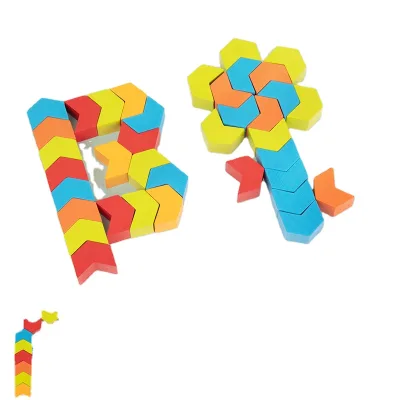
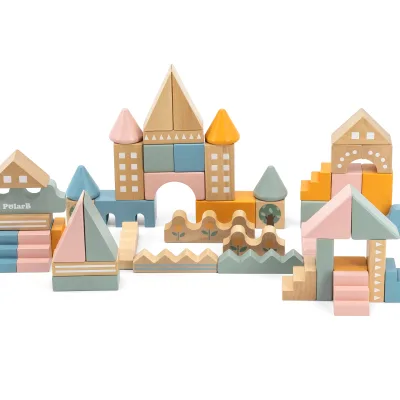
Montessori Building Blocks Toys Diy Wooden Fun Building Blocks for Kindergarten Kids
$11.5701 - $13.6166
MOQ: 8 sets
Ji'an Zhicai Packing Products Co., Ltd.
- Manufacturer
- Jiangxi, China
- Lead time15 days
- Avg. response≤ 4h
Main productsBuilding Block Set,DIY Block,Play Mat,Foam Toy,Yoga Item
Main marketsDomestic Market(40.00%), North America(10.00%), South Asia(10.00%), Southern Europe(10.00%), Western Europe(10.00%), Southeast Asia(10.00%), Eastern Europe(10.00%)
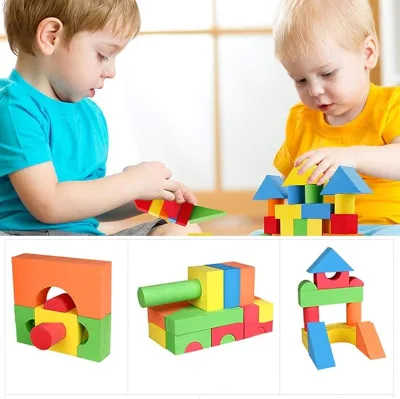
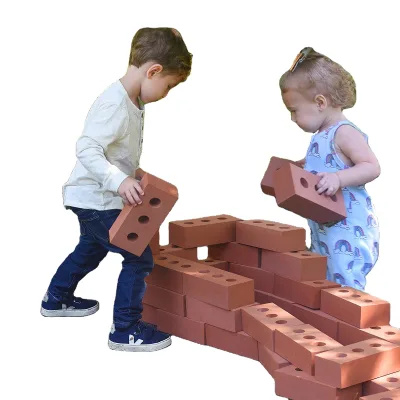
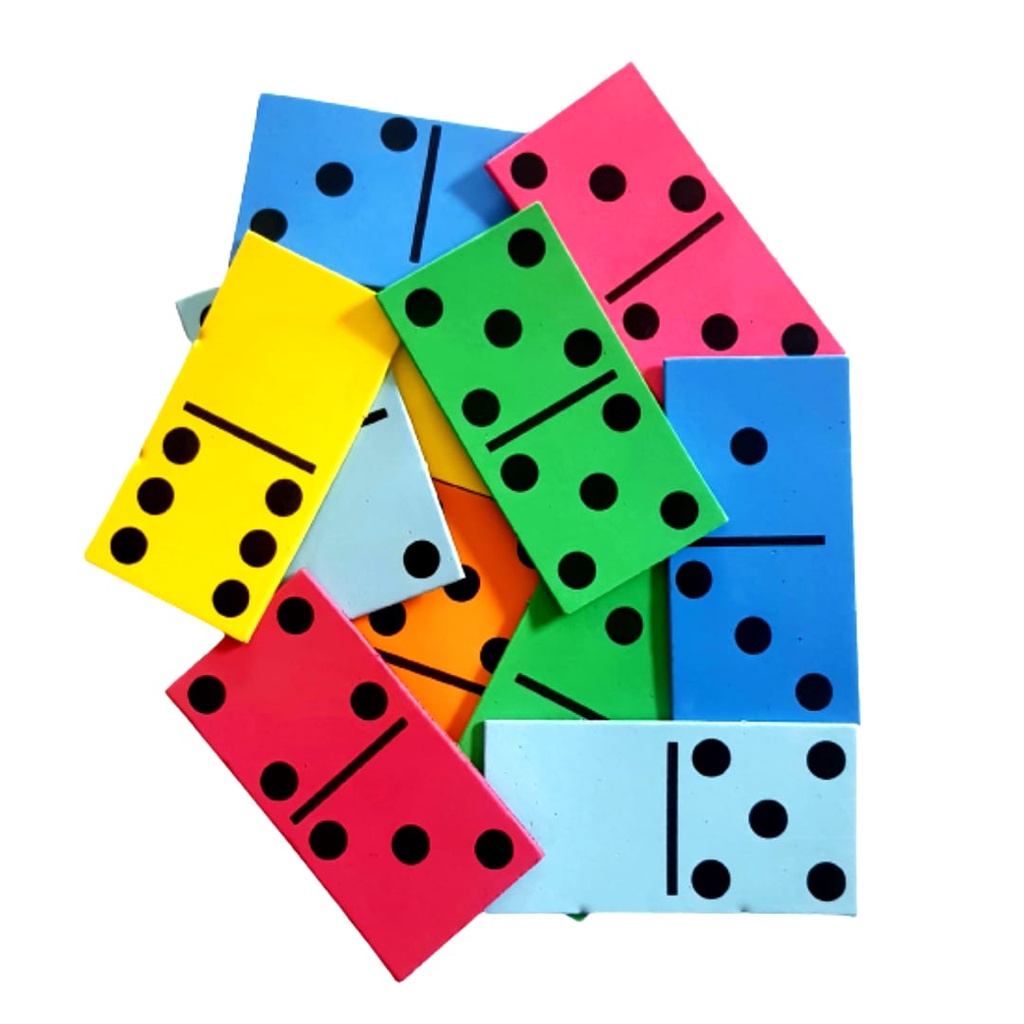
Hot Selling Kids Educational Toys Montessori Building Block Sets Toy for Block Puzzle Game
$5.1552 - $5.6713
MOQ: 500 sets
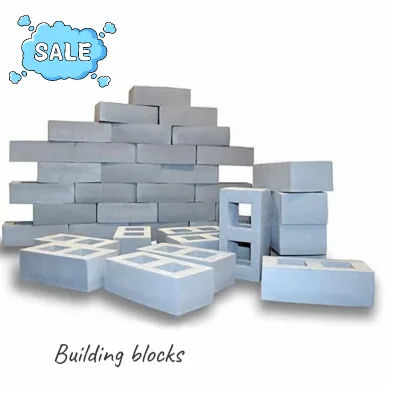
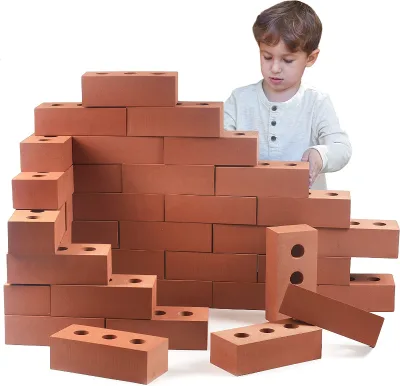
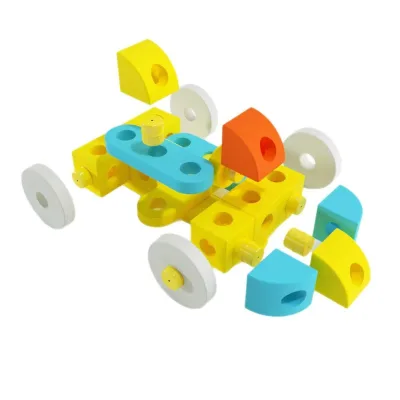
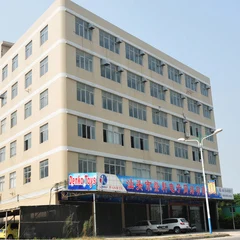
Shantou Denko Toys Co., Limited
- Manufacturer, Trading Company
- Guangdong, China
- Lead time30 days
- Avg. response≤ 11h
Main productsEducational Toys,Baby Toys,R/C Toys,Sport Toys,Plastic Toys
Main marketsWestern Europe(18.00%), Mid East(15.00%), South America(14.00%), Southeast Asia(13.00%), South Asia(11.00%), Domestic Market(8.00%), Oceania(8.00%), Eastern Asia(5.00%), North America(5.00%), Africa(3.00%)
Shenzhen Aidisheng Trading Co., Ltd.
- Trading Company
- Guangdong, China
- Lead time15 days
- Avg. response≤ 2h
Main productsRC Airplanes,Toy Guns,Fidget Toys,RC Cars,Cosmetic Toys
Main marketsNorth America(30.00%), Africa(10.00%), Southern Europe(10.00%), Southeast Asia(10.00%), Eastern Europe(10.00%), Western Europe(10.00%), South America(10.00%), Mid East(4.00%), Oceania(4.00%), Northern Europe(2.00%)
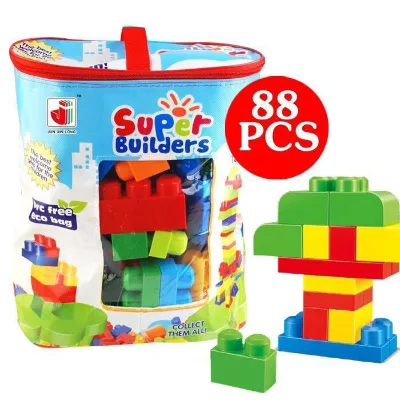
Cheapest 88 Pieces Builders Large Building Blocks Toy Educational Blocks for Kids
$4.55 - $4.95
MOQ: 24 pieces
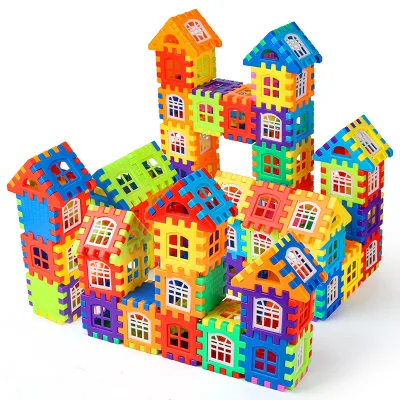
$0.4982 - $4.4341
MOQ: 50 Minimum
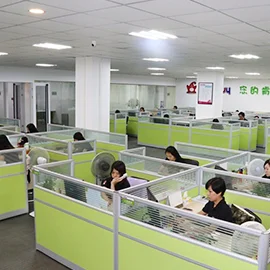
Guangzhou Combuy Toys Co., Ltd.
- Trading Company
- Guangdong, China
- Lead time30 days
- Avg. response≤ 3h
Main productsEducational Toy,Building blocks,Baby Toy,Summer Toy,RC Toys
Main marketsMid East(20.00%), Eastern Europe(20.00%), South America(20.00%), North America(20.00%), Western Europe(10.00%), Eastern Asia(10.00%)
Shantou Beijia Technology Co., Ltd.
- Trading Company
- Guangdong, China
- Lead time30 days
- Avg. response≤ 7h
Main productsEducational Toy,rc car,block toy,toy accessories,car model
Main marketsCentral America(15.00%), South Asia(15.00%), Africa(15.00%), Southeast Asia(15.00%), South America(15.00%), North America(15.00%), Eastern Asia(10.00%)
Shenzhen Ukenn Culture Development Co., Ltd.
- Manufacturer, Trading Company
- Guangdong, China
- Lead time25 days
- Avg. response≤ 6h
Main productsArtkal Perler Beads, Dinosaur Toys, Water Fuse Beads, 3D Animal Puzzles, Animal Models
Main marketsDomestic Market(46.00%), Eastern Asia(18.00%), North America(11.00%), Northern Europe(10.00%), South America(5.00%), Eastern Europe(5.00%), Oceania(3.00%), Southeast Asia(2.00%)

Shantou Chenghai Xaqi Toys Industrial Co., Limited
- Verified by BV
- Combined
- China Guangdong
- Lead time23 days
- Avg. response≤ 4h
Main productsRemote Control Car, Educational Toy, Sport Toy, Pretend Play Toys, Remote Contro Toy, Baby Toy, Summer Toy, B/O Toy
Main marketsSoutheast Asia/ Mideast,Domestic,Europe


Educational Creative Building Blocks DIY Construction Building Block Toy for Kids
$8.12 - $9.12
MOQ: 30 Pieces

Quanzhou Lanjin Chuangze Trading Co., Ltd.
- Trading Company
- Fujian, China
- Lead time7 days
- Avg. response≤ 5h
Main productsSales of maternal and infant products,Hardware fittings,Toys,Clothing customization,Shoes and hats
Main marketsDomestic Market(1.00%), South Asia(1.00%), Southern Europe(1.00%), Northern Europe(1.00%), Central America(1.00%), Western Europe(1.00%), Eastern Asia(1.00%), Mid East(1.00%), Oceania(1.00%), Africa(1.00%), Southeast Asia(1.00%), Eastern Europe(1.00%), South America(1.00%), North America(1.00%)
Shantou Capable Toys Co., Ltd.
- Manufacturer, Trading Company
- Lead time旺季: "36 - 360":7,"> 360":"To be negotiated", 淡季: "36 - 360":7,"> 360":"To be negotiated"
- Avg. response≤ 9h
Main productseducational toys,RC drone,RC Toy,Wooden toy,Plastic toy
Beizhen Liyuan Polymer Clay Co., Ltd.
- Verified by Intertek
- Manufacturer, Trading Company
- Lead time20 days
- Avg. response≤ 1h
Main productsPolymer Clay, Super Light Clay , Air Hardening Modeling Clay, Slime
Main marketsNorth America(60%), Western Europe(30%), Domestic Market(10%)

Guangzhou Chengyi Toys Co., Limited
- Verified by SGS
- Trading Company
- China Guangdong
- Lead time15 days
- Avg. response≤ 1h
Main marketsEurope
Shenzhen Brin Technology Co., Ltd.
- Verified by TüVRheinland
- Trading Company
- Lead time0 days
- Avg. response≤ 1h
Main productsPlush Toys, Educational Toys, Sensory Toys, Pet Products, Custom Products
Main marketsNorth America(40%), South America(20%), Western Europe(10%)
Shantou Golden Bright Toys Co., Ltd.
- Manufacturer, Trading Company
- Guangdong, China
- Lead time30 days
- Avg. response≤ 10h
Main productsBuilding Block Parts
Main marketsNorth America(48.00%), Western Europe(25.00%), Northern Europe(6.00%), Eastern Asia(4.00%), Oceania(3.00%), Southern Europe(3.00%), South America(2.00%), Central America(2.00%), Africa(2.00%), Mid East(2.00%), Southeast Asia(2.00%), South Asia(1.00%)

DONGGUAN HUI TAI TONG TECHNOLOGY CO., LIMITED
- Manufacturer/Factory
- China Guangdong
- Lead time23 days
- Avg. response≤ 2h
Main productsPlastic Toy, Children Toy, Educational Toy, Action Figure, PVC Figure, Promotional Gift, Sport Figure
Main marketsNorth America,Eastern Asia,Western Europe


Hot Selling Puzzle Toy, Kids Toys, Children's Toy, Educational Toy, Plastic Pipe Building Blocks Toy
$0.66 - $1.99
MOQ: 1000 Sets

- Manufacturer, Trading Company
- Zhejiang, China
- Lead time0 days
- Avg. response≤ 8h
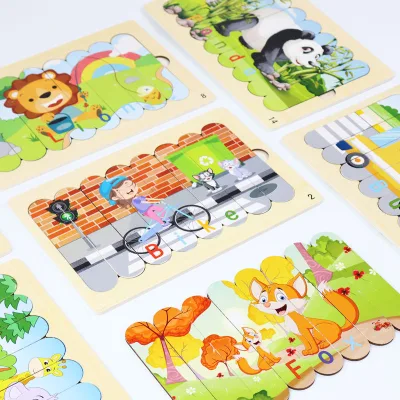
Wooden 3D Matching Game Building Blocks Set for Kids-DIY Educational Toy Other Educational Toys
$0.383 - $0.4129
MOQ: 10 pieces
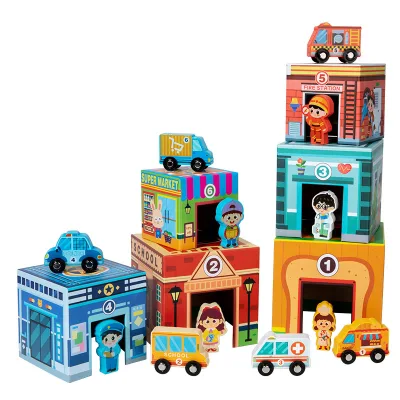
$7.8211 - $8.0275
MOQ: 2 pieces


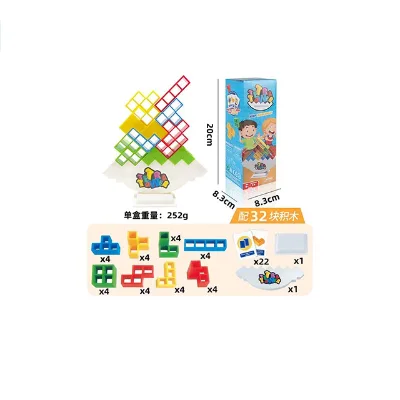
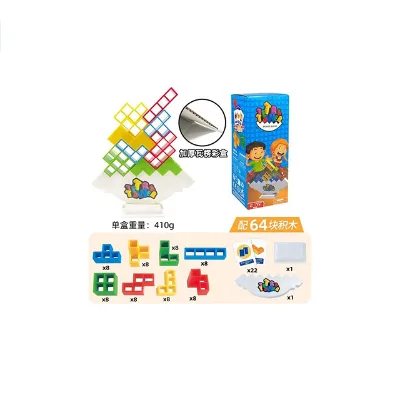
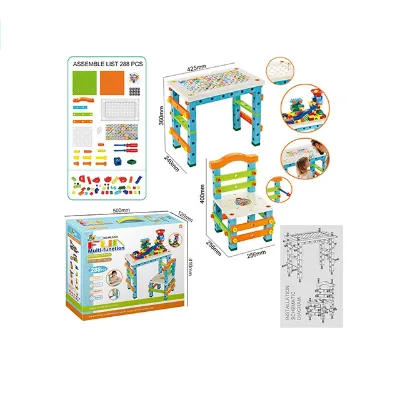
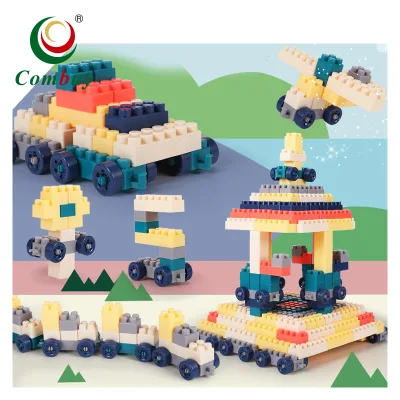
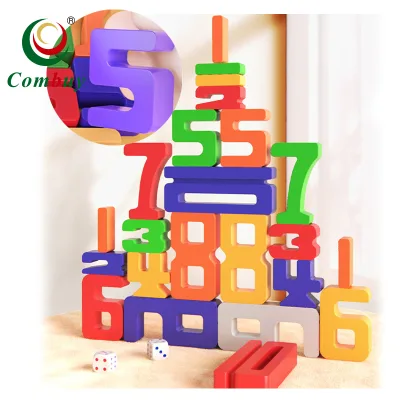
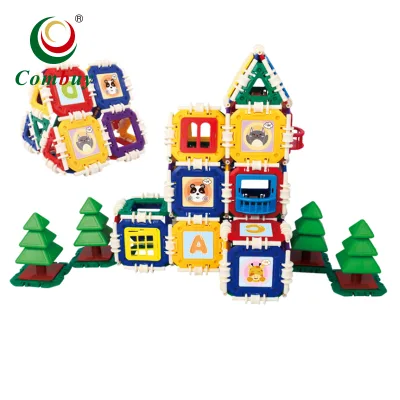
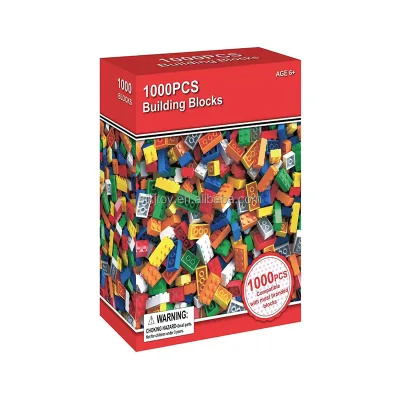
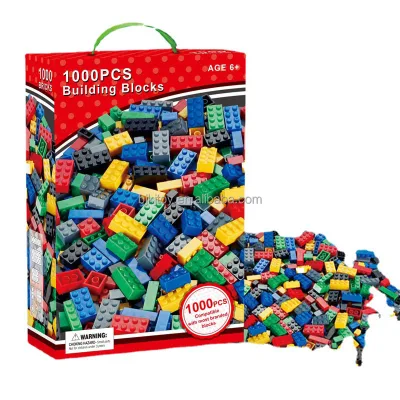
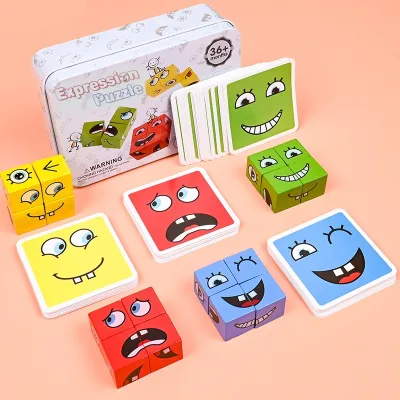
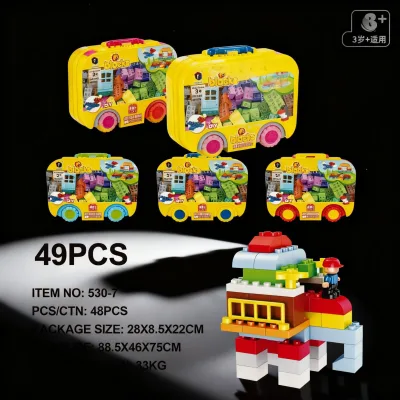
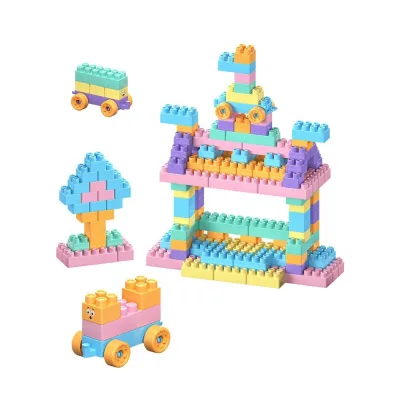
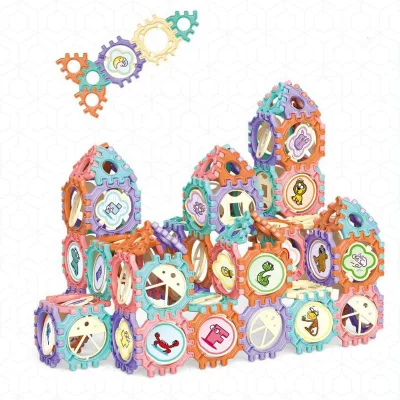
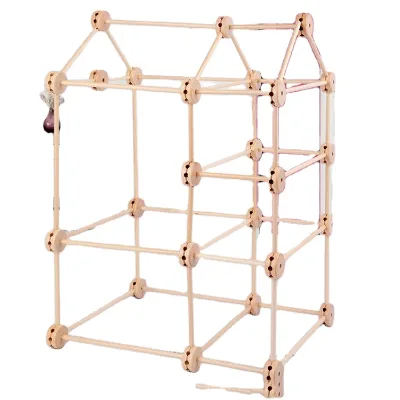
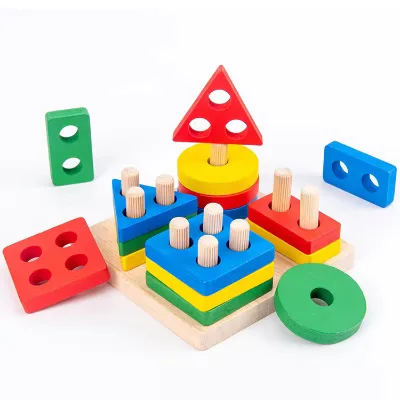


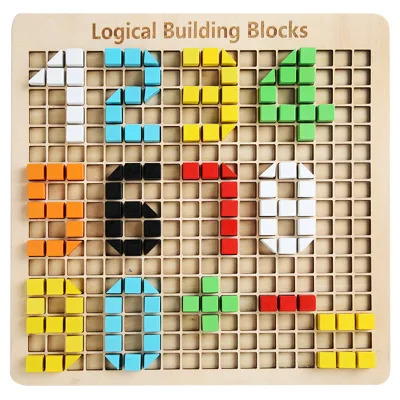
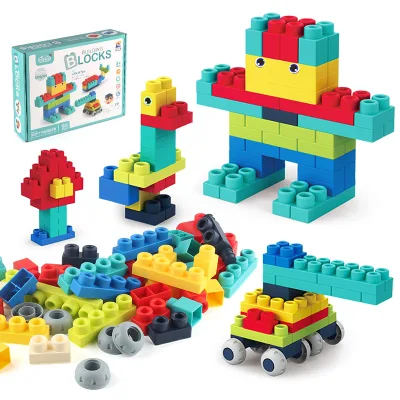
Comprehensive Sourcing Guide
ABS Building Block for Kids Supplier Concentration and Factory Types
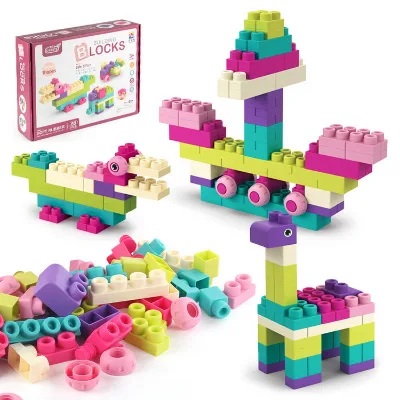
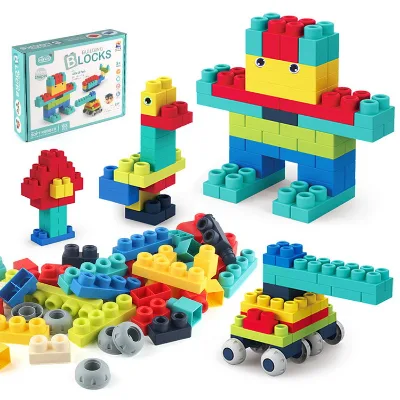
Sourcing activity for ABS building blocks for kids is concentrated in Guangdong, China, where the supplier results show manufacturers of toys including building blocks, educational toys, remote control toys, pretend play sets, vehicle toys, dolls and baby toys. This regional concentration matters because clustering typically supports access to material suppliers, mold makers and packing partners within a short distance, which can shorten sampling cycles and tooling coordination. When evaluating listings, note that a Shantou loading port appears in the product attributes of one creative brick set, reinforcing that inland logistics from production zones to export ports are part of the cost and schedule picture you should confirm before committing to a delivery window.
The supplier base in these results is dominated by manufacturers rather than trading companies, and at least one supplier profile is verified by BV with ODM and OEM capability, which matters if you need custom molds, branded packaging or exclusive designs. Product listings span simple 30-piece and 36-piece brick sets, 78-piece building block kits and compatible-size ABS bricks, so factory type often correlates with set complexity. Manufacturers running their own injection molding lines are more likely to control ABS material grade, color consistency and tolerance across production runs. Ask each candidate whether the listed sets are produced in-house or partially outsourced, since this affects quality control depth and how quickly a factory can absorb rush orders.
How to Verify ABS Building Block for Kids Suppliers
Begin verification with the credentials displayed on the platform rather than the supplier's own marketing copy. In the current results, one supplier is marked as BV-verified, meaning a third-party inspection body has audited the company, but not every supplier on the page carries that mark, so treat verification status as a per-supplier check. Confirm the registered business scope covers toy manufacturing, request the business license, and match the registered address against the claimed Guangdong location. For products intended for children, ask for current test reports against EN71 and ASTM F963, which appear in the product attributes of several listings, and check that report dates and laboratory names are current rather than years old.
Then validate production claims directly. Several listings show customization available, including full-color logo printing and silk-screen imprinting, but a listed attribute is not proof of capability; request photos or samples of previously customized brick sets and confirm the mold-making is handled internally. For the 78-piece building block set aimed at children under three years, ask how small-parts and mechanical safety requirements are controlled, because the younger the target age, the stricter the applicable standards. Verify the model numbers, such as the specific product codes shown in the attributes, by requesting corresponding specification sheets. A reliable supplier will provide a factory address for audit, share production capacity figures, and answer technical questions about ABS grade and wall thickness without hesitation.
What to Compare Across ABS Building Block for Kids Suppliers
Build a comparison sheet with the dimensions actually shown in supplier data: location, supplier type, verification status, response speed, lead time, main products and customization capability. One supplier result shows a response time figure around 4.96 and a lead time of 23 days, which gives you a benchmark for how quickly engaged suppliers reply and how long production may take, but do not assume every listing carries the same figures; some profiles omit these fields entirely, so request the missing values in writing. Main product ranges also differ, and a supplier whose catalog is dominated by building blocks, educational toys and vehicle toys is generally better positioned than a generalist.
Compare product-level economics using listed attributes rather than headline prices alone. Current results show MOQs ranging from as low as 10 pieces for compatible-size 2x4 ABS bricks up to 240 pieces for a 78-piece building block kit, with unit prices spanning roughly from the low single digits to the low tens of dollars depending on piece count, packing and material. Note which listings specify ABS versus PP plastic, certification claims such as EN71, ASTM or CE, packing formats like color boxes, casks, polybags or PVC hand bags, and packaging dimensions. Also compare customization depth: some listings advertise full-color logo printing while others offer only standard sets, and this difference determines branding feasibility at your order volume.
Common ABS Building Block for Kids Sourcing Risks
The most serious risk in this category is age-inappropriate certification. Several listings in the results target children under three years, while others are marked for ages five and up or eighteen months and up; a set sold for toddlers must satisfy stricter small-parts, material and labeling requirements than one sold for older children. A common failure is buying a set that was tested only under an older or partial standard and relisting it for a younger age group. Always reconcile the declared age grade, the material claims, and the test reports line by line, and reject any supplier who cannot show current reports matching the exact set and piece count you are ordering.
Material substitution is the second major risk: listings emphasize ABS, but unverified suppliers may blend recycled material or swap to cheaper plastic in mass production, causing brittleness, color drift, odor or dimensional problems with compatibility. Lock material grade in the contract, require golden samples, and arrange pre-shipment inspection against an agreed AQL. Further risks include MOQ traps, where a low listed MOQ applies only to stock colors rather than customized versions, and lead-time drift, since one displayed 23-day lead time may not hold during peak season. Also check packing assumptions: polybag packing versus a printed color box changes both cost and retail readiness, and misunderstandings here often surface only at the final inspection stage.
ABS Building Block for Kids Regional Sourcing and Logistics
Because the verified supplier location in these results is Guangdong, China, plan your logistics around that province's export infrastructure rather than assuming a generic Chinese origin. One product listing explicitly names Shantou as the loading port, which is consistent with the region's toy-manufacturing tradition; confirm the actual port of loading for your specific order, since it affects inland trucking cost, container availability and sailing frequency to your destination. Ask each supplier for the distance between factory and port and whether quotations are quoted FOB the named port or ex-works, because freight terms change your landed cost calculation significantly.
For planning, use the displayed production lead time of about 23 days from one supplier as an indicative baseline, then add time for sampling, custom mold production if branding is involved, quality inspection and booking. Carton dimensions matter in this category: the listings show packed standards ranging from around 23x23x29 cm up to 36x40x6.5 cm, so calculate cubic utilization before choosing a container size, since bulky brick sets in color boxes often waste container space. Confirm whether partial shipment is allowed, as one creative brick set listing states it is, which can help if your order is split across production batches. Finally, check seasonal congestion around export peaks and agree on who arranges booking, documentation and inspection so there is no ambiguity when the goods are ready.
ABS Building Block for Kids Commercial Terms and Order Planning
Structure commercial terms around the numbers displayed in the listings. Unit prices in the current results range from about USD 3.00 to USD 20.00 depending on set size, piece count and packing, with MOQs from 10 to 240 pieces, so negotiate based on the specific SKU rather than the category. For customization, note which listings confirm it is available and specify imprint method, such as full-color logo print or silk-screen, plus artwork costs and plate fees. One listing shows T/T as a payment term and samples available, which is a common structure, but confirm deposit percentage, balance timing, and whether escrow or a similar protected payment option is offered by that particular supplier, since protection arrangements vary and are not universal across the page.
Order planning should sequence sampling, contract, deposit, production, inspection and balance payment against the agreed lead time. Because children's products carry certification obligations, define in the contract which party bears the cost of testing and what happens if goods fail inspection, including rework, discount or rejection. Plan a first order close to the listed MOQ to test the supplier's quality consistency, especially for ABS brick sets where fit tolerance and color matching matter across batches. Confirm packing specification in writing — carton size, units per carton, gross weight and barcode placement — and agree the Incoterm and port explicitly. Finally, book inspection before balance payment and keep the golden sample sealed as the arbitration reference for any later dispute.
FAQs
What certifications do ABS building blocks have?
The available products hold ENASTM, ASTM F963-96a, EN71, CE, and HR4040 certifications. These standards ensure the toys meet international safety requirements for children. Buyers should verify specific certificates for their target market to ensure full compliance with local regulations before placing orders.
What is the minimum order quantity for these toys?
Minimum order quantities vary significantly by product type. Some sets require as few as 10 pieces, while others demand up to 240 units. Buyers should check the specific MOQ for each model to align with their inventory needs and budget constraints effectively.
What is the price range for ABS blocks?
Prices range from approximately $3.00 to $20.00 per unit depending on the set complexity and piece count. Basic blocks start lower, while larger creative sets cost more. Buyers should request quotes for specific models to get accurate pricing for their volume.
Are customization options available for these toys?
Yes, customization is available for most listed products. Buyers can request custom logos, colors, and packaging designs. Options include full-color logo printing and silk imprinting. This allows businesses to create branded products that stand out in their specific retail markets.
What materials are used in these building blocks?
The blocks are primarily made from ABS and PP plastic. ABS is commonly used for its durability and smooth finish, while PP offers eco-friendly alternatives. These materials ensure the toys are safe, non-toxic, and suitable for children of various age groups.
How long does production take?
The typical lead time is around 23 days. This duration allows for manufacturing quality control and packaging preparation. Buyers should plan their inventory orders well in advance to account for this production window and potential shipping delays to their destination.
Where are these suppliers located?
The suppliers are located in Guangdong, China. This region is a major hub for toy manufacturing, offering efficient supply chains and competitive pricing. Buyers can expect reliable logistics and established export infrastructure from these facilities when sourcing their building block products.