ADF Hinge Suppliers and Manufacturers in China
Compare 32 verified suppliers for ADF Hinge products based on location, lead time, and customization options. Review response times and MOQs to select the right partner for your hardware needs; review the available evidence before requesting comparable quotations from suitable candidates.
Updated
Suppliers List

Shanghai Yung King Hardware Co., Ltd.
- Trading Company,Manufacturer/Factory
- China Shanghai
- Lead time60 days
- Avg. response≤ 14h
Main productsDraw Latch, Lift off Hinge, Cylinder Lock, Military Case Handle, Forging, Machining, Access Panel and Roof Hatch, Paddle Latch, Tie Down Ring
Main marketsSouth America,Eastern Europe,Mid East,North America,Southeast Asia,Eastern Asia,Oceania,Western Europe,Africa
NANTONG WELLSING TRADE CO., LTD.
- Trading Company
- China Jiangsu
- Lead time45 days
- Avg. response≤ 25h
Main productsHardware, Handtool, Lock, Screwdriver, Hinges, Bolt, Drawer Lock, Plier, Padlock, Scraper
Main marketsSouth America,Southeast Asia/ Mideast,North America

Zhaoqing kessy hardware co., ltd
- Combined
- China Guangdong
- Lead time30 days
- Avg. response≤ 4h
Main productsFriction Stay, Lock Cylinder, Door Handle, Lock Body, Window Handle, Hinge
Main marketsDomestic

Shenzhen Alisi Electronic Technology Co., Ltd.
- Trading Company, Distributor/Wholesaler
- Guangdong, China
- Lead time3 days
- Avg. response≤ 2h
Main productselectron component,temperature controller,Auto parts,sensor,Wireless Controller
Main marketsSouth America(20.00%), Eastern Europe(20.00%), North America(15.00%), Western Europe(5.00%), Domestic Market(5.00%), South Asia(5.00%), Southern Europe(5.00%), Northern Europe(5.00%), Central America(5.00%), Eastern Asia(3.00%), Mid East(3.00%), Oceania(3.00%), Africa(3.00%), Southeast Asia(3.00%)
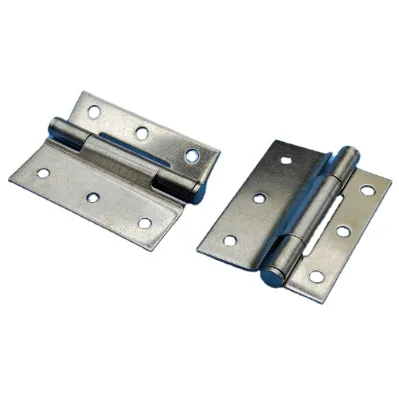
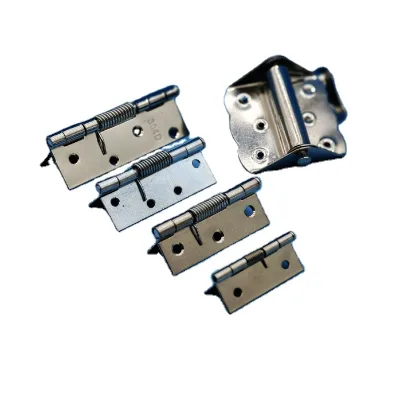
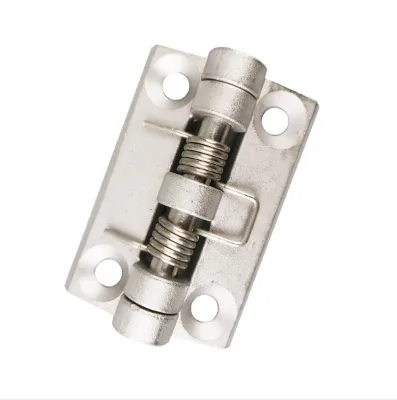
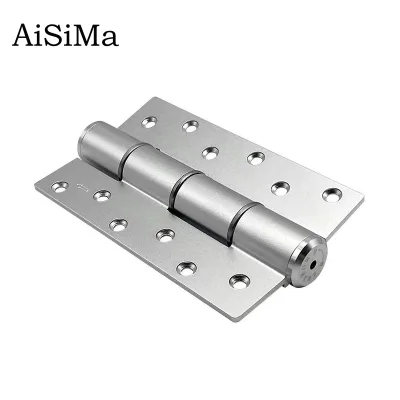
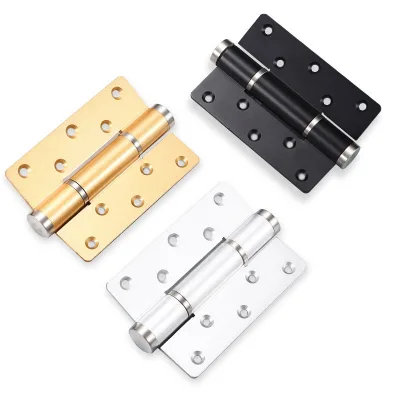
Stainless steel spring hinge, automatic door closing spring hinge, reset rebound door hinge
$0.27 - $0.48
MOQ: 2 Minimum

Metins Machinery Trading Co., Ltd.
- Verified by TUVRHEINLAND
- Trading Company,Manufacturer/Factory
- China Tianjin
- Lead time23 days
- Avg. response≤ 9h
Main productsStamping Parts, Fabrication & Laser Cutting Parts, CNC Parts, Plastic Injection Parts, Casting Parts, Metal Wire Forming Part, Custom-Made Fastener, Assemble Welded Structural Parts
Main marketsEastern Europe,North America,Western Europe
Dongguan Hengdong Aluminum Materials Co., Ltd.
- Verified by TüVRheinland
- Manufacturer, Trading Company
- Lead time0 days
- Avg. response≤ 1h
Main productsAluminum Profiles, Aluminum Profile Accessories, Automation Components, Conveyor Systems, Linear Modules
Main marketsDomestic Market(80%), North America(4%), South America(4%)
- Manufacturer, Trading Company
- Taiwan, China
- Lead time30 days
- Avg. response≤ 10h
Main productstoggle latch,panel lock,handle lock,cabinet handle,cabinet hinge
Main marketsDomestic Market(7.14%), South Asia(7.14%), Southern Europe(7.14%), Northern Europe(7.14%), Central America(7.14%), Western Europe(7.14%), Eastern Asia(7.14%), Mid East(7.14%), Oceania(7.14%), Africa(7.14%), Southeast Asia(7.14%), Eastern Europe(7.14%), South America(7.14%), North America(7.14%)
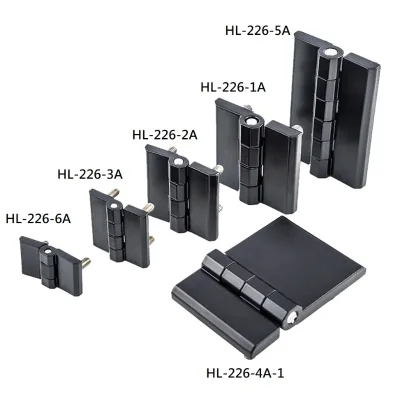
$4.80 - $12.60
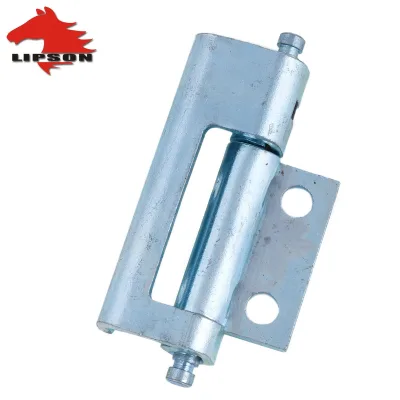
$2.40 - $5.25
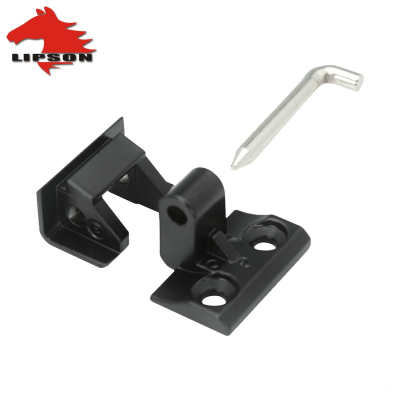
$4.9317 - $5.0876
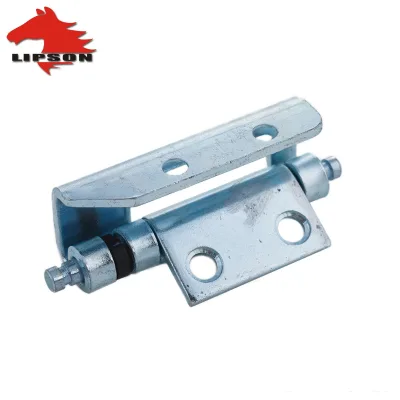
$2.40 - $5.25

Guangdong Shangkun Industrial Technology Co., Ltd.
- Verified by TUVRHEINLAND
- Combined
- China Guangdong
- Lead time15 days
- Avg. response≤ 3h
Main productsOck, Hinge, Handle, Latch, Toggle Latch, Caster, Wheel, Leveling Feet
Main marketsAfrica,Others(foreignTradeCapacity.exportBusinessCapacityMarketOther)
Guangdong Shangkun Industrial Technology Co., Ltd.
- Verified by Intertek
- Manufacturer, Trading Company
- Lead time20 days
- Avg. response≤ 2h
Main productsLock, Hinge, Handle, Draw Latch, Leveling Feet
Main marketsDomestic Market(80%), North America(5%), Oceania(4%)
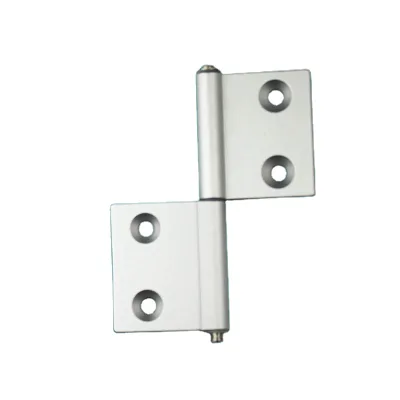
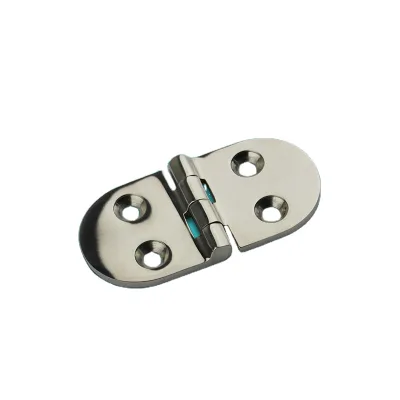
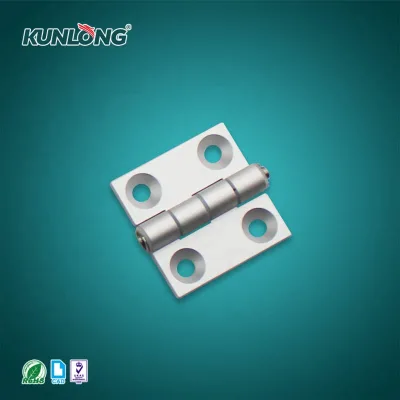
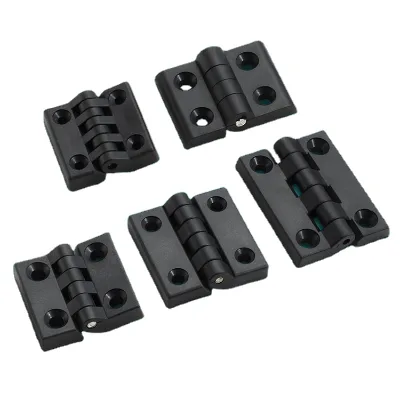
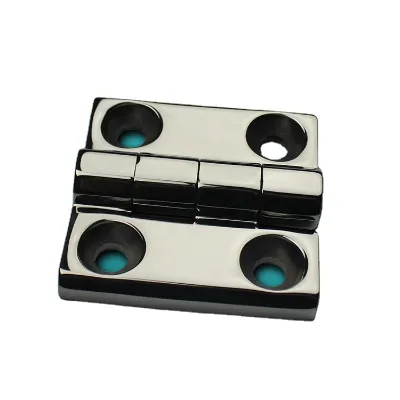
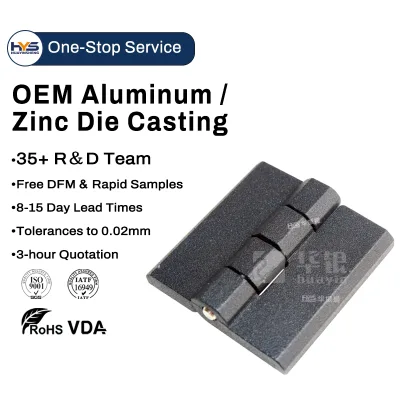
SK2-047S Hinge for Automation EquipmentSmall Size Aluminum Oven with Strong Load Bearing
$7.5475 - $7.7543
MOQ: 10 pieces
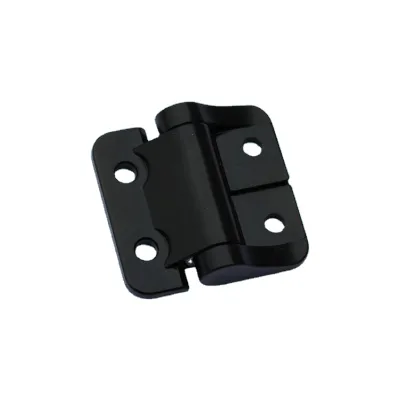
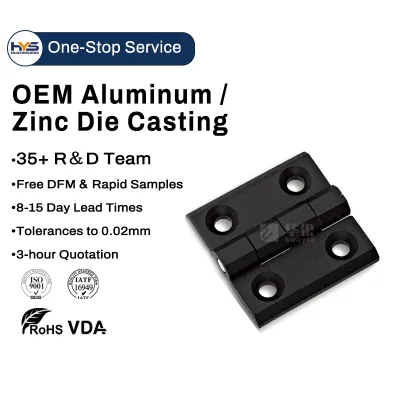
SK2-220T Made in China Medical Equipment Zinc Alloy Industrial Butt Hinge
$3.722 - $3.9289
MOQ: 2 pieces
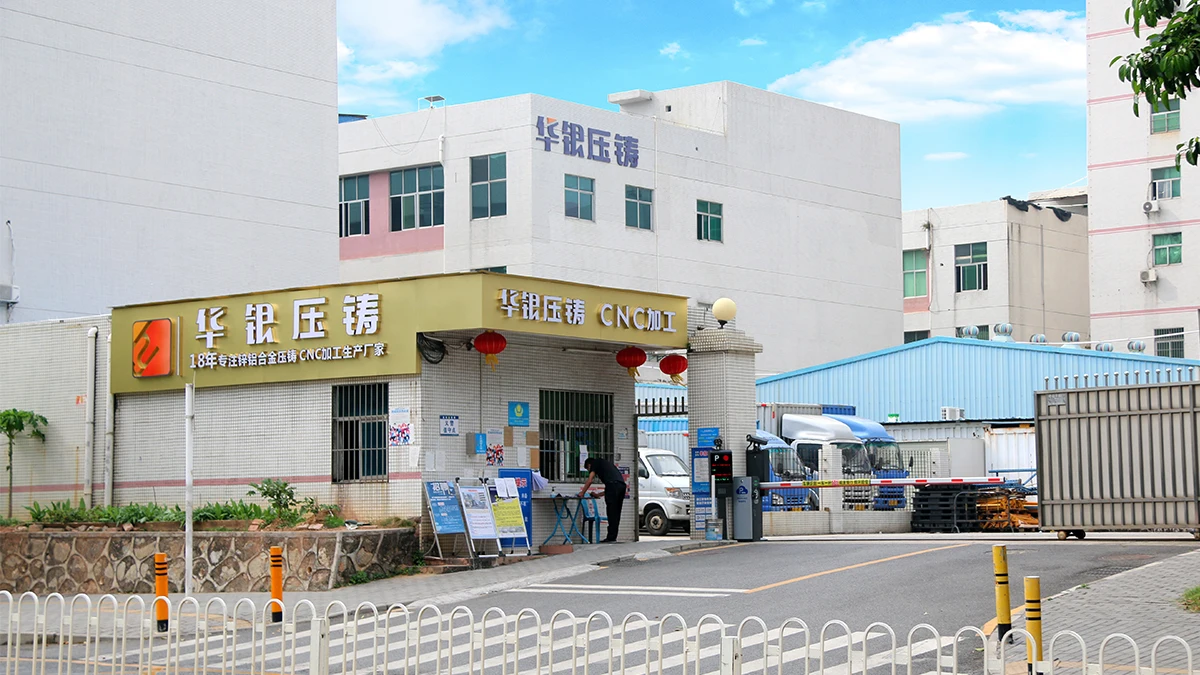
Shenzhen Huayin Precision Products Co., Ltd.
- Manufacturer, Trading Company
- Guangdong, China
- Lead time30 days
- Avg. response≤ 2h
Main productsZinc Die Casting Parts,Aluminum Die Casting Parts,CNC Machining Part
Main marketsDomestic Market(34.00%), North America(20.00%), South America(16.00%), Eastern Europe(16.00%), Western Europe(8.00%), Southeast Asia(6.00%)

Jiangmen Tianhao Hardware And Electric Appliance Co.,Ltd
- Verified by TUVRHEINLAND
- Manufacturer/Factory
- China Guangdong
- Lead time30 days
- Avg. response≤ 14h
Main productsDrawer Slides, Cabinet Hinges, Door Hinges, Kitchen Accessories, Wardrobe Accessories, Kitchen Drawer Basket, Ball Bearing Slides, Furniture Hardware, Furniture Fittings, Cabinet Handles
Main marketsSouth America,Eastern Europe,North America,Oceania,Western Europe
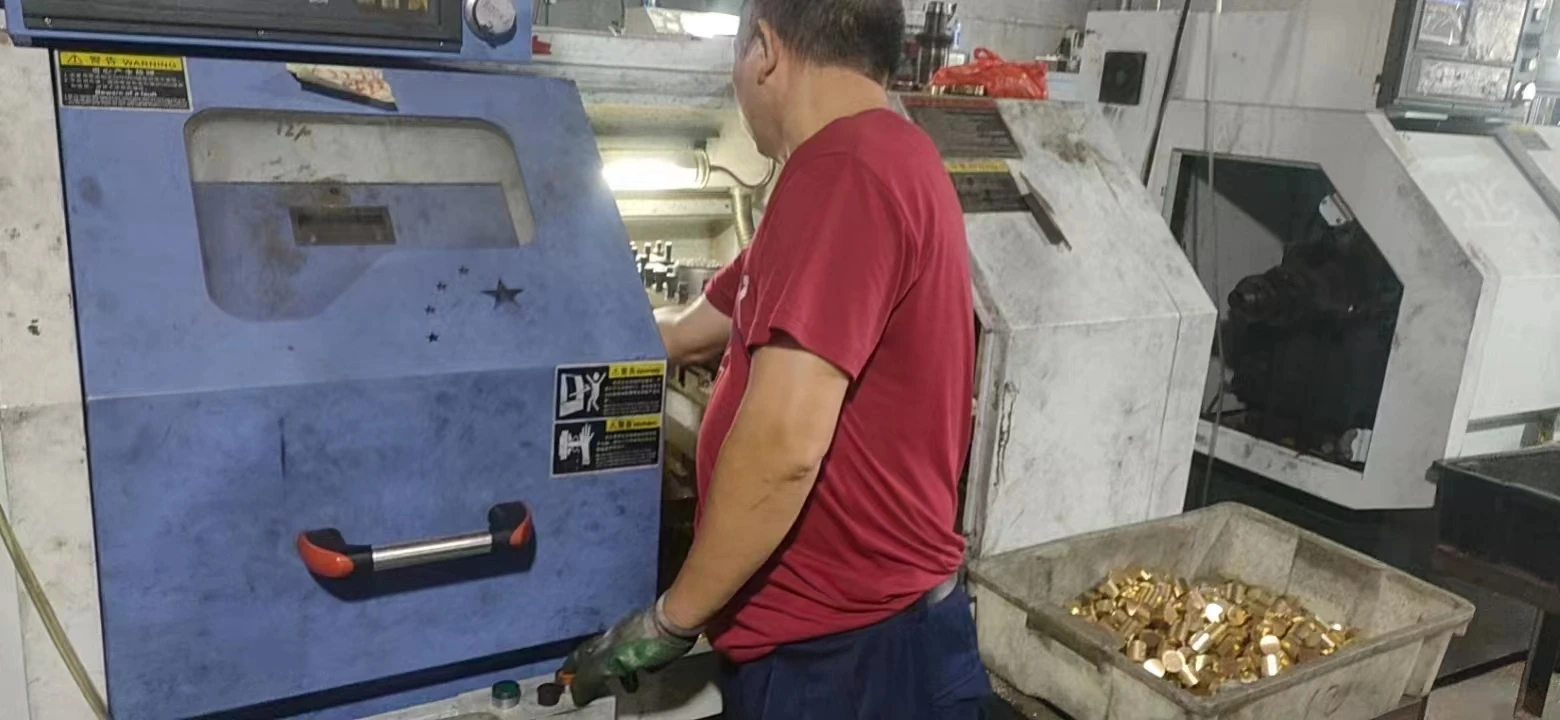
Guangzhou Bm Hardware Co., Ltd.
- Manufacturer, Trading Company
- Guangdong, China
- Lead time25 days
- Avg. response≤ 2h
Main productsDoor lock,Furniture Hardware,Door hardware,Glass door hardware,Door hinge
Main marketsDomestic Market(20.00%), Mid East(20.00%), South Asia(10.00%), North America(10.00%), South America(5.00%), Africa(5.00%), Southern Europe(5.00%), Northern Europe(5.00%), Western Europe(5.00%), Eastern Asia(5.00%), Eastern Europe(5.00%), Oceania(5.00%)

JM Aluminum Profile Accessories Co., Limited
- Trading Company
- China Guangdong
- Lead time15 days
- Avg. response≤ 5h
Main productsIndustrial Aluminum Profile Aluminum Profiles, Aluminum Profiles / Extrusions, Aluminum Profile Modular Assembly, Aluminum Profile Accessories, Caster/Footmaster Caster/Adjustable Feet, Feet, T Nuts/Hammer Head Nut/T Bolt, Brackets Elements/Joint/Degree Bracket, End Cap/ Nylon Hinge/Handles, Spring Block/Aluminum Profile
Main marketsSouth America,Africa,Southeast Asia/ Mideast,East Asia(Japan/ South Korea),Domestic,Europe,Australia,North America

Tanja Industrial(Shandong)Co., Ltd
- Verified by BV
- Combined
- China Shandong
- Lead time15 days
- Avg. response≤ 3h
Main productsLatch, Hinge, Handle, Lock, Toggle Latch
Main marketsSouth America,Africa,Southeast Asia/ Mideast,East Asia(Japan/ South Korea),Europe,Australia,North America
- Verified by SGS Group
- Trading Company
- Lead time10 days
- Avg. response≤ 3h
Main productsHydraulic Soft-Close Hinges , Heavy-Duty Door Hinges , Concealed Cabinet Hinges, Stainless Steel Hinges, Damping Hinges
Main marketsSoutheast Asia(40%), North America(20%), South America(10%)

Jinhua Hengyang Cross-Border Trade Limited Liability Company
- Verified by SGS
- Trading Company
- China Zhejiang
- Lead time15 days
- Avg. response≤ 10h
Main productsCoffee Maker Air Fryer Storage Box Knife Set, Silicone Baking Mold Robot Vacuum Cleaning Table, Shower Head Non-Slip Shower Curtain Vacuum Stora, Collapsible Laundry Basket Bohemian Wall Tapestr, Fringe Pillow Cover Bedding Set Memory Foam Pill, Bamboo Tissue Biodegradable Trash Bags LED Fair, Smart Plug Fairy Lights Pet Food Bowl, Household Daily Necessities Kitchen Cleaning, Bathroom Storage and Care Fabric Home Decor, Bedding Daily Chemical Paper Products
Main marketsEurope
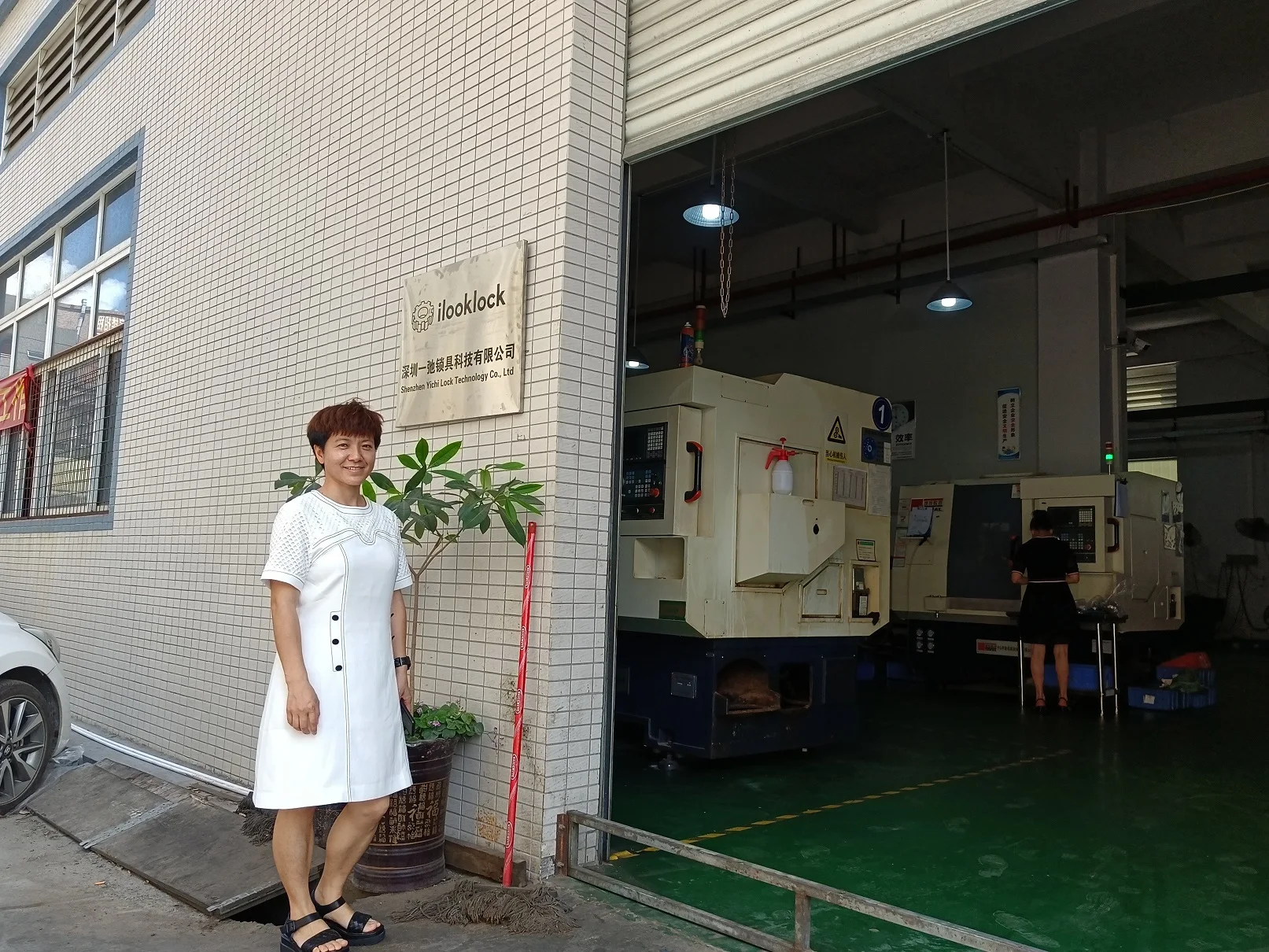
Shenzhen Ilooklock Technology Co., Ltd.
- Trading Company
- Guangdong, China
- Lead time15 days
- Avg. response≤ 2h
Main productsQuarter Turn Cam Lock/Compression Latches/Handle Lock/Hinges/Stainless Steel Locks
Main marketsEastern Europe(40.00%), North America(25.00%), Oceania(10.00%), Domestic Market(9.00%), South America(5.00%), Northern Europe(5.00%), Mid East(2.00%), Southeast Asia(2.00%), South Asia(1.00%), Western Europe(1.00%)

Guangdong Blossom Hardware Co., Ltd
- Verified by SGS
- Trading Company
- China Guangdong
- Lead time30 days
- Avg. response≤ 6h
Main productsHardware, Furniture Hardware, Undermount Slide, Hinge, Handle, Drawer Slide, Soft Close Slide, Furniture Fittings, Metal Box
Main marketsSouth America,Europe,North America

Foshan Tonghuashun Stainless Steel Products Co., Ltd.
- Verified by SGS
- Manufacturer/Factory
- China Guangdong
- Lead time0 days
- Avg. response≤ 7h
Main productsMechanical Door Lock, Door Catch, Draw Latch, Handle, Hinge, Torque Hinge, Whale Tail Lock, Friction Hinge, Industrial Hinge, Industrial Handle
Main marketsSouth America,Eastern Europe,Mid East,North America,Southeast Asia,Eastern Asia,Oceania,Western Europe,Africa

Dongguan Shengang Precision Metal & Electronic Co., Ltd.
- Verified by SGS
- Combined
- China Guangdong
- Lead time15 days
- Avg. response≤ 8h
Main productsDoor Hinge, Door Lock, Door Handle, Sliding Door Hardware
Main marketsSoutheast Asia/ Mideast,East Asia(Japan/ South Korea),Europe,Australia,North America
Guangzhou Jinghui Office Equipment Co., Ltd.
- Manufacturer, Distributor/Wholesaler
- Guangdong, China
- Lead time0 days
- Avg. response≤ 3h
Main productsFuser Unit,Maintenance Kit,Formatter Board,Fuser Film Sleeve,Pressure Roller
Main marketsDomestic Market(20.00%), North America(20.00%), South Asia(15.00%), South America(15.00%), Mid East(10.00%), Eastern Europe(5.00%), Northern Europe(5.00%), Western Europe(5.00%), Southeast Asia(3.00%), Southern Europe(2.00%)
Ningbo Yusheng Home Tech Co., Ltd.
- Manufacturer
- Zhejiang, China
- Lead time20 days
- Avg. response≤ 5h
Main productsSliding Door Damper,Door Damper,Roller,soft closing roller,barn door
Main marketsMid East(40.00%), Western Europe(20.00%), Eastern Europe(10.00%), Eastern Asia(10.00%), North America(10.00%), Southeast Asia(10.00%)
Jiangmen Yako Hardware Manufacturer Co., Ltd.
- Verified by SGS Group
- Manufacturer, Trading Company
- Lead time30 days
- Avg. response≤ 1h
Main productsDoor Handle; Door Hinge; Door Lock; Door Accessories, Bathroom Accessories
Main marketsWestern Europe(40%), North America(20%), South America(10%)

- Verified by BV
- Trading Company
- China Guangdong
- Lead time30 days
- Avg. response≤ 4h
Main productsAluminum Pergola, Hardware(Hinge Handle Lock Frame), Aluminum Sunroom, Aluminum Decking, Aluminum Wardrobe System, Outdoor Kitchen
Main marketsEurope

Dongguan Haolong Technology Co., Ltd.
- Manufacturer, Trading Company
- Guangdong, China
- Lead time0 days
- Avg. response≤ 9h
Main productsplastic molds making,sheetmetal,cnc parts,plastic parts,electronic accessories
Main marketsNorth America(25.00%), Domestic Market(20.00%), Western Europe(12.00%), South America(11.00%), Northern Europe(10.00%), Eastern Europe(10.00%), Southern Europe(7.00%), Oceania(5.00%)

FOSHAN CARINO HARDWARE CO., LIMITED
- Verified by SGS
- Trading Company
- China Guangdong
- Lead time30 days
- Avg. response≤ 8h
Main productsConcealed Hinge, Hinge, Slide Series, Handles, Drawer Lock, Other Hardware, Tube and Holder, Furniture Leg, Caster, Support
Main marketsSouth America,Southeast Asia/ Mideast,North America

- Verified by TUVRHEINLAND
- Combined
- China Guangdong
- Lead time30 days
- Avg. response≤ 6h
Main productsCabinet Handle, Door Handle, Door Lock, Furniture Knob, Cabinet Hinge, Drawer Slide, Door Hinge, Mortise Lock, Cylinder Lock, Door Stopper
Main marketsSouth America,Southeast Asia/ Mideast,Europe
Guangdong Shangkun Industrial Group Co., Ltd.
- Verified by SGS Group
- Manufacturer, Trading Company
- Guangdong, China
- Lead time35 days
- Avg. response≤ 2h
Main productsLock, Hinge, Latch, Handle, Industrial Hardware
Main marketsNorth America(15%), South America(10%), Southeast Asia(10%)
Shandong Diyang International Trade Co., Ltd.
- Trading Company
- Shandong, China
- Lead time25 days
- Avg. response≤ 6h
Main productscleat,hinge,rod holder,base,oil port
Main marketsEastern Asia(20.00%), North America(20.00%), Central America(10.00%), Western Europe(10.00%), South America(10.00%), Eastern Europe(10.00%), South Asia(5.00%), Southern Europe(5.00%)

UNION-POWER (JM) METALS MFG. CO., LTD.
- Verified by TUVRHEINLAND
- Combined
- China Guangdong
- Lead time30 days
- Avg. response≤ 11h
Main productsRim Lock, Mortice Lock, Knob Lock, Lever Lock, Hinge, Door Hardware
Main marketsEurope
Xuzhou Fornd Industrial Technology Co., Ltd.
- Manufacturer, Trading Company
- Jiangsu, China
- Lead time30 days
- Avg. response≤ 7h
Main productsLocks&Latches,Handle,Hinge,Fasteners,attachment
Main marketsMid East(100.00%), Oceania(100.00%), Africa(100.00%), Southeast Asia(100.00%), Eastern Asia(100.00%), South Asia(100.00%), Southern Europe(100.00%), Eastern Europe(30.00%), North America(20.00%), South America(15.00%), Central America(10.00%), Western Europe(10.00%), Northern Europe(10.00%), Domestic Market(5.00%)
Ningbo Hengda Die-Casting Lock Factory
- Verified by SGS Group
- Manufacturer
- Lead time20 days
- Avg. response≤ 3h
Main productsTrailer Hitch Lock, Trigger Gun Lock, Car Lock, Cabinet Lock, Bicycle Lock
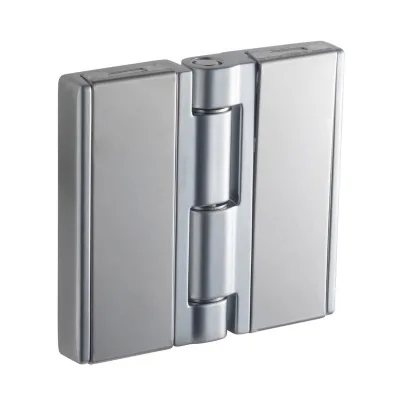
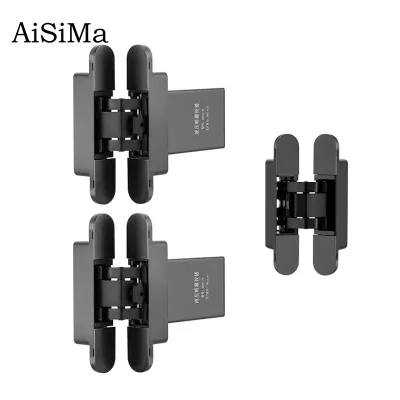
YH9366 Keyless Butterfly Hinge Sides for Cabinet Durable Zinc Alloy Design
$1.80 - $1.90
MOQ: 200 pieces
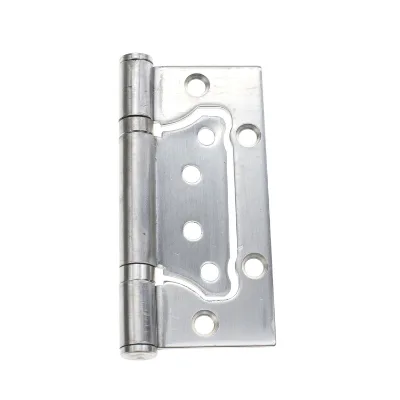
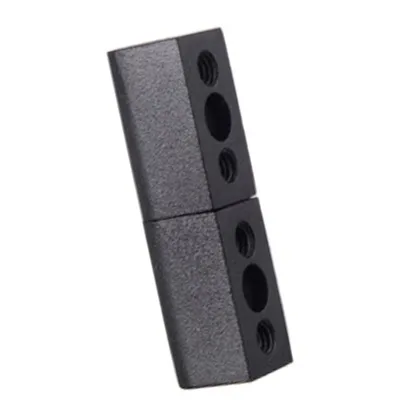
High Quality Sub-Mother Door Hardware Butterfly Hinge Lock Cylinders for High-End Accessory
$2.80 - $2.90
MOQ: 200 pieces


















Comprehensive Sourcing Guide
ADF Hinge Supplier Concentration and Factory Types
The current supplier landscape for ADF Hinge components reveals a distinct geographic concentration within China, specifically highlighting manufacturing and trading hubs in Shanghai, Jiangsu, and Guangdong. These regions serve as critical nodes for hardware production, offering buyers access to a diverse array of supply chain capabilities ranging from pure manufacturing facilities to integrated trading companies. The presence of suppliers in Shanghai indicates a strong logistical advantage for export-oriented businesses, leveraging the port infrastructure to facilitate efficient shipping of heavy or bulky hinge assemblies. Meanwhile, the Jiangsu cluster suggests a robust industrial base capable of supporting high-volume production runs, often associated with established factories that possess deep expertise in metalworking and precision engineering. This regional distribution allows buyers to select partners based on proximity to specific logistical corridors or to balance cost efficiencies against delivery speed requirements.
Beyond geography, the supplier types observed include Trading Companies, Manufacturer/Factories, and Combined entities, each offering distinct advantages for different procurement strategies. Trading companies often provide broader product assortments and simplified communication channels, making them suitable for buyers seeking multiple hardware components from a single source. In contrast, Manufacturer/Factories typically offer greater control over production processes, customization options, and potentially lower unit costs for large orders. The Combined supplier type represents a hybrid model, potentially offering the flexibility of a trader with the production oversight of a factory. Understanding these structural differences is essential for aligning supplier selection with specific business needs, whether prioritizing direct factory engagement for cost savings or leveraging trading companies for convenience and variety. The diversity in company types ensures that buyers can find partners that match their operational scale and complexity requirements.
How to Verify ADF Hinge Suppliers
Verifying the authenticity and capability of ADF Hinge suppliers requires a meticulous examination of their operational metrics and product specifications. Buyers should prioritize suppliers who demonstrate clear response times, as indicated by data showing response speeds ranging from approximately three to twenty-five hours. A faster response time often correlates with better customer service and more agile problem-solving capabilities, which are crucial when addressing custom requirements or resolving production issues. Additionally, examining the supplier’s main products list can provide insight into their specialization; suppliers focusing on hinges, locks, and related hardware are likely to possess deeper technical expertise than generalist traders. It is also important to verify the supplier’s capacity for Original Equipment Manufacturer (OEM) and Original Design Manufacturer (ODM) services, as this indicates their ability to adapt products to specific buyer needs rather than offering only off-the-shelf solutions.
Product evidence serves as another critical verification tool, allowing buyers to assess the technical details and customization options available. Suppliers listing specific product attributes such as material composition, hinge type, and customization availability provide transparency into their manufacturing capabilities. For instance, details regarding material types like iron, stainless steel, or alloy, along with specific hinge angles and thicknesses, help buyers evaluate whether the supplier can meet precise engineering requirements. Furthermore, checking for certifications and system certifications, even if listed as "Others," can indicate a commitment to quality management systems. Buyers should request detailed product catalogs and technical drawings to verify that the supplier’s claims align with their actual production capabilities. This due diligence helps mitigate the risk of engaging with suppliers who may lack the necessary technical proficiency or quality control measures.
What to Compare Across ADF Hinge Suppliers
When evaluating multiple ADF Hinge suppliers, buyers must compare key commercial and operational metrics to identify the most suitable partner. Lead time is a critical factor, with observed ranges varying significantly, from thirty days to sixty days or more. Shorter lead times may be advantageous for urgent orders, but they often come at a premium or require higher minimum order quantities. Conversely, longer lead times might offer more flexibility for production planning but could impact overall supply chain responsiveness. Minimum Order Quantity (MOQ) is another vital comparison point, with some suppliers requiring as few as one unit for certain items, while others mandate orders of five thousand units or more. Understanding these MOQ thresholds helps buyers determine the financial feasibility of engaging with specific suppliers, especially for small-batch or prototype orders.
Price and customization options also play a significant role in supplier comparison. Price ranges can vary widely, with some products listed at fixed prices while others offer flexible pricing based on volume and specifications. Buyers should compare unit costs alongside the total cost of ownership, including shipping and potential customization fees. Customization availability is a key differentiator, with many suppliers offering options for tailored designs, materials, and finishes. Suppliers providing detailed customization parameters, such as specific hinge types, colors, and packaging options, demonstrate greater flexibility and customer-centric approaches. Additionally, comparing the supplier’s response time and communication efficiency can provide insights into their reliability and professionalism. By systematically evaluating these dimensions, buyers can make informed decisions that balance cost, quality, and service levels.
Common ADF Hinge Sourcing Risks
Sourcing Adf Hinges from international suppliers introduces several potential risks that buyers must proactively manage. One significant risk is the variability in product quality, particularly when dealing with suppliers who offer a wide range of materials and finishes. Without rigorous quality control measures, buyers may receive products that do not meet their specified standards, leading to production delays or customer dissatisfaction. This risk is exacerbated when suppliers lack transparent quality assurance processes or fail to provide detailed product specifications. Another common risk is the discrepancy between quoted lead times and actual delivery dates. Suppliers may underestimate production complexities or face unforeseen supply chain disruptions, resulting in delayed shipments that impact downstream operations. Buyers should establish clear communication channels and regular progress updates to mitigate these timing risks.
Intellectual property and customization risks are also prevalent, especially when working with suppliers offering OEM and ODM services. Buyers must ensure that their proprietary designs and specifications are protected through appropriate legal agreements and secure data handling practices. Additionally, there is a risk of miscommunication regarding product requirements, which can lead to incorrect orders or suboptimal product performance. This is particularly relevant for hinges with specific technical attributes, such as load-bearing capacity or corrosion resistance. Buyers should invest time in detailed technical discussions and request samples before committing to large orders. Furthermore, reliance on a single supplier can create vulnerability to supply chain disruptions. Diversifying the supplier base and maintaining relationships with multiple vendors can help mitigate these risks and ensure business continuity.
ADF Hinge Regional Sourcing and Logistics
The geographic concentration of ADF Hinge suppliers in China presents both opportunities and logistical considerations for international buyers. Suppliers located in Shanghai benefit from proximity to major ports, facilitating efficient export logistics and reducing transit times for ocean freight. This location advantage can be particularly beneficial for buyers seeking faster delivery options or those operating in regions with strong trade links to East Asia. Meanwhile, suppliers in Jiangsu and Guangdong offer access to robust industrial ecosystems and specialized manufacturing clusters, which can enhance production efficiency and cost competitiveness. Buyers should consider the logistical implications of sourcing from these regions, including customs clearance procedures, import duties, and local transportation costs. Understanding these factors helps in calculating the total landed cost and optimizing supply chain strategies.
Logistics planning also involves evaluating the supplier’s packaging and shipping capabilities. Suppliers providing detailed packaging information, such as carton dimensions and quantities per carton, enable buyers to optimize container loading and reduce shipping costs. Efficient packaging not only protects products during transit but also minimizes storage space requirements at the destination. Buyers should also consider the environmental impact of packaging materials and ensure that suppliers adhere to relevant sustainability standards. Additionally, the choice of shipping method, whether by sea, air, or express courier, will impact delivery speed and cost. Sea freight is typically more cost-effective for large volumes, while air freight offers faster delivery for urgent orders. By aligning logistics strategies with supplier locations and product characteristics, buyers can enhance supply chain efficiency and reduce overall operational costs.
ADF Hinge Commercial Terms and Order Planning
Effective order planning for Adf Hinges requires careful consideration of commercial terms, payment structures, and inventory management strategies. Buyers should negotiate clear payment terms that align with their cash flow requirements, such as partial upfront payments and balance upon shipment. Understanding the supplier’s payment policies helps in managing financial risks and ensuring smooth transaction processes. Additionally, buyers should establish clear quality acceptance criteria and return policies to address potential product defects or non-conformities. These terms provide a safety net and ensure that both parties are aligned on expectations regarding product quality and performance. By formalizing these commercial terms in contracts, buyers can protect their interests and foster a collaborative relationship with suppliers.
Inventory management is another critical aspect of order planning, particularly when dealing with varying MOQs and lead times. Buyers should analyze historical demand data to forecast future requirements and place orders accordingly, avoiding stockouts or excess inventory. For suppliers with longer lead times, advance planning is essential to ensure timely availability of components. Buyers may also consider implementing just-in-time inventory strategies to reduce holding costs, provided that supplier reliability is high. Furthermore, maintaining open communication with suppliers regarding production schedules and capacity constraints can help in adjusting orders dynamically. By integrating commercial terms with strategic inventory planning, buyers can optimize their supply chain operations, reduce costs, and enhance overall business agility. This holistic approach ensures that sourcing activities support broader business objectives and operational efficiency.
FAQs
What is the typical lead time for hinge orders?
Manufacturers in China report lead times ranging from 30 to 60 days depending on the supplier location and order volume. Suppliers in Guangdong often offer faster turnaround times of around 30 days, while those in Shanghai or Jiangsu may require up to 60 days for production and shipping preparation.
What are the minimum order quantities for hinges?
Minimum order quantities vary significantly by product type and supplier. Some standard hinges have an MOQ of just one piece, while others require 500 or 3,000 pieces. Buyers should verify the specific MOQ for their chosen hinge model, as it can range from single units to bulk industrial orders.
Are custom hinge options available from these suppliers?
Yes, customization is widely available across multiple suppliers. Many manufacturers offer OEM and ODM services, allowing for custom specifications such as material, angle, and finish. Buyers can request tailored solutions for specific applications, including different hinge types like 180-degree or 270-degree variants with custom packaging.
What materials are commonly used for these hinges?
Common materials include iron, stainless steel, alloy, and aluminum. Suppliers offer hinges made from these materials to suit different durability and aesthetic requirements. For example, stainless steel hinges are available for corrosion resistance, while iron hinges provide cost-effective solutions for general hardware applications.
How quickly do suppliers typically respond to inquiries?
Response times vary among suppliers, with some responding within 3 hours and others taking up to 25 hours. Faster response times are often associated with suppliers in Guangdong, while others may have longer average response times. Buyers should expect variations based on the specific supplier's operational efficiency.
What is the price range for standard hinges?
Prices for hinges range from $0.30 to $5.00 per piece depending on the material and specifications. Basic iron or metal hinges may start around $0.80, while specialized stainless steel or alloy hinges can cost up to $5.00. Buyers should compare quotes to find the best value for their specific needs.