Activated Alumina Molecular Sieve 3A Suppliers and Manufacturers
Compare 28 verified suppliers offering Activated Alumina Molecular Sieve 3A with ISO9001:2015 certification and TUVRHEINLAND verification. Review lead times, response times, and product specifications to select the right factory for your needs; review the available evidence before requesting comparable quotations from suitable candidates.
Updated
Suppliers List

Pingxiang Xingfeng Chemical Packing Co., Ltd.
- Verified by TUVRHEINLAND
- Combined
- China Jiangxi
- Lead time15 days
- Avg. response≤ 10h
Main productsMolecular Sieve
Main marketsSouth America,Southeast Asia/ Mideast,Europe,North America

Pingxiang Sanhe Ceramics Co., Ltd.
- Combined
- China Jiangxi
- Lead time30 days
- Avg. response≤ 2h
Main productsHoneycomb Ceramics, Microporous Ceramics, Catalyst Ceramics, Aluminum Oxcise Ceramic Balls, Infrared Burner Plate, Ceramics Heat Exchanger, Cordierite Honeycomb Ceramic, Ceramics Foam Filters
Main marketsDomestic


China Factory Zeolite Molecular Sieve 3A for Dehydration of Unsaturated Hydrocarbons
$1.08 - $1.60
MOQ: 1000 kg


Anhui Fitech Materials Co., Ltd.
- Manufacturer, Trading Company
- Anhui, China
- Lead time15 days
- Avg. response≤ 16h
Main productsIndium(In),Germanium(Ge),Gallium(Ga),Bismuth(Bi),Selenium(Se)
Main marketsWestern Europe(20.00%), North America(20.00%), South Asia(10.00%), Eastern Europe(5.00%), Southern Europe(5.00%), Northern Europe(5.00%), Central America(5.00%), South America(5.00%), Eastern Asia(5.00%), Mid East(5.00%), Oceania(5.00%), Africa(5.00%), Southeast Asia(5.00%)
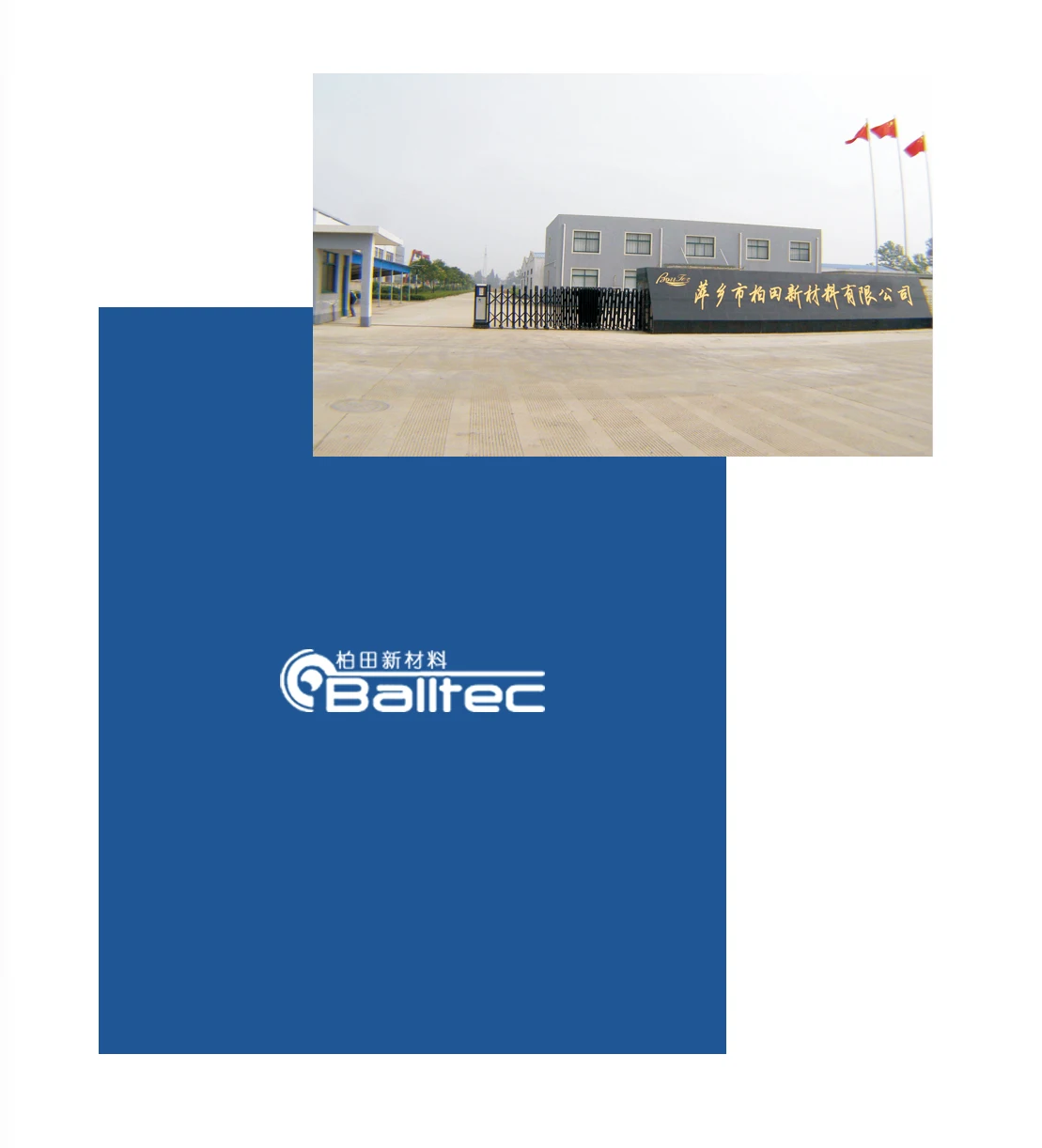
Pingxiang Baitian New Materials Co., Ltd.
- Trading Company
- Jiangxi, China
- Lead time10 days
- Avg. response≤ 2h
Main productszirconia powder,zirconia bead,zirconia grinding media,alumina bead,molecular sieve
Main marketsWestern Europe(15.00%), South America(15.00%), North America(15.00%), South Asia(10.00%), Mid East(10.00%), Eastern Europe(10.00%), Southeast Asia(10.00%), Eastern Asia(5.00%), Northern Europe(5.00%), Oceania(5.00%)
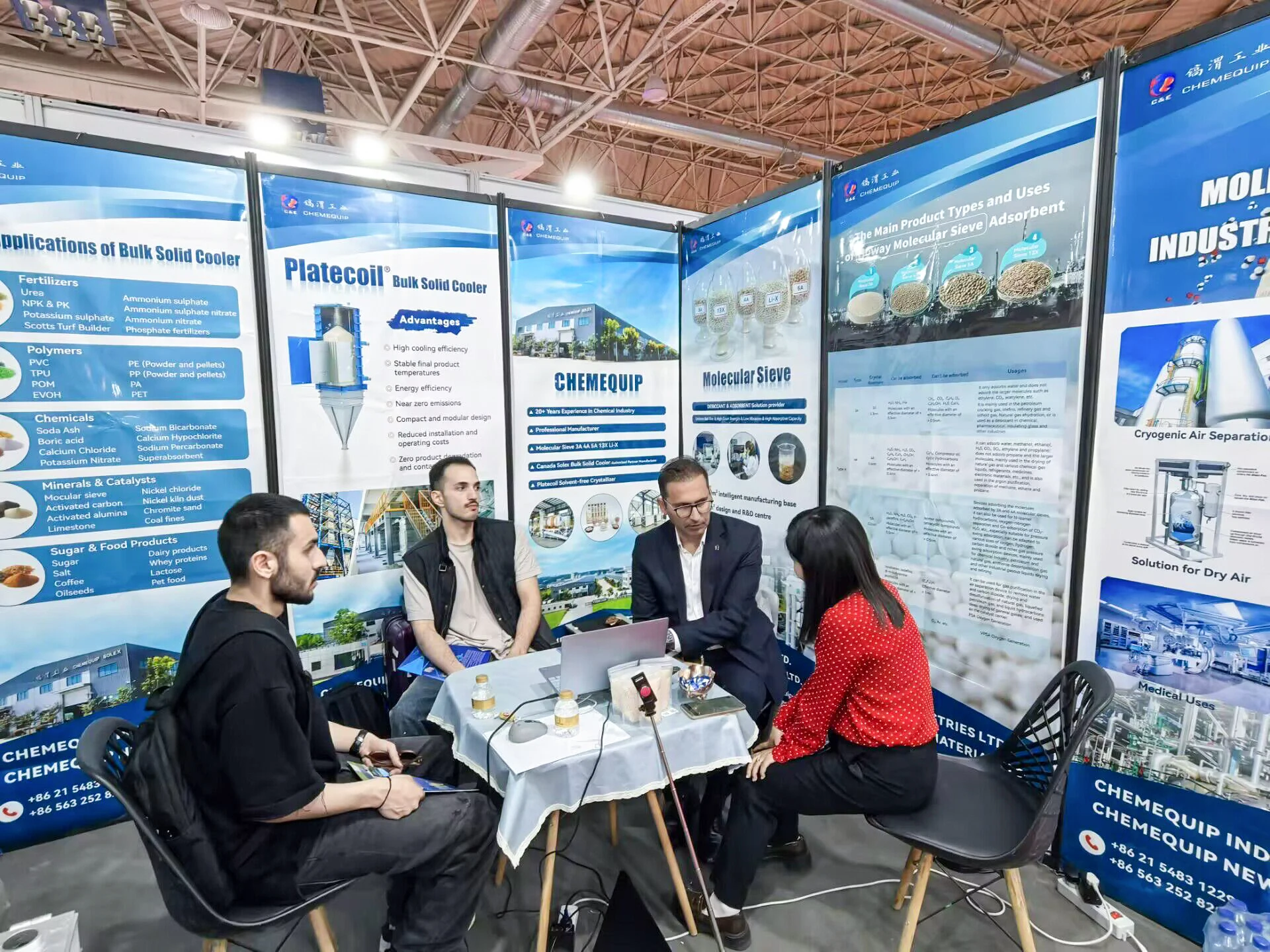
- Manufacturer
- Anhui, China
- Lead time7 days
- Avg. response≤ 2h
Main productsMolecular sieve,Sorbent,Zeolite
Main marketsNorth America(50.00%), Mid East(30.00%), Domestic Market(20.00%)

PingXiang Nanxiang Chemical Packing Co., Ltd.
- Verified by TUVRHEINLAND
- Manufacturer/Factory
- China Jiangxi
- Lead time0 days
- Avg. response≤ 6h
Main productsHoneycomb Ceramic, Ceramic Tower Packings, Plastic Tower Packings, Plasitc Tower Packings, Ceramic Foam Filter, Tower Internals, Molecular Sieve


High Quality Adsorbent Lithium Zeolite Molecular Sieve Lithium Oxygen Molecular Sieve
$1.00 - $2.50
MOQ: 1000 kg
Guangzhou Chemxin Environmental Material Co., Ltd.
- Verified by SGS Group
- Manufacturer, Trading Company
- Lead time7 days
- Avg. response≤ 2h
Main productsMolecular Sieve, Activated Alumina, Ceramic Alumina Ball, Catalyst, Tower Packing
Main marketsSouth America(25%), Southeast Asia(20%), North America(15%)
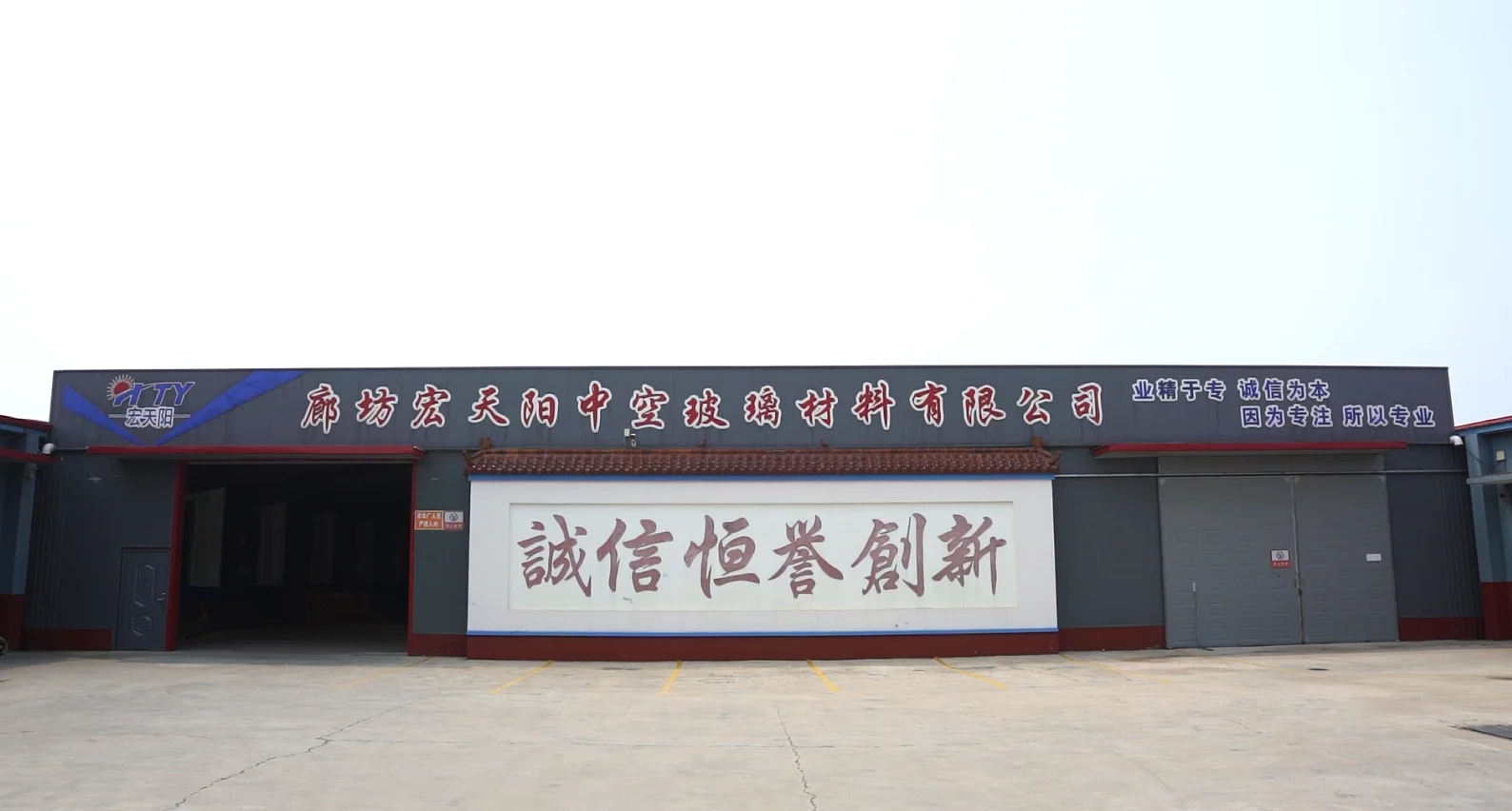
Langfang Hong Tianyang Insulating Glass Material Co., Ltd.
- Manufacturer, Trading Company
- Hebei, China
- Lead time20 days
- Avg. response≤ 2h
Main productsAluminum Spacer Bar/Molecular Sieve/Butyl Tape/Georgian Bar/Corner Key/Silicone Sealant
Main marketsDomestic Market(70.00%), Mid East(20.00%), Eastern Europe(4.00%), Central America(2.00%), Western Europe(2.00%), Africa(2.00%)
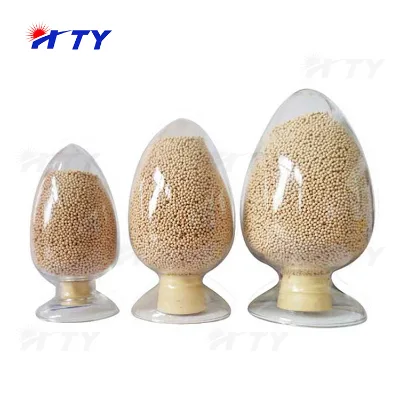
HTY High Quality Natural 3A Molecular Sieve Catalyst Chemical Additive Zeolite Molecular Sieve
$0.5381 - $1.0853
MOQ: 1 kilograms
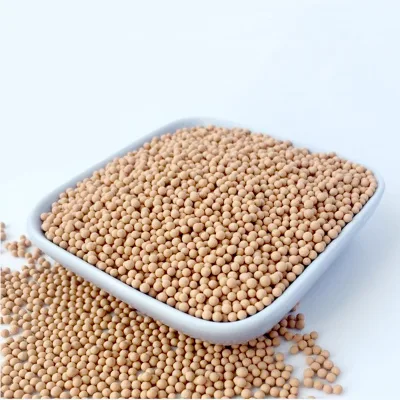
High-Efficiency Industrial Building Molecular Sieve for Double Glass-Superior Moisture Adsorption
$0.5351 - $1.0808
MOQ: 1 kilograms
Jiangxi Kelley Chemical Packing CO., LTD.
- Trading Company
- Jiangxi, China
- Lead time7 days
- Avg. response≤ 3h
Main productsTower Packings,Molecular sieve,Activated alumina,Structured Packing,Ceramic Ball
Main marketsWestern Europe(30.00%), North America(30.00%), South America(10.00%), Southeast Asia(10.00%), Mid East(10.00%), Africa(4.00%), South Asia(1.00%), Northern Europe(1.00%), Central America(1.00%), Oceania(1.00%), Eastern Asia(1.00%), Eastern Europe(1.00%)

Zibo Chico International Co., Ltd.
- Trading Company
- China Shandong
- Lead time15 days
- Avg. response≤ 4h
Main productsCork Pads, EVA Pads, Sealing Sleeves, Sponge, Aluminum Spacer Bar, Warm Edge Spacer Bar, Sealant, Spacer Bending Machinery, Warm Edge Wielding Machinery, Desiccant
Main marketsSoutheast Asia/ Mideast,East Asia(Japan/ South Korea),Europe


Molecular Sieve 3A Spherical/Nano Mineral Crystal Spherical Activated Carbon
$1.24 - $1.25
MOQ: 250 kg


Zhengzhou Zhulin Activated Carbon Development Co., Ltd.
- Trading Company
- China Henan
- Lead time15 days
- Avg. response≤ 8h
Main productsActivated Carbon, Coconut Shell Activated Carbon, Coal Based Activated Carbon, Powdered Activated Carbon, Activated Carbon for Gold Recovery, Powder Activated Carbon, Pellet Activated Carbon, Impregnated Activated Carbon, Granular Activated Carbon, Wood Activated Carbon
Main marketsSouth America,Africa,Southeast Asia/ Mideast,East Asia(Japan/ South Korea),Domestic,Europe,Australia,North America

Henan Yetan Environmental Protection Material Co., Ltd.
- Manufacturer, Trading Company
- Henan, China
- Lead time7 days
- Avg. response≤ 2h
Main productsactivated carbon,catalyst,Activated Aluminium Ball,molecular sieve,Zeolite powder
Main marketsSoutheast Asia(10.00%), North America(10.00%), South Asia(5.00%), Southern Europe(5.00%), Northern Europe(5.00%), Central America(5.00%), Western Europe(5.00%), Eastern Asia(5.00%), Mid East(5.00%), Oceania(5.00%), Africa(5.00%), South America(5.00%), Eastern Europe(5.00%)

Ningxia Baiyun Carbon Co., Ltd.
- Manufacturer
- China Ningxia
- Lead time15 days
- Avg. response≤ 11h
Main productsPolyacrylamide, Activated Carbon, Cenosphere, Molecular Sieve, Chemicals
Main marketsSoutheast Asia/ Mideast

Pingxiang Bestn Chemical Packing Co., Ltd.
- Verified by BV
- Manufacturer/Factory
- China Jiangxi
- Lead time15 days
- Avg. response≤ 3h
Main productsTower Packings, Ceramic Balls, Molecular Sieve, Mbbr Media, Aquarium Filter Media, Pall Ring, Ceramic Saddles, Activated Alumina, Honeycomb Ceramic, Ceramic Foam Filter
Main marketsSouth America,Eastern Europe,Mid East,North America,Southeast Asia,Western Europe

Qingdao Hengze Silica Gel Products Co., Ltd.
- Verified by BV
- Combined
- China Shandong
- Lead time15 days
- Avg. response≤ 4h
Main productsCat Litter, Silica Gel Desiccant, Silica Gel White/Orange/Blue, Silica Gel 60A/90A/120A, Silica Gel Sand for Oil Bleaching, Silica Gel Bleaching/Decoloring Sand, Silica Gel for Column Chromatography, Silica Alumina, Silica Sol, Alumina/Molecular Sieve
Main marketsSouth America,Southeast Asia/ Mideast,East Asia(Japan/ South Korea),Domestic,Europe,Australia,North America


High Purity 3A Molecular Sieve Desiccants for Insulating Glass Moisture Removal
$1500.00 - $2000.00
MOQ: 1 Tons

Pingxiang Xingfeng Chemical Packing Co., Ltd.
- Manufacturer, Trading Company
- Jiangxi, China
- Lead time3 days
- Avg. response≤ 9h
Main productsCeramic Ball,Molecular Sieve,Activated Alumina,Tower Packing,Abrasion Resistant Ceramic
Main marketsDomestic Market(40.00%), Western Europe(11.00%), North America(8.00%), Eastern Europe(7.00%), South Asia(5.00%), Southern Europe(5.00%), South America(5.00%), Southeast Asia(5.00%), Eastern Asia(5.00%), Mid East(5.00%), Northern Europe(4.00%)

Beihai Kaite Chemical Packing Co., Ltd.
- Trading Company
- Guangxi, China
- Lead time10 days
- Avg. response≤ 18h
Main productsHoneycomb Ceramic Substrate,Honeycomb Ceramic Filter,Honeycomb Thermal Store Cata,Infrared Ceramic Plaques,Diesel particulate filter
Main marketsSouth America(45.00%), North America(20.00%), Western Europe(10.00%), Domestic Market(10.00%), Southern Europe(3.00%), Southeast Asia(2.00%), Eastern Europe(2.00%), Northern Europe(2.00%), Oceania(2.00%), Eastern Asia(1.00%), South Asia(1.00%), Africa(1.00%), Mid East(1.00%)
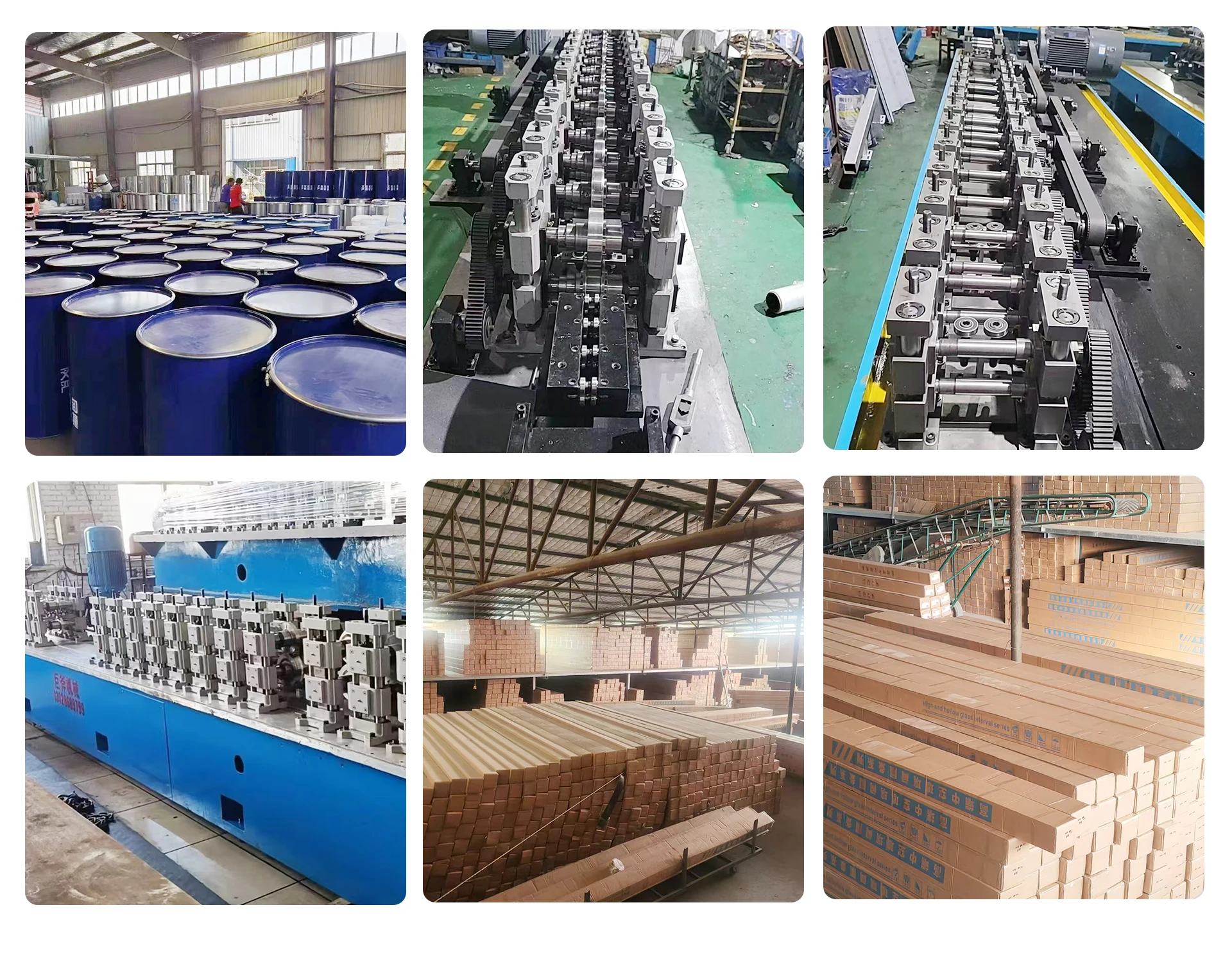
Langfang Jihui Hollow Glass Accessories Co., Ltd. Foshan Branch
- Distributor/Wholesaler
- Guangdong, China
- Lead time0 days
- Avg. response≤ 2h
Main productsaluminum spacer bar,Butyl tape,Molecular sieve,Plastic corner bracket
Main marketsEastern Europe(20.00%), South America(20.00%), North America(20.00%), Mid East(10.00%), Oceania(10.00%), Africa(10.00%), Southeast Asia(10.00%)
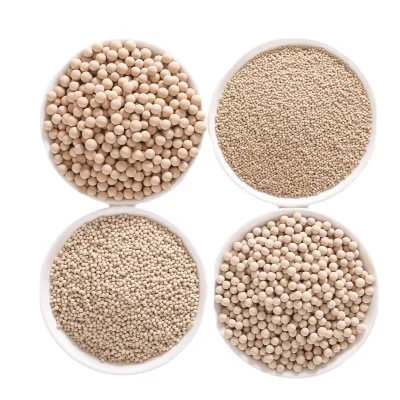
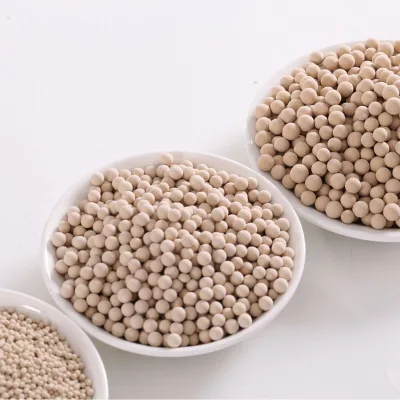
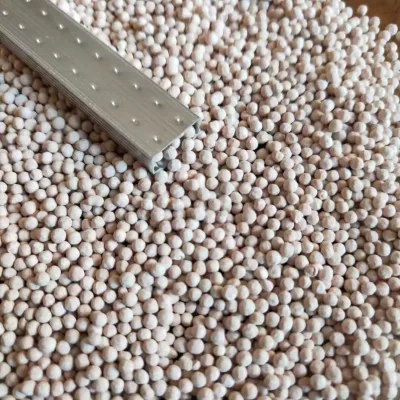
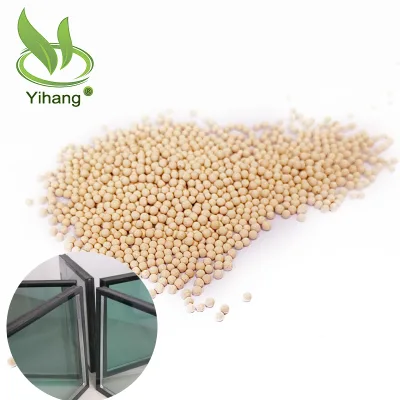
Factory Wholesale Hollow Glass Molecular Sieve Water vapor Absorption 3A/4A Molecular Sieve
$0.9294 - $1.0328
MOQ: 25 kilograms
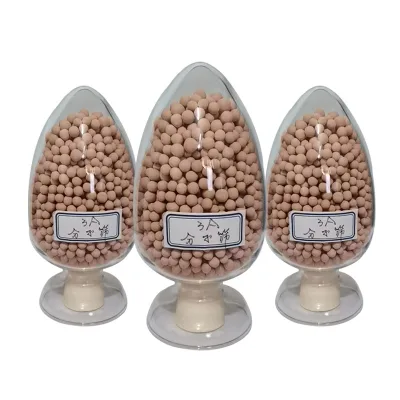
$0.85 - $1.00
MOQ: 25 kilograms
$0.8919 - $1.0493
MOQ: 25 kilograms
Zhengzhou Bo Yue Purification Materials Co., Ltd.
- Manufacturer, Trading Company
- Henan, China
- Lead time6 days
- Avg. response≤ 1h
Main productscoconut shell activated carbon,columnar activated carbon,coal granular activated carbon,honeycomb activated carbon,powder activated carbon
Main marketsNorth America(12.00%), Southeast Asia(10.00%), Africa(10.00%), Western Europe(10.00%), South Asia(9.00%), Eastern Europe(6.00%), Southern Europe(6.00%), Northern Europe(6.00%), Mid East(6.00%), Oceania(6.00%), Central America(5.00%), South America(5.00%), Domestic Market(5.00%), Eastern Asia(4.00%)

Foshan Shunde Topcod Industry Co., Ltd.
- Manufacturer
- China Guangdong
- Lead time15 days
- Avg. response≤ 3h
Main productsSilica Gel, Desiccant, Humidity Indicator Card, Aluminum Foil Bag
Main marketsSouth America,Africa,Others(foreignTradeCapacity.exportBusinessCapacityMarketOther),Southeast Asia/ Mideast,East Asia(Japan/ South Korea),Domestic,Europe,Australia,North America


3A 4A 5A 13X Molecular Sieve for Drying Gas and Petroleum, Air Separation, Desiccant
$0.0045 - $0.05
MOQ: 6000 Pieces

3G Food Grade 4A Molecular Sieve Indicative High Absorption Desiccant
$0.0045 - $0.005
MOQ: 20000 Bags
Qingdao Joint And Lucky Industrial Co., Ltd.
- Trading Company
- Shandong, China
- Lead time20 days
- Avg. response≤ 1h
Main productsSilica gel cat litter,Desiccant,silica gel,sctivated alumina,sodium alginate
Main marketsAfrica(40.00%), South Asia(10.00%), South America(10.00%), Domestic Market(5.00%), Eastern Europe(5.00%), Southern Europe(5.00%), Northern Europe(5.00%), Western Europe(5.00%), Eastern Asia(5.00%), North America(5.00%), Southeast Asia(5.00%)

Pingxiang Chemshun Ceramics Co., Ltd.
- Verified by SGS
- Combined
- China Jiangxi
- Lead time30 days
- Avg. response≤ 8h
Main productsWear Resistant Ceramic Liner, Ceramic Pipe Alumina Tube Elbow Tile, Alumina Ceramic Lining, Ceramic Rubber Composition Ceramic Rubber Steel, Zta Ceramic Wear Liner, Completed Equipments Ceramic Lining Steel Paint, Ceramic Grinding Media, Alumina Ball and Ceramic Ball, 99.7%Alumina Ceramic Wafer Polishing Plate, Chemical Tower Packings
Main marketsEast Asia(Japan/ South Korea),Europe,Australia,North America
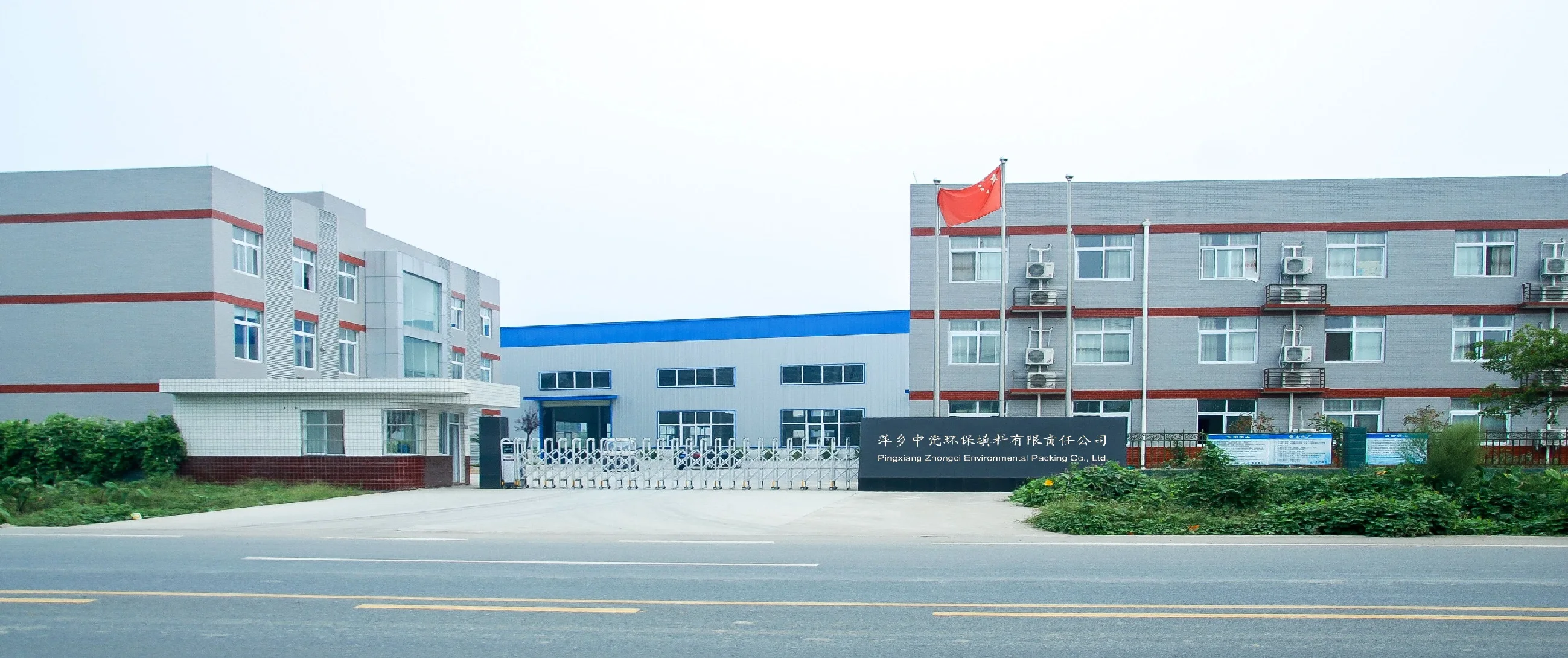
Pingxiang Zhongci Environmental Ceramics Material Co., Ltd.
- Trading Company
- Jiangxi, China
- Lead time15 days
- Avg. response≤ 3h
Main productsCeramic Ball,Random Packing,Aquarium Filter,Molecular Sieve,Converter Catalytic
Main marketsOceania(100.00%), Domestic Market(100.00%), Central America(100.00%), Africa(100.00%), Mid East(15.00%), Southeast Asia(15.00%), North America(15.00%), Eastern Europe(10.00%), South America(10.00%), Western Europe(10.00%), Southern Europe(10.00%), Northern Europe(5.00%), South Asia(5.00%), Eastern Asia(5.00%)

Pingxiang Rongjian Environmental Protection Chemical Packing Co., Ltd
- Verified by TUVRHEINLAND
- Combined
- China Jiangxi
- Lead time30 days
- Avg. response≤ 3h
Main productsCeramic Ball, Pall Ring, Molecular Sieve, Honeycomb Ceramic, Activated Alumina, Structured Packing, Metal Random Packing, Plastic Random Packing, Ceramic Random Packing
Main marketsDomestic
Liaoning Alger Building Material Industrial Co., Ltd.
- Verified by SGS Group
- Manufacturer, Trading Company
- Lead time15 days
- Avg. response≤ 1h
Main productsInsulating Glass Production Line, Glass Cutting Machine, Glass Washing Machine, Glass Tempering Furnace, Glass Edging Machine
Main marketsMid East(46%), South America(20%), North America(10%)
Liaoning Haitai Sci-Tech Development Co., Ltd.
- Manufacturer
- Liaoning, China
- Lead time30 days
- Avg. response≤ 1h
Main productsCatalysts
Main marketsDomestic Market(57.10%), Eastern Asia(20.70%), South Asia(20.70%), Mid East(1.00%), Southeast Asia(0.50%)
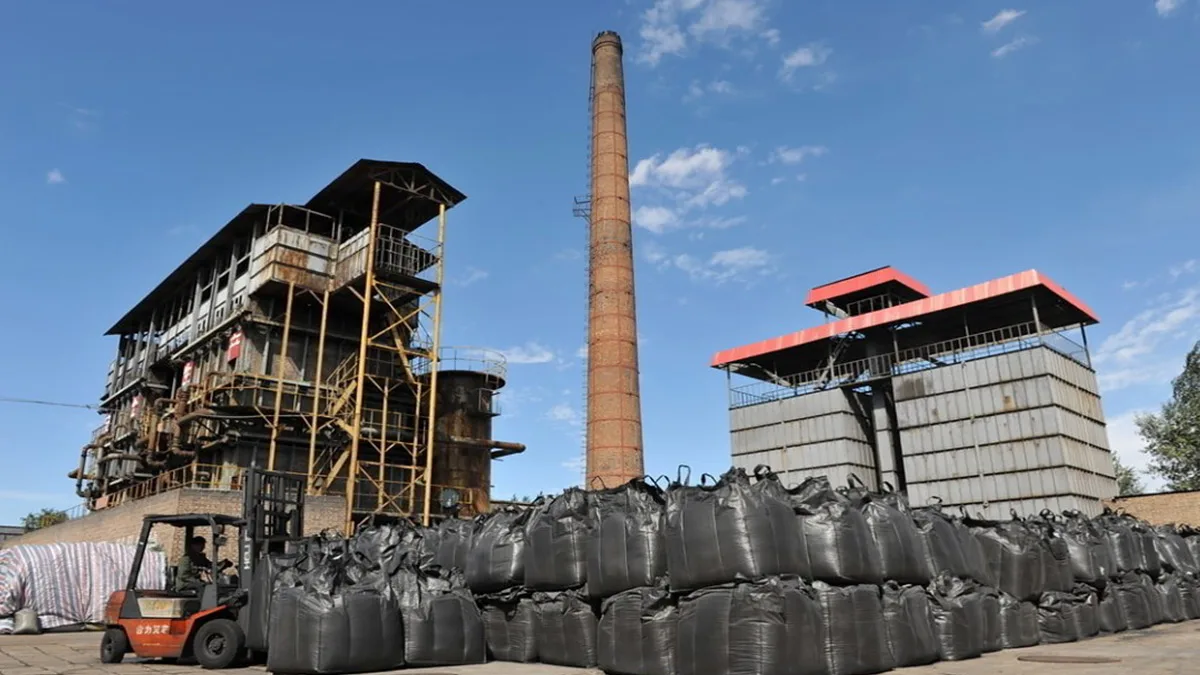
Zhengzhou Yihang Water Purification Material Co., Ltd.
- Manufacturer, Trading Company
- Henan, China
- Lead time10 days
- Avg. response≤ 4h
Main productsCoconut Shell Activated Carbon, Columnar Activated Carbon, Powdered Activated Carbon, Granular Activated Carbon, Honeycomb Activated Carbon
Main marketsDomestic Market(30.00%), Mid East(30.00%), South Asia(10.00%), Southeast Asia(10.00%), Eastern Asia(5.00%), Africa(5.00%), Central America(3.00%), North America(1.00%), South America(1.00%), Oceania(1.00%), Western Europe(1.00%), Southern Europe(1.00%), Northern Europe(1.00%), Eastern Europe(1.00%)

Pingxiang Zhongci Environmental Ceramics Material Co., Ltd.
- Manufacturer/Factory
- China Jiangxi
- Lead time23 days
- Avg. response≤ 4h
Main productsCeramic Ball, Alumina Ball, Random Packing, Aquarium Filter Media, Molecular Sieve, Tower Random Packing, Mbbr Filter Media, Grinding Ball, Brick, Honeycomb Ceramic
Main marketsSouth America,Eastern Europe,Mid East,North America,Southeast Asia,Eastern Asia,Oceania,Western Europe,Africa


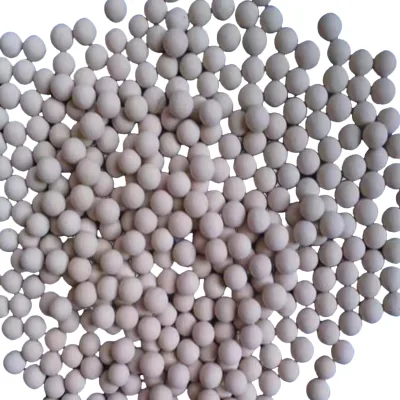
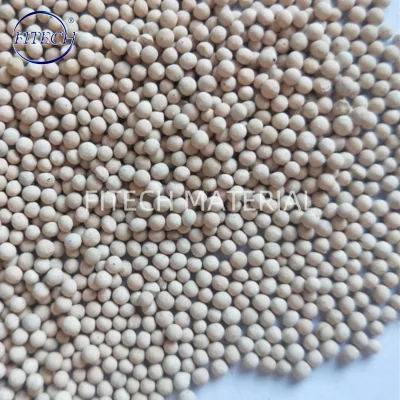
High Quality Wholesale 3A Molecular Sieve for Absorption Water as Desiccant
$1000.00 - $2000.00
MOQ: 1 Tons


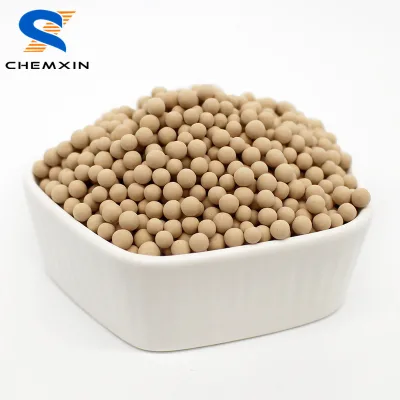
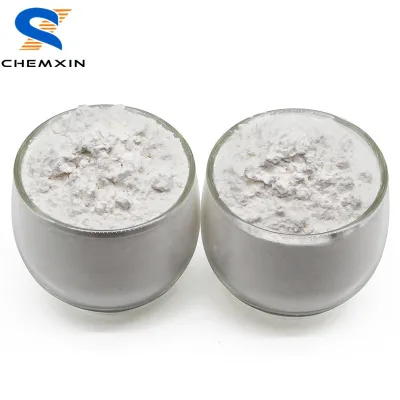
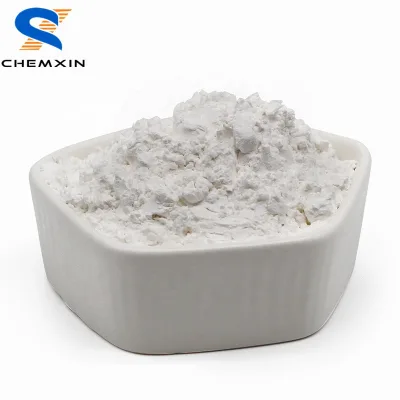
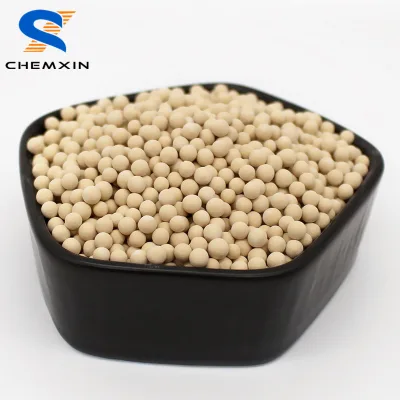
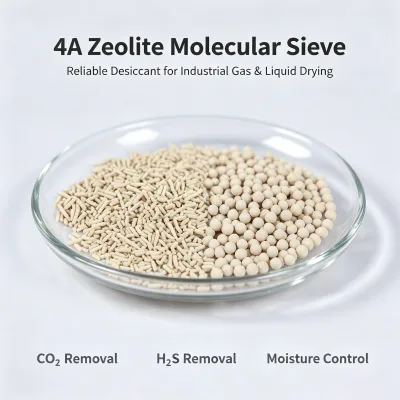
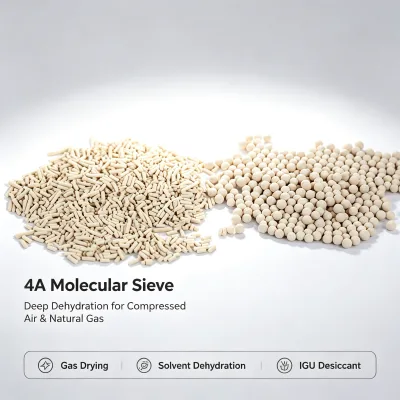
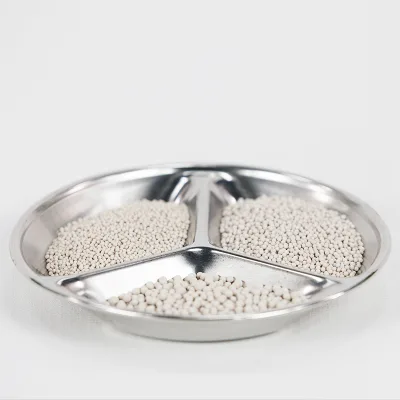


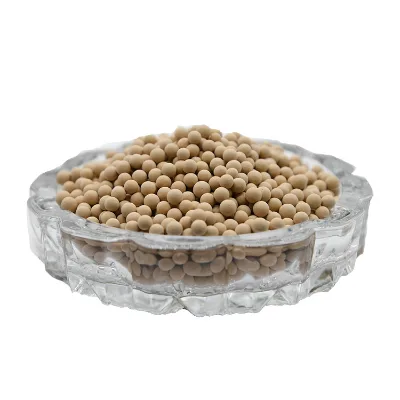


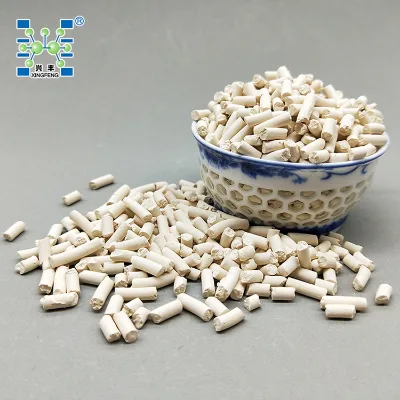
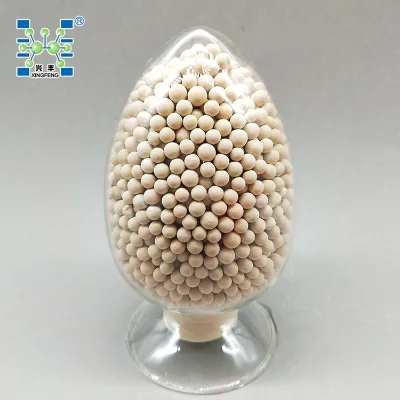
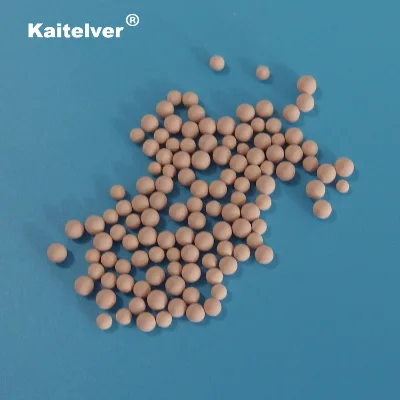
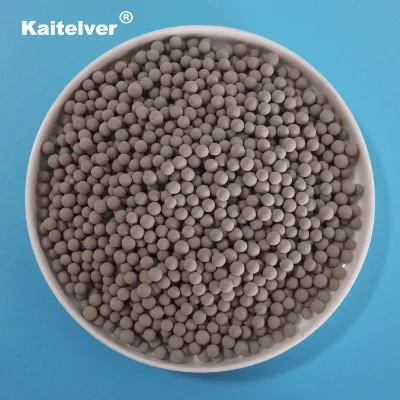
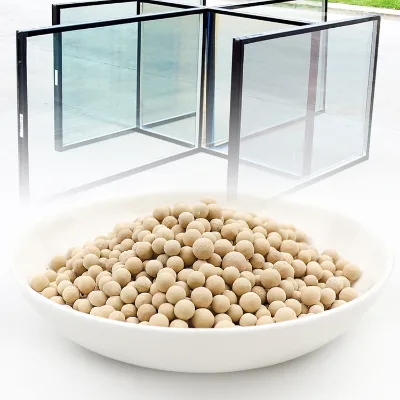
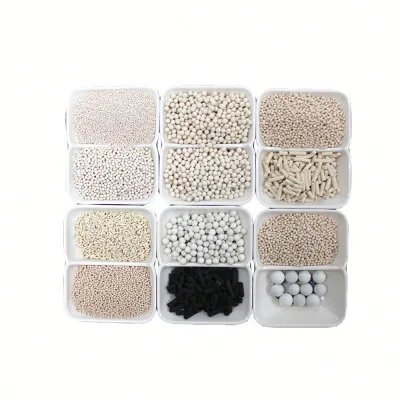


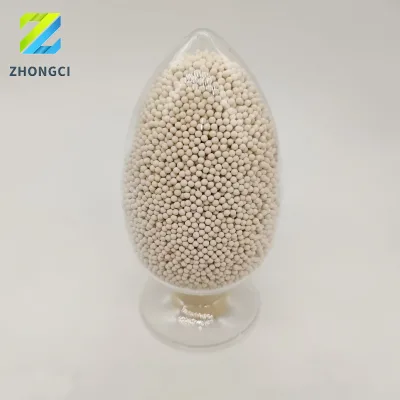
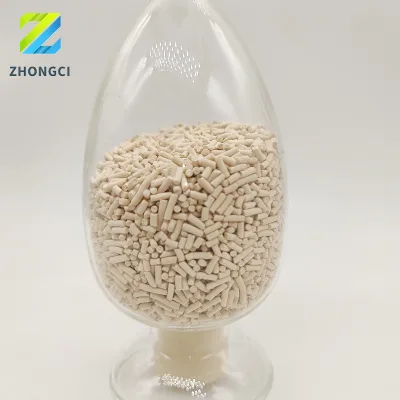
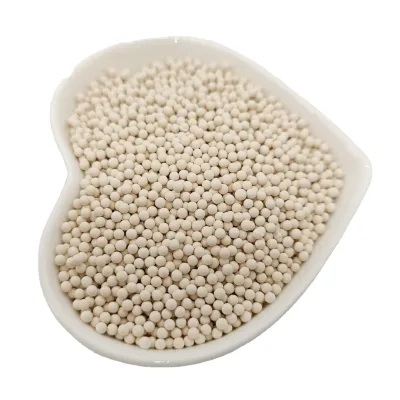
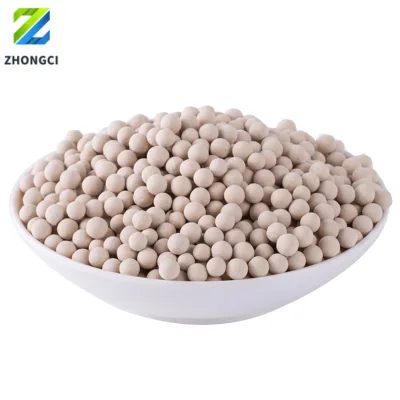


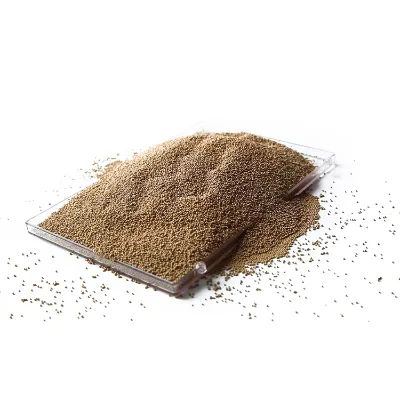
Comprehensive Sourcing Guide
Activated Alumina Molecular Sieve 3A Supplier Concentration and Factory Types
The sourcing landscape for Activated Alumina Molecular Sieve 3A reveals a distinct concentration of manufacturing capabilities within specific industrial regions, with China Jiangxi emerging as a notable hub for these specialized chemical auxiliary agents. Suppliers operating in this geographic cluster often benefit from established supply chains for raw zeolite materials and silica sources, which are critical for producing high-purity molecular sieves. The presence of combined company types in this region indicates a mix of direct manufacturing facilities and trading entities that may offer broader product portfolios. Buyers evaluating suppliers in this area should recognize that while the location suggests a high density of potential partners, the actual production capacity and quality control measures can vary significantly between entities. Some suppliers in this cluster may focus exclusively on molecular sieve production, while others might integrate it into a broader range of chemical auxiliary agents or catalysts. This diversity in business models means that buyers must carefully distinguish between pure manufacturers and trading companies to ensure they are dealing with the source of production. The concentration in Jiangxi also implies that logistics infrastructure is likely optimized for bulk chemical shipments, which can influence lead times and shipping costs. However, buyers should not assume that all suppliers in this region offer identical quality or service levels. The presence of verified suppliers, such as those with TUVRHEINLAND verification, suggests a tier of quality assurance that may not be uniformly distributed across all local entities. Understanding this concentration helps buyers narrow their search to regions with proven expertise in molecular sieve production, but it does not guarantee that every supplier in the area meets specific technical requirements. Buyers should use location as a starting point for due diligence rather than a definitive indicator of capability. The clustering effect also means that competition among suppliers in this region may drive innovation and competitive pricing, but it requires buyers to be vigilant in assessing the actual value proposition of each potential partner.
In addition to geographic concentration, the types of suppliers available for Activated Alumina Molecular Sieve 3A range from combined entities to specialized manufacturers with distinct operational focuses. Some suppliers identify themselves as having own brand capabilities, which often correlates with a higher degree of control over the production process and quality consistency. These suppliers may offer more standardized products with consistent specifications, which is crucial for applications requiring precise moisture removal performance. On the other hand, suppliers offering ODM and OEM services provide flexibility for buyers who need customized particle sizes, bulk densities, or specific adsorption characteristics tailored to their unique industrial processes. The main products listed by suppliers often include a variety of molecular sieve types, such as 3A, 4A, and 13X, indicating that many factories are equipped to handle multiple product lines. This versatility can be advantageous for buyers who require a single source for different drying needs, but it may also indicate that the supplier is a trading company rather than a specialized manufacturer. Buyers should investigate the specific manufacturing capabilities of each supplier to determine if they have dedicated production lines for molecular sieves or if these products are part of a broader chemical portfolio. The presence of certifications like ISO9001:2015 among some suppliers suggests a commitment to quality management systems, which is a positive indicator for long-term supply stability. However, buyers should verify that these certifications are current and relevant to the specific product being purchased. The distinction between supplier types is critical because it affects not only the price but also the level of technical support and customization available. Buyers seeking high-volume, standardized orders may prefer suppliers with strong own-brand capabilities, while those needing specialized solutions may benefit from suppliers with robust OEM/ODM infrastructure. Understanding these differences allows buyers to align their sourcing strategy with their specific operational needs and risk tolerance.
How to Verify Activated Alumina Molecular Sieve 3A Suppliers
Verifying the credibility and capability of Activated Alumina Molecular Sieve 3A suppliers requires a multi-layered approach that goes beyond basic company profiles. One of the most critical steps is to check for third-party verification badges, such as TUVRHEINLAND, which indicate that an independent body has assessed the supplier’s business legitimacy and operational capabilities. Buyers should treat these verifications as a baseline requirement rather than a guarantee of product quality, as they primarily confirm the existence and legal standing of the entity. In addition to verification badges, buyers should request and review system certifications like ISO9001:2015, which demonstrate a structured approach to quality management. It is essential to confirm that these certifications are valid and cover the specific manufacturing processes for molecular sieves. Buyers should also look for evidence of product testing, such as available test reports and MSDS documents, which provide critical data on the chemical composition, safety handling, and performance characteristics of the molecular sieve. These documents are not just regulatory formalities but are vital for ensuring that the product meets the specific technical requirements of the buyer’s application. For instance, static water adsorption capacity and compressive strength are key performance indicators that should be verified through recent test results. Buyers should request these documents before placing any orders and compare them against industry standards or their own internal specifications. If a supplier cannot provide these documents promptly, it may indicate a lack of transparency or quality control. Additionally, buyers should verify the supplier’s response time, as a quick and professional response often correlates with better customer service and operational efficiency. A response time of under 10 hours, for example, suggests a responsive team that can address technical queries and order issues promptly. This responsiveness is particularly important for complex chemical products where technical support is crucial. Buyers should also assess the supplier’s communication style and willingness to provide detailed information, as this can be a strong indicator of their reliability and professionalism.
Beyond documentation and response times, buyers should conduct deeper due diligence by examining the supplier’s production capacity and facility details. Suppliers that list their main products and specific product attributes, such as particle size ranges and bulk densities, demonstrate a level of specificity that is often associated with genuine manufacturers. Buyers should look for suppliers that provide detailed product specifications, including appearance, usage, and application areas, as this indicates a thorough understanding of their products. It is also important to verify the supplier’s establishment year and company type, as these factors can provide insights into their experience and business model. Combined company types may offer a wider range of products but might have less specialized expertise in molecular sieves compared to dedicated manufacturers. Buyers should also check for any claims of customization capabilities, such as available sizes or specific adsorption properties, and verify if the supplier has the infrastructure to support these requests. For suppliers offering OEM or ODM services, buyers should inquire about their minimum order quantities for customized products and the lead times associated with these orders. Additionally, buyers should look for evidence of past performance, such as client testimonials or case studies, although these should be treated with caution and verified independently. It is also advisable to check if the supplier has any history of disputes or negative feedback, which can be found through independent review platforms or industry networks. Buyers should also consider the supplier’s location and logistics capabilities, as these factors can impact shipping times and costs. Suppliers located in industrial hubs like Jiangxi may have better access to raw materials and shipping infrastructure, but buyers should still verify their logistics partnerships and reliability. By combining these verification steps, buyers can build a comprehensive profile of each supplier and make informed decisions based on evidence rather than assumptions. This thorough approach minimizes the risk of engaging with unreliable partners and ensures that the selected supplier can meet the buyer’s technical and operational requirements.
What to Compare Across Activated Alumina Molecular Sieve 3A Suppliers
When evaluating multiple suppliers for Activated Alumina Molecular Sieve 3A, buyers must systematically compare key operational and commercial metrics to identify the most suitable partner. One of the primary dimensions for comparison is lead time, which directly impacts inventory management and production scheduling. Suppliers may offer varying lead times, such as 15 days or 30 days, depending on their production capacity and current order backlog. Buyers should align their choice with their production timeline, selecting suppliers who can consistently meet their required delivery windows. It is also crucial to compare the minimum order quantity (MOQ) requirements, as these can range from small quantities like 1 unit to larger bulk orders of 1000 units or more. Suppliers with lower MOQs may be more suitable for trial orders or smaller-scale operations, while those with higher MOQs might offer better economies of scale for large-volume buyers. Buyers should also assess the price ranges offered by different suppliers, noting that prices can vary significantly based on product specifications, packaging, and order volume. For example, some suppliers may list prices between $1.45 and $2.00 per unit, while others may have higher price points for specialized grades. Buyers should request detailed quotations that break down costs by product type, packaging, and shipping terms to ensure accurate comparisons. In addition to price and quantity, buyers should compare the response times of suppliers, as faster responses often indicate better customer service and operational efficiency. A response time of under 10 hours is generally considered good, but buyers should also evaluate the quality and depth of the responses received. Suppliers that provide comprehensive technical information and prompt answers to queries are likely to be more reliable partners. Buyers should also compare the certifications and verifications held by each supplier, prioritizing those with recognized third-party verifications and relevant quality management certifications. The presence of ISO9001:2015 and TUVRHEINLAND verification are strong indicators of a supplier’s commitment to quality and legitimacy. Buyers should also compare the main products and capabilities of each supplier, looking for those that specialize in molecular sieves and offer the specific grades and forms required for their application. Suppliers with a focus on molecular sieves are likely to have deeper technical expertise and more consistent product quality. By systematically comparing these dimensions, buyers can create a weighted scoring system to objectively evaluate and select the best supplier for their needs.
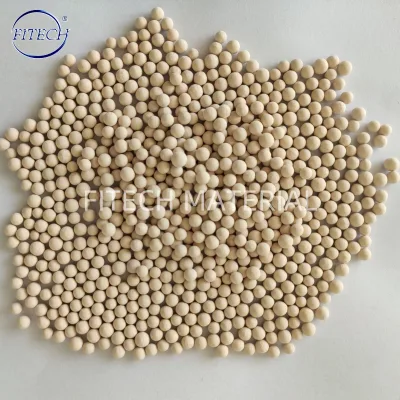
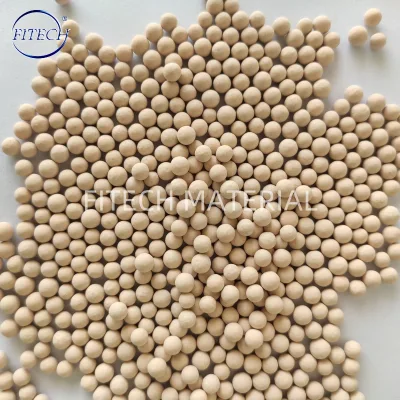
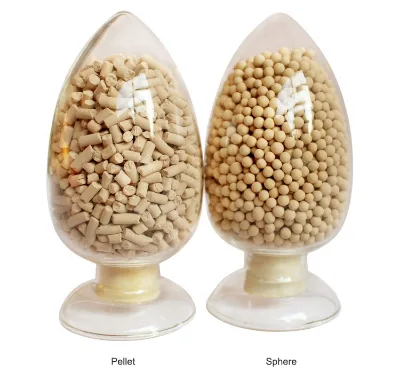
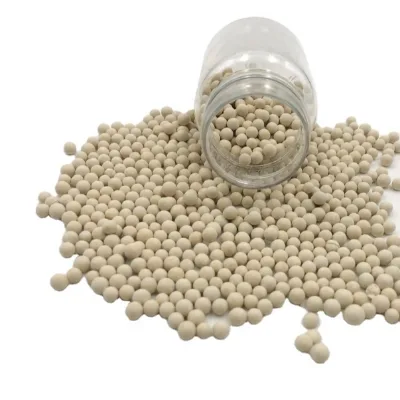
Beyond operational metrics, buyers should also compare the technical specifications and product attributes offered by different suppliers to ensure compatibility with their specific applications. Molecular sieves come in various forms, such as spheres, granules, or pellets, with different particle sizes and bulk densities. Buyers should compare these physical attributes to ensure they match their equipment requirements and process conditions. For instance, some applications may require specific particle sizes like 1.7-2.5mm or 3.0-5.0mm, while others may need granular forms for better flow characteristics. Buyers should also compare the adsorption performance metrics, such as static water adsorption capacity and compressive strength, which are critical for the efficiency and longevity of the molecular sieve in use. Suppliers that provide detailed technical data sheets and performance guarantees are likely to be more transparent and reliable. Buyers should also compare the packaging options offered by each supplier, as proper packaging is essential for protecting the molecular sieve from moisture and contamination during transit. Common packaging methods include plastic bags, carton boxes, steel drums, and kraft bags, each with different levels of protection and cost implications. Buyers should select packaging that ensures product integrity while minimizing shipping costs. Additionally, buyers should compare the customization capabilities of suppliers, such as the ability to produce specific sizes or formulations. Suppliers that offer customization services can provide tailored solutions for unique application requirements, but buyers should verify the associated lead times and MOQs for customized orders. It is also important to compare the supplier’s after-sales support and technical assistance offerings, as these can be valuable resources for troubleshooting and optimization. Suppliers that provide ongoing technical support and are willing to collaborate on process improvements are likely to be more valuable long-term partners. By comparing these technical and service-related dimensions, buyers can ensure that the selected supplier not only meets their immediate product needs but also supports their long-term operational success. This comprehensive comparison approach helps buyers make informed decisions that balance cost, quality,
FAQs
What is the price range for 3A molecular sieve?
Prices for 3A molecular sieve typically range from $1.08 to $2.50 per unit depending on specifications. Some bulk listings show higher price points around $1500 to $1800 for specific packaging or grades. Buyers should verify exact pricing based on order volume and required particle sizes.
What is the minimum order quantity for these products?
Minimum order quantities vary significantly by supplier and product type. Some suppliers accept orders as low as one unit, while others require a minimum of 1000 units. Buyers must check individual product listings to confirm the specific MOQ applicable to their desired quantity and packaging requirements.
How long does delivery take for molecular sieve orders?
Lead times for molecular sieve orders generally range from 15 to 30 days. This timeframe depends on the supplier's current production capacity and inventory levels. Buyers should confirm the specific lead time with the supplier before placing an order to ensure it aligns with their project schedule.
What certifications do these suppliers hold?
Many suppliers hold ISO9001:2015 certificates for quality management systems. Some suppliers also display TUVRHEINLAND verification for additional assurance. Buyers should request specific certification documents and test reports to verify compliance with their industry standards and quality requirements before finalizing any purchase agreements.
Where are these molecular sieve suppliers located?
Suppliers offering molecular sieve products are primarily located in Jiangxi, China. This region is known for producing various zeolite and molecular sieve materials. Buyers can filter search results by this location to find suppliers with established manufacturing capabilities and logistical advantages for international shipping.
What are the common applications for 3A molecular sieve?
3A molecular sieve is commonly used for drying methanol, ethanol, and natural gas. It is also effective for dehydration of unsaturated hydrocarbons and refrigerant drying. Additionally, it serves applications in hollow glass manufacturing and air compressor systems where moisture removal is critical for operational efficiency.