Aerosol Liquid Carpet Foam Cleaner Suppliers and Manufacturers
Compare 24 verified suppliers of Aerosol Liquid Carpet Foam Cleaner based on location, lead time, and certifications. Review product specifications and response times to select a factory that meets your customization needs; review the available evidence before requesting comparable quotations from suitable candidates.
Updated
Suppliers List

Linyi Yiqun Packaging Products Co., Ltd.
- Verified by SGS
- Manufacturer/Factory
- China Shandong
- Lead time90 days
- Avg. response≤ 4h
Main productsAir Freshener Spray, Insecticide Spray, Butane Gas Cartridge, Brake Cleaner, Carb Cleaner, Dashboard Polish, Tire Foam, Butane Gas Refill, Penetrating Oil, Rust Remover
Main marketsSouth America,Eastern Europe,Mid East,North America,Southeast Asia,Eastern Asia,Oceania,Western Europe,Africa
Shenzhen Unioue Technology Co., Ltd.
- Manufacturer, Trading Company
- Guangdong, China
- Lead time35 days
- Avg. response≤ 4h
Main productsPainting Aerosols, Car Care Aerosol, Household Care Aerosol, Industrial Aerosol, Sport Aerosol
Main marketsWestern Europe(70.00%), North America(15.00%), Oceania(12.00%), Domestic Market(3.00%)

Zhongshan Tekoro Car Care Industry Co., Ltd.
- Verified by TUVRHEINLAND
- Manufacturer/Factory
- China Guangdong
- Lead time23 days
- Avg. response≤ 25h
Main productsSpray Paint, Car Care Products, Spray Lubricant, Fuel Additive, Auto Parts Cleaner, Car Wax, Dashboard Polish, Car Cleaner, Tire Sealer and Inflator, PVA Chamois Cloth
Main marketsSouth America,Eastern Europe,Mid East,North America,Eastern Asia,Oceania,Western Europe,Africa


Multi-Purpose Foam Cleaner, Foaming Cleaner, Carpet and Upholstery Cleaner
$0.70 - $0.90
MOQ: 6000 Pieces
Linyi Yiqun Packaging Products Co., Ltd
- Verified by TüVRheinland
- Manufacturer, Trading Company
- Lead time30 days
- Avg. response≤ 3h
Main productsDisinfectant Spray, Air Freshener Spray, Insecticide Spray, Butane Gas Cartridge, Car Care Products
Main marketsDomestic Market(49%), Western Europe(12%), North America(11%)

Hubei Marine Fine Chemical Co., Ltd.
- Verified by TUVRHEINLAND
- Manufacturer/Factory
- China Hubei
- Lead time23 days
- Avg. response≤ 6h
Main productsAir Freshener, Personal Care Product, Hand Sanitizer, Disinfectant Spray, Spray Paint, Household Cleaning Product, Car Care Products, Insecticide Spray, Mosquitco Coil
Main marketsSouth America,Eastern Europe,Mid East,North America,Southeast Asia,Africa

Household Cleaning Chemicals Carpet Aerosol Stain and Odor Foaming Spray Foam Cleaner
$0.50 - $0.55
MOQ: 20000 Pieces

Aerosol Carpet Foam Spray Upholstery Cleaner for Home and Car Carpet/Upholstery
$0.50 - $0.55
MOQ: 20000 Pieces
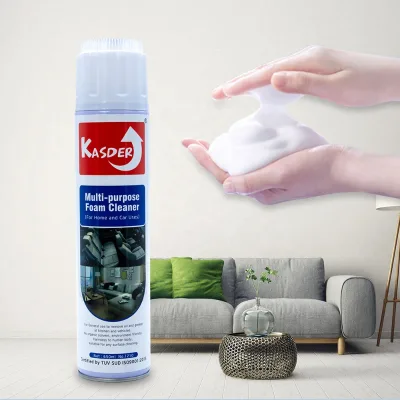
Guangzhou Kasder Auto Supplies Co., Ltd.
- Verified by Intertek
- Manufacturer, Trading Company
- Lead time30 days
- Avg. response≤ 9h
Main productsCar Care Products, Car Cleaners, Car Detailing Products, Lubricants, Car Maintenance Consumables
Main marketsSoutheast Asia(30%), Mid East(30%), North America(10%)
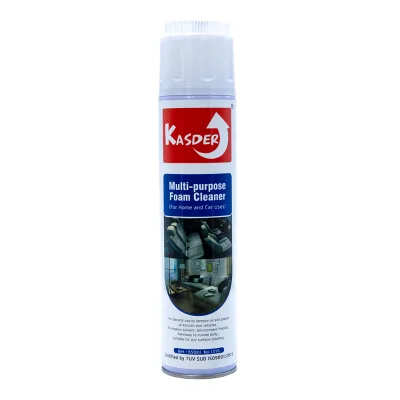
$0.80 - $0.90
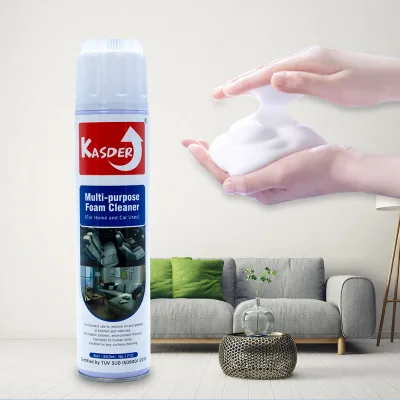
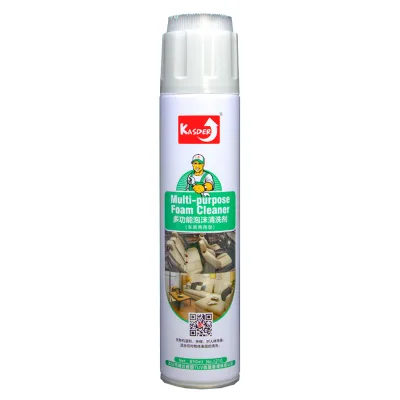
Jinhua Lvhua Plastic Co., Ltd.
- Verified by Intertek
- Manufacturer, Trading Company
- Lead time30 days
- Avg. response≤ 3h
Main productsSnow Spray, Party String, Body Spray, Shaving Foam, Hair Spray
Main marketsNorth America(45%), Mid East(15%), Eastern Europe(10%)
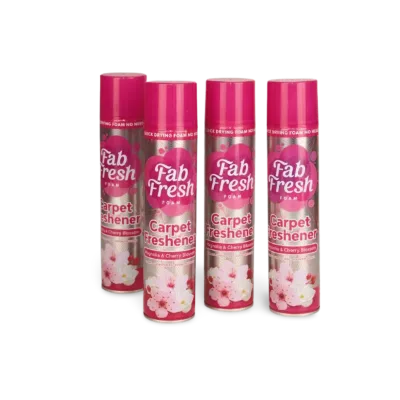
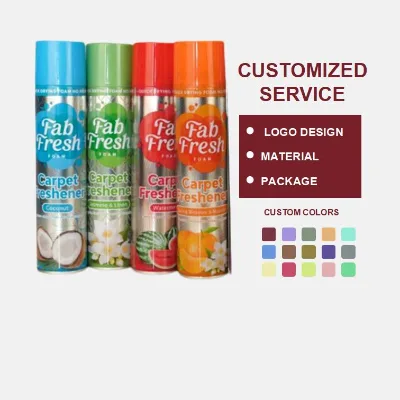
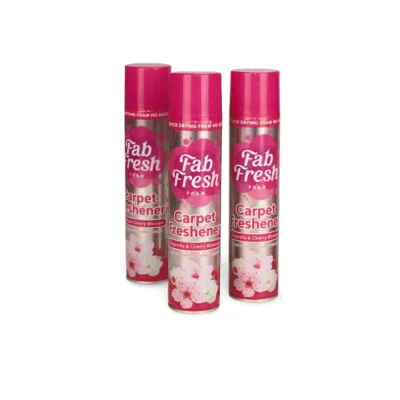
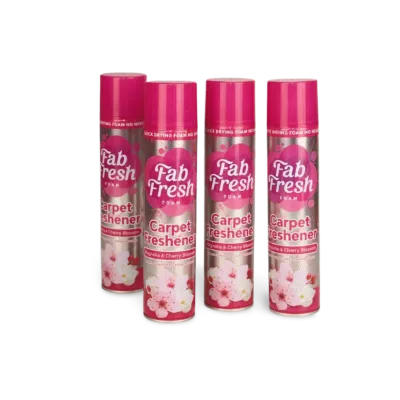
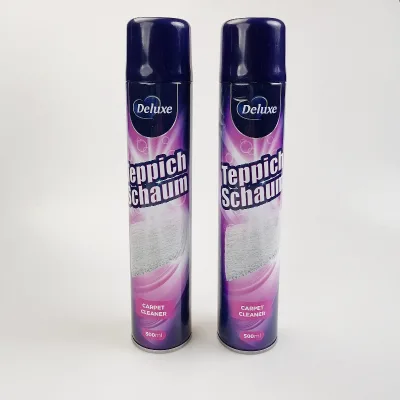
Mat Cleaner Spray Wet Dry Deodorization All Multifunction Aerosol Carpet Spray Cleaner
$0.39 - $0.49
MOQ: 10000
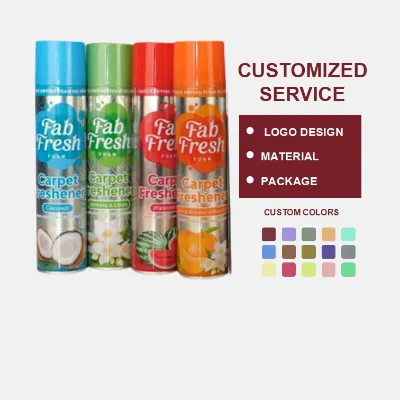
Mat Cleaner Spray Wet Dry Deodorization All Multifunction Aerosol Carpet Spray Cleaner
$0.39 - $0.49
MOQ: 10000
Shandong Saigao New Materials Co., Ltd.
- Verified by SGS Group
- Manufacturer, Trading Company
- Lead time28 days
- Avg. response≤ 5h
Main productsPU Foam Spray, Spray Paint, Fast Adhesive, Carburetor Cleaner, Butane Gas
Main marketsDomestic Market(35%), Southeast Asia(16%), Mid East(16%)

Guangzhou Veslee Chemical Co., Ltd.
- Verified by TUVRHEINLAND
- Combined
- China Guangdong
- Lead time30 days
- Avg. response≤ 11h
Main productsCar Care Products, Car Cleaning Products, Auto Maintenance, Aerosol Paint, Atuo Cosmetic, Auto Cleaning Products, Auto Care Products, Home Care and Cleaning Products, Household Products, Auto Washes
Main marketsSoutheast Asia/ Mideast
Guangzhou Lidi Automobile Supplies Co., Ltd.
- Verified by Intertek
- Manufacturer, Trading Company
- Lead time30 days
- Avg. response≤ 5h
Main productsBrake Fluid, Car Care Products, Coolant, Antifreeze, Engine Additives
Main marketsSouth America(32%), Africa(30%), Domestic Market(20%)
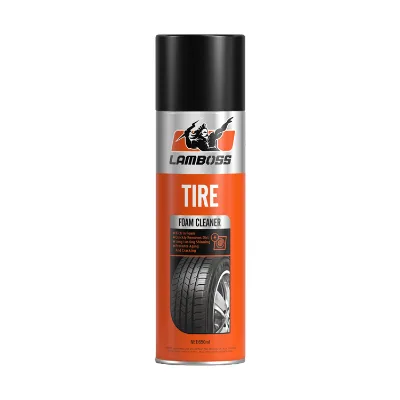
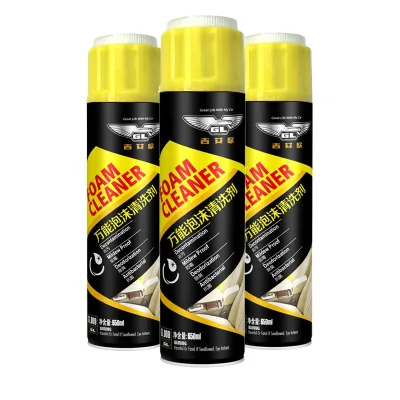
Powerful Multifunctional Car Foam Cleaner Manufacture Auto Carpet Cleaner
$0.6686 - $1.1302
MOQ: 6 pieces
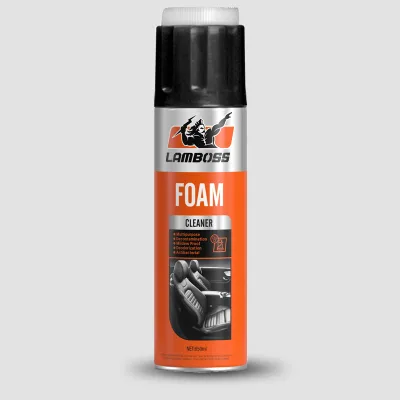
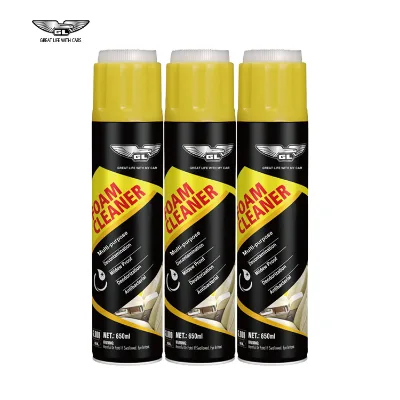
Leather Seats Cleaner Multi-Purpose Foam Cleaner Spray Sofa Cleaning Wholesale
$0.5276 - $0.7975
MOQ: 6000 pieces
Guangzhou GL Chemical Co., Ltd.
- Verified by TüVRheinland
- Manufacturer, Trading Company
- Lead time30 days
- Avg. response≤ 6h
Main productsBrake Fluid, Car Care Products, Antifreeze, Engine Additives
Main marketsAfrica(35%), South America(20%), North America(10%)
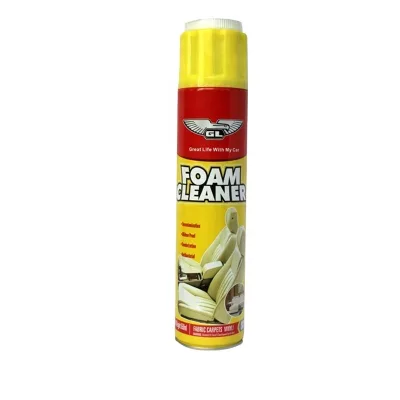
Oem Aerosol Foam Cleaner Manufacturer Carcare Multi Foam Cleaner for Accessories Interior Cleaning
$0.4332 - $0.6281
MOQ: 6 pieces
Customization Label Car Cleaning All-purpose Foaming Cleaner Factory Carpet Cleaner
$0.6116 - $0.8499
MOQ: 6000 pieces
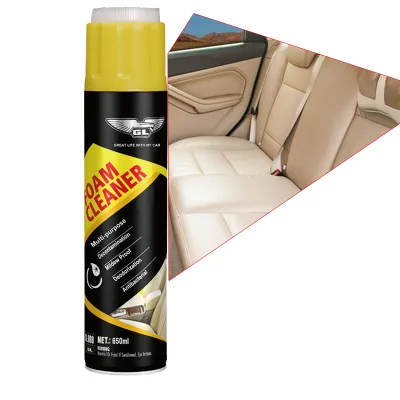
Multi-Purpose Surface Protectant Carpet Cleaner Foam Spray Premium Wash Solution
$0.4947 - $0.8544
MOQ: 7 pieces
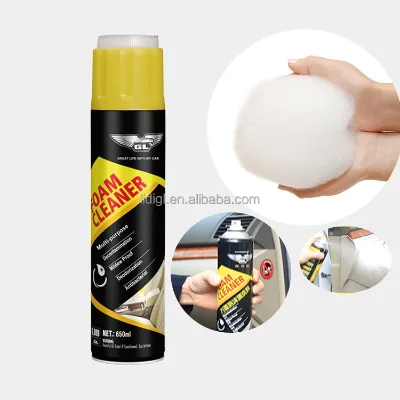
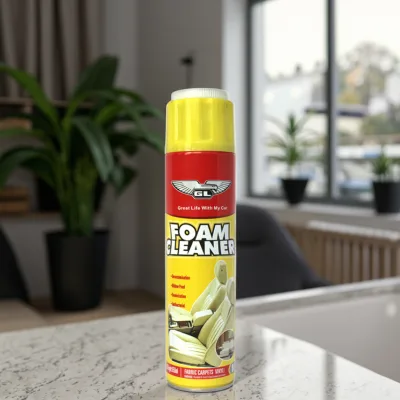
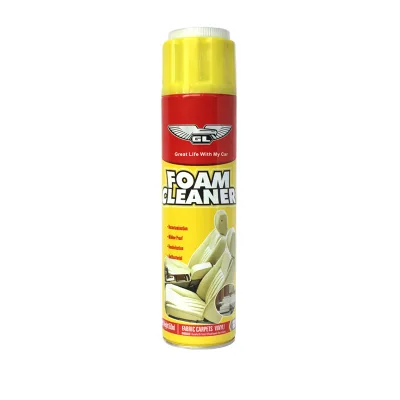
650ml Functional Multi Purpose Cleaning Foam Deep Cleaning Auto Carpet Cleaner
$0.5052 - $0.9264
MOQ: 6 pieces
Guangdong Laya New Chemical Technology Co., Ltd.
- Verified by Intertek
- Manufacturer, Trading Company
- Lead time25 days
Main productsAir Fresheners, Insect Repellents, Other Car Care Products, Cleaner & Wash, Rust Protection Chemicals
Main marketsDomestic Market(80%), Eastern Asia(4%), Africa(4%)

Blue Sea Aerosol & Daily Care Co., Ltd
- Verified by SGS
- Combined
- China Hebei
- Lead time30 days
- Avg. response≤ 2h
Main productsHair Spray, Shave Cream, Air Freshener, Antiperspirant Spray, Oven Cleaner, Furniture Polish, Dry Shampoo, Body Spray, Dashboard Polish, Foot Spray
Main marketsSouth America,Africa,East Asia(Japan/ South Korea),Domestic,Europe,North America

Zhongshan Michel Chemicel Co., Ltd.
- Verified by BV
- Combined
- China Guangdong
- Lead time23 days
- Avg. response≤ 9h
Main productsTire Sealant Aerosol Paint Industrial Glue and
Main marketsDomestic


Multi-Purpose and Deep Cleaning Car Foam Cleaner Seat Cover Carpet Cleaner
$0.80 - $1.00
MOQ: 7500 Pieces

Foaming Cleaner for Leather Fabric Textile Foam Sofa Cleaner Leather Spray Foam Cleaner
$0.80 - $1.00
MOQ: 7500 Pieces


GUANGZHOU LIDI AUTOMOBILE SUPPLIES CO., LTD
- Combined
- China Guangdong
- Lead time30 days
- Avg. response≤ 16h
Main productsAntifreeze Coolant, Brake Fluid, Carburetor Cleaner, Anti Rust Lubricant, Brake Oil, Engine Additives, Engine Oil, Car Care Products, Grease, Lubricant
Main marketsSouth America,Africa,Southeast Asia/ Mideast,Domestic

Guangzhou Qidianban Car Accessories Co., Ltd.
- Trading Company
- Guangdong, China
- Lead time25 days
- Avg. response≤ 1h
Main productsCar Cleaning, Household Cleaning, Pet Cleaning
Main marketsSoutheast Asia(40.00%), Africa(25.00%), Eastern Asia(10.00%), Domestic Market(10.00%), Mid East(10.00%), South Asia(5.00%)

Linyi Xingguan Technology Co., Ltd.
- Combined
- China Shandong
- Lead time15 days
- Avg. response≤ 3h
Main productsCar Care Product, Carb & Choke Cleaner, Spray Paint, Lubricant
Main marketsDomestic

Multi-Purpose Foam Cleaner, Foaming Cleaner, Carpet and Upholstery Cleaner
$0.59 - $0.90
MOQ: 7500 Pieces

Linyi Shengjian Industry and Trade Co., Ltd.
- Verified by Intertek
- Manufacturer, Trading Company
- Lead time30 days
- Avg. response≤ 8h
Main productsInsecticide Spray, Air Freshener, PU Foam, Spray Paint, Mosquito Coil
Main marketsAfrica(80%), Eastern Europe(10%), South Asia(10%)
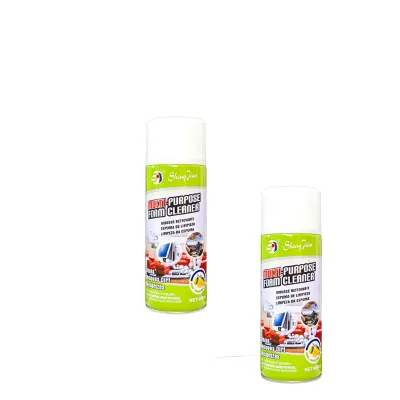
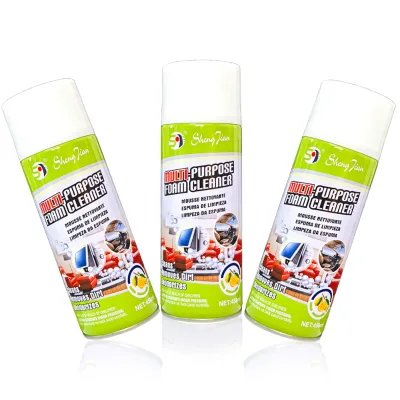
450ML Car Multi-Purpose All Purpose Foam Cleaner for Carpet Upholstery Fabric Washing
$0.35 - $0.45
MOQ: 10000
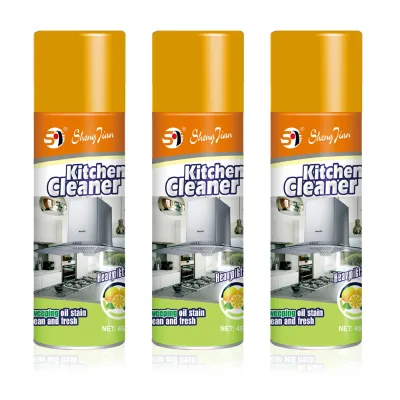
Eco-Friendly Multi-Purpose Foam Cleaner for Kitchen Removes Bacteria and Stains Household Chemicals
$0.57 - $0.60
MOQ: 10000 pieces
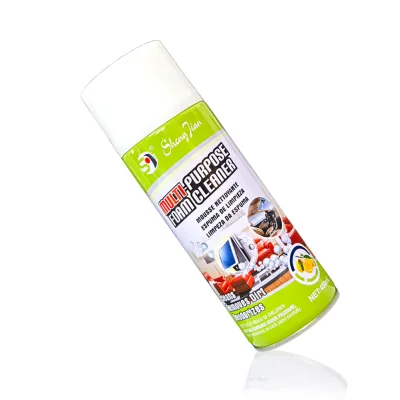
$0.35 - $0.45
MOQ: 10000 pieces

Guangdong Maydos Building Materials Limited Company
- Combined
- China Guangdong
- Lead time15 days
- Avg. response≤ 18h
Main productsWood Paint, Wood Lacquer, Furniture Paint, Emulsion Paint, Adhesive, Wood Coating, Contact Adhesive, All-Purpose Adhesive, Acrylic Paint, Epoxy Floor Paint
Main marketsSouth America,Africa,Others(foreignTradeCapacity.exportBusinessCapacityMarketOther),Southeast Asia/ Mideast,East Asia(Japan/ South Korea),Domestic,Europe,Australia,North America

Home & Car Aerosol Foam Cleaner Multifonction Foam Cleaner Spray Packaging 650ml
$0.50 - $1.20
MOQ: 2000 Pieces

Car Interior Universal Aerosol Foam Cleaner 650ml Multipurpose Foam Cleaner Spray
$0.50 - $1.20
MOQ: 2000 Pieces

Shenzhen I-Like Fine Chemical Co., Ltd.
- Verified by BV
- Trading Company,Manufacturer/Factory
- China Guangdong
- Lead time45 days
- Avg. response≤ 8h
Main productsSpray Paint, Car Cleaning Products, Car Care Products, Silicone Sealant, PU Foam Spray, Rubber Paint, Tire Sealer Inflator, Construction Foam, Tire Sealant, Expanding Foam Spray
Main marketsSouth America,Eastern Europe,Mid East,North America,Southeast Asia,Eastern Asia,Oceania,Western Europe,Africa


Multifunctional All Purpose Foam Cleaner Spray for Car Seat Carpet Upholstery Sofa Cleaner
$1.19 - $1.39
MOQ: 7500 Pieces


Foshan Cleanic Cleaning Equipment Limited
- Verified by Intertek
- Manufacturer, Trading Company
- Lead time0 days
- Avg. response≤ 2h
Main productsCleaning Trolley, Cleaning Machines, Window Squeegee, Floor Squeegee, Cleaning Chemicals
Main marketsDomestic Market(50%), Southeast Asia(20%), Mid East(10%)
Zhongshan Jietai Daily Chemical Co., Ltd.
- Verified by TüVRheinland
- Manufacturer, Trading Company
- Lead time20 days
- Avg. response≤ 6h
Main productsCoffee Machine Cleaner, Household Cleaner, Kitchen Cleaner, Bathroom Cleaner, Swimming Pool Cleaner
Main marketsNorth America(40%), Western Europe(35%), South America(5%)
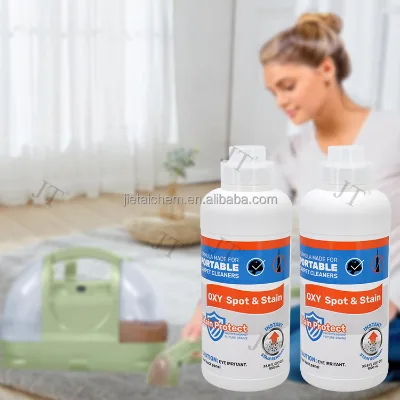
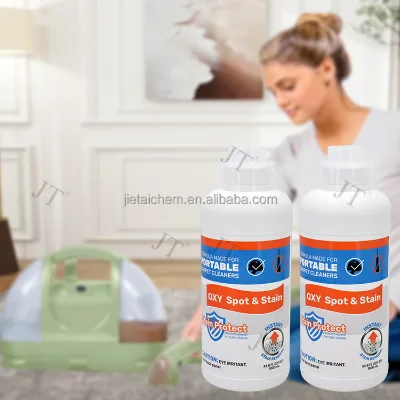
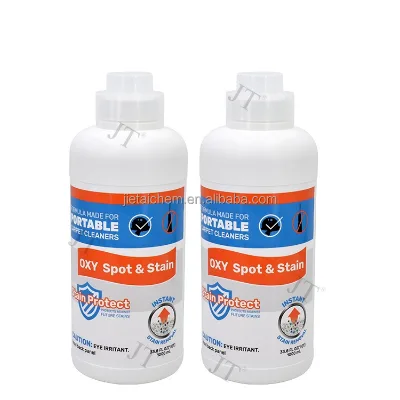
Free Sample Carpet Cleaning Agent Deep Cleaning Household Portable Carpet Cleaner
$2.4704 - $2.6757
MOQ: 3 pieces
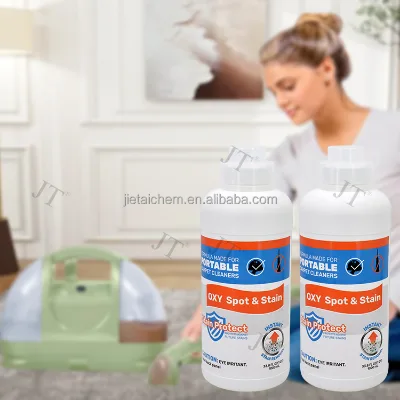
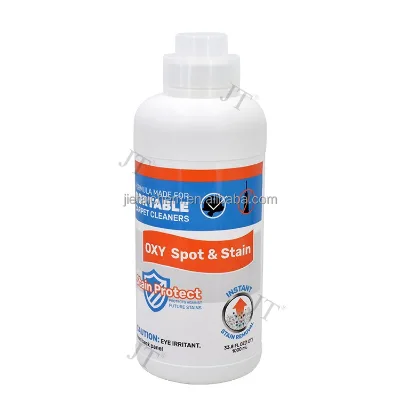
Professional Household Car Carpet Cleaner Remove Grime Industrial Carpet Cleaner
$2.4704 - $2.6757
MOQ: 3 pieces
Foshan Geao New Material Technology Co., Ltd.
- Verified by SGS Group
- Manufacturer, Trading Company
- Lead time15 days
- Avg. response≤ 2h
Main productsSneaker Cleaning Kits , Shoe Polish, Furniture Care Kit , Sports Grip Spray , PFAS-Free Waterproofing Spray
Main marketsDomestic Market(30%), North America(20%), Oceania(15%)
Guangzhou Jieti Biotechnology Co., Ltd.
- Verified by TüVRheinland
- Manufacturer, Trading Company
- Lead time15 days
- Avg. response≤ 2h
Main productsLaundry Detergent Pods, Scent Booster Beads
Main marketsEastern Europe(40%), North America(27%), South America(10%)


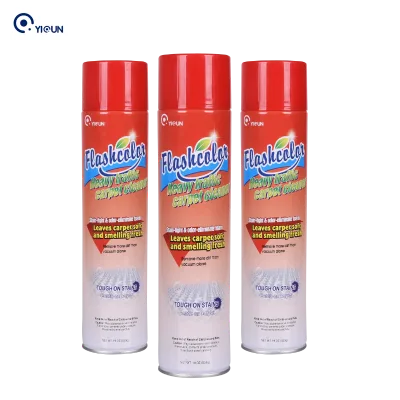
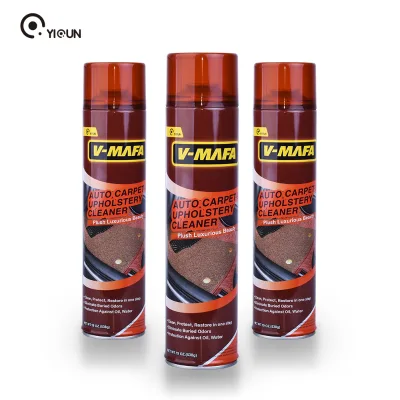
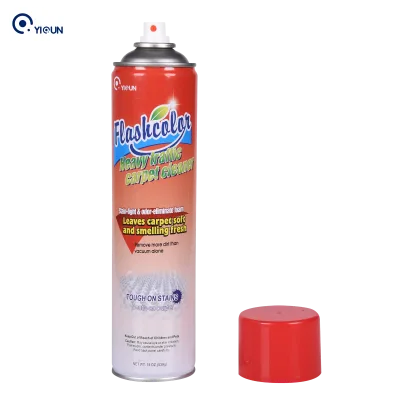
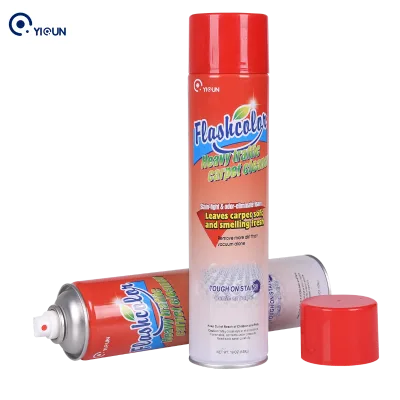




Comprehensive Sourcing Guide
Aerosol Liquid Carpet Foam Cleaner Supplier Concentration and Factory Types
The current supplier landscape for Aerosol Liquid Carpet Foam Cleaner reveals a distinct concentration of manufacturing capabilities within specific Chinese industrial hubs. Evidence indicates that a significant portion of these suppliers are located in Shandong, with specific operational bases noted in Qingdao. This geographic clustering suggests a mature supply chain ecosystem where raw material access, logistics infrastructure, and specialized manufacturing expertise converge to support high-volume production. Buyers evaluating this region should recognize that suppliers in Shandong often operate as dedicated manufacturers or factories, which typically implies direct control over the production process, quality assurance protocols, and inventory management. This structural advantage can translate into greater flexibility for customization and potentially more competitive pricing structures compared to trading entities. The presence of these factories in Shandong highlights the region's role as a key node for aerosol-based cleaning product distribution, offering buyers a concentrated pool of vetted production partners who understand the technical nuances of aerosol filling and chemical formulation.
In contrast to the Shandong-based manufacturing hubs, other suppliers in the dataset are identified as operating from Guangdong, China. These entities present a mixed operational model, with some functioning as manufacturers while others operate as trading companies. This distinction is critical for buyers to understand, as it directly impacts the nature of the commercial relationship, communication flow, and potential for direct factory engagement. Guangdong-based suppliers often specialize in a broader range of aerosol products, including painting aerosols, car care items, and household care sprays, indicating a versatile production capability that can accommodate diverse client needs. The dual nature of these suppliers—some being pure manufacturers and others trading companies—means that buyers must carefully assess the specific entity they are engaging with to determine if they are dealing with the actual production source or an intermediary. This variability requires a more nuanced due diligence process to ensure that the buyer’s requirements for direct factory interaction, if any, are met by the correct type of supplier within the Guangdong cluster.
How to Verify Aerosol Liquid Carpet Foam Cleaner Suppliers
Verification of Aerosol Liquid Carpet Foam Cleaner suppliers requires a multi-layered approach that goes beyond basic company registration checks. Buyers should prioritize suppliers who have undergone third-party verification processes, such as those conducted by SGS, which provides an additional layer of confidence regarding the supplier’s operational legitimacy and compliance with international standards. The presence of such verification badges serves as a preliminary indicator of reliability, suggesting that the supplier has met certain baseline criteria for business operations and product safety. However, verification is not a static guarantee; it is a snapshot of compliance at a specific point in time. Therefore, buyers must complement this initial check with active engagement strategies, such as requesting recent factory audit reports or video walkthroughs of the production lines. This active verification helps confirm that the supplier’s current operational capacity aligns with their claimed capabilities, ensuring that the manufacturing environment is clean, organized, and equipped to handle aerosol products safely and efficiently.
Beyond physical verification, buyers should rigorously assess the supplier’s certification portfolio to ensure alignment with international quality and safety standards. Relevant certifications such as ISO 9001 for quality management, ISO 14001 for environmental management, and OHSAS/OHSMS 18001 for occupational health and safety are critical indicators of a supplier’s maturity and commitment to standardized operations. Additionally, GMP (Good Manufacturing Practice) certification is particularly relevant for chemical and cleaning products, as it ensures that the manufacturing processes adhere to strict hygiene and quality controls. Buyers should request copies of these certificates and verify their validity through the issuing bodies. It is also important to check if the supplier’s certifications are specific to the aerosol cleaning product line or if they are general company-wide certifications. Understanding the scope of these certifications helps buyers gauge the supplier’s ability to maintain consistent quality and safety standards throughout the production process, reducing the risk of product defects or compliance issues in the final market.
What to Compare Across Aerosol Liquid Carpet Foam Cleaner Suppliers
When comparing suppliers, lead time is a critical metric that directly impacts inventory planning and market responsiveness. The data indicates a wide variance in production lead times, ranging from as short as 35 days to as long as 90 days. This disparity suggests that suppliers have different production capacities, inventory strategies, and supply chain efficiencies. Buyers should align their order timing with the supplier’s specific lead time capabilities to avoid stockouts or excessive inventory holding costs. For instance, a supplier with a 35-day lead time may be suitable for urgent replenishment orders, while a supplier with a 90-day lead time might require more advanced planning and larger batch orders. Understanding these differences allows buyers to diversify their supplier base, using faster-response suppliers for agile needs and longer-lead suppliers for bulk, cost-effective production runs. This strategic comparison ensures that the supply chain remains resilient and responsive to market fluctuations.
Another key dimension for comparison is the Minimum Order Quantity (MOQ) and pricing structure, which vary significantly across suppliers. MOQs in the current dataset range from 5,000 units to 25,000 units, reflecting different production batch sizes and cost structures. Suppliers with lower MOQs, such as those requiring 5,000 units, may be more accessible for smaller businesses or those testing new markets, while higher MOQs, such as 25,000 units, often correlate with lower per-unit prices due to economies of scale. Pricing also varies, with some products listed at fixed prices around $0.48 to $0.86 per unit, depending on the specific product specifications and customization options. Buyers should evaluate these factors in conjunction with the supplier’s response time, which ranges from 3.69 to 4 hours, indicating the speed of communication and potential for quick issue resolution. By comparing these operational metrics, buyers can identify suppliers that offer the best balance of cost, volume flexibility, and service responsiveness for their specific business needs.
Common Aerosol Liquid Carpet Foam Cleaner Sourcing Risks
One of the primary risks in sourcing aerosol liquid carpet foam cleaners is the potential inconsistency in product specifications and quality control. The dataset shows variations in product attributes such as capacity, ranging from 300ml to 1000ml, and pH levels, which can be base or neutral. These variations can significantly impact the product’s effectiveness and compatibility with different carpet materials. Buyers must ensure that the supplier’s specifications match their exact requirements, as even minor deviations can lead to customer dissatisfaction or product damage. Additionally, the customization options available, such as logo printing and packaging design, introduce another layer of complexity. If the supplier’s customization process is not well-managed, it can lead to errors in branding or packaging, resulting in wasted inventory and delayed shipments. Buyers should establish clear technical specifications and quality benchmarks before placing orders, and request pre-production samples to verify that the final product meets these standards.
Another significant risk is the reliability of the supplier’s supply chain and logistics capabilities. Aerosol products are classified as hazardous materials due to their pressurized nature, which imposes strict regulations on transportation and storage. Suppliers located in different regions, such as Shandong and Guangdong, may have varying levels of experience and infrastructure for handling hazardous goods. Buyers must verify that the supplier has the necessary certifications and partnerships for safe and compliant shipping. Failure to do so can result in shipping delays, additional costs, or even legal penalties. Furthermore, the response time of the supplier, which can vary from 3.69 to 4 hours, is a critical indicator of their ability to handle issues promptly. A slow response time can exacerbate problems related to quality defects or logistical delays, leading to significant disruptions in the buyer’s supply chain. Buyers should prioritize suppliers with proven track records in hazardous material logistics and responsive customer service to mitigate these risks.
Aerosol Liquid Carpet Foam Cleaner Regional Sourcing and Logistics
Sourcing from Shandong, particularly Qingdao, offers distinct logistical advantages due to its proximity to major ports and established industrial infrastructure. Suppliers in this region often benefit from streamlined export processes and competitive freight rates, which can reduce overall landed costs for buyers. The concentration of manufacturers in Shandong also facilitates easier coordination for factory audits and quality inspections, as buyers or their representatives can visit multiple suppliers in a single trip. This geographic clustering enhances the efficiency of the sourcing process, allowing for faster decision-making and problem resolution. However, buyers should also consider the specific logistics requirements of aerosol products, which may necessitate specialized handling and transportation methods. Ensuring that the supplier in Shandong has experience with international shipping regulations for hazardous materials is crucial to avoid delays or complications at customs.
In contrast, sourcing from Guangdong provides access to a diverse range of suppliers, including both manufacturers and trading companies, which can offer greater flexibility in product selection and customization. The Guangdong region is known for its vibrant manufacturing ecosystem and advanced logistics networks, making it a hub for various consumer goods. However, the mixed nature of suppliers in this region requires buyers to be more diligent in verifying the actual source of production. Trading companies may offer convenience and a wider product range, but they may also add a layer of markup and potential communication barriers. Buyers should assess the supplier’s logistics capabilities, including their experience with international shipping and their ability to handle the specific requirements of aerosol products. By understanding the logistical strengths and weaknesses of each region, buyers can make informed decisions that align with their supply chain strategies and cost objectives.
Aerosol Liquid Carpet Foam Cleaner Commercial Terms and Order Planning
Effective order planning for aerosol liquid carpet foam cleaners requires a thorough understanding of the commercial terms offered by suppliers, including payment terms, warranty policies, and after-sales support. The dataset indicates that suppliers offer various customization options, such as OEM and ODM services, which can be tailored to meet specific brand requirements. Buyers should negotiate clear terms for customization, including design approvals, sample production, and mass production timelines. Additionally, it is important to establish clear quality assurance protocols, including inspection rights and defect resolution procedures. Suppliers with established certifications like ISO 9001 and GMP are more likely to have robust quality control systems in place, reducing the risk of product defects. Buyers should leverage these certifications as a basis for negotiating favorable commercial terms, ensuring that the supplier is committed to maintaining high standards of quality and service.
Pricing and MOQ structures also play a crucial role in order planning, as they directly impact cash flow and inventory management. Buyers should analyze the price ranges and MOQs of different suppliers to identify the most cost-effective options for their business model. For instance, suppliers with lower MOQs may be suitable for initial market entry or testing, while those with higher MOQs and lower prices may be better for established product lines. Buyers should also consider the total cost of ownership, including shipping, customs duties, and potential tariffs, when evaluating supplier quotes. By carefully planning orders based on these commercial terms, buyers can optimize their supply chain efficiency, reduce costs, and ensure a steady supply of high-quality aerosol liquid carpet foam cleaners. This strategic approach to order planning helps mitigate risks and maximizes the value derived from supplier relationships.
FAQs
What certifications do these manufacturers hold?
Suppliers in this category hold OHSAS 18001, ISO 14001, ISO 9001, and GMP certifications. These standards verify safety and quality management systems. Verification by SGS is also available for selected factories. Buyers should confirm specific certificates match their regional compliance needs before ordering bulk stock.
What is the typical lead time for orders?
Lead times vary significantly between suppliers, ranging from 35 days to 90 days. Guangdong-based factories often offer faster turnaround compared to Shandong locations. Buyers must check the specific production schedule for their chosen model. Custom packaging requests may extend the standard delivery window beyond the base estimate.
What are the minimum order quantities for bulk purchases?
Minimum order quantities start at 5,000 units for some models but can reach 25,000 units for others. Specific requirements depend on the product capacity and customization level. Buyers should verify the exact MOQ for their selected model number. Lower quantities might not be available for custom branding options.
Where are these manufacturers located?
Manufacturers are primarily located in Shandong and Guangdong provinces in China. Specific product origins include Qingdao and general Guangdong regions. Buyers should verify the exact factory location for shipping calculations. Different locations may impact logistics costs and delivery timelines for international orders.
What is the price range for these cleaners?
Unit prices range from 0.48 to 0.86 USD depending on the specific model and capacity. Some listings show a fixed price of 0.61 USD for certain capacities. Prices vary based on volume and customization requirements. Buyers should request a quote for their specific quantity to confirm the final unit cost.
Do suppliers offer customization services?
Most suppliers offer OEM and ODM services with available customization options. Buyers can request new packaging designs or logo printing on the product. Customization is explicitly listed as available for various models. Specific design requirements should be discussed directly with the manufacturer to ensure feasibility.
What response times can buyers expect?
Response times average around 3.69 to 4 hours for inquiries. This metric indicates how quickly suppliers typically reply to initial contact. Faster response times suggest better communication channels for urgent orders. Buyers should test the response speed before committing to large volume purchases.