African Style Baby Tutu Dress Suppliers and Manufacturers
Find 14 verified suppliers offering African Style Baby Tutu Dress with OEM and ODM capabilities. Compare locations in China, certifications like BSCI and REACH, response times, and lead times to select the right partner for your order; review the available evidence before requesting comparable quotations from suitable candidates.
Updated
Suppliers List

Quanzhou Everbest Garment Manufacturing CO.,LTD
- Verified by CTI
- Trading Company,Manufacturer/Factory
- China Fujian
- Lead time45 days
- Avg. response≤ 4h
Main productsKids Clothes, Baby Clothes, Sports Shoes, Gym Clothes, Baby Accessories, Fitness Equipment, Sport Wear
Main marketsSouth America,Eastern Europe,Mid East,North America,Southeast Asia,Eastern Asia,Oceania,Western Europe,Africa


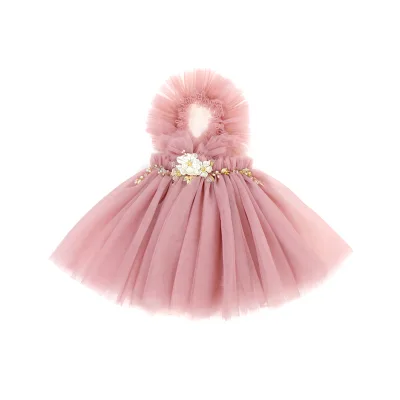
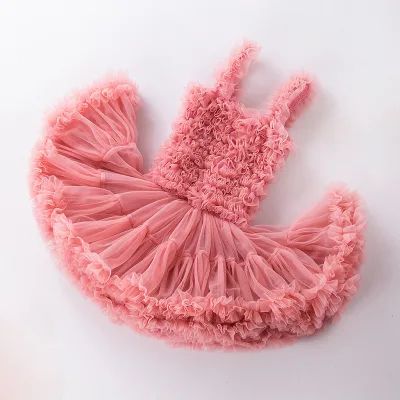
OEM Baby Clothing Mesh Tutu Dress Kids Mesh Party Dress Evening Party Princess Dress
$6.90 - $8.00
MOQ: 10 piece

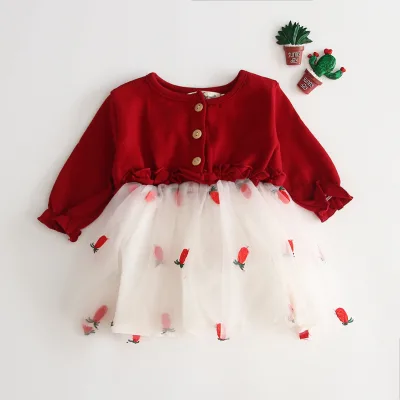
New Fashion Long Sleeves Baby Girl Romper Dresses Tulle Lace Tutu Dress for Baby Girl
$6.90 - $7.70
MOQ: 10 piece


Huzhou Zhili Jingcheng Apparel Co., Ltd.
- Verified by Intertek
- Manufacturer, Trading Company
- Lead time0 days
- Avg. response≤ 6h
Main productsKid Clothes, Apparel Accessory, Baby Supplies, Kids Shoes
Main marketsMid East(45%), Africa(30%), North America(15%)

- Trading Company
- Zhejiang, China
- Lead time20 days
- Avg. response≤ 2h
Main productschildren clothes,kids clothes,baby clothes,children outfit /dress,baby outfit /dress
Main marketsNorth America(30.00%), Central America(10.00%), Oceania(10.00%), Eastern Europe(8.00%), South America(8.00%), Southern Europe(8.00%), Western Europe(8.00%), Southeast Asia(6.00%), South Asia(3.00%), Northern Europe(3.00%), Mid East(2.00%), Africa(2.00%), Eastern Asia(2.00%)
Hangzhou Jingzhan Import And Export Co., Ltd.
- Verified by Intertek
- Manufacturer, Trading Company
- Lead time0 days
- Avg. response≤ 7h
Main productsKid Clothes, Baby Supplies, Kids' Shoes, Party Clothes
Main marketsMid East(20%), Africa(15%), North America(10%)

Anhui Dream-China Technology Co., Ltd.
- Verified by SGS
- Combined
- China Anhui
- Lead time23 days
- Avg. response≤ 4h
Main productsUHF/VHF/Yagi/TV Antenna, LNB, MMDS Downconverter, Power Supply/Adapter, Cables, Diseqc Swithes/Spliter/Sat-Finder, Travel Mug, Fishing Net, Security Seal, SPD/Thermostat
Main marketsDomestic,Europe


Summer Baby Princess Dress Printing Birthday Tutu Sleeveless Girls Dresses
$12.00 - $19.00
MOQ: 5 piece


Guangzhou Jingsheng Garment Co., Ltd.
- Verified by CTI
- Trading Company
- China Guangdong
- Lead time15 days
- Avg. response≤ 19h
Main productsGarment
Main marketsDomestic,Australia,North America

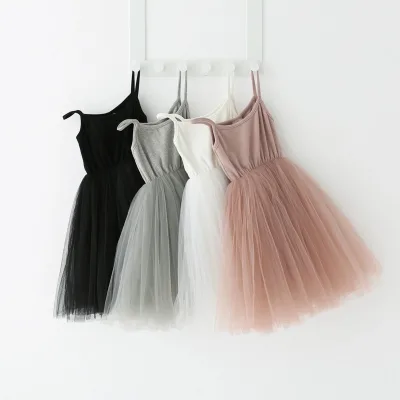
Girls′ Dress Black Gauze Skirt Children′ S Princess Dress Foreign Style Aisha Tutu Skirt
$7.00 - $9.00
MOQ: 200 Pieces

Shanghai Jingzhi Apparel Co., Ltd.
- Verified by Intertek
- Manufacturer, Trading Company
- Lead time30 days
- Avg. response≤ 8h
Main productsKid Clothes
Main marketsMid East(20%), Africa(15%), North America(10%)

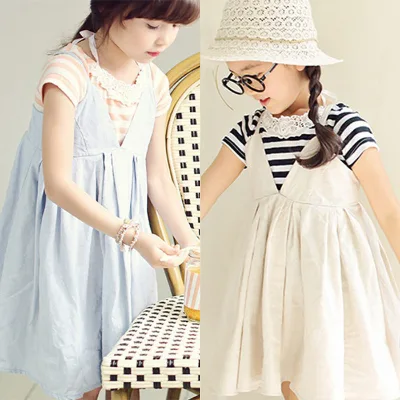
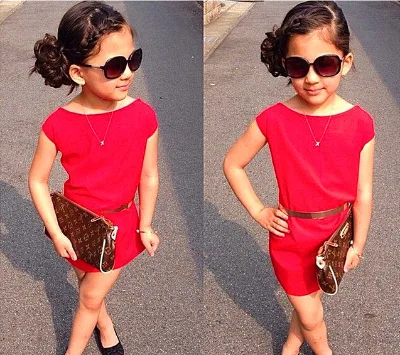
New Born Baby Clothes African Girl Beautiful Tight Dresses in Red Color for Sale
$3.0834 - $3.4972
MOQ: 4 pieces
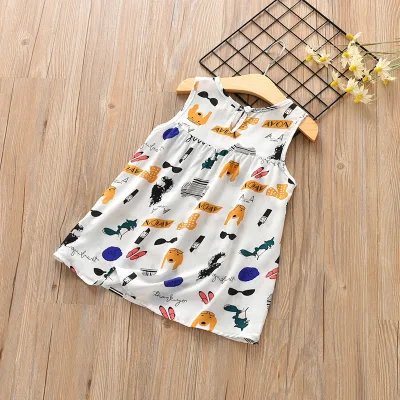
African Clothes Imported From China Infant Simple Style Dress Wholesale
$2.7102 - $3.7925
MOQ: 200 Minimum
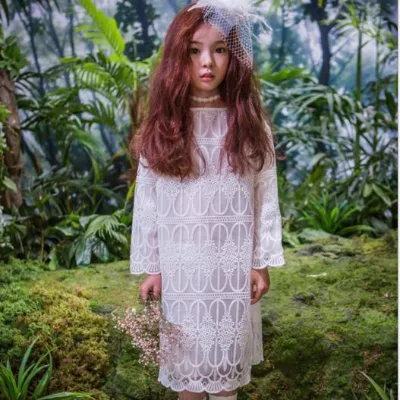

Huzhou Truly Clothing Co., Ltd.
- Verified by SGS
- Combined
- China Zhejiang
- Lead time15 days
- Avg. response≤ 4h
Main productsKids Clothes, Boys Clothes, Kids Down Jackets, Kids Jackets, Kids T-Shirts, Kids Sweatshirts, Kids Pants, Kids Shorts, Kids Tracksuits, Kids Outdoor Clothing
Main marketsDomestic
Guangzhou Meiqiai Garment Co., Ltd.
- Verified by TüVRheinland
- Manufacturer, Trading Company
- Lead time15 days
- Avg. response≤ 2h
Main productsGirl Dress, Princess Dress, Baby Dress, Cosplay Costume, Muslim Gril Dress
Main marketsDomestic Market(20%), North America(15%), Southeast Asia(15%)

Guangzhou Shangqian Clothing Co. Ltd
- Verified by CTI
- Trading Company
- China Guangdong
- Lead time38 days
- Avg. response≤ 25h
Main productsChildren's Clothing
Main marketsEurope,North America

Dongguan Amnana Clothing Co. ,Ltd.
- Manufacturer, Trading Company
- Guangdong, China
- Lead time10 days
- Avg. response≤ 2h
Main productsAfrican women wear,African men wear,African kids wear,Accessories,African wax print fabric
Main marketsNorth America(20.00%), Western Europe(15.00%), Northern Europe(15.00%), Eastern Europe(15.00%), South America(15.00%), Southern Europe(10.00%), Central America(5.00%), Mid East(5.00%)

- Verified by TUVRHEINLAND
- Combined
- China Shanghai
- Lead time15 days
- Avg. response≤ 3h
Main productsInfant Clothes, Baby Clothes, Kids Wear, Underwear, Sock, Pajama, Night Dress, Sleep Bag, Yoga Clothes, Nursing Tee
Main marketsEurope,Australia,North America


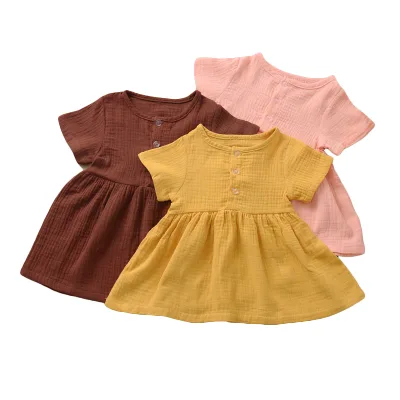
Baby Girls Dress Short Sleeve Custom Print Baby Dresses Plain Bamboo Kids Dress
$5.99 - $6.99
MOQ: 50 Pieces

Summer Casual Dresses Children Apparel Baby Clothes Bamboo Dress for Girl
$5.66 - $6.29
MOQ: 50 Pieces


Factory Custom Bamboo Fabrics Comfortable and Breathable Short-Sleeved Skirts Baby Dresses
$7.51 - $8.22
MOQ: 50 Pieces
Foshan Meike Clothing Co., Ltd.
- Verified by Intertek
- Manufacturer, Trading Company
- Lead time10 days
- Avg. response≤ 2h
Main productsChildren Clothing, Baby Dress, Muslim Clothing, TV Movie Costumes, Flower Girl Dress
Main marketsDomestic Market(40%), Mid East(10%), Southeast Asia(8%)
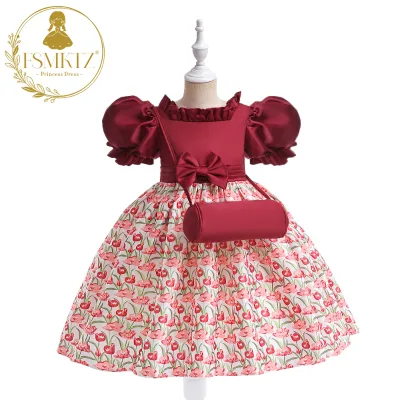
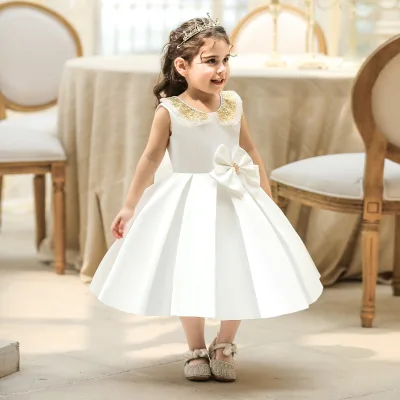
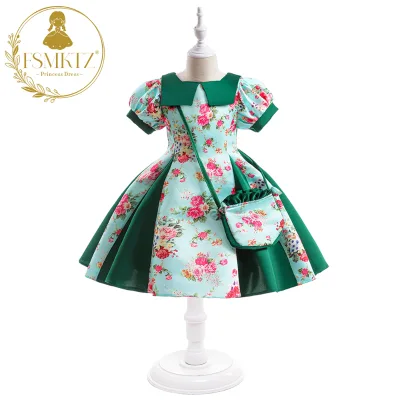
$7.5879 - $8.5443
MOQ: 1 pieces

Shenzhen Duoduo Princess Children's Clothing Co., Ltd.
- Trading Company
- Guangdong, China
- Lead time15 days
- Avg. response≤ 2h
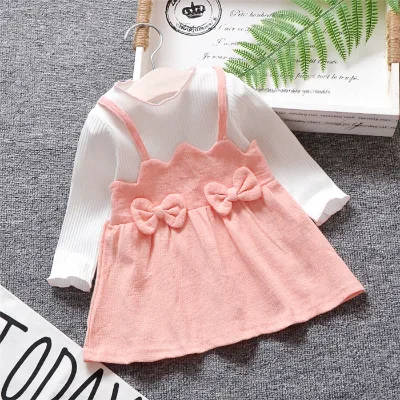
Main productsChildren clothing,dress,shoes,bags
Main marketsOceania(10.00%), Western Europe(10.00%), Africa(10.00%), Southeast Asia(10.00%), Eastern Europe(10.00%), South America(10.00%), Eastern Asia(10.00%), Domestic Market(5.00%), Central America(5.00%), Mid East(5.00%), South Asia(5.00%), North America(5.00%), Northern Europe(3.00%), Southern Europe(2.00%)
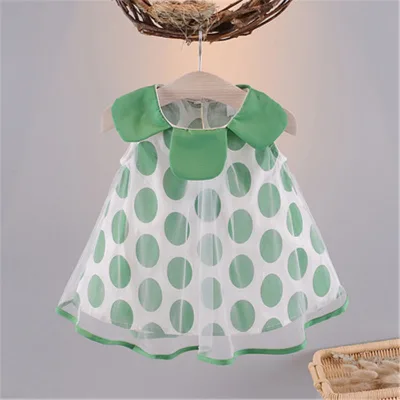
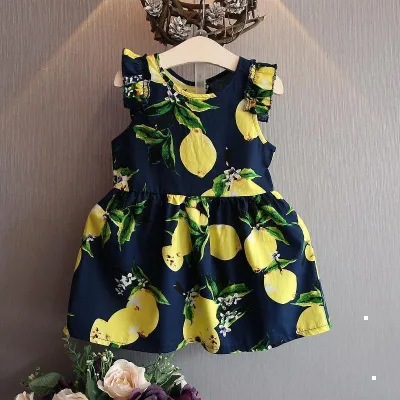
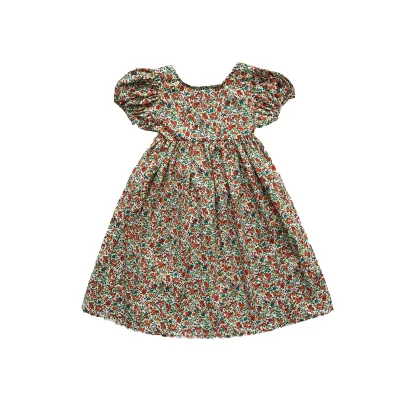
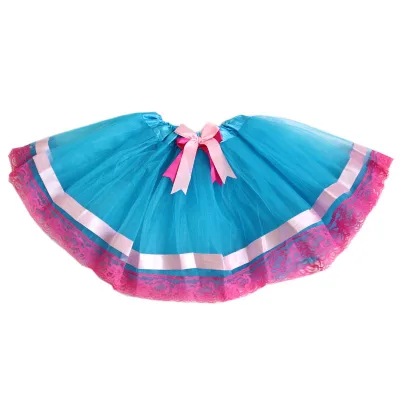
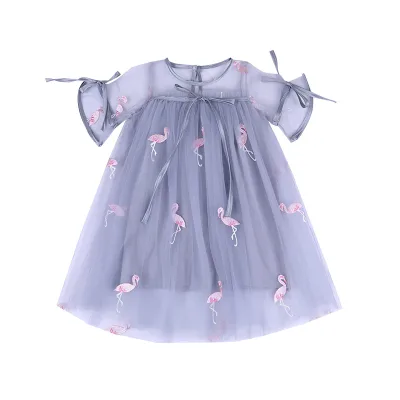
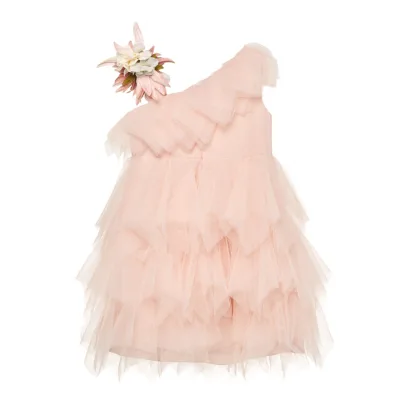
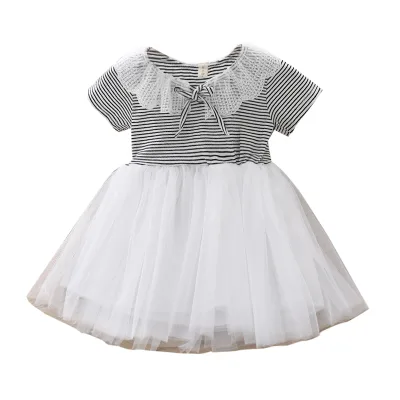
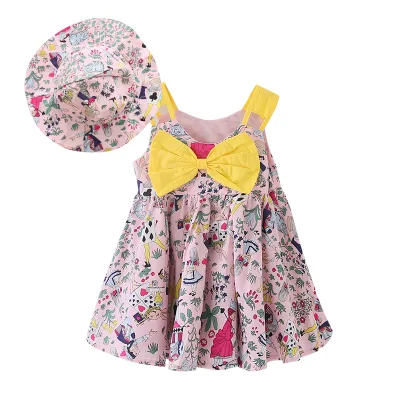
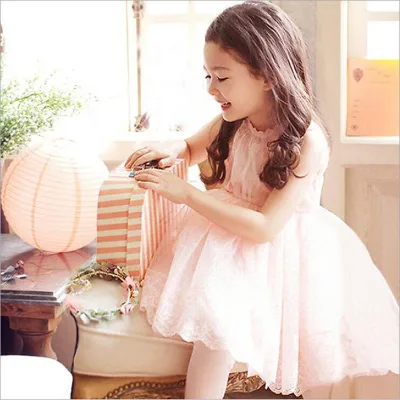


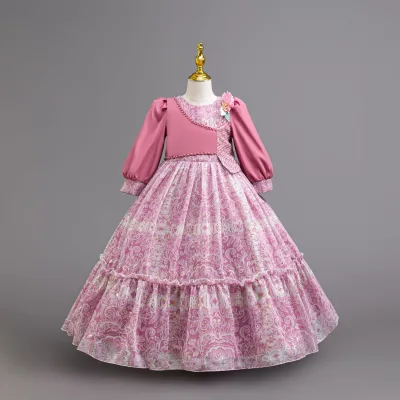
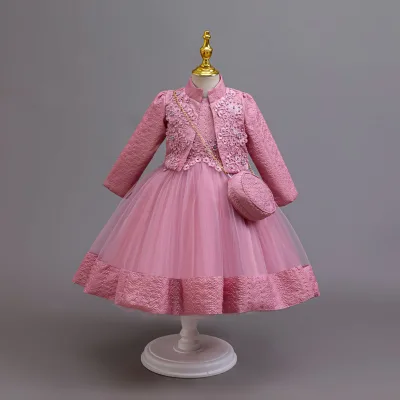


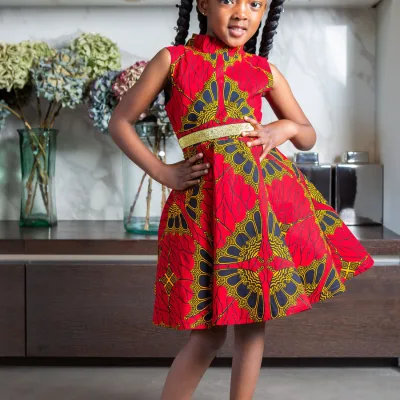
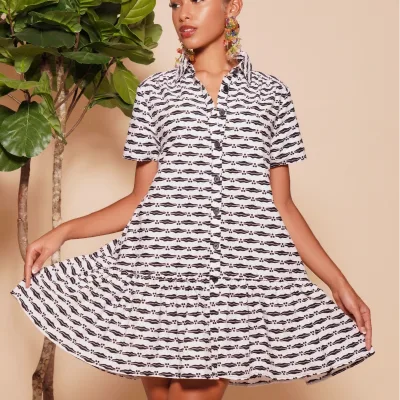
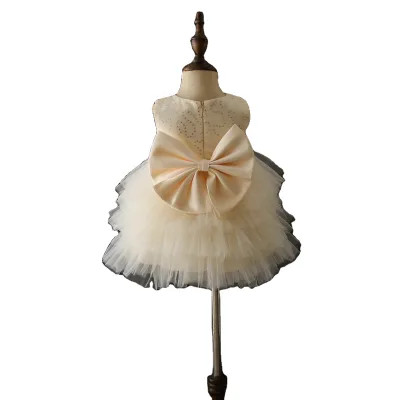
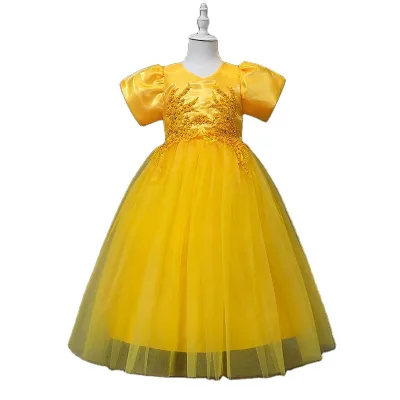
Comprehensive Sourcing Guide
African Style Baby Tutu Dress Supplier Concentration and Factory Types
The current supplier landscape for African style baby tutu dresses reveals a distinct concentration of manufacturing and trading entities located in China, specifically within the Fujian province. This geographic clustering suggests a mature supply chain ecosystem where raw material sourcing, particularly for cotton and polyester blends, is readily accessible. Buyers evaluating these suppliers will find that the region hosts a mix of trading companies and manufacturer/factories, each offering different advantages in terms of direct production control versus logistical flexibility. The presence of both entity types indicates that while some suppliers operate their own production lines, others may act as intermediaries, coordinating with multiple workshops to fulfill orders. This duality allows buyers to choose between direct factory engagement for better margin control or trading company support for streamlined communication and consolidated shipping. Understanding this local concentration helps in assessing the reliability of the supply base, as Fujian’s established textile infrastructure often correlates with consistent quality and faster turnaround times for standard items.
In addition to the primary Fujian cluster, specific product listings indicate origins in Zhejiang, China, highlighting a broader national distribution of specialized manufacturers. This geographic diversity means that buyers are not limited to a single industrial zone when sourcing African style baby tutu dresses. The variation in supplier types, ranging from pure trading companies to those with in-house sample and graphic processing capabilities, offers flexibility in customization. Suppliers with OEM and ODM capacities can accommodate unique design requests, such as specific African kitenge patterns or custom sizing for infants and toddlers. The availability of in-stock items alongside made-to-order options further diversifies the sourcing strategy. Buyers should note that while some suppliers focus on general children’s clothing, others specialize in specific niches like fancy dress or birthday costumes, which may influence their expertise in handling the intricate details required for African style tutu dresses. This mix of locations and company structures provides a robust foundation for finding partners who align with specific business models, whether prioritizing speed, customization, or cost-efficiency.
How to Verify African Style Baby Tutu Dress Suppliers
Verification is a critical step in ensuring the legitimacy and capability of suppliers offering African style baby tutu dresses. Buyers should prioritize suppliers who have undergone third-party verification processes, as these provide an external audit of their business operations and production facilities. In the current results, verification badges such as CTI and Intertek are present, indicating that these suppliers have been inspected by recognized testing and certification bodies. These verifications often cover aspects like business license authenticity, factory size, and production capacity, offering a layer of trust that is essential when dealing with international trade. Additionally, system certifications such as BSCI and ISO 9001 signal a commitment to social compliance and quality management systems, respectively. For products intended for young children, certifications like CPSIA, EN 14682, and REACH are particularly important, as they ensure that the materials and manufacturing processes meet strict safety standards for flammability, chemical content, and small parts. Buyers should actively look for these credentials in supplier profiles to mitigate risks associated with non-compliant products.
Beyond certifications, buyers should assess the responsiveness and transparency of the supplier’s communication channels. Response times, such as the 3.43 hours observed for some suppliers, serve as a proxy for operational efficiency and customer service quality. A quick response often indicates a well-organized team that can address inquiries and resolve issues promptly, which is crucial during the negotiation and order placement phases. Furthermore, the availability of detailed product attributes and specifications, such as material composition (100% Cotton or Polyester) and construction techniques (Handmade or Printed), demonstrates a level of professionalism and attention to detail. Buyers should request samples to verify the physical quality of the African style baby tutu dresses, checking for features like the durability of the tulle, the comfort of the fabric against sensitive skin, and the accuracy of the African print patterns. It is also advisable to confirm the supplier’s ability to provide necessary documentation, such as test reports for safety standards, before placing large orders. This due diligence helps in building a reliable partnership and ensures that the final products meet the required quality and safety benchmarks.
What to Compare Across African Style Baby Tutu Dress Suppliers
When evaluating multiple suppliers for African style baby tutu dresses, buyers must compare key operational metrics to determine the best fit for their business needs. One of the most significant factors is the minimum order quantity (MOQ), which can vary widely depending on the supplier’s production model. For instance, some suppliers may require an MOQ of 20 pieces per style, while others might offer lower thresholds of 10 or even 4 pieces per style for in-stock items. This variation allows buyers with smaller budgets or those testing new markets to start with manageable order sizes. Additionally, the lead time for production is a critical consideration, with some suppliers indicating a lead time of 45 days, while others may have different timelines or offer in-stock options for immediate shipment. Buyers should align these lead times with their inventory planning and seasonal demands to avoid stockouts or excess inventory. Comparing these operational parameters helps in selecting suppliers who can meet specific volume and timing requirements without compromising on quality or cost.
Price and customization capabilities are also essential dimensions for comparison. The price range for African style baby tutu dresses can vary based on material quality, design complexity, and order volume. For example, prices may range from $4.50 to $8.00 per piece, depending on whether the dress is made from cotton or polyester and whether it features intricate handmade details or printed patterns. Buyers should request detailed quotations that break down costs for materials, labor, and packaging to understand the value proposition of each supplier. Furthermore, the availability of customization services, such as OEM and ODM options, allows buyers to create unique products that stand out in the market. Suppliers with strong graphic processing and sample processing capabilities can bring custom designs to life more efficiently. Buyers should also consider the supplier’s main product focus; those specializing in baby clothing and accessories may offer better expertise and quality control for African style tutu dresses compared to general apparel manufacturers. By systematically comparing these factors, buyers can make informed decisions that balance cost, quality, and flexibility.
Common African Style Baby Tutu Dress Sourcing Risks
Sourcing African style baby tutu dresses involves several potential risks that buyers must proactively manage to ensure a smooth procurement process. One significant risk is the variability in product quality, particularly regarding the materials used. While some suppliers specify 100% Cotton for comfort, others may use Polyester, which can affect the breathability and feel of the garment against a baby’s skin. Buyers must verify the exact material composition and ensure it aligns with their brand’s quality standards and customer expectations. Additionally, the construction of the tutu, including the attachment of the tulle layers and the durability of the seams, can vary between suppliers. Poor construction can lead to premature wear and tear, resulting in customer complaints and returns. To mitigate this risk, buyers should request detailed product specifications and conduct thorough quality checks on samples before committing to large orders. It is also important to verify that the African print patterns are vibrant and colorfast, as fading or bleeding can detract from the product’s appeal.
Another critical risk is compliance with international safety standards, especially for products intended for infants and toddlers. Regulations such as CPSIA in the United States and EN 14682 in Europe impose strict requirements on flammability, chemical content, and small parts. Suppliers who do not possess the necessary certifications, such as CPC or CE, may expose buyers to legal liabilities and product recalls. Buyers must ensure that their suppliers can provide valid test reports and documentation proving compliance with these standards. Furthermore, there is a risk of communication breakdowns or delays in production, which can disrupt supply chains and miss critical selling seasons. Suppliers with longer lead times or poor responsiveness may struggle to meet tight deadlines. To address this, buyers should establish clear communication protocols and regular check-ins with their suppliers. It is also advisable to have backup suppliers identified to mitigate the impact of any single supplier’s failure. By anticipating and addressing these risks, buyers can protect their brand reputation and ensure a reliable supply of high-quality African style baby tutu dresses.
African Style Baby Tutu Dress Regional Sourcing and Logistics
The geographic location of suppliers plays a pivotal role in determining logistics costs and delivery times for African style baby tutu dresses. Most suppliers in the current results are based in China, with specific concentrations in Fujian and Zhejiang provinces. These regions are well-established textile manufacturing hubs, offering efficient access to raw materials and skilled labor. However, the distance from these manufacturing centers to the buyer’s destination can significantly impact shipping costs and transit times. Buyers should consider the proximity of the supplier to major ports or logistics hubs to optimize shipping routes. For instance, suppliers in Fujian may have easier access to ports in Xiamen or Quanzhou, while those in Zhejiang might utilize Ningbo-Shanghai port. Understanding these logistical nuances helps in selecting suppliers that offer the most cost-effective and timely delivery options. Additionally, buyers should evaluate the supplier’s experience in international shipping, including their ability to handle customs documentation and coordinate with freight forwarders.
Packaging and labeling requirements are also important logistical considerations that vary by region and market. Suppliers may use different packing standards, such as carton packaging with specific dimensions (e.g., 454520cm), which can affect container loading efficiency and storage space. Buyers should ensure that the packaging meets their retail requirements, including labeling for safety warnings, care instructions, and country of origin. Furthermore, the choice of shipping method, whether by sea, air, or express courier, depends on the urgency of the order and the budget constraints. Sea freight is generally more cost-effective for large volumes but has longer transit times, while air freight offers speed at a higher cost. Buyers should work closely with their suppliers to determine the most suitable shipping method based on their inventory needs and market demands. It is also advisable to factor in potential delays due to seasonal peaks or global logistics disruptions. By carefully planning the logistics strategy, buyers can minimize costs and ensure that African style baby tutu dresses arrive in good condition and on time.
African Style Baby Tutu Dress Commercial Terms and Order Planning
Effective order planning for African style baby tutu dresses requires a clear understanding of commercial terms and payment structures. Buyers should negotiate favorable payment terms, such as partial upfront payments and balance upon shipment, to manage cash flow and mitigate financial risk. It is also important to clarify the Incoterms, such as FOB or CIF, to determine who is responsible for shipping costs and insurance. Suppliers with established track records may offer more flexible terms, while new suppliers might require stricter payment conditions. Additionally, buyers should inquire about the supplier’s policy on defects and returns, ensuring that there is a clear process for addressing quality issues. Understanding these commercial terms helps in building a transparent and mutually beneficial relationship with suppliers, reducing the likelihood of disputes and ensuring smooth transactions.
Inventory management and reorder planning are crucial for maintaining a steady supply of African style baby tutu dresses. Buyers should analyze sales data to forecast demand and place orders accordingly, taking into account the supplier’s lead time and MOQ. For seasonal items, such as spring or summer dresses, buyers should plan orders well in advance to avoid stockouts during peak selling periods. It is also advisable to maintain a buffer stock of popular styles and sizes to accommodate unexpected demand spikes. Furthermore, buyers should consider the supplier’s capacity for handling rush orders, in case of urgent restocking needs. By developing a robust order planning strategy, buyers can optimize inventory levels, reduce holding costs, and ensure consistent product availability. Regular communication with suppliers about sales trends and future forecasts can also help in aligning
FAQs
What is the price range for African style baby tutu dresses?
Prices for these dresses typically range from $4.50 to $8.00 per unit. The final cost depends on the material choice, such as cotton or polyester, and the complexity of the handmade or printed techniques used in production.
What is the minimum order quantity for these dresses?
The minimum order quantity varies by supplier, generally starting at 10 pieces for custom items. Some suppliers offer lower MOQs of 4 pieces per style or color for in-stock items, making it easier to test the market with smaller batches.
How long does production take for these dresses?
Standard lead times are approximately 45 days for manufacturing. However, some suppliers list zero lead time for in-stock items, allowing for immediate shipment. Buyers should confirm specific timelines with the supplier before placing orders to ensure timely delivery.
Are these dresses made from safe and certified materials?
Suppliers often hold certifications like BSCI, ISO 9001, REACH, and CPSIA to ensure safety. Materials include 100% cotton or polyester, and products undergo verification by agencies like CTI or Intertek. Always request current certification documents to verify compliance with your local standards.
Can I customize the design of these baby dresses?
Customization is available for most suppliers, including OEM and ODM services. You can specify details like color, sleeve style, and fabric type. Suppliers support graphic processing and sample processing to create unique designs that match your brand requirements and target audience preferences.
Where are these dresses manufactured?
Manufacturing locations include Fujian and Zhejiang in China. These regions are known for their textile industry capabilities. Buyers can verify the specific place of origin for each product listing to ensure it aligns with their sourcing preferences and logistical requirements.