ANSI Pin Type Ceramic Insulator Suppliers and Manufacturers
Explore 21 verified suppliers offering ANSI Pin Type Ceramic Insulator with ISO9001:2015 and BSCI certifications. Compare locations in China Shandong and Jiangsu, response times, lead times, and ANSI standards. Contact suppliers directly to request quotes for ANSI 55 and 56 series models.
Updated
Suppliers List

Qingdao Cosine Electrical Equipment Co., Ltd.
- Verified by BV
- Trading Company
- China Shandong
- Lead time30 days
- Avg. response≤ 21h
Main productsInsulator, Composite Insulator, Porcelain Insulator, Glass Insulator, Overhead Line Fitting, Ceramic Insulator, Polymer Insulator, Pole Line Fitting, Poleline Hardware, Transmission Line Fitting
Main marketsSouth America,Africa,Southeast Asia/ Mideast,Europe,North America

Nanjing Rainbow Electric Co., Ltd.
- Verified by SGS
- Trading Company,Manufacturer/Factory,Group Corporation
- China Jiangsu
- Lead time23 days
- Avg. response≤ 4h
Main productsTransformer Bushing, Porcelain Insulator, Composite Insulator, Condenser Bushing, Glass Insulator, Insulation Materials, Wall Bushing, Porcelain Bushing, Tap Changer
Main marketsSouth America,Eastern Europe,Mid East,North America,Southeast Asia,Eastern Asia,Oceania,Western Europe,Africa

Jiangxi Johnson Electric Co., Ltd.
- Verified by SGS
- Combined
- China Jiangxi
- Lead time30 days
- Avg. response≤ 3h
Main productsPorcelain Insulator, Composite Insulator, Glass Insulator, Transformer Bushing, Suspension Insulator, Pin Insulator, Post Insulator, Fuse Cutout, Stay Insulator, Spool &Shackle Insulator
Main marketsAfrica


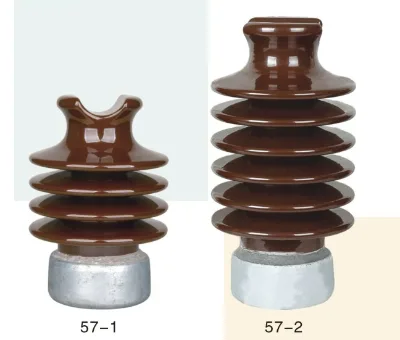
High Voltage ANSI 56 Series Porcelain Pin Isolator / 56-4 Ceramic Pin Insulator
$3.89 - $5.99
MOQ: 1668 Pieces

Direct Factory Low Price High Voltage Porcelain Pin Type Insulator ANSI 56-1
$1.89 - $2.89
MOQ: 200 Pieces
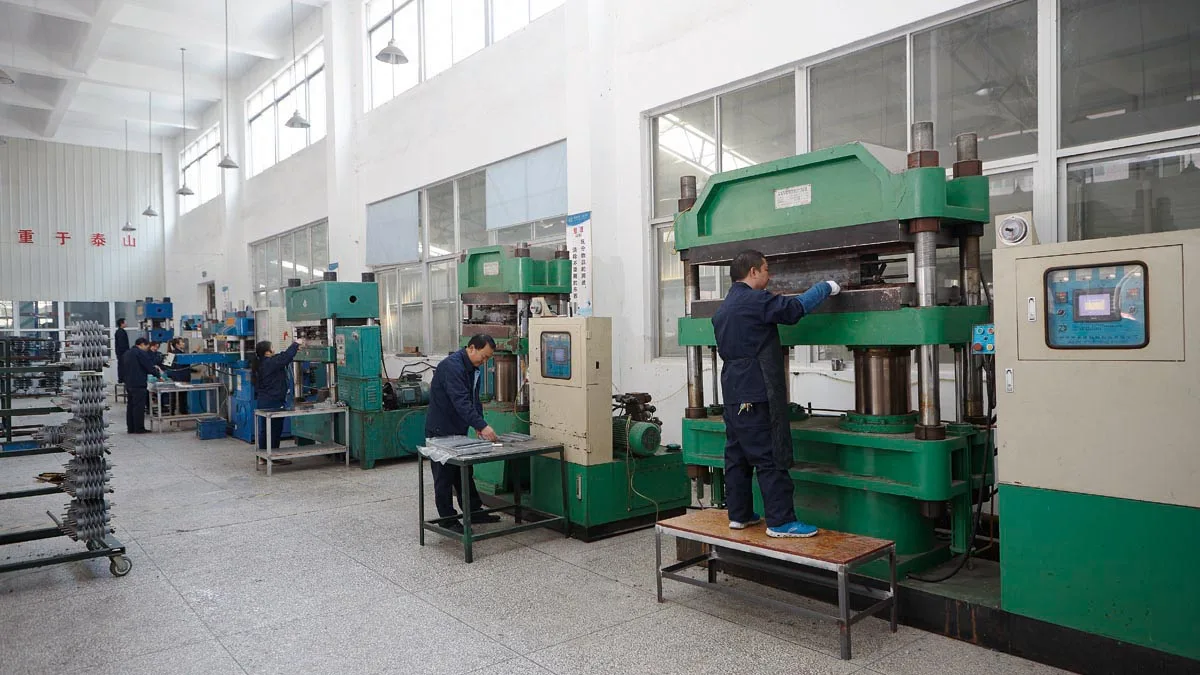
Ningbo Jecsany Electrical Equipment Co., Ltd
- Trading Company
- Zhejiang, China
- Lead time30 days
- Avg. response≤ 3h
Main productsPower Transformer,Surge Arresters,Fuse Cutouts,Isolates Switches,Vacumm Curcuit Breaker
Main marketsAfrica(46.00%), South America(30.00%), Domestic Market(10.00%), Southeast Asia(5.00%), North America(4.00%), Mid East(3.00%), Western Europe(2.00%)

Beijing Winner Electric Power Energy Co., Ltd
- Verified by SGS
- Combined
- China Beijing
- Lead time30 days
- Avg. response≤ 4h
Main productsSocket Eye, Dead End Loop Clamp, Strain Clamp, Lead Pin, Polymer Insulator, Anchor Rod, Thimble Eye, Hot Link, Mounting Bracket, Alley Arm
Main marketsSouth America,Africa,Southeast Asia/ Mideast


Top Quality Class ANSI Porcelain Pin Type Ceramic Insulator with Factory Price
$0.20 - $5.00
MOQ: 500 Pieces


Jiangxi Xinghai Electric Porcelain Manufacturing Co., Ltd.
- Combined
- China Jiangxi
- Lead time38 days
- Avg. response≤ 4h
Main productsPorcelain Insulator, Disc Insulator, Suspension Insulator, Pin Insulator, Glass Insulator, Composite Insulator
Main marketsSouth America,Africa,Southeast Asia/ Mideast,East Asia(Japan/ South Korea),Domestic,Europe,Australia,North America


Factory LV Porcelain Pin Type Insulator ANSI 55-5 Ceramic Pin Insulators
$1.68 - $2.38
MOQ: 200 Pieces


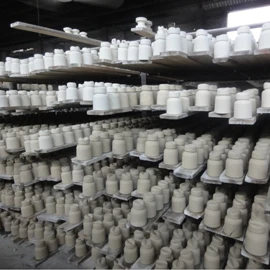
Fuzhou Faithreach Ceramics & Electronic Co., Ltd.
- Manufacturer, Trading Company
- Fujian, China
- Lead time30 days
- Avg. response≤ 2h
Main productsElectrical Porcelain (Lamp Holder,Porcelain Insulator,Terminal Block,Knife Switch,Porcelain Fuse) (All Only Overseas Sales)
Main marketsSouth America(25.00%), Eastern Europe(20.00%), Mid East(18.00%), Southeast Asia(15.00%), Africa(8.00%), North America(5.00%), Northern Europe(5.00%), Oceania(4.00%)

Jiangxi Johnson Electric Co., Ltd.
- Manufacturer, Trading Company
- Jiangxi, China
- Lead time35 days
- Avg. response≤ 4h
Main productsPorcelain Insulator, Glass Insulator
Main marketsDomestic Market(70.00%), Africa(15.00%), Eastern Europe(5.00%), Mid East(5.00%), Southeast Asia(5.00%)
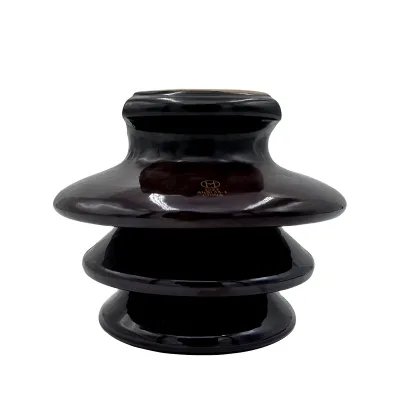
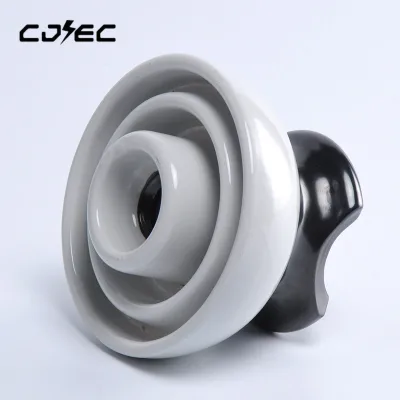
$1.1108 - $1.2142
MOQ: 50 pieces

BONLE (FUZHOU) INTERNATIONAL CO., LTD.
- Verified by BV
- Trading Company,Manufacturer/Factory
- China Fujian
- Lead time30 days
- Avg. response≤ 3h
Main productsInsulator, Lamp Holder, Emerency Light, RV Socket, Voltage Protectors, Meter Base, LED Desk Lamp, Connector, Terminal Block, Street Light
Main marketsSouth America,Eastern Europe,Mid East,North America,Southeast Asia,Eastern Asia,Oceania,Western Europe,Africa
Hebei Jiubai Technology Co., Ltd.
- Trading Company
- Tianjin, China
- Lead time20 days
- Avg. response≤ 2h
Main productsground earthing wire set,high voltage hot stick,fiberglass tube,Hydraulic tools,Bird Repeller
Main marketsSouth Asia(20.00%), Mid East(10.00%), Oceania(10.00%), Africa(10.00%), Eastern Asia(10.00%), Northern Europe(10.00%), Domestic Market(10.00%), Southeast Asia(5.00%), North America(3.00%), Eastern Europe(3.00%), South America(3.00%), Western Europe(3.00%), Southern Europe(2.00%), Central America(1.00%)

Liling Sky Bali Industrial Co., Ltd.
- Verified by BV
- Trading Company,Manufacturer/Factory
- China Hunan
- Lead time45 days
- Avg. response≤ 10h
Main productsPorcelain Insulators, Polymeric Insulators, Glass Insulators, Bushings, Metal Fittings
Main marketsSouth America,Eastern Europe,Mid East,North America,Southeast Asia,Eastern Asia,Oceania,Western Europe,Africa
Shanghai Gongtao Ceramics Co., Ltd.
- Verified by TüVRheinland
- Manufacturer, Trading Company
- Lead time30 days
- Avg. response≤ 3h
Main productsCeramic Tube, Silicon Carbide Tube, Ceramic Crucible, Ceramic Connector, Ceramic Heating Elements
Main marketsDomestic Market(40%), North America(10%), Southeast Asia(10%)
Hebei Yongguang Line Equipment Co., Ltd.
- Verified by Intertek
- Manufacturer, Trading Company
- Lead time20 days
- Avg. response≤ 6h
Main productsBolt and Nut, Cross Arm, Stay Rod, Pole Clamp, Strain Clamp
Main marketsNorth America(20%), Africa(20%), South America(10%)
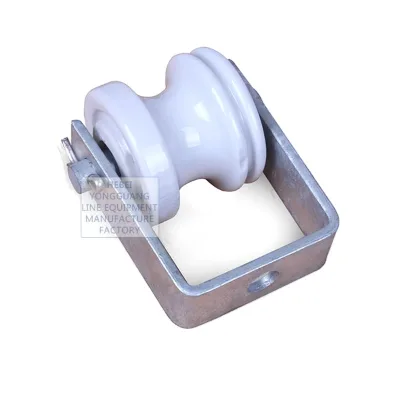
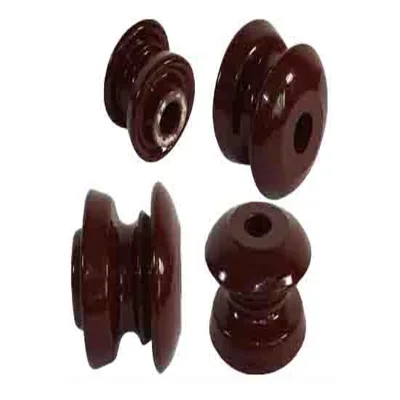
all type ceramic spool insulator/ANSI 53 series spool Insulator /ceramic insulator
$0.20 - $5.00
MOQ: 100 Minimum
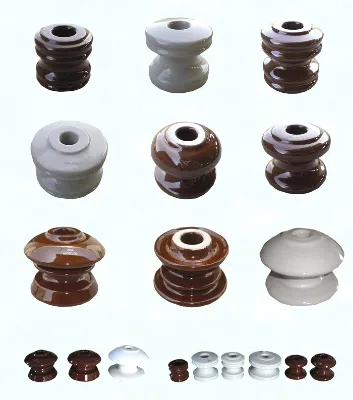
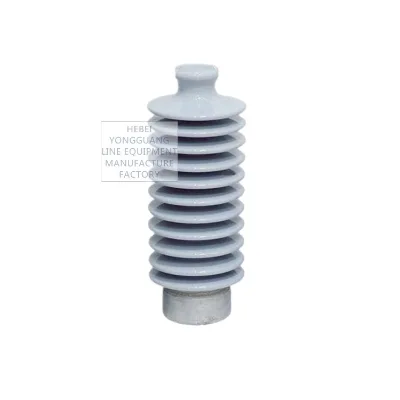
Jiangxi Hongxing Porcelain Industry Co., Ltd.
- Manufacturer
- Jiangxi, China
- Lead time0 days
- Avg. response≤ 3h
Main productsGlass Insulators,Porcelain Insulators,Post Insulators,Pin Insulators,Suspension insulators
Main marketsDomestic Market(50.00%), Southeast Asia(15.00%), South Asia(11.00%), Mid East(10.00%), Southern Europe(5.00%), Northern Europe(1.00%), Central America(1.00%), Western Europe(1.00%), South America(1.00%), Eastern Asia(1.00%), Oceania(1.00%), Africa(1.00%), Eastern Europe(1.00%), North America(1.00%)

ORIENT ELECTRIC INTERNATIONAL GROUP LIMITED
- Verified by BV
- Combined
- China Hubei
- Lead time30 days
- Avg. response≤ 4h
Main productsDistribution Fuse Cutouts, Surge Arrester, Disconnector Switch, Gang Insulator, Insulator, Expulsion Fuses, Polymer Insulator, Load Interrupter Air Switchs, Pole Line Hardware, Fuse Link
Main marketsSoutheast Asia/ Mideast
FUZHOU COLMATE ELECTRIC CO., LTD.
- Manufacturer, Trading Company
- Fujian, China
- Lead time30 days
- Avg. response≤ 6h
Main productsInsulator,cutout fuse,surge arrester,hardware,power fitting
Main marketsWestern Europe(11.11%), Eastern Asia(11.11%), Mid East(11.11%), Oceania(11.11%), Africa(11.11%), Southeast Asia(11.11%), Eastern Europe(11.11%), South America(11.11%), North America(11.11%)

YUEQING REACON ELECTRIC CO., LTD.
- Combined
- China Zhejiang
- Lead time30 days
- Avg. response≤ 9h
Main productsPole Line Hardwares, Strain Clamps Suspension Clamps, Machine Bolts Anchor Assembly, Transmission Line Accessories, Anchor Rods Ground Rods Secondary Racks, Insulator, Fuse Cutout, Cross Arm Pin Pole Top Pin, Secondary Rack, Cross-Plate Anchor
Main marketsSouth America

Jiangxi Jiahong Electric Porcelain Manufacturing Co., Ltd
- Verified by SGS
- Combined
- China Jiangxi
- Lead time23 days
- Avg. response≤ 1h
Main productsPorcelain Insulators, Composite Insualtors, Glass Insulators, Suspension Insulator, Line Post Insulators, Station Post Insulators, Shackle Insulators, Pin Insulators, Strain Insulators
Main marketsDomestic

Fujian Minqing Minya Electrical Appliance Co., Ltd.
- Manufacturer, Trading Company
- Fujian, China
- Lead time0 days
- Avg. response≤ 7h
Main productslamp holder,terminal block,fuse holder,socket,insulator
Main marketsAfrica(30.00%), South America(30.00%), Eastern Asia(20.00%), Eastern Europe(10.00%), Mid East(10.00%)
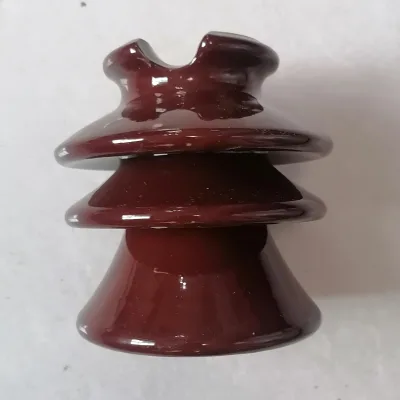
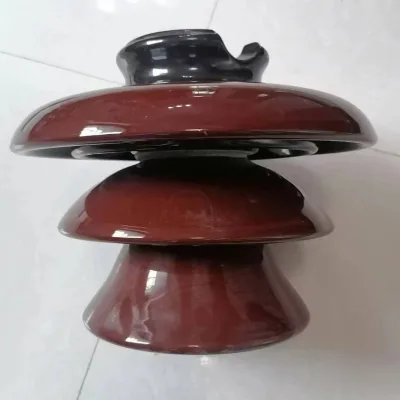
ANSI Standard High Voltage Ceramic Pin Insulator P-11-Y Porcelain LV Products Factory Price
$1.44 - $1.70
MOQ: 1000 pieces
$5.94 - $6.06
MOQ: 1000 pieces

Wenzhou Ziyong Electrical Co., Ltd.
- Combined
- China Zhejiang
- Lead time15 days
- Avg. response≤ 2h
Main productsParallel Groove Connectors, Insulation Piercing Connectors, Power Line Fittings, Cable Accessories, Cable Clips, Dead End Clamps, Suspension Clamps, Anchor Clamps, Insulator, Cable Tie
Main marketsSoutheast Asia/ Mideast,Europe

- Manufacturer, Trading Company
- Hebei, China
- Lead time10 days
- Avg. response≤ 3h
Main productsElectric Power Fitting,Stay Wire,Aluminium Cable Steel Reinforced,Power Line Fitting,Iron Accessory
Main marketsAfrica(40.00%), South America(30.00%), Domestic Market(10.00%), Central America(10.00%), Eastern Europe(10.00%)






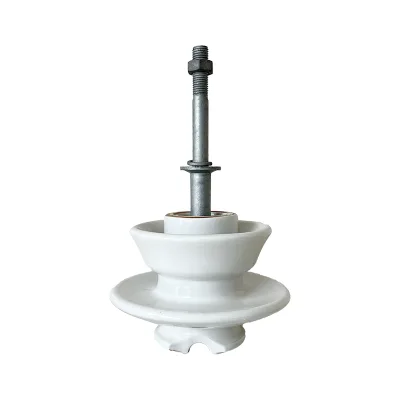
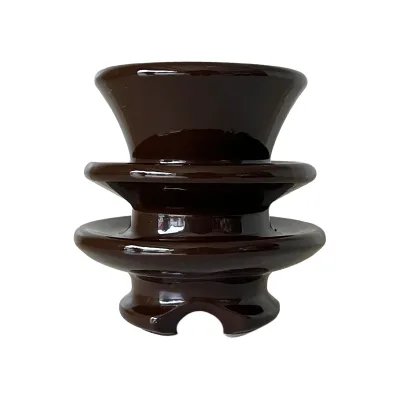
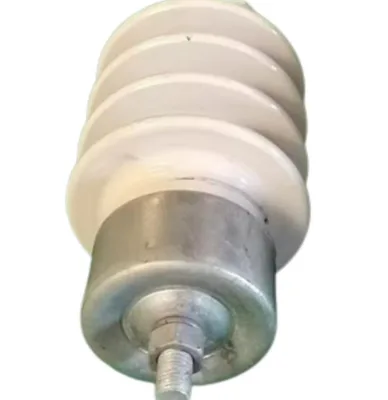
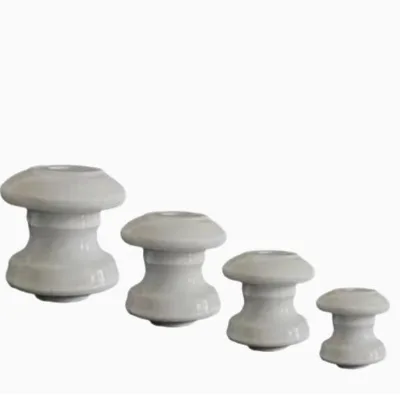


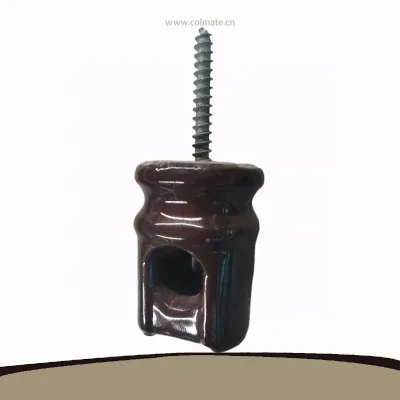
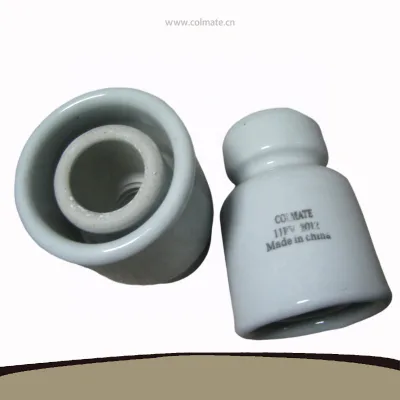


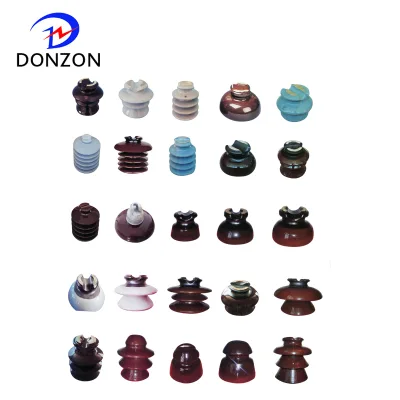
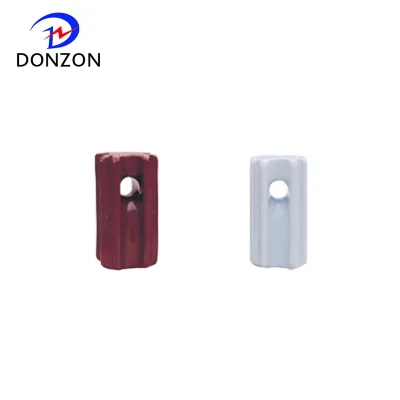
Comprehensive Sourcing Guide
ANSI Pin Type Ceramic Insulator Supplier Concentration and Factory Types
The current supplier landscape for ANSI Pin Type Ceramic Insulator products reveals a distinct concentration of manufacturing and trading entities within specific Chinese provinces, notably Shandong and Jiangsu. These regions have emerged as key hubs for the production of high-voltage electrical components, including porcelain and ceramic insulators designed for transmission lines. Buyers evaluating potential partners should recognize that the supply base is not uniformly distributed but rather clustered in areas with established industrial infrastructure for ceramic processing and electrical hardware manufacturing. This geographic concentration often correlates with the availability of raw materials, specialized labor, and logistical networks that support the export of heavy, fragile goods like pin insulators. Understanding this spatial distribution allows procurement teams to prioritize suppliers who are physically located in these verified industrial zones, thereby reducing the risk of engaging with entities that may lack the necessary production capabilities or supply chain maturity.
Within these clusters, the company types vary significantly, ranging from pure trading companies to integrated manufacturer-factory groups. Some suppliers operate exclusively as trading entities, acting as intermediaries between the factory floor and the international buyer, while others possess direct manufacturing capabilities, often labeled as Group Corporations or Factory/Manufacturer entities. This distinction is critical for buyers assessing control over quality and production schedules. Trading companies may offer broader product ranges and flexible order sizes, whereas manufacturer-led entities might provide greater transparency into the production process and potentially more competitive pricing on bulk orders. The presence of both types in the same geographic region creates a competitive environment where buyers can choose based on their specific needs for direct factory interaction versus the convenience of a single-point trading partner.
How to Verify ANSI Pin Type Ceramic Insulator Suppliers
Verification of ANSI Pin Type Ceramic Insulator suppliers requires a rigorous examination of third-party audit results and system certifications to ensure operational legitimacy and quality management standards. Buyers should prioritize suppliers who have undergone verification by recognized international bodies such as Bureau Veritas (BV) or SGS, as these audits provide an independent assessment of the company’s business scope, financial stability, and production facilities. The presence of a BV or SGS verification badge serves as a foundational layer of trust, indicating that the supplier’s claims about their manufacturing capacity and legal standing have been validated by an external expert. This step is essential for mitigating the risk of engaging with fraudulent entities or companies that misrepresent their capabilities, particularly when sourcing high-voltage components where safety and reliability are paramount.
Beyond physical verification, buyers must scrutinize the specific system certifications held by the supplier, such as ISO 9001:2015, ISO 14001, or OHSAS 18001. These certifications demonstrate that the supplier adheres to internationally recognized standards for quality management, environmental protection, and occupational health and safety. For ansi pin type ceramic insulators, which are critical components in electrical transmission systems, the ISO 9001 certification is particularly indicative of a structured approach to quality control throughout the manufacturing process. Buyers should request copies of these certificates and verify their validity and scope to ensure they cover the specific products being ordered. Additionally, checking for product-specific certifications like CCC or ISOCE can provide further assurance that the insulators meet regional regulatory requirements and performance standards, ensuring that the components are suitable for their intended high-voltage applications.
What to Compare Across ANSI Pin Type Ceramic Insulator Suppliers
When evaluating multiple suppliers for ANSI Pin Type Ceramic Insulator orders, buyers should systematically compare key operational metrics such as response time, lead time, and minimum order quantity (MOQ) to determine which partner best aligns with their procurement strategy. Response times vary significantly among suppliers, with some demonstrating rapid communication capabilities while others may take considerably longer to provide quotations or technical clarifications. A faster response time, such as those under five hours, can be crucial for resolving urgent technical queries or adjusting order specifications, whereas slower responses may indicate a less agile organization. Lead times, which typically range from twenty to thirty days, also differ based on the supplier’s production capacity and current order backlog. Buyers must assess whether the stated lead time is realistic for their project timeline and whether it includes time for quality inspections and packaging preparation.
Minimum order quantities and pricing structures are another critical dimension for comparison, as they directly impact the total cost of ownership and inventory management. Some suppliers may require a high MOQ, such as one thousand units, which suits large-scale infrastructure projects but may be prohibitive for smaller maintenance orders. Conversely, other suppliers might offer lower MOQs, such as five hundred or even one hundred units, providing greater flexibility for trial orders or smaller-scale installations. Pricing also varies, with some suppliers offering competitive rates for standard models while others may charge premiums for customization or specific ANSI standards. Buyers should compare the price ranges across different suppliers for similar product specifications, such as ANSI 55 or ANSI 56 series insulators, to identify the most cost-effective option without compromising on quality. Additionally, comparing the main products offered by each supplier can help determine if they specialize in the specific type of insulator needed or if they offer a broader range of electrical components that might simplify future sourcing efforts.
Common ANSI Pin Type Ceramic Insulator Sourcing Risks
Sourcing ANSI Pin Type Ceramic Insulator products involves inherent risks related to product quality, specification compliance, and logistical handling that buyers must actively manage. One significant risk is the potential for non-compliance with specific ANSI standards, such as ANSI 55-1 or ANSI 56-2, which dictate precise dimensions, electrical properties, and mechanical strength. If a supplier fails to adhere strictly to these standards, the insulators may not perform correctly in high-voltage applications, leading to system failures or safety hazards. Buyers must ensure that the supplier provides detailed product attributes, such as creepage distance, cantilever strength, and bearing capacity, and verifies that these match the required specifications. The risk is compounded if the supplier offers customization without clear documentation of how these changes affect the insulator’s performance and certification status.
Another major risk is the fragility of ceramic and porcelain materials during transportation, which can lead to damage and increased costs due to breakage. Improper packaging or handling by the supplier or logistics provider can result in cracked insulators, rendering them unusable. Buyers should assess the supplier’s packaging methods, such as the use of wooden pallets or standard exported packages, to ensure they are designed to protect the fragile components during transit. Additionally, there is a risk of miscommunication regarding product models and types, such as confusing A Type Insulators with other structural designs. To mitigate these risks, buyers should request detailed product photos, technical drawings, and sample inspections before placing large orders. Establishing clear quality control checkpoints and requiring pre-shipment inspections can help identify and rectify issues before the goods leave the supplier’s facility, ensuring that the received products meet the required standards and are free from transit damage.
ANSI Pin Type Ceramic Insulator Regional Sourcing and Logistics
The regional sourcing of ANSI Pin Type Ceramic Insulator products from China, particularly from provinces like Shandong and Jiangsu, offers distinct logistical advantages and challenges that buyers must consider. These regions are well-connected to major ports, facilitating the export of heavy and bulky electrical components to international markets. The proximity of suppliers to these ports can reduce inland transportation costs and lead times, making it easier to coordinate shipments. However, buyers must also account for the specific logistical requirements of ceramic insulators, which are sensitive to shock and vibration. The choice of shipping method, whether by sea or air, will depend on the order size, urgency, and budget constraints. Sea freight is typically more cost-effective for large volumes but involves longer transit times, while air freight offers speed at a higher cost.
Logistics planning also involves coordinating with freight forwarders who have experience in handling electrical components and fragile goods. Buyers should ensure that the supplier’s packaging is compatible with the chosen shipping method and that the goods are properly secured to prevent damage during transit. Additionally, buyers must consider the impact of regional industrial policies and environmental regulations on production schedules and export capabilities. Suppliers in these regions may face periodic disruptions due to environmental controls or energy conservation measures, which can affect lead times. By understanding these regional dynamics, buyers can develop more robust supply chain strategies, including buffer stock planning and alternative sourcing options, to mitigate the risk of delays. Collaborating with suppliers who have established logistics networks and experience in international shipping can further enhance the reliability and efficiency of the sourcing process.
ANSI Pin Type Ceramic Insulator Commercial Terms and Order Planning
Effective order planning for ANSI Pin Type Ceramic Insulator products requires careful attention to commercial terms, including payment conditions, delivery schedules, and after-sales support. Buyers should negotiate clear terms that define the responsibilities of both parties regarding quality assurance, warranty, and dispute resolution. Payment terms, such as letters of credit or escrow services, can provide financial security by ensuring that funds are only released upon satisfactory delivery and inspection of the goods. Understanding the supplier’s delivery commitments, such as the stated lead time of thirty days, is crucial for aligning production schedules with project timelines. Buyers should also clarify whether the quoted prices include packaging, documentation, and any applicable taxes or duties, to avoid unexpected costs.
Order planning should also consider the scalability of the supplier’s production capacity and their ability to handle repeat orders or volume increases. Suppliers with established manufacturing capabilities, such as those with OEM experience or own brands, may offer more consistent quality and reliability for long-term partnerships. Buyers should evaluate the supplier’s responsiveness to changes in order quantity or specifications, as flexibility can be valuable in dynamic market conditions. Additionally, establishing a clear communication protocol for order tracking and issue resolution can enhance the overall sourcing experience. By focusing on these commercial and operational details, buyers can build a stable and efficient supply chain for ansi pin type ceramic insulators, ensuring that their electrical infrastructure projects are supported by reliable and high-quality components.
FAQs
What is the price range for ANSI pin type ceramic insulators?
Prices for these insulators typically range from $1.50 to $10.00 per unit depending on the specific model and order volume. Buyers can find options starting at $1.50 for standard ANSI types or up to $10.00 for specialized configurations. Minimum order quantities usually start at 100 units, making bulk purchasing more cost-effective for large infrastructure projects.
What certifications are available for these ceramic insulators?
Manufacturers generally provide ISO9001:2015, ISOCE, and CCC certifications for their porcelain and ceramic pin insulators. These credentials ensure compliance with international quality and safety standards for high-voltage power transmission. Buyers should verify specific documentation during the inquiry process to confirm that the supplied products meet the required regulatory frameworks for their target market.
What is the typical lead time for manufacturing these insulators?
Standard production lead times for ANSI pin type ceramic insulators are approximately 23 to 30 days. This timeframe allows for quality control and standard export packaging preparation. Buyers requiring expedited delivery should confirm availability with the supplier immediately, as production schedules may vary based on current order volume and specific customization requirements.
Where are these insulators primarily manufactured?
These insulators are primarily manufactured in China, with key production hubs located in Shandong and Jiangsu provinces. Suppliers in these regions specialize in high-voltage transmission line fittings and porcelain components. Buyers should verify the exact origin of the goods to ensure alignment with their supply chain logistics and any regional trade requirements.
What is the minimum order quantity for these products?
The minimum order quantity typically ranges from 100 to 1000 units depending on the specific ANSI model and supplier. Some manufacturers accept orders as low as 100 units for standard types, while others require 1000 units for certain configurations. Buyers should clarify the MOQ during the initial inquiry to ensure the order meets the supplier's production thresholds.
What materials are used in these pin type insulators?
These insulators are primarily constructed from high-quality porcelain or ceramic materials designed for high-voltage and high-temperature applications. The bearing capacity often reaches 100KN, with cantilever strengths ranging from 11KN to 13KN. Buyers should confirm the specific material grade and structural design to ensure suitability for their electrical installation requirements.