34 Pin Automotive Wire Connectors Suppliers and Manufacturers
Explore 24 verified options for 34 Pin Automotive Wire Connectors with data on response times, lead times, and certifications. Compare specifications like rated voltage and material to find suitable factories and request samples today; review the available evidence before requesting comparable quotations from suitable candidates.
Updated
Suppliers List

Ruian Ruihong Trading Co., Ltd.
- Verified by CTI
- Combined
- China Zhejiang
- Lead time30 days
- Avg. response≤ 6h
Main productsAuto Connector
Main marketsSouth America

Shanghai Hampool Enterprise Co., Ltd.
- Combined
- China Shanghai
- Lead time30 days
- Avg. response≤ 10h
Main productsTerminal, Insulated Tubing, Solder Seal, Shrink Terminal, Solder Sleeve, Shrink Tubing, PVC Tape, Terminals Lugs, Cable Tie, Cable Sleeve
Main marketsDomestic,Europe,Australia,North America


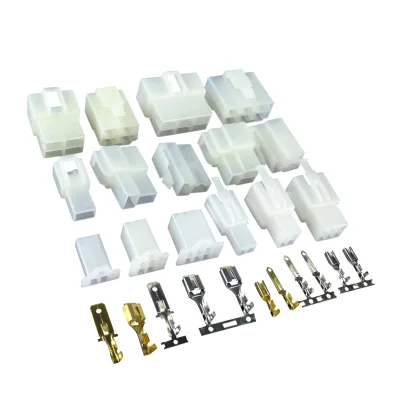
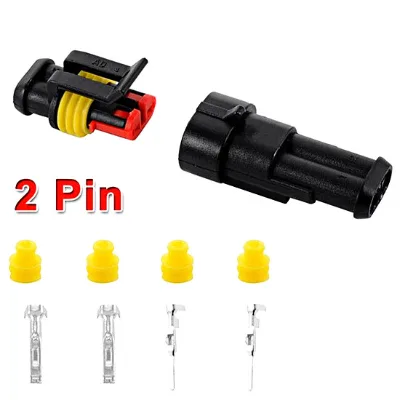
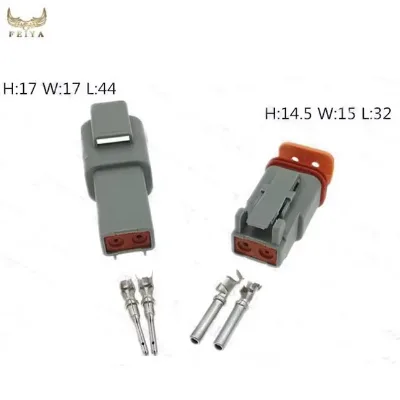
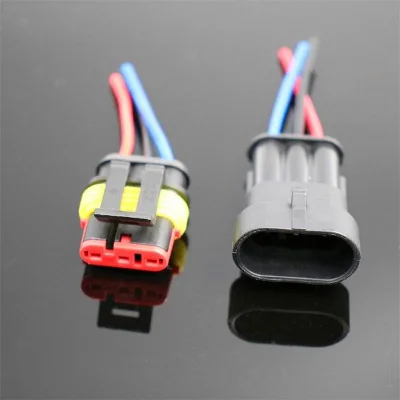
Pin Speaker Wire Automotive Waterproof Connector Automotive Wire Connector
$0.07 - $0.10
MOQ: 100 Pieces

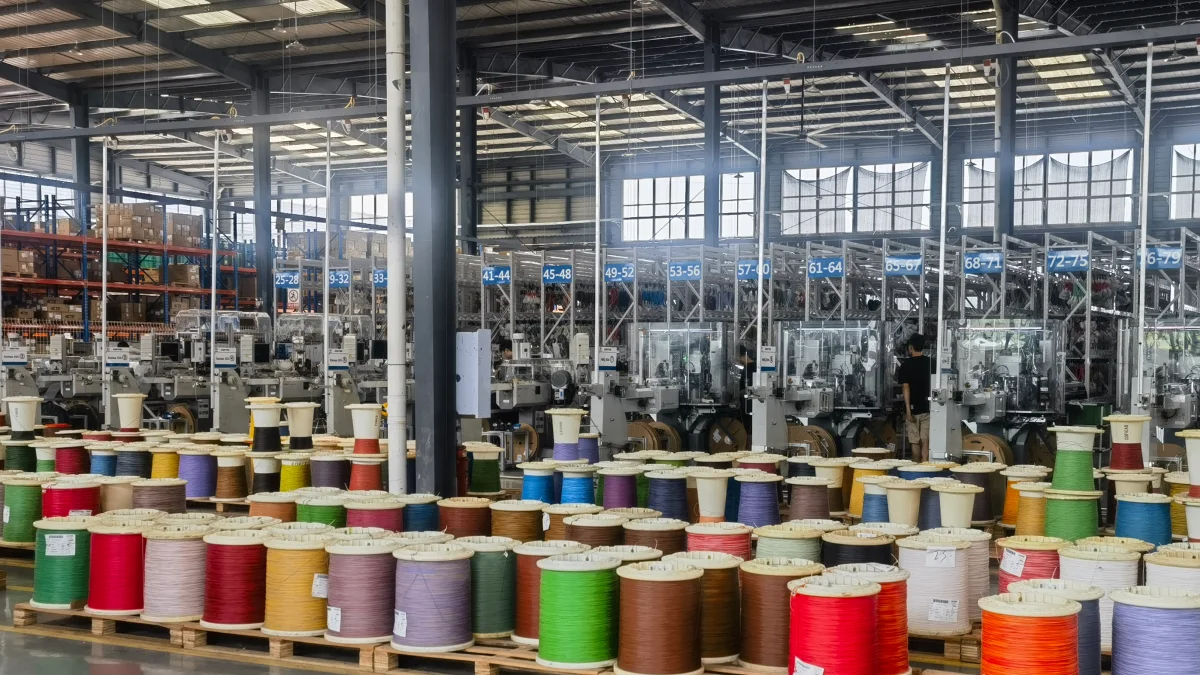
Zhengzhou Bey Electronic Technology Co., Ltd.
- Trading Company
- Henan, China
- Lead time3 days
- Avg. response≤ 4h
Main productsConnector,Termainal,Seal,Wire harness,other auto parts
Main marketsNorth America(20.00%), Northern Europe(16.00%), Eastern Europe(15.00%), Southern Europe(12.00%), Western Europe(9.00%), Central America(6.00%), Africa(5.00%), Southeast Asia(5.00%), South America(5.00%), Mid East(3.00%), Oceania(3.00%), South Asia(0.50%), Eastern Asia(0.50%)
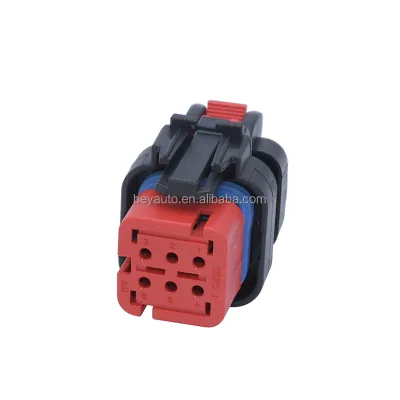
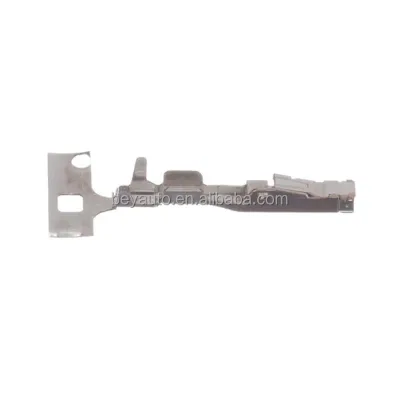
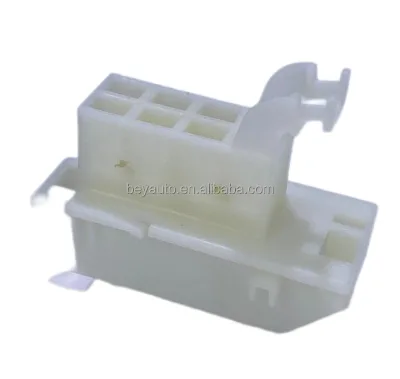
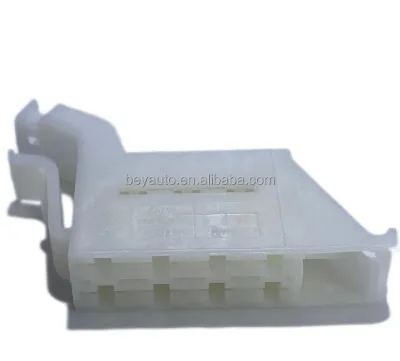
Hot Selling LEA R Automotive Cable Connectors Females Pin for Automotive Injectors
$1.0778 - $1.8318
MOQ: 100 pieces

Shanghai Star Electronic Technology Co., Ltd.
- Verified by SGS
- Combined
- China Shanghai
- Lead time15 days
- Avg. response≤ 5h
Main productsWire Harness, Terminal Block, Connector, Auto Connector, Female Header, Male Header, ISO Harness, Car Connector, Automotive Connector, Cable Assembly
Main marketsSouth America,Southeast Asia/ Mideast,East Asia(Japan/ South Korea),Europe,North America

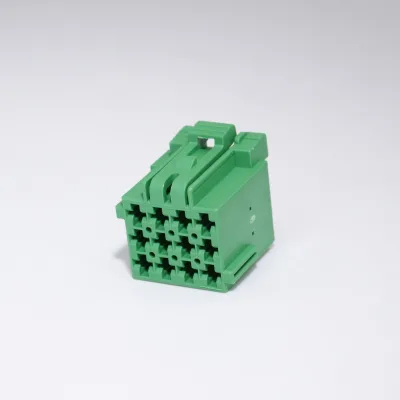
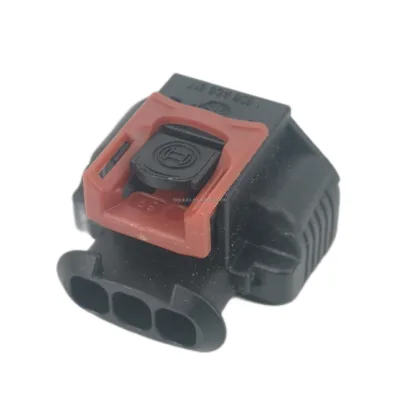
Sealed Auto Electrical Connectors 2-12pin Car Automotive Wire Connectors
$0.10 - $0.45
MOQ: 100 Pieces


8 Pin Connector Connector for Electrical Automotive Automotive Industrial
$0.15 - $0.50
MOQ: 100 Pieces


Zhejiang Tongsheng Electronic Co., Ltd.
- Combined
- China Zhejiang
- Lead time15 days
- Avg. response≤ 4h
Main productsWire Harness, Auto Connector, Wiring Harness, Automotive Connector, Housing
Main marketsEast Asia(Japan/ South Korea),Europe,North America

Guangzhou City Youye Electronics Co., Ltd
- Combined
- China Guangdong
- Lead time15 days
- Avg. response≤ 3h
Main productsWiring Harness, Connector, Terminals, Auto Wire Harness, Automotive Wire Harness, Cable Assembly, Wire Harness Assmbly, Auto Connector, Custom Cable Assembly, Wire Loom
Main marketsSoutheast Asia/ Mideast

Honha Autoparts Group Co., Limited
- Verified by SGS
- Trading Company,Manufacturer/Factory
- China Zhejiang
- Lead time15 days
- Avg. response≤ 17h
Main productsWire Harness, Auto Connector, Auto Relay
Main marketsSouth America,Eastern Europe,Mid East,North America,Southeast Asia,Eastern Asia,Oceania,Western Europe,Africa
Shenzhen Hengzhan Shidai Technology Co., Ltd.
- Verified by TüVRheinland
- Trading Company
- Lead time7 days
- Avg. response≤ 3h
Main productsConnectors, Custom Cables, Terminals, Cable Plug, Wire Harness
Main marketsNorth America(25%), Western Europe(15%), South America(5%)
Dongguan Jinhongwei Cable Co., Ltd.
- Manufacturer, Trading Company
- Lead time旺季: "1 - 10000":15,"> 10000":"To be negotiated", 淡季: "1 - 10000":15,"> 10000":"To be negotiated"
- Avg. response≤ 9h
Main productsPower cable,Wire harness,Cable assembly,Connector,Terminal

- Verified by BV
- Trading Company,Manufacturer/Factory
- China Zhejiang
- Lead time38 days
- Avg. response≤ 25h
Main productsAuto Connector, Terminal, Wire Harness, Car Modification Parts, Mold Development, Rubber Seals
Main marketsSouth America,Eastern Europe,Mid East,North America,Southeast Asia,Eastern Asia,Oceania,Western Europe,Africa


Superior Automotive Wiring Pin Connector for Reliable Terminal Connections
$0.045 - $0.05
MOQ: 3000 Pieces


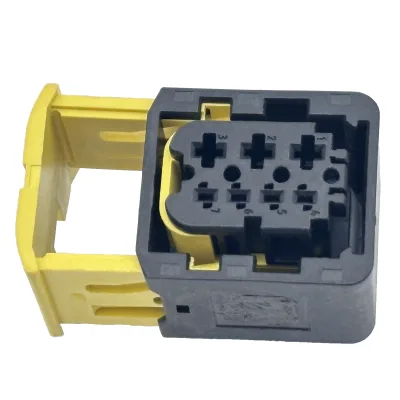
Reliable 6 Pins Connectors for Durable Automotive Wiring Harness Vehicles
$0.35 - $0.40
MOQ: 200 Pieces

Zhejiang Ama&Hien Technology Co., Ltd.
- Verified by TUVRHEINLAND
- Combined
- China Zhejiang
- Lead time23 days
- Avg. response≤ 7h
Main productsPCB Connectors, Wiring Harness, Terminal Block, Wire Connectors
Main marketsSoutheast Asia/ Mideast,Domestic
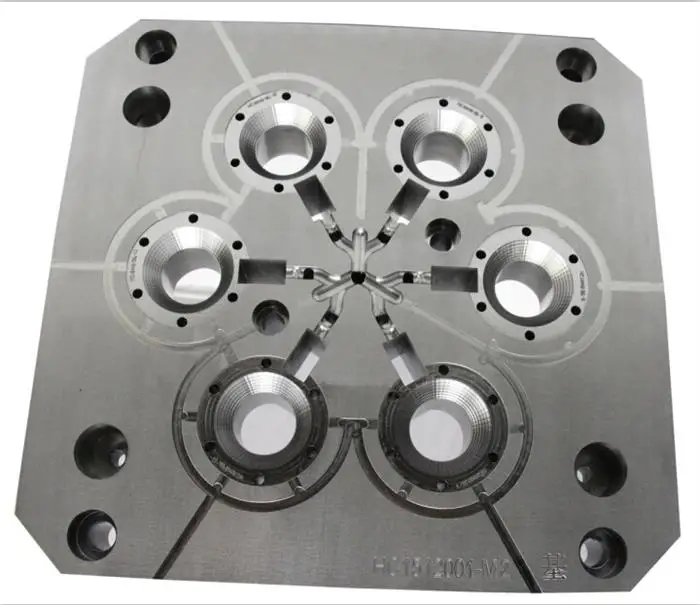
Kunshan Feiya Precision Moulding Co., Ltd.
- Manufacturer, Trading Company
- Jiangsu, China
- Lead time10 days
- Avg. response≤ 4h
Main productsInjection Plastic Product,Stamping Mould,Stamping Products,Injection Plastic Mould,CNC Machining Parts
Main marketsDomestic Market(75.00%), Western Europe(10.00%), North America(5.00%), Eastern Europe(5.00%), Southeast Asia(5.00%)

ZHEJIANG DELI CONNECTORS CO., LTD.
- Verified by CTI
- Manufacturer/Factory
- China Zhejiang
- Lead time23 days
- Avg. response≤ 16h
Main productsConnector, Terminal, Connector Housing, Wire Connector, Cable Connector, Electronic Connector, Molex Connector, Jst Connector, Yeonho Connector, Hirose Connector
Main marketsSouth America,Eastern Europe,Mid East,North America,Southeast Asia,Eastern Asia,Oceania,Western Europe,Africa

3 Pin Female Automobile Waterproof Sealed Series Automotive Connector Wire Harness Connector
$0.0001 - $0.02
MOQ: 1000 Pieces


Automotive Wire Plug Connector Waterproof Male Female 8 Pin Wire to Wire Electrical Connector
$0.0001 - $0.02
MOQ: 1000 Pieces

5pin Electric Connector Waterproof Automotive Wiring Connectors for Vehicles
$0.0001 - $0.02
MOQ: 1000 Pieces

16 Pin Terminal Connector Auto Parts Automobile Male Female Connector Car Wire Harness Connecto
$0.0001 - $0.02
MOQ: 1000 Pieces
Xi'an Yingbao Auto Parts Co., Limited
- Verified by TüVRheinland
- Manufacturer, Trading Company
- Lead time28 days
- Avg. response≤ 3h
Main productsAutomotive Connector, Wiring Harness, Fuel Injector Repair Kits, Fuel Injector Coper Sleeve, Fuel Injector
Zhejiang Anmaipu Auto Parts Co., Ltd.
- Manufacturer, Trading Company
- Zhejiang Province, China
- Lead time30 days
- Avg. response≤ 4h
Main productsWire Harness, Auto Connectors, Solenoid Valve Coil, Terminals, Rubber Products
Main marketsSouth America(48.00%), North America(14.00%), Western Europe(10.00%), Eastern Europe(7.00%), Mid East(6.00%), Oceania(4.00%), Southeast Asia(3.00%), Eastern Asia(2.00%), South Asia(1.00%), Southern Europe(1.00%), Central America(1.00%), Northern Europe(1.00%), Africa(1.00%), Domestic Market(1.00%)
Wuhan Magellan Technology Co., Ltd.
- Verified by SGS Group
- Trading Company
- Lead time30 days
- Avg. response≤ 4h
Main productsCar Wiring Harness, Car Connector, Car Fuse Box
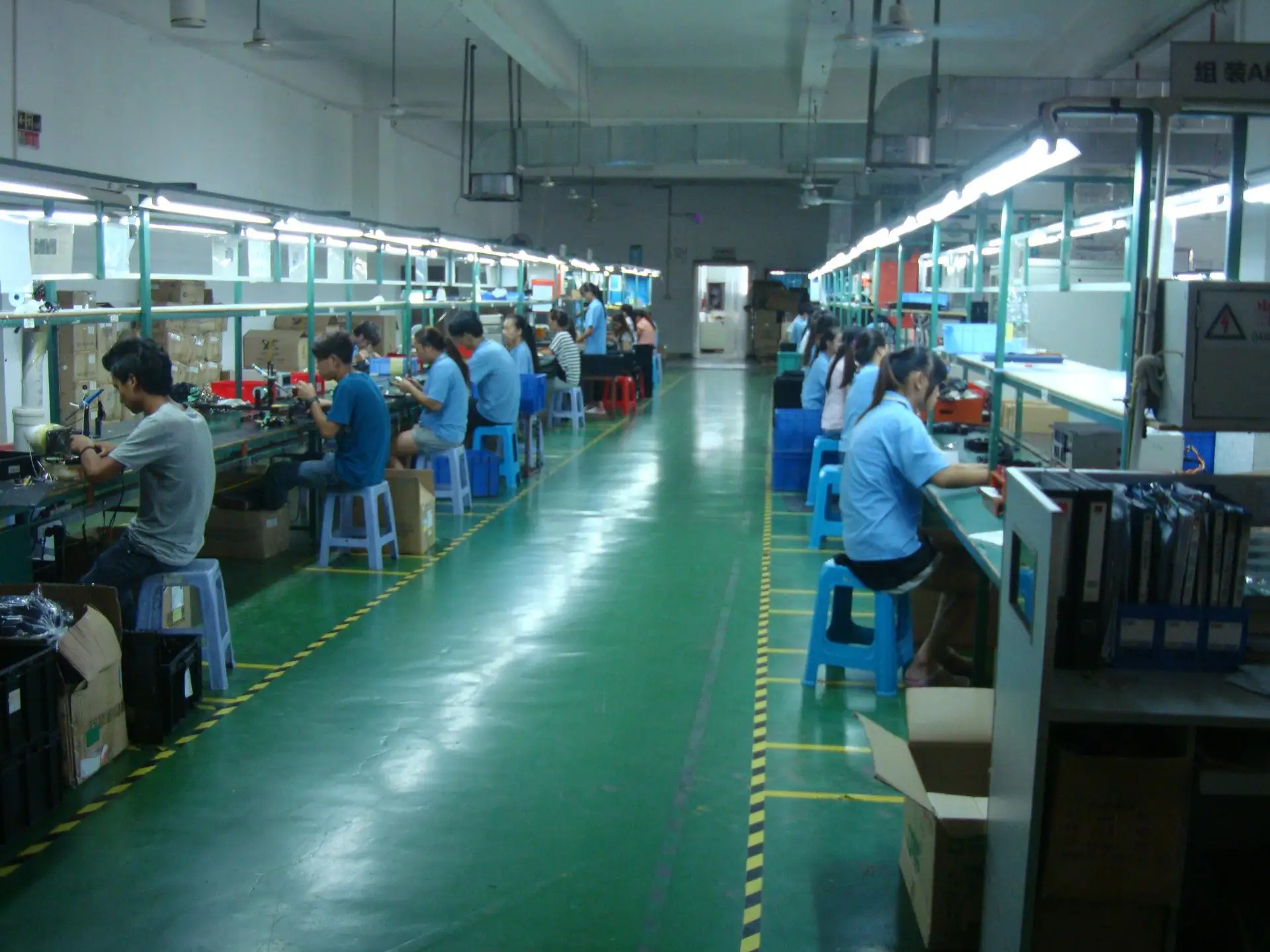
Shenzhen Hanxia Electronics Co., Ltd.
- Manufacturer
- Guangdong, China
- Lead time7 days
- Avg. response≤ 1h
Main productsTact Switch,USB Connector,Slide Switch,DC Jack,Rocker Switch
Main marketsMid East(20.00%), Central America(20.00%), South America(15.00%), Africa(15.00%), Northern Europe(15.00%), South Asia(10.00%), Southeast Asia(10.00%), North America(5.00%), Western Europe(5.00%)
Jinan Hongjing International Trade Co., Ltd.
- Verified by TüVRheinland
- Trading Company
- Lead time15 days
- Avg. response≤ 2h
Main productsTruck Urea System, ECU, Diesel Nozzle, Engine Wiring Harness, Nitrogen Oxide Sensor
Main marketsSouth America(40%), Southeast Asia(20%), Mid East(10%)

Zhejiang Lianhe Electronics Co., Ltd.
- Verified by SGS
- Combined
- China Zhejiang
- Lead time15 days
- Avg. response≤ 1h
Main productsConnector, Terminal, Wiring Harness, Wire Harness, Wire Connector, Wiring Connector, Connectors Plug, Cable Connector, Waterproof Connector, Electrical Connector
Main marketsSouth America,Africa,Southeast Asia/ Mideast,East Asia(Japan/ South Korea),Domestic,Europe,Australia,North America
Shenzhen Kaisheng Century Electronics Co., Ltd.
- Verified by TüVRheinland
- Trading Company
- Lead time1 days
- Avg. response≤ 2h
Main productsSemiconductor Electronic Components, RF Wireless Network Modules, Unmanned Machinery Components, Development Board Application Kits
Main marketsSouth America(18%), Eastern Asia(18%), North America(15%)
Wenzhou Xuanxi Electric Co., Ltd.
- Manufacturer, Trading Company
- Zhejiang, China
- Lead time15 days
- Avg. response≤ 3h
Main productsauto parts,motor parts,truck parts,connector and wire hardness,other related accessories
Main marketsEastern Europe(50.00%), Western Europe(20.00%), Northern Europe(10.00%), North America(10.00%), Oceania(10.00%)

Shenzhen E-Solution Technology Co., Ltd.
- Trading Company, Agent, Distributor/Wholesaler
- Guangdong, China
- Lead time0 days
- Avg. response≤ 4h
Main productselectronic components,transistors,diode,capacitor,resistor
Main marketsWestern Europe(20.00%), North America(20.00%), Mid East(10.00%), Eastern Europe(10.00%), Northern Europe(10.00%), Central America(10.00%), South America(5.00%), South Asia(5.00%), Southern Europe(5.00%), Africa(5.00%)
Wenzhou LeYi Auto Parts Co., Ltd.
- Verified by TüVRheinland
- Manufacturer, Trading Company
- Lead time0 days
- Avg. response≤ 1h
Main productsAuto Connector, Wire Harness, Needle Seat, Terminal, Electronic Connector
Main marketsDomestic Market(50%), Eastern Asia(20%), North America(10%)
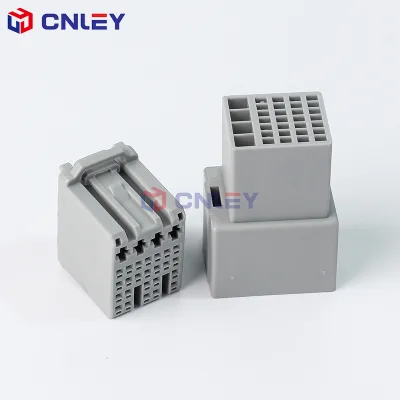
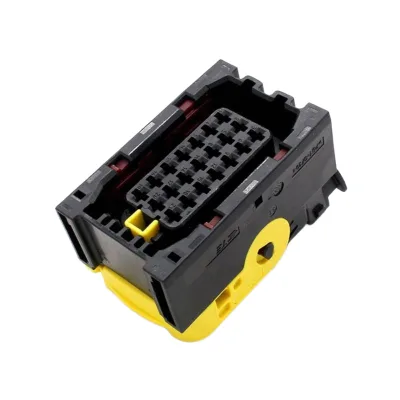
2098067-6 28 Pin Automotive Crimping Housing Wire-to-Board Signal Wire Connector for Hybrid Cars
$0.15 - $0.50
MOQ: 10 pieces
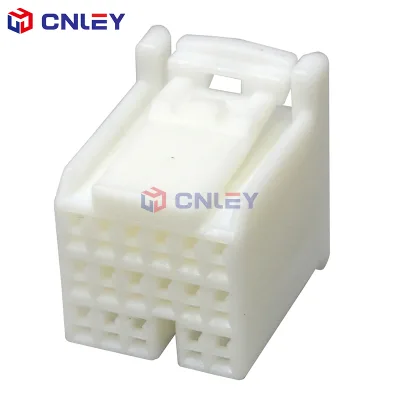
$0.2084 - $0.6221
MOQ: 10 pieces
Zhejiang Lianhe Import & Export Co., Ltd.
- Verified by SGS Group
- Manufacturer, Trading Company
- Lead time3 days
- Avg. response≤ 5h
Main productsAuto Connector, Rubber Seal, Terminal, Wire Harness, Fuse Holder
Main marketsMid East(15%), Western Europe(15%), North America(10%)
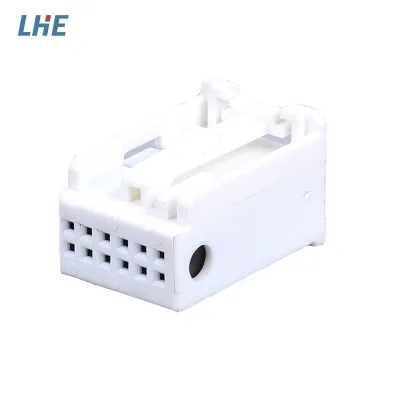
$0.2084 - $0.3343
MOQ: 200 Minimum


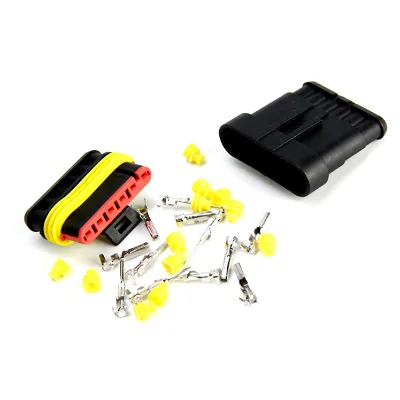
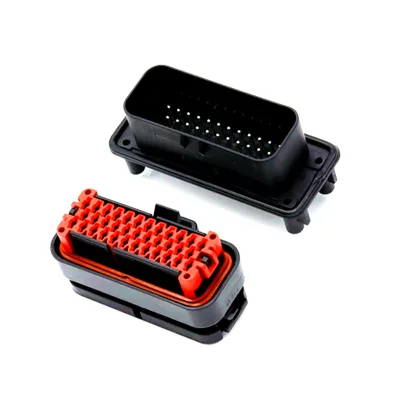
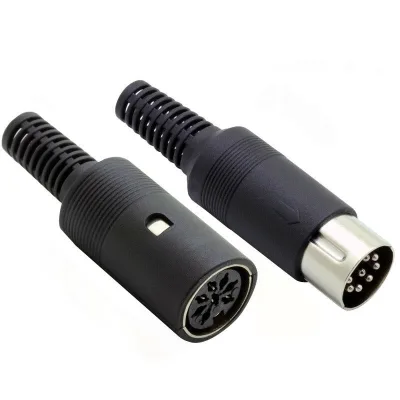
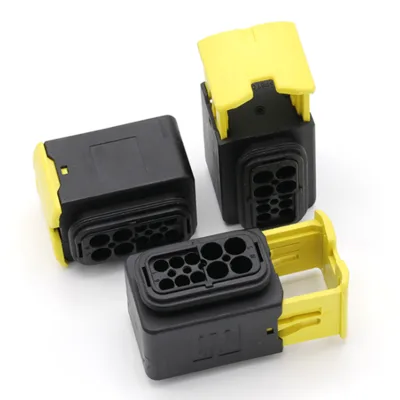


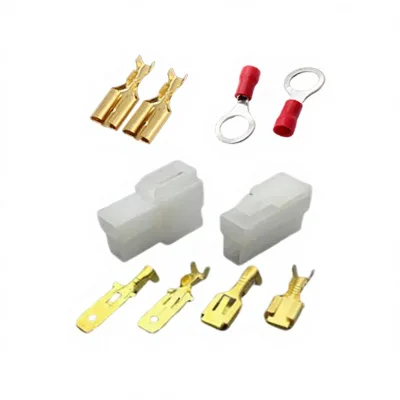
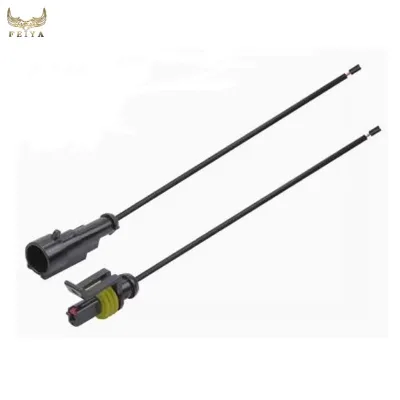
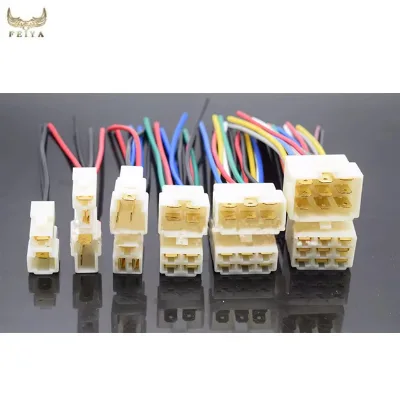
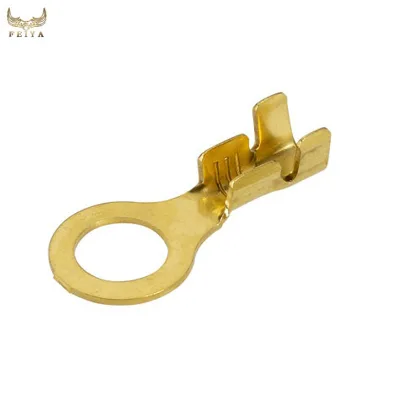
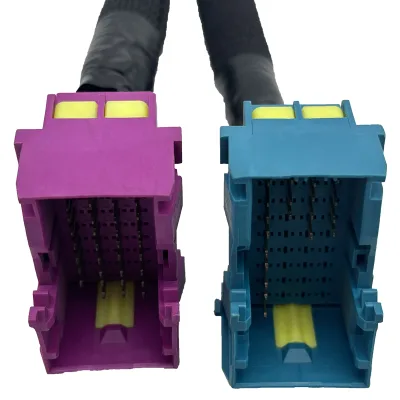
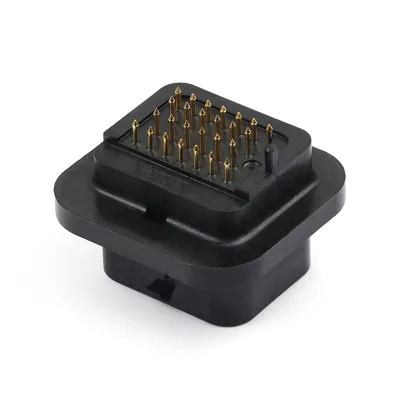
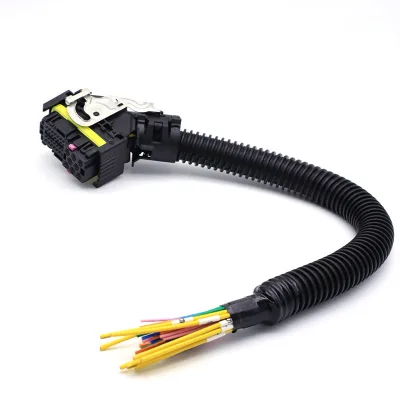
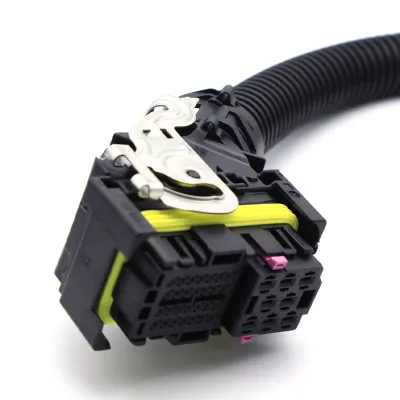


Comprehensive Sourcing Guide
34 Pin Automotive Wire Connectors Supplier Concentration and Factory Types
The current supplier landscape for automotive connectors reveals a distinct geographic concentration in China, with specific manufacturing hubs identified in Zhejiang and Shanghai provinces, as well as inland production in Henan. These regions serve as primary clusters for electrical equipment and supplies, particularly within the connectors and terminals sub-sector. Buyers evaluating potential partners should note that the majority of observed entities are located within these Chinese provinces, indicating a mature supply chain ecosystem for automotive wiring components. The presence of suppliers in Zhejiang suggests a strong industrial base for plastic injection molding and terminal fabrication, which are critical for producing complex multi-pin connectors. Meanwhile, Shanghai-based suppliers often leverage their port infrastructure for efficient export logistics, catering to international buyers who require reliable shipping schedules. Understanding this geographic distribution helps buyers narrow their search to regions with established expertise in automotive-grade electrical components, ensuring access to suppliers who understand the rigorous demands of vehicle manufacturing.
Supplier types in this sector vary significantly, ranging from combined manufacturing entities to specialized trading companies. Many suppliers operate as combined firms that handle both Original Design Manufacturing (ODM) and Original Equipment Manufacturing (OEM) services, allowing for greater flexibility in customizing connector specifications for specific automotive applications. Some suppliers also maintain their own brands, indicating a level of market maturity and product development capability. In contrast, trading companies focus on aggregating products from various factories, offering a broader catalog but potentially less direct control over production quality. Buyers must distinguish between these types based on their specific needs; those requiring custom engineering and proprietary designs should prioritize combined manufacturers with ODM capabilities, while those seeking standard off-the-shelf components might find trading companies more efficient for bulk procurement. The diversity in company types ensures that buyers can find partners aligned with their scale and customization requirements, provided they carefully verify the actual manufacturing capabilities behind the listed company type.
How to Verify 34 Pin Automotive Wire Connectors Suppliers
Verification is a critical step in mitigating risk when sourcing automotive connectors, as the integrity of electrical connections directly impacts vehicle safety and performance. Buyers should prioritize suppliers who have undergone third-party verification processes, such as CTI certification, which provides an independent assessment of the supplier’s business legitimacy and operational capabilities. This verification status serves as a foundational trust signal, confirming that the entity exists and operates as declared. Beyond basic verification, buyers must scrutinize the specific certifications listed for individual products, as these indicate compliance with industry standards. For instance, some suppliers display UL certification for their terminal products, which is a significant indicator of electrical safety and material quality. Other suppliers may list ISO certifications, although the specific system certifications for some entities are not explicitly detailed in the available data. Buyers should request documentation for these certifications to ensure they meet the specific regulatory requirements of their target markets, particularly for automotive applications where standards are stringent.
In addition to certifications, buyers should assess the supplier’s response time and communication efficiency, as these factors influence the speed of problem resolution and order processing. Data indicates that response times can vary, with some suppliers responding within approximately five hours, while others may take up to nine or more hours. A faster response time often correlates with a more responsive customer service team, which is crucial for negotiating technical specifications and resolving issues during production. Buyers should also verify the supplier’s production capacity and customization options, such as the availability of ODM services or specific material choices like Nylon PA66 for housings. It is essential to confirm that the supplier can meet the technical requirements of 34-pin connectors, including rated voltage and current capacity, by reviewing product attributes and requesting samples. By combining verification status, certification checks, and communication assessment, buyers can build a robust profile of potential suppliers, ensuring they partner with entities that are both legitimate and capable of delivering high-quality automotive components.
What to Compare Across 34 Pin Automotive Wire Connectors Suppliers
When evaluating multiple suppliers for 34-pin automotive wire connectors, buyers must compare key operational metrics to determine the best fit for their supply chain. One critical dimension is the minimum order quantity (MOQ), which varies significantly across suppliers. Some suppliers offer low MOQs, such as 100 pieces, which is advantageous for prototyping or small-batch production runs, while others may require higher volumes, such as 200 pieces or more, to justify production setup costs. Buyers should align their MOQ requirements with their inventory strategy and demand forecasts to avoid excessive stockpiling or production delays. Additionally, pricing structures should be compared, noting that unit costs can range from fractions of a dollar to higher amounts depending on the connector’s complexity, material quality, and pin count. For example, basic terminals may cost as low as $0.07, while more complex assemblies or higher-current connectors can exceed $2.00 per unit. Buyers must ensure they are comparing equivalent specifications to avoid misleading price differences, focusing on the total cost of ownership including shipping and tariffs.
Lead times and delivery capabilities are another vital comparison point, as they impact production schedules and inventory management. Suppliers may offer different lead times, with some providing rapid delivery for small orders within three days, while others have standard lead times of 30 days for bulk production. Buyers should clarify whether the stated lead time applies to sample production or mass manufacturing, as these timelines can differ substantially. Furthermore, the supplier’s main products and specialization should be evaluated to ensure they have expertise in automotive connectors rather than general electrical components. Suppliers listing automotive-specific keywords, such as waterproof connectors or high-current terminals, are likely more experienced in meeting automotive industry standards. Buyers should also consider the supplier’s customization capabilities, such as the ability to provide custom housing materials or specific pin configurations, as this flexibility can be crucial for unique vehicle designs. By systematically comparing MOQs, prices, lead times, and product specialization, buyers can identify suppliers that offer the best balance of cost, speed, and technical capability.
Common 34 Pin Automotive Wire Connectors Sourcing Risks
Sourcing automotive connectors involves several inherent risks that buyers must actively manage to ensure supply chain stability and product quality. One significant risk is the variability in product specifications and material quality, which can lead to performance failures in vehicle applications. For instance, while some suppliers specify high-quality materials like Nylon PA66 with glass fiber reinforcement for housings, others may use inferior plastics that degrade under high temperatures or stress. Buyers must verify the material composition and mechanical properties of the connectors to ensure they meet the rigorous demands of automotive environments, such as resistance to heat, vibration, and moisture. Additionally, the risk of counterfeit or non-compliant products exists, particularly if suppliers lack proper certifications or verification status. Buyers should be cautious of suppliers who do not provide clear documentation for their products or who claim certifications without verifiable evidence. This risk is heightened in the automotive sector, where component failure can have severe safety implications, making thorough due diligence essential.
Another common risk is the inconsistency in delivery times and order fulfillment reliability. While some suppliers advertise short lead times for small orders, they may struggle to meet deadlines for bulk production, leading to delays in the buyer’s manufacturing process. This risk is exacerbated by the complexity of 34-pin connectors, which require precise manufacturing processes and quality control measures. Buyers should assess the supplier’s production capacity and historical performance to gauge their reliability. Furthermore, the risk of communication barriers and cultural differences can lead to misunderstandings regarding technical specifications and quality expectations. Buyers should establish clear communication channels and provide detailed technical drawings and requirements to minimize the risk of errors. It is also important to consider the risk of supply chain disruptions, such as raw material shortages or logistical issues, which can impact the availability of connectors. By identifying and mitigating these risks through careful supplier selection, contract terms, and quality control measures, buyers can protect their operations and ensure the consistent supply of high-quality automotive components.
34 Pin Automotive Wire Connectors Regional Sourcing and Logistics
Regional sourcing plays a crucial role in determining the efficiency and cost-effectiveness of procuring 34-pin automotive wire connectors. The current supplier data indicates a strong concentration of manufacturers in China, specifically in provinces like Zhejiang, Shanghai, and Henan. These regions offer distinct advantages in terms of industrial infrastructure, supply chain maturity, and logistical access. Zhejiang, for example, is known for its robust manufacturing capabilities in plastics and electrical components, making it a prime location for sourcing high-quality connector housings and terminals. Shanghai, with its major port facilities, provides excellent logistical advantages for international shipping, reducing transit times and costs for buyers in North America, Europe, and other global markets. Henan, located inland, offers competitive labor costs and growing manufacturing capabilities, though buyers may need to account for additional inland transportation logistics. Understanding these regional dynamics allows buyers to optimize their sourcing strategy by selecting suppliers based on their proximity to key logistics hubs and their specific manufacturing strengths.
Logistics considerations extend beyond just the supplier’s location to include packaging, shipping methods, and customs compliance. Suppliers in China typically use standard packaging methods, such as cartons or bags, to protect connectors during transit. Buyers should verify the packaging specifications to ensure they meet the requirements for preventing damage and moisture exposure, which is critical for maintaining the integrity of electrical components. Additionally, buyers must consider the impact of shipping methods on lead times and costs. Air freight offers faster delivery but at a higher cost, while sea freight is more economical for bulk orders but involves longer transit times. Buyers should align their shipping strategy with their inventory needs and budget constraints. Furthermore, customs compliance is essential to avoid delays and additional duties. Buyers should ensure that their suppliers provide accurate documentation, including product descriptions, HS codes, and certificates of origin, to facilitate smooth customs clearance. By carefully managing regional sourcing and logistics, buyers can minimize costs, reduce lead times, and ensure the reliable delivery of 34-pin automotive wire connectors to their facilities.
34 Pin Automotive Wire Connectors Commercial Terms and Order Planning
Effective order planning and clear commercial terms are essential for successful procurement of 34-pin automotive wire connectors. Buyers must establish precise agreements regarding pricing, payment terms, and delivery schedules to avoid disputes and ensure smooth transactions. Pricing should be negotiated based on volume tiers, with discounts available for larger orders, as indicated by the varying price ranges observed among suppliers. Buyers should also clarify whether prices include packaging, shipping, and taxes, as these factors can significantly impact the total cost. Payment terms, such as letters of credit or escrow services, provide security for both parties, ensuring that payment is released only upon satisfactory delivery of goods. Buyers should prioritize suppliers who offer secure payment options and transparent pricing structures to mitigate financial risks. Additionally, buyers must define clear quality acceptance criteria and return policies in their contracts, specifying the procedures for handling defective or non-conforming products. This clarity helps protect the buyer’s interests and ensures that any issues are resolved efficiently.
Order planning should also account for the supplier’s production capacity and lead times to align with the buyer’s production schedule. Buyers should request detailed production schedules and regular updates to monitor progress and identify potential delays early. For 34-pin connectors, which may require custom tooling or specific material sourcing, buyers should allow sufficient time for setup and production. It is also important to plan for sample approval before mass production, as this step ensures that the final product meets the buyer’s specifications. Buyers should establish a clear communication protocol for technical queries and changes, ensuring that any modifications are documented and agreed upon by both parties. Furthermore, buyers should consider the long-term relationship with their suppliers, negotiating favorable terms for repeat orders and volume commitments. By implementing robust commercial terms and strategic order planning, buyers can optimize their supply chain, reduce costs, and ensure the consistent availability of high-quality 34-pin automotive wire connectors for their manufacturing operations.
FAQs
What is the typical lead time for automotive wire connectors?
Lead times vary by supplier and order volume. Some suppliers offer a 30-day lead time for standard orders. Others may deliver small orders in about 3 days. Bulk orders often require confirmation for specific delivery schedules. Always verify the exact timeline with the seller before placing an order.
What is the minimum order quantity for these connectors?
Minimum order quantities differ across listings. Some products require a minimum of 200 pieces, while others start at 100 units. Certain suppliers support small orders alongside bulk purchases. Buyers should check the specific product page to confirm the exact MOQ required for their intended purchase volume.
Are samples available for automotive wire connectors?
Yes, samples are often freely supplied for evaluation. Buyers can request samples to verify quality and specifications before committing to a larger order. This allows for testing the product fit and performance. However, shipping costs for samples may vary depending on the supplier and destination location.
What certifications do these automotive connectors hold?
Certifications vary by manufacturer and product line. Some listings indicate UL certification for specific terminal types. Others mention ISO standards or no specific system certification. Buyers must verify the exact certification status for each product to ensure compliance with their specific automotive safety and quality requirements.
Where are these automotive connectors manufactured?
Manufacturing locations include China, specifically Zhejiang, Shanghai, and Henan provinces. These regions are known for producing various electrical components and connectors. The origin affects shipping times and logistics. Buyers should confirm the specific place of origin listed for each product to plan their supply chain effectively.
What is the response time for supplier inquiries?
Response times vary among different suppliers. Some suppliers respond within approximately 5 hours, while others may take around 9 hours. A few suppliers claim a response time of 4 hours. Faster response times generally indicate better availability for addressing buyer questions and resolving issues quickly.
What materials are used for the connector housing?
Housing materials typically include Nylon PA66 with glass fiber reinforcement. Some products use plastic nylon PA66 for durability and insulation. The material choice ensures high temperature resistance and mechanical strength. Buyers should check the specific product attributes to confirm the exact housing material used for their application needs.