anti-bacteria woven medical scrubs fabric Suppliers and Manufacturers
Compare 21 verified suppliers offering anti-bacteria woven medical scrubs fabric with ISO 9001 certification and varying lead times. Review response times, MOQs, and product compositions to select the right partner for your medical uniform needs; review the available evidence before requesting comparable quotations from suitable candidates.
Updated
Suppliers List

Shaoxing Dalian Imp. & Exp. Co., Ltd.
- Verified by TUVRHEINLAND
- Trading Company,Manufacturer/Factory
- China Zhejiang
- Lead time120 days
- Avg. response≤ 4h
Main productsInterlock Fabric, Scuba Fabric, Spandex Fabric, Swimwear Fabric, Bird Eye Mesh Fabric, Sports Wear Fabric, T-Shirt Fabric
Main marketsSouth America,Eastern Europe,Mid East,North America,Southeast Asia,Eastern Asia,Oceania,Western Europe,Africa
Hebei Ningxiang Trading Co., Ltd.
- Trading Company
- Hebei, China
- Lead time20 days
- Avg. response≤ 6h
Main productsClothing fabrics,Tooling fabrics,Medical fabrics,Special functional fabrics,Home textiles
Main marketsDomestic Market(25.00%), North America(15.00%), Southeast Asia(15.00%), Mid East(15.00%), Africa(10.00%), Northern Europe(10.00%), Eastern Europe(10.00%)

Hebei Deruntong Import and Export Co., Ltd.
- Verified by TUVRHEINLAND
- Trading Company
- China Hebei
- Lead time30 days
- Avg. response≤ 5h
Main productsshirt fabric
Main marketsAfrica,Southeast Asia/ Mideast,Europe


$0.85 - $0.88
MOQ: 3000 Meters


Factory Wholesale 100% Cotton Twill Medical Fabric for Medical Scrubs Uniform
$0.60 - $0.80
MOQ: 1000 Meters

$1.08 - $1.18
MOQ: 2000 Meters


Sichuan Jia Hong Da Textile Co., Ltd.
- Trading Company
- Sichuan, China
- Lead time20 days
- Avg. response≤ 10h
Main productsCamouflage Fabric,Flame Retardant Fabric,Anti-static Fabric,Bag and Tents Fabric,Stretch fabric
Main marketsEastern Europe(50.00%), South America(15.00%), Southeast Asia(10.00%), Mid East(10.00%), North America(5.00%), Domestic Market(5.00%), Africa(3.00%), Eastern Asia(1.00%), Western Europe(1.00%)

Hebei Shuolan Industry Co., Ltd.
- Verified by BV
- Combined
- China Hebei
- Lead time15 days
- Avg. response≤ 5h
Main productsCotton Tc CVC Fabric & Greige, Shirt Fabric, Pocketing/Lining Fabric, Uniform Fabric, Medical Fabric, Mask, Home Textile, Towel
Main marketsOthers(foreignTradeCapacity.exportBusinessCapacityMarketOther),Domestic

Cheap Environmental Protection Safety Solid Texture Fabric Medical Hospital Scrubs Fabric
$0.90 - $1.50
MOQ: 3000 Yards


$1.25 - $1.35
MOQ: 2000 Meters


Trs 2-Way Stretch Twill Anti-Bacterial Scrub Fabric for Hospital Doctor Nurse Uniforms
$1.25 - $1.35
MOQ: 2000 Meters
Zhengzhou Longjin Textile Co., Ltd.
- Verified by SGS Group
- Manufacturer, Trading Company
- Lead time15 days
- Avg. response≤ 6h
Main productsPrinted Fabric, TC Fabric, Flame Retardant fabric, Workwear Fabric, Pocketing Fabric
Main marketsDomestic Market(55%), Mid East(15%), Eastern Europe(15%)
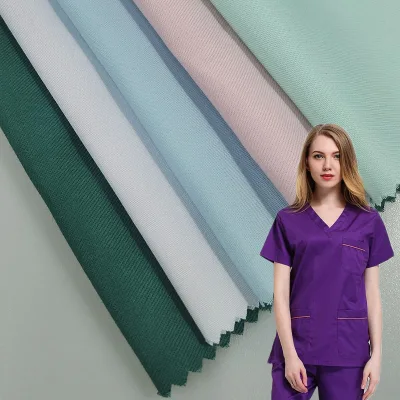
Polyester Cotton Fabric Manufacturer Medical Scrubs Fabric Nurse Uniform Fabric
$0.42 - $1.30
MOQ: 3000 meters
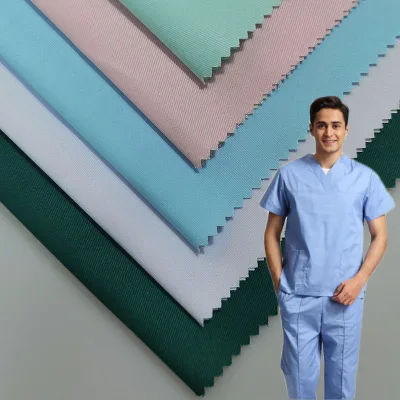
$0.9998 - $1.0823
MOQ: 3000 meters
Tc 65/35 or 100% Cotton Poplin Hospital Uniform Fabric for Nurse Doctor Medical Workwear Fabric
$0.35 - $1.04
MOQ: 3000 meters
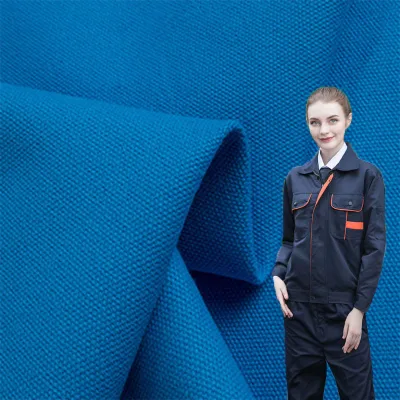
$0.79 - $0.83
MOQ: 3000 meters
Shaoxing Yunai Textile Co., Ltd.
- Verified by SGS Group
- Trading Company
- Lead time7 days
- Avg. response≤ 2h
Main productsShirt Fabric, Suitting Fabric, Uniform Fabric, TR Fabric, Wool Fabric
Main marketsEastern Europe(20%), Central America(20%), South Asia(20%)
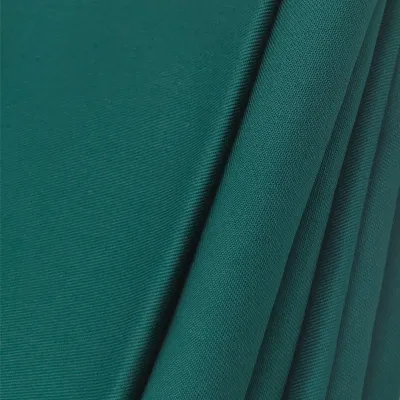
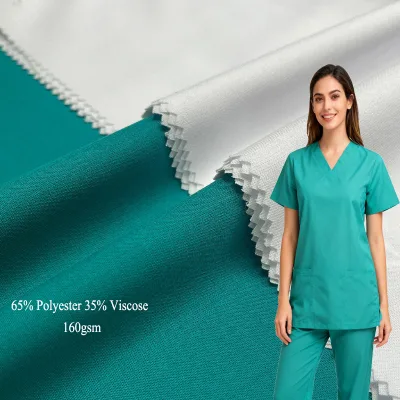
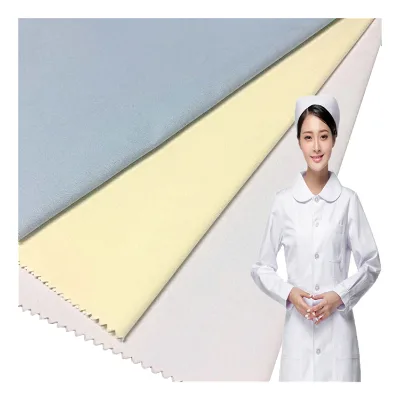
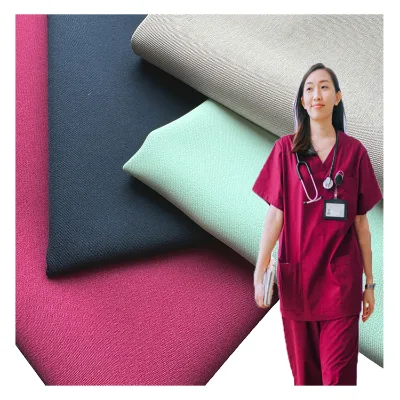
Easy Care Custom 65% Polyester 35% Viscose Medical Scrub Fabric for Nursing Scrubs
$1.65 - $1.88
MOQ: 20000
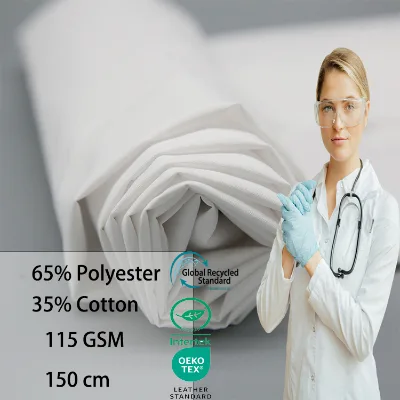
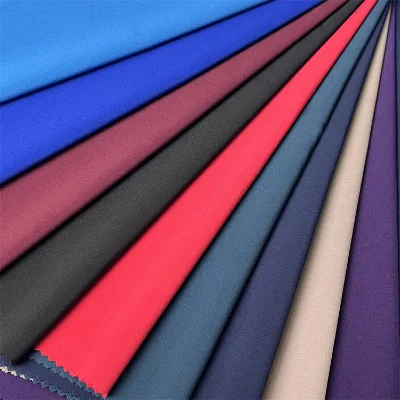
$1.55 - $1.95
MOQ: 1500 meters
Hebei Huijing Import And Export Trade Co., Ltd.
- Trading Company
- Hebei, China
- Lead time15 days
- Avg. response≤ 4h
Main productscotton polyester bedsheet fabric,uniform workwear twill fabric,denim jeans fabric,pocket lining fabric,printed fabric
Main marketsNorth America(30.00%), South America(20.00%), Central America(10.00%), Mid East(10.00%), Oceania(10.00%), Africa(10.00%), Eastern Europe(10.00%)
Hangzhou Mengda Industry Co., Ltd.
- Manufacturer
- Zhejiang, China
- Lead time35 days
- Avg. response≤ 5h
Main productsTRSP Fabric/Brushed Fabric/Plaid Fabric/TR Fabric
Main marketsDomestic Market(80.00%), North America(5.00%), South America(5.00%), Southeast Asia(5.00%), Western Europe(2.00%), Northern Europe(2.00%), Southern Europe(1.00%)
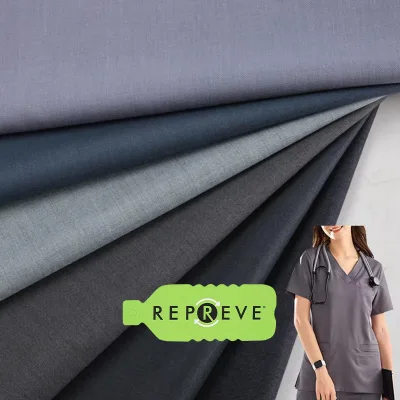
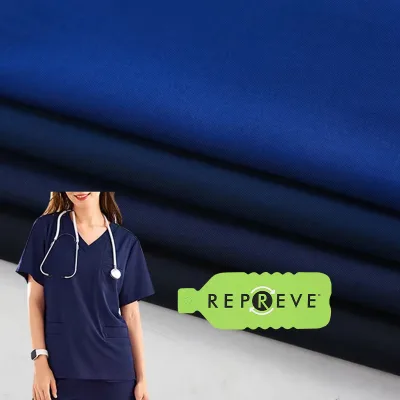

$1.82 - $2.21
MOQ: 3000 Minimum

Hebei Wangbei Textile Trading Co., Ltd.
- Verified by SGS
- Trading Company,Manufacturer/Factory
- China Hebei
- Lead time15 days
- Avg. response≤ 6h
Main productsGreige Fabric, Polyester Viscose Uniform Fabric, Shirt Fabric, Muslin Fabric, Linen Fabric, Sheet Fabric, 100% Cotton Fabric, Tr Suit Fabric, Thobe Fabric, Tc Poplin Fabric
Main marketsSouth America,Eastern Europe,Mid East,North America,Southeast Asia,Eastern Asia,Oceania,Western Europe,Africa

100% Cotton Fabric for Medical Scrubs of Hospital Nurse Doctor Uniforms
$0.90 - $1.20
MOQ: 4000 Meters

Hubei Hothome Industry Co., Ltd.
- Verified by SGS Group
- Manufacturer, Trading Company
- Lead time40 days
- Avg. response≤ 2h
Main productsCap, Chef Uniform, Scrub Uniform, Spa Uniform, Apron
Main marketsNorth America(45%), Western Europe(20%), Northern Europe(20%)
Hebei Niuyuan Technology Co.,Ltd
- Verified by TüVRheinland
- Manufacturer, Trading Company
- Lead time16 days
- Avg. response≤ 3h
Main productsPocketing Fabric, Shirting Fabric, Uniform Fabric, Spandex Fabric, TR Fabric
Main marketsAfrica(20%), South America(10%), Southeast Asia(10%)

Hebei Changjin Textile Co., Ltd.
- Verified by BV
- Trading Company
- China Hebei
- Lead time23 days
- Avg. response≤ 3h
Main productsUniform Fabric, Flannel Fabric, Pocketing Fabric, Yarn Dyed Fabric, Shirting Fabric, Cotton Spandex Fabric, Poly Rayon Fabric
Main marketsSouth America,Africa,Southeast Asia/ Mideast,Europe,North America

Hospital Uniform Fabric Scrubs Fabric for Medical Uniform Polyster Fabric 100 Polyester Uniform
$0.90 - $0.95
MOQ: 4000 Meters

Polyester Cotton Nurse Doctor's Workwear Resistant Chlorine Bleaching Antibacterial Fabric
$1.20 - $1.50
MOQ: 3000 Meters

$1.10 - $1.60
MOQ: 3000 Meters
Hebei Changjin Textile Co., Ltd.
- Verified by TüVRheinland
- Trading Company
- Lead time20 days
- Avg. response≤ 2h
Main productsPolyester Viscose Suit Fabrics, Polyester Robe Fabrics, Cotton Gauze Muslin, Cotton Stretch Fabrics, Polyester Cotton Uniform And Shirt Fabrics
Main marketsSoutheast Asia(20%), Africa(20%), Mid East(20%)
Hebei Xingye Import Export Co., Ltd.
- Verified by SGS Group
- Manufacturer, Trading Company
- Hebei, China
- Lead time30 days
- Avg. response≤ 3h
Main productsTC Workwear Fabric, TC Shirting Fabric, TR Suiting Fabric, TR Shirting Fabric, Cotton Flannel Fabric
Main marketsSouth America(30%), Africa(30%), Southeast Asia(10%)
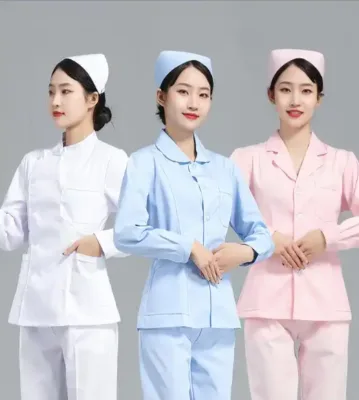
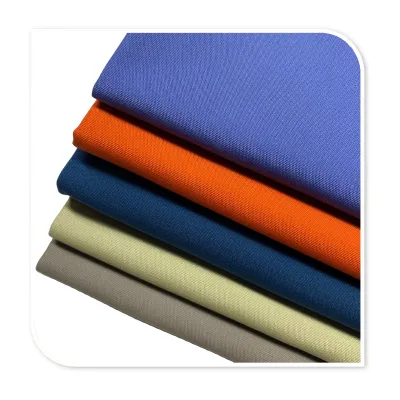
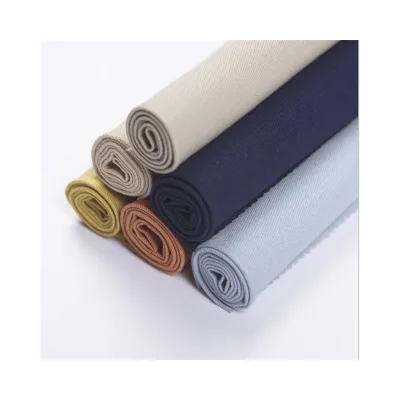
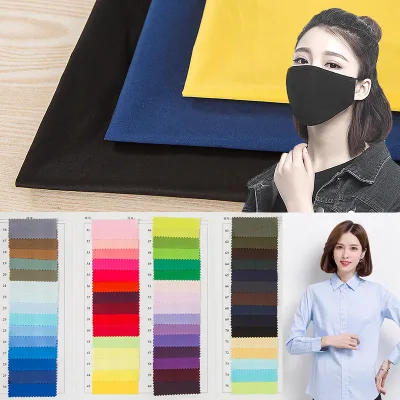
High Quality 100% Cotton Vat Dyed Medical Textile Fabric Doctors and Nurses Uniform Fabrics
$1.1138 - $1.1347
MOQ: 3000 meters

Suzhou Zhengkai Textile Co., Ltd.
- Verified by BV
- Trading Company,Manufacturer/Factory
- China Jiangsu
- Lead time15 days
- Avg. response≤ 18h
Main productsPolyester Fabric, Oxford Fabrics, Coated Fabric, Nylon Fabric, Lining Fabric, Satin Fabric, Microfiber Peach Skin, Chiffon Fabric, Anti-Static Fabric, Pongee Fabric
Main marketsEastern Europe,North America,Southeast Asia,Eastern Asia,Oceania,Western Europe,Africa

Medical Hotsale Dyed Cotton Medical Nurse Scrub Doctors Uniform Fabric Tc Polyester Cotton Fabric
$0.86 - $1.94
MOQ: 1000 Meters


72% Polyester 21% Rayon 7% Spandex Twill Fabric for Scrubs Medical Uniform Nurse
$0.86 - $1.94
MOQ: 1000 Meters

Customized Polyester and Cotton with Spandex Scrub Dyed Hospital Medical Nurse Uniform Fabric
$0.86 - $1.94
MOQ: 1000 Meters

Suzhou Welljoy Textile Co., Ltd.
- Manufacturer/Factory
- China Jiangsu
- Lead time23 days
- Avg. response≤ 22h
Main productsHigh Visibility Fabric, Functional Fabric, Uniform Fabrics, Textile Fabric, Oxford Fabric, Conductive Fabric, Fluorescent Fabrics, Stripe Fabric, Coated Fabric, Woven Fabric
Main marketsSouth America,Eastern Europe,Mid East,North America,Southeast Asia,Eastern Asia,Oceania,Western Europe,Africa

White 65 Polyester 35 Cotton Woven Anti-Static Medical Hospital Scrub Fabric
$0.65 - $1.88
MOQ: 1000 Pieces

Anti-Microbial Polyester Cotton Twill Nurse Work Wear Uniforms Fabric for Scrubs
$0.65 - $1.88
MOQ: 1000 Pieces

Hospital Nursing Scrubs Twill 65 Polyester 35 Cotton Fabric for Uniforms
$0.65 - $1.88
MOQ: 1000 Pieces

Wholesale Solid Medical 65% Poly 35% Cotton Hospital Nurses Uniform Fabric for Scrubs
$0.65 - $1.88
MOQ: 1000 Pieces

Quality Assurance Twill Woven Poly Cotton 65 35 White Nurse Uniform Clothing Fabric for Scrubs
$0.65 - $1.88
MOQ: 1000 Pieces

Shaoxing Dalian Import & Export Co., Ltd.
- Trading Company
- Zhejiang, China
- Lead time30 days
- Avg. response≤ 1h
Main productsSpandex Fabric, Uniform Fabric, Sports Fabric, Fleece Fabric, Mesh Fabric
Main marketsSouth America(50.00%), North America(30.00%), Eastern Europe(15.00%), Mid East(5.00%)

- Trading Company,Manufacturer/Factory
- China Zhejiang
- Lead time23 days
- Avg. response≤ 5h
Main products100% Polyester Fabric, Minimatt, Microfiber, Satin, Bed Sheet, Jacquard Fabric, Poly/Cotton, Polyester Staple Fiber, Towel Fabric, Taffeta
Main marketsSouth America,Eastern Europe,Africa

Cotton Polyester Antibiosis Fabric for Medical Healthcare Uniform Suit
$0.50 - $1.80
MOQ: 20000 Meters

Antibacterial Professional Pharmaceutical Polyester Cotton Hospital Gown Fabric
$0.50 - $1.80
MOQ: 20000 Meters
Jiaxing Fengshang Textile Co., Ltd.
- Verified by TüVRheinland
- Manufacturer, Trading Company
- Lead time25 days
- Avg. response≤ 4h
Main productsTR Fabric, TRS Fabric, Scrubs Fabric, TC Fabric, Polyester Or Nylon Spandex Fabric
Main marketsMid East(30%), Domestic Market(24%), North America(5%)

DEZHOU ENOCH TEXTILE TECHNOLOGY CO., LTD.
- Verified by BV
- Manufacturer/Factory
- China Shandong
- Lead time15 days
- Avg. response≤ 5h
Main productsShirt Fabric, Workwear Fabric, Pocket Fabric, Microfiber Suede, Uniform Fabric, Tc Fabric, Cotton Fabric, Poly Cotton Fabric, Shirt, Printed Fabric
Main marketsSouth America,Eastern Europe,Mid East,North America,Southeast Asia,Eastern Asia,Oceania,Africa


Premium Cotton Twill Medical Fabric with Superior Wash Fastness Properties
$1.15 - $1.20
MOQ: 10000 Meters


Cotton Twill Medical Fabric with Wash - Exceptional Colour Fastness Ratings
$1.15 - $1.20
MOQ: 10000 Meters



Comprehensive Sourcing Guide
Anti-Bacteria Woven Medical Scrubs Fabric Supplier Concentration and Factory Types
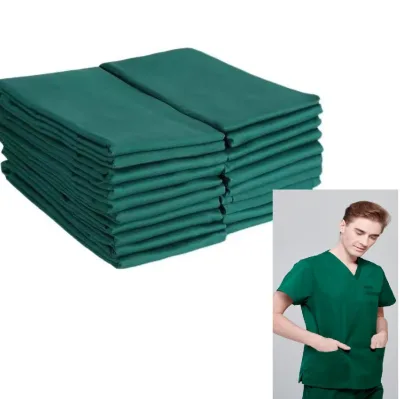
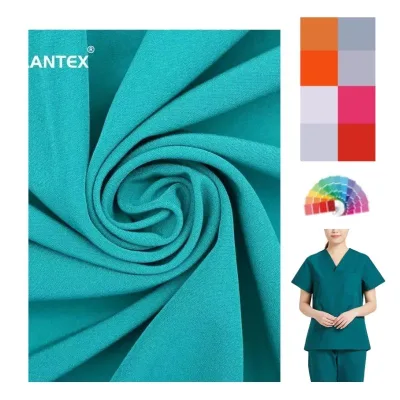
Current data indicates that verified suppliers for this category are concentrated in specific Chinese provinces, with Zhejiang and Hebei emerging as primary manufacturing hubs. Factories in Zhejiang often operate as combined Trading Companies and Manufacturer/Factory entities, offering a blend of direct production capabilities and supply chain management. These facilities frequently list main products including Interlock Fabric, Scuba Fabric, and specialized Spandex Fabric, alongside the requested woven medical scrubs. The presence of established brands like Delantex suggests a mature ecosystem where OEM and ODM services are standard. Buyers should look for suppliers explicitly stating their location within these provinces to ensure proximity to the textile clusters that support high-volume production of medical-grade textiles.
In contrast, suppliers located in Hebei often present as Trading Companies focused on specific niches like clothing fabrics, tooling fabrics, and medical fabrics. These entities may not always own the weaving machinery but maintain strong relationships with factories to source items like Woven Polyester Cotton Blend Fabric. When evaluating factory types, buyers must distinguish between pure manufacturers who control the entire production line and trading companies that aggregate products from multiple sources. The distinction is critical for verifying claims about anti-bacterial properties and weave consistency. A supplier claiming to be a manufacturer should demonstrate direct control over the knitting or weaving technics, such as Tricot or Plain Weave, which are essential for the structural integrity of medical uniforms.
How to Verify Anti-Bacteria Woven Medical Scrubs Fabric Suppliers
Verification of supplier credibility begins with checking for third-party audit reports and system certifications. Available data shows that some suppliers hold ISO 9000 and ISO 9001 certifications, which indicate a baseline commitment to quality management systems. Furthermore, verification status from entities like TUVRHEINLAND provides an additional layer of trust regarding the supplier's operational legitimacy. Buyers should prioritize suppliers who display these specific credentials rather than relying on self-declared claims. The presence of a verified badge or audit report is a concrete indicator that the supplier has undergone external scrutiny, which is particularly important when sourcing materials intended for hospital uniforms and surgical gowns where hygiene standards are paramount.
Beyond certifications, buyers must scrutinize the specific product attributes listed in the supplier's catalog to confirm anti-bacterial capabilities. Evidence suggests that products are often described with functions such as Anti-Static, Tear-Resistant, and Shrink-Resistant, but explicit anti-bacterial claims require careful validation. Some product listings mention "Washable Anti Microbial Hospital Uniform Medic Fabrics" or "Antimicrobial Scrub Fabric," yet the specific testing standards or chemical treatments used are not always detailed in the summary. Buyers should request detailed test reports for antimicrobial efficacy, such as JIS L 1902 or AATCC 100, to ensure the fabric meets medical hygiene requirements. Without these specific test results, the claim of being anti-bacterial remains an unverified marketing statement rather than a guaranteed product feature.
What to Compare Across Anti-Bacteria Woven Medical Scrubs Fabric Suppliers
When comparing suppliers, lead time and response time are critical operational metrics that directly impact project timelines. Data indicates significant variation in lead times, with some suppliers listing 120 days while others offer 20 days. Similarly, response times range from approximately 3.67 hours to 6 hours, reflecting differences in communication efficiency and staffing levels. A supplier with a shorter lead time may be better suited for urgent orders, but buyers must balance this against the potential for rushed production quality. Comparing these metrics helps identify suppliers who can meet specific delivery schedules without compromising the integrity of the woven fabric construction or the application of antimicrobial treatments.
Minimum Order Quantity (MOQ) and pricing structures also vary widely and must be evaluated against the buyer's volume requirements. Current observations show MOQs ranging from 1500 to 2000 units, with price points fluctuating between $1.80 and $4.00 per unit depending on the specific composition and features. Some suppliers offer products with a composition of 72% Polyester, 21% Rayon, and 7% Spandex, while others provide 65% Polyester and 35% Cotton blends. Buyers should compare these specifications to determine which supplier offers the best value for the required fabric weight, width, and functional properties like breathability or fluid repellency. It is essential to align the MOQ with the actual order volume to avoid excessive inventory costs or production delays.
Common Anti-Bacteria Woven Medical Scrubs Fabric Sourcing Risks
One significant risk involves the discrepancy between product descriptions and actual material composition. While some listings specify a "Tricot" knitting technic or "Woven" structure, others may list conflicting attributes like "Plain Weave" versus "Twill." This inconsistency can lead to receiving fabric that does not match the intended application, such as using a lightweight plain weave for heavy-duty surgical gowns. Buyers must verify the physical features, such as medium strength or heavyweight classification, against the specific needs of their medical uniforms. Relying solely on keywords like "Medical Scrubs Fabric" without confirming the weave type and fiber cross-section can result in products that fail to meet durability or comfort standards in a clinical environment.
Another risk is the potential for unverified claims regarding antimicrobial performance and chemical safety. Although some products are marketed as "Antimicrobial Scrub Fabric" or "Anti-Bacterial," the underlying treatment method is not always disclosed in the initial product data. Without access to specific test results or certification details regarding the antimicrobial agent used, buyers risk sourcing fabric that loses its efficacy after washing or fails to meet hospital infection control protocols. Additionally, the supply type being listed as "In-Stock Items" does not guarantee that the specific antimicrobial treatment is consistent across all batches. Buyers should demand batch-specific test reports to ensure that the anti-bacterial properties are maintained throughout the production run and are safe for direct skin contact in medical settings.
Anti-Bacteria Woven Medical Scrubs Fabric Regional Sourcing and Logistics
Sourcing from regions like Zhejiang and Hebei in China offers access to established textile clusters, but logistics planning must account for the specific location of the factory. Suppliers in Zhejiang often have experience with international shipping and may offer more streamlined logistics for large orders due to proximity to major ports. In contrast, suppliers in Hebei may have different logistical capabilities depending on their distance from coastal shipping hubs. Buyers should verify the specific origin of the product, as listed in attributes like "Zhejiang, China" or "Hebei, China," to accurately estimate shipping times and costs. Understanding the regional location helps in planning the supply chain, especially when dealing with time-sensitive medical uniform orders that require rapid deployment.
Packaging and shipping standards also vary by region and supplier, impacting the condition of the fabric upon arrival. Product attributes indicate that items are typically packed in "Roll Packing in Plastic Bag," with standard lengths of 100 meters per roll. However, buyers must confirm if the packaging is sufficient to protect the fabric from moisture and damage during transit, particularly for woven fabrics that may be sensitive to compression. Some suppliers list single package sizes and weights, which are crucial for calculating freight costs and container utilization. Ensuring that the packaging meets international shipping standards is vital to prevent fabric degradation, such as mold growth or creasing, which could render the anti-bacterial properties ineffective or the fabric unsuitable for medical use.
Anti-Bacteria Woven Medical Scrubs Fabric Commercial Terms and Order Planning
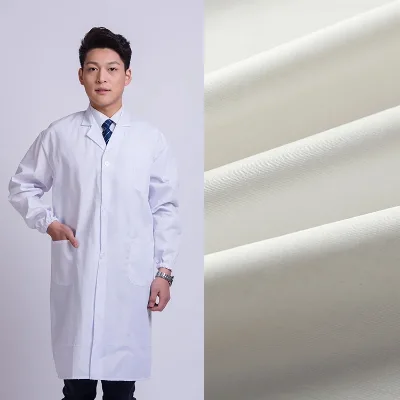
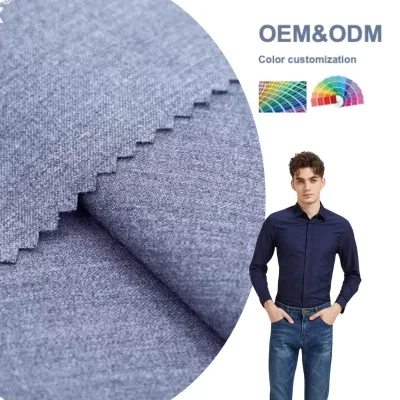
Commercial terms regarding customization and branding are essential for buyers seeking specific medical uniform solutions. Many suppliers offer OEM, ODM, and Own Brand services, allowing for the customization of fabric properties like color, weight, and functional additives. For instance, some products are available in specific colors like "200gsm White" or "200gsm Lt. Blue," while others offer a wide range of color options. Buyers should clarify the customization process, including lead times for custom orders and any additional costs associated with developing a unique fabric specification. Understanding the scope of customization helps in planning the order to ensure that the final product meets the exact requirements of the medical facility or uniform manufacturer.
Order planning must also consider the production capacity and the ability to scale orders based on demand fluctuations. Suppliers with high capacity for OEM and ODM services can accommodate larger orders, but buyers should verify the current production status to avoid delays. The availability of "In-Stock Items" can be beneficial for immediate needs, but long-term contracts often require a commitment to regular production runs. Buyers should establish clear communication channels to monitor production progress and ensure that the supplier can meet the required delivery dates. By aligning commercial terms with realistic production capabilities, buyers can mitigate the risk of supply chain disruptions and ensure a steady flow of high-quality anti-bacteria woven medical scrubs fabric.
FAQs
What is the price range for anti-bacteria woven medical scrubs fabric?
The price range for these fabrics typically falls between $1.80 and $4.00 per unit. This variation depends on specific material compositions, such as polyester-rayon-spandex blends or polycotton mixes. Buyers should verify exact pricing based on order volume and customization requirements before finalizing procurement decisions.
What is the minimum order quantity for these medical fabrics?
The minimum order quantity varies by supplier, with common thresholds set at 1500 or 2000 units. These figures represent the baseline for standard orders. Buyers must confirm the specific MOQ with their chosen supplier to ensure their procurement volume meets the necessary production requirements for manufacturing.
How long does it take to produce and ship these fabrics?
Lead times for production and shipping generally range from 20 to 120 days. This wide variance depends on the supplier's location, such as Zhejiang or Hebei, and their current production capacity. Buyers should request a specific timeline from the supplier to align with their delivery schedules.
What certifications do these medical fabric suppliers hold?
Many suppliers hold ISO 9000 and ISO 9001 system certifications, ensuring quality management standards are met. Additionally, some suppliers undergo verification by TÜV Rheinland. Buyers should request copies of these certificates to verify compliance with international quality and safety standards for medical textile manufacturing.
What are the main material compositions for these scrubs fabrics?
Common compositions include 72% polyester, 21% rayon, and 7% spandex for stretch properties. Other options feature 65% polyester and 35% cotton for durability. Some fabrics use textured yarn or hollow filament fibers. Buyers should select the composition that best matches their functional requirements for breathability and strength.
What is the typical response time for supplier inquiries?
Supplier response times typically average around 3.67 to 6 hours. Faster response rates indicate active customer service teams ready to address procurement queries promptly. Buyers should prioritize suppliers with quicker response times to ensure efficient communication throughout the sourcing and negotiation process for their medical fabric orders.
Where are these medical fabric suppliers primarily located?
Suppliers are primarily located in China, specifically in regions like Zhejiang and Hebei. These areas are known for their textile manufacturing capabilities. Buyers should consider the geographic location when evaluating logistics costs and shipping times, as proximity to ports can impact overall delivery efficiency for international orders.