EU Standard Matter Smart Switch Suppliers and Manufacturers
Explore 29 verified suppliers offering EU Standard Matter Smart Switch options with Wi-Fi connectivity and voice control. Compare response times, lead times, certifications like ISO 9001 and CE, and pricing ranges from 1.00 to 9.30 USD. Contact suppliers directly to request samples or customizations.
Updated
Suppliers List

Dongguan kailexin trading co., LTD
- Trading Company
- China Guangdong
- Lead time15 days
- Avg. response≤ 4h
Main productsPower Bank, Bluetooth Speaker, Bluetooth Earphone, Phone Screen Protector, Phone Case, Car Dash Cam, Smart Watch, Smart Glasses, 4G Camera, Phone Holder
Main marketsSoutheast Asia/ Mideast
- Verified by TüVRheinland
- Manufacturer, Trading Company
- Lead time0 days
- Avg. response≤ 6h
Main productsSmart Switch, Miniature Circuit Breaker
Main marketsDomestic Market(68%), Mid East(5%), Eastern Europe(4%)
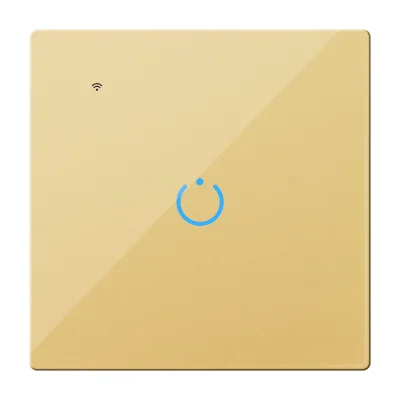
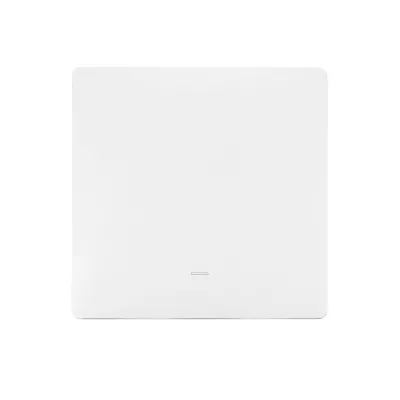
New Design Smart Touch Wall Switch EU UK Standard Smart Life and Tuya 1/2/3 Gang
$8.10 - $9.30
MOQ: 5 Minimum
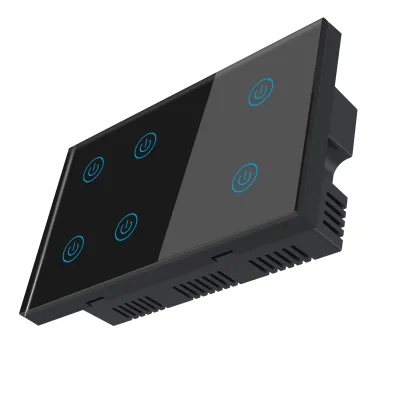
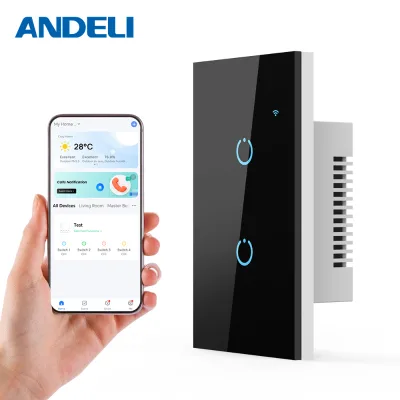
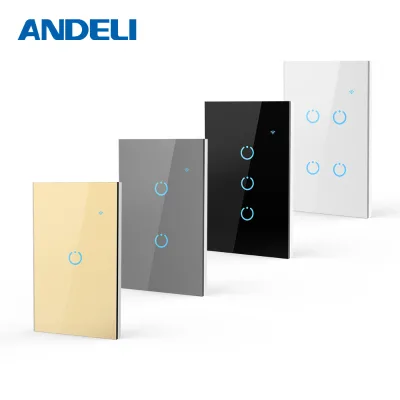
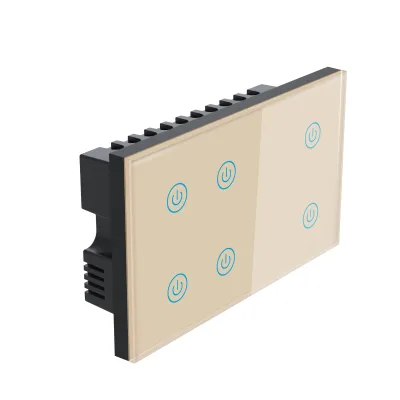
6gang and 8gang Smart SwitchSupport Smart Config Function for Android and IOS
$12.758 - $13.479
MOQ: 5 pieces
Shenzhen Lianxinyuan E-Commerce Co., Ltd.
- Manufacturer, Trading Company, Distributor/Wholesaler, Other
- Guangdong, China
- Lead time3 days
- Avg. response≤ 1h
Main productsTraffic tools,charger,Electronic products,integrated circuit,Solar products
Main marketsNorth America(30.00%), Northern Europe(15.00%), South America(15.00%), South Asia(10.00%), Southern Europe(10.00%), Eastern Europe(10.00%), Western Europe(10.00%)
WenZhou HENGCHUN electric Co.,Ltd
- Verified by TüVRheinland
- Manufacturer, Trading Company
- Lead time7 days
- Avg. response≤ 3h
Main productsWall Switch, Wall Socket, Extend Socket, Plug
Main marketsEastern Europe(30%), Africa(30%), South Asia(20%)
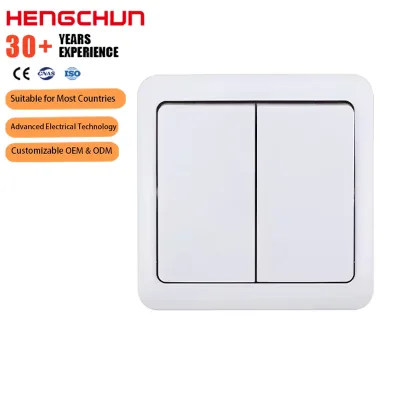
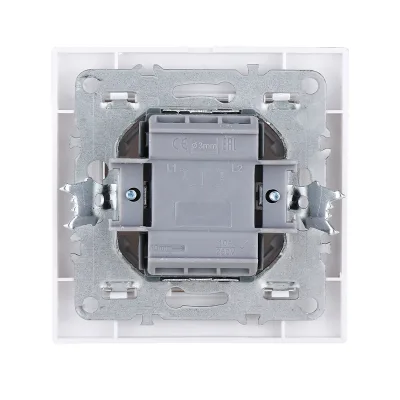
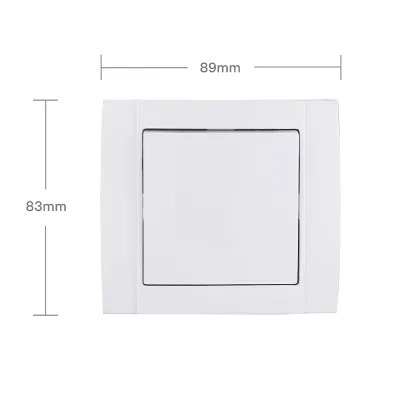
Smart Touch Wall Switch EU Standard Wired Electrical Switch Panel for Home Use Durable Modern Design
$0.51 - $0.55
MOQ: 200 pieces
$0.4017 - $0.4227
MOQ: 200 pieces
Foshan Brisdom Technology Co., Ltd.
- Manufacturer
- Guangdong, China
- Lead time30 days
- Avg. response≤ 9h
Main productsSmart home switch panels,Hotel switch panels,Residential switch panels,Thermostat,Socket
Main marketsDomestic Market(70.00%), Mid East(12.00%), Southeast Asia(8.00%), Western Europe(5.00%), Southern Europe(3.00%), South Asia(2.00%)
HANGZHOU LIFESMART TECHNOLOGY CO., LTD.
- Verified by Intertek
- Trading Company
- Zhejiang, China
- Lead time0 days
- Avg. response≤ 4h
Main productsSmart Home, Smart Switch, Smart Control Panel, Cololight, Home Camera
Main marketsSoutheast Asia(30%), Mid East(30%), Eastern Asia(18%)

Wenzhou Huafeng Electric Co., Ltd.
- Verified by SGS
- Combined
- China Zhejiang
- Lead time30 days
- Avg. response≤ 5h
Main productsWall Switch, Socket, Plug, Circuit Breakers, Lighting Equipment, Wall Socket, Swith Socket, LED Bulb, Switches, Cable Tie
Main marketsSouth America,Africa,Others(foreignTradeCapacity.exportBusinessCapacityMarketOther),Europe,North America


European standard smart WIFI touch switch alexa voice control smart WIFI wall switch
$9.58 - $11.36
MOQ: 299 Pieces


$10.27 - $12.32
MOQ: 299 Pieces


Wenzhou Sunny Electrical Co., Ltd.
- Verified by CTI
- Trading Company,Manufacturer/Factory
- China Zhejiang
- Lead time23 days
- Avg. response≤ 6h
Main productsWall Switch, Socket, Light Switch, Electric Switch, Plug, Electrical Switch, Power Socket, Socket Outlet, Switch Plate, Lamp Holder
Main marketsSouth America,Mid East,North America,Southeast Asia,Eastern Asia,Africa

EU/UK Standard 3 Gang Smart Touch Wall Switch Wi-Fi Controlled Power Light Switch
$2.90
MOQ: 1000 Pieces


- Verified by SGS
- Trading Company,Manufacturer/Factory
- China Zhejiang
- Lead time23 days
- Avg. response≤ 2h
Main productsNew Building Material, Decoration Project, Home Customization, Commercial Customization, One-Stop Building Solutions
Main marketsSouth America,Eastern Europe,Mid East,North America,Southeast Asia,Eastern Asia,Oceania,Western Europe,Africa

Guangzhou Shenmao Hardware Electrical Appliance Co., Ltd
- Verified by BV
- Trading Company
- China Guangdong
- Lead time15 days
- Avg. response≤ 5h
Main productsSmart Switch, WiFi Switch, Smart Socket, WiFi Socket, Wall Switch, Wall Socket, Electrical Switch, Electrical Scoket, Cable Wire, Switch and Socket
Main marketsSouth America,Africa,Southeast Asia/ Mideast,East Asia(Japan/ South Korea),Europe,Australia,North America

EU Standard Wall Switches LED Light Switch Timer Electrical WiFi Smart Switch
$7.00 - $11.80
MOQ: 50 Pieces

Touch Switches EU Standard 1gang 2gang 3gang 4gang WiFi Smart Wall Switch
$7.00 - $11.80
MOQ: 50 Pieces

$7.00 - $15.80
MOQ: 50 Pieces


Smart Wall Switch 3 Gang Touch Switch Remote Control Switch WiFi Wall Switch
$7.00 - $12.00
MOQ: 10 Pieces

Shenzhen Aodsn Technology Co., Ltd.
- Manufacturer
- Guangdong, China
- Lead time15 days
- Avg. response≤ 2h
Main productsHotel electronic doorplate,Touch panel light switch,energy saving switch,bedside control panel,Room control unit switch
Main marketsDomestic Market(36.00%), Southeast Asia(10.00%), Eastern Asia(8.00%), Eastern Europe(8.00%), South Asia(6.00%), Northern Europe(5.00%), North America(5.00%), Western Europe(5.00%), Africa(5.00%), Mid East(5.00%), Southern Europe(3.00%), Central America(2.00%), South America(2.00%)
Guangzhou Haizhu Shenmao Hardware Plumbing Appliance Trading Firm
- Verified by SGS Group
- Trading Company
- Lead time15 days
- Avg. response≤ 2h
Main productsWIFI Wall Switch Socket, Doorplate, Solar Lamp, Downlight, UVC Lamp and LED Lighting
Main marketsSoutheast Asia(30%), North America(20%), Mid East(15%)
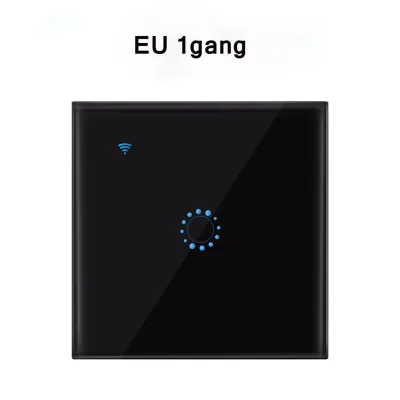
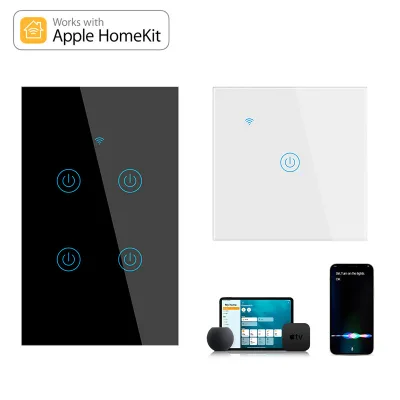
European and American Homekit Touch & Voice Controlled Smart Wifi Switch EU/US Wall Smart Switch
$10.9292 - $14.8461
MOQ: 2 Minimum
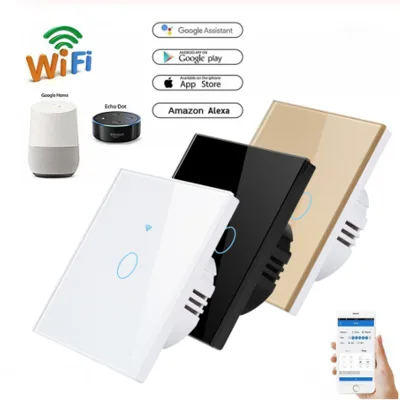
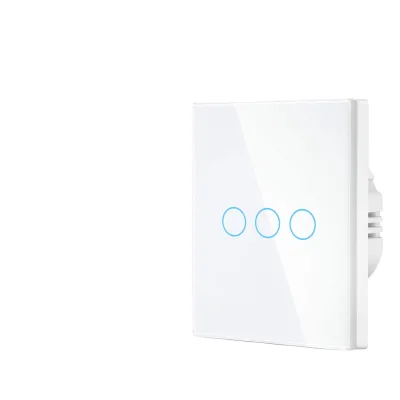
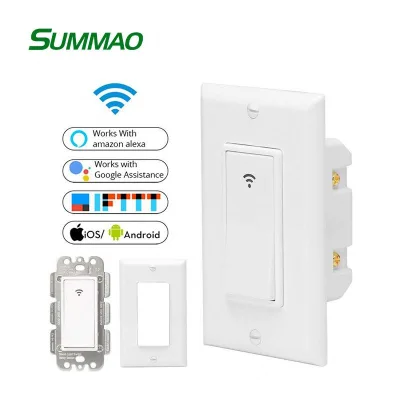
Hot Support App and Voice Control Smart Switch Button
$11.50 - $13.20
Shenzhen Hengyi Electronic Co., Ltd.
- Manufacturer, Trading Company, Buying Office, Agent, Distributor/Wholesaler
- Guangdong, China
- Lead time5 days
- Avg. response≤ 6h
Main productsSmart Products,Timing Socket,Wattmeter,Electronic Parts
Main marketsWestern Europe(30.00%), North America(30.00%), Mid East(15.00%), South America(15.00%), Southeast Asia(5.00%), Eastern Asia(5.00%)

Shenzhen Chitongda Electronic Co., Ltd.
- Verified by BV
- Trading Company,Manufacturer/Factory
- China Guangdong
- Lead time23 days
- Avg. response≤ 14h
Main productsAlarm System, Burglar Alarm, Security System, GSM Alarm System, Wireless Home Security, Car GSM Alarm, Home / Commercial Alarm, CCTV System, Detector, Surveillance Equipment
Main marketsSouth America,Eastern Europe,Mid East,North America,Southeast Asia,Eastern Asia,Oceania,Western Europe,Africa
Guangzhou Senergy Technology Co., Ltd.
- Verified by SGS Group
- Trading Company
- Lead time30 days
- Avg. response≤ 7h
Main productsSmart Switches and Sockets, Smart Control Panel, Smart Thermostat, Smart Curtain Switch, Smart Sensor
Main marketsMid East(30%), South Asia(26%), Southeast Asia(20%)
Shenzhen Golden Security Technology Co., Ltd.
- Verified by SGS Group
- Manufacturer, Trading Company
- Lead time3 days
- Avg. response≤ 3h
Main productsSmart Home System, Smart Gateway, Smart Alarm System, IP Camera, Smart Switch
Main marketsDomestic Market(69%), Southern Europe(5%), Mid East(4%)
ZHEJIANG HONGHUO ELECTRIC CO.,LTD.
- Verified by Intertek
- Manufacturer, Trading Company
- Lead time0 days
Main productsWall Switches, Sockets, Plugs
Main marketsEastern Europe(90%), Mid East(10%)
Wenzhou Livolo Electric Co., Ltd.
- Verified by TüVRheinland
- Manufacturer, Trading Company
- Lead time0 days
- Avg. response≤ 6h
Main productsSwitches, Sockets
Main marketsEastern Europe(51%), Western Europe(34%), Southern Europe(14%)

Xuzhou Dragon Guard Industrial Co., Ltd.
- Verified by SGS
- Combined
- China Jiangsu
- Lead time15 days
- Avg. response≤ 7h
Main productssecurity products and solutions
Main marketsAfrica,Southeast Asia/ Mideast,Domestic,Europe,North America
Shenzhen Bilisty Technology Limited
- Manufacturer
- Guangdong, China
- Lead time15 days
- Avg. response≤ 5h
Main productsSmart dimmer,Smart Plug-in Switch,Bluetooth device,Zigbee device,DALI Lightin System Componets
Main marketsEastern Europe(23.00%), Southern Europe(22.00%), Western Europe(20.00%), Northern Europe(15.00%), Domestic Market(6.00%), North America(3.00%), South America(3.00%), Central America(2.00%), Africa(2.00%), Eastern Asia(1.00%), South Asia(1.00%), Mid East(1.00%), Southeast Asia(1.00%)
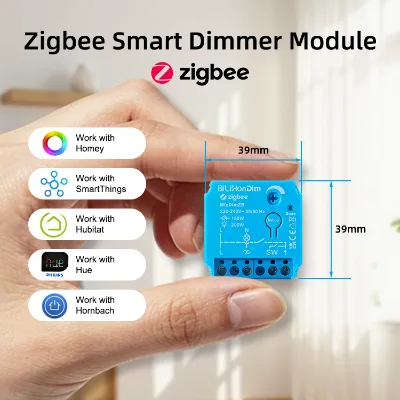
Smart Home Switch Matter Over Thread
$17.80 - $18.50
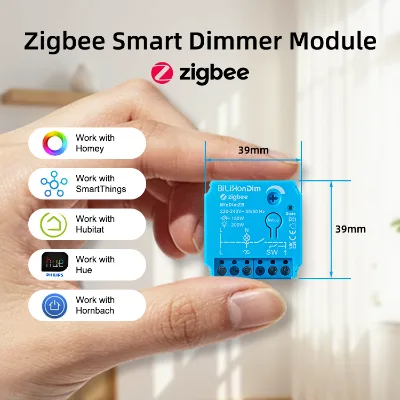
Smart Switch Wifi Zigbee Smart Home Lights
$17.80 - $18.50
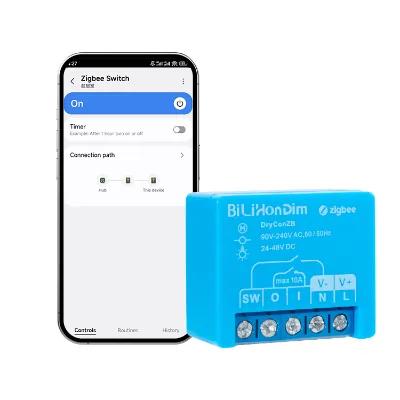
Smart Switch Relay Home Assistant Voice
$14.80 - $16.00

- Verified by TUVRHEINLAND
- Combined
- China Zhejiang
- Lead time30 days
- Avg. response≤ 24h
Main productsSwitch Socket, Wall Switch, Wall Socket, Electrical Switch, Switch, Socket, Electrical Sokcet, Glass Wall Switch, USB Socket, Air Conditioner Wall Switch
Main marketsSouth America

F100 Factory Sale Wall Switch Socket Grey Electric Smart Home Products EU Socket Light Switch
$0.40 - $0.42
MOQ: 3000 Pieces


Zhejiang Jiuji Electric Co., Ltd.
- Verified by SGS
- Combined
- China Zhejiang
- Lead time30 days
- Avg. response≤ 9h
Main productsVoltage Protector, Voltage Protection Socket, Extension Socket, Smart Meter, Timer Relay, Relay
Main marketsEurope
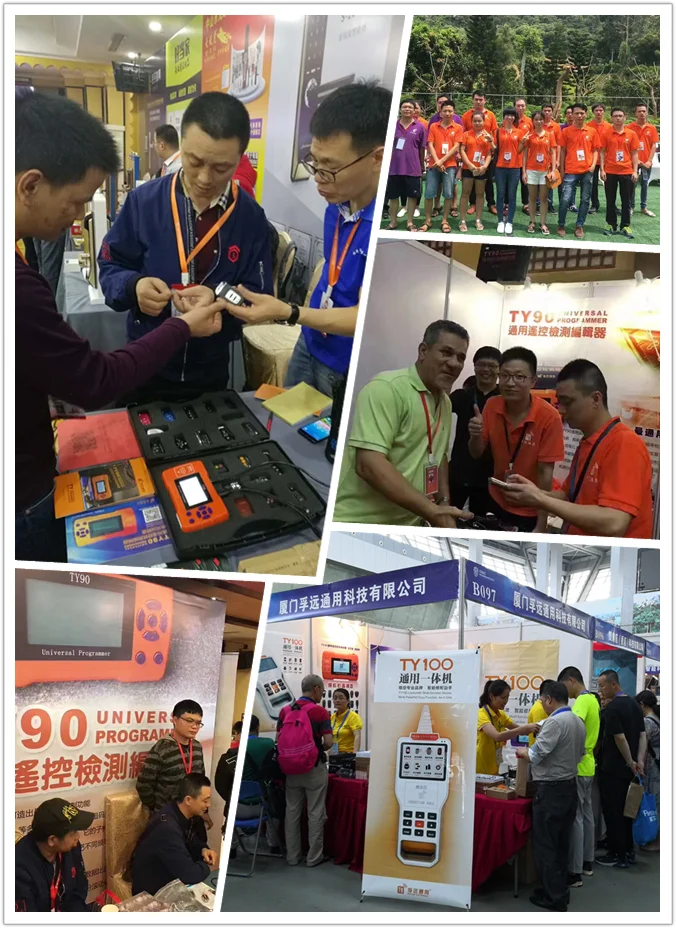
Xiamen Foyum Electronic Technology Co., Ltd.
- Manufacturer, Trading Company
- Fujian, China
- Lead time25 days
- Avg. response≤ 7h
Main productsRemote Control, Universal Remote Control Programmer, Controller
Main marketsDomestic Market(55.00%), Domestic Market(55.00%), Western Europe(10.00%), North America(10.00%), Western Europe(10.00%), South America(5.00%), Oceania(5.00%), Northern Europe(5.00%), Mid East(5.00%), Southeast Asia(5.00%), South America(5.00%), Oceania(5.00%), Northern Europe(5.00%), Mid East(5.00%), Southeast Asia(5.00%)
Zhejiang Hantu Electric Co., Ltd.
- Manufacturer, Trading Company
- Zhejiang, China
- Lead time20 days
- Avg. response≤ 4h
Main productsSMART MCB/RCBO/AFDD,Smart Power Distribution Box,SMART SWITCH,AFDD Demonstration Device,RC Demonstration Device
Main marketsDomestic Market(30.00%), Eastern Asia(20.00%), Southeast Asia(15.00%), Mid East(10.00%), Central America(5.00%), Western Europe(5.00%), Eastern Europe(5.00%), Africa(5.00%), South America(2.00%), Southern Europe(2.00%), South Asia(1.00%)

Shenzhen Coolseer Technology Co., Ltd.
- Verified by TUVRHEINLAND
- Trading Company
- China Guangdong
- Lead time15 days
- Avg. response≤ 7h
Main productsWiFi/Zigbee/Bluetooth/Matter/Homekit Smart Home
Main marketsSoutheast Asia/ Mideast,Europe

Fuzhou Keruida Electric Porcelain And Appliance Co., Ltd.
- Verified by SGS
- Combined
- China Fujian
- Lead time15 days
- Avg. response≤ 5h
Main productsRetro Switch
Main marketsEurope
Shenzhen Chuangheying Electronic Technology Co., Ltd.
- Trading Company
- Guangdong, China
- Lead time0 days
- Avg. response≤ 7h
Main productsIntegrated Circuit; Discrete Semiconductor; Optoelectronic Components; Modules; Connectors
Main marketsSouth America(15.00%), Northern Europe(12.00%), Southeast Asia(10.00%), Eastern Asia(10.00%), Mid East(8.00%), North America(8.00%), Africa(8.00%), Domestic Market(6.00%), Southern Europe(6.00%), Eastern Europe(5.00%), Central America(5.00%), Western Europe(3.00%), Oceania(2.00%), South Asia(2.00%)

NINGBO FBELE ELECTRONICS CO., LTD.
- Trading Company
- China Zhejiang
- Lead time15 days
- Avg. response≤ 11h
Main productsSolar Cell, Buzzer, Fuse and Fuse Holder, Terminal Block, Switch, Speaker, Telephone Receiver, Siren, Rj, USB Connector
Main marketsSouth America,Southeast Asia/ Mideast,Europe

Wenzhou Gaoxinte Electric Co., Ltd.
- Trading Company,Manufacturer/Factory
- China Zhejiang
- Lead time38 days
- Avg. response≤ 16h
Main productsSwitch, Socket, Plug, Outlet, Lampholder, Switch Socket, Switched Socket with USB Outlet, Socket with Switch, GFCI, Type C
Main marketsSouth America,North America,Eastern Asia






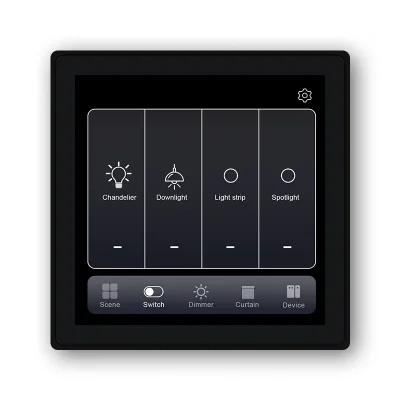
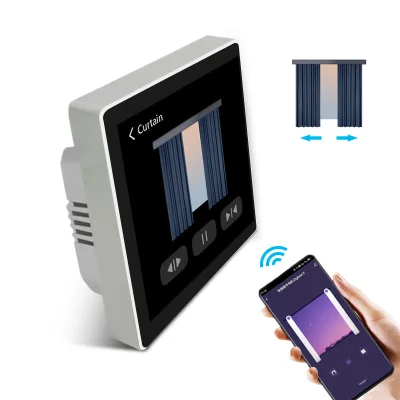





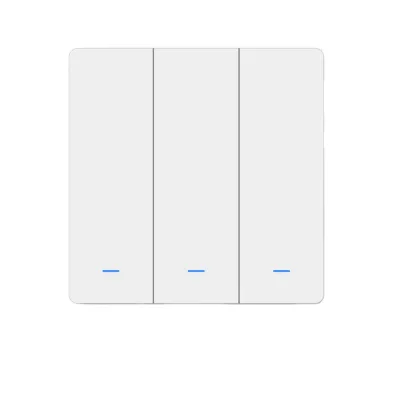
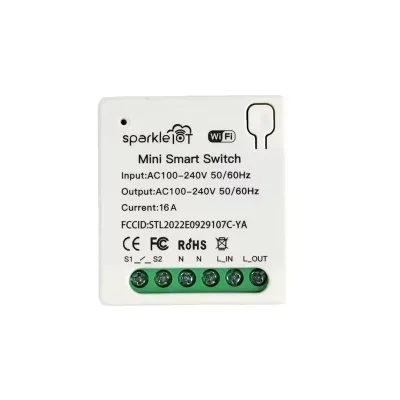


Comprehensive Sourcing Guide
EU Standard Matter Smart Switch Supplier Concentration and Factory Types
The current supplier landscape for EU Standard Matter Smart Switch products reveals a distinct concentration of manufacturing and trading entities within specific Chinese industrial hubs. Data indicates that a significant portion of available suppliers are located in Guangdong, while other key players operate out of Zhejiang province. This geographic clustering is critical for buyers to understand, as it often correlates with established supply chains for electronic components and plastic molding. The presence of suppliers in these regions suggests a mature ecosystem for producing smart home devices, including the necessary Wi-Fi modules and touch switch mechanisms. Buyers should note that while some suppliers are identified as trading companies, others operate as manufacturers or hybrid entities that combine both roles. This distinction is vital for determining the level of direct control a buyer has over production quality and customization options. The main products listed by these suppliers frequently include power banks, Bluetooth speakers, and various phone accessories, indicating that many of these factories have diversified portfolios. However, for the specific niche of EU Standard Matter Smart Switch, the focus remains on electronic components and smart home automation devices. The coexistence of trading companies and manufacturers in these regions offers buyers a range of engagement models, from direct factory sourcing to streamlined procurement through intermediaries. Understanding this mix helps in assessing whether a supplier can provide the technical support required for Matter protocol integration or if they are primarily focused on volume distribution of standard smart switches.
Furthermore, the company types observed suggest a market where flexibility is key. Trading companies may offer broader product ranges and easier communication for smaller orders, while manufacturers might provide better pricing for large volumes and deeper customization capabilities. The data shows that some suppliers list main products like smart switches and miniature circuit breakers, highlighting their specialization in electrical equipment. This specialization is a positive indicator for buyers seeking reliable EU Standard Matter Smart Switch solutions, as it implies dedicated production lines and expertise in electrical safety standards. The presence of ISO 9001 and ISO 14001 certifications among some suppliers further reinforces the quality management systems in place within these manufacturing clusters. Buyers should leverage this information to prioritize suppliers who not only list the correct product but also demonstrate a structural commitment to quality through their company type and certifications. The geographic spread between Guangdong and Zhejiang also offers logistical advantages, with both regions having robust export infrastructure. This allows for efficient shipping and reduced lead times, which are crucial for maintaining inventory levels in competitive markets. By focusing on suppliers in these verified locations, buyers can mitigate risks associated with unverified or distant manufacturing sources.
How to Verify EU Standard Matter Smart Switch Suppliers
Verifying the legitimacy and capability of EU Standard Matter Smart Switch suppliers requires a multi-layered approach that goes beyond simple product listings. One of the most critical steps is to check for third-party verification badges, such as those provided by TüV Rheinland. These badges indicate that an independent body has audited the supplier’s business license, factory conditions, and operational capabilities. Buyers should prioritize suppliers who display such verification marks, as they provide a higher degree of confidence in the supplier’s reliability. Additionally, examining the supplier’s response time is a practical way to gauge their operational efficiency. A response time of around 3.31 hours or less suggests a responsive sales team that can address technical queries regarding Matter protocol compatibility and Eu standard compliance promptly. Slow response times may indicate a lack of technical expertise or poor customer service, which can lead to delays and misunderstandings during the procurement process. Buyers should also look for clear indications of the supplier’s establishment year and business history, although this specific data point may not always be explicitly displayed. In its absence, buyers should request references or case studies to verify the supplier’s track record in the smart home industry.
Another essential verification step is to scrutinize the supplier’s certifications and compliance documents. For EU Standard Matter Smart Switch products, certifications such as CE and RoHS are mandatory for market entry in Europe. Buyers should request copies of these certificates and verify their validity with the issuing bodies. The presence of ISO 9001 and ISO 14001 certifications further demonstrates the supplier’s commitment to quality management and environmental responsibility. It is also important to verify the supplier’s ability to provide customized solutions, as indicated by attributes like "Customization: Available." This capability is crucial for buyers who need specific features, such as voice control, remote control, or app control, integrated into the switch. Buyers should ask for detailed product specifications, including material composition, connection types, and color options, to ensure the product meets their exact requirements. Additionally, checking the supplier’s main products list can provide insight into their expertise. Suppliers who specialize in smart switches and electrical components are likely to have more relevant experience than those with a broad, unrelated product range. By combining these verification methods, buyers can build a robust profile of each supplier, ensuring they partner with reliable and capable manufacturers.
What to Compare Across EU Standard Matter Smart Switch Suppliers
When evaluating multiple suppliers for EU Standard Matter Smart Switch products, buyers must compare several key dimensions to identify the best fit for their needs. One of the most significant factors is the lead time, which directly impacts inventory management and order fulfillment. Some suppliers may offer a lead time of 15 days, while others might have different production schedules. Buyers should align their order planning with the supplier’s lead time to avoid stockouts or excess inventory. Another critical comparison point is the Minimum Order Quantity (MOQ). Suppliers may have varying MOQs, ranging from small quantities like 5 units to larger batches of 100 units or more. For buyers testing the market or launching new products, a lower MOQ is advantageous, as it reduces financial risk. Conversely, buyers with established demand may benefit from suppliers offering lower unit prices for higher volumes. The price range is also a vital factor, with some products listed between $1.00 and $8.00, depending on features and specifications. Buyers should compare prices across suppliers while considering the quality and certification levels to ensure they are getting value for money.
In addition to lead time and pricing, buyers should compare the response speed and communication quality of each supplier. A faster response time, such as 3.31 hours, indicates a more agile and customer-focused supplier. This is particularly important for resolving technical issues or negotiating custom requirements. Buyers should also compare the main products offered by each supplier to assess their specialization. Suppliers focusing on smart switches and electrical components are likely to provide better technical support and product knowledge than those with diverse, unrelated product lines. The availability of customization options is another key differentiator. Buyers should inquire about the extent of customization available, including changes to material, color, and functionality. Suppliers who offer flexible customization can better meet the specific needs of different markets and customer segments. Finally, buyers should compare the certifications and verification status of each supplier. Suppliers with TüV Rheinland verification and relevant CE/RoHS certifications are generally more reliable and compliant with international standards. By systematically comparing these factors, buyers can make informed decisions and select suppliers that best align with their business objectives.
Common EU Standard Matter Smart Switch Sourcing Risks
Sourcing EU Standard Matter Smart Switch products from international suppliers involves several inherent risks that buyers must proactively manage. One of the primary risks is the potential mismatch between product specifications and actual delivery. Suppliers may list products with features like voice control, remote control, and app control, but the actual product may not fully support the Matter protocol or may have limited compatibility with existing smart home ecosystems. Buyers should request detailed technical documentation and sample units to verify functionality before placing large orders. Another significant risk is the variability in quality control. While some suppliers display ISO 9001 certifications, the actual production quality may vary between batches. Buyers should implement strict quality assurance protocols, including pre-shipment inspections and third-party testing, to ensure consistency. The risk of delayed shipments is also prevalent, especially if suppliers have high order volumes or face supply chain disruptions. Buyers should maintain open communication with suppliers and monitor production progress to mitigate delays. Additionally, the risk of non-compliance with Eu standards is a critical concern. Products must meet specific electrical safety and electromagnetic compatibility requirements to be sold in Europe. Buyers should verify that all products have the necessary CE and RoHS certifications and that these certificates are valid and up-to-date.
Furthermore, buyers face the risk of intellectual property infringement if they source unbranded or generic products. Suppliers may use proprietary designs or technologies without proper authorization, leading to legal issues. Buyers should ensure that all products are original and that they have the right to sell them in their target markets. The risk of currency fluctuation and payment security is another consideration. Buyers should use secure payment methods, such as escrow services, to protect their funds until the goods are received and verified. Additionally, the risk of poor after-sales support can impact customer satisfaction. Buyers should assess the supplier’s ability to provide warranty services and technical support. Suppliers with a strong track record and positive feedback are more likely to offer reliable after-sales service. Finally, buyers should be aware of the risk of changing regulations and standards in the Eu market. Compliance requirements may evolve, and suppliers must stay updated to ensure their products remain compliant. By identifying and addressing these risks early in the sourcing process, buyers can build a resilient supply chain and minimize potential disruptions.
EU Standard Matter Smart Switch Regional Sourcing and Logistics
The regional sourcing of EU Standard Matter Smart Switch products from China offers distinct logistical advantages and challenges that buyers must navigate. Suppliers located in Guangdong and Zhejiang provinces benefit from proximity to major ports and established logistics networks, which can reduce shipping times and costs. Guangdong, in particular, is a hub for electronics manufacturing, with a dense cluster of suppliers and component providers. This concentration facilitates efficient supply chain management and rapid prototyping. Zhejiang, on the other hand, is known for its strong manufacturing base in electrical equipment and hardware. Buyers sourcing from these regions can leverage the local infrastructure to streamline their procurement process. However, buyers must also consider the logistical complexities of international shipping. Customs clearance, import duties, and regulatory compliance can add time and cost to the supply chain. Buyers should work with experienced freight forwarders who can handle these complexities and ensure smooth transit. Additionally, buyers should plan for potential delays due to peak seasons or global supply chain disruptions. Maintaining a buffer stock and diversifying suppliers can help mitigate these risks.
Moreover, the choice of shipping method depends on the order volume and urgency. For smaller orders, air freight may be the most cost-effective and timely option, despite higher per-unit costs. For larger volumes, sea freight offers significant savings but requires longer lead times. Buyers should calculate the total landed cost, including shipping, insurance, and duties, to determine the most economical option. The packaging of EU Standard Matter Smart Switch products is also a critical logistical consideration. Products must be packaged securely to prevent damage during transit, especially given their electronic components and glass panels. Suppliers typically use standard packing methods, but buyers should verify that the packaging meets international shipping standards. Additionally, buyers should consider the environmental impact of their logistics choices. Opting for suppliers with ISO 14001 certifications can help reduce the carbon footprint of the supply chain. Finally, buyers should stay informed about changes in trade policies and tariffs that may affect sourcing from China. By understanding the regional logistics landscape, buyers can optimize their supply chain and ensure timely delivery of EU Standard Matter Smart Switch products to their customers.
EU Standard Matter Smart Switch Commercial Terms and Order Planning
Effective commercial terms and order planning are essential for successful procurement of EU Standard Matter Smart Switch products. Buyers should negotiate clear payment terms that protect their interests, such as using escrow services for the first few orders to ensure product quality and delivery. Once trust is established, buyers may consider more flexible payment options, such as letters of credit or open account
FAQs
What is the price range for EU standard smart switches?
Prices for EU standard smart switches typically range from $1.00 to $9.30 per unit. Specific models like the EU Standard Touch Switch start at $1.00, while advanced units with glass panels and Wi-Fi connectivity can reach up to $9.30. Buyers should verify exact pricing based on order volume and customization requirements.
What is the minimum order quantity for these switches?
The minimum order quantity varies by product type. Some EU standard touch switches require a minimum of 100 units, whereas other smart wall switches may have a lower threshold of just 5 units. Buyers should check specific product listings to confirm the exact MOQ applicable to their desired model and configuration.
How long does production take for these switches?
Lead times for manufacturing these switches generally range from 0 to 15 days. Some suppliers offer immediate availability with zero lead time, while others require up to 15 days for production. Buyers should confirm the specific lead time with the supplier before placing an order to ensure timely delivery.
Are these switches compatible with voice assistants?
Yes, many EU standard smart switches support voice control functions. Products often feature APP control, remote control, and compatibility with platforms like Alexa. Buyers looking for smart home integration should verify the specific network type, such as Wi-Fi or Zigbee, to ensure seamless connectivity with their existing smart home ecosystem.
What certifications do these switches hold?
Manufacturers of these switches often hold ISO 9001, ISO 14001, and CE certifications. Some products also carry RoHS certification. Buyers should verify that the specific supplier holds the necessary system certifications and product certifications to ensure compliance with international safety and quality standards for electrical equipment.
Where are these switches manufactured?
These switches are primarily manufactured in China, with production facilities located in regions such as Guangdong and Zhejiang. Buyers should confirm the specific place of origin for each product, as this can impact shipping logistics and lead times. The origin is typically listed in the product specifications.