anti-bacterial breathable baby leggings Suppliers and Manufacturers
Compare 30 verified suppliers offering anti-bacterial breathable baby leggings with details on location, lead times, and certifications. Review product attributes like material and MOQ before contacting factories in China Fujian and Shanghai; review the available evidence before requesting comparable quotations from suitable candidates.
Updated
Suppliers List

Mace Quanzhou Clothing Co., Ltd.
- Verified by SGS
- Combined
- China Fujian
- Lead time30 days
- Avg. response≤ 5h
Main productsBaby Clothing, Baby Wear, Other Baby Accessories
Main marketsDomestic,Europe,Australia,North America


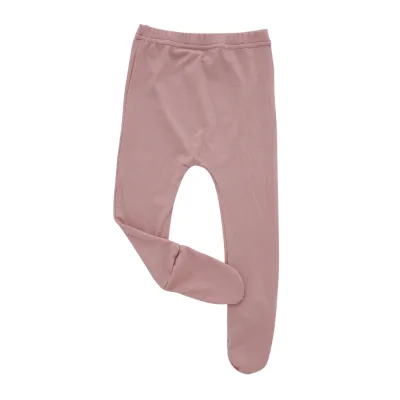
Infant Footed Leggings Anti Slip Sole High Waist Wide Crotch Solid Tights
$2.50 - $2.80
MOQ: 300 Pieces


- Verified by TUVRHEINLAND
- Combined
- China Shanghai
- Lead time15 days
- Avg. response≤ 3h
Main productsInfant Clothes, Baby Clothes, Kids Wear, Underwear, Sock, Pajama, Night Dress, Sleep Bag, Yoga Clothes, Nursing Tee
Main marketsEurope,Australia,North America


Causal Wear Baby Leggings Bamboo Fabric Baby Pants Soft Leggings for Infant
$3.99 - $4.60
MOQ: 100 Pieces

Guangzhou Feiming Industrial Co., Limited
- Verified by TüVRheinland
- Trading Company
- Lead time30 days
- Avg. response≤ 3h
Main productsChildrens Clothing, Baby Clothing Set, Baby Dress
Main marketsMid East(60%), Southeast Asia(10%), Africa(10%)
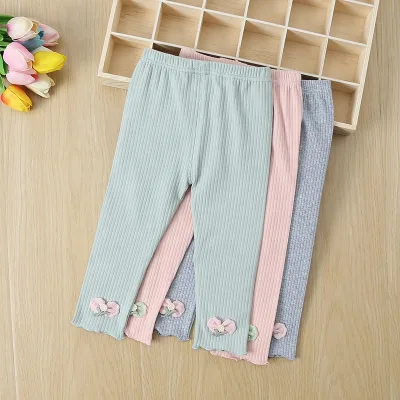
Wholesale Comfortable Cotton Baby Leggings for Baby Clothes Pants Legging
$1.7937 - $1.9478
MOQ: 50 pieces
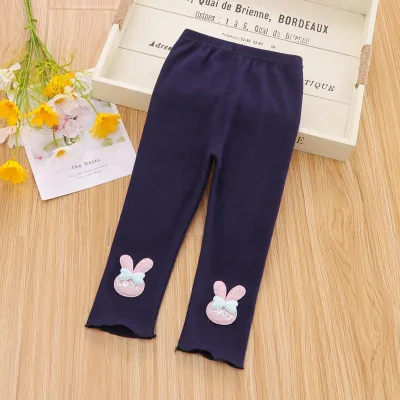
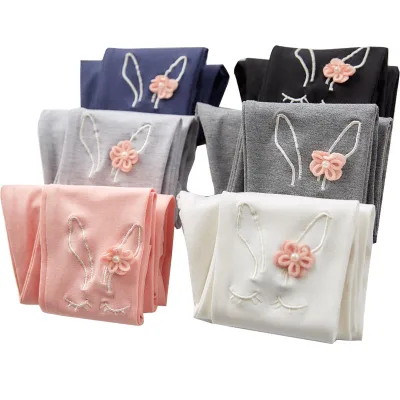
Cute Rabbit Pattern Spring Autumn Leggings for Baby Girls Baby Pants Leggings
$1.6336 - $1.7877
MOQ: 50 pieces
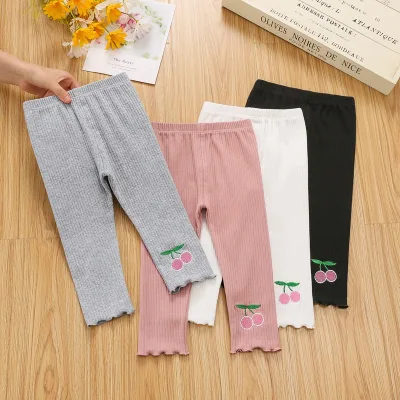
Autumn Fashion Baby Longs Sleeve Legging Set Leggings for Baby Girls Casual
$1.7219 - $1.876
MOQ: 50 pieces
Huzhou Zhili Jingcheng Apparel Co., Ltd.
- Verified by Intertek
- Manufacturer, Trading Company
- Lead time0 days
- Avg. response≤ 6h
Main productsKid Clothes, Apparel Accessory, Baby Supplies, Kids Shoes
Main marketsMid East(45%), Africa(30%), North America(15%)

Suntex Import & Export Trading Co., Ltd.
- Verified by SGS
- Trading Company,Manufacturer/Factory
- China Hebei
- Lead time23 days
- Avg. response≤ 7h
Main productsBaby Diaper, Baby Blanket, Bedding Set, Baby Crib Bedding Product, Mattress Protector, Baby Muslin Swaddle, Towel, Baby Bath Product, Baby Garment, Table Cloth
Main marketsSouth America,Eastern Europe,Mid East,North America,Southeast Asia,Eastern Asia,Oceania,Western Europe,Africa
Shanghai Jingzhi Apparel Co., Ltd.
- Manufacturer, Trading Company
- Lead time旺季: "1 - 5":2,"6 - 50":5,"51 - 5000":10,"> 5000":"To be negotiated", 淡季: "1 - 5":2,"6 - 50":5,"51 - 5000":10,"> 5000":"To be negotiated"
- Avg. response≤ 8h
Main productsKid Clothes

Zhuji Dongling Knitting & Textile Co., Ltd.
- Combined
- China Zhejiang
- Lead time30 days
- Avg. response≤ 9h
Main productsSocks, Man Socks, Lady Socks, Sport Socks, Baby & Kids Socks, Tights, Wristband, Non-Slip Socks, Mobile Phone Pouch, Hiking Socks
Main marketsAfrica,Europe,North America

$0.97 - $1.06
MOQ: 1000 Pieces

Baby Little Girls Knit Cotton Tights Leggings Stocking Pants Children Tights
$1.00 - $1.30
MOQ: 2000 Pairs


Jiangmen Jianbaostar Garments Co., Ltd.
- Verified by SGS Group
- Manufacturer, Trading Company
- Lead time15 days
- Avg. response≤ 5h
Main productsBaby Romper, Kids Pajamas Set, Dress & Bloomers Set, Baby Newborn Gift Set, Baby Accessories
Main marketsNorth America(15%), Oceania(15%), Southeast Asia(10%)
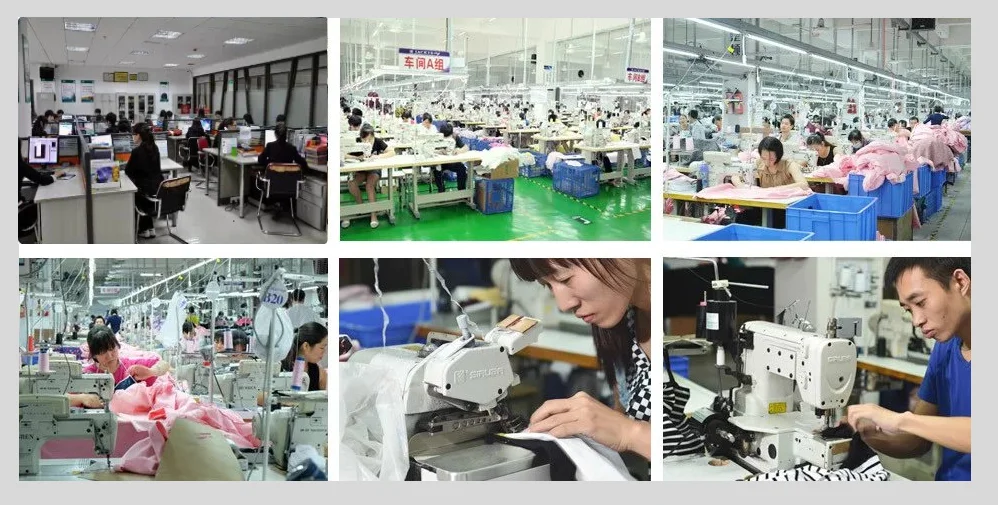
- Manufacturer, Trading Company
- Guangdong, China
- Lead time15 days
- Avg. response≤ 7h
Main productsT shirts/Polo shirt,Hoodies/Sweatshirts,Jackets,Pants/Shorts,Leggings
Main marketsNorth America(50.00%), Oceania(15.00%), Northern Europe(10.00%), Southern Europe(5.00%), Eastern Europe(5.00%), Western Europe(5.00%), South America(5.00%), Africa(5.00%)
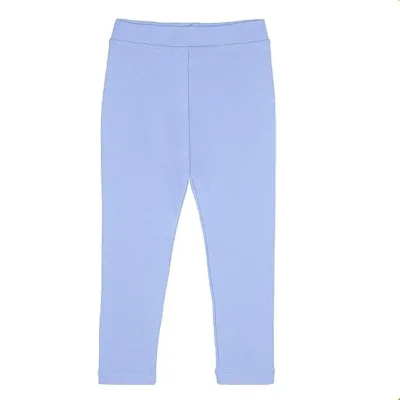
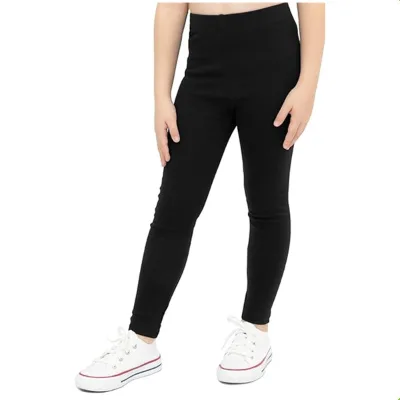
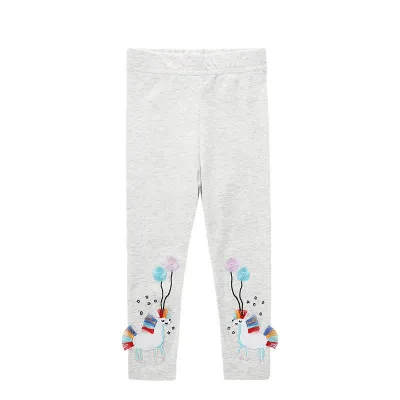
2024 Wholesale Soft Comfortable Embroidery Leggings Girls Toddler Cotton Stretch Leggings for Kids
$2.3756 - $2.7885
MOQ: 100 pieces
Yiwu Lollipop-Professional Garment Factory
- Trading Company
- Zhejiang, China
- Lead time7 days
- Avg. response≤ 4h
Main productsBaby clothes,baby rompers,leotards,Bloomers,T-shirt
Main marketsNorth America(65.00%), Africa(5.00%), Southeast Asia(5.00%), Eastern Europe(5.00%), South America(5.00%), Western Europe(5.00%), Northern Europe(2.00%), Eastern Asia(2.00%), South Asia(1.00%), Mid East(1.00%), Southern Europe(1.00%)
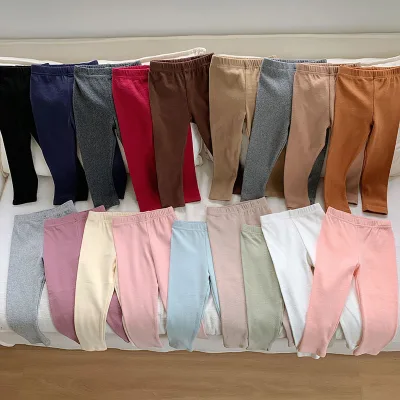
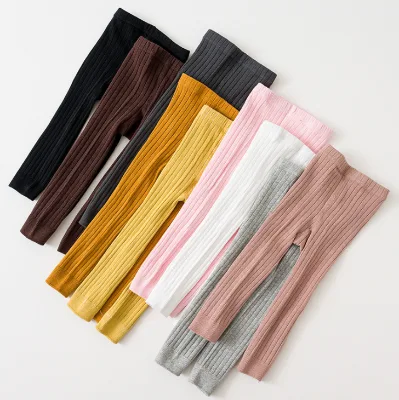
Wholesale Kids Fall Leggings Toddler and Baby Girls Cotton Basic Leggings Everyday Pull on Leggings
$3.0713 - $3.3884
MOQ: 5 pieces
$1.7548 - $3.3017
MOQ: 5 pairs
Shanghai Hexuan Baby Products Co., Ltd.
- Verified by SGS Group
- Trading Company
- Lead time45 days
- Avg. response≤ 5h
Main productsChildren's Clothing, Baby Accessories, Baby Supplies & Products
Main marketsNorth America(22%), Southeast Asia(17%), Western Europe(14%)
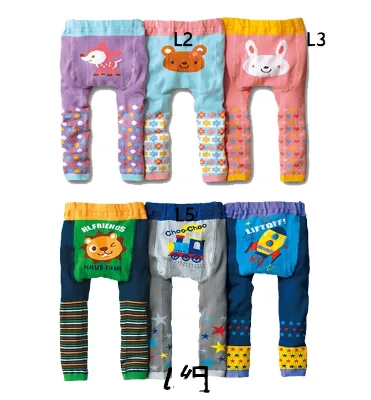
Cartoon Cute Leggings Baby PP Pants
$0.90 - $1.00
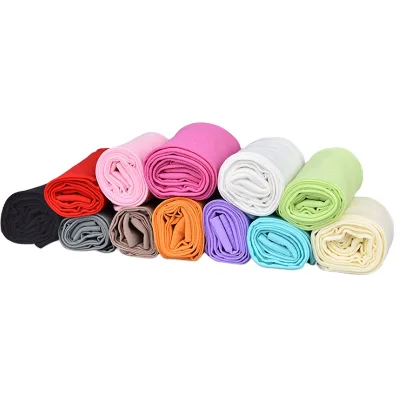
Hot Sell Solid Color Girls Leggings Bottom Trousers Candy Color Children Pant Kids Legging
$1.4451 - $1.7548
MOQ: 20 pairs
- Manufacturer, Trading Company
- Lead time旺季: "1 - 300":35,"> 300":"To be negotiated", 淡季: "1 - 300":35,"> 300":"To be negotiated"
- Avg. response≤ 3h
Main productsBaby Rompers, Baby Blanket, Baby Pajama Set, Baby Comforter Blanket, Baby Sweatshirt Set
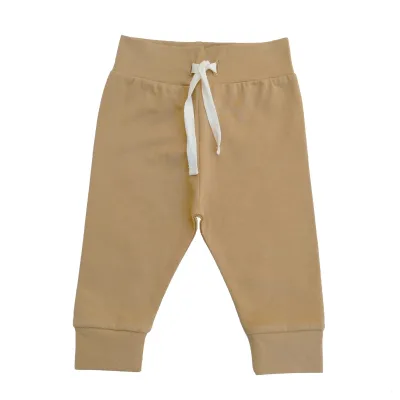
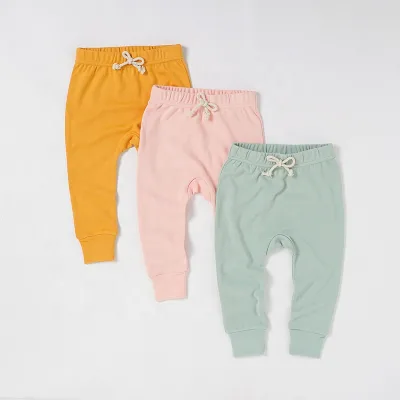
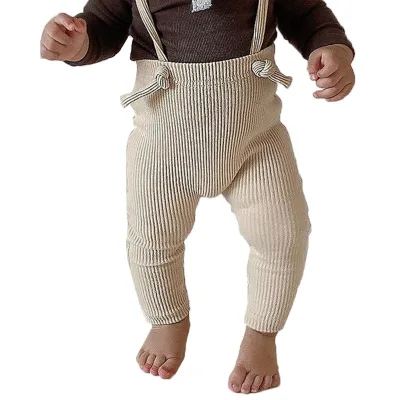
$3.3166 - $3.6233
MOQ: 260 pieces
- Trading Company
- Zhejiang, China
- Lead time20 days
- Avg. response≤ 2h
Main productschildren clothes,kids clothes,baby clothes,children outfit /dress,baby outfit /dress
Main marketsNorth America(30.00%), Central America(10.00%), Oceania(10.00%), Eastern Europe(8.00%), South America(8.00%), Southern Europe(8.00%), Western Europe(8.00%), Southeast Asia(6.00%), South Asia(3.00%), Northern Europe(3.00%), Mid East(2.00%), Africa(2.00%), Eastern Asia(2.00%)
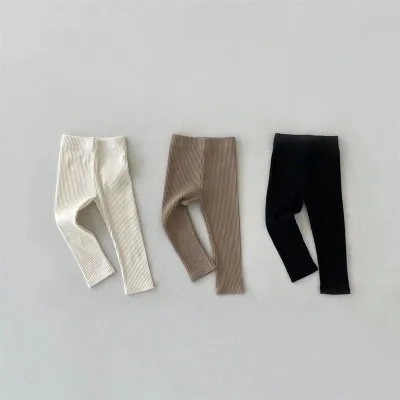
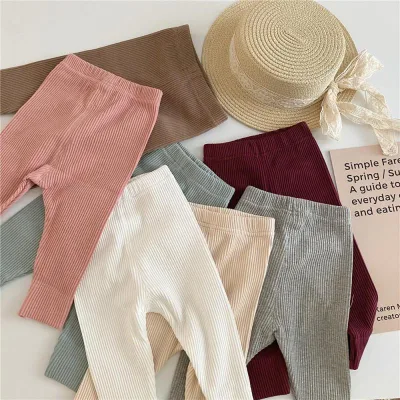
Autumn Fall Baby Jogger Pants Infant Wear Baby Clothes Solid Soft Elastic Baby Rib Leggings
$3.4842 - $3.8328
MOQ: 5 pieces
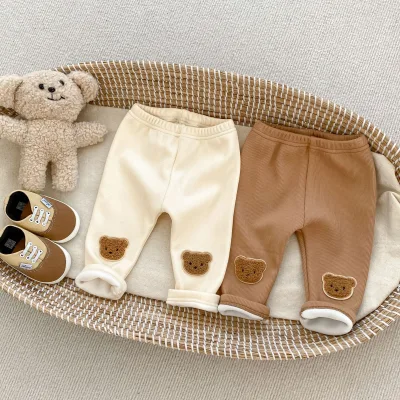
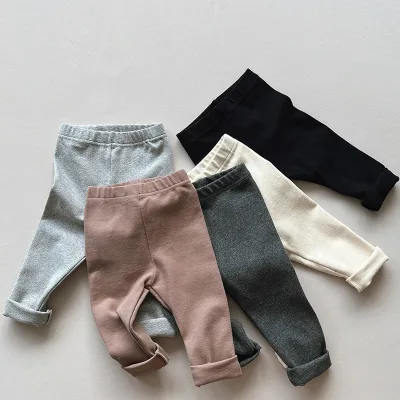
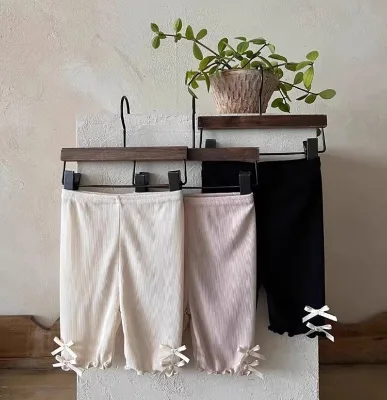
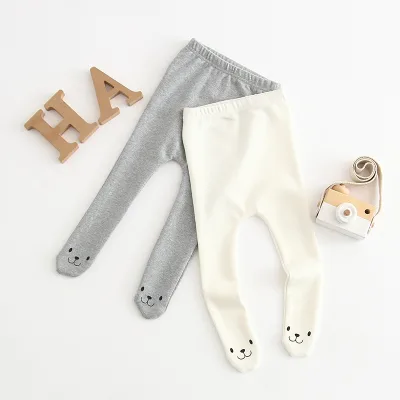
Unisex Baby Toddler Cotton Tights Smile Print Kids Girls Seamless Pantyhose Leggings Baby Pants
$4.1544 - $4.3578
MOQ: 5 pieces
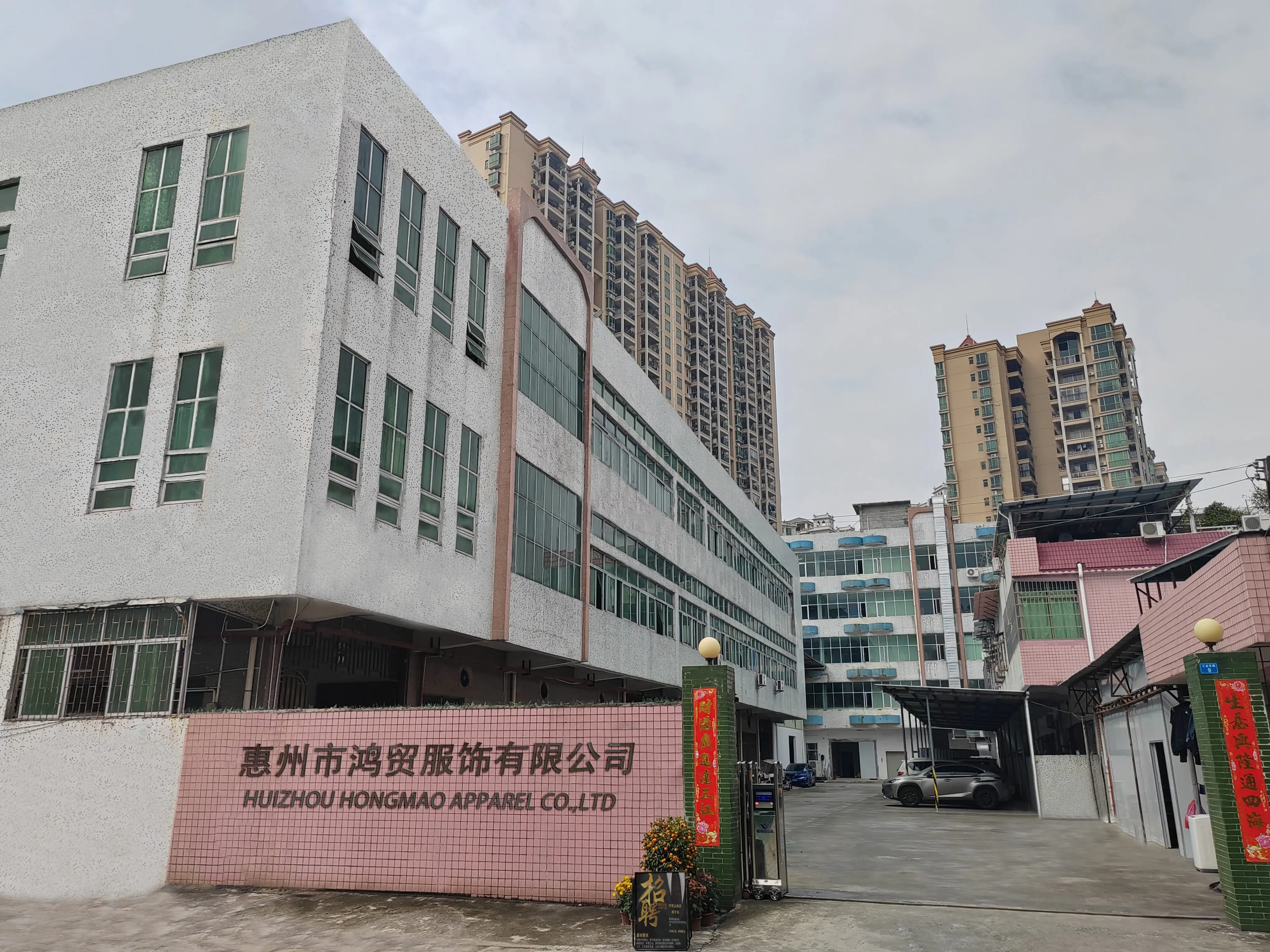
Huizhou Hongmao Apparel Co., Ltd.
- Manufacturer, Trading Company
- Guangdong, China
- Lead time30 days
- Avg. response≤ 10h
Main productsbaby Clothing,kids Clothing,Toddler Clothing,kids dresses,Children's pajamas
Main marketsNorth America(27.00%), Oceania(20.00%), Eastern Europe(19.00%), Western Europe(14.00%), Southeast Asia(6.00%), Eastern Asia(4.00%), South America(4.00%), Southern Europe(2.00%), Domestic Market(1.00%), South Asia(1.00%), Mid East(1.00%), Northern Europe(1.00%)
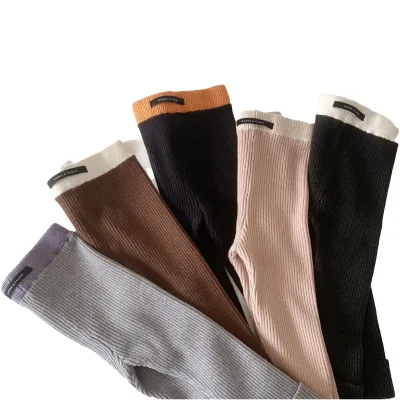
Winter High Quality Warm Custom logo Kids Legging Pants Infant Ribbed Baby Girl Leggings Tights
$2.9636 - $6.0304
MOQ: 100 pieces
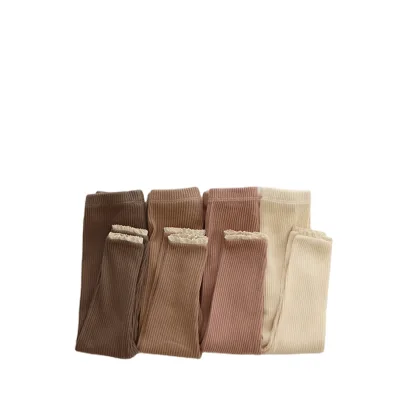
$4.0871 - $6.0588
MOQ: 5 pieces

- Verified by SGS
- Combined
- China Sichuan
- Lead time15 days
- Avg. response≤ 3h
Main productsCashmere Sweater, Baby Sweater, Wool Sweater, Cotton T Shirt, Organic Cotton Garments, Cashmere Pants, Cashmere Scarf, Baby Knitwear, Baby Blankets, Kids Sweaters
Main marketsEast Asia(Japan/ South Korea),Domestic,Europe,Australia,North America

Spring New Infant Garments Baby Pants Cotton Fashion Baby Knitted Pants Leggings.
$10.00 - $20.00
MOQ: 2 pieces


Jingjiang Pingdong Import & Export Co., Ltd.
- Verified by TUVRHEINLAND
- Trading Company
- China Jiangsu
- Lead time30 days
- Avg. response≤ 20h
Main productsSock
Main marketsEurope,North America

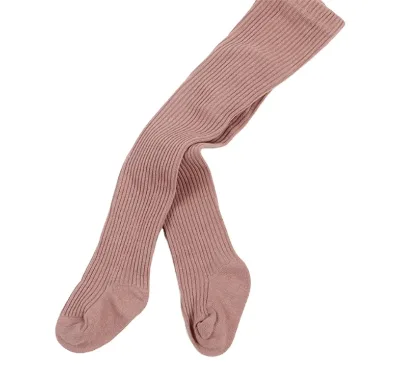
Twist Tights for Newborn Stockings Knitting Kids Tights Baby Pantyhose Girl Leggings Cotton
$1.10 - $1.29
MOQ: 500 Pairs


Wholesale Custom Baby Tights Fashion Tights Warm Soft 100% Cotton Breathable
$0.90 - $1.09
MOQ: 1000 Pairs

Foshan Chunpeng Clothing Co., Ltd.
- Manufacturer
- Guangdong, China
- Lead time0 days
- Avg. response≤ 1h
Main productsgirl dress,Boys clothes,Girl clothes,Baby clothes,Suits and Clothing
Main marketsMid East(15.00%), Africa(10.00%), Southeast Asia(10.00%), Central America(10.00%), North America(10.00%), Domestic Market(5.00%), South Asia(5.00%), Southern Europe(5.00%), Northern Europe(5.00%), Eastern Europe(5.00%), Western Europe(5.00%), Eastern Asia(5.00%), South America(5.00%), Oceania(5.00%)
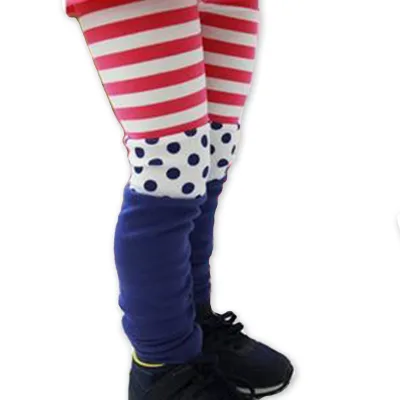
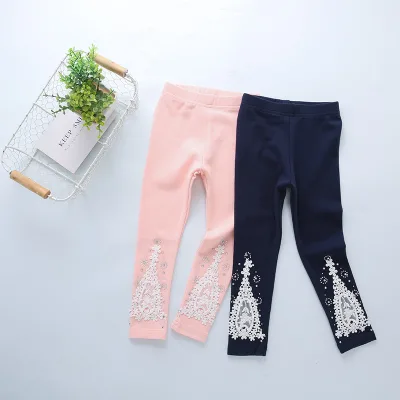
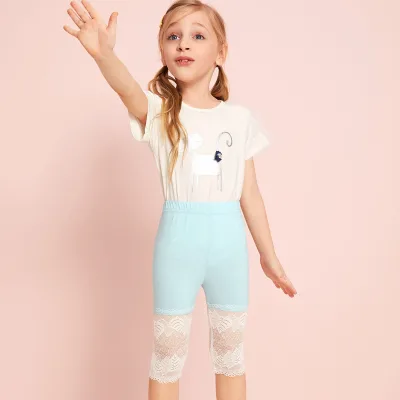
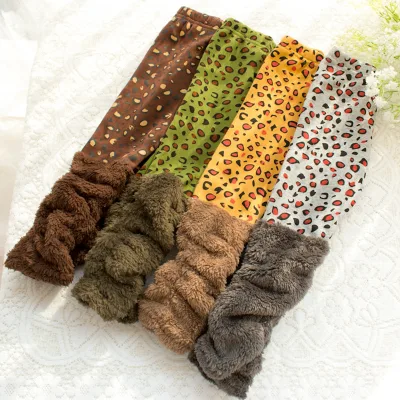
New wholesale price 3-12 years old girls delicate lace stretch leggings
$3.5994 - $4.319
MOQ: 1 pieces
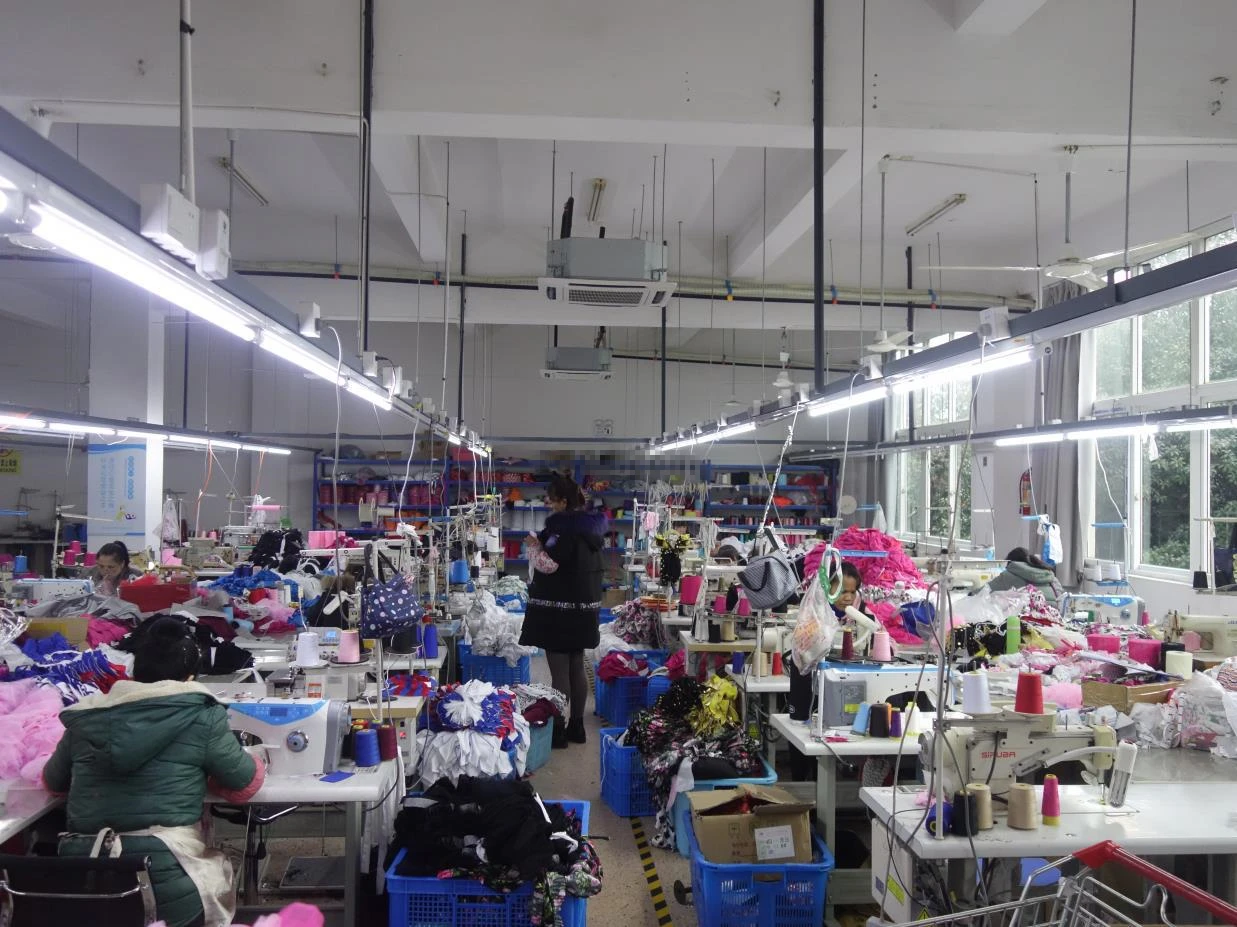
Guangzhou Langai E-Commerce Co., Ltd.
- Trading Company
- Guangdong, China
- Lead time25 days
- Avg. response≤ 5h
Main productsbaby romper,girl dress,clothing set,baby&toddler pants,accessories
Main marketsNorth America(30.00%), Oceania(10.00%), Domestic Market(10.00%), Western Europe(10.00%), Northern Europe(7.00%), Southeast Asia(6.00%), South America(5.00%), Central America(5.00%), Mid East(5.00%), Eastern Europe(3.00%), Africa(3.00%), South Asia(3.00%), Eastern Asia(2.00%), Southern Europe(1.00%)
Yiwu Haohao Garments Co., Ltd.
- Verified by SGS Group
- Manufacturer, Trading Company
- Lead time10 days
- Avg. response≤ 2h
Main productsBaby Romper , Girl Clothing Set, Boy Clothing Set, Baby Sweater, Boy Sport Set
Main marketsOceania(58%), North America(42%)
Shijiazhuang Cool Apparel Co., Ltd.
- Verified by TüVRheinland
- Manufacturer, Trading Company
- Lead time15 days
- Avg. response≤ 3h
Main productsBaby Romper, Baby Gift Set, Silk Pajamas, Baby Bib, Onesie
Main marketsNorth America(50%), Mid East(15%), Western Europe(12%)

- Verified by BV
- Combined
- China Zhejiang
- Lead time30 days
- Avg. response≤ 10h
Main productsMen Sock, Baby Clothes, Baby Products, Baby Romper, Sock, Baby Bibs, Cotton Socks, Women Socks, Sports Socks, Kids Wear
Main marketsEurope


Unisex Baby Kids Children Low Price Cotton Custom Wholesale Leggings Socks
$0.30 - $0.70
MOQ: 1000 Pairs
- Verified by Intertek
- Manufacturer, Trading Company
- Lead time20 days
- Avg. response≤ 3h
Main productsKids Clothing, Kids Clothes, Baby Clothes, Baby Clothing, Pajamas
Main marketsNorth America(60%), Western Europe(35%), Oceania(5%)
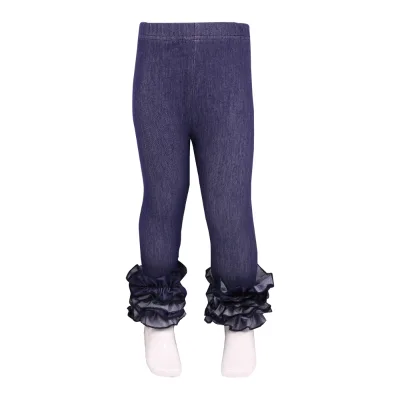
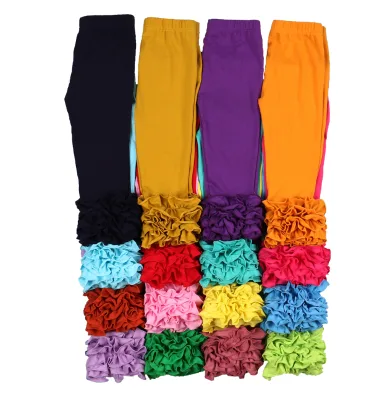
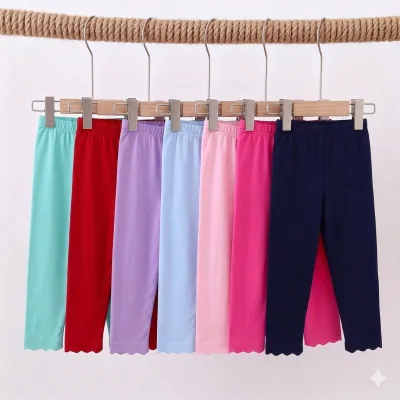
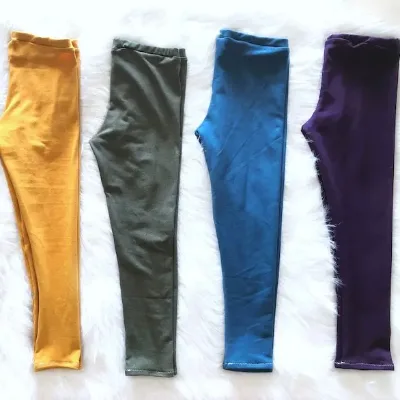
$2.36 - $3.66
MOQ: 40 Minimum
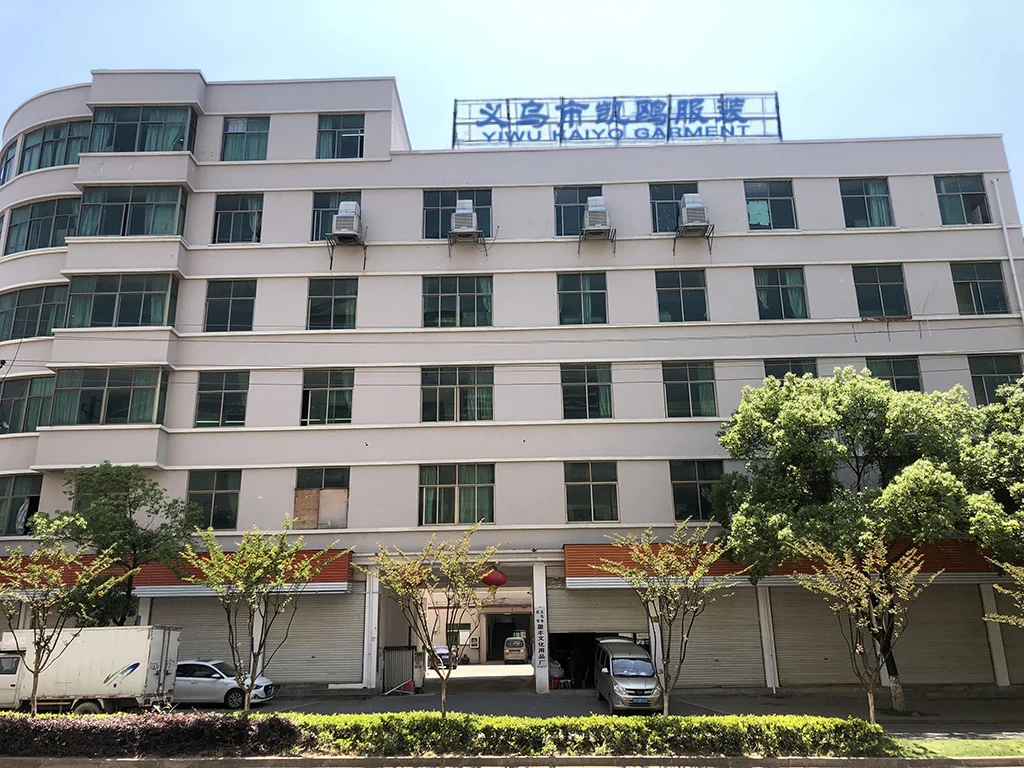
- Manufacturer, Trading Company
- Zhejiang, China
- Lead time30 days
- Avg. response≤ 5h
Main productsKids Clothing, Kids Clothes, Baby Clothes, Baby Girl Clothes, Pajamas
Main marketsNorth America(60.00%), Western Europe(30.00%), Oceania(10.00%)

Fuzhou Qihao Clothing Trade Co.,ltd.
- Manufacturer, Trading Company
- Fujian, China
- Lead time30 days
- Avg. response≤ 10h
Main productsKnitted Children Clothes,Knit Pet Clothes,Children Clothes
Main marketsNorth America(92.00%), Central America(2.00%), Western Europe(2.00%), Northern Europe(1.00%), Southeast Asia(1.00%), South America(1.00%), Oceania(1.00%)
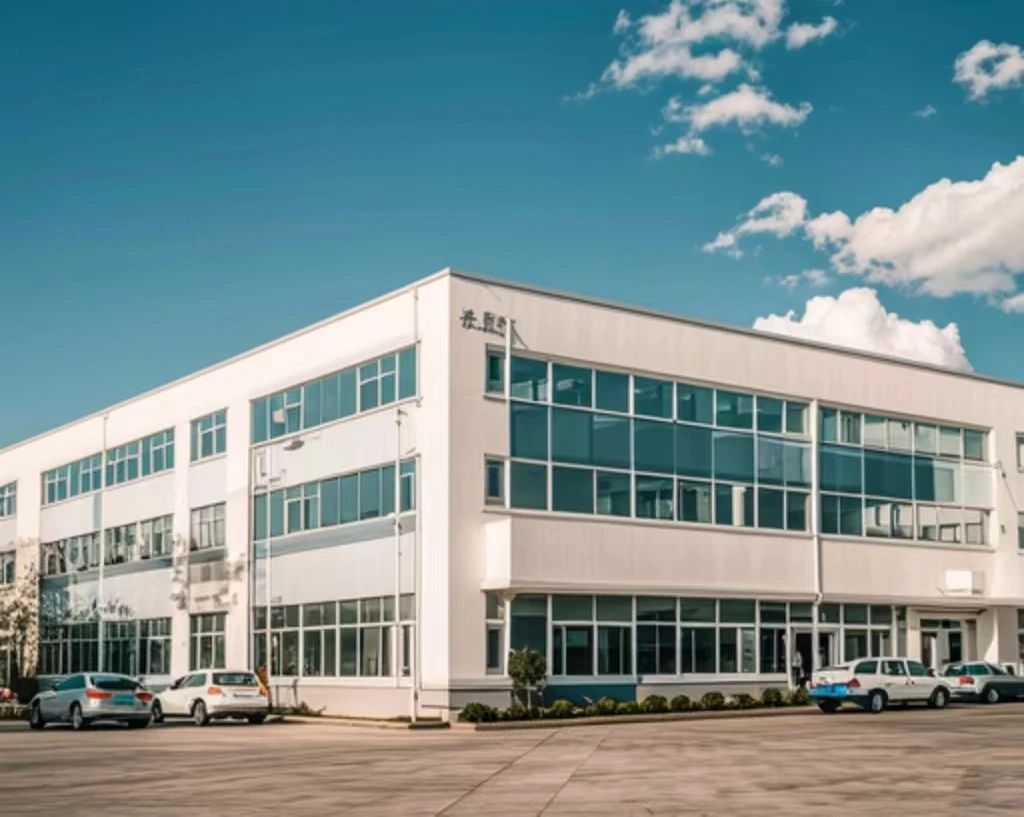
Changsha Longjida Trading Co., Ltd.
- Trading Company
- Hunan, China
- Lead time15 days
- Avg. response≤ 2h
Main productschildren clothing,girls clothing,baby clothing,boys clothing,girls leggings
Main marketsWestern Europe(20.00%), North America(20.00%), Southeast Asia(15.00%), South America(15.00%), Eastern Asia(10.00%), Eastern Europe(5.00%), Northern Europe(5.00%), Mid East(5.00%), Southern Europe(4.00%), Oceania(1.00%)
Yiwu City Huorong Clothing Co., Ltd.
- Verified by SGS Group
- Manufacturer, Trading Company
- Lead time30 days
- Avg. response≤ 4h
Main productsBaby Clothing Sets, Baby Pants, Baby Dress
Main marketsNorth America(80%), South America(10%), Western Europe(10%)
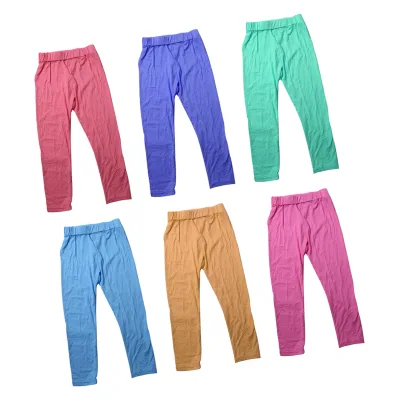
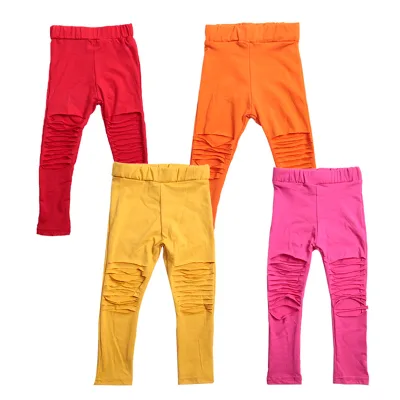
Customized Pattern Multi-Color Cotton Girls' Long Pants Fashion Ripped Legging for Kids
$4.5972 - $5.224
MOQ: 5 pieces
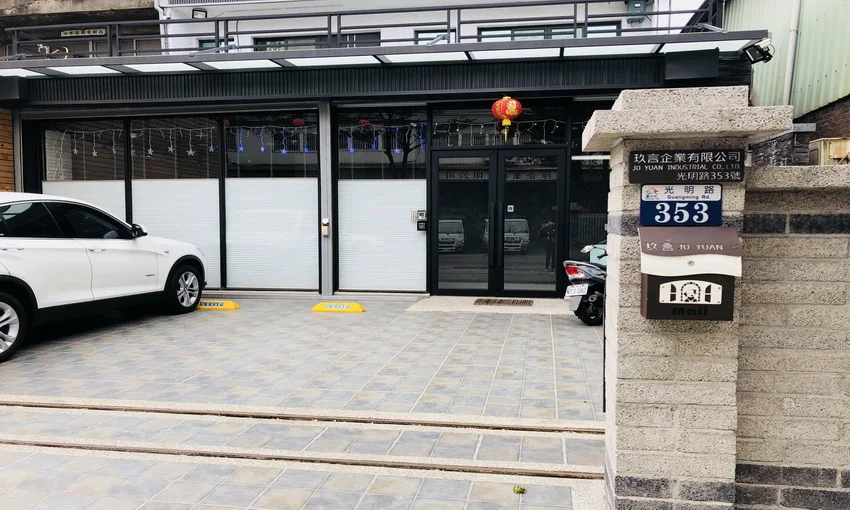
- Trading Company
- Taiwan, China
- Lead time0 days
- Avg. response≤ 3h
Main productsSleepwear,Pajama set,Children Wear,Hoodie,Lounge wear
Main marketsNorth America(70.00%), Southeast Asia(10.00%), Southern Europe(5.00%), Northern Europe(5.00%), Western Europe(5.00%), Eastern Europe(5.00%)

- Verified by CTI
- Trading Company,Manufacturer/Factory
- China Fujian
- Lead time90 days
- Avg. response≤ 15h
Main productsOutdoor Jackets, Swimwear, Gym Wear, Sport Pants, Beach Shorts, Puffer Jackets, Workwear, Yoga Wear, Kid's Clothes, Sweater
Main marketsSouth America,Eastern Europe,Mid East,North America,Southeast Asia,Eastern Asia,Western Europe,Africa

Kids Pocket Leggings - High Waisted Athletic Yoga Pants for Dance Gym Girls
$5.50 - $6.50
MOQ: 1000 Pieces

Toddler Stretchy Leggings - Spandex Athletic Pants for Yoga Biking Play
$5.50 - $6.50
MOQ: 1000 Pieces
Quanzhou BKD Kids Wear Co., Ltd.
- Verified by Intertek
- Manufacturer, Trading Company
- Lead time45 days
- Avg. response≤ 5h
Main productsBaby Romper, Baby Bodysuit, Girl's Clothing, Baby Clothing Sets , Other Leisurewear
Main marketsNorth America(60%), Southeast Asia(16%), Oceania(12%)
JINZHAI COUNTY BLOSSOM IMPORT&EXPORT TRADING CO.,LTD
- Trading Company
- Zhejiang, China
- Lead time7 days
- Avg. response≤ 3h
Main productsBaby Clothes,Leotards,Headbands,Rompers,leggings
Main marketsDomestic Market(10.00%), Central America(10.00%), Western Europe(10.00%), Eastern Asia(10.00%), Mid East(10.00%), Africa(10.00%), Southeast Asia(10.00%), Eastern Europe(10.00%), South America(10.00%), North America(10.00%)
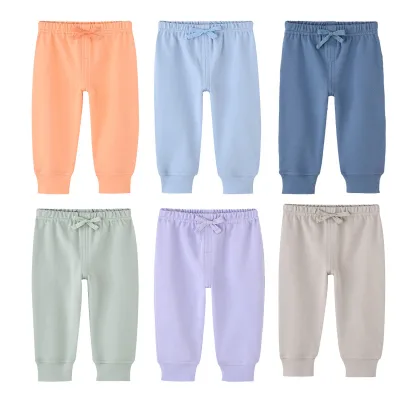
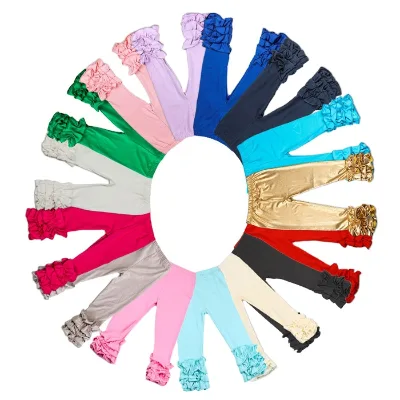
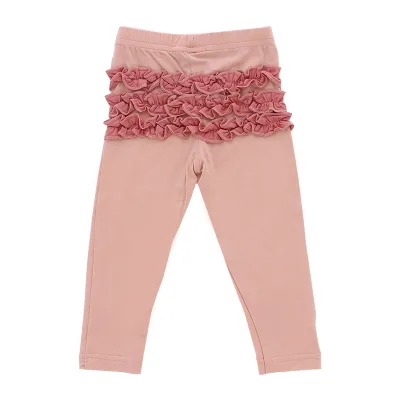
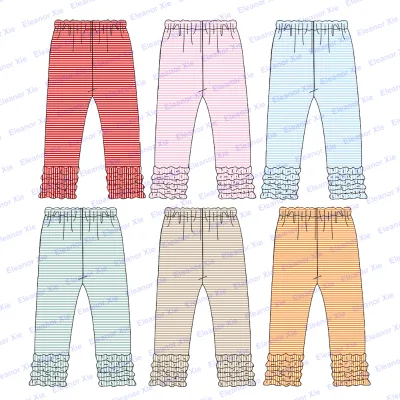
Many Colors Wholesale Ruffle Pants Sew sassy Icing Legging Baby Icing Ruffle Pants
$3.7774 - $4.4132
MOQ: 5 pairs
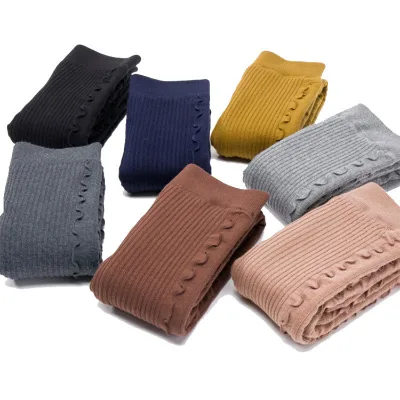
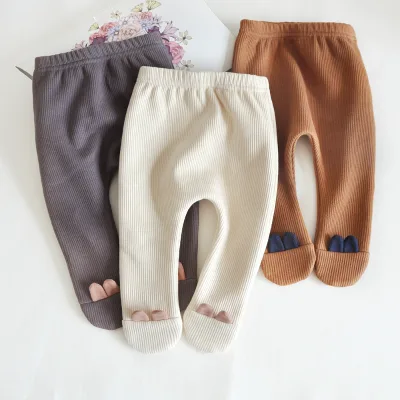


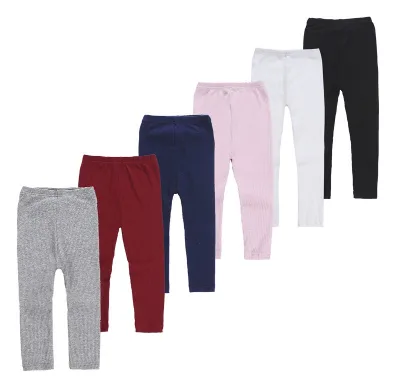
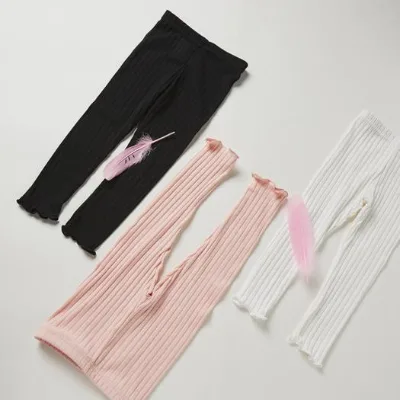
Comprehensive Sourcing Guide
Anti-Bacterial Breathable Baby Leggings Supplier Concentration and Factory Types
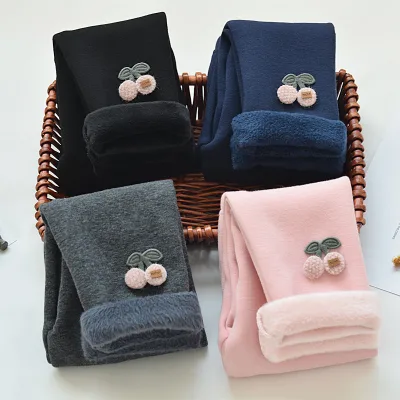
Current data indicates a concentration of manufacturing capabilities in China Fujian, where suppliers specialize in baby clothing, baby wear, and other baby accessories. These facilities often operate as combined entities capable of handling both Original Design Manufacturing and Original Equipment Manufacturing alongside their own brand production. The presence of specific product evidence, such as high-waist belly protection pants and footed leggings, suggests that these clusters possess the necessary knitting and sewing infrastructure for cotton-based infant garments. Buyers should verify if a supplier's stated main products align with the specific fabric requirements for breathable, anti-bacterial performance, as general baby wear factories may not always possess specialized chemical treatment capabilities for antimicrobial finishes.
In contrast, other regions like China Shanghai host suppliers with a broader range of infant and children's wear, including yoga clothes, nursing tees, and sleep bags. These combined companies often demonstrate faster response times and shorter lead times, which can be critical for urgent orders. However, the specific focus on anti-bacterial properties requires careful scrutiny of the supplier's material sourcing, as some listings emphasize bamboo or organic cotton blends while others focus on standard cotton. Buyers must confirm whether the supplier's facility is equipped to handle the specific certifications or testing protocols required for anti-bacterial claims, rather than assuming all baby clothing manufacturers in these clusters can deliver the same technical performance.
How to Verify Anti-Bacterial Breathable Baby Leggings Suppliers
Verification of supplier credibility relies heavily on third-party audit reports and specific system certifications rather than general company descriptions. Some suppliers in the current results hold verification from SGS, while others display TUVRHEINLAND credentials, indicating a commitment to quality control standards. Buyers should request the specific audit reports that cover the anti-bacterial treatment process, as general factory audits may not validate the chemical application or durability of the antimicrobial finish. It is essential to confirm that the certification explicitly covers the fabric treatment method used for the baby leggings, ensuring the anti-bacterial claim is backed by independent laboratory testing rather than internal assertions.
Beyond external verification, buyers must examine the supplier's response time and communication efficiency as indicators of operational reliability. Data shows response times varying significantly, with some suppliers averaging around 2.28 hours while others take over four hours. A rapid response often correlates with a more agile supply chain capable of addressing quality concerns quickly. Additionally, checking the supplier's capacity for customization, such as accepting custom labels and prints, provides insight into their flexibility. Buyers should verify if the supplier explicitly states their ability to customize the anti-bacterial treatment or if they only offer standard finishes, ensuring the final product meets the specific safety and performance standards required for infant wear.
What to Compare Across Anti-Bacterial Breathable Baby Leggings Suppliers
When evaluating potential partners, comparing minimum order quantities is a critical step for managing inventory costs and cash flow. Current product evidence shows a consistent Minimum Order Quantity of 300 pieces across various listings, which serves as a baseline for budgeting. However, buyers must verify if this MOQ applies to the specific anti-bacterial variant or if it is a general rule for standard cotton leggings. Some suppliers may offer different tiers for custom orders, so confirming the exact MOQ for the treated fabric is necessary to avoid unexpected financial commitments. Comparing these thresholds helps determine which suppliers can accommodate smaller initial test runs versus those requiring larger volume commitments.
Lead times and sample delivery windows are equally vital for planning production schedules and market launches. While some suppliers indicate a standard lead time of 30 days, others offer shorter windows of 15 days, and sample times can range from 3 to 10 days. Buyers should compare these figures against their specific timeline requirements, noting that faster lead times often come with higher unit costs or limited customization options. Additionally, comparing the material composition, such as 100% cotton versus cotton-spandex blends, is essential for ensuring the fabric breathability and comfort meet the product specifications. A detailed comparison of these operational metrics allows buyers to select a supplier that balances speed, cost, and quality effectively.
Common Anti-Bacterial Breathable Baby Leggings Sourcing Risks
One significant risk involves the discrepancy between claimed product features and actual material composition. While many listings highlight "breathable" and "soft" attributes, the specific anti-bacterial treatment is not always detailed in the product attributes. Buyers face the risk of receiving standard cotton leggings that lack the necessary antimicrobial finish if the supplier does not explicitly confirm the treatment process. It is crucial to verify that the "Anti-Bacterial" claim is supported by a specific test result or certification, as general marketing terms can be misleading. Without concrete evidence of the treatment, the product may fail to meet safety expectations for sensitive infant skin.
Another risk relates to the consistency of quality control across different production batches. Suppliers with varying response times and lead times may struggle to maintain uniform standards, especially when handling custom orders. The absence of specific system certifications for some suppliers increases the likelihood of quality inconsistencies. Buyers must ensure that the supplier has a robust quality assurance process in place to verify the durability of the anti-bacterial finish after washing. Relying solely on initial sample approval without ongoing quality checks can lead to batch failures, resulting in financial loss and reputational damage. Establishing clear quality benchmarks before production begins is essential to mitigate these risks.
Anti-Bacterial Breathable Baby Leggings Regional Sourcing and Logistics
Sourcing from China Fujian offers access to specialized clusters focused on baby clothing and accessories, which can streamline the supply chain for specific product types. These regions often have established logistics networks for exporting infant wear, potentially reducing shipping times and costs. However, buyers must verify the specific port of loading and the supplier's experience with international shipping to ensure timely delivery. The concentration of manufacturers in this area suggests a competitive market, but buyers should confirm that the supplier has the capacity to handle the specific volume and customization requirements of their order without delays.
Alternatively, sourcing from China Shanghai may provide advantages in terms of faster response times and shorter lead times, which can be beneficial for time-sensitive projects. Suppliers in this region often handle a wider variety of products, including yoga clothes and nursing tees, indicating a versatile manufacturing base. Buyers should assess the logistical capabilities of these suppliers, including their ability to manage complex shipping arrangements and customs documentation. Comparing the shipping costs and transit times from different regions is essential for optimizing the overall cost structure. Understanding the regional strengths and logistical nuances helps buyers make informed decisions that align with their specific supply chain needs.
Anti-Bacterial Breathable Baby Leggings Commercial Terms and Order Planning
Commercial terms regarding pricing and payment structures vary significantly among suppliers, with unit prices ranging from approximately $1.50 to $3.90 depending on the product model and material. Buyers must carefully compare these price points against the specific features offered, such as the inclusion of anti-bacterial treatment or custom labeling. It is important to verify if the quoted price includes all necessary costs, such as packaging and shipping, to avoid hidden expenses. Understanding the pricing structure helps in budgeting accurately and negotiating favorable terms that align with the project's financial constraints.
Order planning requires a clear understanding of the supplier's production capacity and delivery timelines. With lead times ranging from 15 to 40 days, buyers must factor in these durations when planning their inventory and market launch schedules. Some suppliers offer sample times as short as 3 to 7 days, which can be useful for rapid prototyping and design validation. Buyers should also consider the supplier's ability to handle custom orders, including the acceptance of custom labels and prints, to ensure the final product meets brand requirements. Effective order planning involves balancing these operational factors to ensure a smooth and efficient procurement process.
FAQs
What materials are used for breathable baby leggings?
Suppliers offer cotton, bamboo, and organic cotton blends to ensure breathability and softness for infant skin. These natural fibers allow air circulation while maintaining comfort. Some options include cotton-spandex mixes for added stretch. Buyers should verify specific fabric compositions to ensure the material meets their quality and safety standards for newborn wear.
What is the typical lead time for production?
Production lead times vary by supplier location and capacity. Some manufacturers in China report a lead time of 15 days, while others may require up to 30 days for standard orders. Delivery times can extend to approximately 40 days depending on logistics. Buyers should confirm specific timelines with suppliers before placing bulk orders to ensure timely delivery.
What is the minimum order quantity for customization?
The minimum order quantity for customized baby leggings is typically 300 pieces. This MOQ applies to orders requiring custom labels, prints, or specific design modifications. Buyers seeking smaller quantities may need to purchase from stock options. Always verify the exact MOQ with the supplier, as it may vary based on the complexity of the customization requested.
How quickly do suppliers respond to inquiries?
Response times differ among suppliers, with some averaging around 2.28 hours and others taking approximately 4.37 hours. Faster response times often indicate higher engagement levels. Buyers should expect replies within a few hours during business days. Prompt communication helps clarify product details, pricing, and shipping terms efficiently during the sourcing process.
Are samples available before bulk production?
Yes, suppliers generally provide samples before bulk production to verify quality and fit. Sample lead times typically range from 3 to 10 days. Buyers can request samples to check material softness, elasticity, and breathability. Sample costs may apply, but they are often credited against the final bulk order. This step ensures the product meets your specific requirements.
What certifications do these suppliers hold?
Verification statuses include SGS and TÜV Rheinland for some suppliers, indicating third-party audits. System certifications may not be explicitly listed for all vendors. Buyers should request specific product safety and quality certifications directly from suppliers. Verifying these credentials ensures the baby clothing meets international safety standards and regulatory requirements for export and local sales.