Glitter Print Bows Custom Socks Suppliers and Manufacturers
Compare 25 verified suppliers offering Glitter Print Bows Custom Socks with OEM services, varying lead times, and MOQs. Review response times and certifications to select a partner, then request samples for quality verification; review the available evidence before requesting comparable quotations from suitable candidates.
Updated
Suppliers List

- Manufacturer, Trading Company
- Zhejiang, China
- Lead time7 days
- Avg. response≤ 7h
Main productsSOCKS,custom socks,sport socks,cotton socks,baby socks
Main marketsNorth America(20.00%), Central America(10.00%), Northern Europe(10.00%), Eastern Europe(8.00%), Western Europe(8.00%), Oceania(7.00%), Southern Europe(7.00%), South America(5.00%), Southeast Asia(5.00%), Mid East(5.00%), South Asia(5.00%), Domestic Market(5.00%), Eastern Asia(3.00%), Africa(2.00%)
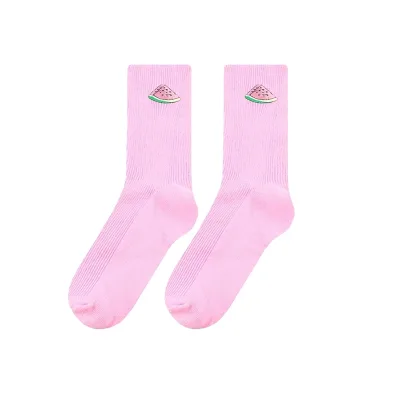
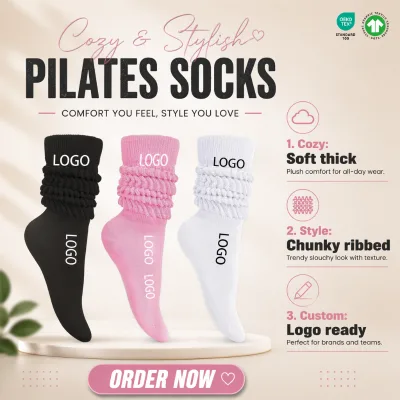
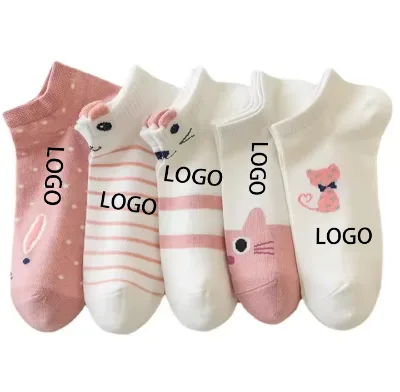
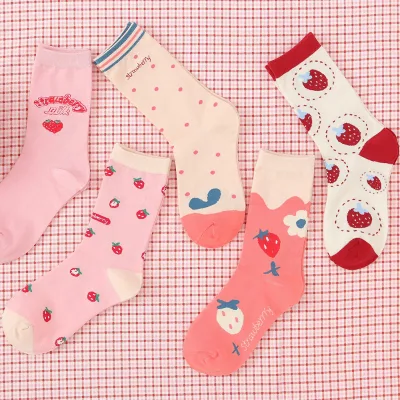
Factory Wholesale Bulk Wholesale pink Socks Custom pink logo Socks Custom Design Sock
$0.39 - $1.99
MOQ: 3000 pairs
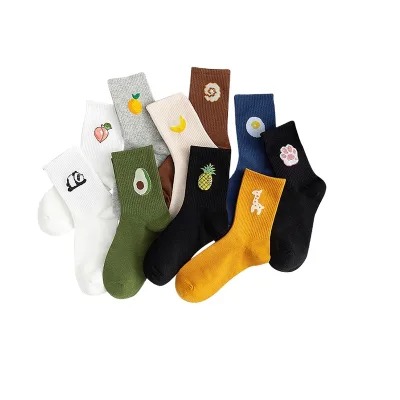
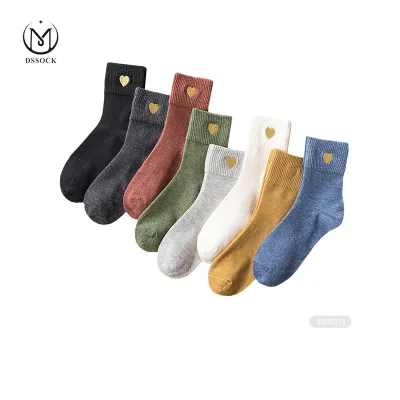
Customized Embroidered logo Sock Custom Women Socks Custom Embroidery Stitched Sock
$0.4039 - $2.0615
MOQ: 3000 pairs

- Verified by CTI
- Trading Company
- China Anhui
- Lead time23 days
- Avg. response≤ 2h
Main productsFurniture, Home Furniture
Main marketsSoutheast Asia/ Mideast

Jingjiang Pingdong Import & Export Co., Ltd.
- Verified by TUVRHEINLAND
- Trading Company
- China Jiangsu
- Lead time30 days
- Avg. response≤ 20h
Main productsSock
Main marketsEurope,North America


High Quality Men Custom Print Ankle Socks Fashion Cotton Sport Ankle Socks
$0.25 - $0.35
MOQ: 1000 Pairs

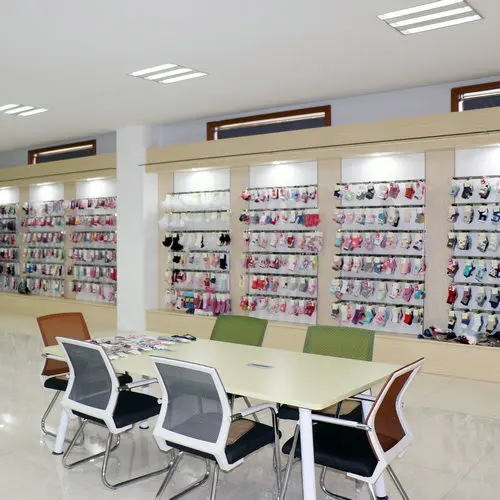
- Manufacturer, Trading Company
- Zhejiang, China
- Lead time15 days
- Avg. response≤ 2h
Main productssocks,women socks,men socks,wholesale socks,custom socks
Main marketsNorth America(38.00%), Western Europe(14.00%), Northern Europe(11.00%), Eastern Europe(8.00%), Eastern Asia(6.00%), South America(5.00%), Southern Europe(4.00%), Southeast Asia(4.00%), Central America(3.00%), South Asia(3.00%), Domestic Market(1.00%), Oceania(1.00%), Africa(1.00%), Mid East(1.00%)

shanghai jspeed industry co.,ltd
- Trading Company
- China Shanghai
- Lead time60 days
- Avg. response≤ 5h
Main productsSwimwear, Underwear, Sportswear, Socks, Dress, Skirt, Pants, Shorts, Textile
Main marketsSouth America,Southeast Asia/ Mideast,Domestic,Europe,Australia,North America

Shanghai Touch Industrial Development Co., Ltd.
- Verified by TUVRHEINLAND
- Combined
- China Shanghai
- Lead time15 days
- Avg. response≤ 5h
Main productsInstant Hot Pack, Hot Cold Pack, Gel Eye Mask, Gel Ice Pack, Gel Bottle Cooler, Instant Ice Pack, Hand Warmer, Heat Pack, Cooling Scarf, Gel Beads
Main marketsSouth America,Others(foreignTradeCapacity.exportBusinessCapacityMarketOther),Southeast Asia/ Mideast,East Asia(Japan/ South Korea),Domestic,Europe,Australia,North America

Zhuji Dongling Knitting & Textile Co., Ltd.
- Combined
- China Zhejiang
- Lead time30 days
- Avg. response≤ 9h
Main productsSocks, Man Socks, Lady Socks, Sport Socks, Baby & Kids Socks, Tights, Wristband, Non-Slip Socks, Mobile Phone Pouch, Hiking Socks
Main marketsAfrica,Europe,North America
Zhuji Juncai Knitting Co., Ltd.
- Verified by SGS Group
- Trading Company
- Lead time15 days
- Avg. response≤ 2h
Main productsMen Socks, Crew Socks, Custom Socks, Sports Socks
Main marketsNorth America(35%), Western Europe(15%), Southern Europe(15%)
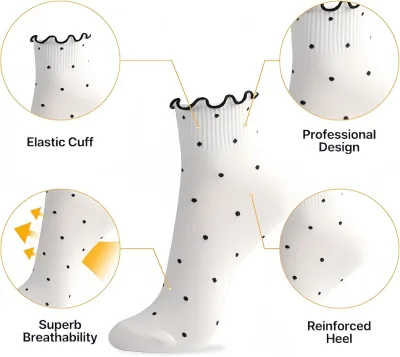
Multi-color and Patterned Custom Socks Bulk Thick Socks Ladies' High-quality Cotton Socks
$1.3344 - $2.4086
MOQ: 100 pairs
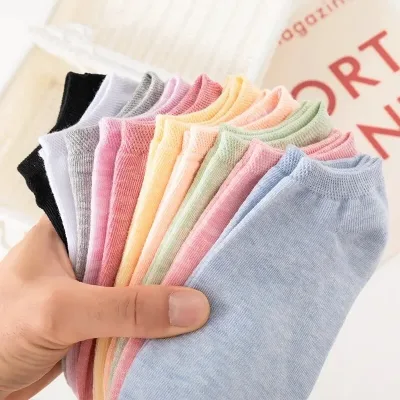
Custom Classic High Quality Socks Colored Women Socks Comfortable Casual Short Socks
$0.99 - $1.99
MOQ: 100
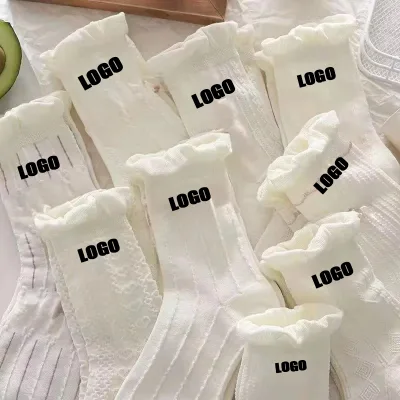
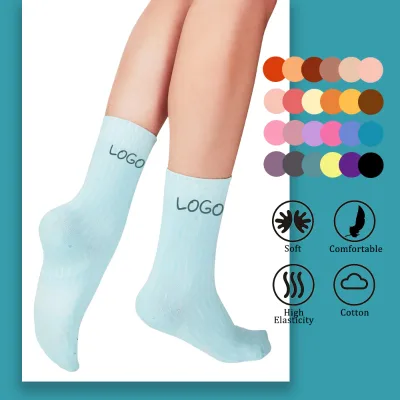
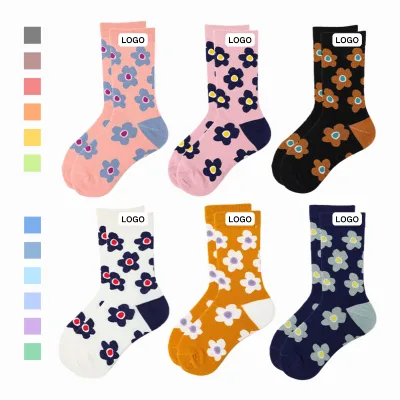
$1.2402 - $2.3472
MOQ: 100 pairs

Shanghai Jspeed Industry Co., Ltd.
- Verified by BV
- Trading Company
- China Shanghai
- Lead time60 days
- Avg. response≤ 7h
Main productsMen/Women Swimwear, Underwear, Bra, Socks, Men/Women Pants, Men/Women Jackets, Dress, Sportwear, Skirt, Shirt
Main marketsEurope

Sichuan Chenhai International Trade Co., Ltd.
- Trading Company
- China Sichuan
- Lead time0 days
- Avg. response≤ 4h
Main productsSocks, Lingerie

$2.90 - $5.90
MOQ: 1000 Pairs

- Verified by SGS Group
- Manufacturer, Trading Company
- Lead time35 days
- Avg. response≤ 1h
Main productsSport Socks and Cotton Socks, Wrist Band, Pilates socks, Gym Socks, Gift Socks
Main marketsNorth America(33%), Western Europe(15%), South America(10%)
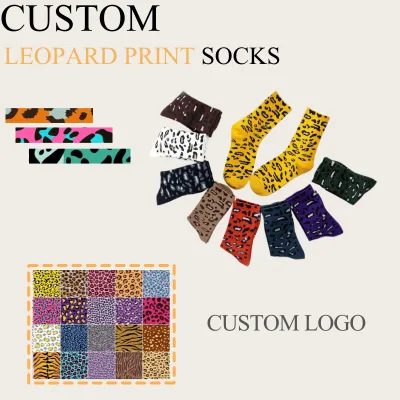
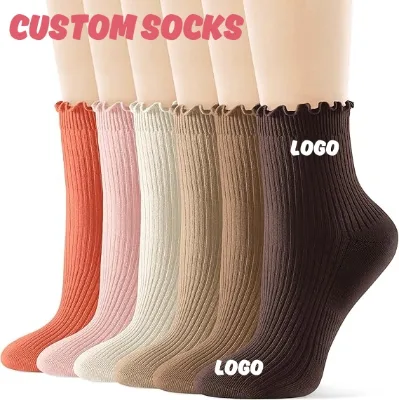
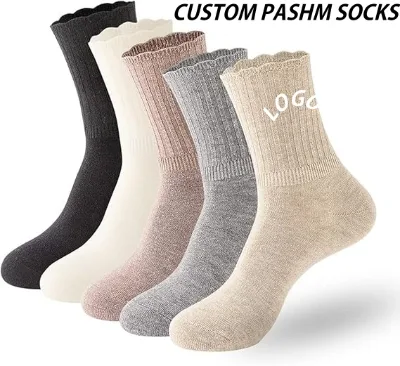
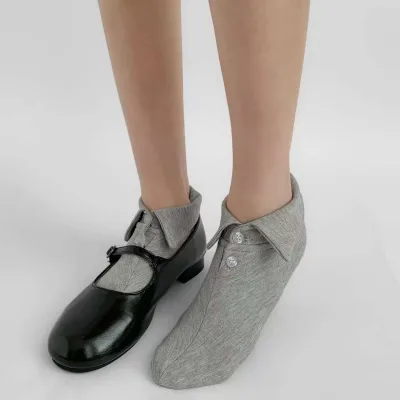
Custom Fashion Socks High Quality Socks Personalized Fun Shirt Collar Socks for Fashionable
$2.50 - $5.00
MOQ: 50 pairs
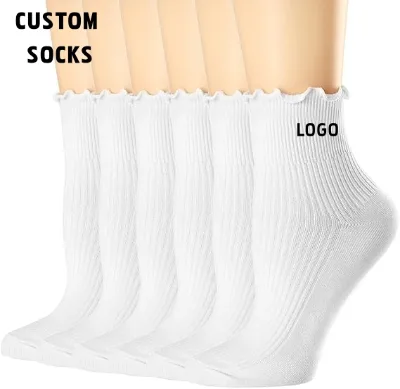
Wholesale Custom Women's Lace Ankle Socks, Sweat-Absorbing, Odor-Resistant, Breathable Daily Socks
$0.5101 - $2.1842
MOQ: 100 pairs

Sungnan Import & Export Co., Ltd.
- Verified by TUVRHEINLAND
- Combined
- China Zhejiang
- Lead time30 days
- Avg. response≤ 6h
Main productsScarf, Socks, China Scarf, Leggings, Hats, Bags, Gloves
Main marketsNorth America

- Verified by TUVRHEINLAND
- Trading Company,Manufacturer/Factory
- China Chongqing
- Lead time38 days
- Avg. response≤ 5h
Main productsBaseball Cap, Beanie Hat, Trucker Hat, Bucket Hat, Snapback Hat, Scarf, Gloves, Apron, Sock, T Shirt&Polo Shirt
Main marketsSouth America,Eastern Europe,Mid East,North America,Southeast Asia,Eastern Asia,Oceania,Western Europe,Africa
HAINING SHANXIN SOCKS CO., LTD.
- Verified by SGS Group
- Manufacturer, Trading Company
- Zhejiang, China
- Lead time45 days
- Avg. response≤ 2h
Main productsSocks
Main marketsEastern Asia(51%), North America(13%), Domestic Market(10%)

Nantong Bi'antong Textile Fabrics Trade Co., Ltd.
- Verified by SGS
- Trading Company
- China Jiangsu
- Lead time0 days
- Avg. response≤ 23h
Main productsCotton Socks, Hat, Scarf, Blanket, Knee Pad, Cap, Underwear, Wash Accessories, Fabric, Tool Bag
- Verified by TüVRheinland
- Manufacturer, Trading Company
- Lead time20 days
- Avg. response≤ 2h
Main productsBamboo Socks, Compression Socks, Soccer Socks, Wool Socks, Children Socks
Main marketsNorth America(25%), Northern Europe(25%), Western Europe(20%)

- Verified by CTI
- Trading Company
- China Zhejiang
- Lead time30 days
- Avg. response≤ 5h
Main productsSocks, Men Socks, Sports Socks, Cotton Socks, Custom Socks, Women Socks, Merino Wool Socks, Grip Socks, Bamboo Socks, Pilates Socks
Main marketsSoutheast Asia/ Mideast
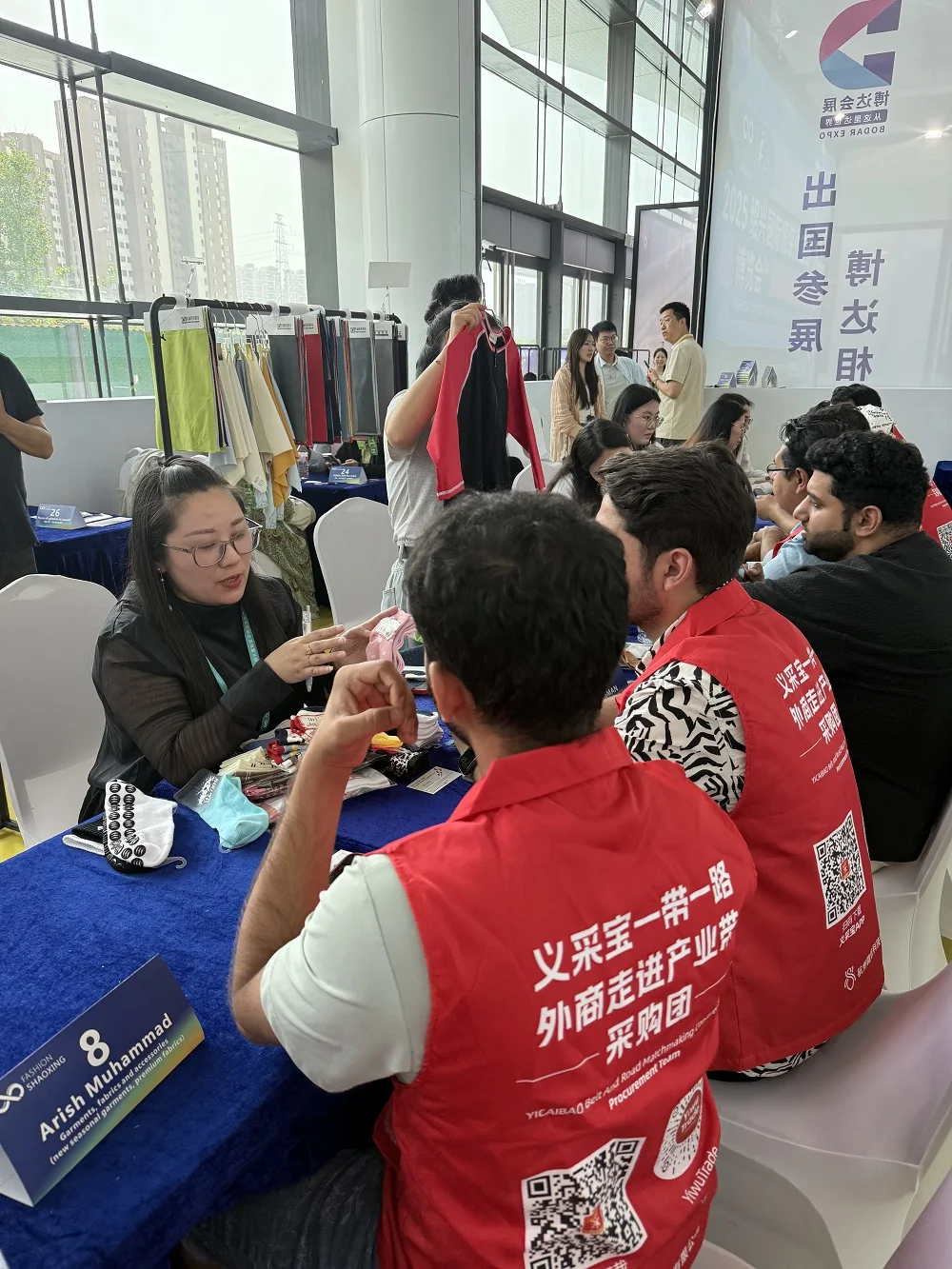
Yiwu Long Glory Imp. & Exp. Co., Ltd.
- Trading Company
- Zhejiang, China
- Lead time25 days
- Avg. response≤ 3h
Main productssocks,shoes
Main marketsNorthern Europe(30.00%), North America(30.00%), Mid East(20.00%), Central America(5.00%), South America(5.00%), Oceania(5.00%), Africa(3.00%), Domestic Market(2.00%)
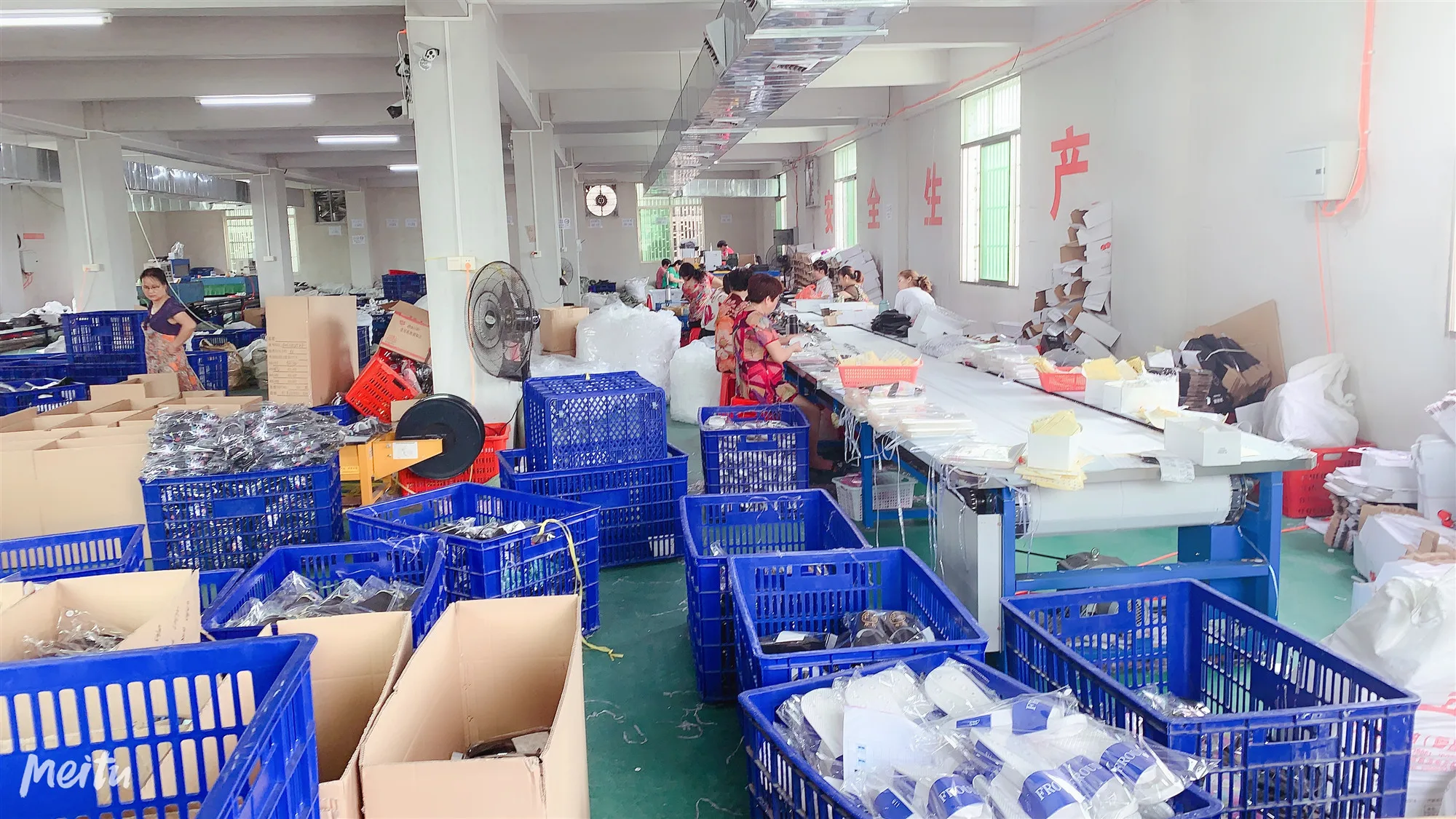
Shenzhen Lejiu Trading Co., Ltd.
- Trading Company
- Guangdong, China
- Lead time7 days
- Avg. response≤ 4h
Main productsCustom Slippers, Custom Socks, Custom Caps, Custom Bags, Custom Shoe Bags
Main marketsNorth America(55.00%), Western Europe(20.00%), Eastern Asia(10.00%), Eastern Europe(5.00%), Mid East(5.00%), Northern Europe(3.00%), Southern Europe(2.00%)
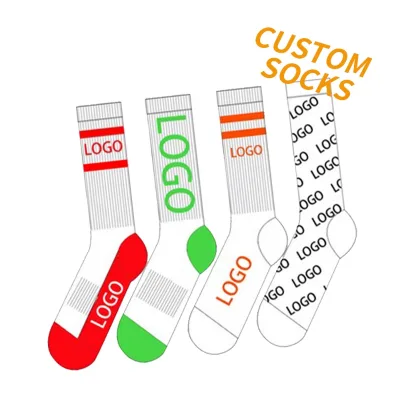
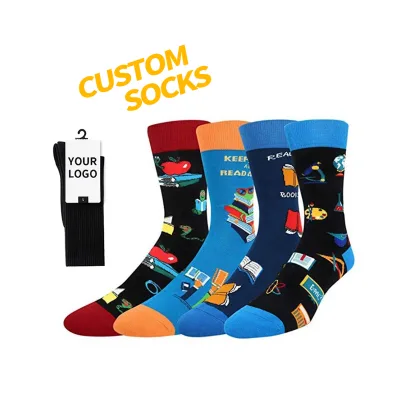
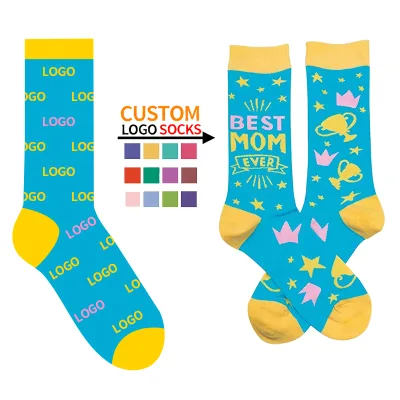
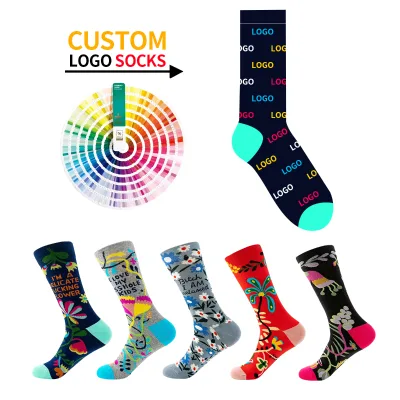
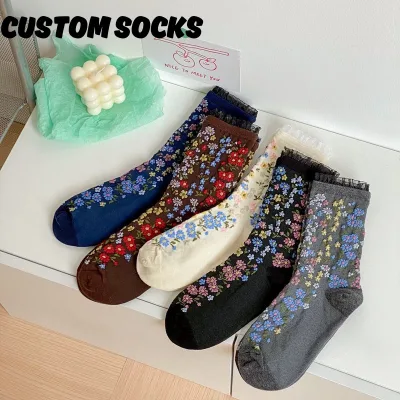
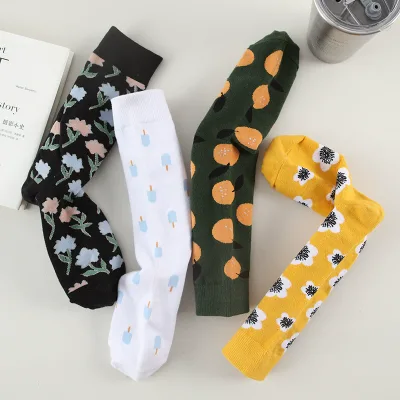
Customized Men's and Women's Long Cotton Socks with Colorful Flowers and Casual Mid-tube Socks
$0.55 - $2.30
MOQ: 50 pairs
Haining Huming Knitting Factory
- Manufacturer, Trading Company
- Zhejiang, China
- Lead time35 days
- Avg. response≤ 4h
Main productsrunning socks,printing socks,ski socks,merino wool socks,sports socks
Main marketsNorth America(70.00%), Eastern Asia(28.00%), Domestic Market(2.00%)

Haining Haiyu Clothing Co., Ltd.
- Trading Company
- Zhejiang, China
- Lead time60 days
- Avg. response≤ 8h
Main productsSocks,Socks
Main marketsNorth America(80.00%), Mid East(20.00%)

- Verified by BV
- Combined
- China Zhejiang
- Lead time30 days
- Avg. response≤ 10h
Main productsMen Sock, Baby Clothes, Baby Products, Baby Romper, Sock, Baby Bibs, Cotton Socks, Women Socks, Sports Socks, Kids Wear
Main marketsEurope


Multi Color Unisex Christmas Custom Sublimation Printed Wholesale Polyester Socks
$0.40 - $0.70
MOQ: 500 Pairs


Low Price Men Women Unisex Cotton Christmas Digital Printed Custom Crew Socks
$0.60 - $1.20
MOQ: 500 Pairs


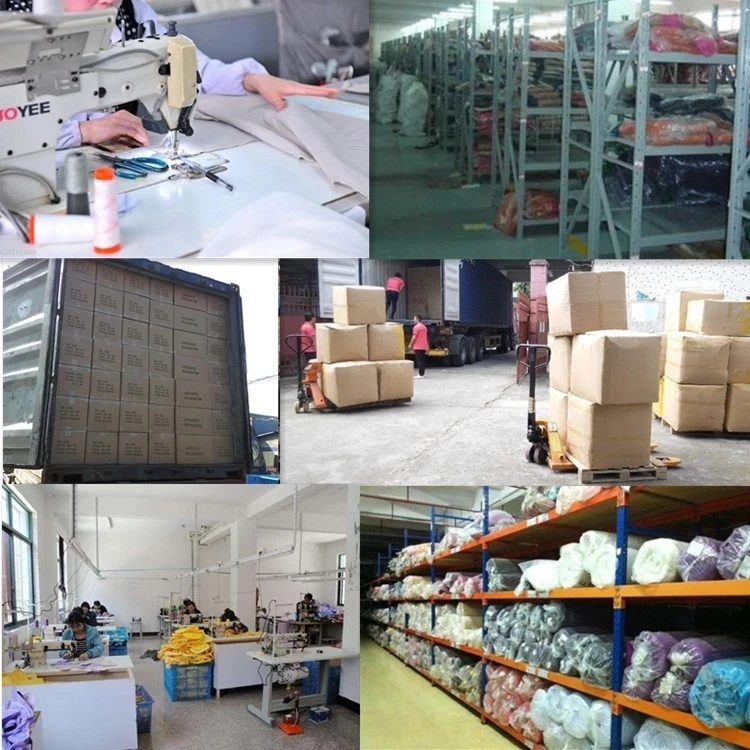
Yiwu Chic Seeker Accessories Co., Ltd.
- Trading Company
- Zhejiang, China
- Lead time5 days
- Avg. response≤ 5h
Main productsFashion Accessories,Hats,Socks,Gloves,Scarves
Main marketsNorth America(33.00%), Western Europe(20.00%), Southeast Asia(10.00%), Mid East(10.00%), Eastern Asia(5.00%), Eastern Europe(5.00%), South America(5.00%), Central America(3.00%), Northern Europe(3.00%), South Asia(2.00%), Southern Europe(2.00%), Africa(2.00%)
Foshan Nanhai Fengxiang Knit Factory
- Verified by Intertek
- Manufacturer, Trading Company
- Lead time0 days
- Avg. response≤ 2h
Main productsSocks
Main marketsDomestic Market(65%), North America(15%), Eastern Europe(10%)
Foshan Honghu Xinghuo Textile Technology Co., Ltd.
- Verified by TüVRheinland
- Trading Company
- Guangdong, China
- Lead time15 days
- Avg. response≤ 2h
Main productsSports Socks, Wool Socks, Pressure Socks, Wrist Guards, Knee Guards
Main marketsNorth America(25%), Oceania(15%), Western Europe(15%)
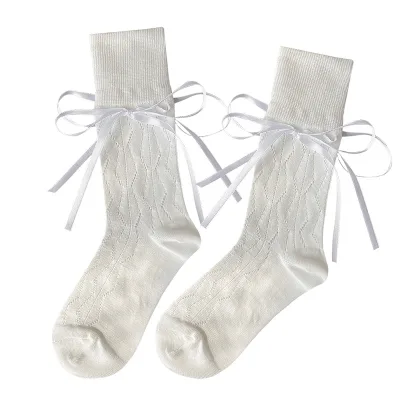
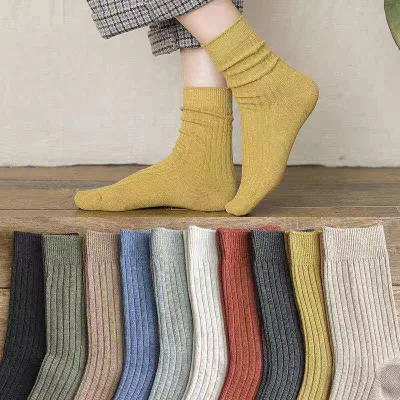
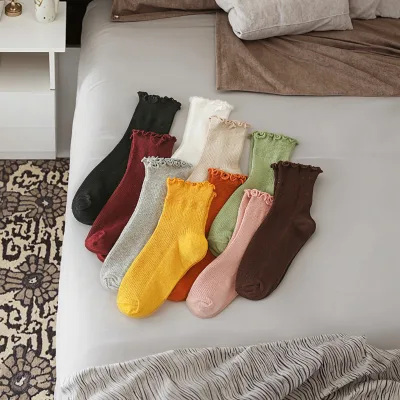
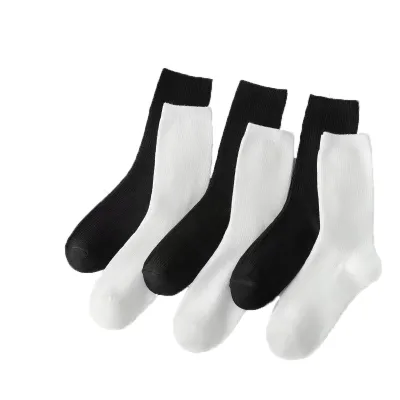
Solid Color Basic Socks for Women Black White Thin Spring/summer Versatile Mid Length Socks for Girl
$0.46 - $0.79
MOQ: 10 pairs








Comprehensive Sourcing Guide
Glitter Print Bows Custom Socks Supplier Concentration and Factory Types
The sourcing landscape for custom hosiery features a mix of manufacturing entities and trading companies, each offering distinct advantages for buyers seeking specialized designs like glitter print bows. Evidence indicates that suppliers are primarily located in Zhejiang, China, a region known for its robust textile infrastructure and established supply chains for apparel accessories. This concentration suggests that buyers can expect a high density of potential partners in this specific geographic area, facilitating easier communication and potentially lower logistics costs due to cluster effects. The presence of both manufacturers and trading companies in these results highlights the diversity of operational models available. Manufacturers typically offer direct control over production processes, which can be crucial for implementing complex customizations such as specific glitter applications or bow attachments. Trading companies, on the other hand, may provide broader product ranges and simplified procurement processes, acting as intermediaries that consolidate orders from multiple factories. Understanding this distinction is vital for buyers to align their sourcing strategy with their specific needs for quality control, volume flexibility, and product variety.
In addition to Zhejiang, other regions such as Anhui and Jiangsu in China also host suppliers involved in the sock industry, although their primary focus may vary. Some suppliers in these areas specialize in furniture, indicating that not all entities in these regions are dedicated solely to hosiery, which requires careful vetting to ensure expertise in textile manufacturing. The main products listed for these suppliers often include a wide array of sock types, such as cotton, sport, and baby socks, suggesting that many factories have versatile production capabilities. This versatility can be beneficial for buyers looking to diversify their product lines or source multiple items from a single partner. However, it also means that buyers must verify the specific capabilities of each supplier regarding custom designs and specialized features like glitter prints. The company types range from pure manufacturers to trading entities, implying that the level of direct factory access and pricing transparency may vary significantly. Buyers should prioritize suppliers with clear manufacturing backgrounds if they require strict quality assurance and direct communication regarding production details, while those seeking a wider selection might find trading companies more suitable for their initial sourcing efforts.
How to Verify Glitter Print Bows Custom Socks Suppliers
Verifying the legitimacy and capability of suppliers is a critical step in the sourcing process, especially when dealing with custom products that require specific technical expertise. Buyers should start by examining the verification status provided by the platform, such as CTI or TÜV Rheinland certifications, which indicate that a third-party inspection has been conducted. These verifications provide a layer of confidence regarding the supplier's business license and operational legitimacy. However, verification alone does not guarantee product quality or production capacity, so buyers must dig deeper into the supplier's track record and specific product offerings. Reviewing the main products listed by the supplier can help determine if they have relevant experience in manufacturing socks, particularly those with custom features. Suppliers listing a broad range of hosiery products, including cotton, sport, and baby socks, are more likely to have the necessary machinery and expertise for custom orders. Additionally, checking the response time can offer insights into the supplier's operational efficiency and customer service quality. A faster response time, such as under two days, often indicates a more responsive and organized team, which is essential for managing custom orders that require frequent communication and quick decision-making.
Beyond basic verification, buyers should assess the supplier's ability to handle customizations by reviewing their product attributes and specifications. Look for details such as OEM support, custom logo capabilities, and specific material compositions that align with your requirements for glitter print bows. Suppliers that explicitly mention OEM services and custom design options are better positioned to meet your specific needs. It is also important to check for any displayed certifications or standards that the supplier adheres to, although these may not always be explicitly listed for every product. Buyers should request samples to evaluate the quality of the glitter print and bow attachment, ensuring that the materials used are durable and meet safety standards. Furthermore, examining the supplier's lead times and MOQs can provide additional context about their production capabilities. Suppliers with reasonable lead times and flexible MOQs are often more adaptable to the needs of small to medium-sized buyers. By combining verification checks with a thorough review of product details and operational metrics, buyers can make more informed decisions and mitigate the risks associated with sourcing custom hosiery from unfamiliar suppliers.
What to Compare Across Glitter Print Bows Custom Socks Suppliers
When evaluating multiple suppliers, buyers should systematically compare key operational metrics to identify the most suitable partner for their specific needs. One of the primary factors to consider is the minimum order quantity (MOQ), which can vary significantly between suppliers. For instance, some suppliers may have an MOQ of 3000 pairs, while others might offer lower thresholds, such as 200 pairs, making them more accessible for smaller orders or trial runs. Comparing MOQs helps buyers determine which suppliers align with their inventory strategy and financial constraints. Additionally, lead times are crucial for planning production schedules and ensuring timely delivery. Suppliers with shorter lead times, such as seven days for samples or standard production, can offer greater flexibility and faster time-to-market. Buyers should also compare response times, as quicker communication can facilitate smoother negotiations and problem-solving throughout the sourcing process. Suppliers with response times under two days are generally more responsive, which is beneficial for managing custom orders that require frequent updates and adjustments.
Price is another critical factor, but it should be evaluated in conjunction with other metrics to ensure a comprehensive comparison. The price range for custom socks can vary, with some suppliers offering prices as low as $0.39 per pair, while others may charge up to $20.00 per pair, depending on the complexity of the design and material quality. Buyers should not solely focus on the lowest price but rather assess the value proposition, considering factors such as material composition, customization options, and service quality. Suppliers offering OEM services and custom design capabilities may command higher prices but provide greater flexibility and unique product offerings. Additionally, comparing the main products and specializations of each supplier can help identify those with relevant expertise in custom hosiery. Suppliers listing a wide range of sock types, including cotton, sport, and baby socks, may have more versatile production capabilities. By systematically comparing MOQs, lead times, response times, prices, and product specializations, buyers can make data-driven decisions and select suppliers that best meet their operational and financial requirements.
Common Glitter Print Bows Custom Socks Sourcing Risks
Sourcing custom hosiery involves several inherent risks that buyers must proactively manage to ensure a successful procurement process. One significant risk is the potential mismatch between the supplier's capabilities and the buyer's specific customization requirements. Suppliers may claim to offer custom designs, but the actual quality and execution of features like glitter prints and bow attachments may vary. Without proper verification and sample testing, buyers risk receiving products that do not meet their quality standards or design specifications. This risk is exacerbated by the fact that some suppliers may be trading companies rather than manufacturers, which can introduce additional layers of communication and potential miscommunication regarding production details. Buyers should prioritize suppliers with clear manufacturing backgrounds and verified capabilities to mitigate this risk. Additionally, the variability in lead times and MOQs can pose logistical challenges, particularly for buyers with tight deadlines or limited inventory budgets. Suppliers with longer lead times or higher MOQs may not be suitable for all buyers, requiring careful selection and negotiation to align with the buyer's operational needs.
Another common risk is the lack of transparency in pricing and terms, which can lead to unexpected costs or disputes later in the procurement process. Buyers should be cautious of suppliers with unclear pricing structures or those that do not provide detailed information about material compositions and production processes. It is essential to request comprehensive quotes that include all costs, such as sampling, tooling, and shipping, to avoid hidden fees. Furthermore, the risk of intellectual property infringement is a concern when sourcing custom designs, particularly those involving unique patterns or logos. Buyers should ensure that their designs are protected and that suppliers adhere to confidentiality agreements. Additionally, the variability in supplier verification statuses, such as CTI or TÜV Rheinland certifications, can impact the reliability of the supplier. Buyers should prioritize suppliers with robust verification credentials to reduce the risk of dealing with fraudulent or unreliable entities. By identifying and addressing these common risks through thorough due diligence and clear communication, buyers can enhance the security and success of their sourcing efforts for custom hosiery.
Glitter Print Bows Custom Socks Regional Sourcing and Logistics
The geographic location of suppliers plays a significant role in determining logistics costs, lead times, and overall sourcing efficiency. Evidence indicates that a substantial number of sock suppliers are concentrated in Zhejiang, China, a region renowned for its textile manufacturing capabilities. Sourcing from this region can offer advantages such as established supply chains, competitive pricing, and a high density of potential partners. However, buyers should also consider other regions, such as Anhui and Jiangsu, where suppliers may have different specializations or operational models. While some suppliers in these areas may primarily focus on other products like furniture, others may still offer relevant hosiery options. Understanding the regional distribution of suppliers can help buyers optimize their sourcing strategy by selecting partners that are geographically convenient for their logistics networks. Proximity to ports and transportation hubs can further reduce shipping costs and lead times, making regional sourcing a critical factor in the overall procurement plan.
Logistics considerations extend beyond just the supplier's location to include the specific requirements of custom products like glitter print bows. These items may have unique packaging or handling needs that can impact shipping costs and transit times. Buyers should work closely with suppliers to determine the most efficient shipping methods and ensure that products are packaged securely to prevent damage during transit. Additionally, buyers should be aware of any import regulations or tariffs that may apply to their specific destination, as these can affect the total cost of ownership. Collaborating with suppliers who have experience in international shipping can help navigate these complexities and ensure smooth delivery. By carefully evaluating the regional sourcing options and logistics implications, buyers can make informed decisions that balance cost, speed, and reliability, ultimately enhancing the success of their custom hosiery procurement efforts.
Glitter Print Bows Custom Socks Commercial Terms and Order Planning
Effective order planning and clear commercial terms are essential for managing the complexities of sourcing custom hosiery. Buyers should establish clear agreements regarding payment terms, delivery schedules, and quality assurance protocols to minimize risks and ensure smooth transactions. It is advisable to negotiate favorable payment terms, such as partial payments upfront and the balance upon shipment, to protect both parties' interests. Additionally, buyers should define specific quality standards and inspection criteria for the custom products, including the glitter print and bow attachment, to ensure that the final products meet their expectations. Suppliers should be required to provide samples for approval before mass production begins, allowing buyers to verify the quality and make any necessary adjustments. Clear communication regarding lead times and production schedules is also crucial, as delays can impact the buyer's inventory and sales plans. Buyers should work with suppliers to establish realistic timelines and build in buffers for potential delays.
Furthermore, buyers should consider the long-term relationship with their suppliers, as consistent communication and collaboration can lead to better pricing, improved quality, and greater flexibility. Establishing a partnership based on mutual trust and clear expectations can facilitate smoother negotiations and problem-solving throughout the sourcing process. Buyers should also plan for potential contingencies, such as supply chain disruptions or quality issues, by identifying alternative suppliers or maintaining safety stock. By carefully planning commercial terms and order processes, buyers can enhance their operational efficiency and reduce the risks associated with sourcing custom hosiery. This proactive approach ensures that buyers are well-prepared to manage the complexities of the procurement process and achieve their business objectives.
FAQs
What is the typical lead time for custom socks?
Manufacturers in Zhejiang, China, generally offer a 7-day sample order lead time. Bulk production times vary by supplier complexity and order volume. Buyers should confirm specific timelines with the factory before placing large orders to ensure timely delivery for seasonal needs.
What is the minimum order quantity for custom socks?
MOQs vary significantly across suppliers. Some factories require a minimum of 3000 pairs for custom designs, while others accept orders as low as 200 pairs. Buyers should verify the specific MOQ requirements with each supplier to align with their inventory capacity.
What materials are commonly used for custom socks?
Common materials include Spandex, Polyester, and Cotton blends. Some suppliers offer Bamboo fiber for enhanced comfort and breathability. Buyers can choose materials based on specific needs such as durability, moisture-wicking, or eco-friendly preferences when requesting custom sock samples from manufacturers.
Do suppliers offer OEM services for custom branding?
Yes, many manufacturers provide OEM services, allowing for custom logos, patterns, and designs. Buyers can request samples to verify quality before committing to bulk orders. Ensure the supplier supports your specific branding requirements, such as embroidery or printing, during the inquiry process.
What is the price range for custom socks?
Prices typically range from $0.39 to $20.00 per pair, depending on material, complexity, and order volume. Basic cotton socks start lower, while specialized materials like bamboo or intricate designs cost more. Buyers should request quotes based on their specific design and quantity.
How quickly do suppliers respond to inquiries?
Response times vary, with some suppliers responding within 1.22 hours and others taking up to 19.25 hours. Faster response times often indicate higher availability and customer service efficiency. Buyers should prioritize suppliers with quicker response rates for smoother communication during the sourcing process.
Are there certifications for sock manufacturers?
Some suppliers hold certifications such as CTI or TÜV Rheinland verification. These certifications indicate adherence to quality and safety standards. Buyers should verify specific certifications relevant to their market requirements, such as eco-friendly or safety standards, when selecting a manufacturing partner.