anti-itch ointment Suppliers and Manufacturers in China
Compare 23 verified suppliers offering anti-itch ointment with ISO 9001 and GMP certifications. Review response times, lead times, and MOQs to source from Henan, Jiangxi, or Guangdong factories. Contact suppliers directly to request samples; review the available evidence before requesting comparable quotations from suitable candidates.
Updated
Suppliers List

LUOYANG WEIERJIAN BIOTECHNOLOGY CO., LTD.
- Verified by BV
- Manufacturer/Factory
- China Henan
- Lead time30 days
- Avg. response≤ 1h
Main productsPain Relief Patch, Ointment, Topical Care Products, External Use, Nutritional Supplements, Pet Products, Pet Chews, Personal Care Products
Main marketsSouth America,Eastern Europe,Mid East,North America,Southeast Asia,Eastern Asia,Oceania,Western Europe,Africa


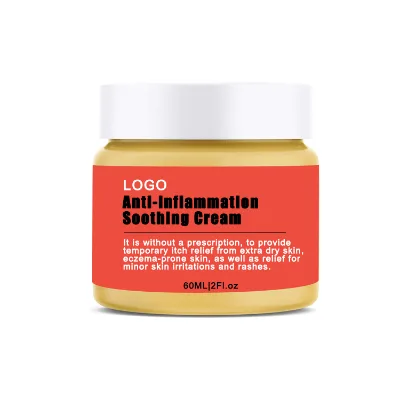
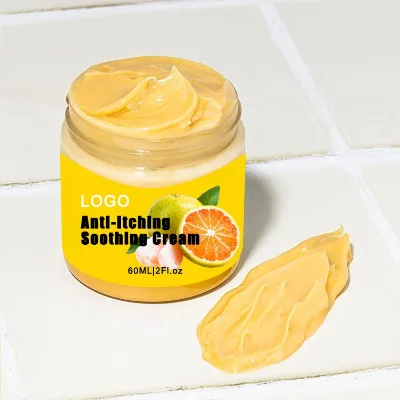
Pure Natural Ingredients Repair, Relieve Itching, Anti-Inflammatory and Analgesic Ointment
$0.50 - $1.00
MOQ: 50 Pieces


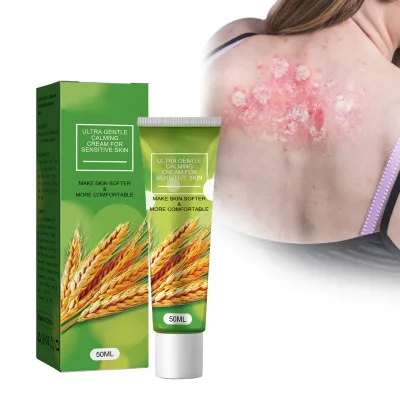
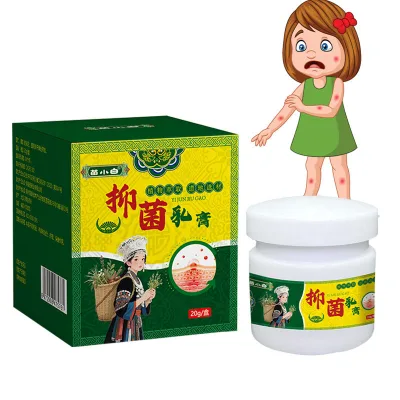
Wholesale Custom Herbal Skin Ringworm Cream Skin Eczema Itching Acne Fungal Infection Ointment
$0.50 - $1.00
MOQ: 50 Pieces
Jiangxi Jishun Tang Pharmaceutical Co., Ltd.
- Verified by TüVRheinland
- Trading Company
- Lead time0 days
- Avg. response≤ 2h
Main productsToothpaste, Chinese Plaster, Personal Care Products, Dietary Supplement Kit, Body Lotion
Main marketsNorth America(30%), Mid East(30%), Southeast Asia(15%)
Jiangxi Bangfuke Pharmaceutical Co., Ltd.
- Manufacturer, Trading Company
- Jiangxi, China
- Lead time30 days
- Avg. response≤ 1h
Main productsOintment,Spray,Vaginal Gel,Tightening Capsules,Vaginal Wash
Main marketsMid East(30.00%), Southeast Asia(30.00%), North America(30.00%), Africa(10.00%)
Guangzhou Huaming Cosmetics Co., Ltd.
- Manufacturer, Trading Company, Buying Office, Agent, Distributor/Wholesaler
- Guangdong, China
- Lead time0 days
- Avg. response≤ 12h
Main productsHerbal ointment,Hemorrhoids Ointment,pain relief balm,spray,antipruritic ointment
Main marketsSoutheast Asia(20.00%), Africa(10.00%), North America(10.00%), Eastern Europe(10.00%), South America(10.00%), Southern Europe(5.00%), Northern Europe(5.00%), Domestic Market(5.00%), Western Europe(5.00%), Eastern Asia(5.00%), Mid East(5.00%), Oceania(5.00%), Central America(3.00%), South Asia(2.00%)
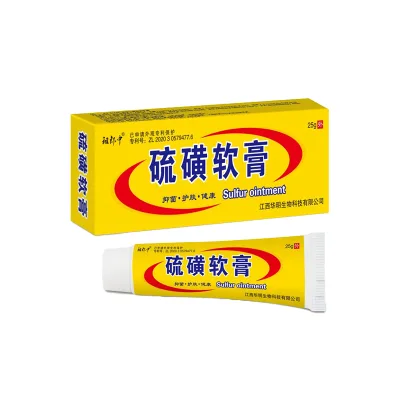
$0.35 - $0.58
MOQ: 20 pieces
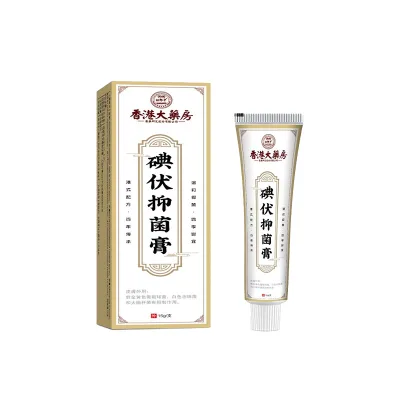
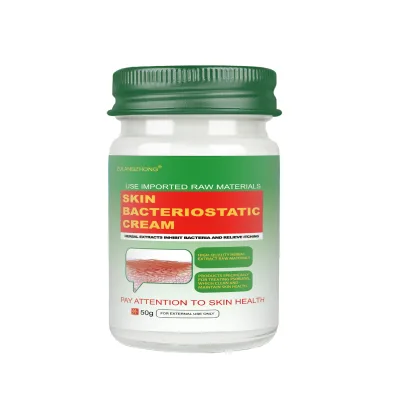
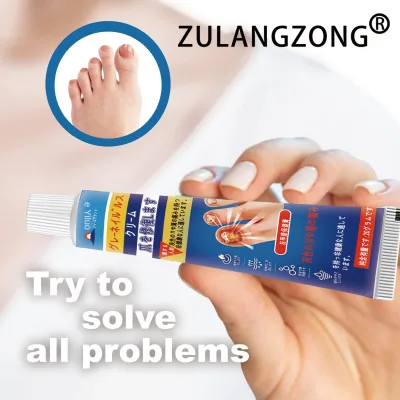
Anti-Itching Cream 15g Herbal Plant Formula Skin Itching Mosquito Bites Anti Iodophor Cream
$0.763 - $0.9189
MOQ: 50 pieces

Guangzhou Topone Chemical Co., Ltd.
- Verified by BV
- Trading Company
- China Guangdong
- Lead time15 days
- Avg. response≤ 10h
Main productsMosquito Coil, Mosquito Killer, Spray, Insecticide, Body Spray, Air Freshener, Deodorant, Plant Fiber Mosquito Coil
Main marketsAfrica


Non-Smelling Anti-Itch Harmfulless High-Quality Mosquito Repellent Cream with OEM Accepted
$14.89 - $16.94
MOQ: 1 boxes

Nanping Yanping District Gongjitang Trading Co., Ltd.
- Verified by Intertek
- Trading Company
- Lead time5 days
- Avg. response≤ 2h
Main productsPain Relief Ointment, Nasal Care Products, Eye Care Products, Skin Care Products, Urinary System Nursing

PLANET (ANHUI) INTERNATIONAL CO., LTD.
- Verified by BV
- Combined
- China Jiangsu
- Lead time60 days
- Avg. response≤ 3h
Main productsBandage, First Aid Kits, Band Aid, Wound Dressing, Foot Patch, Knee Brace, Knee Support, Knee Pad, Adhesive Tape, Compression Stocks
Main marketsNorth America


Convenient Wound Care Repair Ointment Smoothing Skin Renewal Triple Antibiotic Ointment
$1.155
MOQ: 5000 Pieces

Ji'an Langjian Medical Supplies Co., Ltd.
- Trading Company
- Jiangxi, China
- Lead time30 days
- Avg. response≤ 1h
Main productsbody care,hair care,Skin Care,face care,essential oil
Main marketsSouthern Europe(14.00%), Africa(12.00%), South Asia(12.00%), Western Europe(12.00%), Eastern Asia(12.00%), Northern Europe(9.00%), South America(7.00%), Southeast Asia(6.00%), Eastern Europe(6.00%), Mid East(6.00%), North America(2.00%), Central America(1.00%), Oceania(1.00%)
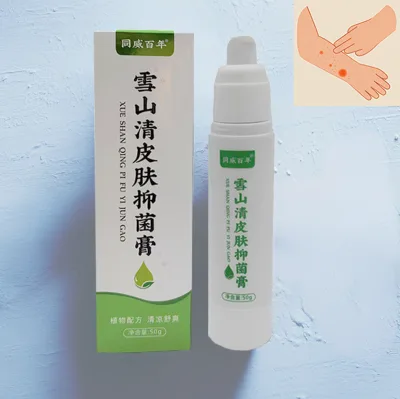
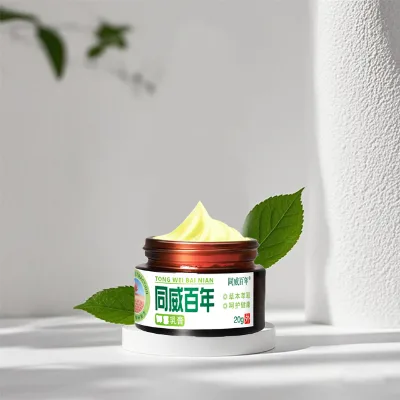
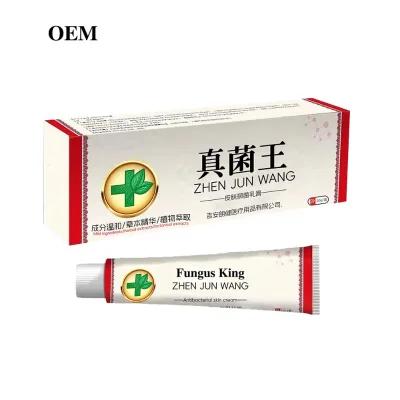
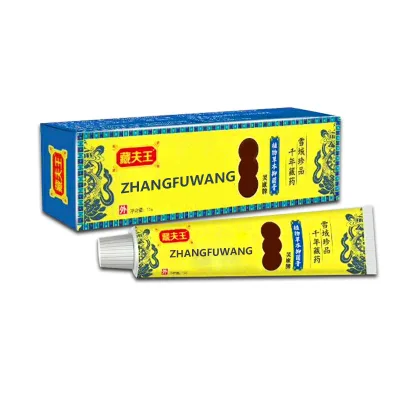
Fungus King Ointment Skin Pruritus Itch Wet poison for External Ointment
$0.95 - $1.20
MOQ: 400 pieces
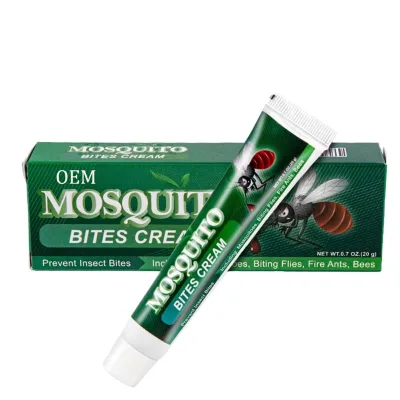
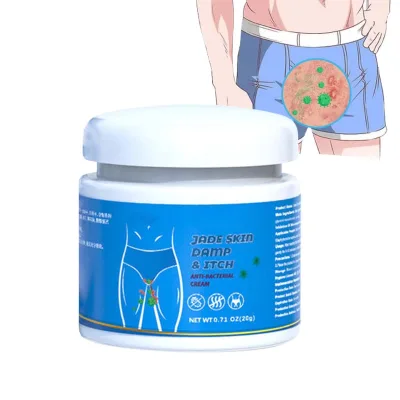
$0.8559 - $0.9279
MOQ: 12 pieces
$0.742 - $0.8649
MOQ: 400 pieces
Guangzhou Muhua Pharmaceutical Co., Ltd.
- Verified by Intertek
- Trading Company
- Lead time15 days
- Avg. response≤ 3h
Main productsHealth Food
Main marketsDomestic Market(30%), North America(25%), Eastern Europe(15%)

Guangzhou Luckon Technology Co., Ltd.
- Trading Company,Manufacturer/Factory
- China Guangdong
- Lead time15 days
- Avg. response≤ 3h
Main productsRTV Insulation Coating, Cold Shrink Items, Cold Shrink Joint/Kits, Heat Shrink Items, Bushing, Resin Joints, Bushing Cover
Main marketsSouth America,Eastern Europe,Mid East,North America,Southeast Asia,Eastern Asia,Oceania,Western Europe,Africa


Personal Nursing Product Tinea Removal Itching Relief Psoriasis Removal Ointment
$0.30 - $10.00
MOQ: 1000 Pieces


Yangzhou Holly International Co., Ltd.
- Verified by BV
- Combined
- China Jiangsu
- Lead time15 days
- Avg. response≤ 10h
Main marketsSoutheast Asia/ Mideast,East Asia(Japan/ South Korea),Domestic,Europe


Custom Logo Wound Repair Ointment Scar Smoothing Skin Renewal Triple Antibiotic Ointment
$0.88 - $0.98
MOQ: 1000 piece


Custom Logo Wound Care Repair Ointment Scar Smoothing Skin Renewal Triple Antibiotic Ointment
$0.78 - $1.08
MOQ: 500 box

High Quality Health Care Skin Itch Relief Psoriasis Spray Herbal Psoriasis Cream
$0.58 - $0.78
MOQ: 500 piece

Shandong Vianor Pharma Co., Ltd.
- Verified by BV
- Combined
- China Shandong
- Lead time30 days
- Avg. response≤ 3h
Main productsNasal Inhaler Vaporub Stick Aromatherapy Refesh, Pet Care Shampoo Paw Balm Oral Care, Personal Care Household Toothpaste Mouth Wash, Cosmetic Factory Body Care Lotion Hair, Sport Care Pain Relief Muscle Care Spray, Healthy Care Natural Essential Oil Embrocation, Aromatic Stick Medicated Essential Oil Vapo Pad, Healthy Nutrition and Dietary Supplements, Daily Beauty Care Skin Care Body Oil Lube Oil, Patches Pain Relief Blister Plaster Bandage
Main marketsSoutheast Asia/ Mideast,North America

Shandong Shiyi Trading Co., Ltd.
- Verified by CTI
- Trading Company
- China Shandong
- Lead time15 days
- Avg. response≤ 16h
Main productsHealth and Care, Cosmetics
Main marketsAfrica,Europe,North America

Hubei Enwei Pharmaceutical Co., Ltd.
- Verified by SGS
- Combined
- China Hubei
- Lead time15 days
- Avg. response≤ 2h
Main productsCooling Gel Patch, Foot Patch, Quit Smoking Patch, Pain Relief Patch, Acne Patches, Microneedle Patch, Eye Patch, Slimming Patch, Pain-Relieving Ointment, Sleep Patch
Main marketsSoutheast Asia/ Mideast,Europe,North America


$0.40 - $0.55
MOQ: 1000 Pieces

$0.40 - $0.55
MOQ: 1000 Pieces


Zhengzhou Zhongsheng Enterprise Marketing Planning Co., Ltd.
- Trading Company
- Henan, China
- Lead time0 days
- Avg. response≤ 1h
Main productsHealthcare Supplements,Vitamins,Mushroom/Enzyme,Food & Beverage Beverages Tea Slimming Tea
Main marketsNorth America(35.00%), Southern Europe(25.00%), Eastern Asia(15.00%), Mid East(15.00%), Africa(10.00%)
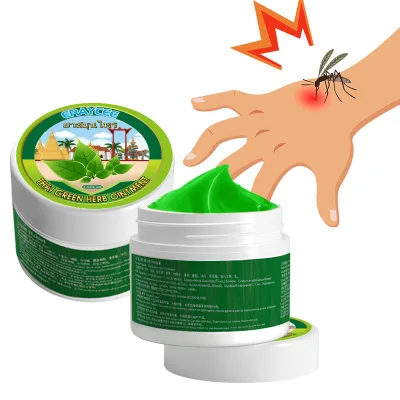
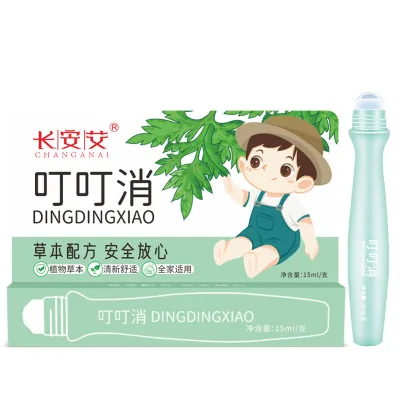
OEM ODM Summer Soothing Herbal Bite and Itch Relief Balm Natural Grass Extract Ointment
$0.85 - $1.00
MOQ: 100 pieces
Manufacturer Sale Natural Mosquito Bite Itch Cream/Harmless Green Herb Skin Protect Ointment Product
$0.60 - $0.70
MOQ: 20 pieces
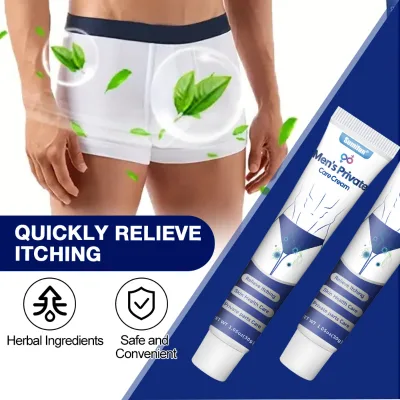
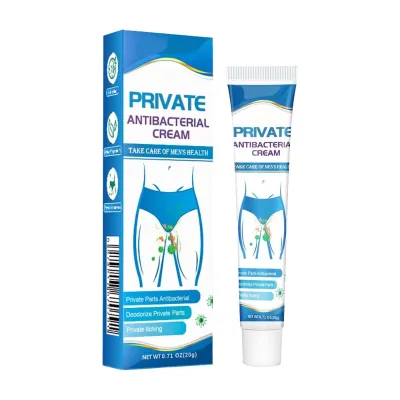
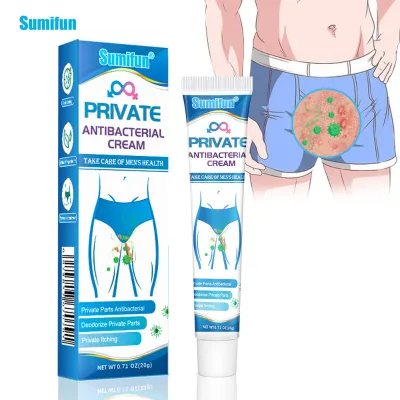
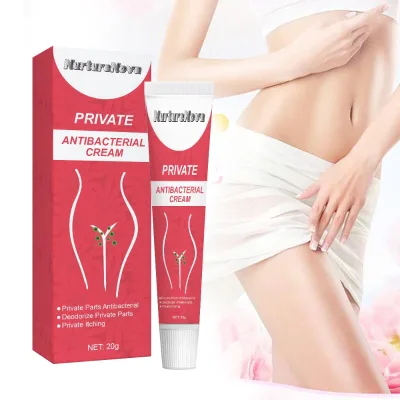
Private Part Anti-Itch Ointment Fungus Dermatitis Rash Remover for Men & Women Hygiene Product
$0.85 - $1.00
MOQ: 100 pieces
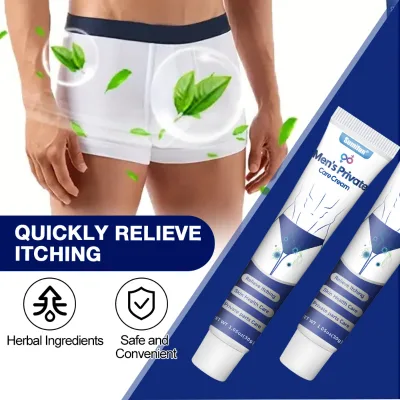
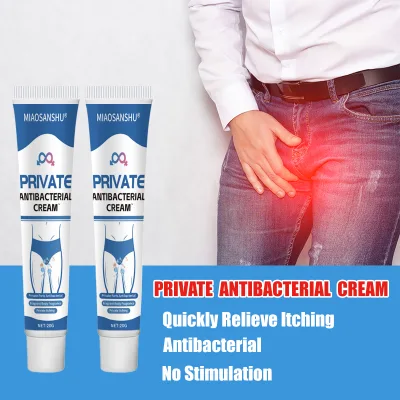
Men's Women's Private Care Genital Bacteriostatic Ointment Cream for Itching Odor Fungal Infection
$0.85 - $1.00
MOQ: 100 pieces
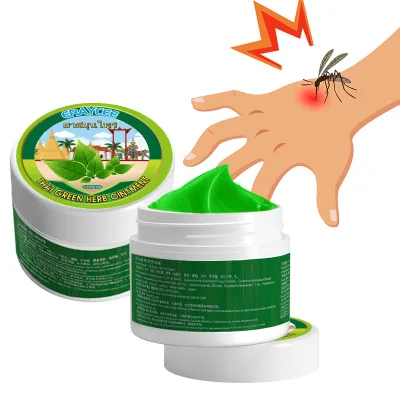
Cooling Oil Green Herb Ointment Refreshing Anti-Mosquito Itching Relief Cream Healthcare Supply
$0.8904 - $1.0463
MOQ: 100 pieces
Jiangxi Origin Pharmaceutical Technology Co., Ltd.
- Trading Company
- Jiangxi, China
- Lead time30 days
- Avg. response≤ 3h
Main productssulfur shampoo,Dimetothiazine,antipruritic,Pet insect repellent,Pet Eye Drops
Main marketsEastern Europe(20.00%), South America(15.00%), North America(10.00%)
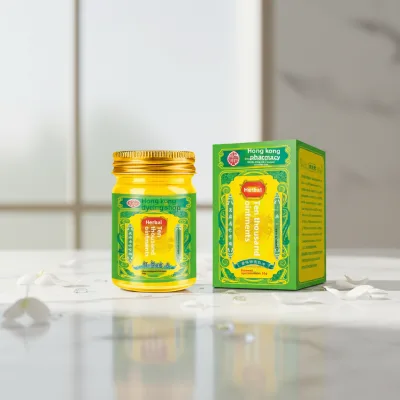
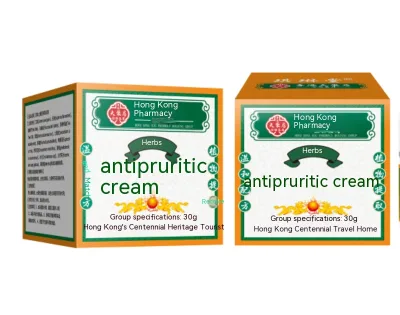
Anti-itching Cream Provides Relief From Itching and Swelling for Mosquito Bites Insect Sting
$0.9803 - $1.2277
MOQ: 150 pieces
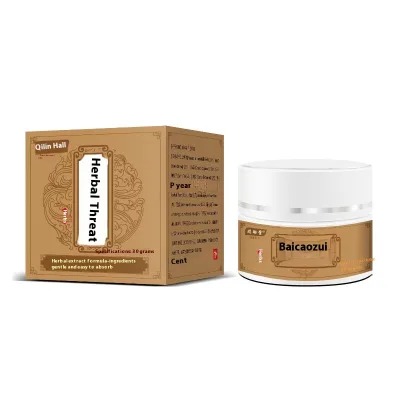
Wholesale of Chinese Herbal Eczema Dermatitis Antibacterial and Itching Relieving Ointment 30g
$0.9803 - $1.2277
MOQ: 150 pieces
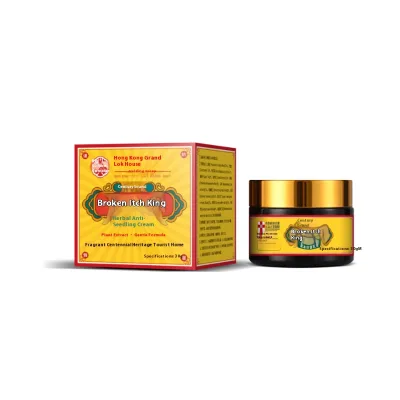
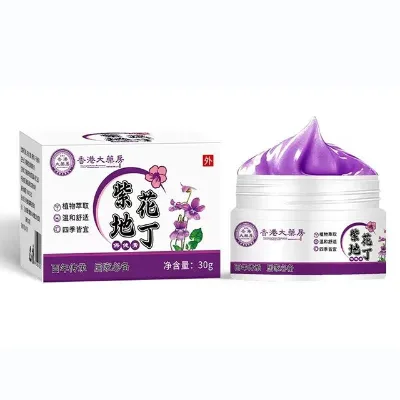
Skin Itching Psoriasis Cream Repair Skin Moss Ointment for External Fungal Cream 30g
$0.9788 - $1.2262
MOQ: 150 pieces

Qingdao Fraken International Trading Co., Ltd.
- Trading Company
- China Shandong
- Lead time30 days
- Avg. response≤ 16h
Main productsHealth Food, Vitamin C Tablet, Spirulina, Chlorella, Fish Oil Softgel, Royal Jelly, Propolis, Ginseng Extract, Ginseng Royal Jelly Oral Liquid, Plant Extract
Main marketsSouth America,Africa,Southeast Asia/ Mideast,East Asia(Japan/ South Korea),Europe,Australia
Guangzhou Fuan Cosmetics Co., Ltd.
- Manufacturer, Trading Company
- Guangdong, China
- Lead time20 days
- Avg. response≤ 3h
Main productsFace Care,Body Care,Hair Care,Makeup,Men Care
Main marketsNorth America(60.00%), Southeast Asia(20.00%), Northern Europe(6.00%), Mid East(5.00%), Eastern Europe(3.00%), South Asia(2.00%), South America(2.00%), Central America(2.00%)
Henan Huanuo Pharmaceutical Co., Ltd.
- Trading Company
- Henan, China
- Lead time30 days
- Avg. response≤ 3h
Main productsPain Relief Cream Liquid,Pain Relief Patch,Slim Patch,Traditional Chinese Medicine Powder,Mouth nasal&Body patches
Main marketsDomestic Market(85.00%), Mid East(3.00%), North America(3.00%), Africa(3.00%), Eastern Europe(3.00%), South America(2.00%), Eastern Asia(1.00%)

Zourunan Pharmaceutical (Fujian) Co., Ltd.
- Verified by SGS
- Combined
- China Fujian
- Lead time30 days
- Avg. response≤ 3h
Main productsRelieve Itching Cream, Relieve Pain Patch, Chinese Herbal Ointment, Oral Spray, Massage Oil
Main marketsSoutheast Asia/ Mideast,Europe,North America

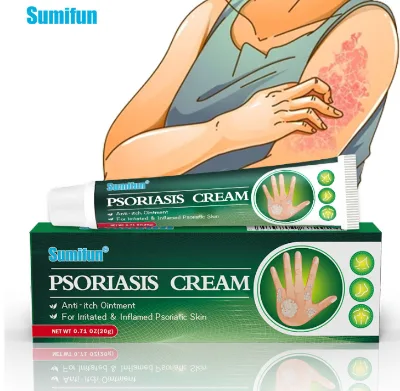
Herbal Psoriasis Cream to Relieve Itching and Eczema Custom Logo Skin Ointment Wholesale
$0.50 - $1.00
MOQ: 200 Pieces


Anti-Itch Herbal Cream to Relieve Itching for Various Skin Problems Private Label Factory
$0.50 - $1.00
MOQ: 200 Pieces

Wholesale Cooling Herbal Ointment Relieve Itching and Redness for Psoriasis Skin Treatment
$0.50 - $1.00
MOQ: 200 Pieces
Taihe Lijunkang Technology Co., Ltd.
- Trading Company
- Anhui, China
- Lead time10 days
- Avg. response≤ 3h
Main productsOintments,Cosmetics,Patches,Health Care Products,Baby Care Products
Main marketsNorth America(30.00%), South America(12.00%), Southern Europe(7.00%), Northern Europe(7.00%), Central America(7.00%), Western Europe(7.00%), Eastern Europe(7.00%), Southeast Asia(5.00%), Domestic Market(3.00%), South Asia(3.00%), Mid East(3.00%), Oceania(3.00%), Africa(3.00%), Eastern Asia(3.00%)
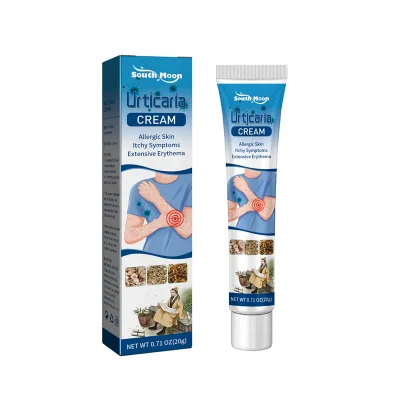
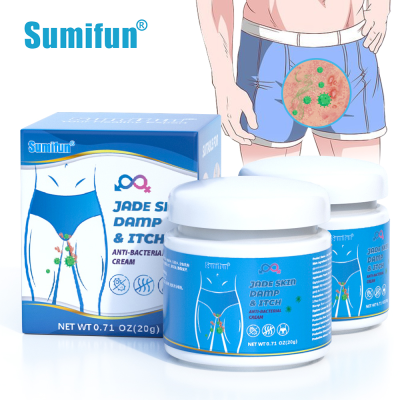
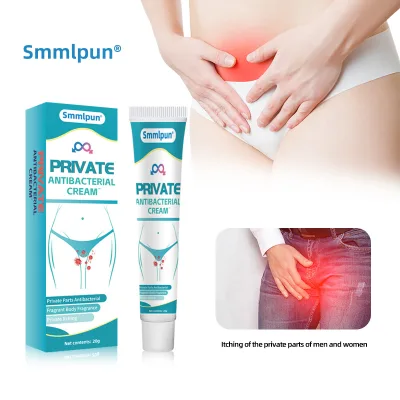
Sumifun Man Health Care Male Privates Itching Relief Cream Body Health Care Ointment
$0.45 - $0.60
MOQ: 10 boxes
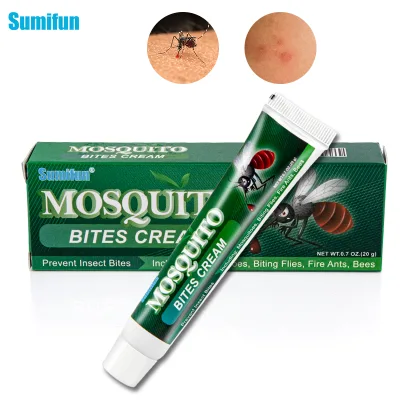
Insect Repellent Stick Prevent Mosquito Bite Skin Mosquito Bite Stop Itching Cream
$0.4137 - $0.5681
MOQ: 10 boxes
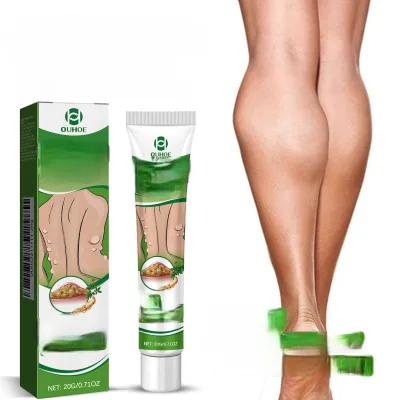
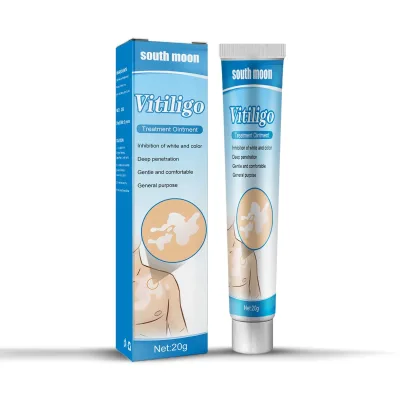
Skin Care Cream Skin Lump Nodule Ointment Body Cream
$0.58 - $0.78

Henan Jinliang Health Consulting Co., Ltd.
- Trading Company
- Henan, China
- Lead time3 days
- Avg. response≤ 2h
Main productsHuman wigs,Hair extension,Hair follicle,Lace front closure,perfume
Main marketsNorthern Europe(15.00%), North America(15.00%), Eastern Europe(13.00%), Eastern Asia(12.00%), Western Europe(10.00%), Domestic Market(10.00%), Oceania(10.00%), Central America(8.00%), Southern Europe(5.00%), Southeast Asia(1.00%), South America(1.00%)
Henan Kangzhimei Daily Chemical Co., Ltd.
- Verified by Intertek
- Manufacturer, Trading Company
- Lead time15 days
- Avg. response≤ 4h
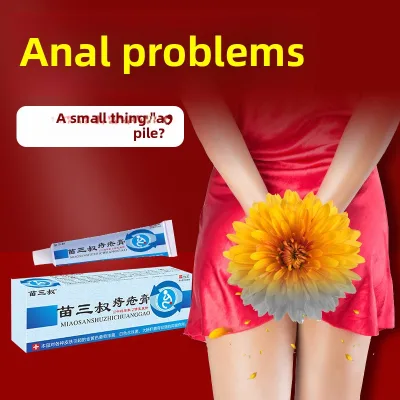
Main productsPain Relief Cream, Hemorrhoids Cream, Pain Relief Patch, Prostate Cream, Warmer Patch
Main marketsAfrica(28%), Southeast Asia(20%), Southern Europe(18%)
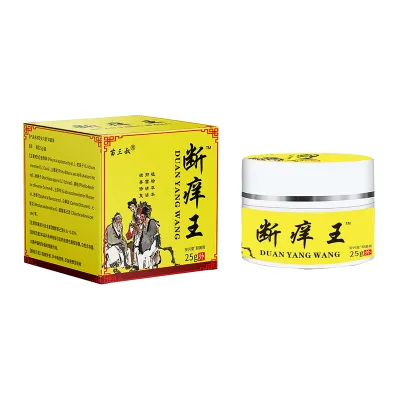
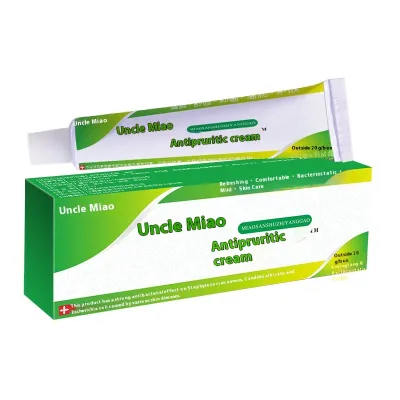
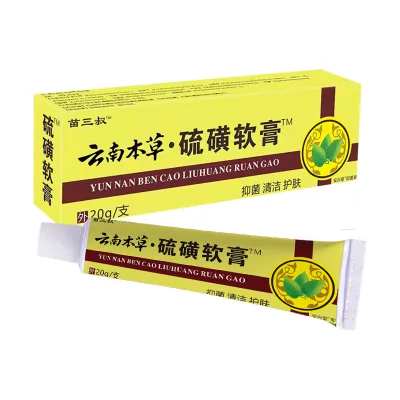
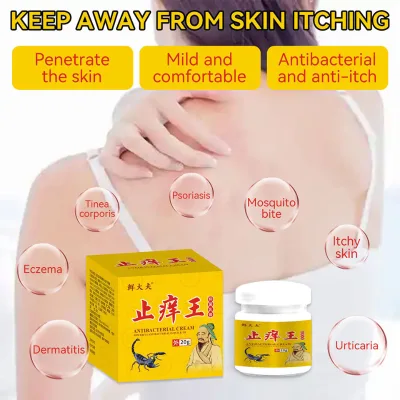


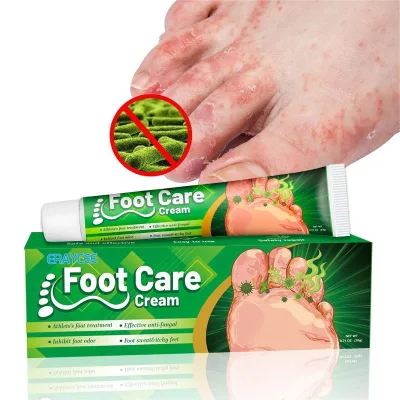
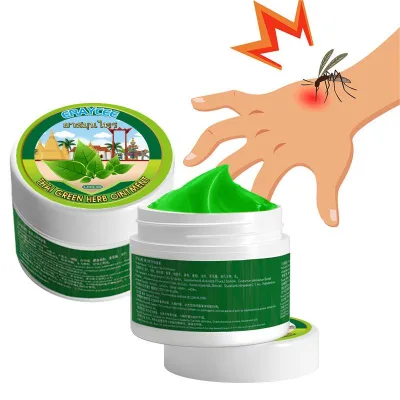
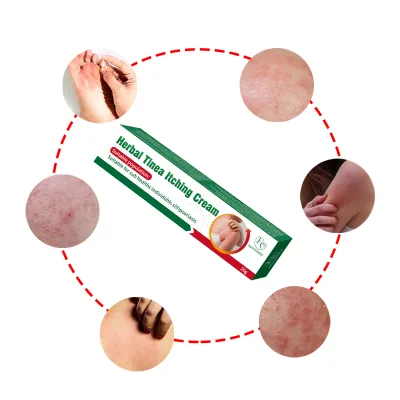
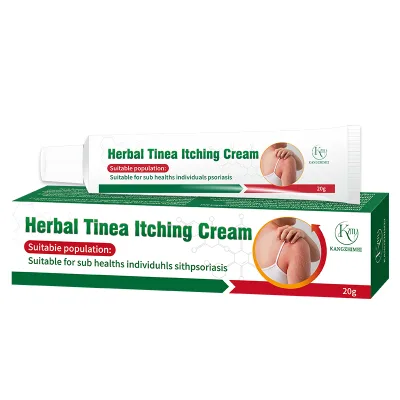
Comprehensive Sourcing Guide
Anti-Itch Ointment Supplier Concentration and Factory Types
The landscape for sourcing anti-itch ointment reveals a distinct split between manufacturing capabilities and trading operations, requiring buyers to carefully distinguish between the two entity types. Evidence indicates that a significant portion of suppliers operate as manufacturers or factories, which typically implies direct control over production lines, quality assurance protocols, and raw material sourcing. These entities are often located in industrial hubs such as Henan, China, where specialized production for health care equipment and topical care products is concentrated. When evaluating a supplier labeled as a manufacturer, buyers should look for indicators of physical production capacity, such as the ability to handle OEM and ODM projects. This suggests that the facility possesses the necessary machinery and technical expertise to customize formulations, adjust packaging, and scale output according to specific brand requirements. The presence of certifications like ISO 9001 further supports the credibility of these manufacturing entities, indicating a structured approach to quality management systems that is critical for producing consistent topical treatments.
In contrast, other suppliers in the market are identified as trading companies, which function primarily as intermediaries rather than direct producers. These entities may offer a broader variety of products, including items like toothpaste, dietary supplements, and body lotions, alongside anti-itch ointments. While trading companies can provide convenience through consolidated shipping and diverse product portfolios, they may not have direct oversight of the manufacturing process. Buyers working with trading companies should verify the actual origin of the goods, as some listings indicate origins in regions like Jiangxi or Guangdong, China. It is essential to determine whether the trading company has established direct relationships with factories or if they are sourcing from multiple third-party vendors. Understanding this distinction helps buyers assess the reliability of supply chains, the potential for price fluctuations, and the level of technical support available for product customization. Recognizing the difference between factory-direct sources and trading intermediaries allows for more strategic negotiations and clearer expectations regarding production timelines and quality control measures.
How to Verify Anti-Itch Ointment Suppliers
Verification is a critical step in ensuring that the anti-itch ointment suppliers you engage with meet international standards for quality and reliability. One of the primary methods for verification is checking for third-party audit badges, such as BV or TüVRheinland, which indicate that an independent agency has inspected the supplier’s business operations. These verifications provide an additional layer of confidence regarding the legitimacy of the company and its operational practices. Beyond basic business verification, buyers should scrutinize specific product certifications, particularly GMP (Good Manufacturing Practice), which is essential for health care products and topical ointments. GMP certification ensures that the manufacturing processes are controlled and consistent, reducing the risk of contamination and ensuring product efficacy. When reviewing supplier profiles, look for explicit mentions of these certifications in the product attributes or company credentials. If a supplier claims compliance with specific standards but does not display the relevant certification badges, it is advisable to request documentation directly to confirm their status.
Another important aspect of verification is assessing the supplier’s responsiveness and transparency in communication. Response times can serve as an indicator of the supplier’s operational efficiency and customer service quality. For instance, some suppliers demonstrate rapid response capabilities, with response times recorded as low as 0.75 hours, which suggests a dedicated team ready to address inquiries promptly. In contrast, others may have longer response windows, such as two hours, which could impact the speed of negotiations and order processing. Buyers should also examine the clarity of product details provided, including ingredients, usage modes, and applicable parts. Products described as being for external use with specific herbal or antibacterial properties should have clear labeling and usage instructions. Additionally, verifying the origin of the products, such as Luoyang or Jiangxi, can help in assessing the regional expertise and supply chain stability. By combining third-party verification badges, certification checks, and communication assessments, buyers can build a comprehensive profile of each supplier’s reliability and suitability for their sourcing needs.
What to Compare Across Anti-Itch Ointment Suppliers
When evaluating multiple suppliers for anti-itch ointment, it is crucial to compare key operational metrics to determine the best fit for your business requirements. One significant factor is the minimum order quantity (MOQ), which varies widely across different suppliers. Some manufacturers may require a MOQ of 50 boxes, which is suitable for larger orders and bulk purchasing, while others might offer lower MOQs, such as 10 or even 2 units, catering to smaller businesses or trial orders. Understanding these MOQ differences helps in planning inventory levels and managing cash flow effectively. Additionally, lead times are a critical comparison point, as they directly impact your ability to meet market demand. Suppliers with lead times of around 30 days allow for more predictable planning, whereas those with shorter or undefined lead times may offer faster turnaround but could pose risks in terms of consistency. Comparing these logistical metrics ensures that you select a supplier whose operational capabilities align with your sales velocity and stock management strategies.
Price and customization options are also vital dimensions for comparison. The price range for anti-itch ointments can vary significantly, with some products priced between $0.50 and $1.00 per unit, while others may range from $1.05 to $2.80, depending on ingredients, packaging, and branding requirements. Buyers should assess whether the price includes customization services, such as logo placement or unique packaging designs, which are often available from suppliers offering OEM and ODM services. Furthermore, comparing the main products offered by each supplier can reveal their specialization and expertise. Some suppliers focus heavily on health care equipment and herbal remedies, while others may have a broader portfolio including personal care and dietary supplements. Evaluating these factors holistically allows buyers to identify suppliers that not only offer competitive pricing but also provide the necessary flexibility and product quality to support their brand positioning. This comparative analysis helps in making informed decisions that balance cost, quality, and operational efficiency.
Common Anti-Itch Ointment Sourcing Risks
Sourcing anti-itch ointments involves several inherent risks that buyers must proactively manage to ensure product safety and regulatory compliance. One major risk is the variability in product quality and ingredient consistency, particularly when dealing with herbal or natural formulations. Products marketed as herbal ointments may contain varying concentrations of active ingredients, which can affect efficacy and safety. Buyers should be cautious of suppliers who do not provide detailed ingredient lists or fail to disclose the source of raw materials. Additionally, the risk of non-compliance with local regulations in the destination market is significant, as different regions have varying standards for topical treatments and health care products. Suppliers may claim compliance with certain standards, but without proper documentation or certification, there is a risk of customs delays or product rejection. It is essential to verify that the products meet the specific regulatory requirements of the target market, including labeling, ingredient restrictions, and safety testing.
Another common risk is the potential for supply chain disruptions, especially when relying on suppliers with longer lead times or those located in regions prone to logistical challenges. Suppliers with lead times of 30 days or more may face delays due to production bottlenecks, raw material shortages, or transportation issues. Furthermore, trading companies may introduce additional layers of complexity, as they rely on multiple factories for supply, which can lead to inconsistencies in product quality and delivery schedules. Buyers should also be aware of the risk of intellectual property infringement, particularly when working with suppliers offering OEM services. Ensuring that contracts clearly define ownership of designs and formulations is crucial to protect brand integrity. By identifying and mitigating these risks through thorough due diligence, clear communication, and robust contractual agreements, buyers can safeguard their sourcing operations and maintain product quality and compliance.
Anti-Itch Ointment Regional Sourcing and Logistics
Regional sourcing plays a pivotal role in determining the efficiency and cost-effectiveness of anti-itch ointment procurement. Many suppliers are concentrated in specific industrial regions in China, such as Henan, Jiangxi, and Guangdong, each offering distinct advantages in terms of production capabilities and logistics infrastructure. Suppliers in Henan, for instance, are often associated with health care equipment and herbal medicine production, leveraging local expertise in traditional remedies. Meanwhile, suppliers in Jiangxi and Guangdong may benefit from advanced manufacturing facilities and proximity to major ports, facilitating faster export processes. Understanding these regional clusters helps buyers assess the reliability of supply chains and the potential for logistical efficiencies. Buyers should consider the location of the supplier when evaluating shipping options, as proximity to major transportation hubs can reduce transit times and costs. Additionally, regional specialization can indicate a supplier’s depth of expertise in specific product categories, such as herbal ointments or antibacterial creams.
Logistics planning must also account for the specific requirements of shipping topical care products, which may include temperature control or special handling instructions. Products like ointments and creams are generally stable but can be sensitive to extreme temperatures, which may affect their consistency and efficacy during transit. Buyers should work with suppliers who have experience in exporting similar products and can provide appropriate packaging solutions to protect the goods during shipping. Furthermore, understanding the lead times associated with different regions is crucial for inventory management. Suppliers with established logistics networks can offer more predictable delivery schedules, reducing the risk of stockouts. By aligning sourcing decisions with regional strengths and logistical considerations, buyers can optimize their supply chain, reduce costs, and ensure timely delivery of anti-itch ointments to their target markets. This strategic approach to regional sourcing enhances overall operational efficiency and customer satisfaction.
Anti-Itch Ointment Commercial Terms and Order Planning
Effective order planning for anti-itch ointments requires a clear understanding of commercial terms, including pricing structures, payment conditions, and customization options. Suppliers often provide tiered pricing based on order volume, with lower prices available for larger quantities. For example, prices may range from $0.50 to $1.00 for standard orders, while customized or premium products may cost between $1.05 and $2.80. Buyers should negotiate these terms carefully, considering factors such as MOQ, lead times, and shipping costs. Additionally, customization options, such as private labeling or unique packaging, may incur additional fees, which should be factored into the overall cost analysis. Understanding these commercial terms helps in budgeting accurately and avoiding unexpected expenses. Buyers should also clarify payment terms, such as deposits or escrow services, to ensure secure transactions and protect against fraud.
Order planning must also consider the shelf life and storage requirements of the products. Anti-itch ointments typically have a shelf life of around two years, which influences inventory management and sales strategies. Buyers should plan orders to align with demand forecasts, ensuring that stock levels are optimized to minimize waste and maximize turnover. Furthermore, considering the response times of suppliers is crucial for maintaining agile supply chains. Suppliers with rapid response capabilities can facilitate quicker order processing and adjustments, which is beneficial for managing fluctuating demand. By integrating commercial terms, customization options, and logistical considerations into their order planning, buyers can create a robust sourcing strategy that supports business growth and operational efficiency. This comprehensive approach ensures that all aspects of the procurement process are aligned with strategic objectives, leading to successful and sustainable supplier relationships.
FAQs
What is the typical lead time for anti-itch ointment orders?
Manufacturers in China Henan typically require 30 days to produce and ship orders. This timeline allows for quality control and packaging preparation. Buyers should confirm specific schedules with suppliers before finalizing contracts to ensure timely delivery for their inventory needs.
What is the minimum order quantity for herbal ointments?
Minimum order quantities vary by supplier, with common requirements starting at 50 boxes for standard herbal products. Some specialized items may have lower thresholds, such as 10 or 2 units. Buyers should verify the exact MOQ for their chosen product specifications and packaging.
Are anti-itch ointments certified for quality and safety?
Many suppliers hold ISO 9001 system certifications and GMP product certifications. These credentials indicate adherence to quality management and manufacturing standards. Buyers should request valid certificates to verify compliance with international safety and production requirements for their specific market regulations.
What is the price range for wholesale anti-itch ointments?
Prices generally range from $0.38 to $2.80 per unit depending on ingredients and packaging. Basic formulations may cost around $0.50, while specialized creams can reach higher price points. Buyers should compare quotes based on volume and customization requirements to find the best value.
Can suppliers provide custom branding for anti-itch ointments?
Yes, many manufacturers offer OEM and ODM services with available customization options. Buyers can request custom logos, packaging designs, and specific product formulations. Suppliers typically accept graphic design requests to meet brand identity requirements for retail or private label distribution channels.
How quickly do suppliers respond to sourcing inquiries?
Response times vary, with some suppliers replying within 0.75 hours and others taking up to 2 hours. Faster response times often indicate higher availability and dedicated sales support. Buyers should prioritize suppliers with quick reply rates for efficient communication during the sourcing process.
What certifications are required for external use ointments?
Products intended for external use often require GMP and ISO 9001 certifications. Some suppliers may also hold CE or BV verification. Buyers must ensure all regulatory requirements are met for their target market, including specific health and safety standards for topical applications.