Anti-Puffiness Steam Eye Mask Suppliers and Manufacturers
Find 19 verified suppliers offering anti puffiness steam eye masks with ISO 9001 and ISO 13485 certifications. Compare response times, lead times, and MOQs to source reliable factories for your needs today; review the available evidence before requesting comparable quotations from suitable candidates.
Suppliers List
Hangzhou Houde Fuze Technology Co., Ltd.
- Verified by SGS Group
- Manufacturer, Trading Company
- Lead time10 days
- Avg. response≤ 2h
Main productsFoot Mask, Steam Eye Mask, Acne Patch, Collagen Eye Mask, Body Warmer Patch
Main marketsSouth America(17%), Eastern Europe(15%), Western Europe(15%)
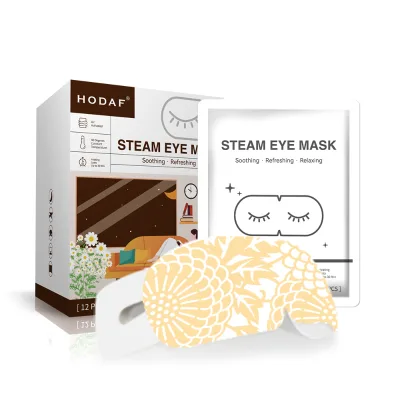
Odorless Sleeping Steam Eye Mask for Women, Thermal Cute Steam Eye Mask Moisturizing
$0.11 - $0.16
MOQ: 1000
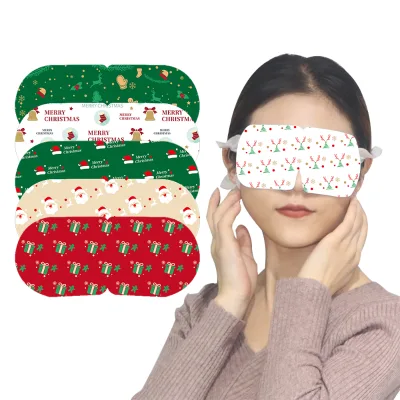
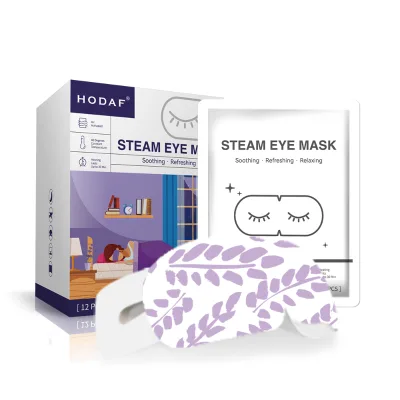
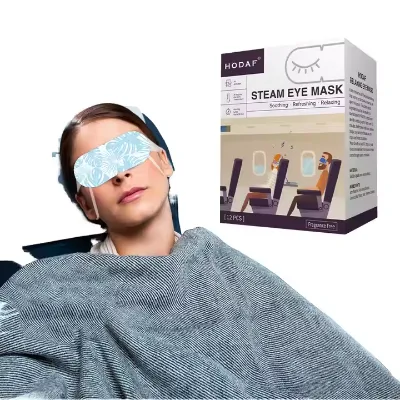
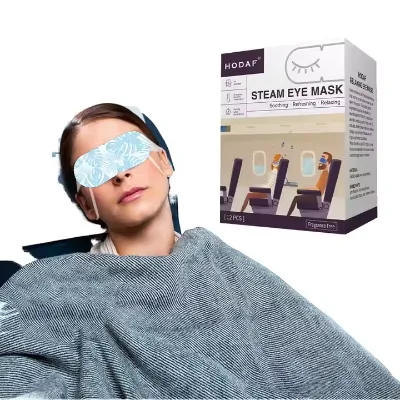
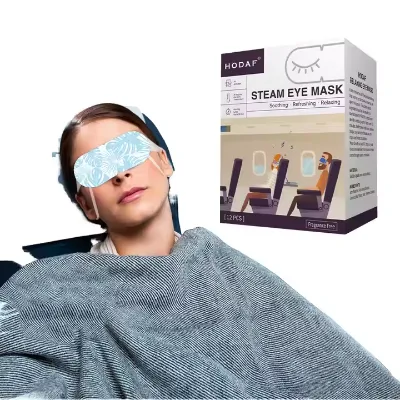
Popular Lavender Scent Disposable Steam Eye Mask Relaxing Heat Comfort After Work
$0.09 - $0.12
MOQ: 100
Henan Kangdi Medical Devices Co., Ltd.
- Verified by SGS Group
- Manufacturer, Trading Company
- Lead time20 days
- Avg. response≤ 3h
Main productsPain relief patch, Heat patch, Detox foot patch, Slim patch, Mosquito repellent bracelet
Main marketsMid East(17%), Oceania(16%), Southeast Asia(14%)
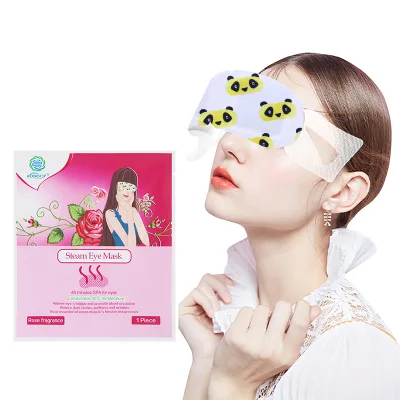
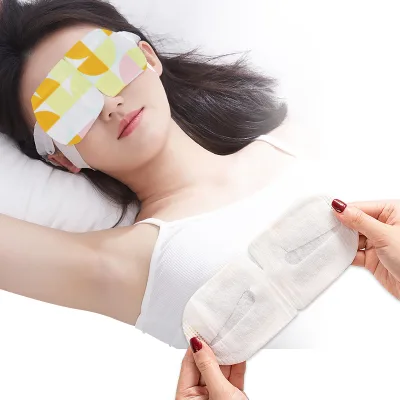
Free Sample Steam Eye Mask Customized Steam Hot Eye Mask with logo for Eye Spa
$0.10 - $0.15
MOQ: 10000
Tianjin Hodaf Technology Co., Ltd.
- Verified by SGS Group
- Manufacturer, Trading Company
- Lead time5 days
- Avg. response≤ 2h
Main productsFoot Mask, Foot Patch, Under Eye Pad, Heat Pack, Steam Eye Mask
Main marketsNorth America(30%), Eastern Europe(30%), Southeast Asia(20%)
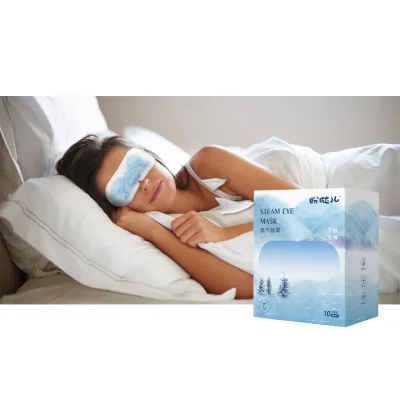
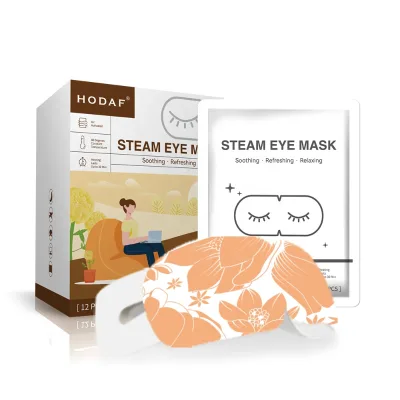
Disposable heating eye mask, lutein natural ingredient steam eye mask for eye relaxation
$0.11 - $0.12
MOQ: 1000

Herbal plant ingredient steam eye mask Lavender scent hot compress eye mask
$0.12 - $0.14
MOQ: 5000 pieces
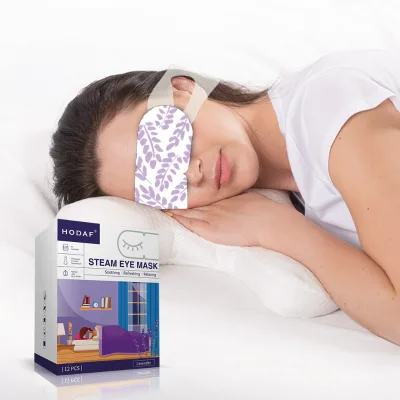
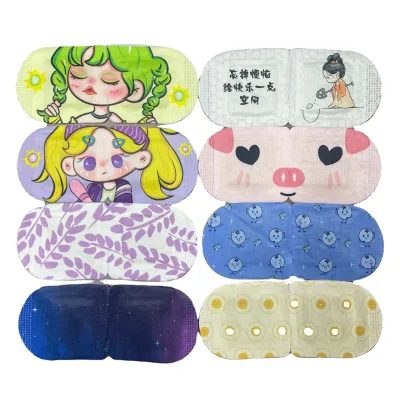
$0.12 - $0.14
MOQ: 5000 pieces
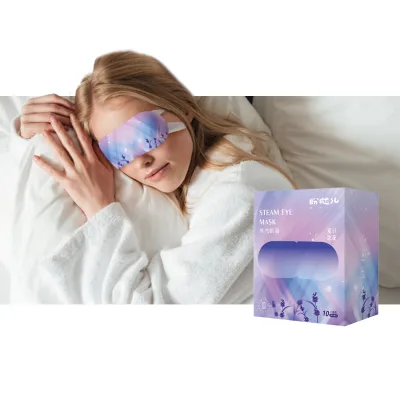
Self-heating air activated steam eye mask pure plant ingredients hot compress eye mask
$0.12 - $0.14
MOQ: 5000 pieces

Anhui Xuanwuyan Pharmaceutical Co., Ltd.
- Verified by BV
- Combined
- China Anhui
- Lead time30 days
Main productsPain Relief Patch, Fever Cooling Patch, Capsicum Plaster, Tiger Capsicum Plaster, Cough Relief Patch, Anti-Diarrheal Patch, Corn Removal Plaster, Motion Sickness Patch, Slimming Patch, Heat Therapy Patches
Main marketsSouth America,Southeast Asia/ Mideast,North America
HK BISUTANG COSMETICE CO., LIMITED
- Verified by SGS Group
- Manufacturer, Trading Company
- Lead time25 days
- Avg. response≤ 10h
Main productsFace Mask, Face Cream, Body Lotion, Essential Oil, Body Scrub
Main marketsSoutheast Asia(50%), Mid East(20%), Eastern Europe(8%)

LUOYANG WEIERJIAN BIOTECHNOLOGY CO., LTD.
- Verified by BV
- Manufacturer/Factory
- China Henan
- Lead time30 days
Main productsPain Relief Patch, Ointment, Topical Care Products, External Use, Nutritional Supplements, Pet Products, Pet Chews, Personal Care Products
Main marketsSouth America,Eastern Europe,Mid East,North America,Southeast Asia,Eastern Asia,Oceania,Western Europe,Africa


Health Products to Relieve Eye Diseases Self-Heating Steam Eye Mask Patch
$0.12 - $0.18
MOQ: 10000 pieces


OEM Wholesale Gentle Heating Disposable Steam Eye Mask to Relieve Dark Circles
$0.12 - $0.18
MOQ: 10000 pieces

Keep Your Eyes Healthy Self-Heating Steam Eye Mask Sleeping Eye Mask Patch
$0.12 - $0.18
MOQ: 10000 pieces
Hebei Houde Hanfang Medical Devices Group Co., Ltd.
- Verified by SGS Group
- Trading Company
- Lead time10 days
- Avg. response≤ 2h
Main productsFoot Patch, Hydrogel Patch, Scar Removal Patch, Non Woven Fabric Patch, Beauty Personal Care Products
Main marketsDomestic Market(60%), North America(11%), Eastern Europe(9%)
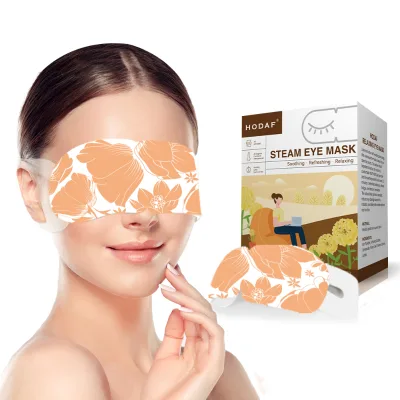
Hypoallergenic Eye Care Sensitive Skin Steam Mask Disposable Warm Eye Compress Mask
$0.06 - $0.09
MOQ: 1000 bags
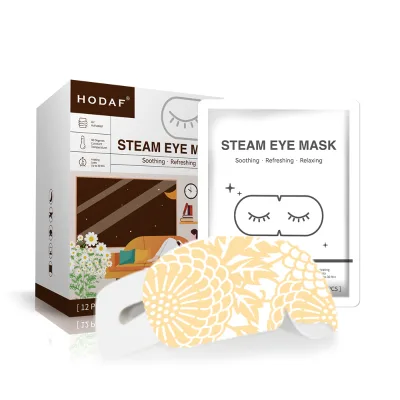
Essential Oil Steam Eye Mask Steam Spa Eye Patch Masks for Dark Circles and Puffiness Reducing
$0.06 - $0.09
MOQ: 1 bags
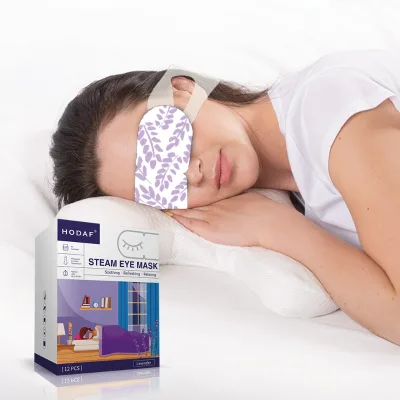
Natural Herbal Steam Eye Mask for Eye Care and Comfort, Soothing Heat to Relieve Eye Strain
$0.18 - $0.20
MOQ: 1000 bags
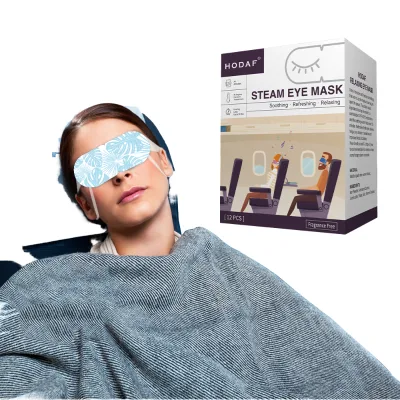
China Steam Eye Mask Self Heating Eye Fatigue Hot Therapy Comfortable Sleep for Home
$0.06 - $0.09
MOQ: 100 bags
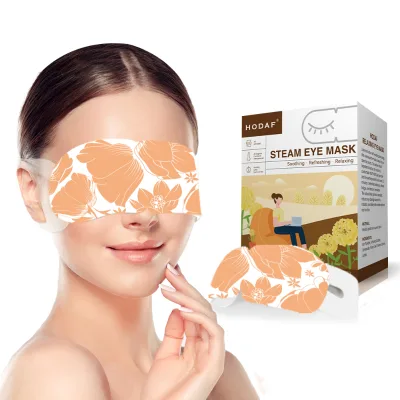
New Arrival Soothing Steam Eye Patch Air Activated Heating Steam Eye Mask Alleviate Eye Fatigue
$0.06 - $0.09
MOQ: 1000 bags
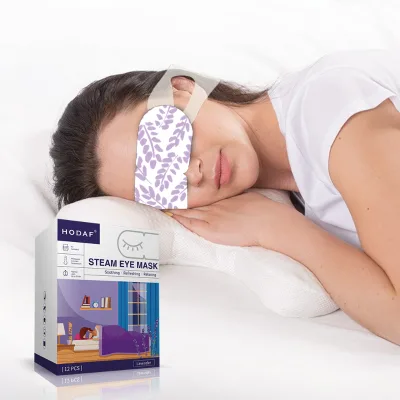
Hebei Yinuan Biotechnology Co., Ltd.
- Verified by SGS Group
- Manufacturer, Trading Company
- Lead time15 days
- Avg. response≤ 1h
Main productsFoot patch, Heat patch, Silicone Scar Sheet, Transdermal Topical Patch, Steam eye mask
Main marketsDomestic Market(87%), North America(6%), Southeast Asia(2%)

Shenzhen Simcos Technology Co., Ltd.
- Verified by SGS
- Combined
- China Guangdong
- Lead time30 days
Main productsRed Light Therapy, Heated Gloves, Heated Socks, Infrared Light Therapy, Heated Insoles, Heated Jacket, Heated Vest, Red Light Therapy Panel
Main marketsEurope,North America

Henan Geesion Medical Devices Co., Ltd.
- Verified by BV
- Trading Company
- China Henan
- Lead time15 days
Main productsPain Relief Patch, Cooling Gel Patch, Detox Foot Patch, Slimming Patch, Capsicum Plaster, Stop Smoking, Nasal Strips, Dental Mouthguard, Cough Relieve Patch, Wormwood Knee Patch
Main marketsSouth America,Africa,Southeast Asia/ Mideast,East Asia(Japan/ South Korea),Europe,Australia,North America
Hebei Houde Hanfang Medical Devices Group Co., Ltd.
- Verified by SGS Group
- Manufacturer, Trading Company
- Hebei, China
- Lead time10 days
- Avg. response≤ 1h
Main productsTransdermal Nutrition, Non Woven Fabric Patch, Sleep & Respiratory, Warmer Heating Pad, Body Contouring
Main marketsDomestic Market(60%), North America(11%), Eastern Europe(9%)
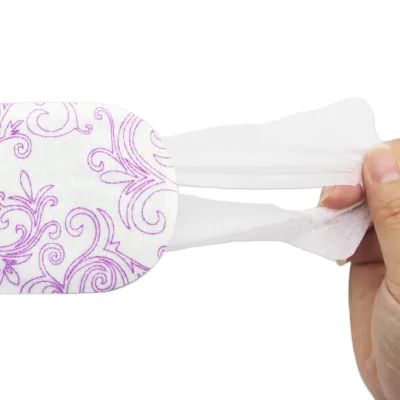
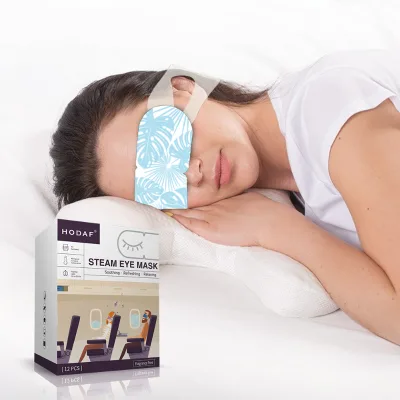
Oem Factory Price Hot Compress Sleep Eye Masks Steam Heated Eye Masks for Dry Eyes
$0.06 - $0.09
MOQ: 1000 bags
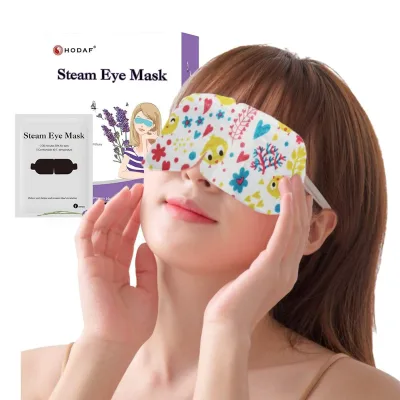
Hebei Feifan Biotechnology Co., Ltd.
- Verified by Intertek
- Manufacturer, Trading Company
- Lead time10 days
- Avg. response≤ 3h
Main productsSteam Eye Mask, Foot Patch, Shipping Warmer Patch, Cooling Patch, Warm Patch
Main marketsDomestic Market(35%), North America(20%), Eastern Asia(10%)

Shanghai Touch Industrial Development Co., Ltd.
- Verified by TUVRHEINLAND
- Combined
- China Shanghai
- Lead time15 days
Main productsInstant Hot Pack, Hot Cold Pack, Gel Eye Mask, Gel Ice Pack, Gel Bottle Cooler, Instant Ice Pack, Hand Warmer, Heat Pack, Cooling Scarf, Gel Beads
Main marketsSouth America,Others(foreignTradeCapacity.exportBusinessCapacityMarketOther),Southeast Asia/ Mideast,East Asia(Japan/ South Korea),Domestic,Europe,Australia,North America


Hot Sale Sleep Eye Mask Eye Care Mask
MOQ: 3000 Pieces
Hebei Yuanrun Medical Devices Co., Ltd.
- Verified by TüVRheinland
- Manufacturer, Trading Company
- Lead time7 days
- Avg. response≤ 2h
Main productsNasal Strip, Warm Patch, Mouth Tape, Vitamin Patch, Acne Patch
Main marketsDomestic Market(57%), North America(8%), Mid East(8%)


$0.05 - $0.07
MOQ: 10 pieces
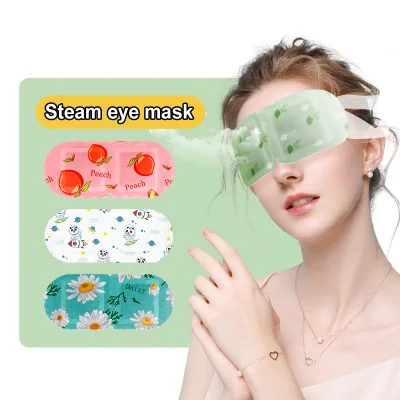

$0.15 - $0.21
MOQ: 1000 pieces
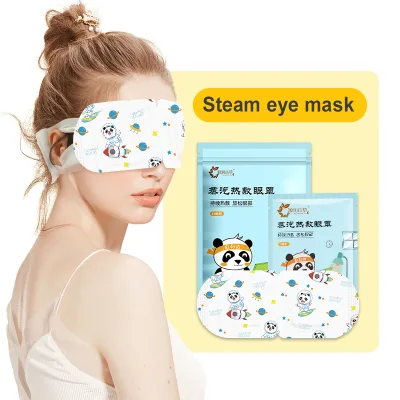


Shanghai Zhengqian New Materials Co., Ltd.
- Manufacturer/Factory
- China Shanghai
- Lead time23 days
Main productsMouse Glue Trap, Insect Glue Trap, Fly Glue Trap, Fruit Fly Trap, Cockroack Trap, Insect Glue Tie, Release Paper, Pet Release Film
Main marketsSouth America,Eastern Europe,Mid East,North America,Southeast Asia,Eastern Asia,Oceania,Western Europe,Africa

Shanghai David International Trade Co., Ltd.
- Verified by TUVRHEINLAND
- Combined
- China Shanghai
- Lead time15 days
Main productsPromotional Gifts, Gift Sets, Tshirts, Hats, Hot Packs, Hot Cold Packs, Ice Packs, Bags, Umbrellas, Water Bottles
Main marketsSouth America,Africa,Southeast Asia/ Mideast,East Asia(Japan/ South Korea),Domestic,Europe,Australia,North America
- Trading Company
- Hong Kong S.A.R.
- Lead time3 days
- Avg. response≤ 6h
Main productsfacial mask,Essence liquid,emulsion,Facial cleanser,Skincare products
Main marketsDomestic Market(40.00%), North America(12.00%), Western Europe(10.00%), Mid East(8.00%), Southern Europe(8.00%), Eastern Europe(5.00%), South Asia(5.00%), Southeast Asia(5.00%), South America(2.00%), Africa(1.00%), Eastern Asia(1.00%), Northern Europe(1.00%), Oceania(1.00%), Central America(1.00%)

Qingdao Anlone Biotechnology Co., Ltd.
- Verified by SGS
- Combined
- China Shandong
- Lead time30 days
Main productsHand Warmer, Body Wamer, Knee Warmer, Waist / Shoulder Warmer, Moisture Absorber, Odor Elimator, Drain Cleaner, Washing Machine Cleaner, Natural Insect Repellent, Anti Itch Lotion
Main marketsSoutheast Asia/ Mideast,East Asia(Japan/ South Korea),Europe

Professional Manufacture Instant Heating Steam Warm Eye Mask Eye Health Care OEM Available
$0.20 - $0.40
MOQ: 120 Pieces

Revitalizing Warmer Steam Eye Mask Patch for Eye Health Care and Sleeping Aid
$0.20 - $0.40
MOQ: 120 Pieces

Jingjiang Pingdong Import & Export Co., Ltd.
- Verified by TUVRHEINLAND
- Trading Company
- China Jiangsu
- Lead time30 days
Main productsSock
Main marketsEurope,North America





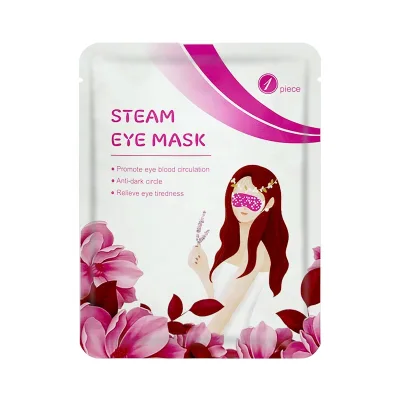
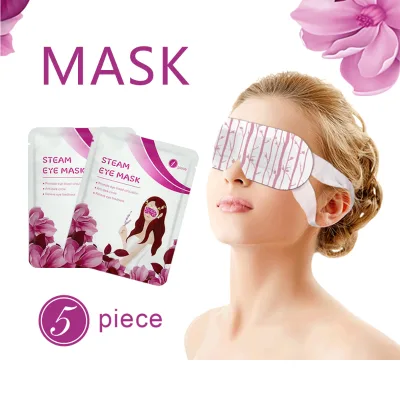




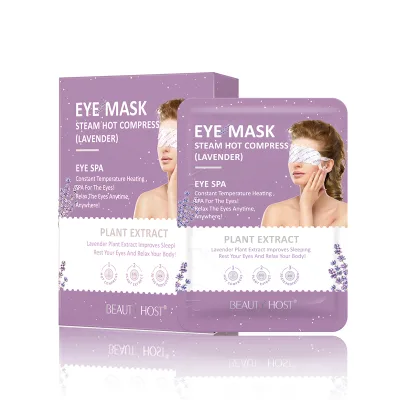


Comprehensive Sourcing Guide
Anti-Puffiness Steam Eye Mask Supplier Concentration and Factory Types
Suppliers of anti puffiness steam eye masks on B2B platforms typically fall into two categories: manufacturers and trading companies, and many listings display both labels at once. This dual identity is common in disposable self-heating cosmetics-adjacent goods, where a factory may sell directly while a trading arm handles export documentation and mixed-container consolidation. The product evidence in current results points to production origins in Hebei and Henan provinces in China, so those regions are reasonable anchors for a sourcing map. Because the category overlaps with foot masks, heat patches, and acne patches, many factories are diversified patch producers rather than eye-mask specialists, which affects tooling depth and scent or fill formulation capability.
When location data is absent or generic, buyers should identify clusters themselves rather than assume one. Useful signals include the "place of origin" attribute on individual product listings, consistency of origin across a supplier's catalog, and whether the supplier lists patch-family products (warm patches, foot patches, steam masks) as main products, which suggests a genuine regional cluster. Confirm whether the entity answering your inquiry is the factory or an intermediary by asking for the production address, photos of the filling and iron-powder mixing lines, and the business license scope. A supplier whose main products span the full warming-patch range is more likely to control the heating-element process in-house.
How to Verify Anti-Puffiness Steam Eye Mask Suppliers
Verification starts with the platform's own signals. In the current results, at least one supplier shows third-party verification by SGS Group and system certifications including ISO 9001, ISO 13485, MSDS, and CE, while another displays ISO 13485, MSDS, and SDS. Do not assume every listing carries these credentials; check the certification block on each profile and download the actual certificates, confirming the scope covers the product type and that the certificate number resolves on the issuing body's database. ISO 13485 matters particularly here because steam eye masks sit close to medical-device territory in some destination markets, and import authorities may ask for it even for cosmetic positioning.
Beyond paperwork, verify manufacturing reality. Request the model numbers you see in listings (results show SEM-prefixed codes) mapped to actual production records, and ask which items are made on their own lines versus outsourced. Note that research-and-development capability labels vary: some suppliers declare sample processing, graphic processing, and customized-on-demand work but explicitly not full R&D, which tells you custom formulations may be limited to scent, print, and packaging changes. Order samples from the exact listing SKU, not a "similar" product, and inspect heating duration (listed examples claim around 30 minutes), moisture level, elastic-strap comfort, and odor. Finally, confirm the legal entity name on the license matches the name on the proforma invoice before any deposit is paid.
What to Compare Across Anti-Puffiness Steam Eye Mask Suppliers
Build a comparison sheet using only attributes actually displayed on each profile, since coverage differs. The dimensions available in the current results include lead time, response time, MOQ, certifications, verification status, company type, main products, and location. Lead times observed range from about 10 days to 20 days, which is a meaningful spread for replenishment planning. Response times differ too; some suppliers report replies within roughly 2 hours, others within 3, and slower responses usually predict slower problem-solving during production. MOQs also diverge sharply: one listed steam eye mask product shows a 1000-box MOQ for customized logo orders, while another lists an MOQ as low as 100, so low-volume buyers should sort by that field first.
Price is another legitimate comparator: listing ranges in the current results span roughly $0.09 to $0.31 per piece depending on model and packaging, but treat these as starting points subject to spec confirmation. Compare product-level details rather than profile-level claims: net weight (around 11–12 g in listed examples), heating time, strap type (elastic is common), packing format (1 pc/bag versus 1 piece/box), and scent options such as lavender. Also weigh main-product fit: a supplier whose core line is pain relief patches and heat patches may excel at the heating layer but need help with eye-mask ergonomics, while an eye-mask-focused supplier may subcontract the iron-powder blend. Establishment year, escrow availability, and transaction history should be captured wherever displayed, and gaps recorded as "verify," not assumed favorable.
Common Anti-Puffiness Steam Eye Mask Sourcing Risks
The biggest technical risk is heating performance inconsistency. Self-heating masks depend on iron powder, activated carbon, and moisture ratios; a batch with wrong moisture content heats too fast, too weakly, or dries out before the advertised duration. Since listed products claim roughly 30 minutes of warming, write that figure into the specification with a tolerance and an inspection method, rather than relying on marketing copy. A second risk is skin safety: the mask sits near the eye for extended periods, so fragrance load, adhesive-free contact materials, and residual chemicals matter. Demand MSDS or SDS documentation (some suppliers in the results list them) and clarify which claims, such as anti-puffiness or dark-circle reduction, are cosmetic positioning versus substantiated functions you may legally repeat in your own marketing.
Commercial risks cluster around the manufacturer-versus-trader blur. A supplier labeled as both may quote factory prices but fulfill from a partner factory, complicating quality accountability. Low displayed MOQs (some listings show 100 units) may apply only to stock designs, with custom logo work requiring the higher 1000-box threshold shown elsewhere; confirm which tier your request falls into. Sample quality can also diverge from bulk production if the sample is hand-prepared. Other watch items: verbatim model-number reuse across listings suggesting resold inventory, "available quantity" figures that may reflect broker stock, and absent establishment-year or verification data on certain profiles. Mitigate by paying through protected channels, staging payments, and defining rejection rights for off-spec heating curves in the contract.
Anti-Puffiness Steam Eye Mask Regional Sourcing and Logistics
The verified origin signals in the current results place production in Hebei and Henan, China. These inland provinces typically ship via rail or truck to major export ports, so ask each supplier which port they load (commonly Qingdao, Tianjin, or Shanghai for these regions) and whether freight quotes are EXW, FOB, or CIF. Inland origin can add a few days of inland transit versus coastal factories, which matters when a listed lead time of 10 days does or does not include domestic transport. Suppliers listing trading-company capability often consolidate multi-product containers—eye masks with foot patches or body warmer patches from the same factory family—which can reduce freight cost per unit for mixed assortment buyers.
Logistics specifics for this category deserve attention in booking. Individual masks are light (listed gross weights run about 0.04 to 0.25 kg per unit depending on packaging) but bulky relative to weight, so volume rather than weight usually drives container utilization; confirm carton dimensions and units per carton before calculating freight. Packaging formats differ across listings—foil bags versus boxed units—changing both carton count and retail readiness. Also verify documentation early: MSDS or SDS may be requested by carriers or customs for products containing iron powder, and CE marking claims should be matched to actual documentation. For time-sensitive retail windows, get the supplier's production lead time (10–20 days in current listings) confirmed in writing alongside inland transit and port cut-off dates.
Anti-Puffiness Steam Eye Mask Commercial Terms and Order Planning
Negotiate terms around the attributes the listings actually reveal. Use displayed price ranges (roughly $0.09–$0.31 per piece) as anchors, then price the variables that move cost: scent addition, custom logo printing, boxed versus bagged packing, and net weight per mask. Confirm which MOQ tier applies to your scenario—observed listings show both a 100-unit MOQ and a 2000-box threshold for customized logo work—because custom branding is usually the costlier commitment. Agree on Incoterms, payment staging, and whether samples are free or chargeable; one listed product states samples are provided freely, but treat that as per-listing policy, not a category standard. Put the 30-minute heating claim, moisture spec, and packing format into a signed specification sheet.
Plan orders against verified lead times of 10 to 20 days plus inland transit, adding buffer for peak-season port congestion and pre-shipment inspection. Structure first orders conservatively: a pilot at the lowest workable MOQ to validate heating performance and retail packaging, then scale on a passing inspection. Ask about OEM/ODM scope explicitly—results show OEM/ODM offered on several products, but R&D labels on profiles indicate customization is often limited to sample processing, graphics, and on-demand changes rather than formula development. Finally, protect cash with platform escrow where available, never pay the full balance before shipment, and keep reorders tied to retained golden samples so successive batches remain comparable to the approved reference.
FAQs
What heating time can I expect from an Anti-Puffiness Steam Eye Mask?
Most steam eye masks listed on this page provide about 30 minutes of gentle warming. The heat helps relax the eye area and can reduce the appearance of puffiness from fatigue. Heating duration varies slightly by model, so confirm the specified heating time with the supplier before ordering samples for testing.
Can I order a steam eye mask with a customized logo and packaging?
Yes, OEM and ODM supply types are offered, including customized logo options with boxed packing. Custom logo orders may carry a minimum of 2000 boxes, while standard stock orders can start lower. Confirm artwork requirements, proofing, and graphic processing capabilities with each supplier before placing a customized order.
What is the typical minimum order quantity for steam eye masks?
Minimum order quantities vary by product, with listings showing MOQs from 100 pieces up to 1000 boxes. Newer designs and promotional items sometimes have lower MOQs, while customized logo orders require larger volumes. Always verify the exact MOQ for the specific mask style and customization level you need.
How much does an Anti-Puffiness Steam Eye Mask cost per unit?
Listed unit prices generally range from about 0.09 to 0.31 USD depending on the model, materials, and scent options. Lavender and custom-scent versions may price higher than basic styles. Request a formal quotation based on your quantity, packaging, and customization requirements to get an accurate cost.
What certifications should I verify before importing steam eye masks?
Look for suppliers holding ISO 9001, ISO 13485, MSDS, and CE documentation, which some manufacturers on this page list. Independent SGS verification of the supplier profile adds another layer of confidence. Ask for current certificates directly and confirm they cover the exact product model you intend to purchase.
How fast is production lead time for these eye masks?
Lead times on this page range from roughly 10 to 20 days depending on the supplier and order size. Stock items ship faster than customized logo or scent orders, which add production steps. Confirm the lead time for your specific quantity and customization before committing to a delivery schedule.
Are samples available before placing a bulk order?
Yes, several listings state that samples are provided freely, and some products note sample processing as an available service. Sampling lets you evaluate warmth, moisture, scent, and packaging quality firsthand. Ask whether sample shipping costs apply and how quickly samples can be dispatched to your location.
How quickly do these suppliers respond to buyer inquiries?
Suppliers on this page report average response times of about 2 to 3 hours. Fast response is useful when comparing quotes, confirming specifications, or resolving artwork questions for custom orders. Send a detailed inquiry covering quantity, customization, and target lead time to gauge responsiveness and service quality.