Anti-Pilling Twill Shirt Suppliers and Manufacturers
Browse 16 suppliers of anti-pilling twill shirt styles on SourcingX and compare verified sourcing dimensions including location, response time, lead time, OEM service, fabric types, and sizing. Shortlist manufacturers and request samples to confirm quality before placing bulk orders; review the available evidence before requesting comparable quotations from suitable candidates.
Updated
Suppliers List
Bengbu Red Hat E-Commerce Co., Ltd.
- Manufacturer, Trading Company
- Anhui, China
- Lead time0 days
- Avg. response≤ 4h
Main productsMen's Shirts, T Shirts, Hoodies, Coats, Polo Shirts
Main marketsDomestic Market(80.00%), North America(10.00%), Western Europe(5.00%), Africa(3.00%), South Asia(2.00%), Eastern Asia(0.00%), South America(0.00%), Oceania(0.00%), Southern Europe(0.00%), Central America(0.00%), Northern Europe(0.00%), Eastern Europe(0.00%), Mid East(0.00%), Southeast Asia(0.00%)

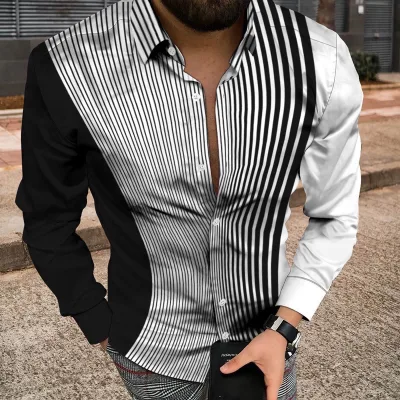
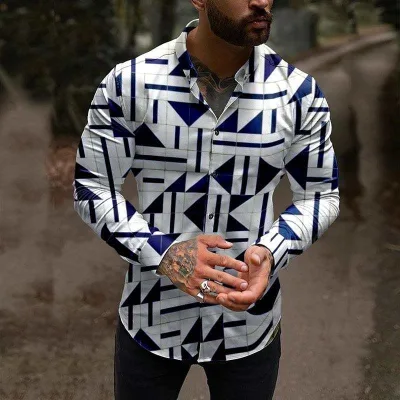
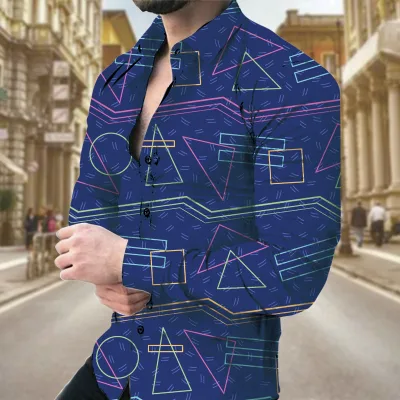
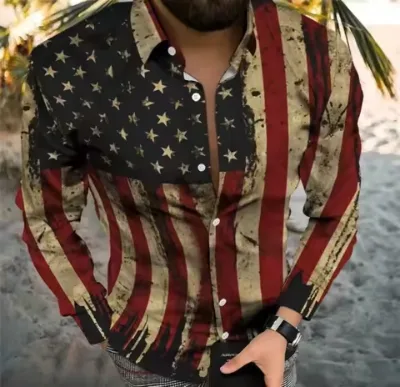
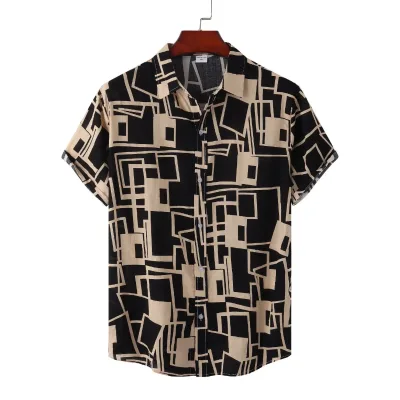
New Arrival Digital Printing Popular Shirt for Men
$3.99 - $6.40
Guangzhou Panyu Heng'ao Garment Factory
- Verified by SGS Group
- Manufacturer, Trading Company
- Lead time15 days
- Avg. response≤ 2h
Main productsMen's Shirt, Men's Polo Shirt, Men's Jacket, Men's Hoodie, Men's T-shirt
Main marketsNorth America(50%), Central America(11%), Eastern Europe(10%)
Yangzhou Deniswear Apparel Co., Ltd.
- Verified by TüVRheinland
- Manufacturer, Trading Company
- Lead time30 days
- Avg. response≤ 3h
Main productsShirts, Jacket Coats, Trousers
Main marketsNorth America(20%), Oceania(15%), Western Europe(15%)
Nantong Sea Melody Industrial Co., Ltd.
- Trading Company
- Jiangsu, China
- Lead time30 days
- Avg. response≤ 11h
Main productsclothing manufacturing,clothes wholesale,Baby Products,daily necessities,Hawaiian shirts for men
Main marketsNorth America(45.00%), Western Europe(15.00%), Mid East(15.00%), Southern Europe(15.00%), Africa(10.00%)

Guangzhou Shengli Clothing Co., Ltd.
- Verified by CTI
- Combined
- China Guangdong
- Lead time60 days
- Avg. response≤ 3h
Main productsSuit, Men Formal Suit, Medical Uniform, School Uniform, T-Shirt, Polo, Sports Apparel, Work Uniforms, Uniform, Hotel Uniform
Main marketsDomestic

Anti-Wrinkle Men's Long Sleeve Shirt with Antimicrobial Mugwort Fabric (12 Colors)
$8.80 - $28.00
MOQ: 100 Pieces


Dengzhou Dingding Red Clothing Co., Ltd.
- Verified by TüVRheinland
- Trading Company
- Lead time7 days
- Avg. response≤ 2h
Main productsSuits, Zhongshan Suits, Wedding Dresses, Trench Coat, Jacket
Main marketsDomestic Market(78%), North America(10%), Africa(6%)
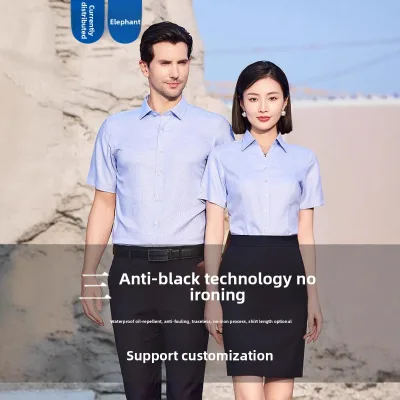
Men's Anti-wrinkle Non-ironing Short-sleeved Waterproof and Oil-proof Work and Commuting Shirt
$17.06 - $17.25
MOQ: 2 Minimum
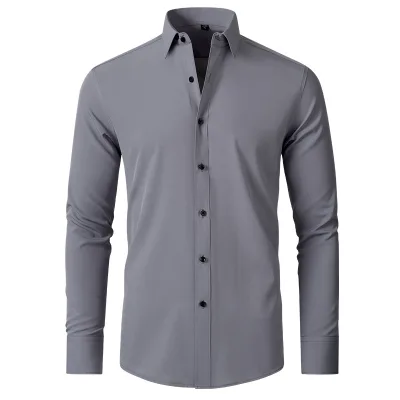
Four-sided Elastic Shirt for Men a Simple and Wrinkle-free Business Thin Shirt for Men
$7.90 - $13.90
MOQ: 2 pieces
- Verified by TüVRheinland
- Manufacturer, Trading Company
- Lead time15 days
- Avg. response≤ 5h
Main productsMen's Shirts, Women's Shirts, Childen Shirts, Dress Shirts, Casual Shirts
Main marketsSouth America(30%), North America(20%), Eastern Europe(20%)
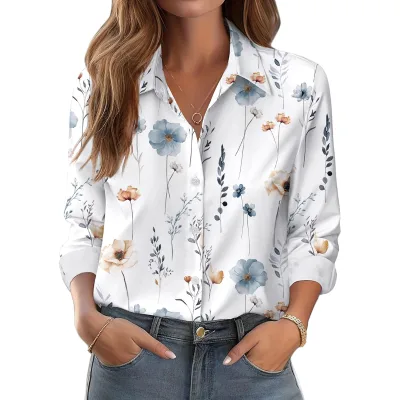
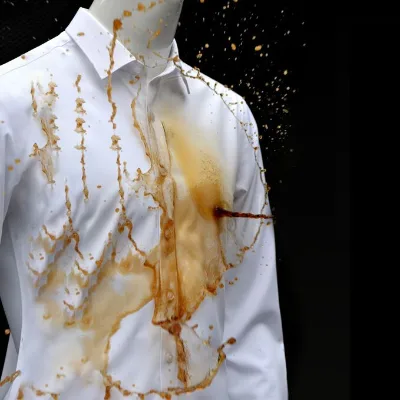
Cotton Spandex Easy Iron White Shirt Stain Resistant Men's Shirt Waterproof Anti-Dirt Dress Shirt
$5.50 - $6.50
MOQ: 50 pieces

Distressed Flannels Shirt for Men Brand Button Down Checked Flannel Shirts
$6.6661 - $9.3308
MOQ: 200 pieces
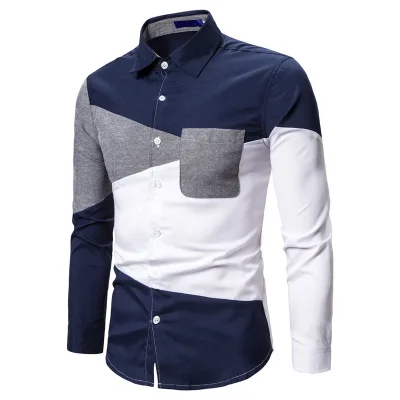
Hot Selling Men's Gradient Stripe Print Shirt Long Sleeve Slim Fit Shirt for Men
$5.90 - $10.60
MOQ: 500 pieces

Nuolang (Guangdong) Garment Industry Co., Ltd.
- Verified by BV
- Combined
- China Guangdong
- Lead time15 days
- Avg. response≤ 2h
Main productsT-Shirt, Polo Shirt, Shirt, Coverall, Suit, Uniform, Sportswear, Casual Wear
Main marketsSoutheast Asia/ Mideast
Qingdao Cheng Pin Tong Trading Co., Ltd.
- Verified by SGS Group
- Trading Company
- Lead time30 days
- Avg. response≤ 2h
Main productsShirts/Trousers/Cargo Pants/Jogger Pants/T-shirts/Hoodies
Main marketsNorth America(47%), Africa(11%), Western Europe(11%)

Henan Songzhi Import And Export Co., Ltd.
- Trading Company
- Henan, China
- Lead time12 days
- Avg. response≤ 3h
Main productsSexy lingerie,sexy sleepwear,women underwear/panty,pajamas& Loungewear,Women Bra Set
Main marketsNorth America(23.00%), South America(21.00%), Eastern Europe(11.00%), Southeast Asia(10.00%), Africa(6.00%), Oceania(5.00%), Domestic Market(3.00%), South Asia(3.00%), Southern Europe(3.00%), Northern Europe(3.00%), Central America(3.00%), Western Europe(3.00%), Eastern Asia(3.00%), Mid East(3.00%)
Shaoxing Baocai Digital Print Textile Co., Ltd.
- Manufacturer, Trading Company
- Zhejiang, China
- Lead time7 days
- Avg. response≤ 11h
Main productsHawaiian Shirts,Board Shorts,Kaftan,Tee Shirts,Bikini
Main marketsNorth America(60.00%), Domestic Market(10.00%), South Asia(6.00%), Oceania(5.00%), Eastern Asia(3.00%), Eastern Europe(3.00%), Northern Europe(2.00%), South America(2.00%), Western Europe(2.00%), Southeast Asia(2.00%), Southern Europe(2.00%), Central America(1.00%), Africa(1.00%), Mid East(1.00%)
Hubei Costa Import And Export Co., Ltd.
- Manufacturer, Trading Company
- Hubei, China
- Lead time45 days
- Avg. response≤ 3h
Main productsworkwear uniform,functional clothing,man clothes,woman clothes,kids clothes
Main marketsWestern Europe(20.00%), Northern Europe(20.00%), North America(20.00%), South America(15.00%), Central America(15.00%), Southern Europe(10.00%)
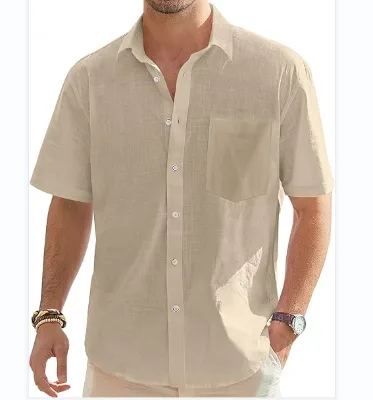
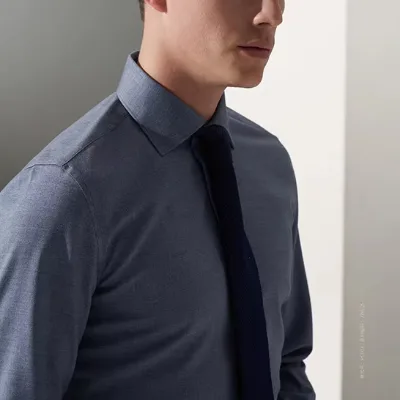
Formal Gentleman's Shirt for Men
$6.80 - $9.80

SHANDONG AOSHI GARMENTS CO., LTD.
- Verified by SGS
- Manufacturer
- China Shandong
- Lead time30 days
- Avg. response≤ 6h
Main productsSuit, Uniform
Guangzhou Mofei Clothing Co., Ltd.
- Manufacturer, Trading Company
- Guangdong, China
- Lead time10 days
- Avg. response≤ 3h
Main productsSuits, Shirts, T-shirts
Main marketsNorth America(20.00%), Eastern Europe(20.00%), Southeast Asia(20.00%), South America(10.00%), Oceania(10.00%), Africa(10.00%), Mid East(10.00%)
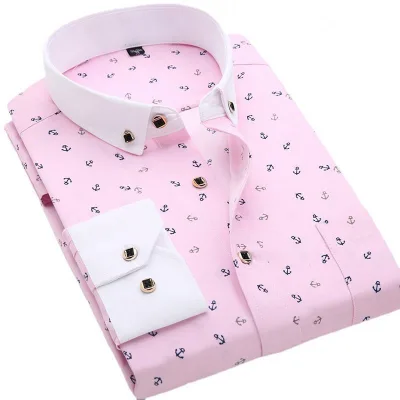
Shirt Men's Collar Polyester Fiber Polyester Sand Difficult Leisure Travel Slim-fitting Flower Shirt
$6.5269 - $6.6317
MOQ: 2 pieces

Kunshan Yulong Textile Co., Ltd.
- Verified by TUVRHEINLAND
- Manufacturer/Factory
- China Jiangsu
- Lead time45 days
- Avg. response≤ 10h
Main productsFabric, Outdoor Fabric, Stretch Fabric, Nylon Fabric, Polyester Fabric, Functional Fabric, Antistatic Fabric, Recycled Fabric, Bonded Fabric, Garment Fabric
Main marketsSouth America,Eastern Europe,Mid East,North America,Southeast Asia,Eastern Asia,Oceania,Western Europe,Africa


Lightweight Ripstop Summer Shirt in Woven Polyester for Outdoor Activities
$1.20 - $2.00
MOQ: 1000 Meters

Shanghai J&D International Co., Ltd.
- Trading Company
- China Shanghai
- Lead time23 days
- Avg. response≤ 20h
Main productsShirts, Necktie, Ties, Scarves, Waistcoat, Cufflink, Neckwear, Accessories
Main marketsSoutheast Asia/ Mideast,Domestic,Europe,Australia,North America
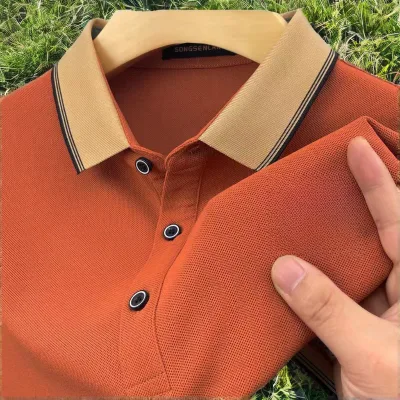
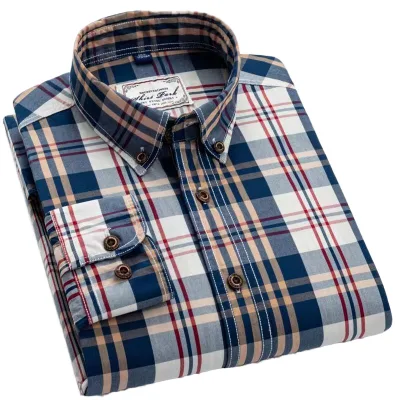


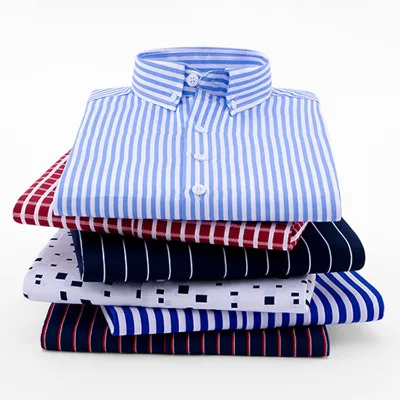
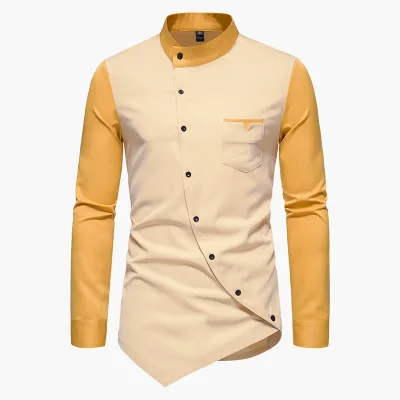


Comprehensive Sourcing Guide
Anti-Pilling Twill Shirt Supplier Concentration and Factory Types
Sourcing data for the anti-pilling twill shirt category shows supplier activity concentrated in two Chinese provinces: Anhui and Guangdong. Anhui-based listings in this category lean heavily toward polyester twill and broadcloth shirts produced through digital printing, with model ranges spanning casual short-sleeve summer styles and long-sleeve printed designs. Guangdong listings skew toward 100% cotton twill construction with embroidered detailing, heavier fabric weights around 220 grams, and patchwork or plaid patterns. Understanding this split matters because the two clusters serve different buyer profiles: Anhui suppliers generally target volume casual-wear programs at accessible price points, while Guangdong cotton specialists suit buyers prioritizing hand feel and decoration quality.
Factory types in this category typically declare themselves as manufacturers, trading companies, or hybrid manufacturer-trading operations. Supplier main-product lines frequently extend beyond shirts into polo shirts, T-shirts, hoodies, and jackets, which signals apparel-general capability rather than twill-shirt specialization. Buyers should treat that breadth as a question to probe: a factory whose core output is knitwear may subcontract woven twill production. Supply-type declarations also differentiate suppliers—some advertise OEM service with custom logo placement across the collar, sleeves, hem, front, and back, while others sell in-stock items from existing color and size runs. The in-stock model shortens time to shipment but limits customization, whereas OEM programs support private-label branding at the cost of longer development cycles.
How to Verify Anti-Pilling Twill Shirt Suppliers
Verification begins with the credentials a supplier platform displays and ends with what you can independently confirm. In this category, some suppliers carry third-party verification from an assessment organization such as SGS Group, which indicates a completed on-site or document-based audit rather than self-declared claims. System-level certification such as CE may also appear on supplier profiles; note that CE applies to regulated product categories, so for apparel it functions more as evidence of a certified management system than as a garment safety guarantee. Always ask which specific scope the certificate covers and request the certificate number so you can validate it with the issuing body.
Beyond displayed credentials, verify capability directly against the product attributes suppliers list. Product pages in this category typically state fabric composition (100% polyester or 100% cotton), weaving method (woven versus knitted), fabric weight, and features such as anti-pilling, anti-shrink, anti-wrinkle, and breathability. Ask for a physical sample—several suppliers in this category support seven-day sample order lead time—and test pilling resistance yourself through a few wash cycles before committing. Confirm that the place of origin listed on product pages, such as Anhui or Guangdong, matches the factory address on the business license. Request needle-detection documentation, since some listings declare needle detection as a standard step, and ask whether the supplier performs in-house quality inspection or relies on third-party inspection at your expense.
What to Compare Across Anti-Pilling Twill Shirt Suppliers
Build a comparison table using the attributes suppliers actually display, while recognizing that not every supplier publishes every field. Core comparison dimensions include location, supplier type (manufacturer versus trading company), main products, response time, lead time, minimum order quantity, and whether verification or certification badges are shown. In current category data, response times range from around two hours to four hours, which is a meaningful spread when you are iterating on samples or resolving a production issue. Lead times likewise vary—one supplier lists a fifteen-day lead time while another shows zero, which usually means lead time is negotiated per order rather than standardized—so always confirm quoted lead times in writing against your ship date.
Compare product-level evidence as well as company-level labels. Examine price bands (current listings span roughly four to six dollars per piece depending on construction and quantity), color-run depth (one in-stock line advertises more than twenty colorways, while printed twill styles offer fewer), size ranges from S through 3XL, and logo-placement options. R&D capability labels such as sample processing, graphic processing, and customized-on-demand service indicate how well a supplier handles your design revisions. Weigh these against your program needs: a buyer running seasonal digital prints should prioritize graphic processing and fast response, while a basics replenisher should prioritize deep color runs, in-stock availability, and consistent fabric weight across reorders.
Common Anti-Pilling Twill Shirt Sourcing Risks
The most common risk in this category is the gap between claimed and actual anti-pilling performance. Both polyester twill and cotton twill listings advertise anti-pilling as a feature, but the attribute is self-declared on product pages and is not independently tested at listing time. Pilling behavior depends on fiber quality, yarn twist, and finishing treatment, so a shirt that passes a casual inspection may pill visibly after ten washes. Mitigate this by specifying a pilling-resistance test method and grade in your purchase contract, and by pulling production samples—not just pre-production samples—from the actual bulk lot.
Other recurring risks include specification drift and supply-type confusion. In-stock listings sometimes change color availability between order and shipment because stock is sold across channels; one current line lists more than twenty colorways, and any of them can deplete. OEM listings may substitute fabric weight or weaving method—note that some shirts in this category are knitted despite being marketed under twill-adjacent naming, while others are genuinely woven. Logo-position promises spanning six placement zones should be confirmed with a pre-production photo, since multi-position branding increases misplacement risk. Additional risks include lead-time slippage around peak seasons, sample quality that a larger factory cannot replicate at volume, and buyers assuming a displayed certification covers the finished garment when it may cover only a management system. Put every specification—composition, weight, size tolerance, packaging dimensions, and gross weight—into a written tech pack.
Anti-Pilling Twill Shirt Regional Sourcing and Logistics
Regional sourcing in this category currently centers on Anhui and Guangdong provinces, and each cluster carries logistics implications. Anhui is inland, so shipments typically move by road or rail to a coastal port before export; factor this domestic leg into quoted lead times and ask whether the quoted price is FOB a named port or ex-works the factory. Guangdong benefits from proximity to major southern ports, which can shorten the pre-export leg and simplify container consolidation, particularly for mixed orders that combine cotton twill shirts with other apparel categories. When suppliers list lead times, such as the fifteen-day figure shown by one Guangdong-adjacent supplier, clarify whether domestic transit to port is included.
Air and express freight are realistic options for this category because individual garments are light—listed single gross weights run from roughly 0.2 to 0.5 kilograms with compact package dimensions of a few centimeters in height. That makes sample shipments and small urgent top-up orders economical by courier, while bulk volume is best consolidated into LCL or FCL sea freight. Plan around the category's seasonality: listings are tagged spring and summer, so production capacity tightens ahead of those retail windows. Confirm packing specifications—unit type, carton dimensions, and whether polybags carry suffocation warnings for your destination market—and verify who books freight, handles export documentation, and bears risk at each handoff point.
Anti-Pilling Twill Shirt Commercial Terms and Order Planning
Commercial terms should be locked down before any deposit changes hands. Use listed prices—currently spanning roughly four to six dollars per unit in this category—only as an opening reference, since final pricing depends on quantity, fabric composition (polyester versus 100% cotton), decoration method (digital printing versus embroidery), and packaging. Confirm the incoterm, currency, and validity period of any quote, and clarify whether the price includes custom logo application or applies only to blank garments. For payment, use a mechanism that offers some recourse; several suppliers on major platforms support platform escrow, and where escrow is unavailable, structure payments as a modest deposit with balance due against inspection or shipping documents. Never pay the full balance before goods are verified.
Order planning should sequence commitments to match verification milestones: sample approval, then a pilot order, then volume. Several suppliers advertise seven-day sample lead times, so use that speed to test two or three suppliers in parallel before consolidating volume with the strongest performer. Where MOQ is not displayed, obtain it in writing along with per-color and per-size breakdowns, since deep color runs may carry separate minimums. Align your order calendar with fifteen-day standard lead times plus domestic transit, freight, and customs clearance, and build buffer for pre-production approval. Finally, document acceptable defect rates, inspection standards, and remedies for late or nonconforming shipment in the purchase agreement itself.
Word count check: Section 1: 230. Section 2: 232. Section 3: 229. Section 4: 233. Section 5: 231. Section 6: 230. Total: approximately 1385 words, within the 1350–1450 range.
FAQs
What is the price range for anti-pilling twill shirts?
The price range for these shirts typically falls between $3.99 and $6.40 per unit. This pricing reflects variations in fabric weight, color options, and order volume. Buyers should expect competitive factory-direct rates for bulk purchases while maintaining quality standards for anti-wrinkle and breathable features.
Where are these shirts manufactured?
Manufacturing locations for these shirts are primarily in Anhui, China, with some production in Guangdong, China. These regions are known for their textile industry capabilities. Buyers can verify specific factory locations during the inquiry process to ensure alignment with their supply chain preferences and logistics requirements.
What materials are used in these shirts?
Materials include 100% Polyester and 100% Cotton, depending on the specific product model. Polyester options offer breathability and anti-pilling properties, while cotton variants provide a natural feel. The fabric types range from twill to broadcloth, ensuring durability and comfort for various seasonal wear requirements.
What is the typical response time for suppliers?
Supplier response times are reported as 2 or 4 hours. This indicates a high level of responsiveness for B2B inquiries. Buyers can expect prompt communication regarding quotes, samples, and order details, facilitating efficient negotiation and faster decision-making throughout the sourcing process.
Are these shirts available in stock?
Yes, some suppliers offer in-stock items alongside OEM services. This allows for quicker delivery on standard models. Buyers seeking immediate fulfillment can prioritize suppliers with in-stock availability, while those requiring custom branding can utilize the OEM service options provided by manufacturers.
What certifications do these suppliers hold?
Suppliers hold CE system certifications and are verified by SGS Group. These credentials indicate adherence to specific quality and safety standards. Buyers can request verification documents to ensure compliance with international regulations and maintain confidence in the product quality and manufacturing processes.