Anti-Pilling Thickened Loose Fit Sweatpants Suppliers and Manufacturers
Compare 26 verified suppliers offering Anti-Pilling Thickened Loose Fit Sweatpants with details on location, lead times, and certifications. Review product attributes like material and customization options to select the right partner for your order; review the available evidence before requesting comparable quotations from suitable candidates.
Suppliers List
Ningbo East Packaging Technology Co., Ltd.
- Verified by BV
- Trading Company
- China Zhejiang
- Lead time23 days
- Avg. response≤ 3h
Main productsDisposable Gloves, Nitrile Gloves, Vinyl Gloves, Latex Gloves, Food Packaging, Disposable Tableware, PPE Products, Packaging & Labels, Flashlights, General Consumer Products
Main marketsDomestic


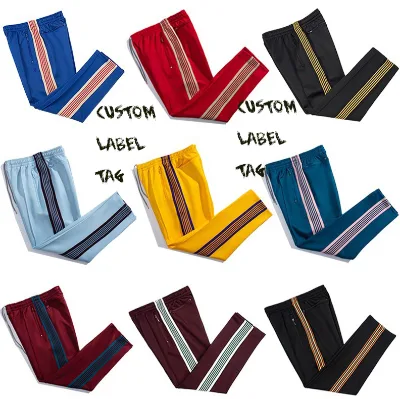
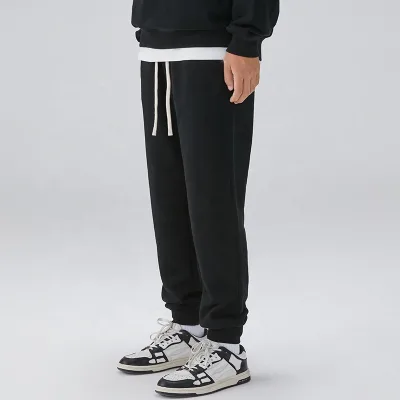
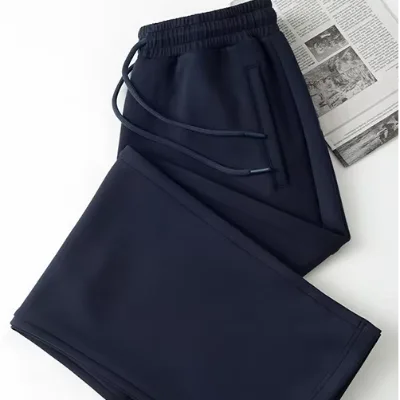
Tapered Casual Sweatpants with Elastic Cuffs for Workout, Lounge & Streetwear
$11.00 - $15.00
MOQ: 100 Sets

Dongguan Boxin Garment Co., Ltd.
- Verified by SGS Group
- Manufacturer, Trading Company
- Lead time25 days
- Avg. response≤ 3h
Main productsFitness & Yoga Wear, Casual & Street Wear
Main marketsNorth America(80%), Oceania(10%), Western Europe(5%)
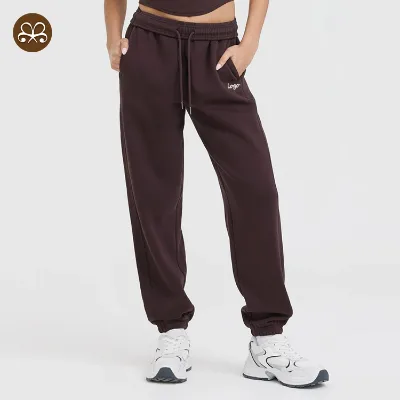

Hot Sale Jogging Pants for Women Soft Compression Fabric Custom Sweatpants for Women
$12.10 - $12.80
MOQ: 100

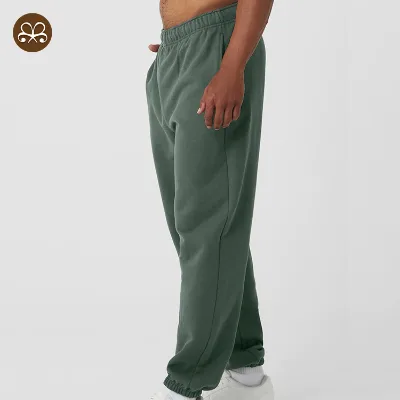
Wholesale Hot Selling Women Casual Custom Plain Jogger Pants Cotton Fleece Sweatpants
$12.50 - $13.50
MOQ: 100
Nanchang Jiakai Clothing Co., Ltd.
- Verified by TüVRheinland
- Manufacturer, Trading Company
- Lead time35 days
- Avg. response≤ 3h
Main productsApparel
Main marketsNorth America(80%), Western Europe(10%), South America(2%)
Xiamen Junmao Technology Co., LTD
- Verified by BV
- Combined
- China Fujian
- Lead time30 days
- Avg. response≤ 5h
Main productsFootball Kit, Sportswear, Football Equipment, Gym Wear, Yoga Set, Sports Products
Main marketsAfrica,Southeast Asia/ Mideast,Europe,Australia,North America

Xiamen Aimeee Garment Co., Ltd.
- Verified by SGS
- Manufacturer
- China Fujian
- Lead time15 days
- Avg. response≤ 3h
Main productsSports Wear, Gym Wear, Bikini
Main marketsSouth America,Africa,Southeast Asia/ Mideast,Europe,North America

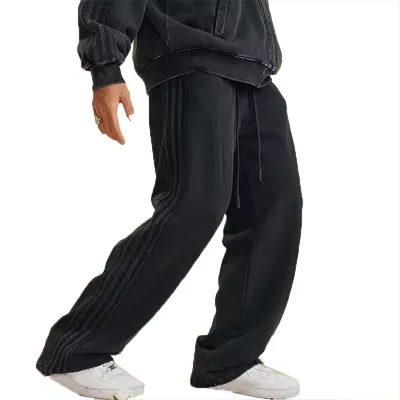
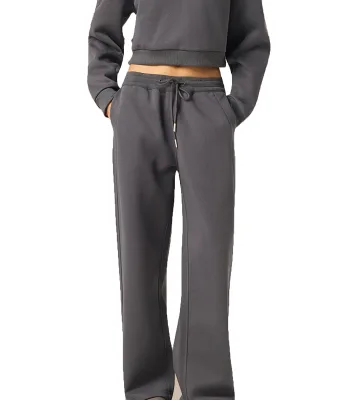
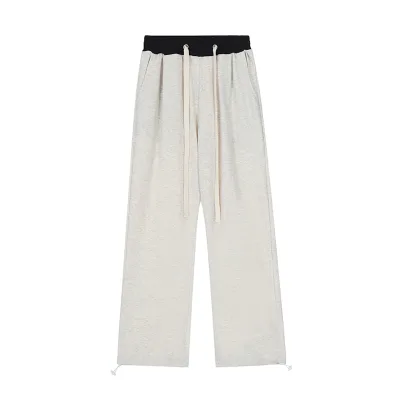
Fleece High-Waisted Sweatpants Wide-Leg Drawstring Loose Long Pants Sports Running Sweatpants
$6.50 - $8.99
MOQ: 1 piece

Fleece Loose Sports Sweatpants Straight Leg Warm Casual Pants Wearing Sports Sweatpants
$6.50 - $8.99
MOQ: 1 piece
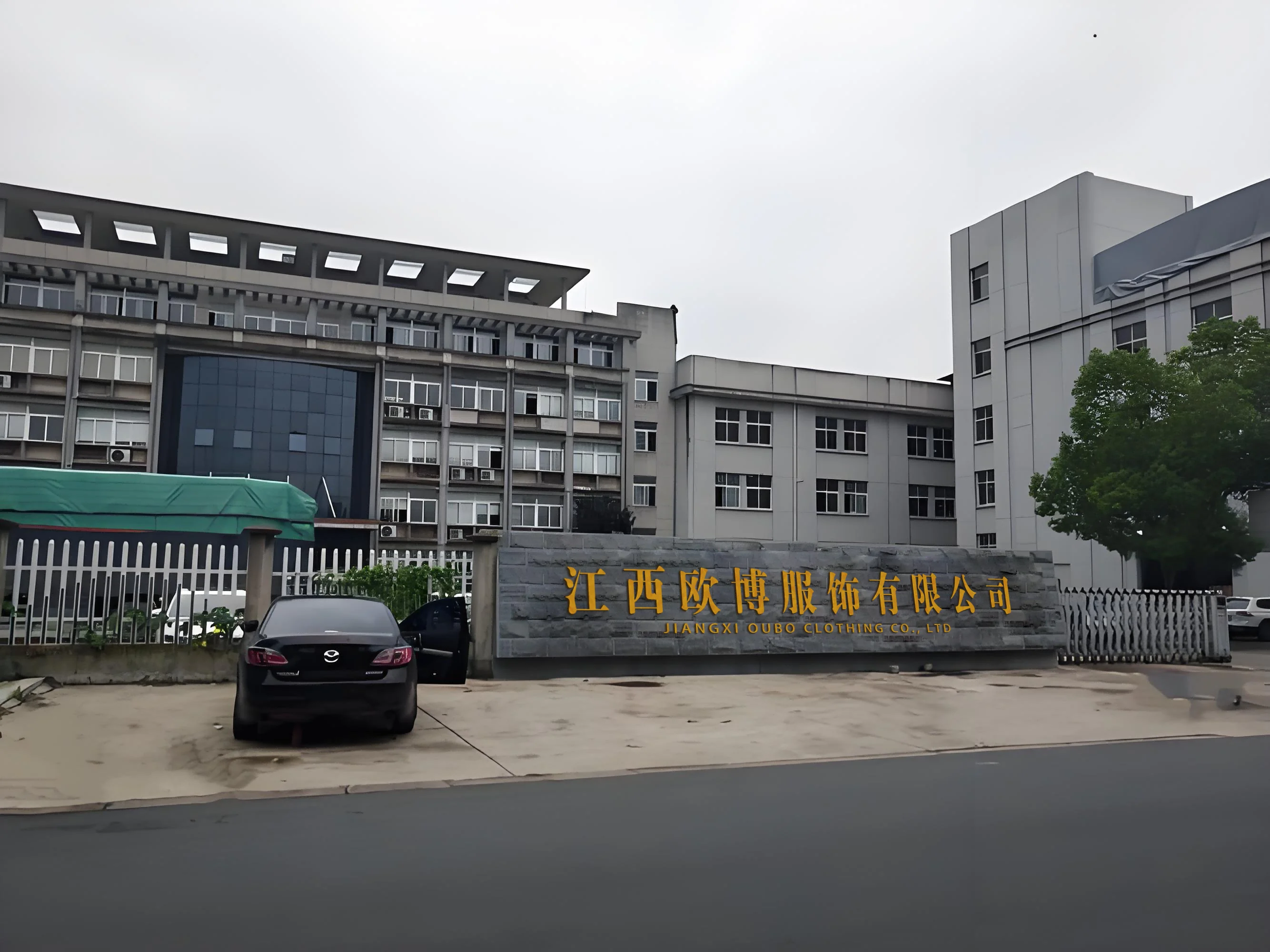
Jiangxi Oubo Garment Co., Ltd.
- Manufacturer, Trading Company
- jiangxi, China
- Lead time10 days
- Avg. response≤ 1h
Main productshoodie,T-shirt,pants,sweater,tank top
Main marketsNorth America(70.00%), Northern Europe(20.00%), Mid East(10.00%)

NANCHANG LANGMAI CLOTHING CO., LTD.
- Verified by TUVRHEINLAND
- Combined
- China Jiangxi
- Lead time60 days
- Avg. response≤ 13h
Main productsT Shirt, Polo Shirt, Sweatshirt, Track Pants, Shorts, Leggings, Hoody, Tank Top, Children Clothing, Sports Wear
Main marketsDomestic


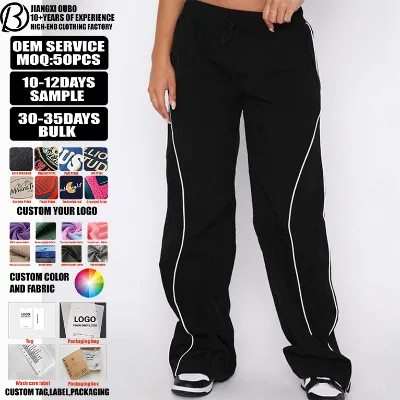
Women Pants Jogging Sweatpants Sports Split Sweat Track Pants Casual Trousers
$3.59 - $25.00
MOQ: 1 PCS
- Verified by Intertek
- Manufacturer, Trading Company
- Lead time0 days
- Avg. response≤ 2h
Main productsT-shirt, Sweatshirt, Pants, Polo shirt, Children Garment
Main marketsNorth America(32%), South America(27%), Central America(18%)

Dongguan Humen Hucai Garment Co., Ltd.
- Verified by TUVRHEINLAND
- Combined
- China Guangdong
- Lead time15 days
- Avg. response≤ 6h
Main productsSportswear, Yoga Pants, Sports Bra, T Shirt, Tank Top, Jogger Pants, Tracksuit, Hoodies, Shorts, Leggings
Main marketsAustralia,North America
Guangzhou Shangshang Industrial Co., Ltd.
- Combined
- China Guangdong
- Lead time15 days
- Avg. response≤ 22h
Main productsHoodies, T Shirt, Sweatpant, Shorts, Jacket
Main marketsDomestic
Dongguan Senzhou Garment Co., Ltd.
- Verified by TüVRheinland
- Manufacturer, Trading Company
- Lead time15 days
- Avg. response≤ 2h
Main productsTracksuit, T-Shirts, Hoodie, Shorts, Jacket
Main marketsNorth America(28%), Western Europe(22%), Domestic Market(20%)
Jiangxi Bangyuan Garment Co., Ltd.
- Manufacturer, Trading Company
- Jiangxi, China
- Lead time30 days
- Avg. response≤ 3h
Main productsT-Shirts/Polo shirt/Pants/Hoodies/shorts
Main marketsNorth America(37.00%), Mid East(18.00%), South America(10.00%), Africa(5.00%), Oceania(5.00%), Northern Europe(5.00%), Eastern Asia(5.00%), Eastern Europe(5.00%)
Jiangxi Zhuoshuo Garment Co., Ltd.
- Verified by Intertek
- Manufacturer, Trading Company
- Lead time35 days
- Avg. response≤ 3h
Main productsHoodie, T-shirt, Jacket, Pants
Main marketsNorth America(50%), Eastern Europe(25%), Western Europe(25%)

Xiamen Meiju Garment Co., Ltd.
- Verified by TUVRHEINLAND
- Trading Company,Manufacturer/Factory
- China Fujian
- Lead time23 days
- Avg. response≤ 4h
Main productsSports Wear, Yoga Wear, Gym Wear, Fashion Fitness, Sportswear, Hoodies, Sportswear Fitness Wear, Tracksuit, Swimwear, Men's Sportswear
Main marketsSouth America,Eastern Europe,Mid East,North America,Southeast Asia,Eastern Asia,Oceania,Western Europe,Africa

Women's Trendy Casual Pocket Fitness Jogger Straight-Leg Sporty Loose Sweatpants
$6.50 - $8.50
MOQ: 1 piece

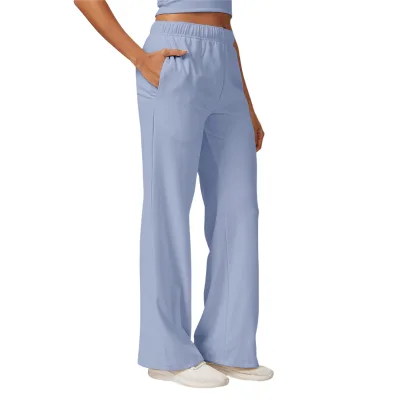
Yoga Sport Wide-Leg Pants High-Waisted Loose Sport Casual Pants Fitness Women's Sweatpants
$6.50 - $8.50
MOQ: 1 piece

Sports Fitness Wear Spring High-Waisted Casual Pants Loose Straight Leg Sweatpants
$6.50 - $8.50
MOQ: 1 piece

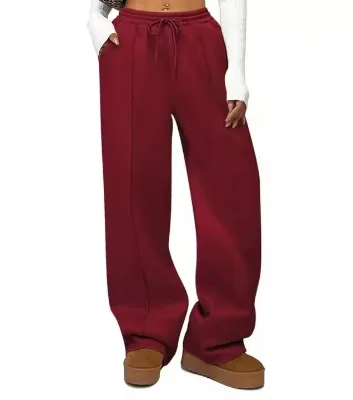
High-Waisted Sweatpants Women Loose Straight Leg Commuter Casual Full Jogger Pants
$6.50 - $8.50
MOQ: 1 piece
Guangzhou Difan Clothing Co., Ltd.
- Verified by BV
- Combined
- China Guangdong
- Lead time15 days
- Avg. response≤ 6h
Main productsTshirt, Hoodie, Jacket, Polo, Pant, Sweatshirt, Jersey, Shorts, Tracksuit
Main marketsSouth America,Africa,Southeast Asia/ Mideast,East Asia(Japan/ South Korea),Europe,Australia,North America


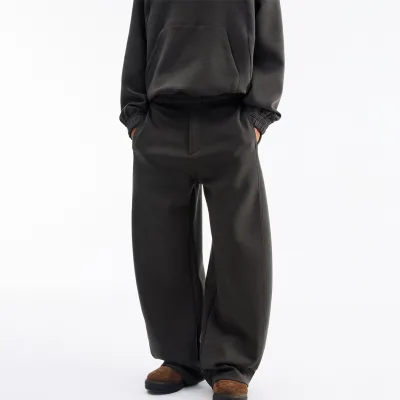
Hot Sale Anti-Wrinkle Heavyweight Minimalist Design Baggy Sweatpants for Daily Wear
$10.00 - $13.00
MOQ: 50 piece


Dongguan Edee Apparel Co., Ltd.
- Verified by TUVRHEINLAND
- Trading Company,Manufacturer/Factory
- China Guangdong
- Lead time23 days
- Avg. response≤ 2h
Main productsSportswear, Activewear, Gym Clothing, Yoga Wear, Dancewear, Sports Bra, Sports Leggings, Sweatshirt, Track Suit, Hoodie
Main marketsSouth America,Eastern Europe,Mid East,North America,Eastern Asia,Oceania,Western Europe

Dongguan Aktik Sportswear Co., Ltd.
- Manufacturer/Factory
- China Guangdong
- Lead time23 days
- Avg. response≤ 23h
Main productsActivewear, Sportswear, Leggings, Sports Bra, Biker Shorts, Sweatsuits, Tank Tops, Sweatpants, Hoodie, Tracksuit
Main marketsSouth America,Eastern Europe,Mid East,North America,Southeast Asia,Eastern Asia,Oceania,Western Europe,Africa


Custom Unisex Sweatpants Joggers in Bulk Wholesale Cotton Best Sweatpants
$7.00 - $13.00
MOQ: 100 Pieces

Dongguan Shuyu Activewear Co., Ltd.
- Verified by SGS
- Trading Company,Manufacturer/Factory
- China Guangdong
- Lead time120 days
- Avg. response≤ 8h
Main productsActivewear, Yoga Wear, Equestrian Clothing, Sportswear, Athleisure Wear, Lounge Wear, Fitness Wear, Horse Riding Wear
Main marketsSouth America,Eastern Europe,Mid East,North America,Southeast Asia,Eastern Asia,Oceania,Western Europe

$12.00 - $14.50
MOQ: 100 Pieces

$12.00 - $14.50
MOQ: 100 Pieces

Relaxed Fit Casual Wear Joggers Women's Sports Activewear Sweatpants Workout Running Women's Joggers
$12.00 - $14.50
MOQ: 100 Pieces

Hot Selling High Waist Elastic Waist Straight Leg Sweatpants Casual Wear Joggers
$12.00 - $14.50
MOQ: 100 Pieces

Guangzhou Singmin Sports Goods Co., Ltd.
- Verified by CTI
- Manufacturer/Factory
- China Guangdong
- Lead time23 days
- Avg. response≤ 23h
Main productsPants, Yoga Set, Soccer Jersey, Basketball Uniform, Rugby Jersey, Cricket Jersey, Hoody, Tracksuit, Netball Dress, Cycling Jersey
Main marketsSouth America,Eastern Europe,Mid East,North America,Southeast Asia,Western Europe,Africa

Hangzhou Shangyou Apparel Co., Ltd.
- Verified by TUVRHEINLAND
- Combined
- China Zhejiang
- Lead time30 days
- Avg. response≤ 9h
Main productsSport Bra, Yoga Leggings, Sports Jackets, Active Wear, Underwear Lingerie, Gym Wear, Athletic Wear, Fitness Wear
Main marketsEurope,North America

Spring High Waist Sports Sweatpants Pocket Straight Pants Versatile Sports Pants
$10.50 - $11.90
MOQ: 5 Sets

Casual Sports Wide Leg Pants High Waist Yoga Pants Running Fitness Sweatpants
$9.90 - $12.90
MOQ: 5 Pieces

- Verified by TUVRHEINLAND
- Combined
- China Shanghai
- Lead time15 days
- Avg. response≤ 3h
Main productsInfant Clothes, Baby Clothes, Kids Wear, Underwear, Sock, Pajama, Night Dress, Sleep Bag, Yoga Clothes, Nursing Tee
Main marketsEurope,Australia,North America

Efirsty Enterprise (Anhui) Co., Ltd.
- Verified by TUVRHEINLAND
- Trading Company
- China Anhui
- Lead time30 days
- Avg. response≤ 6h
Main productsLeggings Yoga Pants Swimwear, Swimsuit
Main marketsSouth America,Southeast Asia/ Mideast,East Asia(Japan/ South Korea),Europe,Australia,North America
Jinhua Yongxing Knitting Co., Ltd
- Manufacturer
- Zhejiang, China
- Lead time40 days
- Avg. response≤ 2h
Main productsSeamless Jumpsuit, Yoga Suit, Seamless Body Shaping Suit, Yoga Legging, Sports Bra
Main marketsNorth America(54.00%), Eastern Europe(30.00%), Southeast Asia(9.00%), Domestic Market(7.00%)

Times Chensheng (Xiamen) Trading Co., Ltd.
- Trading Company,Manufacturer/Factory
- China Fujian
- Lead time45 days
- Avg. response≤ 7h
Main productsJacket, Beach Shorts, Hoodies, Sports Wear, T-Shirt, Kids Wear, Casual Shorts, Swimming Wear, Sweater, Sport Bar
Main marketsSouth America,Eastern Europe,Mid East,North America,Southeast Asia,Eastern Asia,Oceania,Western Europe,Africa

- Verified by CTI
- Trading Company
- China Beijing
- Lead time23 days
- Avg. response≤ 7h
Main productsMerino Wool Underwear, Sweatproof Undershirt, Briefs & Boxer, Socks, Thermal Underwear
Main marketsSoutheast Asia/ Mideast,Domestic,Europe,Australia,North America

Men's Super Stretch Sports Men's Pants & Trousers for Men Joggers Sweatpants
$13.22 - $13.32
MOQ: 2 pieces


Zhejiang Shenlong International Co., Ltd.
- Trading Company
- China Zhejiang
- Lead time0 days
- Avg. response≤ 8h
Main productsUnderwear, Seamless Underwear, Underwear Set, Seamless Inner Wear, Seamless Wear, Undergarment, Bath Towel, Beach Towel, Face Towels, Leggings

$1.50 - $1.90
MOQ: 10000 Pieces










Comprehensive Sourcing Guide
Anti-Pilling Thickened Loose Fit Sweatpants Supplier Concentration and Factory Types
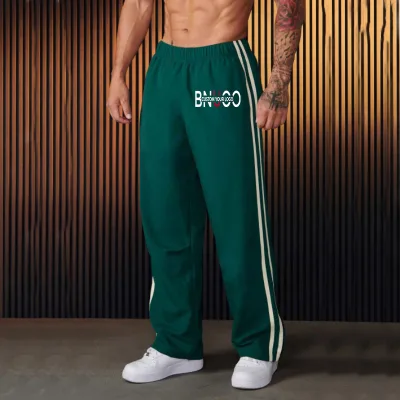
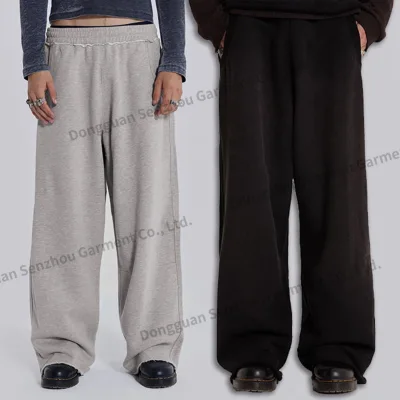
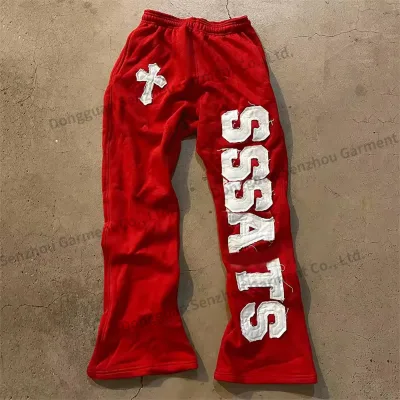
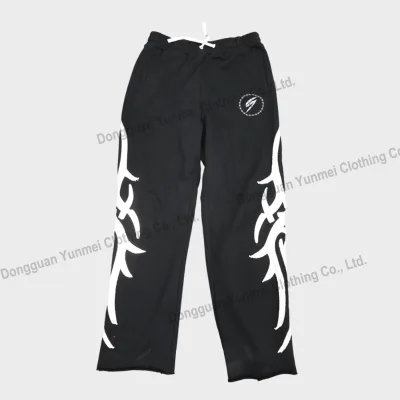
Current data indicates that suppliers offering these specific garments are concentrated in China, with specific manufacturing hubs identified in Zhejiang and Guangdong provinces. The available evidence shows a mix of company types, including both Trading Companies and Manufacturers, suggesting that buyers may encounter direct production facilities or intermediaries depending on the specific vendor profile. Some suppliers list main products ranging from general consumer goods to specialized fitness and yoga wear, while others focus on broader apparel categories like disposable gloves and packaging. This variation implies that a buyer must carefully distinguish between a factory dedicated to textile production and a trading firm that aggregates goods from multiple sources. The presence of "Manufacturer" and "Trading Company" labels in the results confirms that both entity types are active in this niche, requiring the buyer to verify the actual production capability before committing to an order.
When assessing the concentration of these suppliers, buyers should look for specific regional indicators rather than assuming a single cluster. The observed data points to Guangdong and Zhejiang as key locations, but the absence of a definitive factory count means buyers must verify the physical address and production capacity of each potential partner. Some suppliers in the results list capabilities such as light customization, sample processing, and graphic processing, which are typical of manufacturers with in-house design and production teams. Others may rely on external networks, indicated by their classification as trading companies. To identify the true manufacturing cluster, buyers should request proof of factory ownership or long-term lease agreements, as well as photos of the production floor. This verification step is crucial because the distinction between a manufacturer and a trading company directly impacts lead times, quality control, and the ability to handle complex customization requests for thickened, loose-fit garments.
How to Verify Anti-Pilling Thickened Loose Fit Sweatpants Suppliers
Verification of suppliers in this category requires a multi-layered approach focusing on third-party certifications and response metrics. The available data highlights specific verification bodies such as BV and SGS Group, which serve as critical indicators of a supplier's legitimacy and adherence to international standards. Buyers should prioritize suppliers who display these verification badges, as they suggest that an independent auditor has reviewed the company's business license, production capacity, and quality management systems. Additionally, the presence of system certifications like Oeko-Tex 100 is a strong signal for textile suppliers, indicating that their products meet strict criteria for harmful substances. However, buyers must not assume every supplier possesses these credentials; instead, they should explicitly request current certification documents and verify their validity through the issuing body's official portal before proceeding with any negotiations.
Beyond certifications, response time and communication reliability are essential metrics for verifying supplier readiness. The observed data includes response times ranging from approximately 2.34 to 3 hours, which suggests a baseline for expected communication speed in this sector. Buyers should test these response times by sending detailed inquiries about anti-pilling treatments and fabric thickness specifications to gauge the supplier's actual engagement level. A supplier that responds quickly with technical details about their production process is more likely to be reliable than one that provides generic replies. Furthermore, buyers should verify the supplier's ability to handle custom orders by asking for samples of previous work, specifically looking for the "anti-wrinkle" and "anti-pilling" features mentioned in product attributes. This practical test ensures that the supplier's claims about fabric quality and durability are backed by tangible evidence rather than marketing language.
What to Compare Across Anti-Pilling Thickened Loose Fit Sweatpants Suppliers
When comparing suppliers, buyers must evaluate a range of operational dimensions including lead times, minimum order quantities, and pricing structures. The data shows lead times varying between 23 and 25 days, which is a critical factor for inventory planning and delivery schedules. Buyers should compare these timelines against their own production cycles to ensure the supplier can meet their deadlines without compromising quality. Additionally, minimum order quantities (MOQ) are a significant differentiator, with some suppliers requiring orders as low as 100 pieces or sets. This flexibility is particularly important for new brands or those testing the market, as it reduces the financial risk associated with large initial inventory commitments. Buyers should also scrutinize the price ranges, which in the observed data span from approximately $11.00 to $15.00 per unit, to determine if the cost aligns with their target margin and quality expectations.
Product attributes and customization capabilities are another vital area for comparison. The available evidence reveals diverse material compositions, including polyester, cotton, fleece, and blends, as well as varying features like UPF 50+ protection, breathability, and eco-friendly treatments. Buyers should compare these specifications to ensure the final product meets their specific performance requirements, such as the need for thickened fabric or specific fit types like loose or tapered. Customization options, such as silk screen printing, digital printing, and logo embroidery, vary significantly among suppliers, with some offering full OEM services and others providing limited modifications. By creating a comparison matrix that lists these attributes side-by-side, buyers can objectively assess which supplier offers the best balance of quality, flexibility, and cost. This structured approach prevents reliance on a single factor and ensures a comprehensive evaluation of each potential partner's capabilities.
Common Anti-Pilling Thickened Loose Fit Sweatpants Sourcing Risks
One of the primary risks in sourcing these garments is the discrepancy between advertised fabric quality and the actual product received. While product attributes often list features like "anti-pilling" and "anti-wrinkle," these claims can be difficult to verify without physical testing. Buyers face the risk of receiving garments that pill quickly after a few washes, which can damage brand reputation and lead to costly returns. To mitigate this, buyers should insist on pre-shipment samples that undergo rigorous washing and abrasion testing to confirm the durability of the fabric. Additionally, the reliance on third-party descriptions without independent verification can lead to misunderstandings regarding material composition, such as the ratio of cotton to polyester, which directly affects the garment's feel and performance.
Another significant risk involves supply chain disruptions and inconsistent lead times. The observed data indicates lead times of around 23 to 25 days, but these figures can fluctuate based on raw material availability, factory workload, or logistical challenges. Buyers who do not account for potential delays may face stockouts, especially during peak seasons. Furthermore, the variation in company types, from manufacturers to trading companies, introduces the risk of communication breakdowns or lack of transparency regarding production status. Trading companies may not have direct control over the factory floor, leading to delays in resolving quality issues or updating order statuses. To manage this risk, buyers should establish clear communication protocols and require regular production updates, including photos and videos of the manufacturing process, to ensure that the order is proceeding as planned and that any potential bottlenecks are identified early.
Anti-Pilling Thickened Loose Fit Sweatpants Regional Sourcing and Logistics
Regional sourcing in this category is heavily influenced by the concentration of suppliers in China, specifically in provinces like Zhejiang and Guangdong. These regions offer established infrastructure for textile manufacturing and logistics, but buyers must navigate the complexities of international shipping and customs clearance. The observed data mentions ports of dispatch such as Guangzhou and Shenzhen, which are major hubs for export. Buyers should consider the proximity of these ports to their own distribution centers to minimize transit times and shipping costs. Additionally, the choice of shipping method, such as DHL, EMS, UPS, or TNT, can significantly impact the speed and reliability of delivery. Buyers should evaluate the trade-offs between air freight and sea freight based on their urgency and budget, ensuring that the selected method aligns with their inventory management strategy.
Logistics planning also requires attention to packaging and handling requirements to prevent damage during transit. The available evidence indicates that products are often packed in cartons, with specific dimensions and weights provided for each item. Buyers should verify that the packaging is robust enough to protect the garments from moisture, crushing, and other potential hazards during shipping. Furthermore, the use of poly bags for individual items and larger cartons for bulk shipments is common, but buyers should confirm that these materials meet their sustainability goals or brand requirements. It is also essential to understand the Incoterms agreed upon with the supplier, as this determines who is responsible for insurance, freight costs, and customs duties. By carefully planning the logistics chain and selecting reliable freight forwarders, buyers can ensure that their orders arrive on time and in perfect condition, ready for immediate distribution.
Anti-Pilling Thickened Loose Fit Sweatpants Commercial Terms and Order Planning
Commercial terms and payment structures are critical components of the sourcing process that directly affect cash flow and risk management. The observed data lists various payment methods, including T/T, Western Union, Money Gram, and Trade Assurance. Buyers should prioritize suppliers who offer Trade Assurance or similar escrow services, as these provide a layer of protection by holding funds until the order is completed and verified. This is particularly important for first-time transactions or when dealing with new suppliers. Additionally, buyers should negotiate clear payment milestones, such as a deposit upon order confirmation and the balance upon shipment, to maintain leverage throughout the production process. Understanding the specific terms of each payment method is essential to avoid unexpected fees or delays in fund transfer.
Order planning must also account for sample lead times and the ability to make adjustments before mass production begins. The data indicates that some suppliers support 7-day sample orders, which is a valuable feature for buyers who need to validate product quality quickly. Buyers should plan their timeline to include sufficient time for sample review, feedback, and potential revisions before committing to a full production run. This iterative process helps ensure that the final product meets all specifications, including the anti-pilling treatment and fit requirements. Furthermore, buyers should consider the supplier's capacity to handle volume, as some results mention supply abilities of up to 80,000 pieces per month. Aligning order quantities with the supplier's capacity ensures that production can be completed within the agreed lead time without compromising quality. By integrating these commercial and planning considerations, buyers can create a robust sourcing strategy that minimizes risk and maximizes efficiency.
FAQs
What is the typical lead time for these sweatpants?
The typical lead time ranges from 23 to 25 days based on current supplier data. Some manufacturers offer faster sample processing within seven days for custom orders. Buyers should confirm specific timelines with the supplier before placing bulk orders to ensure timely delivery.
What is the minimum order quantity for custom sweatpants?
The minimum order quantity is generally 100 pieces or sets for most suppliers. This applies to both loose fit and thickened styles available in the market. Buyers seeking smaller quantities may need to negotiate directly or look for suppliers offering sample orders with different terms.
Are these sweatpants available with anti-pilling features?
Yes, many suppliers list anti-pilling as a key feature for their fleece and polyester sweatpants. These items often include additional benefits like breathability and eco-friendly materials. Buyers should verify specific fabric blends to ensure the anti-pilling claim matches their quality requirements.
What certifications do the manufacturers hold?
Some verified suppliers hold Oeko-Tex 100 certification for their textile products. Others are verified by BV or SGS Group to ensure business reliability. Buyers should request current certification documents to confirm compliance with safety and quality standards before finalizing any purchase agreement.
Where are the manufacturers located?
Manufacturers are primarily located in Zhejiang and Guangdong provinces in China. These regions specialize in apparel production and offer various customization services. Buyers can expect efficient logistics from these locations, though specific factory addresses should be confirmed during the sourcing process.
What is the price range for these items?
Prices typically range from 11.00 to 15.00 USD per piece depending on material and customization. Specific models may cost between 11.48 and 12.80 USD. Final pricing depends on order volume, fabric choice, and whether the buyer requires OEM services or standard stock items.
Do suppliers offer customization services?
Yes, most suppliers provide OEM services including custom logos and fabric choices. Options range from silk screen printing to digital printing and embroidery. Buyers can request specific fits, colors, and packaging details to align with their brand requirements while maintaining the loose fit style.