Anti-Pilling Quick Dry Mesh Top Suppliers and Manufacturers
Compare 26 verified suppliers offering anti pilling quick dry mesh tops with varying lead times, certifications, and response speeds. Review product attributes like material and customization options to select the right partner for your order; review the available evidence before requesting comparable quotations from suitable candidates.
Suppliers List

- Verified by SGS
- Trading Company
- China Zhejiang
- Lead time30 days
- Avg. response≤ 2h
Main productsBlazers, Dress, Jumpsuits&Bodysuits, Bottoms&Pants, Blouses, Sportswear, Skirts, Tops, T-Shirts, Coats&Jackets
Main marketsEurope,Australia,North America

- Verified by TUVRHEINLAND
- Trading Company
- China Zhejiang
- Lead time15 days
- Avg. response≤ 9h
Main productsSport Wear, Yoga Pants, Sports Bra, Sports Cap, Waist Bag, Sports Sock, Sports Towel, Quick Dry Clothes, Yiwu Buying Agent, Sourcing Agent
Main marketsSouth America,Europe,North America
- Verified by Intertek
- Manufacturer, Trading Company
- Lead time0 days
Main productsT-shirt, Sweatshirt, Pants, Polo shirt, Children Garment
Main marketsNorth America(32%), South America(27%), Central America(18%)
Shishi Chisheng Sports Goods Trading Company (Individual Industrial and Commercial Household)
- Trading Company
- China Fujian
- Lead time0 days
- Avg. response≤ 2h

Foshan Xiangyinren Clothing Co., Ltd.
- Verified by SGS
- Combined
- China Guangdong
- Lead time15 days
- Avg. response≤ 8h
Main productsCorset, Corset Top, Court Corsets, Sexy Bra Set, Women's Lingeries, Sexy Bodysuit, Fashion Body Chain
Main marketsEurope,North America

Hangzhou Changuo Garments Co., Ltd.
- Verified by SGS
- Trading Company
- China Zhejiang
- Lead time15 days
- Avg. response≤ 11h
Main productsSuit, Formal Wear, Sweater, Knitwear, Office Outfit
Main marketsDomestic,Europe,North America

Yiwu Wanshian Trading Co., Ltd.
- Verified by SGS
- Trading Company
- China Zhejiang
- Lead time15 days
- Avg. response≤ 4h
Main productsSports Bra, Men Clothing, Women Clothing, Yoga Leggings, Yoga Shorts, Scarf, Yoga Bodysuits, Fashion Belt, Thermal Socks, Apron
Main marketsEast Asia(Japan/ South Korea),Europe,Australia,North America
Hangzhou Shell Apparel Co., Ltd.
- Verified by TüVRheinland
- Manufacturer, Trading Company
- Lead time14 days
- Avg. response≤ 2h
Main productsBodysuit Jumpsuit, Hoodie Sweatshirt, Yoga Set, Sportswear, Gym Clothes
Main marketsOceania(28%), North America(25%), Western Europe(20%)
Shenzhen Energy Pig Supply Chain Management Co., Ltd.
- Verified by SGS
- Trading Company,Manufacturer/Factory
- China Guangdong
- Lead time15 days
- Avg. response≤ 6h
Main productsYoga Wear, Woman Yoga Bra, Women Yoga Top, Women Yoga Coat, Woman Yoga Pants, Women Yoga Shorts, Women Yoga Skirt, Woman Yoga Set, Women Yoga Bodysuit
Main marketsSouth America,Eastern Europe,Mid East,North America,Southeast Asia,Eastern Asia,Oceania,Western Europe,Africa

Guangzhou Dongzhou Garment Co., Ltd.
- Verified by TUVRHEINLAND
- Combined
- China Guangdong
- Lead time15 days
- Avg. response≤ 17h
Main productsDress, Blazer / Suit Jacket, Trousers / Dress Pants, Vest / Waistcoat, Chanel Style / Tweed Style, Skirt
Main marketsDomestic,Europe

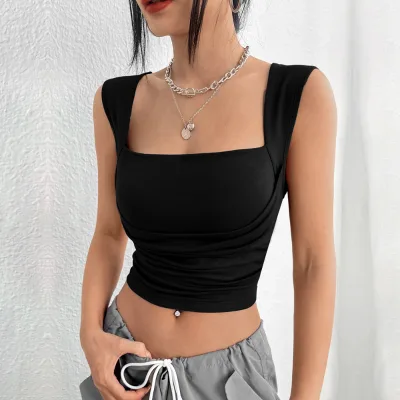
Casual Pink Ribbed Square Neck Tank Top, Contrast Trim Slim Fit Daily Wear Cami Top
$5.00 - $25.00
Moq: 100

Pink Ribbed Square Neck Tank Top, Brown Contrast Trim Slim Fit Casual Cami Top for Women
$5.00 - $25.00
Moq: 100
Tianjin Winall New Material Co., Ltd.
- Verified by TUVRHEINLAND
- Trading Company
- China Tianjin
- Lead time15 days
- Avg. response≤ 1h
Main productsHeat-Sealable BOPP Film, BOPP Lamination Film, Printing Grade BOPP Film, Pearlized BOPP Film, Metallized BOPP Film, Metallized Pet Film, POF Shrink Film, PVC Cling Film, PE Stretch Film, Polyester Staple Fiber
Main marketsAfrica,Others(foreignTradeCapacity.exportBusinessCapacityMarketOther),East Asia(Japan/ South Korea)
Xiamen Bojin Garments Co., Ltd.
- Verified by TüVRheinland
- Trading Company
- Fujian, China
- Lead time7 days
- Avg. response≤ 6h
Main productsShapewear, Underwear, Sportwear
Main marketsNorth America(85%), Africa(10%), Oceania(5%)
Dongguan Humen Yihao Clothing Co., Ltd.
- Verified by TüVRheinland
- Manufacturer, Trading Company
- Lead time20 days
Main productsSilk Dress, Crop Top, Women Oversized T Shirts, Bodysuit, Mini Dress
Main marketsNorth America(20%), Eastern Europe(15%), Oceania(15%)
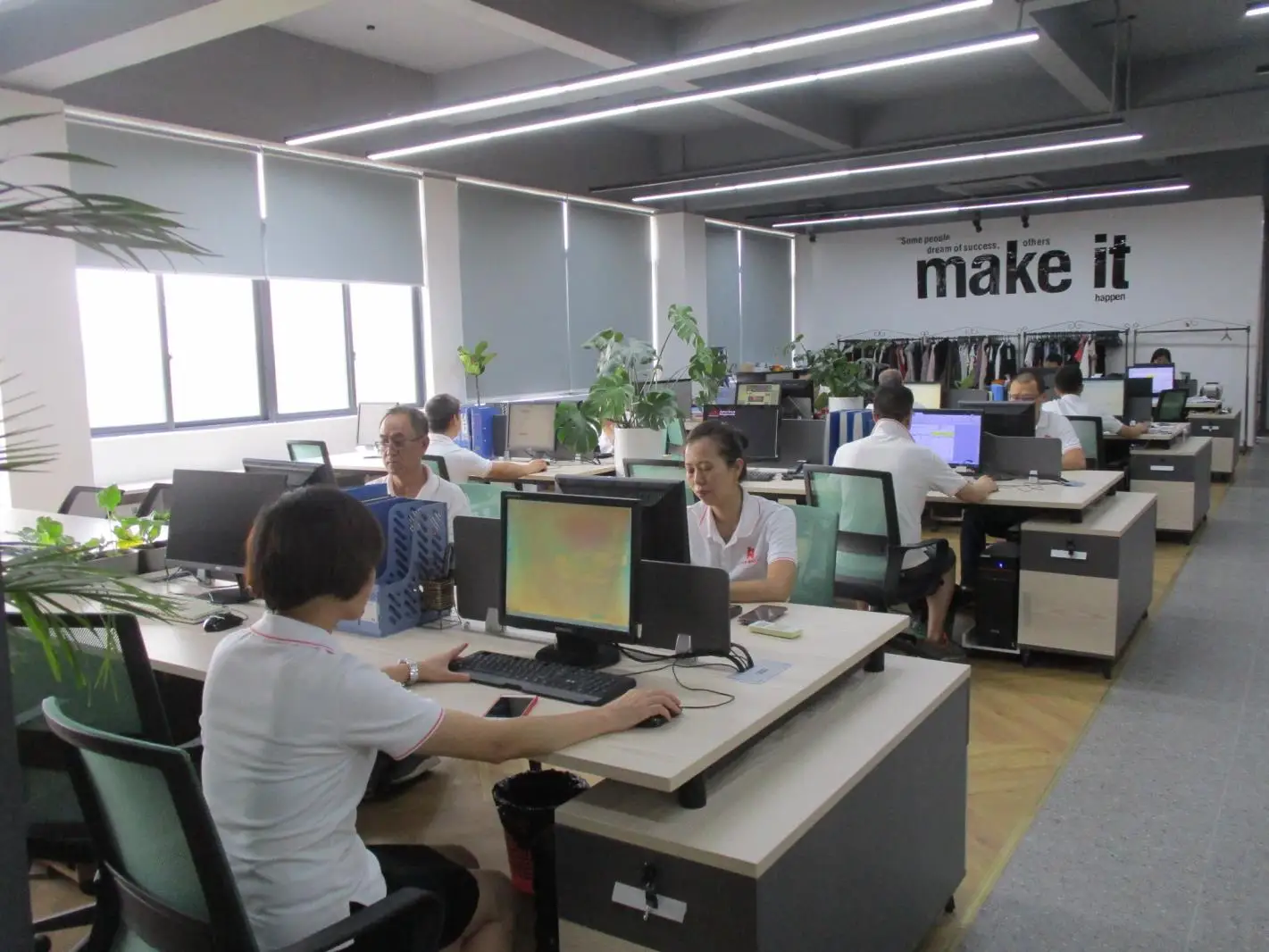
Dongguan Auschalink Fashion Garment Co., Ltd.
- Trading Company
- Guangdong, China
- Lead time30 days
- Avg. response≤ 9h
Main productsT-shirt,Dress,Pant,Hoodie,Jacket
Main marketsOceania(50.0%), North America(30.0%), Western Europe(20.0%)
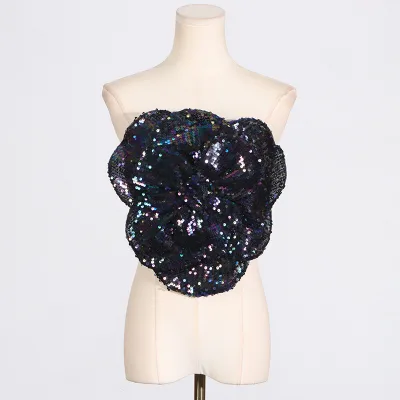
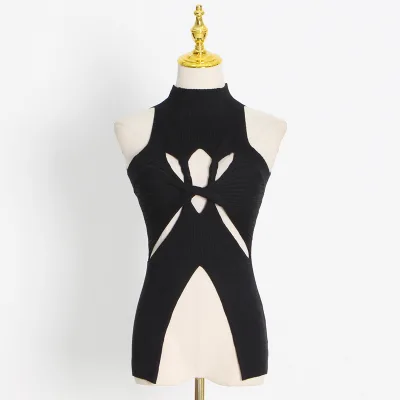
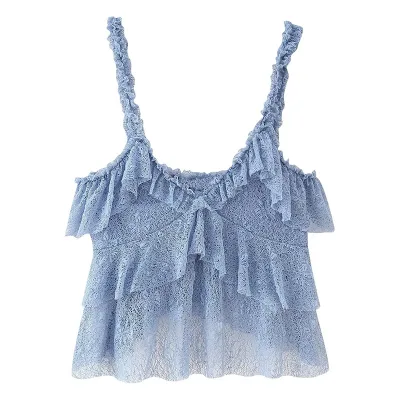
$11.99 - $17.99
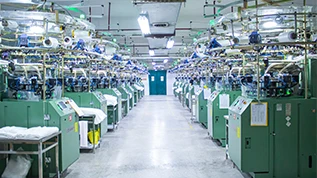
Yiwu Fashion Norway Technology Share Co., Ltd.
- Manufacturer, Trading Company
- Zhejiang, China
- Lead time7 days
- Avg. response≤ 4h
Main productsYoga Wear,Sportswear,Underwear,Body Suit,T-shirt
Main marketsSouthern Europe(55.00000000000001%), North America(20.0%), Domestic Market(5.0%), Northern Europe(5.0%), Mid East(5.0%), Oceania(5.0%), Eastern Asia(3.0%), Southeast Asia(2.0%)

- Manufacturer/Factory
- China Guangdong
- Lead time23 days
- Avg. response≤ 11h
Main productsYoga Clothes, Gym Clothes, Workout Clothes, Fitness Clothes, Running Clothes, Tennis Clothes, Golf Clothes, Plitates Clothing, Fashion Fitness, Sportswear
Main marketsEastern Europe,North America,Western Europe
Guangzhou Jinfeng Textile Technology Co., Ltd.
- Verified by Intertek
- Trading Company
- Lead time7 days
- Avg. response≤ 3h
Main productsUnderwear, Casual Dresses, Yoga Sets, Women's Tank Tops, Swimwear
Main marketsNorth America(40%), Western Europe(20%), Eastern Europe(20%)
Dongguan Dali Clothing Co., Ltd.
- Manufacturer, Trading Company
- Lead time旺季: "1 - 500":35,"> 500":"To be negotiated", 淡季: "1 - 500":35,"> 500":"To be negotiated"
Main productsWomen's Clothing
Shenzhen Da Ao Technology Co., Ltd.
- Manufacturer, Trading Company, Distributor/Wholesaler
- Guangdong, China
- Lead time5 days
- Avg. response≤ 2h
Main productsYoga Wear,Swimwear,Underwear,Sport Accessories
Main marketsNorth America(30.0%), South America(15.0%), Western Europe(10.0%), Mid East(10.0%), Northern Europe(8.0%), Central America(8.0%), Southern Europe(6.0%), Africa(5.0%), Oceania(3.0%), Domestic Market(1.0%), South Asia(1.0%), Southeast Asia(1.0%), Eastern Europe(1.0%), Eastern Asia(1.0%)

SHANTOU HUICHEN FASHIONS CO.,LTD.
- Combined
- China Guangdong
- Lead time60 days
- Avg. response≤ 7h
Main productsUnderwear, Bra, Sexy Lingerie, Sexy Babydoll, Wireless Bra, Sport Bra, Bra & Panty Set, Underwear Set, Sexy Lingerie Set
Main marketsSouth America,Africa,Europe,North America
Guangzhou Horae Industrial Co., Ltd.
- Verified by SGS Group
- Manufacturer, Trading Company
- Lead time7 days
Main productsrhinestone clothing, performance wear, Rhinestone fabric mesh, swimwear, streetwear
Main marketsNorth America(36%), Mid East(16%), Southeast Asia(10%)
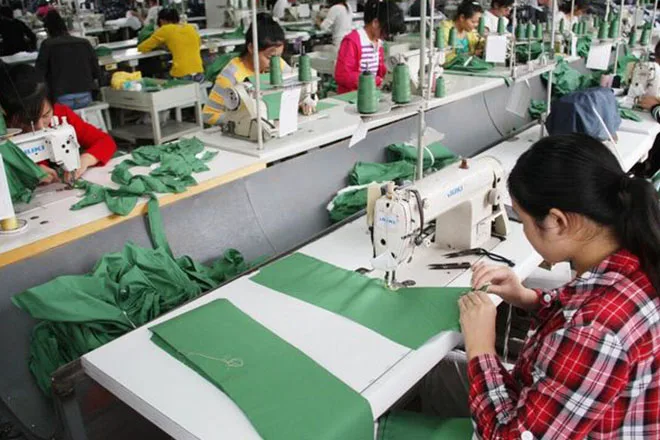
Dongguan Chenyue Clothing Co., Ltd.
- Manufacturer, Trading Company
- Guangdong, China
- Lead time20 days
- Avg. response≤ 2h
Main productsdress,T-shirt,blouses,sweater,pants
Main marketsOceania(30.0%), North America(20.0%), South America(20.0%), Southern Europe(10.0%), Northern Europe(10.0%), Eastern Europe(10.0%)

Dongguan Humen Hucai Garment Co., Ltd.
- Verified by TUVRHEINLAND
- Combined
- China Guangdong
- Lead time15 days
- Avg. response≤ 4h
Main productsSportswear, Yoga Pants, Sports Bra, T Shirt, Tank Top, Jogger Pants, Tracksuit, Hoodies, Shorts, Leggings
Main marketsAustralia,North America
Neijiang Binduo Trading Co., Ltd.
- Trading Company
- Sichuan, China
- Lead time0 days
- Avg. response≤ 5h
Main productsT-shirts,pants,Pajamas,underwear,bags
Main marketsNorth America(40.0%), Central America(25.0%), Southeast Asia(20.0%), South Asia(10.0%), Mid East(5.0%)
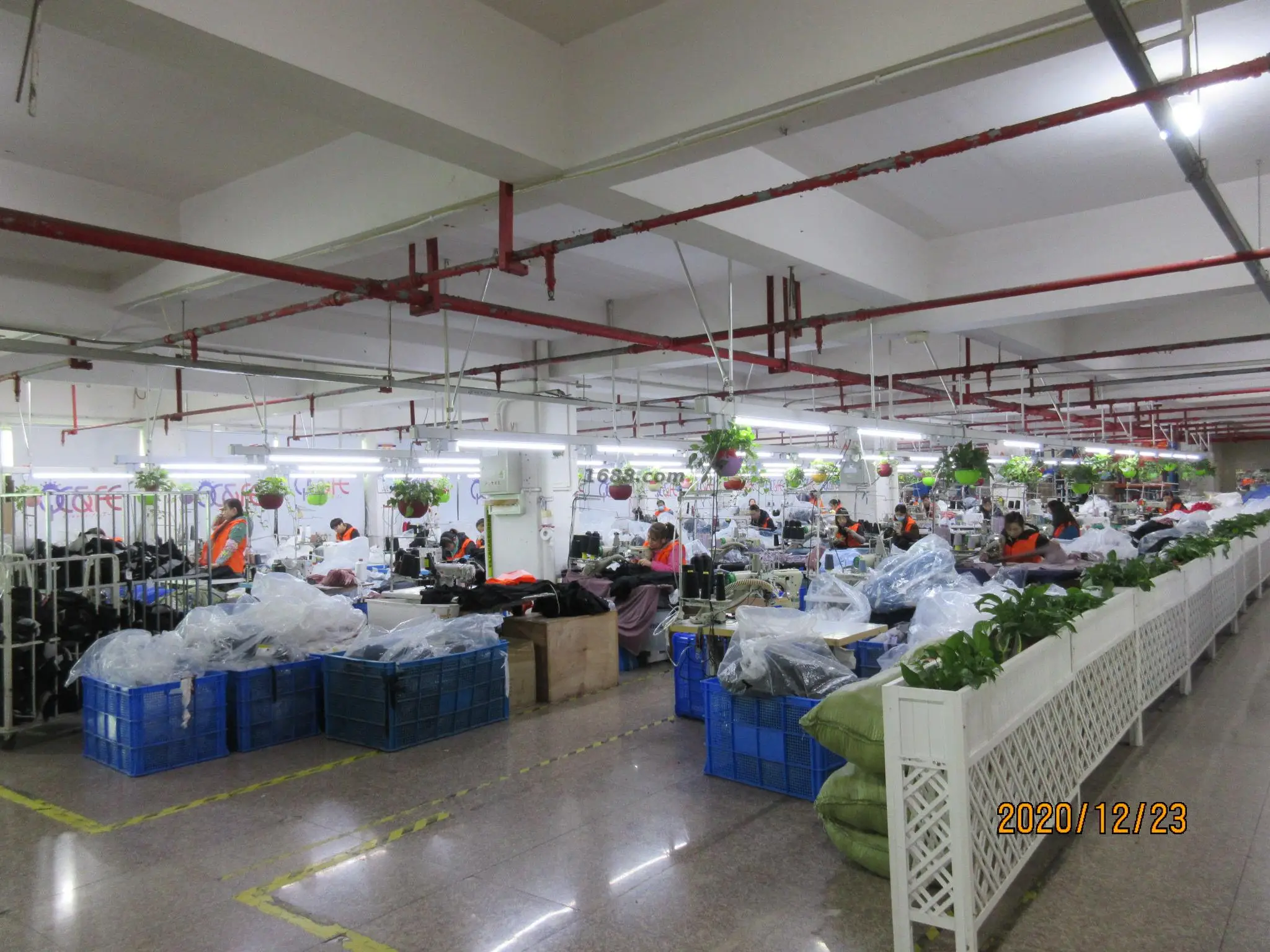
Guangzhou Yiga Trading Co., Ltd.
- Manufacturer, Trading Company
- Guang Dong, China
- Lead time15 days
- Avg. response≤ 2h
Main productsyoga wear,fitness wear,gym wear,sportswear,Cycling wear
Main marketsNorth America(50.0%), Northern Europe(10.0%), Western Europe(10.0%), Eastern Asia(10.0%), Oceania(10.0%), Eastern Europe(10.0%)

Xiamen Evaricky Trading Co., Ltd.
- Trading Company
- China Fujian
- Lead time15 days
- Avg. response≤ 4h
Main productsSports Wear, Gym Wear, Leggings, Sports Bra, Shorts, Yoga Set, Jackets, Tank Top, Tennis Wear
Main marketsEastern Europe,Mid East,North America,Oceania,Western Europe


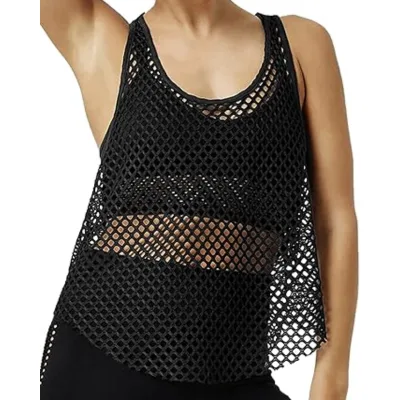
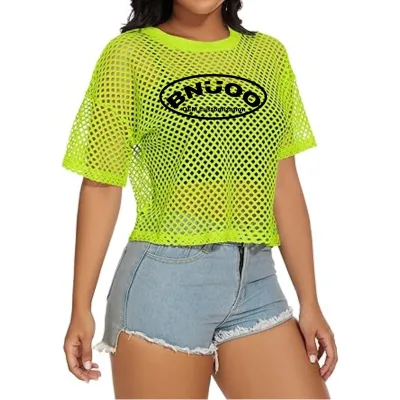


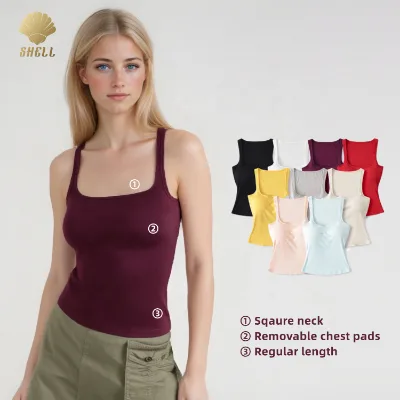
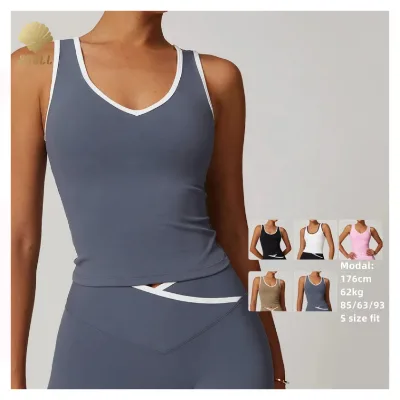
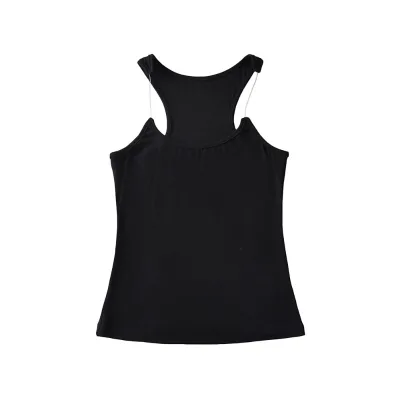
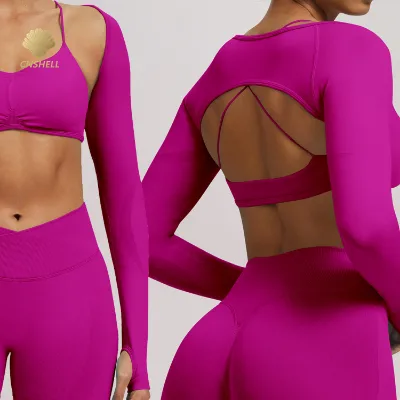
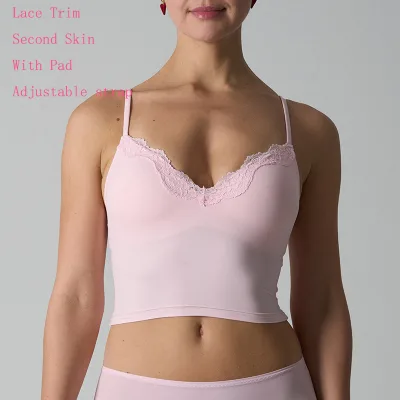



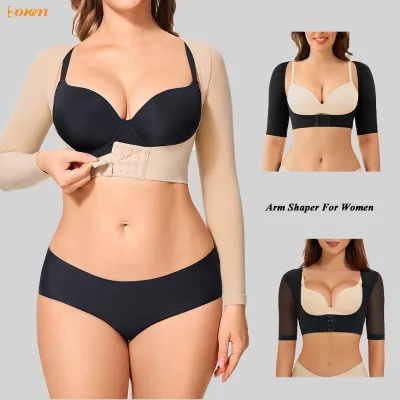


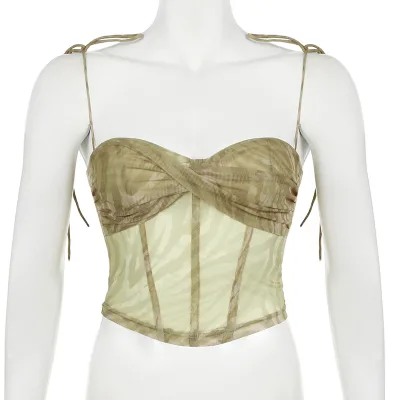
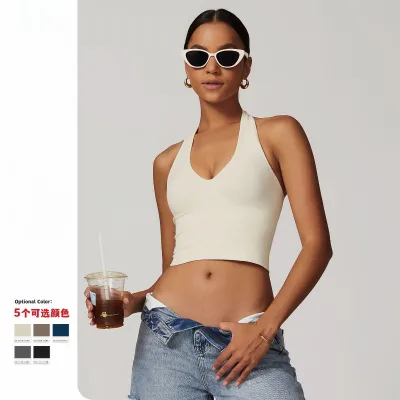
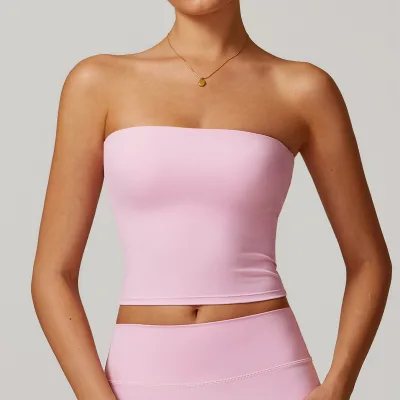


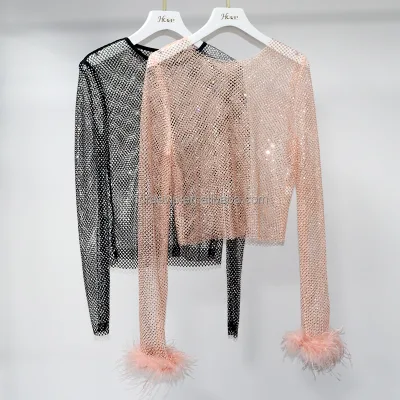
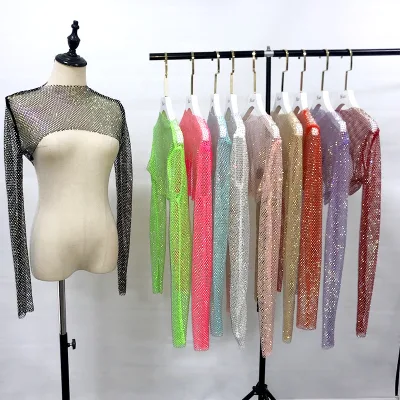
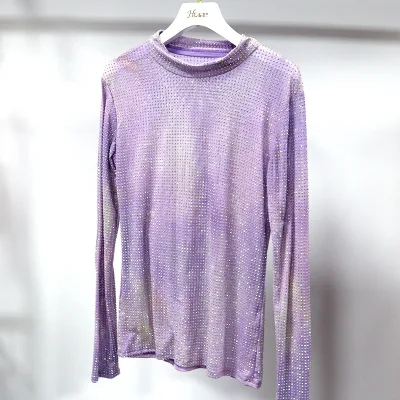
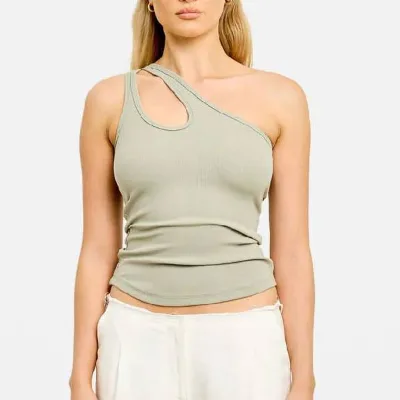
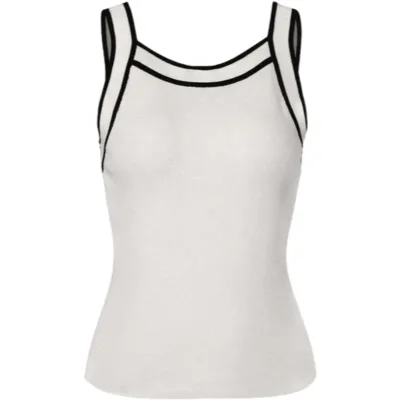





Comprehensive Sourcing Guide
Anti-Pilling Quick Dry Mesh Top Supplier Concentration and Factory Types
The available data indicates a concentration of suppliers in China, specifically within the Zhejiang province, which serves as a primary manufacturing hub for apparel and accessories. This region hosts a mix of company types, including trading companies and manufacturers, offering diverse capabilities for sourcing custom apparel items. Some entities operate with ODM (Original Design Manufacturer) capacity, allowing for significant customization of products like tank tops and sportswear, while others focus on trading activities. The presence of Zhejiang-based suppliers suggests a robust local supply chain for materials such as viscose, polyester, and cotton blends, which are essential for producing quick-dry and anti-pilling garments.
When evaluating factory types, buyers should distinguish between pure trading companies and those with direct manufacturing capabilities. The observed results show suppliers listing themselves as both manufacturers and trading companies, which can impact pricing and communication efficiency. A trading company may offer a broader range of products, including blazers, dress, and sportswear, whereas a manufacturer might specialize in specific production techniques like automated cutting. Buyers must verify the actual production capacity and whether the supplier manages the entire process from raw material sourcing to final packaging. Understanding this distinction is crucial for determining who controls the quality and timeline of the anti-pilling quick-dry mesh top production.
How to Verify Anti-Pilling Quick Dry Mesh Top Suppliers
Verification of supplier credentials is a critical step in ensuring product quality and business reliability. The current data highlights specific verification bodies such as SGS, TÜV Rheinland, and Intertek, which serve as third-party validations of a supplier's operational standards. Some suppliers display system certifications like ISO9001:2015 and ISO14001:2015, indicating adherence to quality and environmental management standards. Additionally, certifications such as CPSC-CH-E1001, REACH, and CE suggest compliance with international safety and chemical regulations, which are vital for apparel entering global markets. Buyers should request current certificates and cross-reference them with the issuing bodies to confirm their validity and scope.
Beyond certifications, response time and verification status provide immediate insights into supplier reliability. The observed response times vary, with some suppliers showing a response time of 1.54 hours and others at 8.97 hours, indicating differences in operational efficiency and customer service readiness. A faster response time often correlates with better communication channels and a more active sales team. Buyers should prioritize suppliers with verified statuses and prompt response metrics, as these factors reduce the risk of delays and misunderstandings during the sourcing process. It is also essential to check if the supplier has a history of successful transactions and positive feedback, which can be inferred from their verification badges and response metrics.
What to Compare Across Anti-Pilling Quick Dry Mesh Top Suppliers
Comparing suppliers requires a detailed analysis of key operational metrics such as lead time, minimum order quantity (MOQ), and pricing structures. The data reveals lead times ranging from 15 to 30 days, which directly impacts inventory planning and delivery schedules. MOQs also vary, with some suppliers requiring as few as 30 units while others set a threshold of 50 units. These differences can significantly affect the total cost of ownership, especially for small to medium-sized businesses. Buyers should calculate the cost per unit based on the MOQ and lead time to determine the most cost-effective option for their specific needs.
In addition to operational metrics, product attributes and customization options are vital comparison points. The available product evidence shows variations in materials, such as viscose, 100% polyester, and polyester/cotton blends, each offering different performance characteristics for quick-dry and anti-pilling properties. Customization availability is another key factor, with some suppliers offering custom logos and designs while others provide standard in-stock items. Buyers should evaluate the range of customization options, including fabric choices, color availability, and packaging standards, to ensure the final product meets their brand requirements. Comparing these attributes across multiple suppliers helps in selecting the best fit for the specific project goals.
Common Anti-Pilling Quick Dry Mesh Top Sourcing Risks
One of the primary risks in sourcing anti-pilling quick-dry mesh tops is the inconsistency in product quality and material specifications. The data indicates that while some products are described with features like anti-pilling and quick-dry, the actual material composition can vary, ranging from viscose to polyester blends. This variability can lead to discrepancies between the ordered specifications and the delivered goods, potentially affecting the performance and durability of the final product. Buyers must clearly define material requirements and request samples to verify that the supplier can consistently meet these standards before placing a large order.
Another significant risk involves the reliability of lead times and the potential for production delays. The observed lead times of 15 to 30 days suggest a range of production capacities, but external factors such as raw material shortages or logistical issues can extend these timelines. Suppliers with longer lead times may face higher risks of delays, which can disrupt the buyer's supply chain and inventory management. To mitigate this risk, buyers should establish clear communication channels and set realistic expectations regarding delivery dates. It is also advisable to include penalty clauses in contracts for late deliveries to protect against potential disruptions and ensure accountability from the supplier.
Anti-Pilling Quick Dry Mesh Top Regional Sourcing and Logistics
Sourcing from the identified region, specifically Zhejiang, China, offers logistical advantages due to its proximity to major ports like Ningbo. The data confirms that some suppliers list Ningbo as their FOB port, which simplifies the shipping process and reduces transit times to international destinations. This regional concentration allows for efficient consolidation of shipments, potentially lowering freight costs and improving supply chain visibility. Buyers should leverage this geographic advantage by coordinating with suppliers who have established logistics networks and experience in handling international exports.
However, regional sourcing also presents challenges related to customs regulations and import duties. Different countries have varying requirements for textile imports, including labeling, safety standards, and environmental compliance. Buyers must ensure that the supplier is aware of and compliant with the regulations of the destination market. Additionally, the choice of packaging, such as polybags or cartons, can impact the efficiency of customs clearance and the condition of the goods upon arrival. It is essential to discuss packaging standards and documentation requirements with the supplier to avoid delays at the border and ensure a smooth transition from the factory to the final destination.
Anti-Pilling Quick Dry Mesh Top Commercial Terms and Order Planning
Commercial terms and order planning are fundamental to a successful sourcing transaction, requiring careful attention to pricing, payment methods, and contract details. The observed price ranges for similar products vary from approximately $2.89 to $9.50 per unit, depending on the material, customization, and order volume. Buyers should negotiate based on these ranges, considering the total cost including shipping and duties, to ensure a competitive price point. It is also important to clarify payment terms, such as the use of escrow services, to protect both parties and ensure that funds are released only upon satisfactory delivery of the goods.
Order planning involves aligning production schedules with market demand to avoid stockouts or overstock situations. Given the lead times of 15 to 30 days, buyers should plan their orders well in advance, accounting for potential delays and seasonal fluctuations in demand. Establishing a clear timeline for sample approval, production, and shipping is crucial for maintaining a smooth workflow. Additionally, buyers should consider the scalability of the supplier's capacity to handle increased order volumes as the business grows. By integrating these commercial and planning elements, buyers can create a robust sourcing strategy that minimizes risks and maximizes efficiency in the procurement of anti-pilling quick-dry mesh tops.
FAQs
What does an Anti-Pilling Quick Dry Mesh Top typically cost?
Prices vary by fabric and construction, but comparable quick dry tops from Zhejiang suppliers list between roughly $2.89 and $9.50 per piece depending on material, MOQ, and customization. Polyester or polyester-spandex knit styles sit at the lower end, while viscose or cotton-blend tanks cost more. Request quotes with your fabric choice, logo placement, and order quantity for accurate pricing.
What is the usual MOQ for custom quick dry mesh tops?
MOQs on comparable tops are commonly low, with listed examples of 30 to 50 pieces per style. Stock quick dry sports tops in S-M-L-XL sizing often carry the 50-piece threshold, while customizable knit tank tops have shown 30-piece minimums. Confirm the MOQ for your specific fabric and customization level before sampling, since decorated or dyed styles can require more.
Which fabrics work best for anti pilling quick dry mesh tops?
Polyester and polyester-spandex blends are the most common choices, offering quick-drying, moisture-wicking, breathable performance for fitness and yoga wear. Polyester-cotton blends and viscose also appear in this category, with anti-pilling and anti-shrink features specified. For mesh panels, ask the supplier to confirm fabric composition, gram weight, and pilling test results on the exact fabric you select.
How long is the typical lead time for these tops?
Listed lead times among comparable Zhejiang suppliers range from about 15 to 30 days, with in-stock quick dry tops at the shorter end. Customized tops requiring logo printing, dyeing, or knit changes take longer, so confirm the timeline in writing before paying a deposit. Factor in extra days for sampling, quality inspection, and shipping from ports such as Ningbo.
Can suppliers add my logo and custom colors to mesh tops?
Yes, customization is widely available, with comparable tops explicitly accepting custom logos and offering multiple stock colors. Options typically include printed or woven logos, custom colorways, and size range adjustments across S-M-L-XL. Provide your artwork in vector format and request a pre-production sample to verify logo placement, print durability, and color accuracy before bulk production starts.
Are there in-stock options available for immediate purchase?
Some suppliers list quick dry sports tops as in-stock items, which shortens lead time and suits urgent restocking needs. Stock styles include pure-colour fitness and yoga tops in S-M-L-XL with automated cutting and custom logo options. In-stock goods limit your fabric and color choices, so weigh speed against full customization when planning your order.
What certifications should I verify when sourcing these tops?
Relevant credentials include REACH and CPS Compliance testing for EU and US markets, plus factory quality systems such as ISO9001:2015 and ISO14001:2015. Third-party verification from bodies like SGS, TUV Rheinland, or Intertek adds confidence in supplier legitimacy. Always request current certificate copies and match the certificate holder name to the company you are contracting with.
How fast do Zhejiang suppliers typically respond to inquiries?
Response times among comparable suppliers vary considerably, with some averaging under two hours and others taking around nine hours. Fast responders help you iterate on samples and resolve production issues quickly, which matters for seasonal apparel. Test responsiveness with a detailed first inquiry covering fabric, MOQ, and logo requirements, and prioritize suppliers who reply within one business day.