Source D Shape Roof Anchor for Construction, Industrial, and Maintenance
Compare 11 D Shape Roof Anchor options from Chinese manufacturers. Evaluate features like zinc plating, high strength steel construction, and customizable sizes for building safety applications. Review breaking strength, weight capacity, and surface treatment details to select the right anchor for your specific project requirements and ensure compliance with safety standards.
Updated
Key considerations
Products List
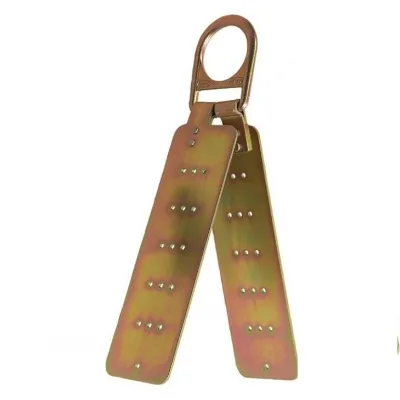
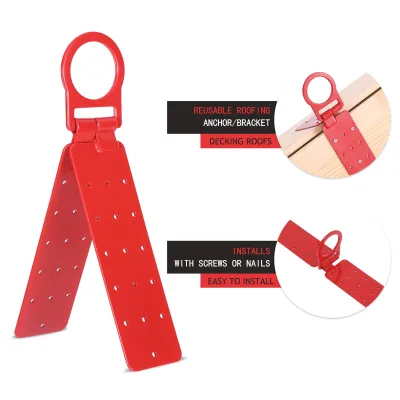

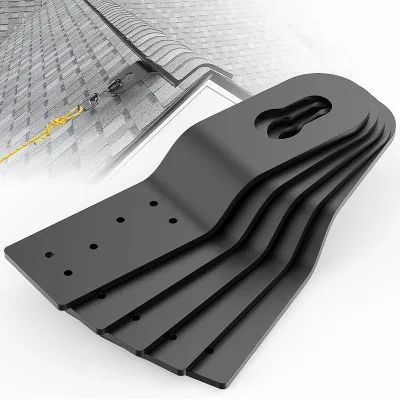
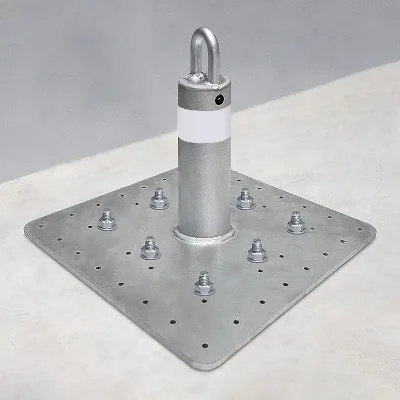
Comprehensive Sourcing Guide
D Shape Roof Anchor Sourcing Guide
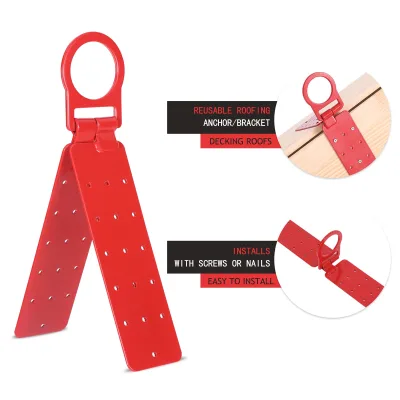
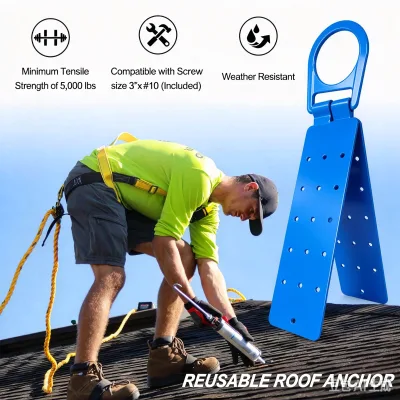
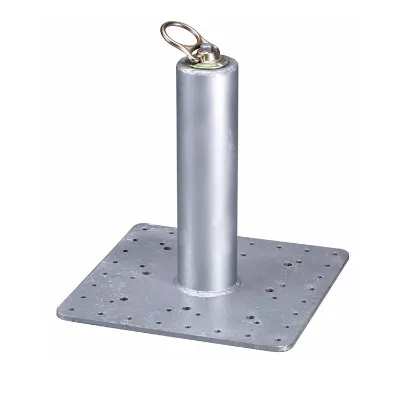
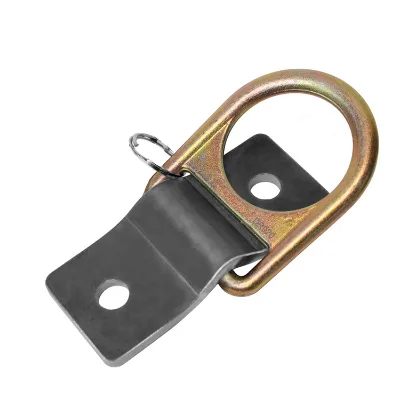
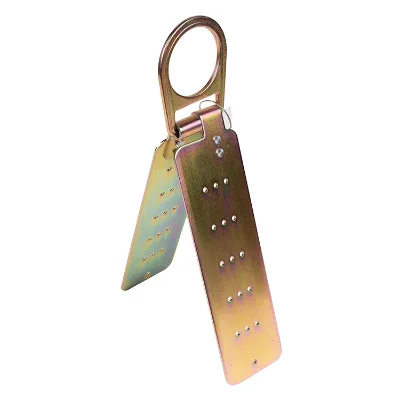
Procurement of d shape roof anchors requires careful attention to the specific structural requirements of the building site, as these devices serve as critical fall protection points for workers operating at heights. The observed market data indicates that these anchors are primarily designed for building applications, with manufacturers offering both fixed and adjustable configurations to suit diverse roof geometries. Buyers must distinguish between reusable units and permanent installations, noting that some listings specify a "Reusable Roof anchor" while others describe a "Stand" type configuration, which implies different installation methodologies and load distribution strategies.
The commercial landscape for these safety components reveals a wide variance in physical attributes, including weights ranging from 0.5 kg to 8.25 kg and package sizes that differ significantly based on the manufacturer's design philosophy. While some suppliers offer standard red units with a single gross weight of 3.0 kg, others provide customizable options where the color and logo can be tailored to corporate safety standards. This variability necessitates a rigorous review of the single package dimensions and gross weight to ensure that logistics planning aligns with the actual product specifications, preventing unexpected shipping costs or handling difficulties upon delivery.
Product Scope and Observed Listing Signals
The product scope for d shape roof anchors encompasses a variety of configurations, including models with specific model numbers like "Roof archor" and "BFL-2318," which suggest distinct engineering approaches to load bearing and attachment. Buyers should observe that the material composition is consistently identified as steel or steel metal alloy, ensuring the necessary durability for high-strength applications. The presence of features such as "High Strength" and "Forged" techniques indicates that these components are manufactured to withstand significant mechanical stress, which is essential for their role in preventing falls during construction and maintenance activities.
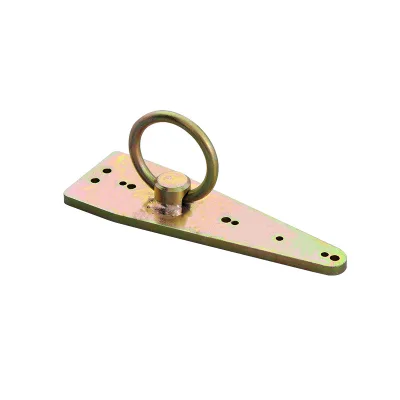
Listing signals also highlight the availability of customization, with some suppliers offering "Customized Sizes" and "Any color can be customized" options to meet specific project requirements. The observed data includes products with varying breaking strengths, such as a 500kg limit on one unit and a 4000lbs/18KN rating on another, which underscores the importance of matching the anchor's capacity to the specific safety plan of the job site. Additionally, the presence of D-rings, with some units featuring two steel D-rings, suggests that the design accommodates multiple attachment points or different types of lanyards, providing flexibility for workers in complex environments.
Technical Specifications to Verify
When verifying technical specifications, the breaking strength and load capacity are the most critical parameters to confirm against the intended use case. The market data presents a range of capacities, from 500kg to 4000lbs/18KN, meaning that a buyer must explicitly request the minimum breaking load for the specific unit being ordered to ensure it meets the safety factor required by local regulations. It is also essential to verify the type of anchorage, as listings distinguish between "roof anchor" and "Anchor Point," which may imply different mounting mechanisms or structural integration requirements that affect the overall stability of the fall protection system.
Dimensional accuracy and adjustability are equally vital, as the physical fit of the anchor determines its usability on various roof types. Some products are described as having "Fixed Length Adjustment" or "Non-Adjustable" lengths, while others offer "adjustable length" features, requiring the buyer to confirm the exact dimensions such as 68*66 or 45mm inner width to ensure compatibility with existing safety harnesses and lanyards. Furthermore, the surface treatment, often listed as "Zinc Plate" or simply "Yes," must be verified to guarantee corrosion resistance, especially for installations in outdoor environments where exposure to the elements could compromise the integrity of the steel components over time.
Compliance and Safety Documentation
Ensuring compliance with safety standards requires a thorough review of the documentation provided by the supplier, as the observed listings do not explicitly state specific international certification numbers. Buyers must request proof of testing that validates the claimed breaking strength and weight capacity, as these figures are critical for regulatory approval in many jurisdictions. The warranty period, observed as 5 Years in some listings, serves as an indicator of the manufacturer's confidence in their product, but it should be supported by a formal certificate of conformity that details the testing protocols used to verify the anchor's performance under load.
Safety documentation should also include clear instructions for installation and inspection, as the "Custom-made" nature of some standards implies that generic guidelines may not apply to every unit. The presence of a "Logo" customization option suggests that the product is intended for professional use where brand identification and traceability are important for safety audits. Buyers should verify that the supplier provides a detailed inspection checklist that covers the D-rings, buckles, and structural integrity of the anchor, ensuring that the equipment remains safe for use throughout its service life and that any signs of wear or damage are identified promptly.
Cost Drivers and Commercial Terms
The cost of d shape roof anchors is influenced by several factors, including the material quality, the complexity of the forging process, and the level of customization required. The observed price range of 3 to 30.28 USD suggests a significant variance based on the specific features and capacity of the unit, with higher-priced items likely offering superior load ratings or specialized coatings. Buyers should analyze the cost per unit against the minimum order quantity, which ranges from 50 to 1000 pieces, to determine the most economical purchasing strategy for their project scale.
Commercial terms such as packaging and shipping logistics also play a significant role in the total cost of ownership. The data indicates that products are shipped in "Carton Packing and Pallets," with single package sizes varying from 20x25x10 cm to 50x50x50 cm, which directly impacts freight charges and storage requirements. Additionally, the weight of the individual units, ranging from 1.26g to 8.25 kg, affects shipping costs and handling fees, making it essential for buyers to calculate the total landed cost including all logistics expenses before finalizing the procurement decision.
Supplier Qualification and Quality Control
Supplier qualification should focus on the manufacturing location and the consistency of their production processes, as the observed data lists origins in Hebei, Beijing, and Fujian, China. Buyers must verify that the supplier has a robust quality control system in place to ensure that every unit meets the specified material and strength requirements, particularly given the "Custom-made" nature of some standards. The presence of a brand name like "Guiyuanhe" or "Bofsafety" indicates established manufacturers, but buyers should still request evidence of their production capabilities and quality assurance protocols to mitigate the risk of receiving substandard products.
Quality control measures should include regular inspections of the forging process and surface treatment to ensure that the steel components are free from defects that could compromise safety. The "Forged" technique mentioned in the listings suggests a high level of structural integrity, but this must be validated through third-party testing or internal quality reports. Buyers should also assess the supplier's ability to provide consistent customization, such as logo placement and color matching, as these details are often critical for maintaining a professional safety image and ensuring that the equipment is easily identifiable on the job site.
Long-Term Procurement Checks
Long-term procurement checks involve establishing a relationship with suppliers who can provide consistent quality and support over the lifespan of the equipment. Given the 5-year warranty observed in some listings, buyers should ensure that the supplier has a clear policy for handling warranty claims and providing replacement units if defects arise. This long-term perspective is crucial for maintaining a safe working environment, as the reliability of the roof anchors is directly linked to the safety of the workers who rely on them for fall protection.
Regular audits of the supplier's inventory and production capacity are also necessary to ensure that the supply chain remains stable and that the buyer can replenish stock as needed. The variability in product attributes, such as weight and package size, means that buyers must maintain open communication with the supplier to confirm that future orders match the specifications of the initial purchase. By conducting these ongoing checks, buyers can ensure that their procurement strategy remains aligned with safety standards and operational needs, minimizing the risk of disruptions in their fall protection program.
FAQs
What is the breaking strength of the D Shape Roof Anchor?
The D Shape Roof Anchor features a breaking strength of 500kg. This capacity ensures reliable safety for building applications. The product is constructed from high-strength steel metal alloy. It includes a steel D-ring for secure attachment. The design supports fixed length adjustment for stable performance. This specification meets standard safety requirements for industrial use.
Can the D Shape Roof Anchor be customized for specific projects?
Yes, the D Shape Roof Anchor offers full customization options. Buyers can select customized sizes to fit specific building structures. The product allows for custom logos via laser and lettering. Any color can be customized to match project branding needs. The standard is custom-made to accommodate unique engineering demands. This flexibility ensures the anchor integrates seamlessly into various installations.
What is the minimum order quantity for d shape roof anchors?
The minimum order quantity for the D Shape Roof Anchor is 50 pieces. This MOQ applies to the standard reusable roof anchor model. Some variants may require up to 1000 pieces for bulk orders. The product is sold as a single item per unit. Packaging includes carton packing and pallets for secure shipping. This quantity supports both small projects and larger procurement needs.
Where are the d shape roof anchors manufactured?
The d shape roof anchors are manufactured in China. Specific production locations include Hebei, Beijing, and Fujian provinces. The products originate from these Chinese manufacturing hubs. This location ensures access to established steel processing facilities. The origin supports efficient logistics for global distribution. Buyers can verify the place of origin for compliance purposes.
What surface treatment is applied to the D Shape Roof Anchor?
The D Shape Roof Anchor undergoes zinc plate surface treatment. This process enhances corrosion resistance for long-term durability. The treatment is applied to the high-strength steel material. The product also features a forged technic for added strength. The surface treatment ensures the anchor withstands harsh environmental conditions. This protection is vital for building applications exposed to weather.
What is the warranty period for the D Shape Roof Anchor?
The D Shape Roof Anchor comes with a 5-year warranty. This coverage applies to the reusable roof anchor product. The warranty ensures reliability for building safety applications. The product is designed for long-term structural integrity. Buyers receive assurance regarding the quality of the steel metal. This warranty period reflects the manufacturer's confidence in the product.