Source Anti-Vibration Worker Gloves for Construction, Industrial, and Household Use
Find 30 anti-vibration worker gloves with features like foam latex coating, nitrile, and PVC options. Compare models MJ12 and BGAV002 for heat insulation, anti-static, and impact reducing applications across global markets; compare the available evidence and request quotations based on your requirements.
Updated
Key considerations
Products List


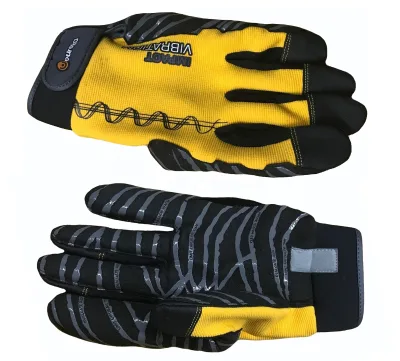
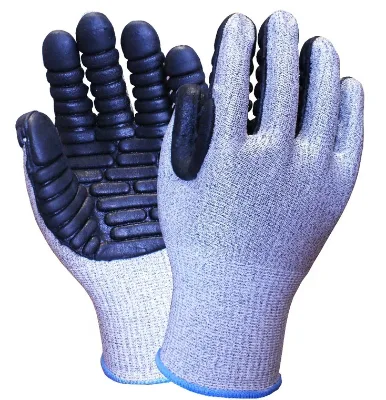
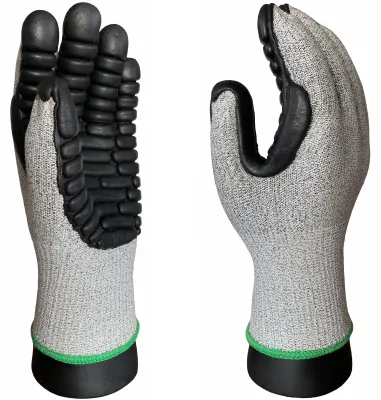
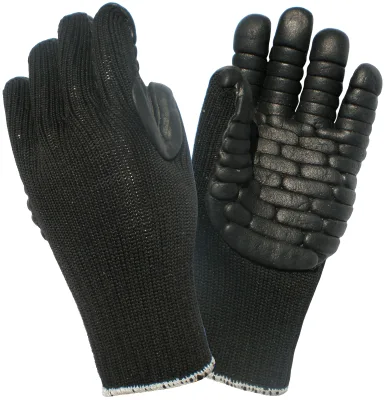
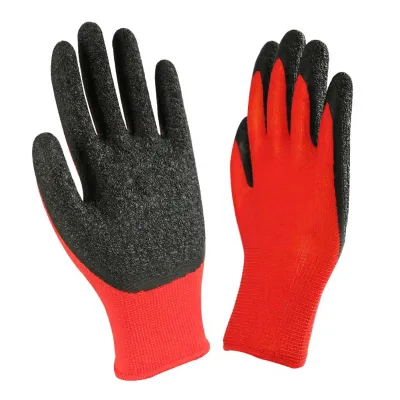
Anti Vibration Resistant Work Gloves Cut Proof 5 Grade HPPE Foam Latex
$2.9621 - $7.1778
MOQ: 30 pairs
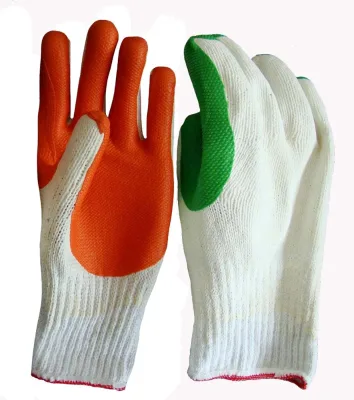


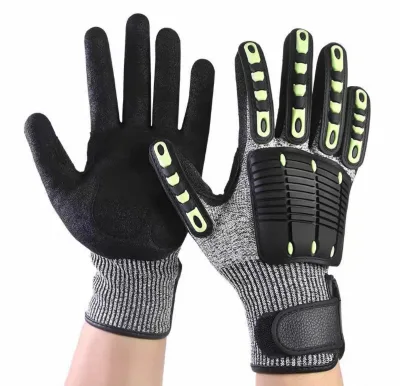
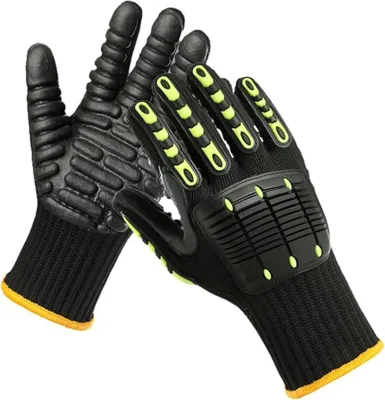
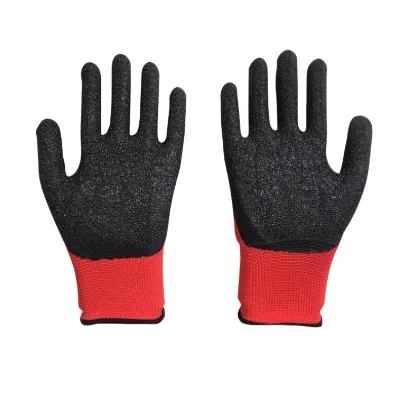
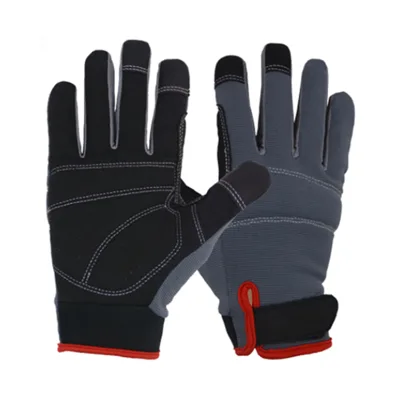
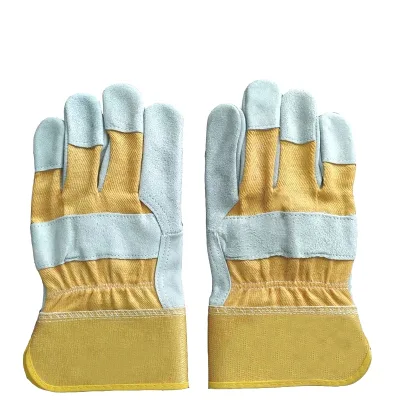
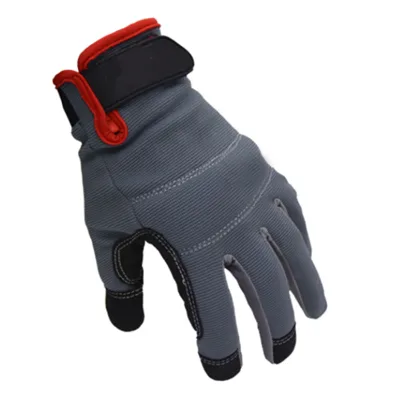
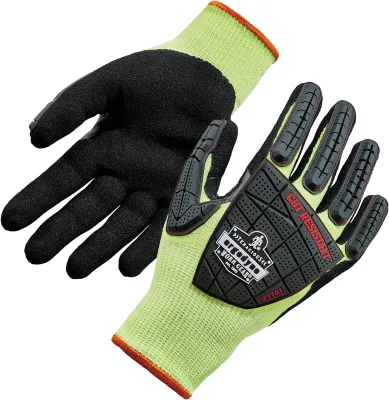
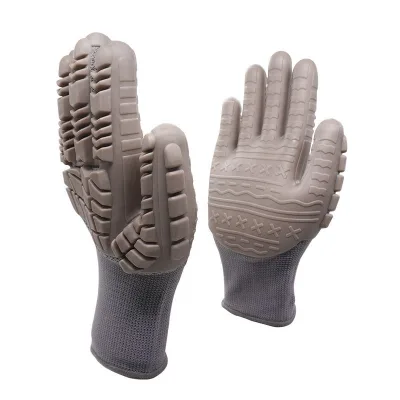
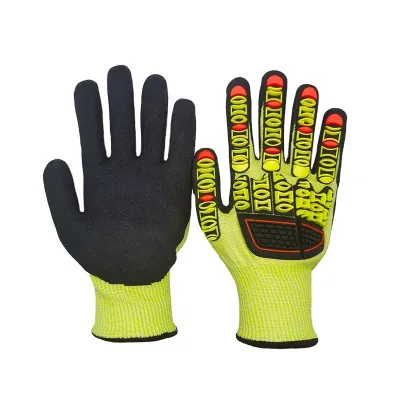
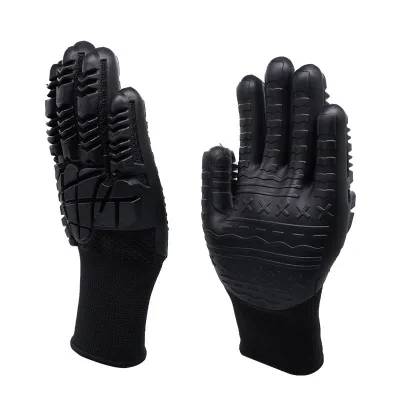
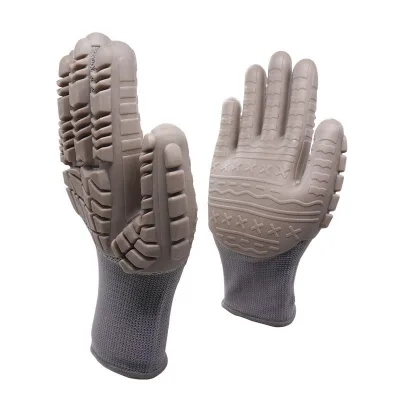
Comprehensive Sourcing Guide
Anti-Vibration Worker Gloves Sourcing Guide
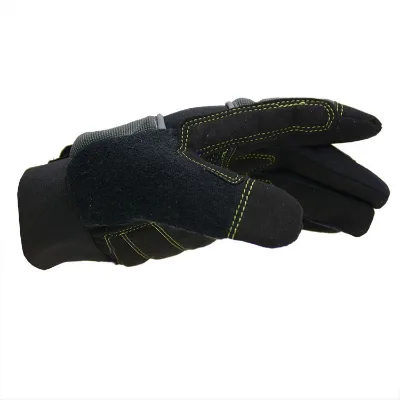
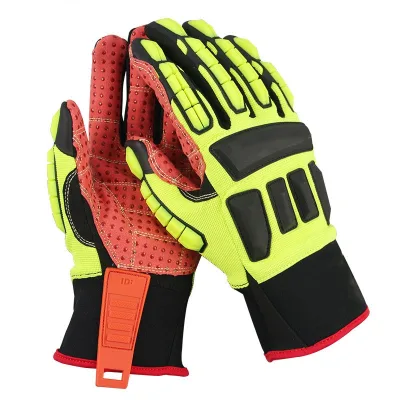
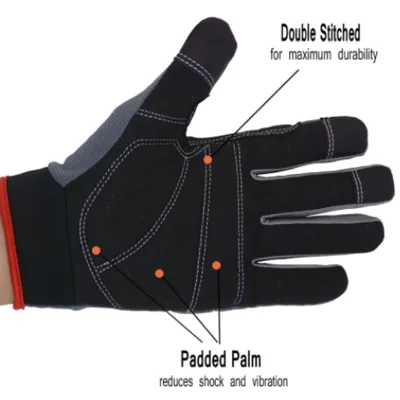
Procuring anti-vibration worker gloves requires a careful balance between ergonomic protection and operational durability. Buyers must first identify the specific vibration frequencies and impact risks present in their workflow, as these factors dictate the necessary material composition and coating technology. The observed market data indicates a diverse range of options, from nitrile and PVC-coated variants to foam fabric and latex blends, each offering distinct advantages in grip and damping capabilities. Understanding these material differences is crucial for selecting gloves that effectively mitigate hand-arm vibration syndrome while maintaining dexterity for precision tasks.
Commercial availability signals a broad spectrum of customization and sizing options, with models ranging from MJ12 to BGAV002, catering to various hand sizes from small to extra-large. Suppliers frequently offer customization services, allowing organizations to tailor cuff tightness, color, and packaging to their specific safety protocols and inventory management needs. This flexibility extends to origin locations, with major production hubs in Qingdao, Shanghai, and Zhejiang providing robust supply chains for global distribution. Buyers should leverage these observed attributes to align procurement strategies with their operational scale and specific ergonomic requirements.
Product Scope and Observed Listing Signals
The current market landscape for anti-vibration gloves reveals a wide variety of functional attributes designed to address different industrial challenges. Observed listings highlight key features such as vibration resistance, impact reduction, and general-purpose utility, indicating that these gloves serve multiple roles beyond simple hand protection. Materials like nitrile, PVC, rubber, and microfiber are commonly used for outer layers, often combined with nylon or cotton liners to enhance comfort and breathability. These material choices directly influence the glove’s performance in terms of heat insulation, anti-static properties, and scratch resistance, which are critical for workers in electrical or mechanical environments.
Listing signals also emphasize practical specifications such as thickness, length, and cuff design, which vary from thickened and tight-fitting to flimsy and loose styles. The presence of foam fabric coatings and black foam latex applications suggests a focus on enhancing grip and reducing vibration transmission through the palm and fingertips. Additionally, the availability of non-disposable, reusable gloves points to a preference for durable solutions that offer long-term value. Buyers should pay close attention to these observed signals to ensure that the selected gloves meet the specific physical demands of their workforce, balancing protection with comfort and longevity.
Technical Specifications to Verify
Verifying technical specifications is essential to ensure that the selected gloves provide adequate protection against vibration and other workplace hazards. Buyers should confirm the exact model numbers, such as MJ-Gloves or 401, and cross-reference them with the manufacturer’s technical data sheets to understand the specific damping coefficients and impact absorption rates. The thickness and length of the gloves are critical factors, as thicker materials generally offer better vibration isolation but may reduce dexterity. It is important to verify whether the gloves are designed for medium or specific hand sizes, ensuring a proper fit that does not compromise safety or comfort during extended use.
Coating coverage and material composition are another area requiring careful verification. Listings indicate coatings that cover the palm and fingertips, which are vital for maintaining grip in oily or wet conditions. Buyers should confirm the type of coating material, whether it is latex, nitrile, or foam fabric, and ensure it aligns with the chemical and physical demands of the work environment. Additionally, the cuff design, whether adjustable or fixed, should be evaluated for its ability to keep debris out and maintain a secure fit. These technical details must be validated through supplier documentation or sample testing to prevent mismatches between expected and actual performance.
Compliance and Safety Documentation
Compliance with international safety standards is a non-negotiable aspect of sourcing anti-vibration gloves, as these products directly impact worker health and regulatory adherence. Buyers must request and verify certificates such as CE marking, which indicates conformity with health, safety, and environmental protection standards for products sold within the European Economic Area. While standards like EN 388 and ISO 10819 are referenced in the broader context, buyers should confirm that the specific gloves they intend to purchase have been tested and certified against these benchmarks. This ensures that the gloves meet the required levels of abrasion, cut, tear, and puncture resistance, as well as vibration reduction performance.
Documentation should also include detailed test reports that outline the results of vibration damping tests, providing quantitative data on the gloves’ effectiveness. Buyers should ensure that the supplier can provide these reports upon request, as they serve as critical evidence of product quality and safety. Additionally, it is important to verify that the gloves are suitable for all seasons, as indicated in some listings, which suggests versatility in various environmental conditions. By rigorously checking compliance documentation, buyers can mitigate legal risks and ensure that their workforce is protected by products that meet recognized industry standards.
Cost Drivers and Commercial Terms
Understanding the cost drivers associated with anti-vibration gloves is crucial for effective budgeting and negotiation. The price range observed in the market, from $0.21 to $12.50 per unit, reflects significant variations in material quality, coating technology, and certification levels. Buyers should analyze these price differences to determine the value proposition of each option, considering factors such as durability, comfort, and protection level. The minimum order quantity (MOQ) ranges from 1 to 10,000 units, offering flexibility for both small-scale trials and large-volume procurement. Negotiating favorable terms based on volume can lead to substantial cost savings, especially for organizations with consistent glove consumption.
Packaging and logistics also play a role in the total cost of ownership. Listings indicate various packaging options, including boxes, cartons, and countons, which can affect storage efficiency and handling costs. Buyers should consider the single package size and gross weight, such as 2x15x1 cm and 0.200 kg, to optimize shipping and warehousing operations. Additionally, the brand name, whether BETTER or customized, may influence perceived value and pricing. By carefully evaluating these commercial terms, buyers can align their procurement strategy with their financial constraints and operational needs, ensuring cost-effective acquisition of high-quality protective equipment.
Supplier Qualification and Quality Control
Supplier qualification is a critical step in ensuring the reliability and consistency of anti-vibration glove supplies. Buyers should verify the supplier’s origin, with major production centers in China, including Qingdao, Shanghai, and Zhejiang, indicating a robust manufacturing base. It is important to assess the supplier’s production capacity, quality control processes, and ability to meet customization requests. Suppliers offering customized branding and packaging should be evaluated for their flexibility and attention to detail, as these factors can impact the final product’s suitability for specific workplace environments.
Quality control measures should include regular inspections of raw materials, production processes, and finished goods. Buyers should request samples to test the gloves’ fit, comfort, and protective features before placing large orders. Additionally, it is advisable to establish clear communication channels with suppliers to address any issues promptly and ensure continuous improvement. By conducting thorough supplier qualifications and implementing rigorous quality control checks, buyers can minimize the risk of receiving substandard products and ensure that their workforce is protected by reliable and effective anti-vibration gloves.
Long-Term Procurement Checks
Long-term procurement checks are essential for maintaining the quality and relevance of anti-vibration glove supplies over time. Buyers should regularly review supplier performance, including delivery times, product consistency, and responsiveness to issues. Establishing key performance indicators (KPIs) for these metrics can help identify potential problems early and facilitate corrective actions. Additionally, buyers should stay informed about advancements in glove technology and safety standards, ensuring that their procurement strategy remains aligned with industry best practices and regulatory requirements.
Feedback from end-users is another valuable tool for long-term procurement management. Regularly collecting input from workers regarding the comfort, durability, and effectiveness of the gloves can provide insights into areas for improvement. Buyers should also monitor market trends and competitor offerings to ensure they are getting the best value for their investment. By implementing a structured approach to long-term procurement checks, buyers can build a resilient supply chain that supports their operational needs and protects their workforce effectively over the long haul.
FAQs
What materials are used for anti-vibration worker gloves?
Anti-vibration worker gloves are constructed using materials such as nitrile, PVC, rubber, and foam fabric coatings. Some models feature liners made from nylon, cotton, latex, or micro fiber. These materials provide essential protection against vibration while ensuring durability and comfort during extended use in various industrial environments.
Which certifications do these gloves typically hold?
Many anti-vibration worker gloves carry the CE certification to ensure compliance with safety standards. While specific standards like EN388 or ISO 10819 are often referenced in the industry, the primary documented certification for these products is the CE mark, indicating they meet essential health and safety requirements for European markets.
Can these gloves be customized for specific needs?
Yes, customization is available for anti-vibration worker gloves to meet specific buyer requirements. Manufacturers offer options for different sizes, colors, and packaging types such as boxes or cartons. This flexibility allows businesses to tailor the product specifications to their unique operational needs and branding preferences without compromising on safety features.
How thick are the anti-vibration worker gloves?
The thickness of these gloves varies, with options ranging from thickened designs to flimsy constructions depending on the model. Specific models like the MJ12 or BGAV002 offer different thickness profiles to suit various tasks. Buyers should select the appropriate thickness based on the required level of protection and dexterity for their specific work environment.
What is the typical cuff tightness for these gloves?
Anti-vibration worker gloves come with either tight or loose cuff tightness options to ensure a secure fit. Some models feature adjustable cuffs to accommodate different wrist sizes comfortably. This design element helps prevent debris from entering the glove while maintaining flexibility and ease of movement for the wearer during daily tasks.
Where are these gloves manufactured?
These gloves are manufactured in several locations within China, including Qingdao, Shanghai, and Zhejiang. The origin of the product is consistently listed as China, with specific cities noted for different production batches. This centralized manufacturing base allows for efficient supply chain management and consistent quality control across various product lines.
What functions do these gloves provide?
These gloves provide multiple functions including anti-static, anti-scratch, and heat insulation properties. They are specifically designed to reduce vibration and impact, making them suitable for general purpose and anti-vibration applications. The combination of these features ensures comprehensive hand protection in demanding industrial settings where safety is paramount.