anti-wear marine diesel engine oil Suppliers and Manufacturers
Find 17 verified suppliers offering anti-wear marine diesel engine oil with ISO9001 and ISO14001 certifications. Compare response times, lead times, and MOQs to source synthetic or mineral options from China Tianjin and Henan. Request samples to verify viscosity grades and additive packages.
Updated
Suppliers List

LINGHANG PETROCHEMICAL(TIANJIN)CO.,LTD.
- Verified by CTI
- Combined
- China Tianjin
- Lead time23 days
- Avg. response≤ 7h
Main productsEngine Oil, Grease, Coolant, Brake Fluid, Transmission Oil, Hydraulic Oil
Main marketsDomestic,Europe
Tianjin Annuolida New Materials Technology Co., Ltd.
- Trading Company
- Tianjin, China
- Lead time15 days
- Avg. response≤ 1h
Main productsEngine oil,Lubricating oil,Lubricating grease,Petroleum coke,Charcoal
Main marketsNorth America(20.00%), Mid East(15.00%), Southeast Asia(10.00%), Eastern Europe(10.00%), South Asia(9.00%), Africa(6.00%), Western Europe(5.00%), South America(5.00%), Domestic Market(5.00%), Southern Europe(4.00%), Oceania(3.00%), Central America(3.00%), Eastern Asia(3.00%), Northern Europe(2.00%)

PUYANG XINYE SPECIAL LUBRICATING OIL AND GREASE CO.,LTD.
- Verified by TUVRHEINLAND
- Combined
- China Henan
- Lead time15 days
- Avg. response≤ 6h
Main productsGrease, Lubricating Oil, Construction Machinery Grease, Automobile Lubricating Grease, Industrial Lubricant, Calcium Grease, Lithium Grease, Special Grease, Hydraulic Oil, Engine Oil
Main marketsAfrica,Southeast Asia/ Mideast,Domestic

Anti-Wear and Pressure-Resistant Quality of Agricultural Diesel Engine Lubricating Oil
$1.80 - $2.60
MOQ: 1000 L


Mineral Engine Oil OEM Wholesale Factory Hot Selling Lubricating Oil, Motor Diesel Engine Oil
$1.55 - $1.85
MOQ: 2000 kg

Anhui Zhongtian Petrochemical Co., Ltd.
- Verified by TüVRheinland
- Manufacturer, Trading Company
- Lead time15 days
- Avg. response≤ 3h
Main productsLubricating Grease, Industrial Lubricating Oil, Automotive Lubricating Grease, Automotive Lubricating Oil
Main marketsSoutheast Asia(60%), North America(20%), Eastern Europe(20%)
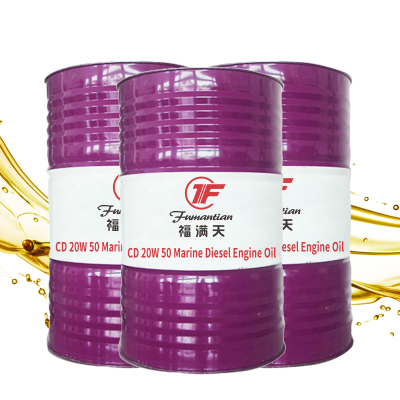
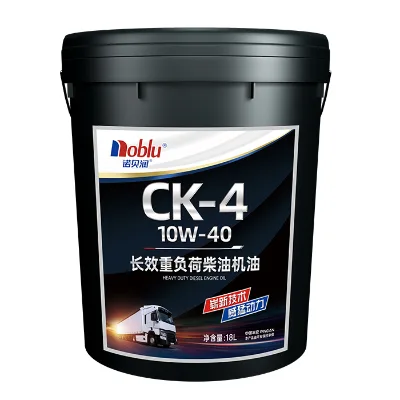
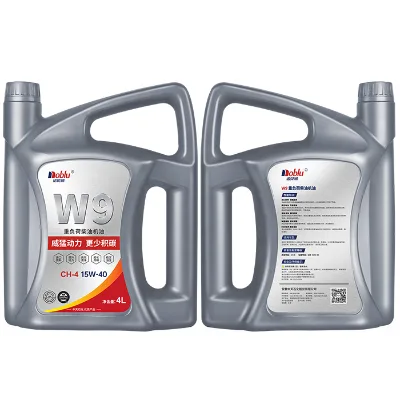
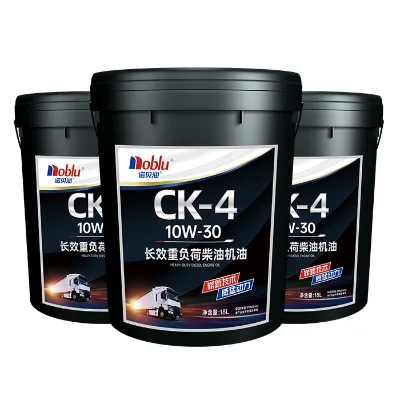
10w30 diesel Oil motorcraft 10w30 diesel Oil Industrial Heavy Duty diesel Oils
$2.2485 - $2.4537
MOQ: 15 kilograms
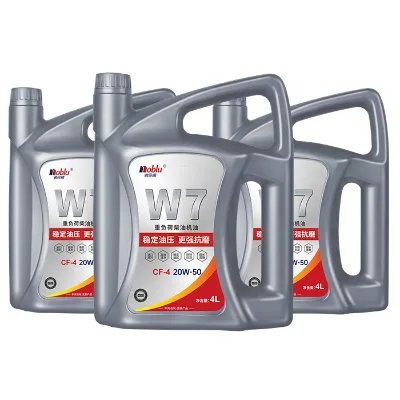
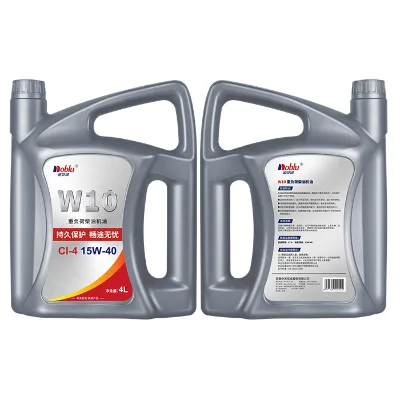
$2.4223 - $2.5766
MOQ: 15 kilograms

Petroking Petroleum Hebei Co., Ltd.
- Verified by CTI
- Trading Company
- China Hebei
- Lead time30 days
- Avg. response≤ 6h
Main productshydraulic oil
Main marketsSouth America,Southeast Asia/ Mideast

Low Price Anti-Wear Diesel Engine Oil Automotive Lubricants Lubricating Oil
$1.68 - $1.98
MOQ: 1500 kg

Low Price Diesel Engine Oil Mineral Oil Anti-Wear Lubricants Automotive Oil Motor Oil
$1.68 - $1.98
MOQ: 1500 kg


Lubrication Rust Prevention Rollester Accept 500ml-210L Lubricating Diesel Engine Oil
$1.50 - $3.00
MOQ: 1000 kg

Handan Jiashiduo Trading Co., Ltd.
- Verified by BV
- Trading Company
- China Hebei
- Lead time15 days
- Avg. response≤ 3h
Main marketsAfrica


Diesel Engines Corrosion Resistance Energy Efficient Heavy Duty Lubricating Oil
$1.40 - $1.60
MOQ: 1000 Pieces

Lubrication Diesel Engines Corrosion Resistance Heavy Duty Lubricating Oil
$1.40 - $1.60
MOQ: 1000 Pieces


Shandong Zhongneng Haijiang Energy Technology Co., Ltd.
- Verified by BV
- Manufacturer/Factory
- China Shandong
- Lead time0 days
- Avg. response≤ 2h
Main productsEngine Oil, Motorcycle Oil, Oil, Motor Oil
Dongguan Yuanyuandongli Lubrication Technology Co., Ltd.
- Verified by TüVRheinland
- Manufacturer, Trading Company
- Guangdong, China
- Lead time5 days
- Avg. response≤ 1h
Main productsMineral Oil, Lubricant, Isoparaffin, Dearomatic Solvent, Base Oil
Main marketsDomestic Market(60%), North America(20%), Southeast Asia(10%)
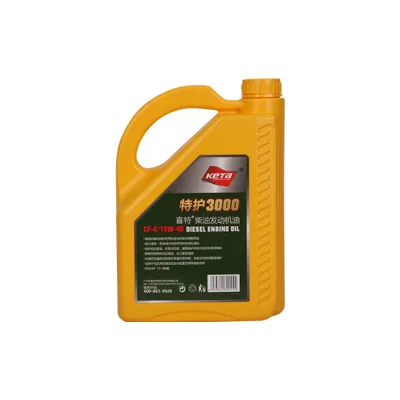
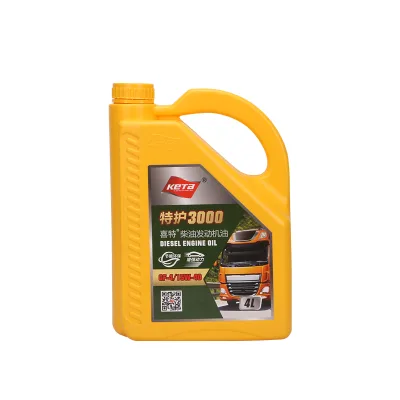
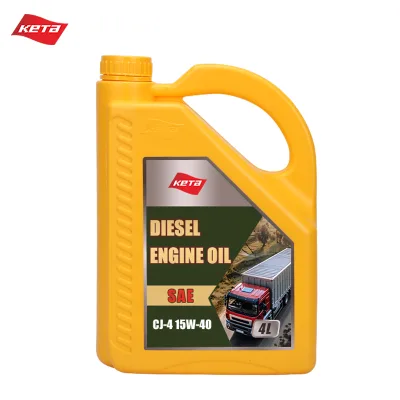
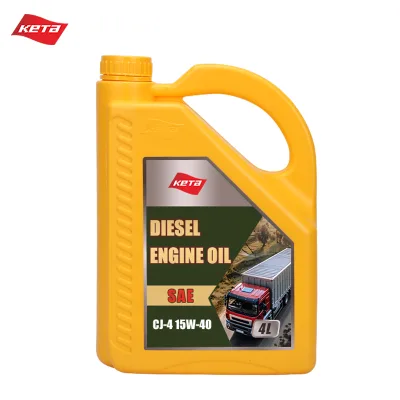
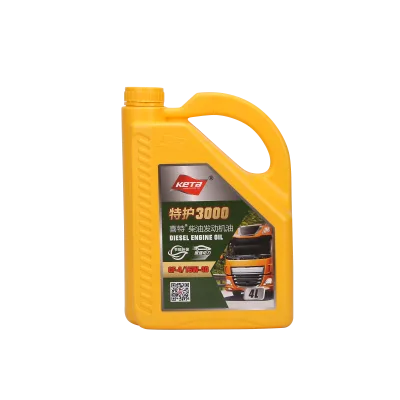
$2.0238 - $2.1466
MOQ: 13 kilograms

Henan Winall New Material Technology Co., Ltd.
- Trading Company
- Henan, China
- Lead time15 days
- Avg. response≤ 4h
Main productsengine oil,EP grease,brake oil,MP grease,hydraulic oil
Main marketsMid East(13.00%), Eastern Asia(12.00%), Africa(10.00%), Southeast Asia(10.00%), South Asia(10.00%), Domestic Market(5.00%), Eastern Europe(5.00%), Southern Europe(5.00%), Northern Europe(5.00%), Central America(5.00%), Western Europe(5.00%), South America(5.00%), North America(5.00%), Oceania(5.00%)
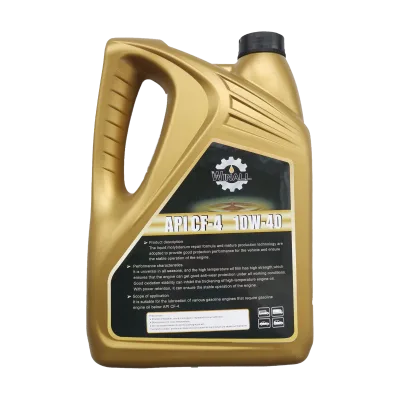
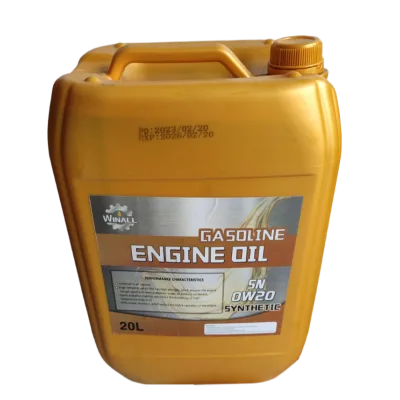
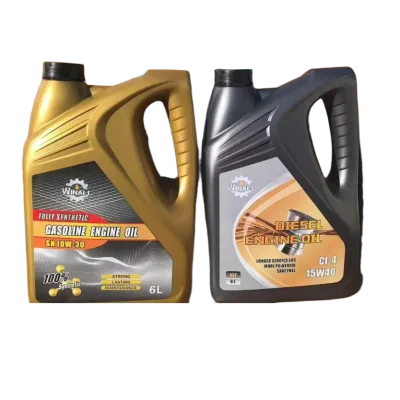
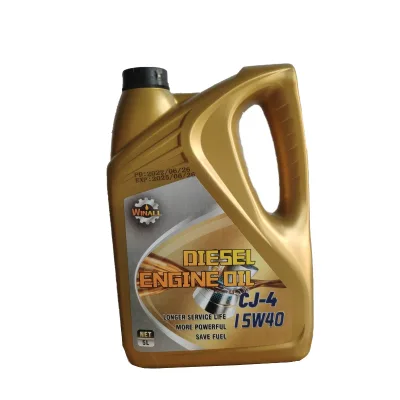
Engine Oil Marine Lubricant Blending Plant Bulk Engine Oil CH-4 CF-4 Diesel Engine Oil
$1.0336 - $5.1621
MOQ: 100 Minimum
- Manufacturer, Trading Company
- Guangdong, China
- Lead time7 days
- Avg. response≤ 18h
Main productslubricant,grease,heat conduction,hydraulic oil,gear oil
Main marketsDomestic Market(90.00%), Southeast Asia(6.00%), South America(2.00%), Africa(1.00%)

Dongguan Basite Energy Technology Co., Ltd.
- Verified by CTI
- Combined
- China Guangdong
- Lead time30 days
- Avg. response≤ 21h
Main productslubricant oil
Main marketsDomestic
Guangzhou Everblue Technology Co., Ltd.
- Verified by SGS Group
- Manufacturer, Trading Company
- Lead time7 days
- Avg. response≤ 1h
Main productsAdBlue (DEF, AUS40, Anticrystallization Urea Solution), Antifreezing Solution, car wash wax, AdBlue Dispensers, Diesel Transfer Fuel Pump
Main marketsDomestic Market(40%), Southeast Asia(15%), Africa(15%)
Fuji Group International holding Co., Limited
- Trading Company
- Hong Kong S.A.R.
- Lead time0 days
- Avg. response≤ 3h
Main productsCars motorcycles and accessories,Chemical engineering,Lubricating oil,Integrated circuit chip,container
Main marketsMid East(80.00%), Eastern Europe(50.00%), Domestic Market(40.00%), Northern Europe(30.00%), Southern Europe(21.00%), Eastern Asia(21.00%), Africa(19.00%), Western Europe(16.00%), Southeast Asia(15.00%), South America(15.00%), South Asia(14.00%), Central America(13.00%), Oceania(12.00%), North America(10.00%)
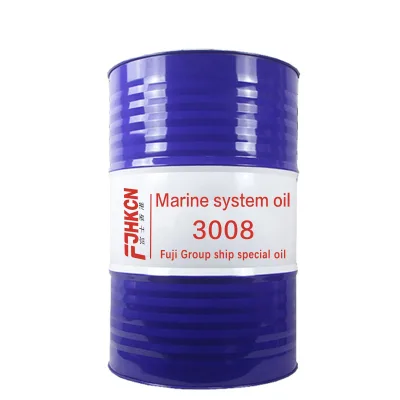
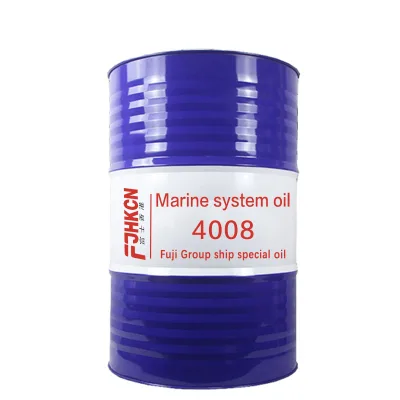
FJHKCN Marine System Oil 3008 Low Speed Two Stroke Diesel Engine Oil CN
$369.3694 - $380.6568
MOQ: 1 barrels
- Manufacturer, Trading Company
- Anhui, China
- Lead time15 days
- Avg. response≤ 1h
Main productsLubricating Oils And Greases,Grease
Main marketsAfrica(30.00%), Southeast Asia(20.00%), South America(15.00%), Mid East(15.00%), Eastern Asia(5.00%), Oceania(2.00%), Western Europe(2.00%), Southern Europe(2.00%), Central America(2.00%), Northern Europe(2.00%), Eastern Europe(2.00%), South Asia(1.00%), North America(1.00%), Domestic Market(1.00%)

Quanzhou Stutgar New Energy Technology Co., Ltd
- Verified by CTI
- Combined
- China Fujian
- Lead time60 days
- Avg. response≤ 5h
Main marketsSoutheast Asia/ Mideast

Premium Durable Lubrication Semisynthesis Diesel Engine Oil with Antiwear Additives
$33.90 - $34.30
MOQ: 300 Pail

High Grade 20L Wastfalen Lubrication Semisynthesis Antiwear Diesel Engine Oil
$33.90 - $34.30
MOQ: 300 Drum

G-Young International Trade (Tianjin) Co., Ltd.
- Verified by BV
- Manufacturer/Factory
- China Tianjin
- Lead time45 days
- Avg. response≤ 4h
Main productsTarpaulin, Diesel Engine Oil, Grease, Epoxy Resin, Motocycles
Main marketsSouth America,Eastern Europe,Mid East,North America,Southeast Asia,Eastern Asia,Oceania,Western Europe,Africa

$1.80 - $2.20
MOQ: 576 liters

Tieyunda Oil Suitable for Marine Diesel Engines, Resistant to Seawater Corrosion
$1.80 - $2.20
MOQ: 576 liters

Flysak Lubrication Technology (Guangdong) Co., Ltd.
- Verified by Intertek
- Manufacturer, Trading Company
- Lead time10 days
- Avg. response≤ 3h
Main productsMotorcycle Engine Oil, Gasoline Engine Oil, Diesel Engine Oil, Transmission Fluid, Hydraulic Oil
Main marketsSoutheast Asia(20%), Domestic Market(20%), South America(15%)
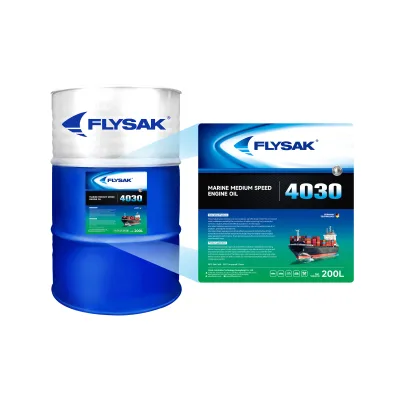
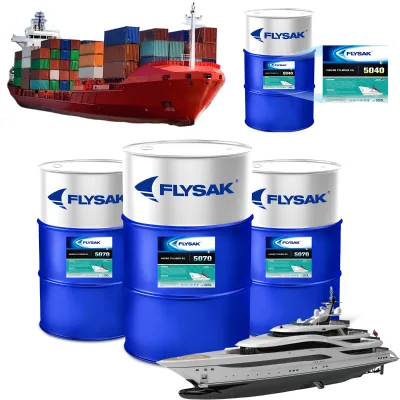
Flysak Medium Speed Marine Engine Oil 4030 200L(52.8 Gal) OEM Lubrication
$327.2576 - $328.2852
MOQ: 20 pieces






Comprehensive Sourcing Guide
Anti-Wear Marine Diesel Engine Oil Supplier Concentration and Factory Types
The current supplier landscape for anti-wear marine diesel engine oil reveals a distinct geographic and structural concentration that buyers must navigate carefully. Evidence indicates that a significant portion of available suppliers are located in China, with specific clusters identified in Tianjin and Henan provinces. These regions serve as primary hubs for the production and distribution of lubricants, including engine oils, greases, and hydraulic fluids. The presence of suppliers in Tianjin suggests a strong logistical advantage for maritime trade, given the port infrastructure, while Henan-based entities often focus on broader industrial lubricant applications. Understanding this geographic distribution is crucial for buyers seeking to align their sourcing strategy with regions that have established manufacturing ecosystems for petroleum-based products. The concentration in these areas implies that many suppliers may share similar supply chain networks, raw material sources, and logistical partners, which can influence both pricing stability and delivery consistency.
In terms of company structure, the market features a mix of combined manufacturing entities and pure trading companies. Some suppliers operate as combined firms, offering both Original Equipment Manufacturer (OEM) and Original Design Manufacturer (ODM) capabilities alongside their own branded products. This dual capability allows for greater flexibility in customization, enabling buyers to source private-label marine diesel engine oils with specific additive packages or viscosity grades tailored to marine engine requirements. Conversely, trading companies act as intermediaries, aggregating products from various factories to offer a wider catalog of lubricants, including engine oil, lubricating grease, and petroleum coke. While trading companies may not have direct manufacturing control, they often provide streamlined procurement processes and consolidated shipping options. Buyers should distinguish between these types to determine whether they require direct factory engagement for quality control or the convenience of a single-point procurement partner. The diversity in company types means that the level of technical support and customization flexibility will vary significantly across the supplier base.
How to Verify Anti-Wear Marine Diesel Engine Oil Suppliers
Verifying the legitimacy and capability of anti-wear marine diesel engine oil suppliers requires a multi-layered approach that goes beyond basic company profiles. One critical step is to examine the verification status provided by third-party inspection agencies. For instance, some suppliers in the current results are verified by CTI, while others hold verification from TÜV Rheinland. These verifications indicate that an independent body has assessed the supplier’s business license, factory premises, or quality management systems. Buyers should prioritize suppliers with robust third-party verification, as this reduces the risk of engaging with fraudulent entities. Additionally, checking for specific system certifications is essential. The presence of ISO9001:2015 and ISO14001:2015 certificates suggests that the supplier adheres to international standards for quality management and environmental management, respectively. For marine applications, compliance with API standards and potentially IATF16949 for automotive-grade components is also a strong indicator of manufacturing rigor. These certifications are not merely badges but evidence of a structured quality control process that is vital for producing reliable lubricants.
Beyond certifications, buyers should scrutinize the technical details provided in product listings to assess manufacturing competence. Detailed product attributes, such as base oil type, additive packages, and viscosity grades, offer insight into the supplier’s technical depth. For example, suppliers listing synthetic base oils and specific additives like viscosity index improvers and anti-wear agents demonstrate a capability to formulate high-performance marine diesel engine oils. Buyers should also look for evidence of customization capabilities, such as available OEM/ODM services or specific packing options like plastic pails and metal drums. Furthermore, verifying the origin of the product is crucial; some listings explicitly state the place of origin, such as Hebei or Tianjin, which can be cross-referenced with the supplier’s registered address. Buyers should request recent test reports or certificates of analysis for specific batches to ensure that the anti-wear properties and thermal stability meet marine engine specifications. This due diligence helps mitigate the risk of receiving substandard products that could lead to engine failure in critical marine operations.
What to Compare Across Anti-Wear Marine Diesel Engine Oil Suppliers
When evaluating multiple suppliers for anti-wear marine diesel engine oil, buyers must compare several key operational metrics to determine the best fit for their procurement needs. One of the most significant factors is the lead time, which varies considerably across the supplier base. Some suppliers offer a lead time of 15 days, while others may require up to 23 days or more. This difference can impact inventory planning and supply chain resilience, especially for buyers with tight delivery schedules. Additionally, the response time of the supplier is a critical indicator of their customer service quality. Suppliers with faster response times, such as those averaging under 7 hours, are likely more responsive to inquiries and issue resolution. Buyers should also compare the Minimum Order Quantity (MOQ) requirements, which can range from small trial orders of 1,000 units to larger bulk commitments. Understanding these thresholds helps buyers align their order sizes with their storage capacity and cash flow constraints.
Another vital aspect of comparison is the pricing structure and payment terms. Prices for anti-wear marine diesel engine oil can vary widely, with some listings showing ranges from $1.00 to $5.00 per unit, while others may quote higher prices for specialized formulations or larger packaging. Buyers should analyze the price per liter or per drum to ensure accurate cost comparisons. Furthermore, the availability of customization options, such as private labeling or specific additive packages, should be compared across suppliers. Some suppliers offer extensive customization, including different packing materials and volume sizes, which can be advantageous for branding and logistics optimization. Buyers should also assess the main product focus of each supplier; those specializing in a broad range of lubricants, including grease and hydraulic oil, may offer better bundle pricing or logistical efficiencies. By systematically comparing these dimensions, buyers can identify suppliers that offer the best balance of cost, speed, and service quality for their specific marine diesel engine oil requirements.
Common Anti-Wear Marine Diesel Engine Oil Sourcing Risks
Sourcing anti-wear marine diesel engine oil from international suppliers introduces several risks that buyers must actively manage to ensure product integrity and supply continuity. One primary risk is the variability in product quality and specification adherence. While suppliers may claim their products meet API standards or specific viscosity grades, there is a risk that the actual product may not perform as expected in marine engines, particularly under high-load or high-temperature conditions. This risk is exacerbated if the supplier lacks rigorous quality control processes or if the product is a generic formulation not specifically designed for marine applications. Buyers must be cautious of suppliers who provide vague product descriptions or lack detailed technical data sheets. Additionally, the risk of counterfeit or substandard additives is present, which can lead to increased engine wear, sludge formation, and premature oil degradation. To mitigate this, buyers should insist on third-party testing and verification of the product’s anti-wear properties and thermal stability before placing large orders.
Another significant risk is logistical and compliance-related issues, particularly concerning shipping and customs clearance. Marine diesel engine oils are classified as hazardous materials due to their flammability and chemical composition, which imposes strict regulations on transportation. Buyers must ensure that suppliers are experienced in handling hazardous cargo and can provide all necessary documentation, such as Material Safety Data Sheets (MSDS) and proper packaging certifications. Failure to comply with these regulations can result in shipment delays, fines, or rejection at the destination port. Furthermore, there is a risk of communication breakdowns or cultural misunderstandings that can lead to errors in order specifications or delivery instructions. Buyers should establish clear communication channels and confirm all details in writing. Additionally, the risk of supplier insolvency or operational disruptions, such as factory shutdowns or raw material shortages, can impact supply reliability. Buyers should diversify their supplier base and maintain safety stock to buffer against such disruptions, ensuring that their marine operations are not halted due to lubricant shortages.
Anti-Wear Marine Diesel Engine Oil Regional Sourcing and Logistics
The geographic location of suppliers plays a pivotal role in determining the logistics strategy and cost structure for sourcing anti-wear marine diesel engine oil. Suppliers located in Tianjin, China, benefit from proximity to major port facilities, which facilitates efficient export logistics and reduces inland transportation costs. This location advantage is particularly relevant for marine applications, as it aligns with the maritime trade routes and port infrastructure used for global distribution. Buyers sourcing from Tianjin-based suppliers may experience shorter transit times to key maritime hubs in Asia, Europe, and the Americas. Additionally, the presence of suppliers in Henan and Hebei provinces offers access to inland manufacturing centers, which may have different logistical considerations, such as reliance on rail or road transport to reach coastal ports. Understanding these regional dynamics allows buyers to optimize their shipping routes and negotiate more favorable freight terms.
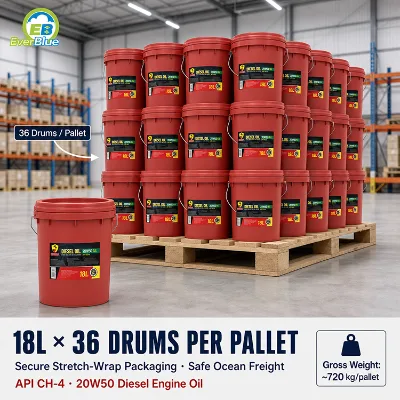
Logistics planning must also account for the packaging and handling requirements of marine diesel engine oil. Suppliers often offer various packaging options, including plastic pails, metal drums, and bulk containers, each with different logistical implications. For instance, metal drums provide robust protection during transit but may incur higher shipping costs due to weight, while plastic pails offer lighter alternatives suitable for smaller orders. Buyers should consider the single package size and gross weight when calculating freight costs and warehouse storage requirements. Furthermore, the lead time for production and shipping must be integrated into the overall logistics timeline. Suppliers with shorter lead times, such as 15 days, allow for more agile supply chain responses, while those with longer lead times require more advanced planning. Buyers should also evaluate the supplier’s experience in international shipping, including their ability to handle customs documentation and hazardous material regulations. By aligning regional sourcing choices with logistical capabilities, buyers can minimize transit risks and ensure timely delivery of anti-wear marine diesel engine oil to their operational sites.
Anti-Wear Marine Diesel Engine Oil Commercial Terms and Order Planning
Effective order planning for anti-wear marine diesel engine oil requires a thorough understanding of commercial terms, including pricing, payment conditions, and order flexibility. Buyers should carefully review the price ranges provided by suppliers, which can vary significantly based on product specifications, packaging, and order volume. For example, some suppliers offer competitive pricing for standard formulations, while others may charge premiums for specialized synthetic oils or custom additive packages. It is essential to clarify whether the quoted prices include shipping, insurance, and taxes, as these factors can substantially impact the total cost of ownership. Additionally, buyers should negotiate payment terms that align with their cash flow management, such as using secure payment methods like escrow to protect against non-delivery or quality disputes. Establishing clear commercial terms upfront helps prevent misunderstandings and ensures a smooth transaction process.
Order planning must also consider the Minimum Order Quantity (MOQ) and customization options offered by suppliers. Some suppliers have low MOQs, allowing buyers to test new products or manage inventory more flexibly, while others require larger bulk orders to achieve economies of scale. Buyers should assess their consumption rates and storage capacity to determine the optimal order size. Furthermore, the availability of customization services, such as private labeling or specific viscosity grades, should be factored into the planning process. Suppliers that offer ODM/OEM capabilities can provide tailored solutions that meet specific marine engine requirements, but these may involve longer lead times or higher costs. Buyers should also plan for potential supply chain disruptions by maintaining a buffer stock and identifying alternative suppliers. By integrating commercial terms and logistical considerations into a comprehensive order plan, buyers can optimize their procurement strategy, reduce costs, and ensure a reliable supply of anti-wear marine diesel engine oil for their marine operations.
FAQs
What certifications do suppliers hold?
Suppliers typically hold ISO9001:2015 and ISO14001:2015 certificates. Some also provide IATF16949 OEM Certification for specific engine oil lines. Verify these credentials directly with the supplier to ensure compliance with international quality and environmental standards for marine applications.
What is the minimum order quantity?
Minimum order quantities vary by supplier and product type. Some suppliers require a minimum of 1000 units, while others accept orders as low as one barrel or 18 liters. Check the specific product listing for the exact MOQ applicable to your purchase volume.
How long does delivery take?
Lead times generally range from 15 to 23 days depending on the supplier and order size. Some suppliers located in Tianjin or Hebei may offer faster turnaround times. Confirm the exact delivery schedule with the supplier before finalizing your purchase agreement.
What is the price range?
Prices for anti-wear diesel engine oil range from $1.00 to $8.00 per unit, depending on specifications and volume. Some premium products are priced between $140.00 and $180.00 per barrel. Request a detailed quote to determine the final cost for your specific requirements.
Where are the suppliers located?
Suppliers are primarily located in China, with specific facilities in Tianjin, Hebei, and Henan provinces. These regions are known for producing various lubricants and engine oils. You can filter search results by these locations to find suppliers closest to your shipping preferences.
What base oil types are available?
Available base oil types include synthetic oil and liquid mineral lubricants. Synthetic options offer superior thermal stability and oxidation resistance, while mineral oils provide cost-effective solutions. Select the base oil type that best matches your engine's operational requirements and performance expectations.
How quickly do suppliers respond?
Response times vary, with some suppliers replying within one day and others taking up to 6.61 days. Faster response times often indicate higher availability and customer service efficiency. Prioritize suppliers with quicker response rates to ensure timely communication throughout the sourcing process.