Automatic Commercial Fruit Juicer Suppliers and Manufacturers
Source Automatic Commercial Fruit Juicer units from 27 verified suppliers in China. Compare key dimensions including ISO certifications, lead times, and response speeds to identify the right partner. Contact suppliers directly to request quotes and verify production capabilities; review the available evidence before requesting comparable quotations from suitable candidates.
Updated
Suppliers List

Shanghai Benyoud Machinery Group Co., Ltd.
- Trading Company,Manufacturer/Factory
- China Shanghai
- Lead time60 days
- Avg. response≤ 18h
Main productsJuice Production Line, Milk Production Line, Yogurt Processing Plant, Juice Evaporator, Cheese Production Machines, Pasteurizer, Fruit Processing Line, Fruit and Vegetable Processing Plant, Date Processing Line, Orange Processing Line
Main marketsSouth America,Eastern Europe,Mid East,North America,Southeast Asia,Eastern Asia,Oceania,Western Europe,Africa


New design industrial vegetable juicer machine industrial fruit juicer machine
Negotiable
MOQ: 1 Pieces

Guangzhou Sunrry Kitchen Equipment Co., Ltd.
- Verified by CTI
- Trading Company,Manufacturer/Factory
- China Guangdong
- Lead time30 days
- Avg. response≤ 3h
Main productsCommercial Kitchen Solutions, Turnkey Kitchen Solutions, Catering Equipment, Restaurant Equipment, Commercial Refrigeration Equipment, Commercial Bakery Equipment, Commercial Cooking Equipment, Stainless Steel Equipment, Commercial Food Prep Equipment, Commercial Kitchen Equipment
Main marketsSouth America,Eastern Europe,Mid East,North America,Southeast Asia,Eastern Asia,Oceania,Western Europe,Africa


Commercial Automatic Stainless Steel Fresh Orange Fruit Juicer Machine
$175.00 - $194.00
MOQ: 1 Pieces


ZHE JIANG HORUS APPLIANCE CO., LTD.
- Verified by TUVRHEINLAND
- Manufacturer/Factory
- China Zhejiang
- Lead time0 days
- Avg. response≤ 9h
Main productsSausage Filler, Meat Grinder, Bone Saw Machine, Meat Slicer, Kebab Slicer, Spice Grinder, Flour Mill Machine, Juicer Machine, Planetray Mixer, Dough Mixer


High Quality Commercial Machine Juicer Orange Juicer Fruit Juicer Vegetable Juicer
$214.00
MOQ: 10 Pieces

Stainless Steel 370W 550W Commercial Orange Juicer Fruit Juicer Vegetable Juicer
$214.00
MOQ: 10 Pieces


Zhengzhou Angd Machinery Co., Ltd.
- Trading Company
- Henan, China
- Lead time20 days
- Avg. response≤ 5h
Main productsCake Display,Kitchen Refrigerator,stainless steel refrigerator,ice maker,baking oven
Main marketsNorth America(30.00%), Eastern Europe(15.00%), South America(15.00%), Domestic Market(10.00%), Western Europe(10.00%), Africa(10.00%), Mid East(5.00%), Oceania(5.00%)
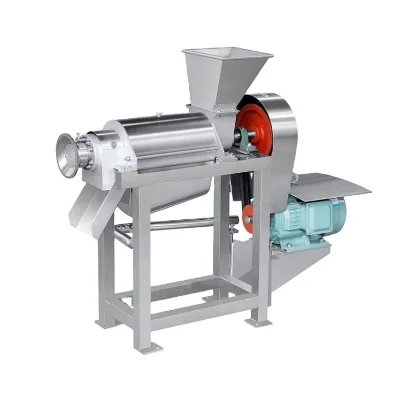
Commercial High Power Stainless Steel Fruit and Vegetable Juicer
$950.00 - $1080.00
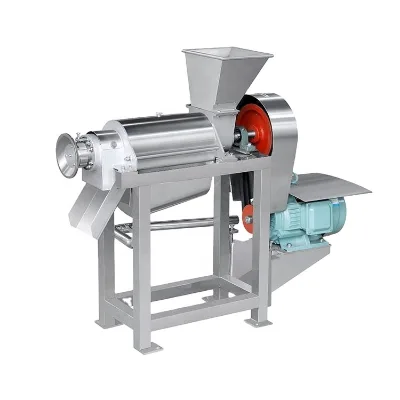
High Quality Screw Juice Extractor / Industrial Cold Press Juicer for Fruit and Vegetable
$950.00 - $1080.00
MOQ: 1 sets
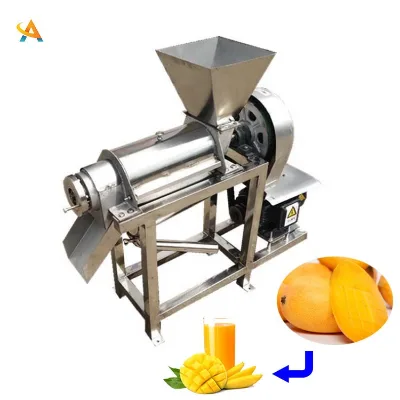
Industrial Factory Juicer Suitable for a Variety of Fruits and Vegetables
$950.00 - $1080.00
MOQ: 1 sets

- Verified by BV
- Trading Company,Manufacturer/Factory
- China Henan
- Lead time15 days
- Avg. response≤ 5h
Main productsOil Expeller, Oil Press Machine, Oil Refinery, Pellet Machine, Food Processing Machine, Animal Feed Machine, Packing Machine, Filling Machine, Briquette Machine, Brick Machine
Main marketsSouth America,Eastern Europe,Mid East,North America,Southeast Asia,Eastern Asia,Oceania,Western Europe,Africa

Changzhou Jinkun Food Machinery Co., Ltd.
- Verified by SGS
- Combined
- China Jiangsu
- Lead time15 days
- Avg. response≤ 3h
Main productsMeat Slicer, Bone Saw, Hamburger Press, Meat Mincer, Vegetable Cutter, Juicer Series, Meat Grinder, Sausage Machine, Machine Accessories
Main marketsSouth America,Europe
Xingtai Xiangwei Commercial Co., Ltd.
- Trading Company
- Hebei, China
- Lead time7 days
- Avg. response≤ 2h
Main productsDumpling Making Machine,Vegetable Cutting Machine,Meat Cutting Machine,Baozi Making machine,Vegetable Washing Machine
Main marketsNorthern Europe(12.00%), Oceania(11.00%), Eastern Asia(10.00%), North America(10.00%), South Asia(8.00%), Southern Europe(8.00%), Central America(8.00%), Western Europe(8.00%), Mid East(5.00%), Eastern Europe(5.00%), South America(5.00%), Domestic Market(5.00%), Southeast Asia(4.00%), Africa(1.00%)

Zhengzhou Shuogui Machinery Co., Ltd
- Verified by SGS
- Trading Company
- China Henan
- Lead time15 days
- Avg. response≤ 4h
Main productsFresh Noodle Machine, Ice Cream Machine, Ice Maker, Food Dryer, Fryer, Tortilla Maker, Pizza Oven, Meat Processing Machine
Main marketsSouth America,Southeast Asia/ Mideast,North America

Automatic Fruit/Vegetable Juice Extractor Machine Commercial Fruit Juicer for Fresh Fruit
$215.00 - $280.00
MOQ: 1 unit

Easy Operation Commercial Multi-Function Citrus/Lemon Juicer Machine Fruit Juicer for Sale
$215.00 - $280.00
MOQ: 1 unit
Henan Maggie Trading Co., Ltd.
- Trading Company
- Lead time旺季: "1 - 1":15,"2 - 5":20,"> 5":"To be negotiated", 淡季: "1 - 1":15,"2 - 5":20,"> 5":"To be negotiated"
- Avg. response≤ 1h
Main productsSnacks,meat,vegetables,and grain processing machinery,Vending machines and packaging machines
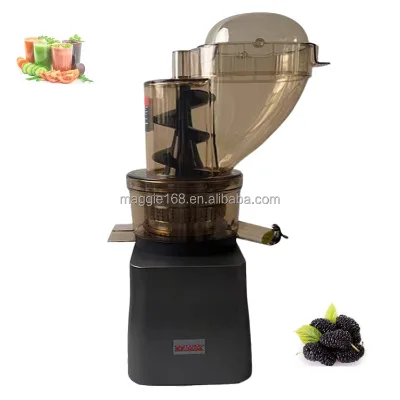
Commercial Use Juicer Orange Juicer Ginger Juicer Machine Spiral Juicer Stainless Steel Fruit Juicer
$512.6792 - $522.9328
MOQ: 1 sets
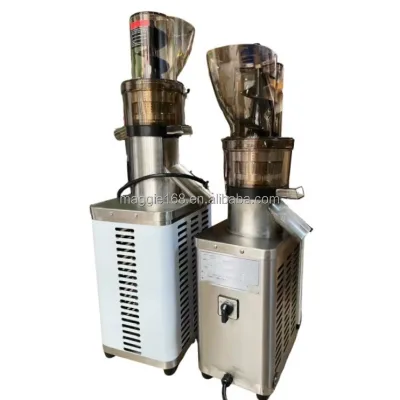
$879.9981 - $921.4103
MOQ: 1 sets
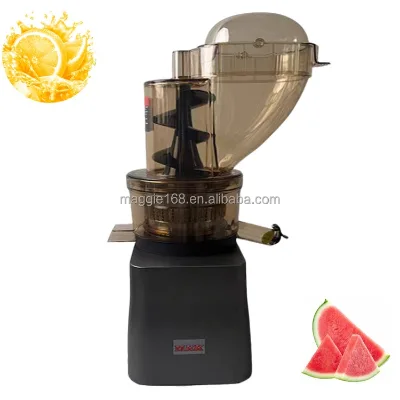
$500.00 - $510.00
MOQ: 1 sets
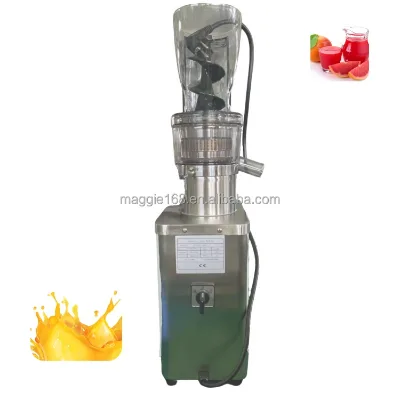
$871.5546 - $912.569
MOQ: 1 sets
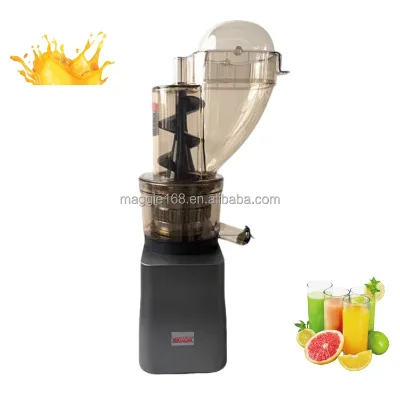
$512.6792 - $522.9328
MOQ: 1 sets
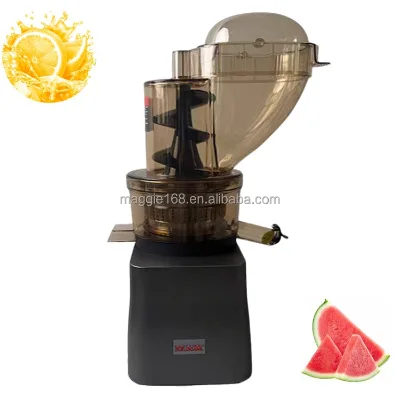
Noise Big Mouth 220V/600W Commercial Cold Press Automatic Slow Fruit or Vegetable Juicer Machine
$512.3276 - $522.5752
MOQ: 1 sets
LUOHE NINE LEMON IMPORT & EXPORT CO., LTD.
- Verified by SGS Group
- Trading Company
- Lead time15 days
- Avg. response≤ 8h
Main productsBread Production Line, Vegetable and Fruit Processing Equipment, Meat Processing Equipment, Bakery Equipment, Packing Solution
Main marketsMid East(30%), North America(20%), South America(10%)

Luohe Quality Mechanical Equipment Co., Ltd.
- Verified by SGS
- Manufacturer/Factory
- China Henan
- Lead time23 days
- Avg. response≤ 5h
Main productsJuice Extractor, Sausage Making Machine, Pita Bread Machine, Biscuit Making Machine
Main marketsSouth America,Eastern Europe,North America,Eastern Asia,Western Europe


High Quality Berry Juice Extractor/Professional Juice Extractor/Fruit Press Juicer
$1000.00 - $1500.00
MOQ: 1 Pieces

Guangzhou Nantian Sources Co., Ltd.
- Manufacturer/Factory
- China Guangdong
- Lead time15 days
- Avg. response≤ 6h
Main productsKitchen Equipment, Kitchenware, Food Machine, Kitchen Appliance, Glassware, Food Machinery, Bakery Equipment, Dinnerware, Kitchen Utensils, Food Processor
Main marketsSouth America,Mid East,Southeast Asia,Eastern Asia,Oceania,Africa

Guangdong Shenghui Machinery Co., Ltd
- Verified by TUVRHEINLAND
- Combined
- China Guangdong
- Lead time23 days
- Avg. response≤ 9h
Main productsFood Machine, Vegetable Cutting Machine, Vegetable Washing Machine, Fruit Cleaning Machine, Bone Sawing Machine, Grinding Machine, Peeling Machine, Packing Machine, Fish Skinning Machine, Fish Extraction Machine
Main marketsSoutheast Asia/ Mideast,Domestic


Commercial Passion Fruit Crushing Machine Fruit Juicer Fruit Juicing Machine
$19850.00 - $20300.00
MOQ: 1 pc

Commercial Passion Fruit Juice Processing Equipment Fruit Juicer Food Equipment
$19850.00 - $20300.00
MOQ: 1 pc

Commercial Passion Fruit Juicer Fruit Juice Making Equipment Mango Juice Maker Food Machinery
$19850.00 - $20300.00
MOQ: 1 pc


Henan Efficient Machinery CO., LTD
- Verified by BV
- Trading Company
- China Henan
- Lead time15 days
- Avg. response≤ 5h
Main productsPlastic Recycling Machinery, Woodworking Machinery, Charcoal Machinery, Food Machinery, Agricultural Machinery, Packaging Machinery, Metal Baler, Egg Tray Making Machinery
Main marketsAfrica

Commercial Automatic Fruit Juicer / Industrial Professional Juicer/Orange Juicer
$5900.00 - $6600.00
MOQ: 1 Pieces


Henan Topp Machinery Co., Ltd.
- Verified by BV
- Trading Company,Manufacturer/Factory
- China Henan
- Lead time23 days
- Avg. response≤ 2h
Main productsFruit Juicing Machine, Fruit Stone Extractor, Fruit and Vegetable Peeling Machine, Fruit Sorting Machine, Snack Machinery, Soft Ice Cream Machine, Peanut Brittle Machine, Donut Making Machine, Candy Cane Production Line, Cookies Making Machine
Main marketsSouth America,Eastern Europe,Mid East,North America,Southeast Asia,Eastern Asia,Oceania,Western Europe,Africa
Luohe Langrui Electromechanical Equipment Co., Ltd.
- Verified by TüVRheinland
- Trading Company
- Lead time15 days
- Avg. response≤ 2h
Main productsFruit And Vegetable Processing Equipment, Meat Processing Machinery, Nut Processing Machinery, Snack Processing Machinery, Packaging Machinery
Main marketsAfrica(25%), North America(20%), Southeast Asia(18%)
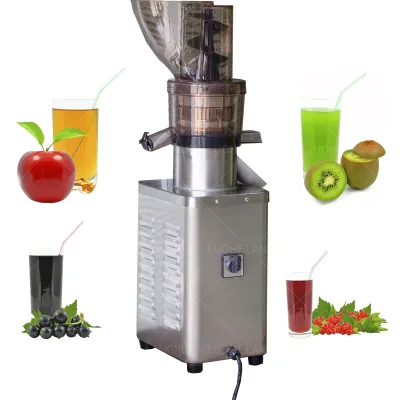
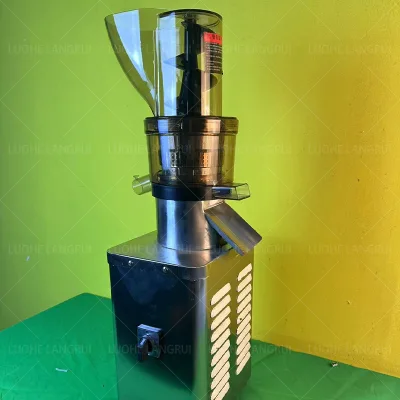
$362.6035 - $393.6844
MOQ: 1 pieces
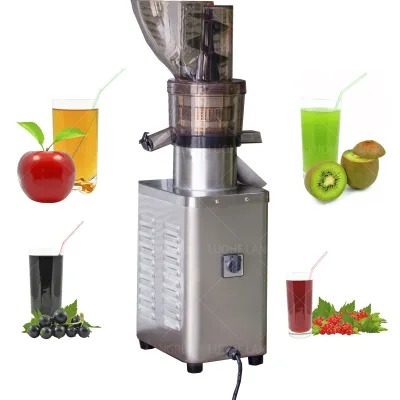
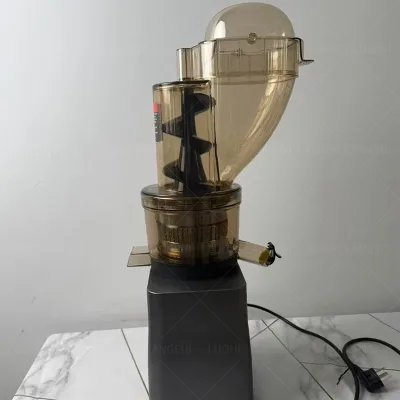
$338.00 - $568.00
MOQ: 1 Minimum
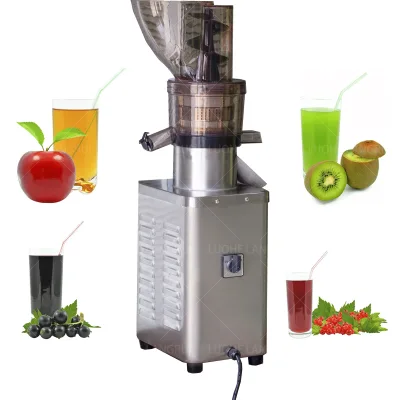
$362.6035 - $393.6844
MOQ: 1 pieces
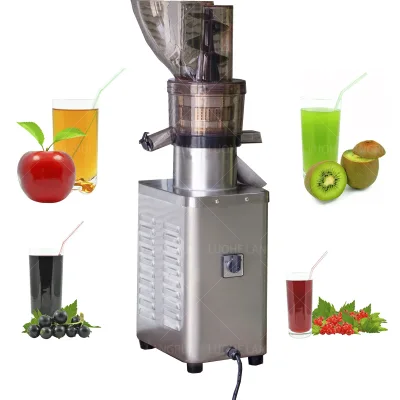
Commercial Juicer, Large-bore Non-clogging Juicer, Continuous Operation, High-power Original Juicer
$362.6035 - $393.6844
MOQ: 1 pieces
Zhongshan Junguo Electrical Appliances Co., Ltd.
- Manufacturer
- Guangdong, China
- Lead time35 days
- Avg. response≤ 9h
Main productsBlender,Meat Chopper,Juice Extractor,Hand-held Mixer,Juicer
Main marketsWestern Europe(20.00%), Mid East(20.00%), Southeast Asia(17.00%), South America(15.00%), North America(15.00%), South Asia(5.00%), Eastern Asia(5.00%), Eastern Europe(3.00%)
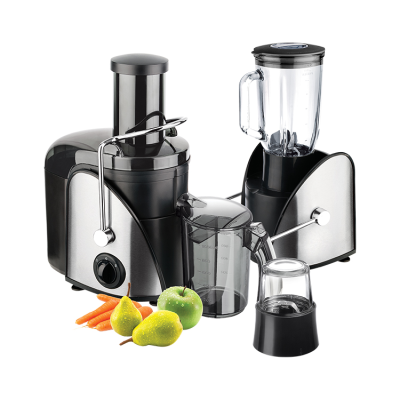
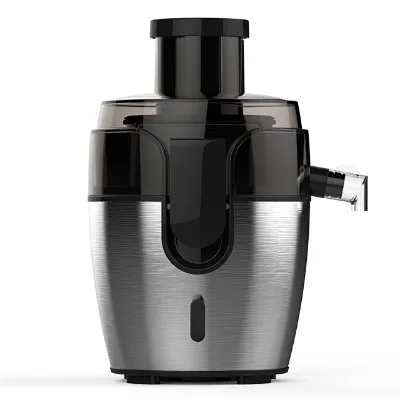
Industrial New Design High Quality Electric Multi-function apple Automatic Fruit Juicer
$15.0124 - $25.8823
MOQ: 1000 pieces
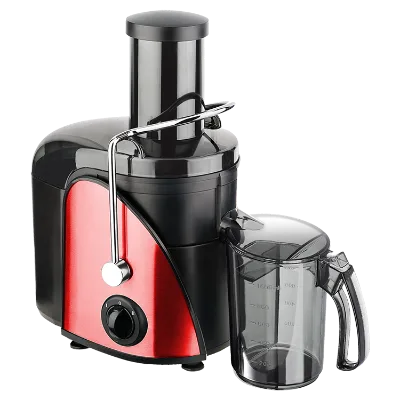
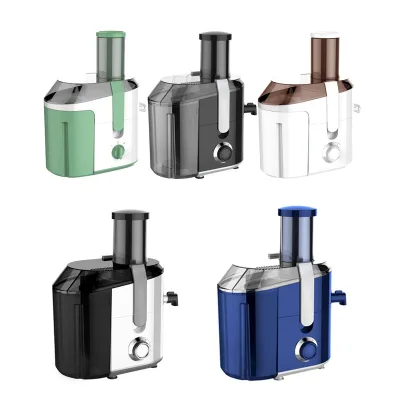
$18.1181 - $19.4645
MOQ: 2 pieces
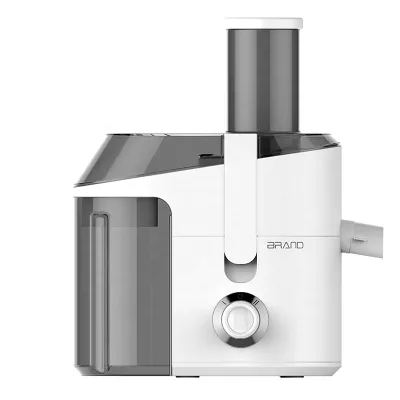
Hot Sale Good Quality Juicer the New Centrifugal Slow Orange Juicer Electric Blenders and Juicers
$18.3425 - $19.4689
MOQ: 700 pieces

Suzhou Highbright Enterprise Limited
- Combined
- China Jiangsu
- Lead time30 days
- Avg. response≤ 5h
Main productsShopping Trolley, Shopping Cart, Gondola Shelf, Display Shelf, Shop Fittings, Store Fixtures, Roll Container, Shopping Basket, Checkout Counter, Swing Gate
Main marketsSouth America,Africa,Southeast Asia/ Mideast,East Asia(Japan/ South Korea),Europe,Australia,North America

Henan Smile Technology Industrial Co., Ltd.
- Verified by SGS
- Trading Company,Manufacturer/Factory
- China Henan
- Lead time0 days
- Avg. response≤ 8h
Main productsBaking Oven, Industrial Mixer, Laboratory Equipment, Bakery Equipment, Bakery Processor, Kitchen Equipment, Refrigeration Series, Fast Food Equipment, Juicer Extractor Machine

Henan Xiwang Machinery Equipment Co., Ltd.
- Verified by SGS
- Trading Company
- China Henan
- Lead time23 days
- Avg. response≤ 4h
Main productsFood Machinery, Industrial Machinery, Commerical Equipment, Packaging Machinery, Agricultural Machinery, Snacks Machinery, Biscuit Machinery, Water/Beverage Production Line, Dairy Production Line, Packing Machine
Main marketsAfrica,Southeast Asia/ Mideast,Europe


Commercial Quality Juice Machine for Fresh Fruit and Vegetables Juicing
$1860.00 - $2820.00
MOQ: 1 Pieces
Cixi Lotek Electrical Appliance Co., Ltd.
- Manufacturer, Trading Company
- Lead time旺季: "1 - 2000":45,"> 2000":"To be negotiated", 淡季: "1 - 2000":45,"> 2000":"To be negotiated"
- Avg. response≤ 2h
Main productsHand Blender, Meat Grinder, Food Processor, Table Blender, Juicers
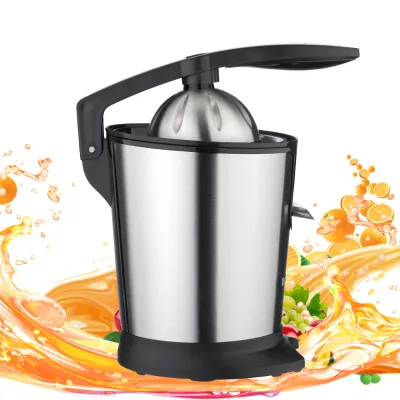
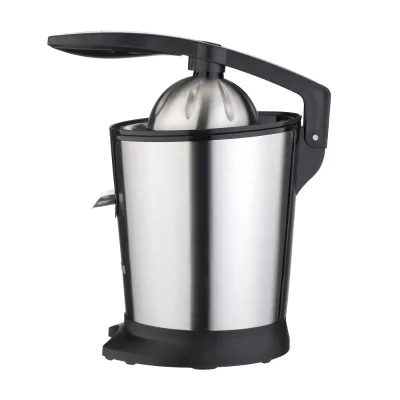
One Button Easy Press Grapefruit lemon squeezer stainless steel commercial citrus juicer
$10.50 - $11.00
MOQ: 1000
Zhengzhou Caleb Machinery Co., Ltd.
- Verified by SGS Group
- Trading Company
- Lead time10 days
- Avg. response≤ 1h
Main productsAgricultural Machinery, Harvesting Machine, TMR Mixer, Silage Machine, Food Machinery
Main marketsSoutheast Asia(25%), North America(20%), Western Europe(15%)
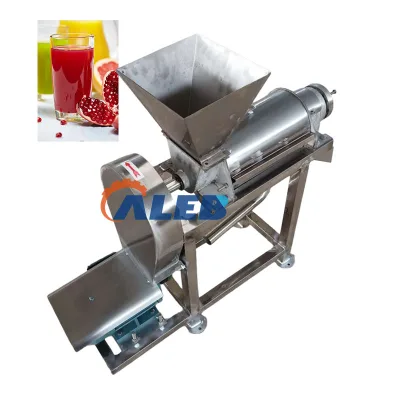
Commercial Spiral Electric Lemon Orange Juice Make Machine Pomegranate Juicer
$1500.00 - $1760.00
MOQ: 1 sets
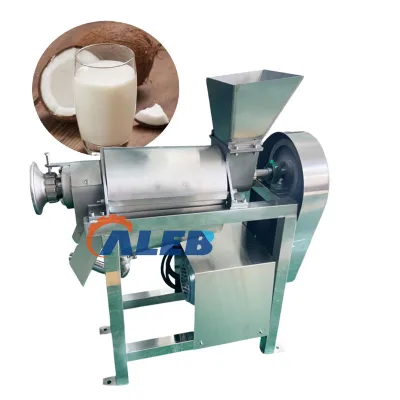
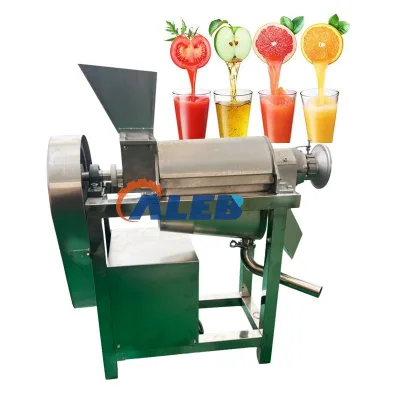
Semi Automatic Spiral Crushed Fruit Juicer Lemon Strawberry Fruit Juice Extractor
$1500.00 - $1760.00
MOQ: 1 sets
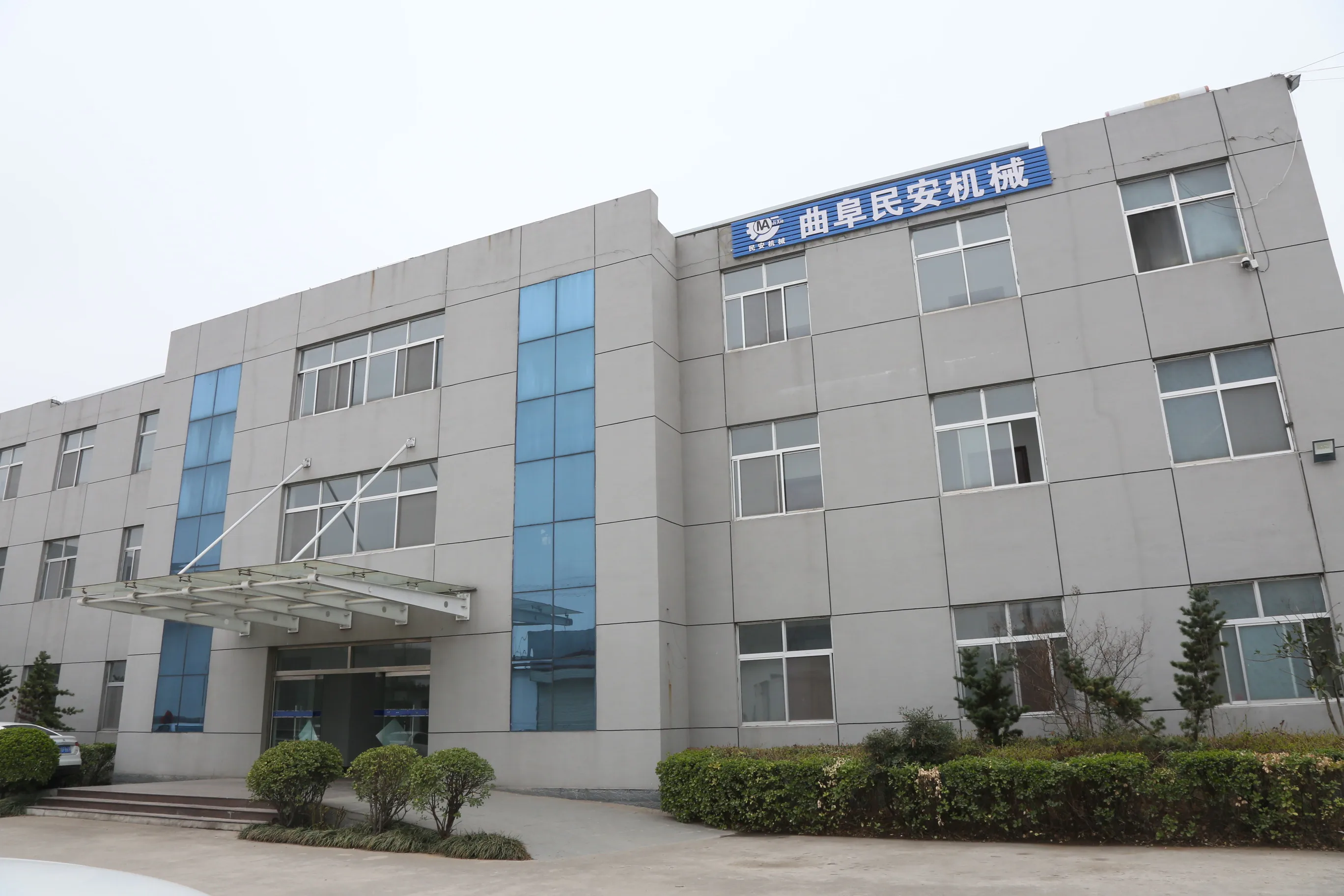
Shandong Minan Machinery Equipment Co., Ltd.
- Manufacturer
- Shandong, China
- Lead time7 days
- Avg. response≤ 9h
Main productsFood and beverage machinery,Industrial Juicer,Screw Juicer,Commercial Juicer
Main marketsSoutheast Asia(40.00%), Africa(30.00%), Eastern Asia(10.00%), South America(10.00%), Mid East(10.00%)
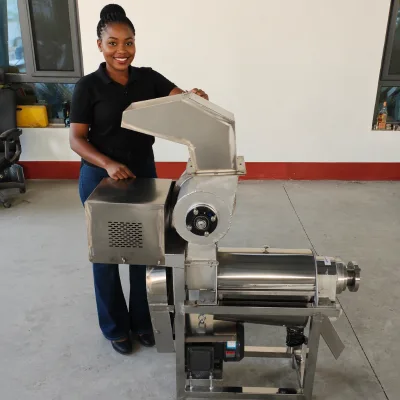
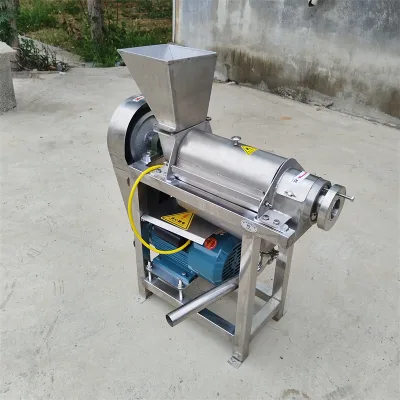
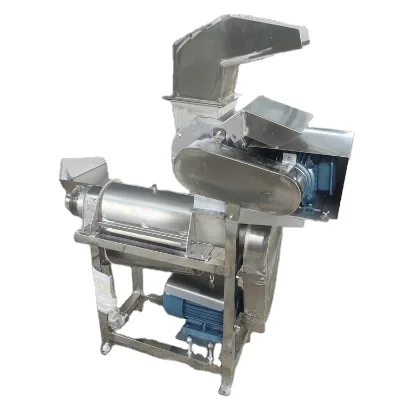
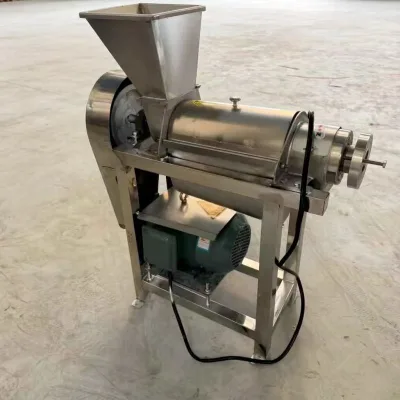
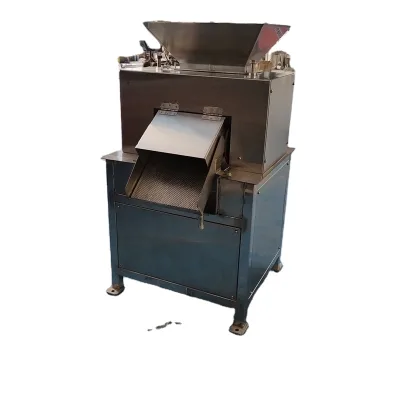
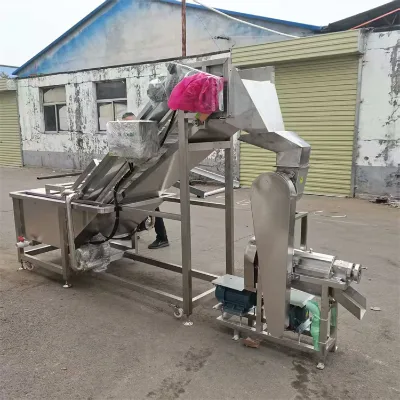
Commercial 1-ton grape juicer, large industrial stainless steel pear press
$1459.00 - $1478.00
Zhengzhou Furui Machinery Co., Ltd.
- Verified by TüVRheinland
- Manufacturer, Trading Company
- Lead time7 days
- Avg. response≤ 6h
Main productsSolid Liquid Separator, Dewatering Machine, Double Shaft Shredding Machine, Fruit & Vegetable Juicing Machine
Main marketsSoutheast Asia(30%), Western Europe(20%), North America(10%)
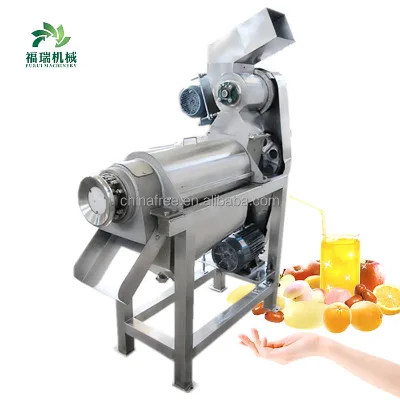
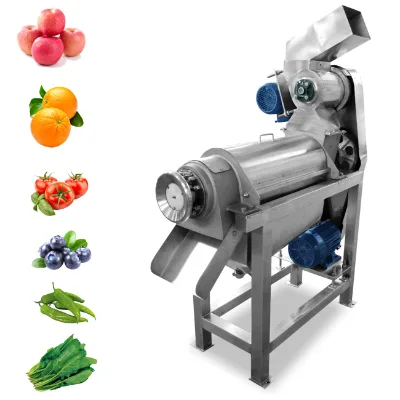
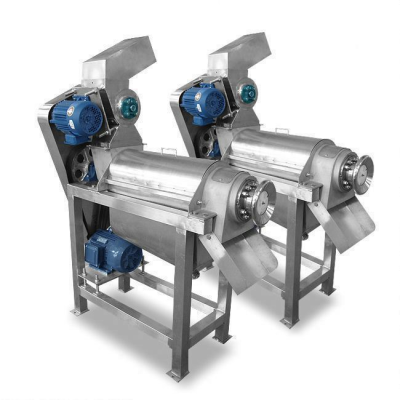
Whole Fruit and Vegetable Electric Pineapple Horizontal Cold Press Juicer Extractor Machine
$2065.00 - $4600.00
MOQ: 1 sets

Foshan Shanice Electrical Appliance Co., Ltd.
- Combined
- China Guangdong
- Lead time30 days
- Avg. response≤ 22h
Main productsVacuum Food Grinder Blender, Electric Silent Smoothieblender, Commercial Quiet Blender, Home Kitchen Professional Food Mixer, Food Processorblender with Sound Proof Enclosure, Powerful Bar Ice Crusher Blender, High Performance Smoothie Blender, Quiet Vacuum Juicer Blender, Baby Food Blender Maker, Silent Fruit Blender
Main marketsDomestic

Hot Selling High Speed Commercial Juice Extractor Silent Industrial Juicer Blender
$95.00 - $133.00
MOQ: 20 set

Hot Selling High Speed Commercial Fruit Vegetable Extractor Juicer Smoothie Blender
$63.00 - $86.00
MOQ: 100 set

High Performance Favourable Price Fruit Juicer Food Processor Commercial Blender
$32.00 - $46.00
MOQ: 400 set

2L 1500W High Speed Commercial Fruit Juicer Mechanical Durable Smoothie Blender
$47.00 - $70.00
MOQ: 200 set

Good Quality Multifunctional Industrial Juicer Commercial Blender with Low Noise
$95.00 - $133.00
MOQ: 20 set

Zhengzhou Sunshine Machinery Co., Ltd.
- Trading Company,Manufacturer/Factory
- China Henan
- Lead time15 days
- Avg. response≤ 1h
Main productsOil Processing Machine, Grain Processing Machine, Nut Processing Machine, Fruit/Vegetable Processing Machine, Food Machine, Briquette Making Machine, Moisture Meter, Dewatering Machine, Food Machinery, Food Processor
Main marketsSouth America,Eastern Europe,Mid East,North America,Southeast Asia,Eastern Asia,Oceania,Western Europe,Africa


Industrial Automatic Lemon Grape Fruit Apple Portable Orange Citrus Juicer
$3500.00 - $5000.00
MOQ: 1 Sets


Islow Electric (Zhongshan) Co., Ltd
- Verified by SGS
- Combined
- China Guangdong
- Lead time30 days
- Avg. response≤ 8h
Main productsSlow Juicer, Coffee Grinder
Main marketsEurope

$46.90 - $48.90
MOQ: 500 pieces


$42.90 - $45.90
MOQ: 500 pieces

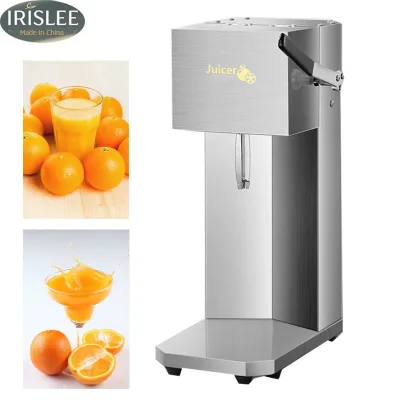
Sj-022 Electric Big Mouth Automatic Fruit Vegetable Juicer Cold Press Orange Grape Mango Slow Juicer
$27.14 - $29.56
MOQ: 500 pieces




Comprehensive Sourcing Guide
Automatic Commercial Fruit Juicer Supplier Concentration and Factory Types
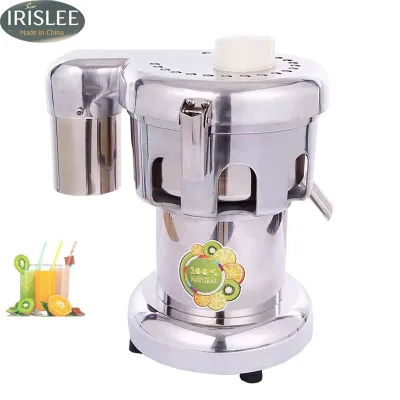
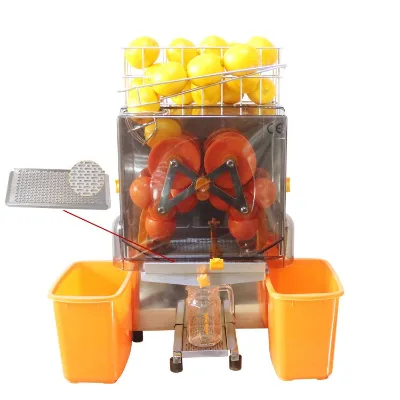
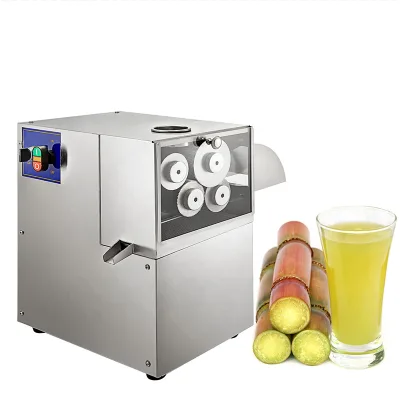
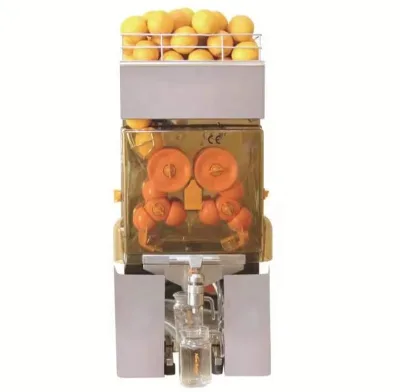
The current supplier landscape for Automatic Commercial Fruit Juicer equipment reveals a distinct geographic and structural distribution that buyers must navigate carefully. Evidence indicates that manufacturing and trading entities are concentrated in specific Chinese provinces, with Shanghai in the east and Guangdong in the south emerging as key hubs. Suppliers located in Shanghai often operate as either trading companies or manufacturer/factories, suggesting a hybrid market where direct production capabilities may be bundled with trading services. This dual nature requires buyers to scrutinize whether the entity is primarily a factory with its own brand, such as BEYOND, or a trading company facilitating access to various production lines. The presence of ISO 9001 certification among these Shanghai-based entities provides a baseline for quality management systems, though it does not guarantee the specific technical prowess required for high-volume juice extraction. Buyers should recognize that the concentration in Shanghai often correlates with access to advanced processing technologies, including juice evaporators and pasteurizers, which may be relevant for integrated beverage production lines rather than standalone juicing units.
In contrast, suppliers based in Guangdong present a different operational profile, often focusing on commercial kitchen solutions and turnkey equipment. These entities frequently display verification from third-party inspection bodies like CTI, which adds a layer of trust regarding their business legitimacy and product consistency. The Guangdong cluster appears to specialize in a broader range of commercial catering equipment, including refrigeration and cooking gear, with automatic fruit juicers being part of a larger portfolio. This diversification can be advantageous for buyers seeking a single source for multiple kitchen components, but it may also indicate that juicing machinery is not their sole core competency. Additionally, manufacturers in Zhejiang, verified by TÜV Rheinland and holding ISO 9000 certification, offer another alternative, often emphasizing specific machinery like meat grinders and juicers. This regional variation means that the type of factory—whether a specialized juicer manufacturer or a general commercial kitchen supplier—significantly impacts the available customization options, brand ownership, and technical support structures.
How to Verify Automatic Commercial Fruit Juicer Suppliers
Verifying the legitimacy and capability of Automatic Commercial Fruit Juicer suppliers requires a multi-layered approach that goes beyond simple profile reviews. Buyers should prioritize suppliers who have undergone third-party verification processes, as evidenced by the presence of CTI and TÜV Rheinland certifications in the current results. These verifications provide assurance that the supplier’s business license, factory audits, and product quality controls have been independently assessed. For instance, a supplier verified by TÜV Rheinland in Zhejiang likely adheres to rigorous international standards, which is crucial for equipment that comes into direct contact with food products. Buyers should request and review these verification reports to understand the scope of the audit, ensuring that it covers not just the business entity but also the specific manufacturing facilities producing the juicing machinery. This step is essential to mitigate the risk of engaging with trading companies that may lack direct oversight of production quality or with factories that have not been recently audited.
Beyond verification badges, buyers must assess the technical specifications and certifications claimed by the supplier for the Automatic Commercial Fruit Juicer units. The presence of ISO 9001 or ISO 9000 system certifications indicates a structured quality management approach, but buyers should also look for product-specific certifications such as HACCP or GMP, which are critical for food processing equipment. Some suppliers list these certifications in their product attributes, suggesting compliance with food safety standards. Additionally, buyers should verify the material composition of the juicers, such as the use of SUS304 or 316L stainless steel, which are industry standards for hygiene and durability. Requesting detailed product datasheets and material test reports can help confirm these claims. It is also prudent to check the supplier’s response time and lead time metrics, as these operational indicators can reflect the efficiency and reliability of their customer service and production scheduling. A supplier with a slow response time or inconsistent lead times may struggle to meet urgent project deadlines or provide timely support after the sale.
What to Compare Across Automatic Commercial Fruit Juicer Suppliers
When evaluating multiple suppliers for Automatic Commercial Fruit Juicer equipment, buyers must systematically compare key operational and commercial dimensions to identify the most suitable partner. One critical factor is the lead time, which varies significantly across the supplier base. For example, some suppliers indicate a lead time of 60 days, while others offer a much faster 30-day turnaround. This difference can be decisive for buyers with tight installation schedules or seasonal demand peaks. Buyers should also compare the minimum order quantity (MOQ) requirements, as some suppliers may accept orders as low as one unit, which is ideal for small-scale operations or trial purchases, while others may have higher thresholds. Additionally, the response time metric provides insight into the supplier’s customer service efficiency; a lower response time, such as 2.42 hours, suggests a more responsive support team capable of addressing technical queries or order issues promptly. These operational metrics should be weighed against the supplier’s main product focus, as those specializing in juicing lines may offer more tailored solutions than general kitchen equipment suppliers.
Price and customization capabilities are equally important comparison points that require careful analysis. The price range for automatic commercial fruit juicers can vary widely, from entry-level units priced around $190 to high-end industrial machines costing upwards of $19,900. Buyers must align their budget with the required capacity and features, such as power consumption, voltage compatibility, and automation level. Some suppliers offer fully automatic controls with high efficiency, while others provide semi-automatic options. Customization availability is another key differentiator; suppliers that offer OEM services or custom branding, such as the BEYOND brand, may be better suited for buyers looking to establish a unique market presence. Buyers should also compare the warranty terms and after-sales support, as these factors impact the total cost of ownership. By creating a comparison matrix that includes lead time, MOQ, response speed, price, and customization options, buyers can objectively assess which suppliers best meet their specific operational and financial requirements.
Common Automatic Commercial Fruit Juicer Sourcing Risks
Sourcing Automatic Commercial Fruit Juicer equipment from international suppliers introduces several risks that buyers must proactively manage to ensure a successful procurement outcome. One significant risk is the discrepancy between claimed specifications and actual product performance. Suppliers may list high efficiency or specific power ratings, such as 1.5KW or 750W, but without independent testing or detailed technical documentation, buyers cannot verify these claims. This is particularly relevant for industrial-grade juicers where energy consumption and throughput are critical. Another risk is the variability in material quality; while suppliers may claim the use of SUS304 or 316L stainless steel, there is a possibility of using lower-grade materials that do not meet food safety standards. Buyers should mitigate this risk by requesting material certificates and, if possible, arranging for third-party inspections before shipment. The lack of standardized testing protocols across different suppliers further exacerbates this issue, making it essential for buyers to define clear technical requirements in their purchase agreements.
Logistical and communication risks also pose challenges in the sourcing process. Differences in time zones and language barriers can lead to misunderstandings regarding technical specifications, shipping instructions, or warranty claims. Suppliers with slower response times may be less responsive to urgent issues, potentially delaying project timelines. Additionally, the variability in packaging standards, such as wood packages versus export standard packaging, can affect the safety of the equipment during transit. Buyers must ensure that the supplier’s packaging is robust enough to prevent damage, especially for heavy machinery with delicate components. Another risk is the potential for hidden costs, such as import duties, customs clearance fees, or additional shipping charges that are not included in the initial quote. Buyers should clarify all cost components upfront and consider using escrow services or secure payment terms to protect their financial interests. By identifying and addressing these risks early in the sourcing process, buyers can minimize disruptions and ensure the reliable delivery of high-quality Automatic Commercial Fruit Juicer equipment.
Automatic Commercial Fruit Juicer Regional Sourcing and Logistics
The geographic location of suppliers significantly influences the logistics and shipping dynamics for Automatic Commercial Fruit Juicer equipment. Suppliers based in Shanghai, a major port city in eastern China, often benefit from well-established international shipping routes and efficient port infrastructure. This location advantage can lead to faster transit times and potentially lower shipping costs for buyers in North America and Europe. However, buyers must also consider the specific shipping requirements of the equipment, as large industrial juicing lines may require specialized containerization or flat-rack shipping. Suppliers in Guangdong, another key manufacturing hub, also have access to major ports like Shenzhen and Guangzhou, offering similar logistical benefits. The choice of location should be evaluated in conjunction with the supplier’s lead time and packaging standards to ensure that the equipment arrives in optimal condition. Buyers should work closely with their freight forwarders to coordinate shipments, ensuring that all necessary documentation, such as commercial invoices and packing lists, is accurate and complete.
Regional sourcing also impacts the availability of local support and maintenance services. Suppliers in different regions may have varying networks of service partners or technical support teams. Buyers should inquire about the availability of spare parts and the ease of obtaining technical assistance after the equipment is installed. For instance, a supplier with a strong presence in a specific region may offer faster delivery of replacement parts or on-site support. Additionally, buyers should consider the environmental conditions of their operating location, as factors such as humidity and temperature can affect the performance and longevity of the juicing equipment. Suppliers may provide specific recommendations for installation and maintenance based on regional climate conditions. By understanding the logistical implications of sourcing from different regions, buyers can make informed decisions that balance cost, speed, and long-term support requirements. This holistic approach ensures that the supply chain is resilient and capable of meeting the operational needs of the business.
Automatic Commercial Fruit Juicer Commercial Terms and Order Planning
Effective order planning for Automatic Commercial Fruit Juicer equipment requires a thorough understanding of the commercial terms offered by suppliers. Buyers should carefully review the payment terms, including the deposit percentage and the balance payment schedule, to ensure they align with their cash flow management strategies. Some suppliers may offer flexible payment options, such as partial payments via escrow, which can provide an additional layer of security for the buyer. It is also crucial to clarify the Incoterms, such as FOB, CIF, or DDP, as these determine who is responsible for shipping costs, insurance, and customs clearance. Buyers should request detailed quotations that break down the costs of the equipment, packaging, and shipping to avoid unexpected expenses. Additionally, buyers should negotiate warranty terms that cover both parts and labor, specifying the duration and scope of coverage. A clear warranty policy ensures that any defects or malfunctions are addressed promptly, minimizing downtime and repair costs.
Beyond immediate purchase terms, buyers should plan for long-term operational costs and scalability. This includes considering the energy consumption of the juicer, as indicated by power ratings like 1.5KW or 750W, which will impact utility bills over time. Buyers should also evaluate the maintenance requirements, such as the frequency of part replacements and the availability of consumables. Suppliers that offer comprehensive training and technical support can help reduce operational risks and improve equipment efficiency. Furthermore, buyers should assess the supplier’s capacity for handling future orders, especially if they plan to expand their operations. A supplier with a robust production capacity and reliable lead times can support business growth without causing supply chain bottlenecks. By integrating these commercial and operational considerations into their order planning, buyers can establish a sustainable and cost-effective procurement strategy for Automatic Commercial Fruit Juicer equipment. This proactive approach ensures that the investment delivers long-term value and supports the business’s operational goals.
FAQs
What is the price range for automatic commercial fruit juicers?
Prices for automatic commercial fruit juicers vary significantly based on capacity and features. Small countertop models start around $175, while larger industrial processing lines can cost up to $19,900. Buyers should verify specific unit pricing and minimum order quantities directly with suppliers to ensure accurate budgeting for their operational needs.
What certifications do these juicer machines typically hold?
Manufacturers often provide ISO 9001 system certification for their production facilities. Product-specific certificates may include ISO9001:2008, HACCP, and GMP standards. These credentials indicate adherence to quality management and food safety protocols. Buyers should request valid certificate copies to confirm compliance with local regulatory requirements before placing orders.
How long does delivery usually take for these machines?
Lead times for automatic commercial fruit juicers generally range from 30 to 60 days depending on the supplier and order volume. Some manufacturers offer faster turnaround times for standard models, while custom processing lines may require longer production periods. Confirming exact delivery schedules with the supplier is essential for supply chain planning.
Are these juicers customizable for specific business needs?
Yes, many suppliers offer customization options for automatic commercial fruit juicers. Buyers can often select materials like SUS304 or 316L stainless steel and choose between full-automatic or semi-automatic control types. Custom branding and specific capacity requirements are also frequently available. Contact suppliers directly to discuss tailored specifications for your facility.
What is the minimum order quantity for these machines?
The minimum order quantity for automatic commercial fruit juicers is typically one unit. This allows buyers to purchase single machines for testing or small-scale operations. However, bulk orders may offer different pricing tiers. Always verify the specific MOQ policy with the supplier to understand potential volume discounts or restrictions.
Where are these juicer manufacturers located?
Manufacturers of automatic commercial fruit juicers are primarily located in China, specifically in regions like Shanghai, Guangdong, and Zhejiang. These areas host both trading companies and direct factories. Buyers can filter search results by location to prioritize suppliers near their logistics hubs or those with established regional manufacturing capabilities.