Automatic Control Wooden Garage Door Suppliers and Manufacturers
Explore 29 verified options for Automatic Control Wooden Garage Door from Guangdong and Jiangsu factories. Compare response times, lead times, certifications, and customization capabilities to select the right partner for your project needs today; review the available evidence before requesting comparable quotations from suitable candidates.
Updated
Suppliers List

Guangdong Hengjie Door Technology Co., Ltd.
- Verified by BV
- Combined
- China Guangdong
- Lead time23 days
- Avg. response≤ 4h
Main productsGarage Door, Industrial Door, Sectional Door, Elevating Door, Rolling Shutter Door, High Speed Door, Roller Door
Main marketsSouth America,Southeast Asia/ Mideast,East Asia(Japan/ South Korea),Australia,North America

Wuxi Newton Technology Co., Ltd.
- Verified by BV
- Combined
- China Jiangsu
- Lead time15 days
- Avg. response≤ 3h
Main productsIndustrial Sectional Door, PVC High Speed Door, Garage Door, High Speed Door, High Speed Roller Shutter, Glass Sectional Door, Industrial Folding Door, Sectional Overhead Door, Garage Door Hardware Kit, Sectional Door Torsion Spring
Main marketsSouth America,Africa,Southeast Asia/ Mideast,Domestic,Europe,Australia,North America
Master Well Enterprise Limited
- Verified by TüVRheinland
- Manufacturer, Trading Company
- Lead time20 days
- Avg. response≤ 3h
Main productsAluminum Glass Garage Door, Steel Garage Door, Garage Door Hardware, Dock Leveler, Aluminum Door
Main marketsNorth America(25%), Southern Europe(11%), South Asia(10%)
Guangdong Grandsea Group Co., Ltd.
- Trading Company
- Lead time旺季: "1 - 1":7,"2 - 50":12,"51 - 500":25,"> 500":"To be negotiated", 淡季: "1 - 1":7,"2 - 50":12,"51 - 500":25,"> 500":"To be negotiated"
- Avg. response≤ 2h
Main productsAluminium Door and Window, Aluminium Pergola, Garage Door, Wood Door, Floating Stair
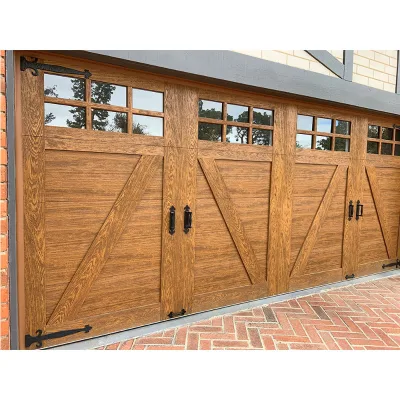
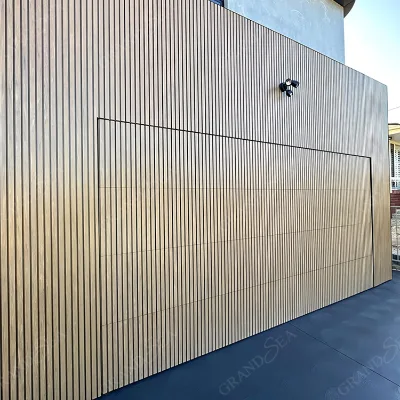
Luxury Wooden Aluminum Alloy Garage Door Aluminum Automatic Garage Door With Remote Control
$101.5752 - $163.1362
MOQ: 1 square
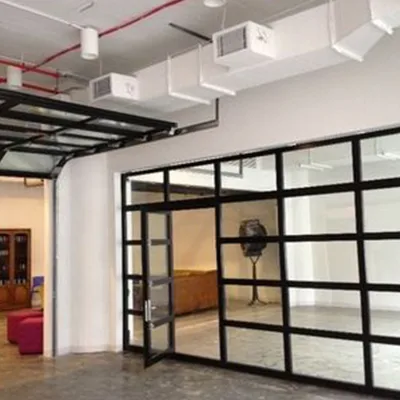
Automatic Glass Garage Door with Pedestrian Entrance Electric Lift Segmented Garage Door
$68.00 - $130.00
MOQ: 1
Guangzhou Advance Construction Material Co., Ltd.
- Verified by Intertek
- Manufacturer, Trading Company
- Lead time20 days
- Avg. response≤ 3h
Main productsGarage Door , Exterior Roller shutter, Aluminum door and window, Interior door and Exterior door , Industry Door
Main marketsNorth America(60%), Southeast Asia(20%), Africa(10%)
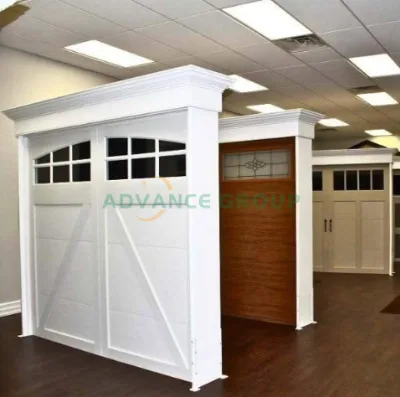
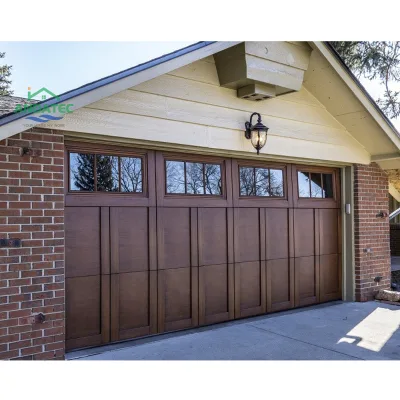
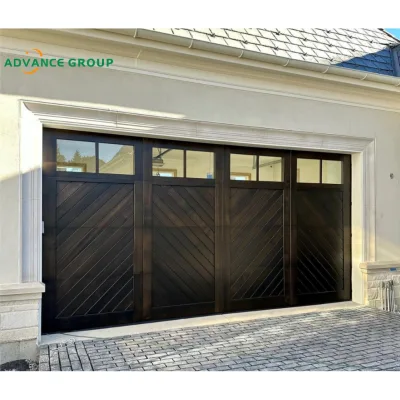
Pine Wood Garage Door Handcrafted Custom Remote Garage Door for Exclusive Residences
$30.6575 - $51.1639
MOQ: 1 square
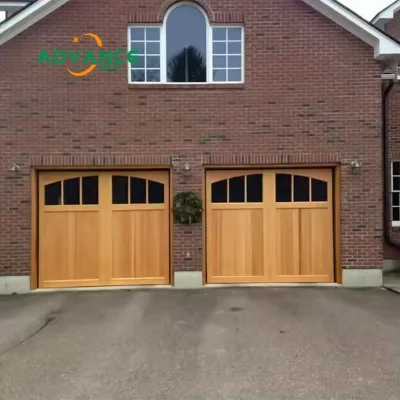
Pine Wood Garage Door Premium Remote-Controlled Artistic Garage Door for High-End Homes
$30.6575 - $51.1639
MOQ: 1 square
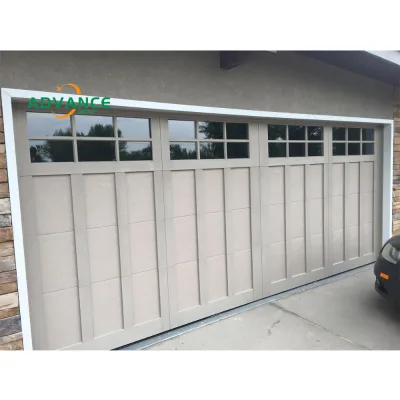
2025 Security Automatic Garage Door Wood Garage Door System for Luxury Villa Homes
$95.00 - $125.00
MOQ: 1
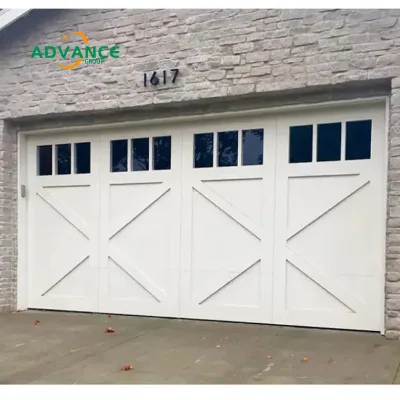
Luxury Solid Wood Garage Door Handcrafted Custom-Made Remote-Controlled Villa Garage Door
$31.0173 - $51.765
MOQ: 1 square
Shenzhen Forestar Industry Co., Ltd.
- Manufacturer
- Guangdong, China
- Lead time30 days
- Avg. response≤ 2h
Main productsWindow,Door,Cabinet,Staircase,Railing
Main marketsNorth America(60.00%), Mid East(10.00%), Oceania(10.00%), Africa(10.00%), Eastern Europe(10.00%)
Shenzhen Forestar Industry Co., Ltd.
- Manufacturer
- Guangdong, China
- Lead time35 days
- Avg. response≤ 4h
Main productsaluminum windows&doors,stairs&railing,kitchen cabinets,wooden doors,wardrobe
Main marketsNorth America(30.00%), Western Europe(17.00%), Oceania(15.00%), Central America(10.00%), Africa(8.00%), Northern Europe(5.00%), South America(5.00%), Mid East(5.00%), Southeast Asia(3.00%), South Asia(2.00%)
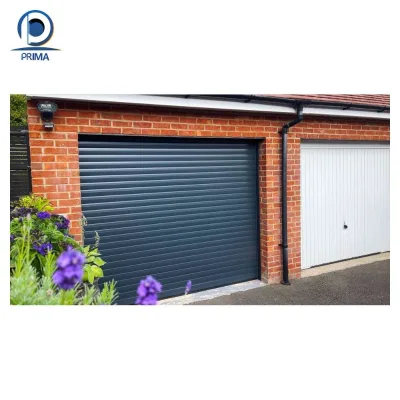
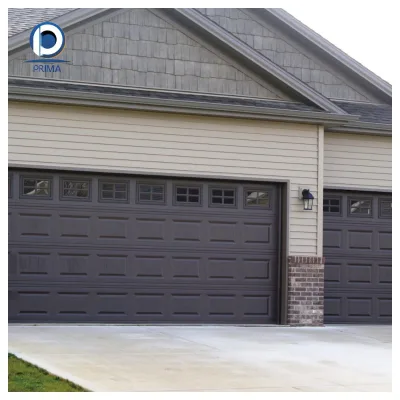
Solid Wood Garage Door Glass Design Door Custom Smart Garage Door Automatic Garage Door for Basement
$308.013 - $1540.0651
MOQ: 1 Minimum

Foshan Multishades Group Co., Limited
- Verified by BV
- Trading Company
- China Guangdong
- Lead time30 days
- Avg. response≤ 1h
Main productsSliding Doors, Garage Door, Aluminum Folding Door, Aluminum Entrance Door, Aluminum Interior Door, Metal Door, Aluminum Casement Window, Aluminum Window, Aluminum Hung Window, Aluminum French Windows
Main marketsSoutheast Asia/ Mideast,North America

Automatic Aluminium Garage Door with Remote Steel Garage Door Control Steel Garage Door
$60.00 - $120.00
MOQ: 1 Pieces

Automatic Garage Door with Frameless Steel Garage Door Opener Aluminium Garage Door
$129.69 - $163.86
MOQ: 1 Pieces

Automatic Full View Garage Door with Steel Garage Door Opener Aluminium Garage Door
$60.00 - $120.00
MOQ: 1 Pieces

Automatic Aluminium Garage Door with Smart Steel Garage Door Opener Steel Garage Door
$60.00 - $120.00
MOQ: 1 Pieces


Master Well Enterprise Limited
- Verified by TUVRHEINLAND
- Combined
- China Jiangsu
- Lead time30 days
- Avg. response≤ 7h
Main productsGarage Door, Roller Shutter, Rolling Shutter, Roller Door, Rolling Door, Automatic Door, Door Opener, High Speed Door, Sectional Industrial Door, Glass Garage Door
Main marketsOthers(foreignTradeCapacity.exportBusinessCapacityMarketOther),Southeast Asia/ Mideast,Europe,North America

Hunan Lianxin Chi Tai Intelligent Doors And Windows Co., Ltd.
- Verified by BV
- Combined
- China Hunan
- Lead time45 days
- Avg. response≤ 2h
Main productsFolding Door, Hangar Doors, Fast Door, Garage Door
Main marketsAustralia

Sectional Garage Door Remote Control Safe Sandwich Panel Section Door Automatic Garage Door
$59.00 - $99.00
MOQ: 7 Square Meters


Xi Rui (Tianjin) Intelligent Technology Co., Ltd
- Verified by BV
- Combined
- China Tianjin
- Lead time23 days
- Avg. response≤ 3h
Main productsSectional Garage Door, Residential Garage Door, Garage Door, Insulated Garage Door, Non Insulated Garage Door, Commerical Door, Aluminum Roller Shutter Slats, Garage Door Hardware Accessories, Sectional Garage Door Panels, Industrial Door
Main marketsOthers(foreignTradeCapacity.exportBusinessCapacityMarketOther),Europe,North America
Foshan Grandsea Building Material Co., Ltd.
- Manufacturer, Trading Company
- Lead time旺季: "1 - 2":7,"3 - 10":15,"11 - 500":20,"> 500":"To be negotiated", 淡季: "1 - 2":7,"3 - 10":15,"11 - 500":20,"> 500":"To be negotiated"
- Avg. response≤ 2h
Main productsAluminum Window & Door, Metal Door, Wood Door, Garage Door, Pergola
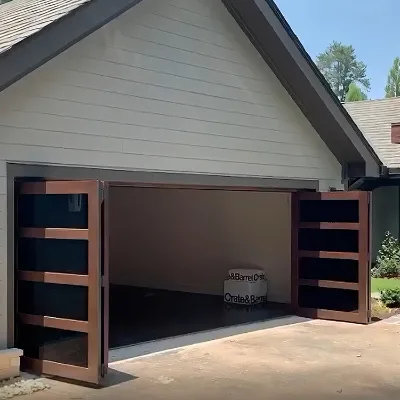
$101.3669 - $161.7781
MOQ: 1 square

Customized Size Garage Door High Quality Wood Automatic Garage Door With Wood Grille Design
$9.90 - $15.90
MOQ: 1 square
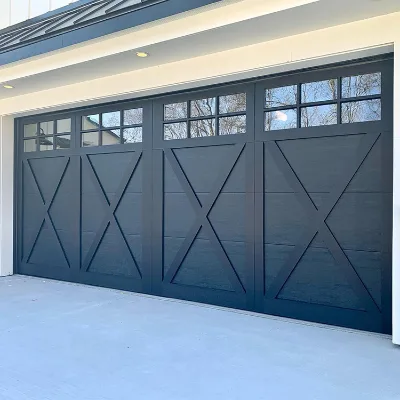
Black Garage Doors High Quality Modern Garage Door Carriage Garage Door for Houses
$129.00 - $189.00
MOQ: 1
Anhui Hotian Doors And Windows Co., Ltd.
- Manufacturer, Trading Company
- Lead time旺季: "1 - 10":35,"11 - 100":45,"101 - 200":60,"> 200":"To be negotiated", 淡季: "1 - 10":35,"11 - 100":45,"101 - 200":60,"> 200":"To be negotiated"
- Avg. response≤ 4h
Main productsUPVC Windows, Aluminum Windows, Iron Windows, Steel Doors, Wooden Doors
Guangzhou Houlon Building Materials Co., Ltd.
- Verified by TüVRheinland
- Trading Company
- Lead time30 days
- Avg. response≤ 2h
Main productsFront Entry Doors, Security Doors, Gates, Interior Doors, Balustrades & Handrails
Main marketsNorth America(35%), Oceania(30%), Africa(10%)

Wuxi Kwang Purification Co., Ltd
- Verified by SGS
- Trading Company,Manufacturer/Factory
- China Jiangsu
- Lead time23 days
- Avg. response≤ 1h
Main productsAir Shower, Cargo Air Shower, Cleanroom Project, Pass Box, Cleanroom Door, Cleanroom Panel, Cleanroom Window, Clean Bench, Industrial Door, Garage Door
Main marketsSouth America,Eastern Europe,Mid East,North America,Southeast Asia,Eastern Asia,Oceania,Western Europe,Africa
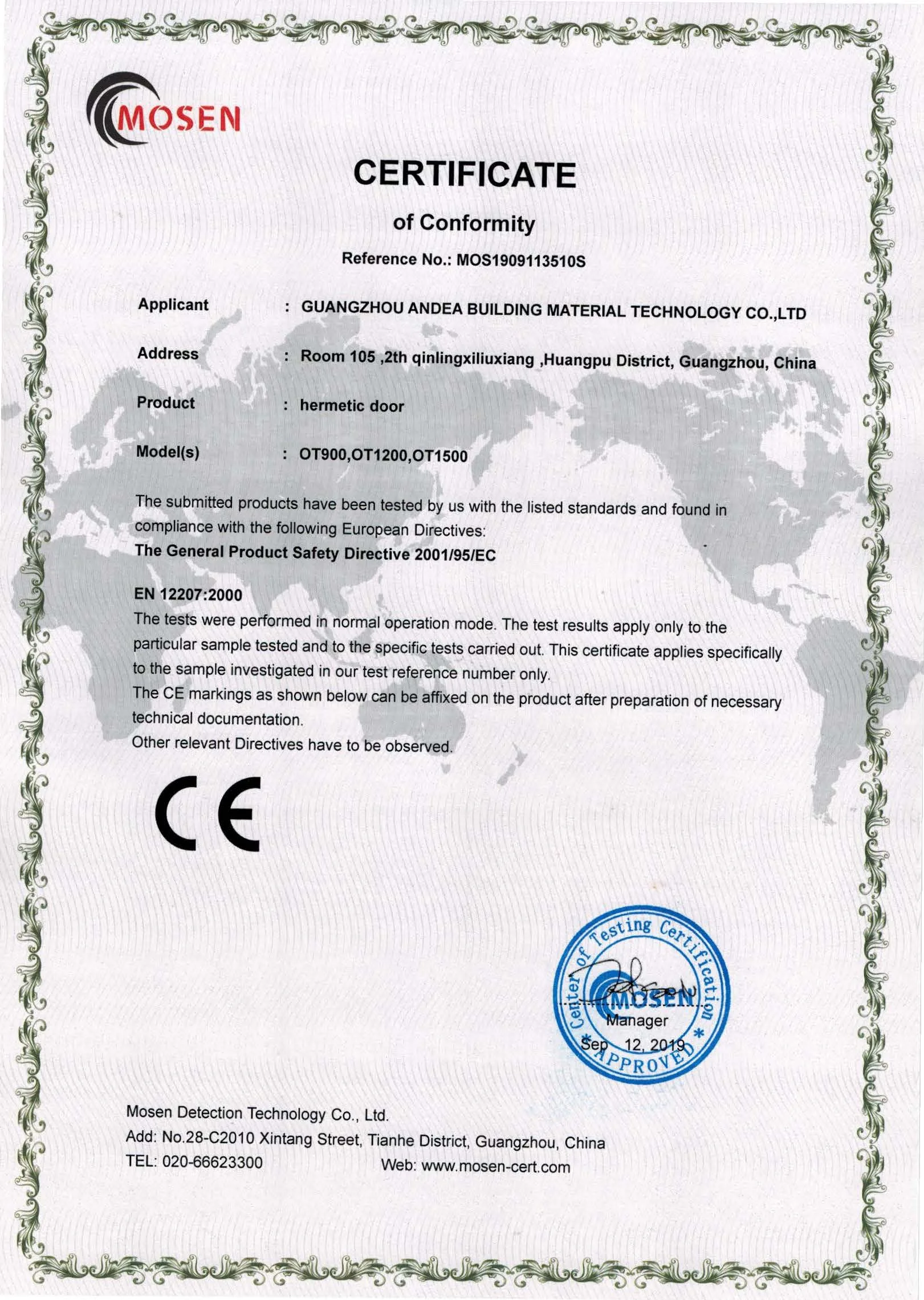
Guangzhou Andea Building Material Technology Co., Ltd.
- Manufacturer
- Guangdong, China
- Lead time15 days
- Avg. response≤ 6h
Main productshospital doors,steel doors,roller shutter,xray proof doors,automatic doors
Main marketsNorth America(20.00%), Southeast Asia(15.00%), Africa(15.00%), Domestic Market(10.00%), Western Europe(10.00%), Mid East(10.00%), Oceania(10.00%), South America(10.00%)
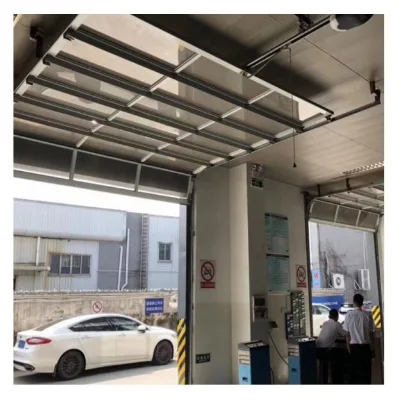
Transparent Garage Door,black Color Garage Door
$600.00 - $660.00
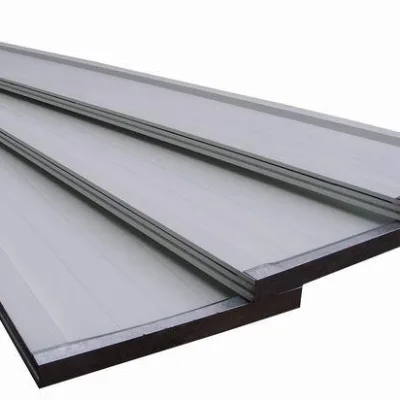
$600.00 - $660.00

Jiangsu Anbixin Internet of Things Technology Co., LTD
- Verified by SGS
- Trading Company
- China Jiangsu
- Lead time15 days
- Avg. response≤ 2h
Main productsSectional Door, High Speed Door, Fast Door, Fast Door Sp
Main marketsDomestic

Dongtai Geajie Intelligent Equipment Co., Ltd
- Verified by TUVRHEINLAND
- Combined
- China Jiangsu
- Lead time15 days
- Avg. response≤ 6h
Main productsVehicle Restraints, Dock Levelers, Niveladoras De Doca
Main marketsDomestic


Industrial Manufacturer High Quality Automated Sectional Garage Doors
$20.00 - $25.00
MOQ: 500 Square Meters
Guangdong Hayden Door Co., Ltd.
- Verified by TüVRheinland
- Manufacturer, Trading Company
- Lead time20 days
- Avg. response≤ 1h
Main productsGarage Door, Rolling Shutter Door, Industrial Door, Folding Door, Interior Door
Main marketsNorth America(30%), Domestic Market(25%), Western Europe(10%)
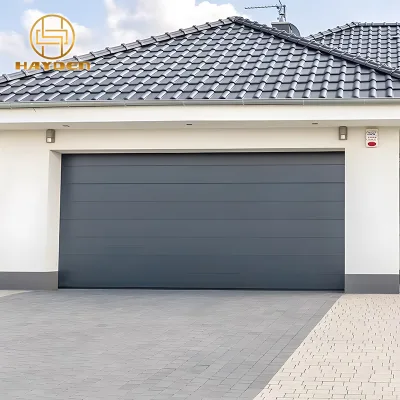
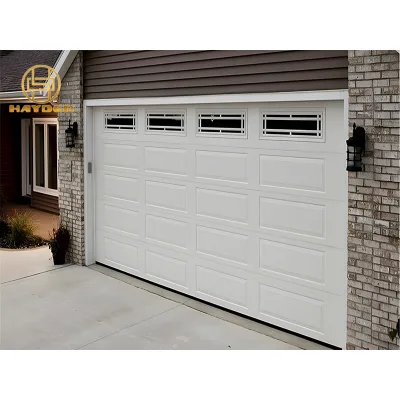
China Manufacture Garage Door Modern Design Color Steel Foam Automatic Electric Garage Door
$40.00 - $100.00
MOQ: 2 Minimum
Guangzhou Glancy Doors And Windows Co., Ltd.
- Verified by TüVRheinland
- Manufacturer, Trading Company
- Lead time20 days
- Avg. response≤ 3h
Main productsAluminium Doors, Security Doors, Aluminium Windows, Wooden Doors, Garage Doors
Main marketsNorth America(65%), Africa(20%), Mid East(5%)
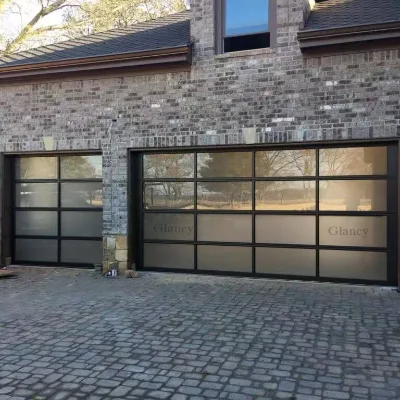
China Manufacturer Steel Automatic Garage Doors Remote Control Garage Doors With CE Approval Motors
$120.00 - $130.00
MOQ: 2 square
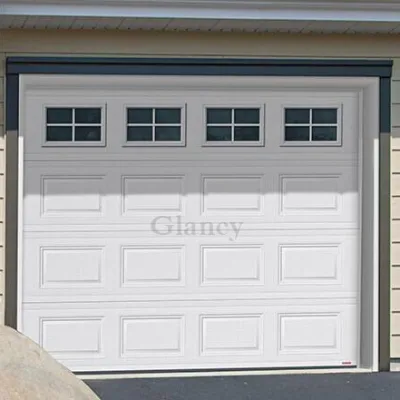
Factory Direct Sale Classic Raised Panel Garage Doors
$96.00 - $126.00

Qingdao Luqing Jiayu Metal Products Co., Ltd
- Verified by BV
- Combined
- China Shandong
- Lead time30 days
- Avg. response≤ 1h
Main productsAluminium Window, Aluminium Door
Main marketsDomestic
Shenyang Bolang Door Industry Co., Ltd.
- Verified by TüVRheinland
- Manufacturer, Trading Company
- Lead time15 days
- Avg. response≤ 1h
Main productsRoller Shutter Doors, Garage Doors, Industrial Doors, High Speed Doors, Fire Resistant Rolling Shutter Door
Main marketsDomestic Market(40%), North America(30%), Eastern Europe(10%)

Guangdong Boli Industry Co., Ltd.
- Manufacturer, Trading Company
- Guangdong, China
- Lead time7 days
- Avg. response≤ 4h
Main productsGarage Doors, High Speed Rolling Doors, Industrial Lifting Doors, Fire Rated Doors, Roller Shutter Doors & Windows
Main marketsNorth America(50.00%), Southeast Asia(20.00%), Africa(10.00%), Mid East(10.00%), Western Europe(2.00%), South Asia(1.00%), Eastern Asia(1.00%), South America(1.00%), Oceania(1.00%), Southern Europe(1.00%), Central America(1.00%), Northern Europe(1.00%), Eastern Europe(1.00%)
Guangzhou Longxuan Door Industry Co., Ltd.
- Verified by SGS Group
- Trading Company
- Lead time25 days
- Avg. response≤ 2h
Main productsDoors, Windows, Kitchen Cabinet, Wardrobe Cabinet, Handrail
Main marketsNorth America(30%), Africa(20%), Southeast Asia(18%)
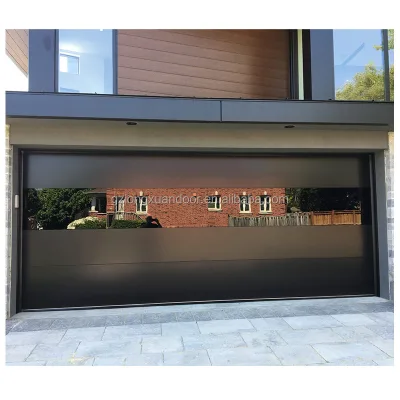
Garage Modern Frameless Black Glass Garage Door with Keypad & Remote Control Finished Surface
$111.6065 - $121.8462
MOQ: 5 square
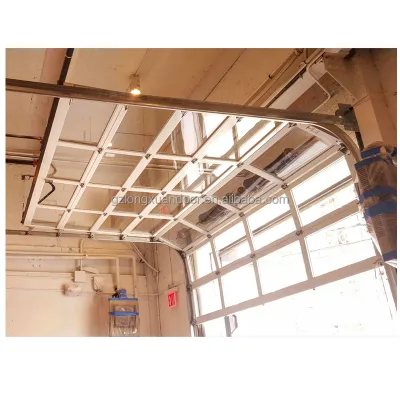
$111.6065 - $121.8462
MOQ: 5 square
Foshan LM Building Material Co., Ltd.
- Verified by Intertek
- Trading Company
- Lead time15 days
- Avg. response≤ 3h
Main productsAluminum Windows, Aluminum Doors, Steel Doors, Iron Doors, Garage Doors
Main marketsNorth America(40%), Africa(20%), Oceania(20%)
- Verified by SGS Group
- Manufacturer, Trading Company
- Lead time25 days
- Avg. response≤ 4h
Main productsSandwich Panel, Roof Panel, External Wall Panel, Cold Storage Panel, Rock Wool Panel
Main marketsNorth America(40%), Southeast Asia(30%), Oceania(10%)
Jiangsu Anbixin Internet Of Things Technology Co., Ltd.
- Manufacturer
- Jiangsu, China
- Lead time0 days
- Avg. response≤ 10h
Main productsIndustrial Lift Door,Turbo Hard Fast Door,Quick Stacking Gate,Pvc Soft Fast Door
Main marketsSoutheast Asia(50.00%), Africa(30.00%), Domestic Market(20.00%)
Fit Top (Hubei) Import And Export Co., Ltd.
- Verified by Intertek
- Manufacturer, Trading Company
- Lead time20 days
- Avg. response≤ 2h
Main productsHigh Speed Door, Garage Door, Roller Shutter Door, Dock Leveler, Dock Shelter
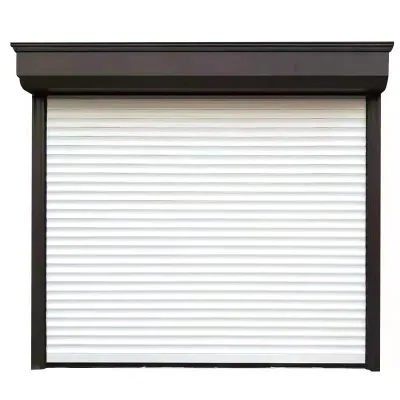
$40.9377 - $56.3279
MOQ: 9 pieces
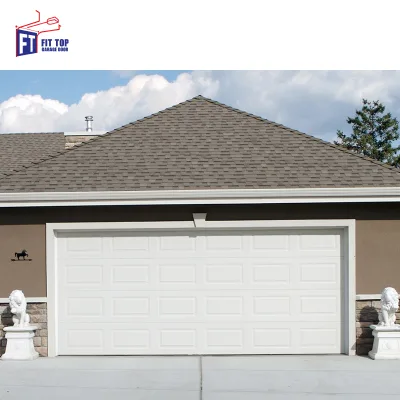
$70.00 - $82.00
MOQ: 9 pieces
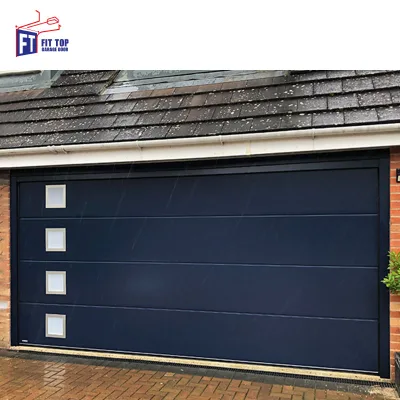

Shenzhen Hongfa Automatic Door Co., Ltd.
- Verified by BV
- Combined
- China Guangdong
- Lead time23 days
- Avg. response≤ 8h
Main productsPVC High Speed Rolling Doors, High Speed Spiral Door, Industrial Doors, Rolling Shutter Door, Automatic Airtight Doors, High Speed Fold up Doors, Garage Doors, High Speed Stacking Doors, Crystal Roller Shutters, Sliding Glass Door
Main marketsSouth America,Africa,Southeast Asia/ Mideast,East Asia(Japan/ South Korea),Europe,Australia,North America








Comprehensive Sourcing Guide
Automatic Control Wooden Garage Door Supplier Concentration and Factory Types
The current supplier landscape for automatic control wooden garage doors reveals a distinct geographic concentration in China, specifically within the Guangdong and Jiangsu provinces. These regions serve as primary manufacturing hubs where factories and trading companies converge to offer a wide array of door solutions. Suppliers in these areas typically list main products that include garage doors, industrial doors, sectional doors, and high-speed doors, indicating a specialized focus on access control systems rather than general carpentry. The presence of combined company types suggests that many entities operate as both manufacturers and trading companies, allowing them to offer flexible sourcing options for international buyers. This dual role often facilitates better communication and logistics management, as the supplier can directly oversee production while handling export procedures. Buyers should recognize that this concentration does not imply uniformity in quality or capability, but rather highlights regions with established supply chains for door hardware and automation components.
Within these manufacturing clusters, the types of companies vary significantly in their operational focus and capacity. Some suppliers are verified by third-party inspection agencies such as BV or TüVRheinland, providing an additional layer of trust regarding their business legitimacy and production capabilities. The product evidence shows a mix of classic wooden designs and modern automatic systems, with brands like Hengjie Door and Master appearing in the results. These suppliers often offer customization options, including specific design styles and remote control features, which are critical for meeting diverse architectural requirements. The availability of OEM and ODM services further indicates that many factories are equipped to handle private label projects or custom engineering requests. Understanding the specific company type and verification status is essential for buyers to determine whether they are dealing with a direct factory or a trading intermediary, as this distinction impacts pricing structures and direct communication channels during the sourcing process.
How to Verify Automatic Control Wooden Garage Door Suppliers
Verifying suppliers requires a multi-step approach that goes beyond simple profile reviews, focusing on tangible evidence of capability and compliance. Buyers should prioritize suppliers who hold relevant system certifications, such as CE or ISO9001, which are explicitly listed in some product attributes. These certifications serve as baseline indicators of quality management systems and adherence to international safety standards, particularly for automated components like motors and sensors. Additionally, the verification status provided by agencies like BV or TüVRheinland offers a snapshot of the supplier’s business legitimacy. However, buyers must understand that verification is a point-in-time assessment and should be complemented by direct requests for recent factory audit reports or production line videos. This is especially important for wooden garage doors, where material sourcing and assembly quality can vary significantly between batches.
Beyond certifications and verification badges, buyers should scrutinize the detailed product attributes and specifications provided in the supplier listings. For instance, checking the door panel density, internal reinforce steel plate thickness, and insulation material helps assess the structural integrity of the wooden garage doors. Suppliers listing specific technical details, such as a door panel density of 40kg/M3 or internal steel plate thickness of 1.0mm, demonstrate a higher level of transparency and engineering precision. Buyers should also verify the origin of the materials, ensuring that the wood and steel components meet the required durability standards for their specific climate. Requesting sample units before placing bulk orders is a critical verification step, allowing buyers to test the automatic control systems, remote control responsiveness, and the finish quality of the wooden panels. This hands-on evaluation provides concrete evidence of the supplier’s ability to deliver products that meet the buyer’s exact specifications and quality expectations.
What to Compare Across Automatic Control Wooden Garage Door Suppliers
When evaluating multiple suppliers, buyers must compare key operational metrics to identify the most suitable partner for their specific needs. Lead time is a critical factor, with observed ranges varying from 15 to 23 days depending on the supplier’s location and current production load. Suppliers in Jiangsu may offer faster turnaround times compared to those in Guangdong, but this difference should be weighed against other factors such as pricing and customization capabilities. Response time is another vital metric, with some suppliers responding within 2.45 hours while others take up to 3.17 hours. Faster response times often indicate a more agile sales team that can address technical queries and negotiate terms efficiently, which is crucial for complex projects involving custom automatic controls. Buyers should also compare the minimum order quantities (MOQ), which are often set at 1 set for many suppliers, allowing for flexible trial orders.
In addition to operational metrics, buyers should compare the specific product features and customization options available. Some suppliers offer classic wooden designs with modern sliding types, while others focus on high-lift or sectional configurations. The availability of remote control access, wireless operation, and glass integration are key differentiators that can influence the final product’s functionality and aesthetic appeal. Buyers should also compare the packaging methods, such as unfumigated wooden crates fixed with steel straps, to ensure safe transit of fragile wooden components. Furthermore, comparing the after-sale service offerings, including return and replacement policies or onsite inspection services, provides insight into the supplier’s long-term support commitment. By systematically comparing these dimensions, buyers can create a weighted scorecard that aligns supplier capabilities with their project requirements, ensuring a balanced decision that considers both immediate needs and long-term reliability.
Common Automatic Control Wooden Garage Door Sourcing Risks
Sourcing automatic control wooden garage doors involves several inherent risks that buyers must proactively manage to avoid costly delays or quality issues. One significant risk is the variability in wood quality and treatment, which can affect the door’s durability and resistance to environmental factors. Without clear specifications regarding the type of wood, treatment processes, and insulation materials, buyers may receive products that do not meet their performance expectations, particularly in extreme climates. The risk is compounded by the complexity of the automatic control systems, where integration issues between the motor, remote control, and door mechanism can lead to operational failures. Buyers must ensure that suppliers provide comprehensive technical documentation and compatibility guarantees to mitigate these risks. Additionally, the reliance on imported components for automation systems can expose buyers to supply chain disruptions, affecting lead times and availability.
Another common risk is the potential for miscommunication regarding customization requirements, leading to products that do not match the buyer’s design or functional needs. Suppliers may offer "customizable" options, but the extent of this customization can vary widely. Buyers must clearly define their requirements for dimensions, design styles, and control features to avoid misunderstandings. The risk of inadequate packaging is also prevalent, as wooden doors are susceptible to damage during transit if not properly crated and secured. Buyers should verify that suppliers use robust packaging methods, such as unfumigated wooden crates with steel straps, to protect the product. Furthermore, the lack of standardized testing for automatic controls in some regions can lead to safety concerns. Buyers should insist on suppliers adhering to recognized standards, such as EN13241 for hardware quality, to ensure the reliability and safety of the automatic systems. Proactive risk management through clear contracts and detailed specifications is essential to navigate these challenges successfully.
Automatic Control Wooden Garage Door Regional Sourcing and Logistics
Regional sourcing decisions significantly impact the logistics and overall cost structure of purchasing automatic control wooden garage doors. Suppliers located in China’s Guangdong and Jiangsu provinces offer distinct logistical advantages and challenges that buyers must consider. Guangdong, being a major export hub, often has well-established shipping routes and port infrastructure, which can facilitate faster and more reliable freight forwarding. However, buyers should also consider the specific origin of the products, such as Jieyang in Guangdong, as this can influence local logistics costs and lead times. Jiangsu, another key manufacturing region, may offer different logistical benefits, particularly for buyers targeting specific markets with established trade agreements. Understanding the regional logistics landscape helps buyers negotiate better freight terms and plan for potential delays due to port congestion or weather conditions.
Logistics planning must also account for the specific packaging requirements of wooden garage doors, which are bulky and sensitive to moisture. Suppliers typically use unfumigated wooden crates fixed with steel straps to ensure safe transit, but buyers must verify that this packaging meets the import regulations of their destination country. Fumigation requirements, for instance, can vary significantly, and non-compliance can lead to customs delays or rejection of the shipment. Buyers should work closely with their freight forwarders to ensure that the packaging and documentation align with international shipping standards. Additionally, the weight and dimensions of the doors, which can be substantial due to the steel reinforcement and insulation materials, will impact shipping costs. Buyers should compare freight quotes from multiple logistics providers and consider the total landed cost, including duties and taxes, when evaluating suppliers from different regions. Effective logistics planning is crucial to ensuring that the automatic control wooden garage doors arrive in perfect condition and on time.
Automatic Control Wooden Garage Door Commercial Terms and Order Planning
Commercial terms and order planning are critical components of a successful sourcing strategy for automatic control wooden garage doors. Buyers must carefully review the pricing structures, which can range from $200 to $400 per set, depending on the customization level and material quality. It is essential to clarify whether these prices include shipping, taxes, and installation services, as these factors can significantly impact the total cost. Buyers should also negotiate payment terms that protect their interests, such as using escrow services or requiring a deposit with the balance payable upon shipment. Understanding the supplier’s refund and replacement policies is equally important, as it provides a safety net in case of product defects or shipping damage. Clear commercial terms help avoid disputes and ensure a smooth transaction process from order placement to delivery.
Order planning should take into account the supplier’s lead time and production capacity to ensure timely delivery. With lead times ranging from 15 to 23 days, buyers must factor in additional time for manufacturing, quality control, and shipping. For large orders, buyers should discuss production scheduling with the supplier to secure priority slots and avoid delays. Additionally, buyers should plan for potential variations in order quantities, as some suppliers may offer discounts for bulk purchases. It is also advisable to establish a clear communication protocol for order updates and issue resolution. By meticulously planning the commercial terms and order logistics, buyers can minimize risks and ensure that their Automatic Control Wooden Garage Door projects are completed efficiently and within budget. This proactive approach to order management is key to building a sustainable and reliable supply chain for these specialized products.
FAQs
What is the minimum order quantity for wooden garage doors?
The minimum order quantity is one set. This low threshold allows buyers to test product quality and fit before committing to larger industrial orders. Suppliers typically offer customization options starting from this single unit, making it accessible for residential or small commercial projects without high initial inventory costs.
How long does production take for these doors?
Production lead times range from fifteen to twenty-three days depending on the supplier location and specific customization requirements. Buyers in China Guangdong may experience slightly longer waits compared to those in Jiangsu. It is advisable to confirm exact timelines with the supplier before finalizing payment to ensure project schedules are met.
Are these doors certified for safety and quality?
Some suppliers hold CE and ISO9001 certifications, ensuring compliance with international standards. Hardware quality often meets the latest EN13241 standard for durability and safety. Buyers should verify specific system certifications directly with the supplier, as not all manufacturers display these credentials prominently on their initial product listings or profiles.
What materials are used in the door panels?
Panels typically feature steel exteriors with polyurethane insulation for thermal efficiency. Internal reinforcement uses galvanized steel plates for structural integrity. Some models offer wooden finishes for aesthetic appeal while maintaining the durability of steel cores. Buyers can choose from various panel thicknesses and densities to suit specific climate and security needs.
What is the price range for automatic garage doors?
Prices generally range from two hundred to four hundred dollars per set. This range covers basic automatic models with remote control access. Costs may vary based on customization, glass options, or specific hardware upgrades. Buyers should request detailed quotes to understand how specific features impact the final unit price for their project.
How quickly do suppliers respond to inquiries?
Response times typically average between two and three hours. Fast response rates indicate active sales teams ready to assist with technical specifications and pricing. Buyers can expect prompt communication regarding product availability, customization details, and shipping logistics. Quick responses help streamline the sourcing process and reduce delays in decision-making.