Magnetic Screen Aluminium Sliding Window Suppliers and Manufacturers
Compare 31 verified suppliers offering magnetic screen aluminium sliding windows with varying lead times, response speeds, and certifications. Review product specs like frame material and security ratings, then request quotes to confirm pricing and MOQ details; review the available evidence before requesting comparable quotations from suitable candidates.
Updated
Suppliers List

Anhui Sangtian Borui Door and Window Technology Co., Ltd.
- Verified by SGS
- Combined
- China Anhui
- Lead time30 days
- Avg. response≤ 2h
Main productsWindow, Room, Sunroom, Aluminum Profile, Aluminum Windows, Aluminum Doors, Intelligent Sliding Door, Intelligent Windows, Sliding Window, Tilt&Turn Window
Main marketsDomestic

Guangdong Jinhuahai Aluminum Co., Ltd.
- Verified by TUVRHEINLAND
- Combined
- China Guangdong
- Lead time30 days
- Avg. response≤ 6h
Main productsAluminum
Main marketsSouth America,Domestic

Foshan Xingji Pilot Metal Products Co., Ltd.
- Verified by TUVRHEINLAND
- Combined
- China Guangdong
- Lead time30 days
- Avg. response≤ 10h
Main productsAluminium Door, Aluminium Window, Aluminium Profile, Curtain Wall, Aluminum Sunroom
Main marketsDomestic

Anhui Lagunas Doors and Windows Manufacture Co., Ltd.
- Manufacturer/Factory
- China Anhui
- Lead time15 days
- Avg. response≤ 10h
Main productsSteel Door, Wooden Door, Glass Door, Roller Shutter, Aluminium Window, UPVC Doors, UPVC Windows, Steel Windows, Solid Wood Doors, MDF Doors
Main marketsSouth America,Mid East,North America,Southeast Asia,Eastern Asia,Oceania,Western Europe,Africa

Hehui General Equipment Co., Ltd.
- Verified by TUVRHEINLAND
- Trading Company
- China Guangdong
- Lead time15 days
- Avg. response≤ 3h
Main productsAluminum Profile, Windows and Doors, Curtain Wall Profiles, Aluminum House, Aluminum Industrial Profiles, Aluminum Construction Profile, Aluminum Decoration Profile, Solar Mounting System, Aluminum CNC Parts, Aluminum Fence/ Handrails
Main marketsSouth America,Southeast Asia/ Mideast,Europe,Australia,North America

Foshan Multishades Group Co., Limited
- Verified by BV
- Trading Company
- China Guangdong
- Lead time30 days
- Avg. response≤ 1h
Main productsSliding Doors, Garage Door, Aluminum Folding Door, Aluminum Entrance Door, Aluminum Interior Door, Metal Door, Aluminum Casement Window, Aluminum Window, Aluminum Hung Window, Aluminum French Windows
Main marketsSoutheast Asia/ Mideast,North America

$99.00 - $120.00
MOQ: 2 Square Meters

$99.00 - $120.00
MOQ: 2 Square Meters

$99.00 - $120.00
MOQ: 2 Square Meters

$99.00 - $120.00
MOQ: 2 Square Meters

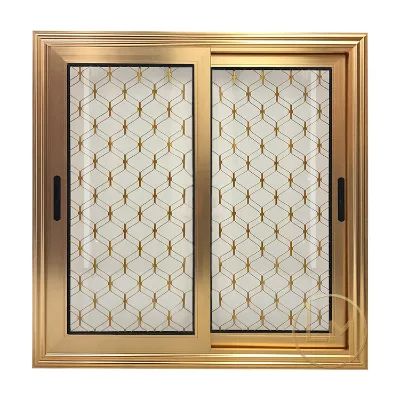
Custom Color Aluminium Window Aluminium Sliding Window for Interior Design Aluminum Sliding Window
$99.00 - $120.00
MOQ: 2 Square Meters

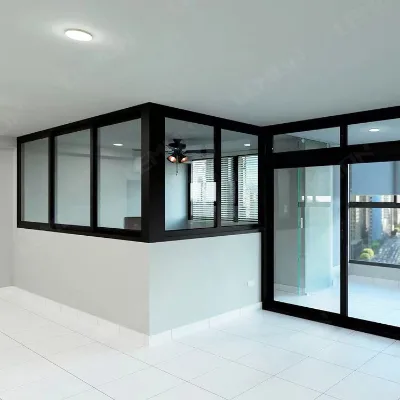
Ultra Slim Profile Aluminium Sliding Window for Modern Apartment Partition Aluminium Window
$99.00 - $120.00
MOQ: 2 Square Meters
Foshan LM Building Material Co., Ltd.
- Verified by Intertek
- Trading Company
- Lead time15 days
- Avg. response≤ 3h
Main productsAluminum Windows, Aluminum Doors, Steel Doors, Iron Doors, Garage Doors
Main marketsNorth America(40%), Africa(20%), Oceania(20%)
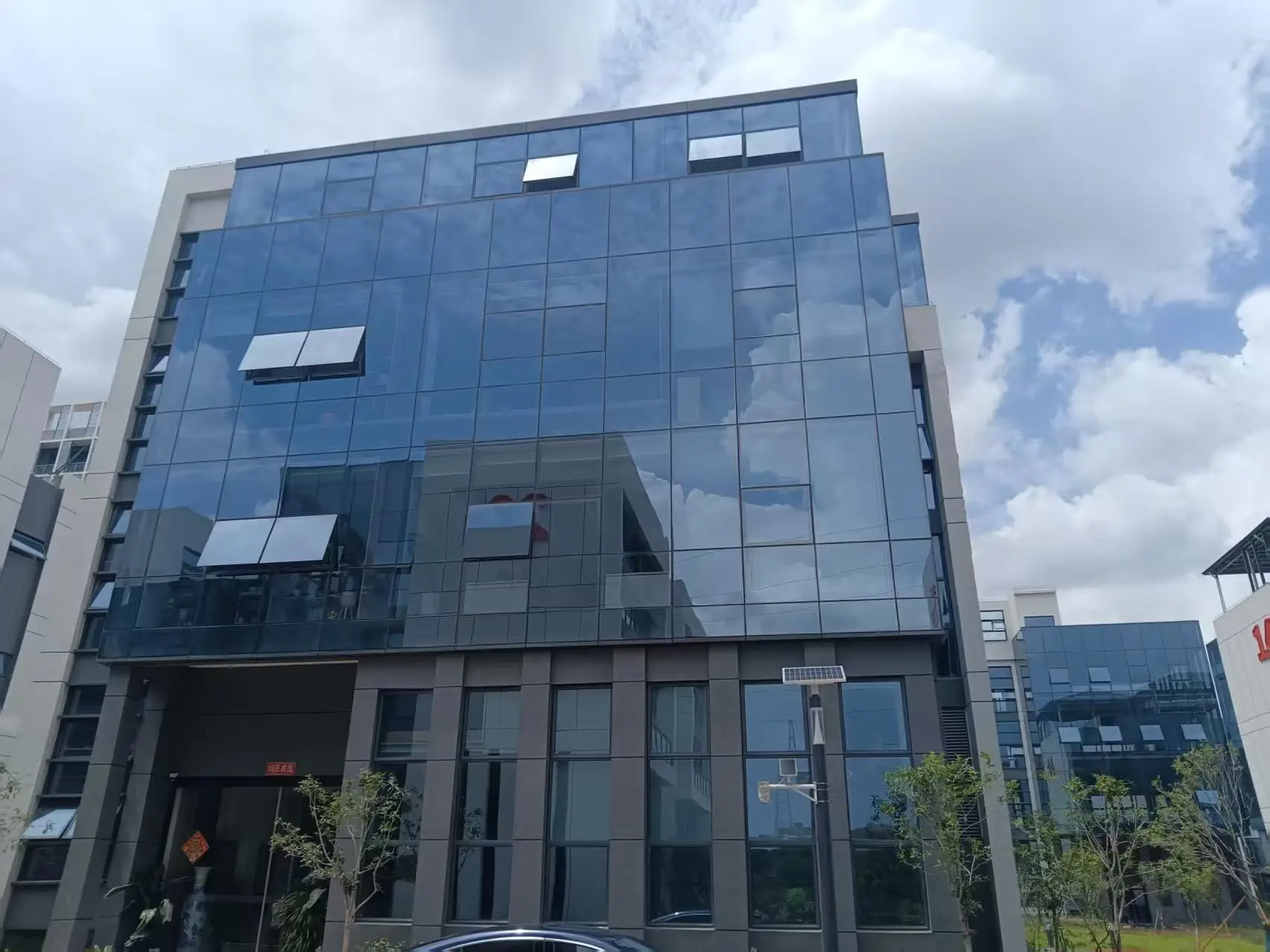
Jiangxi Maokay Furniture Co., Ltd.
- Manufacturer
- Jiangxi, China
- Lead time30 days
- Avg. response≤ 1h
Main productsKitchen Cabinet,Wardrobe,Staircase,Railing,Aluminum Window
Main marketsNorth America(30.00%), Oceania(20.00%), Western Europe(15.00%), South America(15.00%), Southeast Asia(10.00%), Africa(5.00%), Eastern Europe(5.00%)
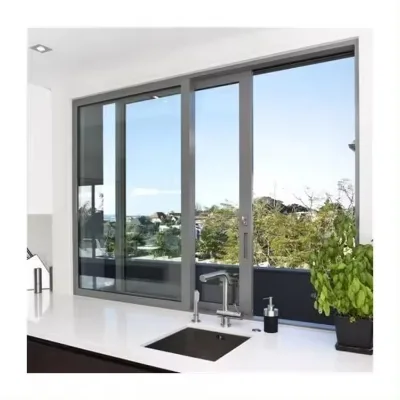
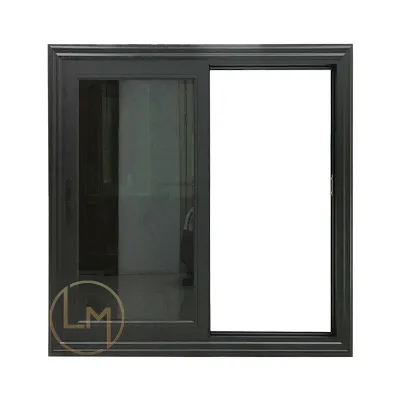
Modern Aluminium windows Customized Sliding windows 6063 Aluminium Sliding windows
$79.00 - $99.00
MOQ: 5 square
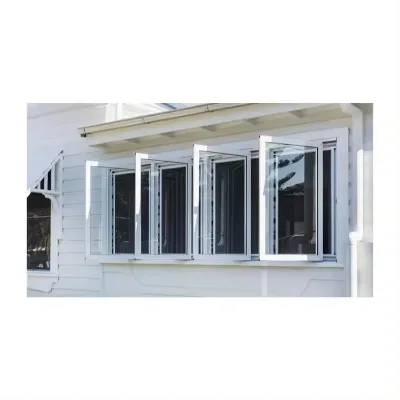
Sliding Window/Casement Double-layered Glass Design Aluminum Simple Swing Windows
$79.00 - $99.00
MOQ: 5 square
Shandong Huada Window Door And Curtain Wall Co., Ltd.
- Verified by Intertek
- Manufacturer, Trading Company
- Lead time30 days
- Avg. response≤ 2h
Main productsAluminum Windows, Aluminum Glass Doors, Curtain Walls, Sunroom
Main marketsDomestic Market(70%), North America(15%), South America(5%)

GUANGZHOU HOMI ALUMINIUM CO., LTD
- Verified by TUVRHEINLAND
- Manufacturer/Factory
- China Guangdong
- Lead time0 days
- Avg. response≤ 7h
Main productsAluminum Profile, Aluminum Window, Aluminum Door, Curtain Wall, Aluminum Formwork


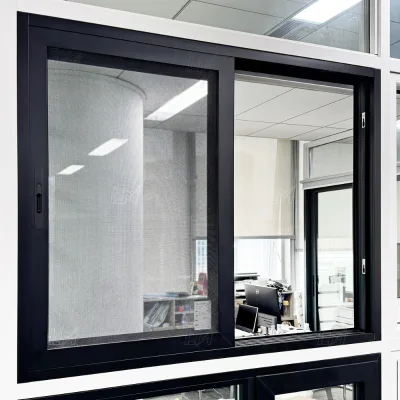
Customized Aluminium Alloy Sliding Windows with Flyscreen High Quality
$70.00 - $100.00
MOQ: 100 Square Meters
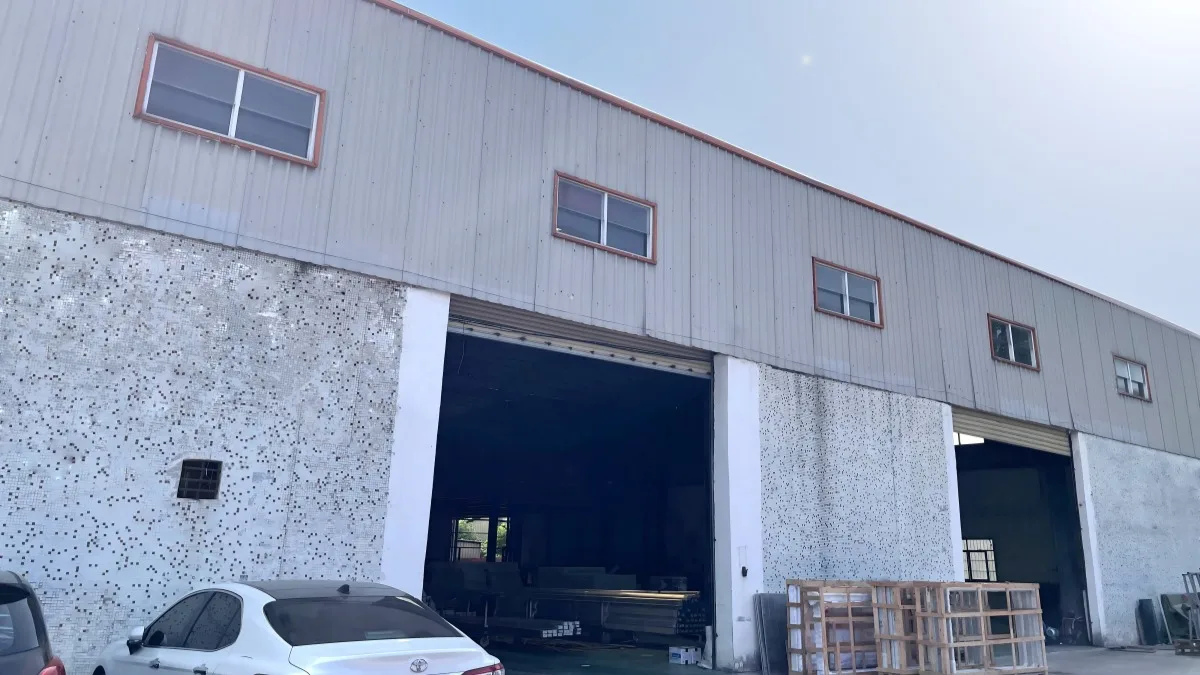
- Trading Company
- Hong Kong S.A.R.
- Lead time30 days
- Avg. response≤ 1h
Main productsAluminum Windows/Aluminum Doors,Curtain Wall/Aluminum Panel,Shower Enclosures
Main marketsDomestic Market(90.00%), Southeast Asia(10.00%)
Foshan Baivilla Doors Windows System Co., Ltd.
- Manufacturer, Trading Company
- Lead time旺季: "1 - 2":32,"> 2":"To be negotiated", 淡季: "1 - 2":32,"> 2":"To be negotiated"
- Avg. response≤ 2h
Main productsAluminum Doors and Windows, Curtain Wall

Shandong Baiyiyuan Doors and Windows Co., Ltd.
- Verified by TUVRHEINLAND
- Combined
- China Shandong
- Lead time15 days
- Avg. response≤ 4h
Main productsAluminum Alloy Window, Sliding Window, Casement Window, Sliding Door, Metal Window, Aluminum Window, Awning Casement Window, Curtain Wall, Swing Casement Window, Sunroom
Main marketsDomestic

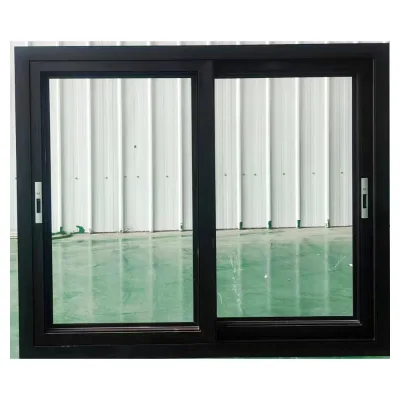
Aluminium Sliding Window Price of Sliding System Security Window
$85.00 - $100.00
MOQ: 1 Square Meters

Aluminum Door & Window Screens Sliding Custom Insect Screen Windows Aluminium Window
$100.00 - $149.00
MOQ: 1 Square Meters


Metal Window Sliding Aluminum System Double Glazing Glass Window
$100.00 - $149.00
MOQ: 1 Square Meters

Xiamen KDSBuilding Material Co., Ltd.
- Verified by TUVRHEINLAND
- Trading Company
- China Fujian
- Lead time30 days
- Avg. response≤ 3h
Main productsWindow, Wood Window, Aluminum Window, PVC Window, Timber Window, UPVC Window, Aluminum, Shutter, Sliding Window, Door
Main marketsSoutheast Asia/ Mideast
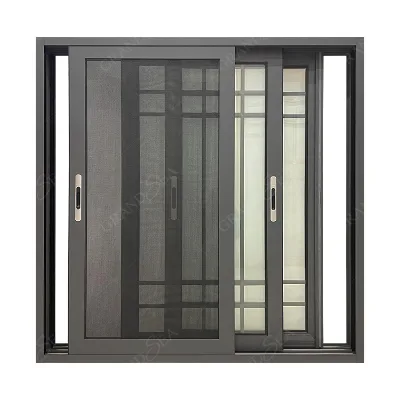
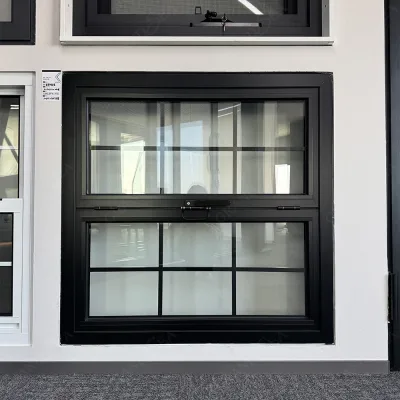
Foshan Grandsea Building Material Co., Ltd.
- Manufacturer, Trading Company
- Lead time旺季: "1 - 5":31,"6 - 200":55,"> 200":"To be negotiated", 淡季: "1 - 5":31,"6 - 200":55,"> 200":"To be negotiated"
- Avg. response≤ 4h
Main productsAluminum Window, Aluminum Door, Steel Door, Kitchen Cabinet, Wood Door
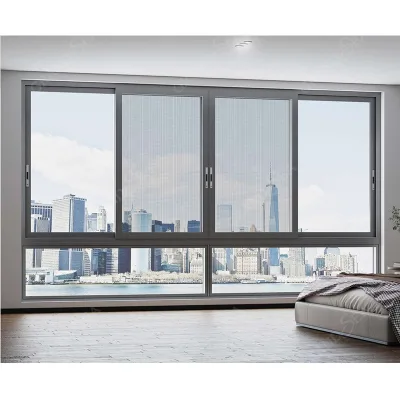
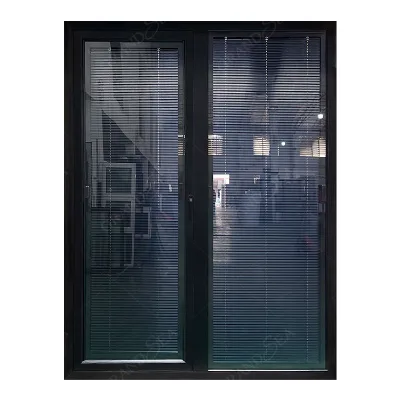
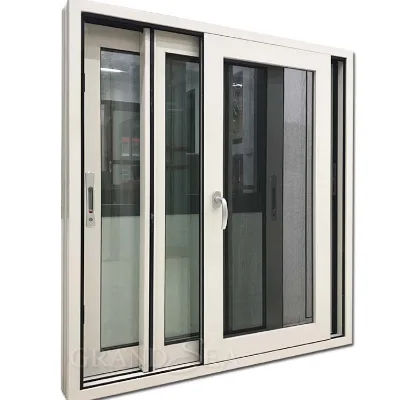
$51.3363 - $82.1377
MOQ: 15 square
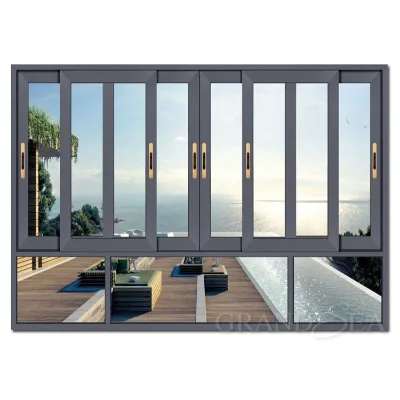
Guangzhou Advance Construction Material Co., Ltd.
- Verified by Intertek
- Manufacturer, Trading Company
- Lead time20 days
- Avg. response≤ 3h
Main productsGarage Door , Exterior Roller shutter, Aluminum door and window, Interior door and Exterior door , Industry Door
Main marketsNorth America(60%), Southeast Asia(20%), Africa(10%)
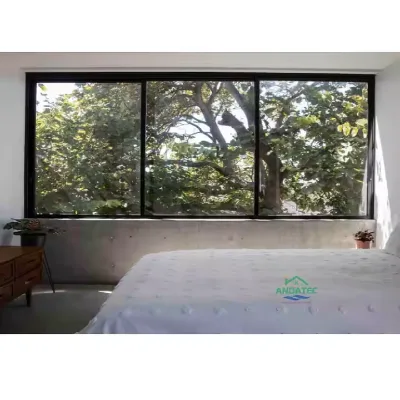
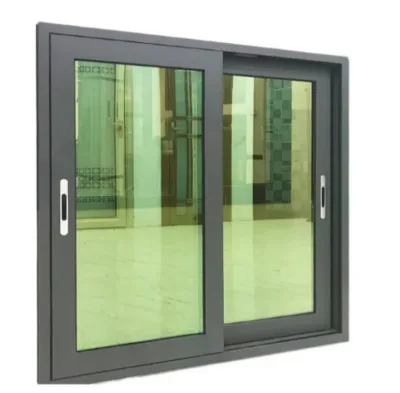
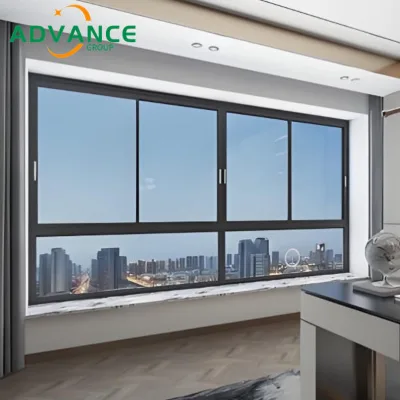
Aluminum Sliding Window with Double Glass and Fly Screen
$41.00 - $69.00
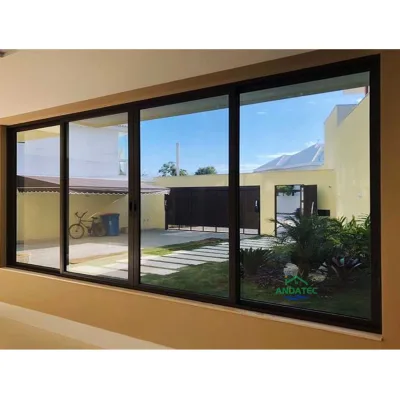
Foshan Golden Door And Window Co., Ltd.
- Manufacturer, Trading Company
- Guangdong, China
- Lead time30 days
- Avg. response≤ 2h
Main productsaluminum window,aluminum door,skylight,sunroom
Main marketsOceania(70.00%), North America(20.00%), South Asia(10.00%)
Shandong Imagery Aluminum Technology Co., Ltd.
- Verified by TüVRheinland
- Manufacturer, Trading Company
- Lead time35 days
- Avg. response≤ 2h
Main productsAluminum Doors, Aluminum Windows, Aluminum Sunroom, All-Aluminum Furniture, Building Materials
Main marketsDomestic Market(25%), Western Europe(12%), North America(10%)
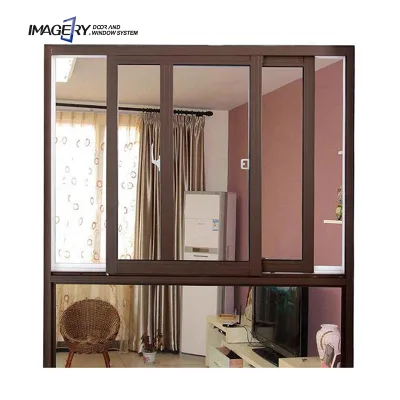
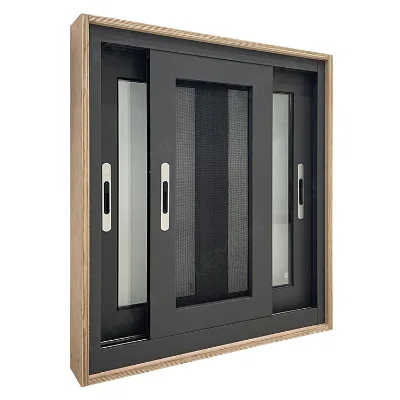
Modern Design Interior Aluminum Sliding Glass Window with Magnetic Screen Design for Houses Use
$65.00 - $85.00
MOQ: 2 square
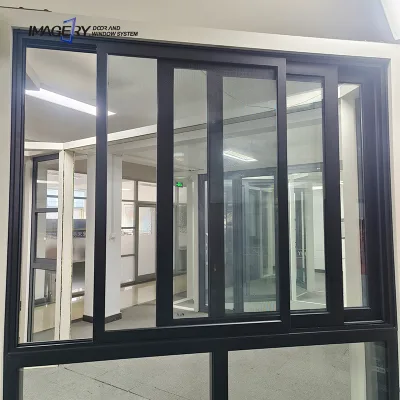
$90.00 - $120.00
MOQ: 2 square
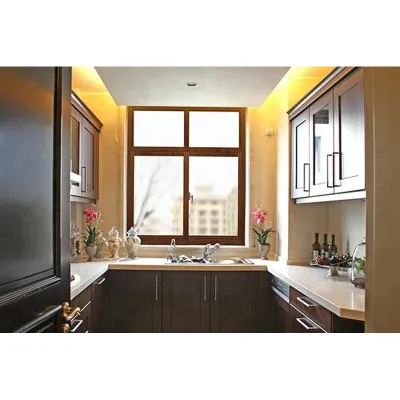
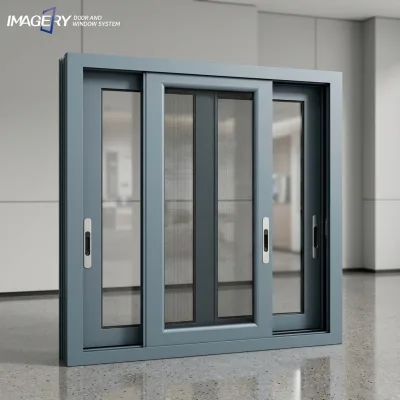

- Verified by SGS
- Trading Company
- China Guangdong
- Lead time15 days
- Avg. response≤ 14h
Main productsAluminum Extrusion Profiles, Doors and Windows Cabinet, Aluminum Profile Building Materials, Heat Sink, Powder-Coated Aluminum Profiles, Aluminum Heat Sink, Industrial Building Aluminum Profiles, Aluminum Sheet, Aluminum Doors, Aluminium Window
Main marketsSouth America,Southeast Asia/ Mideast,North America
- Verified by Intertek
- Trading Company
- Lead time15 days
- Avg. response≤ 4h
Main productsAluminum Doors, Aluminum Windows, Curtain Wall
Main marketsNorth America(25%), Southeast Asia(15%), Africa(15%)

- Verified by CTI
- Trading Company
- China Guangdong
- Lead time30 days
- Avg. response≤ 9h
Main productsStaircase, Raliing, Aluminum Doors and Windows, Interior and Exterior Door, Kitchen Cabinet, Wardrobe, Custom Whole-House Cabinet, Curtain Wall
Main marketsSoutheast Asia/ Mideast,Domestic,Europe,North America

Qingdao Luqing Jiayu Metal Products Co., Ltd
- Verified by BV
- Combined
- China Shandong
- Lead time30 days
- Avg. response≤ 1h
Main productsAluminium Window, Aluminium Door
Main marketsDomestic


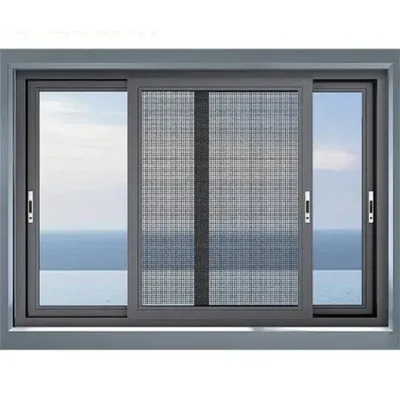
Aluminum Sliding Window with Double-Layer Glass and Concealed Screen Window
$95.00 - $135.00
MOQ: 20 Square Meters


Customized Energy-Efficient Aluminum Glass Sliding Windows with Screens
$95.00 - $135.00
MOQ: 20 Square Meters

Customized Aluminum Sliding Window with Double-Layer Glass and Concealed Screen Window
$95.00 - $135.00
MOQ: 20 Square Meters
Guangzhou Apro Building Material Co., Ltd.
- Verified by TüVRheinland
- Manufacturer, Trading Company
- Lead time45 days
- Avg. response≤ 2h
Main productsAluminum Door, Aluminum Window, Curtain Wall, Pergola, Office Partition
Main marketsNorth America(57%), Oceania(16%), South America(10%)

Chongqing Yixinmao Industry and Trade Co., LTD
- Verified by SGS
- Trading Company
- China Chongqing
- Lead time30 days
- Avg. response≤ 5h
Main productsWooden Veneer Door, Interior Door, Wooden Lacquered Door, Wardrobe Closet, Kitchen Cabinet, Closet, Aluminum Widow, Wall Panel
Main marketsDomestic


High Quality Aluminum Sliding Window Door Modern Simple Design Sliding Window
$88.00 - $420.00
MOQ: 2 Square Meters
Beigeman International Brand Management (foshan) Co., Ltd.
- Verified by SGS Group
- Manufacturer, Trading Company
- Lead time25 days
- Avg. response≤ 4h
Main productsGarage Doors, Sliding Doors, Sun Room, Casement Windows, Sliding Windows
Main marketsDomestic Market(55%), North America(15%), Southeast Asia(15%)
Foshan Grandsea Building Material Co., Ltd.
- Manufacturer, Trading Company
- Lead time旺季: "1 - 1":7,"2 - 50":15,"51 - 500":45,"> 500":"To be negotiated", 淡季: "1 - 1":7,"2 - 50":15,"51 - 500":45,"> 500":"To be negotiated"
- Avg. response≤ 2h
Main productsAluminum Window & Door, Metal Door, Wood Door, Garage Door, Pergola
- Verified by SGS Group
- Manufacturer, Trading Company
- Lead time20 days
- Avg. response≤ 3h
Main productsAluminum Doors, Aluminum Windows, Pivot Door, Sun House, Pergola
Main marketsDomestic Market(25%), North America(15%), Africa(15%)
Foshan Oumi Dezi Silent Doors And Windows Co., Ltd.
- Verified by Intertek
- Manufacturer, Trading Company
- Lead time35 days
- Avg. response≤ 6h
Main productsAluminium Door, Aluminium Window

Beijing Satisfactory Navigation Curtain Wall Decoration Engineering Co., Ltd.
- Verified by SGS
- Combined
- China Beijing
- Lead time30 days
- Avg. response≤ 1h
Main productsWindows, Doors, Curtain Walls
Main marketsDomestic

Modern Customized Double Glass Aluminum Alloy Sliding Window with Screen
$110.00 - $150.00
MOQ: 10 Square Meters

Premium Aluminum Sliding Window for Energy Efficiency and Style
$110.00 - $150.00
MOQ: 10 Square Meters
Foshan Dong Yu Doors And Windows Co., Ltd.
- Verified by Intertek
- Manufacturer, Trading Company
- Lead time20 days
- Avg. response≤ 3h
Main productsSteel Doors, Curtain Wall, Aluminum Alloy Doors And Windows, Wooden Doors, Kitchen Cabinet
Main marketsDomestic Market(38%), Africa(18%), North America(14%)
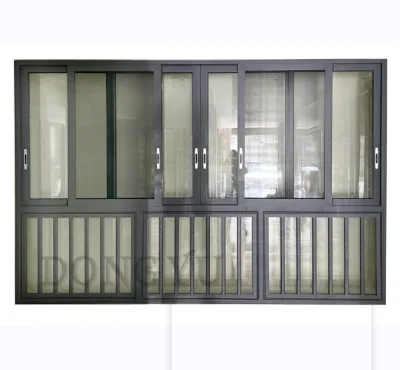
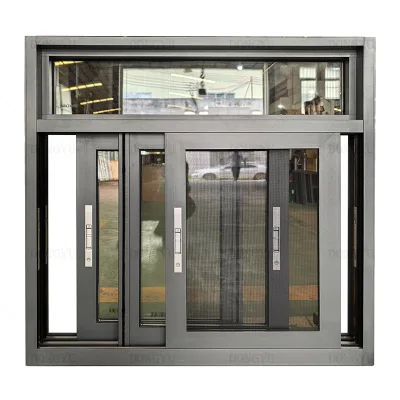
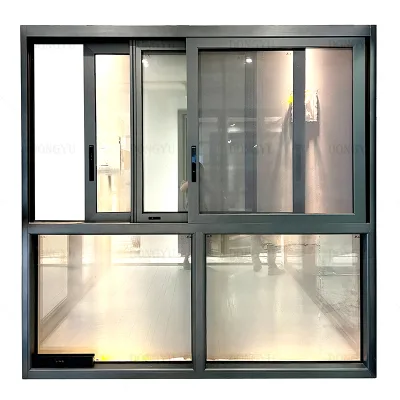
$93.3637 - $98.5503
MOQ: 2 square
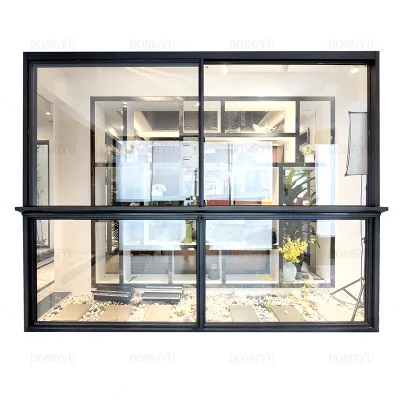
Foshan Baivilla Doors Windows System Co., Ltd.
- Manufacturer, Trading Company
- Lead time旺季: "1 - 10":30,"11 - 100":45,"101 - 500":60,"> 500":"To be negotiated", 淡季: "1 - 10":30,"11 - 100":45,"101 - 500":60,"> 500":"To be negotiated"
- Avg. response≤ 4h
Main productsWooden Door, Aluminum Doors and Windows, Sunroom, Canopy, Pergola


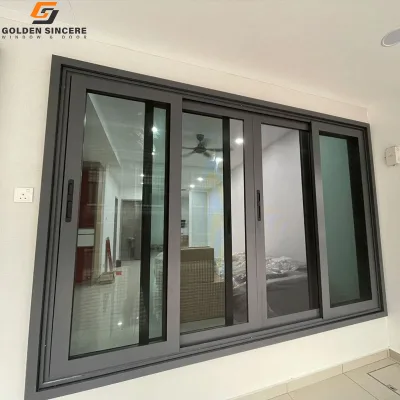
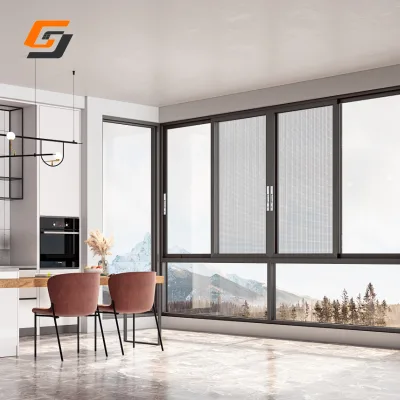
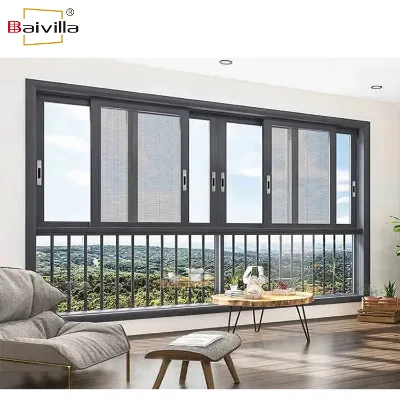
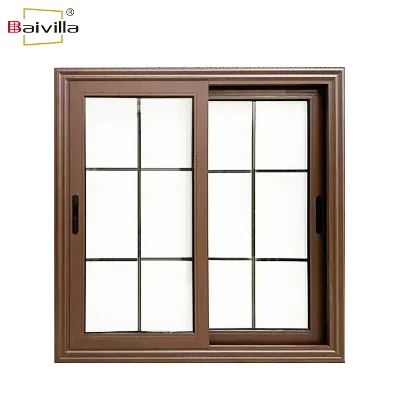


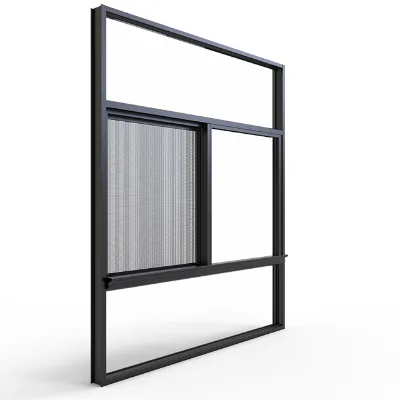

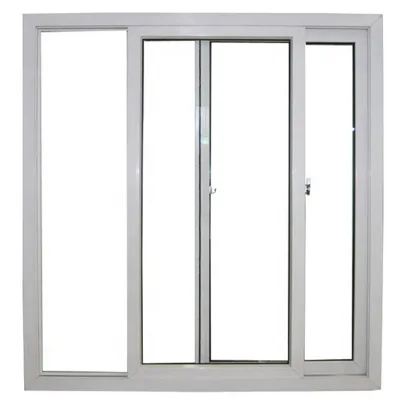


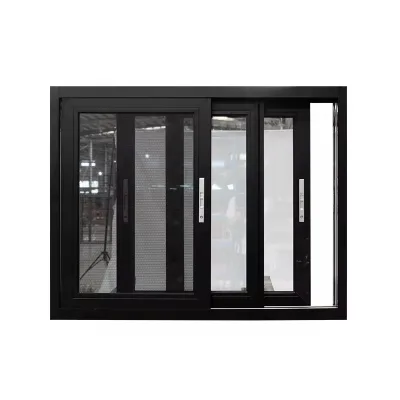
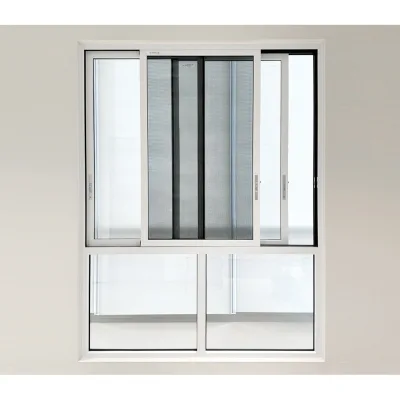


Comprehensive Sourcing Guide
Magnetic Screen Aluminium Sliding Window Supplier Concentration and Factory Types
The current supplier landscape for magnetic screen aluminium sliding windows reveals a diverse mix of manufacturing capabilities concentrated in specific Chinese provinces. Factories located in Anhui, such as those in Fuyang, often present themselves as combined entities capable of handling both trading and production needs. These suppliers frequently highlight their ability to offer Original Design Manufacturing (ODM) and Original Equipment Manufacturing (OEM) services alongside their own branded products. This dual capability suggests that buyers can access customized solutions without necessarily dealing with a pure trading company, although the distinction between a factory and a trading firm may sometimes be blurred in their self-description. The presence of these combined entities indicates a mature industrial cluster where supply chain integration is prioritized to serve both domestic and international markets efficiently.
In contrast, suppliers based in Guangdong often emphasize their focus on aluminum profiles and broader architectural solutions, including doors and curtain walls. These entities may operate with a stronger emphasis on their own brand identity rather than offering extensive OEM services. The verification status of these suppliers varies, with some holding certifications from recognized bodies like SGS or TÜV Rheinland, while others may not display specific third-party verifications on their primary listings. This variation in verification and company type requires buyers to look beyond the surface-level description of the supplier. Understanding whether a supplier is primarily a manufacturer, a trader, or a hybrid is crucial for determining the level of control over production quality and the flexibility available for customizing magnetic screen attachments to standard sliding window frames.
How to Verify Magnetic Screen Aluminium Sliding Window Suppliers
Verifying the legitimacy and capability of suppliers requires a close examination of their displayed verification badges and company types. Buyers should prioritize suppliers who have undergone third-party inspections, such as those verified by SGS or TÜV Rheinland, as these indicate a higher level of operational transparency. However, the absence of a visible verification badge does not automatically disqualify a supplier; it simply means the buyer must conduct additional due diligence. It is essential to check the company type listed, distinguishing between pure manufacturers, trading companies, and combined entities. A combined entity might offer the pricing benefits of a trader with the production control of a factory, but this requires careful negotiation to ensure that quality standards are maintained throughout the manufacturing process.
Beyond verification badges, buyers should assess the supplier’s response time and the depth of their product evidence. A rapid response time, such as under two hours, often correlates with a dedicated sales team that is actively engaged in the export market. Conversely, slower response times may indicate a larger, less agile operation or a focus on domestic markets. Buyers should also scrutinize the product attributes provided, such as frame material specifications, glass types, and hardware options. Suppliers that provide detailed information about their aluminum profiles, such as 6063-T5 grades, and specific glass configurations like double insulating or tempered glass, are likely more knowledgeable about the technical requirements of magnetic screen integration. This level of detail serves as a proxy for their technical competence and reliability in fulfilling complex orders.
What to Compare Across Magnetic Screen Aluminium Sliding Window Suppliers
When evaluating multiple suppliers, buyers must compare key operational metrics such as lead times, minimum order quantities (MOQs), and price ranges to find the best fit for their business model. Lead times can vary significantly, with some suppliers offering production cycles of around thirty days, while others may have different schedules based on current order volumes. MOQs are another critical differentiator; some suppliers may accept orders as low as one unit, which is ideal for sampling or small boutique projects, while others may require minimums of twenty units or more, catering to larger commercial installations. Understanding these thresholds helps buyers align their inventory strategies with supplier capabilities, ensuring that they do not overcommit to stock or face delays due to unmet minimums.
Price comparisons should also consider the specific configurations requested, such as the inclusion of magnetic screens, specific hardware brands, or glass types. Prices for aluminum sliding windows can range from approximately fifty to one hundred thirty-eight units of currency per square meter, depending on the complexity of the design and the quality of materials used. Buyers should look for suppliers that offer transparent pricing structures and clearly state whether the price includes packaging, hardware, or installation components. Additionally, comparing the customization options available, such as color finishes, screen netting materials like fiberglass, and optional hardware from brands like Cmech or Roto, allows buyers to assess the value proposition of each supplier. A lower price might come with limited customization or lower-quality hardware, so a holistic comparison is necessary to ensure long-term satisfaction.
Common Magnetic Screen Aluminium Sliding Window Sourcing Risks
One significant risk in sourcing magnetic screen aluminium sliding windows is the potential mismatch between the magnetic screen attachment and the window frame. Suppliers may offer standard sliding windows without ensuring that the magnetic screen system is compatible with the specific profile design. Buyers must verify that the magnetic strips are securely integrated and that the screen material, such as fiberglass, is durable and resistant to tearing. Another risk involves the quality of the aluminum profiles and glass. While some suppliers specify high-strength aluminum alloys and tempered glass, others may use inferior materials that do not meet international safety standards. This discrepancy can lead to product failures, safety hazards, and customer complaints, particularly in regions with strict building codes or harsh weather conditions.
Packaging and logistics also pose risks, especially for fragile components like glass and delicate magnetic screen mechanisms. Inadequate packaging, such as the absence of EPE foam or wooden crates, can result in damage during transit. Buyers should inquire about the specific packing methods used by each supplier to ensure that products arrive in pristine condition. Additionally, there is a risk associated with communication barriers and cultural differences in business practices. Suppliers with slower response times or limited English proficiency may struggle to understand specific customization requests, leading to errors in production. To mitigate these risks, buyers should establish clear communication channels, request detailed product specifications, and consider using escrow services to protect their payments until the goods are received and inspected.
Magnetic Screen Aluminium Sliding Window Regional Sourcing and Logistics
Sourcing from different regions in China offers distinct logistical advantages and challenges. Suppliers in Anhui, particularly those in Fuyang, are often positioned in industrial hubs that provide efficient access to raw materials and manufacturing resources. This location can result in competitive pricing and shorter lead times for domestic shipments, but international logistics may require additional coordination. Buyers should consider the proximity of these suppliers to major ports and transportation networks to estimate shipping costs and transit times accurately. The regional concentration of aluminum profile manufacturers in Anhui suggests a robust supply chain that can support large-scale orders with consistent quality.
In contrast, suppliers in Guangdong benefit from a well-established export infrastructure and proximity to major international shipping routes. This region is known for its advanced manufacturing capabilities and experience in serving global markets, which can translate to more reliable logistics and faster customs clearance. However, the cost of living and operational expenses in Guangdong may be higher, potentially affecting the final price of the windows. Buyers should weigh the logistical benefits of each region against the cost implications. Additionally, regional trade policies and tariffs can impact the overall cost of sourcing. Understanding the specific logistical requirements of each region helps buyers make informed decisions about where to source their magnetic screen aluminium sliding windows, ensuring that they balance cost, speed, and reliability effectively.
Magnetic Screen Aluminium Sliding Window Commercial Terms and Order Planning
Commercial terms and order planning are critical for successful procurement of magnetic screen aluminium sliding windows. Buyers should negotiate clear payment terms, such as using escrow services to secure funds until the goods are verified. This protects against fraud and ensures that suppliers fulfill their obligations. It is also important to define the scope of customization clearly, including specifications for frame materials, glass types, hardware brands, and magnetic screen configurations. Suppliers may offer various options, such as different color finishes or screen netting materials, so buyers must specify their requirements in writing to avoid misunderstandings. Clear communication of these details helps suppliers provide accurate quotes and ensures that the final product meets the buyer’s expectations.
Lead time management is another key aspect of order planning. Buyers should confirm the production schedule with the supplier and account for potential delays due to holidays, material shortages, or logistical issues. Establishing a realistic timeline helps in planning inventory and installation schedules. Additionally, buyers should inquire about after-sales support and warranty terms. Suppliers that offer comprehensive warranties and responsive customer service can provide peace of mind in case of any issues post-delivery. By carefully planning commercial terms and order logistics, buyers can minimize risks and ensure a smooth procurement process for their magnetic screen aluminium sliding windows, ultimately leading to a successful business relationship with their chosen suppliers.
FAQs
What is the price range for aluminum sliding windows?
Prices for aluminum sliding windows typically range from $50 to $138 per unit. The final cost depends on the specific model, glass type, and hardware selected. Buyers should verify exact quotes based on their customization needs and order volume to ensure accurate budgeting.
What is the minimum order quantity for these windows?
The minimum order quantity varies by supplier, with some accepting as few as one unit while others require twenty. Low MOQ options are available for testing quality, but bulk orders may offer better pricing. Always confirm the specific MOQ with the supplier before placing an order.
How long does production take for these windows?
Standard lead times for aluminum sliding windows are approximately 30 days. This duration allows for manufacturing, quality control, and packaging. Buyers should account for shipping time separately. Confirm the exact production schedule with the supplier to align with your project timeline effectively.
What certifications do these suppliers hold?
Suppliers may hold various verification certifications such as SGS or TÜV Rheinland. These credentials indicate adherence to specific quality and safety standards. Buyers should request current certification documents to verify compliance with their local building codes and regulatory requirements before finalizing any purchase agreement.
What materials are used for the window frames?
Frames are primarily constructed from aluminum alloy, often using 6063-T5 profiles. This material offers high strength and durability. Some models feature double insulating glass or tempered glass for enhanced safety. Buyers can choose from various surface finishes and colors to match their architectural design preferences.
Where are these aluminum windows manufactured?
Manufacturing locations include regions in China such as Anhui and Guangdong. These areas are known for their aluminum profile production capabilities. Buyers should verify the specific origin of their order to understand logistics and potential tariffs. Origin details are crucial for supply chain planning and cost estimation.
What functions do these sliding windows provide?
These windows provide heat insulation, soundproofing, and insect-proofing. They also offer airproofing and anti-theft security features. The sliding mechanism allows for easy operation. Buyers should check the specific function list for each model to ensure it meets their environmental and security requirements.