Automatic Commercial Meat Smoker Suppliers and Manufacturers
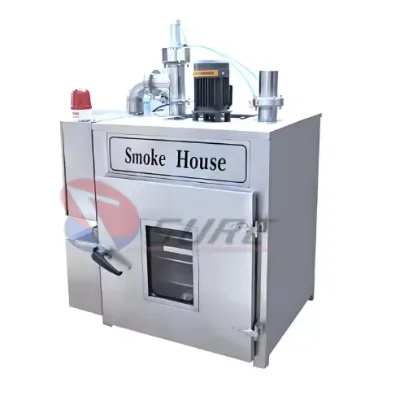
Compare 30 verified suppliers of Automatic Commercial Meat Smoker units based on location, lead time, and capacity. Review specifications like voltage and power source, then request quotes for models such as HR-QZX500IV or SYX-500; review the available evidence before requesting comparable quotations from suitable candidates.
Updated
Suppliers List

Huaray Food Machinery (Shijiazhuang) Co., Ltd
- Verified by SGS
- Combined
- China Hebei
- Lead time30 days
- Avg. response≤ 2h
Main productsVacuum Sausage Filler, Sausage Production Line, Bowl Cutter, Vacuum Stuffer, Frozen Meat Cutting Machine, Brine Injection, Meat Grinder, Meat Mixer, Smokehouse, Meat Slicer
Main marketsDomestic


$1999.00 - $4999.00
MOQ: 1 Sets

Commercial Multi-Functional Stainless Steel Fully Automatic Sausage Smoking Oven Sausage Smoker
$12000.00 - $18000.00
MOQ: 1 Sets

High Efficiency Chicken Fish Sausage Smoker for Beef Jerky Lamb Smoked Meat
$12000.00 - $18000.00
MOQ: 1 Sets

Zhucheng Shuke Machinery Technology Co., Ltd.
- Verified by TUVRHEINLAND
- Combined
- China Shandong
- Lead time15 days
- Avg. response≤ 2h
Main productsFood Machine, Meat Grinder, Sausage Stuffer, Smoker Oven, Meat Chopper Machine, Meat Cutter Machine, Meat Vacuum Tumbler, Shape Cutting Machine, Meat Cutting Machine, Stuffing Mixer
Main marketsAustralia

Industrial Cold Bean Curd Chicken Commercial Automatic Sausage Meat Smoker
$11000.00 - $13000.00
MOQ: 1 Pieces


- Verified by Intertek
- Manufacturer, Trading Company
- Lead time0 days
- Avg. response≤ 1h
Main productsJacketed Kettle, Meat Processing Machine, Vegetable Processing Machine, Dairy Machine
Main marketsEastern Europe(24%), Africa(19%), Eastern Europe(18%)
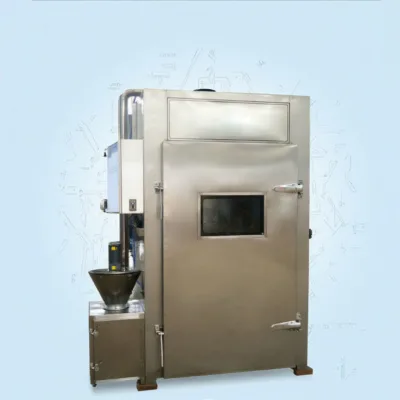
High Efficiency Smoker for Meat and Fish Industrial Meat Smoker Commercial Meat Smoker
$3240.00 - $3600.00
MOQ: 1 sets
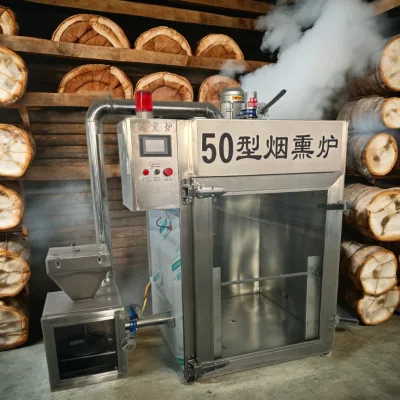
Smoker for Meats Smoked Meat Curing Oven Smoked Meat Chambers,User-friendly
$2211.6396 - $2457.3767
MOQ: 1 sets
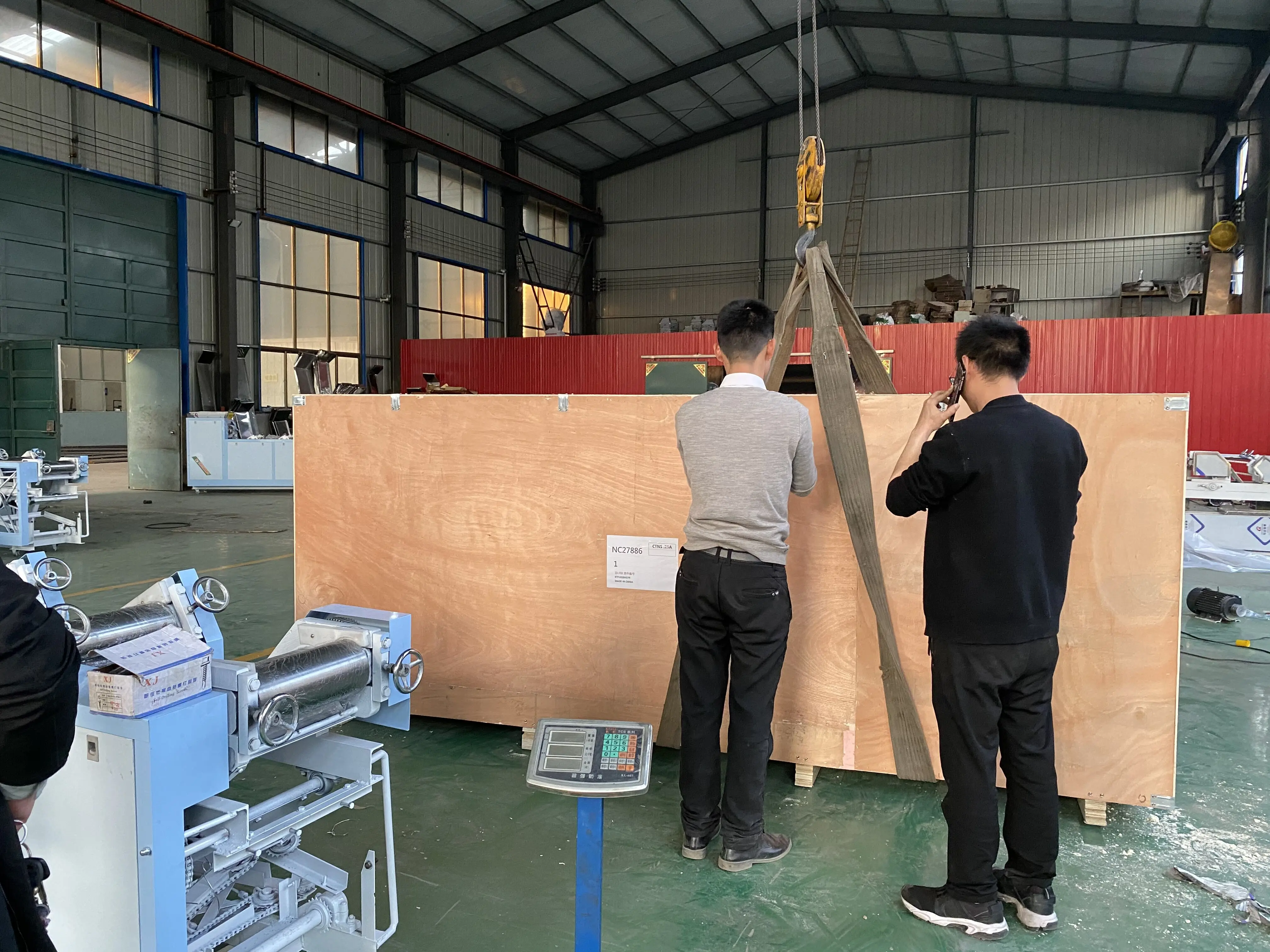
Xingtai Xiangwei Commercial Co., Ltd.
- Trading Company
- Hebei, China
- Lead time7 days
- Avg. response≤ 2h
Main productsDumpling Making Machine,Vegetable Cutting Machine,Meat Cutting Machine,Baozi Making machine,Vegetable Washing Machine
Main marketsNorthern Europe(12.00%), Oceania(11.00%), Eastern Asia(10.00%), North America(10.00%), South Asia(8.00%), Southern Europe(8.00%), Central America(8.00%), Western Europe(8.00%), Mid East(5.00%), Eastern Europe(5.00%), South America(5.00%), Domestic Market(5.00%), Southeast Asia(4.00%), Africa(1.00%)

Vipstar Machinery Technology Co., Ltd.
- Verified by SGS
- Trading Company
- China Hebei
- Lead time15 days
- Avg. response≤ 2h
Main marketsSoutheast Asia/ Mideast


Industrial Cold Bean Curd Chicken Commercial Automatic Sausage House Meat Smoker
$10000.00 - $13500.00
MOQ: 1 Pieces

Automatic Meat Smoking Chamber Fish Smoker Smoking Oven Smoke House Meat Smoker
$9000.00 - $26900.00
MOQ: 1 Pieces

Professional Electric Smoker for Sausages and Fish Fillets Meat Smoker
$13500.00 - $14000.00
MOQ: 1 Pieces

Sausage Meat Chicken Duck Smokehouse Smoke Oven for Sale Meat Smoker
$13500.00 - $14000.00
MOQ: 1 Pieces

Yiwu Lifeng Machinery Equipment Co., Ltd
- Trading Company
- Zhejiang, China
- Lead time7 days
- Avg. response≤ 1h
Main productsagricultural machinery,Food machinery,Construction machinery,Woodworking machinery,Other machinery
Main marketsMid East(30.00%), North America(20.00%), Southeast Asia(20.00%), Domestic Market(5.00%), Southern Europe(5.00%), Northern Europe(5.00%), Eastern Europe(5.00%), Africa(5.00%), South America(5.00%)
Luohe Orange Mechanical Equipment Co., Ltd.
- Verified by SGS Group
- Manufacturer, Trading Company
- Lead time15 days
- Avg. response≤ 2h
Main productsFood processing production line, Baking equipment, Candy Production Line, Dairy Processing Machines, Packaging Machinery
Main marketsNorth America(23%), South Asia(13%), South America(12%)
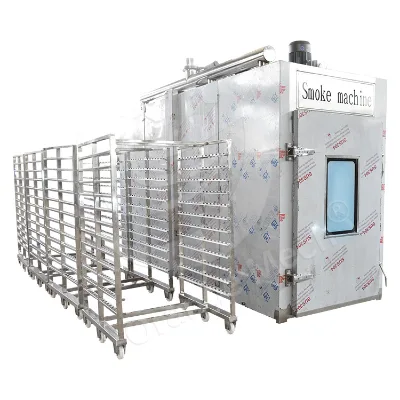
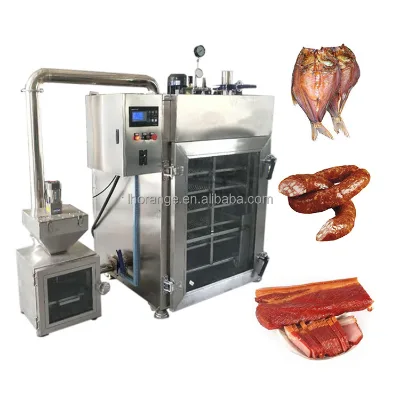
Factory Price Automatic Commercial Fish Sausage Smoking Meat Smoker Machine
$6370.65 - $6664.68
MOQ: 1 sets

Zhengzhou Great Machinery Equipment Co., Ltd.
- Verified by TUVRHEINLAND
- Trading Company
- China Henan
- Lead time30 days
- Avg. response≤ 1h
Main productsSpray Dryer, Microwave Dryer, Drying Oven, Drum Flaker, Flash Dryer, Essential Oil Extractor, Fluid Bed Dryer, Boiling Granulator Dryer, Smoke Oven, Bubble Washing Machine
Main marketsAustralia


Fully Automatic Stainless Steel Smoker for Beef and Fresh Meat Grilling
$4500.00 - $4800.00
MOQ: 1 Pieces
Henan Qinbiao Industrial Development Co., Ltd.
- Trading Company
- Henan, China
- Lead time45 days
- Avg. response≤ 1h
Main productsFruit and vegetable slicer,Fruit and vegetable peeler,Sauce making machine,Dumpling skin making machine,Wax melting pot
Main marketsDomestic Market(70.00%), North America(8.00%), Northern Europe(5.00%), Mid East(5.00%), Eastern Europe(5.00%), Central America(4.00%), South America(3.00%)
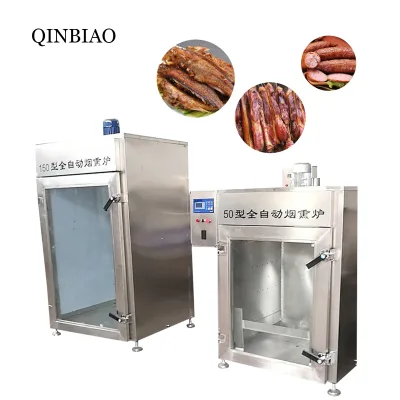
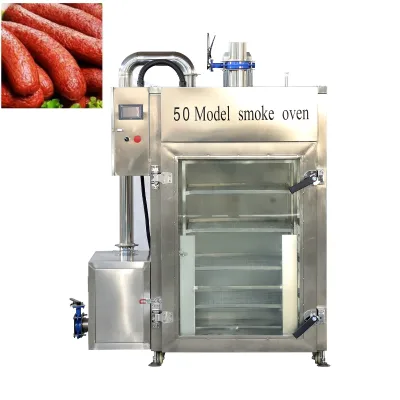
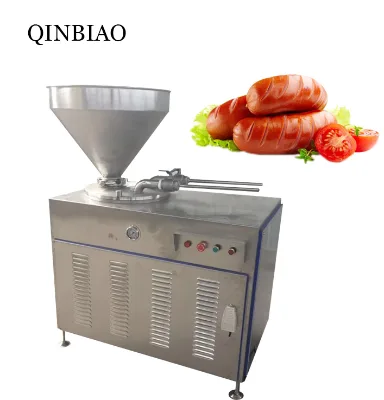
Electric Meat Smoker Commercialpork Chicken Bacon Sausage for Hungarian Food Sausage Fish Smoker
$895.00 - $1610.00
MOQ: 1 Minimum
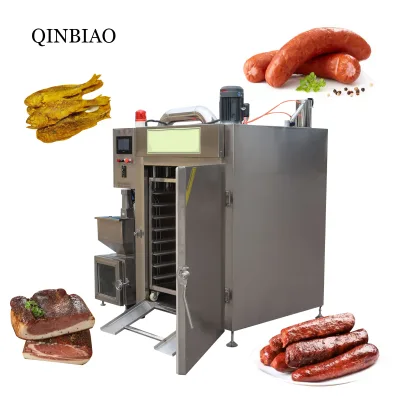
Guangzhou Xuzhong Food Machinery Co., Ltd.
- Manufacturer, Trading Company
- Lead time旺季: "1 - 5":16,"> 5":"To be negotiated", 淡季: "1 - 5":16,"> 5":"To be negotiated"
- Avg. response≤ 5h
Main productsFlour Processing Machine, Bean Processing Machine, Vegetable Processing Machine, Meat Processing Equipment, Beverage Processing Equipment

Jinan Chenji International Trade Co., Ltd.
- Verified by BV
- Trading Company,Manufacturer/Factory
- China Shandong
- Lead time23 days
- Avg. response≤ 3h
Main productsTensile Testing Machine, Hardness Tester, Plastic PVC Tester, Mining Machine Springs, Ethanol Distilling Equipment, Railway Spring, Metallographic Cutting Equipment, Pipes Pressure Testing Machines
Main marketsSouth America,Eastern Europe,Mid East,North America,Southeast Asia,Eastern Asia,Oceania,Western Europe,Africa

Commercial Meat Smoker/Industrial Electric Meat Fish Pork Bacon Sausage Chicken Food Smoker
$2650.00 - $3600.00
MOQ: 1 Pieces

Automatic Smoker Meat Smoker Smoked Chicken Making Machine Smoker Suitable for Food Factory
$2650.00 - $3600.00
MOQ: 1 Pieces

New Design Smoke Oven for Home Commercial Meat Smoke Machine Meat Smoker
$2650.00 - $3600.00
MOQ: 1 Pieces

Industrial Beef Fish Bacon Smokehouse Furnace Equipment Automatic Smokehouse Meat Smoker
$2650.00 - $3600.00
MOQ: 1 Pieces


$2650.00 - $3600.00
MOQ: 1 Pieces
Henan Foodline Machinery Co., Ltd.
- Trading Company
- Lead time旺季: "1 - 1":12,"> 1":"To be negotiated", 淡季: "1 - 1":12,"> 1":"To be negotiated"
- Avg. response≤ 4h
Main productsFried production line,Fruit and vegetable processing machinery,Vending machine,Food trailer,Puffed snack food processing line
Jinan Damatic Machinery Equipment Co., Ltd.
- Verified by Intertek
- Trading Company
- Lead time15 days
- Avg. response≤ 5h
Main productsIndustrial Cooking Pot, Vegetable Sorting Machine, Noodle Making Machine, Tortilla Making Machine, Vegetable Cutting Machine
Main marketsNorth America(13%), Southeast Asia(13%), South America(12%)
Zhengzhou Great Machinery Equipment Co., Ltd.
- Manufacturer, Trading Company
- Lead time旺季: "1 - 1":10,"> 1":"To be negotiated", 淡季: "1 - 1":10,"> 1":"To be negotiated"
- Avg. response≤ 1h
Main productsDrying Equipment, Food Processing Equipment, Agriculture Equipment

Zhucheng Changhe Machinery Technology Co., Ltd.
- Verified by SGS
- Combined
- China Shandong
- Lead time30 days
- Avg. response≤ 4h
Main productsSlaughtering Equipment
Main marketsDomestic
Zhengzhou Great Machinery Equipment Co., Ltd.
- Trading Company
- Lead time旺季: "1 - 1":20,"> 1":"To be negotiated", 淡季: "1 - 1":20,"> 1":"To be negotiated"
- Avg. response≤ 1h
Main productsdrying machine,Food Processing Machinery,machinery equipment,Microwave Drying Equipment,packaging machine
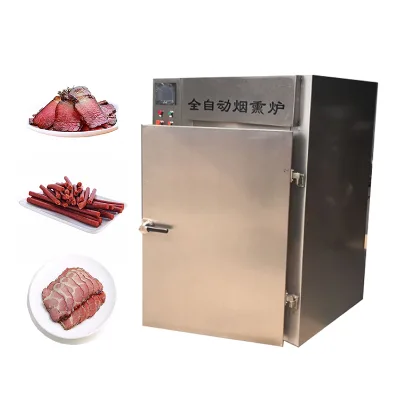
Customized Barrel Meat Smoker Industrial Smoker for Meat Smoke Oven in Texas
$3500.00 - $4000.00
MOQ: 1
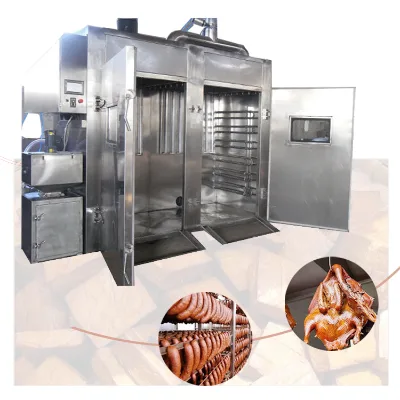
Best Electric Smoker For Meat commercial Meat Smoking Furnace For Sale
$2500.00 - $3500.00

Henan Xuanhua Machinery Co., Ltd.
- Trading Company,Manufacturer/Factory
- China Henan
- Lead time23 days
- Avg. response≤ 6h
Main productsWater Well Drilling Rig, Drilling Rig, Automatic Filling Machine, Shotcrete Machine, Rebar Bender, Rebar Cutter, Tamping Rammer, Compactor Plate, Road Cutter, Food Processing Machine
Main marketsSouth America,Eastern Europe,Mid East,North America,Southeast Asia,Eastern Asia,Oceania,Western Europe,Africa

Commercial Meat Smoker Machine Food and Fruit Fish Smoker Smoking Oven Smoke
$2600.00 - $40000.00
MOQ: 1 Pieces

Industrial Small Electric Cold Smoker Oven Meat Smoking Machine Fish Meat Smoker
$2600.00 - $40000.00
MOQ: 1 Pieces

Factory Direct Sale Efficient Commercial Electric Meat Sausage Smokers/Smokehouse Machine
$2600.00 - $40000.00
MOQ: 1 Pieces

Shandong EPS Machinery Co., Ltd.
- Verified by SGS
- Trading Company
- China Shandong
- Lead time15 days
- Avg. response≤ 2h
Main productsFruit Vegetable Processing Machine, Meat Processing Solution, Prepared Food Processing Machine, Food Packing Solution, Food Sterilization Solution, Container Washing Processing Machine, Sausage Making Production Line, French Fries and Potato Chips Production Line
Main marketsSoutheast Asia/ Mideast,North America


Commercial Smoke Oven Cheap Meat Smoker Electric Smoker Price Smokehouse
$800.00 - $3000.00
MOQ: 1 Pieces

Automatic Meat Smoking Machine / Meat Smoker Chamber / Meat Smoke House Machine
$800.00 - $3000.00
MOQ: 1 Pieces

Zheng Zhou Taizy Trading Co., LTD
- Verified by BV
- Trading Company
- China Henan
- Lead time15 days
- Avg. response≤ 6h
Main productsWood Processing Machine, Plastic Processing Machine, Charcoal Processing Machine, Food Processing Machine, Waste Recycling Machine, Packing Machine, Agricultural Machine, Egg Tray Machine, Metal Processing Machine
Main marketsSouth America,Others(foreignTradeCapacity.exportBusinessCapacityMarketOther),Southeast Asia/ Mideast,Europe

Commercial Chicken Smoker Meat Smoke Machine BBQ Smokehouse Smoking Oven
$3500.00 - $6500.00
MOQ: 1 set


Shenyang Jixiang Food Machinery Co., Ltd.
- Manufacturer
- Liaoning, China
- Lead time60 days
- Avg. response≤ 6h
Main productsBowl cutter,Cooking&Smoking house,Meat Grinder,Vacuum Tumbler,Meat Mixer
Main marketsSouth America(25.00%), Western Europe(20.00%), Southeast Asia(16.00%), Eastern Asia(10.00%), Eastern Europe(8.00%), North America(8.00%), Oceania(5.00%), Mid East(5.00%), Africa(3.00%)
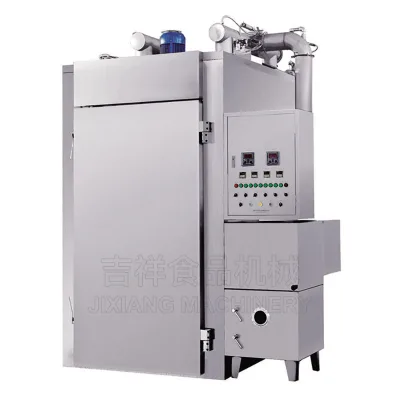
250KG Commercial Smokers Machine Meat Smoking with Steam Cooking Function
$13000.00 - $13390.00
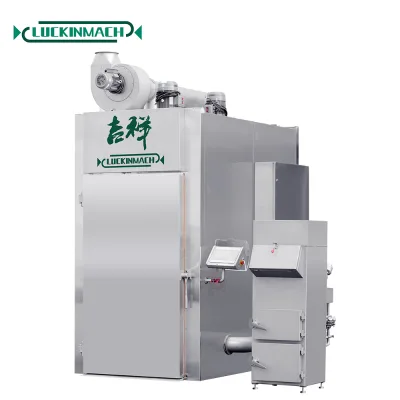
Electric Domestic Masterbuilt Restaurant Meat Smoker for Sausage Production Line
$30220.00 - $30420.00
MOQ: 1
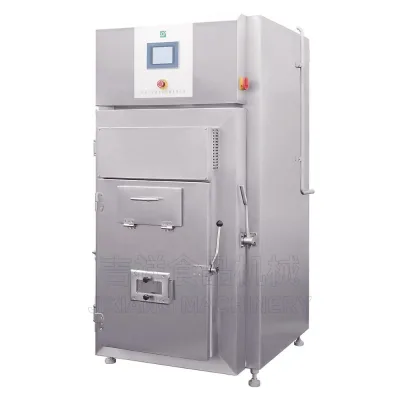
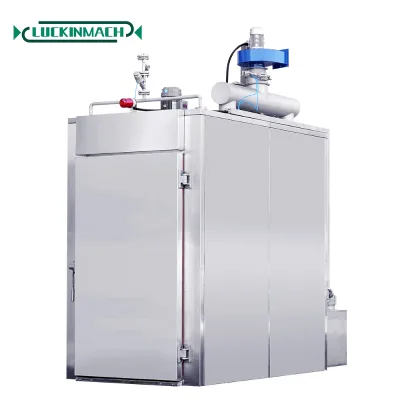
Best Selling Fish Meat Sausage Industrial Top Meat Smoker Smokers From Factory Direct
$14400.00 - $14600.00
MOQ: 1

Zhengzhou Huamo Machinery Equipment Co., Ltd.
- Manufacturer, Trading Company
- Henan, China
- Lead time15 days
- Avg. response≤ 5h
Main productsAgricultural machinery,Paper product processing machinery,Packaging machinery,Drying machinery
Main marketsSoutheast Asia(30.00%), South America(25.00%), North America(20.00%), Central America(10.00%), Africa(10.00%), Western Europe(5.00%)
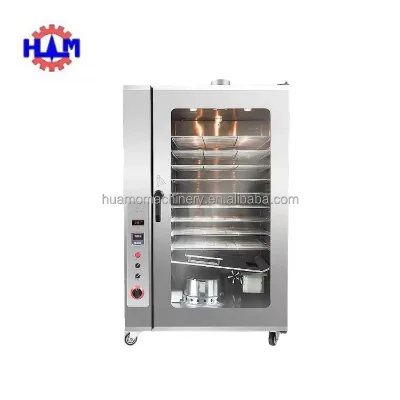
Commercial Electric Sausage Smoker Fish Food Smoker Meat Catfish Smoking Chamber Machine
$780.00 - $850.00
MOQ: 1
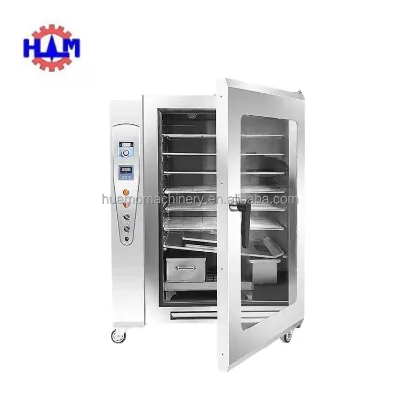
Gas Meat Smoker Smoke Machine Meat Smoker Small Smoke House Meat Smoker 100kilos
$780.00 - $850.00
MOQ: 1
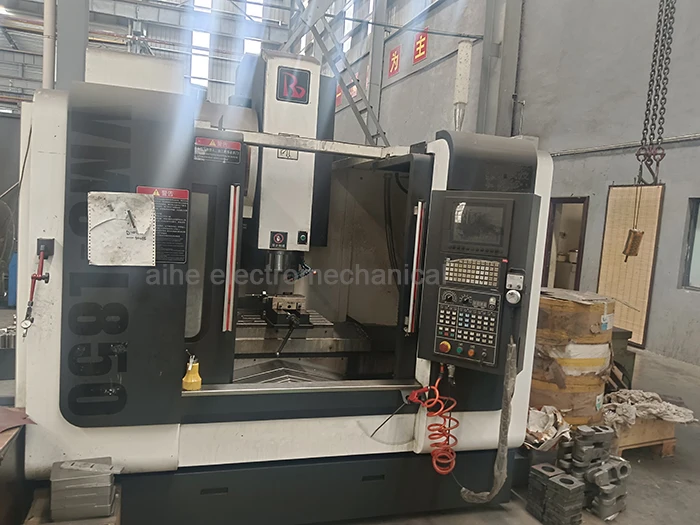
Luohe Aihe Electromechanical Equipment Co., Ltd.
- Trading Company
- Henan, China
- Lead time0 days
- Avg. response≤ 2h
Main productsPasteurization tank,Yogurt production line,Oil frying production line equipment,Baking production equipment,Grain machinery
Main marketsWestern Europe(40.00%), Africa(20.00%), Southeast Asia(11.00%), Mid East(10.00%), North America(8.00%), Northern Europe(5.00%), South America(3.00%), Eastern Europe(2.00%), Central America(1.00%)
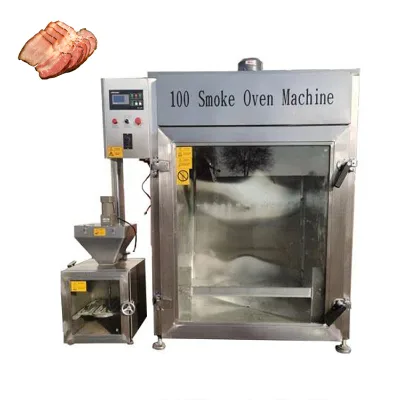
$2000.00 - $2050.00
MOQ: 1 sets
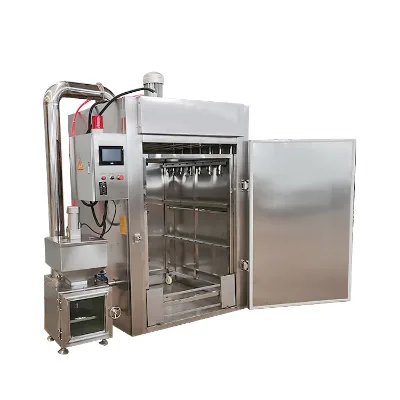
$2059.0564 - $2110.5335
MOQ: 1 sets
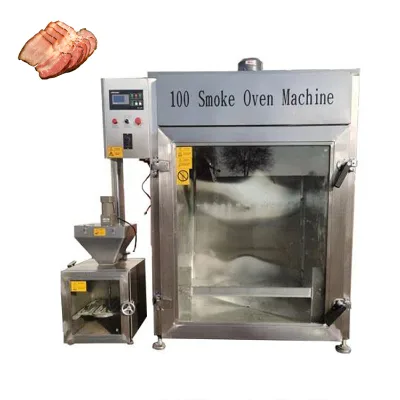
$2000.00 - $2050.00
MOQ: 1 sets
Henan Huanor Import And Export Trade Co., Ltd.
- Verified by TüVRheinland
- Trading Company
- Lead time0 days
- Avg. response≤ 6h
Main productsMeat Grinder, Bowl Cutter, Slicer, Beef Patty Machine
Main marketsNorth America(20%), Western Europe(20%), Eastern Europe(8%)
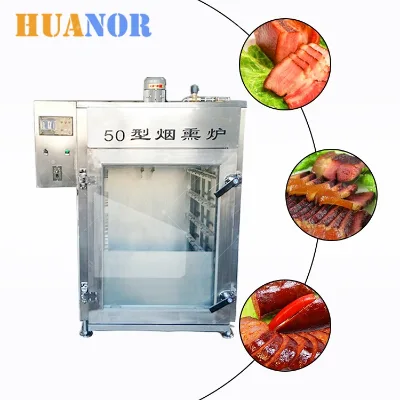
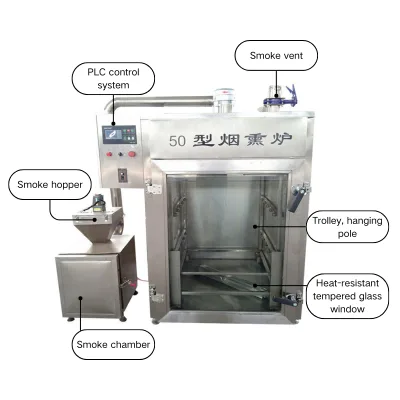
Popular Factory Price Commercial Fish Smokehouses Industrial Meat Smokehouses Sausage Smokers
$1800.00 - $2200.00
MOQ: 1 sets

Shandong Shengtu Bufan Intelligent Technology Co., Ltd.
- Verified by SGS
- Combined
- China Shandong
- Lead time30 days
- Avg. response≤ 1h
Main productsMeat Processing Machine, Fruit and Vegetable Processing Machine, Filling and Packaging Machine, Cleaning Equipment, Sterilization Equipment, Dairy Processing Equipment, Freeze Drying Equipment, Deep Fryer, Snacks Production Line, Cutting Machine
Main marketsSouth America,East Asia(Japan/ South Korea),Europe,North America

Commercial Electric Meat Smoker Automatic Grade Large Scale Food Smokehouse
$2450.00 - $28140.00
MOQ: 1 Sets

High Quality Automated Meat and Fish Smoker Cold Temperature Controlled Smokehouse
$2200.00 - $3800.00
MOQ: 1 Sets
Henan Leiqing Machinery Equipment Co., Ltd.
- Trading Company
- Henan, China
- Lead time5 days
- Avg. response≤ 4h
Main productsDough&Pastry Machines,Meat&Vegetable Machines,Packing Machines,Filling&Packing Machines,Coding&Sealing Machines
Main marketsSouth America(10.00%), Domestic Market(5.00%), South Asia(5.00%), Southern Europe(5.00%), Northern Europe(5.00%), Central America(5.00%), Western Europe(5.00%), Eastern Asia(5.00%), Mid East(5.00%), Oceania(5.00%), Southeast Asia(5.00%), Eastern Europe(5.00%), North America(5.00%)
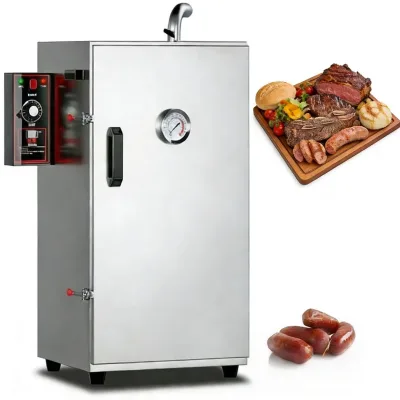
High Quality Beef Brisket Smoking Turkey Steaks Electric Smoker
$395.00 - $425.00
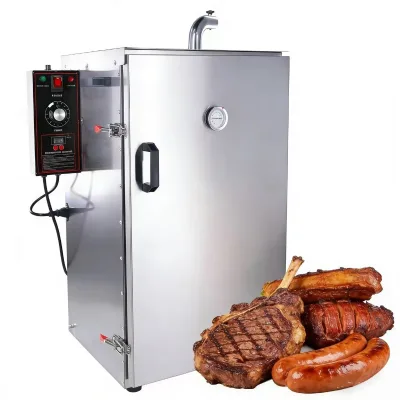
Electric Meat Smoker / Fish/chicken/pork Head Meat Smoke Machine
$395.00 - $425.00

Qingdao Tune Machinery Co., Ltd.
- Manufacturer/Factory
- China Shandong
- Lead time23 days
- Avg. response≤ 8h
Main productsFrozen French Fries Production Line, Potato Chips Production Line, Fruit and Vegetable Processing Equipment, Meat Food Processing Equipment, Frying Machine
Main marketsSouth America,Eastern Europe,Mid East,North America,Southeast Asia,Eastern Asia,Oceania,Western Europe,Africa

Commercial Meat Sausage Smokehouse Duck Fish Smoking Machine Meat Smoking Machine
$4500.00 - $20000.00
MOQ: 1 Sets

Smoking Machine / Meat Smoker / Automatic Meat Fish Sausage Smokehouse for Sale
$4500.00 - $20000.00
MOQ: 1 Sets

- Verified by SGS
- Trading Company
- China Jiangsu
- Lead time0 days
- Avg. response≤ 4h
Main productsVacuum Sausage Stuffer, Smoker Oven, Vacuun Meat Tumbler, Meat Cutting Machine, Sausage Sealer Machine, Meat Mixer Machine, Frozen Meat Cube Cutter, Meat Bowl Cutter Machine, Automatic Loading Lifter Machine, Loading Cart

$4500.00 - $29000.00
MOQ: 1 Sets

Commercial-Grade Multi-Functional Smokehouse & Oven Automatic Sausage Smoker for Beef & Fish
$10000.00 - $30000.00
MOQ: 1 Sets
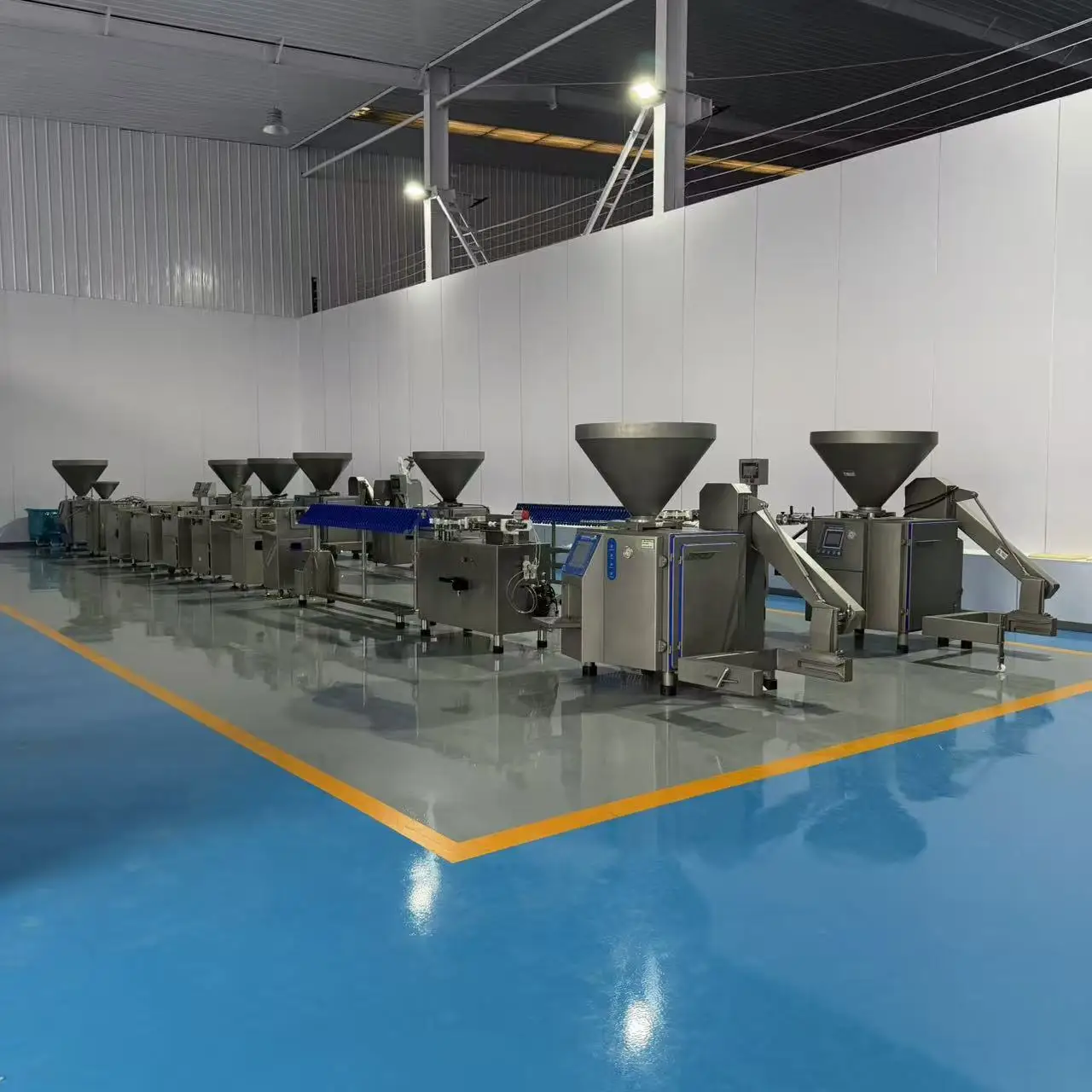
Zhucheng Jinbowei Food Machinery Co., Ltd.
- Manufacturer, Trading Company
- Shandong, China
- Lead time15 days
- Avg. response≤ 1h
Main productsSausage production line,Vegetable washing line,Drying production line,Meatball production line,Fried machine line
Main marketsSouth Asia(10.00%), Central America(10.00%), Southeast Asia(10.00%), Mid East(10.00%), South America(10.00%), North America(10.00%), Domestic Market(5.00%), Oceania(5.00%), Southern Europe(5.00%), Northern Europe(5.00%), Africa(5.00%), Western Europe(5.00%), Eastern Asia(5.00%), Eastern Europe(5.00%)
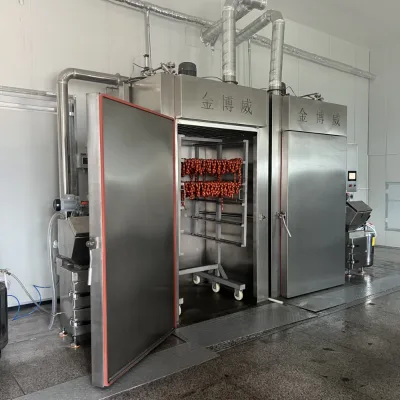
$5241.8771 - $23826.7099
MOQ: 1 Minimum
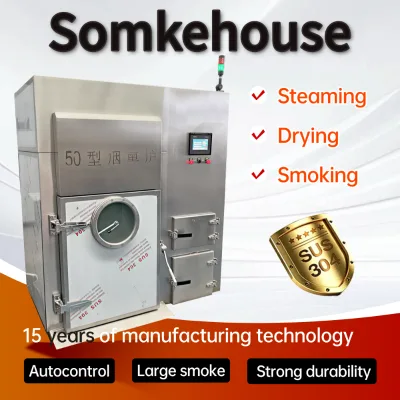
Smoker Smoked Meat Sausage Whole Chicken Fish Large Smokehouse
$5241.8771 - $23826.7099
MOQ: 1 Minimum
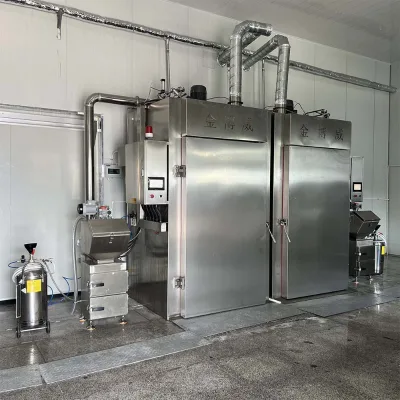
Tianjin Sure International Trading Co., Ltd.
- Verified by SGS Group
- Manufacturer, Trading Company
- Lead time30 days
- Avg. response≤ 4h
Main productsFreezing Equipment, Meat Processing Equipment, Fruits & Vegetables Processing Machinery, Bakery Equipment, Potato French Fries Production Line
Main marketsNorth America(20%), South America(20%), Southeast Asia(15%)

Foshan Shunde District Gexi Electrical Appliance Co., Ltd.
- Verified by TUVRHEINLAND
- Manufacturer/Factory
- China Guangdong
- Lead time0 days
- Avg. response≤ 3h
Main productsFood Dehydrator

Fully Automatic Electric Temperature Control Smoking Machine for Commercial Meat
$230.00 - $250.00
MOQ: 9 Pieces

ISO Quality Commercial Meat Smoking Machine with Large Chamber and 304 Racks
$230.00 - $250.00
MOQ: 9 Pieces

Professional Electric Commercial Smoking Machine for Meat and Sausage 9 Layers CE
$230.00 - $250.00
MOQ: 9 Pieces

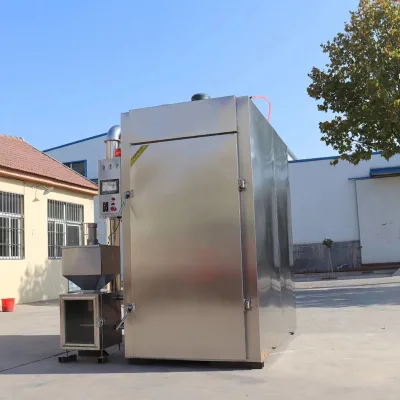
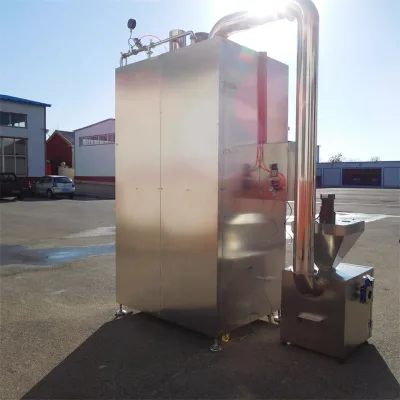


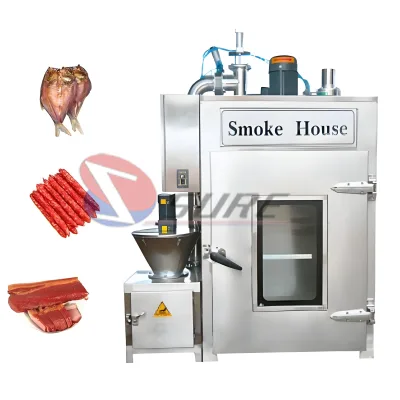
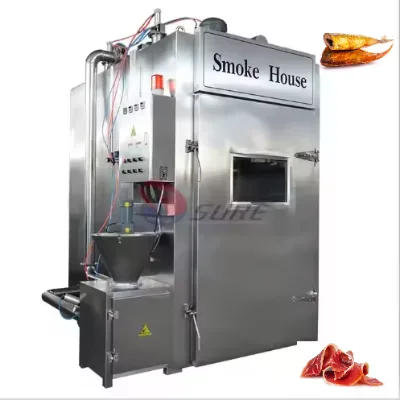
Comprehensive Sourcing Guide
Automatic Commercial Meat Smoker Supplier Concentration and Factory Types
The current supplier landscape for automatic commercial meat smokers reveals a distinct geographic concentration in China, specifically within the Hebei and Shandong provinces. These regions serve as primary manufacturing hubs for industrial food machinery, offering buyers access to established industrial clusters that specialize in meat processing equipment. Suppliers located in Hebei often present a combined company type, indicating a blend of trading and manufacturing capabilities, which can influence how orders are managed and customized. Meanwhile, facilities in Shandong are frequently identified as direct manufacturers, providing a different operational structure that may appeal to buyers seeking direct factory engagement. Understanding this regional distribution is crucial for assessing the logistical feasibility and supply chain resilience of potential partners. The presence of these specific locations in search results provides a concrete basis for narrowing down supplier pools, allowing buyers to focus their evaluation efforts on entities with proven regional expertise in heavy machinery production.
Factory types vary significantly among these suppliers, ranging from combined entities to pure manufacturers. Combined companies may offer broader product ranges, including vacuum sausage fillers, bowl cutters, and brine injection systems, alongside the smokers themselves. This diversification can be advantageous for buyers looking to consolidate their machinery procurement into a single source. In contrast, manufacturers in Shandong often focus intensely on specific categories like meat grinders, tumbler machines, and smoking ovens, potentially offering deeper technical specialization in those areas. The distinction between these company types affects not only the product portfolio but also the flexibility in customization and the depth of technical support available. Buyers should carefully review the main products listed for each supplier to determine if their operational needs align with the supplier’s primary focus, ensuring that the chosen partner has the requisite experience and infrastructure to support their specific production volume and product variety requirements.
How to Verify Automatic Commercial Meat Smoker Suppliers
Verification is a critical step in mitigating risk when sourcing industrial machinery, and several key indicators can help buyers assess supplier credibility. One primary method is checking for third-party verification badges, such as those from SGS or TÜV Rheinland, which indicate that the supplier has undergone external audits for business legitimacy and operational standards. These verifications provide a layer of confidence that the entity is a legitimate business operation rather than a shell company. Additionally, buyers should examine the system certifications listed, although current data shows many suppliers have NIL status for specific system certifications, which may require further inquiry into their internal quality management practices. It is essential to look beyond the presence of a badge and understand the scope of the verification, ensuring it covers the relevant manufacturing processes for meat smoking equipment. This due diligence helps establish a baseline of trust before engaging in detailed technical discussions or financial commitments.
Beyond verification badges, buyers should scrutinize the response time and communication efficiency of potential suppliers. A response time of approximately 1.64 to 1.70 hours suggests a responsive sales team, which is vital for resolving technical queries and negotiating terms efficiently. Slow response times can indicate poor customer service or a lack of dedicated support staff, which may lead to delays and misunderstandings during the procurement process. Buyers should also verify the authenticity of product claims by requesting detailed specifications, such as voltage requirements, power source types, and automatic grade classifications. Ensuring that the supplier can provide accurate and comprehensive product data demonstrates their technical competence. Furthermore, checking for CE certificates on specific models, as seen in some Shandong-based listings, can provide additional assurance of compliance with international safety and quality standards, although buyers should always confirm the validity of such certificates directly with the issuing bodies.
What to Compare Across Automatic Commercial Meat Smoker Suppliers
When evaluating multiple suppliers, buyers must compare key operational metrics to determine the best fit for their business needs. Lead time is a significant differentiator, with some suppliers offering a standard 30-day production window while others, particularly those in Shandong, may provide a faster 15-day turnaround. This difference can impact inventory planning and market launch schedules, making it a critical factor for time-sensitive projects. Additionally, the minimum order quantity (MOQ) varies, with many suppliers setting an MOQ of just one set, which is ideal for small-scale operations or trial orders. However, buyers should also consider the capacity per furnace, which ranges from 250kg to 500kg, as this directly affects production throughput. Comparing these metrics side-by-side allows buyers to align supplier capabilities with their specific production volumes and delivery expectations, ensuring that the chosen partner can meet their operational demands without unnecessary delays or excessive inventory costs.
Price and customization options are another vital area for comparison. The price range for automatic commercial meat smokers can vary significantly, with some models starting around $1,999 and others reaching up to $18,000, depending on features and capacity. Buyers should analyze the total power consumption, air pressure requirements, and steam pressure specifications to understand the operational costs associated with each machine. Customization availability is also a key differentiator, with many suppliers offering ODM and OEM services to tailor machines to specific brand or functional requirements. Comparing the voltage options, such as 380V, and the automatic grade classifications helps buyers assess the compatibility of the equipment with their existing infrastructure. By systematically comparing these technical and financial attributes, buyers can make informed decisions that balance cost, performance, and flexibility, ensuring they select a supplier that offers the best value proposition for their specific business context.
Common Automatic Commercial Meat Smoker Sourcing Risks
One of the primary risks in sourcing automatic commercial meat smokers is the potential mismatch between advertised specifications and actual performance. Buyers must be cautious of discrepancies in capacity, power consumption, and material quality, as these factors directly impact the efficiency and longevity of the equipment. For instance, while some suppliers claim high capacity per furnace, the actual throughput may vary based on operational conditions and product density. Additionally, the risk of receiving equipment that does not meet local safety or electrical standards is significant, especially when importing from regions with different regulatory frameworks. Buyers should verify that the machines comply with relevant standards, such as CE certification, and ensure that the voltage and power source specifications match their facility’s infrastructure. Failing to do so can result in costly modifications, operational downtime, or even safety hazards, making thorough technical verification a non-negotiable step in the sourcing process.
Another common risk is the variability in after-sales support and spare parts availability. Automatic meat smokers are complex machines with numerous moving parts and electronic controls, requiring regular maintenance and occasional repairs. Buyers should assess the supplier’s commitment to providing technical support, including the availability of operation manuals, video tutorials, and remote assistance. Some suppliers offer lifetime technical support, which is a valuable asset, but buyers should confirm the scope and limitations of such services. Additionally, the risk of delayed delivery or poor packaging can lead to damage during transit, especially for heavy machinery weighing up to 2800kg. Buyers should inquire about the packaging standards, such as wooden box or export-standard packing, and ensure that insurance coverage is in place. By proactively addressing these risks through detailed contract terms and clear communication, buyers can minimize disruptions and ensure a smooth procurement experience.
Automatic Commercial Meat Smoker Regional Sourcing and Logistics
Sourcing from specific regions in China, such as Hebei and Shandong, offers logistical advantages due to their proximity to major ports and industrial infrastructure. Hebei, in particular, benefits from its location near Beijing and Tianjin, facilitating efficient export logistics for heavy machinery. Shandong, with its extensive coastal ports, provides another robust channel for international shipping, often resulting in competitive freight rates. Buyers should consider the transportation methods available, such as sea or land transportation, and the associated delivery times, which can range from 30 to 60 days by sea. Understanding the logistical landscape helps buyers plan their inventory and manage cash flow more effectively. Additionally, the regional concentration of suppliers can lead to economies of scale in shipping, allowing buyers to consolidate orders from multiple suppliers in the same region to reduce freight costs. This strategic approach to sourcing can enhance supply chain efficiency and reduce overall procurement expenses.
Packaging and handling are critical components of logistics for heavy industrial equipment. Automatic meat smokers often weigh between 1800kg and 2800kg, requiring specialized packaging to prevent damage during transit. Suppliers typically use wooden boxes or export-standard wooden cases to secure the machines, but buyers should verify the specific packaging standards to ensure adequate protection. The dimensions of the packaging, such as 270015002720mm, also impact container loading efficiency and shipping costs. Buyers should work with suppliers to optimize packaging configurations, potentially reducing void space and maximizing container utilization. Furthermore, understanding the transport requirements, such as the need for forklifts or cranes at the destination, is essential for smooth unloading and installation. By carefully planning the logistics and packaging aspects, buyers can minimize the risk of damage and ensure that the equipment arrives at their facility in optimal condition, ready for immediate deployment.
Automatic Commercial Meat Smoker Commercial Terms and Order Planning
Commercial terms and order planning are essential for ensuring a smooth transaction and successful implementation of the equipment. Buyers should negotiate clear payment terms, such as using escrow services to protect their funds until the goods are received and verified. This approach mitigates the risk of non-delivery or non-conformance, providing a secure framework for the transaction. Additionally, buyers should establish a detailed timeline for production, shipping, and installation, aligning these milestones with their operational needs. The lead time, whether 15 or 30 days, should be factored into the overall project schedule, allowing for buffer time to address any potential delays. Clear communication regarding delivery terms, such as FOB or CIF, helps clarify responsibilities for shipping and insurance, ensuring that both parties understand their obligations. By planning these commercial aspects meticulously, buyers can avoid misunderstandings and ensure a seamless procurement process.
Customization and warranty terms are also critical components of the commercial agreement. Many suppliers offer customization options, allowing buyers to tailor the equipment to their specific brand or functional requirements. Buyers should document these customization details in the contract to ensure that the final product meets their expectations. Additionally, warranty terms should be clearly defined, covering parts, labor, and technical support for a specified period. Buyers should inquire about the availability of spare parts and the process for claiming warranty services, ensuring that they have a reliable support system in place. By negotiating favorable commercial terms and planning the order process carefully, buyers can secure a partnership that supports their long-term operational success. This proactive approach to contract management helps build a strong foundation for a productive and mutually beneficial relationship with the supplier.
FAQs
What is the typical lead time for automatic commercial meat smokers?
Lead times vary by supplier, with observed ranges from 15 to 30 days. Some manufacturers in Shandong offer faster delivery of 15 days, while others in Hebei may require up to 30 days. Buyers should confirm specific timelines based on the selected supplier and order volume before finalizing purchases.
What is the minimum order quantity for these smoking machines?
Most suppliers list a minimum order quantity of one set or unit for automatic commercial meat smokers. This allows small businesses to start without large inventory commitments. However, specific terms may vary by vendor, so verifying the exact MOQ with the chosen supplier is essential before placing an order.
Are these meat smokers available with customization options?
Yes, customization is available for many automatic commercial meat smokers. Suppliers offer tailored voltage, power sources, and dimensions to meet specific production needs. Buyers can request custom specifications for capacity and control modes, ensuring the equipment fits their facility layout and processing requirements effectively.
What certifications do these industrial smoking machines hold?
Certifications vary by manufacturer, with some products holding CE certification for safety compliance. Supplier verification statuses include SGS and TÜV Rheinland, indicating third-party validation of company credentials. Buyers should request specific product certificates and verify supplier verification status to ensure quality and safety standards are met.
Where are these commercial meat smoking ovens manufactured?
These machines are primarily manufactured in China, specifically in the Hebei and Shandong provinces. Suppliers in these regions specialize in food machinery and offer various models for meat processing. Buyers should confirm the exact origin of the equipment to understand shipping logistics and potential import duties for their location.
What is the price range for automatic commercial meat smokers?
Prices for these units range from approximately 1,999 to 18,000 USD depending on capacity and features. Smaller models start near 1,999 USD, while larger industrial units with higher capacity can cost up to 18,000 USD. Buyers should compare specific models to find the best value for their production volume and budget.
How quickly do suppliers typically respond to inquiries?
Supplier response times are generally fast, with observed averages around 1.64 to 1.70 hours. This indicates a high level of responsiveness for potential buyers seeking quotes or technical support. Quick communication helps streamline the sourcing process, allowing buyers to resolve questions and finalize orders more efficiently.