Automatic Cuttlefish Peeling Machine Suppliers and Manufacturers
Compare 15 verified suppliers offering automatic cuttlefish peeling machines with varying lead times, response speeds, and certifications. Review specifications like voltage, capacity, and customization options to select the right factory for your seafood processing needs; review the available evidence before requesting comparable quotations from suitable candidates.
Updated
Suppliers List

Guangdong Shenghui Machinery Co., Ltd
- Verified by TUVRHEINLAND
- Combined
- China Guangdong
- Lead time23 days
- Avg. response≤ 9h
Main productsFood Machine, Vegetable Cutting Machine, Vegetable Washing Machine, Fruit Cleaning Machine, Bone Sawing Machine, Grinding Machine, Peeling Machine, Packing Machine, Fish Skinning Machine, Fish Extraction Machine
Main marketsSoutheast Asia/ Mideast,Domestic


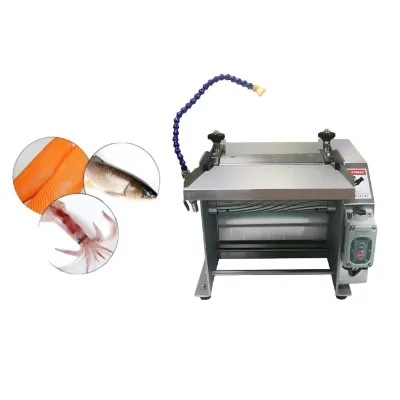
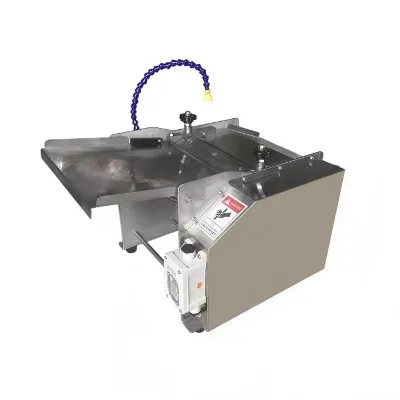
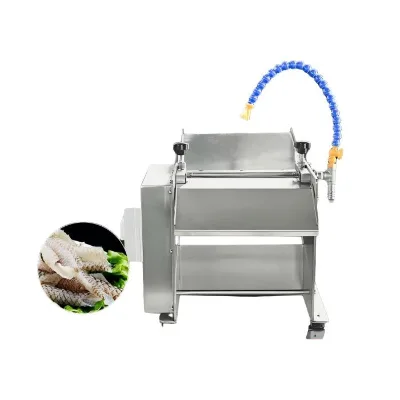
Automatic Fish Peeling Machine with Pressure Roller Squid Skinning Machine
$6000.00 - $6200.00
MOQ: 1 pc


Effective Fish Skin Peeler Squid Tilapia Peeling Machine Seafood Machine
$6000.00 - $6200.00
MOQ: 1 pc

Zhengzhou Bogen Machinery Equipment Co., Ltd.
- Verified by CTI
- Trading Company
- China Henan
- Lead time30 days
- Avg. response≤ 2h
Main productsPeanut Butter Machine, Spice Grinder, Meat Grinder, Meat Slicer, Meat Chopper, Potato Washing and Peeling Machine, Vegetables and Fruits Cutting Machine, Sausage Stuffer, Sausage Filler, Sausage Making Machine
Main marketsAfrica,Europe,North America
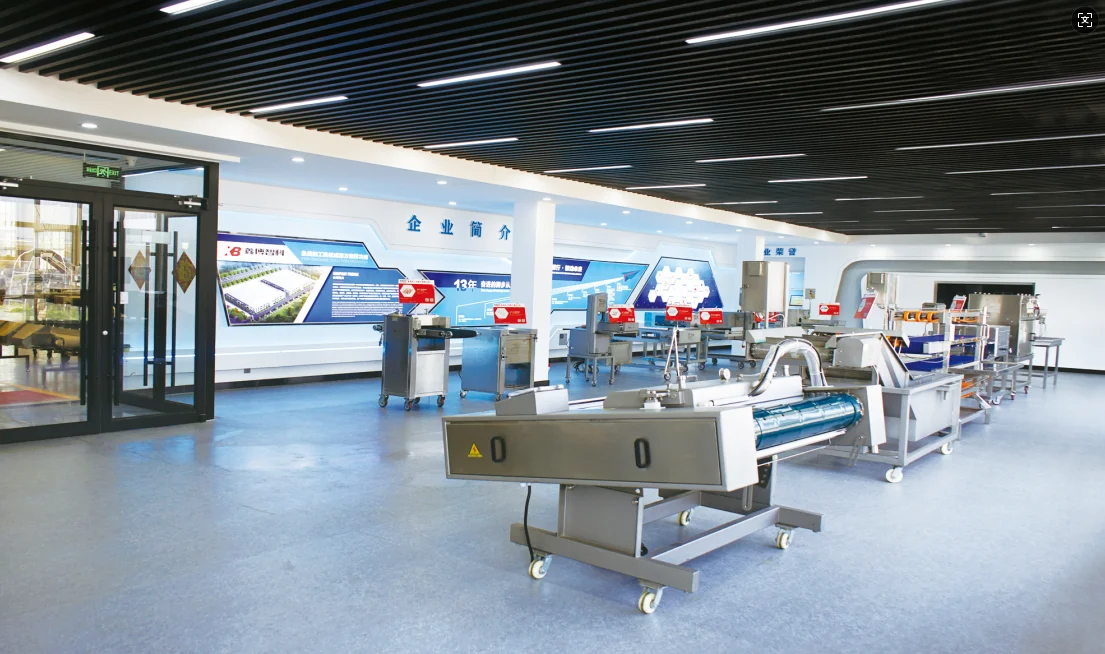
Rizhao Zhike International Trade Co., Ltd.
- Manufacturer, Trading Company
- Shandong, China
- Lead time7 days
- Avg. response≤ 5h
Main productsfish scaler,fish fillet machine,fish gutting machiine,segmenter,fish cutting machine
Main marketsDomestic Market(60.00%), South Asia(10.00%), Eastern Asia(8.00%), Southeast Asia(8.00%), Western Europe(5.00%), Africa(5.00%), North America(2.00%), South America(2.00%)
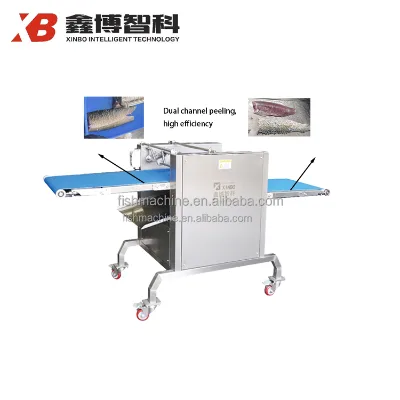
Automatic Fish Skin Peeling Machine Processing Equipment for Fish Peeling
$2054.9355 - $2876.9097
MOQ: 1 sets






Zhaoqing Tengsheng Machinery Co., Ltd.
- Verified by SGS
- Combined
- China Guangdong
- Lead time15 days
- Avg. response≤ 6h
Main productsVegetable Machine
Main marketsSoutheast Asia/ Mideast,Europe,North America

Commercial Skinning Equipment Squid Cuttlefish Automatic Electric Fish Peeling Machine
$7000.00 - $7500.00
MOQ: 1 Pieces

Precision Automatic Peeling Squid Cuttlefish Skin Peeler Kitchen Fish Skinning Machine
$7000.00 - $7500.00
MOQ: 1 Pieces

Seafood Kitchen Skin Removal Peeler Automatic Fish Processing Machine
$7000.00 - $7500.00
MOQ: 1 Pieces

Fish Skin Peeler Seafood Processor Automatic Peeling Squid Skinning Machine
$7000.00 - $7500.00
MOQ: 1 Pieces

Squid Cuttlefish Skin Peeler Electric Fish Peeling Skinning Processing Machine
$7000.00 - $7500.00
MOQ: 1 Pieces

Commercial Automatic Peeling Equipment Fish Squid Cuttlefish Skinning Machine
$7000.00 - $7500.00
MOQ: 1 Pieces
Zhengzhou Havery Machinery Technology Co., Ltd.
- Verified by Intertek
- Trading Company
- Lead time20 days
- Avg. response≤ 7h
Main productsFruit Vegetable Washing Equipments, Food Processing Lines, Fruit Vegetable Grading Machine, Fruit Vegetable Processing Machines, Fruit and Vegetable Cleaning Production Line

Tianjin Sure International Trading Co., Ltd.
- Verified by SGS
- Combined
- China Tianjin
- Lead time30 days
- Avg. response≤ 3h
Main productsFood Processing Machinery, Refrigeration & Heat Exchange Equipment, Agricultural & Food Processing Machinery, Meat Processing Machinery, Vegetables & Fruits Processing Line, Bakery Machinery, Quick-Freezing Equipments
Main marketsSouth America,Europe,North America

ZHENGZHOU HONGLE MACHINERY EQUIPMENT CO., LTD.
- Trading Company,Manufacturer/Factory
- China Henan
- Lead time0 days
- Avg. response≤ 9h
Main productsVegetable Fruit Production Machine, Meat Processing Machines, Nuts Processing Machine, Water Treatment System, Snack Processing Machine
Main marketsSouth America,Eastern Europe,Mid East,North America,Southeast Asia,Eastern Asia,Oceania,Western Europe,Africa

Automatic Remover Stainless Steel Peeling Squid Fish Skin Peeler Machine Hot Sale
$2500.00 - $5500.00
MOQ: 1 Pieces

Electric Salmon Skin Peeler Squid Skin Peeling Skinner Skinning Fish Skin Removing Machine
$2500.00 - $5500.00
MOQ: 1 Pieces

Manufacture Stainless Steel Remover Skinning Scaling Cleaning Squid Fish Skin Peeling Machine
$2000.00 - $5500.00
MOQ: 1 Pieces
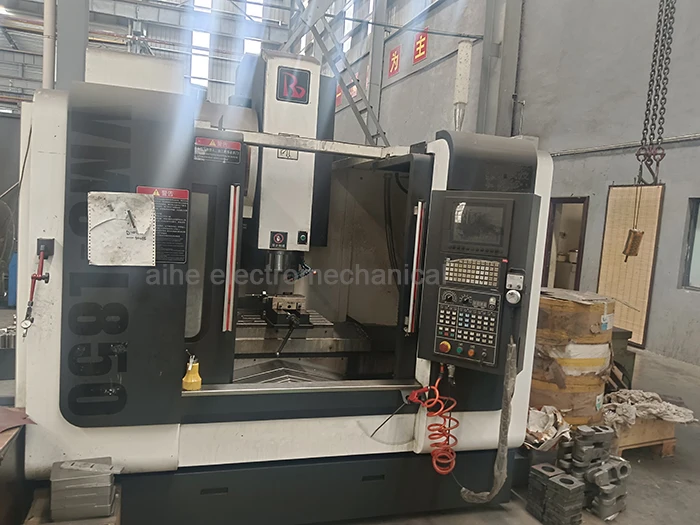
Luohe Aihe Electromechanical Equipment Co., Ltd.
- Trading Company
- Henan, China
- Lead time0 days
- Avg. response≤ 2h
Main productsPasteurization tank,Yogurt production line,Oil frying production line equipment,Baking production equipment,Grain machinery
Main marketsWestern Europe(40.00%), Africa(20.00%), Southeast Asia(11.00%), Mid East(10.00%), North America(8.00%), Northern Europe(5.00%), South America(3.00%), Eastern Europe(2.00%), Central America(1.00%)
Zhengzhou Beres Machinery Co., Ltd.
- Trading Company
- Henan, China
- Lead time5 days
- Avg. response≤ 1h
Main productsFood machine,snack machine,nut machine,meat processing machine,fruit machine
Main marketsEastern Europe(20.00%), North America(20.00%), Mid East(10.00%), South Asia(10.00%), Central America(10.00%), Southeast Asia(10.00%), Africa(5.00%), Northern Europe(5.00%), South America(5.00%), Eastern Asia(5.00%)

Automatic Fish Skin Skinner Machine Fish Skin Peeling Machine to Remove Fish Skin
$1336.6416 - $1850.7345
MOQ: 1 sets

High Quality Fish Skin Peeling Machine / Fish Skin Peeler Machine / Fish Skinning Machine
$1336.6416 - $1850.7345
MOQ: 1 sets

New Arrival Fish Skin Removing Machine Salmon Peeling Machine Squid Peeler Machine
$1336.6416 - $1850.7345
MOQ: 1 sets
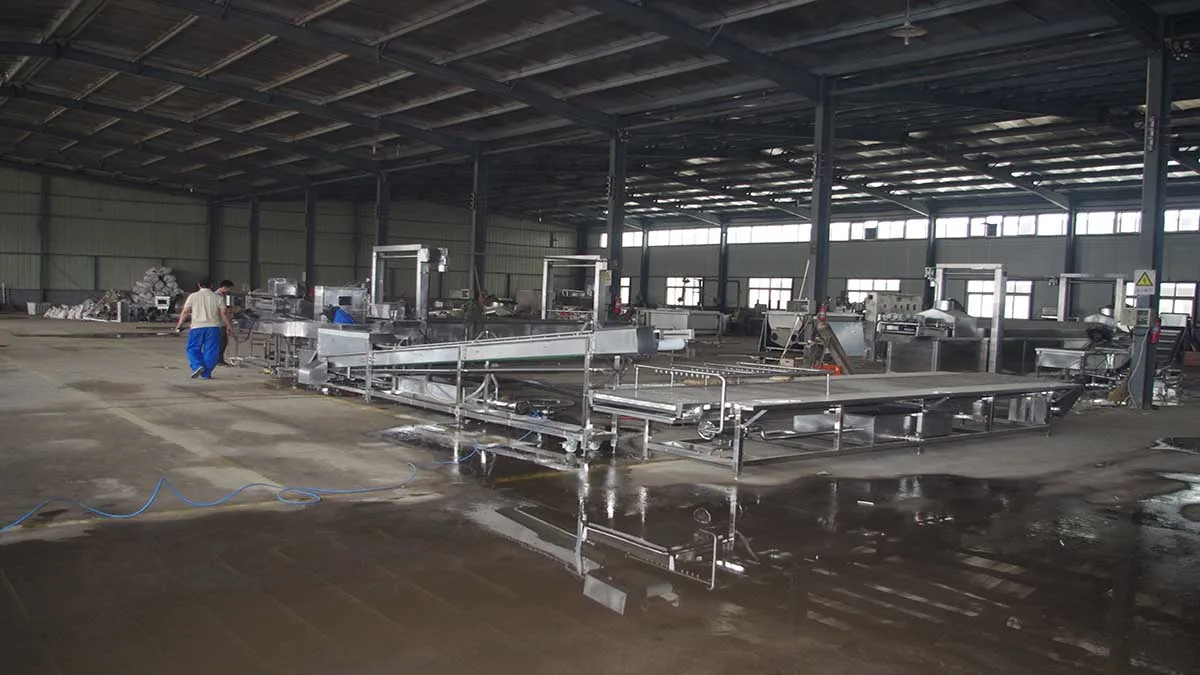
Henan Deshine Machinery Co., Ltd.
- Trading Company
- Henan, China
- Lead time7 days
- Avg. response≤ 2h
Main productsMeat Processing Equipment,Vegetable and fruit Processing Equipment,Food processing machine,Slaughtering Equipment,Chocolate Processing Equipment
Main marketsAfrica(19.00%), North America(15.00%), Southeast Asia(12.00%), Oceania(10.00%), Eastern Asia(7.00%), Mid East(6.00%), Northern Europe(6.00%), Eastern Europe(5.00%), South Asia(3.00%), South America(3.00%), Central America(3.00%), Western Europe(3.00%), Domestic Market(2.00%)
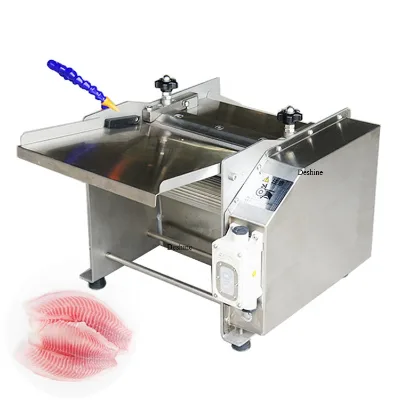
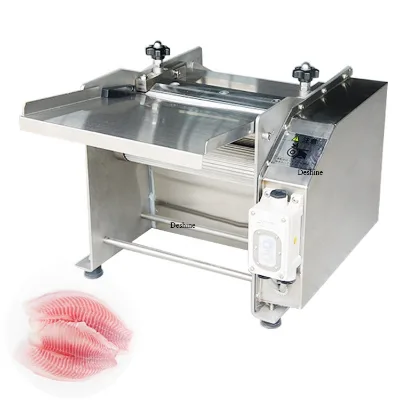
Fish Peeling Machine/Tilapia Fish Peeling Machine/Fish Peeler Machine
$2254.2416 - $2305.4751
MOQ: 1 sets

Zhengzhou Hento Machinery Co., Ltd.
- Verified by SGS
- Trading Company,Manufacturer/Factory,Group Corporation
- China Henan
- Lead time15 days
- Avg. response≤ 6h
Main productsMeat Processing Machinery, Egg Processing Machinery, Dairy Processing Machinery, Fruit & Vegetable Processing Machinery, Grain Product Making Machines, Snack Machines, Nuts Processing Machinery, Packing Machines, Drying Machines, Commodity Making Machines
Main marketsSouth America,Eastern Europe,Mid East,North America,Southeast Asia,Eastern Asia,Oceania,Western Europe,Africa

Henan Chuang Qin Mechanical Equipment Co., Ltd.
- Verified by TUVRHEINLAND
- Manufacturer/Factory
- China Henan
- Lead time15 days
- Avg. response≤ 4h
Main productsCoffee Roaster, Meat Processing Machinery, Flour Food Machinery, Vegetable and Fruit Processing Machine, Egg Processing Machine, Snack Food Machinery, Packaging Machine
Main marketsSouth America,Eastern Europe,Mid East,North America,Southeast Asia,Eastern Asia,Oceania,Western Europe,Africa
Zhengzhou Faya Machinery Co., Ltd.
- Trading Company
- Henan, China
- Lead time7 days
- Avg. response≤ 6h
Main productsfruits and vegetable process machine,Agricultural machine,meat process machine,wood process machine,Home appliances
Main marketsEastern Europe(12.00%), Southeast Asia(12.00%), North America(12.00%), South Asia(10.00%), Africa(10.00%), Western Europe(10.00%), Southern Europe(5.00%), Central America(5.00%), Oceania(5.00%), Domestic Market(5.00%), South America(5.00%), Mid East(5.00%), Northern Europe(3.00%), Eastern Asia(1.00%)
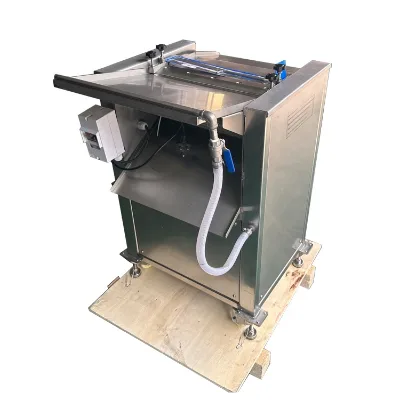
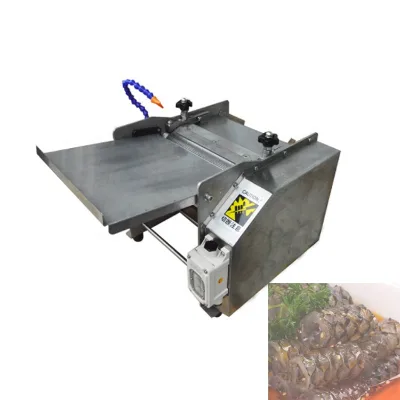
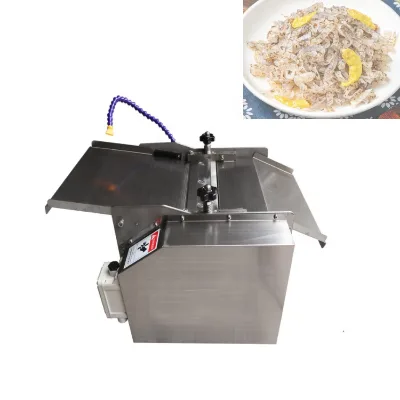
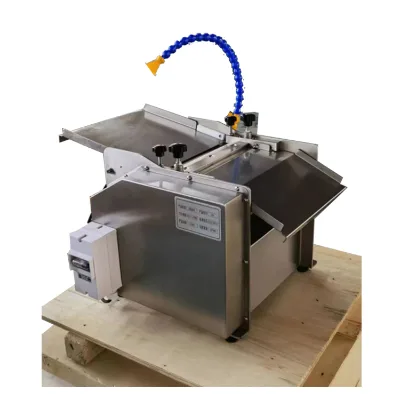
Industrial Fish Processing Production Line Grass Carp Skin Peeling Machine
$1300.00 - $1550.00
Guangzhou Jiuying Machinery Equipment Co., Ltd.
- Manufacturer
- Guangdong, China
- Lead time3 days
- Avg. response≤ 6h
Main productsMeat Processing Machinery,Meat Band Saw,Meat Slicer,Vegetable Processing Machinery,Food Packing Machine
Main marketsNorth America(20.00%), Domestic Market(15.00%), Mid East(10.00%), South Asia(10.00%), South America(10.00%), Southeast Asia(10.00%), Eastern Asia(10.00%), Oceania(5.00%), Eastern Europe(5.00%), Western Europe(3.00%), Africa(2.00%)
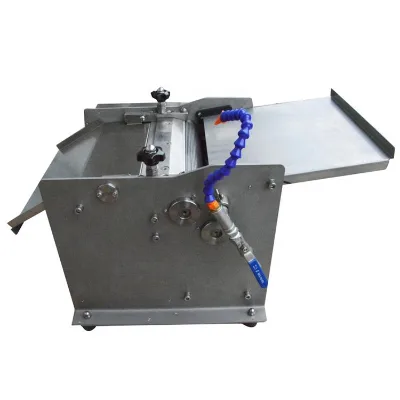
Small Type Stainless Steel Fish Skin Remover Fish Skinning Peeler Machine
$2000.00 - $2071.50
MOQ: 1 sets
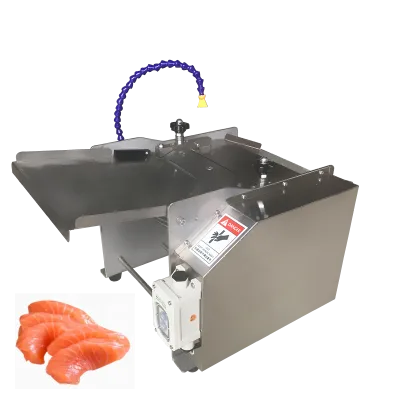
Table Electric Fish Processing Machine Fish Processing Plant Equipment Skin Removing
$2250.00 - $2254.00
MOQ: 1
Henan Foodline Machinery Co., Ltd.
- Trading Company
- Henan, China
- Lead time10 days
- Avg. response≤ 4h
Main productsFried production line,Fruit and vegetable processing machinery,Vending machine,Food trailer,Puffed snack food processing line
Main marketsNorth America(22.00%), Eastern Europe(12.00%), Western Europe(12.00%), Domestic Market(8.00%), Southeast Asia(7.00%), Mid East(6.00%), Central America(6.00%), Oceania(5.00%), Northern Europe(5.00%), Southern Europe(5.00%), South America(4.00%), Africa(3.00%), Eastern Asia(3.00%), South Asia(2.00%)
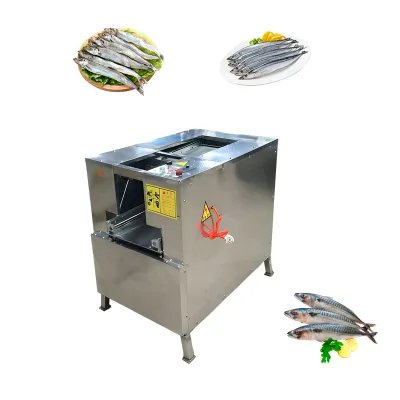
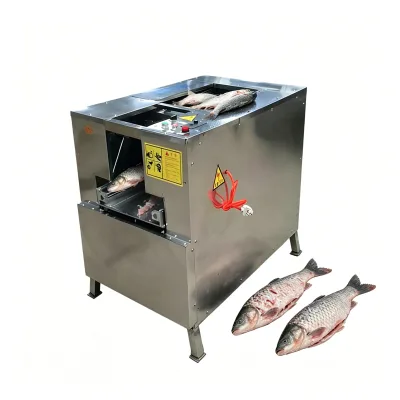
Hot Sale Multiple Fish Skinning Machine Fish Skinner Squid and Catfish Skin Removal Machine
$3227.00 - $6927.00
MOQ: 1






Comprehensive Sourcing Guide
Automatic Cuttlefish Peeling Machine Supplier Concentration and Factory Types
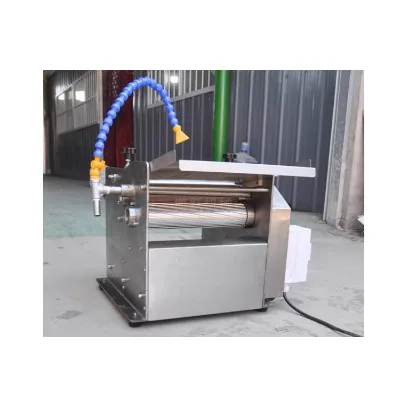
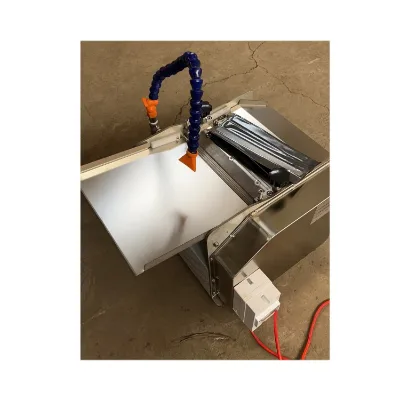
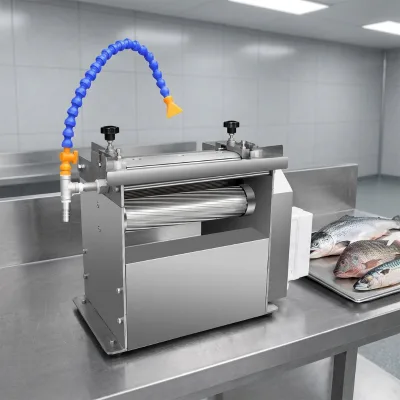
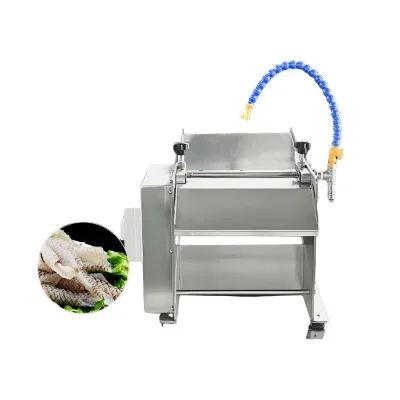
The current supplier landscape for automatic cuttlefish peeling machines reveals a distinct concentration of manufacturing and trading entities within specific Chinese provinces, primarily Guangdong, Henan, and Shandong. These regions serve as critical hubs for food processing machinery, offering buyers access to a diverse array of production capabilities ranging from specialized fish skin removal to broader meat and vegetable processing equipment. In Guangdong, suppliers often operate as combined entities that blend manufacturing with trading functions, leveraging the region’s robust industrial supply chain to produce complex automatic grading and peeling systems. This area is particularly noted for its focus on high-volume industrial machinery, including automatic fish squid skin peelers and bone sawing machines, which share technological similarities with cuttlefish processing equipment. The presence of verified suppliers in this region suggests a mature ecosystem where quality control standards, such as those from TÜV Rheinland, are commonly integrated into the production workflow. Buyers evaluating suppliers in this cluster should recognize that the density of specialized machinery manufacturers allows for competitive pricing and rapid iteration of product designs, particularly for OEM and ODM customization requests.
In contrast, suppliers located in Henan and Shandong often present different operational profiles, with some operating strictly as trading companies while others maintain direct manufacturing capabilities. Henan-based suppliers frequently emphasize a broader range of food processing tools, such as peanut butter machines and sausage stuffers, indicating a versatility that may extend to cuttlefish peeling solutions through adaptable production lines. Meanwhile, Shandong suppliers are often identified as manufacturers or combined entities focusing on core components like fish scalers and fillet machines, with specific models like the XBF-A highlighting attributes such as 304 stainless steel construction and high-efficiency automatic grading. The distinction between these factory types is crucial for buyers, as trading companies may offer faster response times and consolidated shipping, whereas direct manufacturers might provide more rigorous engineering support and warranty services. Understanding these regional and structural differences helps buyers align their sourcing strategy with their specific needs for volume, customization, and technical support, ensuring they engage with suppliers whose operational model matches their procurement goals.
How to Verify Automatic Cuttlefish Peeling Machine Suppliers
Verifying the credibility and technical competence of Automatic Cuttlefish Peeling Machine suppliers requires a multi-layered approach that goes beyond basic company profiles. Buyers should prioritize suppliers who have undergone third-party verification processes, such as those conducted by TÜV Rheinland or CTI, as these audits provide independent confirmation of business legitimacy and operational standards. For instance, some suppliers in the current results display TÜV Rheinland verification, which adds a layer of trust regarding their corporate structure and financial stability. Additionally, examining the specific certifications attached to their machinery, such as CE, SGS, and ISO marks, is essential for ensuring compliance with international safety and quality standards. These certifications are not merely decorative; they indicate that the equipment has been tested for electrical safety, material hygiene, and operational reliability, which are critical for food processing applications involving cuttlefish. Buyers should request copies of these certificates and verify their validity with the issuing bodies to avoid fraudulent claims.
Beyond certifications, buyers must assess the supplier’s technical responsiveness and after-sales support capabilities, which are often indicative of their long-term reliability. Response time metrics, such as the 1.91-hour average seen in some Henan-based suppliers, can signal a highly responsive sales team, while others may take up to 8.16 hours, which could impact urgent procurement decisions. It is also vital to inquire about the availability of overseas engineering services, as some suppliers explicitly state that engineers are available to service machinery abroad. This capability is crucial for resolving complex technical issues that may arise during the installation or operation of automatic peeling machines. Furthermore, buyers should verify the supplier’s ability to provide detailed product specifications, including voltage requirements (e.g., 220V or 380V), power consumption, and dimensional data, to ensure compatibility with their existing factory infrastructure. By combining verification of corporate credentials with an assessment of technical support and product transparency, buyers can significantly reduce the risk of engaging with unreliable vendors.
What to Compare Across Automatic Cuttlefish Peeling Machine Suppliers
When evaluating multiple suppliers for automatic cuttlefish peeling machines, buyers must systematically compare key operational and commercial metrics to identify the most suitable partner. One of the most critical factors is the lead time, which varies significantly across different suppliers and regions. For example, some manufacturers in Shandong offer a lead time of just seven days, indicating a high level of production efficiency and inventory readiness, while others may require up to thirty days, suggesting a more customized or batch-based production process. This variance directly impacts the buyer’s supply chain planning and inventory management strategies. Additionally, the minimum order quantity (MOQ) is a decisive factor, with many suppliers offering an MOQ of just one piece, which is ideal for small-scale operations or trial orders. However, buyers should also consider the price range associated with these MOQs, as costs can fluctuate based on customization options and machine specifications. Comparing these metrics side-by-side allows buyers to balance speed, cost, and volume requirements effectively.
Another essential aspect of comparison is the specific technical attributes and customization options available for each machine model. Buyers should examine details such as the automatic grade, power source, and voltage compatibility, as these determine the machine’s integration into their existing production line. For instance, some models operate on 380V electric power, while others may support 220V, requiring different electrical infrastructure. The material composition, such as the use of 304 stainless steel, is also a key differentiator, as it affects durability and hygiene standards. Furthermore, buyers should assess the supplier’s main product range to determine if they offer complementary equipment, such as fish skin removers or squid peeling machines, which could streamline future procurement. By meticulously comparing lead times, MOQs, pricing, and technical specifications, buyers can make informed decisions that align with their operational capacity and budget constraints, ensuring they select a supplier that offers the best overall value and reliability.
Common Automatic Cuttlefish Peeling Machine Sourcing Risks
Sourcing automatic cuttlefish peeling machines from international suppliers introduces several risks that buyers must proactively manage to ensure a successful procurement outcome. One significant risk is the potential mismatch between the supplier’s claimed capabilities and their actual production capacity, particularly when dealing with combined entities that blend manufacturing and trading functions. Buyers may encounter delays or quality inconsistencies if the supplier relies on subcontractors without adequate oversight. Additionally, the complexity of automatic machinery means that technical specifications must be precisely defined; any ambiguity in requirements for voltage, power, or dimensions can lead to equipment that is incompatible with the buyer’s facility. This risk is exacerbated by the fact that some suppliers may offer generic models that do not fully address the specific needs of cuttlefish processing, such as the unique texture and size variations of the product. Buyers must therefore conduct thorough due diligence to verify that the supplier’s machinery is specifically designed for cuttlefish or can be easily adapted for this purpose.
Another common risk is the lack of clear after-sales support and warranty terms, which can leave buyers vulnerable to costly downtime if the machine fails. While some suppliers explicitly state that engineers are available for overseas service, others may not provide this level of support, making troubleshooting difficult for international buyers. Furthermore, the variability in lead times, ranging from seven to thirty days, can disrupt production schedules if not accurately communicated and managed. Buyers should also be cautious of price fluctuations, as costs may increase due to raw material shortages or changes in shipping rates. To mitigate these risks, buyers should insist on detailed contracts that specify performance guarantees, warranty periods, and support protocols. Additionally, requesting sample videos or virtual demonstrations of the machine in operation can help verify its functionality before committing to a purchase. By anticipating these potential pitfalls and implementing robust verification and contractual safeguards, buyers can protect their investments and ensure a smooth sourcing experience.
Automatic Cuttlefish Peeling Machine Regional Sourcing and Logistics
The geographic location of suppliers plays a pivotal role in determining logistics costs, delivery times, and overall supply chain efficiency for automatic cuttlefish peeling machines. Suppliers located in Guangdong, Henan, and Shandong each offer distinct logistical advantages based on their proximity to major ports and industrial infrastructure. Guangdong, being a coastal province with extensive port facilities, often provides faster and more cost-effective shipping options for international buyers, particularly those in Asia, Europe, and the Americas. The region’s mature logistics network facilitates efficient export processes, reducing the risk of delays and ensuring that machinery arrives in optimal condition. Additionally, the concentration of suppliers in this area allows for easier consolidation of shipments, which can further reduce freight costs for buyers purchasing multiple units or complementary equipment. Buyers should consider these logistical benefits when evaluating suppliers from Guangdong, as they can significantly impact the total cost of ownership.
In contrast, suppliers in Henan and Shandong, while also well-connected, may have different logistical profiles depending on their specific inland or coastal locations. Henan, being an inland province, may rely more on rail or road transport to reach coastal ports, which could introduce additional transit time and handling steps. However, this region’s lower labor and operational costs may offset some of these logistical expenses. Shandong, with its extensive coastline, offers direct access to sea freight, similar to Guangdong, but may have different port congestion levels depending on the specific shipping route. Buyers should work closely with their suppliers to determine the most efficient shipping method, whether it be sea freight for large machinery or air freight for urgent spare parts. Additionally, understanding the packaging standards, such as the use of exported wooden cases, is crucial for ensuring that the machinery is protected during transit. By carefully considering the regional logistics landscape, buyers can optimize their supply chain and minimize the risks associated with international shipping.
Automatic Cuttlefish Peeling Machine Commercial Terms and Order Planning
Effective commercial terms and order planning are essential for securing the best value and ensuring a smooth transaction when purchasing automatic cuttlefish peeling machines. Buyers should negotiate clear pricing structures that account for any customization fees, shipping costs, and taxes, as these can significantly impact the final invoice. Many suppliers offer flexible pricing based on the order quantity, with prices ranging from approximately $1,500 to $6,200 depending on the model and specifications. It is crucial to confirm whether the quoted price includes all necessary accessories, such as power cords, tools, and installation manuals, to avoid unexpected additional costs. Additionally, buyers should inquire about payment terms, such as the availability of escrow services or letter of credit options, which can provide financial security and ensure that funds are only released upon satisfactory delivery and inspection of the machinery.
Order planning should also consider the supplier’s production capacity and lead times to align with the buyer’s operational schedule. For instance, if a buyer requires a machine within seven days, they should prioritize suppliers who explicitly state this lead time, such as those in Shandong. Conversely, if the buyer has more flexibility, they may opt for suppliers with longer lead times but potentially lower prices or more advanced customization options. Buyers should also plan for the installation and commissioning phase by confirming the availability of technical support and training materials. Some suppliers provide detailed operational manuals and video guides, while others may offer remote assistance or on-site engineering services. By carefully planning the commercial terms and order timeline, buyers can ensure that the Automatic Cuttlefish Peeling Machine is delivered on time, installed correctly, and integrated seamlessly into their production workflow, maximizing the return on their investment.
FAQs
What is the price range for automatic fish skin peeling machines?
Prices for automatic fish skin peeling machines typically range from $1,500 to $6,200 depending on the model and capacity. Basic units start around $1,500, while advanced models with higher throughput and specific features like pressure rollers can cost up to $6,200. Buyers should verify exact pricing based on their specific operational requirements and customization needs.
What is the minimum order quantity for these machines?
The minimum order quantity for most automatic fish skin peeling machines is one unit. Suppliers generally allow single-unit purchases, making it accessible for small businesses or testing purposes. This low MOQ facilitates easier entry into automated fish processing without requiring large initial inventory commitments or bulk purchasing agreements.
How long does delivery usually take for these machines?
Lead times for automatic fish skin peeling machines vary between seven and thirty days depending on the supplier and location. Manufacturers in Shandong often offer faster turnaround times around seven days, while other suppliers may require up to thirty days. Buyers should confirm specific delivery schedules with their chosen supplier before placing orders.
What voltage options are available for fish skin peeling machines?
Automatic fish skin peeling machines are available in both 220V and 380V voltage configurations to suit different electrical infrastructures. Some models operate on standard 220V power, while industrial-grade units typically require 380V for higher performance. Buyers must ensure their facility has the appropriate electrical setup to match the machine's specific voltage requirements.
Are these machines suitable for processing squid as well as fish?
Yes, many automatic fish skin peeling machines are designed to handle both fish and squid skin removal. These versatile units often feature adjustable settings to accommodate different skin textures and thicknesses. Buyers looking for multi-purpose equipment can find machines that effectively process various seafood types, including tilapia, salmon, and squid.
What certifications do these machines typically hold?
Automatic fish skin peeling machines often carry CE, SGS, and ISO certifications to ensure compliance with international safety and quality standards. These certifications indicate that the equipment meets specific regulatory requirements for electrical safety and mechanical performance. Buyers should request valid certification documents from suppliers to verify compliance before making a purchase.