Electrical Powered Agitator Mixing Machine Suppliers and Manufacturers
Source 29 Electrical Powered Agitator Mixing Machine suppliers from China Zhejiang, Shanghai, and Hebei. Compare lead times, certifications, and MOQs to find the right fit. Contact verified vendors directly to request quotes and specifications; review the available evidence before requesting comparable quotations from suitable candidates.
Updated
Suppliers List

Wenzhou Lihong Machinery Technology Co., Ltd.
- Verified by TUVRHEINLAND
- Combined
- China Zhejiang
- Lead time45 days
- Avg. response≤ 8h
Main productsDairy Equipment, Mixing Tank, Stainless Teel Tank, Bulk Farm Milk Cooling Tank, Wine Tank, Pharmaceutical Equipments, Milk Tank, Milk Cooling Tank, Brewery Equipments, Pipe
Main marketsAfrica,Southeast Asia/ Mideast,Australia,North America

Shanghai Stable Industrial Co., Ltd.
- Verified by TUVRHEINLAND
- Combined
- China Shanghai
- Lead time60 days
- Avg. response≤ 25h
Main productsMixing Tank, Bevarage Processing Equipment, Milk Processing Equipment, Fermentation Tank, Powder Mixer, Vacuum Mixer, Dairy Processing Line, Dairy Machine, Sauce Processing Line
Main marketsSoutheast Asia/ Mideast,Domestic


Liquid Electric Heating Agitator Emulsifier Liquid Detergent Mixing Tank
$2000.00 - $20000.00
MOQ: 1 Pieces

Cangzhou Leadway Machinery Equipment Co., Ltd.
- Trading Company
- Hebei, China
- Lead time3 days
- Avg. response≤ 2h
Main productsFilling Machine,Sealing machine,strapping machine,Inkjet printer,Mixing machine
Main marketsWestern Europe(20.00%), North America(15.00%), Africa(10.00%), Northern Europe(10.00%), Eastern Asia(10.00%), Eastern Europe(6.00%), Southeast Asia(5.00%), Central America(5.00%), South America(5.00%), South Asia(5.00%), Oceania(5.00%), Mid East(4.00%)
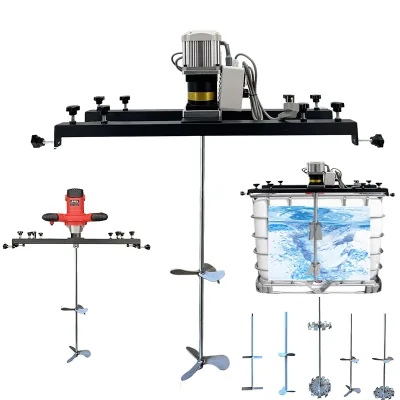
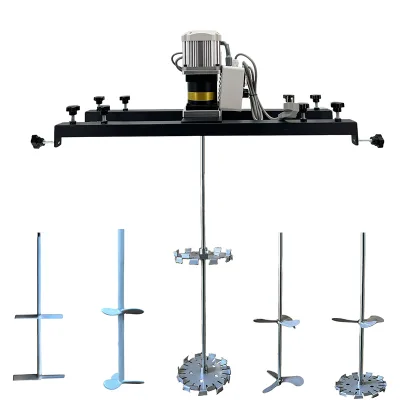
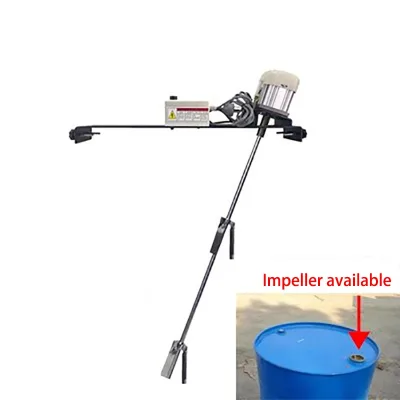
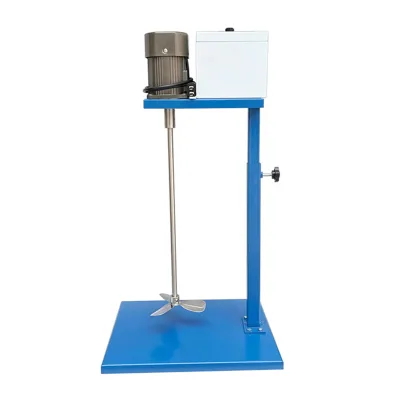
Chemical or Water Electric Stainless Steel Adjustable-speed Liquid Mixer Agitator
$163.3677 - $173.6422
MOQ: 1 sets
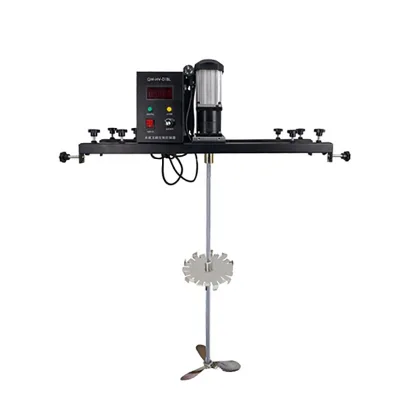
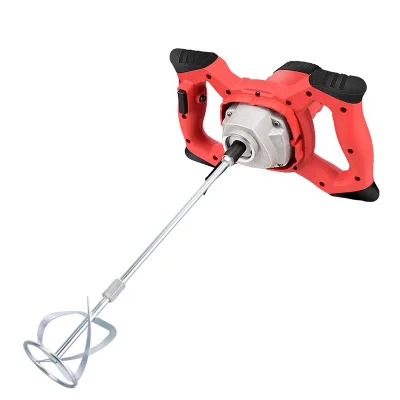
6 Adjustable Speed Electrical Resin Mixer Electric Hand Gypsum Mixer Paint Slurry Mixer
$60.5805 - $91.3832
MOQ: 1 sets

Ewater Water Treatment Co., Ltd.
- Verified by CTI
- Trading Company,Manufacturer/Factory
- China Jiangsu
- Lead time23 days
- Avg. response≤ 2h
Main productsRO System, FRP Tank, Water Filter Housing, Water Treatment Machinery, Membrane Houisng, Dosing System, Softener System, RO Membrane
Main marketsSouth America,Eastern Europe,Mid East,North America,Southeast Asia,Eastern Asia,Oceania,Western Europe,Africa


100L 500L Stainless Steel Jacketed Heat Electric Chemical Agitator Mixer Machine
$590.00
MOQ: 1 Pieces


Shenzhen Hengrong Water Treatment Equipment Co., Ltd
- Verified by CTI
- Trading Company
- China Guangdong
- Lead time15 days
- Avg. response≤ 5h
Main productsWater Treatment Equipment Filter Water Puri, Water Purification Equipment, Reverse Osmosis Equipment, Integrated Sewage Equipment, Filter, Sanitary Storage Tanks, UV Sterilizer, Stirring The Can, Radiator, Mixing and Dosing Equipment
Main marketsAfrica,Domestic

Mixing Machine Electric Heating Tank Mixing Tank Mixer Machine with Agitator Mixer
$1000.00
MOQ: 1 Pieces

Steel Blender Electric Heating Tank Mixing Tank Mixer Machine with Agitator Mixer
$1000.00
MOQ: 1 Pieces
Zhejiang L&b Machinery Co., Ltd.
- Verified by TüVRheinland
- Manufacturer, Trading Company
- Lead time15 days
- Avg. response≤ 2h
Main productsMixing Tank, Filter, Mixer Pump, Lobe Pump, Colloid Mill
Main marketsDomestic Market(50%), Southern Europe(10%), South Asia(10%)

Shanghai Kuosi Electronic Co., Ltd.
- Trading Company,Manufacturer/Factory
- China Shanghai
- Lead time15 days
- Avg. response≤ 16h
Main productsDosing Pump, Diaphragm Pump, Water Quality Analyzer, Dosing System, Flow Meter, Liquid Mixer, Water Pump, Chemical Pump, Filter Press, Solenoid Valve
Main marketsSouth America,Eastern Europe,Mid East,North America,Southeast Asia,Eastern Asia,Oceania,Western Europe,Africa
Guangzhou Ailusi Machinery Co., Ltd.
- Verified by SGS Group
- Trading Company
- Lead time30 days
- Avg. response≤ 5h
Main productsVacuum Emulsifying Mixer, RO Water Treatment, Liquid Washing Homogenizer Mixer, Filling Machine, Labeling Machine
Main marketsDomestic Market(30%), North America(18%), Oceania(12%)

- Verified by TUVRHEINLAND
- Combined
- China Liaoning
- Lead time15 days
- Avg. response≤ 4h
Main productsMixing Tank, Chemical Reactor, Screw Conveyor, Ribbon Mixer, Belt Conveyor, Blender, Mixer, Agitator, Grinder, Colloid Mill
Main marketsSoutheast Asia/ Mideast,Europe,North America
Foshan Shunde Maoduoyu Trading Co., Ltd.
- Manufacturer, Trading Company, Distributor/Wholesaler
- Guangdong, China
- Lead time0 days
- Avg. response≤ 1h
Main productsIndustrial machinery,Commercial machinery,Packaging machinery,Filling machinery,Food machinery
Main marketsNorth America(50.00%), Southeast Asia(10.00%), Mid East(10.00%), Central America(10.00%), Domestic Market(5.00%), Western Europe(5.00%), Northern Europe(3.00%), South Asia(2.00%), Oceania(1.00%), Eastern Asia(1.00%), Eastern Europe(1.00%), South America(1.00%), Africa(1.00%)
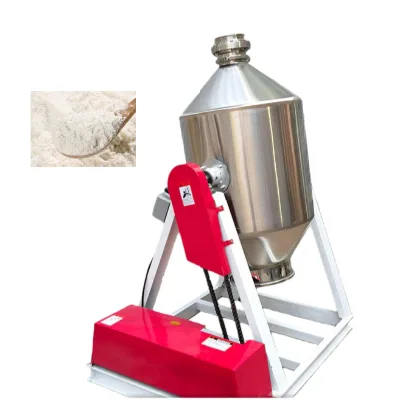
$433.7876 - $727.8115
MOQ: 1 Minimum
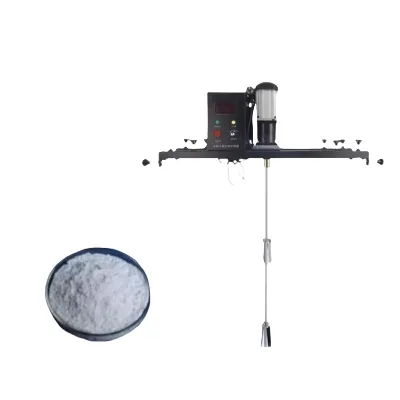
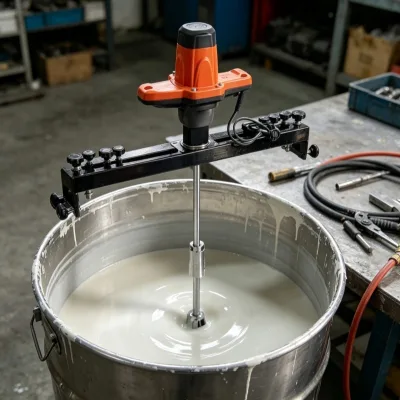
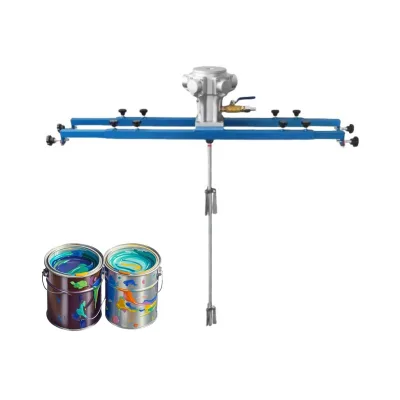
Efficient Paint Mixing Equipment HighSpeed Vertical Mixer with Electric Motor Agitator
$517.6459 - $550.7763
MOQ: 1 Minimum

Luohe City Jinjitai Machinery Co., Ltd
- Verified by SGS
- Trading Company
- China Henan
- Lead time30 days
- Avg. response≤ 3h
Main productsRibbon Mixer, Powder Mixer, Dry Mortar Machines, Horizontal Mixer, Mixer Machine, Mixing Equipment, Industrial Mixer, Packing Machine
Main marketsSoutheast Asia/ Mideast,Domestic

High-Efficiency Mixing Agitator Machinery for Customizable Volume Needs
$4000.00 - $4500.00
MOQ: 1 Sets

Wuxi Ewater Water Treatment Co., Ltd.
- Verified by TüVRheinland
- Manufacturer, Trading Company
- Lead time7 days
- Avg. response≤ 2h
Main productsFRP Tank, Filter Housing, Membrane Housing, Ro Plant, Ro Membrane
Main marketsMid East(24%), Southeast Asia(16%), North America(10%)

Cangzhou Longway Imp & Exp Co., Ltd.
- Trading Company
- Hebei, China
- Lead time20 days
- Avg. response≤ 2h
Main productsFilling Machine/Strapping Machine/Bottle Labeling Machine/Sealing Machine/Carton Machine,strapping machine,packing machine,printing machine,mixing machine
Main marketsWestern Europe(14.00%), Southeast Asia(9.00%), Mid East(9.00%), Southern Europe(9.00%), Eastern Asia(8.00%), Eastern Europe(8.00%), Northern Europe(8.00%), South Asia(8.00%), Domestic Market(7.00%), North America(5.00%), Africa(5.00%), South America(4.00%), Oceania(3.00%), Central America(3.00%)
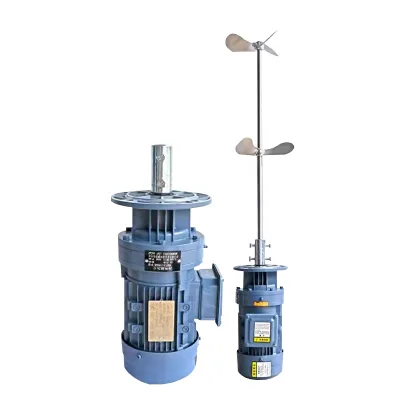
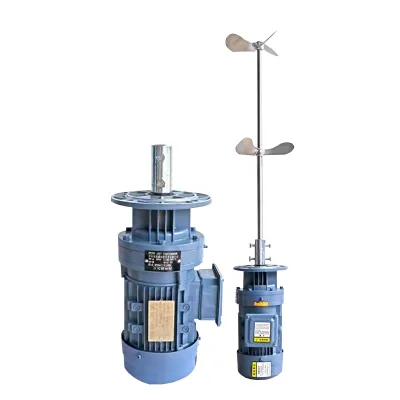
Factory Directly Liquid Mixer Agitator Bulk Liquid Mixer Detergent Mixer 380V/3 Phase 0.37KW
$179.00 - $199.00
MOQ: 1 sets
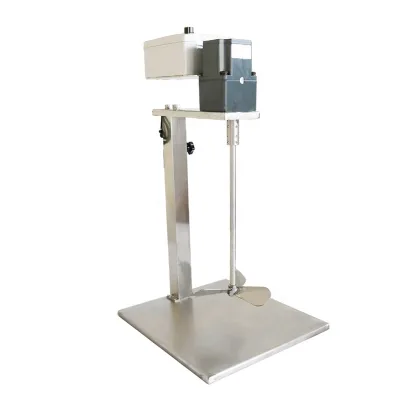
$235.617 - $256.1945
MOQ: 1 sets
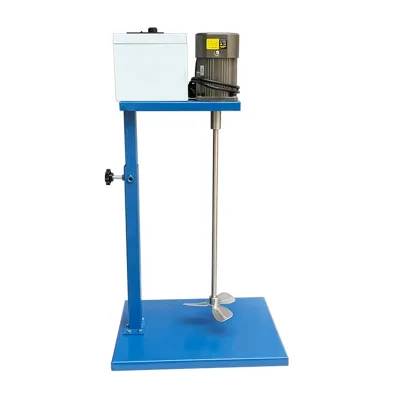
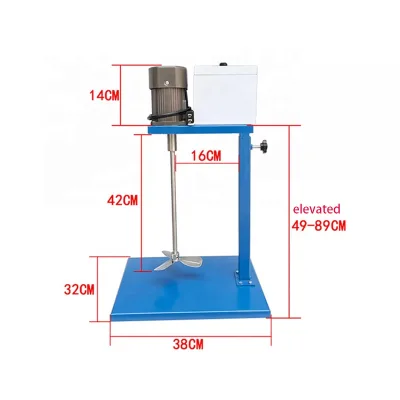
5 Gallon Stainless Steel Motor Lifting High Speed Shear Mixer Liquid Soap Paint Mixing Machine
$199.00 - $249.00
MOQ: 1 sets
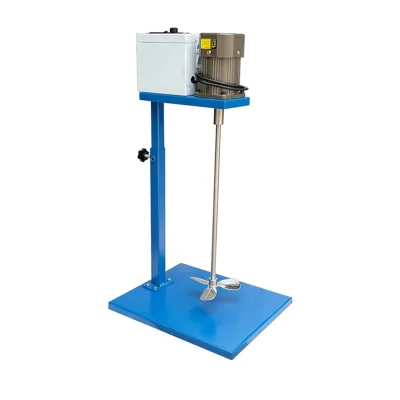
20-50 L Emulsion Paint Dispersion Machine High Speed Hydraulic Lifting High Speed
$199.00 - $249.00
MOQ: 1 sets

WENZHOU LENO MACHINERY CO., LTD.
- Verified by BV
- Trading Company
- China Zhejiang
- Lead time30 days
- Avg. response≤ 12h
Main productsMixing Tank, Distillation Equipment, Pump, Filter, Filling Machine, Vacuum Evaporator, Mixing Equipment
Main marketsSouth America,Africa,Southeast Asia/ Mideast,Europe,North America
Ly Sinobiz Machinery Co., Ltd.
- Verified by TüVRheinland
- Trading Company
- Lead time15 days
- Avg. response≤ 4h
Main productsClean Room, Packing Machine, Liquid Filling Machine, Counting Machine, Cartoning Machine
Main marketsNorth America(40%), Western Europe(40%), Eastern Europe(5%)
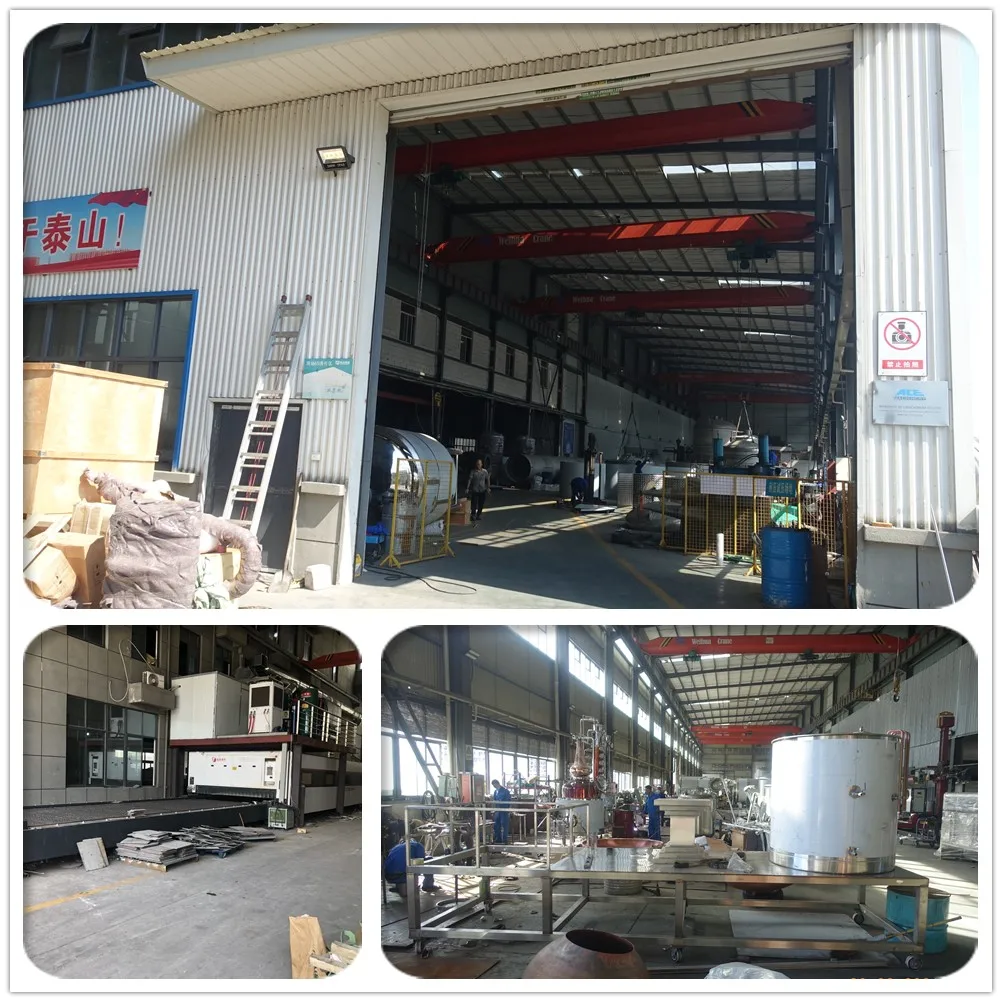
Wenzhou Ace Machinery Co., Ltd.
- Manufacturer, Trading Company
- Zhejiang, China
- Lead time10 days
- Avg. response≤ 3h
Main productsEvaporator,Mixing Tank,Fermenter,Distiller,Pump and Valves
Main marketsSouthern Europe(10.00%), Oceania(10.00%), Northern Europe(10.00%), Western Europe(10.00%), Eastern Europe(10.00%), South America(10.00%), North America(10.00%), South Asia(5.00%), Africa(5.00%), Central America(5.00%), Southeast Asia(5.00%), Eastern Asia(5.00%), Domestic Market(3.00%), Mid East(2.00%)
Jiaozuo Forward Machine Co., Ltd.
- Verified by SGS Group
- Trading Company
- Lead time10 days
- Avg. response≤ 4h
Main productsChocolate Machine, Wax Melting Machine, Freeze Dry Machine, Waffle Machine, Food Grinder
Main marketsEastern Asia(20%), Southeast Asia(19%), North America(10%)
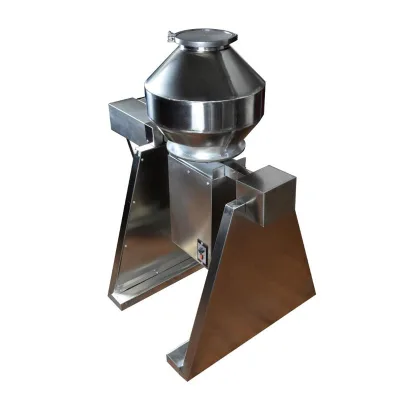
$1725.00 - $1875.00
MOQ: 1 Minimum
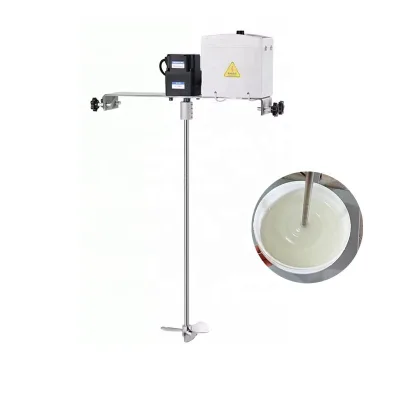
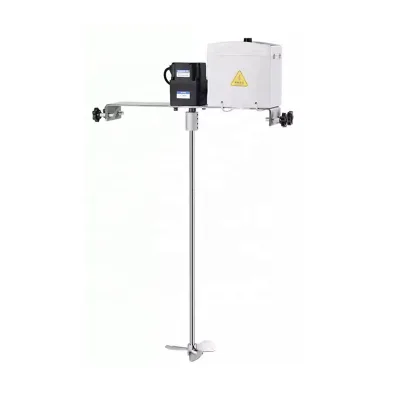

Guangzhou Aile Automation Equipment Co., Ltd.
- Combined
- China Guangdong
- Lead time30 days
- Avg. response≤ 1h
Main productsAerosol Machine, Cosmetic Mixer, Perfume Machine, Filling Machine, Liquid Detergent Mixer
Main marketsSouth America,Southeast Asia/ Mideast


$9800.00 - $10000.00
MOQ: 1 Pieces

Vacuum Emulsifying Mixer Agitator Blender Mixing Machine Cosmetic Cream Mixer
$13000.00 - $15000.00
MOQ: 1 Pieces

Shanghai GL Environmental Technology Co., Ltd.
- Verified by Intertek
- Manufacturer, Trading Company
- Lead time15 days
- Avg. response≤ 13h
Main productsDosing Pump, Diaphragm Pump, Water Quality Analyzer, Dosing System, Flow Meter
Main marketsMid East(22%), Southeast Asia(20%), Domestic Market(15%)

Shanghai GL Environmental Technology Co., Ltd.
- Trading Company,Manufacturer/Factory
- China Shanghai
- Lead time23 days
- Avg. response≤ 8h
Main productsDiaphragm Pump, Dosing Pump, pH Meter, Conductivity Meter, Flow Meter, Level Meter, Pressure Transmitter, Liquid Mixer, Chemical Pump, Dosing System
Main marketsMid East,Southeast Asia,Eastern Asia,Oceania,Africa
Jiangyin Baoli Machinery Manufacturing Ltd
- Verified by TüVRheinland
- Manufacturer, Trading Company
- Lead time30 days
- Avg. response≤ 8h
Main productsGrinding Equipment, Mixing Equipment, Powder Mixing Production Line, Sifting Machine, Granulating Machine
Main marketsDomestic Market(50%), South Asia(11%), Mid East(8%)
Guangzhou Jinfeng Light Industry Machinery Co., Ltd.
- Manufacturer, Trading Company
- Guangdong, China
- Lead time40 days
- Avg. response≤ 2h
Main productsVacuum Emulsifying Machine,Liquid Washing Homogenizer Mixer,Water Treatment Machine,Perfume making machine,Homogenizer & Dispenser
Main marketsDomestic Market(81.50%), Africa(9.10%), North America(2.00%), Southeast Asia(2.00%), Southern Europe(2.00%), Mid East(1.00%), Oceania(1.00%), South America(0.20%), South Asia(0.20%), Eastern Europe(0.20%), Northern Europe(0.20%), Central America(0.20%), Western Europe(0.20%), Eastern Asia(0.20%)
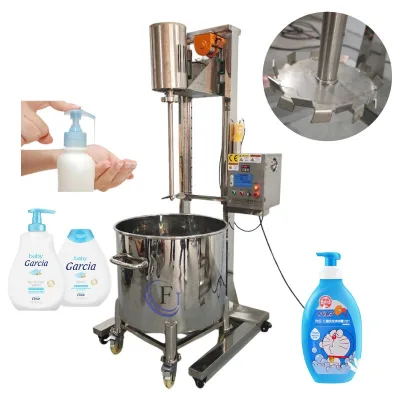
High-speed Shear Disperser Ss Chemical Agitator Mixer Lifting Chemical Liquids Dispersion Machine
$1900.00 - $2300.00
MOQ: 1 Minimum
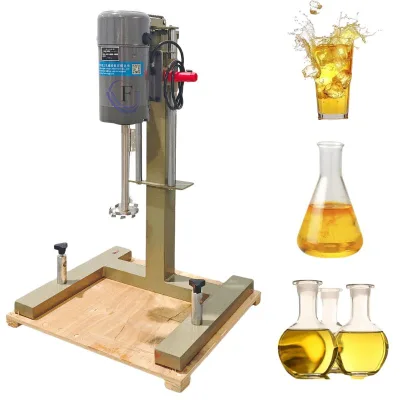
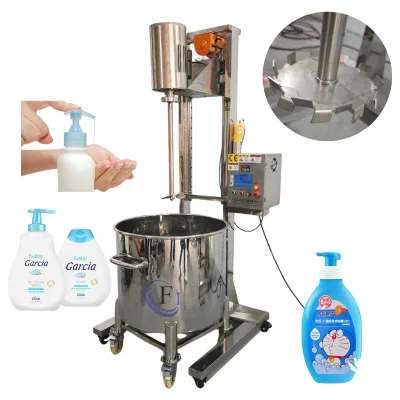
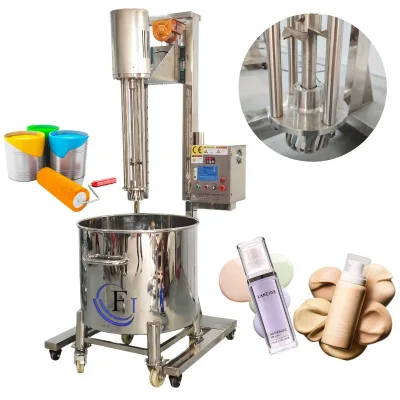
New Homogenizer Machinery High Shear Mixer Mixing Equipment Mini Electric Mixer for Sale
$2100.00 - $2800.00
MOQ: 1 Minimum
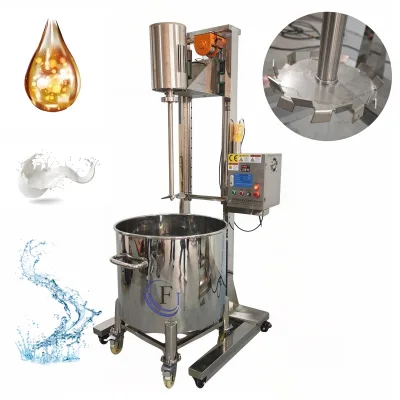
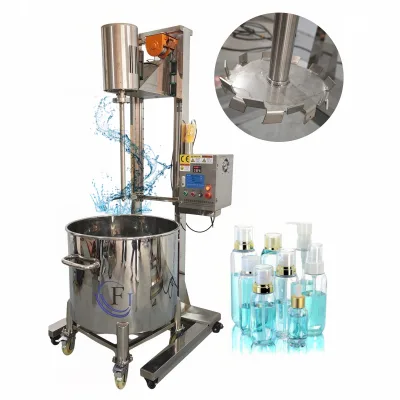
Guangzhou Sipuxin Light Industry Machinery Co., Ltd.
- Manufacturer, Trading Company
- Lead time旺季: "1 - 1":30,"> 1":"To be negotiated", 淡季: "1 - 1":30,"> 1":"To be negotiated"
- Avg. response≤ 4h
Main productsVacuum Homogenizing Emulsifier, Mixing Tank, Filling Machine, Perfume Making Machine, Storage Tank
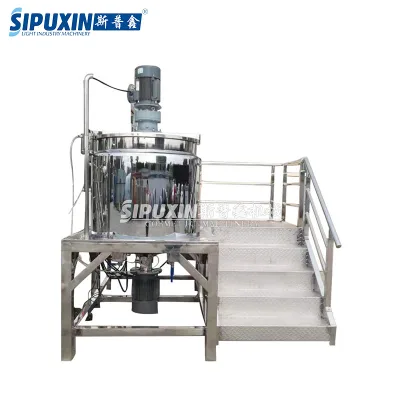
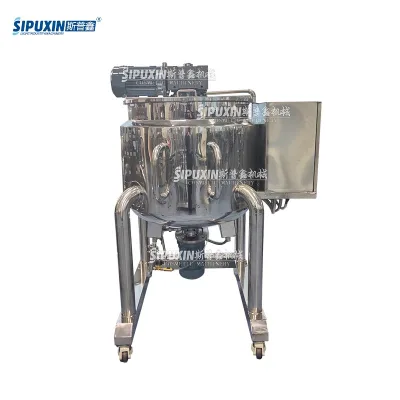
Mixer Electric Liquid Stainless Steel Mixing Equipment Homogenizer
$7232.0679 - $7438.6984
MOQ: 1 sets

Qiankun Environmental Protection Joint Stock Co., Ltd.
- Verified by TUVRHEINLAND
- Combined
- China Henan
- Lead time30 days
- Avg. response≤ 12h
Main productsWastewater Treatment, Air Flotation, Anaerobic Reactor, Mechanical Bar Screen, Belt Filter, Plug Flow Aerator, Submersible Mixer, Hyperboloid Mixer, Dosing Machine, Submersible Aerator
Main marketsOthers(foreignTradeCapacity.exportBusinessCapacityMarketOther),Southeast Asia/ Mideast,Domestic

Manufacturer Liquid Chemicals Mixer Agitator Liquid Detergent Dosing Tank Electric Motor Mixer
$800.00 - $1500.00
MOQ: 1 Sets


Anhui Bunkin Chemical Machinery Co., Ltd.
- Manufacturer, Trading Company
- Anhui, China
- Lead time15 days
- Avg. response≤ 6h
Main productsBasket Mill, Horizontal Bead Mill, Dispersing Mixer, High Shear Mixer, Filling Machine
Main marketsDomestic Market(30.00%), Mid East(20.00%), Southeast Asia(20.00%), South America(15.00%), Oceania(10.00%), Eastern Europe(5.00%)
Aibote Henan Science And Technology Development Company Limited
- Manufacturer, Trading Company
- Henan, China
- Lead time7 days
- Avg. response≤ 3h
Main productsStirring Heating Mantle, Short Path, Magnetic Stirrer, Rotary Evaporator System
Main marketsDomestic Market(51.00%), North America(17.00%), Eastern Europe(8.00%), Western Europe(5.00%), Eastern Asia(5.00%), Southeast Asia(4.00%), Oceania(3.00%), South America(2.00%), Mid East(2.00%), South Asia(1.00%), Southern Europe(1.00%), Northern Europe(1.00%)

Shanghai ELE Mechanical & Electrical Equipment Co., Ltd.
- Verified by BV
- Trading Company,Manufacturer/Factory,Group Corporation
- China Shanghai
- Lead time38 days
- Avg. response≤ 14h
Main productsHorizontal Bead Mill, High Shear Emulsifier, High Speed Disperser/Dissolver, High Shear Homogenizer, Mixing Reactor, Lab Mixer Equipment, Ribbon Mixer/Blender, Complete Production Line, Liquid Mixing Tank, Liquid Mixer Machine
Main marketsSouth America,Eastern Europe,Mid East,North America,Southeast Asia,Eastern Asia,Oceania,Western Europe,Africa

- Verified by SGS
- Manufacturer/Factory
- China Guangdong
- Lead time23 days
- Avg. response≤ 4h
Main productsVacuum Emulsifying Mixer, Liquid Washing Mixer, Filling Machine, Capping Machine, Labeling Machine, Tube Filling Sealing Machine, Water Treatment, Powder Production Line, Perfume Production Line, Cosmetic Production Line
Main marketsSouth America,Eastern Europe,Mid East,North America,Southeast Asia,Eastern Asia,Oceania,Western Europe,Africa

$1200.00 - $1600.00
MOQ: 1 Pieces

$1200.00 - $1600.00
MOQ: 1 Pieces

$1200.00 - $1600.00
MOQ: 1 Pieces

Guangzhou Fuluke Cosmetics Equipment Co., Ltd.
- Verified by CTI
- Combined
- China Guangdong
- Lead time15 days
- Avg. response≤ 8h
Main productsVacuum Cosmetics Emulsifier Mixer, Mixing Machine, Water Treatment System, Cosmetics Cream Making Machine, Shampoo Detergent Mixing Machine, Label Machine, Filling and Sealing Machine, Capping Machine, Cream Loction Making Machine, Inkjet Print
Main marketsAfrica,Southeast Asia/ Mideast,Domestic,Europe,Australia,North America




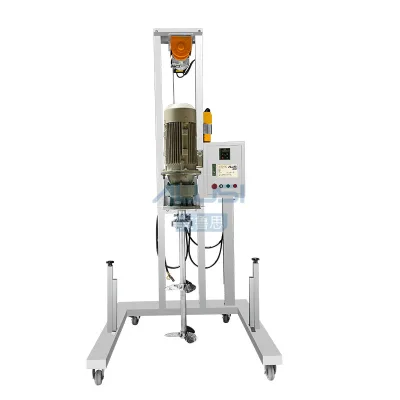
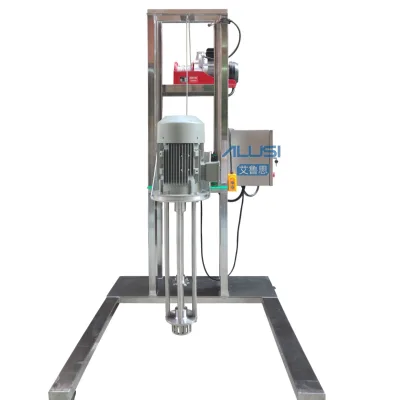
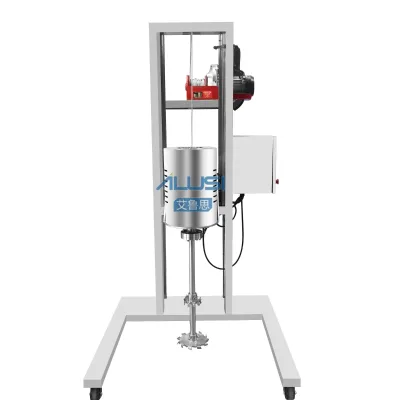


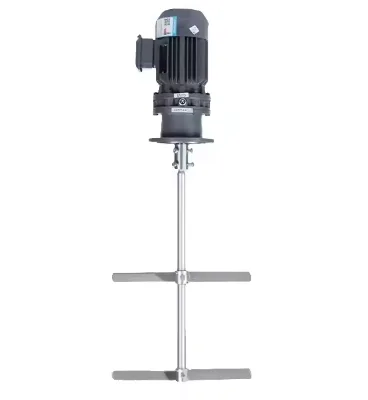






Comprehensive Sourcing Guide
Electrical Powered Agitator Mixing Machine Supplier Concentration and Factory Types
Search results for the Electrical Powered Agitator Mixing Machine category show suppliers concentrated in a few Chinese industrial regions, with Zhejiang, Shanghai, and Hebei all appearing among listed locations. Zhejiang-based suppliers in the results present themselves as combined manufacturers with broad stainless steel tank portfolios, covering mixing tanks, dairy equipment, milk cooling tanks, brewery equipment, wine tanks, and pharmaceutical equipment. Shanghai suppliers emphasize beverage and dairy processing lines, fermentation tanks, powder mixers, and vacuum mixers alongside the mixing tank core. Hebei entries are more often trading companies, listing mixing machines alongside filling, sealing, strapping, and inkjet printing equipment rather than tank fabrication.
Factory type matters for this category. A combined manufacturer with ODM, OEM, and own-brand capacity — as some Zhejiang listings indicate — can adapt vessel dimensions, agitator placement, and materials such as SS304 or SS316L. Trading companies may offer faster communication and flexible order sizes but typically depend on an underlying factory, so confirm who performs welding, polishing, and motor integration. Where no regional cluster is confirmed in the results, buyers should map concentration themselves: filter supplier searches by location, note which provinces appear repeatedly across mixing tank and agitator keywords, and weigh whether a supplier's main-product list is dominated by mixing equipment or treats it as one item among many unrelated machines.
How to Verify Electrical Powered Agitator Mixing Machine Suppliers
Verification should start with third-party status shown on the listing. Some suppliers in the current results carry TÜV Rheinland verification, which is an on-site or documentary check by an independent body — a stronger signal than self-declared claims. Others display ISO 9001:2015 system certification, which indicates a documented quality management system rather than machine-level approval. Individual products may also list their own certification attributes such as ISO or CE, so record both the company-level certificate and the product-level claims separately, and ask for the actual certificate documents to confirm scope and validity dates.
Beyond paperwork, verify capability through the evidence the listing already provides. Suppliers that state ODM, OEM, or own-brand capacity are signaling in-house engineering; ask whether the customization offered on a product — several listings show customization as available — extends to materials, agitator placement, and rotation speed. Request a machinery test report where offered, as at least one Hebei listing confirms it is provided. Check response time figures: results range from roughly two hours to over twenty-four hours, which is a practical measure of how smoothly a technical dialogue will go. Finally, verify who owns the workshop. Ask for a video walkthrough of the tank fabrication area, confirm whether welding and polishing are subcontracted, and cross-check that the production site matches the stated location such as Zhejiang, Shanghai, or Hebei.
What to Compare Across Electrical Powered Agitator Mixing Machine Suppliers
Compare suppliers on the attributes actually displayed rather than assuming completeness. Lead time is one of the most differentiating figures: the current results show roughly 45 days for a Zhejiang manufacturer, around 60 days for a Shanghai processor-equipment maker, and as little as 3 days for a Hebei trading company. That spread tells you whether you are buying a built-to-order vessel or a stock item pulled from inventory. Response time is equally revealing, ranging from about two hours to more than twenty-four, so score it alongside lead time when a project has a fixed commissioning date.
On commercial dimensions, minimum order quantities and pricing appear directly in listings: one agitator machine shows an MOQ of one unit at a stated price point, while tank products from the Shanghai supplier span prices from a few thousand dollars up to fifty thousand depending on configuration. Compare these against your required capacity — listed tank standards run from small units up to 20,000 liters — and against technical fit such as power source, semi-automatic or manual grade, rotation speed options, and insulation choices. Company type, location, and main-product breadth complete the comparison: a dairy-focused manufacturer in Zhejiang, a beverage processing specialist in Shanghai, and a packaging-equipment trading firm in Hebei serve different risk profiles. Build a weighted matrix covering all these fields, and leave any attribute not displayed as "unverified" rather than estimating it.
Common Electrical Powered Agitator Mixing Machine Sourcing Risks
The most common risk in this category is conflating product types. Listings share keywords such as mixing tank, vat, and mixer across very different machines — an IBC-tote agitator, a side-entry agitator for large tanks, a bottom-mounted magnetic agitator, and a full emulsifier for detergents. A buyer searching for a 10,000-liter dairy vessel can easily receive quotes for a 25-kilogram portable unit. Counter this by restating capacity in liters per batch or per hour, agitator placement, and material grade in every inquiry, and by referencing the model codes shown in listings such as LHMT or STB-Tank when they fit your requirement.
Second, watch for verification gaps. Several listings show NIL under system certification, which is not a defect but means the quality system is unproven on the platform — you must rely on product-level claims, third-party inspection, or a factory audit instead. Third, customization ambiguity: many products state customization as available, but one Shanghai listing explicitly marks a gas-powered liquid mixer as non-customized, so confirm which configuration is fixed before signing. Fourth, certification mismatch: product attributes showing ISO or CE are claims on the listing, not proof on your specific machine, especially when internals like pneumatic motors or insulation (PU foam versus rock wool) are changed. Finally, long quoted lead times of 45 to 60 days can hide queueing behind larger orders; ask for a production schedule in writing and a defined point when your vessel enters fabrication.
Electrical Powered Agitator Mixing Machine Regional Sourcing and Logistics
The regional picture in the current results maps cleanly to product specialization. Zhejiang suppliers combine tank fabrication with dairy, brewery, wine, and pharmaceutical equipment, making the province a natural fit when your agitator machine is part of a hygienic processing line. Shanghai suppliers position around beverage, dairy, and sauce processing lines, with products rated from 500 liters per hour to 10,000 liters per hour — relevant if you need the mixing step integrated upstream and downstream. Hebei appears in the results with packaging and filling machinery plus a compact electric IBC agitator, which suits buyers needing a portable mixer shipped quickly rather than a fabricated vessel.
Logistics differ accordingly. Heavy stainless tanks are packed in wooden cases or containers per the listings, and one Shanghai entry specifies seaworthy wooden boxes — confirm the packing standard in writing because vessel shipments expose welds and polished surfaces to salt air. The three-day lead time shown by the Hebei trading company suggests domestic stock and fast dispatch, while the 45- and 60-day figures for Zhejiang and Shanghai reflect build-to-order fabrication; plan sea freight booking after, not before, the fabrication window is confirmed. Verify the actual loading port with each supplier, ask whether the 90 kW-class IBC unit ships as a complete assembly or in a crate with the 55-by-65-by-78-centimeter frame listed, and confirm motor voltage and frequency match your destination power supply before production starts.
Electrical Powered Agitator Mixing Machine Commercial Terms and Order Planning
Order planning should be anchored to the lead-time figures the suppliers themselves display: roughly 45 days from the Zhejiang manufacturer, about 60 days from the Shanghai supplier, and as few as 3 days from the Hebei trading company. Build your project calendar backward from commissioning, adding packing, inland transport, and sailing time on top of the quoted lead time rather than treating the quote as door-to-door. For build-to-order tanks, tie payments to milestones — deposit at order, progress payment when the vessel passes your pre-shipment inspection — and specify in the contract that rotation speeds, material grade, and insulation type match the agreed attributes, since listings show these as configurable options.
On price and volume terms, use the displayed data as anchors: an MOQ of one unit on an agitator machine lowers the barrier to a trial order, while tank pricing spanning roughly two thousand to fifty thousand dollars across listings shows how capacity and configuration drive cost. Compare quotes on identical specifications, including certification claims (ISO, CE) and whether a machinery test report is provided. Where a supplier shows no system certification, consider using escrow-style or platform-protected payment so funds release against inspection. Finally, confirm warranty duration — one listing states one year — and whether spare seals, motors, and agitator shafts are included, since downtime on a single mixing vessel can outweigh any unit-price saving from a thinner quotation.
FAQs
What is the price range for electric agitator mixing machines?
Prices for electric agitator mixing machines typically range from $1,000 to $20,000 depending on specifications. Basic models with side agitators start around $1,000, while larger capacity units with advanced features can reach $20,000. Buyers should verify specific pricing for customized orders or bulk purchases to ensure accurate budgeting for their production needs.
What certifications are available for these mixing tanks?
Certifications vary by supplier, with some offering ISO9001:2015 or CE marks for compliance. Other manufacturers may provide customized certification options or none at all. Buyers must verify the specific system certifications held by each supplier before ordering to ensure the equipment meets local regulatory standards and industry requirements for their intended application.
What is the typical lead time for manufacturing?
Lead times generally range from 3 to 60 days depending on the supplier and order complexity. Some manufacturers in Hebei offer rapid turnaround times of just three days, while others in Zhejiang or Shanghai may require up to 45 or 60 days for production. Buyers should confirm exact timelines with suppliers to align with their project schedules.
What materials are used for the mixing tanks?
Mixing tanks are commonly constructed from SS304 or SS316L stainless steel to ensure durability and hygiene. These materials are suitable for processing dairy, beverages, and chemicals. Buyers should confirm the specific grade required for their application, as some suppliers offer customized material options to meet particular corrosion resistance or food safety standards.
What is the minimum order quantity for these machines?
The minimum order quantity is typically one unit, allowing buyers to purchase single machines for testing or small-scale operations. This low MOQ facilitates easier entry for new buyers or those requiring specific customized configurations. Buyers should verify if bulk discounts apply for larger orders to optimize their procurement costs effectively.
What power sources are available for agitator mixers?
Electric power is the most common source for agitator mixing machines, ensuring consistent operation. However, some models also support gas power sources for specific industrial applications. Buyers should select the appropriate power source based on their facility's infrastructure and operational requirements to ensure seamless integration and efficient performance during production processes.