Class II CE Surgical Light Suppliers and Manufacturers
Source Class II CE Surgical Light from 25 verified suppliers in China Jiangsu. Compare ISO 13485 certifications, OEM capabilities, and lead times of 15-23 days. Contact suppliers directly to request quotes for models like FY500C and KDLED200; review the available evidence before requesting comparable quotations from suitable candidates.
Updated
Suppliers List

Jiangsu Fuyou Medical Equipment Co., Ltd.
- Verified by CTI
- Trading Company,Manufacturer/Factory
- China Jiangsu
- Lead time23 days
- Avg. response≤ 3h
Main productsOperating Table, Operating Light, Operating Pendant, Electrosurgical Unit, Steam Sterilizer, Blood Analyzer, Electric Tourniquet., Manufacturer., Hospital Bed, Modular Operating Room.
Main marketsSouth America,Eastern Europe,Mid East,North America,Southeast Asia,Eastern Asia,Oceania,Western Europe,Africa

Shanghai Pujia Metal Manufacturing Co., Ltd.
- Combined
- China Jiangsu
- Lead time15 days
- Avg. response≤ 14h
Main productsPet Cage, Dog Treadmill, Pet Operating Table, Vet Exam Table, Pet Bath Tub, Pet Grooming Table, Pet Grooming Hair Dryer, Veterinary Instruments
Main marketsSouth America,Domestic,Europe,North America

Shantou Easywell Electronic Technologies Co., Ltd.
- Verified by TUVRHEINLAND
- Combined
- China Guangdong
- Lead time15 days
- Avg. response≤ 7h
Main productsSurgical Examination Light, LED Examination Lamp, Minor Surgical Light, LED X-ray Viewer, LED Wireless Headlights, Shadowless Surgical Lamp, Operation Table, Hospital Furniture, Lab Instruments, X-ray Lead Protective Products
Main marketsAfrica,Southeast Asia/ Mideast,Europe,Australia,North America


Single Ceiling Arm Ks-200c Small Operation Light Medical Light Surgical Light
$750.00 - $850.00
MOQ: 1 pc
Harbin Hengwei Technology Co., Ltd.
- Manufacturer, Trading Company
- Heilongjiang, China
- Lead time0 days
- Avg. response≤ 2h
Main productsElectric Operating Table, Electric Obstetric Table, Electric Hospital Bed, Electric Operating Table Accessories, Operating light
Main marketsDomestic Market(60.00%), Domestic Market(60.00%), South America(20.00%), South America(20.00%), Southeast Asia(10.00%), Southeast Asia(10.00%), Eastern Europe(5.00%), Eastern Europe(5.00%), Mid East(3.00%), Mid East(3.00%), South Asia(2.00%)

Perlong Medical Equipment Co., Ltd.
- Trading Company,Manufacturer/Factory
- China Jiangsu
- Lead time15 days
- Avg. response≤ 10h
Main productsMedical Equipment, Anesthesia, Monitor, X-ray, Lab, ECG, Ultrasound, Dental, Ventilator, Biochemistry
Main marketsSouth America,Eastern Europe,Mid East,North America,Southeast Asia,Eastern Asia,Oceania,Western Europe,Africa

Surgical Light Medical Shadowless Operation Lamp Light with Ce; Ol04L. III
$1.00 - $235.00
MOQ: 1 Pieces

Surgical Light Medical Shadowless Operation Lamp Light with Ce; Ol04L. I
$1.00 - $470.00
MOQ: 1 Pieces

Qingdao Hiprove Medical Technologies Co., Ltd.
- Trading Company,Manufacturer/Factory,Group Corporation
- China Shandong
- Lead time15 days
- Avg. response≤ 14h
Main productsAlcohol Swabs, Blood Mixer, Blood Collection Tube, Infusion Sets, Syringe, Blood Transfusion Sets, Bandage, Infusion Pump, Gauze Rolls, Bottle Preforms
Main marketsSouth America,Eastern Europe,Mid East,North America,Southeast Asia,Eastern Asia,Oceania,Western Europe,Africa
- Manufacturer, Trading Company
- Lead time旺季: "1 - 1":7,"> 1":"To be negotiated", 淡季: "1 - 1":7,"> 1":"To be negotiated"
- Avg. response≤ 4h
Main productsMedical X-ray Equipments & Accessories, Medical Ultrasound Instruments, Emergency & Clinics Apparatuses, Clinical Analytical Instruments, Veterinary Medical Equipments
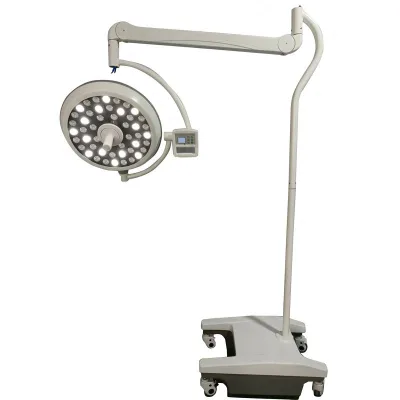
LED Mobile Ceiling Lamp Surgical Medical Light Operation Shadoless Light
$565.00 - $1178.00
MOQ: 1 Minimum

Shanghai Jo-Radiant Industrial Co., Ltd.
- Verified by TUVRHEINLAND
- Trading Company
- China Shanghai
- Lead time15 days
- Avg. response≤ 2h
Main productsMedical Equipment, Operating Lamp, Operating Table, Ceiling Pendant, Ultrasound, Patient Monitor, Anaesthesia Machine, Hospital Bed, ECG Machine, Dental Chair
Main marketsSoutheast Asia/ Mideast,Europe
Nanjing Healicom Medical Equipment Co., Ltd.
- Trading Company
- Lead time旺季: "1 - 5":7,"6 - 20":15,"21 - 100":30,"> 100":"To be negotiated", 淡季: "1 - 5":7,"6 - 20":15,"21 - 100":30,"> 100":"To be negotiated"
- Avg. response≤ 1h
Main productsUltrasound Scanner, Endoscope, Hospital Nursing Bed, Autoclave Sterilizer, X-ray Machine
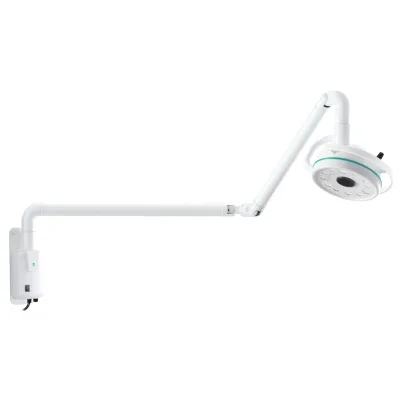
CE Certified High-Quality Hospitals and Emergency Carenary Surgical Lamp
$204.9311 - $512.3276
MOQ: 1 Minimum
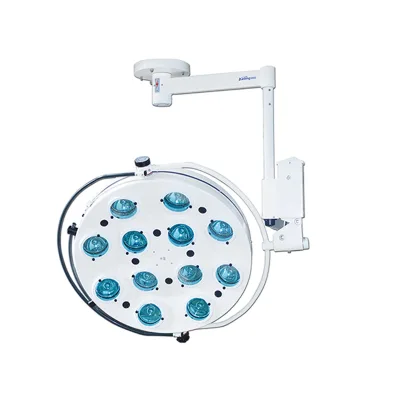
HEALICOM Operating Room Adjustable Brightness Multi-Source LED Shadowless Surgical Lamp
$650.00 - $850.00
MOQ: 1 Minimum
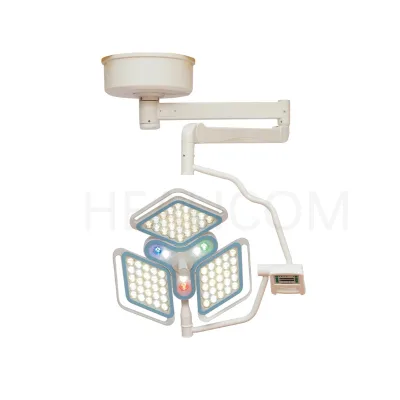
High-end 4.3 Inch LCD Touch Screen Precise Brightness Color Control Surgical Lamp
$2200.00 - $3200.00
MOQ: 1 Minimum
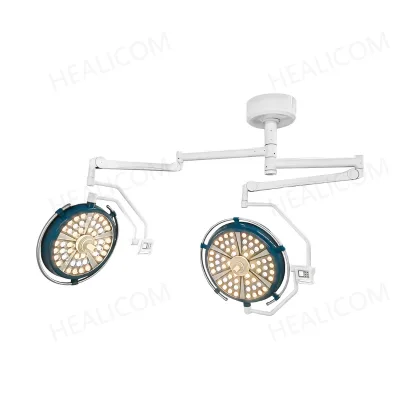
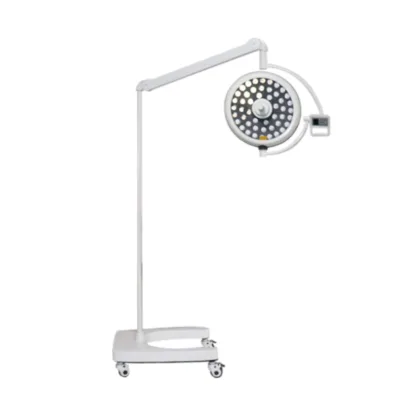
High Quality Medical Equipment Rugged Mobile Surgical Light for Orthopedic and Gynecology Surgeries
$500.00 - $570.00
MOQ: 1 Minimum
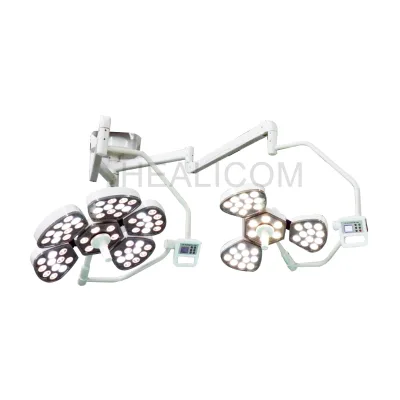
$1046.8858 - $1360.9516
MOQ: 1 Minimum
Jiangsu Suxin Medical Equipment Co., Ltd.
- Verified by TüVRheinland
- Manufacturer, Trading Company
- Lead time30 days
- Avg. response≤ 3h
Main productsOperating Table, Operating Lamp, Delivery Bed, Hospital Beds, Medical Pendant
Main marketsDomestic Market(23%), Southeast Asia(15%), Africa(15%)
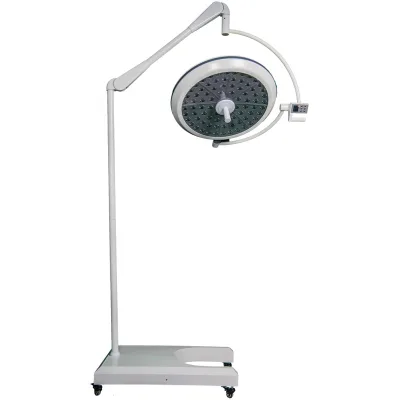
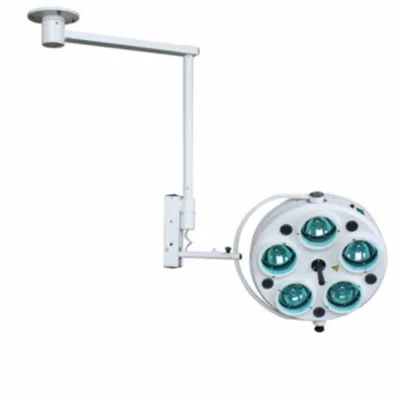
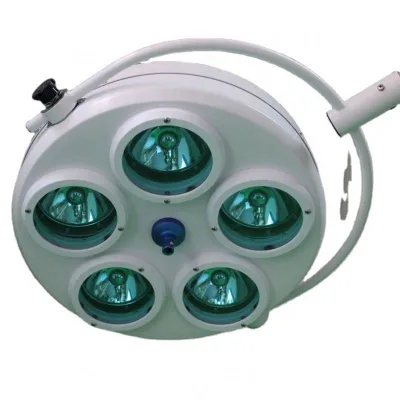
5 Reflectors Brightness Adjustable Shadowless Operation Lamp Surgical Halogen Light
$150.00 - $400.00
MOQ: 1 sets
$1193.063 - $1400.5522
MOQ: 1 sets
$1229.5863 - $1588.2164
MOQ: 1 sets
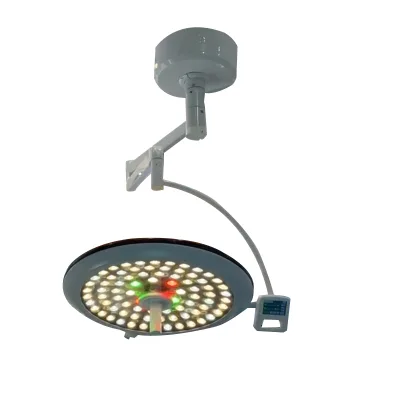
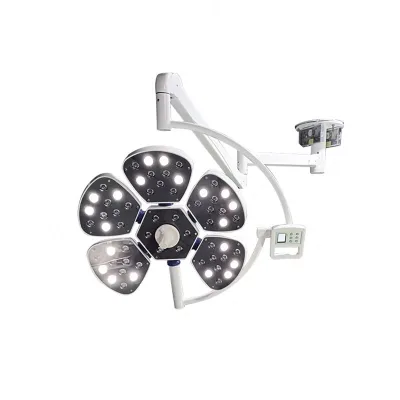
Customized Rainbow Lampposts Lamps Cieliticas for Surgery Medical Surgical Light Led Operating
$718.2431 - $872.153
MOQ: 1 sets

Nanjing Long Medical Technology Co., Ltd.
- Verified by TUVRHEINLAND
- Trading Company
- China Jiangsu
- Lead time15 days
- Avg. response≤ 3h
Main productsUltrasound Equipment, Laboratory Machine, Medical X-ray Machine, Operation Room Equipment, Dental Equipment, Autoclave Sterilizer, Disposable Material, Veterinary Equipment, Ophthalmic Equipment, Gynaecology & Neonatal Equipment
Main marketsAfrica,Others(foreignTradeCapacity.exportBusinessCapacityMarketOther),Southeast Asia/ Mideast,Europe,North America

Shadowless Operating Lamp / Surgical Lamp Operation Lamp Surgical Light Operation Light
$400.00 - $450.00
MOQ: 1 Set

LED Mobile Surgical Lamp Mobile Operating Room Light Surgical Light Operation Light
$260.00 - $800.00
MOQ: 1 Set

- Verified by SGS
- Trading Company
- China Henan
- Lead time30 days
- Avg. response≤ 3h
Main productsEndoscope, Vessel Sealing, Ultrasonic Scalpel System, Electrosurgical Unit, Biopsy Needle
Main marketsSouth America,Southeast Asia/ Mideast,Domestic,Europe,North America


Mobile LED Operating Lights Portable Operation Lamp Shadowless Surgical Light
$700.00 - $3000.00
MOQ: 1 Pieces

Surgical Operating Lights Medical LED Shadowless Operation Lamp Hospital/Clinic Operating Light
$700.00 - $3000.00
MOQ: 1 Pieces


- Manufacturer, Trading Company
- Lead time旺季: "1 - 1":7,"> 1":"To be negotiated", 淡季: "1 - 1":7,"> 1":"To be negotiated"
- Avg. response≤ 4h
Main productsMedical X-ray Equipments & Accessories, Medical Ultrasound Instruments, Emergency & Clinics Apparatuses, Clinical Analytical Instruments, Veterinary Medical Equipments
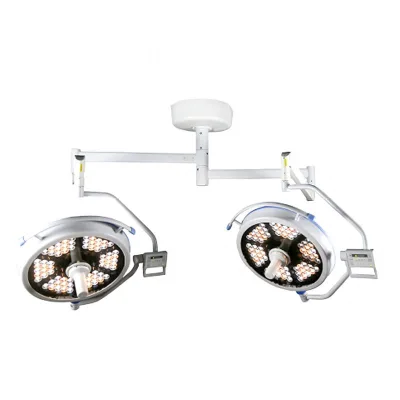
$899.00 - $2832.00
MOQ: 1 Minimum
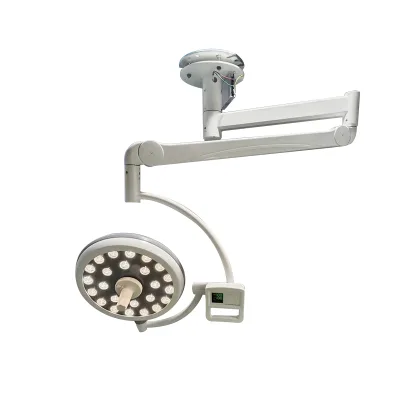
Operation Medical Equipments Light Adjustment Surgical Lamp for Hospital and Clinic
$400.00 - $850.00
MOQ: 1 Minimum
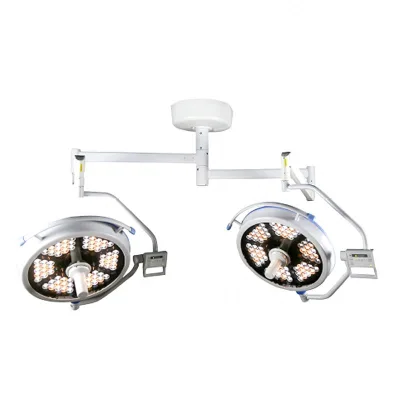
Hot Selling Best Rated Surgical Light Lamp Led Mobile Surgical Lamp Led Medical Use
$399.00 - $799.00
MOQ: 1 Minimum

- Verified by CTI
- Trading Company
- China Jiangsu
- Lead time15 days
- Avg. response≤ 16h
Main productsClinical Lab Equipment, Rehabilitation Equipment, Surgical Equipment, Medical Furniture, Medical Scales, X-ray Machine, Medical Disposables, Oxygen Concentrator, Medical Equipment, Medical Consumables
Main marketsSouth America,Africa,Southeast Asia/ Mideast,Europe,Australia


(MS-CDW3) Cold Light Surgery Operation Lamp Surgical Light Operating Light
$400.00 - $4999.00
MOQ: 1 Pieces

(MS-ELC5) Cold Light Operating Lamp Shadowless Surgical Operation Light
$400.00 - $4999.00
MOQ: 1 Pieces

(MS-CDC12) Medical Shadowess Surgery Operating Lamp Surgical Operation Light
$400.00 - $4999.00
MOQ: 1 Pieces

(MS-WR7B) Ceiling Type Shadowless Operation Lamp Surgical Operating Light
$400.00 - $4999.00
MOQ: 1 Pieces

(MS-ELC 5*5) Shadowless Surgical Surgery Light Operation Operating Light
$400.00 - $4999.00
MOQ: 1 Pieces
Shanghai Flower Medical Equipment Co., Ltd.
- Verified by SGS Group
- Manufacturer, Trading Company
- Lead time10 days
- Avg. response≤ 1h
Main productsOperation Lamp, Operation Table, Medical Pendant, Hospital Furniture, Hospital Bed
Main marketsSoutheast Asia(30%), North America(20%), Africa(20%)
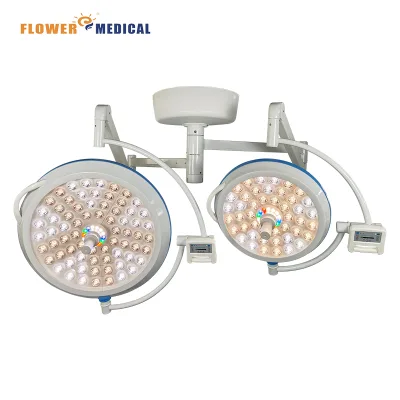
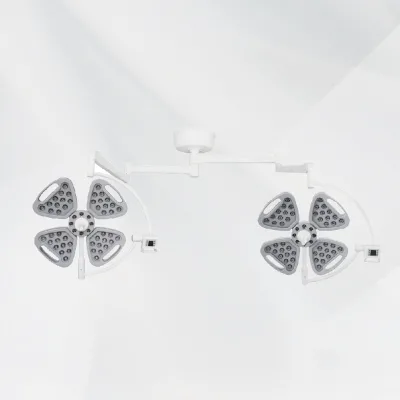
Operating Shadowless Moving Type Surgical Lamp Mobile Light Medical 5 Hole
$900.00 - $3200.00
MOQ: 100 Minimum
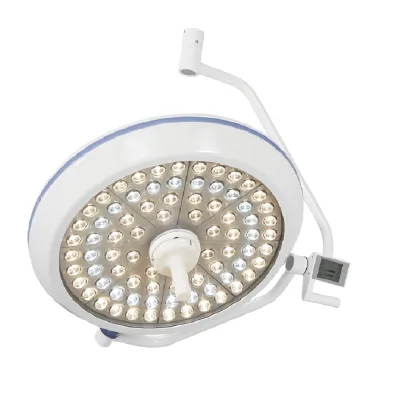
Factory Wholesale LED Shadowless Surgical Celling Operating Light Lamp for Hospital
$1024.6553 - $3073.9658
MOQ: 1 Minimum
Shandong Chenhong Medical Technology Co., Ltd.
- Verified by TüVRheinland
- Manufacturer, Trading Company
- Lead time30 days
- Avg. response≤ 1h
Main productsShadowless Operating Lamp, Electric Operating Table, Tower Pendant, Hospital Bed
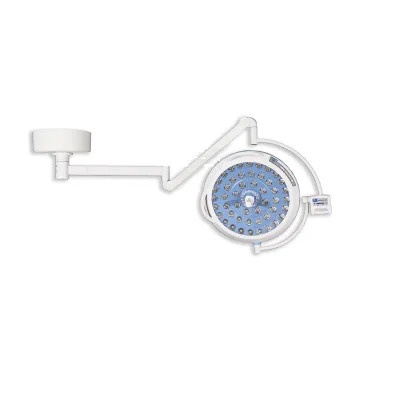
$1280.00 - $1360.00
MOQ: 1 units
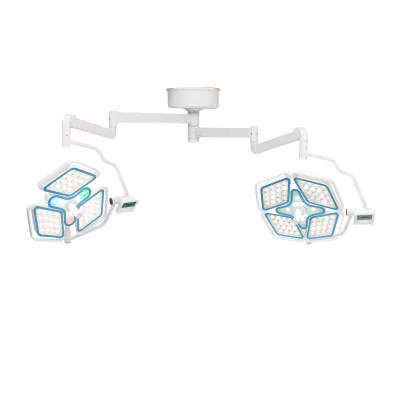
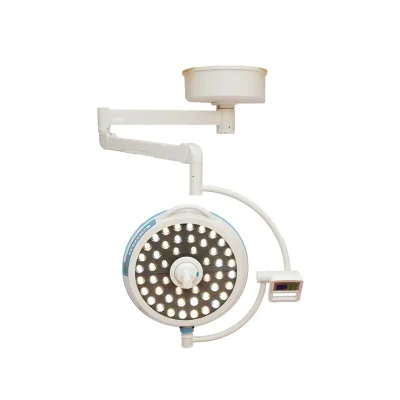
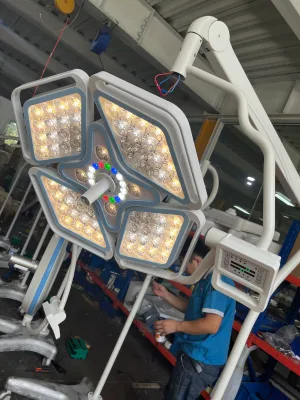
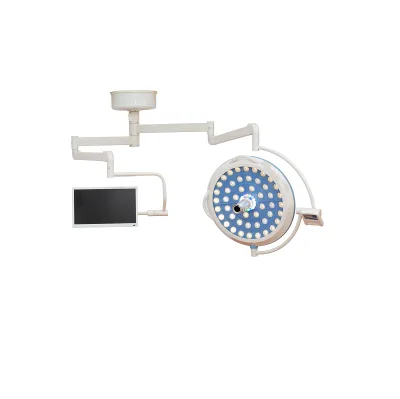
$2077.196 - $2118.1266
MOQ: 1 sets
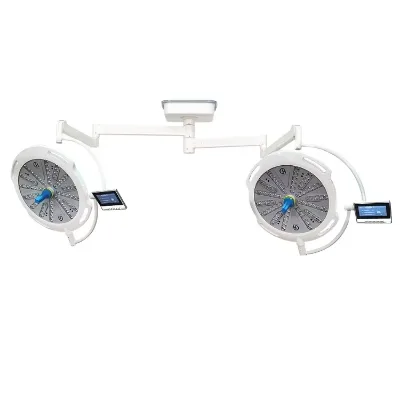
$2049.3106 - $2151.7761
MOQ: 1 Minimum
Nanjing Skyline lmport and Export Trading Co., Ltd.
- Verified by TüVRheinland
- Trading Company
- Lead time5 days
- Avg. response≤ 1h
Main productsHalogen Lamp, Lab & Medical Machines, Medical & Lab Consumables
Main marketsMid East(20%), Northern Europe(20%), South Asia(20%)

Ningbo Finer Medical Instruments Co., Limited
- Trading Company,Manufacturer/Factory
- China Zhejiang
- Lead time23 days
- Avg. response≤ 16h
Main productsMedical Consumables, Medical Equipment, Hospital Furniture, Mobility Safety Aid, Daily Living Aid
Main marketsSouth America,Eastern Europe,Mid East,North America,Southeast Asia,Eastern Asia,Oceania,Western Europe,Africa
Guangzhou Mecan Medical Limited
- Manufacturer, Trading Company
- Lead time旺季: "1 - 1":90,"2 - 5":90,"6 - 10":90,"> 10":"To be negotiated", 淡季: "1 - 1":90,"2 - 5":90,"6 - 10":90,"> 10":"To be negotiated"
- Avg. response≤ 4h
Main productsImaging Equipment, Operating Room Equipment, Hemodialysis Equipment, Laboratory Equipment, Veterinary Equipment
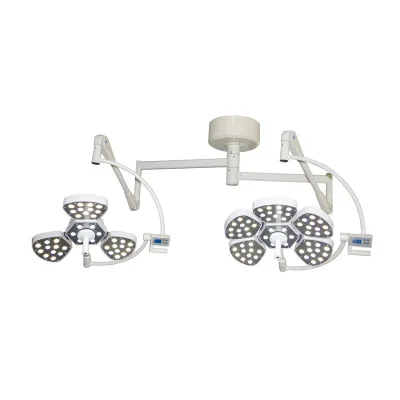
Medical Lamp Double Arm Surgical Light Shadowless Operating Lamp
$1500.00 - $2019.00
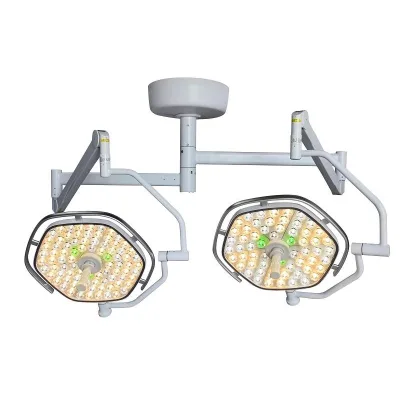
Mecanmed Hospital Ceiling Operating Room Light Shadowless Surgical Lamp LED Operating Light
$3079.2677 - $4106.0323
MOQ: 1 Minimum
Guangzhou Leyte Medical Equipment Co., Ltd.
- Trading Company
- Lead time旺季: "1 - 1":15,"> 1":"To be negotiated", 淡季: "1 - 1":15,"> 1":"To be negotiated"
- Avg. response≤ 1h
Main productsElectrosurgical Generator, Endoscope, Anesthesia Machine, Operation Light, Operation Table
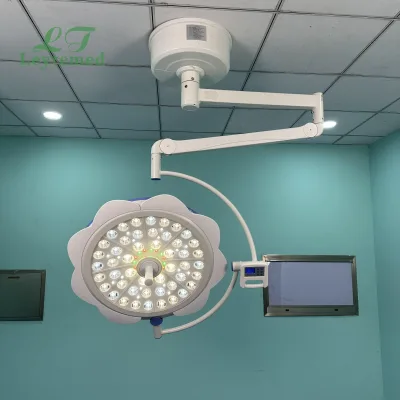
$1115.0301 - $1404.1112
MOQ: 1 Minimum
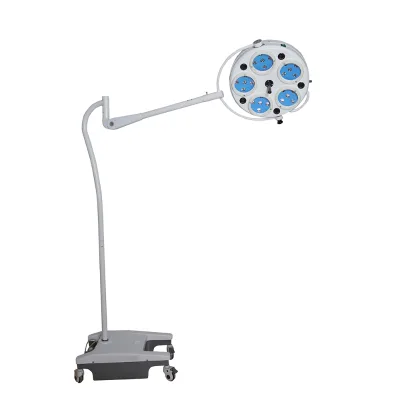
LTSL40B Cheap Price 100000 Lux Surgery Light Stand Type Surgical Light LED Surgical Operation Light
$665.8128 - $744.3872
MOQ: 1 Minimum
- Verified by TüVRheinland
- Trading Company
- Lead time7 days
- Avg. response≤ 3h
Main productsUltrasound, X Ray, Flat Panel Detector, Lab Analyzer, Surgical Equipment
Main marketsAfrica(35%), South America(15%), North America(10%)
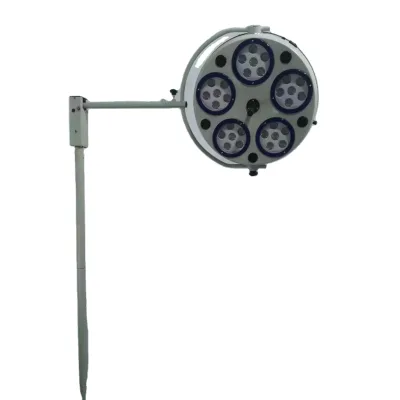
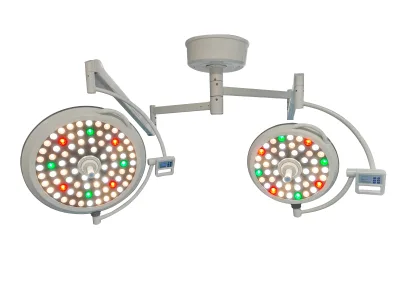
$308.4558 - $1028.1858
MOQ: 1 Minimum
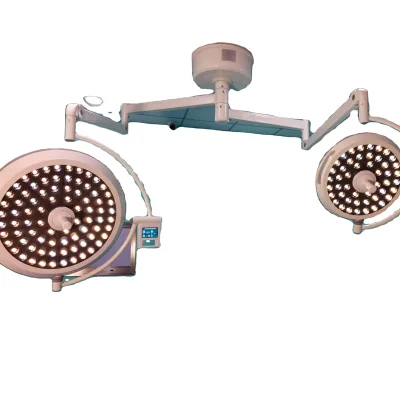
$500.00 - $1750.00
MOQ: 1 Minimum
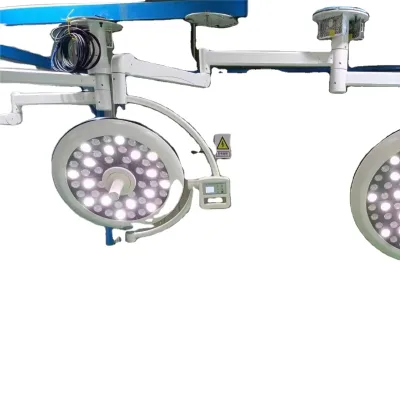
$102.3952 - $1535.9282
MOQ: 1 Minimum

Shanghai MedEco Industry Co., Ltd.
- Trading Company
- China Shanghai
- Lead time15 days
- Avg. response≤ 9h
Main productsOperating Lamp, Operating Table, Surgical Stapler, Veterinary Equipment, Dialysis Chair, Infant Incubator, Medical Pendant, Hemodialysis Equipment, Surgical Suture, Oxygen Concentrator
Main marketsAfrica,Europe,North America

Surgery Room Operating Lamp Surgical Medical Operation Light with IEC
$1300.00 - $2500.00
MOQ: 1 Pieces

Medical Various Departments Surgical Operation Operating Light II 700
$1300.00 - $2500.00
MOQ: 1 Pieces

Surgical Shadowless Operating Lamp Medical Operating Light for Hospital with IEC
$2000.00 - $3000.00
MOQ: 1 Pieces

Operating Lamp Medical Device Surgical LED Operation Light II 500/700 with IEC
$800.00 - $1350.00
MOQ: 1 Pieces

Surgical Instrument Medical Lamp High-Performance Operating Light with IEC
$2000.00 - $3000.00
MOQ: 1 Pieces

Medical Surgery Operating Single Lamp High-Quality Shadowless Operation Light with IEC
$1200.00 - $1800.00
MOQ: 1 Pieces

Shanghai Etar Mechanical And Electrical Technology Co.,ltd
- Manufacturer, Trading Company
- Shanghai, China
- Lead time20 days
- Avg. response≤ 1h
Main productsMedical Lamp Series, Medical Pendant Series, Operating Table Series, Bed Head Unit, Gas Outlets Series
Main marketsSoutheast Asia(49.00%), South Asia(20.00%), North America(5.00%), South America(5.00%), Southern Europe(5.00%), Mid East(5.00%), Eastern Asia(2.00%), Northern Europe(2.00%), Africa(2.00%), Oceania(1.00%), Western Europe(1.00%), Central America(1.00%), Eastern Europe(1.00%), Domestic Market(1.00%)
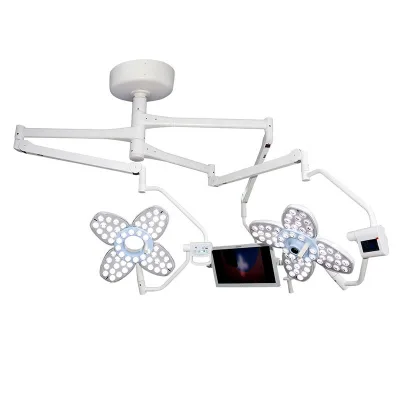
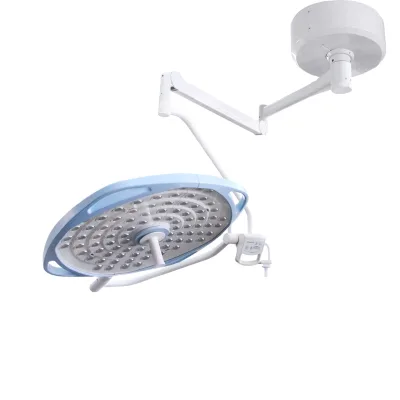
High Quality Medical Instrument Single Head LED Surgery Lights Price with CE Certificate
$1836.8397 - $3061.3994
MOQ: 1 Minimum
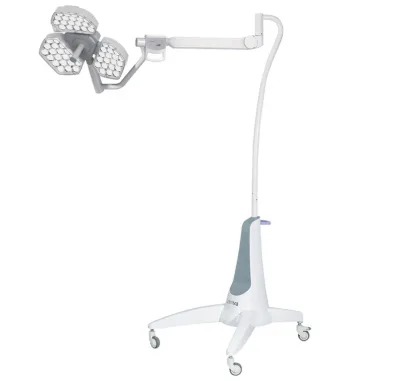
$1000.00 - $1760.00
MOQ: 5 Minimum
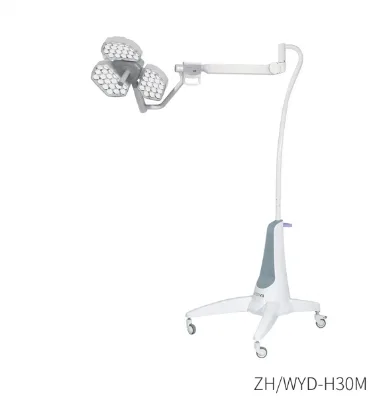
$1326.6064 - $1796.0213
MOQ: 4 Minimum

IVETWELL Animal Medical Limited
- Verified by SGS
- Trading Company
- China Beijing
- Lead time15 days
- Avg. response≤ 3h
Main productsVeterinary Medcial Equipment
Main marketsSoutheast Asia/ Mideast

$800.00 - $1200.00
MOQ: 1 Sets

Portable Surgical Light LED Surgery Light Mobile Surgical LED Light Modular LED Light Surgical Lamp
$800.00 - $1200.00
MOQ: 1 Sets

$800.00 - $1200.00
MOQ: 1 Sets
Eusokon Technology ( Shanghai ) Co., Ltd.
- Verified by SGS Group
- Trading Company
- Lead time10 days
- Avg. response≤ 3h
Main productsHospital Bed, Medical Trolly, Operation Table, Surgical Light, Delivery Bed
Main marketsNorth America(30%), Mid East(20%), Southeast Asia(20%)
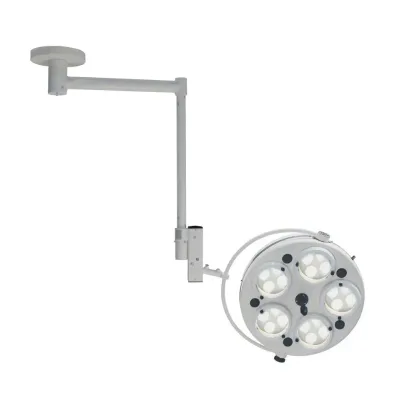
Led Opertaing Light Cielitica Scialitic Surgical Lamp M LED Shadowless Operating Light Lamp
$273.409 - $309.5194
MOQ: 1 pieces
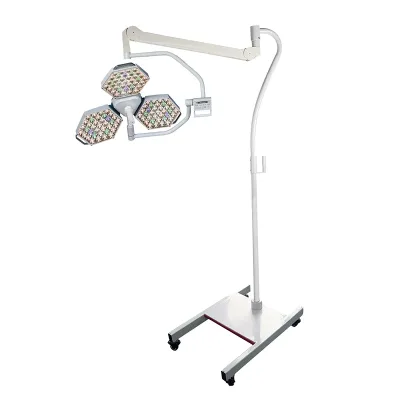
High Quality Surgical Medical Operating Lamp Equipment Cold Light Surgical Light Clinic
$2979.6415 - $4011.3729
MOQ: 1 Minimum






Comprehensive Sourcing Guide
Class II CE Surgical Light Supplier Concentration and Factory Types
Suppliers of class II CE surgical lights on B2B platforms are overwhelmingly concentrated in eastern China, with Jiangsu province appearing repeatedly as the declared place of origin for ceiling-type and mobile operating lights. One listed product even declares Shanghai as its origin while the supplier itself is registered in Jiangsu, which is common in this cluster where manufacturing, assembly and export operations overlap across neighboring municipalities. When browsing, buyers should treat the declared product origin field and the supplier's registered location as two separate data points, because a trading company may be registered in one city while shipping from a factory in another. If a platform search does not reveal a cluster, filter by the declared product origin and request the factory address with the business license before shortlisting.
Factory types in this category split into manufacturers/factories, trading companies, and combined operations. Some suppliers list broad hospital equipment portfolios—operating tables, operating lights, pendants, electrosurgical units, steam sterilizers—suggesting a multi-line medical device manufacturer, while others focus on veterinary and grooming tables with surgical lights as a sideline, which can affect depth of engineering support. Check the company type label, the main products list, and whether OEM/ODM capacity is declared. A combined manufacturer-trader profile can still be legitimate, but the buyer should confirm which entity actually holds the production line, the quality system registration, and responsibility for after-sales spare parts.
How to Verify Class II CE Surgical Light Suppliers
Verification should start with the platform's own evidence, then move to documents the supplier provides directly. On the listing level, confirm the declared certification field: several surgical light listings in this category declare CE or ISO/CE certification, and at least one declares SGS quality certification with a Class I instrument classification—note that Class I and Class II classifications differ, so match the classification to your market's regulatory requirement rather than assuming a listing applies. On the supplier level, look for third-party verification marks (one supplier in current results shows CTI verification) and system certifications such as ISO 13485 and ISO 9001, which are the quality management standards expected of medical device manufacturers. Never accept a certification name in a listing property as proof; ask for the certificate number and issuing body.
Request the CE certificate specific to the exact model number you intend to order, because a family certificate may not cover a variant. Cross-check the certificate against an official database of the issuing notified body where possible. Ask for the business license, the production address, and photos or a live video walkthrough of the assembly area for surgical lights specifically—many suppliers make other hospital furniture, and the light line may be a small department. Finally, test responsiveness before committing: current results show declared average response times ranging from roughly two hours to nearly fourteen hours, which is a measurable, comparable signal. A supplier that answers slowly during the quotation stage will rarely improve after a deposit is paid.
What to Compare Across Class II CE Surgical Light Suppliers
Build a comparison table using the attributes suppliers actually display, and record "not declared" rather than guessing. Useful dimensions from current results include: lead time (declared figures range from about seven days for one double-head LED surgical light to fifteen and twenty-three days for the suppliers overall), MOQ (several listings state an MOQ of one unit, which suits pilot orders), response time, company type, verified status, system certifications, and OEM/ODM or own-brand capability. Location matters too—Jiangsu-origin products may shorten domestic logistics to Shanghai-area ports, though you should confirm the actual shipping point per order rather than assuming it.
Beyond commercial labels, compare technical specifications on the listings themselves, since these vary widely even within one supplier's range. Current listings show illumination levels from roughly 45,000 lux on an entry ceiling model up to 80,000–160,000 lux on a double-head unit, spot diameters of 100–300 mm, ten-level continuous dimming, aluminum alloy rotate beams, and warranty declarations of two years with shelf-life claims up to ten years. Price bands on displayed listings span roughly 345–360 USD for a basic ceiling lamp, 650–675 USD and 1,350–1,650 USD for other ceiling models, and 779–1,700 USD for mobile and double-head units—use these only as displayed ranges for negotiation benchmarks, not as quotes. Also compare customization availability, which most current listings declare as available, and after-sales terms such as free spare parts.
Common Class II CE Surgical Light Sourcing Risks
The most frequent risk is certification mismatch: a listing may declare CE marking, but the certificate can belong to a different model, an earlier version, or a self-declared conformity rather than notified-body certification. Because surgical lights are regulated medical devices in most destination markets, a paperwork gap discovered at customs or by a hospital tender committee can void an entire shipment. A related risk is classification confusion—current results show both Class I and Class II instrument classifications among listed lights—so confirm which regulatory class applies in your market and whether the product file supports it.
Other recurring risks include specification inflation (claimed lux values that are not supported by an independent photometric test), hidden packing and tooling costs (most listings specify plywood or wooden case packing, but export crating fees are sometimes added later), and warranty terms that look generous on the listing but lack a defined spare-parts logistics process. One listing promises free spare parts and two-year warranty; ask how parts are shipped, at whose cost, and within what timeframe. Also watch for origin discrepancies: a product declaring Shanghai origin from a Jiangsu-registered supplier can complicate certificates of origin and shipping documents. Finally, avoid suppliers whose entire medical portfolio is shallow—main-product lists dominated by unrelated categories may indicate a generalist trader with limited technical accountability for lighting performance.
Class II CE Surgical Light Regional Sourcing and Logistics
The declared geography in current results is narrow and consistent: Jiangsu province, with one product origin declared in Shanghai. This corridor is one of China's densest medical device manufacturing regions, which translates into practical advantages—access to LED component suppliers, metal fabrication for rotating arms, and freight forwarders experienced with medical device exports. For the buyer, this concentration makes it feasible to visit several candidate factories in a single trip, or to commission a third-party inspection covering multiple suppliers within days rather than weeks. When shortlisting, map each supplier's registered address against the declared product origin and the intended port of loading to avoid inland trucking surprises.
On logistics mechanics, surgical lights are bulky, semi-fragile goods. Current listings declare plywood case or wooden box packing and individually packaged units, which is appropriate for sea freight, but confirm whether ceiling-mounted models ship with mounting arms disassembled and whether installation drawings and torque specifications are included. One listing declares a seven-day delivery time for a stocked model, while supplier-level lead times run fifteen and twenty-three days—customized configurations, voltage variants, or ceiling-mounted versions typically sit at the longer end, so plan the order around confirmed production time plus sea transit and customs clearance. If you need air freight for a demonstration unit, ask whether the packing can be adapted, since wooden cases may require ISPM-15 heat treatment stamps for international shipment.
Class II CE Surgical Light Commercial Terms and Order Planning
Order planning should exploit the low MOQs visible in current results: multiple listings declare an MOQ of one unit, so a practical path is to order a single sample for photometric and build-quality evaluation, then negotiate volume pricing in a second phase. Because displayed prices range from roughly 345 to 1,700 USD across the category, gather itemized quotations for identical configurations—same model number, same lux class, same packing—before comparing, since a low headline price may exclude the ceiling mount, camera option, or export crating. Ask explicitly what customization is included; most current listings declare customization available, and OEM/ODM capacity is declared by the suppliers shown, so branding and voltage adaptation are realistic requests but usually affect both price and lead time.
On payment and order terms, use staged payments tied to verifiable milestones: a deposit on order, a balance after pre-shipment inspection that checks illumination output, dimming function, arm stability and packaging. If the platform offers escrow or trade assurance-style protection, prefer it for the first order; otherwise a letter of credit or third-party inspection release is a reasonable substitute. One supplier's response time of about two hours suggests fast commercial iterations, while a fourteen-hour average means multi-day quote cycles—plan negotiation calendars accordingly. Finally, lock the warranty execution in writing: the two-year warranty and free spare parts promises seen on listings should be converted into a contract annex specifying response time, part pricing after warranty, and shipping responsibility for replacements.
FAQs
What certifications do Class II surgical lights have?
Class II surgical lights typically hold ISO and CE certifications. Some models also display SGS quality certification. These marks confirm compliance with international safety and performance standards for medical devices used in operating rooms and clinics.
What is the minimum order quantity for these lights?
The minimum order quantity is generally one unit. Most suppliers allow single-unit purchases for testing or small clinic needs. This low MOQ facilitates easier procurement for buyers who do not require large bulk inventory immediately.
How long does delivery take for these lights?
Delivery times vary by supplier but can be as fast as seven days. Some manufacturers list lead times around fifteen to twenty-three days. Buyers should confirm specific schedules with suppliers before placing orders to ensure timely arrival.
What is the price range for Class II lights?
Prices range from approximately three hundred forty-five to one thousand seven hundred dollars. The cost depends on features like LED technology, shadowless design, and certification levels. Buyers can find options for various budget constraints within this range.
Where are these surgical lights manufactured?
These lights are primarily manufactured in China, specifically in Jiangsu province. Some products list Shanghai as the origin. This region is known for producing medical equipment and surgical lighting solutions for global markets.
Do suppliers offer customization for these lights?
Yes, customization is available for many models. Buyers can often request specific configurations or branding. OEM and ODM services are supported by manufacturers, allowing for tailored solutions that meet specific hospital or clinic requirements.