Automatic Single Axis Solar Tracker Suppliers and Manufacturers
Compare 20 verified suppliers of Automatic Single Axis Solar Tracker based on location, lead time, and certifications. Review product specs like CE and ISO standards, then request quotes to confirm pricing and MOQ details; review the available evidence before requesting comparable quotations from suitable candidates.
Updated
Suppliers List

Yangzhou Bessent Trading Co., Ltd.
- Verified by SGS
- Trading Company,Manufacturer/Factory
- China Jiangsu
- Lead time23 days
- Avg. response≤ 4h
Main productsWind Turbine, Photovoltaic Module, Energy Storage System, Solar Panel, Silent Diesel Generator, Silent Gasoline Generator, Portable Power Station
Main marketsSouth America,Eastern Europe,Mid East,North America,Southeast Asia,Eastern Asia,Oceania,Western Europe,Africa


Solar Panel Mounting Bracket Follow Sun Solar Tracking System Single Axis Solar Tracker
$0.08 - $0.20
MOQ: 500 Watt


Rotary Drive or Linear Drive Solar Tracking System Horizontal Axis Single Axis Solar Tracker
$0.08 - $0.20
MOQ: 5000 Watt

Xiamen Solar First Energy Technology Co., Ltd.
- Verified by BV
- Trading Company
- China Fujian
- Lead time23 days
- Avg. response≤ 3h
Main productsSolar Mounting
Main marketsSouth America,Africa,Southeast Asia/ Mideast,East Asia(Japan/ South Korea),Europe,Australia,North America

Xiamen Wintop New Energy Tech Co., Ltd.
- Combined
- China Fujian
- Lead time15 days
- Avg. response≤ 4h
Main productsSolar Bracket, Solar Mount, Solar Carport, Solar Farm, Solar Tracker, Panel Cleaning Robot, Simple Solar Bracket, Solar Ground Bracket
Main marketsSoutheast Asia/ Mideast,East Asia(Japan/ South Korea),Australia
Zhangjiagang Ever Faith Industry Co., Ltd.
- Verified by TüVRheinland
- Trading Company
- Lead time30 days
- Avg. response≤ 14h
Main productsSolar Carport System, Solar Mounting System, Light Guage Steel House, Unistrut And Drywall System
Main marketsMid East(30%), Western Europe(25%), Eastern Europe(10%)

Ningbo Powernice Intelligent Technology Co., Ltd.
- Verified by SGS
- Combined
- China Zhejiang
- Lead time30 days
- Avg. response≤ 2h
Main productsLinear Actuator, Solar Tracker Structure, Solar Tracking Racking, Linear Actuator for Structure, Tail Lift, Agricultural Autonomous Driving System
Main marketsEurope

High Efficiency Single Axis Solar Tracking System Linear Actuator Motor Solar Tracker
$120.00 - $140.00
MOQ: 1000 Pieces


$120.00 - $140.00
MOQ: 1000 Pieces
Shanghai Chiko Solar Technology Co., Ltd.
- Manufacturer, Trading Company
- Lead time旺季: "1 - 500":31,"501 - 5000":32,"> 5000":"To be negotiated", 淡季: "1 - 500":31,"501 - 5000":32,"> 5000":"To be negotiated"
- Avg. response≤ 2h
Main productsSolar Mounting System, Solar Panel Mounting, Solar Mounting Bracket, Solar Mounting Rail, Solar Racking System
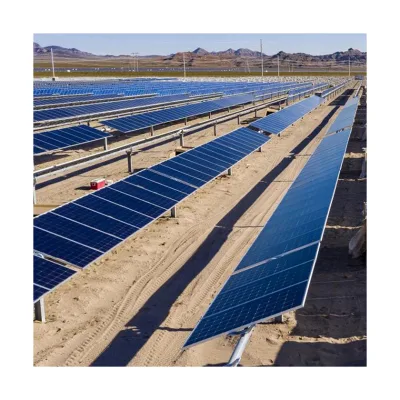
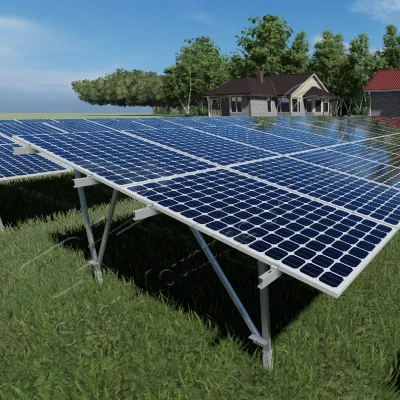
Single Axis Solar tracker Linear Actuator Jack
$80.00 - $100.00
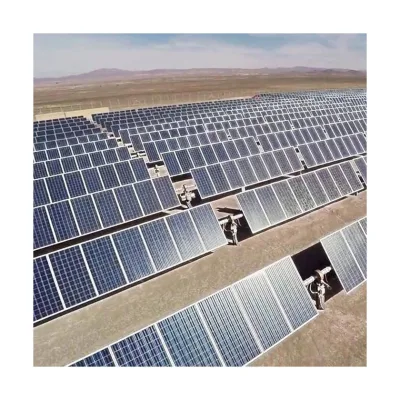
$80.00 - $100.00
MOQ: 1000 kilowatts
Xiamen Empery Solar Technology Co., Ltd.
- Manufacturer, Trading Company
- Lead time旺季: "1 - 50":35,"> 50":"To be negotiated", 淡季: "1 - 50":35,"> 50":"To be negotiated"
- Avg. response≤ 2h
Main productsAluminium Solar Mounting Bracket, Aluminium Solar Mounting Accessories, Iron Solar Mounting Bracket, Iron Solar Mounting Accessories, Solar Energy System

- Verified by BV
- Manufacturer/Factory
- China Fujian
- Lead time23 days
- Avg. response≤ 7h
Main productsSolar Ground Mounting, Solar Roof Mounting, Solar Carport, Solar Floating System, Solar Energy System, Solar Farm, Ground Screw, Solar Fence
Main marketsSouth America,Eastern Europe,Mid East,North America,Southeast Asia,Eastern Asia,Oceania,Western Europe,Africa

1MW Single Axis Smart Solar Tracking System Solar Tracker Ground Mounting Solar Panel Tracker
$79.00 - $87.00
MOQ: 100 kilowatt

Solar Tracking System Single Axis Automatic Solar Tracker Rack Tracking Bracket Solar Energy System
$79.00 - $87.00
MOQ: 100 kilowatt

Solar Tracking System Mounting Bracket Single Axis Automatic Solar Tracker Bracket System
$79.00 - $87.00
MOQ: 100 kilowatt

Automatic Solar Tracking System Mounting Bracket Single Axis Stable Solar Tracker Rack
$79.00 - $87.00
MOQ: 100 kilowatt

Smart Single Axis Solar Tracker System Solar Tracker Slew Drive with Durable Construction
$79.00 - $87.00
MOQ: 100 kilowatt
Xiamen Kseng New Energy Tech Co., Ltd.
- Verified by SGS Group
- Manufacturer, Trading Company
- Lead time14 days
- Avg. response≤ 3h
Main productsSolar Tracking System, Solar Carport, Solar Ground Mounting System, Solar Roof Mounting System, Solar Farm Mounting System
Main marketsSouthern Europe(25%), Eastern Asia(20%), Northern Europe(17%)
Tianjin Ju Cai Hui Xin Industry & Trade Co., Ltd
- Manufacturer, Trading Company
- Tianjin, China
- Lead time30 days
- Avg. response≤ 4h
Main productsSolar panels, Ground solar installation systems, Solar inverters, Solar related accessories
Main marketsNorth America(18.00%), Southern Europe(12.00%), Western Europe(12.00%), Domestic Market(11.00%), Mid East(11.00%), Northern Europe(8.00%), Southeast Asia(6.00%), Eastern Europe(5.00%), South America(4.00%), Eastern Asia(3.00%), Oceania(3.00%), South Asia(3.00%), Africa(2.00%), Central America(2.00%)
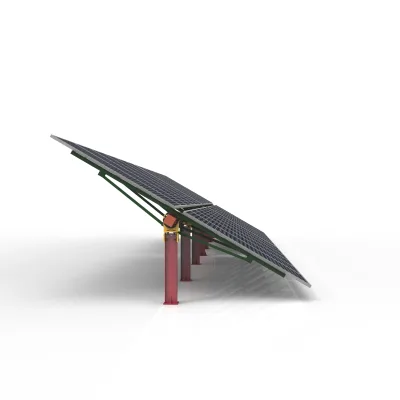
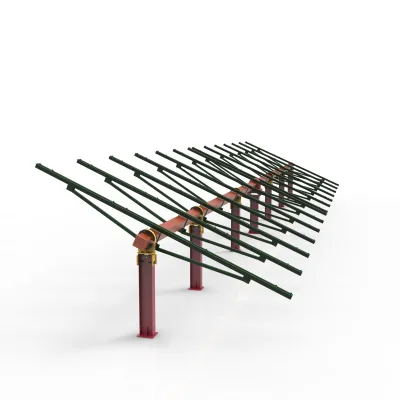
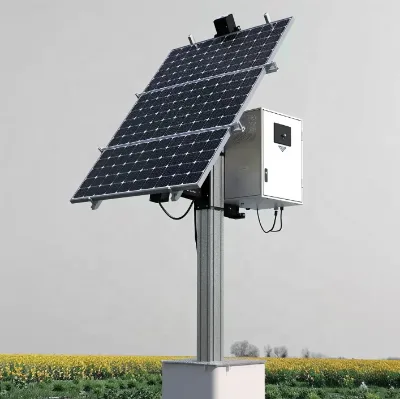
$89.9694 - $101.4782
MOQ: 500 kilowatts

Jiangyin Sinpo Metal Co., Ltd.
- Verified by TUVRHEINLAND
- Trading Company
- China Jiangsu
- Lead time23 days
- Avg. response≤ 13h
Main productsSolar Panel System, Solar System, Solar Power System, Sola Energy System, Solar Mounting System, Solar Panel, Solar Inverter, Solar Pump, Solar Module, Solar Roof Brackets
Main marketsDomestic


Solar Axial Tracking Single Pole Solar Ground Mounting System Solar Tracker Mounting
$0.15 - $0.25
MOQ: 30000000 W


4.5kw Customization Dual Axis Solar Tracker 2 Axis Solar Tracking System
$0.15 - $0.25
MOQ: 30000000 W


Yangzhou Bessent Trading Co., Ltd.
- Trading Company
- Jiangsu, China
- Lead time7 days
- Avg. response≤ 1h
Main productsWind turbine,Solar Panel,Inverter & Controller,Solar Power System,Permanent magnet generator
Main marketsNorth America(80.00%), Western Europe(10.00%), South America(10.00%)

Dalian Bofu Construction Material. Co., Ltd.
- Trading Company
- Liaoning, China
- Lead time30 days
- Avg. response≤ 5h
Main productssolar tracker,solar ad. box,solar wall light,solar underground light,solar garden light
Main marketsNorth America(30.00%), Africa(20.00%), South America(10.00%), Eastern Europe(10.00%), Southern Europe(5.00%), Northern Europe(5.00%), Western Europe(5.00%), Eastern Asia(5.00%), Mid East(5.00%), Southeast Asia(5.00%)
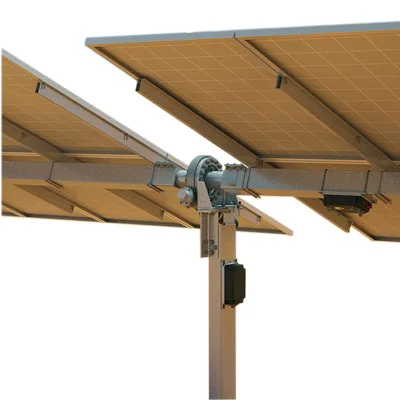
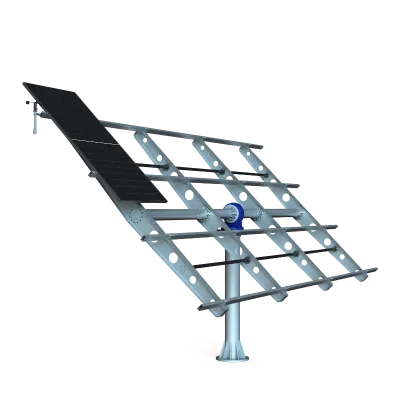
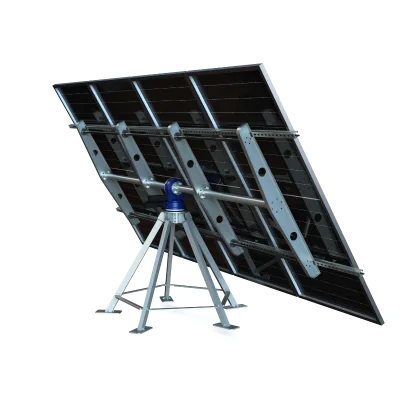
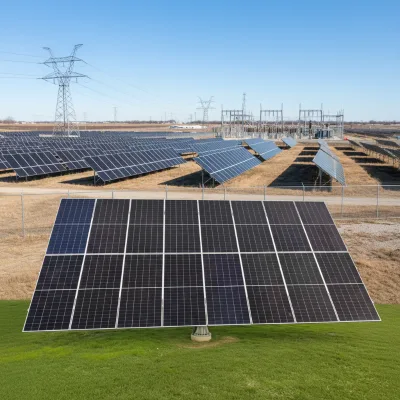
$0.0719 - $0.1027
MOQ: 100 watts

Wenzhou Dijiaiti Machinery Commercial Co., Ltd.
- Trading Company
- Zhejiang, China
- Lead time20 days
- Avg. response≤ 10h
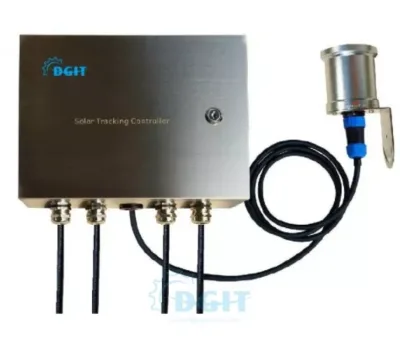
Main productsDamper,Gearbox,Solar Tracker Controller,Speed Reducer
Main marketsSouth America(70.00%), Southeast Asia(10.00%), Eastern Europe(10.00%), Domestic Market(5.00%), Western Europe(5.00%)
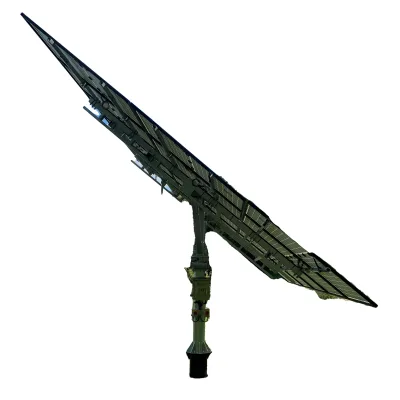
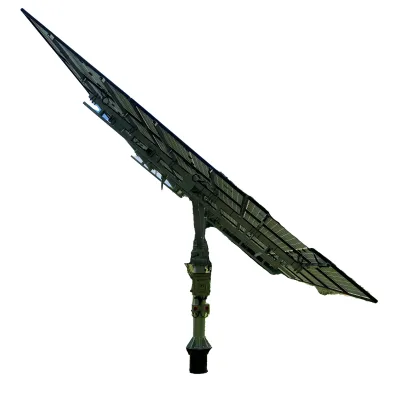
Dual Axis Solar tracker Solar tracker Price Solar Gps tracker Solar Power System
$2095.2378
MOQ: 1 Minimum
Taizhou Hangyu Metalware Co., Ltd.
- Verified by Intertek
- Manufacturer, Trading Company
- Lead time0 days
- Avg. response≤ 3h
Main productsSolar Photovoltaic Accessories, Real Estate Construction Accessories, Building Hardware Accessories, Fasteners, Facade System Bracket Accessories
Main marketsEastern Europe(40%), Africa(30%), Domestic Market(20%)

Tianjin Longlong Metal Products Factory
- Verified by TUVRHEINLAND
- Combined
- China Tianjin
- Lead time15 days
- Avg. response≤ 11h
Main productsSolar Bracket, Greenhouse, Greenhouse Steel Structure, Auto Cold Bending Roll Forming Machine, Rain Gutter, Solar Panel Bracket, Steel Strut, Pressing Parts, Stamping Parts, Abnormal Shape Steel Profile
Main marketsOthers(foreignTradeCapacity.exportBusinessCapacityMarketOther),Domestic,Europe,Australia,North America


Superb Stability Horizontal Flat Single Axis Solar Tracker with High Efficiency
$60.00 - $110.00
MOQ: 1 kw

Top Sales Customized Flat Single Axis Solar Tracker with TUV Certificate
$110.00 - $130.00
MOQ: 1000 kw


High Precision and High Quality Single Axis Solar Tracker (two rows) with Long Life Service
$60.00 - $110.00
MOQ: 1 kw

Top Quality Solar Bracket for Single Soalr Tracker System (two rows) with Several Material Supply
$110.00 - $130.00
MOQ: 1000 kw
Hebei Jinbiao Construction Materials Tech Corp., Ltd.
- Manufacturer, Trading Company
- Lead time旺季: "1 - 1000":31,"> 1000":"To be negotiated", 淡季: "1 - 1000":31,"> 1000":"To be negotiated"
- Avg. response≤ 2h
Main productsSolar Bracket, Mesh Fence, Noise Barrier, Solar Carport
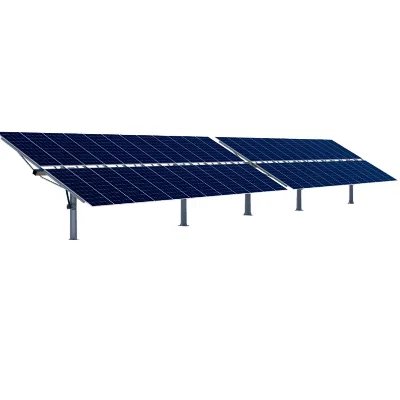
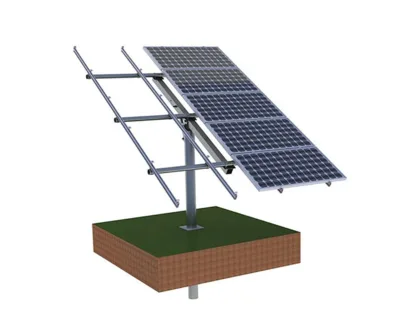
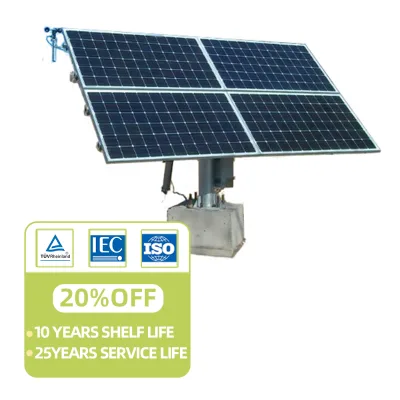
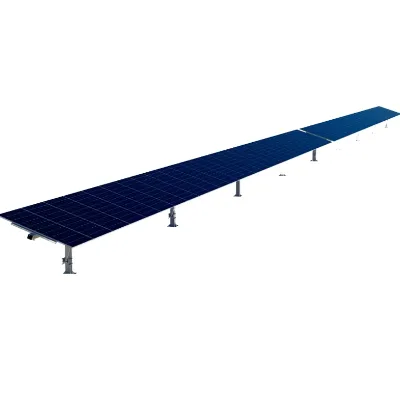
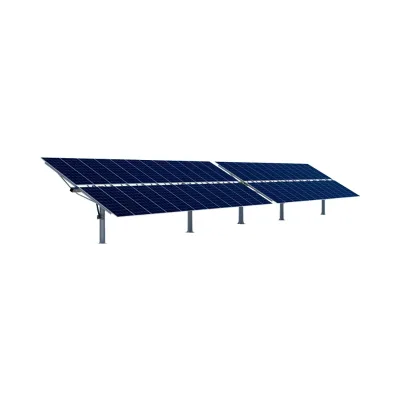
Made in China Single Axis Solar Sun tracker Solar Tracking Systems with Slew Drive
$61.4796 - $71.7272
MOQ: 10 kilowatts
$61.6068 - $71.8738
MOQ: 10 kilowatts
$61.4796 - $71.7272
MOQ: 10 kilowatts
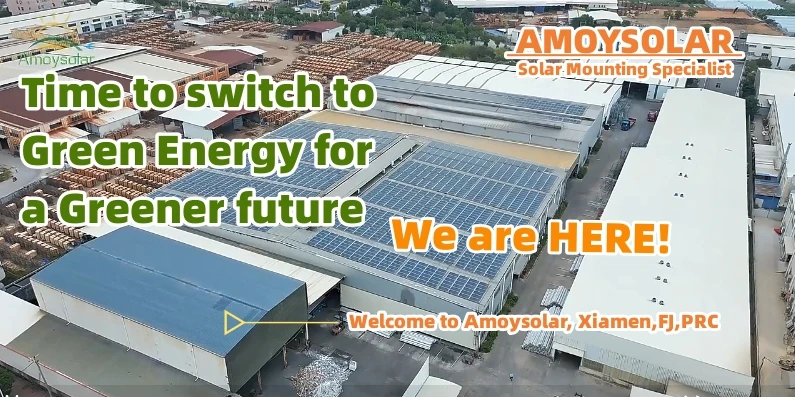
Xiamen Amoy Solar Technology Co., Ltd.
- Manufacturer, Trading Company, Distributor/Wholesaler
- Fujian, China
- Lead time0 days
- Avg. response≤ 3h
Main productssolar mounting,solar support,mount system,aluminium profile,Photovoltaic parts
Main marketsSoutheast Asia(30.00%), North America(15.00%), Northern Europe(10.00%), Central America(10.00%), Western Europe(10.00%), Southern Europe(10.00%), Eastern Europe(10.00%), Oceania(5.00%)
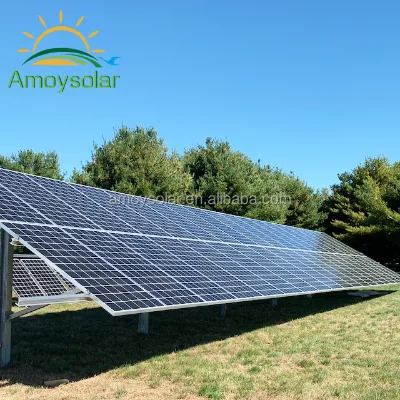
$0.0414 - $0.0621
MOQ: 1000000 watts
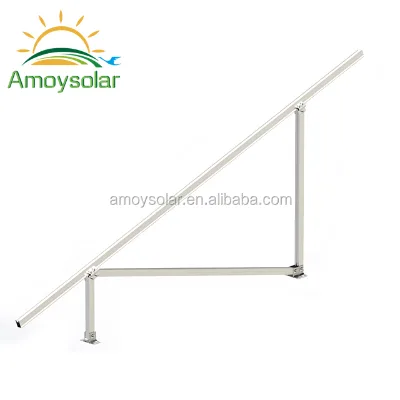
$0.0414 - $0.0621
MOQ: 1000000 watts
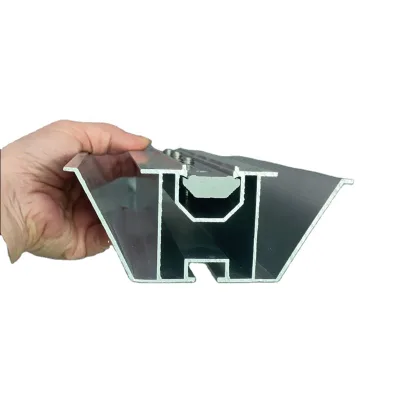

BGT Technology(Beijing) Co., Ltd.
- Verified by CTI
- Trading Company
- China Beijing
- Lead time23 days
- Avg. response≤ 5h
Main productsPrecipitation Sensors, Flow Velocity Sensors, Water Quality Sensors, Ambient Sensors, Radiation Sensors, Soil Sensors, Water Level Sensors, Wind Sensors, Compact Weather Station
Main marketsAfrica,Southeast Asia/ Mideast,East Asia(Japan/ South Korea),Domestic,Europe,Australia,North America


$1299.90 - $1519.90
MOQ: 1 Pieces

Advanced Sun Tracking System with GPS for Enhanced Solar Panel Efficiency
$999.99 - $4999.99
MOQ: 1 Pieces
- Verified by TüVRheinland
- Trading Company
- Lead time15 days
- Avg. response≤ 2h
Main productsAir Gas Sensor, Soil Sensors, Water Flow Sensors, Water Quality Sensors, Weather Station Sensors
Main marketsSoutheast Asia(25%), North America(20%), Eastern Europe(15%)


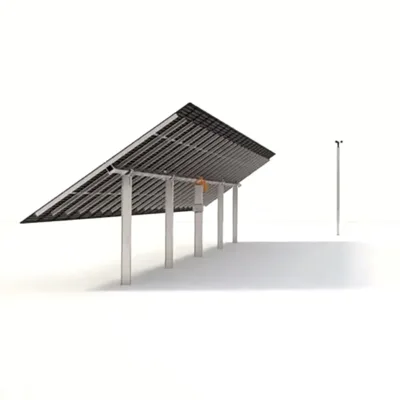
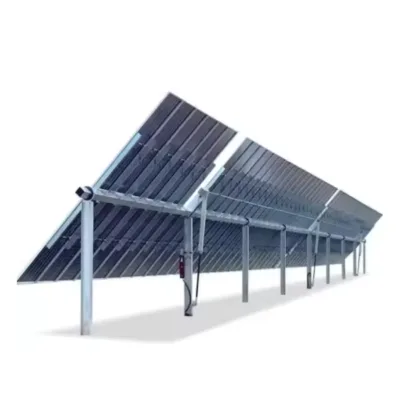
Comprehensive Sourcing Guide
Automatic Single Axis Solar Tracker Supplier Concentration and Factory Types
The current supplier landscape for Automatic Single Axis Solar Tracker units shows a distinct concentration of manufacturing and trading entities within China, specifically in the Jiangsu and Fujian provinces. These regions host a mix of company types, including manufacturers, factories, and trading companies, which collectively offer a broad spectrum of capabilities ranging from OEM and ODM services to the supply of complete solar mounting systems. Some suppliers in these clusters specialize in renewable energy products like wind turbines and photovoltaic modules, while others focus exclusively on solar tracking structures and linear actuators. This geographic clustering suggests a mature supply chain ecosystem where raw materials and specialized components are readily available, potentially reducing logistical friction for buyers sourcing large-scale solar farm equipment.
When evaluating the factory types available, buyers will encounter entities that operate as pure trading companies alongside those that function as manufacturers with their own production lines. The data indicates that many suppliers possess combined capabilities, offering both trading services and direct manufacturing capacity. This distinction is critical because a manufacturer may provide more control over the production schedule and customization of the tracking bracket, whereas a trading company might offer a wider variety of products from different factories. Buyers should verify the specific company type listed for each supplier to understand whether they are dealing with the primary production source or an intermediary. The presence of both types in the same regions allows for flexible sourcing strategies depending on whether the priority is cost efficiency, volume customization, or rapid access to a diverse product catalog.
How to Verify Automatic Single Axis Solar Tracker Suppliers
Verification of suppliers in the Automatic Single Axis Solar Tracker sector relies heavily on third-party audit results and system certifications that confirm operational integrity. Several suppliers in the current results have undergone verification by recognized agencies such as SGS and BV, which provides a baseline level of confidence regarding their business legitimacy and operational stability. Beyond basic verification, buyers should scrutinize system certifications like ISO 9001, ISO 14001, BSCI, and SEDEX, as these indicate adherence to international quality management, environmental standards, and social responsibility protocols. The presence of specific product certifications such as CE, TUV, and ISO on the tracker units themselves further validates that the equipment meets safety and performance requirements for industrial and commercial applications.
In addition to certifications, the response time of a supplier serves as a practical metric for assessing their operational readiness and communication efficiency. Current data shows response times varying between approximately 2.23 and 3.89, which can indicate the speed at which a supplier engages with potential buyers. A faster response time often correlates with a more active sales team and a streamlined internal process for handling inquiries and technical specifications. Buyers should also check for the availability of customization services, as many suppliers list this as a key capability, allowing for tailored solutions regarding module size, material, and tracking range. Verifying these attributes ensures that the selected partner can meet specific project requirements without compromising on quality or delivery timelines.
What to Compare Across Automatic Single Axis Solar Tracker Suppliers
Comparing suppliers requires a detailed analysis of key operational dimensions such as lead time, minimum order quantity, and pricing structures to ensure alignment with project budgets and schedules. Lead times in the current market range from 15 to 23 days, which is a significant factor for projects with tight installation deadlines. Buyers must also evaluate the minimum order quantity, which varies widely from 500 units to 200,000 units depending on the supplier and the specific product model. This variance means that small-scale projects may need to consolidate orders or find suppliers with lower thresholds, while large utility-scale developments can leverage the economies of scale offered by suppliers with higher MOQs.
Pricing and product specifications are equally critical when comparing different suppliers, as the cost per unit can fluctuate based on material choices and customization levels. Current price ranges for solar trackers span from $0.06 to $0.20 per unit, reflecting differences in material quality, such as stainless steel versus standard steel, and the complexity of the tracking mechanism. Buyers should also compare the scope of rack coverage, which can range from 100 to 200 square meters, and the power supply requirements, which may vary between 110V and 220V. By systematically comparing these attributes, buyers can identify suppliers that offer the best balance of cost, capacity, and technical fit for their specific solar energy installation needs.
Common Automatic Single Axis Solar Tracker Sourcing Risks
One of the primary risks in sourcing automatic single axis solar trackers is the potential mismatch between advertised capabilities and actual production capacity, particularly regarding customization and material specifications. While many suppliers claim to offer OEM and ODM services, the actual ability to customize tracking brackets, motor types, or communication protocols like RS485 may vary significantly. Buyers must verify that the supplier can deliver the exact specifications required, such as specific module sizes or protection levels like IP65, to avoid receiving equipment that is incompatible with the site conditions or the existing solar array design.
Another significant risk involves the variability in product certifications and compliance standards across different suppliers. Although some suppliers list certifications like CE, TUV, and ISO, others may have limited or no system certifications listed, which could pose compliance issues in certain markets. Additionally, the condition of the product, whether new or refurbished, and the specific packing methods, such as standard cartons versus wooden cases, can impact the safety and integrity of the shipment. Buyers should be cautious of suppliers who do not provide clear evidence of their product standards or who lack transparency regarding their origin and manufacturing processes, as these gaps can lead to delays, additional costs, or legal complications upon delivery.
Automatic Single Axis Solar Tracker Regional Sourcing and Logistics
Sourcing from the identified regions in China, specifically Jiangsu and Fujian, offers logistical advantages due to the established infrastructure for exporting heavy industrial equipment like solar trackers. These provinces are home to a dense network of manufacturers and trading companies, which facilitates efficient coordination between production and shipping. The proximity of these suppliers to major ports allows for streamlined logistics, reducing the time and cost associated with transporting large, heavy components such as tracking brackets and linear actuators. Buyers should consider the specific location of the supplier when planning their logistics, as this can influence the final landed cost and the speed of delivery to the project site.
However, regional sourcing also presents challenges related to the complexity of shipping large-scale solar tracking systems. The weight of individual units, which can reach up to 1300kg, and the dimensions of the modules require specialized handling and packaging to prevent damage during transit. Suppliers often use wooden case pallets for larger systems, which adds to the shipping volume and cost. Buyers must ensure that the supplier's packing standards meet the requirements for long-distance transport and that the logistics partner is experienced in handling oversized cargo. Additionally, the origin of the product, whether from Jiangsu or Fujian, may affect the availability of specific shipping routes and the associated customs clearance procedures, making it essential to verify these details before finalizing the order.
Automatic Single Axis Solar Tracker Commercial Terms and Order Planning
Commercial terms for Automatic Single Axis Solar Tracker orders are heavily influenced by the minimum order quantity and the specific pricing structure agreed upon with the supplier. With MOQs ranging from 500 to 200,000 units, buyers must carefully plan their order volumes to meet these thresholds while managing inventory costs. The price per unit can vary significantly based on the order size, with larger orders often securing lower rates within the $0.06 to $0.20 range. Buyers should negotiate terms that align with their project timeline, considering that lead times of 15 to 23 days must be factored into the overall project schedule to avoid delays in installation.
Order planning also requires a thorough understanding of the customization options and the associated costs. Many suppliers offer customization for tracking brackets, motor types, and communication protocols, but these options may come with additional charges or extended lead times. Buyers should clearly define their requirements for material, application, and specification before placing an order to ensure that the supplier can deliver the exact product needed. Furthermore, the payment terms and escrow options should be evaluated to mitigate financial risks, ensuring that funds are released only upon satisfactory delivery and inspection of the solar tracking systems. Proper planning and clear communication of commercial terms are essential for a successful procurement process in this sector.
FAQs
What is the typical lead time for single axis solar trackers?
Manufacturers in China Jiangsu report a lead time of 23 days for production and delivery. Suppliers in Fujian offer faster turnaround with a 15-day lead time. Buyers should confirm specific schedules with the supplier before placing orders to ensure timely project completion.
What certifications are available for solar tracking systems?
Products typically carry CE, TUV, ISO, and CB certifications. Some suppliers also hold BSCI, SEDEX, ISO 9001, ISO 14001, and GB standards. Buyers must verify the exact certification list for their specific model, as options vary between manufacturers and trading companies.
What is the minimum order quantity for solar trackers?
MOQs vary significantly by supplier and product type. Some manufacturers require a minimum of 500 units, while others set the threshold at 2000 or 5000 units. Large-scale projects may encounter MOQs of 200,000 units. Always check the specific product page for accurate quantity requirements.
How fast do suppliers typically respond to inquiries?
Response times range from 2.23 to 3.89 hours on average. Faster response rates are often associated with specialized manufacturers in Fujian. Buyers should expect prompt communication but should verify current availability directly with the supplier to ensure timely project planning and coordination.
What materials are used in single axis solar trackers?
Common materials include stainless steel and steel for structural durability. Some systems feature linear actuators and specific module sizes like 1650*992*40mm. Buyers should verify material specifications and weight requirements, such as 1300kg, to ensure compatibility with their installation site and structural load limits.
What is the price range for automatic solar trackers?
Prices generally range from $0.06 to $0.20 per unit depending on specifications and volume. Some specialized systems may have different pricing structures. Buyers should request detailed quotes based on their specific module size and power requirements to get accurate cost estimates for their project budget.