Automatic Sliding Door Motion Detector Suppliers and Manufacturers
Explore 18 verified suppliers offering automatic sliding door motion detectors with varying lead times, certifications, and prices. Buyers can compare response times, MOQs, and product standards to select the right partner for commercial or residential projects; review the available evidence before requesting comparable quotations from suitable candidates.
Updated
Suppliers List

Jiangsu Deper Door Control Technology Co., Ltd.
- Verified by SGS
- Combined
- China Jiangsu
- Lead time15 days
- Avg. response≤ 5h
Main productsAutomatic Door, Door System, Door Parts, Sliding Door, Swing Door, Panic Door, Revolving Door, Hospital Door, Switch, Motion Sensor
Main marketsSouth America,Africa,Others(foreignTradeCapacity.exportBusinessCapacityMarketOther),Southeast Asia/ Mideast,East Asia(Japan/ South Korea),Domestic,Europe,Australia,North America

Hangzhou Safedoor Automation & Hardware Co., Ltd.
- Verified by TUVRHEINLAND
- Trading Company
- China Zhejiang
- Lead time15 days
- Avg. response≤ 14h
Main productsAutomatic Door, Door Opener, Automatic Door Operator, Sliding Door Operator, Swing Door Operator, Microwave Sensor and Photocell, Access Control Reader, Electric Locks, Automatic Door Battery, Glass Door
Main marketsOthers(foreignTradeCapacity.exportBusinessCapacityMarketOther),Southeast Asia/ Mideast


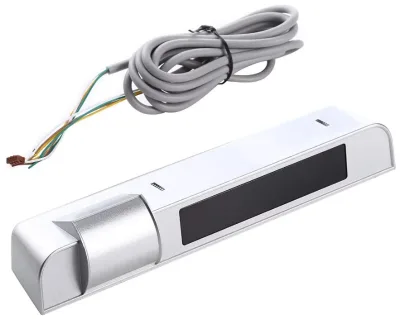
Intelligent Wireless Infrared Detector/Sensor for Automatic Door Control System
$50.00 - $55.00
MOQ: 20 Pieces


Ningbo Farwill Automation Co., Ltd.
- Verified by BV
- Combined
- China Zhejiang
- Lead time30 days
- Avg. response≤ 10h
Main productsDoor Operator, Automatic Door, Sliding Door Operator, Revolving Door, High Speed Door, Window Actuator, Hermetic Door, Montion Sensor, Safety Sensor, Sliding Gate Opener
Main marketsDomestic

Shenzhen Winfor Canbo Technology Co., Ltd.
- Verified by TUVRHEINLAND
- Combined
- China Guangdong
- Lead time15 days
- Avg. response≤ 4h
Main productsAutomatic Door Sensor, Motion Sensor, Safety Sensor, Microwave / Infrared Sensor, Laser Sensor, Light Curtain, Photoelectric Beam, Control Switch, Touchless Switch, Touch/Press Switch
Main marketsSoutheast Asia/ Mideast,East Asia(Japan/ South Korea),Europe,Australia,North America

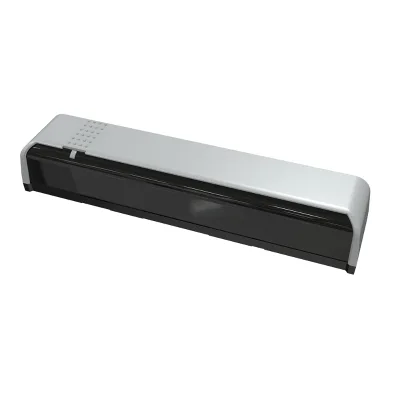
Wholesale Automatic Gate Door Infrared Motion Sensor Detector for Sliding Door Access Control System
$44.00 - $55.00
MOQ: 5 Pieces


Intelligent 2-in-1 Hybrid Sensor Automatic Sliding Door Motion and Presence Sensor
$27.00 - $32.00
MOQ: 2 sets


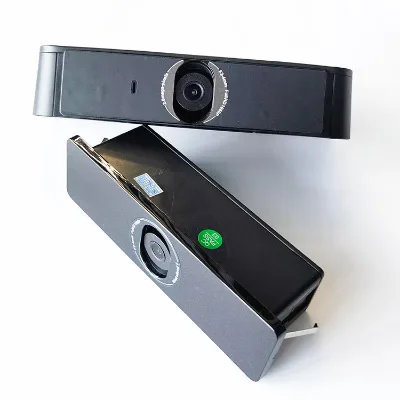
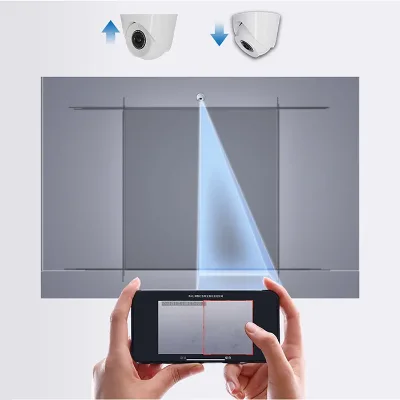
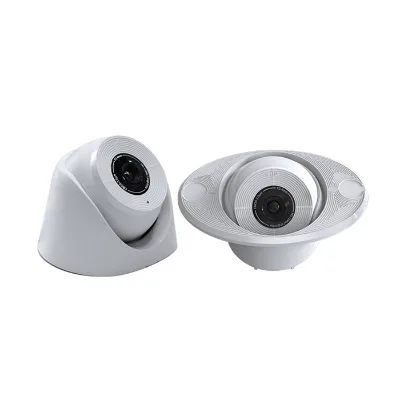
High Quality Image Recognition Monitoring Sensor Entrance Door Motion Sensor with Camera
$55.00 - $72.00
MOQ: 1 Pieces
Hunan Tianan Door Technology Co., Ltd.
- Verified by Intertek
- Manufacturer, Trading Company
- Lead time0 days
- Avg. response≤ 2h
Main productsAutomatic door, Automatic door operator, Direct Drive Motor, Magnetic Levitation Linear Motor, Full Set Track
Main marketsDomestic Market(94%), Southeast Asia(2%), Mid East(2%)

- Verified by TUVRHEINLAND
- Combined
- China Guangdong
- Lead time15 days
- Avg. response≤ 6h
Main productsWiFi Door Controller, WiFi Gate Opener, Vehicle Loop Detector, Gate Barrier Safety Sensor, Vehicle Inductive Loop Sensor, Motion Radar Sensor, Infrared Photocell, Fast Speed Door Sensor, Infrared Light Curtain Sensor, Door Safety Sensor
Main marketsSouth America,North America
- Verified by Intertek
- Manufacturer, Trading Company
- Lead time7 days
- Avg. response≤ 3h
Main productsLoop Detector, Motion radar Sensor, Safety Light Curtian, Photocells, Parking System
Main marketsNorth America(8%), South America(8%), Eastern Europe(8%)
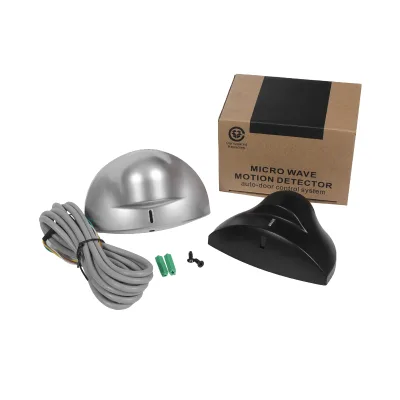
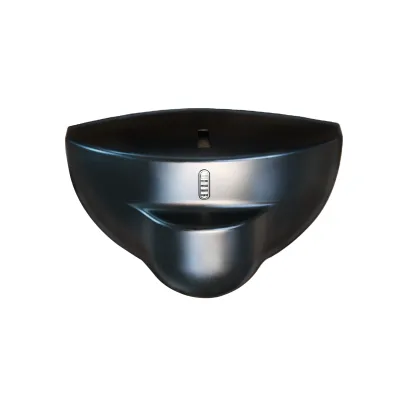
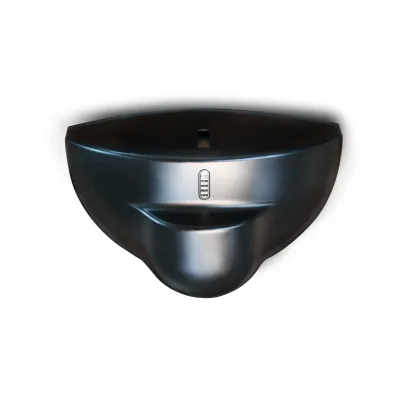
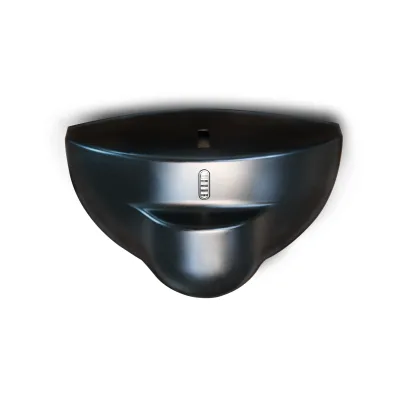
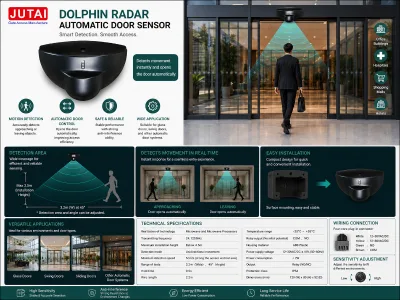
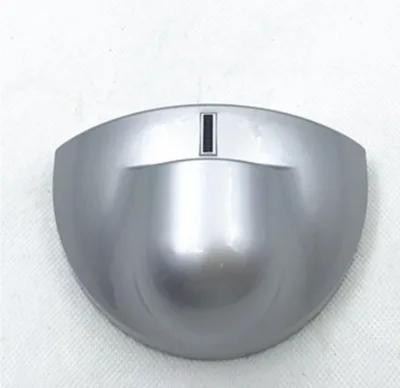
Sliding Door Mounted Motion Sensor with Direction Identification and Moving Detection Feature
$10.2685 - $15.4028
MOQ: 1 pieces
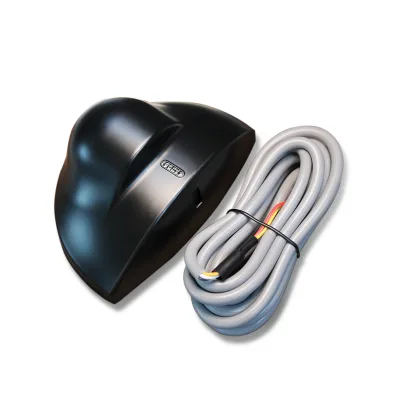

Shenzhen Giants Sensor Technology Co., Ltd.
- Verified by BV
- Trading Company
- China Guangdong
- Lead time30 days
- Avg. response≤ 7h
Main productsAutomatic Door Sensor, Industrial Door Sensor, Microwave Sensor, 24GHz Sensor, Radar, Fast Door Sensor, Garage Door Sensor, Safety Sensor, Laser Sensor, Pull Cord Switch
Main marketsSoutheast Asia/ Mideast

Ningbo Yoursensor Electronic Technology Co., Ltd.
- Verified by SGS
- Combined
- China Zhejiang
- Lead time30 days
- Avg. response≤ 5h
Main productsMicrowave Sensor, Infrared Sensor, Photocell, Alarm Lamp, Light Curtain for Elevator
Main marketsOthers(foreignTradeCapacity.exportBusinessCapacityMarketOther),Europe


Yoursensor Sliding Door Microwave Detective Sensor Use for Automatic Door System
$11.00 - $16.00
MOQ: 10 Pieces


Shenzhen Elefine Technology Co., Ltd.
- Verified by SGS Group
- Manufacturer, Trading Company
- Lead time3 days
- Avg. response≤ 6h
Main productsBoom Barrier and Mechanism/, Turnstile and Mechanism/, Camera/Security Locks/, Transportation Facility/, EAS System
Main marketsWestern Europe(22%), South Asia(20%), North America(18%)

Zuden Technology (HK) Co., Limited
- Verified by CTI
- Combined
- China Guangdong
- Lead time15 days
- Avg. response≤ 6h
Main productsAlarm System, Access Control, Electromagnetic Lock, Home Security System, Alarm Strobe Siren, Magnetic Contact, WiFi Home Security Wireless Burglar GSM Alarm, Home Security Wireless Burglar GSM Alarm System, Metal Standalone RFID Door Access Control, Smart Home
Main marketsSouth America,Southeast Asia/ Mideast,Europe,Australia


Wired Curtain PIR Sensor Home Security Alarm System Motion Sensor Detector
$4.90 - $6.90
MOQ: 20 Pieces
- Verified by SGS Group
- Manufacturer, Trading Company
- Lead time20 days
- Avg. response≤ 4h
Main productsMotion Sensor Switch, PIR Motion Sensor Switch, IR Motion Sensor Switch, Microwave Rader Sensor Switch , Wireless Motion Sensor Switch
Main marketsWestern Europe(20%), Southern Europe(20%), North America(15%)

Shenzhen Taian Electronics Co., Ltd.
- Trading Company,Manufacturer/Factory,Other
- China Guangdong
- Lead time0 days
- Avg. response≤ 18h
Main productsBattery, Beam Sensors, Infrared Detector, Alarm Host, Outdoor Detector, Microwave Detector, Outdoor Horn, Vibration Sensors, Smoke Detector, Magnetic Contacts
Main marketsSouth America,Eastern Europe,Mid East,North America,Southeast Asia,Eastern Asia,Oceania,Western Europe,Africa

Turtech Intelligent Technology (Zhejiang) Co., Ltd
- Verified by BV
- Combined
- China Zhejiang
- Lead time15 days
- Avg. response≤ 4h
Main productsAutomatic Door, Automatic Gate, Automatic Window, Automatic Door Accessories, Automatic Gate Accessories, Industrial Door Accessories
Main marketsSouth America,Africa,Southeast Asia/ Mideast,Europe,North America


Camera Image Recognition Monitoring Sensor for Motion Open of Automatic Door
$56.00 - $60.00
MOQ: 1 Sets

Dt180A Elevator Door Detector Infrared Lift Door Detector Light Curtain Elevator Door Sensor
$39.00 - $46.00
MOQ: 2 Sets

Multifunctional 1080P Image Recognition Sensor Small Motion Sensor for Automatic Door
$56.00 - $60.00
MOQ: 1 Pieces
Dongguan Lilesi Electronics Ltd.
- Manufacturer
- Guangdong, China
- Lead time0 days
- Avg. response≤ 2h
Main productsDisability care assistance,Door magnetic induction alarm,Wireless doorbell,Wireless alarm,Emergency failure light
Main marketsNorth America(40.00%), Northern Europe(20.00%), Southern Europe(10.00%), Western Europe(10.00%), South Asia(5.00%), Southeast Asia(5.00%), South America(5.00%), Eastern Europe(5.00%)
Shenzhen Doknowma Technology Co., Ltd.
- Manufacturer
- Guangdong, China
- Lead time旺季: "1 - 1":7,"2 - 100":8,"> 100":"To be negotiated", 淡季: "1 - 1":7,"2 - 100":8,"> 100":"To be negotiated"
- Avg. response≤ 6h
Main productsProfessional Security Alarm System Manufacturer,Smart Home Security System Solution,Industrial and Commercial Security Protection System,Advanced Security Detection Products,Special Security Protection Solutions
Main marketsWestern Europe(20.00%), Eastern Europe(18.00%), Domestic Market(12.00%), Mid East(9.00%), Southeast Asia(8.00%), Eastern Asia(8.00%), Africa(8.00%), North America(5.00%), South America(4.00%), Southern Europe(3.00%), Oceania(3.00%), Northern Europe(2.00%)
- Verified by SGS Group
- Manufacturer, Trading Company
- Lead time0 days
- Avg. response≤ 4h
Main productsMotion Sensor, Security sensor and detector, Intelligent home product, Ozone Generator, Fresnel lens design and manufacture
Main marketsNorth America(75%), Domestic Market(8%), Northern Europe(7%)

Shenzhen Giftshine Technology Co., Ltd.
- Manufacturer, Trading Company
- Guangdong, China
- Lead time30 days
- Avg. response≤ 18h
Main productsSensor Pad,Fall Alarm,Personal Alarm,Alarm Accessories,Wireless Device
Main marketsNorth America(50.00%), Western Europe(25.00%), Oceania(25.00%)






Comprehensive Sourcing Guide
Automatic Sliding Door Motion Detector Supplier Concentration and Factory Types
The current supplier landscape for automatic sliding door motion detectors reveals a distinct geographic concentration in China, specifically within the Jiangsu and Zhejiang provinces. These regions serve as primary manufacturing hubs for door systems, operators, and associated electronic components. Suppliers in these areas often operate as combined entities or trading companies, offering a mix of direct manufacturing capabilities and sourcing services. This structural diversity allows buyers to access a wide range of product types, from basic microwave sensors to complex integrated door operating systems. The presence of both factory and trading company types indicates a mature supply chain where specialized component manufacturers may work alongside larger assemblers. Buyers should recognize that location data provides a baseline for understanding logistical efficiency and regional industrial specialization. Jiangsu-based suppliers often emphasize comprehensive door solutions, including sliding and swing door mechanisms, while Zhejiang-based entities may focus more heavily on specific sensor technologies and access control integration. Understanding this geographic distribution helps in assessing the potential for factory audits and supply chain transparency.
Company types vary significantly across the available results, ranging from combined manufacturers to pure trading companies. This distinction is crucial for buyers evaluating their need for direct factory interaction versus the convenience of a single-point procurement source. Combined companies often possess in-house research and development capabilities, supporting OEM and ODM services for custom motion detector designs. They may also maintain their own brands, indicating a level of market maturity and product standardization. In contrast, trading companies primarily facilitate the connection between buyers and various factories, potentially offering a broader catalog of compatible parts from multiple sources. The verification status of these entities, such as SGS or TÜV Rheinland certifications, provides an additional layer of trust regarding their operational legitimacy. Buyers should carefully review the company type to determine if they require direct engineering support or simply need reliable fulfillment of standard motion sensor orders. The mix of supplier types suggests a flexible market where buyers can choose partners based on their specific project requirements, whether they need bespoke solutions or off-the-shelf components for large-scale installations.
How to Verify Automatic Sliding Door Motion Detector Suppliers
Verifying the authenticity and capability of suppliers requires a multi-layered approach that goes beyond basic profile reviews. Buyers should prioritize suppliers who have undergone third-party verification processes, such as those conducted by SGS or TÜV Rheinland. These verifications often include on-site audits that confirm the existence of manufacturing facilities, quality control procedures, and business legitimacy. For suppliers claiming to be manufacturers, requesting detailed factory layout diagrams or recent audit reports can provide concrete evidence of their production capacity. It is essential to cross-reference the claimed company type with the verification status to ensure consistency. A trading company claiming to be a factory may lack the direct control over production quality that a verified manufacturer offers. Additionally, checking for specific system certifications like ISO9001:2015 and ISO14001:2015 can indicate a supplier’s commitment to standardized quality management and environmental practices. These certifications are particularly relevant for motion detectors, as they often involve electronic components that must meet strict safety and performance standards.
Product-level verification is equally critical when sourcing automatic sliding door motion detectors. Buyers should examine the specific certifications listed for individual products, such as CE, ISO, TUV, or RoHS marks. These certifications demonstrate that the motion sensors have undergone testing for electromagnetic compatibility, safety, and environmental impact. For instance, some products may list CE and ISOCCC certifications, while others might feature RoHS compliance, indicating adherence to hazardous substance restrictions. Buyers must ensure that the certifications claimed for the motion detectors are valid and applicable to the specific models being ordered. Requesting test reports or certificates of conformity from the supplier can help validate these claims. Furthermore, checking the product origin, such as Hangzhou, China, or general China origins, adds another layer of traceability. Buyers should also verify the supplier’s response time, as a quick and professional response often correlates with better customer service and operational efficiency. A response time of under five hours, for example, suggests a highly responsive support team capable of addressing technical queries promptly.
What to Compare Across Automatic Sliding Door Motion Detector Suppliers
When evaluating multiple suppliers, buyers must compare key operational metrics to determine the best fit for their procurement needs. Lead time is a critical factor, with some suppliers offering a standard lead time of 15 days for production and delivery. This timeframe can significantly impact project schedules, especially for large commercial installations. Buyers should also compare the minimum order quantities (MOQ) required by different suppliers. MOQs can vary widely, ranging from as low as one unit for sample orders to fifty or more units for bulk purchases. Understanding these thresholds helps in planning inventory levels and managing cash flow. Additionally, response time serves as an indicator of supplier reliability and communication efficiency. Suppliers with faster response times, such as those under five hours, are often better equipped to handle urgent requests and technical support needs. Comparing these metrics across different suppliers allows buyers to identify those that align best with their operational tempo and project deadlines.
Price and product specifications are another vital area for comparison. The price range for automatic sliding door motion detectors can vary based on features, certifications, and order volume. For example, basic microwave sensors may be priced between seven and ten dollars, while more advanced intelligent motion sensors could cost between fifty and fifty-five dollars. Buyers should also consider the MOQ associated with different price points, as higher volumes often unlock better pricing tiers. Product attributes such as certification types (CE, ISO, RoHS), detection frequency (24GHz), and physical dimensions (e.g., 120mm80mm50mm) should be compared to ensure compatibility with existing door systems. Some suppliers offer customization options, which can be crucial for specialized applications. Additionally, the supplier’s main product focus, whether it is door operators, sensors, or complete door systems, can influence the quality and integration of the motion detectors. Buyers should prioritize suppliers whose core competencies align with their specific technical requirements to ensure optimal performance and reliability.
Common Automatic Sliding Door Motion Detector Sourcing Risks
One significant risk in sourcing automatic sliding door motion detectors is the potential mismatch between claimed capabilities and actual production capacity. Suppliers may list extensive product catalogs and claim OEM/ODM capabilities, but without proper verification, buyers cannot be certain of their manufacturing depth. This risk is heightened when dealing with trading companies that may not have direct control over the quality of components sourced from third-party factories. Buyers must be cautious of suppliers who offer unusually low prices or extremely short lead times, as these may indicate compromised quality or unreliable supply chains. Another risk involves the validity of product certifications. While suppliers may list CE or ISO certifications, these may not always apply to the specific motion detector models being ordered. Buyers should request up-to-date certification documents and verify their authenticity with the issuing bodies. Failure to do so can result in non-compliant products that fail to meet local safety standards, leading to project delays or legal issues.
Technical compatibility and integration challenges also pose substantial risks. Automatic sliding door motion detectors must seamlessly interface with existing door operators and control systems. Suppliers may provide sensors with different wiring configurations, such as NPN three-wire outputs, or varying voltage requirements, such as DC 12V or 24V. Buyers must ensure that the selected motion detectors are compatible with their specific door systems to avoid costly retrofits or system failures. Additionally, the physical dimensions and mounting requirements of the sensors must be considered. Some sensors are designed for exterior use with specific IP ratings, while others are intended for interior applications. Misalignment in these specifications can lead to installation difficulties and reduced sensor performance. Furthermore, the lack of standardized packaging or labeling across different suppliers can complicate inventory management and quality control processes. Buyers should establish clear technical specifications and communication protocols with suppliers to mitigate these risks and ensure smooth integration of the motion detectors into their door systems.
Automatic Sliding Door Motion Detector Regional Sourcing and Logistics
Sourcing automatic sliding door motion detectors from China, particularly from Jiangsu and Zhejiang provinces, offers logistical advantages due to the region’s robust manufacturing infrastructure and export capabilities. These provinces are well-connected to major ports, facilitating efficient shipping to global markets. Buyers should consider the impact of regional logistics on lead times and shipping costs. Suppliers in these areas often have established relationships with freight forwarders, which can streamline the export process. However, buyers must also account for potential delays due to customs clearance, seasonal shipping congestion, or geopolitical factors. Understanding the specific origin of the products, such as Hangzhou in Zhejiang, can help in estimating transit times more accurately. Additionally, the type of packaging used by suppliers, such as brown cartons or standard export packing, can affect the protection of sensitive electronic components during transit. Buyers should ensure that packaging standards are adequate to prevent damage during shipping.
Logistical planning also involves coordinating with suppliers to optimize shipping methods based on order volume and urgency. For smaller orders, air freight may be the preferred option due to its speed, despite higher costs. For larger bulk orders, sea freight offers a more cost-effective solution, albeit with longer transit times. Buyers should work closely with suppliers to determine the most efficient shipping strategy for their specific needs. Additionally, considering the supplier’s location relative to major logistics hubs can help in reducing inland transportation costs. Suppliers in Jiangsu and Zhejiang are often located near key industrial zones and ports, which can further enhance logistical efficiency. Buyers should also be aware of any regional trade regulations or tariffs that may impact the cost of importing motion detectors from China. By carefully planning the logistics and leveraging the advantages of these manufacturing regions, buyers can ensure timely delivery and cost-effective sourcing of automatic sliding door motion detectors.
Automatic Sliding Door Motion Detector Commercial Terms and Order Planning
Commercial terms and order planning are essential for successful procurement of automatic sliding door motion detectors. Buyers must clearly define the payment terms, delivery schedules, and quality assurance requirements with their chosen suppliers. Lead times, such as the 15-day standard offered by some suppliers, should be factored into the project timeline to avoid delays. It is crucial to negotiate MOQs that align with the buyer’s inventory management strategy, balancing the need for sufficient stock with the desire to minimize holding costs. Some suppliers offer low MOQs, such as one or ten units, which can be beneficial for testing or small-scale projects. For larger orders, buyers should seek volume discounts and favorable payment terms, such as partial upfront payments and balance upon shipment. Understanding these commercial terms helps in managing cash flow and reducing financial risk.
Order planning also involves establishing clear communication channels and documentation requirements with suppliers. Buyers should request detailed product specifications, including model numbers, certifications, and technical drawings, to ensure accurate ordering. Maintaining a record of all communications and agreements can help resolve any disputes that may arise during the procurement process. Additionally, buyers should plan for potential contingencies, such as supply chain disruptions or quality issues, by identifying alternative suppliers or maintaining safety stock. Regularly reviewing supplier performance metrics, such as response time and delivery accuracy, can help in making informed decisions about future orders. By carefully planning the commercial aspects of the procurement process, buyers can build strong, reliable relationships with suppliers and ensure the consistent supply of high-quality automatic sliding door motion detectors for their projects.
FAQs
What is the price range for automatic sliding door motion detectors?
Prices for these sensors typically range from $7 to $350 depending on the model and features. Basic microwave sensors start around $7, while advanced operating systems can cost up to $350. Buyers should check specific product listings for exact pricing tiers and bulk discounts.
What certifications are available for automatic door sensors?
Common certifications include CE, ISO, RoHS, and TÜV. Many suppliers hold ISO9001:2015 and ISO14001:2015 system certificates. Products often display CE and ISOCCC marks. Buyers should verify specific product certificates to ensure compliance with regional safety and quality standards before purchasing.
What is the typical lead time for these products?
The standard lead time is approximately 15 days for production and delivery. This timeframe applies to most standard automatic door operators and sensors. Buyers requiring urgent orders should confirm specific delivery schedules with suppliers, as lead times may vary based on order volume and customization needs.
What is the minimum order quantity for motion sensors?
MOQs vary significantly by product type. Some sensors have an MOQ of just one unit, while others require 10, 20, or 50 units. Automatic door operating systems often have higher MOQs around 50 units. Buyers should check individual product pages for precise minimum order requirements.
Where are these suppliers located?
Suppliers are primarily located in China, specifically in Jiangsu and Zhejiang provinces. These regions are known for manufacturing door systems and automation components. Buyers can filter results by these locations to find suppliers with established manufacturing capabilities and supply chain efficiency for international shipping.
Do suppliers offer customization services?
Yes, many suppliers offer OEM, ODM, and own brand customization services. Products often feature available customization options for specific applications. Buyers seeking branded or specialized sensors should contact suppliers directly to discuss custom specifications, packaging, and technical requirements for their particular project needs.