bench-top high-accuracy laser engraving machine Suppliers and Manufacturers
Explore 29 verified options for bench-top high-accuracy laser engraving machine from Shandong and Hubei. Compare response times, lead times, certifications, and product specifications like cooling systems and marking speeds to find the right factory for your needs; review the available evidence before requesting comparable quotations from suitable candidates.
Updated
Suppliers List
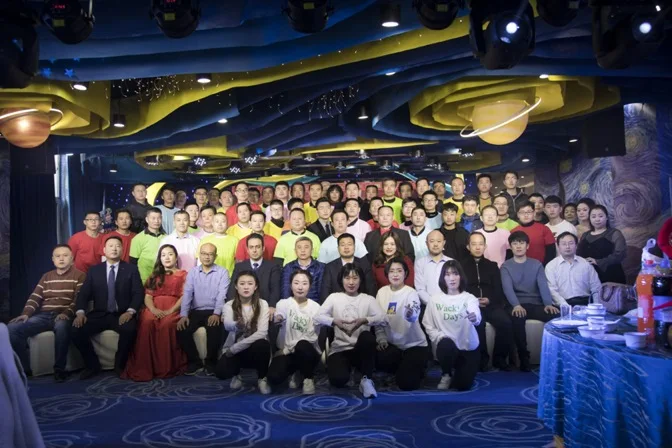
Shandong Hightech Intelligent Equipment Co., Ltd.
- Manufacturer, Trading Company
- Shandong, China
- Lead time2 days
- Avg. response≤ 3h
Main productsChannel Letter bending machine,CNC Router Engraving machine,CO2 laser cutting machine,Fiber laser Welding machine,Fiber laser cutting machine
Main marketsMid East(45.00%), Southeast Asia(10.00%), Western Europe(5.00%), Southern Europe(5.00%), North America(5.00%), Central America(5.00%), Northern Europe(5.00%), South America(5.00%), Eastern Europe(5.00%), South Asia(4.00%), Eastern Asia(2.00%), Africa(2.00%), Domestic Market(1.00%), Oceania(1.00%)
Liaocheng Jingwei Laser Equipment Co., Ltd.
- Verified by TüVRheinland
- Manufacturer, Trading Company
- Lead time7 days
- Avg. response≤ 5h
Main productsFiber Laser Marking Machine, Laser Engraving Machine, Laser Welding Machine
Main marketsDomestic Market(40%), South America(30%), North America(5%)
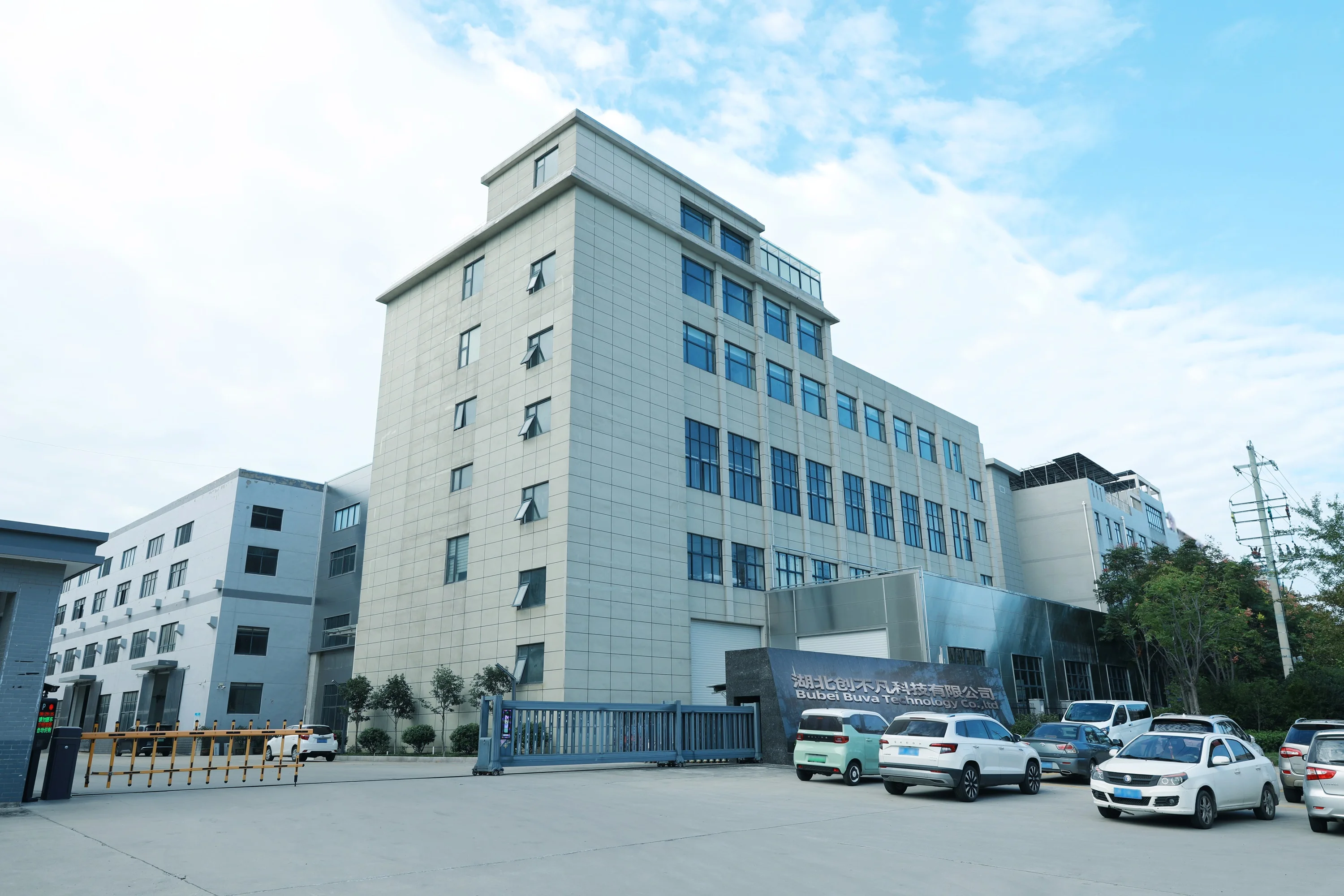
Hubei Chuangbufan Technology Co., Ltd.
- Trading Company
- Hubei, China
- Lead time30 days
- Avg. response≤ 3h
Main productsLaser cutting,Laser welding,Laser cleaning,Laser marking,Optical module
Main marketsDomestic Market(26.80%), North America(19.00%), Eastern Asia(7.20%), Oceania(6.80%), Eastern Europe(5.40%), Western Europe(4.90%), Southeast Asia(4.90%), Northern Europe(4.80%), Southern Europe(4.10%), South Asia(4.00%), South America(3.50%), Central America(3.00%), Mid East(3.00%), Africa(2.60%)
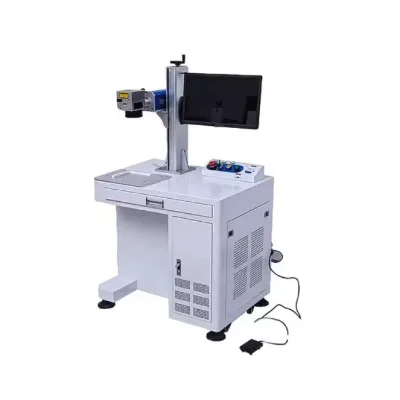
High Accuracy Desktop Metal Laser Marking Engraving Machine Metal Logo Printing Machine
$1603.5281
MOQ: 1 Minimum
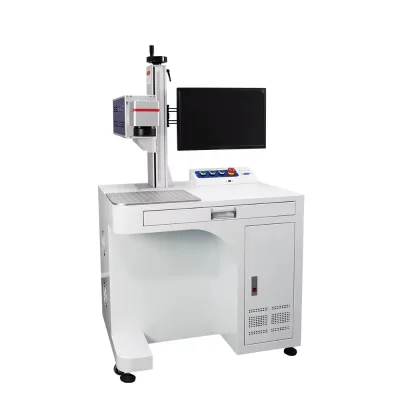
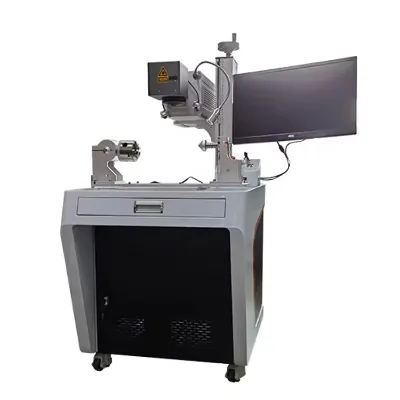
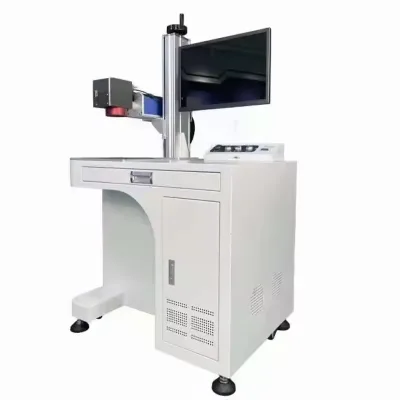
High Speed 30W CO2 Laser Engraving Machine for Precision Wood Plastic Laser Marking Machine
$3271.7159
MOQ: 1 Minimum
Perfect Laser (Wuhan) Co., Ltd.
- Manufacturer
- Hubei, China
- Lead time7 days
- Avg. response≤ 1h
Main productsLaser Cutting Machine, Laser Engraving Machine, Laser Marking Machine, Laser Welding Machine, Wall Printer
Main marketsNorth America(12.00%), Northern Europe(10.00%), Eastern Europe(10.00%), Oceania(9.00%), South America(8.00%), Western Europe(8.00%), Mid East(8.00%), Southern Europe(6.00%), Southeast Asia(6.00%), South Asia(5.00%), Eastern Asia(5.00%), Central America(5.00%), Africa(4.00%), Domestic Market(4.00%)
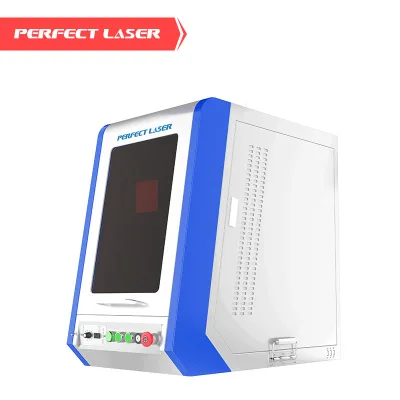
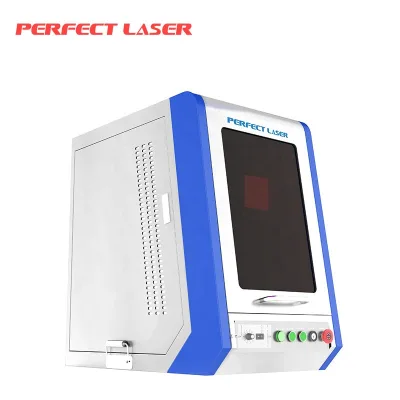
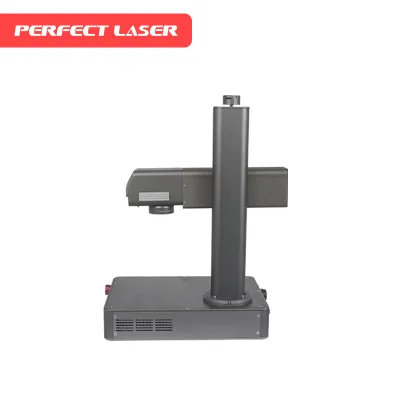
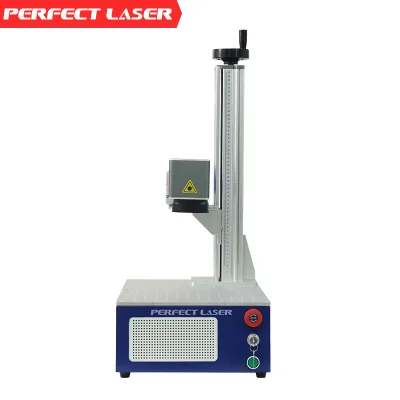
$1544.6477 - $1575.7477
MOQ: 1 sets
Samet Intelligent Manufacturing Co., Ltd.
- Verified by SGS Group
- Manufacturer, Trading Company
- Lead time15 days
- Avg. response≤ 1h
Main productsCNC Router, Vacuum Press Machine, Polishing Machine, 3D Scanner, Fiber Laser Cutting Machine
Main marketsSouth America(20%), North America(10%), Eastern Europe(10%)

Yangzhou Fengyue CNC Technology Co., Ltd.
- Verified by BV
- Combined
- China Jiangsu
- Lead time23 days
- Avg. response≤ 1h
Main productsStretch Wrapping Machine, Waste Shredder, Laser Marking Machine, Laser Cutting Machine
Main marketsSouth America,Southeast Asia/ Mideast,North America


Multi-Material Compatibility Automatic Precision Engineering Laser Engraving Machine
$879.55 - $945.68
MOQ: 1 Pieces

Efficient Desktop Laser Engraving Machine: Dual Assurance of Productivity and Quality
$879.55 - $945.68
MOQ: 1 Pieces
Dongguan Huahe Optoelectronics Co., Ltd.
- Manufacturer, Trading Company
- Guangdong, China
- Lead time7 days
- Avg. response≤ 4h
Main productsLaser Welding Machine / Laser Marking Machine / Power Supply / Laser Cutting Machine / Laser Parts,Mobile LCD Display
Main marketsSouth Asia(50.00%), Southeast Asia(15.00%), South America(10.00%), Mid East(10.00%), North America(5.00%), Northern Europe(3.00%), Western Europe(2.00%), Africa(1.00%), Southern Europe(1.00%), Oceania(1.00%), Eastern Europe(1.00%), Eastern Asia(1.00%)
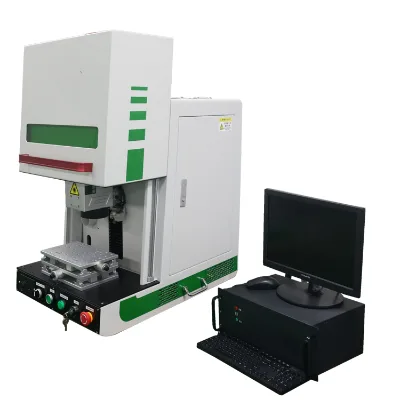
$2570.3433 - $2981.5982
MOQ: 1 sets
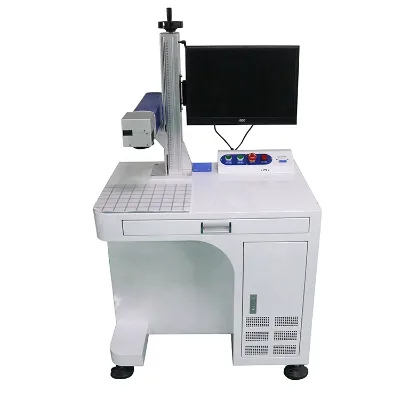
Good Quality Desktop Metal Laser Engraving Machine for ABS Popular Product
$2900.00 - $3100.00
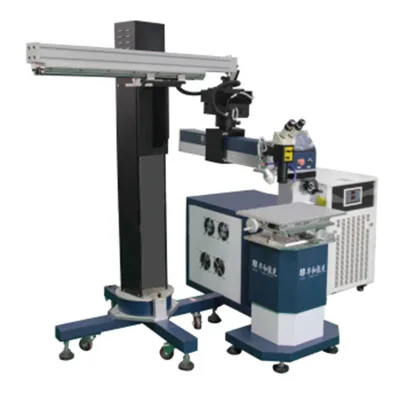
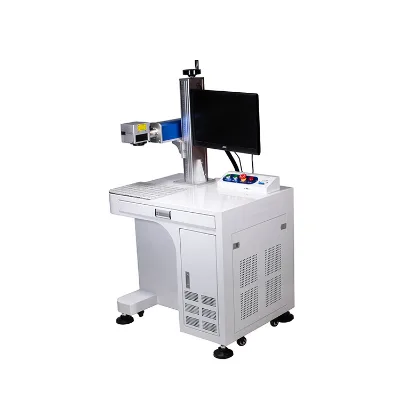

Shandong Zhongguangdian Optoelectronic Technology Co., Ltd.
- Verified by SGS
- Manufacturer/Factory
- China Shandong
- Lead time0 days
- Avg. response≤ 6h
Main productsLaser Engraving Machine

Shandong Cyber CNC Group Co., Ltd.
- Verified by TUVRHEINLAND
- Combined
- China Shandong
- Lead time15 days
- Avg. response≤ 4h
Main productsIndustrial Welding Robot, Cobot, Fiber Laser Cutting Machine, Handheld Laser Welding Machine, CNC Plasma Cutting Machine, Plasma Power Source, Plasma Parts, Laser Parts
Main marketsSouth America,Europe
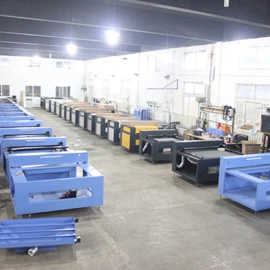
Jinan Jindiao Technology Co., Ltd.
- Manufacturer, Trading Company
- Shandong, China
- Lead time7 days
- Avg. response≤ 4h
Main productsLaser Engraving Machine / Laser Cutting Machine / CNC Router / Plasma Cutting Machine / Fiber Laser Cutting Machine,laser cutting machine,laser cutter,cnc laser,fiber laser cutting machine
Main marketsSouth America(20.00%), North America(20.00%), Western Europe(10.00%), Eastern Europe(8.00%), Southern Europe(7.00%), Central America(5.00%), Africa(5.00%), Southeast Asia(5.00%), Northern Europe(5.00%), Oceania(5.00%), Mid East(3.00%), South Asia(3.00%), Domestic Market(2.00%), Eastern Asia(2.00%)
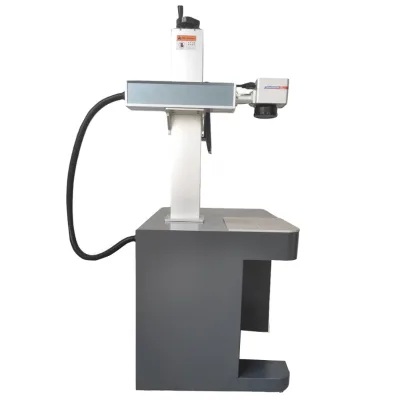
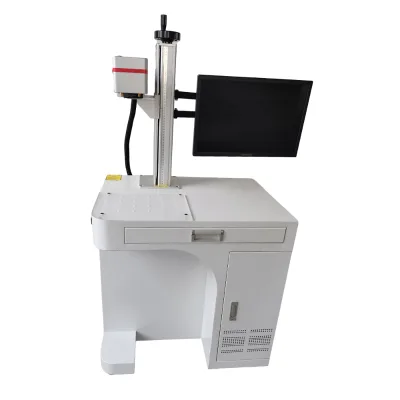
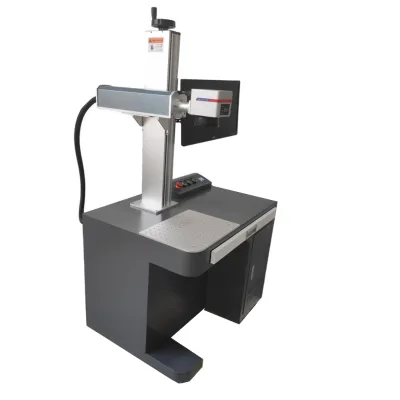
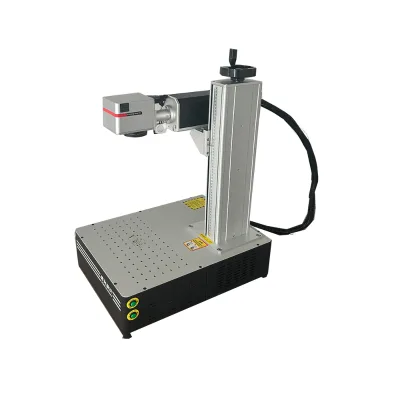

Co2 Laser Engraving Machine 900*600MM for Engraving Plywood Bamboo Materials
$1899.00 - $2599.00
MOQ: 1 sets

Zhengzhou Honest Machinery Co., Ltd.
- Trading Company,Manufacturer/Factory
- China Henan
- Lead time15 days
- Avg. response≤ 6h
Main productsFood Machinery, Packing Machines, Microwave Equipment, Drying Machines, Grain Product Making Machines, Commodity Making Machines, Texitle Machines, Construction Machinery
Main marketsSouth America,Eastern Europe,Mid East,North America,Southeast Asia,Eastern Asia,Oceania,Western Europe,Africa

Xiaohoo Intelligent Technology Co., Ltd.
- Verified by SGS
- Trading Company
- China Guangdong
- Lead time23 days
- Avg. response≤ 3h
Main products3D Printer, Material, Laser Engraving Machine
Main marketsDomestic
Guangzhou Disen Electronic Equipment Co., Ltd.
- Verified by TüVRheinland
- Trading Company
- Lead time7 days
- Avg. response≤ 2h
Main productsApparel Machinery, Printing Machine, Paper Production Machinery, Office Equipment, Industry Laser Equipment
Main marketsAfrica(20%), North America(10%), South America(10%)

Zhengzhou Dana Photoelectric Technology Co., Ltd.
- Verified by TUVRHEINLAND
- Combined
- China Henan
- Lead time15 days
- Avg. response≤ 1h
Main productsLaser Engraving Machine, Tij Printer, Laser Marking
Main marketsSoutheast Asia/ Mideast,Domestic


100W Dana Laser Engraving Machine with Precise Marking 0.01 Accuracy
$3900.00 - $4900.00
MOQ: 1 Pieces


Taizhou Nachang Cnc Equipment Co., Ltd.
- Verified by TüVRheinland
- Manufacturer, Trading Company
- Lead time10 days
- Avg. response≤ 4h
Main productsMetal Nameplate, Laser Marking Machine, Laser Welding Machine, Pneumatic Marking Machine
Main marketsNorth America(50%), Western Europe(20%), Southeast Asia(15%)

Dongguan Glory Star Laser Technology Co., Ltd.
- Verified by TUVRHEINLAND
- Combined
- China Guangdong
- Lead time30 days
- Avg. response≤ 1h
Main productsFiber Laser Cutting  Machine, Metal Laser  Cutting  Machine, Tube Laser Cutting  Machine, Laser Welding Machine, Sheet Metal Fiber Laser Cutting Machine, Bending Machine
Main marketsDomestic

Dongguan Hengso Machinery Co. Ltd
- Verified by TUVRHEINLAND
- Combined
- China Guangdong
- Lead time15 days
- Avg. response≤ 3h
Main productsLaser Cutting Machine, Laser Engraving Machine, Laser Marking Machine, Laser Welding Machine, Laser Cleaning/Rust Removal Machine, Laser Sandblasting/Paint Removal Machine, Laser Spare Parts
Main marketsSoutheast Asia/ Mideast,Europe

Shanghai Xi Hong Technology Co., Ltd.
- Verified by TUVRHEINLAND
- Trading Company
- China Shanghai
- Lead time38 days
- Avg. response≤ 3h
Main productsLaser Welding Machine, Laser Welder, Laser Cleaning Machine, Laser Cleaner, CO2 Laser Cutting Machine, Wood Laser Cutter, Acrylic Laser Cutter, Fabric Laser Cutter, Laser Cutting Machine, Laser Engraving Machine
Main marketsSouth America,Africa,Others(foreignTradeCapacity.exportBusinessCapacityMarketOther),Europe,North America

Dongguan Mingrui Technology Co., Ltd.
- Verified by SGS
- Trading Company
- China Guangdong
- Lead time30 days
- Avg. response≤ 1h
Main productsSMT Line, DIP Line, SMT Printer, X-ray, PCB Conveyor, Laser Marking, Wave Soldering Machine, Pick and Place, Reflow Oven, Coating Machine
Main marketsOthers(foreignTradeCapacity.exportBusinessCapacityMarketOther)

High Precision Fiber Laser Engraving Machine for Versatile Marking
$30000.00 - $40000.00
MOQ: 1 Pieces

Suzhou Fang Shiheng Precision Machinery Co., Ltd.
- Manufacturer
- Jiangsu Province, China
- Lead time0 days
- Avg. response≤ 2h
Main productsHandheld Laser Marking Machine, Handheld Laser Cleaning Machine, Handheld Laser Welding Machine, Laser Cutting Machine
Main marketsNorth America(20.00%), Western Europe(15.00%), Eastern Europe(15.00%), Domestic Market(10.00%), Mid East(10.00%), Southeast Asia(10.00%), South America(5.00%), Oceania(5.00%), Eastern Asia(5.00%), Africa(5.00%)
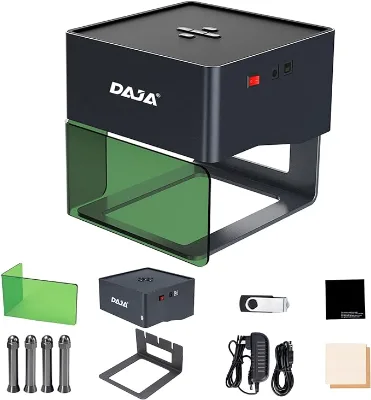
For Fiber Laser Engraving Cutting Machine for Wood-Air-Cooled Bench-Top Supports LAS/DST Formats
$143.9009 - $154.2536
MOQ: 1 sets
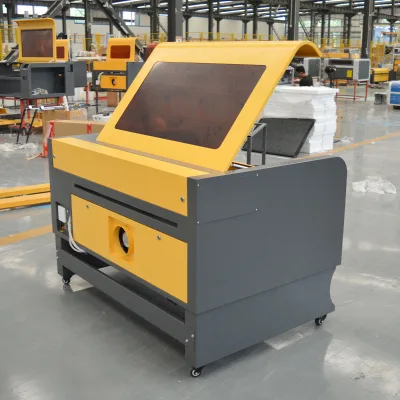
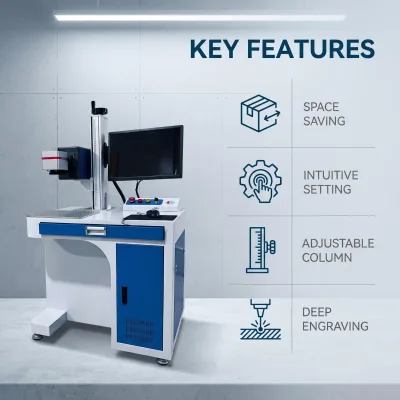
High-Power CO2 Laser Engraving Machine for Business 100W Precision Etching
$1062.00 - $1328.00
Henan Jinfuda Trading Co., Ltd.
- Trading Company
- Lead time旺季: "1 - 7":15,"> 7":"To be negotiated", 淡季: "1 - 7":15,"> 7":"To be negotiated"
- Avg. response≤ 3h
Main productsFruit Vegetables Processing Machines, Meat Processing Machines, Bakery Pastry Processing Machines, Snack Processing Machines, Packaging Machines
Jinan Yidiao Cnc Equipment Co., Ltd.
- Verified by SGS Group
- Manufacturer, Trading Company
- Lead time7 days
- Avg. response≤ 1h
Main productsLaser Cutting Machine, CNC Router, CNC Plasma Cutting Machine, Laser Marking Machine, Laser Engraving Machine
Main marketsMid East(15%), Eastern Asia(15%), South Asia(15%)

- Verified by TUVRHEINLAND
- Manufacturer/Factory
- China Jiangsu
- Lead time15 days
- Avg. response≤ 1h
Main productsLaser Welding Machine, Laser Cutting Machine, Laser Cleaning Machine, Laser Marking Machine, CNC Machine, Laser Engraving Machine, CNC Cutting Machine, CNC Metal Cutting Machine, Tube Laser Cutting Machine, Laser Machine
Main marketsSouth America,Eastern Europe,Mid East,North America,Southeast Asia,Eastern Asia,Oceania,Western Europe,Africa
Foshan Shunde Maoduoyu Trading Co., Ltd.
- Manufacturer, Trading Company, Distributor/Wholesaler
- Guangdong, China
- Lead time0 days
- Avg. response≤ 1h
Main productsIndustrial machinery,Commercial machinery,Packaging machinery,Filling machinery,Food machinery
Main marketsNorth America(50.00%), Southeast Asia(10.00%), Mid East(10.00%), Central America(10.00%), Domestic Market(5.00%), Western Europe(5.00%), Northern Europe(3.00%), South Asia(2.00%), Oceania(1.00%), Eastern Asia(1.00%), Eastern Europe(1.00%), South America(1.00%), Africa(1.00%)
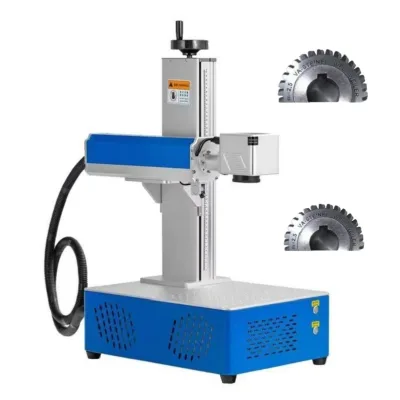
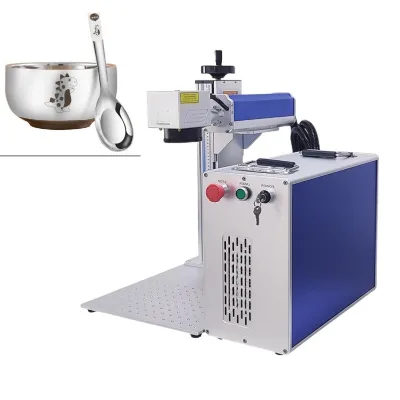
Precision Laser Marking Machine for Diverse Materials Easy Operation High Efficiency
$1373.00 - $3292.00
MOQ: 1 Minimum
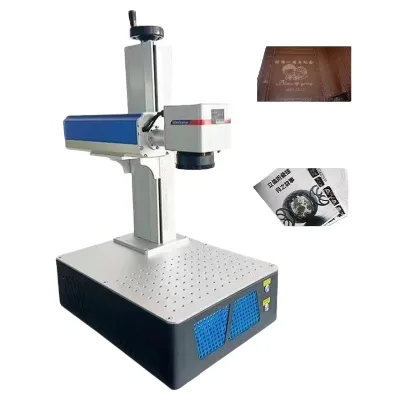
Optical Engraving Machines Including Laser Engraving Machines and Small Laser Engraving Machines
$765.2488 - $1629.0361
MOQ: 1 Minimum
LIAOCHENG EVERBRIGHT INTELLIGENT TECHNOLOGY CO.,LTD
- Trading Company
- Shandong, China
- Lead time0 days
- Avg. response≤ 2h
Main productsLaser Engraving Machine, Fiber Laser Marking Machine, Laser Welding Machine, Electric Transformer, Low-Voltage Complete Switchgear
Main marketsNorth America(20.00%), South America(15.00%), Central America(15.00%), Eastern Europe(15.00%), Mid East(15.00%), South Asia(10.00%), Southeast Asia(10.00%)
Meto Laser Technology (henan) Co., Ltd.
- Verified by SGS Group
- Trading Company
- Lead time10 days
- Avg. response≤ 3h
Main productsLed Display Screen, LED Dance Floor, Mirror Photo Booth, Magazine Photo Booth Box, Overhead 360 Photo Booth
Main marketsNorth America(70%), Western Europe(10%), Eastern Europe(5%)

Wuhan Swanti Technology Co. Ltd.
- Verified by BV
- Manufacturer/Factory
- China Hubei
- Lead time15 days
- Avg. response≤ 5h
Main productsLaser Cleaning Machine, Laser Welding Machine, Laser Cutting Machine, Laser Marking Machine, UV Wall Printer, Other Laser Product, Laser System, Robot Welding Cutting
Main marketsSouth America,Eastern Europe,Mid East,North America,Southeast Asia,Eastern Asia,Oceania,Western Europe,Africa

1.5kw Fiber Laser Metal Engraving High Precision Metal Engraving Machine
$4500.00 - $15800.00
MOQ: 1 Sets


Handheld Laser Marking Machine for Metal Engraving Handheld Marking Machine
$1350.00 - $3180.00
MOQ: 1 Pieces

Shijiazhuang Chancsmac Machine Technology Co., Ltd.
- Verified by TUVRHEINLAND
- Trading Company,Manufacturer/Factory
- China Hebei
- Lead time30 days
- Avg. response≤ 3h
Main productsPress Machine, Hot Press, High Frequency Press, Hydraulic Press, CNC Machine, Glue Spreader, Planer, Sawing Machine, Sanding Machine, High Frequency Hot Press
Main marketsSouth America,Eastern Europe,Mid East,North America,Southeast Asia,Africa
Wuhan Hjz Laser Technology Co., Ltd.
- Verified by TüVRheinland
- Manufacturer, Trading Company
- Lead time7 days
- Avg. response≤ 2h
Main productsLaser Welding Machine, Laser Cutting Machine, Laser Marking Machine, Laser Cleaning Machine, Wall Printers
Main marketsDomestic Market(20%), North America(18%), South America(15%)
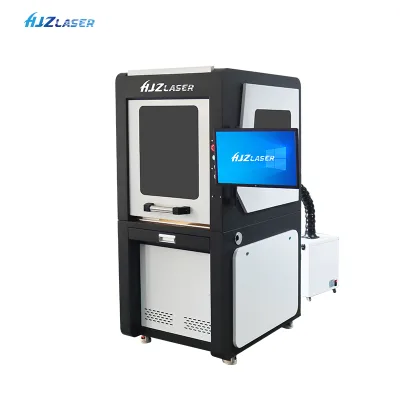
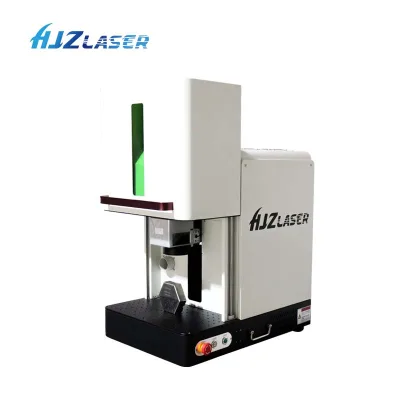
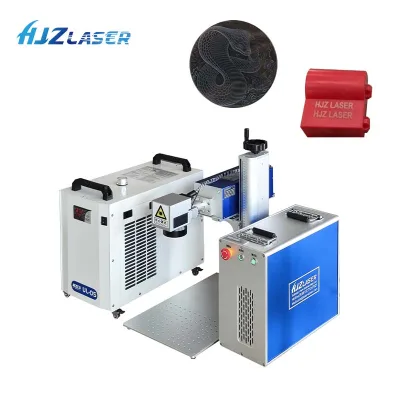
Wooden Ornaments Embossing Engraving with 10W 3D UV Laser Marking Machine
$3450.00 - $11000.00
MOQ: 1 Minimum






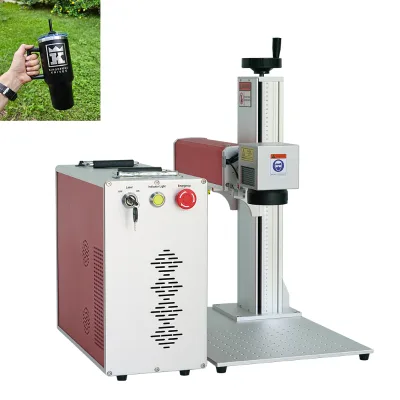


Comprehensive Sourcing Guide
Bench-Top High-Accuracy Laser Engraving Machine Supplier Concentration and Factory Types
The current supplier landscape for bench-top high-accuracy laser engraving machines reveals a distinct concentration of manufacturing and trading entities within specific industrial regions of China. Data indicates that a significant portion of these suppliers are located in Shandong, a province known for its robust machinery manufacturing infrastructure. This geographic clustering suggests that buyers seeking these specific machines will likely encounter vendors operating out of this region, which may offer logistical advantages due to established supply chains for components like fiber laser sources and control systems. The presence of suppliers in Hubei further diversifies the available options, indicating that while Shandong is a primary hub, other regions also contribute to the market supply. Understanding this geographic distribution is crucial for buyers, as it influences not only shipping costs and lead times but also the ease of conducting factory audits or verifying production capabilities. The concentration in Shandong implies a mature ecosystem where specialized knowledge in laser equipment is readily available, potentially leading to more competitive pricing and faster iteration on custom requirements for bench-top configurations.
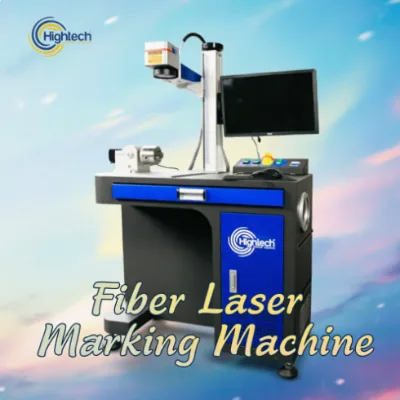
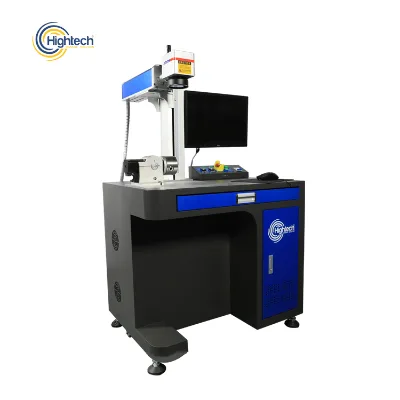
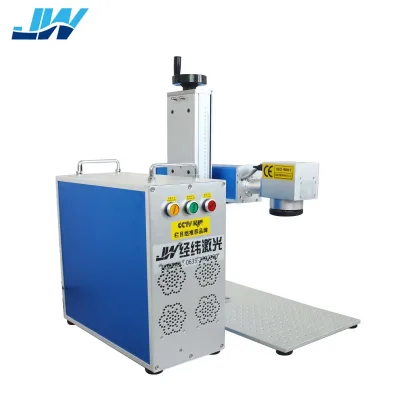
Supplier types in this category vary between pure manufacturers and trading companies, each offering distinct advantages for different procurement strategies. Manufacturers, such as those producing Hightech or JW branded machines, typically control the entire production process, from assembly to quality assurance, which can ensure consistent build quality and direct technical support. These entities often list main products like channel letter bending machines, CNC routers, and various laser cutting and welding equipment, indicating a broad capability in industrial machinery. In contrast, trading companies may aggregate products from multiple factories, offering a wider variety of brands and configurations in a single transaction. For instance, some suppliers focus specifically on laser marking, welding, and cleaning services, acting as intermediaries who can source specific components like Raycus or Max laser sources to meet precise buyer specifications. This distinction is vital for buyers to assess, as manufacturers may offer better long-term support and customization, while trading companies might provide greater flexibility in sourcing niche or mixed-brand equipment. The company type directly impacts the buyer’s ability to verify technical claims and negotiate terms, making it a primary factor in supplier selection.
How to Verify Bench-Top High-Accuracy Laser Engraving Machine Suppliers
Verifying the legitimacy and capability of suppliers requires a multi-layered approach that goes beyond basic profile reviews. One critical step is to check for third-party verification badges, such as those issued by TüVRheinland, which indicate that an independent body has assessed the supplier’s business operations and product claims. This verification adds a layer of trust, particularly for international buyers who cannot easily visit factories in person. Additionally, buyers should scrutinize the supplier’s response time, which serves as an indicator of operational efficiency and customer service readiness. A response time of three to five days, as observed in some results, suggests a structured inquiry handling process, whereas faster responses might indicate a more agile, sales-driven operation. It is also essential to confirm the supplier’s establishment year and company type, as these factors influence their stability and expertise. Suppliers listing themselves as manufacturers with specific main products like fiber laser marking machines are more likely to have direct technical knowledge than those listing generic trading services. Buyers should request detailed company profiles that include business licenses and factory floor images to corroborate these claims.
Technical verification involves examining the specific product attributes and certifications listed for the bench-top machines. Buyers must ensure that the machines meet relevant safety and quality standards, such as CE certification, which is a common requirement for machinery exported to many international markets. The presence of CE certification indicates that the supplier’s products comply with European health, safety, and environmental protection standards, which is a baseline expectation for serious industrial equipment. Furthermore, buyers should verify the laser source brand, as this component significantly impacts the machine’s performance and longevity. Options like Hightech, Max, JPT, or Raycus are commonly cited, and buyers should confirm which brand is included in the specific quote. It is also important to check the warranty terms, which typically range from one to two years, and to understand what is covered, such as the laser source or control system. Buyers should ask for test reports or video demonstrations of the machine in operation, specifically focusing on marking speed and accuracy metrics like 0.01mm or 0.002mm working accuracy. These technical details provide concrete evidence of the supplier’s capability to deliver high-accuracy engraving results.
What to Compare Across Bench-Top High-Accuracy Laser Engraving Machine Suppliers
When evaluating multiple suppliers, buyers must compare key operational metrics to determine the best fit for their production needs. Lead time is a critical factor, as it directly impacts inventory management and project timelines. Observed lead times vary significantly, with some suppliers offering rapid delivery windows of two to seven days, while others may require up to thirty days. This variance often correlates with the supplier’s stock levels and production capacity. Buyers should clarify whether the quoted lead time includes manufacturing, testing, and shipping, or if it refers only to production time. Additionally, the minimum order quantity (MOQ) is a crucial commercial term. Many suppliers offer an MOQ of one unit, which is ideal for small businesses or prototyping phases, but buyers should confirm if volume discounts are available for larger orders. Comparing these logistical terms helps buyers align supplier capabilities with their own operational rhythms and budget constraints.
Technical specifications and pricing structures also require careful comparison to ensure value for money. Buyers should examine the marking speed, which can range from 0-1000 mm/s to 0-8000 mm/s, depending on the machine’s configuration and laser power. Higher marking speeds are beneficial for high-volume production, while lower speeds may offer finer detail for intricate designs. The cooling system is another important differentiator, with options including air cooling and water cooling. Air-cooled systems are generally more compact and easier to maintain, making them suitable for bench-top configurations, while water-cooled systems might offer better stability for high-power continuous operation. Buyers should also compare the graphic formats supported, such as AI, BMP, DXF, and PLT, to ensure compatibility with their existing design software. Pricing should be analyzed in the context of these specifications, as a lower price might indicate a lower-quality laser source or fewer included accessories. Buyers should request detailed quotes that break down the cost of the laser source, control system, and any additional features like rotators or software licenses.
Common Bench-Top High-Accuracy Laser Engraving Machine Sourcing Risks
One of the primary risks in sourcing bench-top laser engraving machines is the discrepancy between advertised specifications and actual performance. Buyers may encounter suppliers who claim high accuracy, such as 0.01mm, but fail to deliver consistent results due to poor calibration or low-quality components. This risk is exacerbated when buyers do not verify the laser source brand or the control system software. For instance, while some machines use reputable control systems like EZCAD or BJJCZ, others may use generic or unverified alternatives that can lead to compatibility issues or limited functionality. Buyers should insist on detailed technical documentation and, if possible, request a sample marking job to test the machine’s actual performance before committing to a large order. Additionally, the warranty terms may have hidden exclusions, such as not covering the laser source or software updates, which can lead to unexpected costs down the line. Understanding these limitations is crucial for avoiding post-purchase disputes and ensuring long-term operational reliability.
Another significant risk is the variability in after-sales support and technical assistance. Suppliers located in different regions may have varying levels of support infrastructure, with some offering remote troubleshooting and others requiring physical visits for repairs. Buyers should assess the supplier’s response time and their ability to provide timely technical support, especially for international clients who may face language barriers or time zone differences. The lack of local service centers in the buyer’s country can also complicate maintenance and repairs, leading to extended downtime. Furthermore, buyers should be cautious of suppliers who do not provide clear instructions for installation and operation, as improper setup can damage the machine or void the warranty. It is essential to verify that the supplier offers comprehensive training materials or video guides to help users get started. Buyers should also consider the availability of spare parts, such as lenses and mirrors, which are subject to wear and tear. Ensuring that these parts are readily available and reasonably priced is vital for maintaining the machine’s performance over its lifespan.
Bench-Top High-Accuracy Laser Engraving Machine Regional Sourcing and Logistics
Sourcing from specific regions in China, such as Shandong and Hubei, offers distinct logistical advantages and challenges for international buyers. Suppliers in Shandong benefit from proximity to major ports and established logistics networks, which can facilitate faster and more cost-effective shipping. This geographic advantage is particularly relevant for heavy machinery like laser engraving machines, which require careful packaging and handling to prevent damage during transit. Buyers should consider the shipping method, whether by sea, air, or express courier, as this will impact both the cost and the delivery time. Sea freight is generally more economical for larger orders but takes longer, while air freight or express services offer faster delivery at a higher cost. Additionally, buyers should be aware of the packaging requirements, as machines are often shipped in wooden crates or foam-lined boxes to ensure safety. Understanding the logistics process helps buyers plan for customs clearance and local delivery, ensuring a smooth transition from factory to facility.
The regional concentration of suppliers also influences the availability of local support and service networks. Buyers sourcing from Shandong may find it easier to coordinate factory visits or technical inspections due to the density of machinery manufacturers in the area. This proximity can be beneficial for building relationships with suppliers and gaining a deeper understanding of their production capabilities. However, buyers should also consider the potential for supply chain disruptions, such as port congestion or regulatory changes, which can affect shipping schedules. It is advisable to work with suppliers who have experience in international shipping and can handle export documentation, including certificates of origin and commercial invoices. Buyers should also verify the supplier’s ability to provide tracking information and insurance for the shipment. By understanding the logistical landscape, buyers can mitigate risks and ensure that their orders arrive on time and in good condition, supporting their production schedules and business operations.
Bench-Top High-Accuracy Laser Engraving Machine Commercial Terms and Order Planning
Commercial terms such as payment methods, pricing structures, and order planning are critical for successful procurement of bench-top laser engraving machines. Buyers should negotiate clear payment terms, such as a deposit followed by balance payment before shipment, to protect their financial interests. It is also important to confirm whether the quoted price includes taxes, duties, and shipping costs, as these can significantly impact the total cost of ownership. Some suppliers may offer flexible pricing for volume orders or long-term partnerships, which can provide cost savings for buyers with higher production demands. Additionally, buyers should inquire about any additional fees, such as software licensing or training costs, to avoid unexpected expenses. Understanding the full commercial landscape helps buyers budget accurately and plan their cash flow effectively, ensuring that the procurement process aligns with their financial strategies.
Order planning involves coordinating with suppliers to ensure timely delivery and integration into the buyer’s production workflow. Buyers should provide detailed specifications and requirements early in the process to allow suppliers to prepare accurate quotes and production schedules. This includes specifying the desired laser power, marking area, and any custom features like rotators or specific software integrations. Buyers should also establish clear communication channels with their suppliers to monitor order progress and address any issues promptly. Regular updates on production status and shipping arrangements can help buyers anticipate delivery dates and plan their facility setup accordingly. Furthermore, buyers should consider the long-term relationship with the supplier, as a reliable partner can provide ongoing support, spare parts, and potential upgrades. By focusing on
FAQs
What is the typical lead time for bench-top laser engraving machines?
Manufacturers in Shandong, China, often provide lead times of 2 to 7 days for these units. Some trading companies may require up to 30 days. Buyers should verify specific delivery schedules with suppliers before placing orders to ensure production aligns with project deadlines.
What are the minimum order quantities for these machines?
Many suppliers offer a minimum order quantity of just one unit for bench-top models. This allows buyers to purchase single items for testing or small-scale operations. Always confirm the MOQ directly with the supplier, as some may have different requirements for customized configurations.
What certifications do these laser engraving machines typically have?
Most manufacturers hold CE system certification for their equipment. This ensures compliance with European safety standards. Buyers should request valid certification documents from the supplier to verify that the specific machine model meets the required regulatory standards for their target market.
What power options are available for fiber laser marking machines?
Common power options include 20W, 30W, 50W, and 100W configurations. These vary based on the specific application and material thickness. Buyers should select the appropriate wattage for their needs, as higher power enables faster marking speeds and deeper engraving capabilities on metals.
What warranty periods are standard for these engraving machines?
Standard warranties typically range from 1 to 2 years for the machine. This covers manufacturing defects and component failures under normal use. Buyers should review the warranty terms carefully, as coverage details and conditions may vary significantly between different manufacturers and suppliers.
What cooling systems are used in bench-top laser engravers?
These machines commonly use either air cooling or water cooling systems. Air-cooled models are generally more compact and require less maintenance. Water-cooled systems may offer better stability for high-power operations. Buyers should choose based on their workspace constraints and operational requirements.
What is the working accuracy of these high-accuracy machines?
Working accuracy typically ranges from 0.002mm to 0.01mm for high-precision models. This ensures detailed and sharp marking results on various materials. Buyers requiring extreme precision should verify the specific accuracy specifications with the supplier to ensure the machine meets their exact tolerances.