Forced Air Cooling Laser Module Suppliers and Manufacturers
Source 16 verified suppliers for Forced Air Cooling Laser Module components. Compare grounded dimensions including lead times, MOQs, certifications, and response rates. Review product specifications and request quotes directly from manufacturers in China Guangdong; review the available evidence before requesting comparable quotations from suitable candidates.
Updated
Suppliers List

Dongguan Blueuniverse Laser Co., Ltd.
- Combined
- China Guangdong
- Lead time15 days
- Avg. response≤ 7h
Main productsLaser Diode, Laser Module, Bicycle Laser Light, White Laser Source
Main marketsSoutheast Asia/ Mideast,Europe,North America

450nm 20W Focal Length Adjustable Laser Module for Laser Cutting Machine
$185.00 - $240.00
MOQ: 1 Pieces


Zhuhai Aike Photonics Technology Co., Ltd.
- Manufacturer
- Guangdong, China
- Lead time0 days
- Avg. response≤ 14h
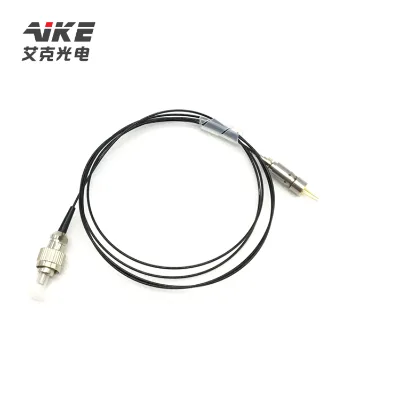
Main productsLaser Module,Fiber Coupled Laser Module,Laser Diode,Thermopile Sensor,LED Products
Main marketsDomestic Market(50.00%), Western Europe(10.00%), Southeast Asia(8.00%), Northern Europe(5.00%), Central America(5.00%), Southern Europe(5.00%), North America(5.00%), Eastern Europe(5.00%), South America(3.00%), Mid East(1.00%)
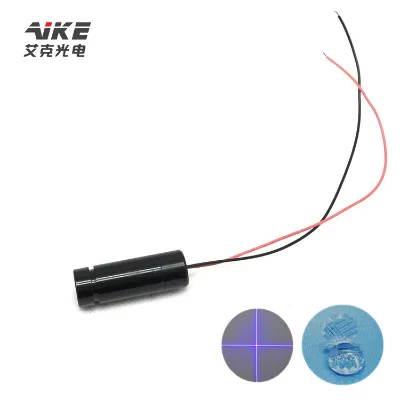
450nm 50mW cross laser module blue laser module
$13.40 - $18.00
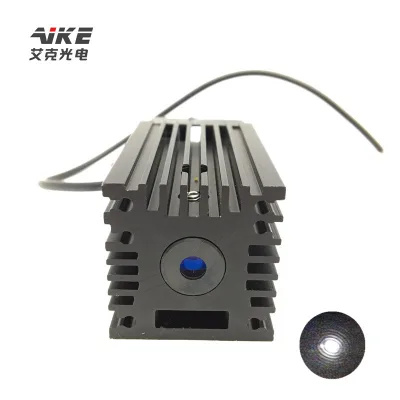
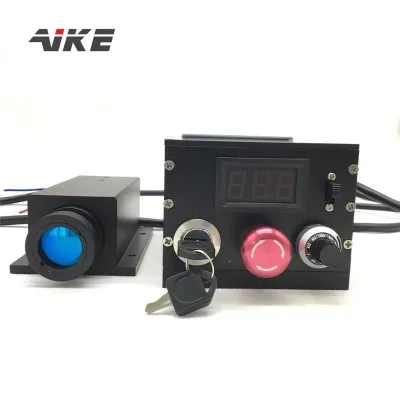
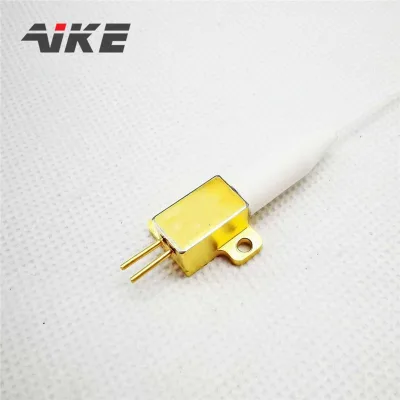
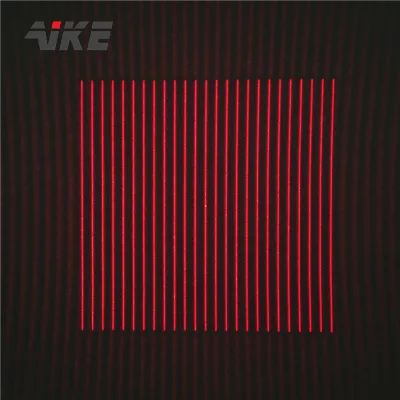
650nm 25 Lines Square DOE Diffractive Optical Elements Laser Diode Module for Face Recognition
$101.7172 - $204.4605
MOQ: 1 Minimum
- Verified by Intertek
- Trading Company
- Lead time0 days
- Avg. response≤ 2h
Main productsLaser Source, Laser Marking Machine, Laser Cleaning Machine, Laser Welding Machine, Laser Parts
Main marketsEastern Europe(50%), North America(20%), Eastern Asia(20%)

Shanghai Chenyu Smart Technology Co., Ltd.
- Trading Company
- Shanghai, China
- Lead time7 days
- Avg. response≤ 2h
Main productscctv lens,endoscope lens,endoscope camera module,laser protective window,optical lenses
Main marketsSoutheast Asia(35.00%), North America(20.00%), South America(20.00%), Mid East(10.00%), Western Europe(5.00%), Central America(5.00%), Northern Europe(2.00%), South Asia(2.00%), Africa(1.00%)

Zhong Shan He Tong Optics Electronic Technology Co.,LTD
- Verified by TUVRHEINLAND
- Combined
- China Guangdong
- Lead time23 days
- Avg. response≤ 3h
Main productsLaser Light
Main marketsEurope

Customized Buy Cheap Powerful Green 532nm 5MW~50MW Laser Line Laser Module
$2.90 - $3.80
MOQ: 100 Pieces

Customized Buy Cheap Blue 450nm 5MW~1600MW Laser Module with Laser Diode
$11.80 - $13.50
MOQ: 100 Pieces


Buy Cheap Customized Powerful 850nm 5MW~200MW Laser Module with Laser Diode
$3.50 - $4.50
MOQ: 100 Pieces


$2.90 - $3.80
MOQ: 100 Pieces

- Verified by SGS
- Trading Company
- China Chongqing
- Lead time15 days
- Avg. response≤ 1h
Main productsLaser Diode, Photodiode, GaAs Based Chip, Inp Laser Chip, Fiber-Coupled Laser
Main marketsDomestic
Changchun New Industries Optoelectronics Tech Co., Ltd.
- Manufacturer, Trading Company
- Jilin, China
- Lead time20 days
- Avg. response≤ 9h
Main productsUV Laser,Green Laser,High power laser,Laser Marking System,Blue laser
Main marketsDomestic Market(40.00%), Eastern Asia(15.00%), Western Europe(14.00%), North America(13.00%), South Asia(7.00%), Northern Europe(2.00%), Eastern Europe(2.00%), Southeast Asia(2.00%), Southern Europe(2.00%), South America(1.00%), Oceania(1.00%), Mid East(1.00%)
- Manufacturer, Trading Company
- Shandong, China
- Lead time0 days
- Avg. response≤ 4h
Main productsLaser Module,Laser,Laser pointer,Laser modules,green laser module
Main marketsWestern Europe(30.00%), Mid East(20.00%), North America(20.00%), Eastern Europe(20.00%), Southeast Asia(10.00%)
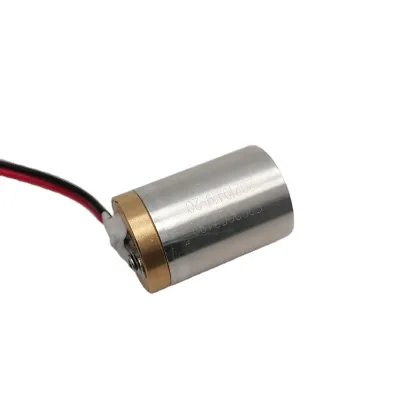
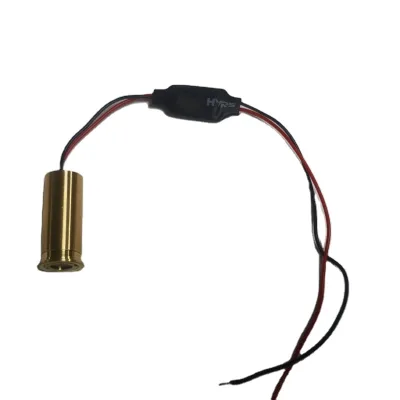
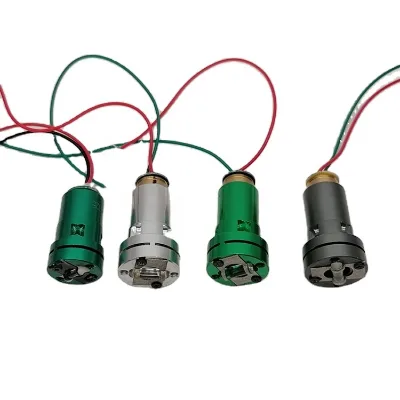
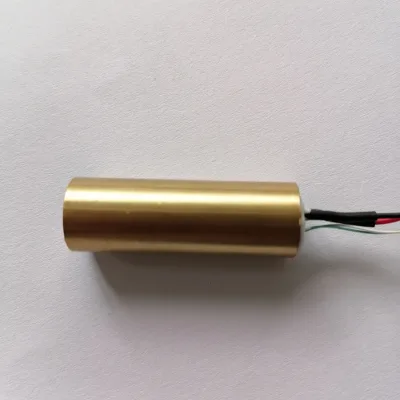
Green Laser Module Wide Temperature Range 532nm
$1200.00 - $1500.00
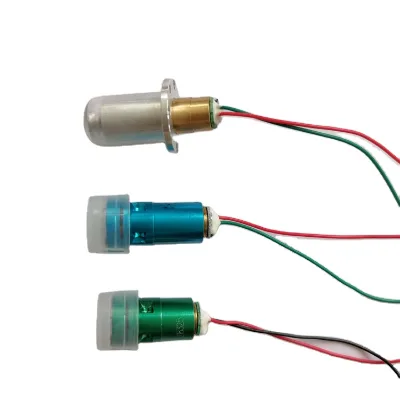
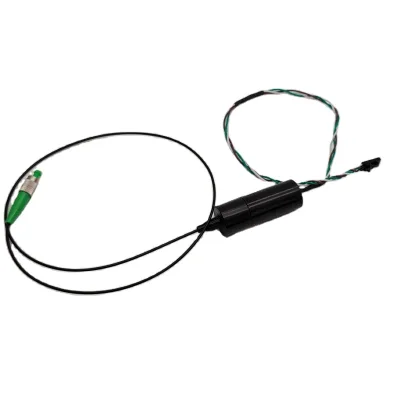
488nm Fiber Laser 488nm 30mW 105um Fiber Coupled Diode Laser Module
$500.00 - $600.00

Hangzhou Brandnew Technology Co., Ltd.
- Trading Company
- Zhejiang, China
- Lead time7 days
- Avg. response≤ 2h
Main productsFiber Coupled Diode Laser,Single Emitter Diode Laser,Single Bar Diode Laser,Diode Laser Stack,Laser Chip
Main marketsWestern Europe(20.00%), Northern Europe(20.00%), North America(20.00%), Domestic Market(6.00%), Southern Europe(5.00%), Eastern Europe(5.00%), Eastern Asia(5.00%), Mid East(5.00%), Oceania(5.00%), South America(5.00%), Southeast Asia(1.00%), South Asia(1.00%), Central America(1.00%), Africa(1.00%)

Sanhe Laserconn Tech Co., Ltd.
- Manufacturer, Trading Company
- Hebei, China
- Lead time5 days
- Avg. response≤ 9h
Main productsDiode Laser Hair Removal Machine, Alexandrite Laser Hair Removal Machine, Picosecond Laser, Fractional Thulium Laser, Laser Lipolysis Machine
Main marketsNorth America(15.00%), Eastern Europe(15.00%), Domestic Market(10.00%), Mid East(10.00%), Eastern Asia(7.00%), Central America(7.00%), South America(6.00%), Northern Europe(6.00%), Oceania(5.00%), Western Europe(5.00%), Southeast Asia(5.00%), Southern Europe(4.00%), Africa(3.00%), South Asia(2.00%)
Shenzhen Taiyongxin Technology Co., Ltd.
- Manufacturer, Trading Company
- Guangdong, China
- Lead time14 days
- Avg. response≤ 11h
Main productsLaser Module,IR laser illuminator,VCSEL laser,VCSEL laser diode,Laser range sensor
Main marketsNorthern Europe(35.00%), South America(20.00%), Eastern Europe(10.00%), South Asia(9.00%), Southern Europe(8.00%), Southeast Asia(5.00%), Western Europe(5.00%), North America(4.00%), Africa(4.00%)
Guangxi Changxing Laser Co., Ltd.
- Manufacturer, Trading Company
- Guangxi, China
- Lead time10 days
- Avg. response≤ 7h
Main productsLaser Module,Laser Diode,Laser Head,Laser Stage Lighting,Laser Device
Main marketsEastern Asia(18.00%), Western Europe(12.00%), North America(12.00%), Eastern Europe(9.00%), South Asia(8.00%), Southeast Asia(8.00%), South America(8.00%), Southern Europe(8.00%), Oceania(7.00%), Central America(5.00%), Northern Europe(5.00%)
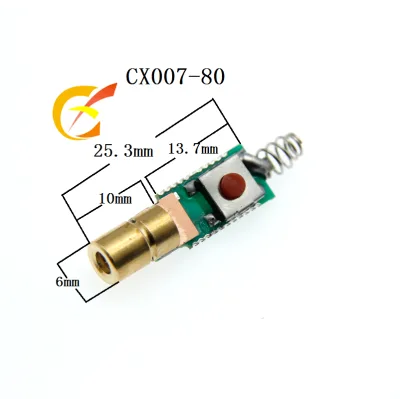
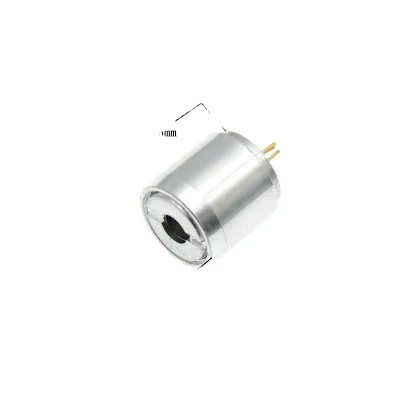
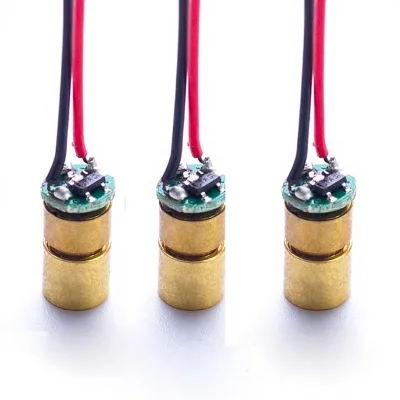
1mw 650nm Laser Module 3V-5v with Driver
$0.42 - $0.50
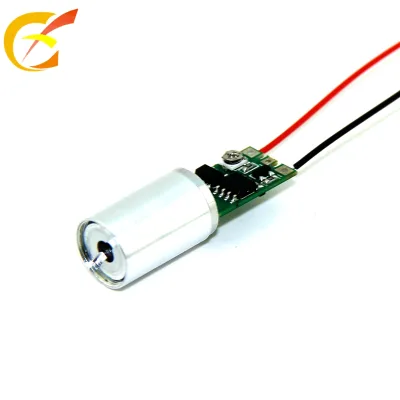
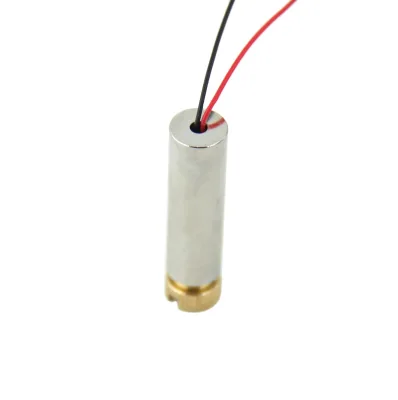
20MW Laser , Solid Line Does Not Make Virtual
$2.74 - $3.04
Jlight Semiconductor Technology Co., Ltd.
- Verified by SGS Group
- Manufacturer, Trading Company
- Lead time15 days
- Avg. response≤ 2h
Main productsHigh Power Diode Laser Chips, High Power Diode Laser Device, High Power Diode Laser Module
Main marketsDomestic Market(70%), North America(25%), South America(2%)
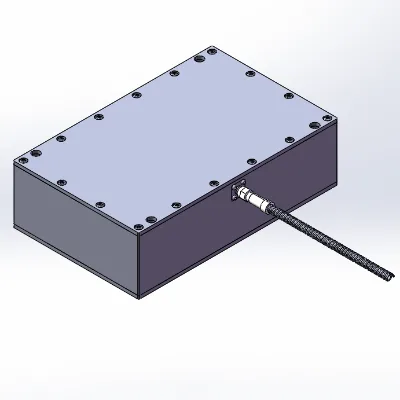
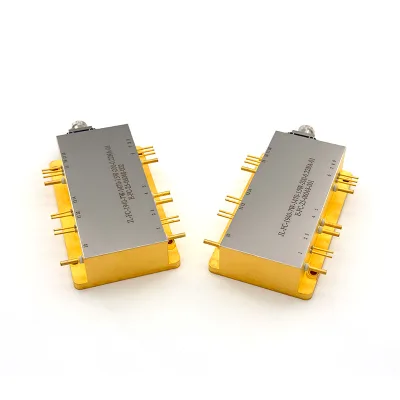
$1128.6277 - $1641.6402
MOQ: 1 pieces
$1128.6277 - $1641.6402
MOQ: 1 pieces
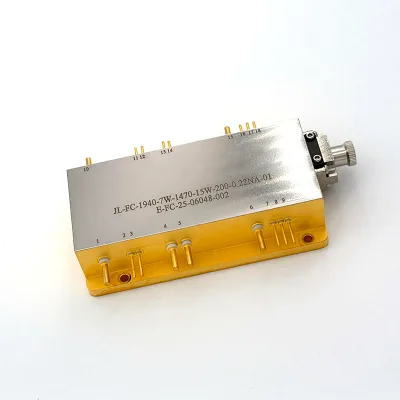
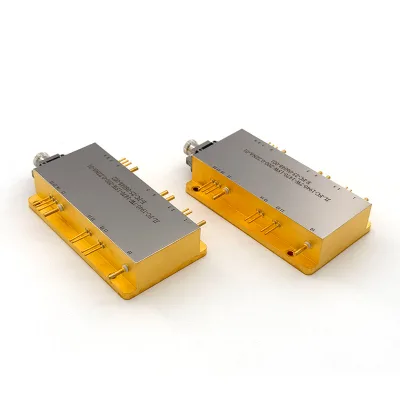
Laser Modulo Powerful Laser Diode Laser 7watt and 15watt Diode Laser Fiber 1940nm and 1470nm
$1128.6277 - $1641.6402
MOQ: 1 pieces
Hebei Youze Optoelectronic Technology Co., Ltd.
- Trading Company
- Hebei, China
- Lead time15 days
- Avg. response≤ 1h
Main productslaser diode,SM fiber coupled laser diode,PM fiber coupled laser diode,MM fiber coupled laser diode,fiber patch cords
Main marketsDomestic Market(23.00%), North America(15.00%), Eastern Asia(10.00%), Mid East(10.00%), Western Europe(8.00%), Southeast Asia(8.00%), Eastern Europe(6.00%), South Asia(5.00%), Africa(5.00%), Southern Europe(3.00%), South America(3.00%), Northern Europe(2.00%), Central America(1.00%), Oceania(1.00%)
Zhejiang Cina Laser Tech. Co., Ltd.
- Manufacturer, Trading Company
- Zhejiang, China
- Lead time7 days
- Avg. response≤ 1h
Main productsFiber Lasers,Laser Parts,Laser Beam Delivery,Laser System,Laser Controller
Main marketsWestern Europe(19.00%), Southern Europe(19.00%), Southeast Asia(17.00%), North America(17.00%), Eastern Europe(15.00%), South America(8.00%), Africa(5.00%)
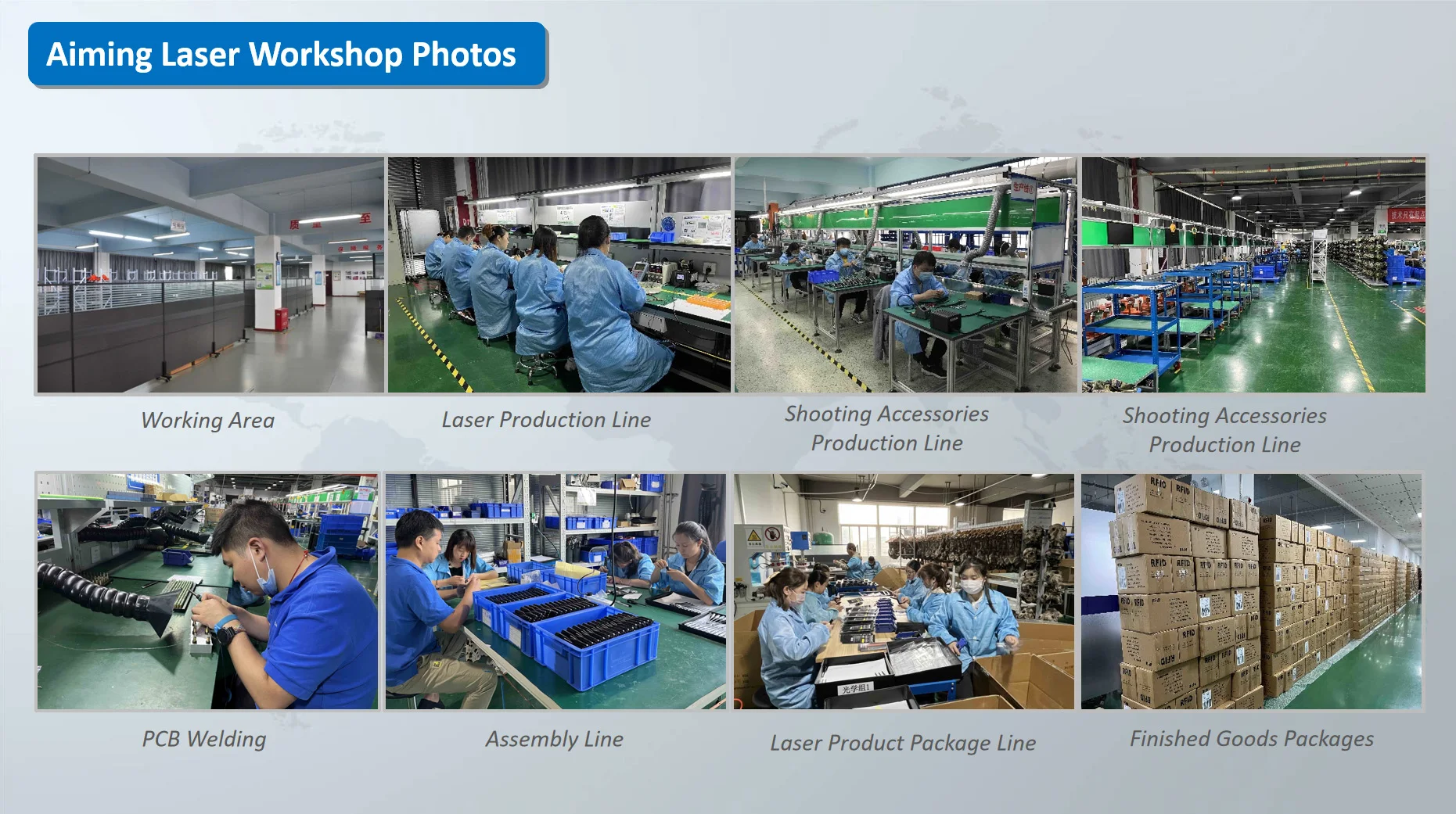
Aiming Laser Technology Co., Ltd.
- Manufacturer, Trading Company
- Shaanxi, China
- Lead time15 days
- Avg. response≤ 6h
Main productsLaser Diodes,Laser Modules,Fiber Laser,Machine Vision Laser,Line Laser
Main marketsDomestic Market(75.00%), North America(18.00%), Western Europe(5.00%), Eastern Asia(2.00%)
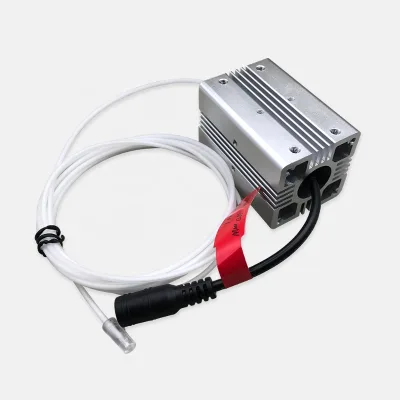
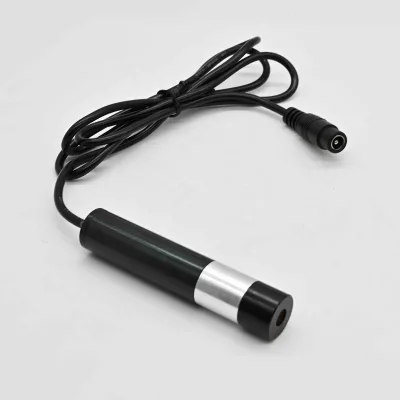
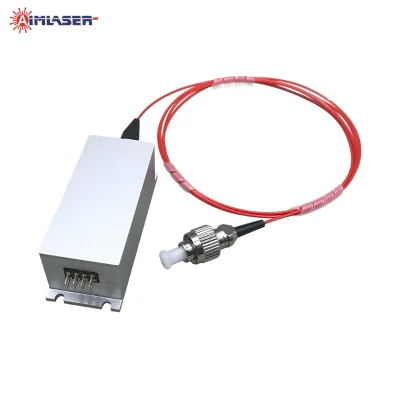
$130.00 - $150.00
MOQ: 1 pieces


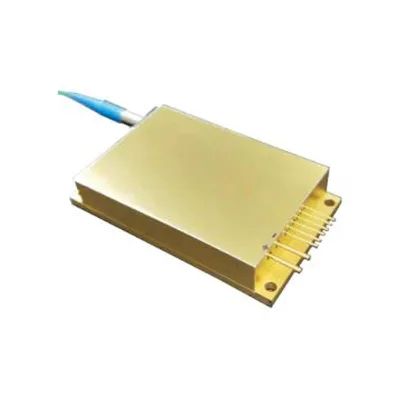
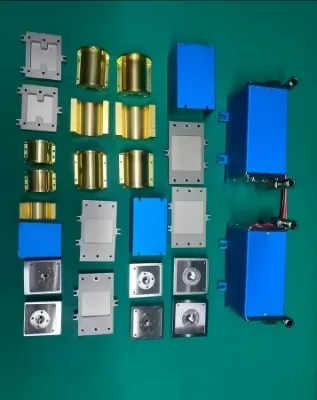
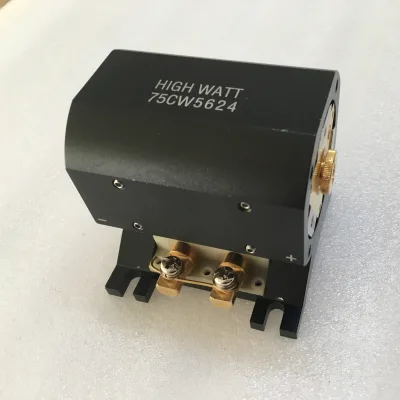
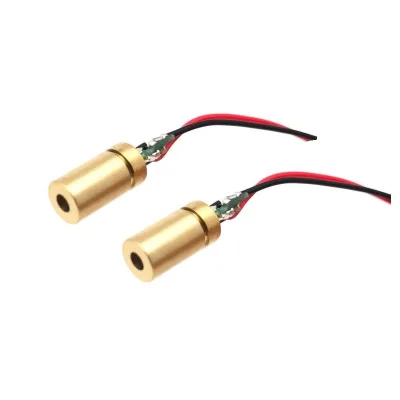
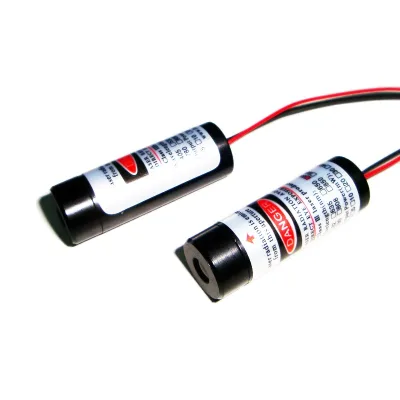
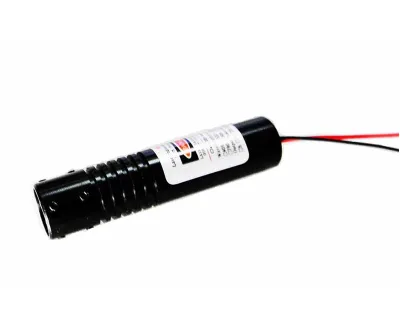
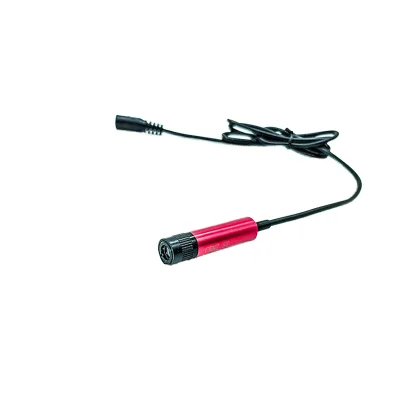
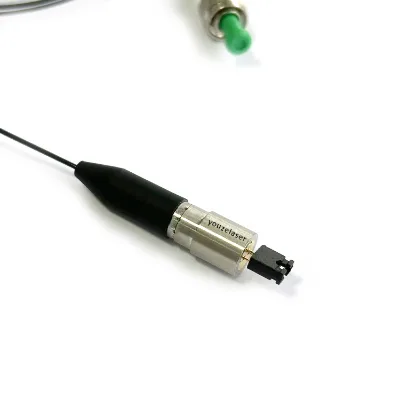
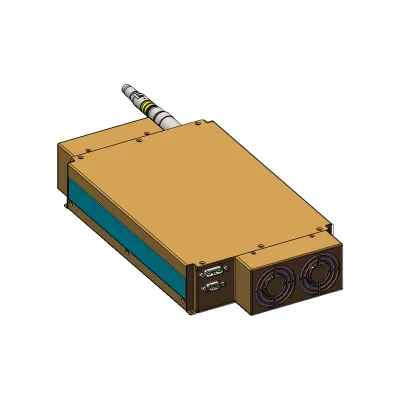
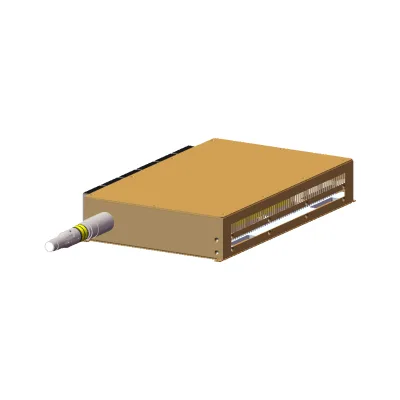
Comprehensive Sourcing Guide
Forced Air Cooling Laser Module Supplier Concentration and Factory Types
Suppliers of forced air cooling laser modules in this category cluster in China, with Guangdong confirmed as a listed origin for laser module manufacturers in the current results. Guangdong's electronics and optoelectronics manufacturing base supports suppliers whose main products span laser diodes, laser modules, bicycle laser lights, and white laser sources, so a Forced Air Cooling Laser Module buyer should expect to find module specialists sitting alongside broader laser component producers rather than dedicated module-only factories. When results do not confirm a cluster for your specific thermal-management requirement, identify candidate clusters yourself by filtering supplier listings for laser equipment parts categories, checking stated place of origin fields, and noting where multiple suppliers repeatedly list the same wavelength and power ranges.
Factory types in this category typically fall into a few groups. Some suppliers operate as combined companies, a company type observed in the results, meaning they may mix manufacturing with trading functions. Others list their own brand as their research and development capacity, which suggests in-house design capability rather than pure assembly. Buyers should distinguish between these models because combined companies may broker modules sourced elsewhere, while own-brand suppliers are more likely to modify thermal designs. Neither model is automatically better; what matters is whether the supplier can document the heat-sink, fan, and drive-electronics design behind the module you intend to buy.
How to Verify Forced Air Cooling Laser Module Suppliers
Verification starts with the attributes a supplier actually displays and ends with evidence you request directly. In the current results, one supplier responds in about seven hours and lists a fifteen-day lead time, which are useful anchors for planning, but response and lead-time figures are not displayed for every supplier, so treat them as data points to collect rather than assumptions. Confirm company type, whether combined or manufacturer-branded, and ask how combined suppliers control quality on modules they do not produce themselves. Request the manufacturing address and match it against the stated origin, such as the Guangdong, China origin shown on listed products.
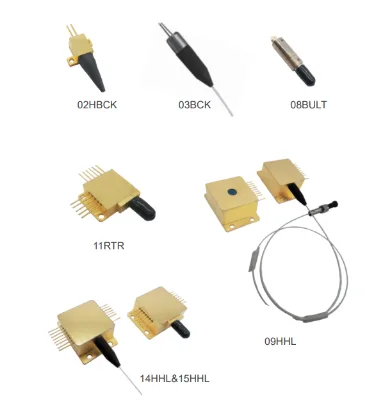
Product-level verification matters more than company badges for a thermal-sensitive component. Listed modules in this category show wavelength, output power, operating voltage, operating current, storage and working temperature ranges, and structure details such as through-hole or TO18-5.6mm packages; some listings also show certification fields such as RoHS, CE, ISO, or CCC. Ask for the actual test reports behind those certification claims rather than accepting label text. For a forced air cooling module specifically, request thermal test data, fan lifetime specifications, and duty-cycle limits, since these are not always in standard listing attributes. Verify customization capability in writing: customization is marked as available on several listed modules, but available does not mean proven. Ask for one previous custom module project reference, sample policies, and whether the supplier will share measured beam parameters before you commit to volume.
What to Compare Across Forced Air Cooling Laser Module Suppliers
Build a comparison table using the dimensions suppliers display. Location matters first: a Guangdong-based supplier may simplify factory visits and consolidated shipping for laser components, but distance only matters relative to your inspection plan. Compare main products, because a supplier whose catalog centers on laser diodes and laser modules is a different risk profile from one whose catalog centers on consumer laser lights. Compare response time where displayed, since roughly seven-hour response versus multi-day response changes how quickly engineering questions get resolved during sampling. Compare lead time; a fifteen-day lead time is a realistic reference in this category, but confirm whether it applies to standard items, custom builds, or both.
Then compare commercial and technical fields together. MOQs in the current results range from a single unit on a 20W 450nm cutting module to ten units on 1W green modules and one hundred units on low-cost 650nm dust-detection modules, showing how MOQ tracks product value and complexity. Price ranges similarly vary widely, from single-digit-dollar detector modules to modules priced in the low hundreds of dollars. Compare certification labels, package dimensions, and stated operating temperature ranges side by side, because a module rated 0 to 50 degrees Celsius with 8000-hour working time is not interchangeable with one specified differently. Rank suppliers on documented specification completeness, not on listing polish.
Common Forced Air Cooling Laser Module Sourcing Risks
The first risk is specification drift between listing and shipment. Listings in this category carry dense attribute sets, and some contain internal inconsistencies, such as a product name describing one power level while the packaged product name describes another. Copy every attribute into your purchase specification, including wavelength, power, voltage, current, structure, and temperature ranges, and require the supplier to confirm each line item before production. The second risk is thermal underperformance: forced air cooling modules can meet optical specs in short bench tests yet fail under continuous duty if fan quality, heat-sink contact, or drive-current control is weak. Mitigate this by requesting duty-cycle limits and burn-in test results rather than relying on stated working-time figures alone.
A third risk is mismatched supplier type. Combined companies may resell modules manufactured elsewhere, creating traceability gaps if a batch fails. Own-brand capacity suggests design control but does not guarantee production control, so ask which processes happen in-house. Fourth, certification risk: labels such as RoHS, CE, ISO, or CCC appear on listings, but a label in a listing is not a certificate; ask for the documents and check scope covers your specific model. Fifth, sample-to-volume risk: MOQs as low as one unit make sampling easy, but a single-unit order proves little about batch consistency. Plan a pilot batch at a meaningful quantity and define acceptance criteria, including optical output, fan noise, and temperature rise, before the pilot ships.
Forced Air Cooling Laser Module Regional Sourcing and Logistics
Guangdong, China is a confirmed origin for suppliers in this category, and it functions as a practical logistics base because laser module production there sits within an established electronics supply chain for drivers, optics, and thermal hardware. For buyers, sourcing from Guangdong typically means shorter domestic legs for components, more options for factory audits, and access to freight forwarders familiar with electro-optical goods. When your supplier results do not confirm a region, locate clusters by examining origin fields across multiple listings, watching which provinces recur for laser equipment parts, and validating any candidate cluster through a third-party audit before treating it as fact.
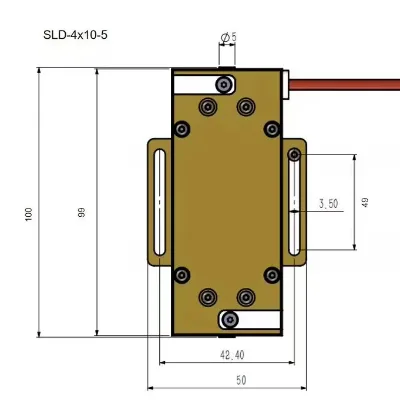
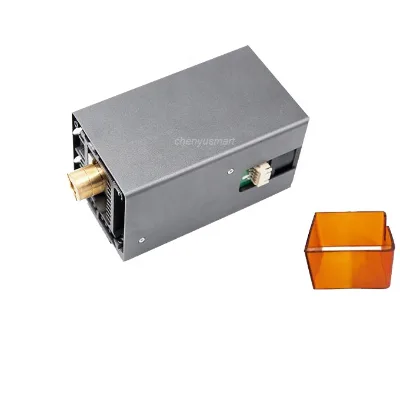
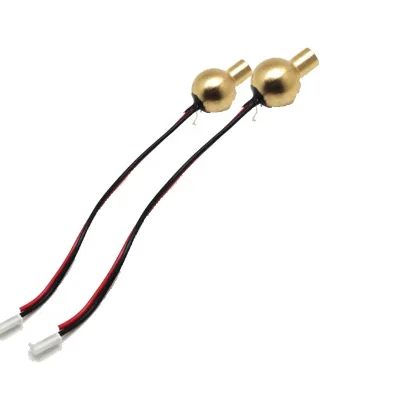
Logistics planning should account for the physical and regulatory nature of the product. Listed module sizes range from compact cylinders around 12 by 35 millimeters to housings near 66 by 63 by 109 millimeters, and packing varies from plastic boxes to 100-piece cartons; both affect freight cost per unit and packaging protection. Laser modules contain diodes sensitive to electrostatic discharge and mechanical shock, so specify anti-static packaging, cushioning, and humidity control in the shipping specification. Confirm whether your destination treats laser modules as controlled or restricted goods, since wavelength and power can affect import classification, and verify this with your customs broker rather than the supplier. For urgent replacements, a fifteen-day production lead time plus transit should anchor your spare-stock policy for production-critical modules.
Forced Air Cooling Laser Module Commercial Terms and Order Planning
Order planning in this category should follow the product's value tier. Low-cost detection modules with MOQs around one hundred units and unit prices in single-digit dollars suit stocking strategies, where you hold spares rather than reorder frequently. Higher-value modules, such as 20W cutting modules with MOQs of one and prices in the mid-hundreds of dollars, or 1W green modules at MOQ ten, justify just-in-time ordering if lead times are reliable. One listed supplier shows a fifteen-day lead time, so use that figure as a negotiating reference and confirm whether it covers customization, since customization is marked available on several listed products and custom thermal work usually extends schedules.
Structure commercial terms around verification milestones. Tie payments to specification confirmation, sample approval, and pre-shipment inspection rather than a single upfront transfer. Where a marketplace offers escrow-style protection, use it, but note that escrow availability varies by platform and seller and is not a substitute for inspection. Define acceptance in the contract with measurable criteria: wavelength tolerance, output power, operating current, temperature rise under stated duty, and fan function. Agree on warranty handling for diode degradation and fan failure separately, because their failure modes differ. Finally, plan reorders around batch consistency: request that repeat orders use the same product model identifiers, such as those shown in listings, and require notification before any component substitution in the cooling assembly.
-word counts: each section drafted near 230; verify totals.
Section word counts (approx): S1 ~228, S2 ~232, S3 ~231, S4 ~233, S5 ~229, S6 ~232 → total ~1385. Within range.
FAQs
What is the typical lead time for laser modules?
The typical lead time for these laser modules is 15 days. This duration applies to standard orders from suppliers located in China Guangdong. Buyers should confirm specific timelines based on order volume and customization needs before finalizing purchases.
What certifications do the laser modules hold?
Many available laser modules hold RoHS, CE, ISO, and CCC certifications. These standards ensure compliance with safety and environmental regulations for cutting and marking applications. Buyers must verify specific certification documents for each product model to confirm suitability.
What is the minimum order quantity for laser modules?
Minimum order quantities vary by product, ranging from 1 unit to 100 units. Some high-power modules require a minimum of 100 pieces, while others allow single unit purchases. Buyers should check the specific MOQ listed for each product model.
Where are these laser modules manufactured?
These laser modules are manufactured in China Guangdong. This region is a known hub for laser equipment production. Buyers can expect consistent supply chains from this location, though specific factory details should be verified with the supplier.
What is the response time for supplier inquiries?
The average response time for supplier inquiries is approximately 6.97 hours. This metric indicates how quickly suppliers typically reply to initial contact. Faster response times may be available for urgent requests or established business relationships.
What power options are available for laser modules?
Available power options include 1.6W, 1W, 200MW, 650MW, and 20W modules. These options cover various applications from engraving to high-power cutting. Buyers should select the power rating that matches their specific machine requirements and safety protocols.
What wavelengths are offered for laser modules?
Offered wavelengths include 450nm, 520nm, and 650nm. These colors range from blue to green and red, suitable for different tasks like cutting, marking, or detection. Buyers must choose the wavelength that aligns with their material processing needs.