Biodegradable Glassine Roll Suppliers and Manufacturers
Find 15 verified suppliers offering Biodegradable Glassine Roll with ISO 9001 and SGS certifications. Compare locations in China Guangdong and Henan, response times, lead times, and pricing. Contact suppliers directly to request custom quotes; review the available evidence before requesting comparable quotations from suitable candidates.
Updated
Suppliers List

GUANGZHOU RICHER IMPORT AND EXPORT TRADE CO.,LTD.
- Verified by SGS
- Trading Company,Manufacturer/Factory
- China Guangdong
- Lead time45 days
- Avg. response≤ 6h
Main productsWhite Cigarette Rolling Paper, Machine Glazed Paper, Typewriter Paper, Mf Bleached Acid Free Tissue Paper, Food Packing Paper, Kraft Paper, Carbonless Base Paper
Main marketsSouth America,Eastern Europe,Mid East,North America,Southeast Asia,Eastern Asia,Oceania,Western Europe,Africa


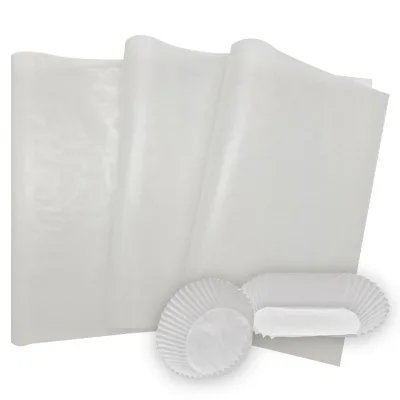
Manufacturer Customized Recycle Biodegradable FSC Eco-Friendly Glassine Paper Bag
$0.01
MOQ: 1000 Pieces

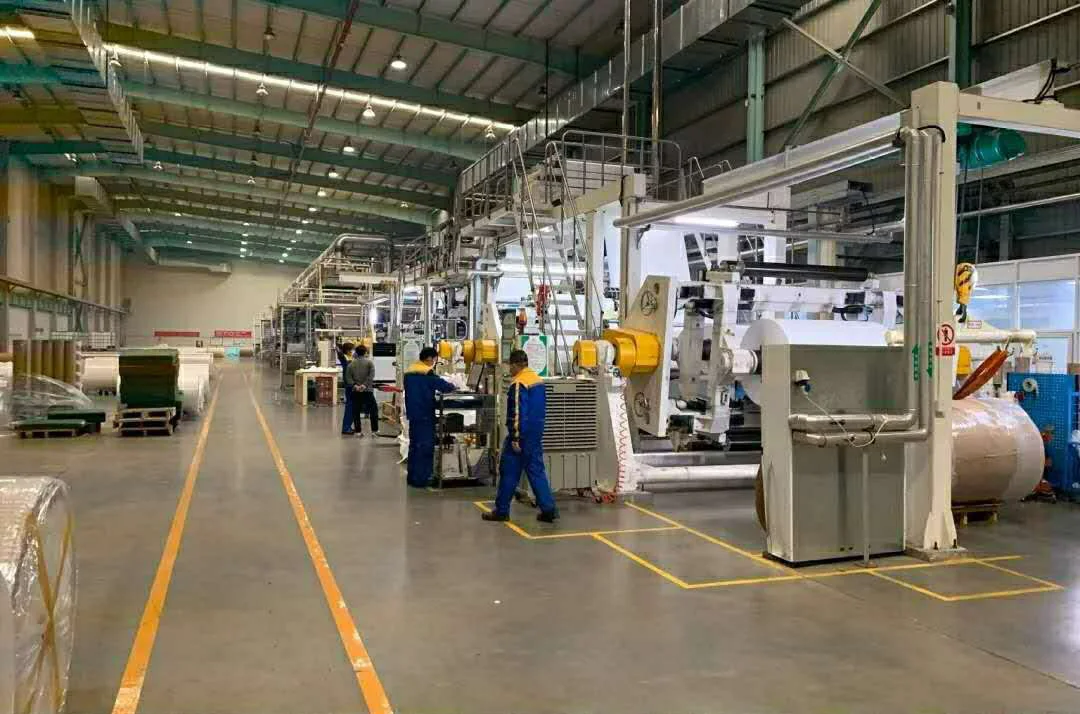
Davos Industrial (Henan) Co., Ltd.
- Trading Company
- Henan, China
- Lead time10 days
- Avg. response≤ 10h
Main productsThermal paper,Carbonless copy paper,Silicone coated glassine papers,Self-adhesive label materials,Printing materials
Main marketsSoutheast Asia(20.00%), Mid East(20.00%), Eastern Europe(20.00%), South America(10.00%), North America(10.00%), South Asia(5.00%), Oceania(3.00%), Africa(3.00%), Northern Europe(3.00%), Central America(3.00%), Eastern Asia(3.00%)
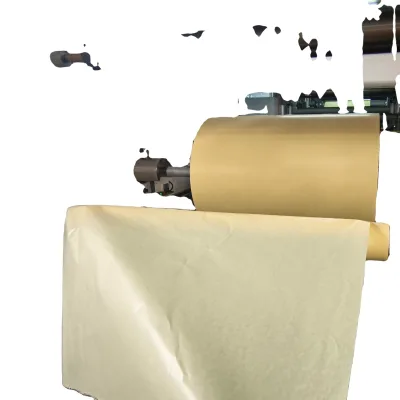
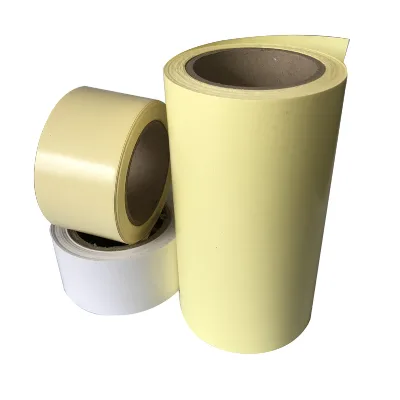
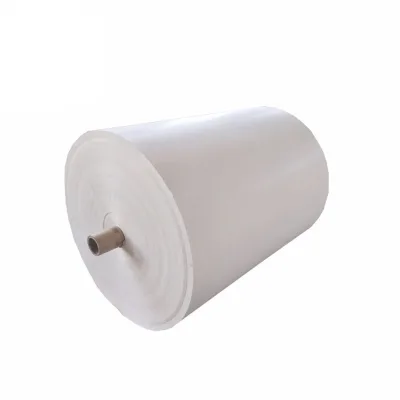
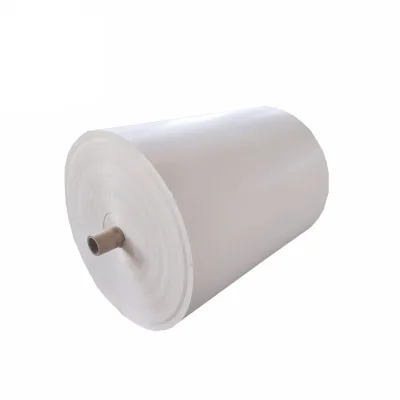
Hot Selling Glue High Quality Yellow Glassine Release Paper Strong Adhesion
$1500.00 - $1900.00
MOQ: 5 Minimum

Shanghai Zhengqian New Materials Co., Ltd.
- Manufacturer/Factory
- China Shanghai
- Lead time23 days
- Avg. response≤ 8h
Main productsMouse Glue Trap, Insect Glue Trap, Fly Glue Trap, Fruit Fly Trap, Cockroack Trap, Insect Glue Tie, Release Paper, Pet Release Film
Main marketsSouth America,Eastern Europe,Mid East,North America,Southeast Asia,Eastern Asia,Oceania,Western Europe,Africa
Guangdong Yinghui New Material Technology Co., Ltd.
- Verified by SGS Group
- Manufacturer, Trading Company
- Lead time15 days
- Avg. response≤ 1h
Main productsAdhesive Label Material Jumbo Roll, Semi Gloss Label, Thermal Label, Inkjet Paper label or inkjet PP label, Matt or Glossy White PP Label or BOPP Label
Main marketsDomestic Market(58%), North America(10%), Mid East(6%)

Foshan Label King Technology Co. Ltd
- Verified by TUVRHEINLAND
- Combined
- China Guangdong
- Lead time15 days
- Avg. response≤ 5h
Main productsFilm Adhesive Label Material, Rainbow Laser Label, Baggage Tag Boarding Pass, Pearl Film Label, Polypropylene Film Label( Synthetic Paper), Transparent/White Pet Self-Adhesive Label Materi
Main marketsSoutheast Asia/ Mideast

Richer Industry (Shanghai) Co., Ltd.
- Verified by SGS
- Trading Company,Manufacturer/Factory
- China Shanghai
- Lead time23 days
- Avg. response≤ 5h
Main productsRolling Paper, White Mf/Mg Colored Tissue Paper, Custom Printed Tissue Paper, Gift Bag Gift Box, Thermal Label, Kraft Paper Bag, Release Paper, Silicone Paper
Main marketsSouth America,Eastern Europe,North America,Southeast Asia,Eastern Asia,Oceania,Western Europe,Africa

Nanchang Golden Paper Co., Limited
- Verified by SGS
- Trading Company
- China Shanghai
- Lead time23 days
- Avg. response≤ 3h
Main productsC1s Ivory Board/Fbb, C2s Art Paper, Woodfree Offset Paper/Bond Paper, Carbonless Paper/NCR, Printing Paper and Board, Coated Paper/Board, Office Paper, High Bulk Fbb/Gc1/Gc2, Packaging Board, Food Grade Board
Main marketsEurope


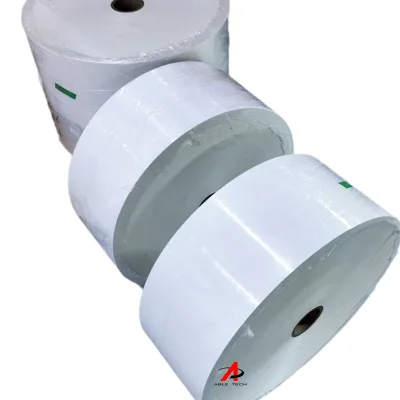
Strong Release Glassine Paper Roll for Stickers and Self Adhesive Labels
$1200.00 - $1500.00
MOQ: 1 Tons

$1200.00 - $1500.00
MOQ: 25 Tons
Wuxi Jie Shen Paper Industry Co., Ltd.
- Verified by SGS Group
- Manufacturer, Trading Company
- Lead time20 days
- Avg. response≤ 2h
Main productsGreaseproof Paper, Silicone Baking Paper, Parchment Baking Paper, Air Fryer Liners , Food-Grade Cushioning Paper Pads

ZHEJIANG HENGXIANG SUPPLY CHAIN CO., LTD.
- Verified by CTI
- Trading Company
- China Zhejiang
- Lead time30 days
- Avg. response≤ 15h
Main productsWhite Cardboard, Double Adhesive Paper, Photocopy Paper, Kraft Paper
Main marketsSouth America,Europe

Richer Paper (Shenzhen) Co.,Ltd.
- Verified by BV
- Trading Company,Manufacturer/Factory
- China Guangdong
- Lead time45 days
- Avg. response≤ 3h
Main productsThermal Paper Jumbo Roll, Thermal Paper, Cash Register Paper, ATM Paper, Medical Recording Paper, Fax Paper, Thermal Label, Carbonless Paper
Main marketsSouth America,Eastern Europe,Mid East,North America,Southeast Asia,Eastern Asia,Oceania,Western Europe,Africa
Qingdao Evershine Group Co., Ltd.
- Manufacturer
- Shandong, China
- Lead time3 days
- Avg. response≤ 4h
Main productsairlaid paper,carbonless paper,thermal paper,food paper,security paper
Main marketsNorthern Europe(14.29%), Mid East(14.29%), Africa(14.29%), Southeast Asia(14.29%), South America(14.29%), North America(14.29%)
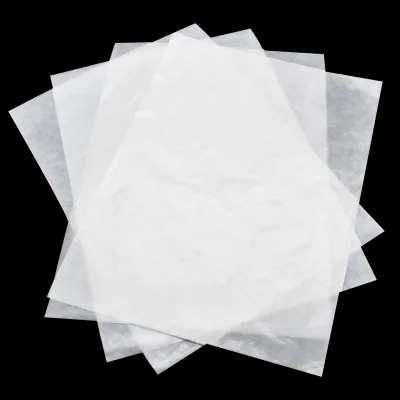
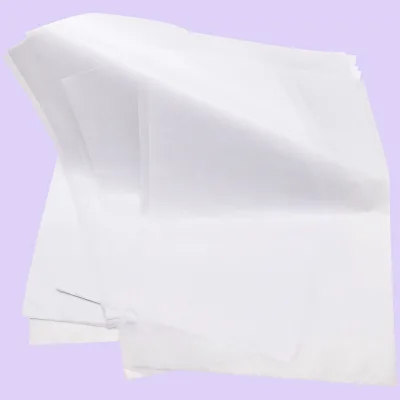
Premium Non-stick Glassine Paper Sheets for Food Wrapping, Tear - Resistant, Baking, and Crafts
$1150.00 - $1550.00
MOQ: 1 tons

- Verified by SGS Group
- Manufacturer, Trading Company
- Lead time3 days
- Avg. response≤ 3h
Main productsTTO Ribbon, Thermal Transfer Overprinter, Coding Machine, Hot Ink Roll , Hot Coding Foil
Main marketsDomestic Market(30%), North America(10%), Southeast Asia(10%)
- Manufacturer
- Lead time旺季: "1 - 10":15,"11 - 20":20,"> 20":"To be negotiated", 淡季: "1 - 10":15,"11 - 20":20,"> 20":"To be negotiated"
- Avg. response≤ 6h
Main productsC1S & C2S art paper,woodfree offset paper,kraft paper roll,duplex paper board,glossy coated paper

HUNAN PROVINCE AND NEW MATERIAL CO., LTD.
- Verified by BV
- Combined
- China Hunan
- Lead time15 days
- Avg. response≤ 2h
Main productsDouble Sided Acrylic Tape, Double Sided PE/EVA Foam Tape, Double Sided Tissue Tape, Nano Reusable Tape, Anti Slip Tape, Waterproof Tape, Heat Resistant Tape, Electrical Insulation Tape
Main marketsSoutheast Asia/ Mideast,Europe,North America


Factory Supply Jumbo Roll Silicone Coated White Glassine Release Paper
$2.251 - $2.651
MOQ: 2000 Rolls

Guangzhou Xinzhu Adhesive Sticker Materials Co., Ltd.
- Verified by BV
- Combined
- China Guangdong
- Lead time15 days
- Avg. response≤ 3h
Main productsSelf Adhesive Label Materials, Plant Tags/Labels, Airline Baggage/Luggage Tags, Fruit Tags/Labels, Boarding Pass, Medical Wristbands, Linerless Labels, Industrial Steel Tags, Dissolvable Labels, Customized Label Materials
Main marketsSouth America,Africa,Others(foreignTradeCapacity.exportBusinessCapacityMarketOther),Southeast Asia/ Mideast,East Asia(Japan/ South Korea),Europe,Australia,North America

Eco Thermal Paper Self-Adhesive Label Rolls Material with Blue Glassine Liner Label Material
$6.00
MOQ: 100 Square Meters

Big Roll Sticker Material Yellow Glassine Eco Direct Thermal Paper Sticker Label Sticker
$0.30
MOQ: 1 Square Meters








Comprehensive Sourcing Guide
Biodegradable Glassine Roll Supplier Concentration and Factory Types
The current supplier landscape for biodegradable glassine rolls reveals a distinct geographic concentration in China, with specific operational hubs identified in Guangdong and Henan provinces. Suppliers located in Guangdong are primarily structured as either trading companies or manufacturer/factory entities, offering a diverse range of paper products that include white cigarette rolling paper, machine glazed paper, and various tissue papers alongside glassine options. This dual nature of the supplier base allows buyers to access both direct manufacturing capabilities and broader product portfolios through trading intermediaries. The presence of established brands such as STONE HAWK, JIANGSHUI, and FEITENG within the Guangdong cluster suggests a mature industrial ecosystem capable of supporting OEM, ODM, and own-brand production models. Buyers seeking direct factory engagement should verify whether the listed entity is a manufacturer or a trading company, as this distinction impacts pricing structures and communication efficiency. The Guangdong region’s focus on diverse paper types indicates a specialized supply chain that can handle complex customization requests for biodegradable glassine rolls, particularly those requiring specific pulp materials or coating technologies.
In contrast, suppliers based in Henan, China, are predominantly identified as trading companies rather than direct manufacturers. This structural difference implies that buyers engaging with Henan-based suppliers may be interacting with intermediaries who aggregate products from various factories. The main products listed for these Henan suppliers include thermal paper, carbonless copy paper, and silicone-coated glassine papers, indicating a broad specialization in adhesive and specialty paper materials. While this trading model can offer flexibility in sourcing multiple paper types from a single point of contact, it may introduce additional layers in the supply chain that affect lead times and cost transparency. Buyers must carefully assess whether the trading company model aligns with their need for direct factory communication or if the convenience of a one-stop-shop for various paper products outweighs the potential for higher margins and longer communication loops. Understanding the company type is crucial for negotiating terms, as trading companies often have different margin expectations and logistical capabilities compared to direct factories.
How to Verify Biodegradable Glassine Roll Suppliers
Verification of suppliers for biodegradable glassine rolls requires a multi-layered approach that prioritizes system certifications and third-party validations to ensure product quality and operational reliability. A key indicator of supplier credibility is the possession of ISO 9001 system certification, which demonstrates a commitment to standardized quality management processes in production. Additionally, verification status provided by recognized agencies such as SGS serves as a critical checkpoint for confirming the supplier’s business legitimacy and operational history. Buyers should actively seek out suppliers who display these certifications prominently, as they provide a baseline assurance of professional standards. For products requiring specific environmental or safety compliance, such as FSC certification for wood pulp sourcing or SGS testing for food-grade applications, buyers must request documentation directly from the supplier. These certifications are not merely decorative; they are essential for ensuring that the biodegradable glassine rolls meet international standards for industrial use in food, agriculture, apparel, and pharmaceutical sectors.
Beyond certifications, buyers should evaluate the supplier’s response time and verification depth to gauge their operational efficiency and transparency. A response time of approximately 5.20 hours, as observed in some supplier profiles, indicates a high level of customer service readiness, which is vital for resolving technical queries regarding customization options like GSM, width, and release force. Suppliers with faster response times are often better equipped to handle urgent orders and complex customization requests, such as single or double-sided silicone coating with solvent or solvent-free options. Buyers should also verify the supplier’s ability to provide detailed product attributes, including pulp style (virgin wood pulp) and paper color options, to ensure the product matches their specific application requirements. Engaging with suppliers who provide comprehensive product evidence, such as detailed specifications for transparency, hardness, and layered structure, helps buyers make informed decisions. This due diligence process minimizes the risk of receiving substandard materials and ensures that the supplier can consistently deliver biodegradable glassine rolls that meet the buyer’s quality expectations.
What to Compare Across Biodegradable Glassine Roll Suppliers
When comparing suppliers for biodegradable glassine rolls, buyers must evaluate a range of commercial and operational metrics to determine the best fit for their procurement needs. Key dimensions for comparison include lead time, minimum order quantity (MOQ), and supply ability, which directly impact inventory management and cash flow. For instance, some suppliers offer a lead time of 45 days, while others may provide faster delivery options of 5-10 days for specific products, allowing buyers to choose based on their urgency and stock levels. MOQs also vary significantly, with some suppliers requiring a minimum of 1 unit for certain items, while others, particularly for custom bags, may require 1000 pieces. Understanding these thresholds is crucial for small-scale buyers or those testing new product lines. Additionally, supply ability, such as 3000 metric tons per month, indicates the supplier’s capacity to handle large-volume orders without compromising quality or delivery schedules. Buyers should align these metrics with their own production cycles and storage capabilities to avoid bottlenecks or excess inventory.
Price and customization options are equally critical factors in supplier comparison, as they influence the total cost of ownership and product differentiation. Price ranges for biodegradable glassine rolls can vary, with some products listed at fixed prices like $1600 or $1180-$1280, while others may have lower unit costs for specific applications like bags. Buyers should compare these prices against the supplier’s customization capabilities, such as available options for GSM, width, and release force, to assess value. Suppliers offering wholesale advantages and custom logo printing may provide better value for branded packaging needs. Furthermore, the type of pulp material, whether virgin wood pulp or recycled, and the coating method, such as single or double-sided silicone, should be compared across suppliers to ensure the product meets specific performance requirements. By systematically evaluating these dimensions, buyers can identify suppliers that offer the optimal balance of cost, quality, and service, ensuring a competitive advantage in their respective markets.
Common Biodegradable Glassine Roll Sourcing Risks
Sourcing biodegradable glassine rolls from international suppliers introduces several risks that buyers must proactively manage to ensure supply chain stability and product integrity. One significant risk is the variability in product specifications, particularly regarding transparency, hardness, and layered structure. For example, some glassine papers are translucent with a basic level of layering, while others may be opaque with functional layers, which can lead to mismatches if not clearly specified. Buyers must ensure that their technical requirements are explicitly communicated and confirmed in writing to avoid receiving materials that do not meet their application needs. Additionally, the risk of inconsistent quality in silicone coating, whether solvent-based or solvent-free, can impact the performance of the paper in adhesive applications. Buyers should request samples and conduct thorough testing to verify that the coating adheres correctly and does not interfere with the biodegradability of the paper.
Another critical risk is the potential for delays in delivery and communication breakdowns, especially when dealing with trading companies or suppliers with varying response times. A lead time of 45 days, for instance, may be unsuitable for buyers with tight production schedules, while faster delivery options may come at a premium or with limited availability. Buyers must also be cautious of suppliers who do not provide clear information about their production capacity or certification status, as this can lead to compliance issues in regulated industries like food and pharmaceuticals. The risk of receiving products with incorrect pulp materials, such as non-virgin wood pulp when virgin is specified, can also compromise the biodegradability claims of the final product. To mitigate these risks, buyers should establish clear communication channels, request detailed product documentation, and consider using escrow services or other payment protections to safeguard their interests until the goods are received and verified.
Biodegradable Glassine Roll Regional Sourcing and Logistics
Regional sourcing of biodegradable glassine rolls from China, particularly from Guangdong and Henan provinces, offers distinct logistical advantages and challenges that buyers must consider. Guangdong, with its established manufacturing infrastructure, provides access to a wide range of paper products and specialized suppliers capable of handling complex customization requests. The region’s proximity to major ports facilitates efficient export logistics, reducing transit times and costs for international buyers. However, buyers must also account for the potential for higher competition and price fluctuations in this mature market. In contrast, sourcing from Henan, where suppliers are predominantly trading companies, may offer different logistical dynamics, such as consolidated shipping from multiple factories. This can simplify logistics for buyers needing diverse paper products but may introduce complexities in tracking and quality control. Buyers should evaluate the supplier’s transportation options, such as UPS, DHL, or FedEx, to determine the most cost-effective and reliable shipping method for their specific needs.
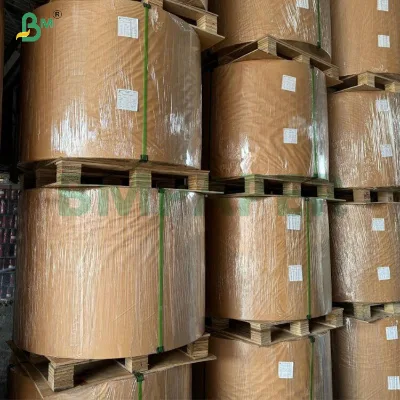
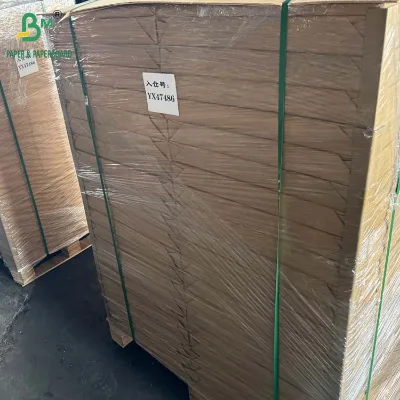
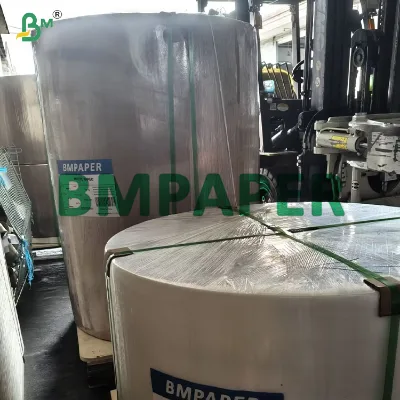
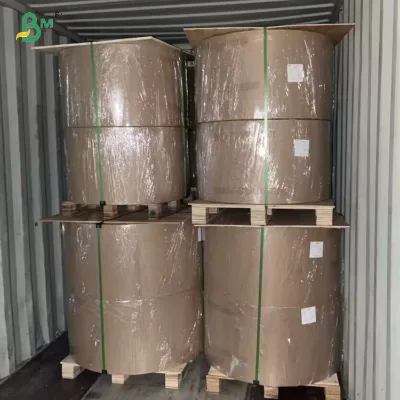
Logistics planning for biodegradable glassine rolls also involves considering packaging and handling requirements to prevent damage during transit. Suppliers often use pallet packing or brown kraft paper packaging to protect the rolls, which is essential for maintaining product integrity. Buyers must ensure that the packaging is suitable for their storage and handling capabilities, particularly if the rolls are large or heavy. Additionally, the choice of shipping method, whether by sea or air, will impact lead times and costs. Sea freight is generally more cost-effective for large volumes but requires longer lead times, while air freight offers faster delivery at a higher cost. Buyers should work closely with their suppliers to determine the optimal shipping strategy based on their inventory requirements and budget constraints. By carefully planning logistics and considering regional advantages, buyers can minimize supply chain disruptions and ensure the timely delivery of biodegradable glassine rolls to their facilities.
Biodegradable Glassine Roll Commercial Terms and Order Planning
Commercial terms and order planning for biodegradable glassine rolls require careful attention to payment methods, customization options, and minimum order quantities to ensure a smooth procurement process. Suppliers often accept a variety of payment methods, including L/C, T/T, Western Union, and PayPal, providing flexibility for buyers with different financial preferences. However, buyers should verify the security and reliability of the chosen payment method, especially for large orders, to mitigate financial risks. Customization options, such as logo printing, color customization, and specific GSM and width requirements, are widely available but may impact the MOQ and lead time. Buyers must clearly define their customization needs and confirm the associated costs and timelines with the supplier before placing an order. Additionally, understanding the supplier’s return and refund policies is crucial for addressing any potential quality issues or discrepancies in the delivered goods.
Order planning should also consider the supplier’s supply ability and production capacity to ensure that the buyer’s volume requirements can be met consistently. Suppliers with a supply ability of 3000 metric tons per month, for example, are well-equipped to handle large-scale orders, while those with lower capacities may be better suited for smaller, frequent orders. Buyers should align their order quantities with the supplier’s production schedule to avoid delays and ensure timely delivery. Furthermore, buyers should establish a long-term relationship with their supplier to benefit from potential volume discounts and priority service. By carefully planning orders and negotiating favorable commercial terms, buyers can optimize their procurement process and secure a reliable supply of high-quality biodegradable glassine rolls for their business needs. This strategic approach helps minimize costs, reduce risks, and enhance overall supply chain efficiency.
FAQs
What is the price range for biodegradable glassine rolls?
Prices for biodegradable glassine rolls typically range from $1,180 to $1,900 per metric ton depending on specifications. Some specialized products are priced at $1,780 per ton. Customized bags may cost as low as $0.01 per piece. Buyers should verify exact pricing based on order volume and specific material requirements.
What certifications are available for glassine paper suppliers?
Suppliers often hold ISO 9001 system certification and SGS verification. Specific products may carry FSC and SGS certificates for food-grade applications. These certifications ensure quality management and material safety. Buyers should request valid certificate copies to confirm compliance with international standards before placing large orders.
What is the typical lead time for glassine paper orders?
Lead times vary significantly by supplier location and product type. Some manufacturers report a standard lead time of 45 days. Others offer faster delivery within 5 to 10 days for specific items. Buyers should confirm production schedules directly with suppliers to ensure timely delivery for urgent projects.
What is the minimum order quantity for glassine products?
Minimum order quantities depend on the specific product format. Bulk rolls may have an MOQ of just one unit or five tons. Pre-made bags often require a minimum of 1,000 pieces. Buyers should check individual product listings to determine the exact MOQ applicable to their specific sourcing needs.
Where are glassine paper manufacturers located?
Manufacturers are primarily located in China, specifically in Guangdong and Henan provinces. These regions host both trading companies and direct factories. Buyers can source from verified suppliers in these areas to access a wide range of glassine products and competitive pricing options.
What materials are used to make glassine paper?
Glassine paper is typically made from virgin wood pulp. The material is super-calendered to create a dense, translucent finish. Some products are specifically designed for food, pharmaceutical, or agricultural use. Buyers can choose between white, kraft, or colored options based on their packaging requirements.