Wifi Hunting Night Vision Scope Suppliers and Manufacturers
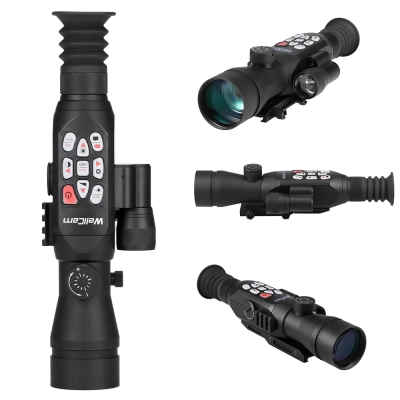
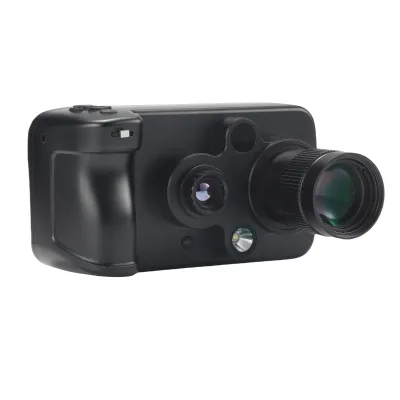
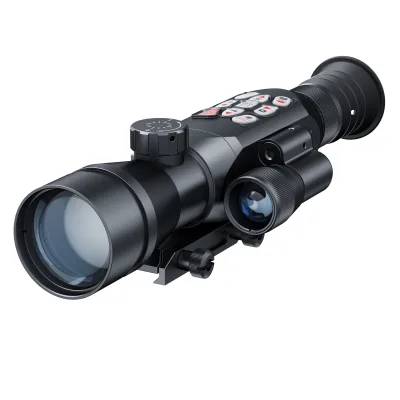
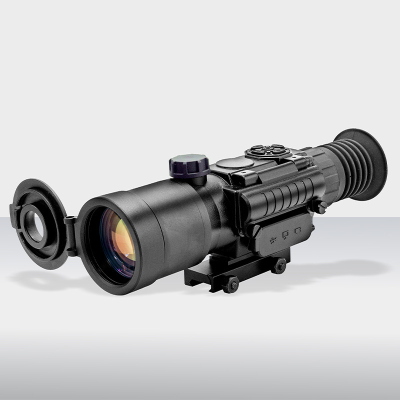
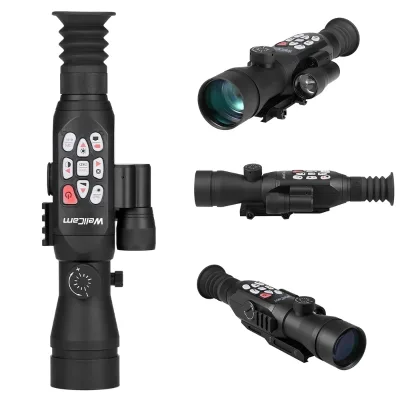
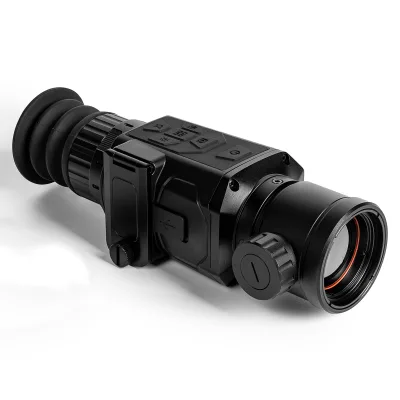
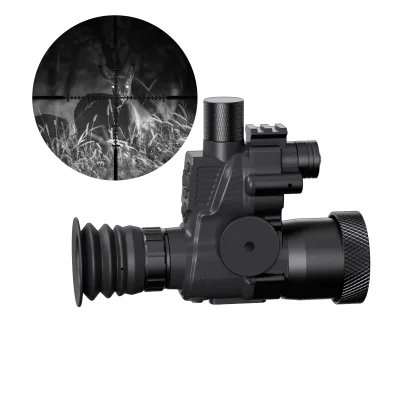
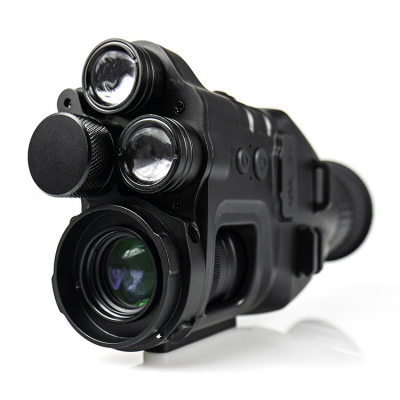
Explore 27 verified suppliers offering Wifi Hunting Night Vision Scope with OEM and ODM support. Compare response times, lead times, certifications, and product specifications like magnification and viewing distance to source the right equipment for your needs; review the available evidence before requesting comparable quotations from suitable candidates.
Updated
Suppliers List
Desaifu Precision Measuring Instrument (shenzhen) Co., Ltd.
- Verified by SGS Group
- Manufacturer, Trading Company
- Lead time30 days
- Avg. response≤ 7h
Main productsThermal Imager, Hardness Tester, Viscometer, Electric Surfboard, Diving Equipment
- Manufacturer, Trading Company
- Lead time旺季: "1 - 500":40,"> 500":"To be negotiated", 淡季: "1 - 500":40,"> 500":"To be negotiated"
- Avg. response≤ 2h
Main productsNight Vision, Hunting Camera, Kids Camera, Pet Feeder, Waterproof Camera
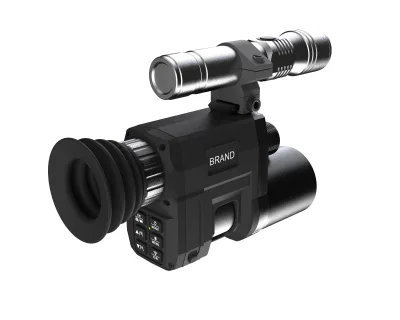
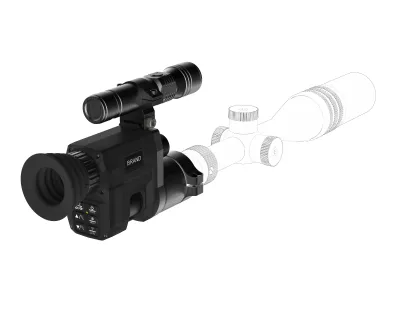
WIFI Night Vision Hunting Camera Infrared Scope Long Range Night Vision Scope
$132.3573 - $138.0018
MOQ: 500 pieces

Shenzhen Detyl Optoelectronics Co., Ltd.
- Verified by BV
- Combined
- China Guangdong
- Lead time15 days
- Avg. response≤ 13h
Main productsNight Vision, Thermal Fusion, Thermal Imaging, Optical Lens
Main marketsSoutheast Asia/ Mideast,Europe,North America

Onick Optics (Wuhan) Co., Ltd.
- Verified by SGS
- Combined
- China Hubei
- Lead time15 days
- Avg. response≤ 3h
Main productsRange Finder, Telescope, Night Vision, Thermal Imager, Trail Cameras, Speedometer, Photovoltaic Energy Storage
Main marketsDomestic
SHENZHEN JKYO TECHNOLOGY CO., LTD.
- Verified by SGS Group
- Trading Company
- Lead time5 days
- Avg. response≤ 8h
Main productsScopes/ Night Vision Scope, Rangefinder, Thermal Scope, Tactical Flashlights, Red Dot Sight
Main marketsSouth America(20%), Southeast Asia(20%), Eastern Europe(13%)
- Manufacturer, Trading Company
- Guangdong, China
- Lead time10 days
- Avg. response≤ 3h
Main productsFace Recognition Terminal/ Sip Intercom,IP Camera,hunting scope,night vision monocular,thermal scope
Main marketsEastern Europe(30.00%), North America(25.00%), South America(20.00%), Southeast Asia(8.00%), Western Europe(5.00%), Mid East(5.00%), South Asia(1.00%), Southern Europe(1.00%), Northern Europe(1.00%), Central America(1.00%), Oceania(1.00%), Eastern Asia(1.00%), Africa(1.00%)
Shenzhen Henbaker Industrial Co., Ltd.
- Manufacturer
- Guangdong, China
- Lead time0 days
- Avg. response≤ 2h
Main productsNight vision,Digital night vision,night vision sight
Main marketsDomestic Market(20.00%), Western Europe(15.00%), Southern Europe(15.00%), Eastern Europe(15.00%), Northern Europe(15.00%), North America(5.00%), South America(5.00%), Central America(5.00%), South Asia(1.00%), Africa(1.00%), Southeast Asia(1.00%), Eastern Asia(1.00%), Oceania(1.00%)

Zhuhai Keliway Intelligent Technology Co., Ltd.
- Trading Company
- China Guangdong
- Lead time0 days
- Avg. response≤ 11h
Main productsNight Vision Device, Night Vision Monocular, Night Vision Binoculars, Drone Pod

High-Sensitivity Night Vision Scope Self-Reliant Night Vision Monocular Night Vision Hunting Scope
$1118.00 - $1233.00
MOQ: 1 Pieces

Digital Night Vision Monocular Night Vision Hunting Scope IP67 Waterproof Night Vision Devices
$1118.00 - $1233.00
MOQ: 1 Pieces

Night Vision Monocular with Helmet Night Vision Monocular Scope Hunting China Night Vision Monocular
$999.00 - $1233.00
MOQ: 1 Pieces

$1118.00 - $1233.00
MOQ: 1 Pieces

High-Capacity Sophisticated Vivid Dependable Night Vision Scope for Wild Hunting
$287.00 - $450.00
MOQ: 1 Pieces

High-Definition High-Capacity Convenient Night Vision Scope for Wild Hunting
$287.00 - $450.00
MOQ: 1 Pieces

Nanyang Huasen Optoelectronics Co., Ltd.
- Manufacturer, Trading Company
- Henan, China
- Lead time20 days
- Avg. response≤ 2h
Main productsBinoculars,Prism,Lens,Telescope,Rangefinder
Main marketsDomestic Market(60.00%), South Asia(40.00%)
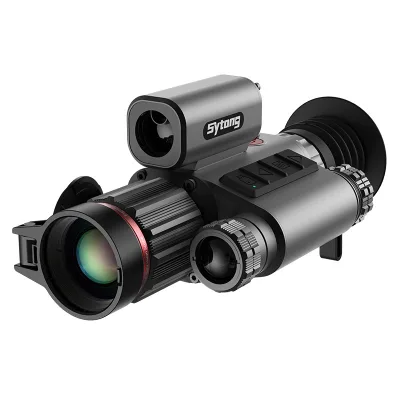
HD WIFI TF Rangefinder Infrared Night Vision Scope Telescope Outdoor Hunting Camping Binoculars
$620.7203 - $682.7929
MOQ: 1 pieces
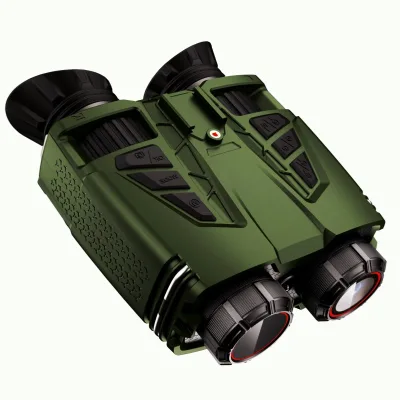
16x Digital Zoom 4K Video Recording IR Infrared Night Vision Scope Outdoor Hunting Camping Telescope
$57.0184 - $61.1064
MOQ: 10 pieces
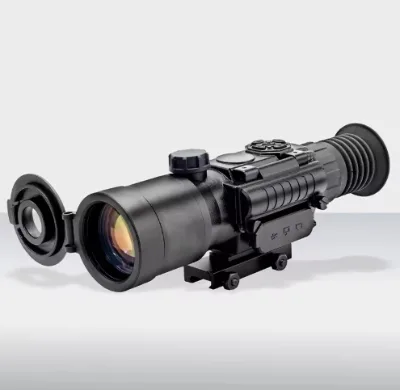
1920x1080P Thermal Imaging Scope - Rangefinder Digital Night Vision for Outdoor Hunting
$408.5286
MOQ: 5 Minimum

China Xinxing Shanghai Import and Export Co., Ltd.
- Verified by TUVRHEINLAND
- Trading Company
- China Shanghai
- Lead time15 days
- Avg. response≤ 7h
Main productsAnti-Riot Suit
Main marketsSouth America,Africa,Southeast Asia/ Mideast,Europe


Handheld Infrared Night Vision Tactical Scope with Precise Targeting for Hunting
$540.00
MOQ: 1 Pieces


High-Performance 1600+ WiFi Night Vision Binoculars for Outdoor Adventures
$3200.00 - $3850.00
MOQ: 2 Sets


Shaanxi Ireeda Protective Technology Co., Ltd.
- Verified by SGS
- Trading Company
- China Shaanxi
- Lead time30 days
- Avg. response≤ 8h
Main productsStab Resistant Vest, Photoelectricity, Uav, Unmanned Robot
Main marketsSoutheast Asia/ Mideast,East Asia(Japan/ South Korea),Europe,North America


Optical Hunting 1.3km Laser Rangefinder and WiFi Function Thermal Monocular Scope
$2450.00 - $3450.00
MOQ: 5 Pieces

Optional Resolution 384*288/640*512 Night Vision Hunting Thermal Imaging Rangefinder Scope
$2450.00 - $3450.00
MOQ: 5 Pieces

Gen2+ Gen3 Hunting Night Vision Sights for Hunting Use Security 3X Night Vision Scope
$1700.00 - $3200.00
MOQ: 1 Pieces

75mm Infrared Thermal Imaging Hunting Night Vision Weapon Spotting Monocular Scope Thermal Sight
$3000.00 - $7500.00
MOQ: 1 Pieces

Long Distance Infrared Night Vision Thermal Imaging Scope Weapon Sight
$3000.00 - $6800.00
MOQ: 1 Pieces
Nanyang Ldoptic Instrument Co., Ltd.
- Manufacturer, Trading Company
- Henan, China
- Lead time0 days
- Avg. response≤ 6h
Main productsMicroscope,Telescope,Lens,Magnifier
Main marketsNorth America(30.00%)
Xi 'an Maipeng Electronic Technology Co., Ltd.
- Trading Company
- Shaanxi, China
- Lead time5 days
- Avg. response≤ 2h
Main productsNight vision,Night Vision Sight,Thermal Infrared Imager,Laser Range Finder,Image Intensifier Tube
Main marketsWestern Europe(15.00%), North America(15.00%), South Asia(10.00%), South America(10.00%), Mid East(10.00%), Domestic Market(5.00%), Africa(5.00%), Southern Europe(5.00%), Northern Europe(5.00%), Southeast Asia(5.00%), Eastern Asia(5.00%), Eastern Europe(5.00%), Oceania(5.00%)

Shenzhen K-Lin Yuan Technology Co.,limited
- Manufacturer, Trading Company
- Guangdong, China
- Lead time15 days
- Avg. response≤ 5h
Main productsriflescope,rangefinder,hunting riflescope,night vision,spotting scope
Main marketsSouthern Europe(23.00%), Western Europe(20.00%), Northern Europe(18.00%), Eastern Europe(16.00%), Domestic Market(8.00%), North America(5.00%), Africa(2.00%), South America(2.00%), Eastern Asia(1.00%), South Asia(1.00%), Oceania(1.00%), Southeast Asia(1.00%), Central America(1.00%), Mid East(1.00%)

Zhangjiajie Discovery Optical Instrument Co., Ltd.
- Manufacturer, Trading Company
- Hunan, China
- Lead time10 days
- Avg. response≤ 4h
Main productsScope, Rangefinder, Scope Accessories
Main marketsSoutheast Asia(55.00%), Mid East(14.00%), South Asia(8.00%), South America(6.00%), Africa(5.00%), Eastern Europe(5.00%), North America(2.00%), Eastern Asia(2.00%), Oceania(1.00%), Western Europe(1.00%), Southern Europe(1.00%)

Hangzhou Huanyu Vision Technology Co., Ltd.
- Combined
- China Zhejiang
- Lead time30 days
- Avg. response≤ 5h
Main productsCCTV, Zoom Camera Module, CCTV Camera, PTZ Camera, Block Camera
Main marketsSoutheast Asia/ Mideast,Europe,North America
Shenzhen Shengduoduo Technology Co., Ltd.
- Manufacturer, Trading Company, Distributor/Wholesaler
- Guangdong, China
- Lead time2 days
- Avg. response≤ 2h
Main productshunting camera,night vision scope,thermal scopes,sports camera,PCB module
Main marketsNorthern Europe(20.00%), Western Europe(20.00%), Southern Europe(10.00%), South America(10.00%), Central America(10.00%), North America(10.00%), Oceania(10.00%), Eastern Europe(10.00%)
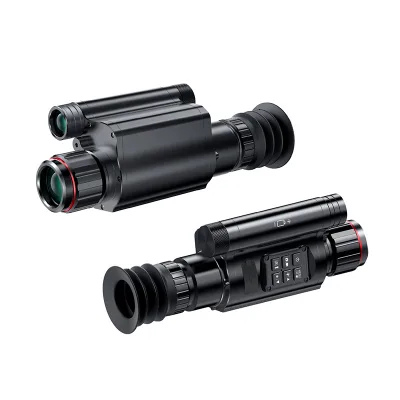
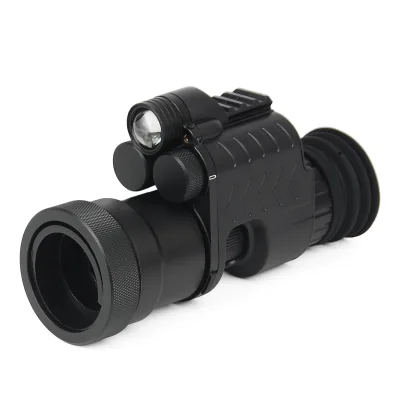
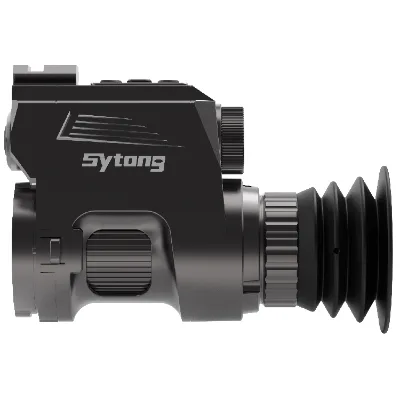
5W Long Range Scope Night Vision Camera for Hunting Infrared Night Vision Scopes
$245.8937 - $256.182
MOQ: 2 pieces
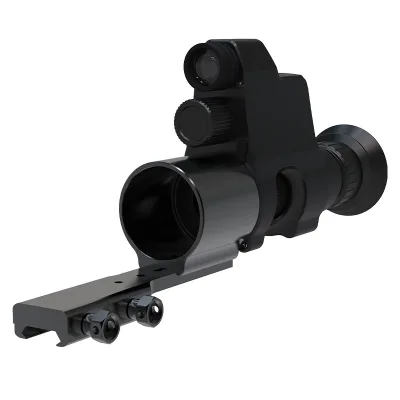
4X Digital Zoom 1080P Infrared Night Vision Scope 300M Night Vision Monocular for Hunting
$82.00 - $89.00
MOQ: 2 pieces

Chongqing Dontop Optics Co., Ltd.
- Trading Company,Manufacturer/Factory
- China Chongqing
- Lead time38 days
- Avg. response≤ 5h
Main productsBinoculars, Rifle Scope, Range Finder, Spotting Scope, Telescope, Lenses, Red DOT, Night Vision, Monoculars, Mount
Main marketsSouth America,Eastern Europe,Mid East,North America,Southeast Asia,Eastern Asia,Oceania,Western Europe,Africa

Infrared Hunting Telescopic Sight Digital Night Vision Scope with Mount
$58.00 - $76.00
MOQ: 10 Pieces

Henan Bosean Technology Corporation Limited
- Verified by SGS Group
- Manufacturer, Trading Company
- Lead time7 days
- Avg. response≤ 2h
Main productsLaser Range Finder
Main marketsDomestic Market(70%), North America(15%), South America(5%)
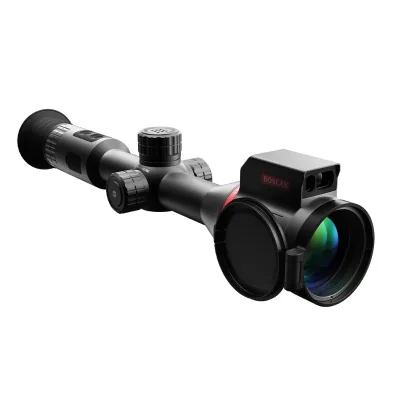
$1654.2204 - $1799.0546
MOQ: 1 sets
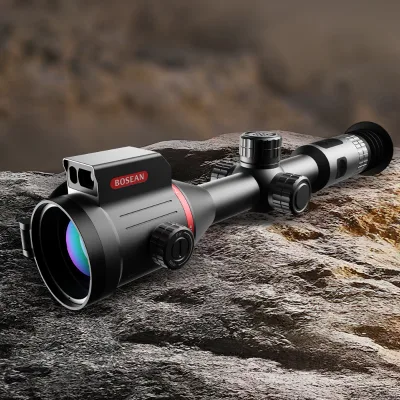
$1654.2204 - $1799.0546
MOQ: 1 sets
Linyi Fengyuzhe Outdoor Products Co., Ltd.
- Manufacturer, Trading Company
- Shandong, China
- Lead time0 days
- Avg. response≤ 6h
Main productsSlingshot,Hunting Slingshot,Scopes,Night Vision,Laser Sight
Main marketsDomestic Market(88.00%), Eastern Europe(5.00%), South America(2.00%), North America(2.00%), Western Europe(1.00%), Southern Europe(1.00%), Northern Europe(1.00%)
Hangzhou Fuaiou Science & Technology Co., Ltd.
- Trading Company
- Zhejiang, China
- Lead time30 days
- Avg. response≤ 3h
Main productsGas Scooters,Racket Sports,Team sports,binucolars,industrial machinery
Main marketsSoutheast Asia(30.00%), Eastern Europe(30.00%), North America(30.00%), Oceania(10.00%)
- Verified by SGS Group
- Manufacturer, Trading Company
- Lead time6 days
- Avg. response≤ 2h
Main productsHandheld Refractometer, Breath Alcohol Tester, Jewelry Loupes, Gemological Refractometer, Metal & Gold Detector
Main marketsNorth America(50%), Domestic Market(40%), Western Europe(10%)

Ningbo Barride Optics Co., Ltd.
- Trading Company,Manufacturer/Factory
- China Zhejiang
- Lead time75 days
- Avg. response≤ 4h
Main productsMicroscope, Telescope, Binoculars, Riflescope, Magnifier, Spotting Scope, Range Finer, Astronomical Telescope, Night Vision, Biological Microscope
Main marketsSouth America,Eastern Europe,Mid East,North America,Southeast Asia,Eastern Asia,Oceania,Western Europe,Africa

Markevina Technology (Shenzhen) Co., Ltd.
- Verified by BV
- Trading Company,Manufacturer/Factory
- China Guangdong
- Lead time30 days
- Avg. response≤ 2h
Main productsSmall Home Appliances, Electricity and Power Equipment Manufacturing, Machinery and Production Line
Main marketsSouth America,Eastern Europe,Mid East,North America,Southeast Asia,Eastern Asia,Oceania,Western Europe,Africa

Night Vision Device, Night Vision Goggles, Night Vision Telescope for Hunting
$100.00 - $200.00
MOQ: 1 Pieces

Night Vision Device, Night Vision Goggles, Hunting Goggles, Telescope for Hunting 500m Distance
$100.00 - $200.00
MOQ: 1 Pieces
Dongguan Xintai Instrument Co., Ltd.
- Verified by TüVRheinland
- Manufacturer, Trading Company
- Lead time15 days
- Avg. response≤ 2h
Main productsOutdoor Thermal Imaging Telescope, Handheld Thermal Imaging Camera, Mobile Phone Thermal Imager, Engineering Infrared Thermal Imager, Thermal Imaging Camera
Main marketsDomestic Market(66%), North America(10%), Western Europe(5%)

Ningbo Yaki Optical Instrument Co., Ltd.
- Combined
- China Zhejiang
- Lead time45 days
- Avg. response≤ 6h
Main productsMicroscope, Magnifier, Telescope, Binoculars, Student Microscope, LED Microscope, USB Microscope, Mini Microscope, Microscope Ring Light, Microscope Camera
Main marketsSouth America,Southeast Asia/ Mideast,East Asia(Japan/ South Korea),Europe,Australia,North America

Daqin (luoyang) Supply Chain Co., Ltd.
- Manufacturer, Trading Company
- Henan, China
- Lead time0 days
- Avg. response≤ 2h
Main productsToy Gun,Toy Gun Model,Simulation Toy Weapons,Outdoor Sports,Stuffed Toys
Main marketsEastern Europe(20.00%), Southern Europe(20.00%), Western Europe(20.00%), South America(10.00%), Northern Europe(10.00%), Central America(10.00%), North America(10.00%)
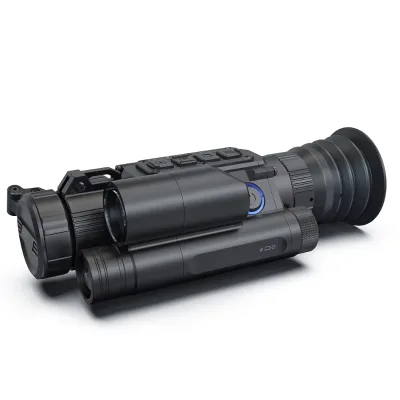
NV008SP Night Vision Scope with Rangefinder 1000yds 2K Hunting Optical Sight 2K NV Monocular
$652.719 - $707.1219
MOQ: 10 pieces
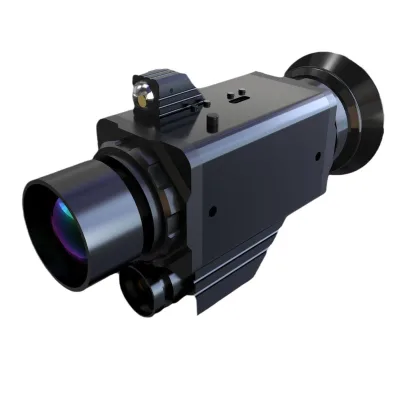
$417.0147 - $451.7728
MOQ: 10 pieces
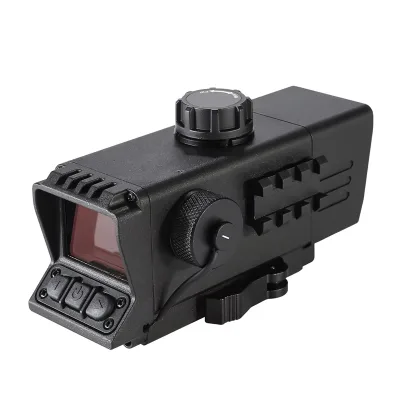
$217.5695 - $235.7043
MOQ: 10 pieces
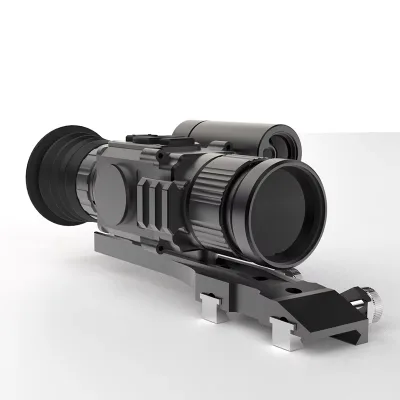
T723-RL Thermal Scope Sight Thermal Image Night Vision Scope Monocular Thermal for Hunting
$1269.179 - $1374.9528
MOQ: 10 pieces
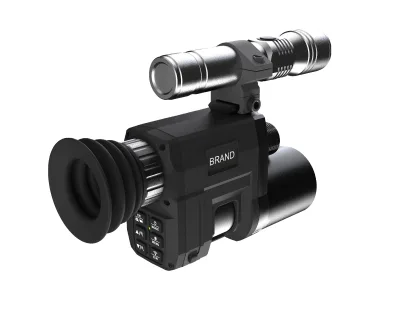
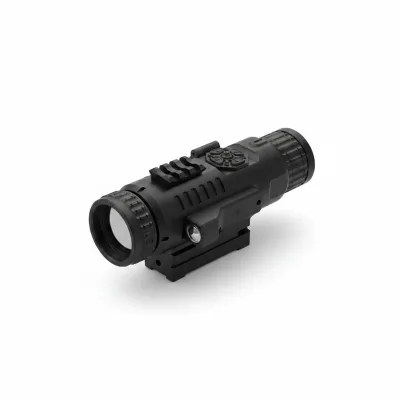
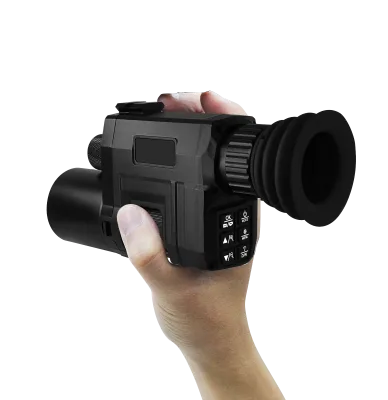


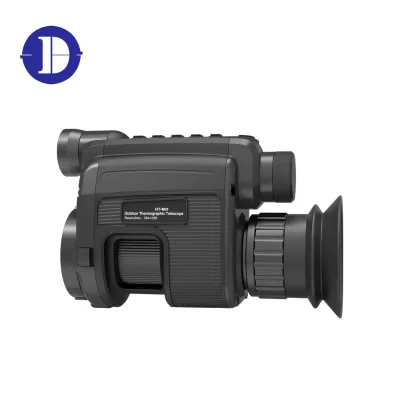
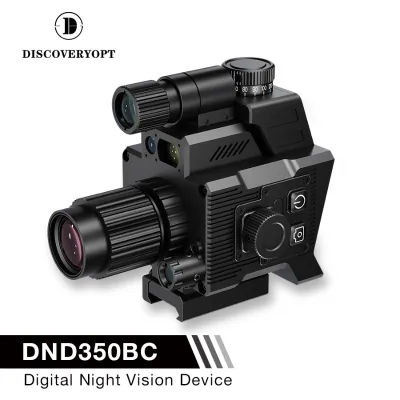






Comprehensive Sourcing Guide
Wifi Hunting Night Vision Scope Supplier Concentration and Factory Types
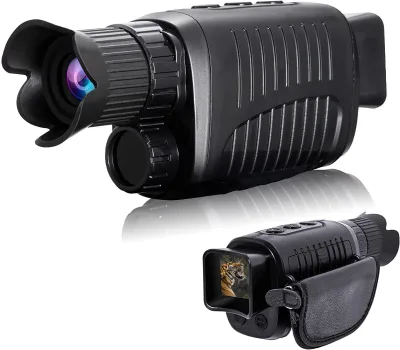
The current supplier landscape for wifi hunting night vision scopes reveals a mix of manufacturing capabilities and trading structures, requiring buyers to distinguish between direct production sources and intermediary resellers. Available data indicates that the primary company types operating in this niche are manufacturers and trading companies, each offering distinct advantages for different procurement strategies. Manufacturers typically provide greater control over customization, quality assurance, and long-term supply chain stability, while trading companies may offer broader product assortments and streamlined logistics for smaller orders. Understanding this distinction is critical for buyers who need to verify whether they are dealing with the actual source of production or a middleman adding margin to the final price. The presence of both types suggests a competitive market where buyers can negotiate based on the supplier’s specific operational model.
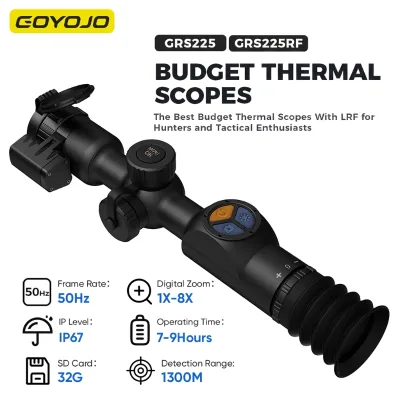
Geographic concentration plays a significant role in the sourcing ecosystem for these optical devices. Evidence points to Guangdong, China, as a key place of origin for many of the listed products, including specific models like the NV3000 and GRS225. This region is known for its robust electronics and optical manufacturing infrastructure, which supports the production of complex devices involving infrared sensors, digital zoom, and wifi connectivity. Buyers should leverage this geographic data to assess the maturity of the local supply chain, including access to components like lithium batteries and TFT displays. However, buyers must verify the specific factory location within this region, as "Guangdong" is a broad province. Confirming the exact city or industrial park can provide insights into the supplier’s logistical efficiency and proximity to ports, which directly impacts shipping costs and lead times for international orders.
How to Verify Wifi Hunting Night Vision Scope Suppliers
Verification is the cornerstone of mitigating risk when sourcing specialized optical equipment like night vision scopes. Buyers should prioritize suppliers who have undergone third-party verification processes, such as those conducted by SGS Group, which adds a layer of credibility to the supplier’s business legitimacy and operational standards. The presence of such verification badges indicates that the supplier has met certain baseline requirements for business registration and operational capacity. However, verification is not a guarantee of product quality or performance. Buyers must go beyond surface-level badges and request detailed documentation, including factory audit reports, quality control manuals, and specific test results for the night vision scopes. This due diligence helps ensure that the supplier’s claims about their manufacturing capabilities align with their actual production environment and quality management systems.
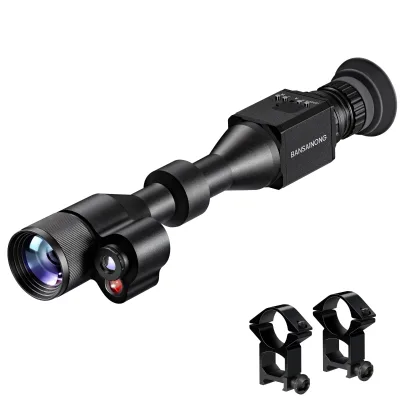
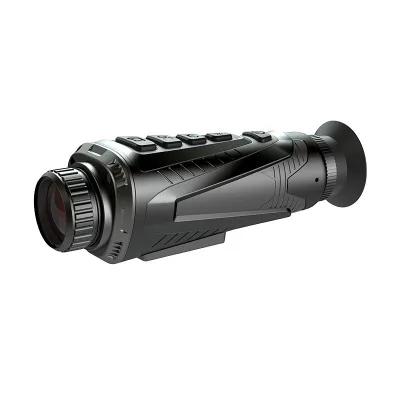
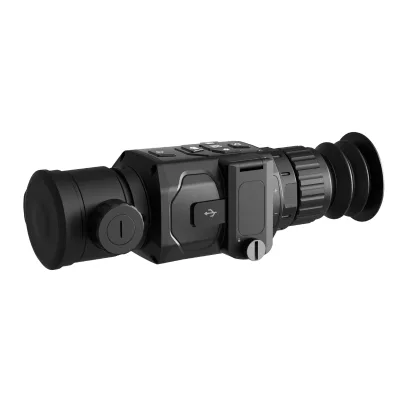
Product-specific verification is equally important, especially for devices with technical specifications like infrared illumination, digital zoom, and wifi functionality. Buyers should request detailed product attributes and specifications sheets for each model they are considering, such as the NV3000 or GRS225, to ensure they match their operational requirements. Key attributes to verify include the magnification power, field of view, viewing distance in all dark conditions, and the type of infrared flashlight used. For instance, some scopes offer a viewing distance of 300 meters in all dark conditions, while others may have different ranges. Buyers should also check for certifications like CE, which indicates compliance with European health, safety, and environmental protection standards. Ensuring that the product specifications are clearly documented and verifiable helps prevent discrepancies between the ordered item and the delivered product, reducing the risk of returns or disputes.
What to Compare Across Wifi Hunting Night Vision Scope Suppliers
When evaluating multiple suppliers, buyers must compare a range of operational and commercial metrics to identify the best fit for their needs. One critical factor is the response time, which can vary significantly between suppliers. Some suppliers may respond within 2 hours, indicating high availability and efficient customer service, while others may take up to 7 hours. A faster response time often correlates with better communication throughout the order process, from initial inquiry to post-sales support. Buyers should also consider the lead time for production, which can depend on order volume and seasonality. For example, some suppliers may have a lead time of 30 days for standard orders, while others may require 40 days during peak seasons. Understanding these timelines helps buyers plan their inventory and manage customer expectations effectively.
Another essential comparison point is the minimum order quantity (MOQ) and pricing structure. Suppliers may have different MOQs, such as 500 units for certain models, which can impact the total cost and inventory risk for the buyer. Pricing should be compared not just on a per-unit basis but also in terms of total landed cost, including shipping and duties. Additionally, buyers should look at the customization support offered, such as OEM and ODM services, which can be crucial for branding and product differentiation. The availability of these services can vary between suppliers, with some offering more flexible customization options than others. By comparing these factors, buyers can identify suppliers that offer the best balance of cost, flexibility, and service quality, ensuring a successful sourcing outcome.
Common Wifi Hunting Night Vision Scope Sourcing Risks
Sourcing night vision scopes involves several inherent risks that buyers must proactively manage to ensure a smooth procurement process. One significant risk is the discrepancy between advertised specifications and actual product performance. Devices often claim features like high-resolution video recording, long-range infrared illumination, and robust wifi connectivity, but these may not perform as expected in real-world conditions. Buyers should be cautious of exaggerated claims and rely on verified test data and customer reviews to assess product reliability. Additionally, the complexity of these devices means that quality control is critical. Defects in components like the infrared lamp, battery, or digital sensor can lead to product failures and customer dissatisfaction. Buyers should insist on rigorous quality assurance processes and consider requesting pre-shipment inspections to mitigate this risk.
Another common risk is the variability in supplier reliability and communication. While some suppliers may offer excellent support and timely updates, others may be unresponsive or inconsistent in their delivery. This can lead to delays in production and shipping, disrupting the buyer’s supply chain. Buyers should assess the supplier’s track record for on-time delivery and communication responsiveness before committing to large orders. Additionally, there is a risk of intellectual property infringement if buyers work with suppliers who produce counterfeit or unauthorized branded products. Buyers should ensure that all products are legally sourced and that they have the necessary rights to sell them in their target markets. By identifying and addressing these risks early in the sourcing process, buyers can protect their business interests and maintain a positive reputation with their customers.
Wifi Hunting Night Vision Scope Regional Sourcing and Logistics
Regional sourcing decisions significantly impact the logistics and cost structure of night vision scope procurement. Suppliers located in Guangdong, China, benefit from a well-established manufacturing ecosystem and proximity to major shipping ports, which can reduce transit times and costs. Buyers should leverage this geographic advantage by working with suppliers who have efficient logistics networks and experience in international shipping. However, buyers must also consider the potential for supply chain disruptions due to regional events, such as weather conditions or policy changes. Diversifying suppliers across different regions can help mitigate these risks and ensure a more resilient supply chain. Additionally, buyers should evaluate the supplier’s ability to handle customs clearance and documentation, which can vary by region and impact the overall delivery timeline.
Logistics planning should also account for the specific requirements of night vision scopes, which may include special handling for batteries and sensitive electronic components. Buyers should ensure that their suppliers are aware of these requirements and can provide appropriate packaging and shipping solutions. For example, lithium batteries used in these devices may be subject to specific regulations for air and sea freight. Buyers should work with suppliers who are knowledgeable about these regulations and can ensure compliance. Additionally, buyers should consider the impact of shipping costs on the total landed cost, especially for smaller orders. Negotiating favorable shipping terms and consolidating shipments can help reduce costs and improve profitability. By carefully planning logistics and considering regional factors, buyers can optimize their supply chain and ensure timely delivery of products to their customers.
Wifi Hunting Night Vision Scope Commercial Terms and Order Planning
Commercial terms and order planning are critical components of a successful sourcing strategy for night vision scopes. Buyers should negotiate clear and favorable payment terms, such as using escrow services to protect their funds until the goods are received and verified. This provides a layer of security and ensures that the supplier fulfills their obligations before payment is released. Additionally, buyers should establish clear agreements on warranty and after-sales support, as these devices often require technical assistance and potential repairs. A standard warranty period of one year is common, but buyers should verify the specifics and ensure that the supplier provides adequate support for any issues that arise. Understanding these commercial terms helps buyers manage their financial risk and maintain a positive relationship with their suppliers.
Order planning should also consider the scalability of production and the flexibility of the supplier to handle varying order volumes. Some suppliers may have different lead times for small and large orders, with larger orders potentially requiring more time for production and quality control. Buyers should plan their orders accordingly, allowing for sufficient lead time to avoid stockouts or delays. Additionally, buyers should consider the potential for seasonal fluctuations in demand and work with suppliers who can accommodate these changes. For example, some suppliers may have longer lead times during peak seasons, so buyers should plan their orders well in advance. By carefully planning their orders and negotiating favorable commercial terms, buyers can ensure a smooth and efficient sourcing process, minimizing disruptions and maximizing profitability.
FAQs
What is the price range for wifi night vision scopes?
Prices for these devices typically range from approximately $132 to $430 per unit. The cost varies based on specifications such as magnification, resolution, and additional features like thermal imaging or rangefinders. Buyers should check specific product listings for exact pricing tiers and bulk discounts.
Do suppliers offer OEM and ODM customization?
Yes, many manufacturers provide both OEM and ODM customization support. Buyers can request tailored branding, packaging, or specific technical modifications to meet unique hunting or surveillance requirements. This flexibility allows for private labeling and product differentiation in the competitive outdoor equipment market.
What is the typical lead time for orders?
Standard lead times are generally around 30 days for production. However, during peak seasons, delivery may take up to 40 days for orders under 500 units. Larger quantities exceeding 500 units often require negotiation for specific delivery schedules to ensure timely fulfillment.
What is the minimum order quantity for these scopes?
The minimum order quantity is typically set at 500 units for many suppliers. This threshold ensures efficient production runs and cost-effective pricing for bulk purchases. Buyers should verify specific MOQ requirements with individual suppliers as policies may vary based on product complexity and customization needs.
Are these scopes verified by third-party agencies?
Several suppliers are verified by SGS Group, indicating adherence to specific quality and safety standards. This verification provides buyers with confidence in the manufacturer's operational reliability and product consistency. Buyers should look for the verification badge on supplier profiles to confirm their status.
What warranty is provided for night vision devices?
Most manufacturers offer a one-year warranty for their night vision scopes. This coverage typically includes defects in materials and workmanship under normal use. Buyers should review the specific warranty terms provided by each supplier to understand the scope of coverage and claim procedures.
Where are these products manufactured?
These devices are primarily manufactured in Guangdong, China. This region is known for its robust electronics and optical instrument manufacturing capabilities. Buyers sourcing from this location benefit from established supply chains and competitive production costs for high-tech outdoor equipment.