Food Grade Disposable Cake Bases Suppliers and Manufacturers
Compare 22 verified suppliers offering Food Grade Disposable Cake Bases with varying lead times, certifications, and customization options. Review response times and MOQs to select the right partner for your bakery needs; review the available evidence before requesting comparable quotations from suitable candidates.
Updated
Suppliers List

Qingzhou Green Forest Packaging Technology Co.,Ltd
- Trading Company
- China Shandong
- Lead time0 days
- Avg. response≤ 1h
Main productsPackaging Bags/Boxes, Cake Board, Kraft Oil Proof Paper, Cake Paper Cup, Flower Base Paper, Leak Proof Paper


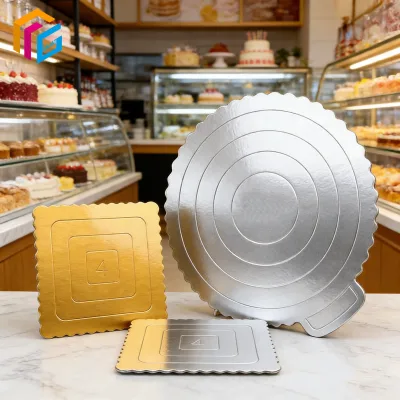
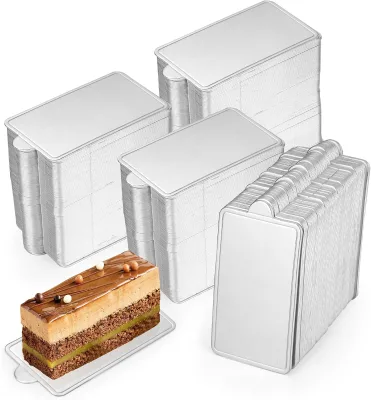
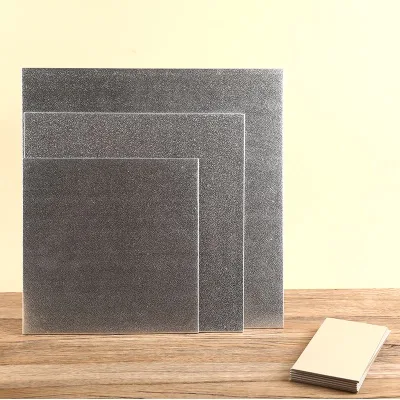
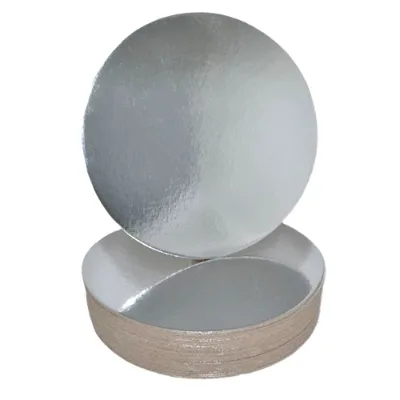
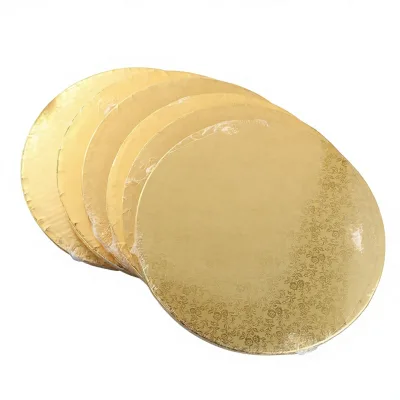
Premium Food Grade Silver and Gold Foil Cake Base for Bakery Displays
$0.274 - $0.4795
MOQ: 10000 Pieces

Weifang Meijia Package Co., Ltd.
- Verified by TUVRHEINLAND
- Manufacturer/Factory
- China Shandong
- Lead time23 days
- Avg. response≤ 8h
Main productsMetallized Paper, Metallized Film, Tipping Paper, Cigarette Materials, Cigarette Inner Frame Paper, Cigarette Pack, Laminated Paper, Alu Foil Paper, Lamianted Film
Main marketsEastern Europe,Mid East,Western Europe


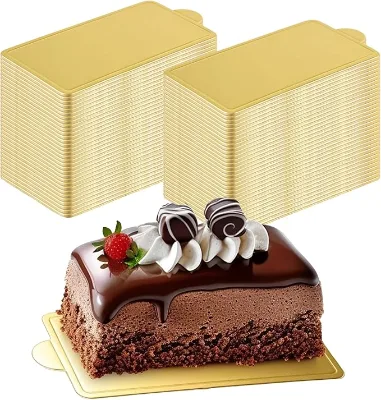
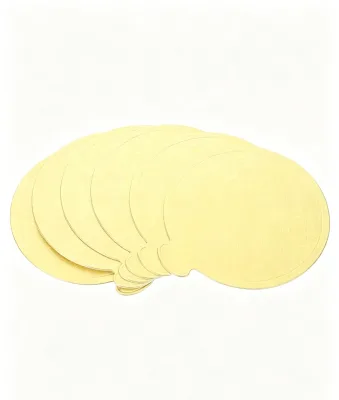
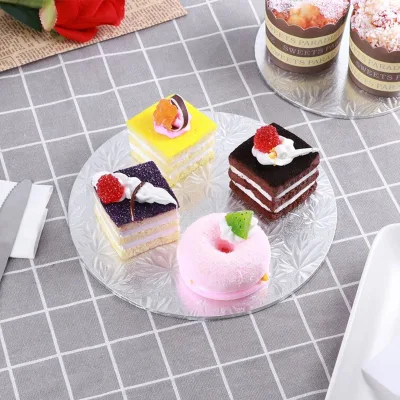
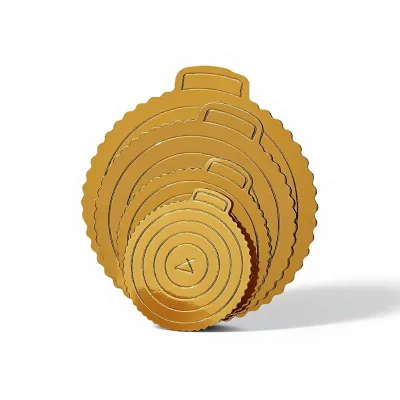
Disposable Mini Small Paper Yellow Mousse Dessert Cake Boards Base/Cake Tray
$0.20 - $0.50
MOQ: 100 Pieces

Guangzhou Galant Packaging Products Co., Ltd.
- Verified by SGS Group
- Manufacturer, Trading Company
- Lead time8 days
- Avg. response≤ 2h
Main productspaper box, packaging box, Paper Cups, custom shipping box, custom card
Main marketsNorth America(30%), Western Europe(20%), Oceania(11%)
Guangzhou Galant Package Printing Co., Ltd.
- Verified by SGS Group
- Trading Company
- Lead time7 days
- Avg. response≤ 2h
Main productsBook Planner/Playing Card/Paper Box/Paper Bag, Notebook
Main marketsNorth America(30%), Western Europe(20%), Oceania(11%)
Guangzhou Toajoy Packaging Limited
- Verified by SGS Group
- Trading Company
- Lead time10 days
- Avg. response≤ 4h
Main productsPaper Cupcake Liners and Wrappers, Muffin Cups, Cake Boards, Plastic Dessert Cups, Aluminum Foil Containers
Main marketsNorth America(21%), Domestic Market(18%), Western Europe(15%)
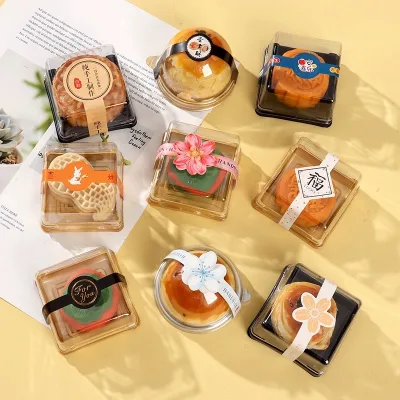
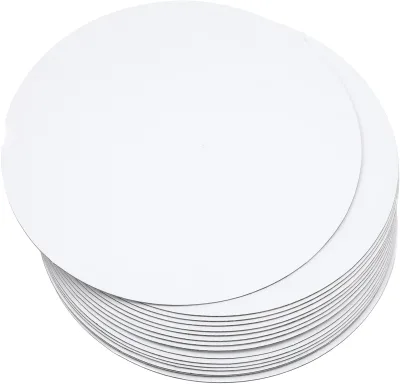
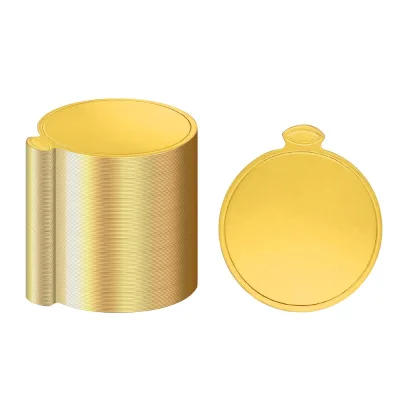
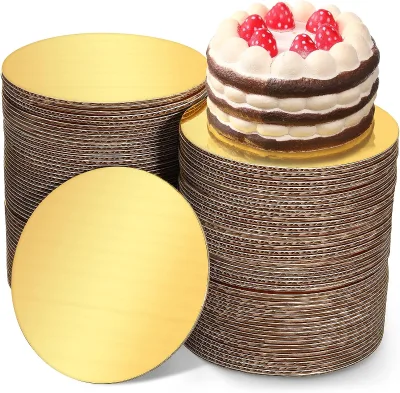
$0.01 - $0.03
MOQ: 5000 pieces
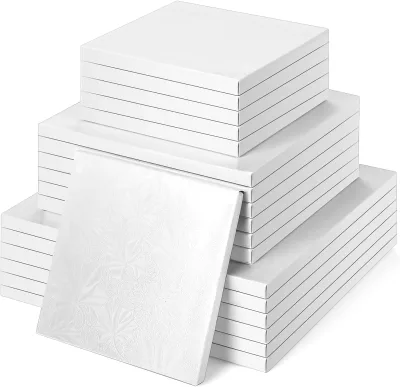

Guangdong Xuyi Hanhui Paper Industry Co., Ltd.
- Verified by CTI
- Manufacturer/Factory
- China Guangdong
- Lead time15 days
- Avg. response≤ 7h
Main productsSpecial Paper, Paper
Main marketsSouth America,Eastern Europe,Mid East,North America,Southeast Asia,Eastern Asia,Oceania,Western Europe,Africa

Qingzhou Bright Packaging Technology Co., Ltd
- Combined
- China Shandong
- Lead time30 days
- Avg. response≤ 7h
Main productsAluminium Foil Paper
Main marketsSouth America,Africa,Southeast Asia/ Mideast,East Asia(Japan/ South Korea),Domestic,Europe,Australia,North America


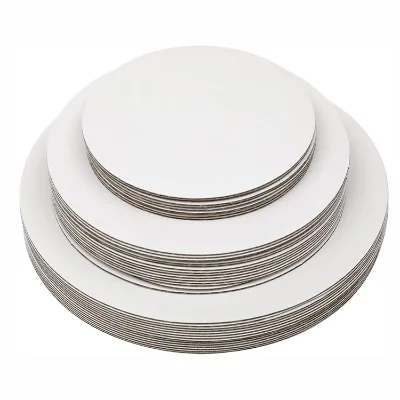
Hot Sales Color Various Shape Cake Base Different Thickness Cardboard Cake Board Base
$0.05
MOQ: 30000 Pieces

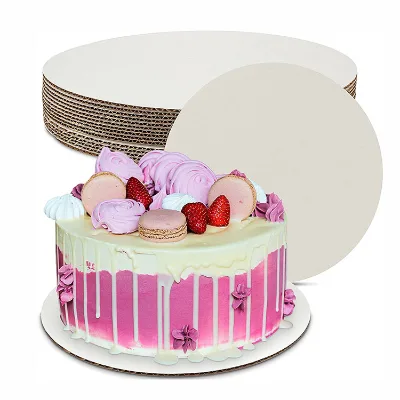
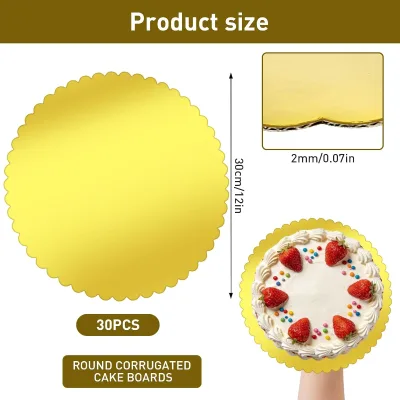
Various Color Shapes Cheap Thick Stable Corrugated Cake Boards for Cake Base
$0.01 - $0.90
MOQ: 20000 Pieces
Guangzhou Xinmei Plastic Co., Ltd.
- Verified by SGS Group
- Manufacturer, Trading Company
- Lead time30 days
- Avg. response≤ 10h
Main productsPlastic Cup, Cake Board, Baking Paper Cup, Kraft Paper Container, PET Jar
Main marketsSoutheast Asia(25%), Mid East(25%), North America(15%)
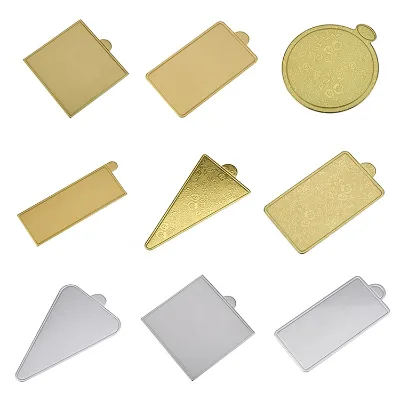
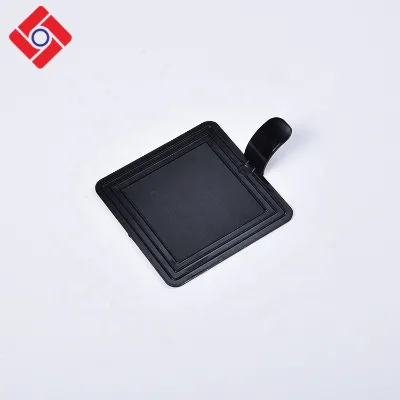

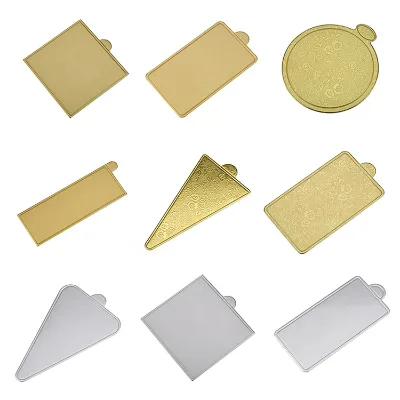
Food Grade Disposable Mousse Pastries Dessert Decoration Cake Tray Paper,Cake Boards
$58.00 - $60.00
MOQ: 20000
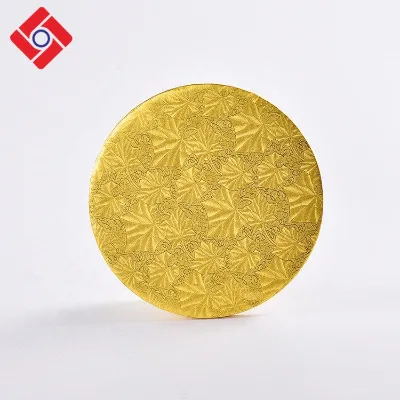

EVER GREATER IMP. & EXP. CO., LIMITED
- Verified by TUVRHEINLAND
- Trading Company
- China Zhejiang
- Lead time15 days
- Avg. response≤ 6h
Main productsDisposable Cup, Paper Cup, Pet Cup, PLA Cup, Sleeve, Coaster, Food Packag Box, Pizza Box, Cake Box, Paper Box
Main marketsSoutheast Asia/ Mideast,Europe,Australia,North America


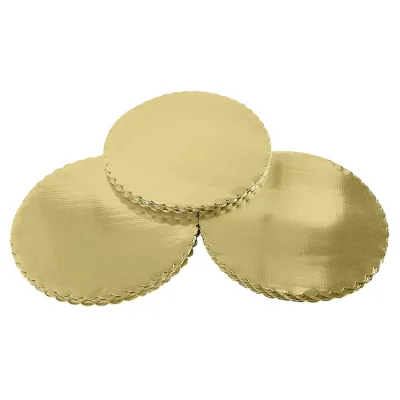
Hygienic Great Workability Customized Diameter Corrugated Cake Base Board Tray
$0.20 - $0.50
MOQ: 5000 Pieces
Wenzhou Gaofei Packing Co., Ltd.
- Verified by SGS Group
- Manufacturer, Trading Company
- Lead time10 days
- Avg. response≤ 3h
Main productsPaper Bag, Gift Box, Rollling label&sticker, Corrugated Box, Food Packing Box
Main marketsNorth America(45%), Western Europe(30%), Mid East(20%)
Guangzhou Cakepackaging Co., Ltd.
- Verified by Intertek
- Manufacturer, Trading Company
- Lead time10 days
- Avg. response≤ 2h
Main productsCoffee Filter Paper, PET Coated Paper Cup, Pantone Corrugated Paper Cup, Oiled Paper Cup, Cake Pad
Main marketsNorth America(70%), Western Europe(15%), Southeast Asia(15%)
Weifang Hongbo Package Co., Ltd
- Verified by Intertek
- Manufacturer, Trading Company
- Lead time20 days
- Avg. response≤ 10h
Main productsPaper Board, Paper Box, Baking Paper
Main marketsNorth America(35%), Western Europe(25%), Oceania(17%)

Shandong Hongbo Packaging Technology Co., Ltd
- Verified by SGS
- Combined
- China Shandong
- Lead time30 days
- Avg. response≤ 5h
Main productsPaper Plate Machine, Baking Paper, Cake Board, Cake Box, Air Fryer Liner, Parchment Paper, Chocolate Box, Paper Plate
Main marketsDomestic

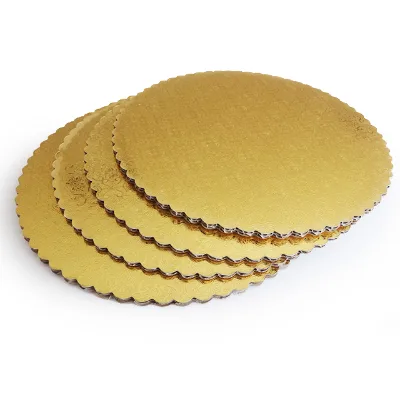
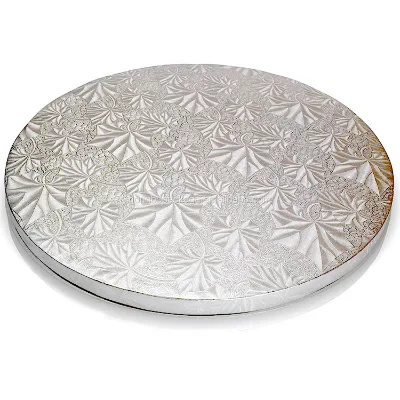
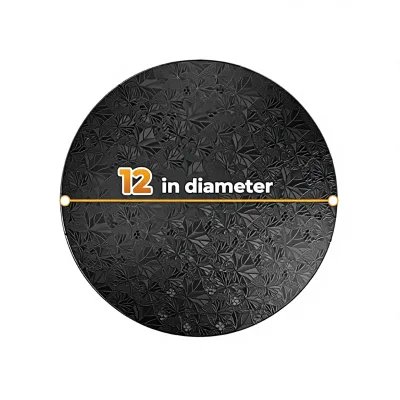
3mm Custom Cake Board Disposable Cardboard Dessert Tray Cake Base for Wedding Birthday Party
$0.10 - $0.12
MOQ: 10000 Pieces

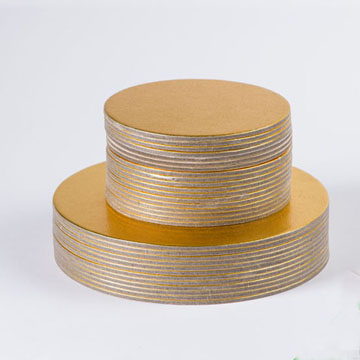
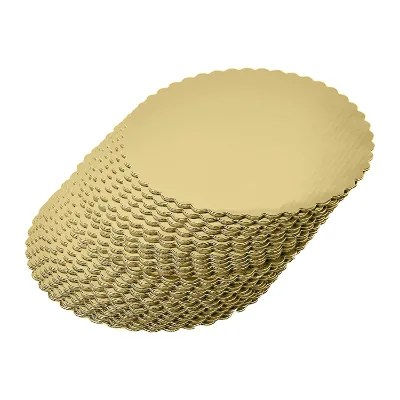
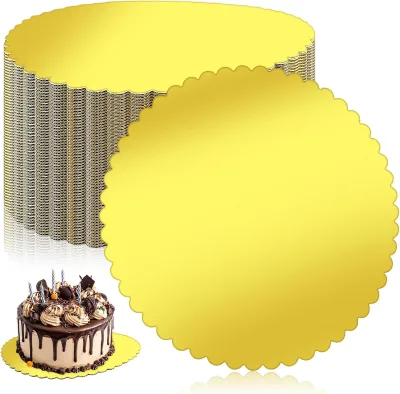
Mini Round Golden Cake Boards Mousse Cupcake Base Paper Plates Circle Dessert Board
$0.01 - $0.10
MOQ: 5000 Pieces


GUANGZHOU RICHER IMPORT AND EXPORT TRADE CO.,LTD.
- Verified by SGS
- Trading Company,Manufacturer/Factory
- China Guangdong
- Lead time45 days
- Avg. response≤ 6h
Main productsWhite Cigarette Rolling Paper, Machine Glazed Paper, Typewriter Paper, Mf Bleached Acid Free Tissue Paper, Food Packing Paper, Kraft Paper, Carbonless Base Paper
Main marketsSouth America,Eastern Europe,Mid East,North America,Southeast Asia,Eastern Asia,Oceania,Western Europe,Africa
Weifang Kaita Packaging Printing Co., Ltd.
- Manufacturer, Trading Company
- Shandong, China
- Lead time30 days
- Avg. response≤ 6h
Main productsCake Boxes,Pastry Boxes,Shipping Boxes,Mailer Boxes,Gift Boxes
Main marketsNorth America(25.00%), Western Europe(15.00%), Mid East(15.00%), Southeast Asia(15.00%), Northern Europe(15.00%), Domestic Market(10.00%), South America(5.00%)
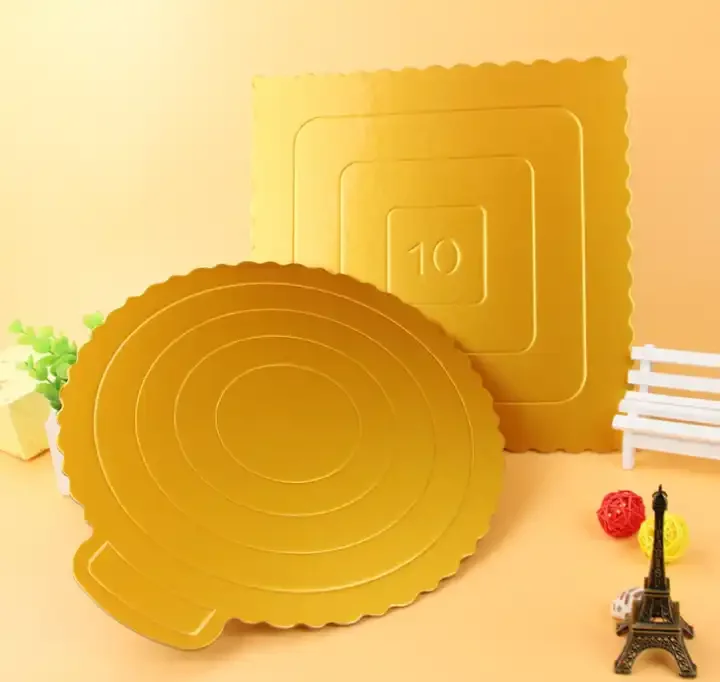
Yiwu Riyuan Goods Trading Co.,Ltd.
- Trading Company
- Zhejiang, China
- Lead time15 days
- Avg. response≤ 6h
Main productsCake Decorating Supplies,cake board,Cake topper,Cake Tools,Baking & Pastry Tools
Main marketsNorth America(20.00%), Southeast Asia(19.00%), South America(16.00%), Western Europe(12.00%), Northern Europe(5.00%), Southern Europe(5.00%), Oceania(5.00%), Eastern Europe(5.00%), Eastern Asia(3.00%), South Asia(3.00%), Africa(3.00%), Central America(2.00%), Mid East(2.00%)
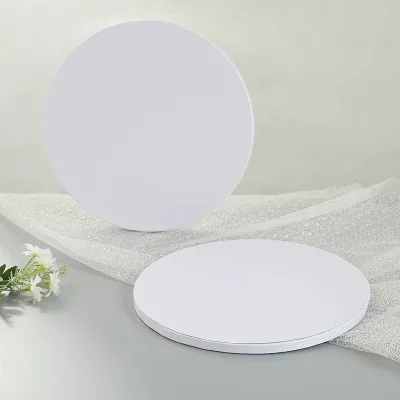
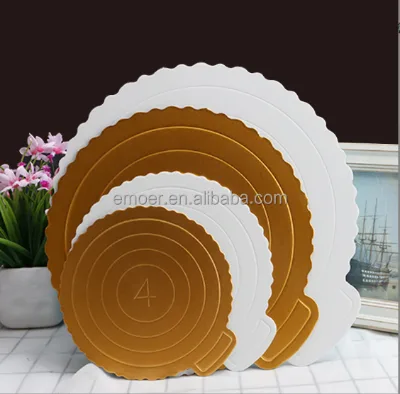
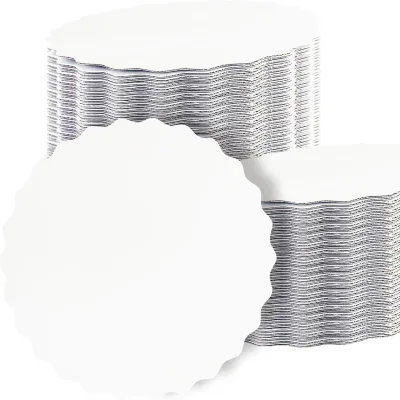

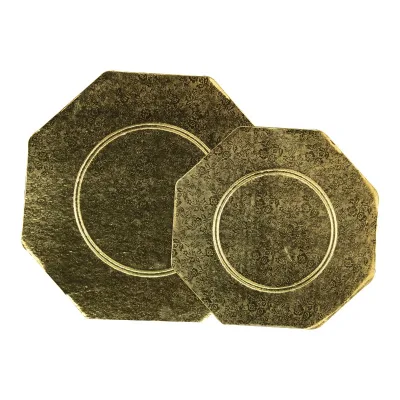
Disposable Hexagon Golden Silver Cake Paper Boards
$0.05 - $0.06
- Manufacturer, Trading Company
- Zhejiang, China
- Lead time15 days
- Avg. response≤ 5h
Main productspaper box,cake board,paper bag,pizza box,cake box
Main marketsMid East(10.00%), Oceania(10.00%), Northern Europe(10.00%), Central America(10.00%), Eastern Europe(10.00%), South America(10.00%), North America(10.00%), Southern Europe(5.00%), Southeast Asia(5.00%), Domestic Market(5.00%), South Asia(5.00%), Eastern Asia(5.00%), Western Europe(3.00%), Africa(2.00%)
$0.09 - $0.25
MOQ: 3000 Minimum
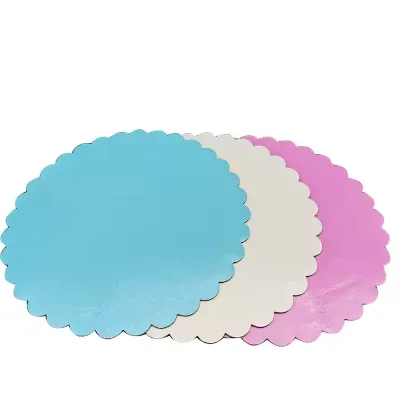
$0.03 - $0.30
MOQ: 3000 Minimum
Anhui Nature Imp. & Exp. Co., Ltd.
- Verified by TüVRheinland
- Trading Company
- Lead time20 days
- Avg. response≤ 2h
Main productsSugarcane Box And Plate, Paper Cup And Bowl, Paper Bag, Cornstarch Box And Plate, Cornstarch Cutlery And CPLA Cutlery
Main marketsNorth America(30%), Southeast Asia(20%), Mid East(20%)
Dongguan Xin Jia Hui Printing Co., Ltd.
- Verified by TüVRheinland
- Manufacturer, Trading Company
- Lead time20 days
- Avg. response≤ 4h
Main productsCake Board, Cake Drum, Cupcake Box, Cake Box, Cake Decoration
Main marketsNorth America(20%), Southeast Asia(10%), Eastern Asia(10%)

Qingdao Shengxintian New Materials Co., Ltd.
- Verified by CTI
- Combined
- China Shandong
- Lead time15 days
- Avg. response≤ 12h
Main productsAluminum Foil Cardboard, Flame Retardant Paper, Paper Corner Protectors, Paper Pallets, Honeycomb Paperboards, Paper Slip Sheets, Honeycomb Meshpaper
Main marketsDomestic,Europe
Jinhua Kuoyong Packaging Co., Ltd.
- Manufacturer
- Zhejiang, China
- Lead time0 days
- Avg. response≤ 4h
Main productsCake box,Cake tray
Main marketsNorth America(50.00%), Western Europe(30.00%), Mid East(10.00%)
Qingzhou Hongtu Packing Material Co., Ltd.
- Verified by SGS Group
- Manufacturer, Trading Company
- Lead time10 days
- Avg. response≤ 3h
Main productsPaper Lid, Paper Box, Aluminum Foil Paper, Gold and Silver Card Board, Cake Board
Main marketsDomestic Market(75%), North America(8%), Mid East(6%)








Comprehensive Sourcing Guide
Food Grade Disposable Cake Bases Supplier Concentration and Factory Types
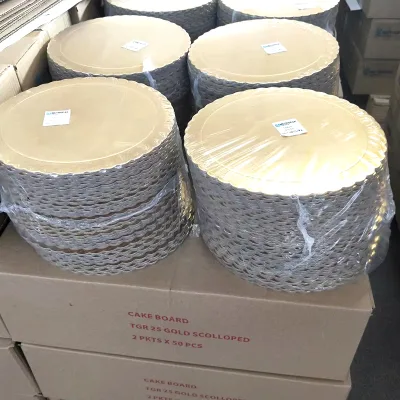
The landscape for sourcing Food Grade Disposable Cake Bases is defined by a mix of specialized manufacturers and versatile trading companies, each offering distinct advantages for different procurement scales. Evidence indicates that suppliers are concentrated in specific industrial hubs, with Shandong, China, emerging as a notable location for factories producing kraft paper and cardboard bases. These facilities often highlight their capability to produce custom sizes and logos, catering to the bespoke needs of bakeries and event planners. The presence of trading companies in the results suggests a layer of aggregation, where buyers can access a broader range of designs, such as gold foil or scalloped edges, without necessarily dealing directly with the production line. This duality allows for flexibility, as trading companies may offer faster response times and consolidated shipping, while direct manufacturers might provide deeper customization options for material thickness and structural integrity.
Understanding the factory type is crucial for aligning expectations with operational reality. Manufacturer-owned entities often emphasize their direct control over the production process, citing advantages like 100% manufacturer status and the ability to handle complex custom orders for industrial food use. These suppliers typically possess the infrastructure to manage large volume orders, with lead times that reflect the actual production cycle rather than intermediary logistics. In contrast, trading companies may streamline the purchasing experience by offering a wider variety of main products, including packaging boxes and paper cups, which can simplify supply chain management for businesses seeking multiple packaging solutions from a single source. Buyers must discern whether the supplier’s primary value lies in manufacturing precision or in logistical convenience, as this distinction impacts everything from quality control to communication efficiency during the sourcing process.
How to Verify Food Grade Disposable Cake Bases Suppliers
Verification of suppliers requires a rigorous examination of their credentials and operational transparency, particularly when dealing with food-contact materials. Buyers should prioritize suppliers who hold recognized third-party verifications, such as TÜV Rheinland or SGS Group certifications, which provide an external audit of their manufacturing standards and quality control processes. These certifications are critical for ensuring that the paper bases meet international safety requirements for food grade applications, reducing the risk of contamination or material failure. Additionally, checking for system certifications like FSC and RoHS can further validate a supplier’s commitment to environmental standards and chemical safety, which are increasingly important for brands aiming to appeal to eco-conscious consumers. The presence of these verifications serves as a strong indicator of a supplier’s reliability and their ability to maintain consistent quality across large production runs.
Beyond certifications, buyers must assess the supplier’s responsiveness and historical performance to gauge their operational health. Response time is a key metric, with some suppliers demonstrating rapid communication capabilities, such as responding within a fraction of a day, which is essential for resolving urgent queries or custom design issues. Conversely, slower response times may indicate a less agile operation, potentially leading to delays in sample approval or order processing. Buyers should also look for evidence of established business practices, such as clear production standards and detailed product specifications, which reflect a mature organizational structure. By cross-referencing verification badges with real-time communication metrics, buyers can build a more accurate profile of each supplier’s capability to deliver on time and meet the stringent requirements of the food packaging industry.
What to Compare Across Food Grade Disposable Cake Bases Suppliers
When evaluating multiple suppliers, buyers must compare a range of operational metrics to determine the best fit for their specific needs. Key dimensions include lead time, minimum order quantity (MOQ), and pricing structures, which vary significantly across the supplier base. For instance, some suppliers offer lead times as short as seven to fifteen working days, depending on order quantity, while others may have longer production cycles. MOQs also differ, with some suppliers requiring as few as one hundred units, making them suitable for small bakeries or trial orders, while others set thresholds at ten thousand units, catering to large-scale distributors. Understanding these variations helps buyers align their inventory strategies with supplier capabilities, ensuring they do not overcommit to volumes they cannot absorb or miss out on cost efficiencies available at higher tiers.
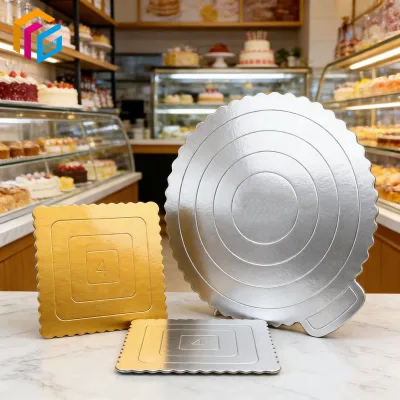
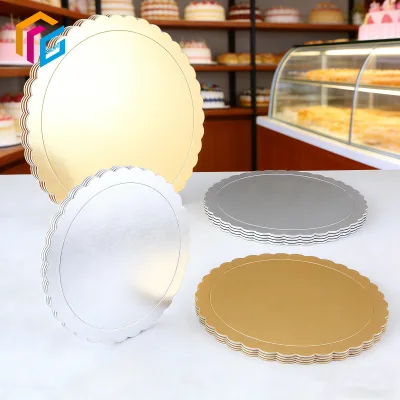
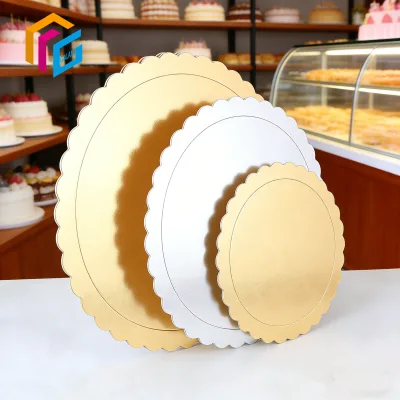
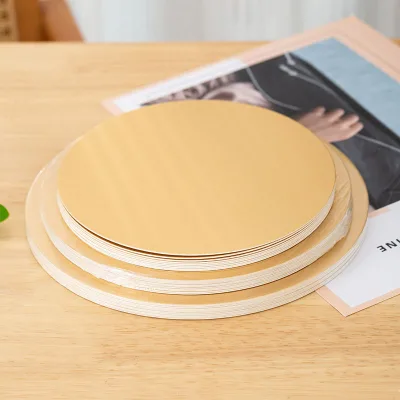
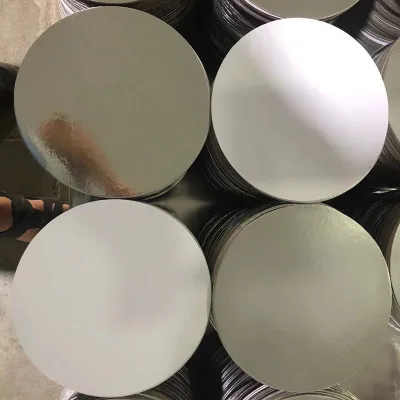
In addition to logistical metrics, buyers should compare product attributes and customization options to ensure the final output meets their brand requirements. Factors such as material type, thickness, and printing capabilities are critical differentiators. Some suppliers specialize in kraft paper with biodegradable features, appealing to sustainable branding initiatives, while others offer metallic finishes like gold or silver foil for premium presentation. Customization options, including logo printing and custom sizes, should be clearly defined, as these elements directly impact the product’s marketability. By systematically comparing these attributes alongside cost and delivery terms, buyers can create a weighted scoring model that objectively ranks suppliers based on their ability to deliver the specific combination of quality, speed, and value required for their business operations.
Common Food Grade Disposable Cake Bases Sourcing Risks
Sourcing Food Grade Disposable Cake Bases involves several inherent risks that buyers must actively manage to protect their supply chain. One significant risk is the variability in material quality, particularly regarding food safety compliance. If a supplier fails to maintain strict adherence to food grade standards, the resulting products could pose health risks or fail regulatory inspections in the buyer’s target market. This risk is exacerbated when dealing with suppliers who lack transparent verification processes or clear documentation of their material sourcing. Buyers must be vigilant in requesting proof of compliance, such as test reports or certification copies, to mitigate the potential for costly recalls or reputational damage. Ensuring that the paper bases are indeed food grade and free from harmful chemicals is a non-negotiable aspect of the sourcing process.
Another common risk is the discrepancy between quoted lead times and actual delivery dates, which can disrupt inventory planning and customer satisfaction. Suppliers may underestimate production complexities or face raw material shortages, leading to delays that cascade through the supply chain. This risk is particularly acute for buyers relying on just-in-time inventory models or those with fixed event dates. Additionally, communication gaps can lead to misunderstandings regarding custom specifications, resulting in products that do not meet the buyer’s expectations. To mitigate these risks, buyers should establish clear communication protocols, request regular production updates, and consider using escrow services or phased payment terms to ensure accountability. Proactive risk management involves not just selecting the right supplier but also maintaining an active oversight role throughout the order fulfillment process.
Food Grade Disposable Cake Bases Regional Sourcing and Logistics
Regional sourcing decisions significantly impact logistics costs, lead times, and overall supply chain resilience. Evidence points to China, particularly Shandong, as a major production hub for paper-based cake bases, offering competitive pricing and extensive manufacturing capacity. Sourcing from this region can provide access to a wide variety of suppliers, from small workshops to large factories, allowing buyers to find partners that match their volume and customization needs. However, international shipping from China introduces variables such as freight costs, customs clearance times, and potential geopolitical disruptions. Buyers must factor these logistical elements into their total cost of ownership, balancing the lower unit price against the higher shipping and handling expenses. Understanding the regional strengths of different manufacturing hubs helps buyers make informed decisions about where to source based on their geographic location and market demands.
For buyers located outside of major manufacturing regions, the choice of supplier location also affects communication and time zone alignment. Suppliers in China may operate on different working hours, which can delay responses to urgent queries or design changes. Buyers should assess whether the supplier’s location offers a strategic advantage in terms of proximity to their own distribution centers or if the cost savings outweigh the logistical complexities. Additionally, regional trade agreements or tariffs may influence the final landed cost, making it essential to stay informed about international trade policies. By carefully evaluating the regional implications of sourcing, buyers can optimize their supply chain for both efficiency and cost-effectiveness, ensuring that their cake bases arrive on time and within budget.
Food Grade Disposable Cake Bases Commercial Terms and Order Planning
Commercial terms and order planning are critical components of a successful sourcing strategy, requiring careful negotiation and foresight. Buyers should pay close attention to payment terms, such as the availability of escrow services, which provide a layer of financial security by holding funds until the goods are received and verified. This is particularly important for new supplier relationships or large orders where the risk of non-delivery or quality issues is higher. Additionally, understanding the supplier’s return and refund policies is essential for managing potential disputes. Clear commercial terms help establish a professional relationship and reduce the likelihood of misunderstandings regarding responsibilities and liabilities. Buyers should strive to negotiate terms that protect their interests while remaining fair to the supplier, fostering a collaborative partnership.
Order planning involves aligning purchase volumes with production cycles and inventory requirements. Buyers must consider the supplier’s MOQ and lead time when forecasting demand, ensuring they have sufficient stock to meet customer needs without overstocking. For custom orders, buyers should allow extra time for design approval and sample production, which can add several days to the overall timeline. It is also advisable to plan for seasonal fluctuations in demand, particularly for events like weddings or holidays, which may drive up demand for decorative cake bases. By developing a robust order planning process that accounts for these variables, buyers can maintain a steady supply of high-quality cake bases, supporting their business growth and customer satisfaction. Effective commercial planning is the foundation of a resilient and responsive supply chain.
FAQs
What is the price range for Food Grade Disposable Cake Bases?
Prices typically range from $0.02 to $0.58 per unit depending on size, thickness, and customization. Basic cardboard options start near the lower end, while premium gold or silver foil boards cost more. Bulk orders often reduce the per-unit cost significantly for large-scale bakery operations.
What are the common MOQs for these cake base products?
Minimum order quantities vary widely, starting from 100 units for some suppliers up to 10,000 units for others. Lower MOQs are available for standard sizes, while higher volumes are required for custom printing or specific thicknesses. Buyers should check individual listings to confirm the exact threshold.
How long does production take for custom cake boards?
Sample production usually takes 3-5 working days, while bulk lead times range from 7-15 working days depending on quantity. Some suppliers report average lead times around 8-23 days. Buyers should confirm specific timelines with the supplier before placing large orders to ensure timely delivery.
What materials are used for food grade cake bases?
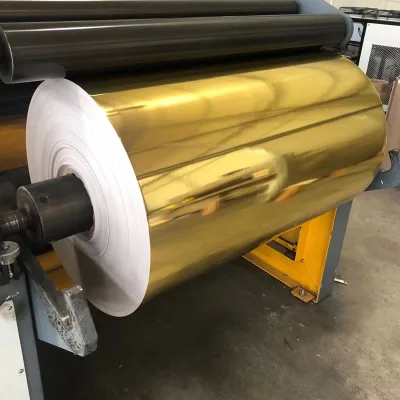
Most bases are made from food grade paper, kraft paper, or corrugated cardboard. Some premium options include metallized paper or foil laminates for aesthetic appeal. All materials are designed to be recyclable, biodegradable, or made from recycled materials, ensuring safety for direct food contact in bakeries.
Are these cake bases customizable for branding?
Yes, many suppliers offer customization for size, logo, and printing. Options include offset printing for custom logos or patterns. Buyers can choose from various shapes like round, square, or heart, and colors such as gold, silver, or black. Custom orders are generally accepted by most manufacturers.
Where are these cake bases typically manufactured?
Manufacturing locations primarily include China, specifically regions like Shandong and Guangdong. Suppliers in these areas offer a wide range of paper packaging solutions. Buyers can verify specific origins on product listings to ensure alignment with their sourcing preferences and logistics requirements for international shipping.