Recycled Paperboard PVC Packaging Box Suppliers and Manufacturers
Compare 25 verified suppliers offering recycled paperboard and PVC packaging boxes with varying lead times, MOQs, and certifications. Review response times and customization options to select the right factory for your needs; review the available evidence before requesting comparable quotations from suitable candidates.
Updated
Suppliers List

Shanghai Hongyun Packaging Co., Ltd.
- Verified by TUVRHEINLAND
- Trading Company,Manufacturer/Factory
- China Shanghai
- Lead time15 days
- Avg. response≤ 3h
Main productsPaper Box, Gift Box, Packaging Box, Cartons, Paper Bags, Stickers, Hang Tags, Labels, Food Bags, Shopping Bags
Main marketsSouth America,Eastern Europe,Mid East,North America,Southeast Asia,Eastern Asia,Oceania,Western Europe,Africa

Guangzhou Blf Packing Co., Ltd.
- Verified by TUVRHEINLAND
- Combined
- China Guangdong
- Lead time15 days
- Avg. response≤ 7h
Main productsPaper Bag, Paper Box, Gift Box, Non Woven Bag, Book, Tag, Sticker, Air Freshener, Cards, Jewelry Box
Main marketsOthers(foreignTradeCapacity.exportBusinessCapacityMarketOther),Europe,North America

Shanghai Forests Packaging Group Co., Ltd.
- Verified by CTI
- Combined
- China Shanghai
- Lead time15 days
- Avg. response≤ 10h
Main productsPaper Gift Box, Carton Cardboard Box, Gift Box, Paper Box, Carton Box, Cardboard Box, Corrugated Box, Packaging Box, Paper Packaging, Paper Carton
Main marketsDomestic,Europe,North America
Guangzhou Boxwork Packaging Technology Co., Ltd.
- Manufacturer, Trading Company
- Guangdong, China
- Lead time13 days
- Avg. response≤ 13h
Main productsMailer Box,Rigid Box,Drawer Box,Lid And Base Box,Paper Bags And Cards
Main marketsNorth America(25.00%), Southern Europe(15.00%), Domestic Market(5.00%), South Asia(5.00%), South America(5.00%), Northern Europe(5.00%), Central America(5.00%), Western Europe(5.00%), Eastern Asia(5.00%), Mid East(5.00%), Oceania(5.00%), Africa(5.00%), Southeast Asia(5.00%), Eastern Europe(5.00%)

Shanghai Woods Packaging Co., Ltd.
- Verified by CTI
- Combined
- China Shanghai
- Lead time15 days
- Avg. response≤ 10h
Main productsGift Box, Paper Box, Carton Box, Pizza Box, Paper Gift Box, Carton Cardboard Box
Main marketsAustralia,North America
Luohe Yueyang Packaging Products Co., Ltd.
- Trading Company
- Henan, China
- Lead time15 days
- Avg. response≤ 2h
Main productsPaper Packaging,Plastic Packaging,Metal Packaging,Pens,Notebooks
Main marketsNorth America(27.00%), Oceania(12.00%), Mid East(10.00%), Northern Europe(8.00%), Southern Europe(7.00%), Western Europe(6.00%), Southeast Asia(5.00%), Central America(5.00%), South Asia(5.00%), Eastern Asia(5.00%), Eastern Europe(5.00%), Africa(3.00%), South America(2.00%)

Shanghai Coffe Packing Group Co., Ltd.
- Verified by CTI
- Combined
- China Shanghai
- Lead time15 days
- Avg. response≤ 7h
Main productsPaper Gift Box, Carton Cardboard Box, Gift Box, Paper Box, Carton Box, Cardboard Box, Corrugated Box, Packaging Box, Paper Packaging, Paper Carton
Main marketsDomestic,Europe,Australia,North America


Custom Printed Recycled Cardboard Paper Packaging Boxes with Custom Printing
$0.15 - $0.91
MOQ: 500 Pieces


Chung Lam Blister Company Limited
- Verified by SGS
- Combined
- China Guangdong
- Lead time30 days
- Avg. response≤ 7h
Main productsBlister Packaging, Blister Folding Boxes, Packing Box, Plastic Packing, Blister Tray, Plastic Cylinder, Plastic Shoebox, Electronic Thermoforming Packaging Products, Food Blister Packaging
Main marketsDomestic

Shanghai Unison Packaging Co., Ltd.
- Verified by CTI
- Combined
- China Shanghai
- Lead time15 days
- Avg. response≤ 8h
Main productsPaper Box, Corrugated Box, Paper Bag, Shipping Box, Food Box, Gift Box, Paper Tube, Fruit Packaging Box, Wine Box, Carton Box
Main marketsEast Asia(Japan/ South Korea),Europe,North America
Dongguan Chongrui Packaging Product Co., Ltd.
- Verified by TüVRheinland
- Manufacturer, Trading Company
- Lead time15 days
- Avg. response≤ 1h
Main productsPaper Box, Gift Box, Jewelry Box
Main marketsDomestic Market(35%), North America(20%), South America(10%)
Shenzhen Hongte Printing & Packaging Co., Ltd.
- Verified by SGS Group
- Trading Company
- Lead time7 days
- Avg. response≤ 2h
Main productsGift Box, Corrugated Box, Manual, Printing Product
Main marketsNorth America(58%), Eastern Europe(17%), Western Europe(17%)
Jinjiang Huilong Carton Co., Ltd.
- Manufacturer
- Fujian, China
- Lead time15 days
- Avg. response≤ 5h
Main productsCorrugated Carton,Waxed Carton,lid and base box,color printing box,Gift box
Main marketsDomestic Market(61.00%), North America(26.00%), Oceania(13.00%)

Huizhou Green Foil Insulation Co., Ltd.
- Verified by BV
- Combined
- China Guangdong
- Lead time15 days
- Avg. response≤ 2h
Main productsCooler Bag, Gift Bag, Gift Box, Insulated Bag, Color Printed Box, Jewelry Box, Paper Bag, Paper Box, Packaging Box, Insulated Mailer
Main marketsEast Asia(Japan/ South Korea),Europe,North America
Guangzhou Shanghua Color Printing Co., Ltd.
- Manufacturer, Trading Company
- Guangdong, China
- Lead time7 days
- Avg. response≤ 6h
Main productsPaper Printing Products,Paper Package Box,Notebooks,Calendar,Children Books
Main marketsDomestic Market(80.00%), North America(15.00%), Southeast Asia(5.00%)
Shenzhen Betterlife Technology Co., Ltd.
- Verified by Intertek
- Trading Company
- Lead time5 days
- Avg. response≤ 4h
Main productsPackaging, Accessories, Plastic Tube, Mylar Bag
Main marketsWestern Europe(45%), North America(15%), Eastern Europe(10%)

Guangzhou Zhongtian Paper Product Co., Ltd.
- Verified by TUVRHEINLAND
- Trading Company,Manufacturer/Factory,Group Corporation
- China Guangdong
- Lead time38 days
- Avg. response≤ 4h
Main productsBible, Book, Children Book, Paper Box, Jigsaw Puzzle, Notebook Printing, Board Game, Calendar, Paper Bags, Seed Paper Cards
Main marketsSouth America,Eastern Europe,Mid East,North America,Southeast Asia,Oceania,Western Europe,Africa
Shanghai Coffe Packing Group Co., Ltd.
- Manufacturer, Trading Company
- Lead time旺季: "1 - 500":12,"501 - 1000":15,"1001 - 5000":15,"> 5000":"To be negotiated", 淡季: "1 - 500":12,"501 - 1000":15,"1001 - 5000":15,"> 5000":"To be negotiated"
- Avg. response≤ 4h
Main productsPaper Bag, Paper Box, Paper Carton, Gift Box, Paper Tube
Dongguan Kuaijie Carton Co., Ltd.
- Verified by TüVRheinland
- Manufacturer, Trading Company
- Lead time30 days
- Avg. response≤ 1h
Main productsKraft Paper Box, Zipper Box, Gift Box, Food Box
Main marketsDomestic Market(40%), North America(20%), Northern Europe(8%)
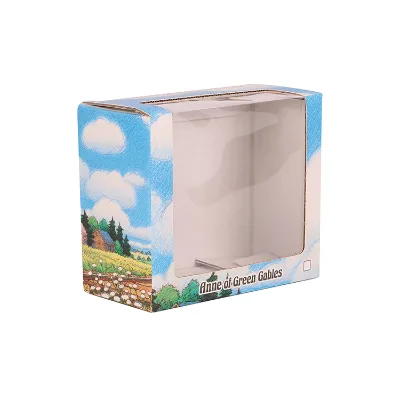
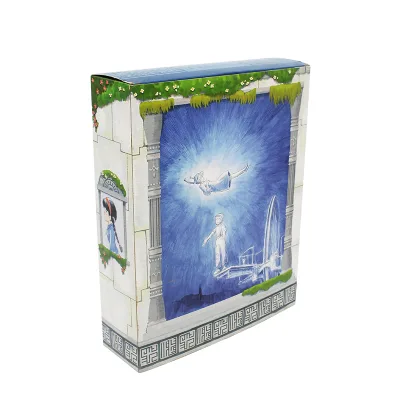
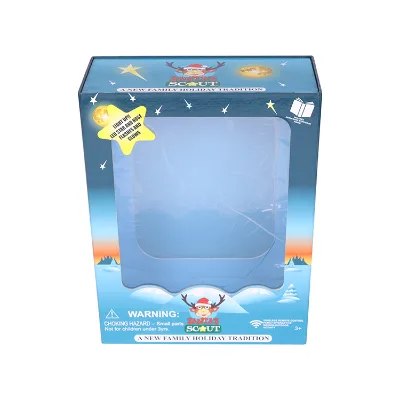
$0.2082 - $0.2607
MOQ: 500 pieces

Shenzhen Tianyi Shengtang Printing Co., Ltd.
- Verified by TUVRHEINLAND
- Combined
- China Guangdong
- Lead time15 days
- Avg. response≤ 3h
Main productsGift Box, Paper Box, Paper Tube, Paper Bag, Magnetic Box, Mailer Box, Gift Bags, Packaging Paper Bags, Packaging Paper Box, Shipping Box
Main marketsSoutheast Asia/ Mideast,East Asia(Japan/ South Korea),Europe,Australia,North America
Guangzhou Baotu Paper Packaging Products Co., Ltd
- Manufacturer, Trading Company
- Guangdong, China
- Lead time0 days
- Avg. response≤ 2h
Main productsMagnetic Box, Shipping Box, Folding Box, Corrugated Box, Shopping Bag
Main marketsEastern Asia(15.00%), North America(15.00%), Western Europe(15.00%), Central America(15.00%), South Asia(10.00%), Mid East(10.00%), Southeast Asia(5.00%), South America(3.00%), Domestic Market(3.00%), Oceania(2.00%), Northern Europe(2.00%), Africa(2.00%), Eastern Europe(2.00%), Southern Europe(1.00%)
Guangzhou Blue Sky Packaging And Printing Products Co., Ltd.
- Trading Company
- Lead time旺季: "1 - 10000":7,"> 10000":"To be negotiated", 淡季: "1 - 10000":7,"> 10000":"To be negotiated"
- Avg. response≤ 3h
Main productsCake Box, Pizza Box, Paper Bag, Envelope, Paper Box
Dongguan Daolin Packaging Products Co., Ltd.
- Verified by Intertek
- Manufacturer, Trading Company
- Lead time3 days
- Avg. response≤ 2h
Main productsPackaging Paper Box, Gift Box, Mailer Box, Folding Box, Card Box
Main marketsSouth America(40%), Western Europe(25%), Domestic Market(15%)
Shanghai Cailyn Industrial Co., Ltd.
- Verified by TüVRheinland
- Manufacturer, Trading Company
- Shanghai, China
- Lead time12 days
- Avg. response≤ 3h
Main productsCoffee Packaging, Food Packaging, Gift Packaging, Supplement Packaging, Coffee Filter
Main marketsNorth America(40%), Mid East(20%), Western Europe(20%)

Xiamen Yixin Printing Co., Ltd.
- Verified by SGS
- Combined
- China Fujian
- Lead time15 days
- Avg. response≤ 4h
Main productsPackaging Boxes Packaging Bags
Main marketsEurope
Jiangxi Dede Printing And Packaging Co., Ltd.
- Verified by SGS Group
- Manufacturer, Trading Company
- Lead time0 days
- Avg. response≤ 1h
Main productsGift Bag , Gift Box, Mailer Box, Party Products , Food Package


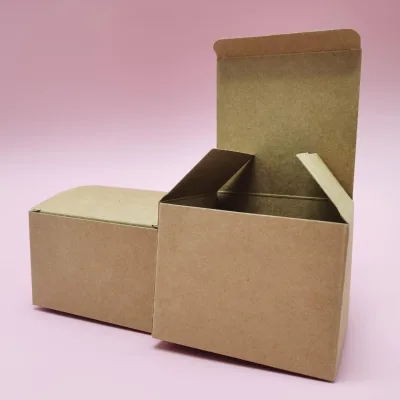

















Comprehensive Sourcing Guide
Recycled Paperboard PVC Packaging Box Supplier Concentration and Factory Types
The current supplier landscape for recycled paperboard and PVC packaging solutions reveals a distinct geographic concentration in China, with specific hubs identified in Shanghai and Guangdong. Suppliers located in Shanghai often operate as either trading companies or manufacturer/factory entities, offering a blend of direct production capabilities and supply chain management services. This dual nature allows buyers to access a wider range of main products, including paper boxes, gift boxes, packaging boxes, cartons, paper bags, stickers, hang tags, labels, food bags, and shopping bags. The presence of both trading companies and factories in this region suggests a mature ecosystem where sourcing flexibility is high, enabling buyers to negotiate directly with production units or leverage the logistical advantages of trading partners. In contrast, suppliers based in Guangdong present a different operational profile, often categorized as combined entities that integrate various manufacturing and service functions. These Guangdong-based suppliers typically focus on a diverse array of items such as paper bags, paper boxes, gift boxes, non-woven bags, books, tags, stickers, air fresheners, cards, and jewelry boxes. The distinction between Shanghai’s specialized paper and rigid box focus and Guangdong’s broader packaging portfolio highlights the importance of aligning your specific product requirements with the supplier’s primary manufacturing strengths. Understanding these regional specializations helps in narrowing down the search to entities that possess the relevant machinery and expertise for your specific packaging needs, whether that involves rigid magnetic closure boxes or flexible PVC packaging solutions.
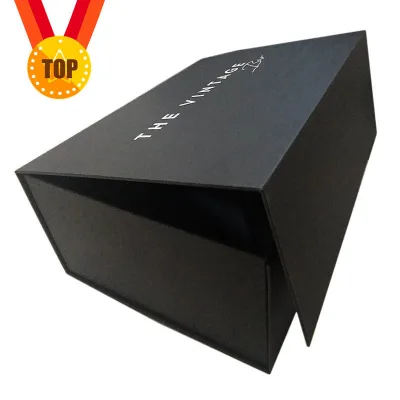
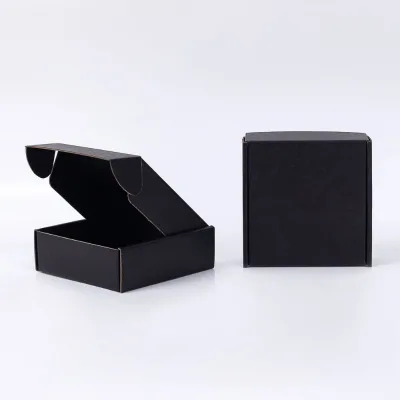
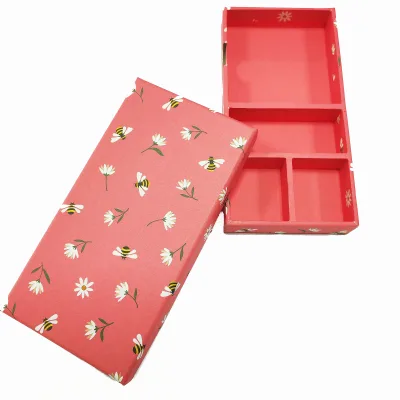
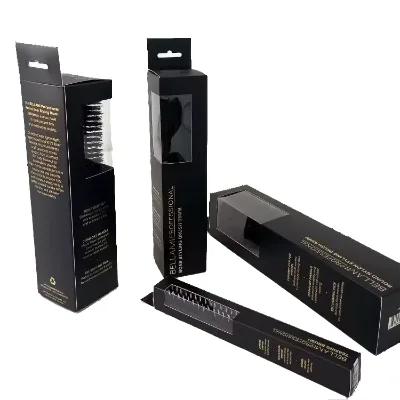
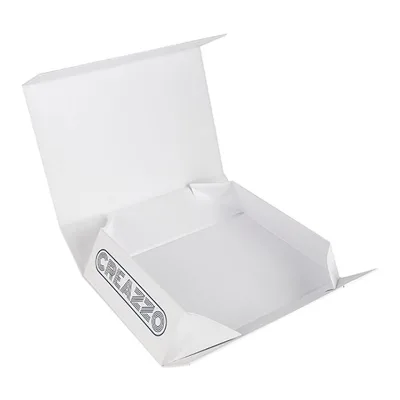
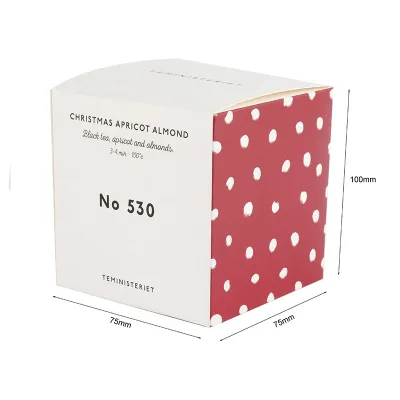
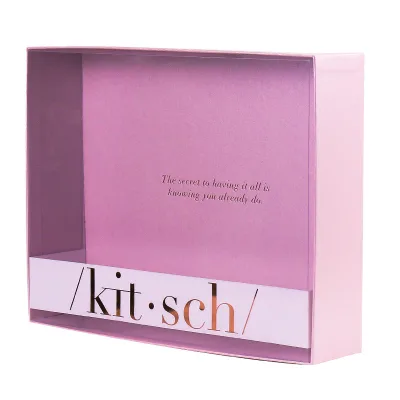
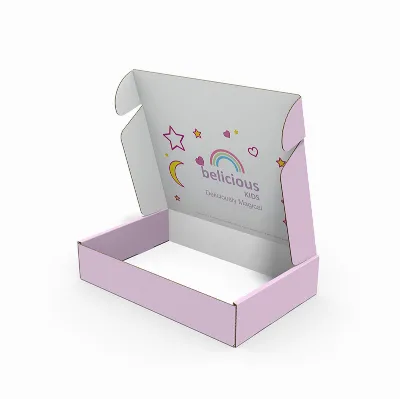
Factory types significantly influence the customization capabilities and product range available to buyers seeking recycled paperboard and PVC packaging. Suppliers in Shanghai frequently highlight their ability to handle OEM and ODM projects, indicating a robust capacity for custom design and manufacturing. This is evident in their product offerings, which include recycled printed paperboard custom belt packaging boxes and recycled folding chipboard gift paper boxes with custom logo printing. These suppliers often emphasize features such as coated paper, cardboard materials, and various surface handling techniques like hot stamping and offset printing. The availability of customization options, including size, shape, and logo printing, suggests that these factories are equipped to handle complex design specifications. On the other hand, Guangdong-based suppliers also offer OEM and ODM services, but their product evidence points towards a strong focus on PVC packaging boxes and paper boxes with PVC windows. The materials listed, such as plastic and paper, along with applications ranging from food and electronics to cosmetics and household items, indicate a versatile manufacturing base. Buyers should note that while both regions offer customization, the specific material expertise may vary, with Shanghai leaning towards paper-based rigid structures and Guangdong potentially offering more experience with plastic and hybrid packaging solutions. This differentiation is crucial for buyers who need to ensure that their chosen supplier has the specific technical proficiency required for their product’s packaging demands.
How to Verify Recycled Paperboard PVC Packaging Box Suppliers
Verifying the credibility and operational capacity of suppliers requires a multi-layered approach that goes beyond simple product listings. One critical step is to check for third-party verification and system certifications, which serve as objective indicators of a supplier’s commitment to quality and compliance. For instance, some suppliers in the Shanghai region have undergone verification by TÜV Rheinland, a globally recognized testing and certification body. This verification status provides a layer of assurance regarding the supplier’s business legitimacy and operational standards. Additionally, system certifications such as IFS, ISO 9001, and ISO 14000 are present in the supplier data, indicating adherence to international standards for food safety, quality management, and environmental management, respectively. These certifications are particularly relevant for buyers in the food, cosmetic, and health care sectors, where regulatory compliance is paramount. However, it is important to note that not all suppliers display these certifications; some may have a NIL status for system certifications. In such cases, buyers must rely on other verification methods, such as requesting detailed company profiles, business licenses, and past client references. The absence of displayed certifications does not necessarily imply a lack of quality, but it does require more diligent due diligence from the buyer to ensure that the supplier meets their specific compliance requirements.
Beyond certifications, assessing the supplier’s response time and production capacity is essential for evaluating their reliability and efficiency. Response time is a key metric that reflects the supplier’s responsiveness to inquiries and their ability to communicate effectively. Data indicates that response times can vary significantly, with some suppliers showing a response time of 2.75 hours, while others may take up to 6.89 hours. A faster response time often correlates with better customer service and a more agile supply chain, which can be crucial for resolving issues quickly and maintaining project timelines. Furthermore, examining the supplier’s main products and production capabilities provides insight into their expertise. Suppliers that specialize in a narrow range of products, such as paper boxes and gift boxes, may offer higher quality and more specialized service compared to those with a broad, unfocused product list. Buyers should also look for evidence of past performance, such as product attributes that detail customization options, material types, and finishing techniques. For example, the availability of features like hot stamping, matte lamination, and custom logo printing indicates a supplier’s ability to handle complex design requests. By combining verification of credentials with an assessment of operational metrics, buyers can build a comprehensive profile of each supplier, ensuring that they select partners who are not only credible but also capable of meeting their specific packaging needs.
What to Compare Across Recycled Paperboard PVC Packaging Box Suppliers
When evaluating multiple suppliers for recycled paperboard and PVC packaging boxes, it is crucial to compare key operational metrics such as lead time, minimum order quantity (MOQ), and pricing structures. Lead time is a critical factor that impacts inventory management and product launch schedules. The data shows that lead times can vary, with some suppliers offering a lead time of 15 days, while others may have delivery times of about 15 to 18 days. Understanding these variations helps buyers plan their production cycles more effectively and avoid delays. Similarly, MOQs are a significant consideration, especially for small to medium-sized businesses. Suppliers may have different MOQ requirements, ranging from 500 pieces to 1000 pieces per design. For instance, some suppliers offer an MOQ of 500 PCS for custom belt boxes, while others require 1000 PCS for PVC packaging boxes. Buyers should assess whether these MOQs align with their initial order volumes and storage capabilities. Pricing is another vital aspect, with costs varying based on material, customization, and order quantity. Price ranges for recycled paperboard boxes can start from as low as $0.40 to $0.62 per unit, while PVC boxes may range from $0.20 to $0.50 per unit. Comparing these prices across suppliers helps buyers identify the most cost-effective options without compromising on quality.
In addition to operational metrics, buyers should compare the specific product attributes and customization options offered by each supplier. Product attributes such as paper type, size, shape, and surface finishing play a significant role in the final appearance and functionality of the packaging. For example, some suppliers offer coated paper and cardboard materials, with options for rectangle shapes and various sizes like small or middle. Surface handling techniques, including hot stamping, offset printing, and matte or glossy lamination, add value and aesthetic appeal to the packaging. Buyers should also consider the availability of custom logo printing and other branding elements, as these are often critical for marketing purposes. Furthermore, the usage of the packaging, whether for arts and crafts, electronics, jewelry, food, or cosmetics, should match the supplier’s expertise. Suppliers that specialize in specific applications may offer better solutions and higher quality products for those niches. By systematically comparing these attributes, buyers can identify suppliers that not only meet their basic requirements but also offer the specific features and customization options needed to enhance their brand identity. This detailed comparison ensures that the final selection is based on a holistic evaluation of quality, cost, and capability, rather than just price or lead time alone.
Common Recycled Paperboard PVC Packaging Box Sourcing Risks
Sourcing recycled paperboard and PVC packaging boxes from international suppliers introduces several risks that buyers must proactively manage to ensure a smooth procurement process. One significant risk is the potential discrepancy between the quoted specifications and the actual product received. This can occur due to variations in material quality, printing accuracy, or finishing techniques. For example, while a supplier may advertise coated paper and hot stamping, the actual product might use a different paper type or have inconsistent foil application. To mitigate this risk, buyers should request detailed product samples before placing bulk orders. These samples allow buyers to physically inspect the material quality, check the precision of logo printing, and verify the durability of the packaging. Additionally, buyers should ensure that the supplier provides clear and detailed product descriptions, including specific paper weights, dimensions, and finishing options. Clear communication of requirements and expectations is essential to minimize misunderstandings and ensure that the final product meets the buyer’s standards. Another risk is the variability in lead times, which can impact inventory levels and sales schedules. Suppliers may experience delays due to raw material shortages, production bottlenecks, or logistical issues. Buyers should maintain open communication with suppliers and request regular updates on production progress. Establishing clear deadlines and penalties for delays in the contract can also help incentivize timely delivery.
Quality control is another critical area where risks can arise, particularly when dealing with suppliers who have varying levels of certification and verification. Suppliers without displayed system certifications, such as ISO 9001 or IFS, may have less rigorous quality control processes in place. This can lead to inconsistencies in product quality, such as uneven printing, weak structural integrity, or improper sealing. Buyers should prioritize suppliers with verified credentials and established quality management systems. However, even with certified suppliers, buyers should implement their own quality control measures, such as third-party inspections or pre-shipment checks. These measures provide an additional layer of assurance and help identify any defects before the products are shipped. Furthermore, buyers should be cautious of suppliers who offer significantly lower prices than the market average, as this may indicate compromised quality or hidden costs. It is important to balance cost considerations with quality requirements to ensure that the packaging effectively protects the product and enhances the brand image. By identifying and addressing these risks through proactive measures, buyers can reduce the likelihood of costly errors and ensure a successful sourcing experience. This includes maintaining clear documentation, establishing strong communication channels, and conducting thorough due diligence on potential suppliers.
Recycled Paperboard PVC Packaging Box Regional Sourcing and Logistics
The geographic location of suppliers plays a pivotal role in determining logistics costs, delivery times, and overall supply chain efficiency. Suppliers located in Shanghai and Guangdong, China, offer distinct logistical advantages depending on the buyer’s location and shipping preferences. Shanghai, being a major port city, provides excellent access to international shipping routes, making it a convenient hub for exporting goods to various global markets. Suppliers in this region often benefit from well-developed infrastructure and a high concentration of logistics service providers, which can lead to competitive shipping rates and faster transit times. For buyers in Europe or North America, sourcing from Shanghai may result in shorter lead times compared to suppliers from other regions in China. Additionally, the presence of both trading companies and manufacturers in Shanghai allows for flexible logistics arrangements, where buyers can choose to consolidate shipments from multiple suppliers or work with a single partner for end-to-end management. On the other hand, Guangdong, particularly Guangzhou, is another major manufacturing and export hub with its own logistical strengths. Suppliers in Guangdong often have experience in handling large volumes of exports, which can be beneficial for buyers with high order quantities. The region’s proximity to major ports like Shenzhen and Hong Kong further enhances its logistical capabilities, offering buyers a range of shipping options
FAQs
What is the price range for recycled paperboard boxes?
Recycled paperboard boxes typically range from $0.40 to $2.25 per unit. Prices vary based on size, paper type, and customization options like logo printing. Buyers should verify specific quotes for their required dimensions and order volume to ensure accurate budgeting.
What is the minimum order quantity for custom boxes?
The minimum order quantity is generally 500 pieces for paper-based packaging. Some PVC options require 1000 pieces. Custom designs and specific sizes may have different thresholds, so confirming the exact MOQ with the supplier before placing an order is essential.
How long does production take for custom orders?
Production lead times are approximately 15 days for standard paper boxes. PVC packaging may take about 15 days, while some custom paper designs require about 18 days. These timelines depend on order complexity and supplier capacity, so early planning is recommended.
Are these boxes recyclable and eco-friendly?
Yes, many recycled paperboard boxes are recyclable. Manufacturers use materials like recycled cardboard and coated paper to support sustainability. Buyers should verify specific recyclability claims and certifications with the supplier to ensure the packaging meets their environmental standards and regulatory requirements.
What customization options are available for packaging boxes?
Customization includes logo printing, hot stamping, and specific sizes. Options like matte or glossy lamination and foam inserts are available. OEM and ODM services are offered, allowing for unique designs. Buyers should discuss specific requirements to ensure the final product matches their brand.
Where are these packaging suppliers located?
Suppliers are located in China, specifically in Shanghai and Guangdong. These regions are known for manufacturing and trading packaging solutions. Buyers can verify supplier locations and production capabilities to ensure alignment with their sourcing preferences and logistical requirements for international shipping.