Recyclable Food Grade Kraft Paper Bag with Handle Suppliers and Manufacturers
Compare 29 verified suppliers offering Recyclable Food Grade Kraft Paper Bag with Handle products from China Guangdong and Shandong. Review certifications like ISO9001, response times, and lead times before requesting samples or quotes; review the available evidence before requesting comparable quotations from suitable candidates.
Updated
Suppliers List

- Verified by SGS
- Combined
- China Guangdong
- Lead time30 days
- Avg. response≤ 7h
Main productsBento Box, Takeaway Box, Sushi Tray, Party Tray
Main marketsSoutheast Asia/ Mideast,North America

Qingdao Yide Shine Industry Co., Ltd.
- Verified by SGS
- Manufacturer/Factory
- China Shandong
- Lead time15 days
- Avg. response≤ 3h
Main productsPaper Bag, Kraft Paper Bag, Non Woven Bag, Craft Paper Bag, Value Bag, Shopping Bag, PE Bag, Paper Napkin, Take Away Food Bag, Hanburger Box
Main marketsSouth America,Eastern Europe,Mid East,North America,Southeast Asia,Eastern Asia,Oceania,Western Europe,Africa


Recyclable Brown Custom Paper Food Bag Shopping Handle White Kraft Paper Bag
$0.0029 - $0.0045
MOQ: 10000 Pieces

Recyclable High Quality Customized Shopping Kraft Paper Bag with Logo
$0.027 - $0.03
MOQ: 30000 Pieces

Qingzhou Glory Packaging Material Co., Ltd.
- Verified by BV
- Trading Company
- China Shandong
- Lead time30 days
- Avg. response≤ 4h
Main productsAluminium Foil Paper, PE Coated Paper/Printing Paper, Food Packaging Bag, Paper Shopping Bag, Non Woven Bag, Plastic Shopping Bag, Other Packaging Bags
Main marketsAustralia


Recyclable Custom Restaurant Takeaway Food Kraft Paper Bag with Handle
$0.05 - $0.15
MOQ: 10000 Pieces


Changzhou Bio Hotel Supplies Co., Ltd.
- Verified by TUVRHEINLAND
- Trading Company
- China Jiangsu
- Lead time15 days
- Avg. response≤ 4h
Main productsWick Chafing Fuel, Disposable Compostable Cutlery, Disposable Paper Straw, Disposable Biodegradable Tableware, PLA Cutlery, Wooden Cutlery
Main marketsSoutheast Asia/ Mideast,Europe,Australia,North America
Wuxi Hengtong Color Printing Packaging Factory
- Manufacturer
- Jiangsu, China
- Lead time30 days
- Avg. response≤ 9h
Main productsBurger Box, Cake Box, Food Paper Box, Burger Wrap, Bakery Box
Main marketsDomestic Market(50.00%), North America(25.00%), Western Europe(10.00%), Southeast Asia(5.00%), Eastern Asia(3.00%), Mid East(3.00%), Oceania(2.00%), Northern Europe(2.00%)
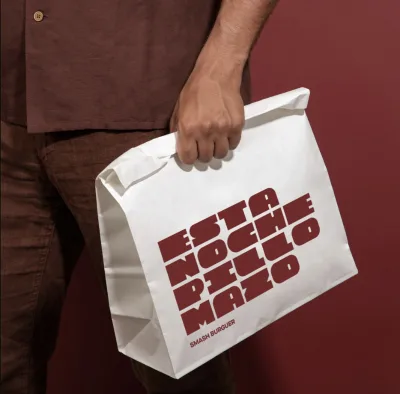
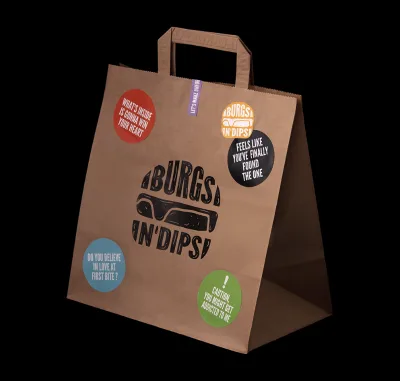
Kraft Paper Food Bag Wholesale Recycled Food Grade Takeaway Kraft Natural Paper Standing Bag
$0.123 - $0.2577
MOQ: 10 pieces

JIANGMEN MST PACKAGING GROUP LIMITED
- Verified by BV
- Trading Company
- China Guangdong
- Lead time30 days
- Avg. response≤ 2h
Main productsPackaging Bag, Box Pouch, Kraft Paper Bag, Paper Bag, Coffee Bag, Plastic Bag, Compostable Bags, Recyclable Bags, Biodegradable Bags, Spout Pouch
Main marketsEurope,Australia,North America

Recyclable Food Grade Paper Bag Sandwich Bakery Bread Kraft Paper Bag with Window
$0.10 - $0.12
MOQ: 10000 Pieces


Guangzhou Tiptop New Material Technology Co., Ltd.
- Verified by SGS
- Trading Company
- China Guangdong
- Lead time30 days
- Avg. response≤ 3h
Main productsPaper Cups, Paper Bowls, Paper Food Containers, Paper Boxes, Pha Paper Cups, Paper Trays, Paper Bags, Paper Lids
Main marketsDomestic

Custom Printing Recyclable Brown Paper Grocery Food Takeout Packaging Kraft Paper Bag with Handle
$0.01 - $0.03
MOQ: 50000 Pieces

Custom for Food Grade Kraft Paper Bag Recycled Brown Paper Bag with Logo Printed Kraft Paper Bag
$0.01 - $0.03
MOQ: 50000 Pieces

Tianjin Unipack Packaging Material Co., Ltd
- Verified by BV
- Manufacturer/Factory,Group Corporation
- China Tianjin
- Lead time23 days
- Avg. response≤ 9h
Main productsAesptic Bag, Packaging Bag, Pet Bottle, Food Bag, Microwave Popcorn Bag, Bag in Box, Stand up Pouch, Food Packaging Bag, Snack Bag, Spout Bag
Main marketsSouth America,Eastern Europe,Mid East,North America,Southeast Asia,Eastern Asia,Oceania,Western Europe,Africa

Hefei Hyde Environment Protection Technology Co., Ltd.
- Verified by TUVRHEINLAND
- Trading Company,Manufacturer/Factory
- China Anhui
- Lead time23 days
- Avg. response≤ 2h
Main productsPaper Cups, Ice Cream Paper Cup, Kraft Shopping Paper Bags, Ripple Wall Cup, Paper Bread Bags, Double Wall Cups, Paper Salad Bowl, Paper Pizza Box, Paper Soup Cup, Paper Plates
Main marketsSouth America,Eastern Europe,Mid East,North America,Southeast Asia,Eastern Asia,Oceania,Western Europe,Africa

Eco-Friendly Takeaway Recyclable Foldable Kraft Paper Bag with Handles
$0.03 - $0.04
MOQ: 30000 Pieces

$0.01 - $0.02
MOQ: 500 Pieces

Wholesale Recycled Printing Fashion Custom Kraft Paper Bag for Food Packaging
$0.0098 - $0.0198
MOQ: 3000 Pieces
Luohe Yueyang Packaging Products Co., Ltd.
- Trading Company
- Henan, China
- Lead time15 days
- Avg. response≤ 2h
Main productsPaper Packaging,Plastic Packaging,Metal Packaging,Pens,Notebooks
Main marketsNorth America(27.00%), Oceania(12.00%), Mid East(10.00%), Northern Europe(8.00%), Southern Europe(7.00%), Western Europe(6.00%), Southeast Asia(5.00%), Central America(5.00%), South Asia(5.00%), Eastern Asia(5.00%), Eastern Europe(5.00%), Africa(3.00%), South America(2.00%)
Shenzhen Huachuaf Technology Co., Ltd.
- Trading Company
- Guangdong, China
- Lead time0 days
- Avg. response≤ 5h
Main productsPlastic Packaging Bag,Mylar Bag,Die-cut Bag,Candy Bag,Paper Box
Main marketsNorth America(75.00%), South America(5.00%), Southern Europe(3.00%), Northern Europe(3.00%), Western Europe(3.00%), Eastern Europe(3.00%), Central America(2.00%), South Asia(1.00%), Oceania(1.00%), Africa(1.00%), Mid East(1.00%), Southeast Asia(1.00%), Eastern Asia(1.00%)

Huizhou Green Foil Insulation Co., Ltd.
- Verified by BV
- Combined
- China Guangdong
- Lead time15 days
- Avg. response≤ 2h
Main productsCooler Bag, Gift Bag, Gift Box, Insulated Bag, Color Printed Box, Jewelry Box, Paper Bag, Paper Box, Packaging Box, Insulated Mailer
Main marketsEast Asia(Japan/ South Korea),Europe,North America
Anhui Zehong Plastic Industry Co., Ltd.
- Manufacturer, Trading Company
- Lead time旺季: "1 - 10000":15,"> 10000":"To be negotiated", 淡季: "1 - 10000":15,"> 10000":"To be negotiated"
- Avg. response≤ 2h
Main productsPaper Bags, Paper Box, Paper Accessories, Mailing Bag, Ziplock Bags
Wenzhou Baofeng Packing Technology Co., Ltd.
- Verified by TüVRheinland
- Manufacturer, Trading Company
- Lead time30 days
- Avg. response≤ 2h
Main productsPaper Plate, Paper Cup, Paper Bowl, Paper Bag, Paper Box
Main marketsDomestic Market(65%), North America(15%), Western Europe(5%)
Wuhan XinHongHai Environmental Protection Technology Co. LTD
- Verified by TüVRheinland
- Manufacturer, Trading Company
- Lead time20 days
- Avg. response≤ 2h
Main productsPaper Cup, Paper Bowl, Paper Bag, Paper Box, Plastic Products
Main marketsDomestic Market(47%), Southeast Asia(16%), North America(15%)

Wenzhou Qiangsen Import and Export Co., Ltd.
- Verified by BV
- Trading Company
- China Zhejiang
- Lead time30 days
- Avg. response≤ 4h
Main productsFood Container, Cornstarch Cutlery, Paper Plate, Salad Bowl, Paper Bag, Bamboo Stick, Wooden Cutlery, Greaseproof Paper, Bamboo Cutlery, Paper Cup
Main marketsSoutheast Asia/ Mideast,North America

Eco Friendly Food Grade Disposable Biodegradable Kraft Paper Bag with Sharp Bottom
$0.007 - $0.009
MOQ: 50000 Pieces


Food Use Different Size Biodegradable Kraft Paper Bag with Flat Bottom Standable
$0.02 - $0.03
MOQ: 50000 pc


Yantai Longxiang Packaging Color Printing Co., Ltd.
- Verified by SGS Group
- Manufacturer, Trading Company
- Lead time10 days
- Avg. response≤ 1h
Main productsCorrugated Box, Seafood Box, Pizza Box, Gift Box, Fruit/Vegetable Box
Main marketsNorth America(25%), Domestic Market(14%), South America(10%)

Tianjin Xiezuo Trading Co., Ltd.
- Verified by SGS
- Trading Company
- China Tianjin
- Lead time15 days
- Avg. response≤ 7h
Main productsPaper and Plastic Packaging
Main marketsNorth America
Guangzhou Baobang Paper-Plastic Products Co., Ltd.
- Verified by TüVRheinland
- Manufacturer, Trading Company
- Lead time10 days
- Avg. response≤ 9h
Main productsCoffee And Bakery Packaging, Fast Food Packaging, Food And Beverage Packaging, Eco-friendly Packaging, Luxury Packaging
Main marketsNorth America(20%), Oceania(16%), Western Europe(15%)
Wuhan Eco Earth Pack Co., Ltd.
- Verified by TüVRheinland
- Trading Company
- Lead time20 days
- Avg. response≤ 2h
Main productsPaper Cup, Paper Bowl, Sugarcane Tableware, Paper Bag, Plastic Packaging
Main marketsWestern Europe(19%), Mid East(16%), Oceania(15%)
Shanghai Xingbangpai Paper Products Packaging Co., Ltd.
- Trading Company
- Shanghai, China
- Lead time15 days
- Avg. response≤ 5h
Main productspaper cup,plastic cup,paper box,paper bag,stickers
Main marketsMid East(40.00%), North America(40.00%), Western Europe(20.00%)
Jiangxi Aidaidai Packaging Co., Ltd.
- Verified by TüVRheinland
- Manufacturer, Trading Company
- Lead time0 days
- Avg. response≤ 6h
Main productsPlastic Tray, Ziplock Bag, Valve Bag, Eight Side Sealing Bag, Spout Pouch
Main marketsMid East(61%), North America(20%), Eastern Europe(15%)

- Verified by TUVRHEINLAND
- Trading Company
- China Hunan
- Lead time15 days
- Avg. response≤ 4h
Main productsPlaying Cards, Game Card, Tarot Cards, Educational Cards, Flash Cards, Board Game, Affirmation Cards, Calendar Printing, Paper Bag Printing, Fridge Magnet
Main marketsAfrica,Southeast Asia/ Mideast,Europe,Australia,North America

Recycled Kraft Paper Bag Brown Paper Bags Kraft Paper Bag for Fast Food Take Away
$0.946 - $1.257
MOQ: 1000 Pieces

Qingdao Aibokaier Industry And Trade Co., Ltd.
- Verified by TüVRheinland
- Manufacturer, Trading Company
- Lead time10 days
- Avg. response≤ 2h
Main productsPaper Box, Paper Bag, Stickers
Main marketsDomestic Market(28%), North America(15%), Northern Europe(7%)

Yishui Union Packing Products Co., Ltd.
- Verified by TUVRHEINLAND
- Combined
- China Shandong
- Lead time15 days
- Avg. response≤ 3h
Main productsFood Bag, Coffee Bag, Pet Food Bag, Stand up Pouch, Roll Film, Flat Bottom Pouch, Side Gusset Bag, Three Side Seal Bag, Kraft Paper Bag, Shaped Pouch
Main marketsOthers(foreignTradeCapacity.exportBusinessCapacityMarketOther),Europe,North America


Eco Compliant Compostable Kraft Paper Bag for Sustainable Food Service
$0.02 - $0.06
MOQ: 10000 Pieces
Hangzhou Tonchant Eco Friendly Technology Co., Ltd.
- Manufacturer, Trading Company
- Lead time旺季: "1 - 1000":3,"1001 - 5000":5,"5001 - 10000":7,"> 10000":"To be negotiated", 淡季: "1 - 1000":3,"1001 - 5000":5,"5001 - 10000":7,"> 10000":"To be negotiated"
- Avg. response≤ 2h
Main productsDrip Coffee Filter, Packaging Bag, Coffee Filter Paper, Empty Tea Bag, Coffee
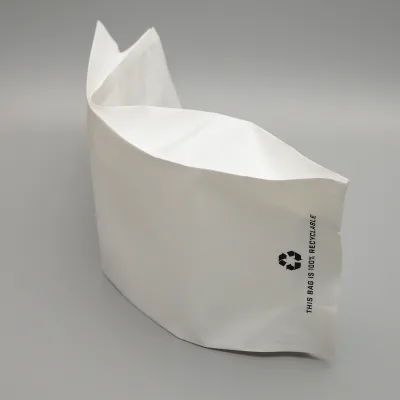
Custom logo printed Kraft paper bags for food takeaway Wholesale brown and white food bags
$0.0104 - $0.031
MOQ: 1000 bags
- Trading Company
- Jiangsu, China
- Lead time20 days
- Avg. response≤ 3h
Main productsair sickness bag,airline tableware,aviation headrest cover,Amenity kit,airline blankets
Main marketsSoutheast Asia(15.00%), Mid East(12.00%), Eastern Asia(11.00%), Eastern Europe(10.00%), North America(10.00%), Africa(8.00%), Southern Europe(5.00%), South Asia(5.00%), Central America(5.00%), Western Europe(5.00%), Oceania(5.00%), South America(5.00%), Domestic Market(2.00%), Northern Europe(2.00%)

Best Zaza (xiamen) Industrial & Trade Co., Ltd.
- Manufacturer
- Fujian, China
- Lead time30 days
- Avg. response≤ 1h
Main productsFood packaging,Paper packaging,biodegradable packaging,plastic packaging
Main marketsDomestic Market(40.00%), North America(10.00%), Eastern Europe(10.00%), South America(10.00%), Southeast Asia(5.00%), Southern Europe(5.00%), Northern Europe(5.00%), Western Europe(5.00%), Eastern Asia(5.00%), Mid East(5.00%)
Hebei Wentong International Trading Co., Ltd.
- Trading Company
- China Hebei
- Lead time30 days
- Avg. response≤ 4h
Main productsPaper Box
Main marketsEurope











Comprehensive Sourcing Guide
Recyclable Food Grade Kraft Paper Bag with Handle Supplier Concentration and Factory Types
Current data indicates a concentration of manufacturing activity in China, specifically within the Guangdong and Shandong provinces. Suppliers in these regions are categorized as either combined entities or dedicated manufacturers and factories. The Guangdong cluster often features companies offering a mix of services, while the Shandong-based facilities are explicitly identified as manufacturers and factories. This distinction is critical for buyers seeking direct production control versus those needing a broader range of sourcing options. The presence of these specific locations suggests established industrial clusters capable of handling large-volume orders for paper packaging solutions.
When evaluating the factory types, buyers should note that some suppliers possess ODM and own brand capabilities, allowing for significant customization of product designs. Others focus on OEM and ODM services, providing flexibility for branding requirements. The main products listed for these facilities include a wide array of paper packaging items such as bento boxes, takeaway containers, and various types of kraft paper bags. This diversity indicates that these suppliers are well-equipped to handle complex orders involving multiple product lines. Buyers must verify if the specific factory type aligns with their need for exclusive branding or standard off-the-shelf solutions.
How to Verify Recyclable Food Grade Kraft Paper Bag with Handle Suppliers
Verification processes for these suppliers often involve checking for third-party audit results and system certifications. Some suppliers in the dataset have been verified by SGS, providing an external layer of trust regarding their operational standards. Additionally, system certifications such as ISO9001:2015, ISO 9000, ISO 14001, and BSCI are present in the records of certain manufacturers. These certifications suggest adherence to quality management systems and environmental standards, which are vital for food-grade packaging. Buyers should request current certificates to ensure they match the specific claims made in the supplier profile.
Beyond certifications, buyers must assess the response time and verification status of the supplier. Response times in the observed data vary, with some suppliers showing a rapid response capability of under three hours, while others take nearly seven hours. A faster response time often correlates with better communication channels and more active account management. Furthermore, the presence of specific verification badges like SGS should be confirmed directly with the supplier. Buyers should not assume all suppliers possess these credentials but should use them as a benchmark for selecting high-reliability partners. Always ask for proof of these verifications before proceeding with any significant order.
What to Compare Across Recyclable Food Grade Kraft Paper Bag with Handle Suppliers
Comparing suppliers requires a detailed analysis of lead times, minimum order quantities, and pricing structures. Lead times in the current data range from 15 days to 30 days, indicating significant variation in production capacity and scheduling. Minimum order quantities also differ, with some suppliers requiring as few as 5,000 units while others demand 30,000 units. These thresholds directly impact the feasibility of small-batch testing versus large-scale distribution. Buyers must align their order volume with the supplier's MOQ to avoid unnecessary costs or production delays.
Pricing and customization options are equally critical factors in the comparison process. Unit prices observed in the data range from approximately $0.002 to $0.066, depending on the specific product model and customization level. Some suppliers offer free samples, which is a valuable tool for quality assessment before committing to a bulk order. Customization availability is generally high, with options for logo printing, specific dimensions, and material thickness. Buyers should compare the price terms, such as EXW, FOB, or CIF, to understand the total landed cost. It is essential to verify if the quoted price includes all necessary processing steps like lamination or embossing.
Common Recyclable Food Grade Kraft Paper Bag with Handle Sourcing Risks
One significant risk involves the discrepancy between product descriptions and actual manufacturing processes. Some product attributes list "Injection Molding" as the process, which is technically inconsistent with paper bag manufacturing. This suggests potential data errors or mislabeling in the supplier profiles. Buyers must rigorously question the production method to ensure it matches the physical reality of paper bag creation. Relying on unverified data can lead to receiving products that do not meet the expected material standards or structural integrity.
Another risk relates to the variability in material specifications and weight limits. While some products specify a weight limit of less than 5 kg, others do not provide clear constraints. The thickness of the paper, ranging from 180GSM to 300GSM, also varies significantly between suppliers. Inconsistent material quality can lead to product failure during transit or use, especially for food-grade applications. Buyers should request physical samples to test the strength and food safety compliance of the paper. Without direct verification, there is a risk of receiving bags that are too flimsy or not truly food-grade as claimed.
Recyclable Food Grade Kraft Paper Bag with Handle Regional Sourcing and Logistics
Sourcing from China, particularly from Guangdong and Shandong, offers access to established supply chains but introduces specific logistical considerations. The origin of the products is consistently listed as China, with specific cities like Qingdao mentioned for certain items. This regional focus allows for efficient consolidation of goods but requires careful planning for international shipping. Buyers should evaluate the shipping methods available, such as sea, air, or express delivery, to determine the best balance between cost and speed. The choice of shipping method will significantly impact the overall timeline and budget of the procurement project.
Logistics planning must also account for the specific packaging requirements of the supplier. Products are often packed in cartons, which affects the volume and weight of the shipment. Understanding the packing dimensions is crucial for calculating freight costs and optimizing container space. Some suppliers offer flexible packing options, while others have fixed carton sizes. Buyers should confirm the packing details early in the negotiation process to avoid unexpected shipping charges. Additionally, the distance from the factory to the port of loading can influence the lead time, so verifying the exact location within the province is advisable.
Recyclable Food Grade Kraft Paper Bag with Handle Commercial Terms and Order Planning
Commercial terms such as EXW, FOB, and CIF are standard in the observed data, each carrying different implications for the buyer. EXW terms place the maximum responsibility on the buyer for transportation and insurance, while CIF terms include costs up to the destination port. Understanding these terms is essential for accurate cost estimation and risk management. Buyers should clarify who is responsible for customs clearance and inland transportation based on the selected term. This clarity prevents disputes and ensures that the supply chain remains smooth from the factory gate to the final destination.
Order planning must also consider the sample availability and artwork requirements. Many suppliers offer free samples, which is a strategic advantage for quality control. However, the sample time can vary, with some suppliers providing samples within one to two days. Artwork formats are typically accepted in AI, CDR, EPS, or PDF, but buyers must ensure their files meet the specific resolution and color profile requirements. Planning for the artwork approval process is critical to avoid delays in the production schedule. Buyers should prepare their design files in advance and confirm the printing method, such as screen or offset printing, to ensure the final product meets brand standards.
FAQs
What certifications do these suppliers hold?
Suppliers in Guangdong hold ISO9001:2015 certificates and are verified by SGS. Manufacturers in Shandong provide a broader range including BSCI, ISO 9001, ISO 14001, and OHSAS 18001. These credentials ensure quality management and environmental standards are met for food-grade packaging production.
What are the typical lead times for orders?
Lead times vary by location and supplier type. Guangdong-based combined suppliers typically require 30 days for production. Shandong-based manufacturers offer faster turnaround times of 15 days. Buyers should confirm specific schedules with their chosen supplier to ensure timely delivery for their inventory needs.
What are the minimum order quantities?
Minimum order quantities differ significantly between suppliers. One Guangdong supplier requires a minimum of 5,000 units. A Shandong manufacturer sets a higher threshold of 30,000 units. Buyers must verify the specific MOQ with the supplier to align with their purchasing volume and budget constraints.
How quickly do suppliers respond to inquiries?
Response speeds vary among the available suppliers. Guangdong suppliers show an average response time of 6.94 hours. Shandong manufacturers respond faster, averaging 2.83 hours. Faster response times indicate better communication readiness, which is crucial for resolving custom design and pricing questions efficiently.
What are the price ranges for these bags?
Prices depend on the supplier and specifications. Guangdong suppliers list prices around 0.066 per unit. Shandong manufacturers offer a wider range from 0.002 to 0.65 per unit. Costs are influenced by customization, thickness, and order volume, so buyers should request detailed quotes for accurate budgeting.
Are samples available for quality testing?
Yes, samples are generally available for evaluation. One supplier explicitly states that samples are provided freely. Another Shandong manufacturer indicates a sample time of one to two days. Buyers should request samples to verify material quality, handle strength, and print accuracy before placing bulk orders.