Biodegradable HDPE Plastic Bag Suppliers and Manufacturers
Compare 28 verified suppliers of Biodegradable HDPE Plastic Bag based on location, lead times, and certifications. Review product attributes like material and customization options, then request samples to verify quality before placing orders; review the available evidence before requesting comparable quotations from suitable candidates.
Updated
Suppliers List

QINGDAO WANDA FORTIS CO., LTD.
- Verified by TUVRHEINLAND
- Trading Company
- China Shandong
- Lead time30 days
- Avg. response≤ 4h
Main productsGarbage Bag, T-Shirt Bag, Drawstring Bag, Ziplock Bag, Dog Poop Bag, Nappy Bag, Biodegradable Bag, Food Packing Bag, Die-Cut Bag, Loop Handle Bag
Main marketsOthers(foreignTradeCapacity.exportBusinessCapacityMarketOther)


$1400.00 - $2000.00
MOQ: 3 Tons

Qingdao Huarey Industry Co., Ltd.
- Verified by TUVRHEINLAND
- Combined
- China Shandong
- Lead time30 days
- Avg. response≤ 5h
Main productsGarbage Bag, T-Shirt Bag, Bag on Roll, Zip Lock Bag, Dog Waste Bag, Dog Poop Bag, Compostable Bag, Cling Film, Bowl Cover, PE Gloves - Aprons
Main marketsSouth America,Africa,Europe,Australia,North America


HDPE LDPE Biodegradable Compostable Recyclable Plastic String Garbage Bag
$1400.00 - $1800.00
MOQ: 2 Tons


Eco-Friendly Biodegradable Plastic Bags for Pet Waste and Food Storage
$1400.00 - $1800.00
MOQ: 3 Yards

Dongguan Chenghua Industrial Co., Ltd.
- Verified by BV
- Manufacturer/Factory
- China Guangdong
- Lead time23 days
- Avg. response≤ 4h
Main productsZiplock Bag, Biodegradable Bag, Aluminum Bag, Doypack, Zipper Bag, Food Bag, OPP Bags, Plastic Bags, Poly Bags, Specimen Bags
Main marketsSouth America,Eastern Europe,Mid East,North America,Southeast Asia,Eastern Asia,Oceania,Western Europe,Africa

Chongqing New World Trading Co., Ltd.
- Verified by BV
- Trading Company
- China Chongqing
- Lead time15 days
- Avg. response≤ 9h
Main productsVacuum Blood Collection Tubes, Test Tube, Pipette Tip, Urine Container, Microscope Slide, Filter Tip, Swab, Centrifuge Tube, Cryovial Tube, Blood Lancet
Main marketsSouth America,Africa,Southeast Asia/ Mideast,East Asia(Japan/ South Korea),Europe,Australia,North America

Hospital HDPE Plastic Disposable Waste Autoclavable Bag Biohazard Bag
$0.024 - $0.418
MOQ: 20000 Pieces

Hospital Use HDPE Plastic Disposable Bag Waste Autoclavable Bag Biohazard Bag
$0.024 - $0.418
MOQ: 20000 Pieces

Billion Plastic Manufacturing Co., Ltd. Jiangmen
- Verified by BV
- Combined
- China Guangdong
- Lead time30 days
- Avg. response≤ 12h
Main productsPlastic Bag, PE Plastic Bag, T-Shirt Bag, Food Bag, Trash Bag, Shopping Bag, Plastic Fork, Plastic Spoon, Plastic Cup
Main marketsSouth America,North America


HDPE Printed Plastic Roll Carrier Biodegradable Poly Bags for Shopping Supermarket
$1.70 - $2.50
MOQ: 3000 kg


ZHUCHENG QING YUAN PACKAGING CO., LTD.
- Verified by TUVRHEINLAND
- Combined
- China Shandong
- Lead time15 days
- Avg. response≤ 4h
Main productsLDPE Bag, Vacuum Bag, Aluminum Foil Bag, Retort Pouch, Stretch Film, Roll Films, Packaging Bags for Frozen Food, Garbage Bags, Shrink Bags and Film, Stand up Pouch with Zipper
Main marketsOthers(foreignTradeCapacity.exportBusinessCapacityMarketOther),Domestic
- Manufacturer, Trading Company
- Shandong, China
- Lead time20 days
- Avg. response≤ 7h
Main productsPE APRONS,PE DISPOSABLE HAND GLOVES,Cover Sheet,PE Bags,T-Shirt Bags
Main marketsAfrica(50.00%), Western Europe(20.00%), Mid East(10.00%), Southern Europe(5.00%), Eastern Europe(5.00%), North America(5.00%), Oceania(5.00%)

xinpaike(shandong)packaging Co., Ltd.
- Verified by SGS
- Trading Company
- China Shandong
- Lead time30 days
- Avg. response≤ 2h
Main productsFood Package Bag, Pet Food Bag, Smell Proof Bag, Freezer Bag, Specimen Bag, Garbage/Trash Bag, Mylar Bag, Biodegradable Packaging Bag, Sandwich Bag, Flat Bag
Main marketsDomestic,North America


Wholesale High Capacity Biodegradable Customized PE HDPE LDPE T-Shirt Bag Plastic Shopping Bags
$0.025 - $0.27
MOQ: 100 Pieces
Guangzhou Jet Biofiltration Co., Ltd.
- Manufacturer, Trading Company
- Guangdong, China
- Lead time30 days
- Avg. response≤ 10h
Main productstissue culture products,serological pipettes,centrifuge tubes,petri dishes,ELISA plates
Main marketsWestern Europe(11.11%), Eastern Asia(11.11%), Mid East(11.11%), Oceania(11.11%), Africa(11.11%), Southeast Asia(11.11%), Eastern Europe(11.11%), South America(11.11%), North America(11.11%)
Qingdao Fullsun Biotechnology Packaging Co., Ltd
- Verified by BV
- Combined
- China Shandong
- Lead time15 days
- Avg. response≤ 17h
Main productsBiodegradable Bag
Main marketsNorth America

WEIFANG WEYEA PLASTIC PRODUCTS CO., LTD.
- Combined
- China Shandong
- Lead time30 days
- Avg. response≤ 6h
Main productsGarbage Bag, Plastic Bag, Polythene Gloves, Polythene Apron, Mesh Bag, PE Apron, Trash Bag, T- Shirt Bag, Disposable PE Gloves and Aprons, Food Bag
Main marketsSouth America,Africa,Southeast Asia/ Mideast,East Asia(Japan/ South Korea),Europe,Australia,North America
Qingdao Wanda Shipping Co., Ltd.
- Verified by TüVRheinland
- Trading Company
- Lead time15 days
- Avg. response≤ 3h
Main productsPlastic Bag, Food Bag, Garbage Bag, Ziplock Bag, Cling Film
Main marketsNorth America(30%), South America(30%), Eastern Europe(20%)
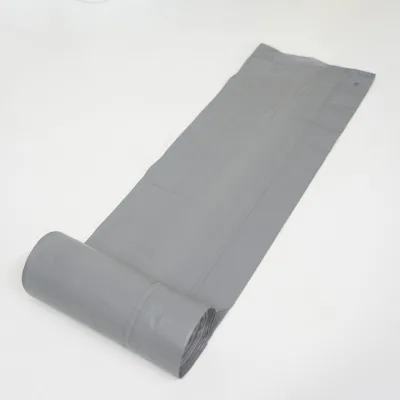
$1223.5425 - $1326.3611
MOQ: 50 tons
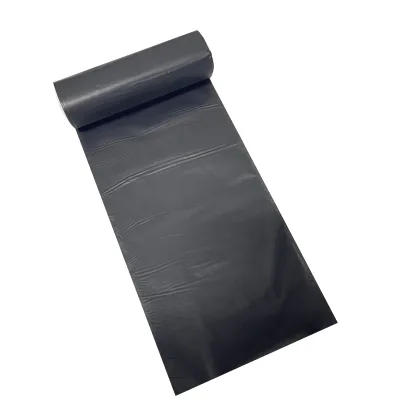
$1250.00 - $1500.00
MOQ: 3 tons
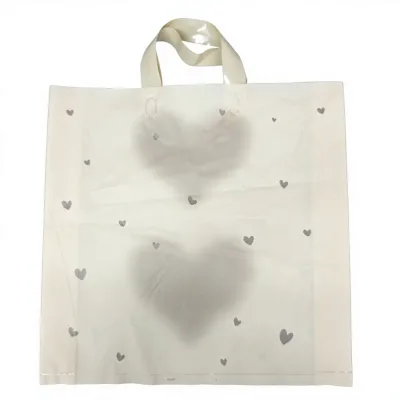
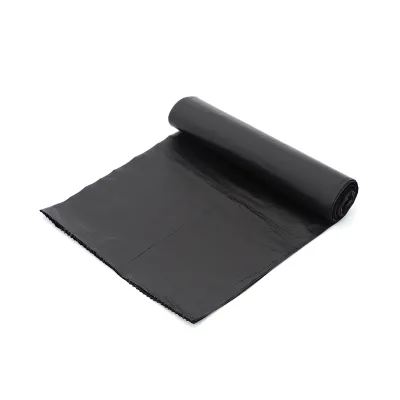
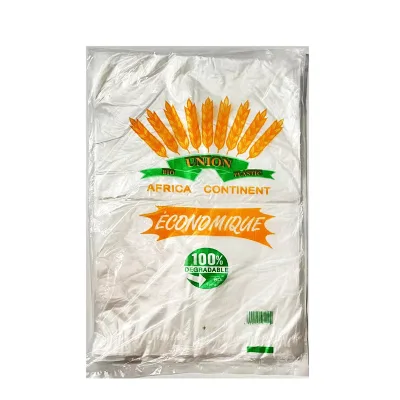
Wholesale Biodegradable PLA/Pbat Plastic Packaging Bags Cornstarch Food Bags Compostable Flat Bags
$1600.00 - $2500.00
MOQ: 3 Minimum
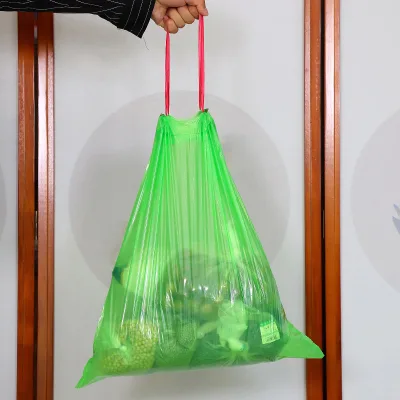
Chongqing Hongli Packaging Technology Co., Ltd.
- Verified by SGS Group
- Manufacturer, Trading Company
- Lead time25 days
- Avg. response≤ 3h
Main productsTrash Bag, Biodegradable Plastic Bags, Shopping Bag, Courier Bag, kraft Paper Bags
Main marketsDomestic Market(59%), Southeast Asia(10%), North America(8%)

Weifang Brother Packing Co., Ltd.
- Verified by TUVRHEINLAND
- Combined
- China Shandong
- Lead time15 days
- Avg. response≤ 2h
Main productsPP Woven Bag, PP Woven Fabric, Flexible Packaging, Bulk Bag, Ground Weed Control Fabric, PP Woven Shopping Bag, Kraft Paper Laminated PP Woven Bag, PE Shopping Bag, PP Nonwoven Shopping Bag, BOPP Woven Bag
Main marketsOthers(foreignTradeCapacity.exportBusinessCapacityMarketOther),North America
Quanzhou Hualong Plastic Cement Co., Ltd. (nanan)
- Manufacturer, Trading Company
- Fujian, China
- Lead time15 days
- Avg. response≤ 4h
Main productsT-shirt bags,Rolling bags,Plastic bags,Printing bags,Garbage bags
Main marketsDomestic Market(7.14%), South Asia(7.14%), Southern Europe(7.14%), Northern Europe(7.14%), Central America(7.14%), Western Europe(7.14%), Eastern Asia(7.14%), Mid East(7.14%), Oceania(7.14%), Africa(7.14%), Southeast Asia(7.14%), Eastern Europe(7.14%), South America(7.14%), North America(7.14%)
Qingdao Bioborn Packaging Co., Ltd.
- Trading Company
- Shandong, China
- Lead time0 days
- Avg. response≤ 7h
Main productsCompostable bag,plastic bag,recyclable pouch,recyclable bag,Wicket bag
Main marketsNorth America(65.00%), South America(12.00%), Eastern Europe(8.00%), Southeast Asia(6.00%), Western Europe(4.00%), Oceania(3.00%), Eastern Asia(2.00%)
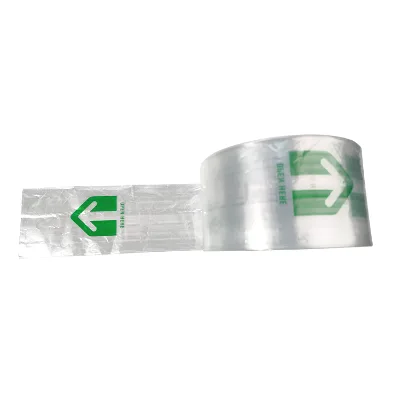
$0.0307 - $0.0717
MOQ: 20 boxes
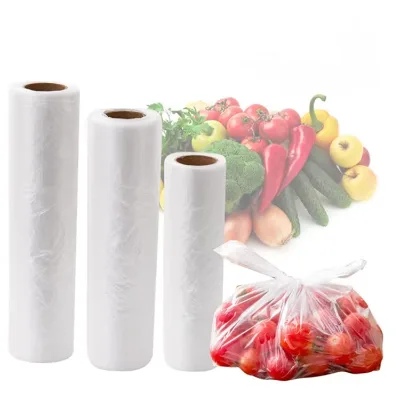
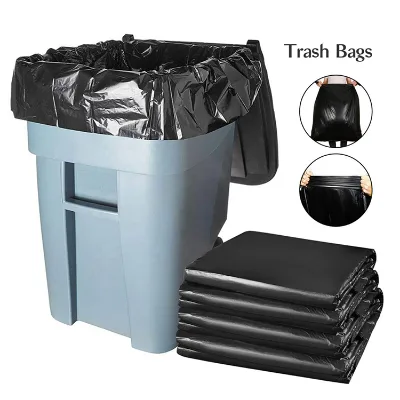
100% Compostable PBAT /PE Eco Trash Bags
$0.01 - $0.02
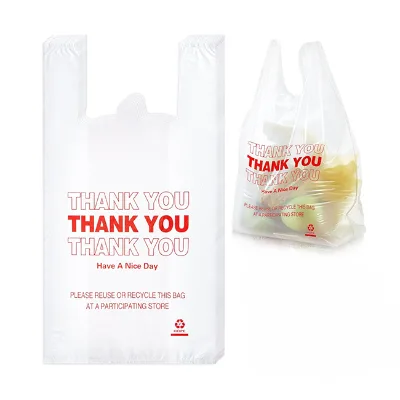

Jiangmen Zhaohui Color Printing Plastic Company Ltd.
- Verified by BV
- Combined
- China Guangdong
- Lead time30 days
- Avg. response≤ 16h
Main productsPlastic Flat Bag on Roll, Shipping T-Shirt Bag, Food Bag, Trash Plastic Bag, Plastic Bag, Gift Bag
Main marketsOthers(foreignTradeCapacity.exportBusinessCapacityMarketOther)
Wuhan Huaxia Solar Packaging Technology Co., Ltd.
- Verified by Intertek
- Trading Company
- Lead time30 days
- Avg. response≤ 2h
Main productsMeal Containers Series, Drink Cup Series, Paper Bags, Paper Cup Raw Material, Paper Bowls
Main marketsNorth America(30%), Southeast Asia(20%), Western Europe(15%)
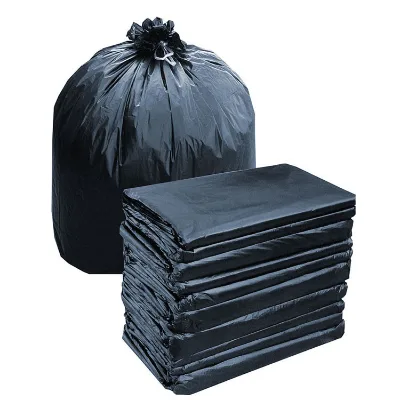
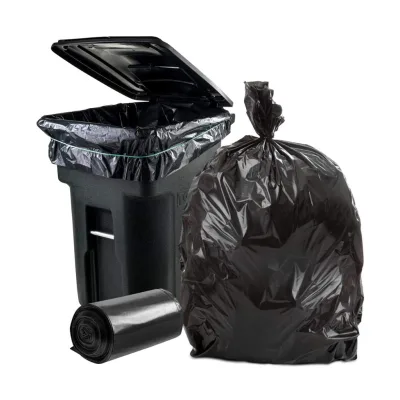
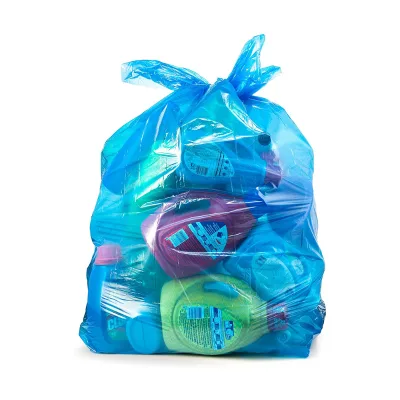
Hdpe Plastic Garbage Bag Dustbin Liners Trash Bags Household Trash Bags Compostable
$0.0102
MOQ: 10 Minimum

Shanghai Wallis Technology Co., Ltd.
- Verified by BV
- Trading Company
- China Shanghai
- Lead time30 days
- Avg. response≤ 5h
Main productsPet Sheet / Film, PVC Sheet /Film, Acrylic Sheet, PVC PC Pet Card, RFID Card or Tag, Blister Packing
Main marketsSoutheast Asia/ Mideast,Europe

Shenyang Zhonghe Plastic Packaging Products Co., Ltd.
- Verified by SGS
- Manufacturer
- China Liaoning
- Lead time15 days
- Avg. response≤ 2h
Main productsGarbage Bag, Food Packing Bag, Plastic Packing Bag, Biodegradable Plastic Bag, Non Woven Bag, OPP Bag, Vest Bag, PE Bag, Frozen Food Flat Bag, Stand up Pouch
Foshan City Taiyang Packing Co., Ltd.
- Verified by Intertek
- Manufacturer, Trading Company
- Lead time20 days
- Avg. response≤ 1h
Main productsT Shirt Bag, Garbage Bag, Die Cut Bag, Fresh-kept Bag, Zip Lock Bag
Main marketsDomestic Market(25%), South America(18%), Africa(15%)
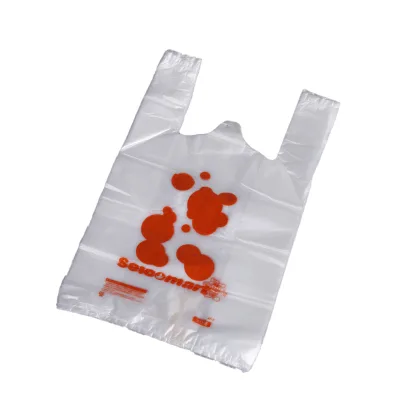
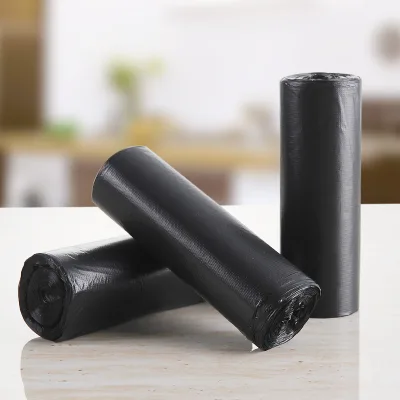
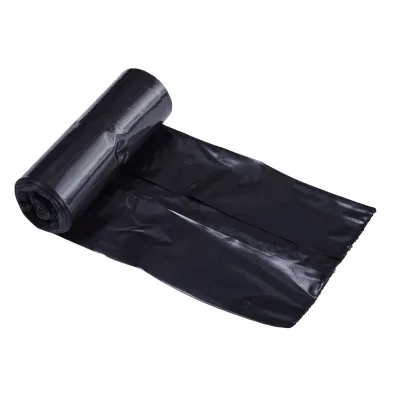
$0.0309 - $0.0412
MOQ: 50000 pieces
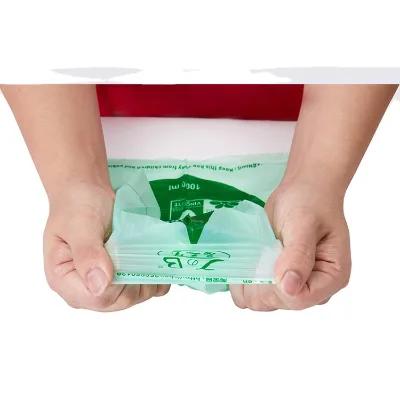
Shenzhen Deyun Printing Products Co., Ltd.
- Trading Company
- Guangdong, China
- Lead time30 days
- Avg. response≤ 1h
Main productsPlastic Bag, Garbage Bag, Disposable Gloves, Biodegradable Products
Main marketsDomestic Market(90.00%), North America(30.00%), Southeast Asia(20.00%), Western Europe(20.00%), South America(10.00%), Eastern Europe(10.00%), Eastern Asia(1.00%), Oceania(1.00%)
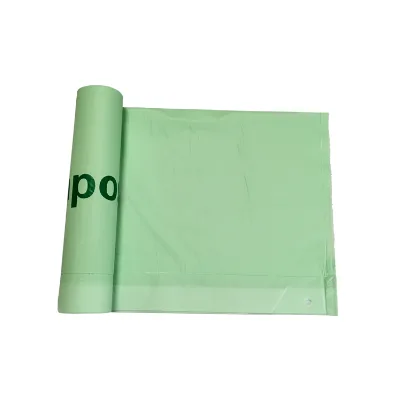
50L Biodegradable Plastic Garbage Bags Compostable Trash Bags Cornstarch Rubbish Bag
$0.2184 - $0.2693
MOQ: 10
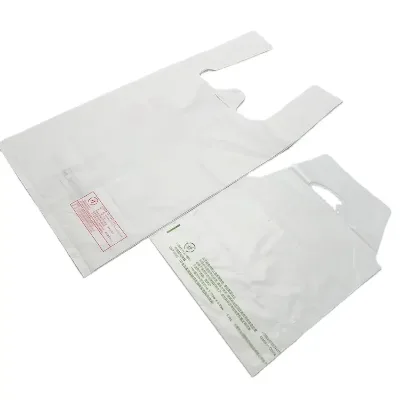
Custom Logo Compostable Trash Bag Biodegradable Bag for Garbage PLA Bag
$0.19 - $0.36
MOQ: 5000 pieces
Qingdao Honghai Cargo Group Limited
- Trading Company
- Shandong, China
- Lead time20 days
- Avg. response≤ 2h
Main productsPE plastic bags,Garbage bags,Produce roll bags,T shirt shopping bag,Poly tube roll
Main marketsSouth America(21.50%), North America(21.50%), Central America(20.00%), Mid East(20.00%), Southern Europe(10.00%), Northern Europe(10.00%), Western Europe(5.00%), Eastern Europe(5.00%), Domestic Market(1.00%), South Asia(1.00%), Oceania(1.00%), Africa(1.00%), Southeast Asia(1.00%), Eastern Asia(1.00%)
Xiamen Jinqian Supply Chain Co., Ltd.
- Verified by TüVRheinland
- Trading Company
- Lead time15 days
- Avg. response≤ 2h
Main productsPlastic Bag, PVC Bags, Shopping Bag, Gift Bag, Trash Bag
Main marketsNorth America(30%), Mid East(30%), Western Europe(20%)
Tongcheng Runzhiheng Packaging Co., Ltd.
- Verified by Intertek
- Manufacturer, Trading Company
- Lead time0 days
- Avg. response≤ 2h
Main productsEnvironmentally Friendly Biodegradable Bags, Express Delivery Mailing Bag, Plastic Shopping Bag, Zippered Self-Sealing Pocket, Non-Woven Bag
Main marketsDomestic Market(47%), Africa(10%), North America(10%)
Rizhao Chunhui Plastic Products Co., Ltd.
- Manufacturer, Trading Company
- Shandong, China
- Lead time0 days
- Avg. response≤ 15h
Main productsShopping Bags,Garbage Bags,Food Bags
Main marketsAfrica(30.00%), Western Europe(20.00%), Northern Europe(20.00%), Eastern Europe(20.00%), North America(10.00%)

- Combined
- China Zhejiang
- Lead time23 days
- Avg. response≤ 18h
Main productsVacuum Bag, Vacuum Stoarge Bag, Travel Roll up Bag, Hanging Vacuum Bag
Main marketsSoutheast Asia/ Mideast,East Asia(Japan/ South Korea),Europe,North America
Guangzhou Jiali Packaging & Printing Co., Ltd.
- Manufacturer, Trading Company, Distributor/Wholesaler
- Guangdong, China
- Lead time12 days
- Avg. response≤ 4h
Main productsPaper bag,Zipper bag,Plastic Bag,Non-woven bag,Wrapping paper
Main marketsNorth America(25.00%), Eastern Europe(12.00%), South America(12.00%), Mid East(8.00%), Northern Europe(8.00%), Domestic Market(5.00%), Central America(5.00%), Africa(5.00%), Southeast Asia(5.00%), Southern Europe(4.00%), South Asia(3.00%), Eastern Asia(3.00%), Oceania(3.00%), Western Europe(2.00%)
$0.04 - $0.51
MOQ: 50 pieces










Comprehensive Sourcing Guide
Biodegradable HDPE Plastic Bag Supplier Concentration and Factory Types
The current supplier landscape for biodegradable HDPE plastic bags reveals a distinct concentration of manufacturing and trading entities within specific industrial regions. Evidence indicates that a significant portion of these suppliers is located in China, with Shandong province emerging as a notable hub for this specific product category. This geographic clustering suggests that buyers seeking biodegradable HDPE solutions will likely encounter a dense network of potential partners in this area, facilitating easier logistical coordination and potentially lower shipping costs due to established supply chains. The presence of suppliers in this region implies a mature ecosystem for plastic packaging production, where raw material availability and specialized manufacturing expertise are readily accessible. Buyers should recognize that this concentration is not random but rather a result of historical industrial development and infrastructure support for the packaging industry in Shandong. Understanding this geographic reality helps in narrowing down search parameters and focusing efforts on suppliers who are physically situated in or near this key manufacturing zone.
In terms of organizational structure, the suppliers offering biodegradable HDPE plastic bags vary between trading companies and combined manufacturing entities. Some suppliers are identified as trading companies, which may offer a broader range of products but might not have direct control over the manufacturing process. Others are classified as combined entities, suggesting they may have both manufacturing capabilities and trading operations, potentially offering more direct oversight of production quality and lead times. This distinction is crucial for buyers who prioritize direct factory communication versus the convenience of a trading partner. The presence of ODM (Original Design Manufacturing) capabilities in some combined suppliers indicates that customization and private labeling are feasible options for buyers looking to create unique product offerings. Buyers must carefully assess whether they need a pure manufacturer for cost efficiency or a trading company for product diversity and service flexibility. The type of supplier directly impacts the level of control, communication speed, and potential for innovation in the biodegradable HDPE bag supply chain.
How to Verify Biodegradable HDPE Plastic Bag Suppliers
Verifying the credibility and operational capacity of Biodegradable HDPE Plastic Bag suppliers requires a multi-layered approach that goes beyond simple profile reviews. One critical step is to check for third-party verification badges, such as those from TÜV Rheinland, which can provide an additional layer of trust regarding the supplier's business legitimacy and operational standards. Buyers should prioritize suppliers who have undergone such rigorous verification processes, as it indicates a commitment to transparency and quality assurance. Additionally, examining the supplier's response time is a practical indicator of their operational efficiency and customer service orientation. A faster response time, such as those observed in the range of 3.73 to 4.47, suggests that the supplier has dedicated teams ready to handle inquiries promptly, which is essential for maintaining smooth communication throughout the sourcing process. Buyers should use response metrics as a preliminary filter to identify suppliers who are likely to be more responsive and engaged during negotiations and order fulfillment.
Beyond verification badges and response times, buyers must scrutinize the specific product attributes and certifications claimed by the suppliers. For biodegradable HDPE bags, it is essential to confirm the material composition, such as the use of HDPE, LDPE, or corn starch blends, and to verify any claims regarding biodegradability or compostability. Buyers should request detailed product specifications and ask for evidence of compliance with relevant environmental standards, even if specific certification names are not explicitly listed in the initial results. The absence of listed system certifications does not necessarily mean a lack of compliance, but it does require buyers to proactively request documentation. Furthermore, buyers should verify the supplier's ability to provide samples, as many suppliers offer free samples with freight charges, allowing for physical inspection of the product quality. This hands-on verification is crucial for assessing the actual performance of the biodegradable HDPE bags, including their durability, seal integrity, and environmental claims, before committing to a larger order.
What to Compare Across Biodegradable HDPE Plastic Bag Suppliers
When evaluating multiple suppliers for biodegradable HDPE plastic bags, buyers should systematically compare key operational metrics to identify the best fit for their specific needs. One of the most critical factors is the minimum order quantity (MOQ), which can vary significantly across suppliers. Some suppliers may have an MOQ of 3 tons, while others might have different thresholds, such as 30,000 units or even lower quantities for specific product lines. Buyers must align their order volume with the supplier's MOQ to avoid unnecessary costs or inventory issues. Additionally, lead times are a vital consideration, with some suppliers indicating a lead time of 30 days. Buyers should compare these lead times against their production schedules and market demand to ensure timely delivery. The ability to meet tight deadlines can be a decisive factor in selecting a supplier, especially for time-sensitive projects or seasonal products.
Another important aspect to compare is the customization options and pricing structures offered by different suppliers. Buyers should assess the level of customization available, including options for custom sizes, logos, colors, and packaging. Some suppliers offer extensive customization, allowing for tailored solutions that meet specific brand requirements, while others may have more limited options. Pricing is also a key differentiator, with price ranges varying based on material quality, customization complexity, and order volume. Buyers should request detailed quotes that break down costs for materials, customization, and shipping to understand the total cost of ownership. Additionally, comparing the main products offered by each supplier can help identify those with specialized expertise in biodegradable HDPE bags versus those with a broader, less focused product range. By systematically comparing these factors, buyers can make informed decisions that balance cost, quality, and service levels.
Common Biodegradable HDPE Plastic Bag Sourcing Risks
Sourcing biodegradable HDPE plastic bags from international suppliers introduces several risks that buyers must proactively manage to ensure a successful procurement process. One significant risk is the potential discrepancy between claimed biodegradability and actual product performance. Without rigorous testing and verification, there is a risk that the bags may not degrade as expected under specific environmental conditions, leading to reputational damage and potential regulatory issues. Buyers must be vigilant in verifying the material composition and requesting test reports from independent laboratories to confirm the biodegradability claims. Additionally, the risk of quality inconsistencies is heightened when dealing with trading companies or suppliers with limited manufacturing oversight. Variations in material thickness, seal strength, or print quality can occur, affecting the usability and customer satisfaction of the final product. Buyers should implement strict quality control measures, including pre-shipment inspections and sample approvals, to mitigate these risks.
Another common risk is the potential for delays in production and delivery, which can disrupt supply chains and lead to stockouts. Factors such as raw material shortages, production bottlenecks, or logistical challenges can contribute to lead time extensions. Buyers should maintain open communication with suppliers and establish clear expectations regarding production schedules and delivery timelines. Additionally, the risk of currency fluctuations and changes in shipping costs can impact the overall cost of the order. Buyers should consider hedging strategies or negotiating fixed-price contracts to manage these financial risks. Furthermore, there is a risk of intellectual property infringement if custom designs or logos are not properly protected. Buyers should ensure that all customization agreements are clearly documented and that suppliers adhere to confidentiality agreements. By identifying and addressing these risks early in the sourcing process, buyers can minimize disruptions and ensure a more reliable supply of biodegradable HDPE plastic bags.
Biodegradable HDPE Plastic Bag Regional Sourcing and Logistics
The geographic location of suppliers plays a crucial role in determining the logistics and shipping costs associated with sourcing biodegradable HDPE plastic bags. As noted, many suppliers are concentrated in China, particularly in Shandong province, which offers advantages in terms of manufacturing infrastructure and access to major ports. Buyers should consider the proximity of the supplier to key shipping routes to minimize transit times and freight costs. For instance, suppliers in Shandong may have easier access to ports like Qingdao, facilitating efficient export operations. However, buyers must also account for the distance between the supplier's location and their own distribution centers, as this will impact delivery times and inventory management strategies. Understanding the regional logistics landscape helps buyers optimize their supply chain and reduce overall procurement costs.
In addition to geographic proximity, buyers should evaluate the supplier's experience with international shipping and export documentation. Suppliers who are familiar with the requirements of different markets can streamline the export process, reducing the risk of customs delays or compliance issues. Buyers should inquire about the supplier's packaging methods, as proper packaging is essential to protect the biodegradable HDPE bags during transit and prevent damage. Additionally, buyers should consider the availability of freight forwarders and logistics partners who can provide competitive shipping rates and reliable service. By leveraging the supplier's regional advantages and establishing efficient logistics channels, buyers can ensure that their orders are delivered on time and in good condition. This strategic approach to regional sourcing and logistics is key to maintaining a resilient and cost-effective supply chain for biodegradable HDPE plastic bags.
Biodegradable HDPE Plastic Bag Commercial Terms and Order Planning
Effective order planning for biodegradable HDPE plastic bags requires a thorough understanding of the commercial terms offered by suppliers. Payment terms are a critical component of these agreements, with some suppliers requiring a deposit, such as 30%, before production begins. Buyers should negotiate payment terms that align with their cash flow management and risk tolerance, considering options like escrow services for added security. Additionally, buyers must clarify the terms for sample orders, including whether samples are free or if freight charges apply, and how these costs are handled in relation to bulk orders. Understanding these financial arrangements helps buyers budget accurately and avoid unexpected expenses during the sourcing process. Clear communication regarding payment schedules and conditions is essential for building trust and ensuring smooth transactions with suppliers.
Beyond payment terms, buyers should plan for the logistical aspects of order fulfillment, including packaging and labeling requirements. Suppliers may offer customized packaging solutions, such as cartons or specific packing methods, to meet the buyer's distribution needs. Buyers should specify their packaging preferences early in the negotiation process to ensure that the supplier can accommodate them. Additionally, buyers should consider the lead time for production and delivery when planning their inventory levels, allowing for buffer time to account for potential delays. Establishing a clear timeline for order placement, production, and delivery helps buyers manage their supply chain more effectively. By carefully planning the commercial terms and logistical details, buyers can optimize their procurement process and ensure a steady supply of high-quality biodegradable HDPE plastic bags.
FAQs
What is the minimum order quantity for biodegradable HDPE plastic bags?
The minimum order quantity is typically 3 tons or 30,000 units depending on the specific product model. Buyers should verify the exact MOQ for their chosen item, as some listings specify 3 tons while others list 30,000 pieces. Confirming this threshold ensures the order meets supplier requirements before proceeding.
What is the estimated lead time for production?
The standard lead time for production is approximately 30 days. This duration allows for manufacturing and quality checks before shipment. Buyers should confirm the exact timeline with the supplier, as production schedules may vary based on order volume and customization requirements for the biodegradable HDPE plastic bags.
Are custom logos and sizes available for these bags?
Yes, customization is available for logos, sizes, and thickness. Suppliers offer options for custom logos and specific dimensions to meet buyer needs. The material is PE, and features include biodegradability and recyclability. Buyers should specify their requirements for size and logo printing to ensure the final product matches their specifications.
What is the price range for biodegradable HDPE plastic bags?
Prices range from $0.06 to $0.08 per unit for some items, while bulk orders may cost between $1,400 and $3,500. The exact price depends on the product model, quantity, and customization options. Buyers should request a quote based on their specific requirements to get an accurate price for their order.
Where are these suppliers located?
Suppliers are located in China, specifically in Shandong province and Qingdao. This location is a major hub for plastic packaging manufacturing. Buyers can expect efficient logistics from this region. The origin is confirmed as China, ensuring access to established supply chains for biodegradable HDPE plastic bags.
What certifications do these suppliers hold?
Some suppliers are verified by TÜV Rheinland, indicating a level of quality assurance. However, system certifications may vary, with some listings showing NIL. Buyers should verify specific certifications required for their market, as not all suppliers display detailed certification information. Confirming compliance with local standards is essential before placing an order.
How quickly do suppliers respond to inquiries?
Response times vary, with some suppliers responding within 3.73 hours and others taking up to 4.47 hours. Faster response times indicate active customer service teams. Buyers should expect a response within a few hours. Prompt communication helps in clarifying details and finalizing orders efficiently for biodegradable HDPE plastic bags.