Recycled Food Kraft Paper Box Suppliers and Manufacturers
Source Recycled Food Kraft Paper Box from 29 verified suppliers in China. Compare lead times, MOQs, certifications, and response rates to find the right partner. Contact suppliers directly to request quotes and samples; review the available evidence before requesting comparable quotations from suitable candidates.
Updated
Suppliers List

Xiamen Luckypack Paper Products Co., Limited
- Verified by TUVRHEINLAND
- Manufacturer/Factory
- China Fujian
- Lead time30 days
- Avg. response≤ 6h
Main productsPaper Cup, Biodegradable Tableware, Disposable Cup, Food Box
Main marketsEastern Europe,North America,Southeast Asia


Recycled Printed Fast Food Folding Brown Kraft Food Packing Paper Box
$0.038 - $0.07
MOQ: 10000 Pieces


- Verified by BV
- Combined
- China Zhejiang
- Lead time23 days
- Avg. response≤ 3h
Main productsDisposable Tableware, Food Box, Paper Cup
Main marketsSouth America,Africa,Southeast Asia/ Mideast,Europe,Australia,North America


Recycled Material Kraft Paper Box Burger Packaging for Eco-Conscious Businesses
$0.029 - $0.05
MOQ: 50 Pieces


Shanghai Woods Packaging Co., Ltd.
- Verified by CTI
- Combined
- China Shanghai
- Lead time15 days
- Avg. response≤ 10h
Main productsGift Box, Paper Box, Carton Box, Pizza Box, Paper Gift Box, Carton Cardboard Box
Main marketsAustralia,North America
Xiamen Color Packaging Co., Ltd.
- Verified by SGS Group
- Manufacturer, Trading Company
- Lead time15 days
- Avg. response≤ 3h
Main productsPaper Bag, Paper Box, Gift Paper Box
Main marketsNorth America(40%), Western Europe(40%), Domestic Market(20%)

Globalink International Limited
- Verified by SGS
- Trading Company,Manufacturer/Factory,Other
- China Shandong
- Lead time45 days
- Avg. response≤ 12h
Main productsPlastic Packaging, Food Container, Fruit packaging, Paper Bags, Paper Packaging, Plastic Bags, Plastic Tape, Egg Tray, Aluminum Foil, Sushi Container
Main marketsSouth America,Eastern Europe,Mid East,North America,Southeast Asia,Eastern Asia,Oceania,Western Europe,Africa
Wenzhou Changshi Paper And Plastic Products Co., Ltd.
- Verified by TüVRheinland
- Manufacturer, Trading Company
- Lead time15 days
- Avg. response≤ 1h
Main productsPaper Tube, Paper Box, Coasters
Main marketsCentral America(21%), Domestic Market(17%), North America(12%)

Changsha Mingkai Paper Products Co., Ltd.
- Combined
- China Hunan
- Lead time30 days
- Avg. response≤ 4h
Main productsCoffee Cup, Disposable Plastic Cup, OPP Bag, Brown Craft Paper Cup
Main marketsSouth America,Africa,Southeast Asia/ Mideast,East Asia(Japan/ South Korea),Domestic,Europe,Australia,North America

Hefei Hyde Environment Protection Technology Co., Ltd.
- Verified by TUVRHEINLAND
- Trading Company,Manufacturer/Factory
- China Anhui
- Lead time23 days
- Avg. response≤ 2h
Main productsPaper Cups, Ice Cream Paper Cup, Kraft Shopping Paper Bags, Ripple Wall Cup, Paper Bread Bags, Double Wall Cups, Paper Salad Bowl, Paper Pizza Box, Paper Soup Cup, Paper Plates
Main marketsSouth America,Eastern Europe,Mid East,North America,Southeast Asia,Eastern Asia,Oceania,Western Europe,Africa

Shanghai Forests Packaging Group Co., Ltd.
- Verified by CTI
- Combined
- China Shanghai
- Lead time15 days
- Avg. response≤ 10h
Main productsPaper Gift Box, Carton Cardboard Box, Gift Box, Paper Box, Carton Box, Cardboard Box, Corrugated Box, Packaging Box, Paper Packaging, Paper Carton
Main marketsDomestic,Europe,North America
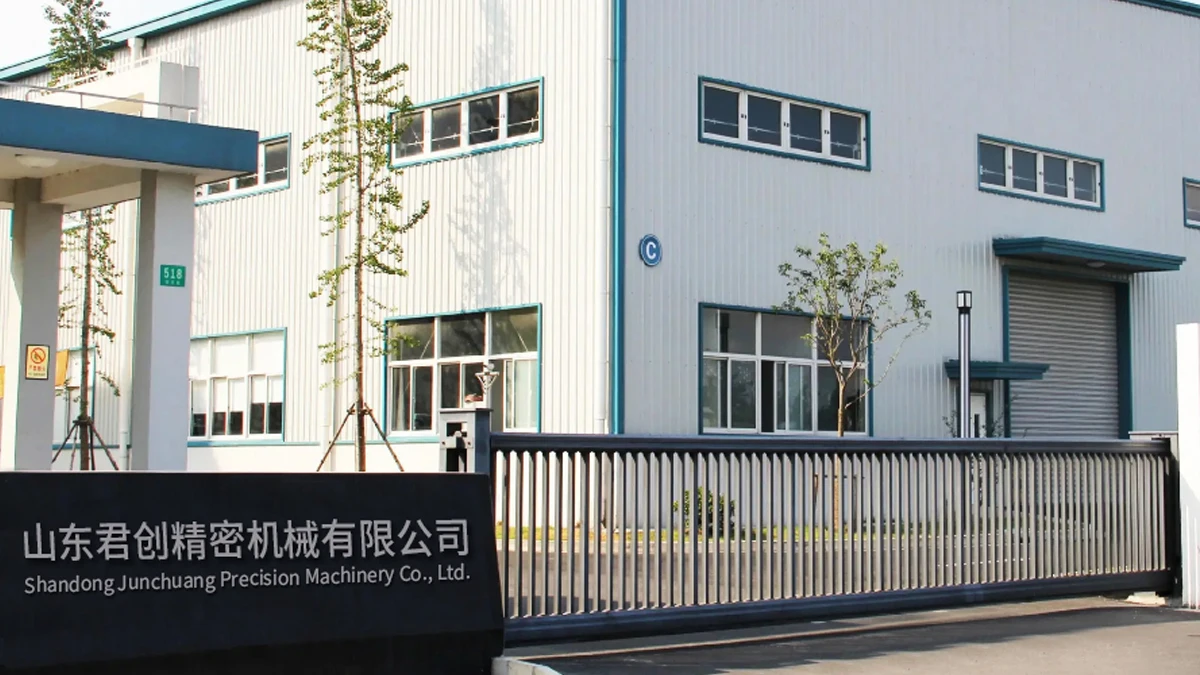
Shandong Junchuang Precision Machinery Co., Ltd.
- Manufacturer, Trading Company
- Shandong, China
- Lead time30 days
- Avg. response≤ 1h
Main productsMould,Packing Tape,Packaging Consumables,Injection Tooling,Security Seal
Main marketsDomestic Market(65.00%), Mid East(7.00%), North America(6.00%), South America(5.00%), Oceania(3.00%), Southeast Asia(3.00%), Central America(2.00%), Northern Europe(2.00%), Eastern Asia(2.00%), Africa(2.00%), Eastern Europe(1.00%), South Asia(1.00%), Western Europe(1.00%)
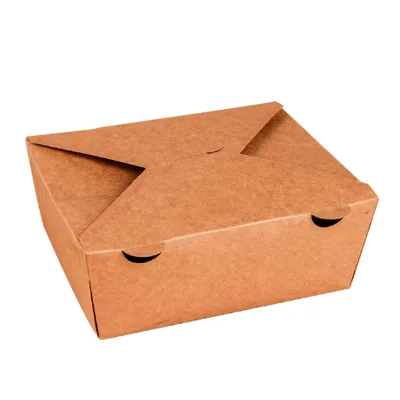
Paper Packaging Box Waterproof Paper Box Food Cake Lid Kraft Paper Boxes
$0.0309 - $0.0515
MOQ: 10 sets
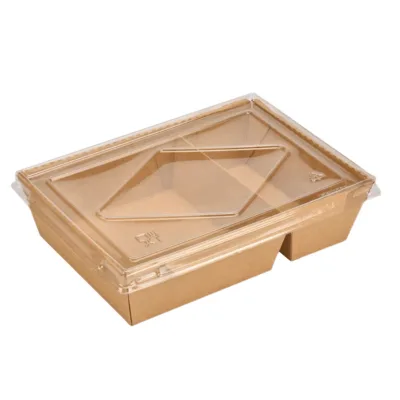
$0.0512 - $0.1025
MOQ: 10 sets
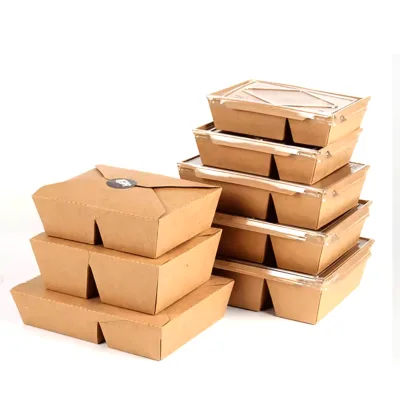
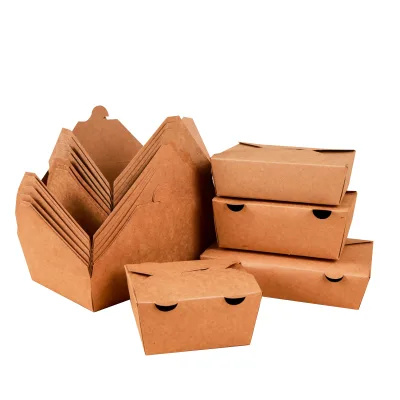
Direct Sales Biodegradable Box Biodegradable Box Food Packaging Paper Packaging Box
$0.0308 - $0.0513
MOQ: 10 sets

Shanghai Coffe Packing Group Co., Ltd.
- Verified by CTI
- Combined
- China Shanghai
- Lead time15 days
- Avg. response≤ 7h
Main productsPaper Gift Box, Carton Cardboard Box, Gift Box, Paper Box, Carton Box, Cardboard Box, Corrugated Box, Packaging Box, Paper Packaging, Paper Carton
Main marketsDomestic,Europe,Australia,North America

Hefei Baide Packaging Technology Co., Ltd.
- Verified by SGS
- Trading Company
- China Anhui
- Lead time15 days
- Avg. response≤ 6h
Main productsDisposable Paper Cup, Paper Takeaway Box, Paper Food Packaging and Box, Paper Bag, Soup Container, Paper Bowl, Ice Cream Cup, Fast Food Packaging, Street Food Packaging
Main marketsEurope,North America

Eco Friendly Compostable Kraft Paper Packaging Box Food Grade Paper Food Box
$0.02 - $0.04
MOQ: 10000 piece

Customized Recycling Food Grade White Cardboard Takeaway Packaging Kraft Paper Burger Box
$0.015 - $0.045
MOQ: 30000 piece

Food Grade Biodegradable Takeaway Corrugated Fast Food Kraft Paper Snack Burger Box
$0.02 - $0.05
MOQ: 30000 piece


Wholesale Food Grade Fast-Food Box Custom Kraft Paper Takeaway Packaging Box
$0.029 - $0.049
MOQ: 10000 piece
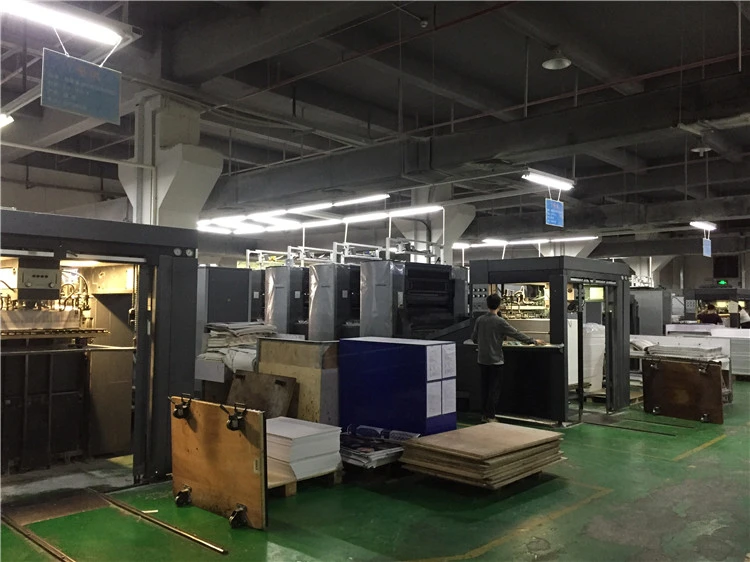
- Manufacturer, Trading Company
- Guangdong, China
- Lead time15 days
- Avg. response≤ 5h
Main productsCustom Printed Boxes,Mailer& shipping Boxes,Paper Food Package,Custom Rigid Gift Boxes,Custom Paper Bags
Main marketsNorth America(30.00%), Western Europe(25.00%), Northern Europe(15.00%), Southeast Asia(10.00%), Oceania(10.00%), Domestic Market(5.00%), Mid East(5.00%)
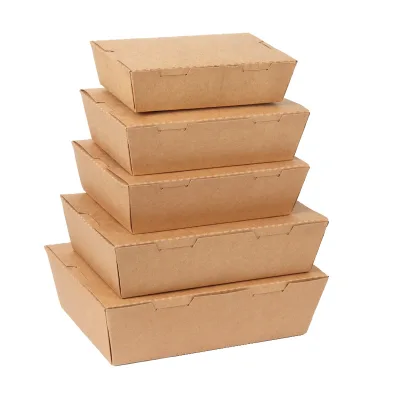
$0.2067 - $0.3595
MOQ: 500 Minimum
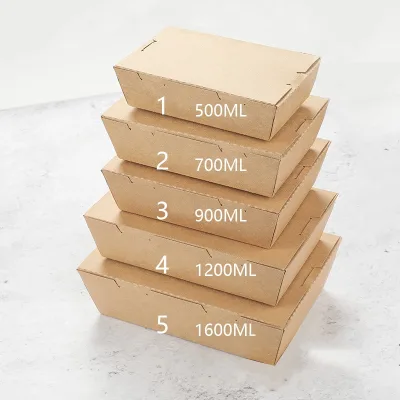
$0.2082 - $0.3625
MOQ: 500 Minimum

Zhengzhou Zhuo Rui New Material Technology Co., Ltd.
- Verified by SGS
- Trading Company
- China Henan
- Lead time15 days
- Avg. response≤ 2h
Main productsDisposable Cup, Salad Bowl, Disposable Paper Bowl
Main marketsEurope

Customized Logo Recycled Eco-Friendly Food Packaging Disposable Takeout Kraft Paper Box
$0.01 - $0.04
MOQ: 1200 pcs

Customized Stackable Recyclable Portable Leakproof Disposable Kraft Paper Food Box
$0.01 - $0.04
MOQ: 1200 pcs
Guangdong Bosing Paper Packaging & Printing Co., Ltd.
- Verified by SGS Group
- Manufacturer, Trading Company
- Guangdong, China
- Lead time7 days
- Avg. response≤ 4h
Main productsFood Packaging Box, Rigid Gift Box, Corrugated Box, Paper Box, Paper Bag
Main marketsNorth America(25%), Oceania(15%), Western Europe(10%)

Guangzhou Tiptop New Material Technology Co., Ltd.
- Verified by SGS
- Trading Company
- China Guangdong
- Lead time30 days
- Avg. response≤ 3h
Main productsPaper Cups, Paper Bowls, Paper Food Containers, Paper Boxes, Pha Paper Cups, Paper Trays, Paper Bags, Paper Lids
Main marketsDomestic


Printing Kraft Paper Food Grade Boxes Take out Packaging Paper Boxes Recyclable
$0.04
MOQ: 30000 Pieces

Hangzhou Meshine Import And Export Co., Ltd
- Trading Company,Manufacturer/Factory
- China Zhejiang
- Lead time23 days
- Avg. response≤ 4h
Main productsFood Packaging, Paper Bag, Paper Cup, Paper Box, Tableware, Sushi Box, Food Box, Salad Bowl, Plastic Packaging, Fast Food Box
Main marketsSouth America,Eastern Europe,Mid East,North America,Southeast Asia,Eastern Asia,Oceania,Western Europe,Africa


Disposable Kraft Paper Food Box Corrugated Cardboard Brown Paper Food Packaging Boxes
$0.03 - $0.12
MOQ: 5000 Pieces


Eco Friendly Cardboard Kraft Paper Packaging Tray Boxes for Fried Food
$0.036 - $0.12
MOQ: 5000 Pieces


NINGBO HAISHU JUDIN PACKING PRODUCTS CO., LTD.
- Verified by CTI
- Combined
- China Zhejiang
- Lead time15 days
- Avg. response≤ 9h
Main productsCup, Paper Cup, Food Packaging, Salad Bowl, Coffee Cup, Plastic Cup, Soup Cup, Take Away Box, Ice Cream Cup, Food Container
Main marketsEurope,North America
Shijiazhuang Chame Trading Co., Ltd.
- Verified by SGS Group
- Manufacturer, Trading Company
- Lead time0 days
Main productsPaper Bags, Paper Cups, Paper Cup Sleeve, Paper Boxes, Paper Bowls
Main marketsDomestic Market(50%), North America(20%), Central America(10%)
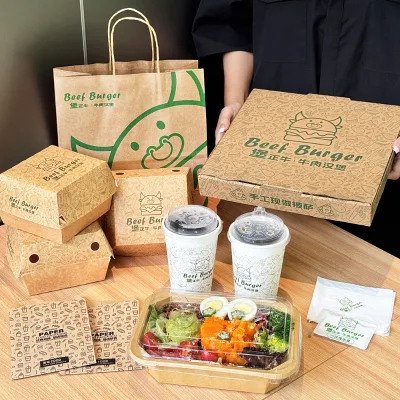
$0.03 - $0.05
MOQ: 10000 pieces
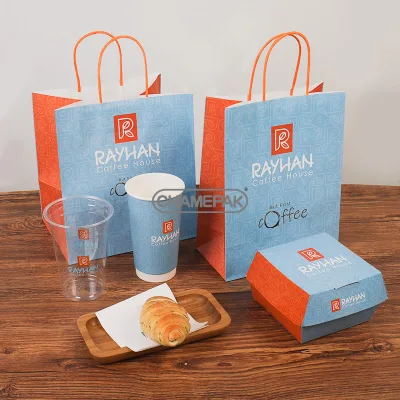
Wuhan XinHongHai Environmental Protection Technology Co. LTD
- Verified by TüVRheinland
- Manufacturer, Trading Company
- Lead time20 days
- Avg. response≤ 2h
Main productsPaper Cup, Paper Bowl, Paper Bag, Paper Box, Plastic Products
Main marketsDomestic Market(47%), Southeast Asia(16%), North America(15%)

Wenzhou Qiangsen Import and Export Co., Ltd.
- Verified by BV
- Trading Company
- China Zhejiang
- Lead time30 days
- Avg. response≤ 4h
Main productsFood Container, Cornstarch Cutlery, Paper Plate, Salad Bowl, Paper Bag, Bamboo Stick, Wooden Cutlery, Greaseproof Paper, Bamboo Cutlery, Paper Cup
Main marketsSoutheast Asia/ Mideast,North America

Good Quality Food Packaging Boxes Kraft Paper Box Packaging for Food Takeaway Box
$0.04 - $0.06
MOQ: 30000 pc

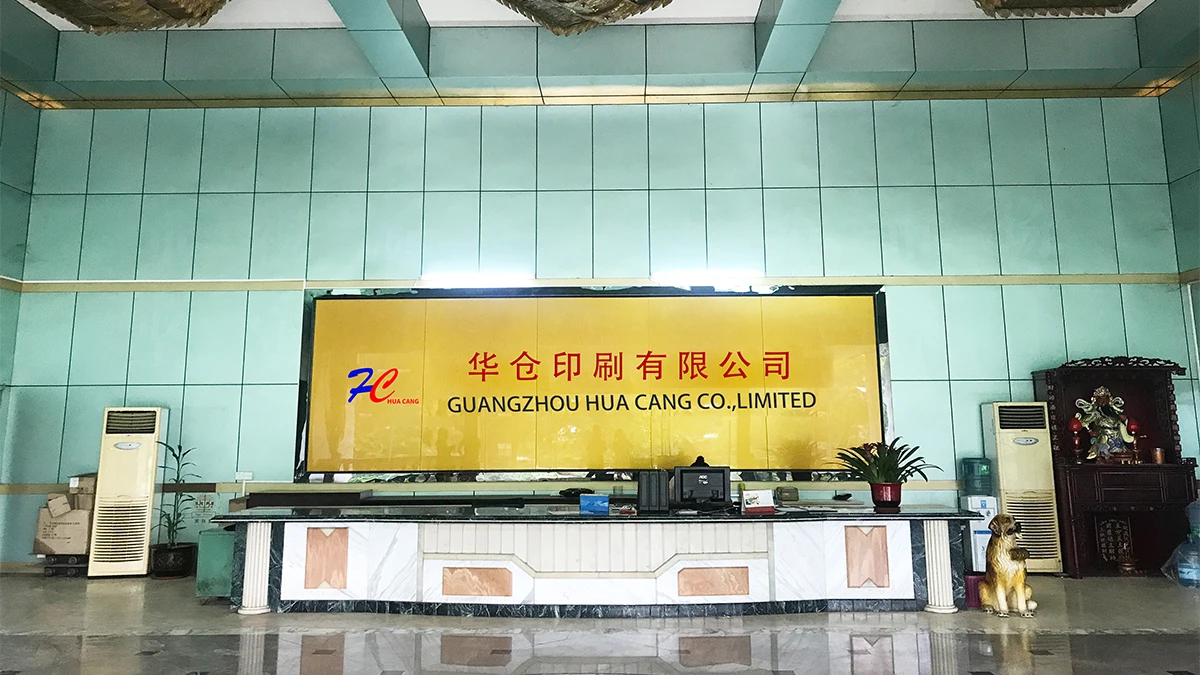
Guangzhou Huacang Paper And Plastics Co., Ltd.
- Manufacturer, Agent, Distributor/Wholesaler
- Guangdong, China
- Lead time15 days
- Avg. response≤ 6h
Main productsBook,Paper Box,Paper Bag,Spout Pouch,Stand Up Bag
Main marketsNorth America(22.00%), Southeast Asia(13.00%), Oceania(10.00%), Mid East(8.00%), Domestic Market(8.00%), South America(7.00%), Northern Europe(6.00%), Southern Europe(4.00%), Africa(4.00%), Eastern Europe(4.00%), Western Europe(4.00%), Eastern Asia(4.00%), Central America(3.00%), South Asia(3.00%)
Weifang Fcy Paper Packaging Co., Ltd.
- Verified by TüVRheinland
- Manufacturer, Trading Company
- Lead time0 days
- Avg. response≤ 2h
Main productsPaper Box, Fast Food Box, Fried Chicken Box, Burger Box, Cake Box
Main marketsNorth America(20%), Western Europe(15%), South America(10%)
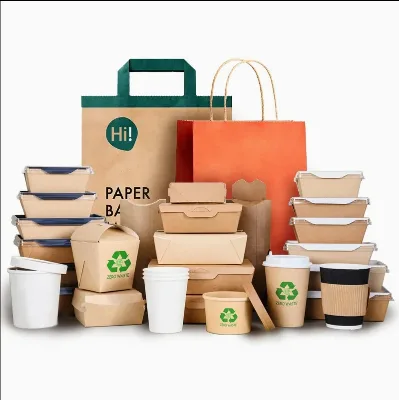
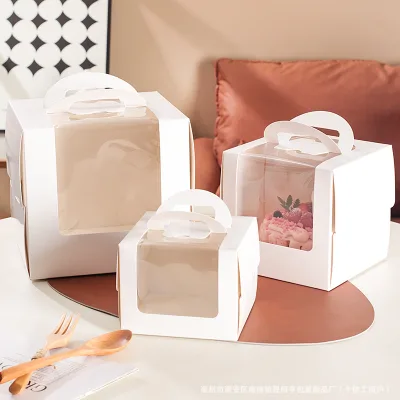
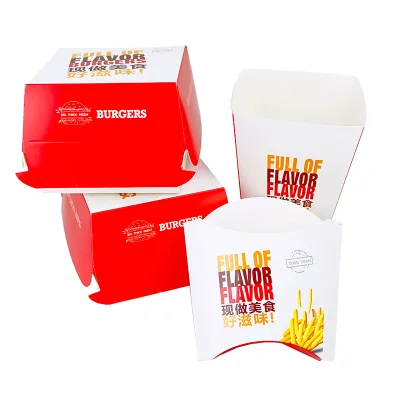
$0.2052 - $0.5138
MOQ: 500 pieces
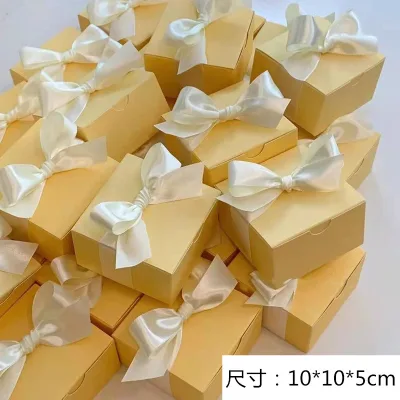
Anhui Lenkin Packaging Co., Ltd.
- Manufacturer, Trading Company
- Anhui, China
- Lead time30 days
- Avg. response≤ 4h
Main productspaper cup,Plastic cup lid,Paper straw,paper fans,Paper tray
Main marketsMid East(60.00%), Eastern Europe(10.00%), Central America(10.00%), South America(5.00%), North America(5.00%), Northern Europe(5.00%), Domestic Market(2.00%), Oceania(2.00%), Southern Europe(1.00%)
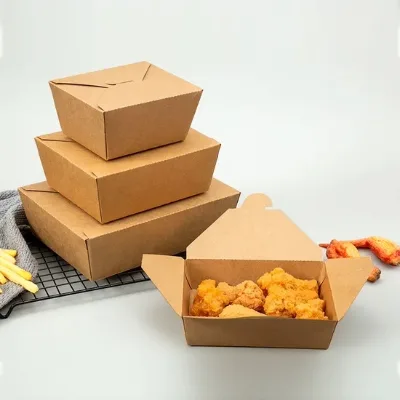
$0.01 - $0.05
MOQ: 500000 pieces
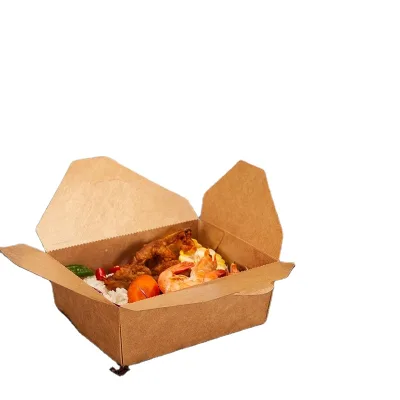
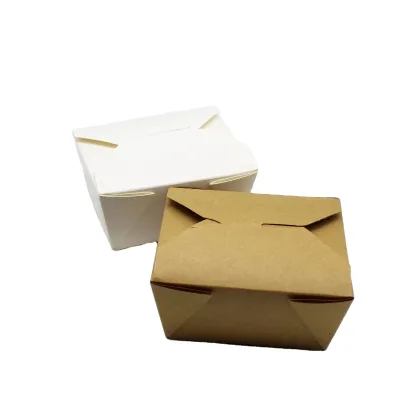

- Verified by SGS
- Combined
- China Shandong
- Lead time15 days
- Avg. response≤ 5h
Main productsPaper Box, Children's Book, Packaging Box, Book and Magazine Printing, Flash Card, Color Card, Paper Bag, Blister Card, Brochure, Paper Sleeves
Main marketsDomestic
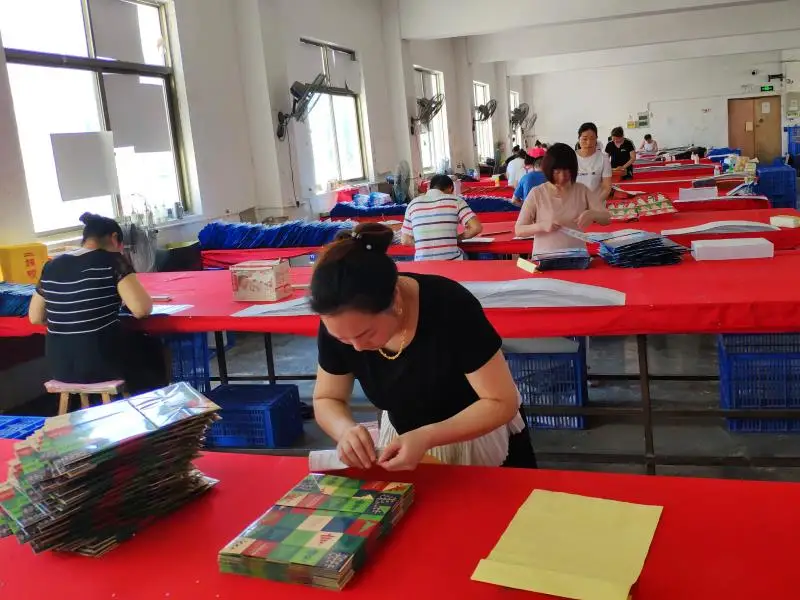
Yiwu Bangdi Packaging Products Co., Ltd.
- Trading Company
- Zhejiang, China
- Lead time15 days
- Avg. response≤ 3h
Main productsJewelry Packaging, Beauty Products Packaging, Gift Box, Gift Bag, Mailer Packaging
Main marketsNorth America(45.00%), Central America(12.00%), Eastern Asia(10.00%), Eastern Europe(10.00%), Mid East(10.00%), Northern Europe(8.00%), Oceania(3.00%), South America(2.00%)
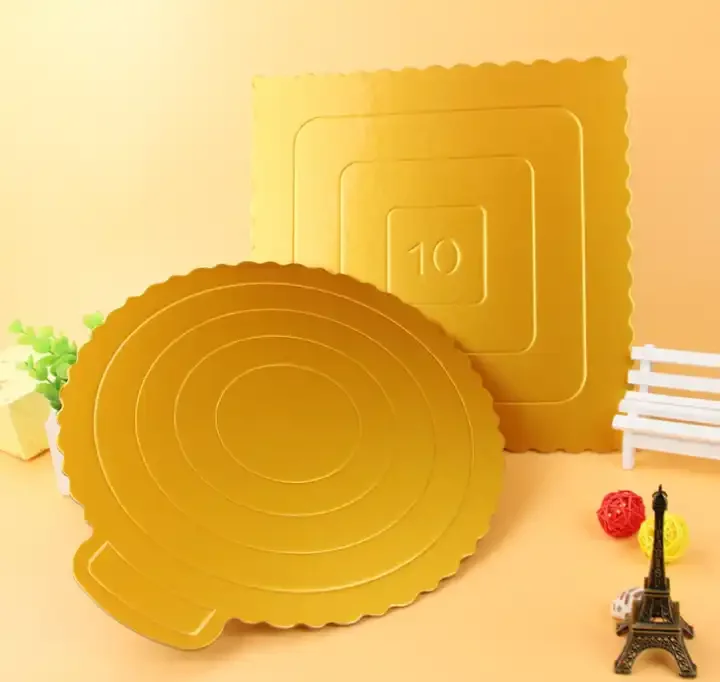
Yiwu Riyuan Goods Trading Co.,Ltd.
- Trading Company
- Zhejiang, China
- Lead time15 days
- Avg. response≤ 6h
Main productsCake Decorating Supplies,cake board,Cake topper,Cake Tools,Baking & Pastry Tools
Main marketsNorth America(20.00%), Southeast Asia(19.00%), South America(16.00%), Western Europe(12.00%), Northern Europe(5.00%), Southern Europe(5.00%), Oceania(5.00%), Eastern Europe(5.00%), Eastern Asia(3.00%), South Asia(3.00%), Africa(3.00%), Central America(2.00%), Mid East(2.00%)
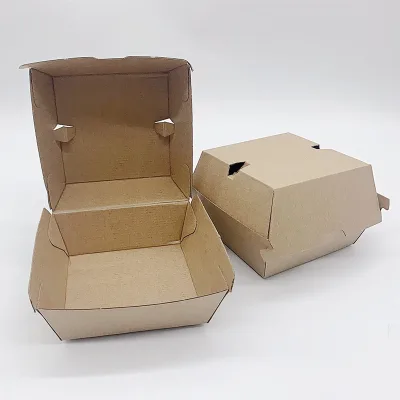

White Rectangle Baking Packaging Paper Box with Lid
$0.07 - $0.08

- Verified by TUVRHEINLAND
- Manufacturer/Factory
- China Anhui
- Lead time23 days
- Avg. response≤ 4h
Main productsPaper Cup, Paper Bowl, Paper Plate, Disposable Paper Cup, Paper Food Container, Kraft Paper Salad Bowl, PLA Cup, Plastic Cup, Sugarcane Bagasse Clamshell, Sugarcane Bagasse Plate
Main marketsSouth America,Eastern Europe,Mid East,North America,Southeast Asia,Eastern Asia,Oceania,Western Europe

Kraft Paper Food Boxes Plain Rectangular Cardboard Packaging for Gifts
$0.01 - $0.02
MOQ: 20000 pieces

Yiwu Fulai Paper Products Co., Ltd.
- Manufacturer, Trading Company
- Zhejiang, China
- Lead time10 days
- Avg. response≤ 4h
Main productsGift Bag,Gift Box,Food Package,Party Products,Mailer Box
Main marketsNorth America(30.00%), Northern Europe(20.00%), South America(20.00%), Eastern Europe(10.00%), South Asia(8.00%), Africa(5.00%), Mid East(5.00%), Domestic Market(2.00%)


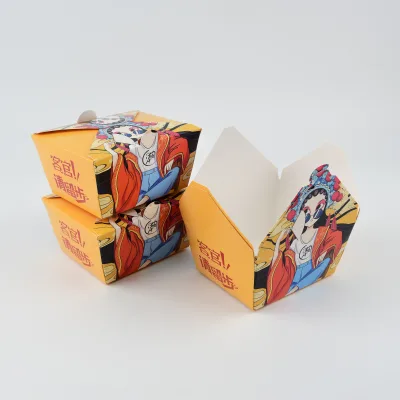
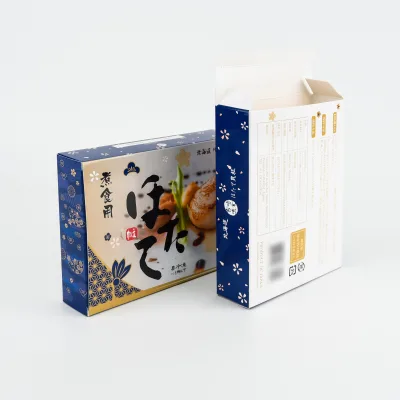








Comprehensive Sourcing Guide
Recycled Food Kraft Paper Box Supplier Concentration and Factory Types
The current supplier landscape for recycled food kraft paper boxes reveals a distinct geographic concentration in China, with active manufacturing hubs identified in Fujian, Zhejiang, and Shanghai. These regions serve as primary clusters for producers specializing in biodegradable tableware and paper packaging solutions. Buyers evaluating potential partners should note that the majority of verified entities in these locations operate as manufacturers or factories, indicating direct control over the production process rather than acting as pure trading intermediaries. This structural distinction is critical for sourcing because factory-type suppliers typically offer more transparent oversight of raw material sourcing, specifically the use of food-grade kraft paper and recycled fibers. The presence of these manufacturing bases suggests that buyers can expect a higher degree of customization capability, including OEM and ODM services, which are frequently listed as core capacities for suppliers in these specific provinces.
Understanding the company type is equally important when assessing the supply chain structure. While many suppliers are classified as manufacturers, some results indicate a "Combined" company type, which may imply a hybrid model involving both production and trading operations. This variation can impact communication efficiency and pricing flexibility. For instance, suppliers in Zhejiang have been observed with combined operational models, potentially offering a broader range of main products such as disposable tableware and paper cups alongside the primary kraft paper boxes. Buyers must carefully distinguish between pure factories and combined entities to align their procurement strategy with their need for volume consistency versus product diversity. The concentration in these specific Chinese regions also facilitates access to established industrial ecosystems, where supporting industries for corrugated materials and printing handling are readily available, thereby reducing logistical friction for large-scale orders.
How to Verify Recycled Food Kraft Paper Box Suppliers
Verification is a critical step in mitigating risk when sourcing recycled food kraft paper boxes, as the integrity of the supply chain directly impacts product safety and compliance. Buyers should prioritize suppliers who have undergone third-party verification processes, as these provide an external audit of the factory’s operational legitimacy. Current data indicates that various verification bodies are active in this sector, with specific suppliers holding credentials from TÜV Rheinland, Bureau Veritas (BV), and CTI. These verifications serve as a baseline assurance that the supplier exists and operates within the declared parameters, but they do not automatically guarantee product quality or ethical standards. Therefore, buyers must treat verification as a starting point rather than a final seal of approval, requiring further due diligence to ensure the supplier’s claims align with actual production capabilities and business practices.
Beyond basic existence verification, buyers must scrutinize the specific certifications and system standards held by the supplier to ensure compliance with international food safety regulations. The product evidence shows that reputable manufacturers often hold certifications such as BSCI, BRC, ISO 9001, and GAP, which indicate adherence to quality management and social responsibility standards. Furthermore, product-specific certifications like FDA, LFGB, CIQ, and EEC are crucial for ensuring that the recycled kraft paper boxes are safe for direct food contact. Buyers should request valid certificates and verify their authenticity, as these documents are the primary proof that the materials used, such as food-grade kraft paper, meet stringent health and safety requirements. Additionally, checking for response times and lead times can provide indirect evidence of operational efficiency; suppliers with faster response times and consistent lead times often demonstrate better organizational maturity, which is a key indicator of reliability in long-term sourcing relationships.
What to Compare Across Recycled Food Kraft Paper Box Suppliers
When evaluating multiple suppliers for recycled food kraft paper boxes, buyers must systematically compare key operational metrics to identify the most suitable partner for their specific needs. One of the most significant differentiators is the minimum order quantity (MOQ), which varies widely across the supplier base. Some suppliers offer low MOQs as low as fifty units, which is advantageous for testing new markets or small-batch production, while others require volumes of ten thousand or twenty thousand units, catering to large-scale industrial buyers. This disparity requires buyers to align their order volume with the supplier’s capacity constraints. Additionally, the price range for these products typically falls between $0.015 and $0.08 per unit, depending on factors such as customization, material thickness, and order volume. Buyers should not solely focus on the lowest price but rather evaluate the cost-effectiveness relative to the MOQ and the included services, such as printing handling or custom sizing.
Another critical dimension for comparison is the supplier’s response time and lead time, which directly impact supply chain agility. Suppliers in this sector exhibit varying response speeds, with some averaging under three hours and others taking nearly ten hours to respond to inquiries. Faster response times often correlate with better customer service and quicker resolution of issues, which is vital for maintaining smooth procurement operations. Lead times also differ, ranging from fifteen to thirty days, reflecting the complexity of production and the supplier’s current workload. Buyers should also compare the main products offered by each supplier; those specializing exclusively in paper packaging may offer deeper expertise and more consistent quality than those with a broader, combined product range. By weighing these factors—MOQ, price, response speed, lead time, and product specialization—buyers can create a balanced scorecard to select suppliers that best match their operational requirements and budget constraints.
Common Recycled Food Kraft Paper Box Sourcing Risks
Sourcing recycled food kraft paper boxes involves several inherent risks that buyers must proactively manage to ensure a successful procurement outcome. One significant risk is the variability in material quality, particularly concerning the use of recycled fibers. While many suppliers claim their products are biodegradable and eco-friendly, the actual composition and safety of the recycled material can vary. Buyers must ensure that the paper material is strictly food-grade and free from harmful contaminants, as this is critical for compliance with food safety standards. The risk is compounded if the supplier lacks proper certifications such as FDA or LFGB, which validate the safety of the packaging for direct food contact. Without rigorous verification of material specifications, buyers may face product recalls or regulatory penalties, making it essential to demand detailed material data sheets and test reports from potential suppliers before committing to large orders.
Another common risk is the discrepancy between quoted lead times and actual delivery schedules, which can disrupt downstream operations. Suppliers may quote attractive lead times of fifteen to twenty-three days, but external factors such as raw material shortages or production bottlenecks can cause delays. This risk is particularly pronounced with suppliers who have lower response times or less established verification records, as they may lack the operational robustness to handle unexpected disruptions. Additionally, the risk of customization errors is high, especially when dealing with complex printing requirements like embossing, glossy lamination, or custom logos. If the supplier’s understanding of the design specifications is unclear, the final product may not meet brand standards. Buyers should mitigate these risks by establishing clear communication protocols, requesting pre-production samples, and including penalty clauses for late deliveries or quality deviations in their contracts, thereby protecting their interests and ensuring consistent product quality.
Recycled Food Kraft Paper Box Regional Sourcing and Logistics
The geographic location of suppliers significantly influences logistics costs, lead times, and overall supply chain efficiency for recycled food kraft paper boxes. Current data highlights three primary sourcing regions in China: Fujian, Zhejiang, and Shanghai. Each of these locations offers distinct logistical advantages depending on the buyer’s destination and volume requirements. Suppliers in Fujian are often associated with a strong manufacturing base for paper packaging, with lead times averaging around thirty days. This region’s proximity to major shipping ports can facilitate efficient export logistics, particularly for buyers targeting international markets. However, buyers must consider that longer lead times may require earlier planning and larger inventory buffers to prevent stockouts. Understanding the specific location of the supplier allows buyers to estimate transit times more accurately and choose the most cost-effective shipping routes.
Zhejiang and Shanghai represent other key sourcing hubs, each with unique logistical profiles. Suppliers in Zhejiang, often located in Ningbo, benefit from proximity to one of the world’s busiest container ports, which can streamline export processes and potentially reduce shipping costs. These suppliers may offer shorter lead times, averaging twenty-three days, and often have combined operational models that provide flexibility in product offerings. Shanghai, while a major commercial center, may have suppliers with slightly different operational focuses, such as a broader range of packaging types including gift boxes and carton boxes. Buyers should evaluate the specific location of each supplier to assess the impact on freight costs and delivery speed. For instance, sourcing from Shanghai might offer faster access to certain logistics services but could come with higher base costs. By aligning supplier location with logistical needs, buyers can optimize their supply chain for both cost efficiency and reliability.
Recycled Food Kraft Paper Box Commercial Terms and Order Planning
Effective order planning for recycled food kraft paper boxes requires a thorough understanding of commercial terms, including pricing structures, payment conditions, and customization options. The price range for these products typically spans from $0.015 to $0.08 per unit, with variations driven by factors such as material quality, printing complexity, and order volume. Buyers should negotiate prices based on their expected annual volume, as larger orders often qualify for significant discounts. Additionally, customization is a key commercial term, with many suppliers offering OEM and ODM services. Buyers must clearly define their customization requirements, such as specific sizes, shapes, and printing handling techniques like embossing or lamination, to avoid misunderstandings and additional costs. It is also important to confirm whether the supplier provides export carton packing, which ensures product protection during transit and reduces the risk of damage.
Beyond pricing and customization, buyers must plan for the operational aspects of order fulfillment, including lead times and response protocols. Suppliers typically offer lead times ranging from fifteen to thirty days, which must be factored into the buyer’s inventory management strategy. Faster response times, often under three hours, can facilitate quicker decision-making and issue resolution, but buyers should also establish clear communication channels for order tracking and quality control. Furthermore, buyers should verify the supplier’s capacity for handling large volumes, as some suppliers may have constraints on their production lines. By aligning commercial terms with operational capabilities, buyers can create a robust sourcing strategy that minimizes risk and ensures consistent supply. It is advisable to start with smaller trial orders to test the supplier’s reliability before scaling up to larger volumes, thereby protecting the buyer’s interests and building a strong partnership.
FAQs
What is the price range for recycled kraft paper food boxes?
Prices typically range from $0.015 to $0.08 per unit depending on customization and order volume. Specific items like biodegradable options start near $0.015, while custom printed boxes may reach $0.082. Buyers should verify exact pricing based on their required specifications and quantity tiers.
What certifications are available for these food packaging boxes?
Suppliers offer various certifications including BSCI, BRC, ISO 9001, GAP, FDA, LFGB, and EEC. Some products also carry CIQ and CE marks. These certifications ensure compliance with international food safety and quality standards, providing assurance for global sourcing requirements.
What is the minimum order quantity for kraft paper boxes?
MOQs vary significantly by supplier and product type. Some manufacturers require as few as 50 units, while others set minimums at 1,000 or even 20,000 pieces. Buyers should check specific product listings to determine the applicable MOQ for their desired packaging solution.
Where are these recycled paper box suppliers located?
Manufacturers are primarily located in China, specifically in Fujian, Zhejiang, and Shanghai provinces. These regions host various factory types, including dedicated manufacturers and combined trading entities, offering diverse sourcing options for recycled kraft paper food packaging solutions.
How long does production take for these food boxes?
Lead times generally range from 15 to 30 days depending on the supplier and order complexity. Some factories in Shanghai offer faster turnaround times around 15 days, while others may require up to 30 days for production and preparation.
Can I customize the design and printing on these boxes?
Yes, customization is widely available, including custom logos, sizes, and printing options like embossing or lamination. Suppliers support OEM and ODM services, allowing buyers to tailor packaging to their brand identity while maintaining food-grade safety standards for various applications.