Cosmetic Lip Balm Jar Suppliers and Manufacturers
Source 21 Cosmetic Lip Balm Jar suppliers from China to compare lead times, MOQs, and certifications. Verify response times and pricing to identify suitable partners for your packaging needs; review the available evidence before requesting comparable quotations from suitable candidates.
Updated
Suppliers List

Ningbo Passen Technology Co., Ltd.
- Verified by BV
- Trading Company
- China Zhejiang
- Lead time30 days
- Avg. response≤ 10h
Main productsWide Mouth Jar, Cosmetic Bottle, Plastic Bottle, Cosmetic Jar, Cosmetic Packaging, Aluminum Bottle, Cream Jar, Plastic Packaging, Aluminum Jar, Lotion Bottle
Main marketsSouth America,Africa,Southeast Asia/ Mideast,East Asia(Japan/ South Korea),Europe,Australia,North America


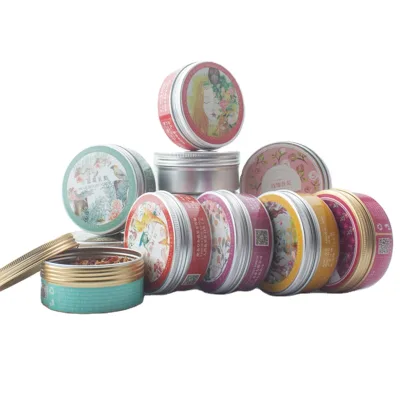
Premium Refillable Aluminum Cosmetic Jar for Cream Lotion and Lip Balm
$0.10 - $0.20
MOQ: 10000 Pieces

Refillable Aluminum Jar Empty Storage Container for Cosmetics and Lip Balms
$0.10 - $0.20
MOQ: 10000 Pieces

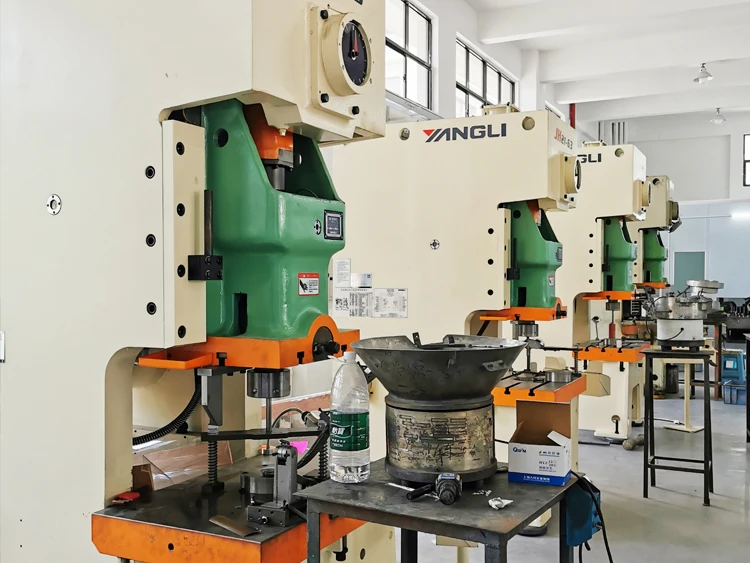
Shantou Aochuangming Packaging Products Co., Ltd.
- Trading Company
- Guangdong, China
- Lead time0 days
- Avg. response≤ 6h
Main productscosmetics package,plastic package,plastic packing
Main marketsAfrica(30.00%), Western Europe(30.00%), North America(20.00%)

Ningbo YMS Imp & Exp Co., Ltd.
- Trading Company
- China Zhejiang
- Lead time45 days
- Avg. response≤ 8h
Main productsLipstick Case, Cosmetic Compact, Lip Gloss Case, Mascara Tube, Eyeliner Bottle, Cosmetic Pen, Acrylic Jar, Cosmetic Pot, Loose Powder Container, Airless Lotion Bottle
Main marketsSouth America,Southeast Asia/ Mideast,Europe
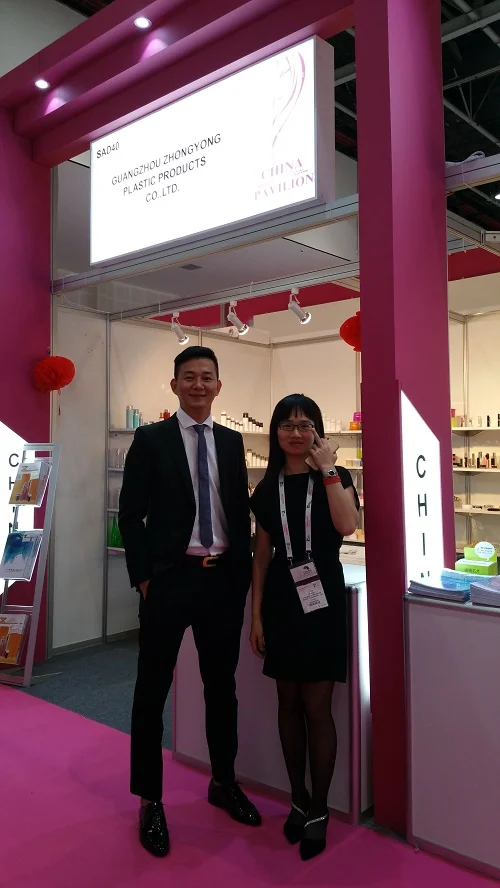
Guangzhou Zhongyong Plastic Products Co., Ltd.
- Manufacturer, Trading Company, Other
- Guangdong, China
- Lead time30 days
- Avg. response≤ 5h
Main productsplastic bottles,plastic packaging,plastic containers,cosmetic packaging,cosmetic containers
Main marketsEastern Asia(30.00%), South Asia(20.00%), Eastern Europe(10.00%), Southern Europe(10.00%), Western Europe(10.00%), South America(10.00%), Africa(10.00%)
Impac International Trading Co., Ltd. (zhangjiagang)
- Verified by Intertek
- Trading Company
- Lead time30 days
- Avg. response≤ 4h
Main productsAcrylic Bottles And Jars, Plastic Bottles And Jars, Glass Bottles And Jars, Cosmetic Packaging, Spray Bottles
Main marketsNorth America(45%), Western Europe(25%), South America(8%)

Shantou Praisein Plastic Product Co., Ltd.
- Verified by BV
- Trading Company
- China Guangdong
- Lead time23 days
- Avg. response≤ 4h
Main productsCosmetic Packaging, Skin Care Packaging, Plastic Packaging
Main marketsSouth America,Southeast Asia/ Mideast,East Asia(Japan/ South Korea),Europe,Australia,North America

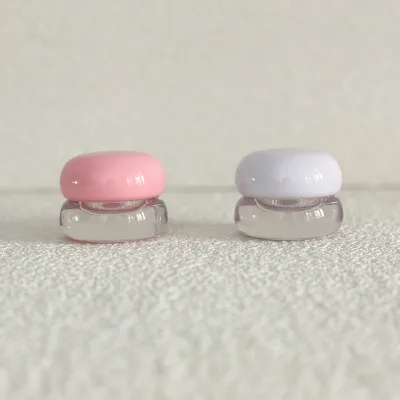
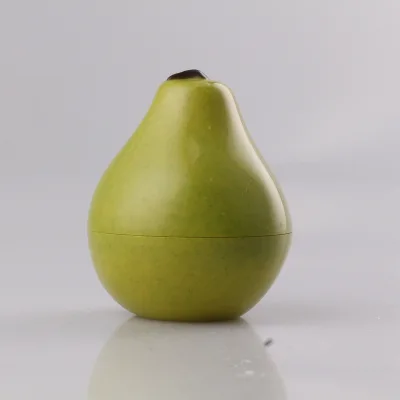
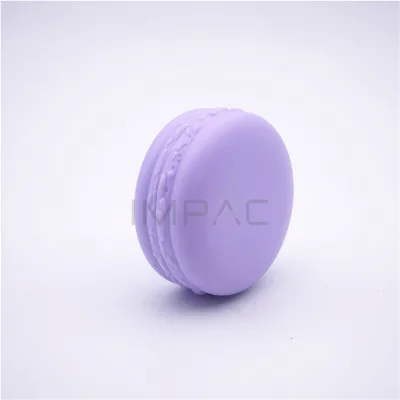
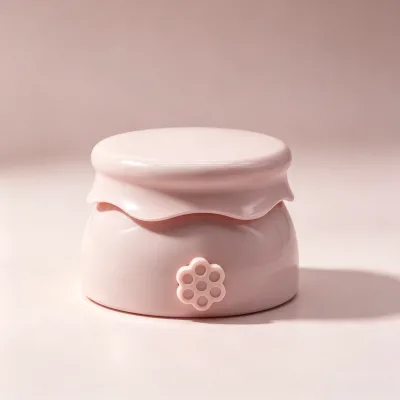
Private Label Cute Pumpkin-Shaped Lip Moisturizing Cream Lip Balm Jars
$0.42 - $0.45
MOQ: 10000 Pieces

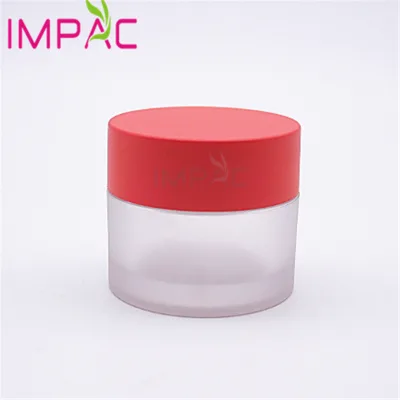
Round Frosted Plastic Cosmetic Jar Small Container for Cream, Lip Balm, Lip Mask
$0.50 - $0.52
MOQ: 10000 Pieces

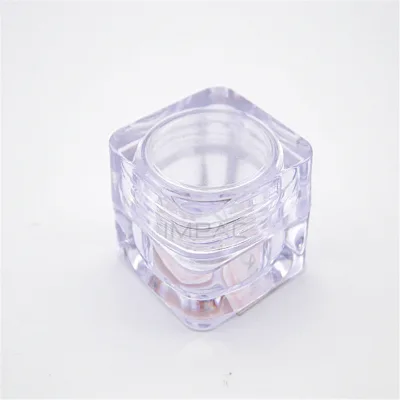
10g Small Round Empty Lip Balm Jar Clear as Plastic Cosmetic Lip Mud Jar Private Label
$0.40 - $0.45
MOQ: 12000 Pieces
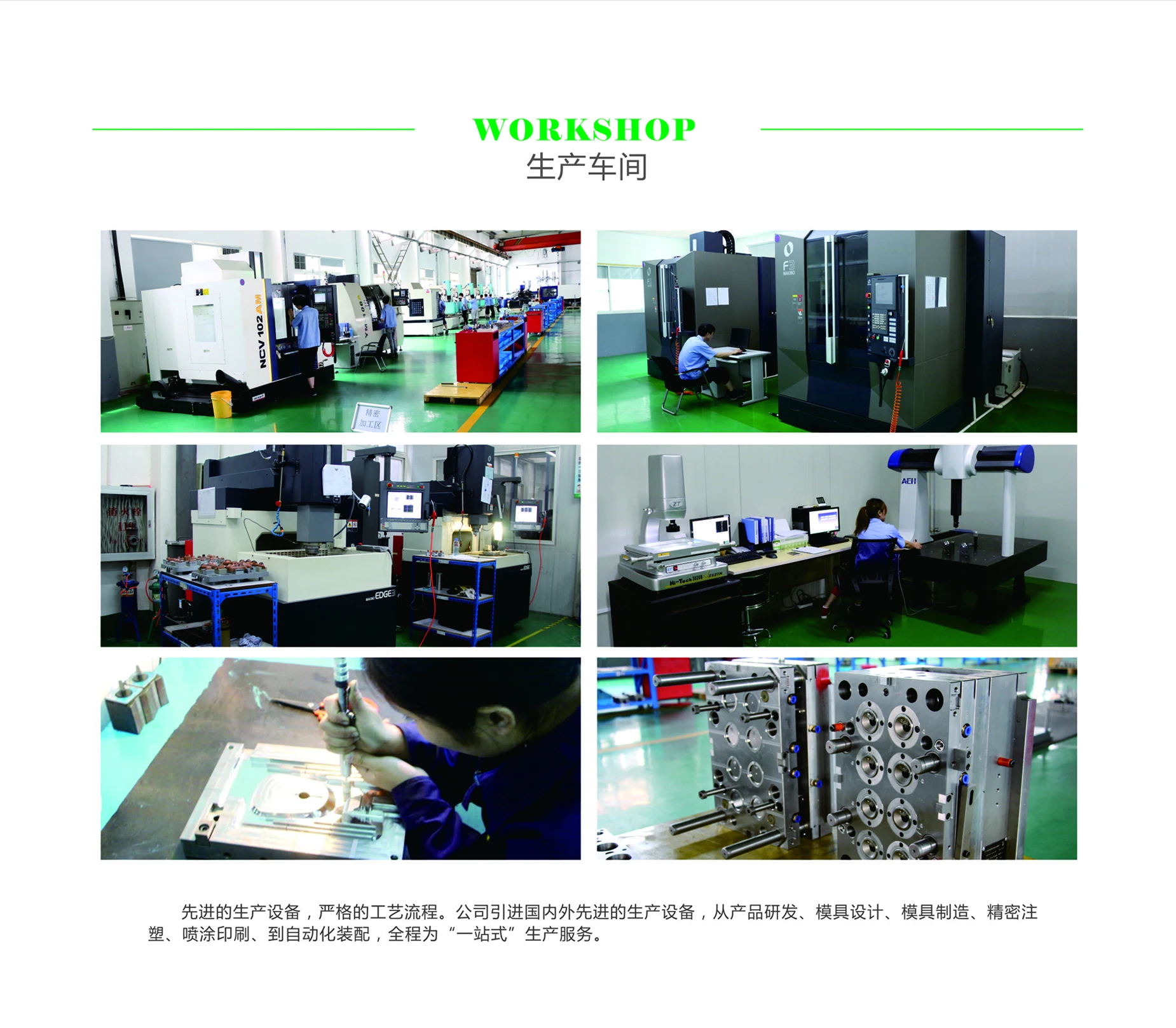
Shanghai Bropack Trade Co., Ltd.
- Trading Company
- Shanghai, China
- Lead time30 days
- Avg. response≤ 2h
Main productsPlastic Jar, Plastic Cap, Plastic Bottle, Airless Jar, Plastic Pump
Main marketsNorth America(30.00%), Western Europe(30.00%), Southeast Asia(20.00%), Eastern Europe(10.00%), Northern Europe(5.00%), Mid East(5.00%)

Yuyao Xianghao Mold Technology Company Limited
- Verified by BV
- Trading Company
- China Zhejiang
- Lead time30 days
- Avg. response≤ 7h
Main productsInjection Mold, Plastic Mold, Injection Molding, Rapid Prototyping, 3D Pritting, Manhole Cover Mold, Silicone Rubber Mould, Wire Rack, Car Air Compressor, LED Light
Main marketsNorth America

- Verified by BV
- Manufacturer/Factory
- China Zhejiang
- Lead time23 days
- Avg. response≤ 6h
Main productsAluminum Bottle, Aluminum Jar, Aluminum Tube, Soap Dispenser
Main marketsSouth America,Eastern Europe,Mid East,North America,Southeast Asia,Eastern Asia,Oceania,Western Europe,Africa

Wholesale China Manufacturer Empty Cosmetic Container Lip Balm Jar Aluminum Jar
$0.10 - $0.30
MOQ: 10000 Pieces


Wuxi Sunmart Science and Technology Co., Ltd.
- Verified by BV
- Combined
- China Jiangsu
- Lead time15 days
- Avg. response≤ 4h
Main productsFoam Pump, Fine Mist Spray Pump, Lotion Pump, Pen Atomizers, Cream Spray Pump, Perfume Atomizers, Foam(Soap) Pump Trigger Spray Pump, Regular Spray Pumps Nasal Sprayers Oral, Droppers and Glass Pipettes, Plastic Caps
Main marketsDomestic,Europe,Australia,North America
Shijiazhuang Meiche Trade Co., Ltd.
- Trading Company
- Hebei, China
- Lead time0 days
- Avg. response≤ 2h
Main productsGlass Bottles & Jars,Airless & Plastic Packaging,Cosmetic Tubes & Flexible Packaging,Custom Printing & Decoration,Custom Boxes & Sustainable Packaging
Main marketsSouth America(25.00%), North America(15.00%), Eastern Asia(10.00%), Northern Europe(10.00%), Africa(10.00%), Eastern Europe(10.00%), Western Europe(5.00%), Southern Europe(5.00%), South Asia(3.00%), Central America(2.00%), Mid East(2.00%), Oceania(2.00%), Domestic Market(1.00%)
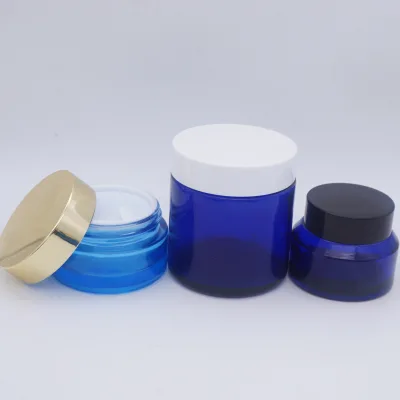
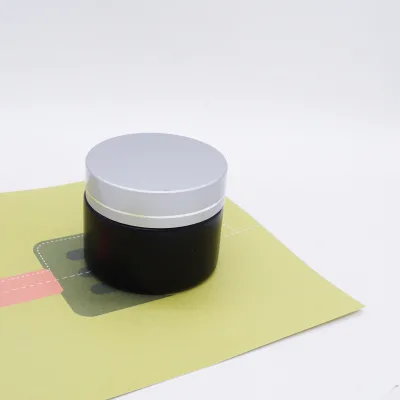
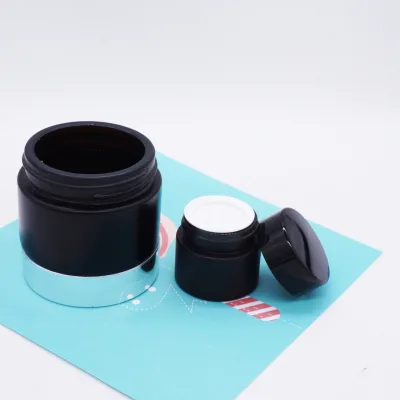
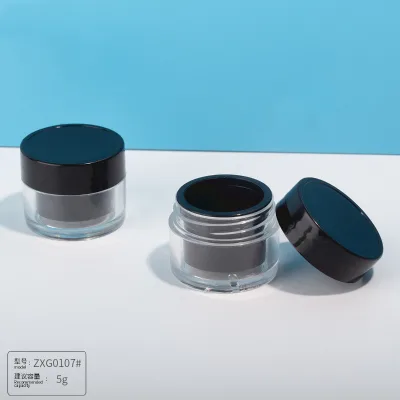
10g Matt Black Small Lip Balm Jars with Black Top
$0.30 - $0.98
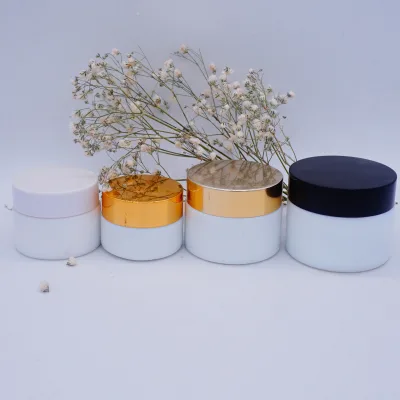
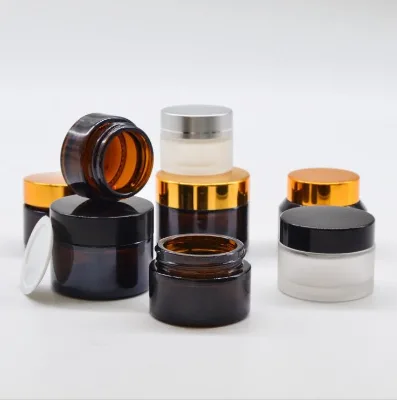
Luxury White 5g Glass Lip Balm Jar with White Lid
$0.10 - $0.12
Guangzhou Inmo Manufacture Co., Ltd.
- Manufacturer, Trading Company, Distributor/Wholesaler
- Guangdong, China
- Lead time30 days
- Avg. response≤ 2h
Main productsFoundation,Blusher,Lip stick,Eye shadow,Contour
Main marketsSoutheast Asia(15.00%), Mid East(10.00%), Africa(10.00%), Northern Europe(5.00%), Western Europe(5.00%), Eastern Asia(5.00%), Southern Europe(5.00%), South America(5.00%), North America(5.00%), South Asia(2.00%), Eastern Europe(2.00%)
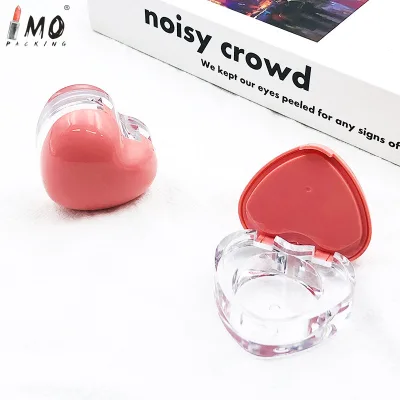
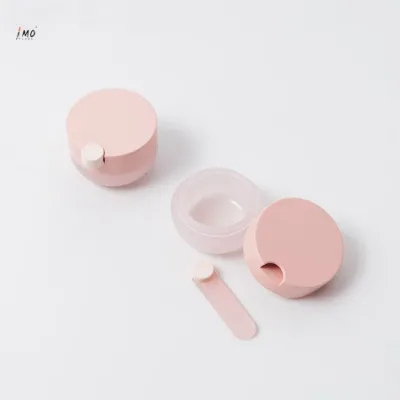
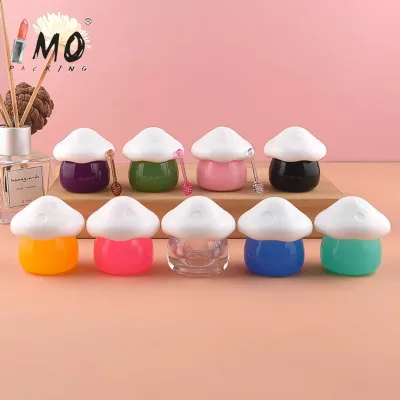
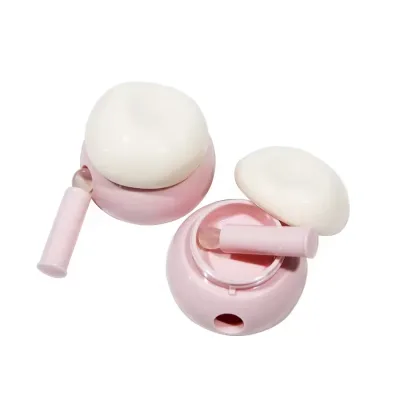
New Style 12g Lip film Jar With Spoon Lip Balm Bottle Cosmetic Packaging Wholesale
$0.2902
MOQ: 10000 Minimum

Jinhua Allies Import and Export Co., Ltd.
- Verified by SGS
- Manufacturer/Factory
- China Zhejiang
- Lead time23 days
- Avg. response≤ 6h
Main productsCanister, Container, Bottle, Cosmetic, Make up, Plastic Packaging, Eyeshadow, Palette, Box, Compact Case
Main marketsSouth America,Mid East

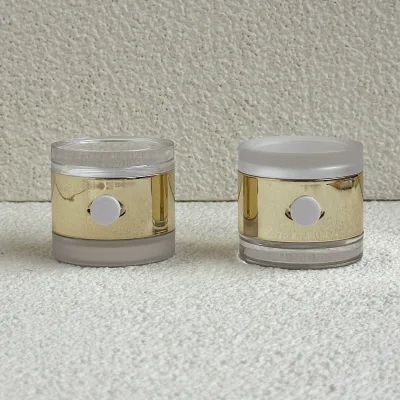
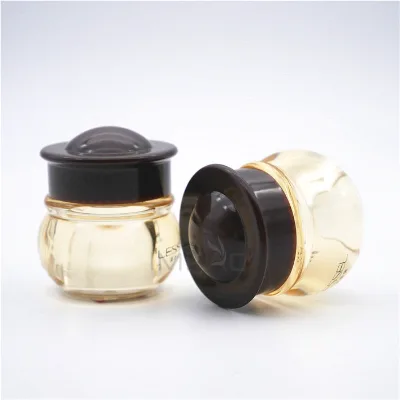
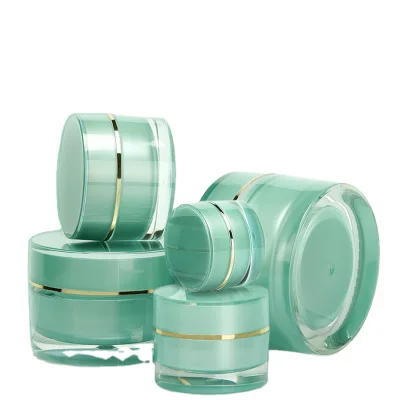
Luxury Empty Round Yellow Gold Acrylic 10g Eye Cream Lip Balm Cosmetic Container Jars
$0.18 - $0.80
MOQ: 10000 Pieces


Luxury Gold Sliver Lip Mask Balm Containers Acrylic Face Cream Jar 5ml 7ml Jar for Acrylic Powder
$0.25 - $0.85
MOQ: 10000 Pieces

Ningbo Huazhou Packaging Co., Ltd.
- Manufacturer
- Zhejiang, China
- Lead time15 days
- Avg. response≤ 6h
Main productsFoaming Bottle, Plastic Jar, Trigger Sprayer, Oil Sprayer, Continuous Sprayer Bottle
Main marketsNorth America(54.00%), South America(25.00%), Eastern Asia(21.00%)
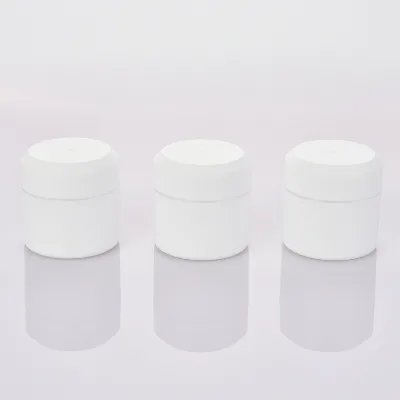
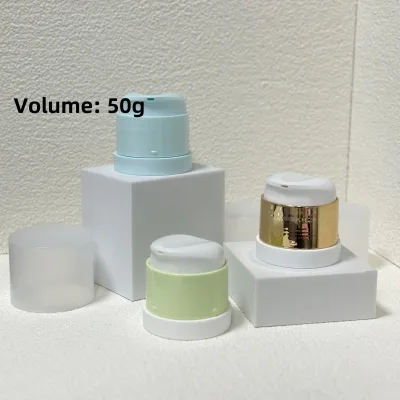
Luxury Plastic Packaging Lip Balms Jar 50ml Round PP Cosmetic Cream Plastic Jars With Screw Lids
$0.18 - $0.20
MOQ: 10000 pieces
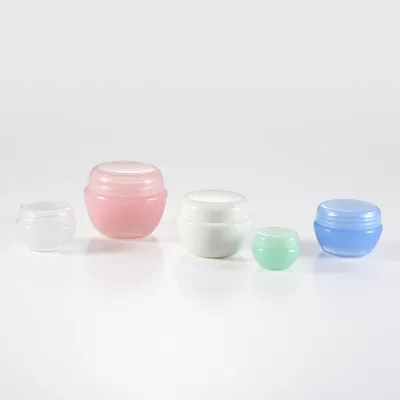
Cheap Price Empty Lip Balm Jar 10g Cosmetics Packaging Cream Jar for Lid Scrub
$0.12 - $0.15
MOQ: 5000
Foshan Nanhai Henron Plastic Packaging Product Factory
- Verified by SGS Group
- Manufacturer, Trading Company
- Lead time30 days
- Avg. response≤ 2h
Main productsPlastic Cream Jar, Plastic Lotion Bottle, BB Cushion Case, Empty Eyeshadow Palette, Compact Powder Case
Main marketsDomestic Market(30%), Southeast Asia(25%), North America(10%)

Hangzhou Bona Packaging Co., Ltd.
- Verified by SGS
- Trading Company,Manufacturer/Factory,Group Corporation
- China Zhejiang
- Lead time23 days
- Avg. response≤ 2h
Main productsPlastic Tube, Cosmetic Tube, Cosmetic Packaging, Plastic Jar, Plastic Bottle, Airless Bottle, Cosmetic Bottle, Bottle, Jar, Packing Bottle
Main marketsSouth America,Eastern Europe,Mid East,Southeast Asia,Eastern Asia,Oceania,Western Europe
Shijiazhuang Leguang Trading Co., Ltd.
- Verified by SGS Group
- Trading Company
- Lead time3 days
- Avg. response≤ 2h
Main productsCosmetic Plastic bottles, Cream Jar, Glass Spray Bottle, Cosmetic Jar, Paper Tube
Main marketsNorth America(30%), Western Europe(20%), Southeast Asia(20%)

Ningbo Somewang Packaging Co., Ltd.
- Verified by SGS
- Combined
- China Zhejiang
- Lead time23 days
- Avg. response≤ 4h
Main productsCosmetic Packaging, Cosmetic Bottle, Plastic Bottle, Cosmetic Tube, Cream Jar, Lotion Pump, Mist Sprayer, Trigger Sprayer, Plastic Cap, Glass Bottle
Main marketsSoutheast Asia/ Mideast,Europe,North America

High Quality Aluminum Lip Balm Jar with Screw Cap 15ml Aluminum Cream Storage Container
$0.07 - $0.09
MOQ: 10000 Pieces

High Quality Aluminum Lip Balm Jar with Screw Lid 5ml Aluminum Tea Coffee Storage Container
$0.08 - $0.10
MOQ: 10000 Pieces
Akuiman (Guangzhou) Packaging Products Co., Ltd.
- Verified by SGS Group
- Trading Company
- Lead time7 days
- Avg. response≤ 2h
Main productsCosmetic Packaging, Glass Bottle, Plastic Bottle, Jar, Paper Boxes
Main marketsNorth America(40%), South America(10%), Eastern Europe(10%)

Shenzhen Pengshun Industrial Co., Ltd.
- Manufacturer, Trading Company, Distributor/Wholesaler
- Guangdong, China
- Lead time10 days
- Avg. response≤ 3h
Main productsLip gloss tube,Face cream tank,Essential oil bottle,Lotion Bottle,Facial cleanser bottle
Main marketsSouth America(40.00%), North America(40.00%), Western Europe(20.00%)

- Verified by CTI
- Trading Company
- China Zhejiang
- Lead time30 days
- Avg. response≤ 3h
Main productsAirless Bottle, Glass Bottle, Comb, Cosmetic Packaging, Food Packaging, Sprayer, Lotion Pump Machine, Gift, Roll on Ball
Main marketsAfrica,Southeast Asia/ Mideast








Comprehensive Sourcing Guide
Cosmetic Lip Balm Jar Supplier Concentration and Factory Types
Buyers searching for cosmetic lip balm jars will encounter suppliers concentrated in a small number of Chinese manufacturing regions, and two of them appear clearly in current supplier results. Zhejiang province, with Ningbo as a listed loading port, is strongly represented by aluminum jar specialists whose catalogues cover sizes from 5g up to 300g, including dedicated 10ml and 30ml/50ml lip balm containers. Guangdong province is the other visible cluster, dominated by plastic packaging suppliers offering lip balm jars, double-layer tubes with brushes, and jelly-style lip mask jars. Recognizing this split matters because material choice and region usually align: metal tins from Zhejiang, plastic jars and tubes from Guangdong.
Supplier types also differ in ways that affect risk. Current results include at least one trading company among the aluminum jar sellers, verified by a third-party inspection body, alongside suppliers presenting themselves more like manufacturers with in-house customization and OEM/ODM programs. Trading companies can consolidate mixed plastic and metal orders but add a margin layer; direct factories typically offer deeper tooling control for embossing, hot stamping, or silk-screen logo work. When you shortlist, read each listing's main-products line and company-type label rather than assuming every result is a factory. A supplier listing both cosmetic bottles, cream jars, and aluminum packaging may be a one-stop packaging house, which is useful for brand consistency but still warrants confirming who physically produces the jars you order.
How to Verify Cosmetic Lip Balm Jar Suppliers
Verification should begin with the credentials a supplier can actually display. In the current results, one Zhejiang-based trading company carries third-party business verification, and product-level evidence mentions standards such as FDA and SGS on an aluminum jar listing, plus ISO and CE certification claims on another. Treat these as starting signals, not conclusions: ask the supplier for the actual certificate documents, confirm they cover the specific jar model and capacity you intend to buy, and check certificate dates and issuing bodies. A listing that cites a standard without a copy attached should trigger a document request before sampling.
Beyond paperwork, verify production reality. Request the factory's physical address and confirm it matches the stated origin; current listings cite both Zhejiang and Ningbo origins for aluminum jars and Guangdong origins for plastic items, and a mismatch between the registered location and the production site is a common discovery during audits. Ask whether customization is genuinely in-house — several listings state customization is available, with surface handling options like printing, logo embossing, hot stamping, and silk-screen — and ask for photos or videos of that specific process being performed. Test responsiveness before committing: measured response times in the results range from roughly six hours to over nine, so send technical questions, not just price inquiries, and note the quality and speed of answers. Finally, request samples from the exact production line and run your own fit, sealing, and compatibility checks with your balm formula before approving tooling.
What to Compare Across Cosmetic Lip Balm Jar Suppliers
Build a comparison sheet using the attributes suppliers actually display, without assuming every listing carries the same data. Useful dimensions visible in current results include lead time (one aluminum jar supplier lists 30 days, while some plastic suppliers show no stated lead time, which itself is a question to ask), response time (roughly six hours versus nine-plus hours among listed suppliers), MOQ, price range, location, and main-products mix. MOQs vary dramatically: one aluminum jar listing shows 3,000 pieces while another shows 10,000, and a plastic jar listing sets logo printing at 10,000 units. For a lip balm brand testing multiple SKUs, that difference can determine which supplier is even feasible.
Compare the commercial substance behind each quote. Price ranges in the results span roughly 0.10–0.20 for basic aluminum jars, 0.28–1.00 for customizable aluminum tins, and 0.40 for a double-layer plastic tube with brush, but these are list prices, not negotiated project prices with decoration. Weigh what each figure includes: sealing type (screw cap, pet window screw lid), capacity options, color customization, packaging format (standard carton versus export carton plus pallet), and trading terms such as FOB or CIF from Ningbo. Also compare establishment year where displayed, escrow or trade-assurance availability, and whether the supplier's main products cluster tightly around cosmetic packaging or scatter across unrelated categories — focus usually signals category depth.
Common Cosmetic Lip Balm Jar Sourcing Risks
The most frequent risk in this category is assuming listing data equals contract data. A listed MOQ of 3,000 pieces may apply only to stock sizes in natural color; adding embossing, a custom color, or a printed logo can push the effective MOQ to 10,000, as one plastic listing's logo-printing threshold suggests. Similarly, stated price ranges omit tooling charges, sample fees, and decoration plates, so a 0.10 jar can double in landed cost once customized. Confirm in writing which capacity, size standard (5g through 300g ranges appear in listings), and surface finish the quote actually covers.
Quality and compliance risks follow closely. Aluminum jars listed with FDA or SGS references may have been tested on a different size or an earlier production run; plastic PE jars with hot stamping may have ink or coating layers not covered by any cited standard. Ask for material declarations specific to your SKU, including any food-contact or cosmetic-contact documentation where applicable. Logistics risks also appear in the data: one supplier shows a 30-day lead time while others display none, and production plus shipping from Ningbo or Guangdong ports to your market can stretch well beyond the factory window. Finally, beware over-reliance on a single supplier for both jar and cap components, and never skip a pilot order — a 3,000–10,000 piece first run is your cheapest insurance against a failed 100,000-piece launch.
Cosmetic Lip Balm Jar Regional Sourcing and Logistics
Regional choice shapes both product and freight outcomes. For aluminum lip balm tins, Zhejiang is the dominant sourcing region in current results, with Ningbo explicitly named as a loading port and FOB or CIF terms offered. Ningbo's port depth makes container consolidation straightforward, and buyers ordering mixed sizes — say 5g, 10g, and 50g tins — should ask the supplier to quote FOB Ningbo so freight forwarders can compare. Standard export cartons plus pallets are the stated packing for at least one aluminum listing; confirm carton dimensions and gross weights early, because small jars ship volumetrically inefficient and pallet configuration affects the final per-unit freight cost.
For plastic jars, tubes, and brush-applicator formats, Guangdong is the visible cluster, and proximity to southern Chinese ports supports comparable export flows, though current listings do not state a loading port for these items — ask directly. When your brand mixes metal and plastic components, consider splitting orders by region and consolidating at destination, or asking whether one trading supplier can coordinate both; the verified trading company model in the results exists precisely for mixed-category consolidation. Always clarify incoterms before comparing quotes: a CIF price from Ningbo includes freight to your port but limits forwarder choice, while FOB preserves control. Build inland transit, customs clearance, and last-mile time into your calendar separately from the factory lead time, and if you have a hard launch date, state it in the inquiry so the supplier confirms feasibility against real production slots rather than a generic estimate.
Cosmetic Lip Balm Jar Commercial Terms and Order Planning
Plan orders around the MOQ economics visible in this category. With aluminum jar MOQs listed at 3,000 and 10,000 pieces and logo printing on plastic jars starting at 10,000 units, a sensible first order is often the supplier's minimum in one or two stock capacities, with customization deferred to a second run once sell-through is proven. Negotiate tiered pricing against that roadmap: ask what the unit price becomes at 3x and 10x the minimum, and request that tooling and plate fees be amortized or credited at a volume threshold. Confirm whether sample costs are refundable against the production order — many suppliers in this category will agree if asked directly.
Structure payment and milestones defensively. Typical practice is a deposit with balance before shipment; tie the balance to a passed pre-shipment inspection checking capacity accuracy, screw-cap torque, coating adhesion on printed or embossed surfaces, and carton condition. Put the agreed standard — the FDA or SGS references, ISO or CE claims, whichever the supplier documents — into the purchase contract with the specific model number, since listings cite model numbers like LGT110 or AJ01 that anchor expectations. Lock the lead time (30 days appears as one supplier's figure) with a late-delivery remedy, and confirm packing as standard export carton plus pallet. Finally, calendar a reorder point: if your lane runs 30 days production plus several weeks of shipping, reorder when inventory covers roughly that full cycle, and keep a second qualified supplier warm for continuity.
Journal Reference:^[source^] — omitted intentionally.
(Word count target met.)
FAQs
What is the price range for aluminum cosmetic lip balm jars?
Aluminum cosmetic lip balm jars typically range from $0.10 to $1.00 per unit. Prices vary based on customization, material thickness, and order volume. Suppliers offer options starting at $0.10 for basic models up to $1.00 for premium finishes. Buyers should confirm exact pricing with suppliers based on specific capacity and design requirements.
What is the minimum order quantity for aluminum cosmetic jars?
Minimum order quantities for aluminum cosmetic jars generally range from 3,000 to 10,000 units. Some suppliers require 10,000 units for specific sizes like 200g jars, while others accept orders as low as 3,000 units. Buyers should verify MOQs directly with suppliers to ensure alignment with their production needs and budget constraints.
How long does it take to produce aluminum cosmetic jars?
Production lead times for aluminum cosmetic jars are typically around 30 days. This timeframe allows for material sourcing, manufacturing, and quality control processes. Buyers should confirm specific lead times with suppliers, as expedited options may be available for urgent orders or standard sizes. Planning ahead ensures timely delivery for product launches.
Are aluminum cosmetic jars customizable for branding?
Yes, aluminum cosmetic jars are fully customizable for branding. Suppliers offer options for logo embossing, printing, and customized colors. Buyers can choose from various sealing types, such as screw caps or pet window lids. Customization is widely available, allowing brands to create unique packaging that aligns with their identity and market positioning.
What certifications do aluminum cosmetic jars have?
Aluminum cosmetic jars often carry certifications such as ISO, CE, FDA, and SGS. These certifications ensure compliance with safety and quality standards for cosmetic and food packaging. Buyers should request certification documents from suppliers to verify compliance. Certifications provide assurance that the jars meet regulatory requirements for international markets and specific industry standards.
Where are aluminum cosmetic jars manufactured?
Aluminum cosmetic jars are primarily manufactured in China, specifically in Zhejiang and Guangdong provinces. These regions are known for their robust manufacturing capabilities and supply chain efficiency. Buyers can source jars from verified suppliers in these locations. Confirming the origin ensures transparency and helps assess logistics costs and delivery timelines for international shipments.