Source Baby Cosmetic Lotion Pump for sprayers, dispensers, and packaging
Find 30 Baby Cosmetic Lotion Pump options from China. Compare models like LH201 and FP312, featuring PP plastic, ISO and CE certifications, and customizable sizes for sprayers and dispensers. Explore various packing methods and delivery times to find the best fit for your needs.
Updated
Key considerations
Products List


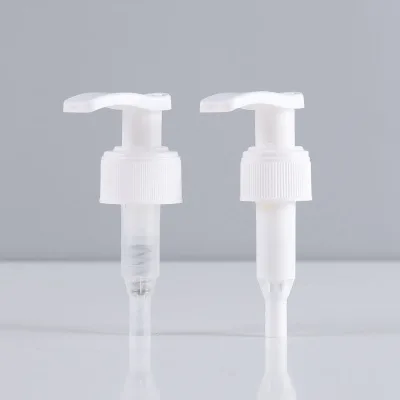
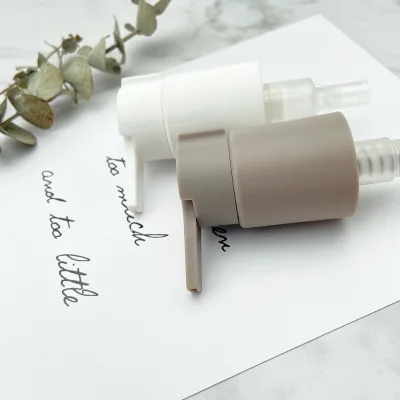


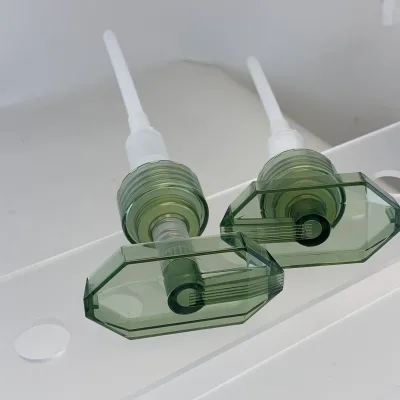

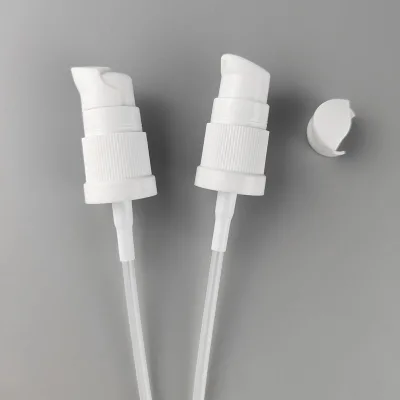
Wholesale Luxury 33mm All Plastic Cosmetic Baby Body Cream Screw Lotion Pump
$0.04 - $0.089
MOQ: 10000 Pieces


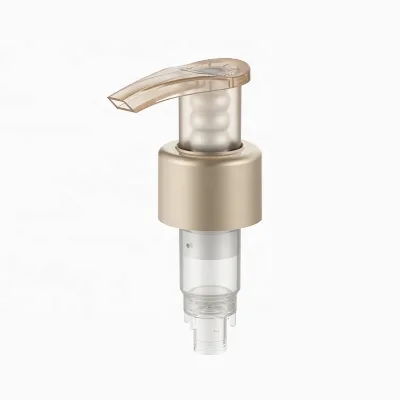
Elegant Plastic Lotion Pump for Cosmetic Cream and Serum Skincare Bottles
$0.04 - $0.089
MOQ: 10000 Pieces




Comprehensive Sourcing Guide
Baby Cosmetic Lotion Pump Sourcing Guide
Sourcing baby cosmetic lotion pumps requires a disciplined approach to material safety and mechanical reliability, as these components directly contact sensitive infant skin formulations. The market offers a variety of pump types, including standard extrusion-based units and specialized designs like hollow cone spraying shapes, though the latter may be less common for traditional lotion dispensing. Buyers must prioritize suppliers who demonstrate clear customization capabilities, ensuring the final product aligns with specific brand aesthetics and functional requirements.
Procurement teams should focus on verifying the core material composition, with polypropylene (PP) being a prevalent choice due to its chemical resistance and safety profile. Observed listings indicate a range of models, such as LH201, L204, and FP312, each potentially suited for different viscosity levels and dispensing needs. Understanding the distinction between small and medium size specifications is crucial for matching the pump to the intended bottle geometry, ensuring a secure fit and consistent performance during daily use by caregivers.
Product Scope and Observed Listing Signals
The current market landscape for baby cosmetic lotion pumps features a diverse array of product attributes, ranging from square-shaped dispensers to smooth plastic finishes that enhance user grip and hygiene. Listings frequently highlight features such as recyclability and non-spill mechanisms, which are critical for maintaining cleanliness and reducing waste during the messy routine of infant care. Buyers should observe that customization is widely available, allowing brands to tailor closure types, such as smooth or ribbed options, to meet specific ergonomic or branding goals.
Observed data reveals significant variation in packaging standards, with options including PP bags within cartons, paper boxes, and safe export packs designed to prevent damage during transit. The presence of different nozzle types and discharge rates, such as the 0.18cc rate noted for specific models like WL-CP003, indicates that performance metrics vary by manufacturer. Procurement specialists must carefully review these signals to ensure the selected pump delivers the precise volume per actuation required for consistent product dosing and consumer satisfaction.
Technical Specifications to Verify
Technical verification begins with confirming the pump’s discharge rate and actuation consistency, as these factors directly impact the user experience and product longevity. Models like the SH-801 and WL-CP003 offer specific discharge metrics that must be validated against the viscosity of the baby lotion being packaged. Buyers should request detailed specifications for tube length and closure compatibility, ensuring that the pump head seals effectively to prevent leakage and maintain the sterility of the cosmetic formula inside the container.
It is essential to verify the standard thread sizes, such as 24/410, 28/410, and 28/400, which dictate the mechanical interface between the pump and the bottle neck. The observed presence of these standards suggests a modular approach to manufacturing, but buyers must confirm that their chosen bottle design aligns with the supplier’s available thread configurations. Additionally, checking the plastic type, specifically whether it is PP or other polymers, ensures compatibility with the cosmetic ingredients, preventing chemical degradation or leaching that could compromise product safety.
Compliance and Safety Documentation
Compliance documentation is non-negotiable when sourcing components for baby products, as regulatory scrutiny regarding chemical safety and material purity is exceptionally high. Buyers must insist on valid certifications, with ISO and CE marks appearing in observed listings as indicators of adherence to international quality and safety management systems. These certifications provide a baseline assurance that the manufacturing processes are controlled and consistent, reducing the risk of defects that could lead to product recalls or safety incidents.
Beyond general certifications, specific material safety certificates, such as SGS reports, should be requested to verify that the plastic components are free from harmful substances like BPA or phthalates. The observed mention of SGS standards highlights the importance of third-party testing in validating material claims. Procurement teams should ensure that all documentation is current and directly applicable to the specific model and material batch being ordered, as generic certificates may not cover the unique formulations or production runs intended for infant care products.
Cost Drivers and Commercial Terms
Cost structures for baby cosmetic lotion pumps are influenced by several key factors, including material quality, customization complexity, and order volume. Observed price ranges are relatively low, suggesting that economies of scale play a significant role in pricing, with minimum order quantities (MOQs) varying widely from small batches to large industrial volumes. Buyers should analyze the trade-off between unit price and MOQ, considering whether smaller initial orders justify higher per-unit costs to mitigate inventory risk for new product launches.
Commercial terms also include delivery times and sample policies, which impact the overall procurement timeline and cash flow. Lead times of approximately 15 to 25 days are common, often contingent on deposit payments and order confirmation. Suppliers may offer free samples, though freight costs are typically borne by the buyer, providing an opportunity to physically test the pump’s functionality before committing to a large production run. Understanding these terms helps in planning production schedules and managing supplier relationships effectively.
Supplier Qualification and Quality Control
Supplier qualification requires a thorough assessment of manufacturing capabilities and quality control systems, particularly for companies located in key production hubs like Yuyao and Ningbo in China. Buyers should verify the supplier’s ability to handle OEM and ODM requests, ensuring they have the engineering resources to develop custom solutions that meet specific brand requirements. The presence of diverse product models and packaging options indicates a flexible manufacturing base, but buyers must confirm that quality consistency is maintained across different production lines.
Quality control measures should include rigorous testing of pump actuation, leak resistance, and material integrity. Buyers should inquire about the supplier’s internal testing protocols and whether they conduct batch-level inspections before shipment. Additionally, verifying the supplier’s track record in exporting to regulated markets can provide insight into their adherence to international standards. Establishing a clear communication channel for addressing defects or discrepancies is crucial for maintaining product quality and ensuring timely resolution of any issues that arise during production.
Long-Term Procurement Checks
Long-term procurement success depends on establishing robust supplier relationships and implementing continuous improvement processes. Buyers should regularly review supplier performance metrics, including on-time delivery rates, defect percentages, and responsiveness to quality issues. Maintaining open communication regarding market trends and regulatory changes ensures that suppliers can adapt their offerings to meet evolving safety standards and consumer expectations for baby cosmetic products.
It is also important to periodically re-evaluate the cost structure and explore opportunities for optimization, such as consolidating orders or negotiating better terms based on historical performance. Buyers should stay informed about new technologies and materials that could enhance product safety or sustainability, such as improved recyclable plastics or more efficient dispensing mechanisms. By proactively managing these aspects, procurement teams can secure a reliable supply chain that supports brand growth and maintains the highest standards of safety and quality for infant care products.
FAQs
What certifications are available for baby cosmetic lotion pumps?
Available certifications include ISO and CE standards, ensuring compliance with international quality and safety requirements. Some products also hold SGS certificates for material safety. These credentials verify that the manufacturing processes meet rigorous industry benchmarks, providing buyers with confidence in the reliability and regulatory adherence of the sourced components for cosmetic applications.
Can I customize the design of the lotion pump?
Yes, customization is available for these pumps, allowing for tailored solutions. Buyers can select from various nozzle types, closure styles like smooth or ribbed finishes, and optional tube lengths. OEM and ODM services are accepted, enabling brands to create unique packaging aesthetics that align with their specific product identity and market positioning requirements.
What is the typical lead time for production?
The typical delivery time ranges from 15 to 25 days after receiving the deposit. Specific timelines depend on the order volume and customization complexity. For instance, some standard models require 15 days after a 30% deposit, while others may take up to 25 days. Buyers should confirm exact schedules with suppliers to align with their launch plans.
What materials are used in manufacturing these pumps?
These pumps are primarily manufactured using PP (polypropylene) and other plastic materials. PP is chosen for its durability, chemical resistance, and suitability for cosmetic packaging. The materials are often recyclable, supporting sustainability goals. The smooth plastic finish ensures a premium feel, while the structural integrity maintains performance during repeated dispensing actions in various cosmetic formulations.
What is the minimum order quantity for these pumps?
The minimum order quantity varies, with some suppliers requiring 20,000 pieces. Other options may start as low as 1 piece for samples or up to 50,000 pieces for bulk orders. Buyers should check specific supplier listings for exact MOQs, as requirements depend on the model, customization level, and current production capacity of the manufacturing facility.
How are the pumps packaged for shipping?
Pumps are packaged in PP bags, cartons, or paper boxes for protection. Standard packing includes 1,000 pieces per carton, ensuring efficient handling and storage. Some suppliers use safe export packaging to prevent damage during transit. The transport package is designed to maintain product integrity, with options for smooth plastic wrapping or sturdy cardboard containers for global shipping logistics.