Source Screen Printing Cream Pill Jar for Cosmetic Packaging
Find and compare 30 Screen Printing Cream Pill Jar options from China. These plastic cosmetic jars feature screw caps, double or single wall designs, and capacities ranging from 15ml to 250ml. Suppliers offer OEM/ODM services with ISO9001 certification and customization available for branding.
Updated
Key considerations
Products List
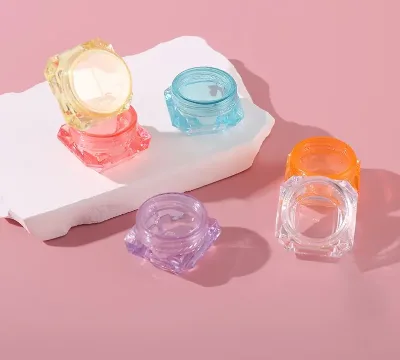
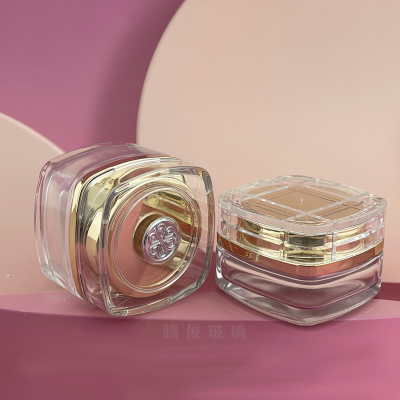


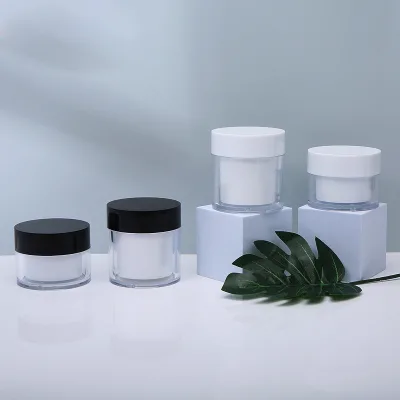
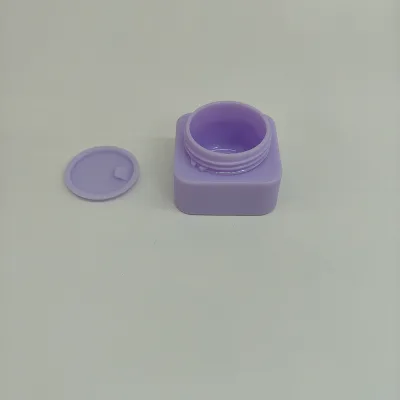
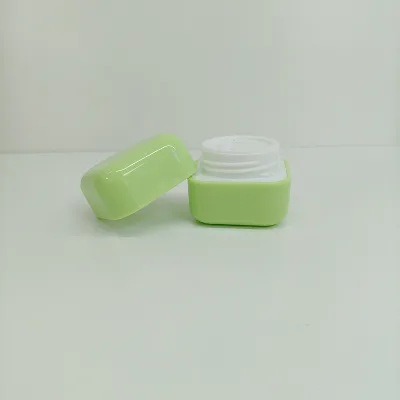
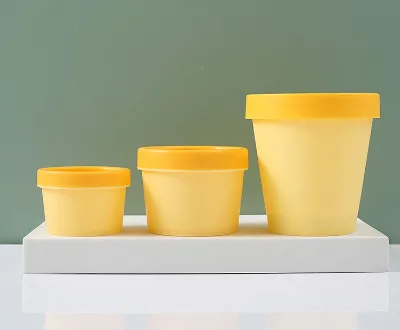
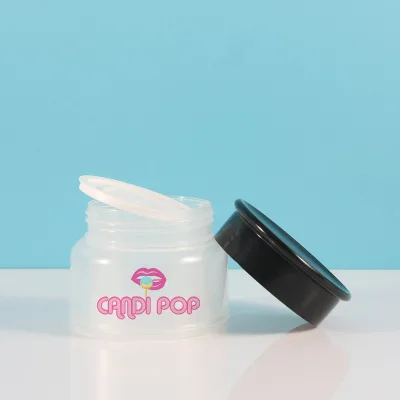
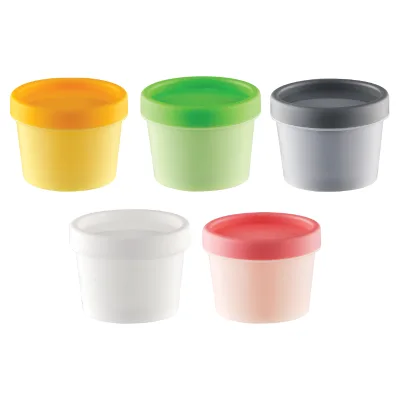
5g Double Wall Purple Plastic Cream Jars, Special Shape PP Plastic Jar with Screw Lid
$0.0786 - $0.2798
MOQ: 10 Minimum



Comprehensive Sourcing Guide
Screen Printing Cream Pill Jar Sourcing Guide
Sourcing screen printing cream pill jars requires a nuanced understanding of cosmetic packaging specifications, particularly when balancing aesthetic customization with functional integrity. Buyers must recognize that these containers serve dual purposes, often housing both skincare creams and solid pill formats, which dictates specific material and structural requirements. The primary material observed in current listings is plastic, specifically polypropylene (PP), chosen for its durability, chemical resistance, and suitability for various filling processes. This material choice ensures that the jar can withstand the mechanical stresses of filling, sealing, and transportation without compromising the product inside.
The visual appeal of these jars is heavily influenced by surface decoration techniques, with screen printing being a prominent method for applying logos and branding. This process allows for vibrant, durable graphics that adhere well to the plastic surface, enhancing brand recognition on retail shelves. However, the application of screen printing introduces variables in the manufacturing timeline and quality control, as ink curing and alignment must be precise to avoid defects. Buyers should consider how the complexity of the design impacts production efficiency and whether the chosen supplier has the technical capability to execute high-quality screen printing consistently across large batches.
Product Scope and Observed Listing Signals
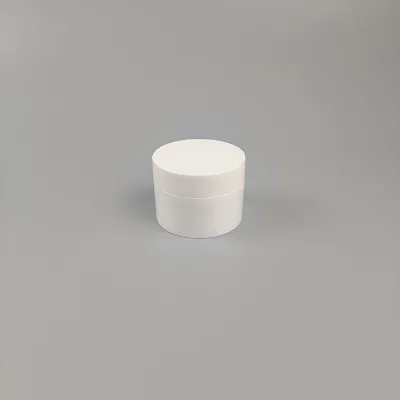
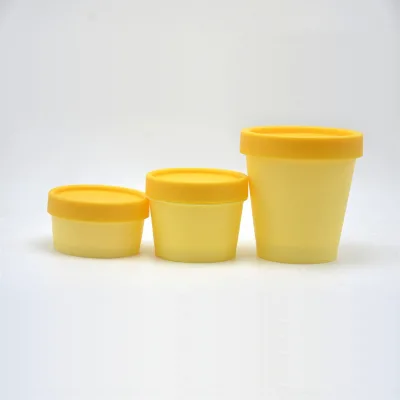
The observed product scope indicates a strong focus on cosmetic and skin care applications, with specific models designed for cream and pill containment. Listings frequently highlight capacities ranging from small volumes like 15ml to larger sizes such as 250ml, catering to diverse product formulations. The structural designs vary, including single-wall and double-wall configurations, with some models featuring flat or round shapes to optimize shelf space and user experience. These variations suggest that buyers should carefully match the jar’s physical dimensions and wall thickness to the viscosity and weight of their specific product to prevent leakage or structural failure.
Listing signals also reveal a high degree of customization availability, with suppliers offering OEM and ODM services to meet unique brand requirements. Attributes such as screw caps, screw lids, and easy-open ends are common, providing secure closure mechanisms that are essential for maintaining product freshness and preventing accidental spills. The presence of eco-friendly claims and specific certifications like ISO9001, ISO, CE, and CIQ in some listings indicates a market trend toward compliant and sustainable packaging solutions. Buyers should verify these claims directly with suppliers, as certification status can vary significantly between different manufacturing facilities and product lines.
Technical Specifications to Verify
Verifying technical specifications is critical to ensuring that the selected jars meet both functional and aesthetic requirements. Key attributes to confirm include the sealing type, which is often a screw cap or lid, and the closure type, which may be single or double wall depending on the desired durability and cost. The material composition, typically plastic, should be confirmed for food-grade or cosmetic-grade safety, especially if the jar is intended for direct contact with sensitive skin products or ingestible pills. Buyers should also inquire about the specific type of plastic used, such as polypropylene, to assess its compatibility with the product’s chemical formulation and storage conditions.
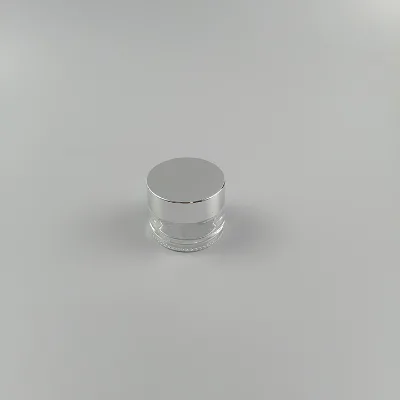
Another crucial aspect is the production model and standard, which define the jar’s capacity and physical dimensions. Models such as JAR-36, SRS1, and SRSD are referenced in listings, each corresponding to specific volume standards like 30g, 50ml, or 100ml. Buyers must ensure that the chosen model aligns with their product’s volume requirements and that the jar’s dimensions fit within their packaging and shipping logistics. Additionally, the decoration methods, including screen printing, hot stamping, and metalizing, should be evaluated for their impact on the final product’s appearance and durability, as these processes can affect the jar’s resistance to wear and tear during handling and display.
Compliance and Safety Documentation
Compliance and safety documentation are paramount when sourcing packaging for cosmetic and pharmaceutical products. Buyers should request evidence of relevant certifications, such as ISO9001 for quality management systems, and specific product certifications like CE, CIQ, or SGS, which indicate adherence to international safety and quality standards. These documents provide assurance that the manufacturing process meets rigorous criteria for material safety, production consistency, and environmental responsibility. It is essential to verify that the certifications are current and applicable to the specific product line being sourced, as compliance requirements can vary by region and product type.
In addition to certifications, buyers should inquire about the supplier’s adherence to regulatory standards such as REACH, which governs the use of hazardous substances in the European Union. Even if not explicitly stated in all listings, confirming compliance with such standards is crucial for accessing global markets and ensuring product safety. Buyers should also request material safety data sheets (MSDS) and migration test results to verify that the plastic and inks used in the jars do not leach harmful substances into the product. This due diligence helps mitigate risks associated with product contamination and ensures that the packaging meets all legal and safety requirements for its intended use.
Cost Drivers and Commercial Terms
Cost drivers for screen printing cream pill jars include material costs, decoration complexity, order volume, and customization requirements. The choice of plastic type and wall thickness significantly impacts the base price, while the intricacy of screen printing designs can add to the production cost due to additional setup and curing time. Buyers should note that minimum order quantities (MOQs) often start at 10,000 pieces for customized items, which can influence the unit price and overall budget. Understanding these cost factors allows buyers to negotiate more effectively and plan their inventory and cash flow accordingly.
Commercial terms such as sample time, production time, and payment conditions are also critical components of the sourcing process. Sample times typically range from 4 to 6 days, providing an opportunity to evaluate the product’s quality before committing to a large order. Production times can vary from 25 to 30 days after receiving a deposit for standard items, while customized orders may require up to 35 days. Buyers should clarify these timelines with suppliers to ensure they align with their product launch schedules and avoid delays. Additionally, understanding the packing methods, such as five-layer corrugated brown cartons or cardboard boxes, is essential for calculating shipping costs and ensuring product protection during transit.
Supplier Qualification and Quality Control
Supplier qualification involves assessing the manufacturer’s production capabilities, quality control processes, and track record in the cosmetic packaging industry. Buyers should verify the supplier’s facility location, with Ningbo and Yuyao being common origins for these products, and evaluate their capacity to handle large volumes while maintaining consistent quality. It is important to inquire about the supplier’s experience with screen printing and other decoration techniques, as well as their ability to offer OEM and ODM services. A supplier with a robust quality control system will have clear procedures for inspecting materials, monitoring production processes, and conducting final product checks to minimize defects.
Quality control measures should include regular audits of the production line and testing of finished products for durability, leakage, and print quality. Buyers should request samples to evaluate the jar’s structural integrity, the adhesion of screen-printed graphics, and the effectiveness of the closure mechanism. Additionally, it is advisable to establish clear communication channels with the supplier to address any issues that may arise during production. By selecting a supplier with a strong commitment to quality and transparency, buyers can reduce the risk of receiving substandard products and ensure a smooth sourcing experience.
Long-Term Procurement Checks
Long-term procurement checks focus on maintaining supplier performance, adapting to market changes, and ensuring continuous compliance with evolving regulations. Buyers should conduct periodic reviews of supplier performance, assessing factors such as on-time delivery, product quality, and responsiveness to issues. Establishing a long-term partnership with a reliable supplier can lead to better pricing, priority production slots, and improved collaboration on new product developments. Regular communication and feedback loops help identify areas for improvement and strengthen the business relationship, ensuring that both parties remain aligned on goals and expectations.
As market trends and regulatory requirements evolve, buyers must stay informed about changes in packaging standards, sustainability initiatives, and consumer preferences. This may involve exploring new materials, decoration techniques, or compliance certifications to remain competitive and meet customer demands. Buyers should also monitor the supplier’s ability to innovate and adapt to these changes, ensuring that they can continue to provide high-quality, compliant packaging solutions. By proactively managing these long-term factors, buyers can secure a stable supply chain and maintain a competitive edge in the cosmetic and pharmaceutical packaging market.
FAQs
What customization options are available for these jars?
Customization is available for these cosmetic jars with options including silk printing, hot stamping, and labels. Decoration methods such as injection, painting, and metalized finishes are also offered. OEM and ODM services are highly welcomed to meet specific branding needs for skin care products.
How long does production take after receiving a deposit?
Production time is typically 25 to 30 days after receiving the deposit. For customized orders, the lead time extends to 35 days. Sample time is shorter, usually taking 4 to 6 days to prepare before full-scale manufacturing begins for your cosmetic packaging requirements.
Which certifications do the manufacturers hold for these jars?
Manufacturers hold ISO9001 certification for quality management. Some products also carry ISO, CE, and CIQ certifications. These standards ensure the plastic jars meet safety and quality requirements for cosmetic applications like cream packaging and skin care product storage.
Can I get a free sample of the cream jar?
Yes, free samples are available if they are in stock. This allows buyers to verify the quality of the plastic jar before placing a large order. The sample time is generally 4 to 6 days, ensuring quick evaluation of the screw cap or lid type.
What is the minimum order quantity for these cosmetic jars?
The minimum order quantity is 10,000 pieces for standard orders. However, some listings indicate an MOQ range starting from 10 up to 10,000 units depending on the specific model. This applies to various capacities like 30g, 50ml, or 100g jars for skin care.
Where are these plastic cosmetic jars manufactured?
These jars originate from China, specifically from locations like Ningbo and Yuyao. The products are designed for cosmetic and skin care applications. The manufacturing process ensures features like 100% no leakage and various closure types such as double wall or single wall designs.
What sealing types are used for these cream jars?
Sealing types include screw caps and easy open ends. The jars feature closure types like double wall or single wall designs to ensure product integrity. These features make them suitable for storing creams and other cosmetic products without leakage during transport.