eco-friendly pet fruit foam tray Suppliers and Manufacturers
Source 21 verified suppliers for eco-friendly pet fruit foam tray options. Compare key dimensions including ISO certifications, response times, and lead times. Review product specifications and request quotes directly from manufacturers in China; review the available evidence before requesting comparable quotations from suitable candidates.
Updated
Suppliers List

JIANGSU JINCAI POLYMER MATERIALS SCIENCE AND TECHNOLOGY CO., LTD.
- Verified by TUVRHEINLAND
- Combined
- China Jiangsu
- Lead time15 days
- Avg. response≤ 4h
Main productsPet Sheet, PVC Sheet, PVC Film, Cpet Tray, PVC Foam Board, Acrylic Sheet, Other Plastic Sheet
Main marketsAfrica,Domestic

Eco-Friendly Plastic Pet Plastic Fruit Drying Living Room Dried Fruit Trays Dry Fruit Tray
$0.04 - $0.36
MOQ: 50000 Pieces


Food Grade Pet Plastic Clear Packaging Tray Customized Size Accept Fruit Vegetable Food Tray
$0.04 - $0.36
MOQ: 50000 Pieces

Disposable Pet Plastic Fruit Tray Clear Pet Tray for Blueberry Strawberry Packing
$0.04 - $0.36
MOQ: 50000 Pieces


Laizhou Guoliang Packing Products Co., Ltd.
- Verified by TUVRHEINLAND
- Combined
- China Shandong
- Lead time15 days
- Avg. response≤ 6h
Main productsFood Packaging Tray, Fruit Tray, Frozen Food Box Packaging, Plastic Food Box, Foam Fruit Net, Bottle Foam Sleeve Net, Meat Tray, Fresh Food Tray, Food Packaging Container, Plastic Container Food Packaging
Main marketsAustralia,North America
Anhui Lesui New Material Co., Ltd.
- Verified by SGS Group
- Manufacturer, Trading Company
- Lead time7 days
- Avg. response≤ 2h
Main productsPlastic Box, Plastic Sheet, Food Packaging Container, Cake Container, Thermoforming Film
Main marketsNorth America(40%), Domestic Market(30%), Western Europe(10%)

Changzhou Huisu Qinye Import & Export Co., Ltd.
- Verified by BV
- Combined
- China Jiangsu
- Lead time15 days
- Avg. response≤ 3h
Main productsPVC Film, PVC Sheet, PVC Foam Board, PVC Soft Film, PVC Foam Sheet, PVC Board, Acrylic Sheet, Safety Matches, PVC Rigid Film, PVC Matte Sheet
Main marketsSouth America,Africa,Southeast Asia/ Mideast,Europe,Australia


$0.04 - $0.36
MOQ: 50000 Pieces


Henan First Rise Technology Co., Ltd
- Verified by SGS
- Combined
- China Henan
- Lead time23 days
- Avg. response≤ 5h
Main productsDisposable Food Container, Plastic Food Container, Disposable Tableware, Plastic Tableware, Disposable Plastic Cup, Disposable Plastic Cutlery, Disposable Food Tray, Plastic Food Tray, Takeaway Food Container, Takeaway Food Box
Main marketsSoutheast Asia/ Mideast

Versatile Food Grade Eco-Friendly Fruit Plastic Pet Tray for Food Packaging
$0.016 - $0.05
MOQ: 50000 Pieces

Customized All-Purpose Eco-Friendly Food Safe Plastic Pet Tray Container
$0.016 - $0.05
MOQ: 50000 Pieces

High Quality Portable Easy to Clean Plastic Tray Plastic Pet Container
$0.016 - $0.05
MOQ: 50000 Pieces

Globalink International Limited
- Verified by SGS
- Trading Company,Manufacturer/Factory,Other
- China Shandong
- Lead time45 days
- Avg. response≤ 12h
Main productsPlastic Packaging, Food Container, Fruit packaging, Paper Bags, Paper Packaging, Plastic Bags, Plastic Tape, Egg Tray, Aluminum Foil, Sushi Container
Main marketsSouth America,Eastern Europe,Mid East,North America,Southeast Asia,Eastern Asia,Oceania,Western Europe,Africa

Guangzhou Huaheng Plastic Products Co., Ltd.
- Manufacturer/Factory
- China Guangdong
- Lead time23 days
- Avg. response≤ 3h
Main productsFood Packaging, Food Cantainer, Packaging Box, Custom Box, Packaging, Gift Box, Plastic Box, Blister Packaging, Plastic Tray, Plastic Bag
Main marketsSouth America,Eastern Europe,Mid East,North America,Southeast Asia,Eastern Asia,Oceania,Western Europe,Africa

High quality disposable fruit and vegetable tray pet plastic fruit packing tray
$0.06 - $0.08
MOQ: 10000 Pieces

Disposable Plastic Vegetable Trays Transparent Pet Vegetable Fruit Container Packing tray
$0.10 - $0.15
MOQ: 10000 Pieces
Changzhou Huisu Qinye Import & Export Co., Ltd.
- Verified by SGS Group
- Trading Company
- Lead time15 days
- Avg. response≤ 2h
Main productsCPET Tray, PP Food Container, PET Food Container, Bagasse Food Container, PLA Food Container
Main marketsNorth America(30%), South America(30%), Western Europe(20%)
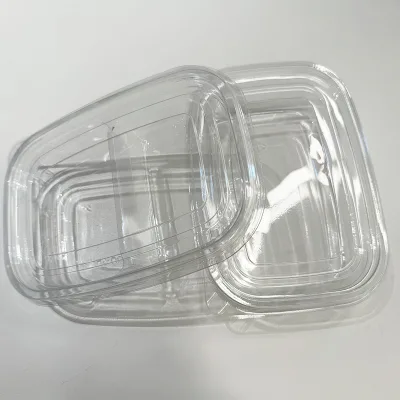
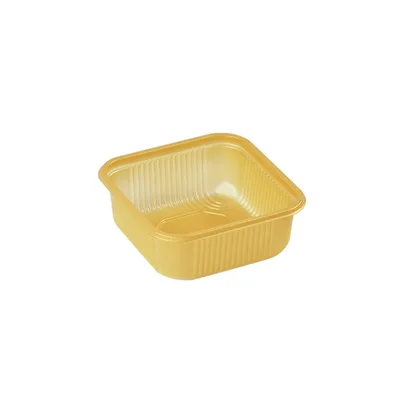
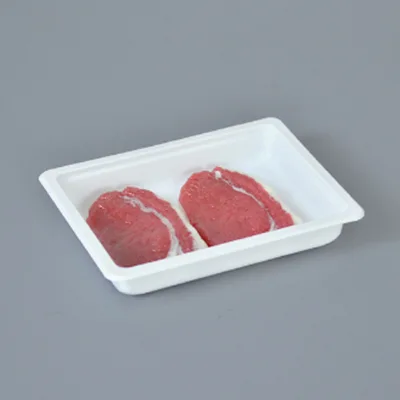
Wholesale Plastic Pet Trays Plastic Tray Pet Custom Size Pet/Ecoh/Pe Food Tray
$0.02 - $0.09
MOQ: 50000 Minimum

Hunan Songda Packaging Co., Ltd.
- Verified by SGS
- Combined
- China Hunan
- Lead time15 days
- Avg. response≤ 2h
Main marketsDomestic,Australia,North America


Eco-Friendly Pet Plastic Vegetable Tray Disposable Vegetable Container
$0.01 - $0.03
MOQ: 10000 Pieces

Food Grade Disposable Transparent Pet Fruit Vegetable Packaging Plastic Tray
$0.01 - $0.03
MOQ: 10000 Pieces

Customizable Sturdy Pet Clear Plastic Fruit Meat Vegetable Packaging Tray
$0.01 - $0.03
MOQ: 10000 Pieces

Disposable Pet Custom Clear Plastic Packaging Tray Disposable Fruit Packing Tray
$0.01 - $0.03
MOQ: 10000 Pieces
Guangzhou Yick Tak Blister Packaging Co., Ltd.
- Manufacturer
- Guangdong, China
- Lead time0 days
- Avg. response≤ 6h
Main productsPET Plastic Box,PET Plastic Tray,PP Plastic Tray
Main marketsEastern Asia(14.29%), Mid East(14.29%), Oceania(14.29%), Eastern Europe(14.29%), South America(14.29%), North America(14.29%), Western Europe(10.00%)
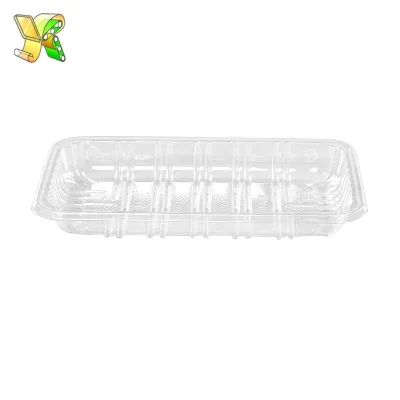
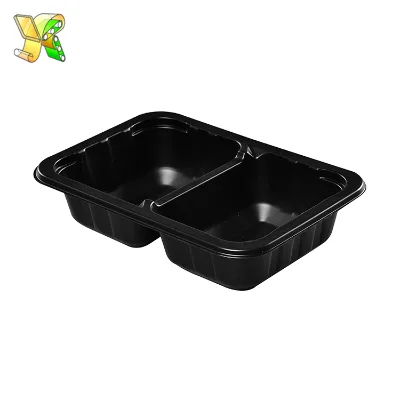
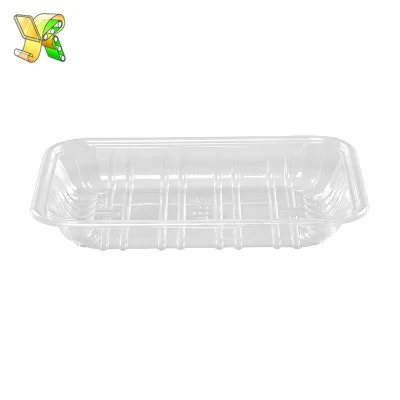
Large Plastic Pet Tray Pet Frozen Chicken Meat Packing Tray Superior Cpet Food Tray Container
$0.03 - $0.12
MOQ: 20000 Minimum

Guangzhou Jianxin Plastic Products Co., Ltd.
- Verified by BV
- Combined
- China Guangdong
- Lead time15 days
- Avg. response≤ 4h
Main productsPlastic Packaging, Disposable Tableware, Disposable Plastic Cup&Lid, Plastic Bowl, Plastic Tary, Plastic Container, Blister Packaging, Plastic Food Packaging, Disposable Food Container, Disposable Catering Supplies
Main marketsSouth America,Africa,Southeast Asia/ Mideast,East Asia(Japan/ South Korea),Europe,Australia,North America
Foshan Feiqi Hardware Plastic Products Co., Ltd.
- Verified by Intertek
- Manufacturer, Trading Company
- Lead time7 days
- Avg. response≤ 3h
Main productsPP Tray For Food, PET Hinged Container, Cake Box, Tamper Evident Container, BOPS Clamshell
Main marketsDomestic Market(67%), Oceania(15%), North America(9%)
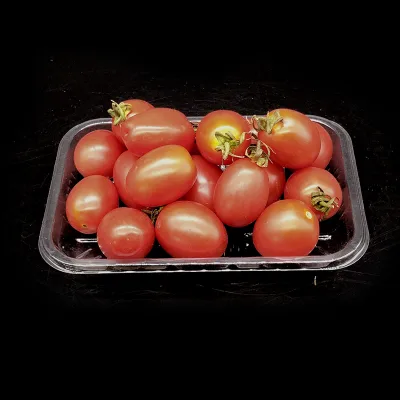
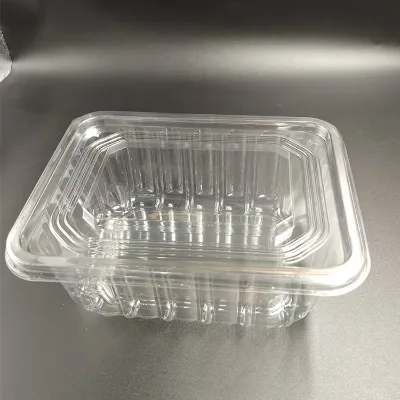
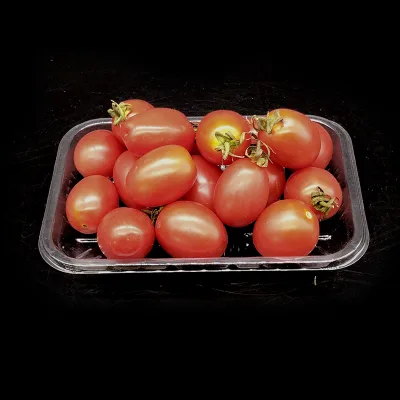
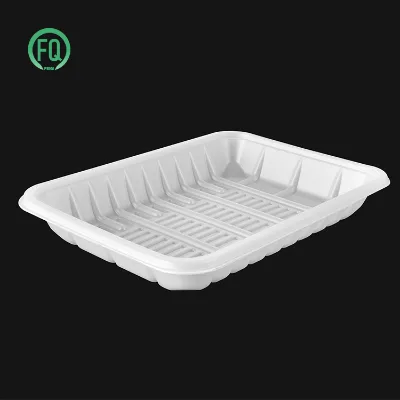
Eco Friendly PET Fruit apple Orange Plastic Tray Disposable Blister Peach Packaging Tray
$0.01 - $0.06
MOQ: 3000 pieces

Shandong Top Leader Plastic Packing Co., Ltd.
- Manufacturer/Factory
- China Shandong
- Lead time15 days
- Avg. response≤ 8h
Main productsRigid PVC Film, Pet Film /Sheet, PP Film/Sheet Roll, PS Film /Sheet, PC Film/Sheet, HIPS, Polyvinyl Chloride Film Roll, Pet, PVC, PLA
Main marketsSouth America,Eastern Europe,Mid East,North America,Southeast Asia,Eastern Asia,Oceania,Western Europe,Africa
Quanzhou Bingo Environmental Protection Technology Co., Ltd.
- Trading Company
- Fujian, China
- Lead time15 days
- Avg. response≤ 2h
Main productsSushi Box,Snack Box,Fruit Box,Sauce Box,Drink Cup
Main marketsDomestic Market(40.00%), North America(30.00%), Southeast Asia(10.00%), Western Europe(10.00%), Mid East(10.00%)
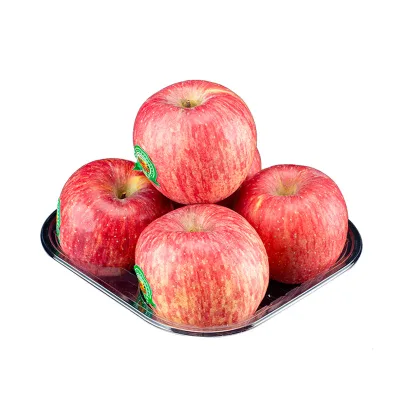
Disposable Ecofriendly PET PP Plastic Food Storage Tray for Packaging Fruit Meat Vegetable
$0.03 - $0.05
MOQ: 10000 pieces
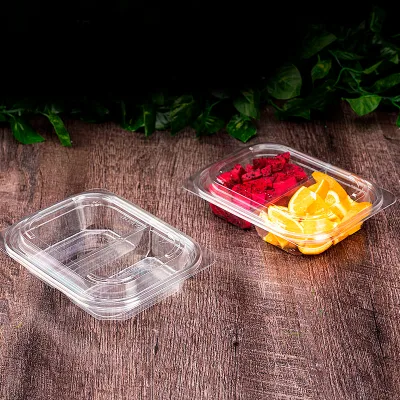
Henan Lanke Packaging Products Co., Ltd.
- Manufacturer, Trading Company
- Henan, China
- Lead time0 days
- Avg. response≤ 2h
Main productsPaper Cups, Paper Bowl, Plastic Cup, PP Plastic Cup, Straw
Main marketsNorth America(50.00%), South Asia(30.00%), Mid East(20.00%)
Qingdao Mercura New Material Co., Ltd.
- Trading Company
- Shandong, China
- Lead time20 days
- Avg. response≤ 5h
Main productsReusable food container,reusable cutlery,paper cup,Karft salad bowl,Sugarcane pulp lunch box
Main marketsEastern Europe(60.00%), Mid East(10.00%), Africa(10.00%), North America(10.00%), South America(10.00%)

Dongguan Sunyo Plastic Co., Ltd.
- Verified by TUVRHEINLAND
- Manufacturer/Factory
- China Guangdong
- Lead time15 days
- Avg. response≤ 3h
Main productsSushi Tray, Food Container, Pet Sheet, PVC Sheet, PETG Sheet, PP Sheet, PS Sheet
Main marketsSouth America,Mid East,North America,Southeast Asia,Eastern Asia,Western Europe,Africa
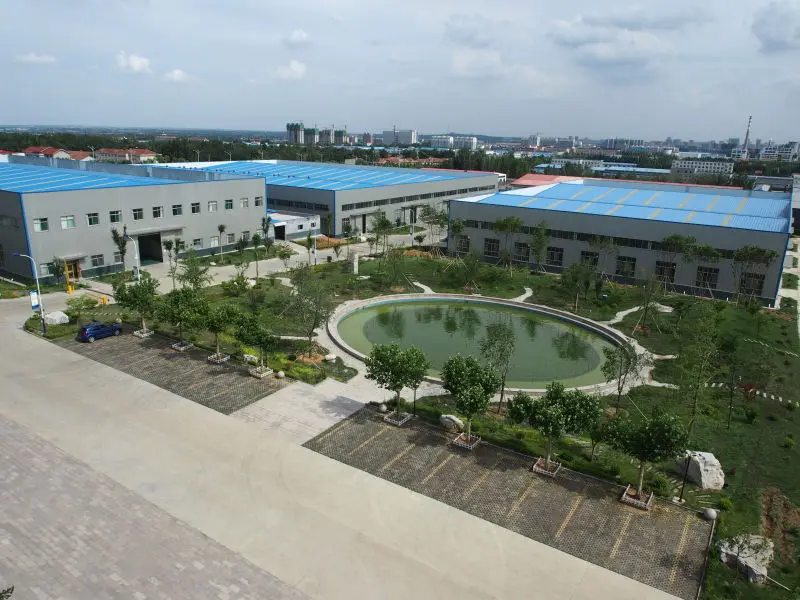
Weifang Merchants Creator Bio-tech Company Limited
- Manufacturer, Trading Company
- shandong, China
- Lead time30 days
- Avg. response≤ 5h
Main productsPlastic Products (PP,PS,PET Plastic Sheet And Related Plastic Material Disposable Products,Food And Vegetable Containers,Cups
Main marketsDomestic Market(90.00%), North America(7.00%), Western Europe(2.00%), Eastern Asia(1.00%)

Hangzhou Junshengjia International Trade Co., Ltd.
- Trading Company
- China Zhejiang
- Lead time0 days
- Avg. response≤ 3h
Main productsPlastic Cup, Plastic Box, Egg Box, Fruit Box, Clear Plastic Cup
Laizhou Guoliang Packing Products Co., Ltd.
- Verified by TüVRheinland
- Manufacturer, Trading Company
- Lead time10 days
- Avg. response≤ 2h
Main productsPlastic And Biodegradable Tray, Paper Tray, Honeycomb Paper Net, Honeycomb Paper Roll, Foam Products
Main marketsNorth America(40%), Western Europe(15%), South America(12%)
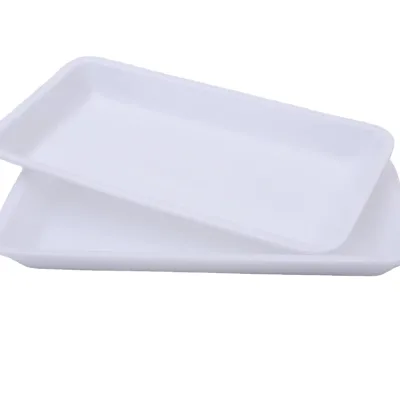
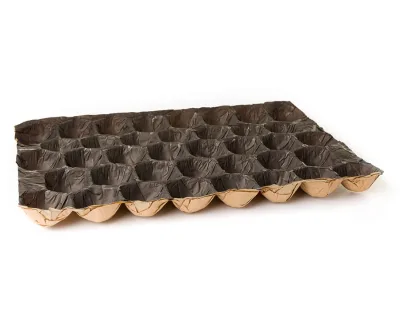
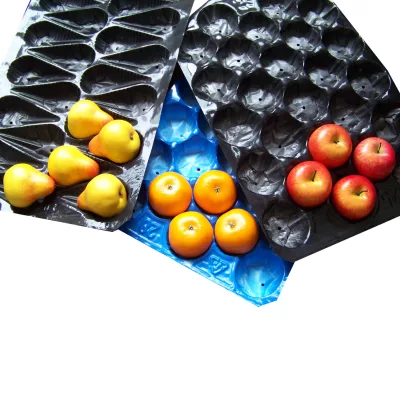
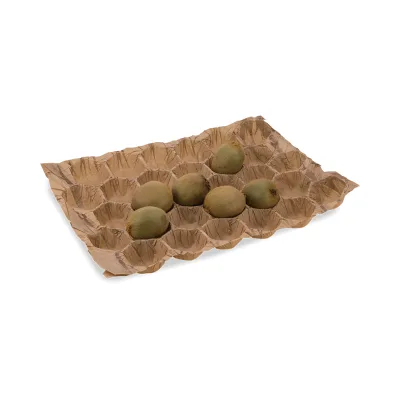
High Durability Compostable Fruit Vegetable Paper Molded Tray with Custom Logo
$0.1435 - $0.1541
MOQ: 100 pieces
Dongguan Xingrisheng Packaging Technology Co., Ltd.
- Manufacturer, Trading Company
- Guangdong, China
- Lead time15 days
- Avg. response≤ 4h
Main productsBlister Packaging Plastic Boxes, Clear Fruit Salad Container, Plastic Egg Tray, Cake Cupcake Boxes, Lettuce Herb Clamshell
Main marketsNorth America(60.00%), South America(20.00%), Mid East(10.00%), Southeast Asia(10.00%)








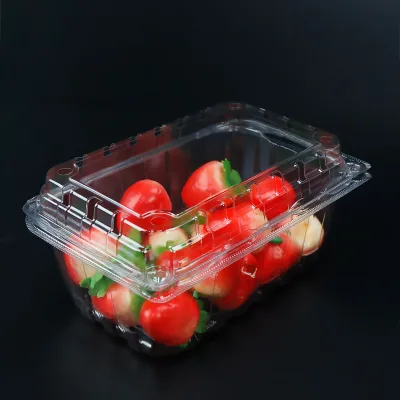
Comprehensive Sourcing Guide
Eco-Friendly Pet Fruit Foam Tray Supplier Concentration and Factory Types
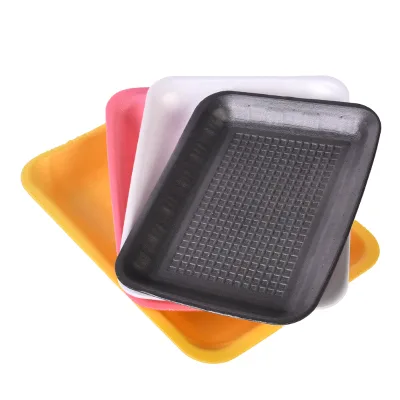
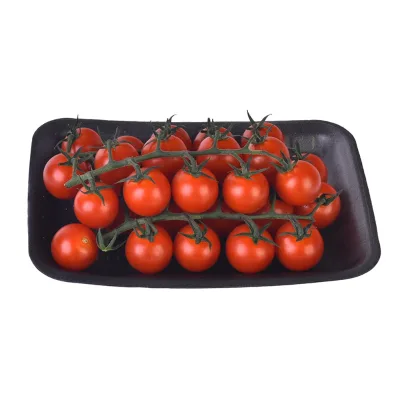
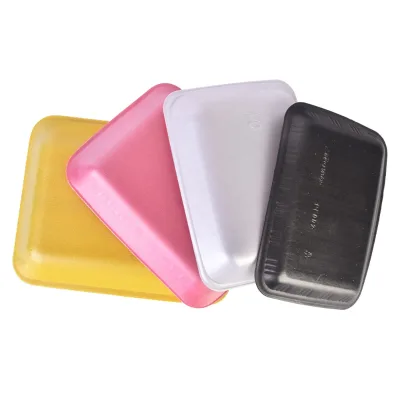
The current supplier landscape for eco-friendly pet fruit foam trays reveals a distinct geographic concentration in China, with Jiangsu and Shandong provinces emerging as primary manufacturing hubs. Suppliers located in Jiangsu often specialize in PET and APET materials, offering products such as clear plastic food trays, vacuum-sealed containers, and heat-sealable fruit packaging. These facilities typically operate as combined entities, functioning as both manufacturers and trading companies, which allows them to provide a broader range of plastic sheeting and thermoformed products alongside their core fruit tray offerings. In contrast, suppliers in Shandong focus heavily on foam-based solutions, including polystyrene (PS) and expanded polystyrene (EPS) trays designed for meat, fruit, and frozen food packaging. These Shandong-based factories often emphasize eco-friendly features and customizable sizes, catering to the demand for disposable tableware and fresh produce protection. Understanding this regional split is crucial for buyers, as it dictates the material availability and production capabilities accessible during the sourcing process.
Factory types vary significantly across these regions, influencing the buyer’s ability to secure specific product attributes. Many suppliers in the Jiangsu cluster identify as combined companies, leveraging their dual role to offer both OEM and ODM services for custom plastic trays. This structure supports rapid prototyping and graphic processing, making them suitable for buyers seeking branded packaging solutions with specific volume capacities ranging from 180ml to 800ml. Conversely, Shandong-based suppliers often highlight their capacity for high-volume foam production, with some offering bio-degradable or no-pollution features for PP and PS materials. The presence of both manufacturer and trading company types in the results suggests that buyers can access direct factory pricing or leverage trading companies for consolidated logistics. However, the distinction between pure manufacturers and combined entities affects lead times and minimum order quantities, requiring buyers to assess whether they prioritize production control or supply chain flexibility when selecting a partner for their eco-friendly pet fruit foam tray needs.
How to Verify Eco-Friendly Pet Fruit Foam Tray Suppliers
Verification is a critical step in ensuring that suppliers meet quality and safety standards for food-contact packaging. Buyers should prioritize suppliers who hold recognized system certifications, such as ISO9001:2015 for quality management and ISO14001:2015 for environmental management, which are commonly displayed by Jiangsu-based PET manufacturers. Additionally, third-party verification badges from reputable agencies like TÜV Rheinland or SGS Group provide an extra layer of confidence regarding the supplier’s operational legitimacy and product compliance. These verifications are particularly important for eco-friendly claims, as they help confirm that the materials used, whether PET, APET, or foam, adhere to strict environmental and safety regulations. Buyers must actively check for these certification badges on supplier profiles rather than relying solely on product descriptions, as the presence of ISO or SGS marks indicates a higher level of scrutiny and adherence to international standards.
Beyond certifications, buyers should evaluate the supplier’s response time and verification status to gauge reliability and communication efficiency. Suppliers with faster response times, such as those averaging under four hours, often demonstrate better customer service capabilities and operational readiness. It is also essential to verify the supplier’s company type, distinguishing between pure manufacturers and trading companies, as this impacts production transparency and cost structure. For foam tray suppliers, checking for specific material certifications like FSC or GRS can further validate eco-friendly assertions, especially for buyers requiring sustainable sourcing credentials. Buyers should request copies of these certificates and cross-reference them with the issuing bodies to ensure authenticity. Furthermore, assessing the supplier’s main product focus helps confirm their expertise; a supplier listing fruit trays as a primary product is likely more specialized and reliable than one with a disparate product range. This due diligence minimizes the risk of partnering with unverified entities and ensures that the chosen supplier can consistently deliver high-quality, compliant eco-friendly pet fruit foam trays.
What to Compare Across Eco-Friendly Pet Fruit Foam Tray Suppliers
When evaluating multiple suppliers, buyers must compare key operational metrics such as lead times, minimum order quantities (MOQs), and price ranges to determine the best fit for their business model. Suppliers in the Jiangsu region often offer lead times around 15 days for PET-based trays, with MOQs starting at 50,000 units, reflecting the higher production costs and customization capabilities associated with plastic thermoforming. In contrast, Shandong-based foam tray suppliers may present different MOQ structures, with some offering lower thresholds for specific foam products, although others may require volumes up to 200,000 units for standard items. Price comparisons should also account for material differences, with PET trays typically ranging from $0.04 to $0.36 per unit, while foam trays may be priced between $0.02 and $0.09 per unit. Buyers should analyze these figures in the context of their volume requirements and budget constraints, ensuring that the selected supplier offers competitive pricing without compromising on quality or delivery schedules.
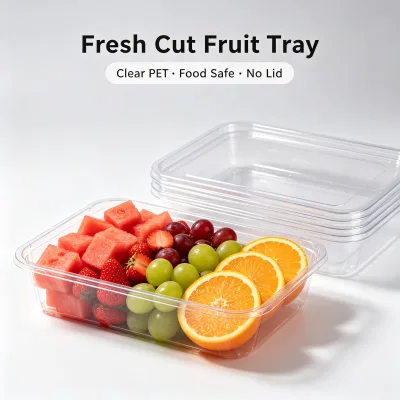
Customization options and product specifications are another vital area for comparison, as they directly impact the final product’s suitability for the buyer’s market. Suppliers often provide various shapes, including round, rectangular, and square designs, with volume capacities ranging from 180ml to 800ml to accommodate different fruit sizes. Buyers should assess whether the supplier accepts custom orders and offers features like single or multiple compartments, which are essential for specialized packaging needs. Additionally, comparing the supplier’s response time can indicate their ability to handle urgent requests or provide timely support during the production process. Suppliers with faster response times, such as those under three hours, are generally more responsive to inquiries and potential issues. Buyers should also consider the supplier’s main product focus, ensuring that they specialize in the specific type of tray required, whether it is clear PET packaging or durable foam trays. By systematically comparing these operational and product-related factors, buyers can make informed decisions that align with their sourcing goals and ensure a smooth procurement experience.
Common Eco-Friendly Pet Fruit Foam Tray Sourcing Risks
One significant risk in sourcing eco-friendly pet fruit foam trays is the potential mismatch between claimed environmental attributes and actual material composition. Buyers must be cautious of suppliers who use terms like "eco-friendly" or "biodegradable" without providing verifiable certifications or test results. For instance, while some suppliers offer PET trays made from recycled materials, others may use virgin plastic without clear disclosure. Similarly, foam trays made from polystyrene (PS) or expanded polystyrene (EPS) are often marketed as disposable solutions, but their environmental impact varies based on local recycling infrastructure. Buyers should request detailed material specifications and third-party test reports to confirm that the products meet their sustainability standards. Failing to verify these claims can lead to reputational damage and non-compliance with regional environmental regulations, making it essential to scrutinize the supplier’s evidence for eco-friendly assertions before placing orders.
Another risk involves inconsistencies in product quality and packaging standards, which can affect the durability and presentation of the fruit trays. Suppliers may offer trays with varying thicknesses, clarity, or structural integrity, impacting their ability to protect fresh produce during transit. Buyers should assess the supplier’s production capabilities and quality control processes to ensure consistent output. Additionally, packaging methods, such as PE film in cartons or carton boxes, can influence the protection of the trays during shipping. Inadequate packaging may lead to damage or contamination, resulting in product returns and customer dissatisfaction. Buyers should also consider the supplier’s ability to handle custom orders, as deviations from standard specifications can introduce quality risks. By identifying and mitigating these risks through thorough due diligence and clear communication, buyers can safeguard their supply chain and ensure that the eco-friendly pet fruit foam trays meet their quality and sustainability expectations.
Eco-Friendly Pet Fruit Foam Tray Regional Sourcing and Logistics
Sourcing eco-friendly pet fruit foam trays from China involves navigating distinct regional logistics advantages based on the supplier’s location. Jiangsu-based suppliers, often located in industrial hubs, benefit from proximity to major ports and established plastic manufacturing clusters, facilitating efficient export of PET and APET trays. These suppliers typically offer standardized packaging, such as PE film in cartons, which optimizes container space and reduces shipping costs for high-volume orders. Buyers sourcing from this region should consider the lead times associated with plastic thermoforming, which may require additional time for mold creation and customization. In contrast, Shandong-based suppliers specializing in foam trays may have different logistical considerations, particularly for bulkier items like EPS or PS foam products. These suppliers often pack trays in carton boxes or as per customer requests, which can impact shipping volume and weight. Buyers must evaluate the total landed cost, including freight, to determine the most cost-effective sourcing strategy.
Logistics planning should also account for the supplier’s ability to handle international shipping requirements and documentation. Suppliers with experience in exporting food packaging materials are likely to have established relationships with freight forwarders and understand the necessary compliance documents for food-contact products. Buyers should verify the supplier’s export history and ask for references from previous international clients to assess their logistical reliability. Additionally, considering the supplier’s response time can help in managing communication delays that may arise during the shipping process. For buyers requiring urgent deliveries, selecting suppliers with faster response times and shorter lead times can mitigate potential disruptions. It is also advisable to discuss packaging customization options with the supplier to ensure that the trays are protected adequately during transit. By carefully planning logistics and leveraging the strengths of different regional suppliers, buyers can optimize their supply chain and ensure timely delivery of eco-friendly pet fruit foam trays to their target markets.
Eco-Friendly Pet Fruit Foam Tray Commercial Terms and Order Planning
Commercial terms for eco-friendly pet fruit foam trays vary based on the supplier’s location, product type, and order volume. Buyers should negotiate clear payment terms, such as using escrow services for secure transactions, especially when dealing with new suppliers or large orders. Suppliers in Jiangsu may offer flexible payment options for customized PET trays, while Shandong-based foam suppliers might have stricter terms for high-volume foam products. It is crucial to agree on the price per unit, including any additional costs for customization, packaging, or shipping, to avoid unexpected expenses. Buyers should also clarify the lead time for production and delivery, ensuring that it aligns with their inventory requirements and market demand. For suppliers with longer lead times, such as those around 15 days for PET trays, buyers should plan their orders well in advance to prevent stockouts. Understanding these commercial terms helps in budgeting accurately and maintaining a steady supply of packaging materials.
Order planning should also consider the supplier’s capacity for handling custom orders and their ability to scale production as needed. Buyers should assess whether the supplier can accommodate changes in order volume or design modifications without significant delays or cost increases. For suppliers offering OEM services, it is important to establish clear communication channels for providing design specifications and receiving prototypes. Buyers should also discuss the supplier’s policy on quality assurance and returns, ensuring that there is a mechanism in place to address any defects or discrepancies in the delivered trays. Additionally, considering the supplier’s main product focus can help in building a long-term partnership, as suppliers specializing in fruit trays are likely to offer better support and innovation in this niche. By carefully planning orders and establishing robust commercial terms, buyers can minimize risks and ensure a reliable supply of high-quality eco-friendly pet fruit foam trays for their business operations.
FAQs
What is the price range for eco-friendly PET fruit trays?
Prices for eco-friendly PET fruit trays typically range from $0.04 to $0.36 per unit. This range depends on the specific volume, shape, and customization requirements. Buyers should verify exact pricing based on their order quantity and material specifications to ensure accurate budgeting for their packaging needs.
What is the minimum order quantity for these trays?
The minimum order quantity for eco-friendly PET fruit trays is generally 50,000 units. Some suppliers may offer lower MOQs for specific foam products, but standard PET trays require this volume. Buyers should confirm the exact MOQ with the supplier before placing an order to avoid fulfillment issues.
How long does production take for custom orders?
Production lead times for custom eco-friendly PET fruit trays are approximately 15 days. Some manufacturers offer faster turnaround times of around 7 days for standard items. Buyers should discuss their specific timeline with the supplier to ensure the production schedule aligns with their delivery requirements and inventory needs.
Are these trays customizable in shape and size?
Yes, eco-friendly PET fruit trays are available in round, rectangular, and square shapes. Custom volumes ranging from 180ml to 800ml are supported. Suppliers accept custom orders and offer OEM services. Buyers can specify their exact dimensions and compartment requirements to ensure the trays fit their specific fruit or vegetable products.
What certifications do these suppliers hold?
Suppliers offering eco-friendly PET fruit trays typically hold ISO9001:2015 and ISO14001:2015 certificates. Some manufacturers also possess ISO45001, ISO22000, FSC, and GRS certifications. These credentials verify quality management and environmental standards. Buyers should request copies of these certificates to ensure compliance with their specific regulatory and sustainability requirements.
Where are these suppliers located?
Suppliers for eco-friendly PET fruit trays are primarily located in Jiangsu and Shandong provinces in China. Jiangsu suppliers specialize in PET and PVC materials, while Shandong suppliers often focus on foam packaging. Buyers can filter results by location to reduce shipping costs and simplify logistics coordination for their packaging supply chain.
What is the typical response time from suppliers?
The average response time for suppliers offering eco-friendly PET fruit trays is between 2 and 5.6 hours. Faster response times indicate higher engagement levels. Buyers should prioritize suppliers with quicker response rates to ensure efficient communication regarding quotes, samples, and order status updates throughout the sourcing process.