Source Recyclable Waterproof Zip-Lock Pouch for Food, Medical, and Stationery
Find 30 recyclable waterproof zip-lock pouch options from China. Compare LDPE and PE materials, custom sizes, and certifications like ISO 9001 and ISO22000 for food, medical, and stationery packaging needs; compare the available evidence and request quotations based on your requirements.
Updated
Key considerations
Products List



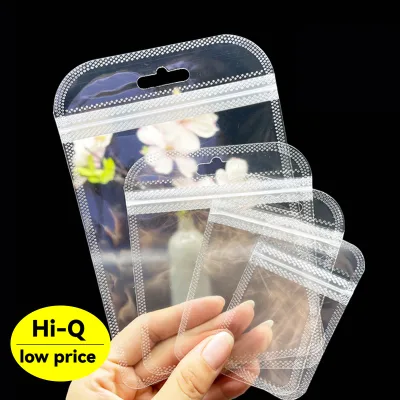


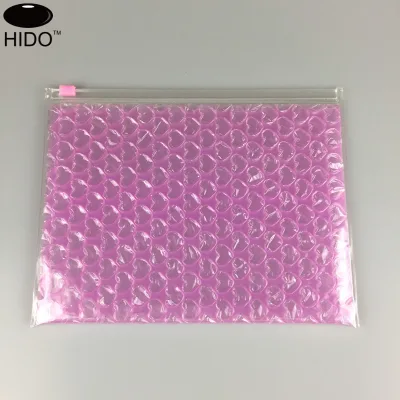
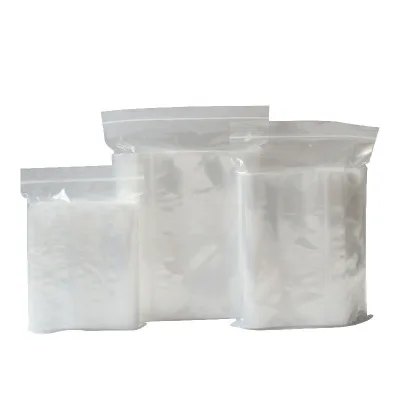


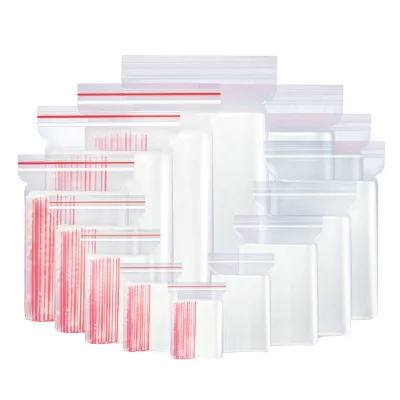


Comprehensive Sourcing Guide
Recyclable Waterproof Zip-Lock Pouch Sourcing Guide
Procurement teams must first distinguish between standard polyethylene solutions and truly recyclable or biodegradable variants, as the supplied data indicates conflicting material claims. While some listings explicitly state "Biodegradable" and "Degradable bag" models, others rely on standard LDPE or PE structures without confirming end-of-life processing capabilities. Buyers should verify if the "recyclable" designation refers to the material composition or the supplier's specific recycling program, ensuring the product aligns with genuine sustainability goals rather than generic marketing terms.
The observed product range includes diverse applications such as food, medical, cosmetic, and stationery packaging, which dictates the necessary barrier properties. Listings confirm features like moisture proof, waterproof, and mildewproof performance, yet the specific thickness varies from 0.05mm to 0.12mm depending on the model. Sourcing decisions must balance these functional requirements against the structural integrity needed for the intended industrial use, ensuring the selected pouch can withstand the specific weight limits and handling conditions of the supply chain.
Product Scope and Observed Listing Signals
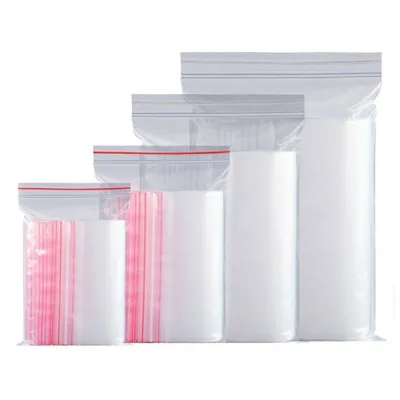
Buyers should analyze the observed listing signals to understand the breadth of available configurations, noting that sizes range from 16cm14cm to 27cm28cm with various other dimensions available. The data shows a clear segmentation between standard straight bags and specialized zipper top models, with some units offering customized logos and patterns. This variability requires a precise definition of the required dimensions and sealing mechanism before engaging suppliers, as the "zipper bag" and "ziplock bag" terms may refer to different structural designs in the market.
Commercial signals indicate a wide range of minimum order quantities, observed between 3 and 30,000 units, with specific listings citing 2,000 boxes as a baseline. The packaging format varies significantly, with some suppliers offering 30 pieces per box and 30 boxes per carton, while others utilize standard craton packing. Procurement strategies must account for these logistical constraints, as the single package size and gross weight of 0.1 kg per unit will directly impact freight costs and warehouse storage requirements for the final shipment.
Technical Specifications to Verify
Technical verification must begin with the material structure, as the data presents both LDPE and general PE options alongside claims of biodegradability. Buyers need to confirm the exact polymer blend and whether the "Low Pressure Polyethylene" cited is compatible with recycling streams or if it requires specific industrial composting conditions. The thickness specifications vary from 0.05mm to a standard range of 0.08-0.12mm, and selecting the correct gauge is critical for achieving the required weight limit of 5-10 kg without compromising the waterproof performance.
Sealing mechanisms and printing processes are equally critical, with listings citing both zipper tops and heat transfer printing alongside gravure printing methods. The hardness is described as partial hard, and transparency is noted as a feature, but these attributes must be validated against the specific product application. Buyers should request physical samples to test the seal integrity and print durability, ensuring that the pad printing or heat transfer processes do not compromise the moisture-proof or dustproof claims essential for food and cosmetic packaging.
Compliance and Safety Documentation
Safety documentation is paramount for food and medical applications, and the supplied context lists GMC, ISO 9001, and ISO 22000 certifications as available credentials. Procurement teams must verify that these certificates are current and specifically cover the production facility and the specific product line being ordered, rather than assuming they apply to all SKUs. The presence of these standards suggests a baseline for quality management and food safety, but buyers should request valid copies to ensure the supplier maintains these rigorous protocols throughout the manufacturing process.
Environmental compliance requires careful scrutiny of the "Biodegradable" and "Degradable" claims found in the product data. While the listings mention these features, the actual certification for biodegradability or recyclability is not explicitly detailed in the provided facts. Buyers must demand third-party test reports that validate the degradation timeline and conditions, ensuring the product meets local environmental regulations and does not rely on unverified marketing claims that could lead to compliance issues in the destination market.
Cost Drivers and Commercial Terms
Cost drivers are heavily influenced by the customization level, as the data confirms that OEM, logo printing, and pattern customization are accepted services. The inclusion of specific printing processes like pad printing and heat transfer adds complexity and cost compared to plain bags, and buyers should expect price variations based on the number of colors and the intricacy of the design. Additionally, the choice between standard LDPE and biodegradable materials will significantly impact the unit price, requiring a clear cost-benefit analysis before finalizing the order.
Commercial terms must address the observed delivery time of 35 days and the varying MOQs ranging from 3 to 30,000 units. Buyers should negotiate lead times based on the complexity of the customization and the current production capacity of the supplier, particularly given the origin locations in Fujian and Guangdong, China. Payment terms and shipping responsibilities should be clearly defined to manage the risk of delays, ensuring that the 35-day delivery window is realistic for the specific order volume and packaging configuration selected.
Supplier Qualification and Quality Control
Supplier qualification should focus on the manufacturing origin and the specific capabilities listed, such as the ability to produce custom designs and handle various bag types. The data indicates origins in Fujian and Guangdong, China, regions known for plastic packaging, but buyers must verify the specific factory's capacity to handle the required volume and quality standards. Checking the supplier's track record for delivering on the 35-day timeline and maintaining the ISO certifications is essential to mitigate the risk of supply chain disruptions.
Quality control protocols must be established to ensure consistency in thickness, sealing strength, and print quality across the entire order. Given the observed thickness range and the critical nature of waterproof and moisture-proof features, buyers should implement a rigorous inspection plan that includes random sampling and stress testing. The supplier's ability to provide pre-shipment samples and adhere to the specified single package size and gross weight requirements is a key indicator of their operational discipline and quality assurance maturity.
Long-Term Procurement Checks
Long-term procurement success depends on the supplier's ability to maintain consistent material quality and adhere to evolving environmental standards. Buyers should establish a periodic review process to verify that the "Biodegradable" or recyclable claims remain valid as regulations change and new testing methods emerge. Continuous monitoring of the supplier's certification status, particularly ISO 22000 for food safety, ensures that the product remains compliant with international standards over the duration of the contract.
Strategic partnerships should be built on the supplier's flexibility regarding customization and their responsiveness to design changes. The data shows that customization is available, but long-term viability requires a supplier who can scale production while maintaining the specific thickness and sealing performance required. Buyers should regularly assess the supplier's ability to meet the weight limits and application requirements for diverse uses, from shopping to medical packaging, ensuring the supply chain remains robust and adaptable to future market demands.
FAQs
Can these zip-lock pouches be customized with a logo?
Yes, logo printing is available for these recyclable waterproof zip-lock pouches. The supplier accepts OEM and custom orders, allowing for personalized patterns and branding. Pad printing and heat transfer processes are utilized to apply designs. This service ensures that your packaging meets specific brand identity requirements while maintaining the product's moisture-proof and waterproof performance.
What certifications do these plastic bags hold?
These bags hold GMC, ISO 9001, and ISO22000 certifications. These credentials verify that the manufacturing process meets international quality and food safety standards. The products are suitable for industrial use in food packaging, ensuring safety and compliance. Buyers can rely on these documented standards when sourcing packaging solutions for sensitive applications requiring strict regulatory adherence.
What is the minimum order quantity for these pouches?
The minimum order quantity is 2000 boxes. This MOQ applies to the standard zipper bag products sourced from Fujian, China. Buyers should consider this threshold when planning procurement volumes. The packaging is typically supplied in boxes of 30 pieces, with 30 boxes per carton, facilitating efficient logistics and storage for bulk orders.
How long does delivery take for these bags?
The delivery time is 35 days from order confirmation. This lead time applies to the production and shipping of the zip-lock pouches. Buyers should factor this duration into their supply chain planning. The products originate from Fujian, China, and are designed for various applications including shopping, packing, and household use, ensuring timely availability for diverse needs.
What materials are used to make these waterproof bags?
These bags are made from LDPE, which stands for Low Density Polyethylene. This material structure provides excellent moisture-proof and waterproof performance. The plastic type ensures durability and flexibility for various packaging needs. The material is also noted for being biodegradable, offering an environmentally friendly option for recyclable waterproof zip-lock pouch applications in food and cosmetic sectors.
What are the available sizes for these ziplock bags?
Various sizes are available, including 16cm by 14cm and 27cm by 28cm. The single package size is 17cm by 4cm by 8cm. These dimensions cater to different packaging requirements for stationery, medical, and gift items. Buyers can select the appropriate size based on their specific product dimensions, ensuring a secure and snug fit for their packaging needs.